“The Cabinet of Dr. Caligari” is one of the most disturbing and pessimistic films in early cinema history, both for its story and for its expressionist aesthetic overflowing with angles, shadows, and claustrophobic spaces. Years later, when the fleeting precursor genius of Robert Wiene made “The Hands of Orlac”, he seems to have wanted to redeem himself from the criticisms conventional audiences often direct at a filmmaker: the lack of a happy ending and the ambiguity inherent to the fantastic.
The intriguing plot of “The Hands of Orlac” takes both of those aspects into account and also places its emphasis on the love between a couple, which in his previous film could not be fulfilled but here becomes the central support of the story.
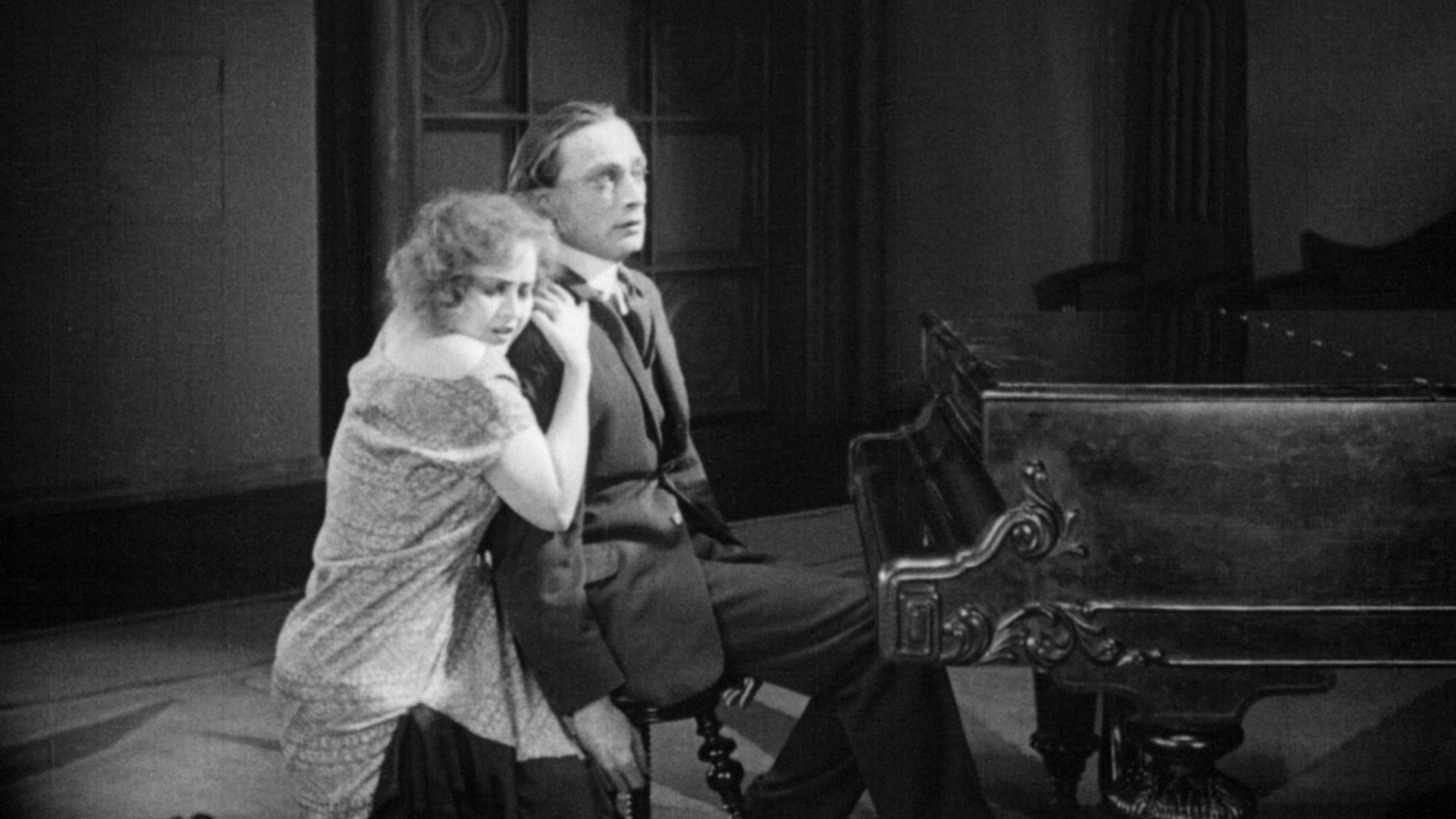
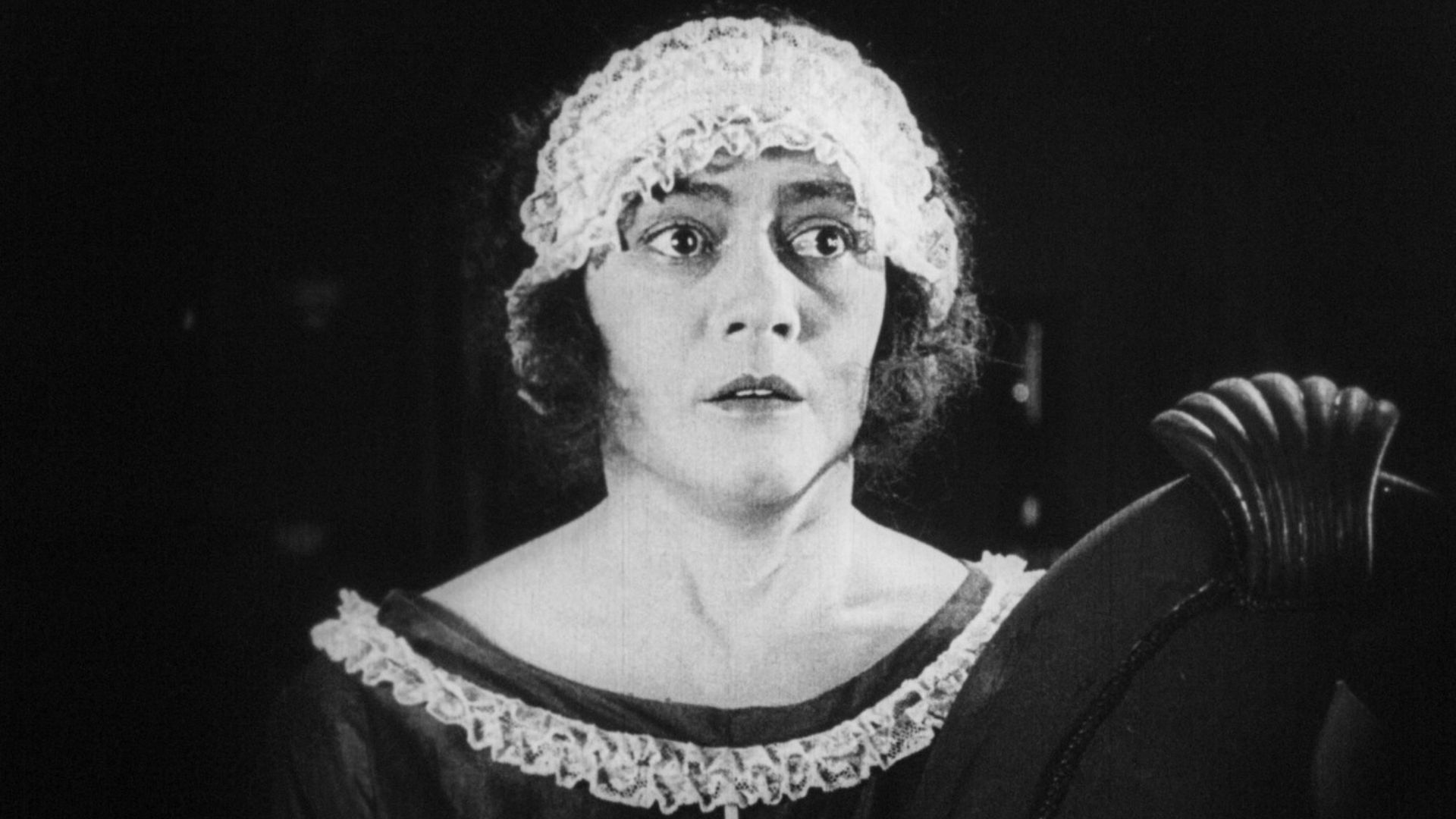
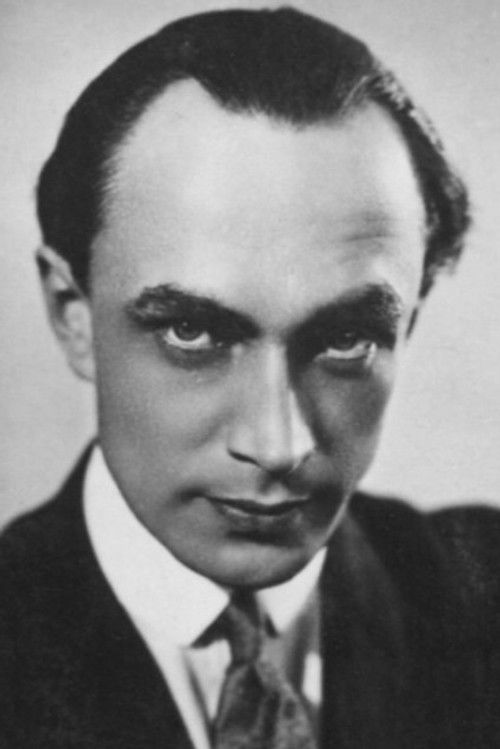
The very beginning of the film is the text of a passionate letter in which Orlac, far away giving a piano recital, reminds his wife that only one day remains before their reunion, emphasizing his desire for her. While she awaits the promised caresses and fills the gloomy spaces with flowers, we learn through parallel editing that a train crash has occurred.
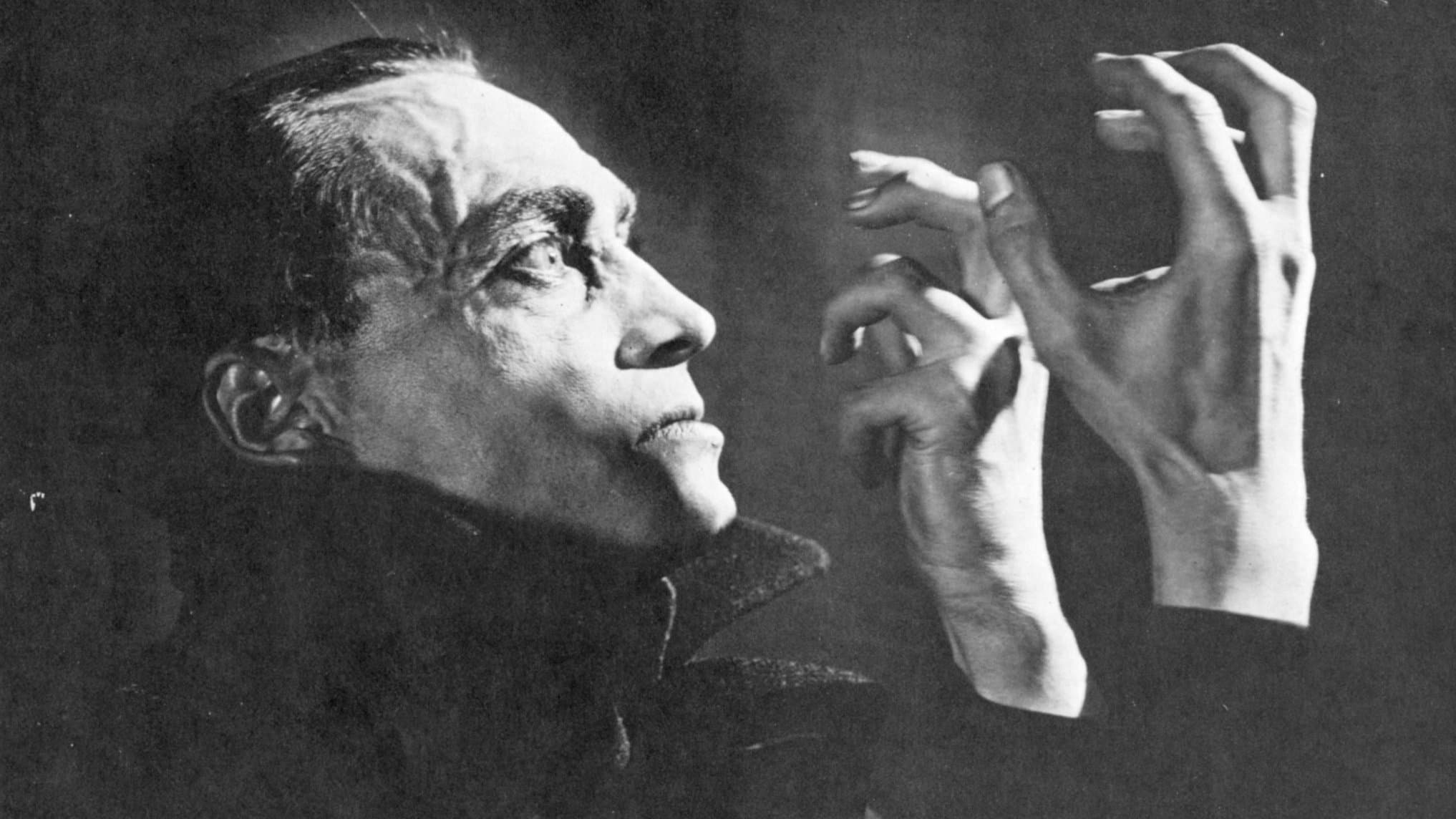
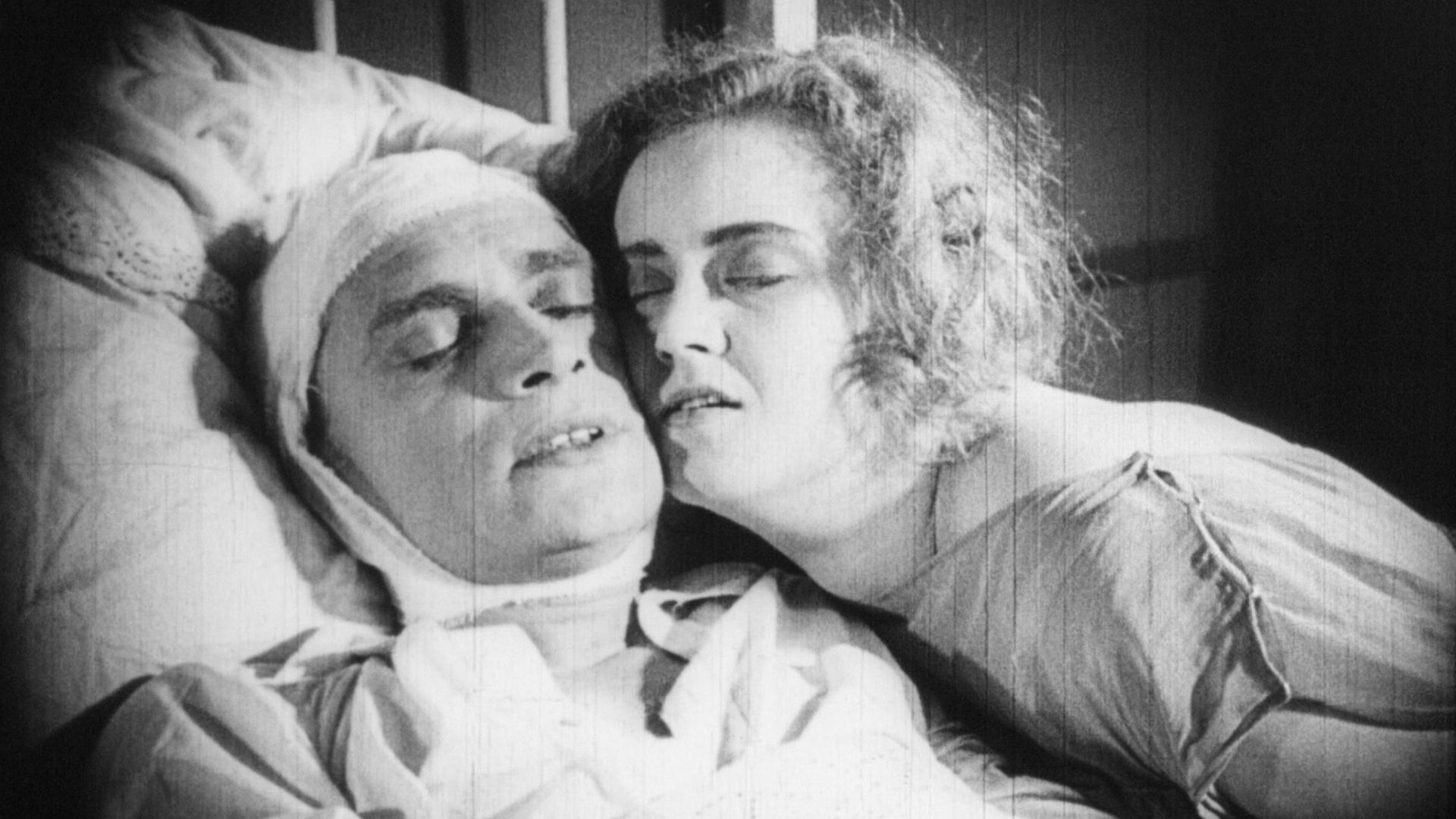
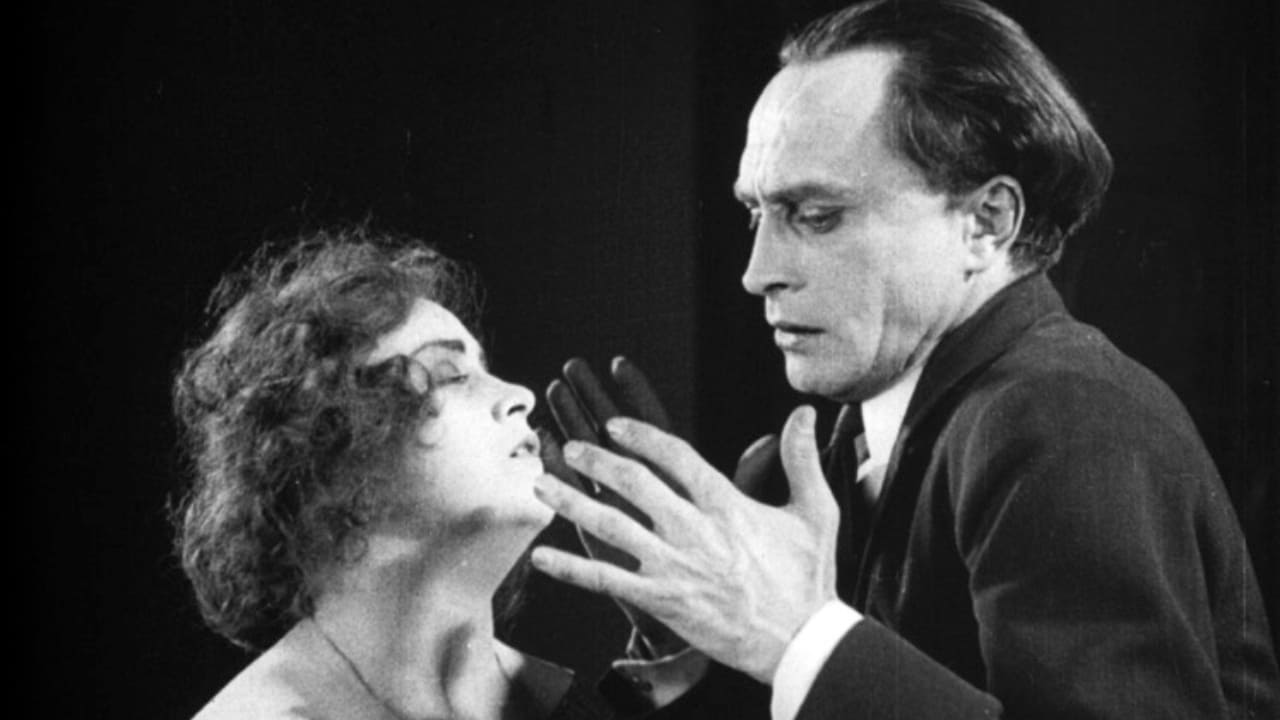
The drama begins when it is discovered that Orlac was one of the passengers and that his hands have been destroyed. Faced with his wife’s desperation, the surgeon decides to transplant onto him the hands of someone who has just died: Vasseur, a murderer.
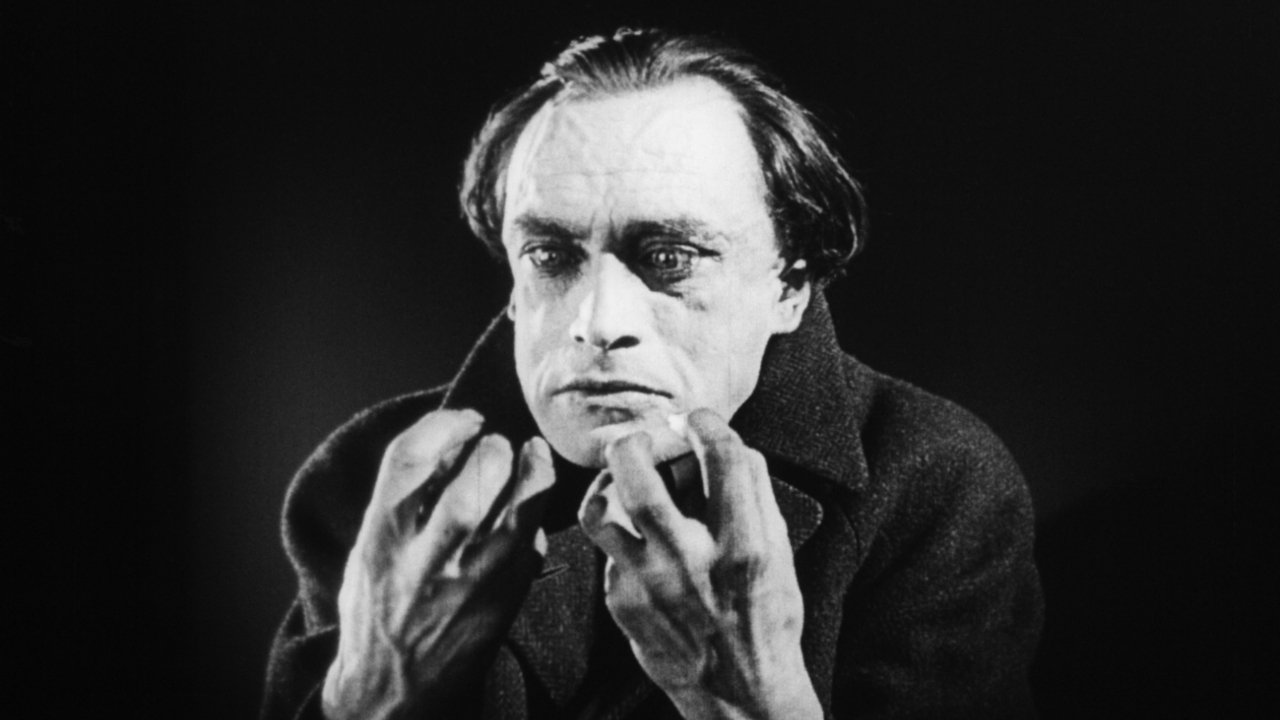
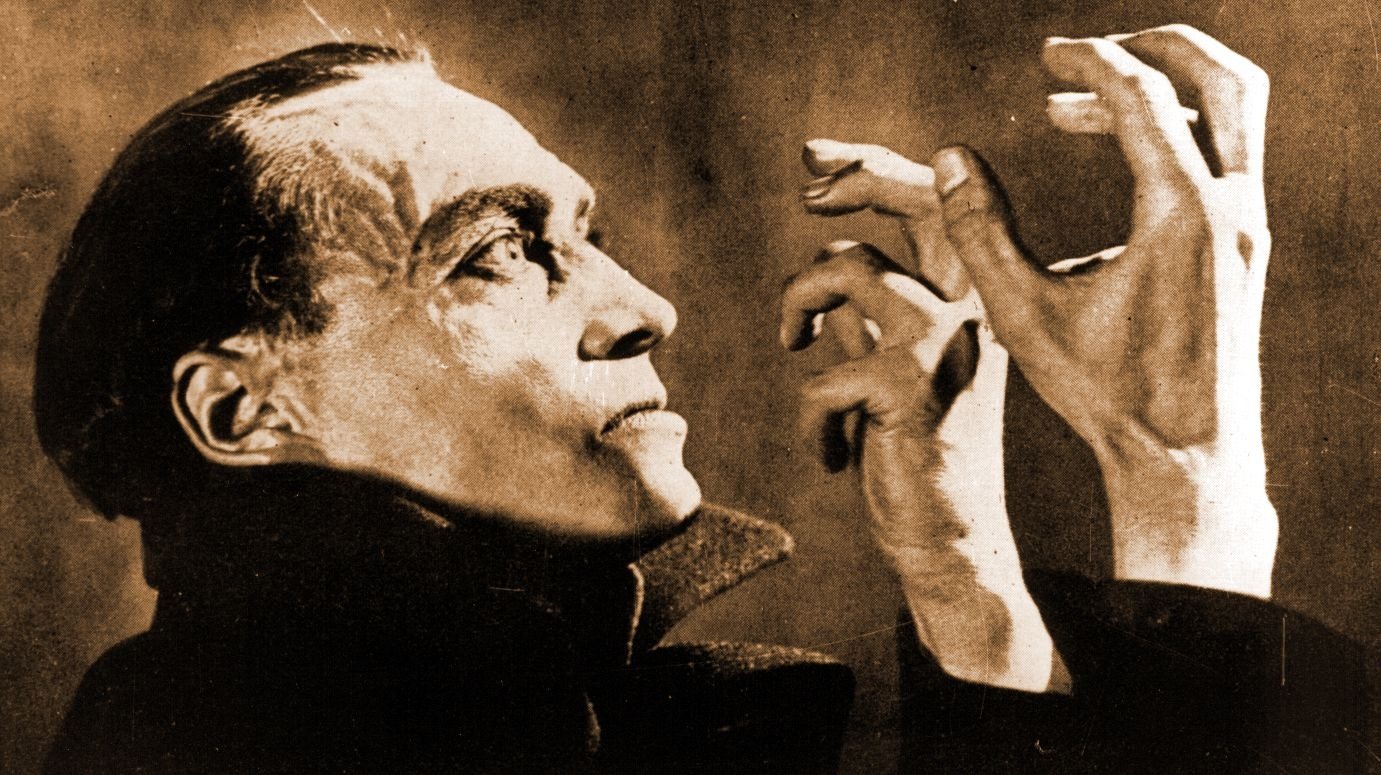
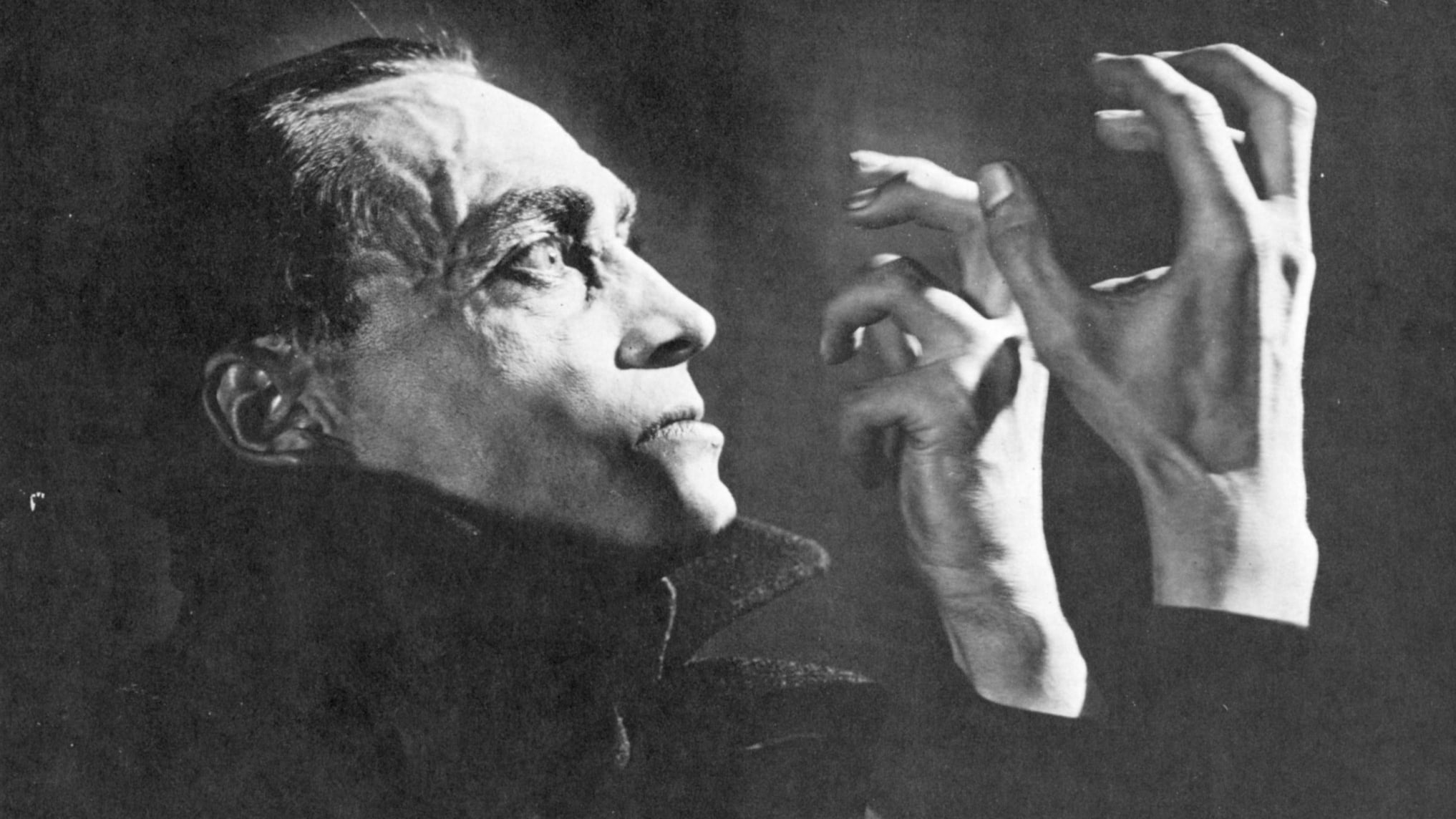
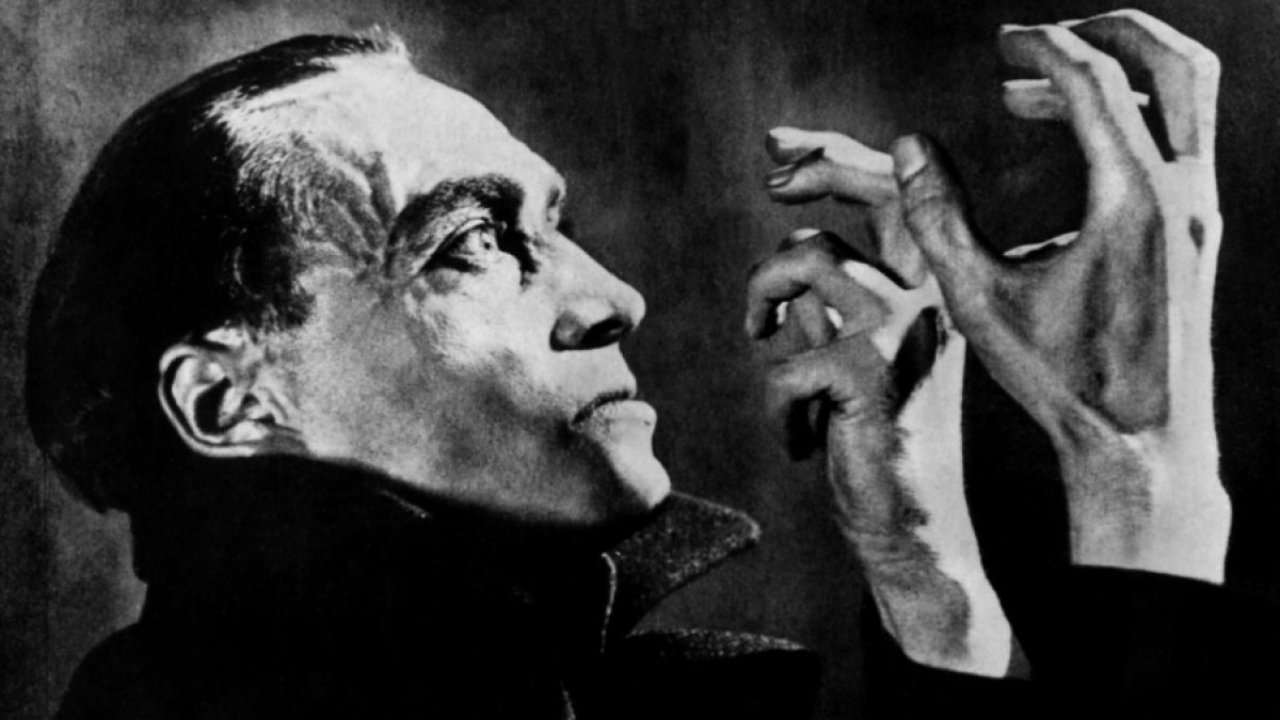
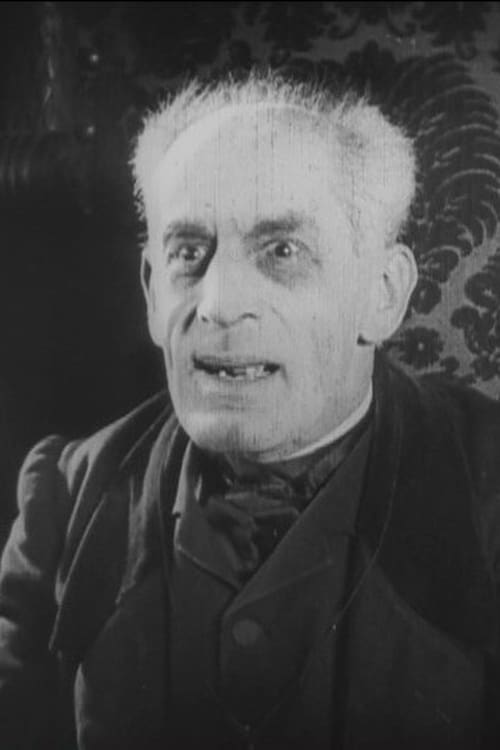
The protagonist’s dilemma is doubly abyssal: the essential part of him needed to practice his art has been replaced by that of a stranger. But worse than that is the fact that those hands committed a horrifying crime. The moral dilemmas and anguish continue to intensify, yet the screenplay reserves surprises that radically change the perspective. This is achieved without resorting to magic, but rather through a rational discourse in which every new and unexpected plot development is justified.
These ideas function much like the tales of Edgar Allan Poe: horror becomes less horrifying if it can be understood and explained. This is one of the ways Wiene leans toward softening so much pain and skepticism. An essential work of german expressionism that helps complete the worldview of this filmmaker, who would later be forced into exile by the rise of Nazism.
“The Cabinet of Dr. Caligari” is one of the most disturbing and pessimistic films in early cinema history, both for its story and for its expressionist aesthetic overflowing with angles, shadows, and claustrophobic spaces. Years later, when the fleeting precursor genius of Robert Wiene made “The Hands of Orlac”, he seems to have wanted to redeem himself from the criticisms conventional audiences often direct at a filmmaker: the lack of a happy ending and the ambiguity inherent to the fantastic.
The intriguing plot of “The Hands of Orlac” takes both of those aspects into account and also places its emphasis on the love between a couple, which in his previous film could not be fulfilled but here becomes the central support of the story.
The very beginning of the film is the text of a passionate letter in which Orlac, far away giving a piano recital, reminds his wife that only one day remains before their reunion, emphasizing his desire for her. While she awaits the promised caresses and fills the gloomy spaces with flowers, we learn through parallel editing that a train crash has occurred.
The drama begins when it is discovered that Orlac was one of the passengers and that his hands have been destroyed. Faced with his wife’s desperation, the surgeon decides to transplant onto him the hands of someone who has just died: Vasseur, a murderer.
The protagonist’s dilemma is doubly abyssal: the essential part of him needed to practice his art has been replaced by that of a stranger. But worse than that is the fact that those hands committed a horrifying crime. The moral dilemmas and anguish continue to intensify, yet the screenplay reserves surprises that radically change the perspective. This is achieved without resorting to magic, but rather through a rational discourse in which every new and unexpected plot development is justified.
These ideas function much like the tales of Edgar Allan Poe: horror becomes less horrifying if it can be understood and explained. This is one of the ways Wiene leans toward softening so much pain and skepticism. An essential work of german expressionism that helps complete the worldview of this filmmaker, who would later be forced into exile by the rise of Nazism.