
1948·Western·1h 28m
7.0
★
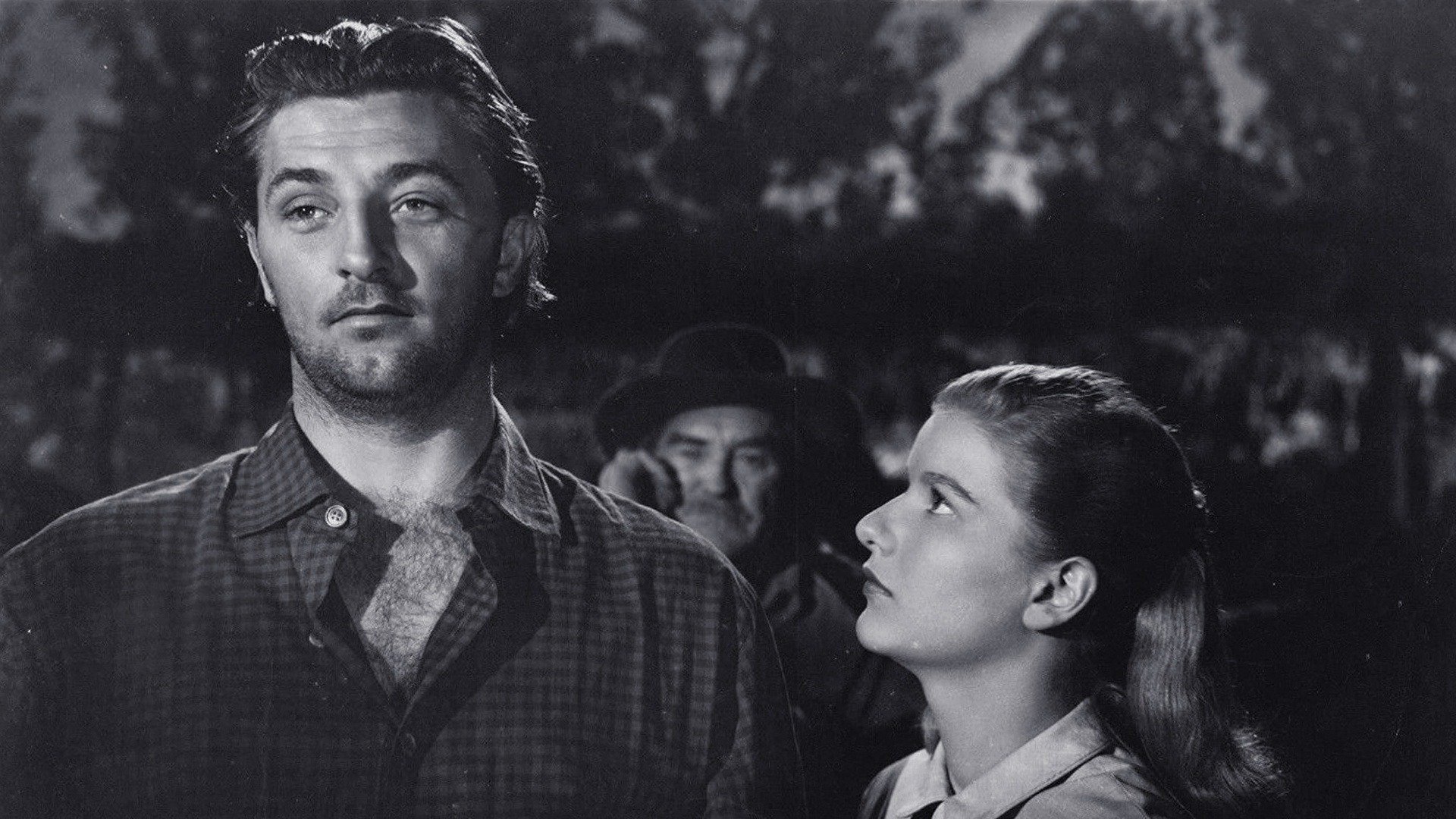
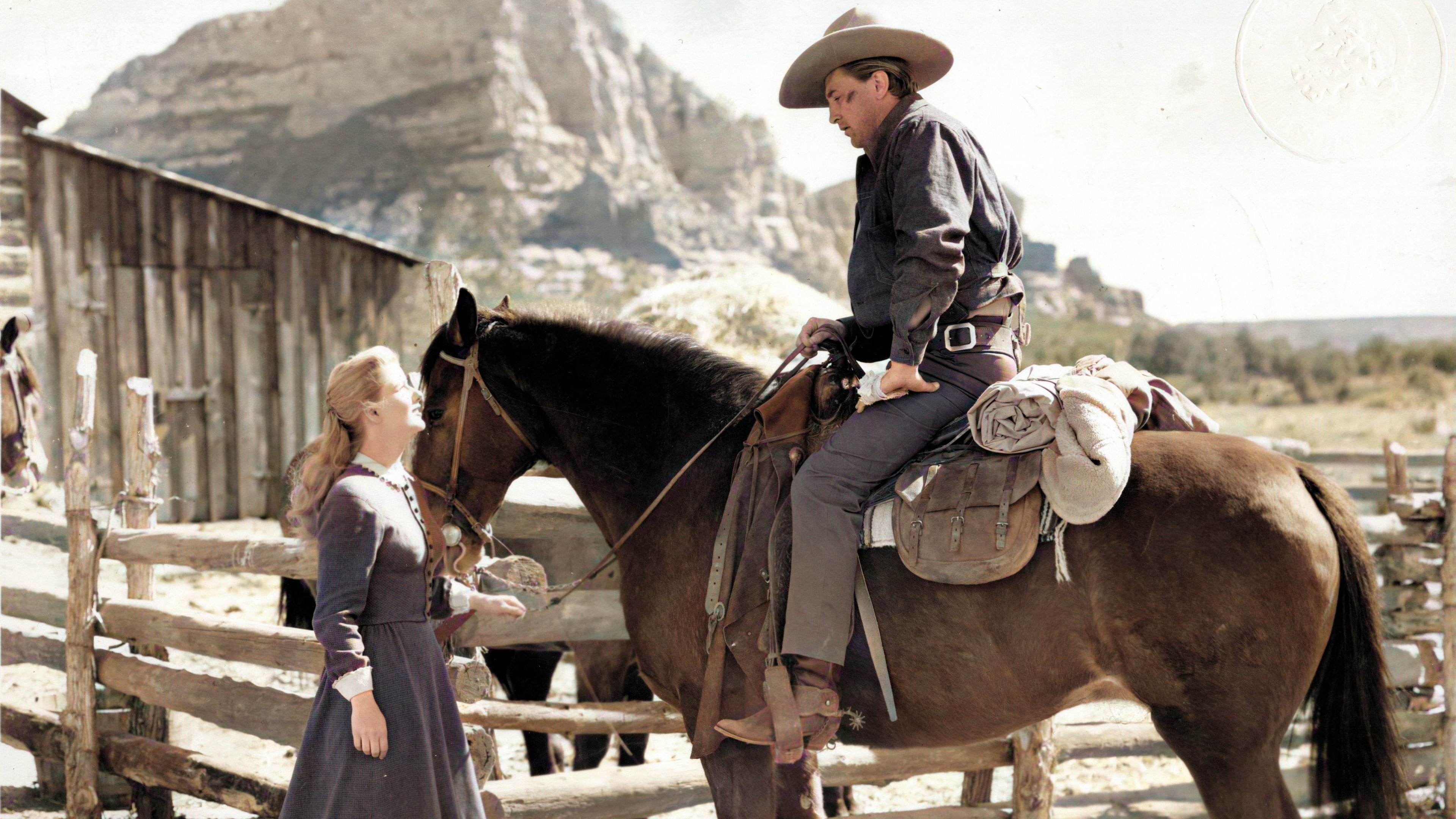
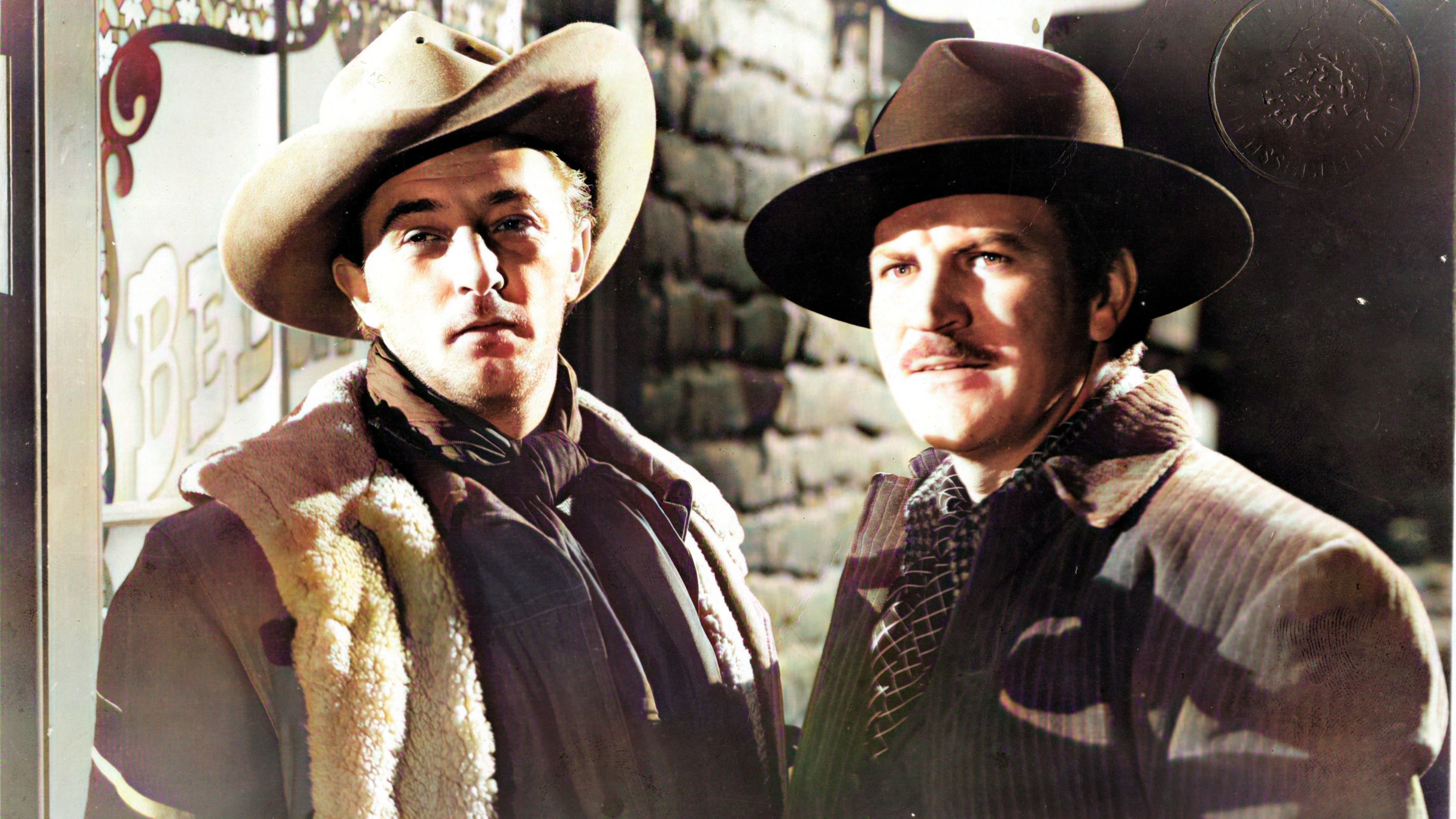
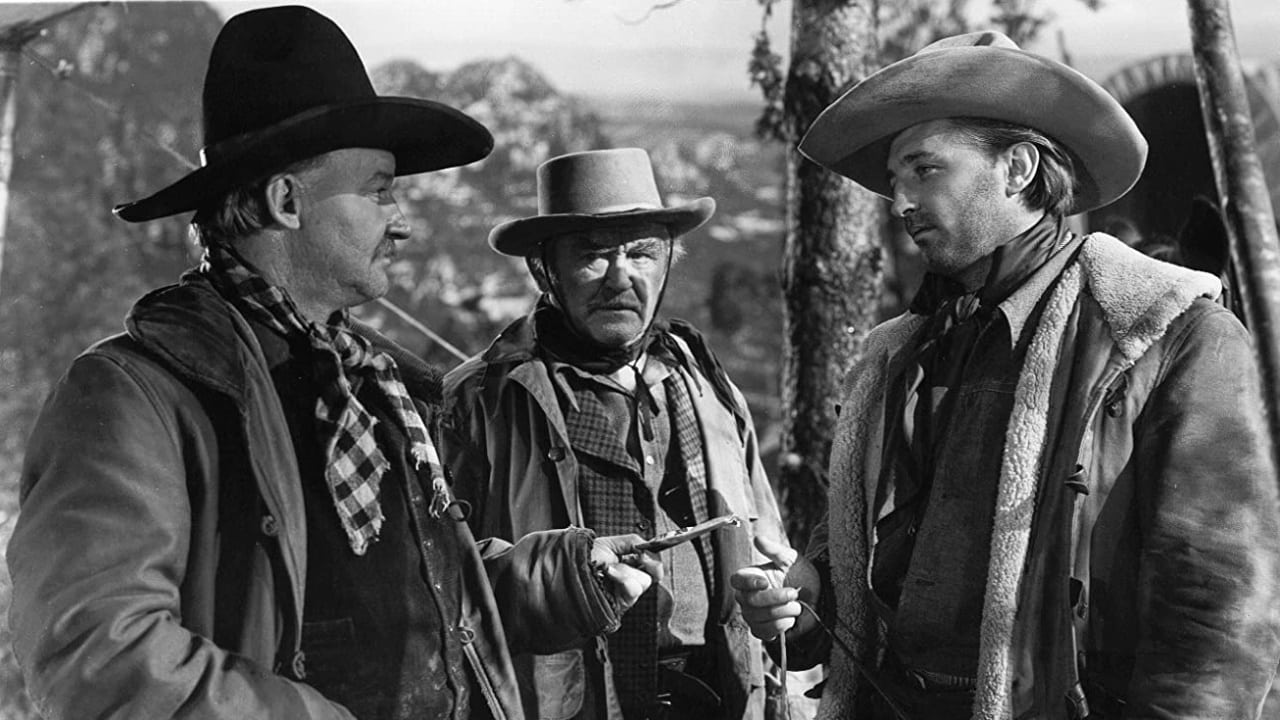
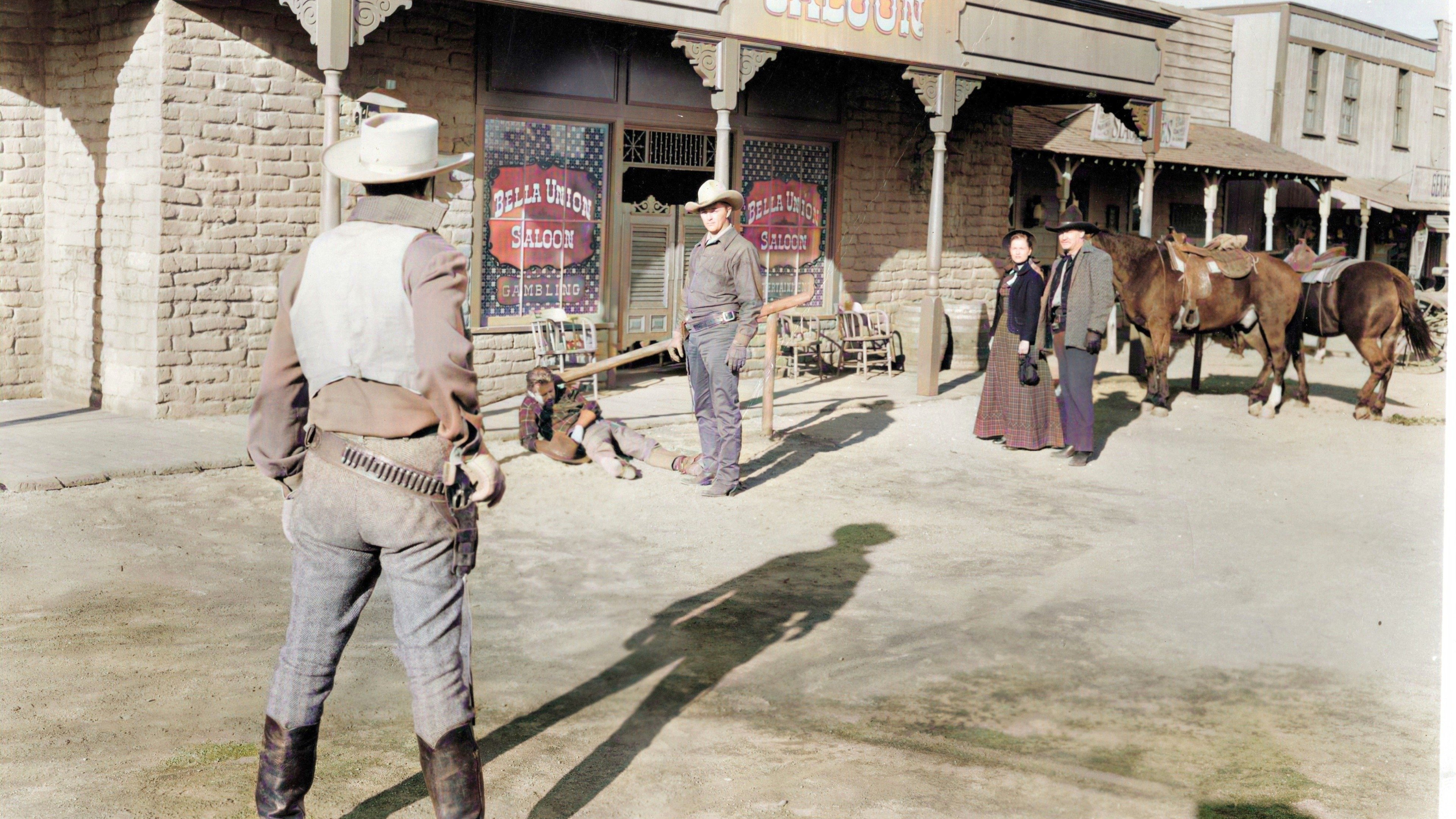
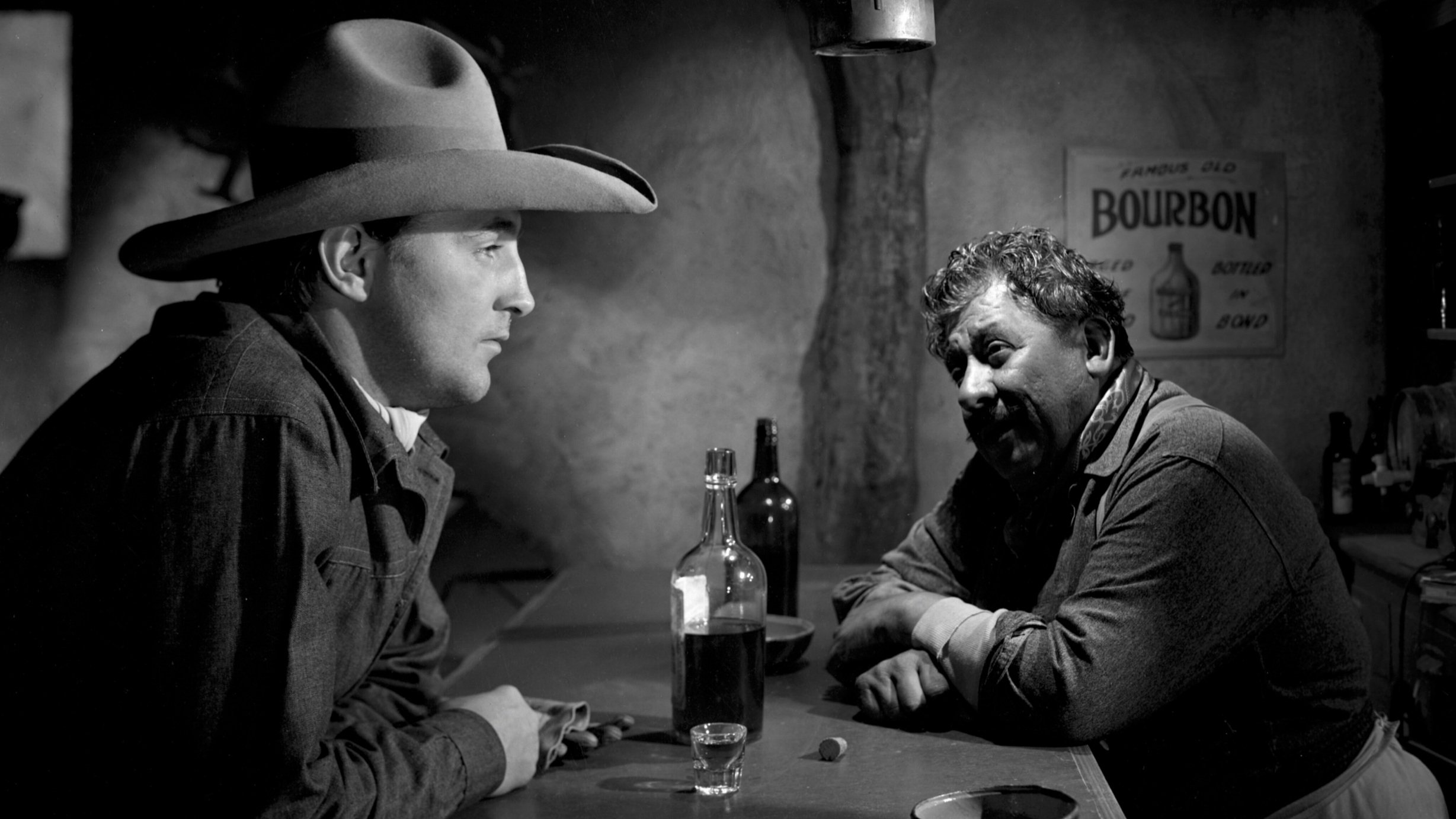
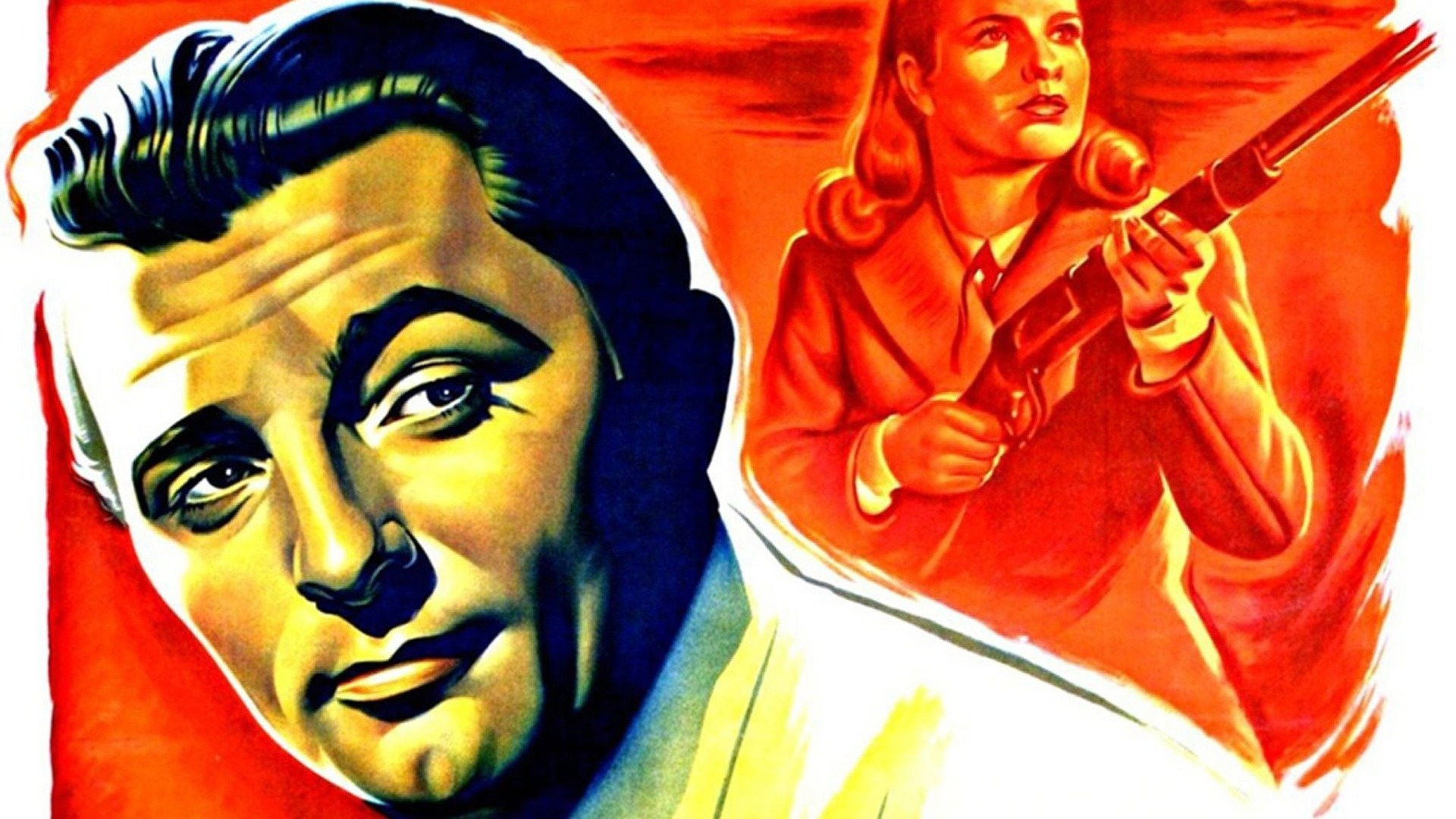
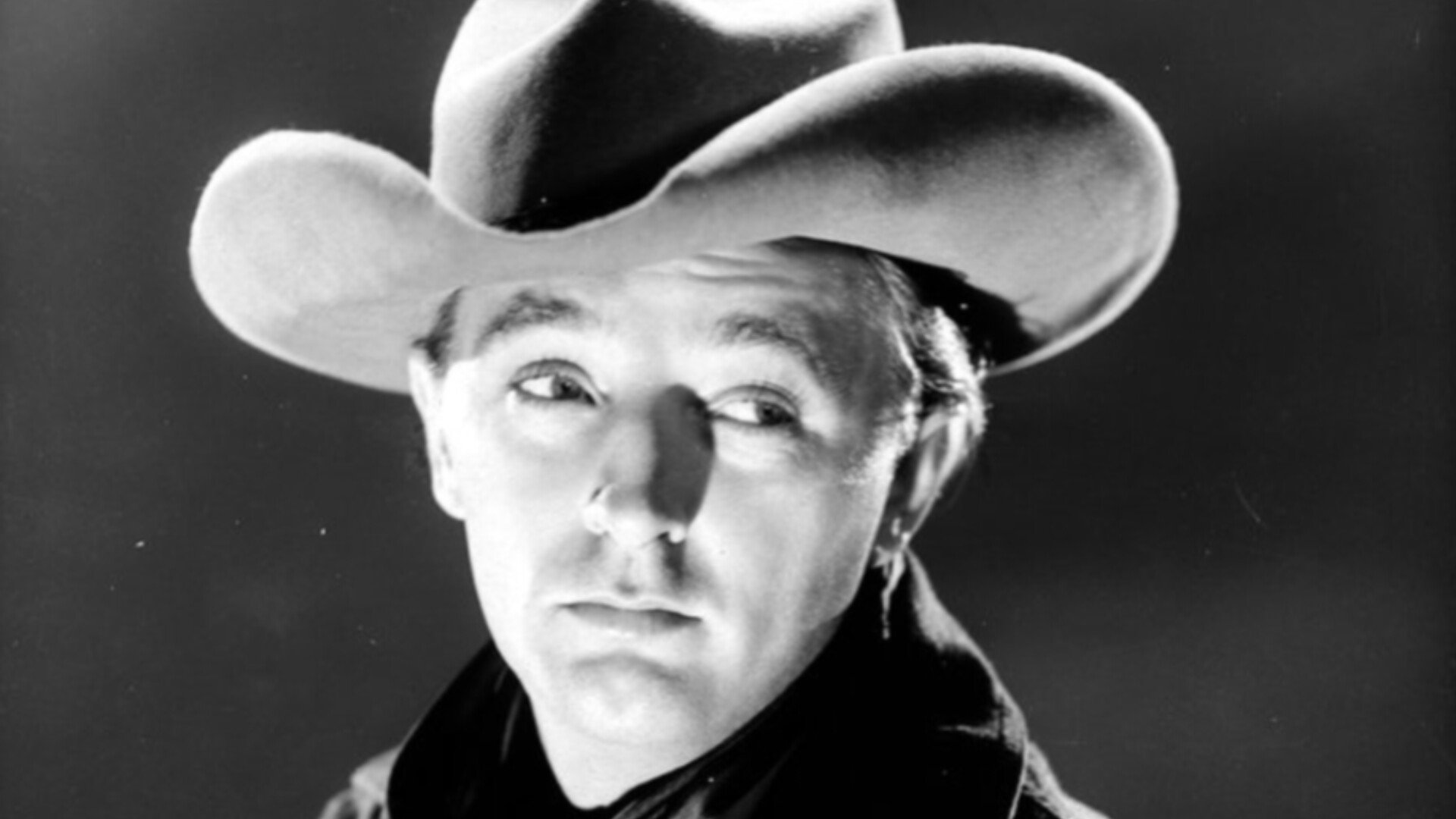
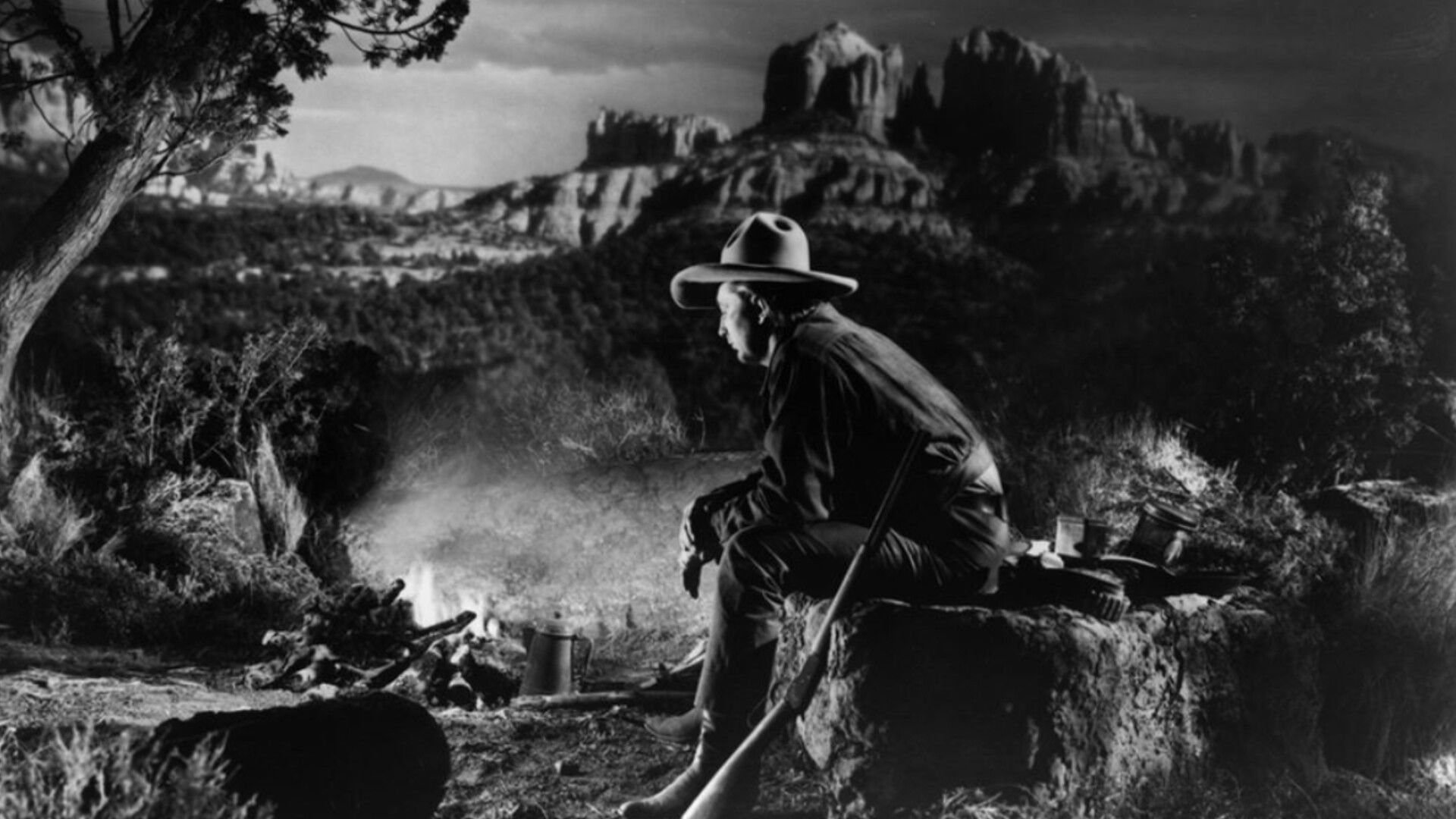
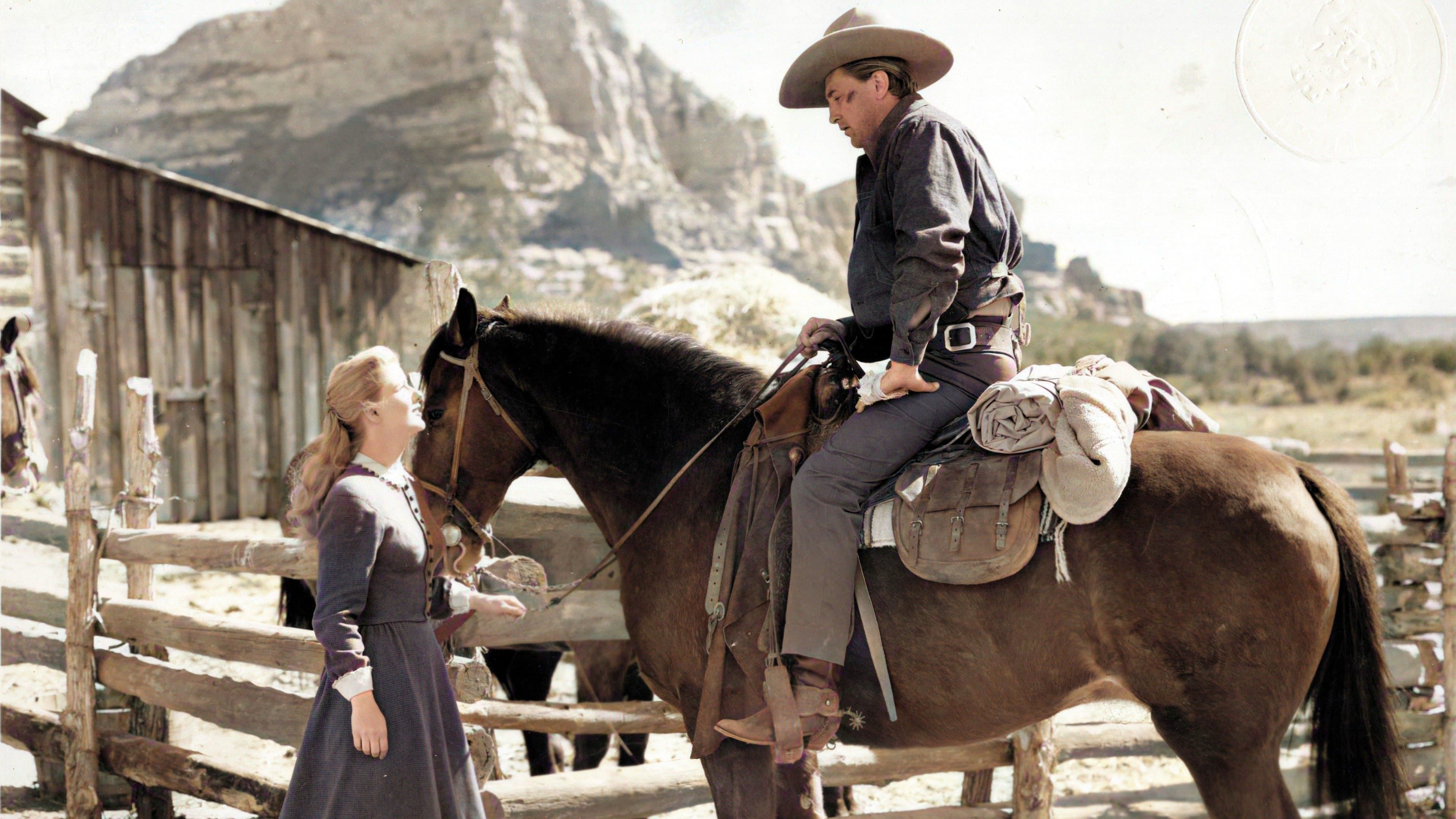
Down-and-out cowhand Jim Garry is asked by his old friend Tate Riling to help mediate a cattle dispute. When Garry arrives, however, it soon becomes clear that Riling has not been entirely forthright. Garry uncovers Riling's plot to dupe local rancher John Lufton out of a fortune. When Lufton's firecracker of a daughter, Amy, gets involved, Garry must choose between his old loyalties and what he knows to be right.
Directed by Robert Wise
daughter
cattle drive
homesteader
drifter
cattle baron
herd
corrupt official
neighbor feud
western noir
cowboys
rancher

Trailer

IMDB
N/A
Where to Watch


Cast
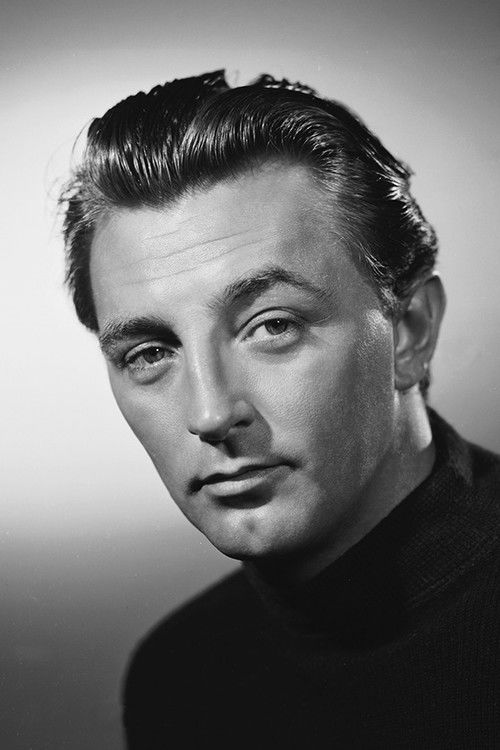
Robert Mitchum
Jim Garry
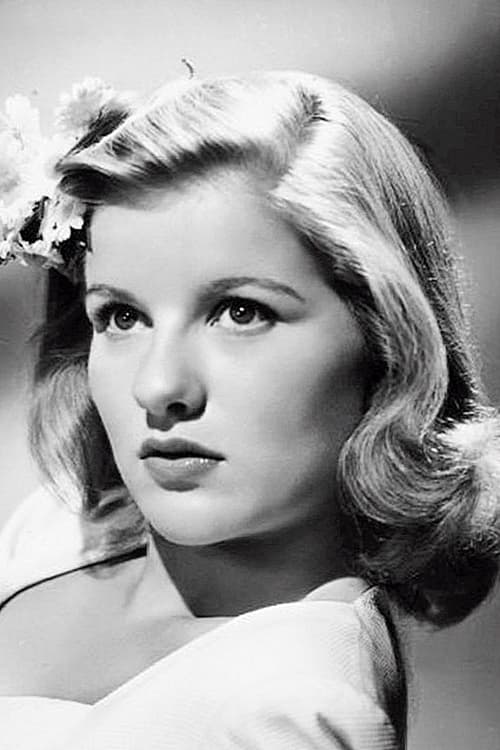
Barbara Bel Geddes
Amy Lufton
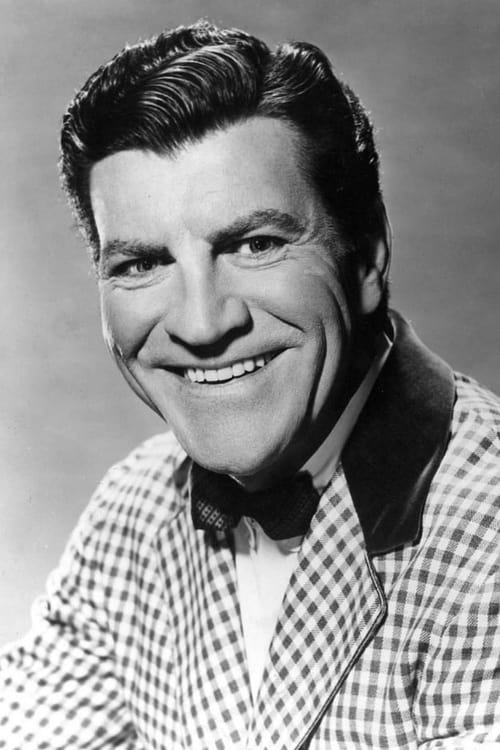
Robert Preston
Tate Riling
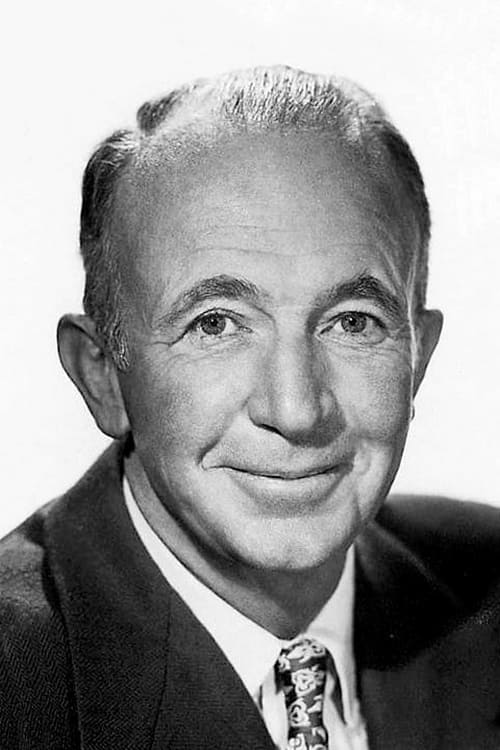
Walter Brennan
Kris Barden
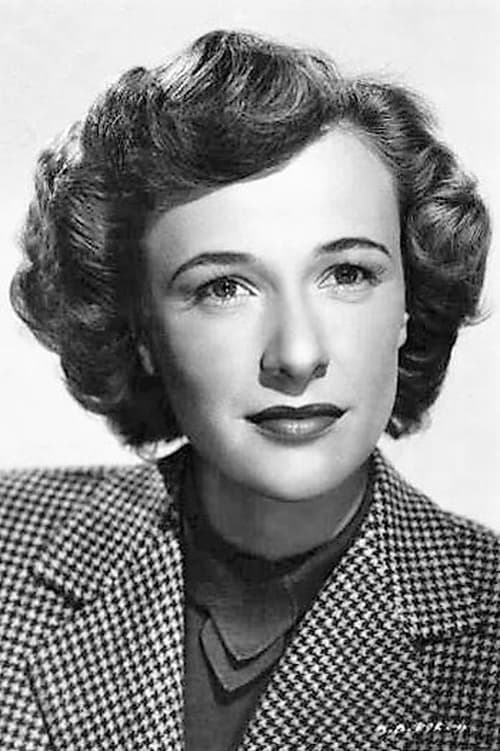
Phyllis Thaxter
Carol Lufton
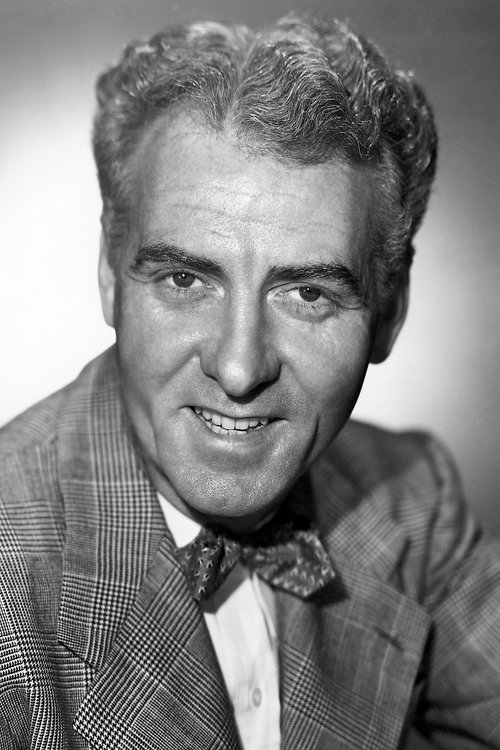
Frank Faylen
Jake Pindalest
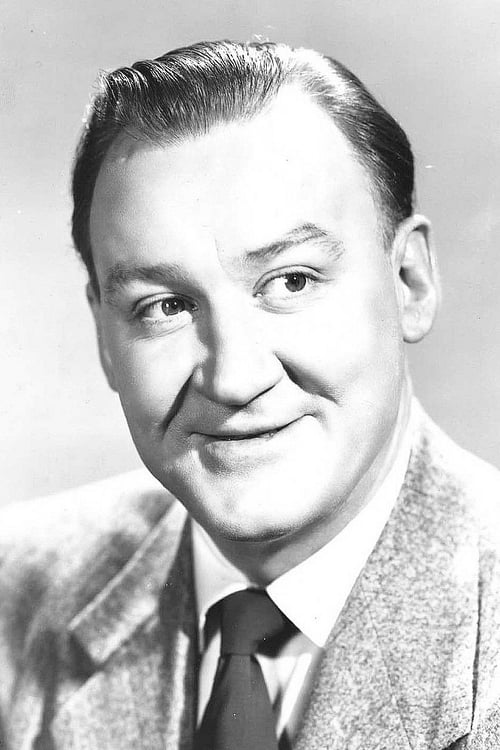
Tom Tully
John Lufton
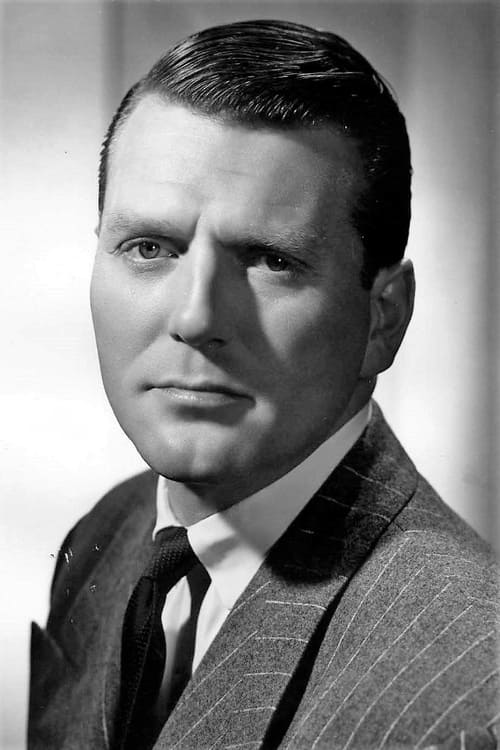
Charles McGraw
Milo Sweet
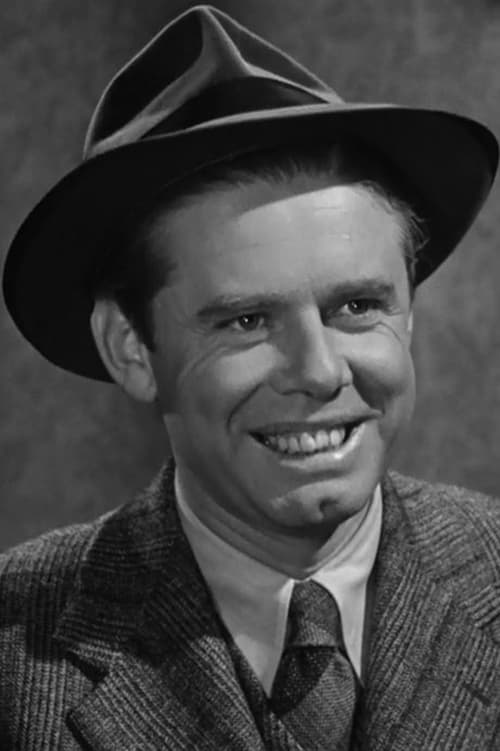
Clifton Young
Joe Shotten
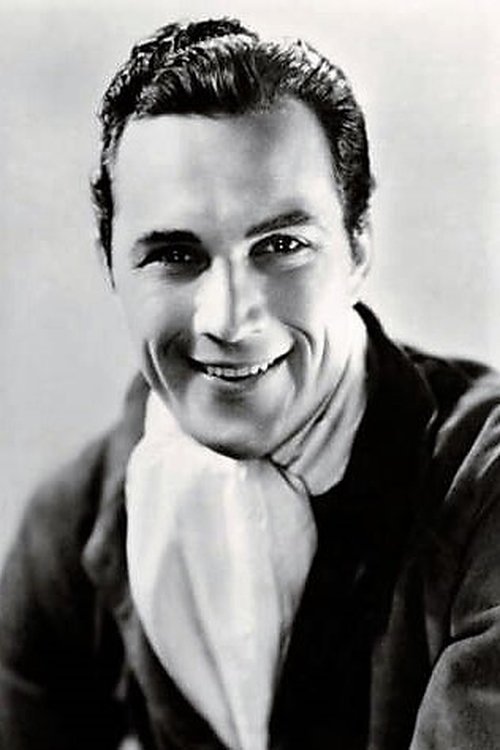
Tom Tyler
Frank Reardon
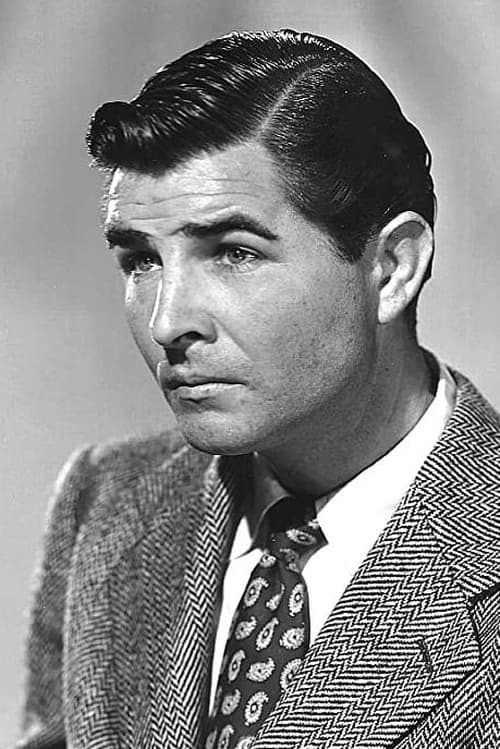
George Cooper
Fred Barden
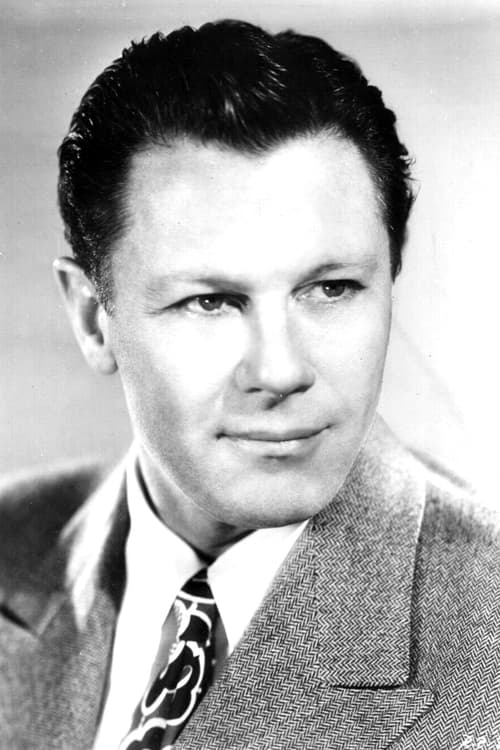
Tom Keene
Ted Elser
Crew
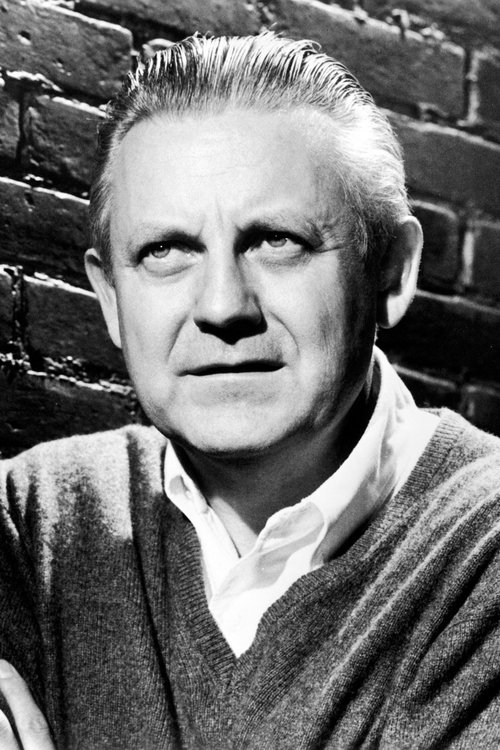
Robert Wise
Director
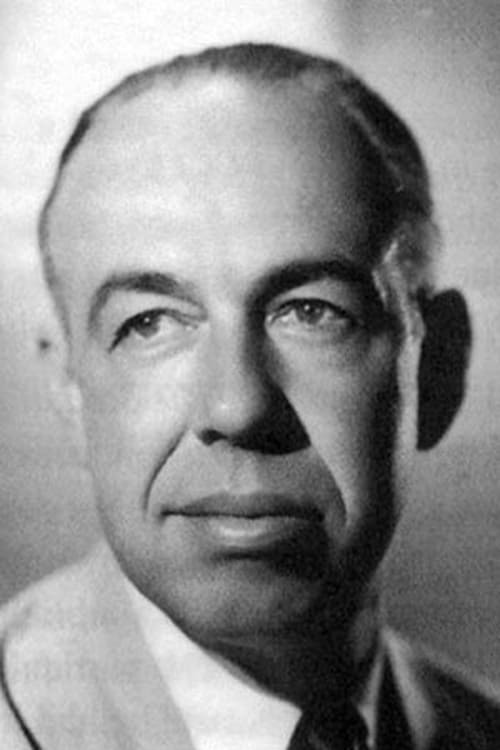
Roy Webb
Original Music Composer
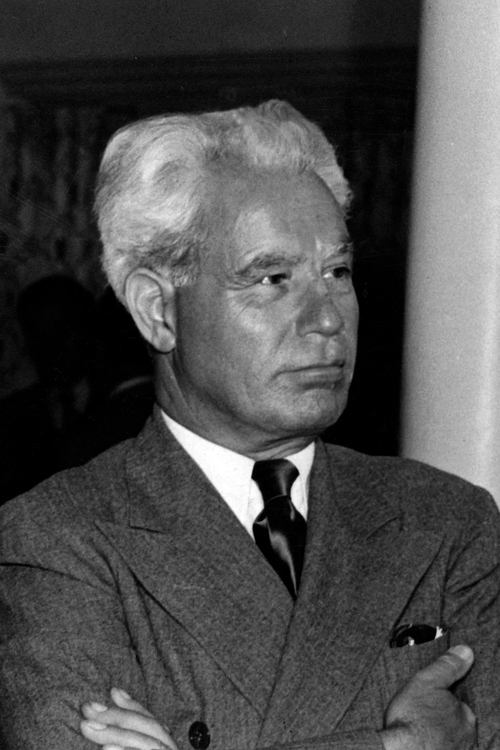
Nicholas Musuraca
Director of Photography
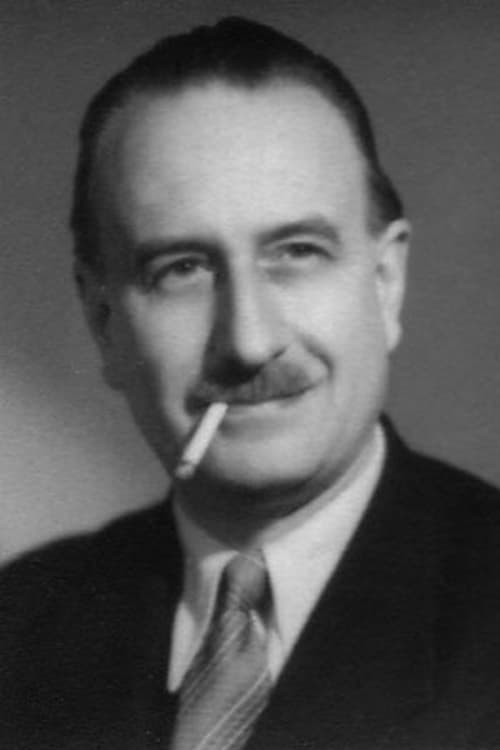
Albert S. D'Agostino
Art Direction
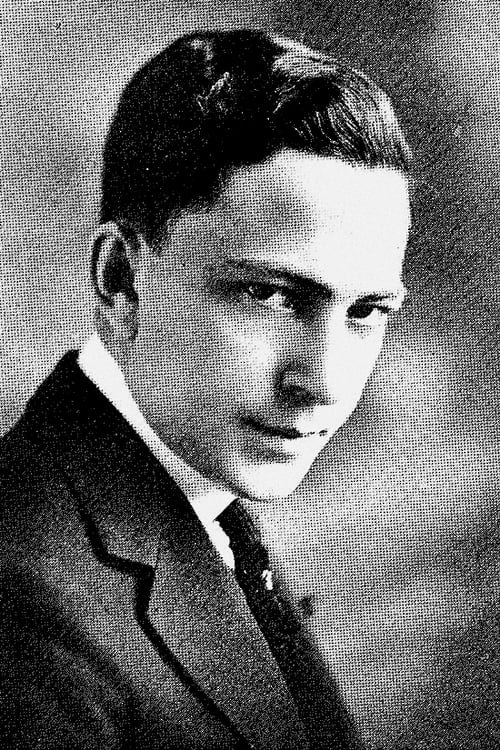
C. Bakaleinikoff
Music Director
Popular Reviews
16 reviews
Will
8.0★ · 05/27/26

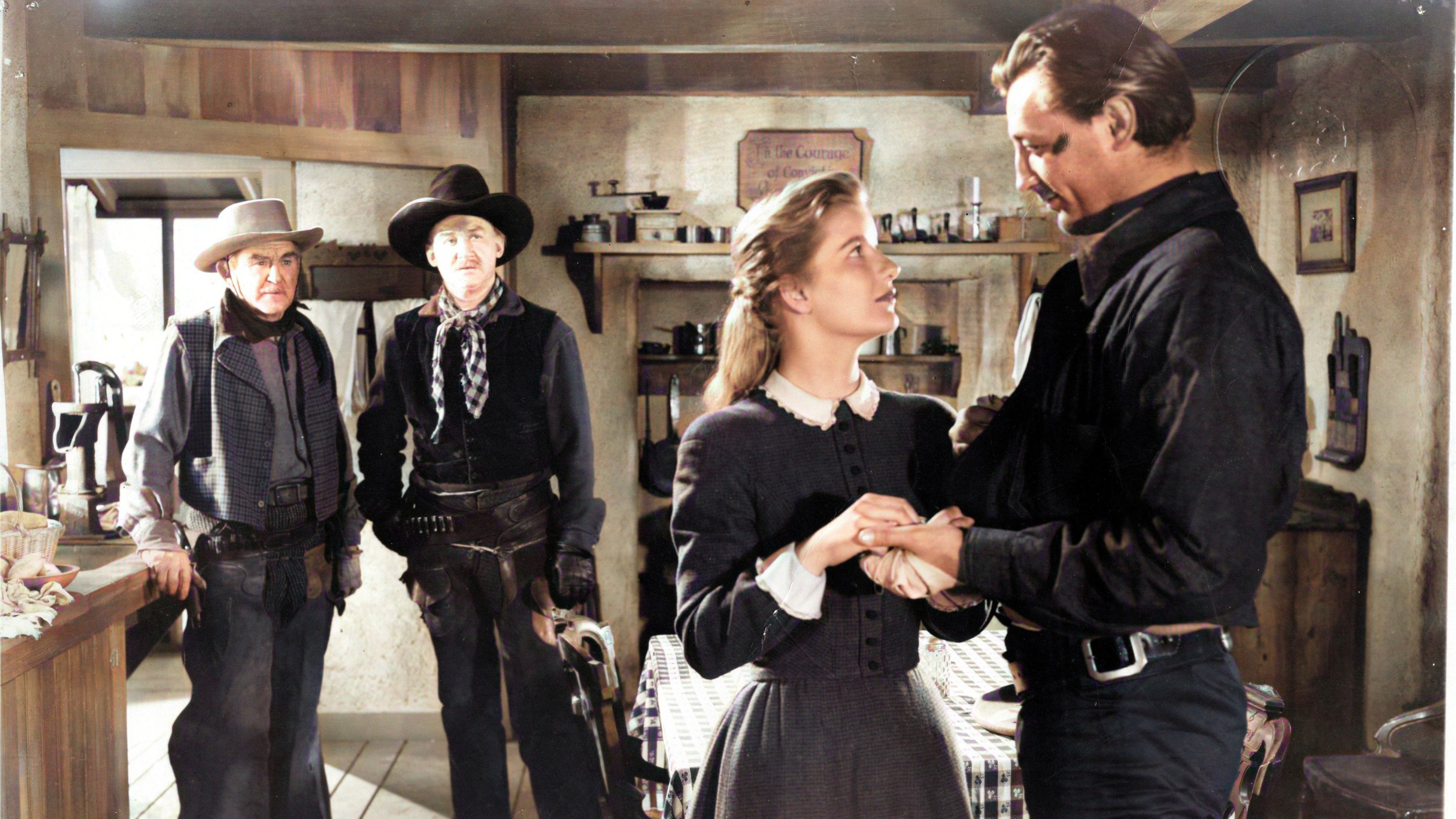
Our greatest living filmmaker lists Blood on the Moon as a key companion piece to his latest masterpiece, and it’s not hard to see how or why. A Western tinged with betrayal and deception and familial blood shed over property and capital. The use of shadows in this thing is just breathtaking. Feels more like a film noir that happens to have the Western genre operating as window dressing. You get the stunning depictions of the frontier and the terrain that you’d expect of any given classic within the genre, of course, but the film almost seems far more content to bathe in the dark of night and coast off a mysterious, secretive energy. The third act ends rather sentimentally, sure, but it also really builds upon its lead actor’s reputation as one of American cinema’s great anti-heroes, obscuring him from light and letting him lurk through the trees, picking off the bad guys one by one like a wraith. Staggeringly gritty and brutal for the period in which it was made. When people fight with their hands, it’s violent and animalistic and depicted as if these two people are actually trying to kill one another. Case in point: absolutely electric shot of Walter Brennan (who is wonderful in the film) lingering in the doorway after a savage fight in a bar, smoking gun in his hand, the only sound in the backdrop being Robert Mitchum’s ragged and exhausted breathing. A highlight of the ruthlessness that exists rather prevalently across the runtime, as if you’ve sat through a very real and authentic example of what happens when people act like caged animals. And what the aftermath looks and sounds like. The key, crucial standout note to me upon this first viewing is that Robert Wise’s film seems to believe that love can absolve you of your crimes and your sins, a sentiment that Scorsese’s Killers of the Flower Moon wholeheartedly rejects. Robert Mitchum was one of Old Hollywood’s greatest assets and here is no different. He makes for a rather exceptional hired gun who chooses to redeem himself when he realizes he’s been deceived into crime and murder. The chemistry he has with Barbara Bel Geddes is the thing that kept me most consistently hooked. That the film has such a brief runtime and still manages to convincingly take these two on a journey that begins with them shooting at each other across a pond and culminates with them realizing that they belong with one another other is a testament to the craft on display. There is something about a violent man (specifically within the Western genre) being lulled into domesticity by a strong woman that I find irresistible from a storytelling perspective. Get plenty of that here. For a film that is so frequently angry and deceitful and quick to violence, to hone a slow burn, rather understated romance at the epicenter makes for an incredibly compelling plight in favor of what love can do. That the film was written by a woman and so prominently features capable women in roles that have agency and who are illustrated as possession the intelligence to protect and stand up for themselves is incredibly refreshing. The rugged outlaw getting the innocent girl at the end of the story could be such an easy layup into something of a male power fantasy, but the dichotomy as it’s depicted here was a welcome change of pace. He doesn’t think he’s any good for her, doesn’t think it’d be worth her time to even consider a future with him and gives her a chance time and time again to walk away from it. But she sees good in him, sees a chance for him to be something better than what he presently is and stubbornly plants her feet once she knows he’s what she wants. To be together is less Mitchum’s asserting of his will as much as it’s something that Bel Geddes takes for herself, making an active choice to love a man she sees hope for. The scene where he comes back to her father’s ranch to try and right his wrongs and she tends to the cut on his hand, never once breaking eye contact with him, when you first get the scent of something brewing just beneath the surface with the two of them— that’s the stuff. A very gentle and quietly delivered note of optimism to end a film that also has the time to show a quiet, devastating scene where father mourns a house that once hosted his wife and son, both of whom he has unwillingly outlived. That Scorsese holds this up as a mirror to the story he told of Ernest and Molly Burkhart lends this a far more bittersweet aftertaste. In a perfect world, love will save you. But this isn’t a perfect world.
“I’ve known dogs that wouldn’t claim you as a son.”
Our greatest living filmmaker lists Blood on the Moon as a key companion piece to his latest masterpiece, and it’s not hard to see how or why. A Western tinged with betrayal and deception and familial blood shed over property and capital. The use of shadows in this thing is just breathtaking. Feels more like a film noir that happens to have the Western genre operating as window dressing. You get the stunning depictions of the frontier and the terrain that you’d expect of any given classic within the genre, of course, but the film almost seems far more content to bathe in the dark of night and coast off a mysterious, secretive energy. The third act ends rather sentimentally, sure, but it also really builds upon its lead actor’s reputation as one of American cinema’s great anti-heroes, obscuring him from light and letting him lurk through the trees, picking off the bad guys one by one like a wraith. Staggeringly gritty and brutal for the period in which it was made. When people fight with their hands, it’s violent and animalistic and depicted as if these two people are actually trying to kill one another. Case in point: absolutely electric shot of Walter Brennan (who is wonderful in the film) lingering in the doorway after a savage fight in a bar, smoking gun in his hand, the only sound in the backdrop being Robert Mitchum’s ragged and exhausted breathing. A highlight of the ruthlessness that exists rather prevalently across the runtime, as if you’ve sat through a very real and authentic example of what happens when people act like caged animals. And what the aftermath looks and sounds like. The key, crucial standout note to me upon this first viewing is that Robert Wise’s film seems to believe that love can absolve you of your crimes and your sins, a sentiment that Scorsese’s Killers of the Flower Moon wholeheartedly rejects. Robert Mitchum was one of Old Hollywood’s greatest assets and here is no different. He makes for a rather exceptional hired gun who chooses to redeem himself when he realizes he’s been deceived into crime and murder. The chemistry he has with Barbara Bel Geddes is the thing that kept me most consistently hooked. That the film has such a brief runtime and still manages to convincingly take these two on a journey that begins with them shooting at each other across a pond and culminates with them realizing that they belong with one another other is a testament to the craft on display. There is something about a violent man (specifically within the Western genre) being lulled into domesticity by a strong woman that I find irresistible from a storytelling perspective. Get plenty of that here. For a film that is so frequently angry and deceitful and quick to violence, to hone a slow burn, rather understated romance at the epicenter makes for an incredibly compelling plight in favor of what love can do. That the film was written by a woman and so prominently features capable women in roles that have agency and who are illustrated as possession the intelligence to protect and stand up for themselves is incredibly refreshing. The rugged outlaw getting the innocent girl at the end of the story could be such an easy layup into something of a male power fantasy, but the dichotomy as it’s depicted here was a welcome change of pace. He doesn’t think he’s any good for her, doesn’t think it’d be worth her time to even consider a future with him and gives her a chance time and time again to walk away from it. But she sees good in him, sees a chance for him to be something better than what he presently is and stubbornly plants her feet once she knows he’s what she wants. To be together is less Mitchum’s asserting of his will as much as it’s something that Bel Geddes takes for herself, making an active choice to love a man she sees hope for. The scene where he comes back to her father’s ranch to try and right his wrongs and she tends to the cut on his hand, never once breaking eye contact with him, when you first get the scent of something brewing just beneath the surface with the two of them— that’s the stuff. A very gentle and quietly delivered note of optimism to end a film that also has the time to show a quiet, devastating scene where father mourns a house that once hosted his wife and son, both of whom he has unwillingly outlived. That Scorsese holds this up as a mirror to the story he told of Ernest and Molly Burkhart lends this a far more bittersweet aftertaste. In a perfect world, love will save you. But this isn’t a perfect world.
“I’ve known dogs that wouldn’t claim you as a son.”


JK
I want to get as performatively into RKO as the kids are with A24. Going to buy an RKO tote bag because they make a helluva radio picture!
I want to get as performatively into RKO as the kids are with A24. Going to buy an RKO tote bag because they make a helluva radio picture!
Hannah
7.3★ · 11/19/24
Robert Mitchum is so insanely cool
Robert Mitchum is so insanely cool
Hhh
7.0★ · 11/19/24
Robert Mitchum is so insanely cool
Robert Mitchum is so insanely cool
Orfalite
6.0★ · 08/07/20
Robert Mitchum’s face has a weird inability to look happy. I love it.
You can see a lot of the great noir elements, but isn’t refined enough stylistically yet. More psychological western than ‘noir’ imo.
You can see a lot of the great noir elements, but isn’t refined enough stylistically yet. More psychological western than ‘noir’ imo.
Robert Mitchum’s face has a weird inability to look happy. I love it.
You can see a lot of the great noir elements, but isn’t refined enough stylistically yet. More psychological western than ‘noir’ imo.
You can see a lot of the great noir elements, but isn’t refined enough stylistically yet. More psychological western than ‘noir’ imo.