Zhangke evokes economic dialectics to produce one of the most insightful films I've seen about the socio-economic evolution of China. This feels like the second part to the tapestry he started to weave in Platform, an epic time lapse bridging two drastically different paradigms, yet within the same timeline. While each individual narrative is different, together they tie and arc. Zhangke has mastered the ability to embody the collective of his films through the simultaneous recognition and marriage of identities. But what struck me most, shocked me even, is the sobering light on China's collectivist past. We hear this paradigm through the filter of different generations. The generational differences and similarities struck me again as we see ways in which humans will always be the same and ways we change and evolve over time.
I think because the language of this film took me a minute to learn, each consecutive interview became increasingly important and impacting to me. I was first floored by Little Flower's story. When she rejects the older man because of his childhood fantasy about her, she starkly reclaims her autonomy from subject. Truly a triumphant moment that echoed through my heart.
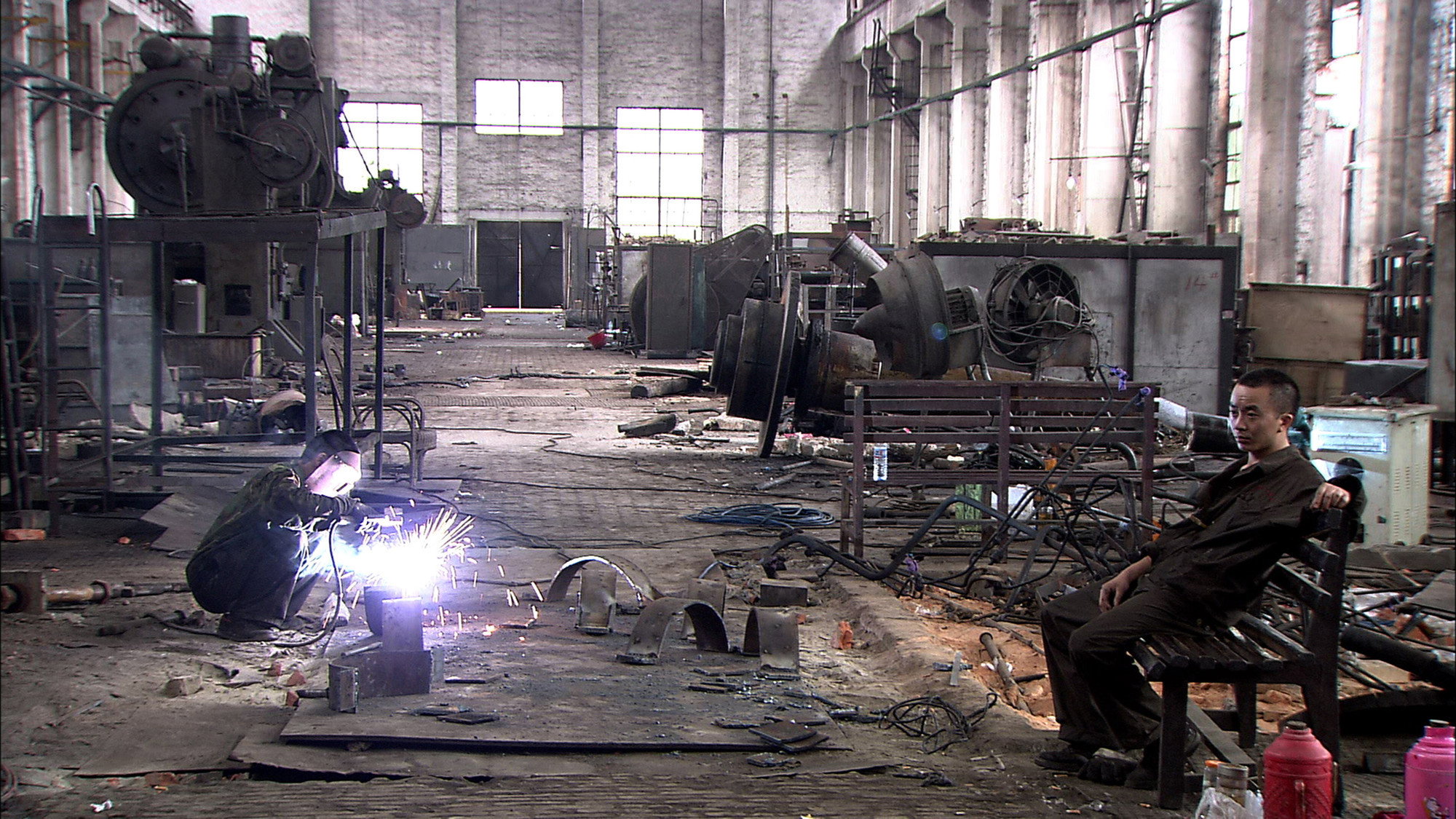
When we talk to the young man who wanted to be a student and hated the factory work, we observe firsthand the potential paradox between labourer and intellectual and the conflict that could arise should the commanding forces deem one person end up in the "wrong" role.
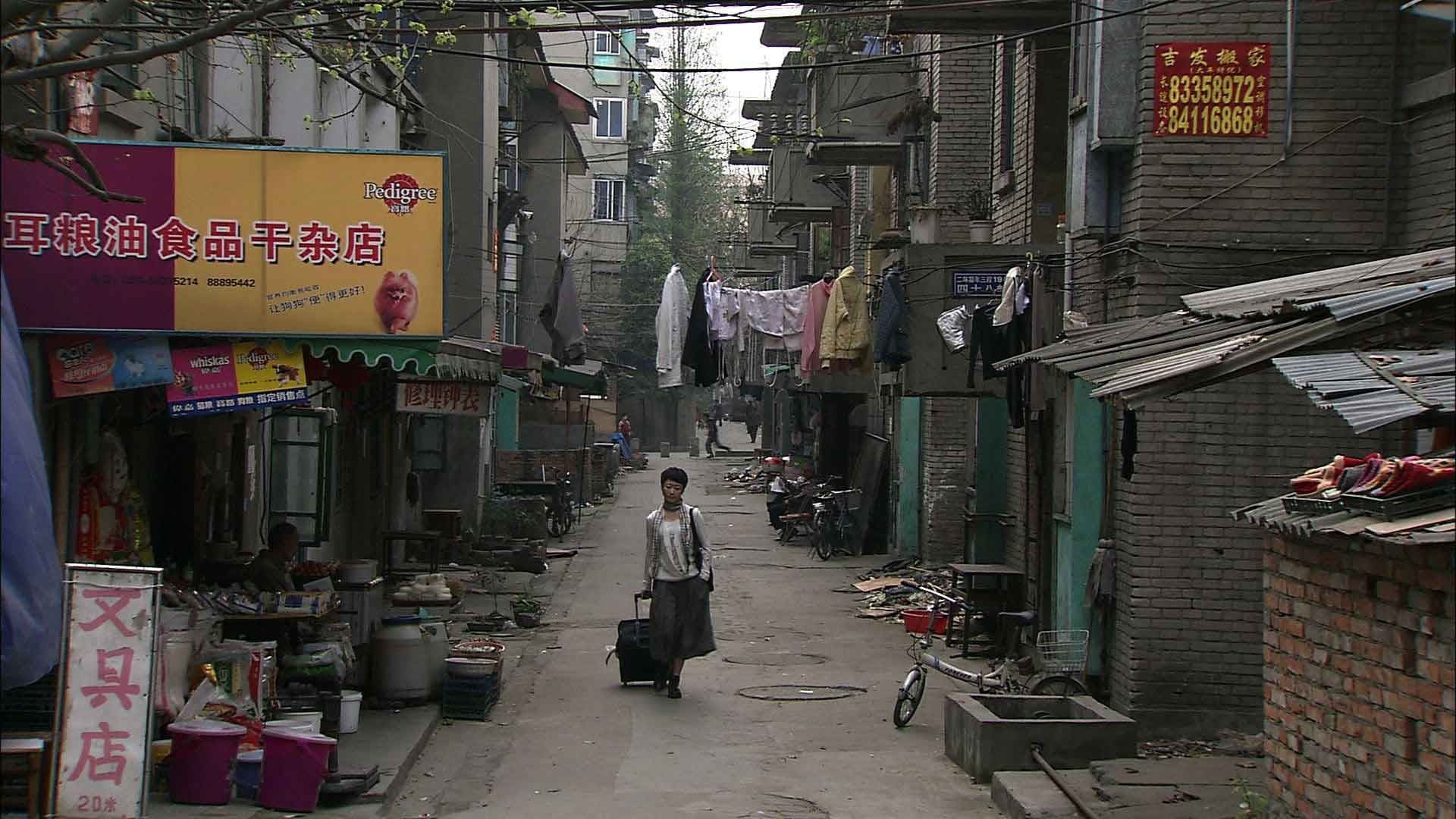
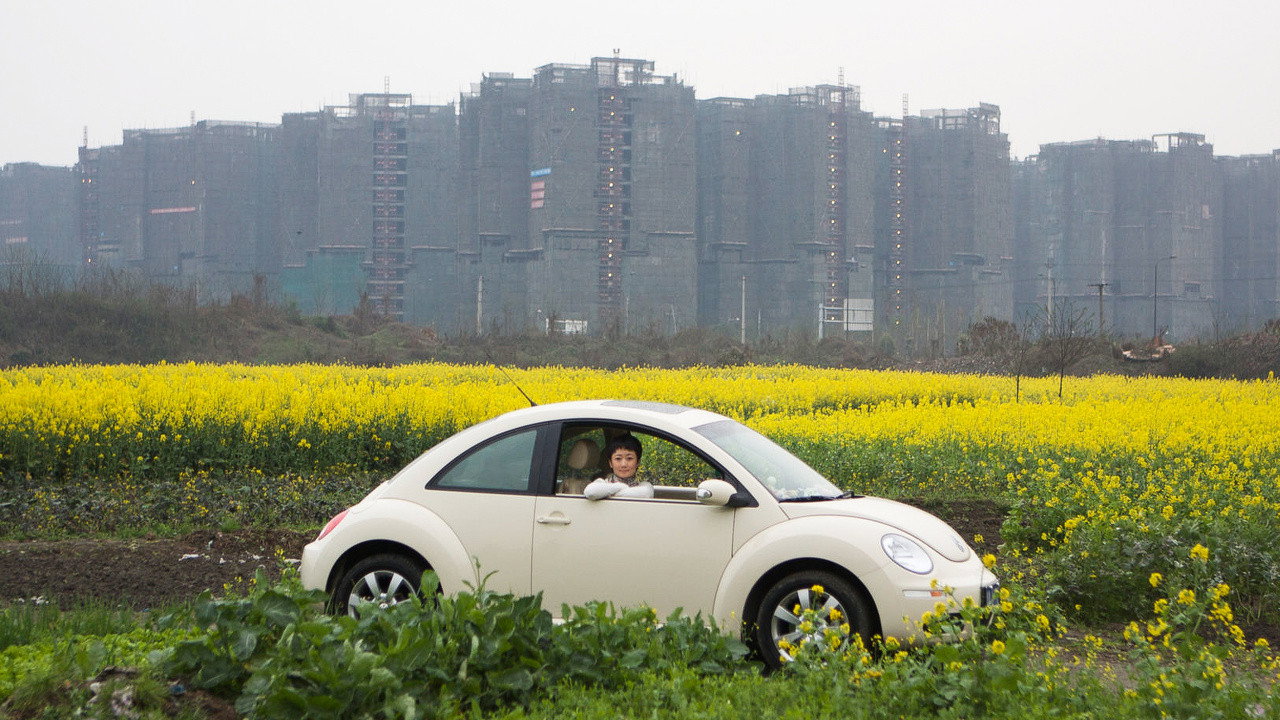
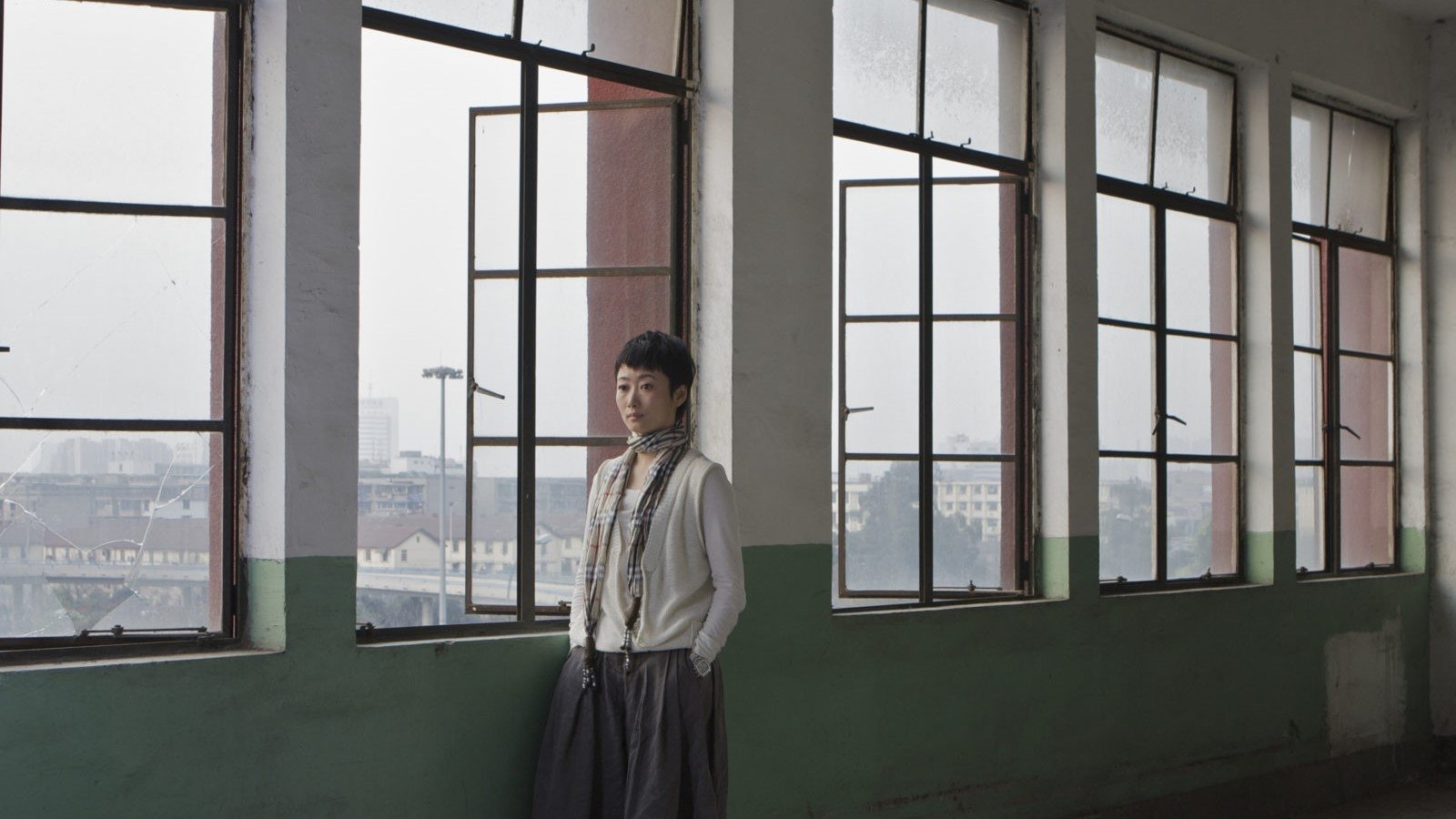
When Zhao Tao showed up, at first I was a little disappointed. The fabrication of the whole thing came into light. After mulling that over, I thought better of it. This would only be a problem if the whole conceit was farcical. But it's not. Truth can still lie in sentiment. Her character's story about seeing her mom as a faceless worker in the factory hit me so hard. That's the kind of antithetical individualist experience which affects me to my core.
All in all, this doesn't feel like a normative movie, at least with any sense of overt manipulation. This feels like a positive passage of time, less concerned about the weight of judgements and more concerned about the faces and experiences of the human beings who will be here regardless of which economic system reigns.
Zhangke evokes economic dialectics to produce one of the most insightful films I've seen about the socio-economic evolution of China. This feels like the second part to the tapestry he started to weave in Platform, an epic time lapse bridging two drastically different paradigms, yet within the same timeline. While each individual narrative is different, together they tie and arc. Zhangke has mastered the ability to embody the collective of his films through the simultaneous recognition and marriage of identities. But what struck me most, shocked me even, is the sobering light on China's collectivist past. We hear this paradigm through the filter of different generations. The generational differences and similarities struck me again as we see ways in which humans will always be the same and ways we change and evolve over time.
I think because the language of this film took me a minute to learn, each consecutive interview became increasingly important and impacting to me. I was first floored by Little Flower's story. When she rejects the older man because of his childhood fantasy about her, she starkly reclaims her autonomy from subject. Truly a triumphant moment that echoed through my heart.
When we talk to the young man who wanted to be a student and hated the factory work, we observe firsthand the potential paradox between labourer and intellectual and the conflict that could arise should the commanding forces deem one person end up in the "wrong" role.
When Zhao Tao showed up, at first I was a little disappointed. The fabrication of the whole thing came into light. After mulling that over, I thought better of it. This would only be a problem if the whole conceit was farcical. But it's not. Truth can still lie in sentiment. Her character's story about seeing her mom as a faceless worker in the factory hit me so hard. That's the kind of antithetical individualist experience which affects me to my core.
All in all, this doesn't feel like a normative movie, at least with any sense of overt manipulation. This feels like a positive passage of time, less concerned about the weight of judgements and more concerned about the faces and experiences of the human beings who will be here regardless of which economic system reigns.