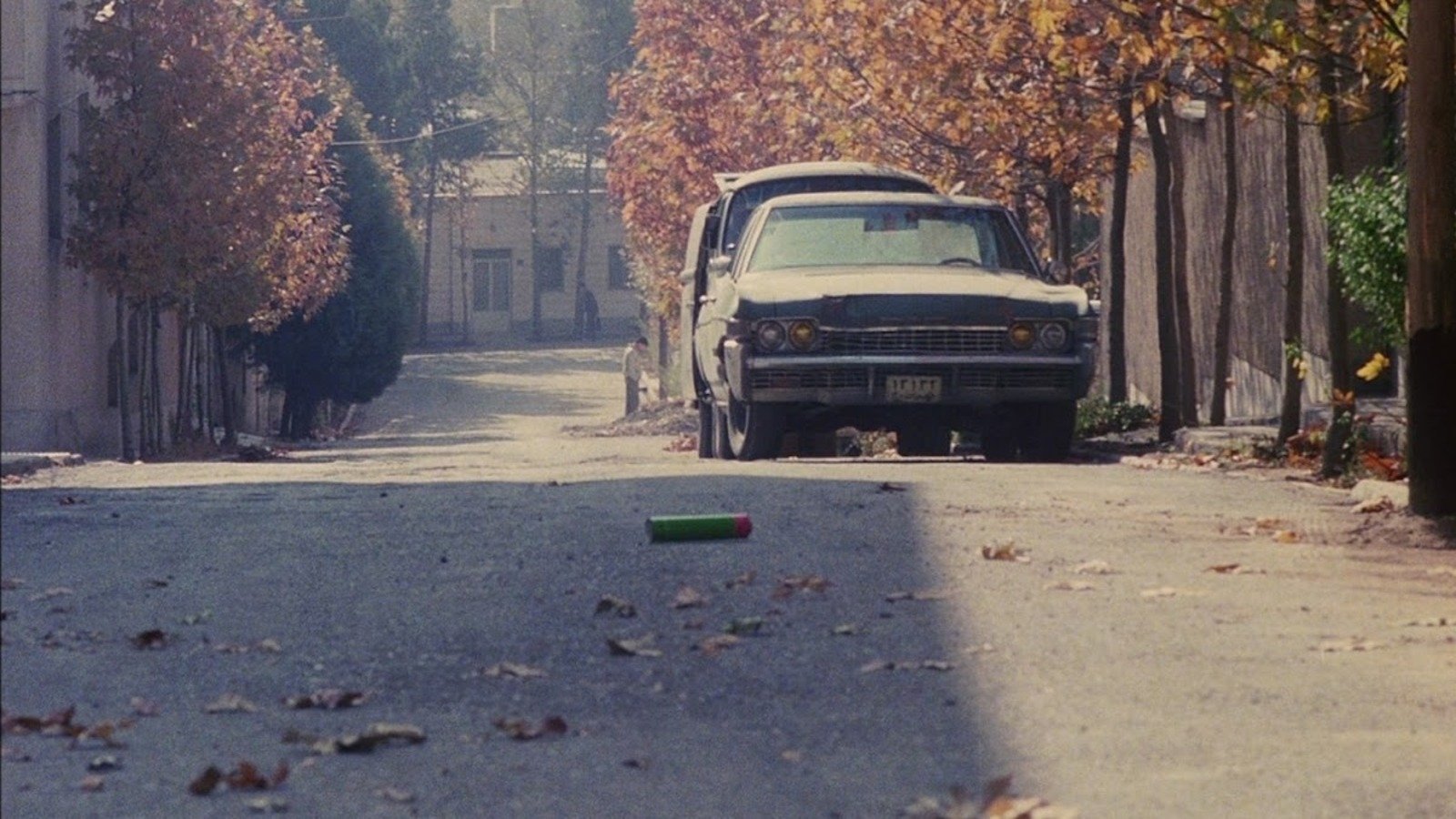
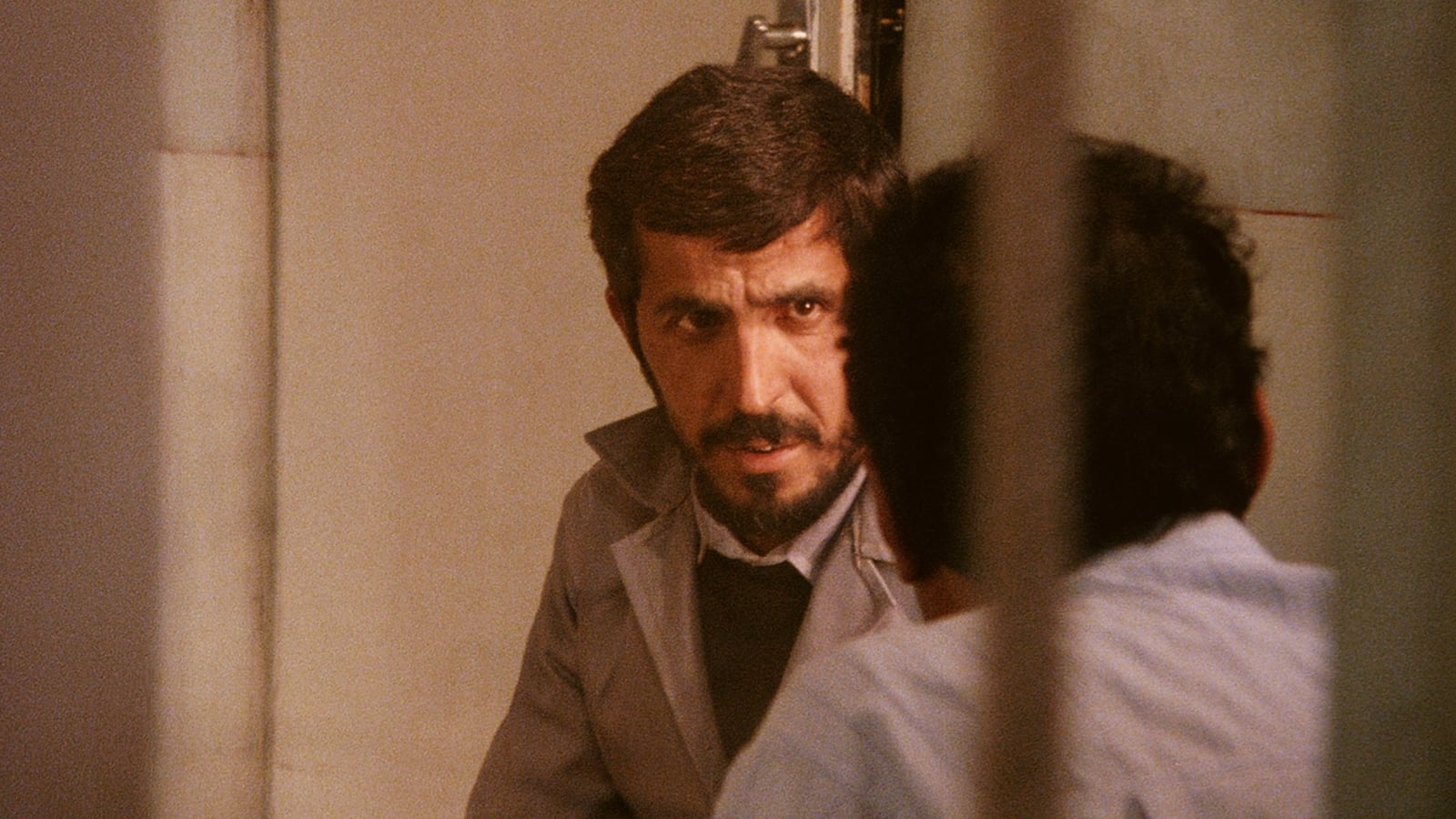
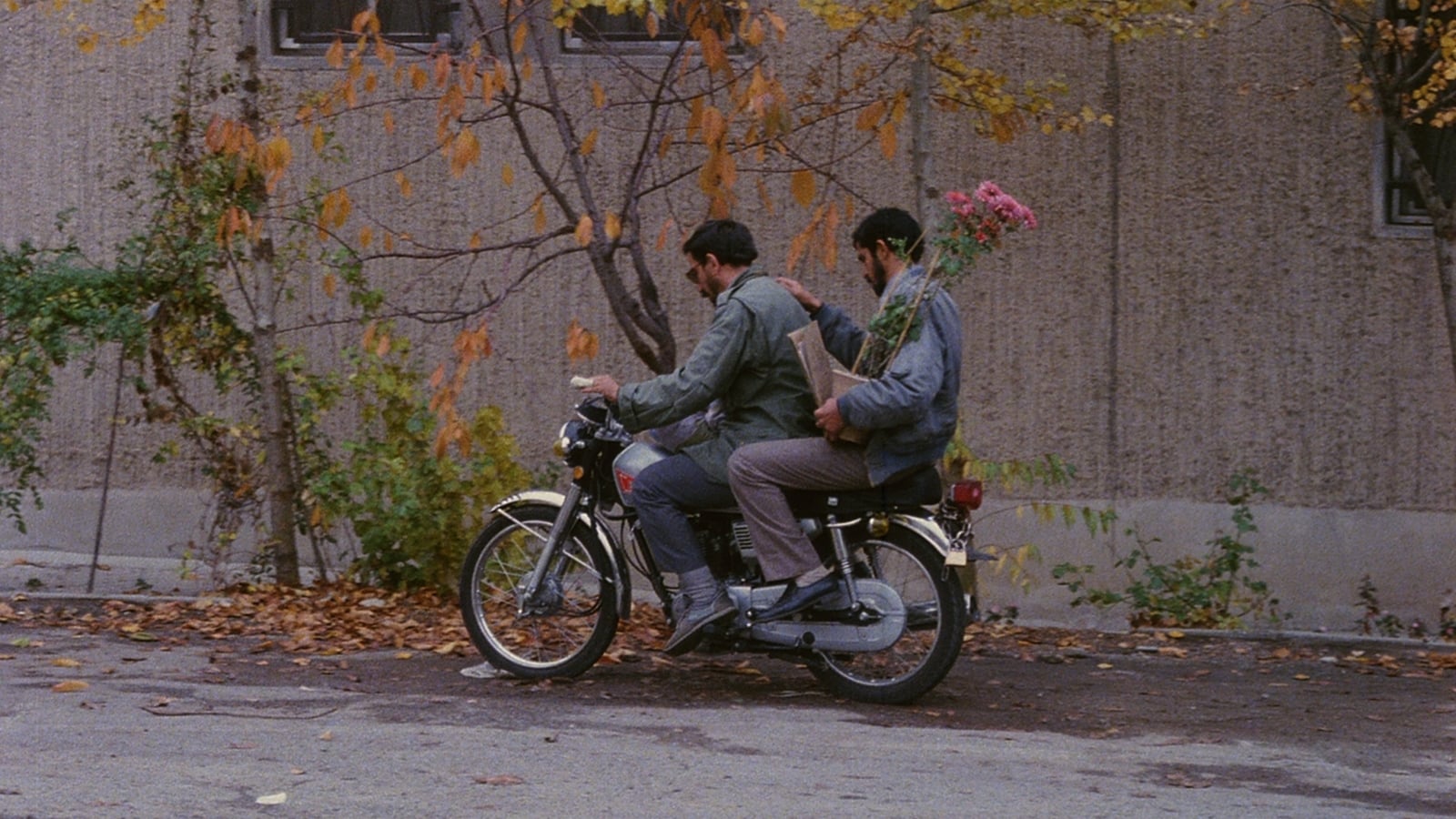
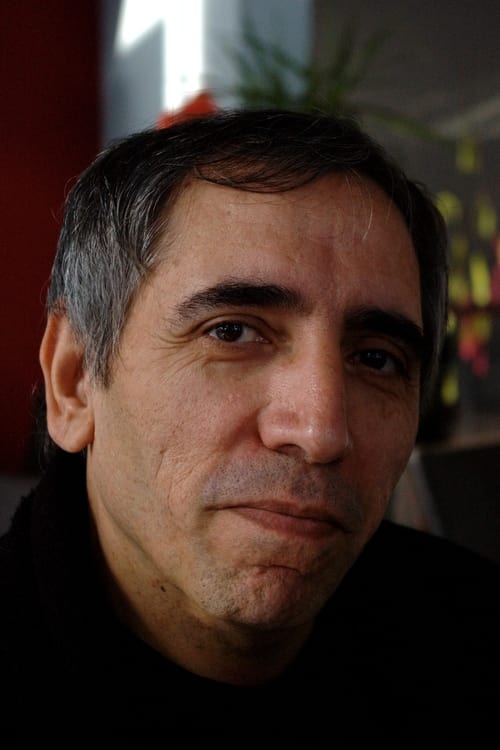
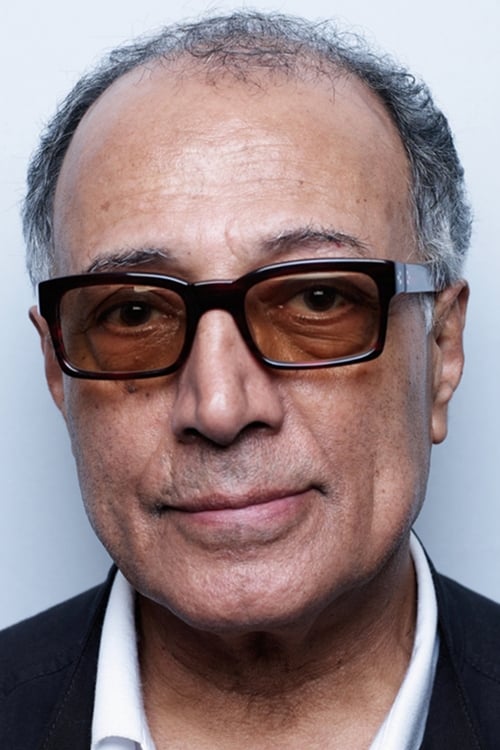
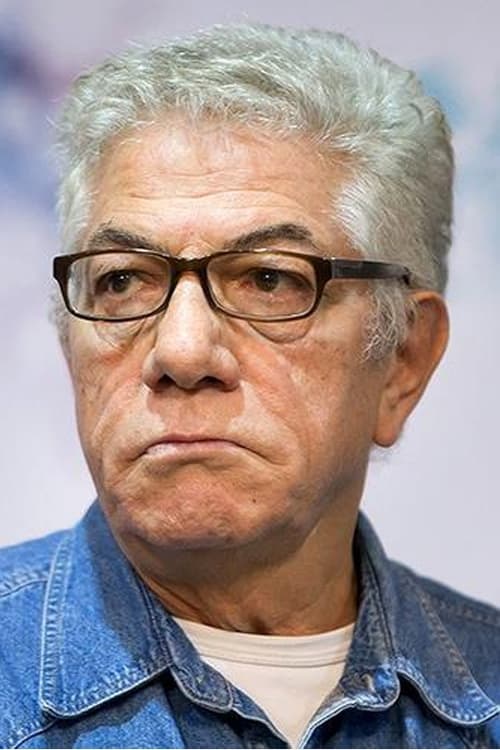
Given my personal fixation surrounding the conversation between dramatization and documentarian ethos, I had assumed a pre-imposed love of the text. Close-Up is perhaps the most known and renowned example of this filmic conversation, apart from mockumentaries (which largely lie outside from what I’m referring to). The film is basically the Citizen Kane of my specific cinematic obsession.
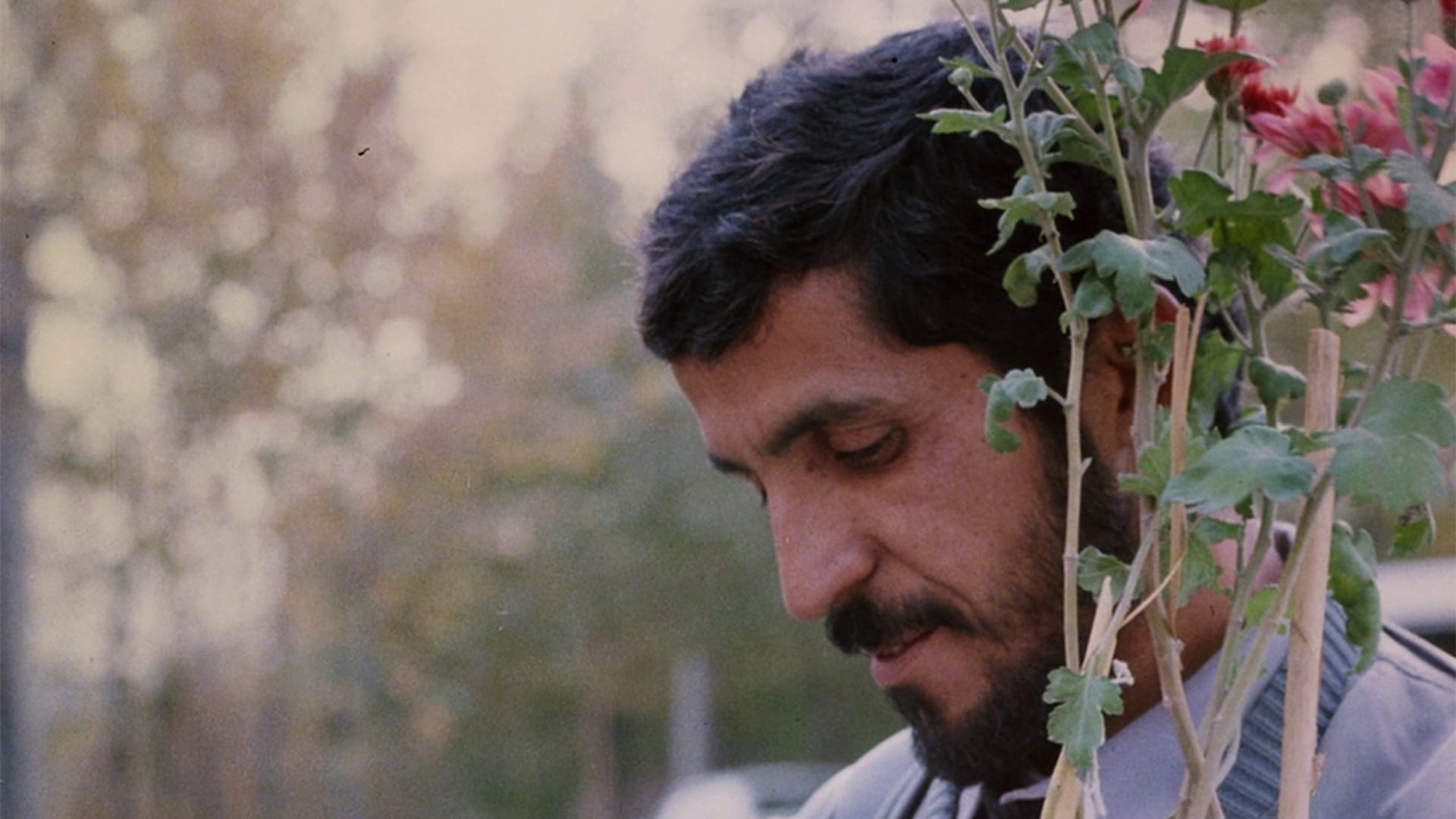
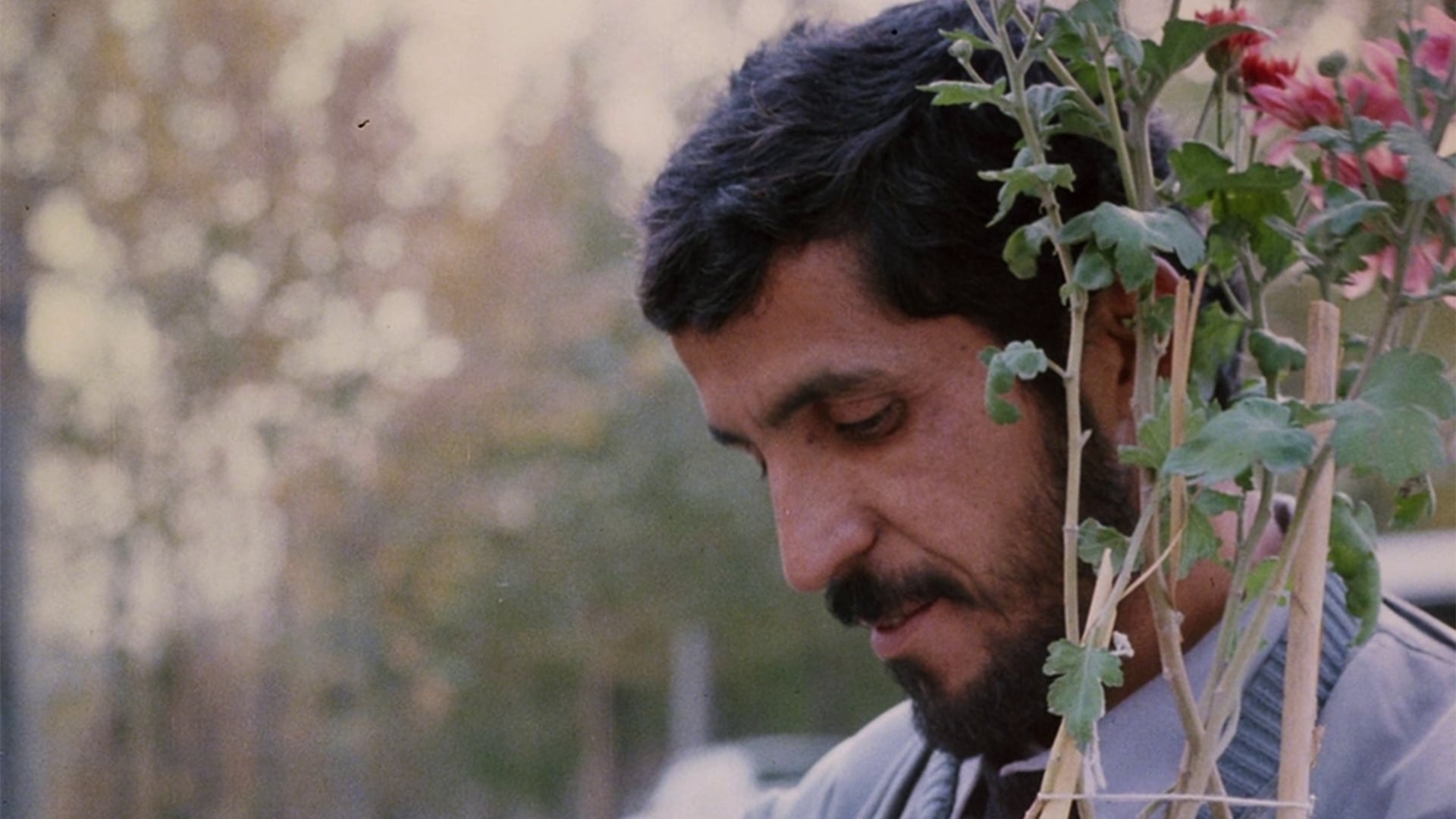
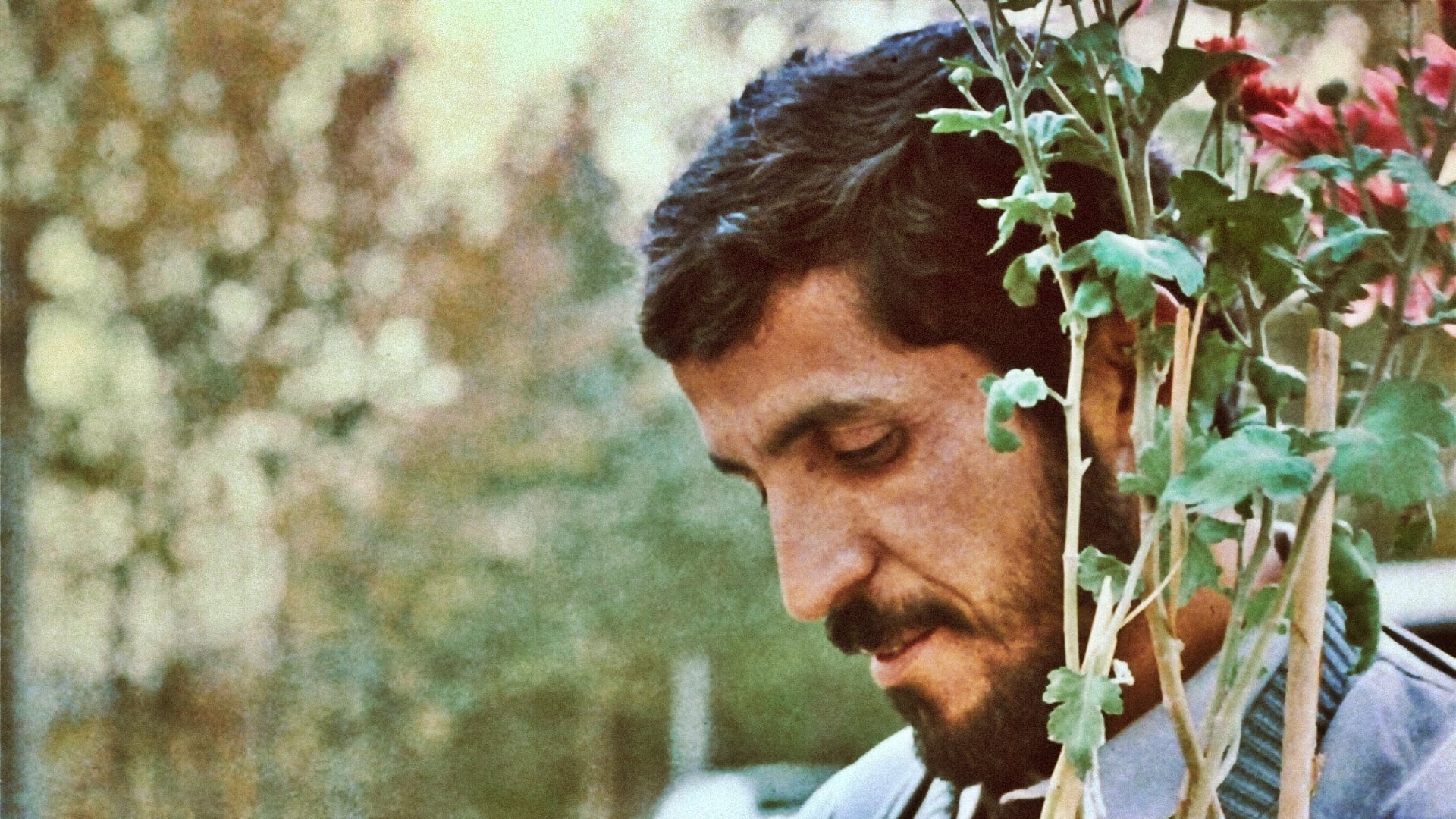
There are few other people—fictional or otherwise—I’ve seen myself in more than Sabzian. A theologist and devoted worshipper becomes who he deems as a prophet in his search for personal guidance. His philosophy, which is at the core of the film, admittedly closely resembles mine own (cinema belongs to the people rahhhh the artist must understand the collective). It’s rare for me to see myself in Sad Boys™, but Sabzian is definitely the exception.
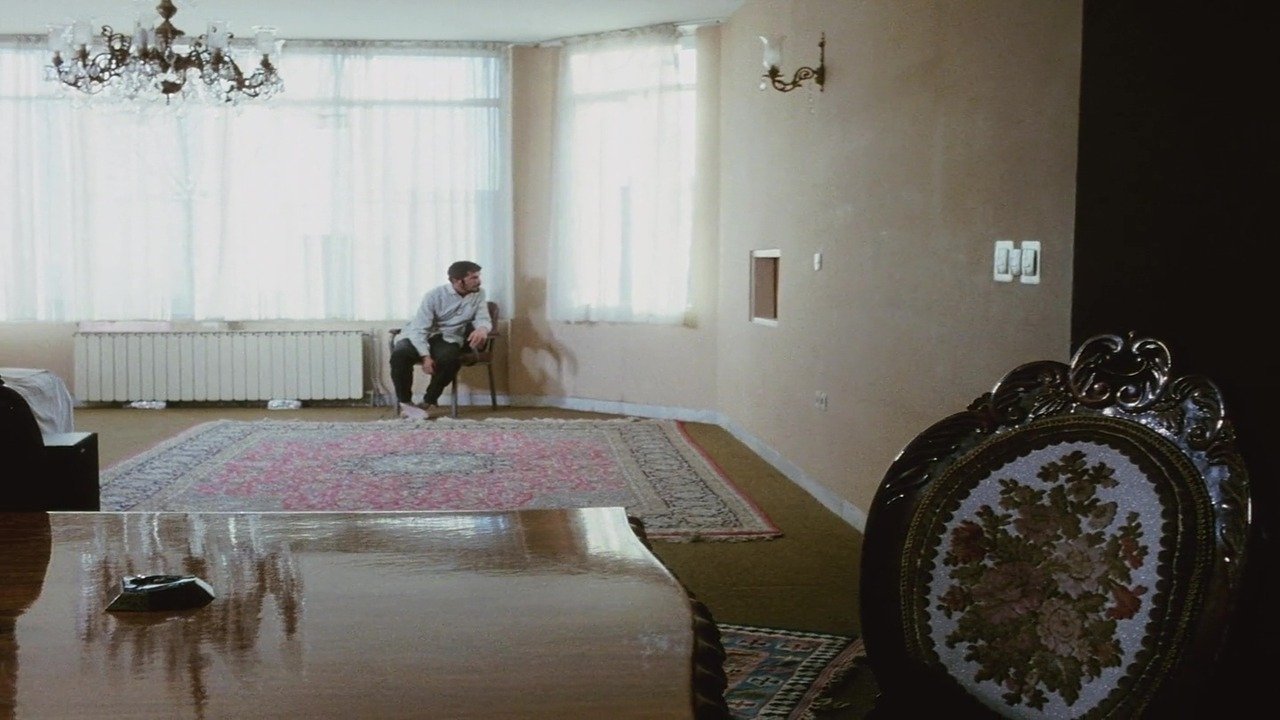
With that said, I surprisingly didn’t really fuck with most of the formal decisions. The composition and directional structure of conversations is something I take seriously. To me, the information and poetry being expressed doesn’t matter if there’s a failure to use the strengths of image-making and the mnemonic qualities of filmic expression. The ability held by audiovisual storytelling to both effortlessly contextualize and crystalize complex ideas into the audience’s minds is extremely important to me. Perhaps, this is hypocritical of me as a Duras fangirl.
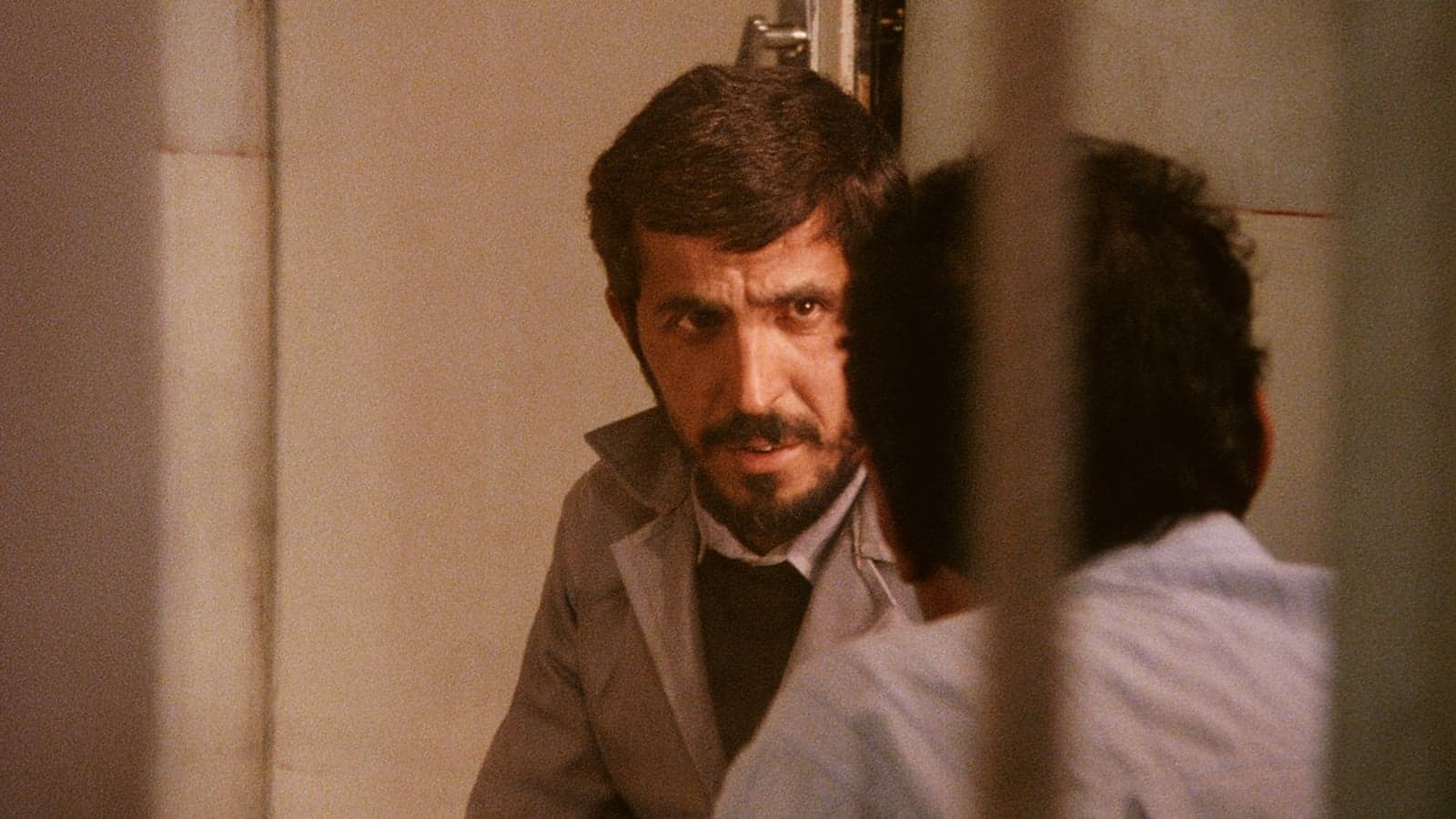
Nevertheless, I hold a certain distaste for talking heads that lack a clear (meta)textual reasoning as well as the stereotypical conversational coverage (close-up of x character yapping, the reversal, close-up reaction shots, and maybe like OTS and a two-shot master). I find that both limit the emotional weight of the textual content while the latter isolates characters from each other, making conversations feel less human and alive as a result.
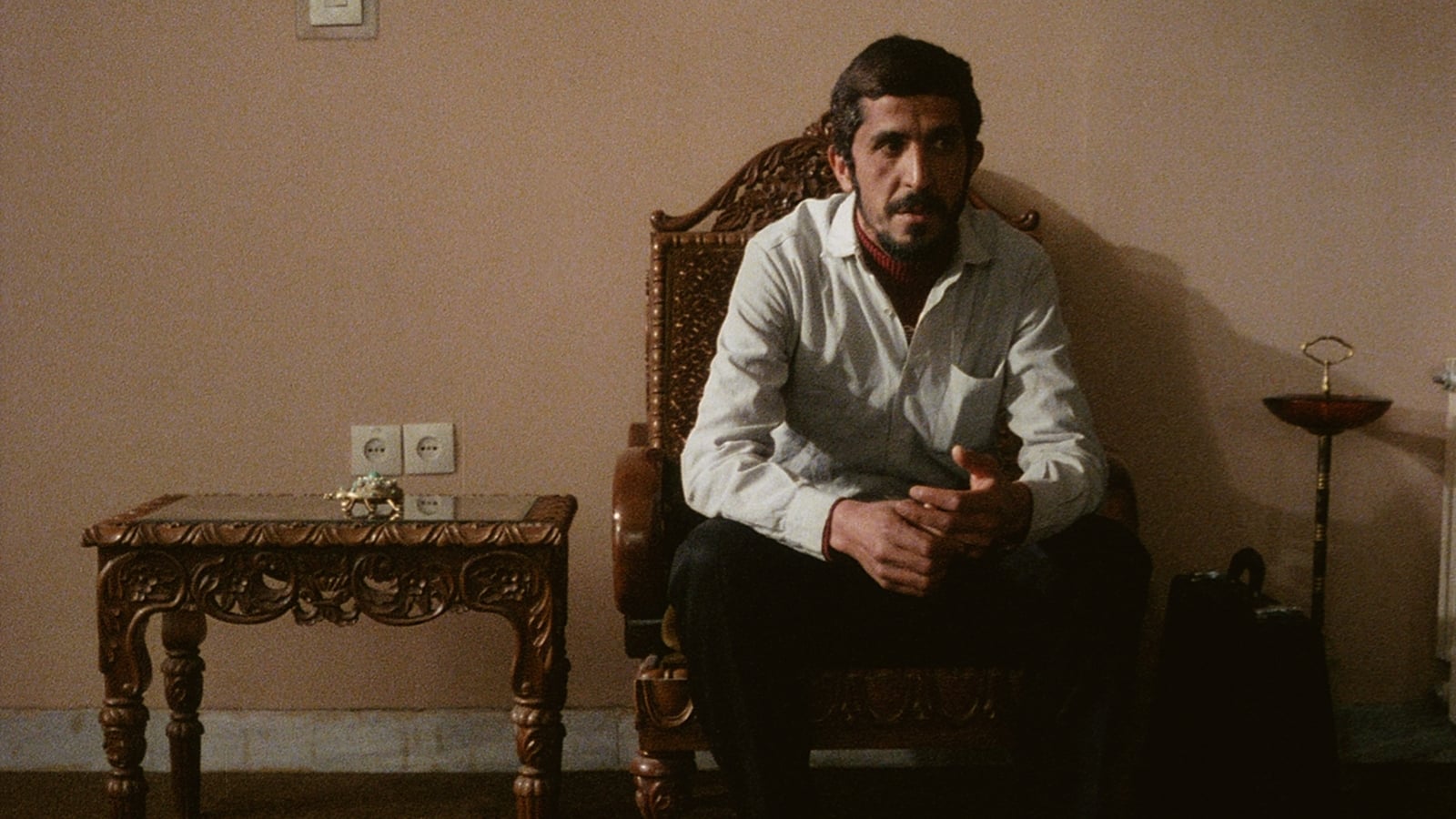
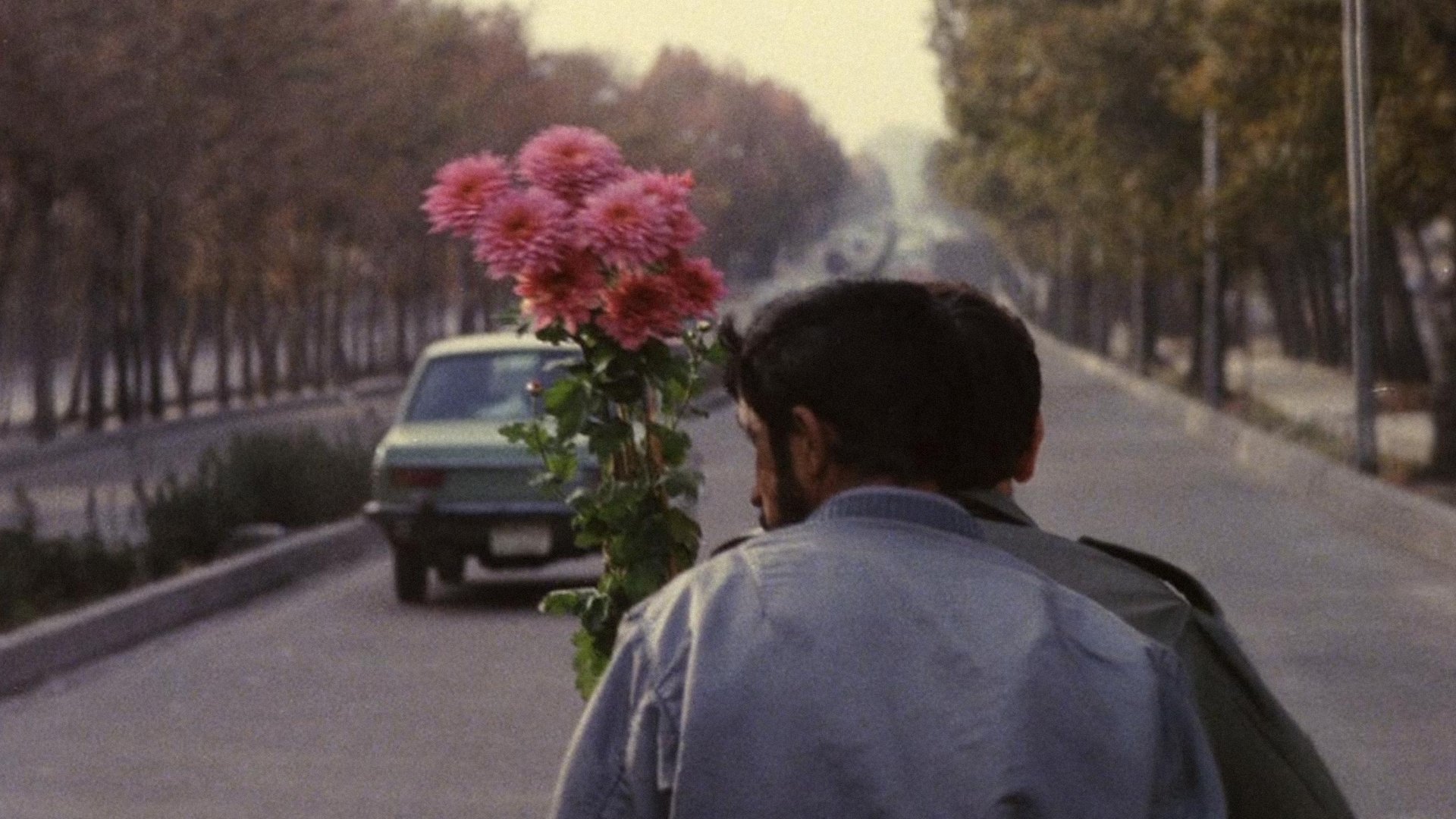
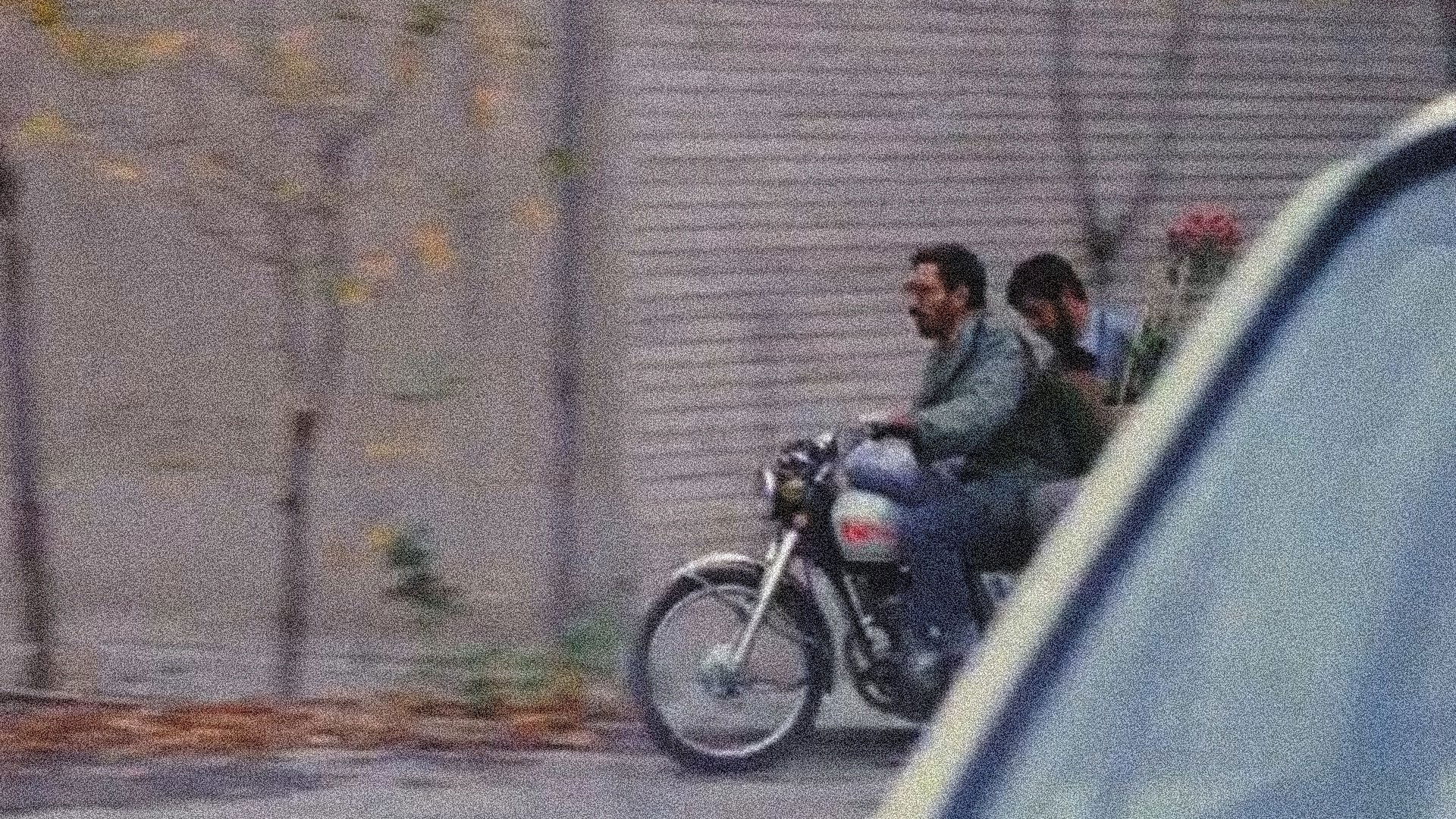
Outside of the brilliant opening and ending, I can’t help but feel as if Close-Up’s adherence to the traditional documentary form makes the powerful screenplay and central performance fall flat, even though both of these aspects are debatably some of the best I’ve seen in any film. The vast majority of the film lacks the naturalistic freedom that I’ve found in documentary filmmaking. The scenes after the trial, especially the audio troubles, are more of what I wanted from the film. They were beyond impactful for me as someone who holds this very specific cinematic obsession. It’s a shame that I couldn’t connect to 60-80 percent of the film due to finding the formal decisions emotionally and artistically constraining.
I’m still interested in Kiarostami though. I’m planning to either check out The Wind Will Carry Us or the Life, and Nothing More/Through the Olive Tree “duology”. It feels wrong to criticize a Kiarostami film based on how he directs conversations/dialogue based on what I’ve heard about him. He’s supposed to be the GOAT at this shit. Maybe it’ll eventually click for me.
Given my personal fixation surrounding the conversation between dramatization and documentarian ethos, I had assumed a pre-imposed love of the text. Close-Up is perhaps the most known and renowned example of this filmic conversation, apart from mockumentaries (which largely lie outside from what I’m referring to). The film is basically the Citizen Kane of my specific cinematic obsession.
There are few other people—fictional or otherwise—I’ve seen myself in more than Sabzian. A theologist and devoted worshipper becomes who he deems as a prophet in his search for personal guidance. His philosophy, which is at the core of the film, admittedly closely resembles mine own (cinema belongs to the people rahhhh the artist must understand the collective). It’s rare for me to see myself in Sad Boys™, but Sabzian is definitely the exception.
With that said, I surprisingly didn’t really fuck with most of the formal decisions. The composition and directional structure of conversations is something I take seriously. To me, the information and poetry being expressed doesn’t matter if there’s a failure to use the strengths of image-making and the mnemonic qualities of filmic expression. The ability held by audiovisual storytelling to both effortlessly contextualize and crystalize complex ideas into the audience’s minds is extremely important to me. Perhaps, this is hypocritical of me as a Duras fangirl.
Nevertheless, I hold a certain distaste for talking heads that lack a clear (meta)textual reasoning as well as the stereotypical conversational coverage (close-up of x character yapping, the reversal, close-up reaction shots, and maybe like OTS and a two-shot master). I find that both limit the emotional weight of the textual content while the latter isolates characters from each other, making conversations feel less human and alive as a result.
Outside of the brilliant opening and ending, I can’t help but feel as if Close-Up’s adherence to the traditional documentary form makes the powerful screenplay and central performance fall flat, even though both of these aspects are debatably some of the best I’ve seen in any film. The vast majority of the film lacks the naturalistic freedom that I’ve found in documentary filmmaking. The scenes after the trial, especially the audio troubles, are more of what I wanted from the film. They were beyond impactful for me as someone who holds this very specific cinematic obsession. It’s a shame that I couldn’t connect to 60-80 percent of the film due to finding the formal decisions emotionally and artistically constraining.
I’m still interested in Kiarostami though. I’m planning to either check out The Wind Will Carry Us or the Life, and Nothing More/Through the Olive Tree “duology”. It feels wrong to criticize a Kiarostami film based on how he directs conversations/dialogue based on what I’ve heard about him. He’s supposed to be the GOAT at this shit. Maybe it’ll eventually click for me.