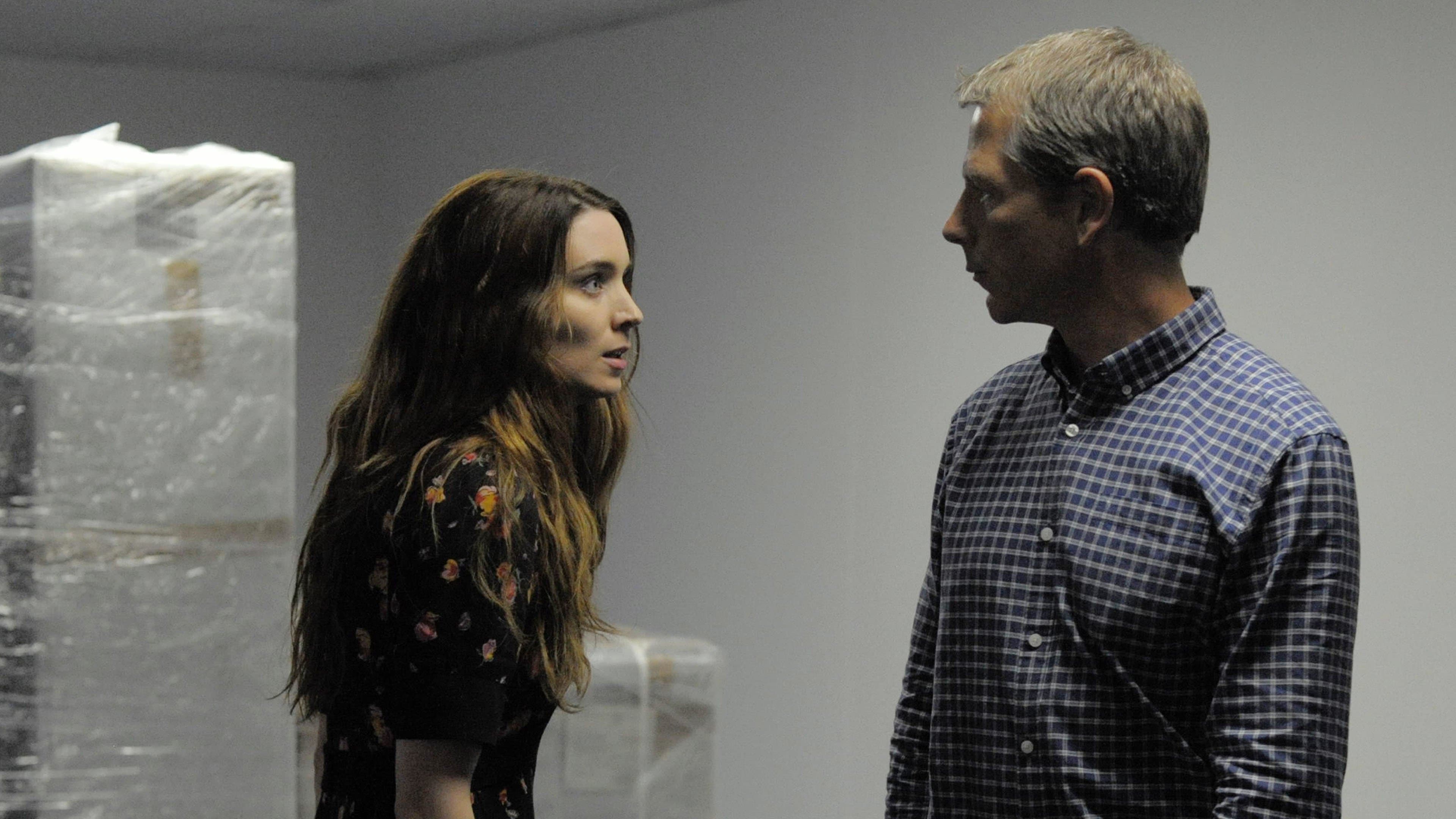
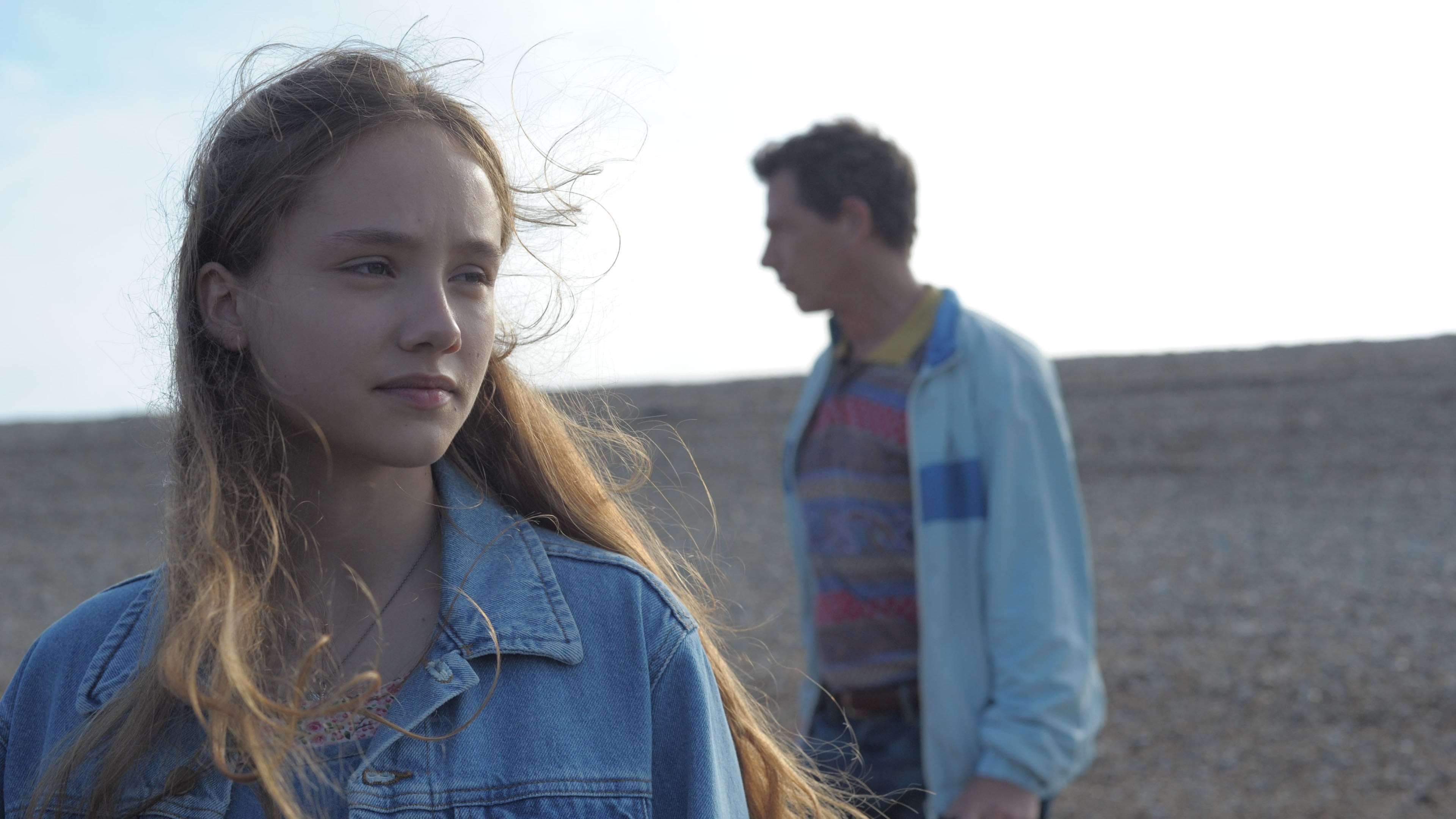
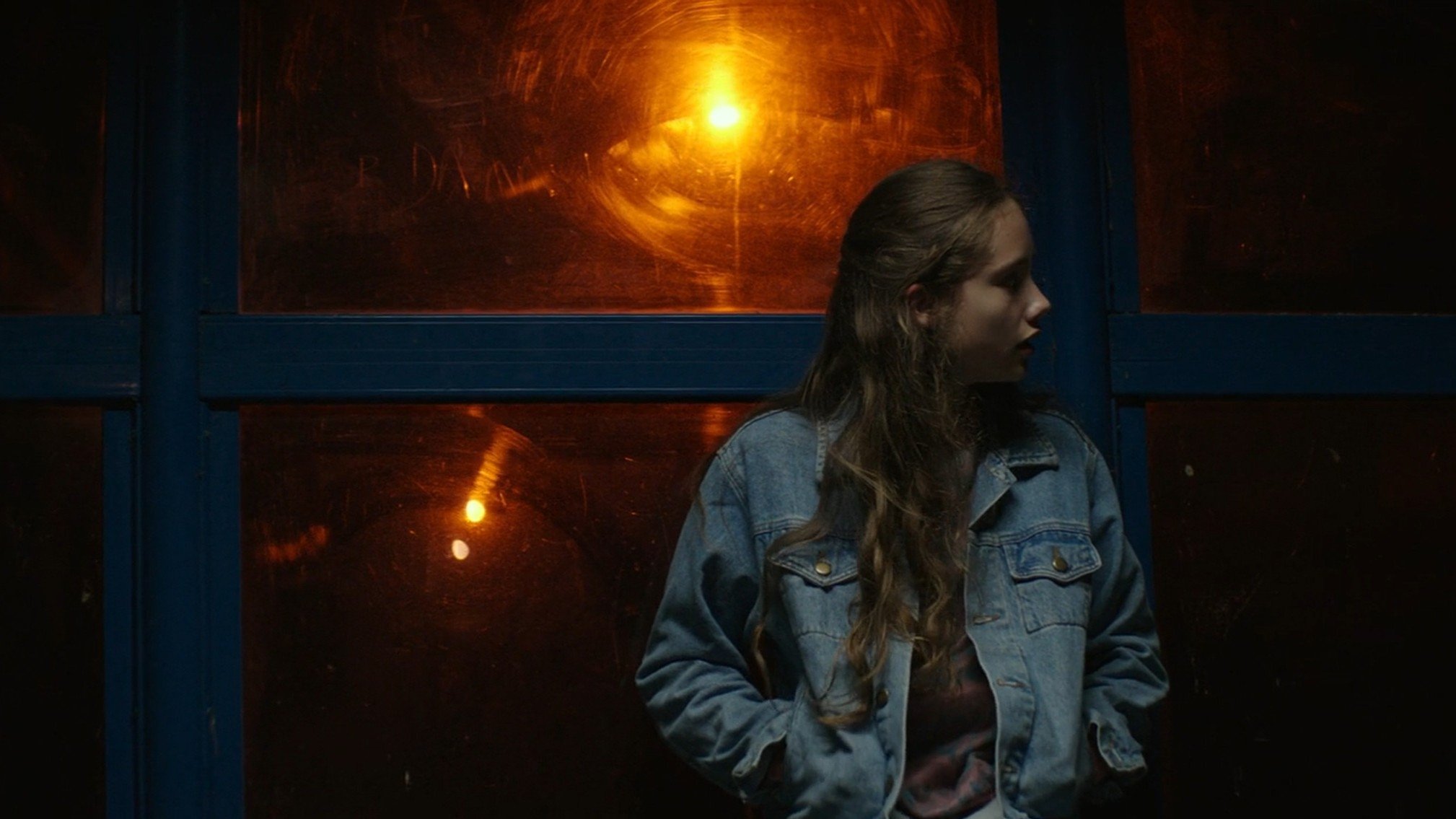
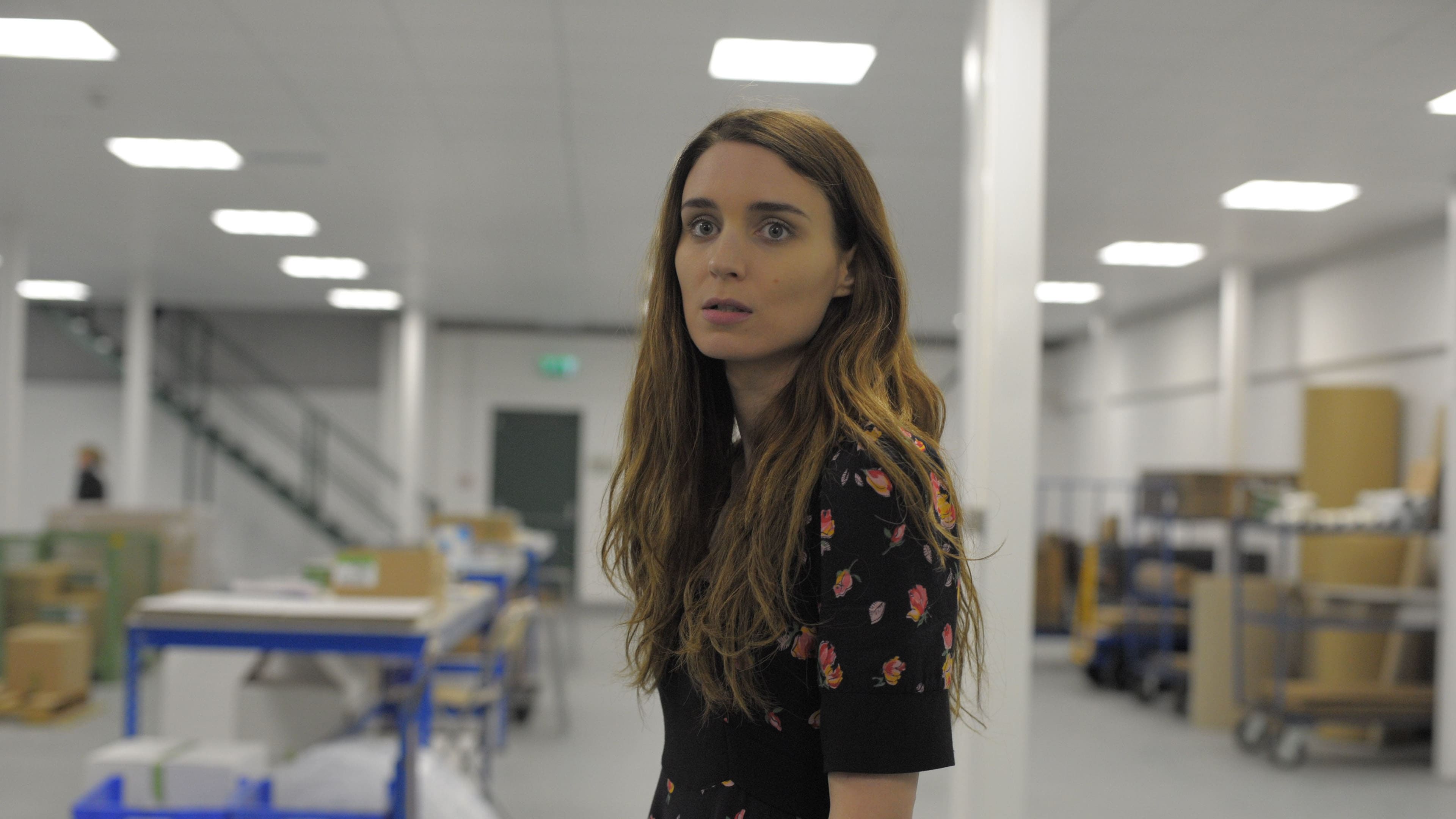
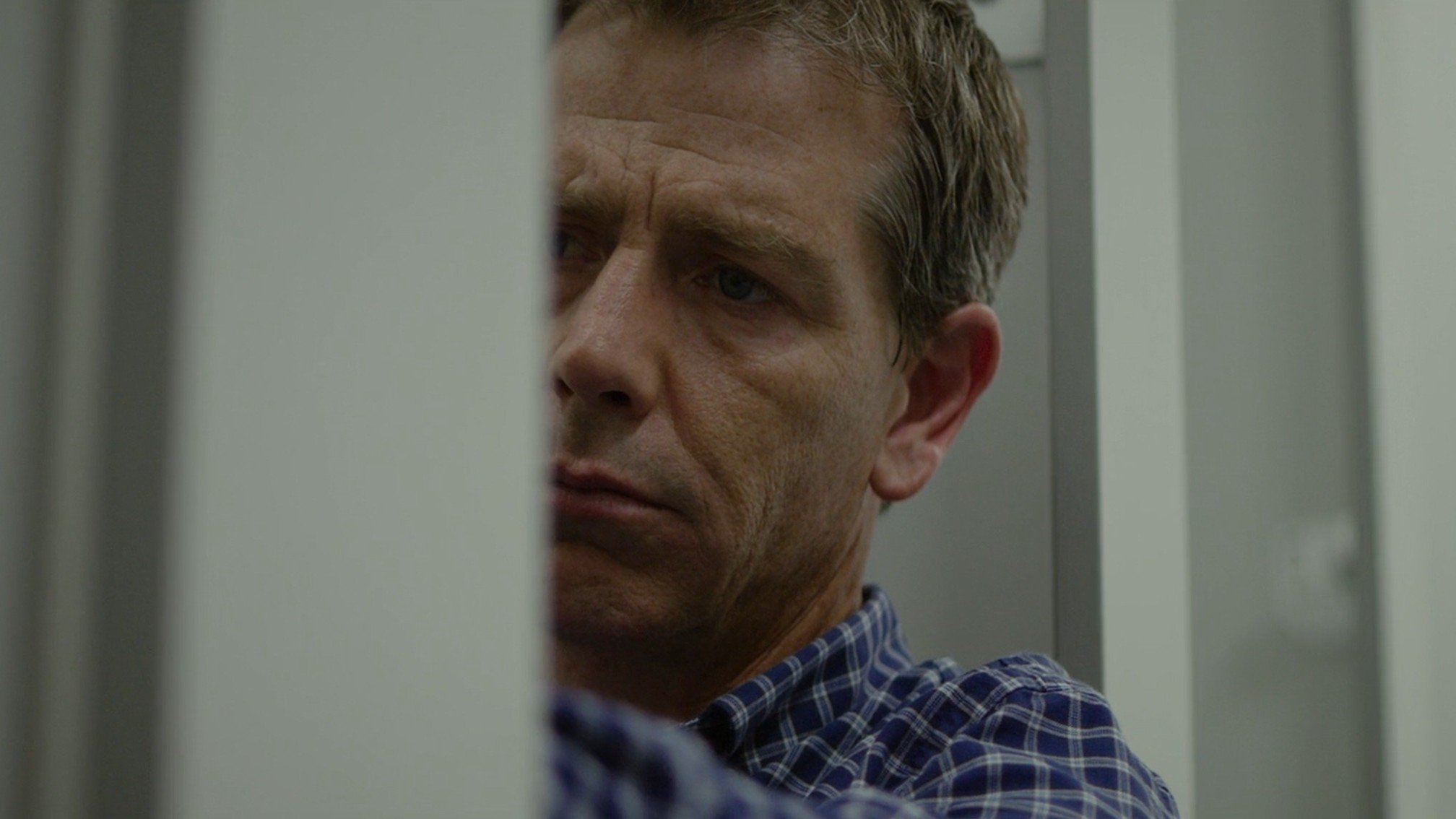
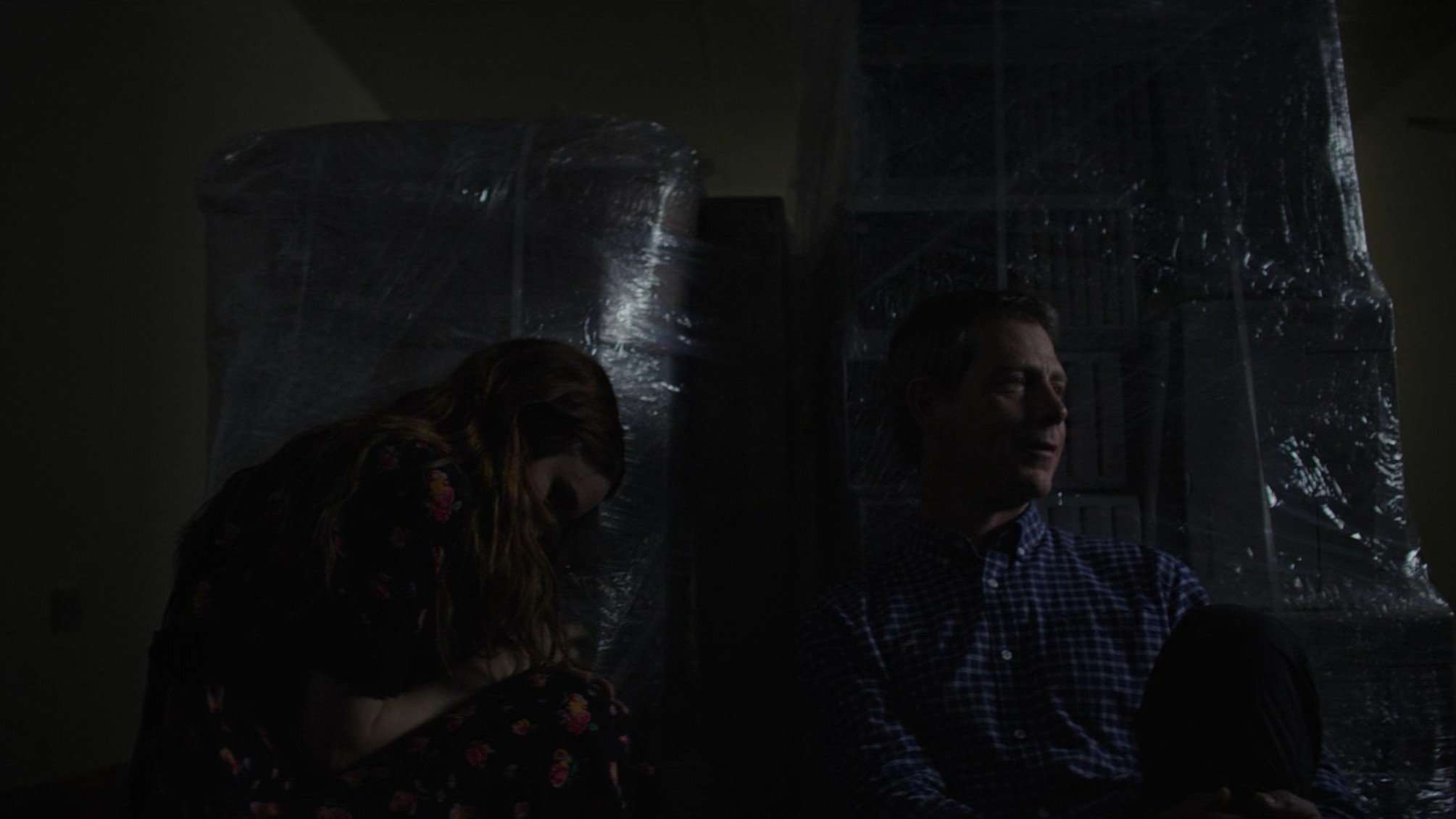
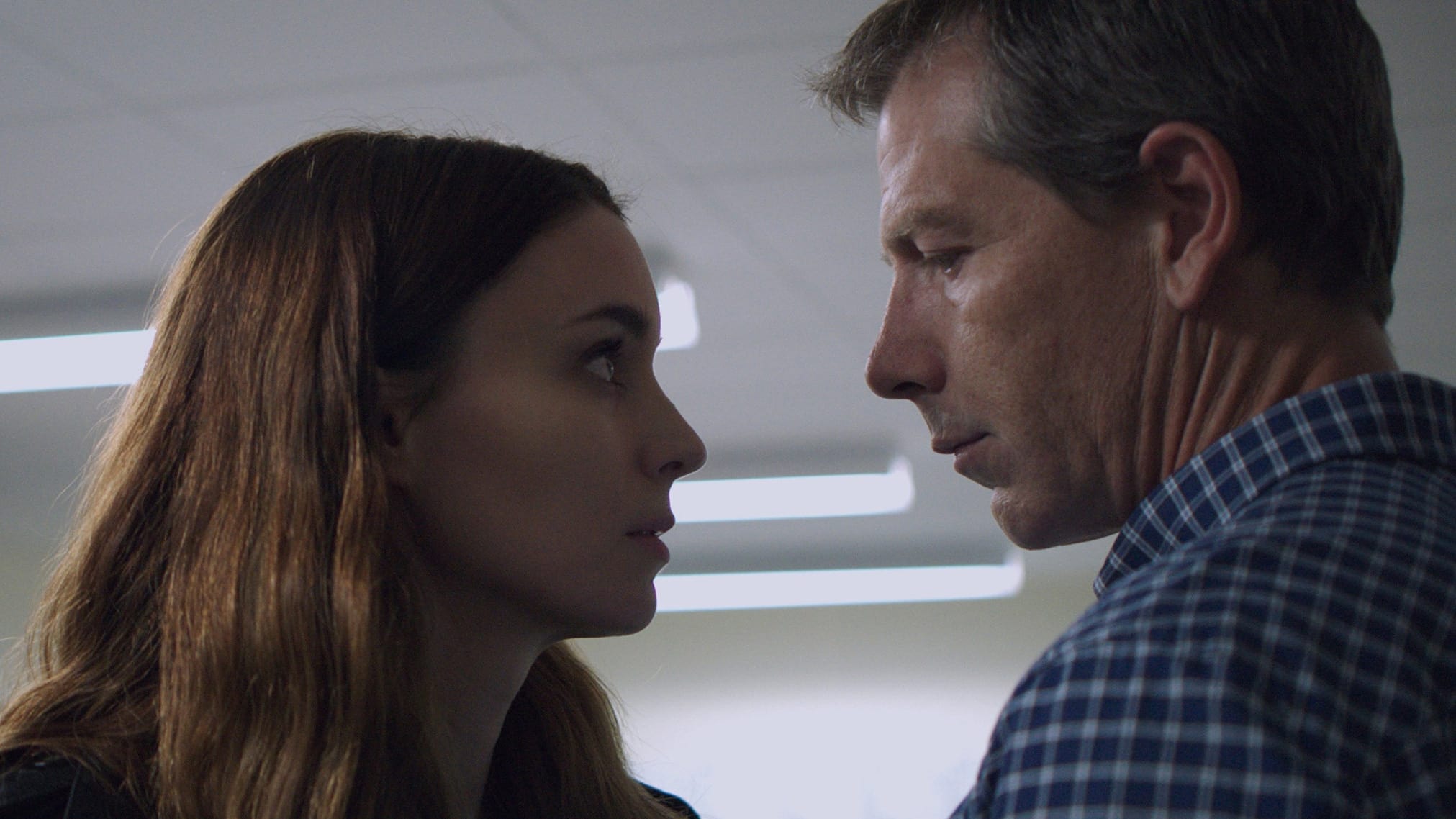
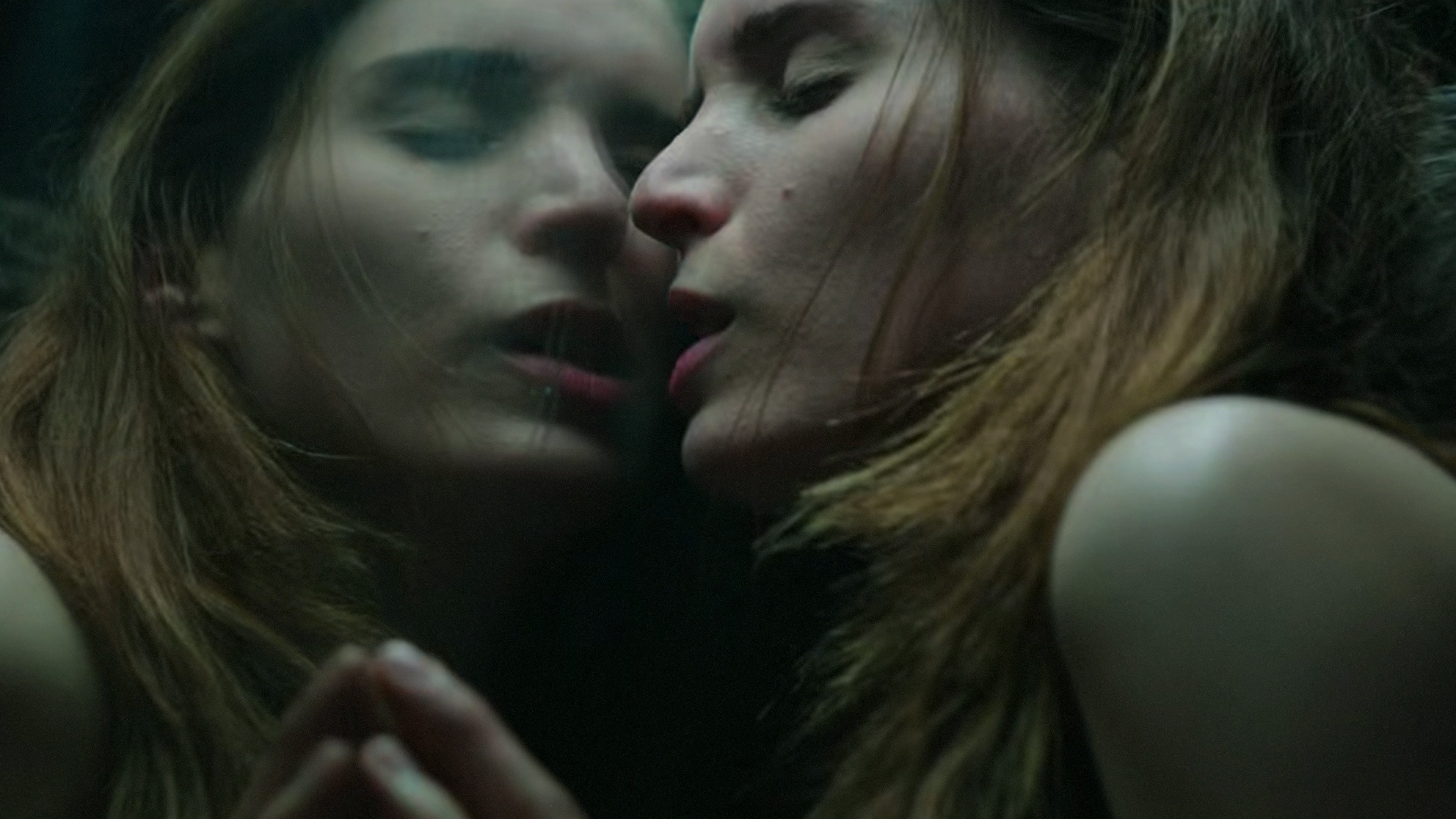
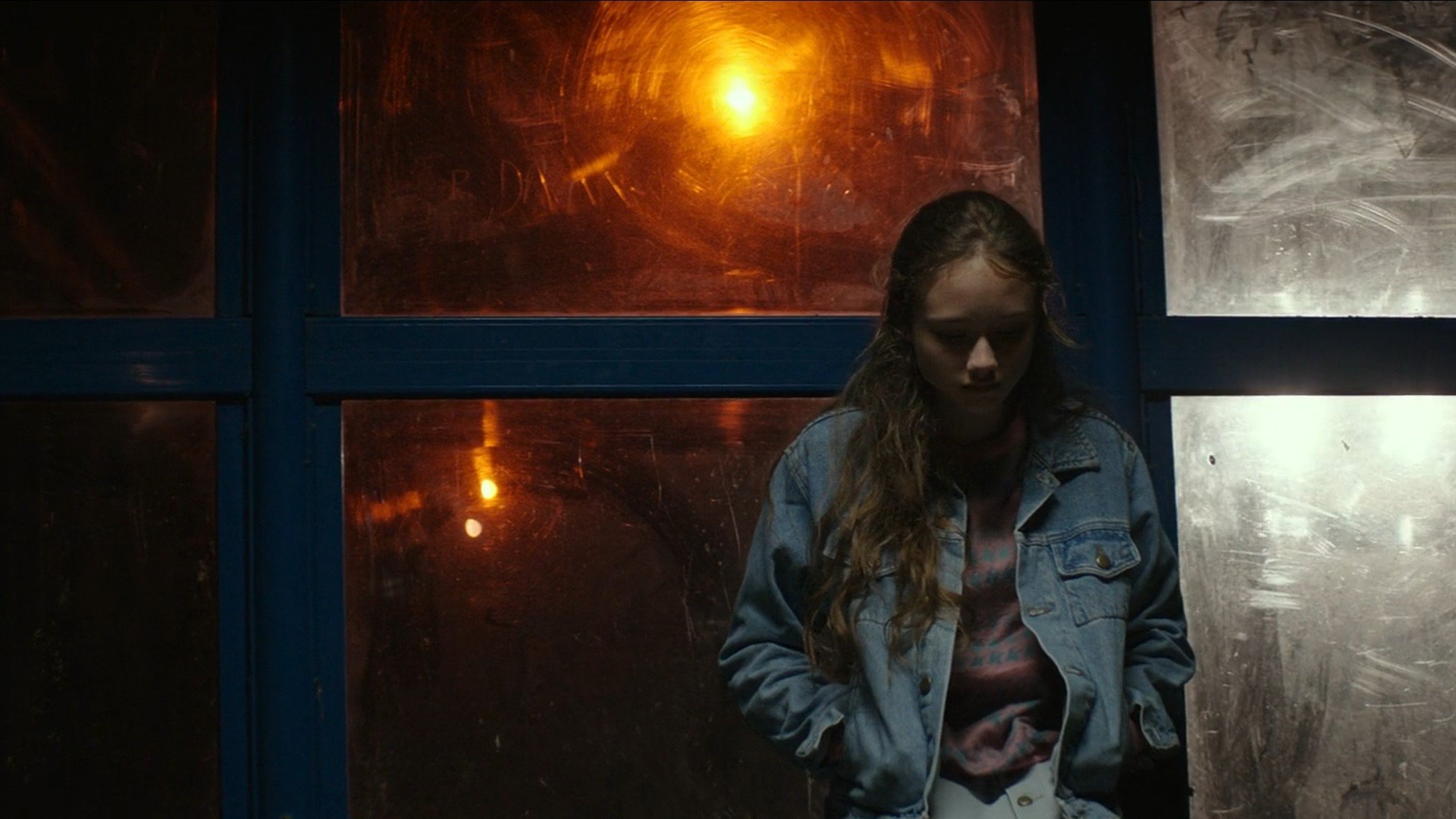
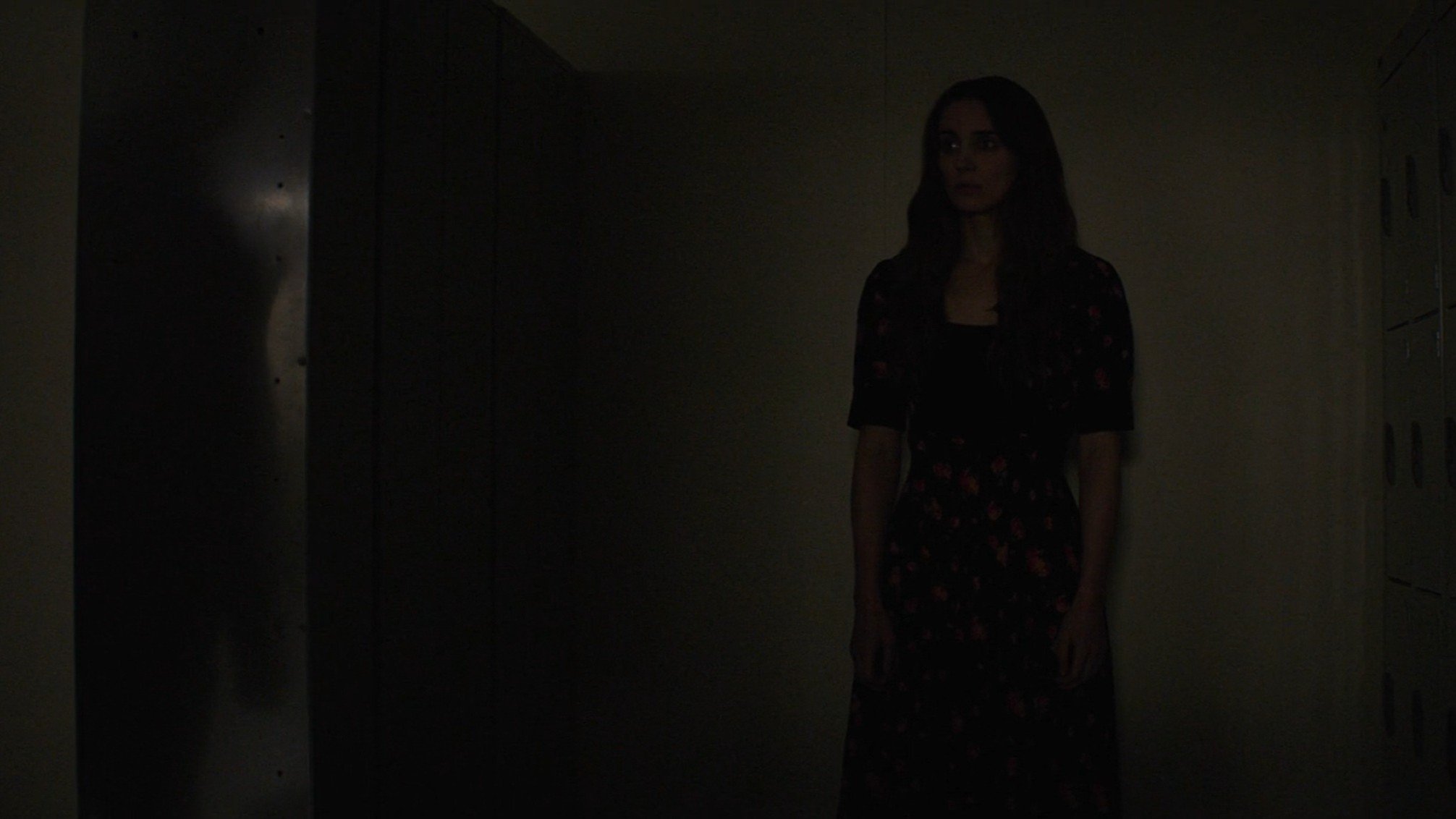
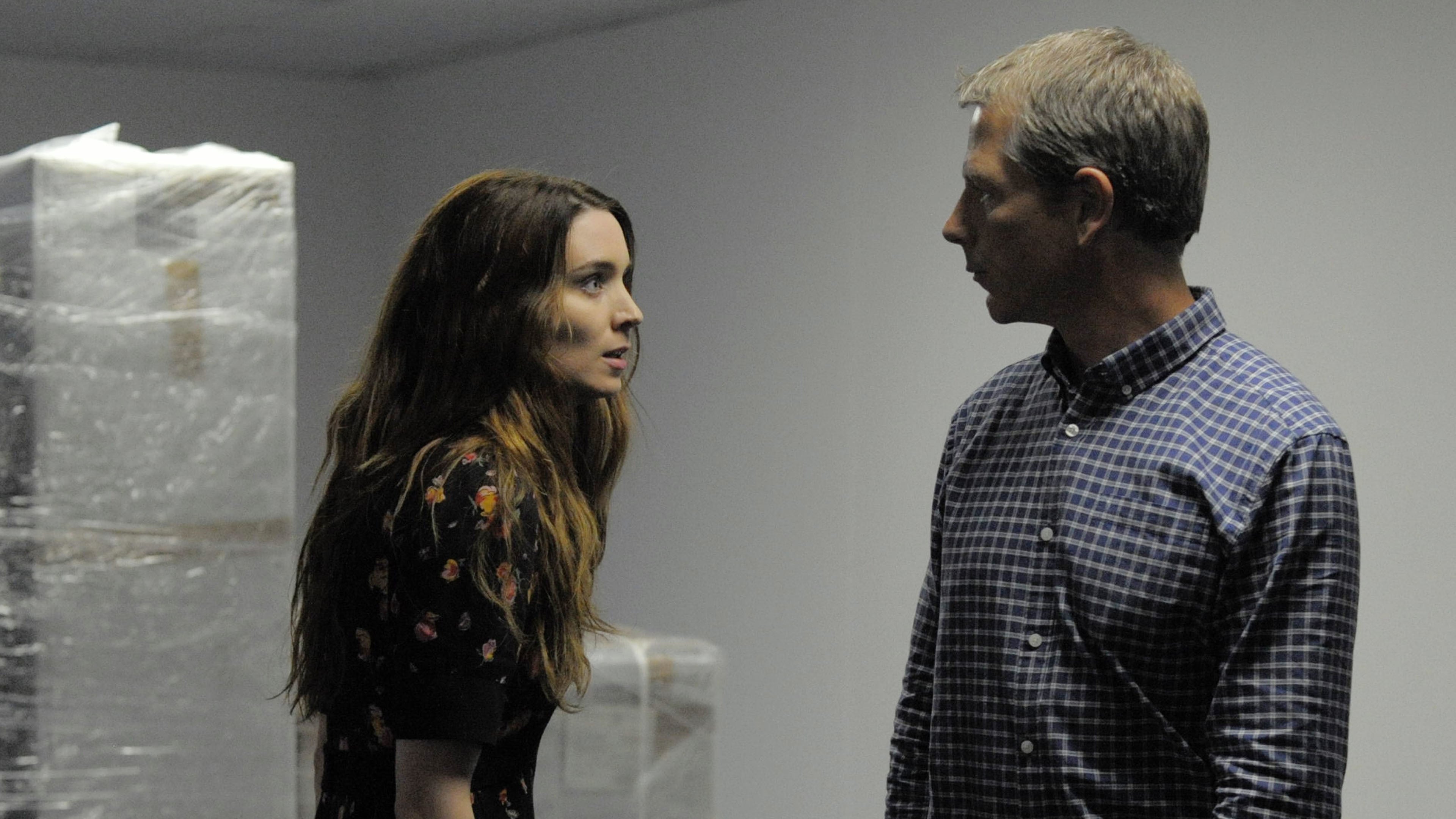
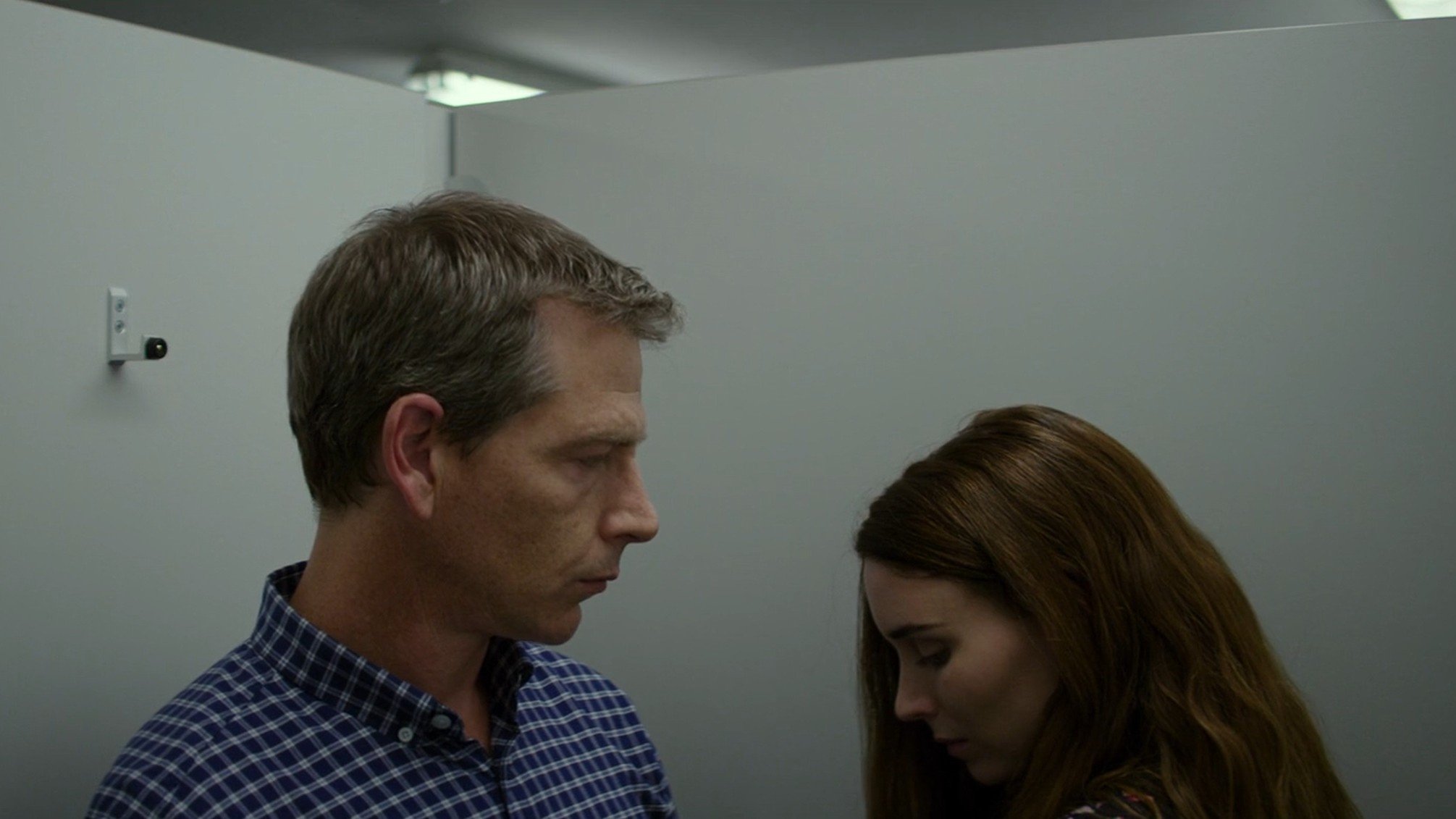
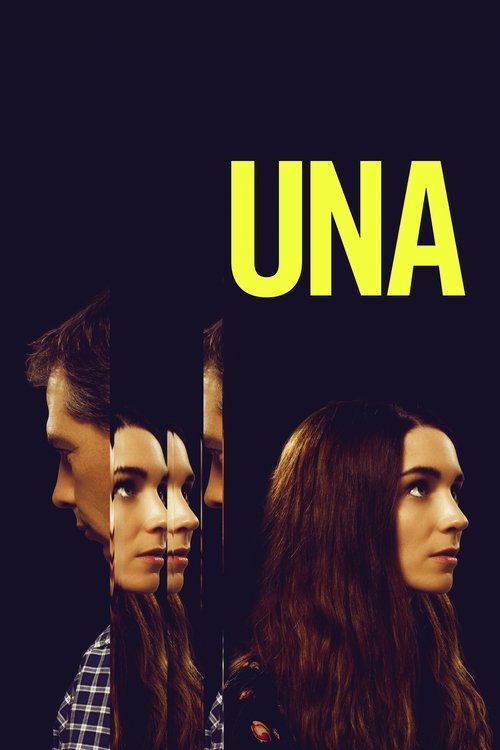
| | > Some may question the purpose in adapting David Harrower's theatrical piece "Blackbird" in the form of a mostly one-location and dialogue-driven film, but director Benedict Andrews uses the cinematic form effectively, crafting a seemingly small-scale yet strong drama steeped in the lasting consequences of abuse and sexual trauma. Through the cinematic lens, Andrews doesn’t confine horror to the spoken confrontations, he also infuses it into the film’s imagery; claustrophobic but never gratuitous in the subject matter 's deception, with certain close-ups that trap the characters and other moments that keep the viewer at a distance. In the film, there’s a static shot of a tree's crown in a park that becomes petrifying when you realize what’s happening behind the cover. Una is an already deep wound that grows more septic, with memories spread around the story’s linear narrative; illustrating the former but more so rupturing the current reality. These short sequences cut into the story like shards, mirroring how trauma lingers in the mind, and blend now and then to show how little things have shifted over time– how the abuse Una endured so young froze her in a moment she couldn't outgrow. Andrews’ direction isn’t distinct here, but I don’t think this story needed particular stylization to work. The protagonist's introduction, for instance, perfectly sets the tone and gives an immediate grasp of how Una’s past continues to shape her present; as she returns, at night, to the same house from fifteen years earlier, a sense of stillness pervades. The more straightforward approach gives space for the conflict’s dynamics to unravel along with the film’s discussion on its themes, which I think has been severely misread.
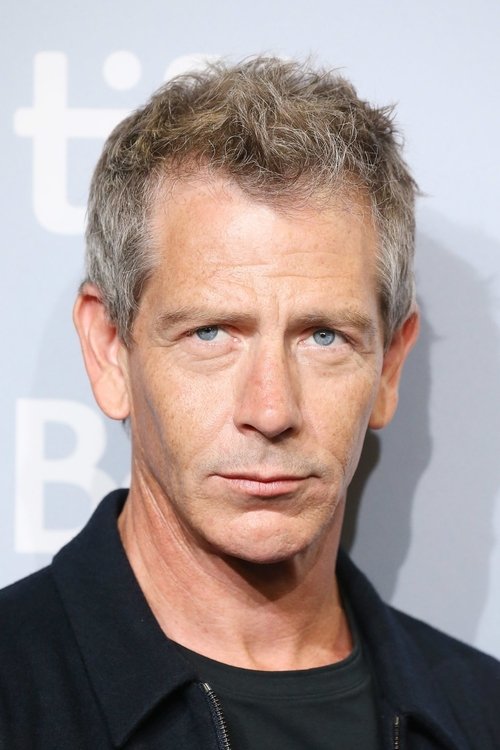
| | > Many think that the film is posing the question “ Is Ray a pedophile or did he just make one mistake?”, therefore justifying predatory behavior and sexual assault and hiding behind ambiguity. But that's not the case. “Una”, instead, debunks various rhetoric related to pedophilia; such as that of the so-called "occasional pedophilia". In the film, the predator isn’t the stereotypical figure of a baiter or an unknown monster but rather a neighbor, a familiar and apparently harmless presence. In the film, Ray tries several times to justify his behavior by saying things such as "You are the only girl I have ever had a relationship with" or "I am not a pedophile, I am not one of them", in an attempt to dissociate himself from that category, as if a single episode could be excluded from the definition of abuse. However, the film never legitimizes these justifications. Indeed, it dismantles them precisely, showing them for what they are: the product of an unhealthy mentality that seeks to normalize and exceptionalize abuse. “Una” denounces the idea of a "different", more tolerable, pedophilia and the message is clear: anyone who sexually abuses a minor, even just once, is a pedophile. No ifs, ands or buts.
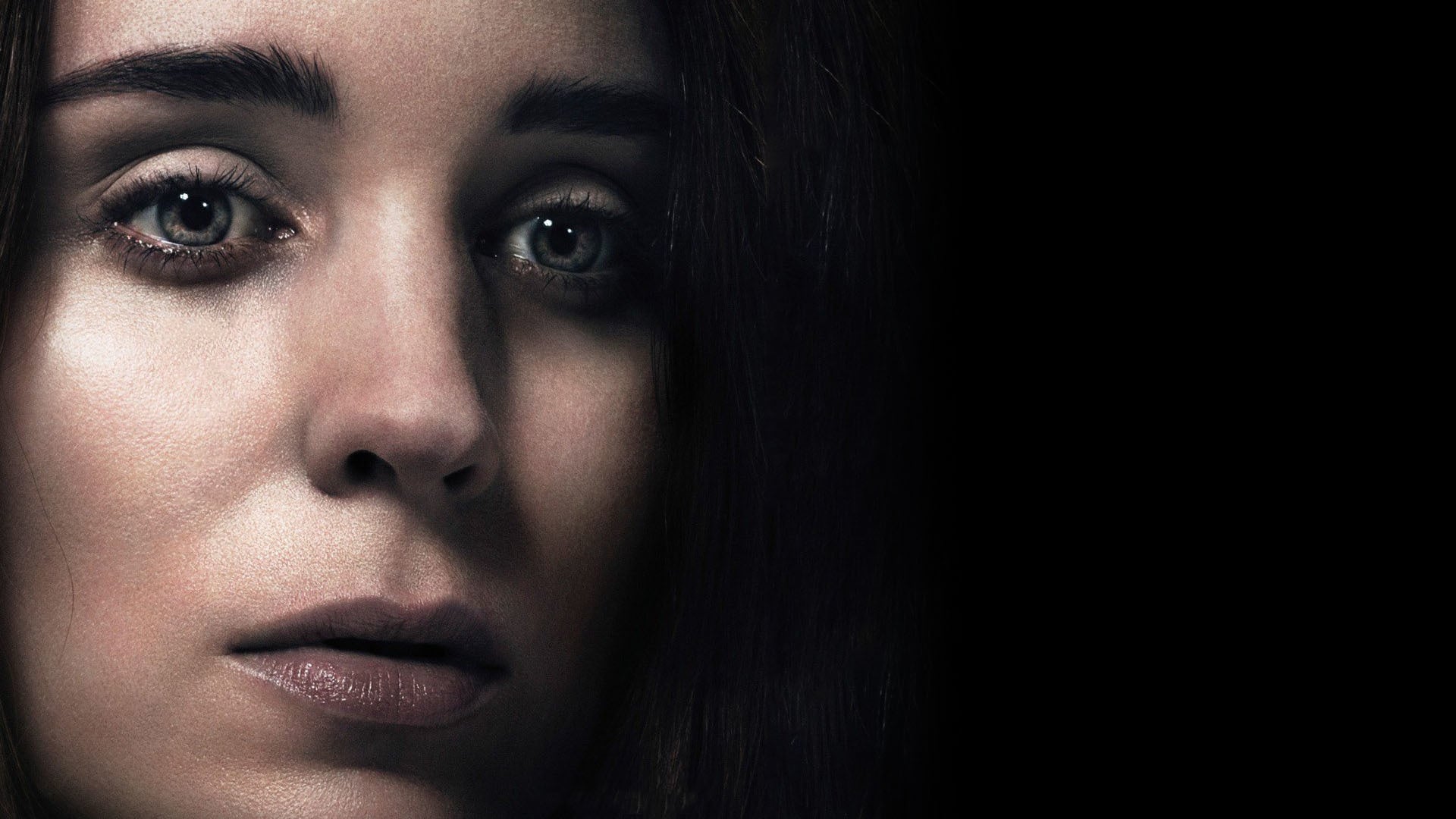
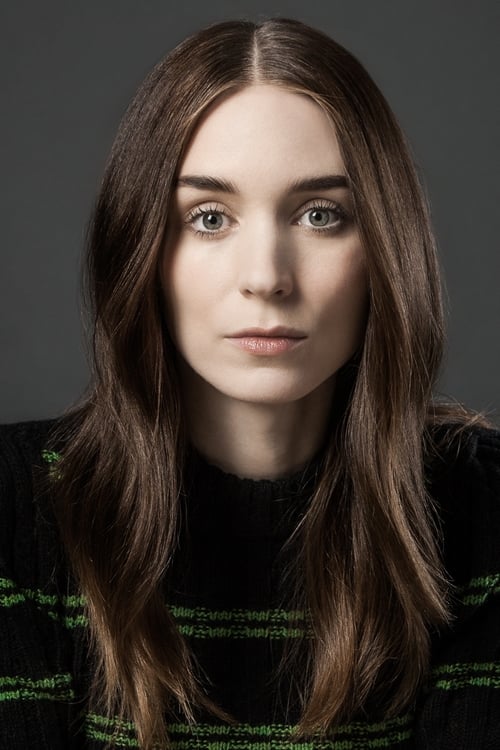
| | > The way the victim is portrayed is also interesting and courageous. Unlike more conventional narratives, in which the victim has already processed the trauma and recognizes the abuser as such, the film chooses to explore a more ambiguous and complex dimension. Una has not completely overcome what she has experienced and is therefore trapped in a dual, layered feeling. Naturally, she’s deeply angry with Ray, but at the same time she can’t completely erase the idea that he represented, for her, sort of a “first love”. It’s this ambivalence that makes the character so human and realistic; for some people who are victims of abuse, especially at a young age, the figure of the abuser can be confused with that of a loved one, due to inflicted emotional manipulation. The film doesn’t romanticize that feeling but never blames or looks down on the protagonist for being in that emotional state. Instead, it shows a psychological truth: even if a victim may feel like they loved their predator , that doesn’t make the relationship less abusive or justify it in any way. It's one of the many painful dichotomies some people have to deal with after being involved in a pedophilic relationship at a young age. This nuanced portrayal is emphasized by the impressive lead performance of Rooney Mara, who reveals multiple emotional layers. Una’s smile hides a strong sadness, while her angry tone lets fragility and confusion emerge. “Una” isn’t a pleasant watch, but it’s a brave and really underrated work.
| | > Some may question the purpose in adapting David Harrower's theatrical piece "Blackbird" in the form of a mostly one-location and dialogue-driven film, but director Benedict Andrews uses the cinematic form effectively, crafting a seemingly small-scale yet strong drama steeped in the lasting consequences of abuse and sexual trauma. Through the cinematic lens, Andrews doesn’t confine horror to the spoken confrontations, he also infuses it into the film’s imagery; claustrophobic but never gratuitous in the subject matter 's deception, with certain close-ups that trap the characters and other moments that keep the viewer at a distance. In the film, there’s a static shot of a tree's crown in a park that becomes petrifying when you realize what’s happening behind the cover. Una is an already deep wound that grows more septic, with memories spread around the story’s linear narrative; illustrating the former but more so rupturing the current reality. These short sequences cut into the story like shards, mirroring how trauma lingers in the mind, and blend now and then to show how little things have shifted over time– how the abuse Una endured so young froze her in a moment she couldn't outgrow. Andrews’ direction isn’t distinct here, but I don’t think this story needed particular stylization to work. The protagonist's introduction, for instance, perfectly sets the tone and gives an immediate grasp of how Una’s past continues to shape her present; as she returns, at night, to the same house from fifteen years earlier, a sense of stillness pervades. The more straightforward approach gives space for the conflict’s dynamics to unravel along with the film’s discussion on its themes, which I think has been severely misread.
| | > Many think that the film is posing the question “ Is Ray a pedophile or did he just make one mistake?”, therefore justifying predatory behavior and sexual assault and hiding behind ambiguity. But that's not the case. “Una”, instead, debunks various rhetoric related to pedophilia; such as that of the so-called "occasional pedophilia". In the film, the predator isn’t the stereotypical figure of a baiter or an unknown monster but rather a neighbor, a familiar and apparently harmless presence. In the film, Ray tries several times to justify his behavior by saying things such as "You are the only girl I have ever had a relationship with" or "I am not a pedophile, I am not one of them", in an attempt to dissociate himself from that category, as if a single episode could be excluded from the definition of abuse. However, the film never legitimizes these justifications. Indeed, it dismantles them precisely, showing them for what they are: the product of an unhealthy mentality that seeks to normalize and exceptionalize abuse. “Una” denounces the idea of a "different", more tolerable, pedophilia and the message is clear: anyone who sexually abuses a minor, even just once, is a pedophile. No ifs, ands or buts.
| | > The way the victim is portrayed is also interesting and courageous. Unlike more conventional narratives, in which the victim has already processed the trauma and recognizes the abuser as such, the film chooses to explore a more ambiguous and complex dimension. Una has not completely overcome what she has experienced and is therefore trapped in a dual, layered feeling. Naturally, she’s deeply angry with Ray, but at the same time she can’t completely erase the idea that he represented, for her, sort of a “first love”. It’s this ambivalence that makes the character so human and realistic; for some people who are victims of abuse, especially at a young age, the figure of the abuser can be confused with that of a loved one, due to inflicted emotional manipulation. The film doesn’t romanticize that feeling but never blames or looks down on the protagonist for being in that emotional state. Instead, it shows a psychological truth: even if a victim may feel like they loved their predator , that doesn’t make the relationship less abusive or justify it in any way. It's one of the many painful dichotomies some people have to deal with after being involved in a pedophilic relationship at a young age. This nuanced portrayal is emphasized by the impressive lead performance of Rooney Mara, who reveals multiple emotional layers. Una’s smile hides a strong sadness, while her angry tone lets fragility and confusion emerge. “Una” isn’t a pleasant watch, but it’s a brave and really underrated work.