firstly: i do not think this film is as bad as some people on here make it out to be. giving it a half (or even one) star appears to me a purely emotional response to the movie that expresses anger towards the oftentimes disturbing fictionalisation of marilyn's life rather than acting as an active, good-faith attempt to engage with the material that the film does offer.
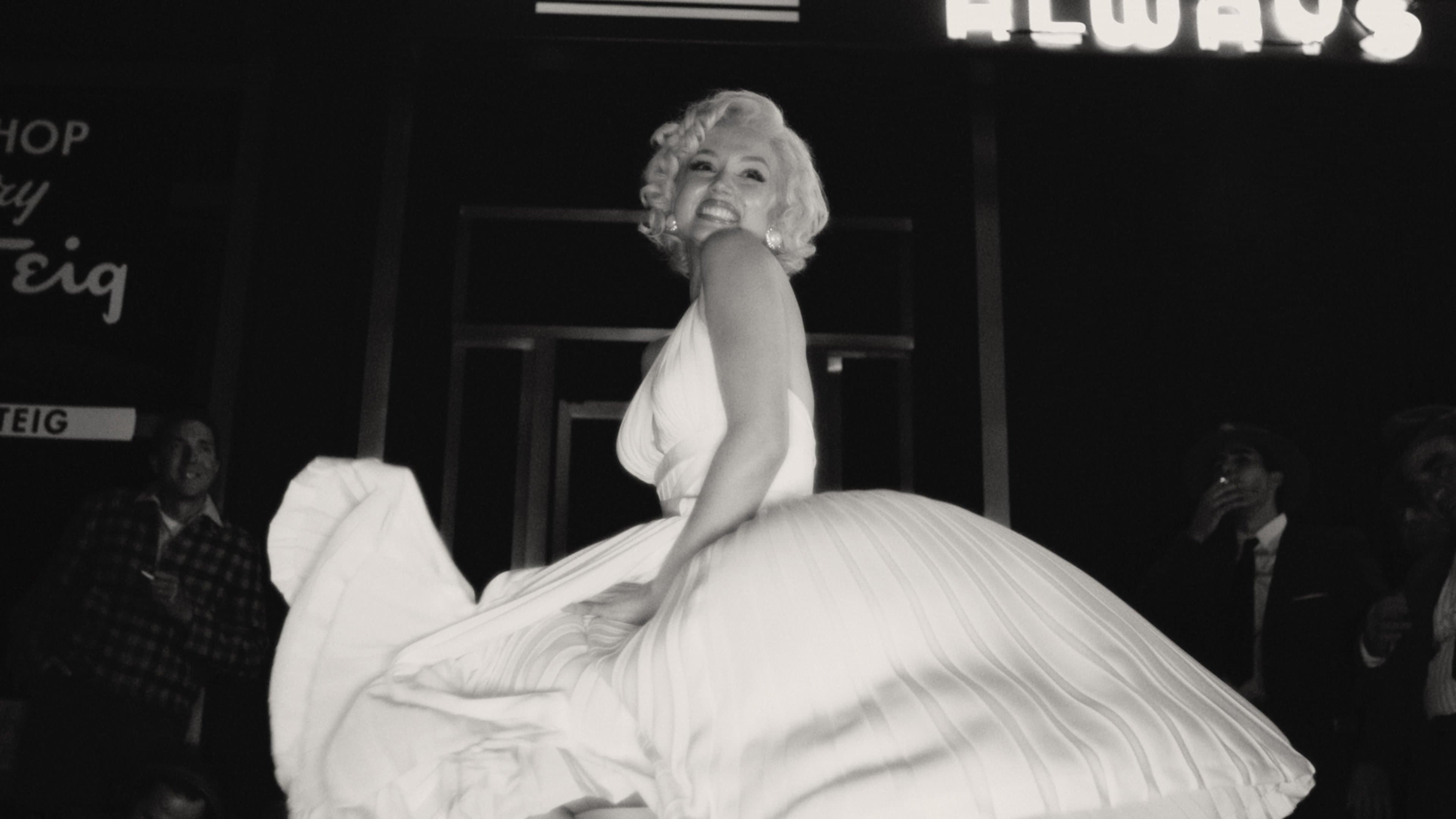
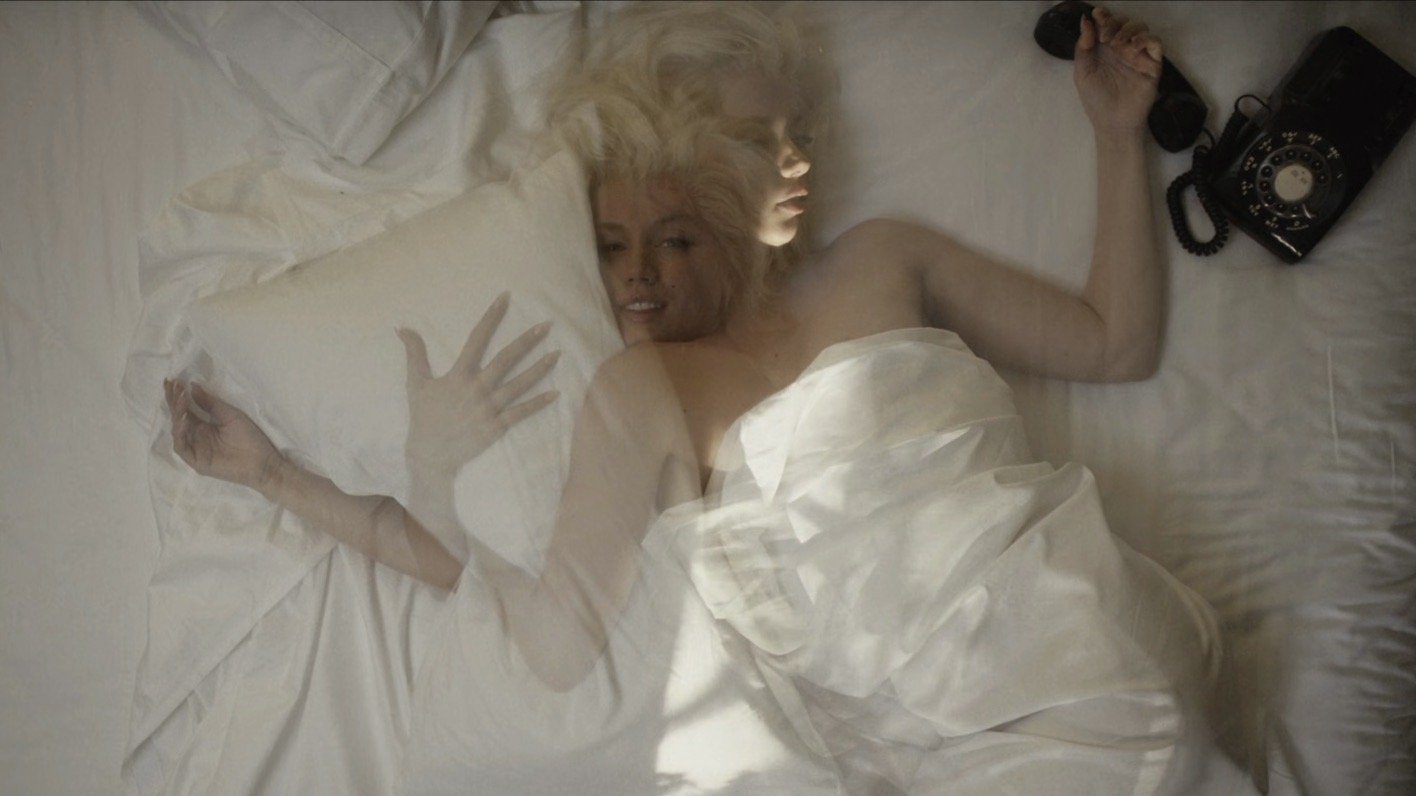
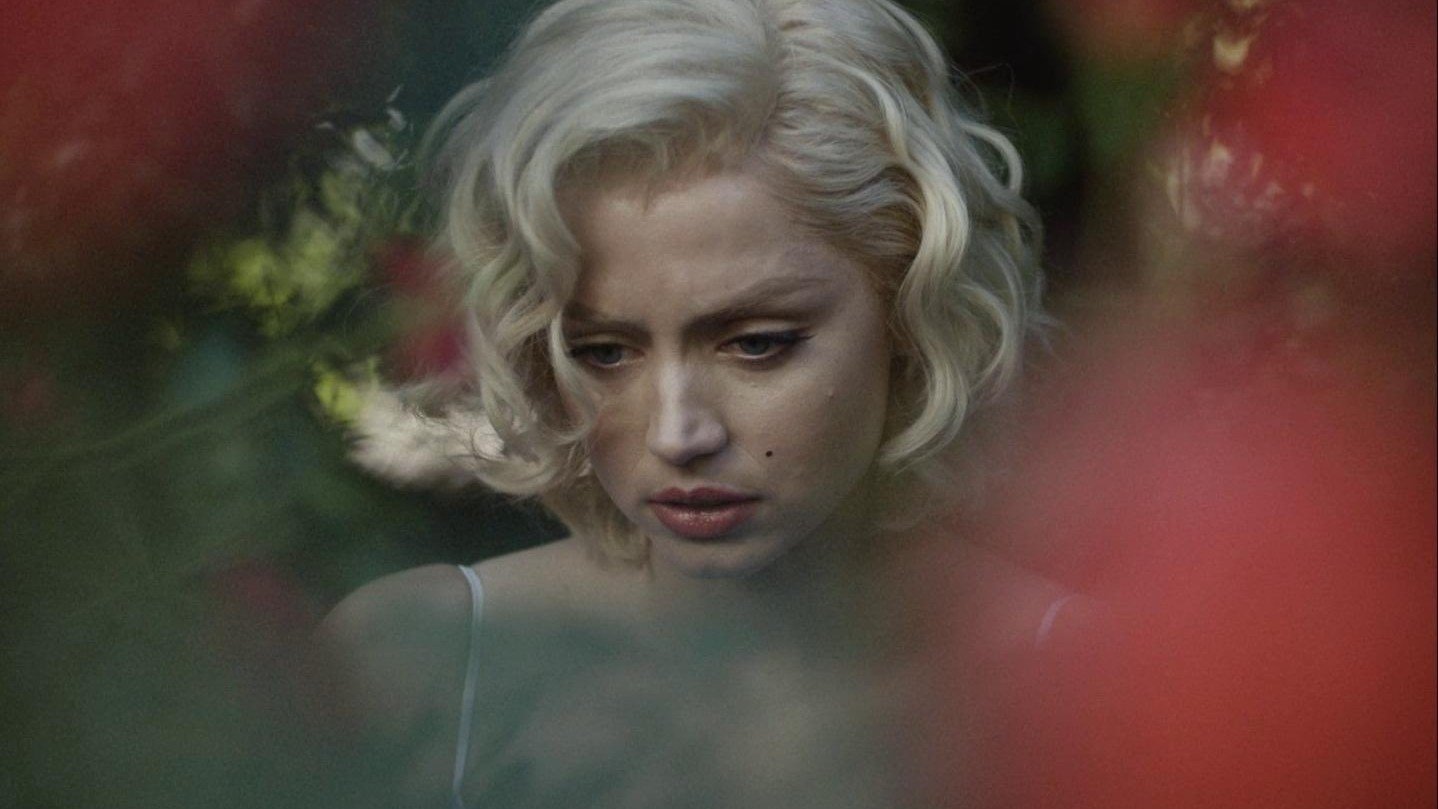
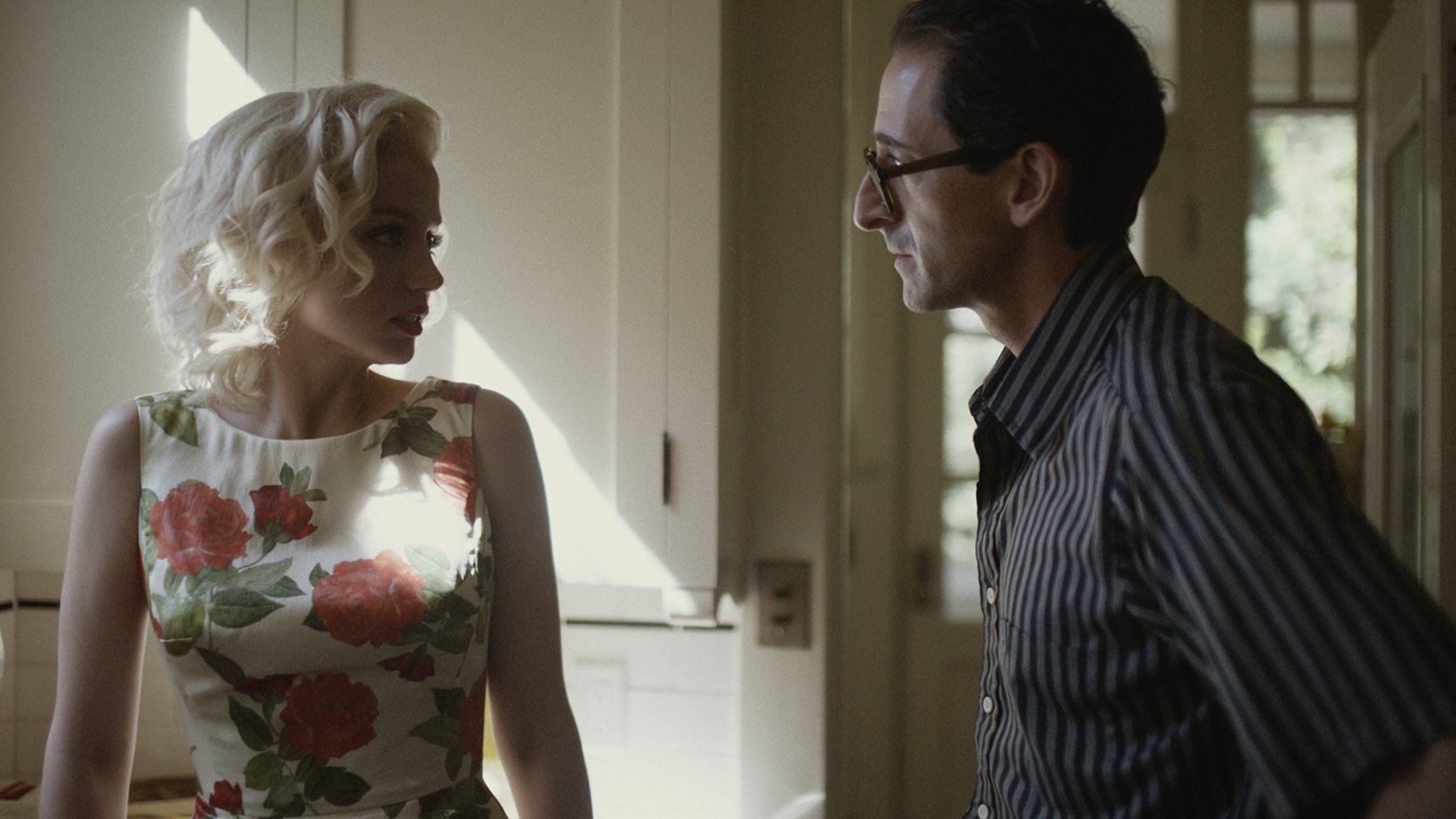
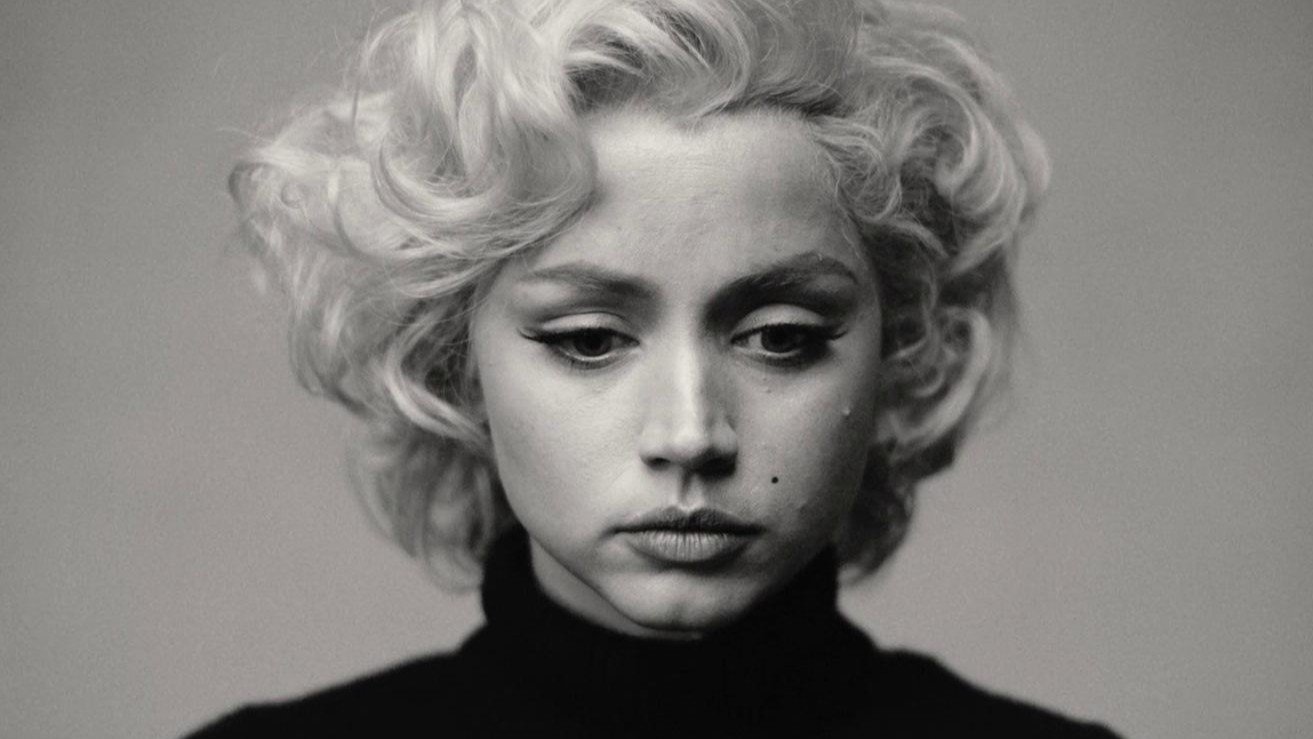
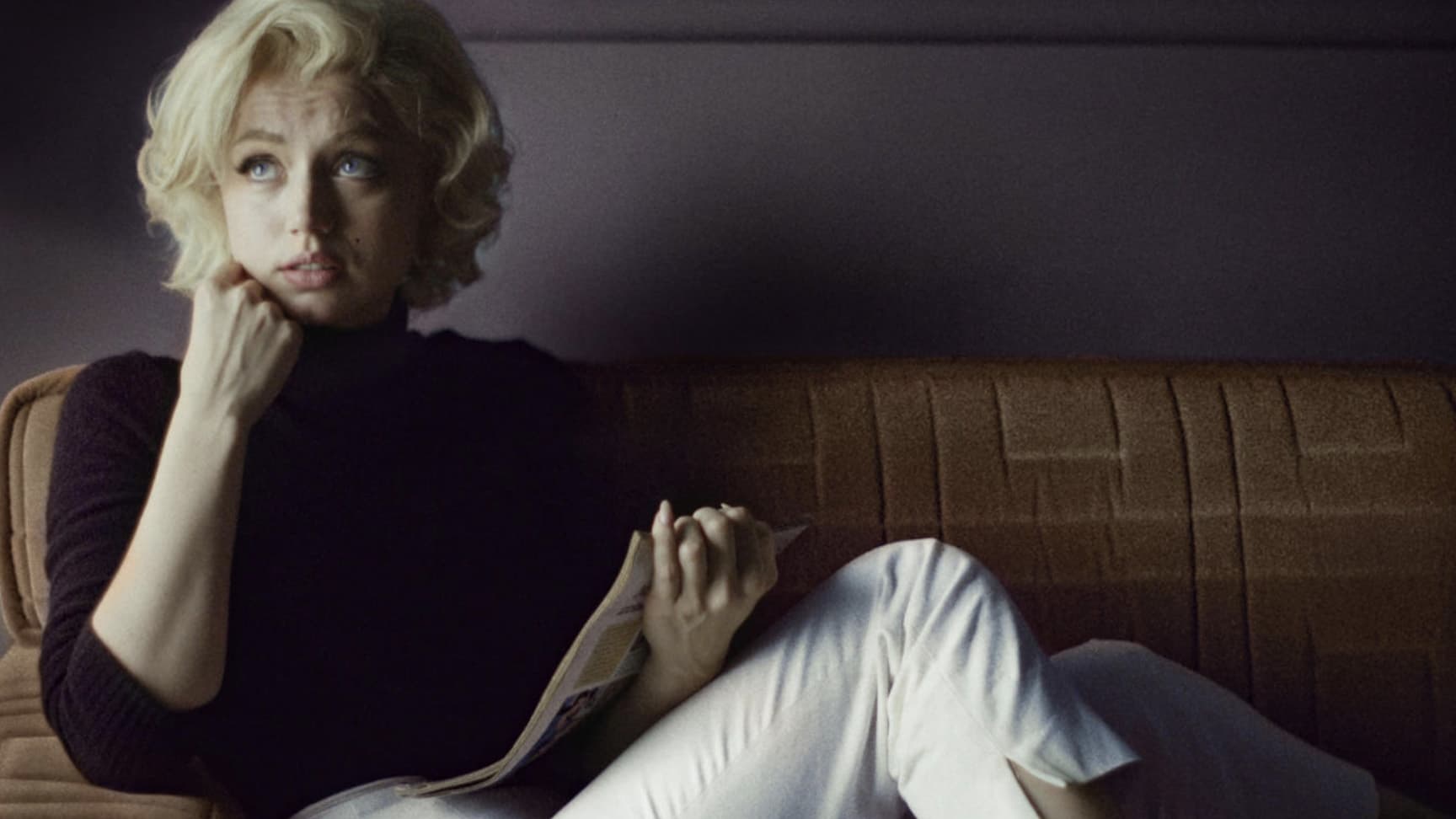
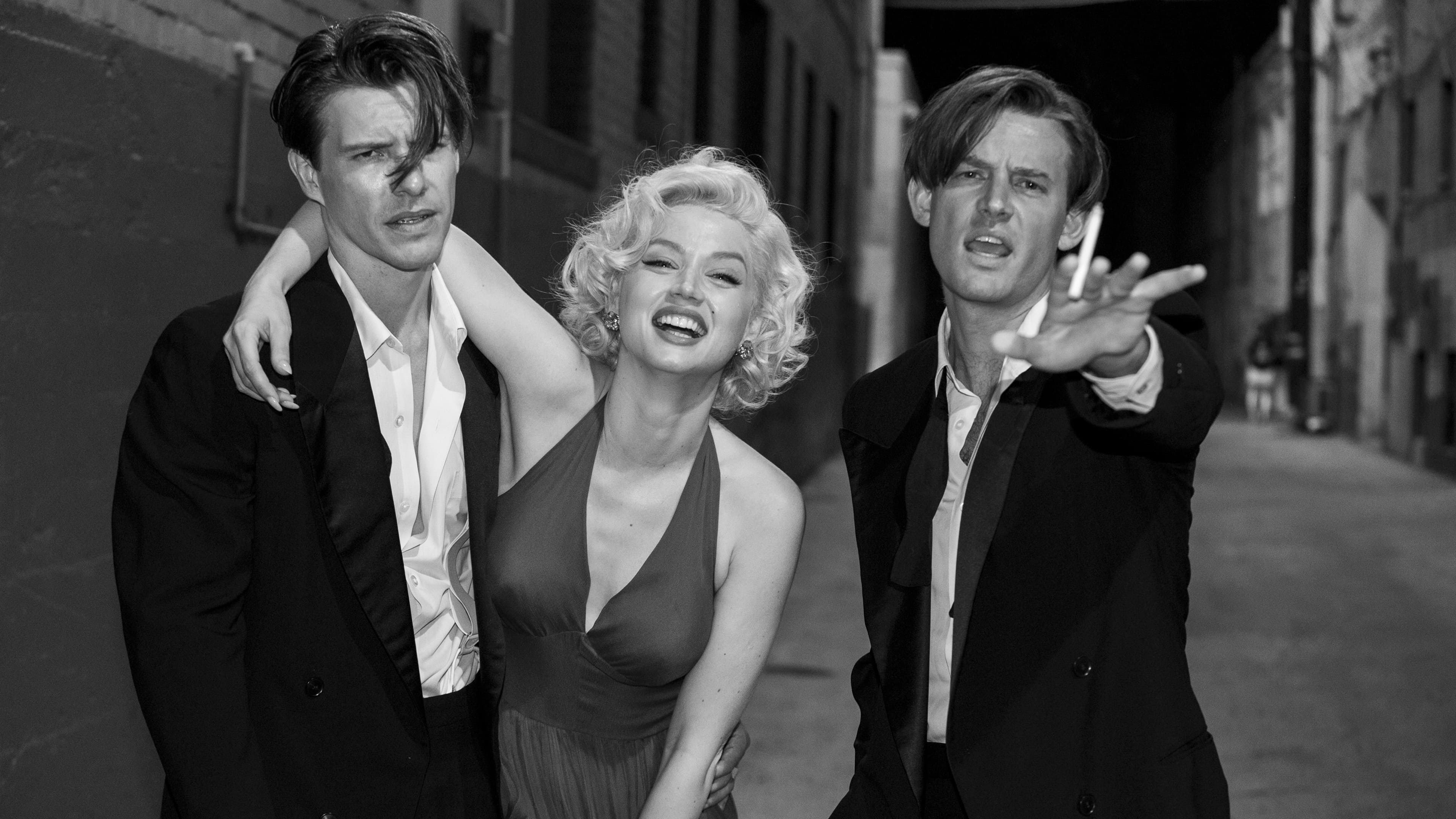
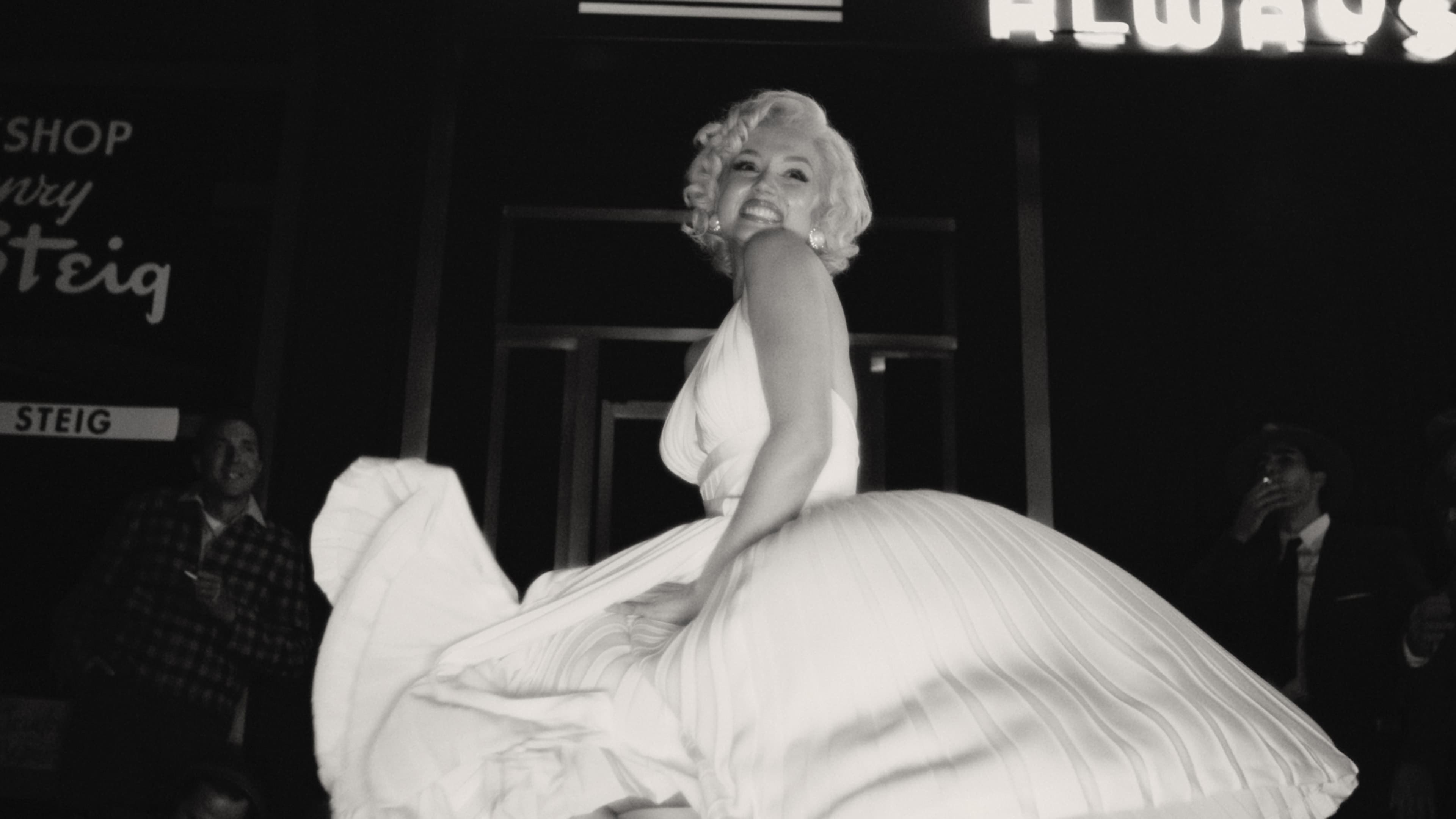
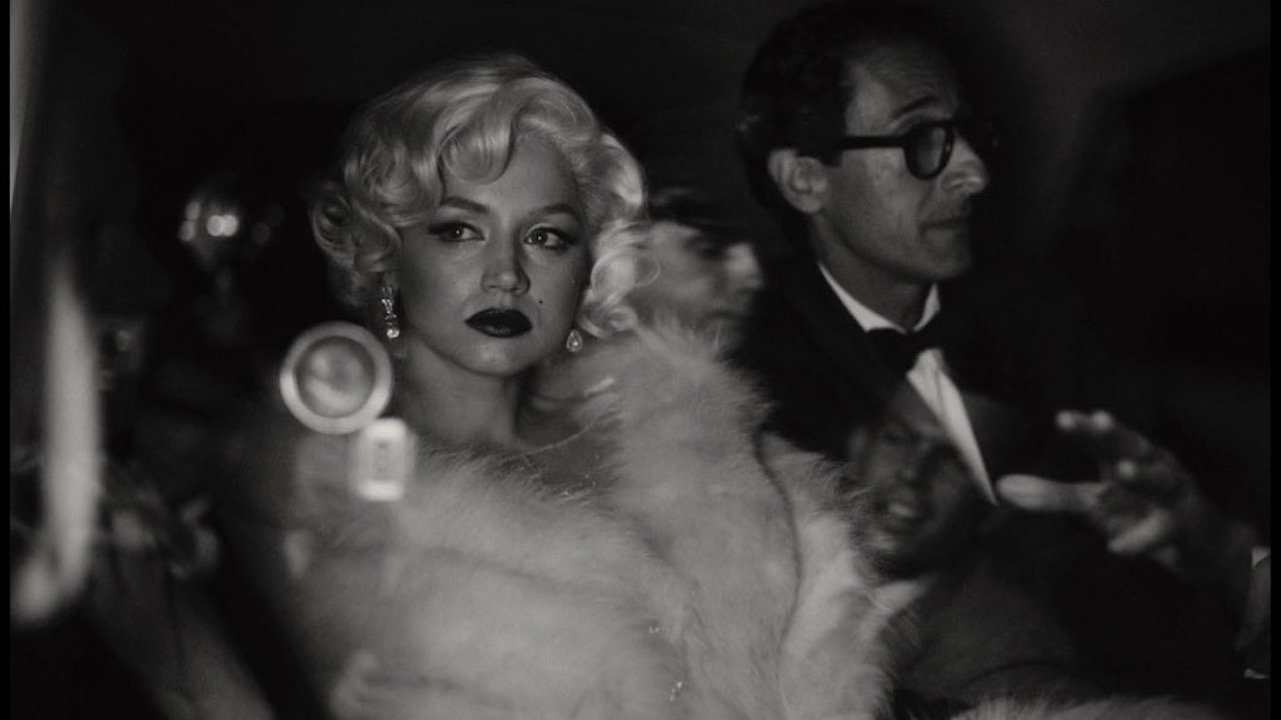
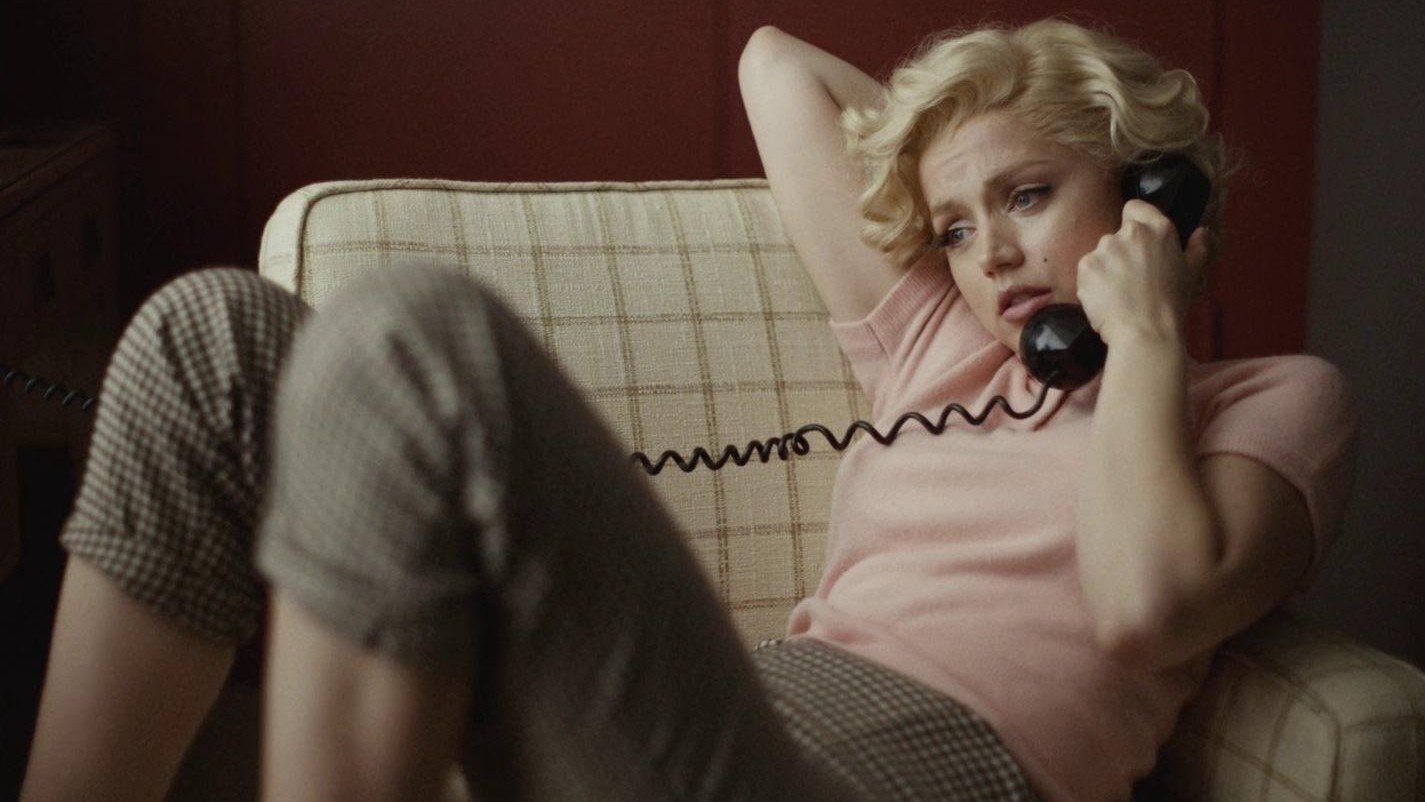
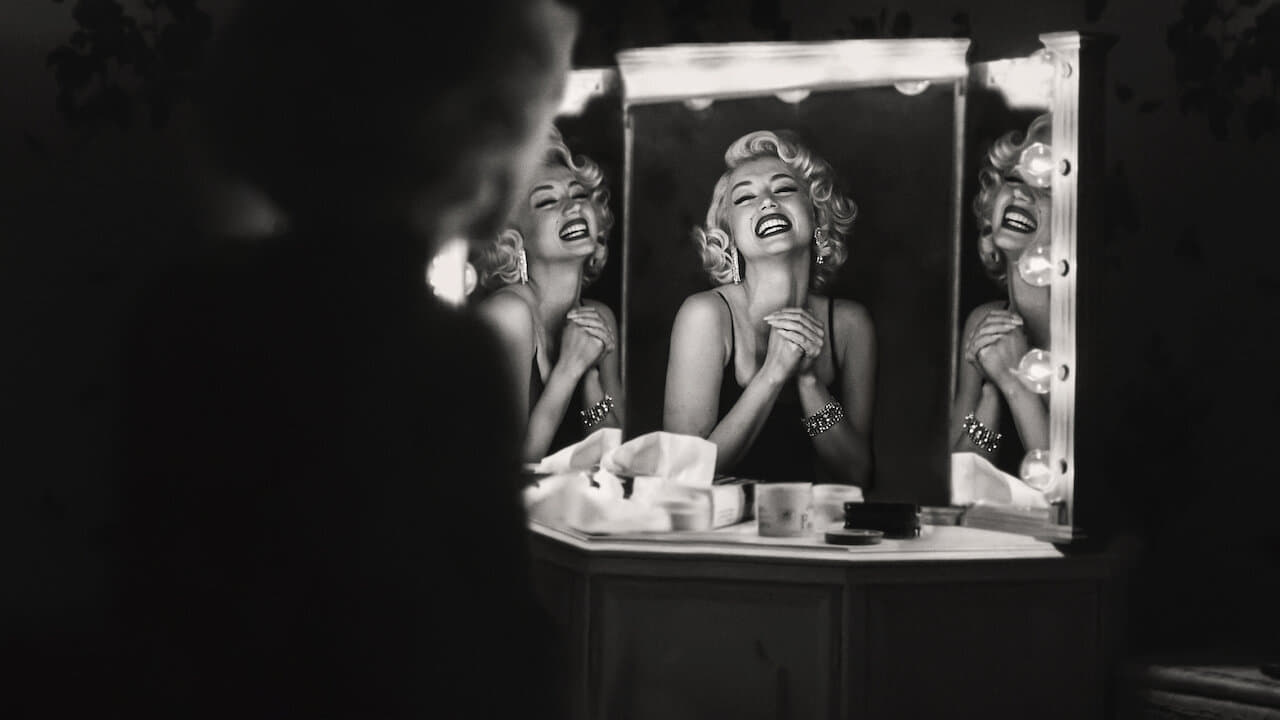
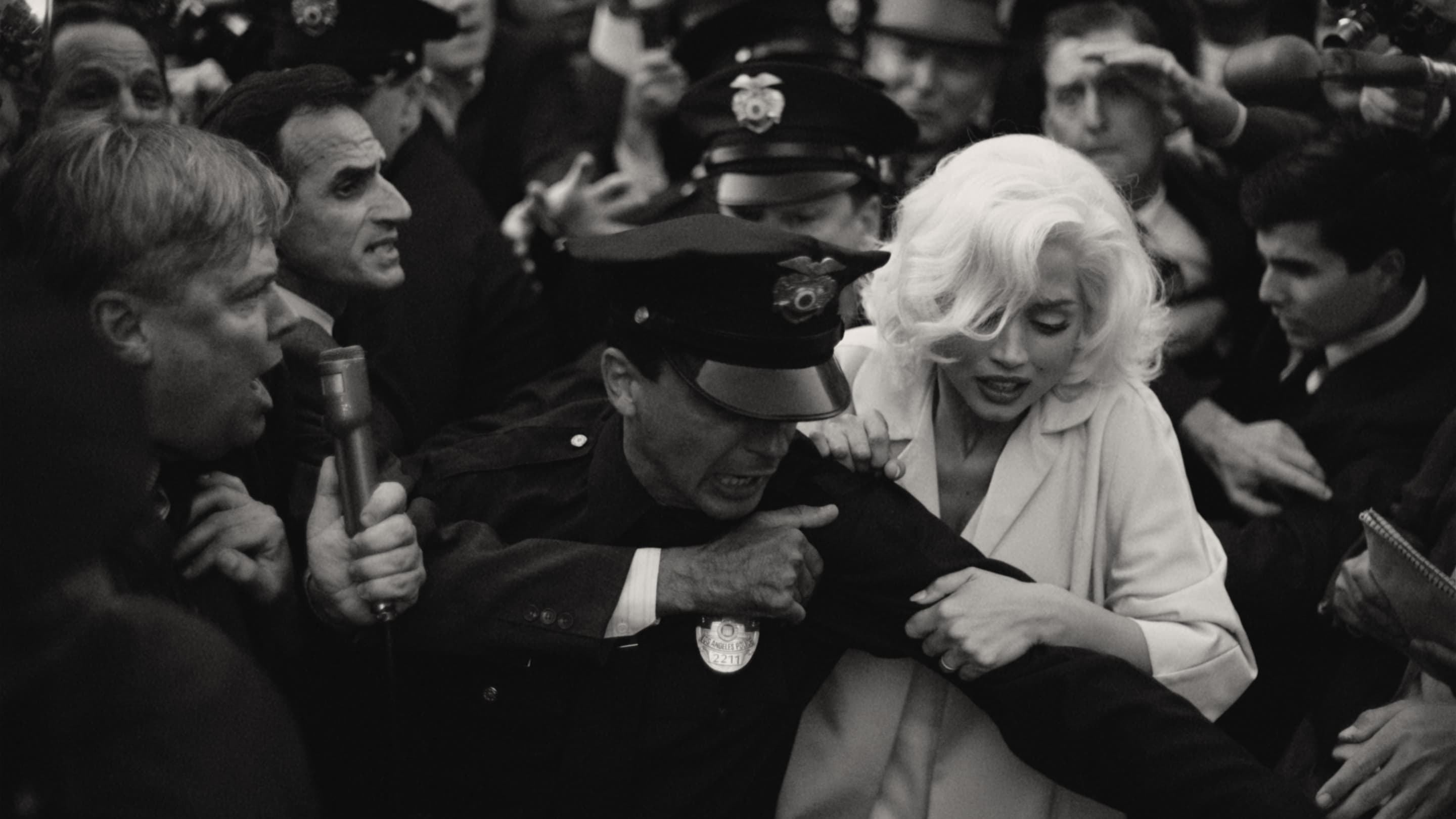
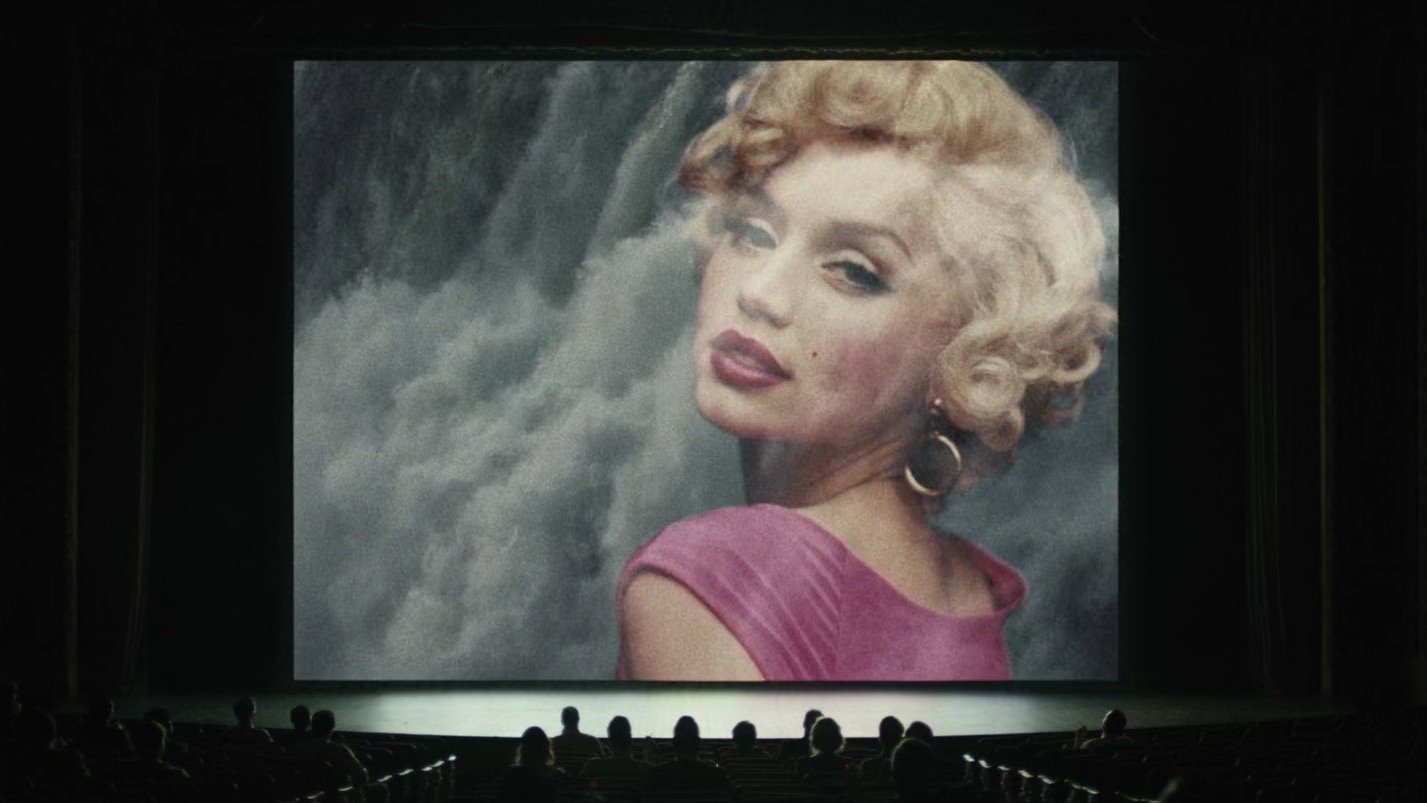
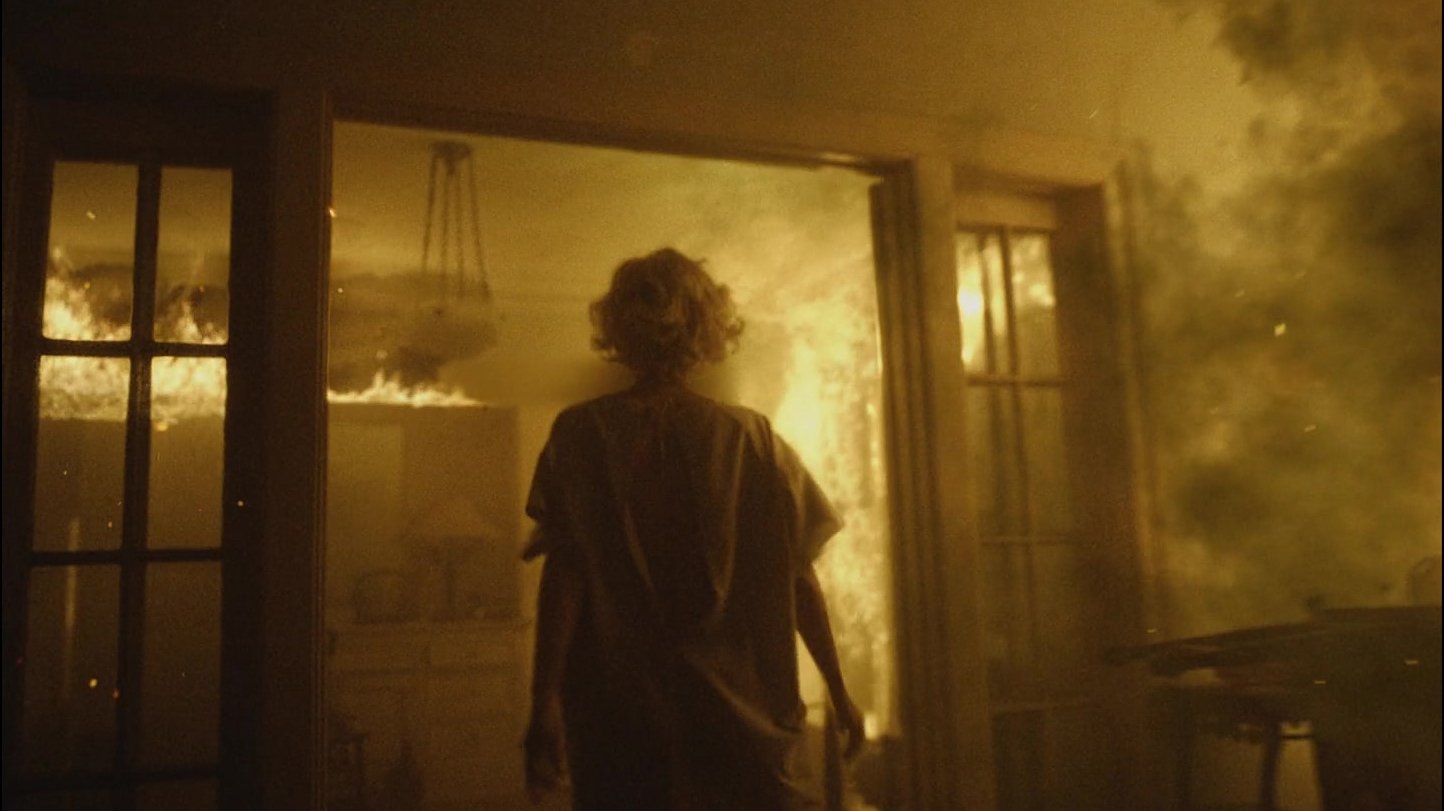
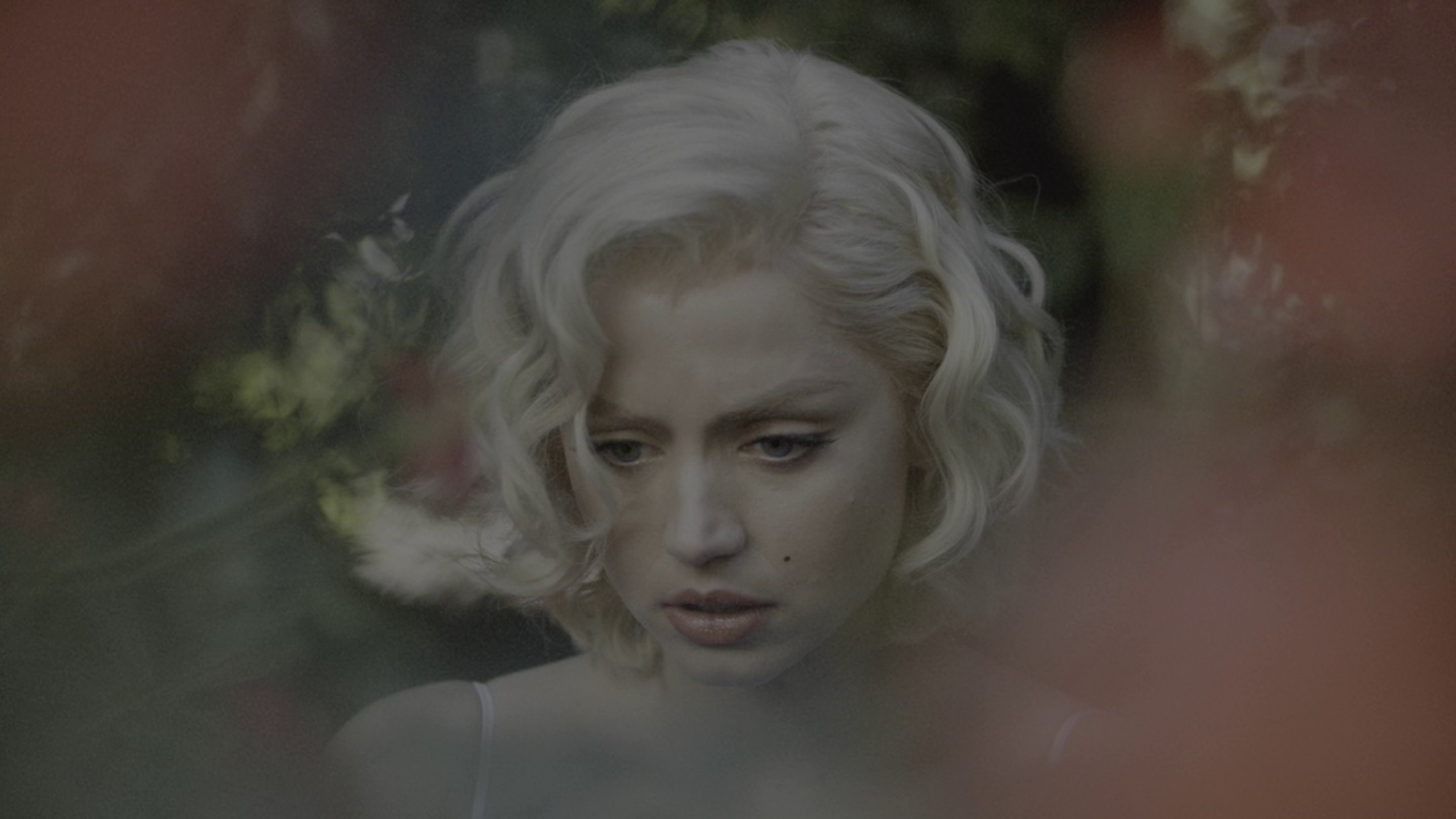
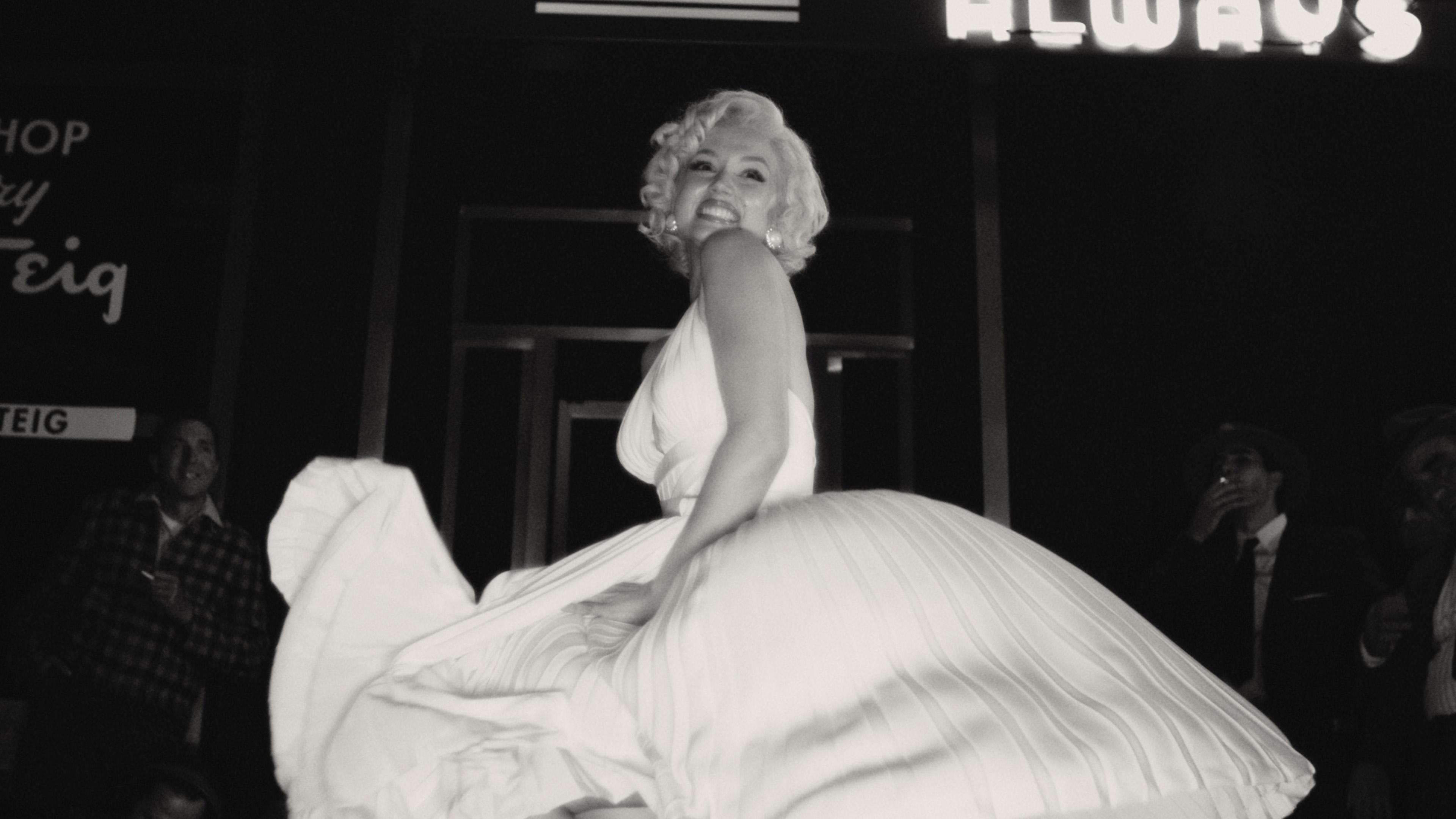
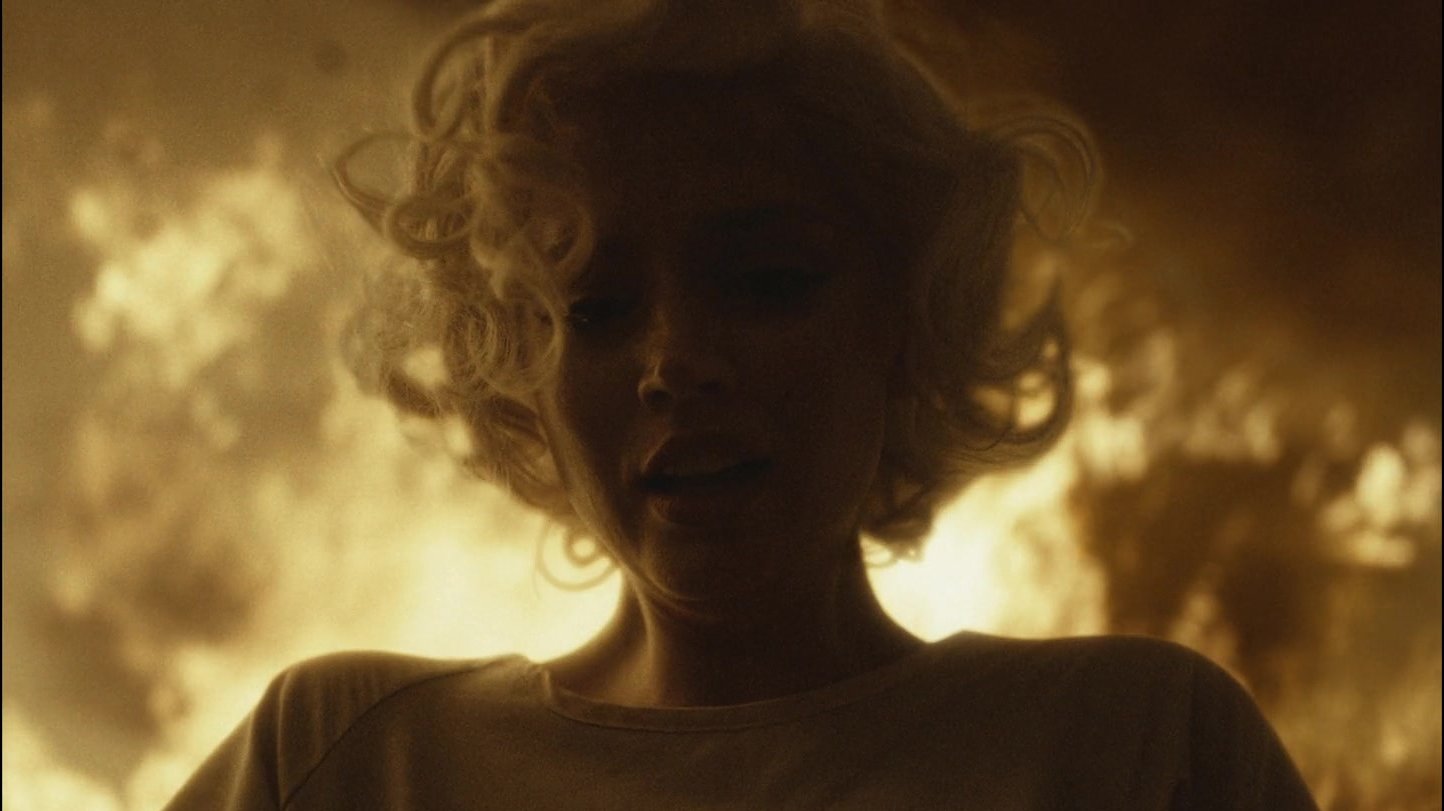
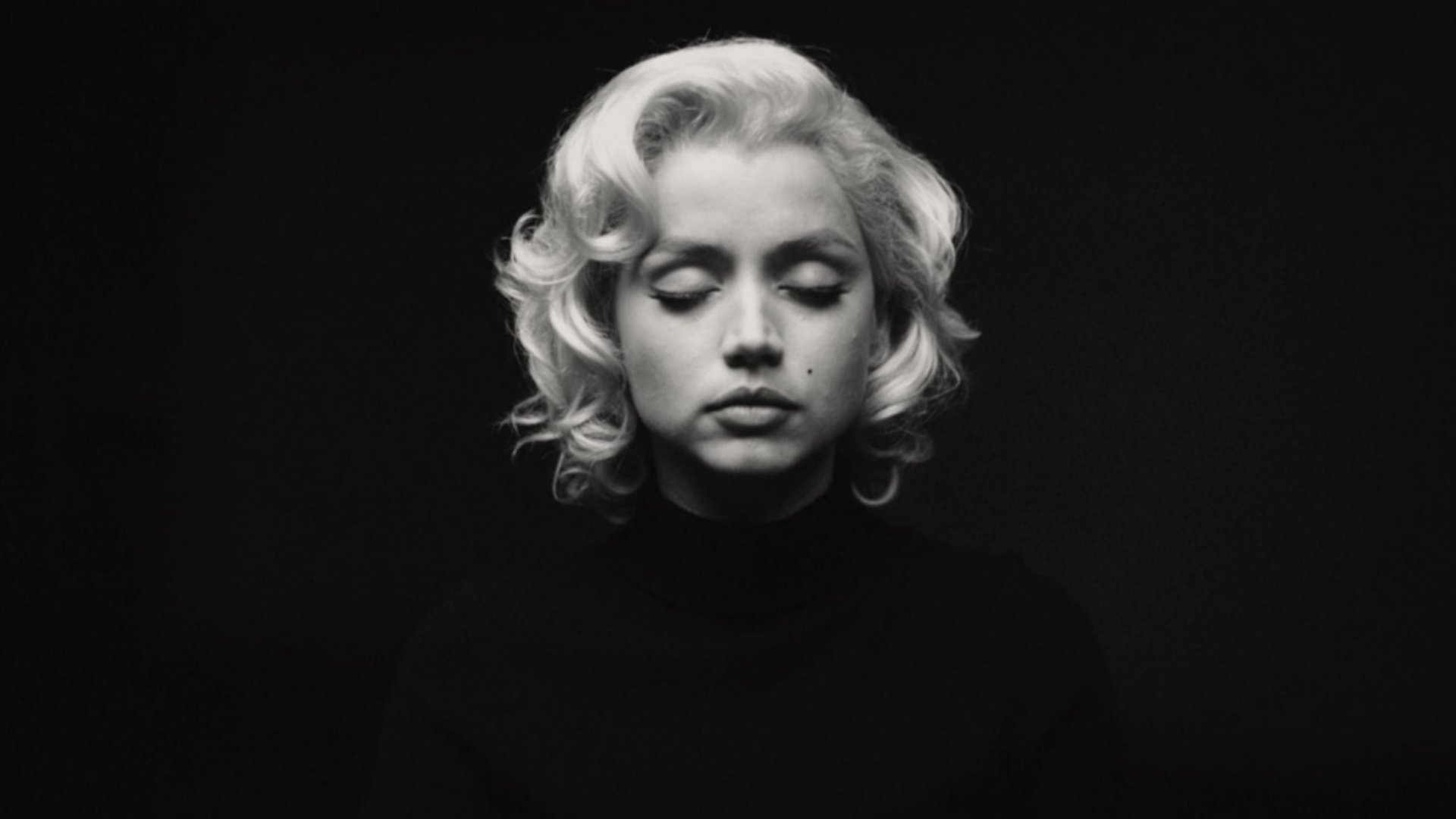
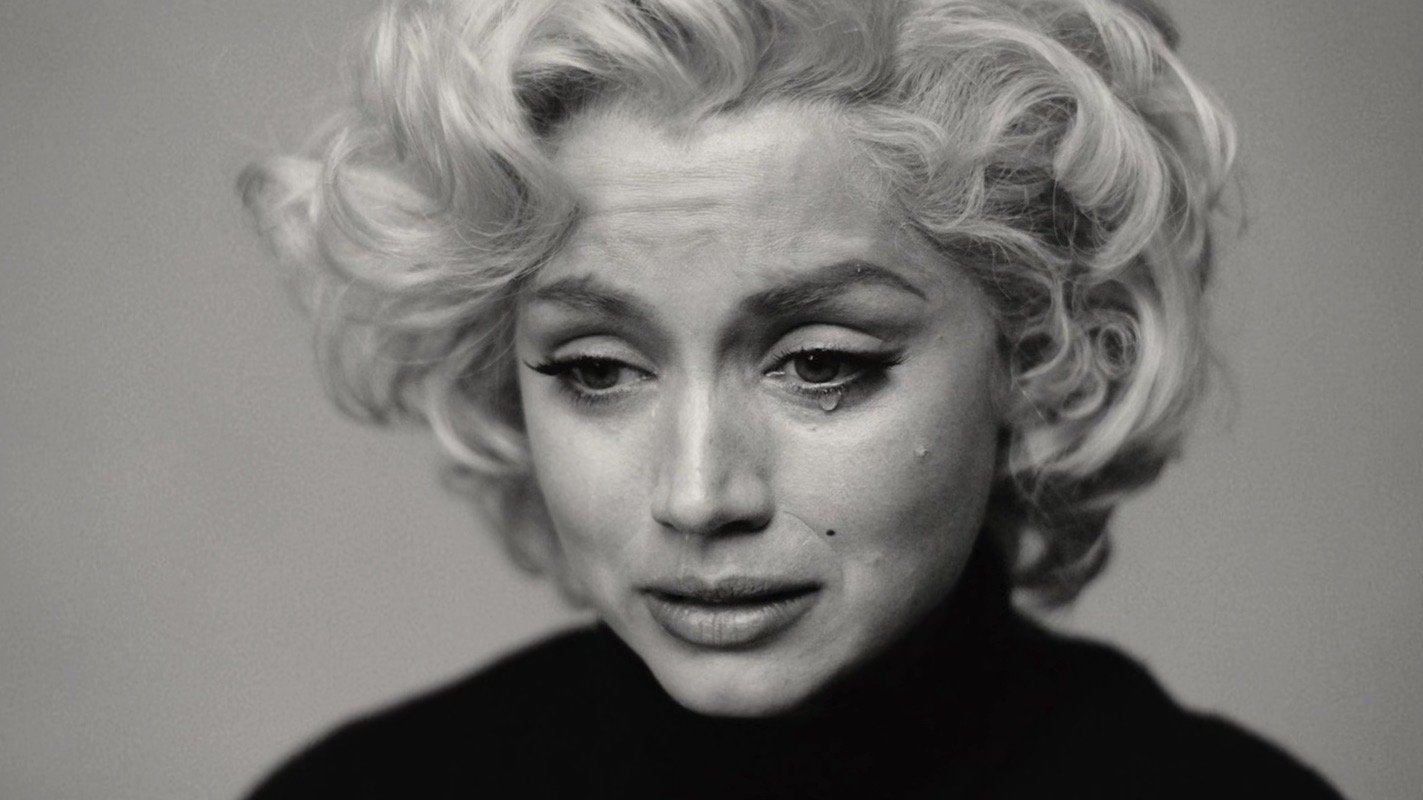
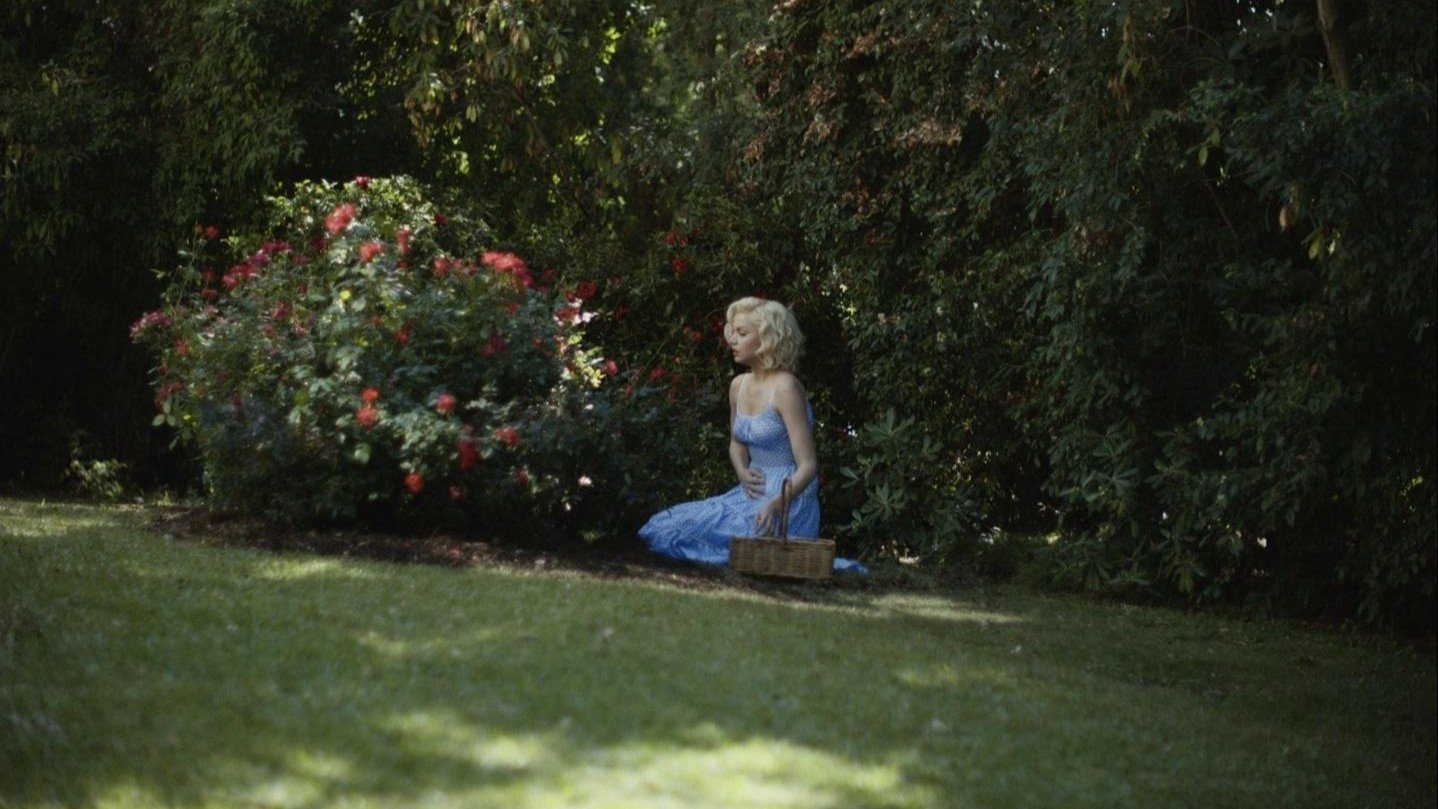
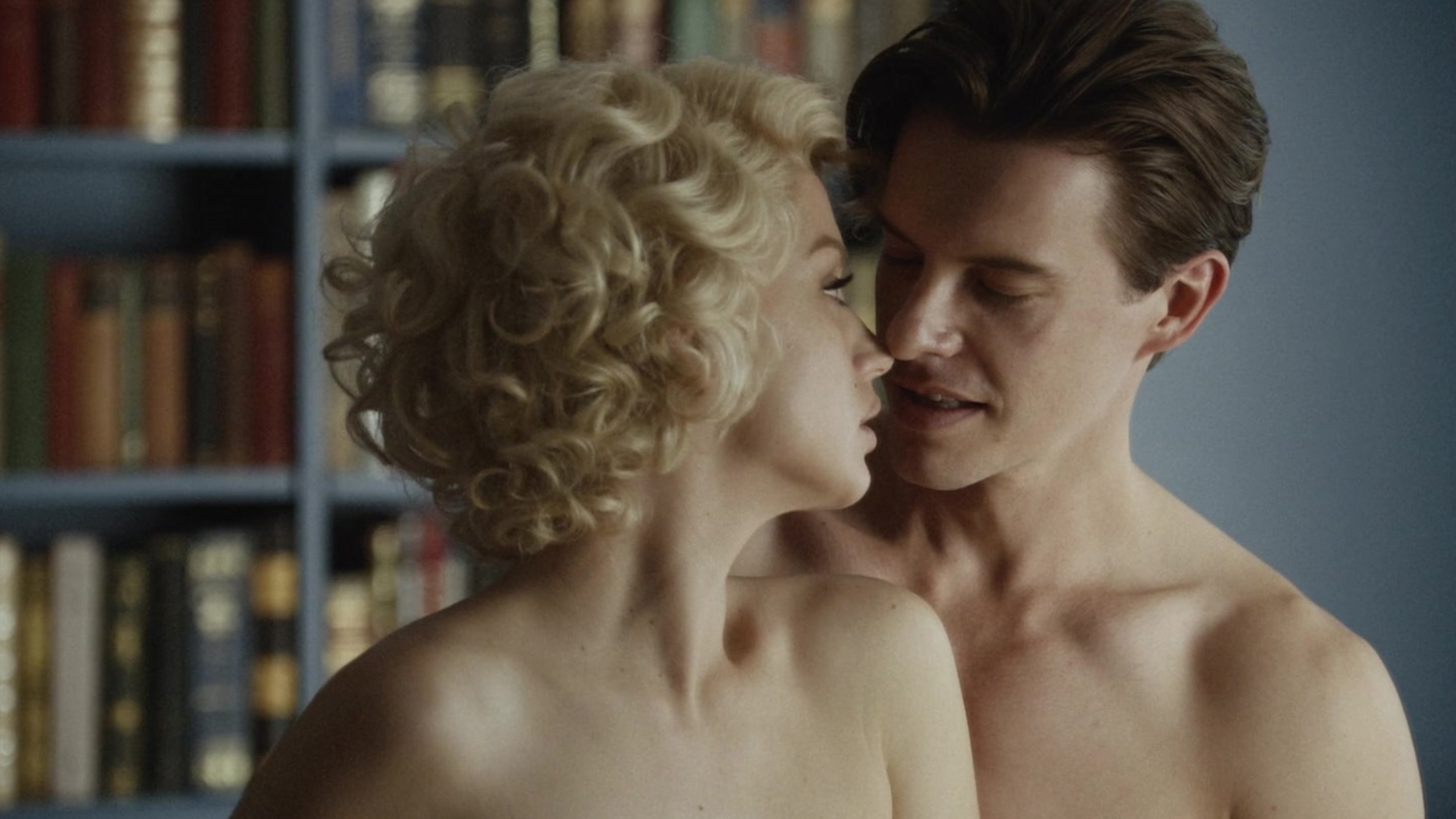
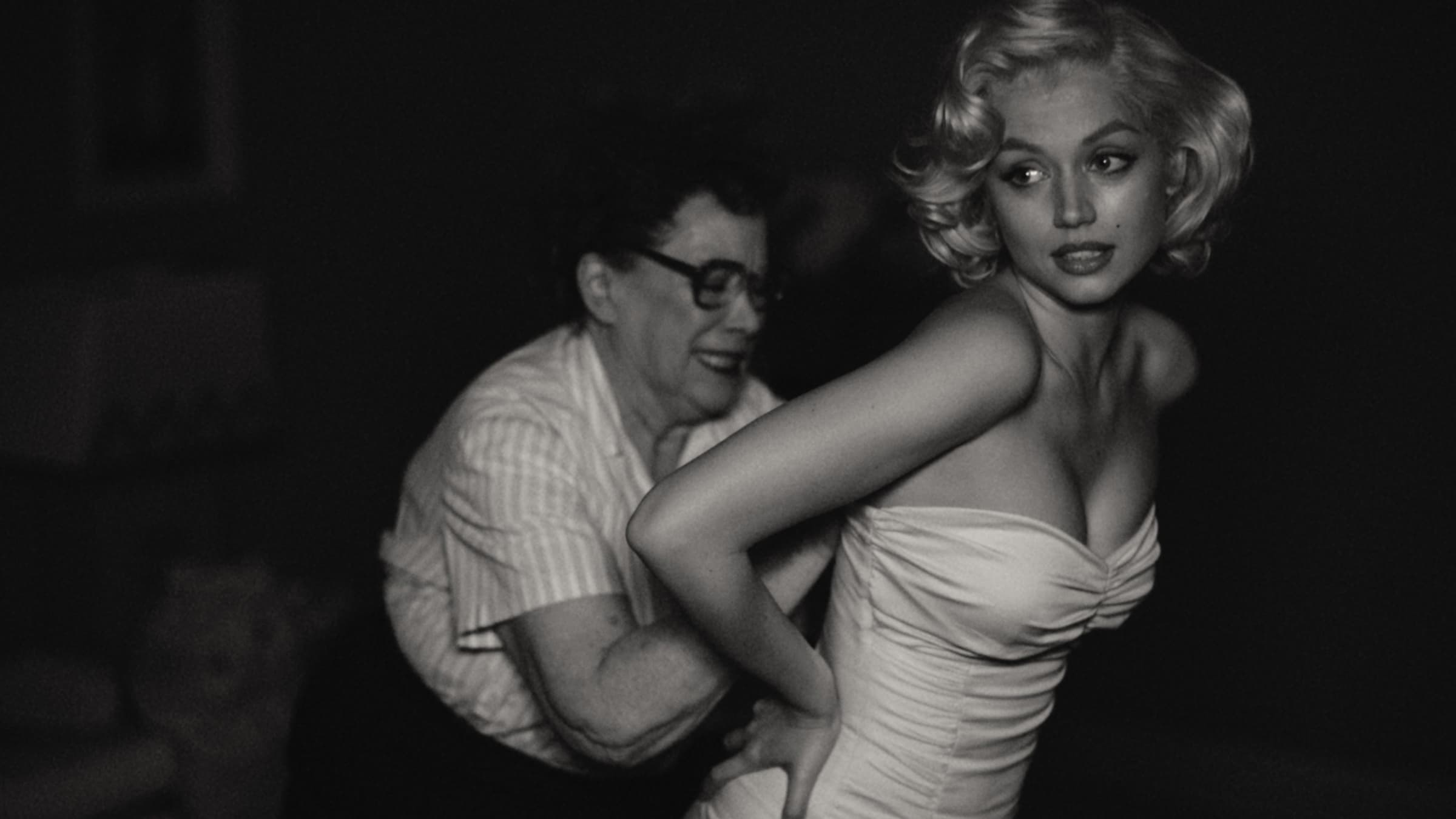
the movie does have some significant and undeniable issues. the constant shifts in aspect ratio and colour palette, the one-dimensional and overtly infantile writing of marilyn, the rushed pacing between fragmented scenes, and seriously questionable directorial choices (e.g. having the cgi baby 'speak' to marilyn via voiceover) all contribute towards forming a justifiable basis off of which critics + audiences have rejected this movie. it is not, let me be clear, a perfect work of art.
nevertheless, i do take gripe with what i previously called 'emotional' responses and criticisms of the movie. the fictionalisation of marilyn's life, for example, is not, to me, the main issue that blonde has. i understand that many may view the rewriting of marilyn's life in an arguably crude fashion to be immoral, but art should NEVER be subject to morality policing. art, and particularly film, only ever has the need to express itself. echoing wilde and pater, the only maxim art should be held to is 'art for art's sake' - it should NOT be expected to conform to a set of ethical rules so as to not defame dead persons or to avoid upsetting audiences. this is not a moral battleground. this is a movie.
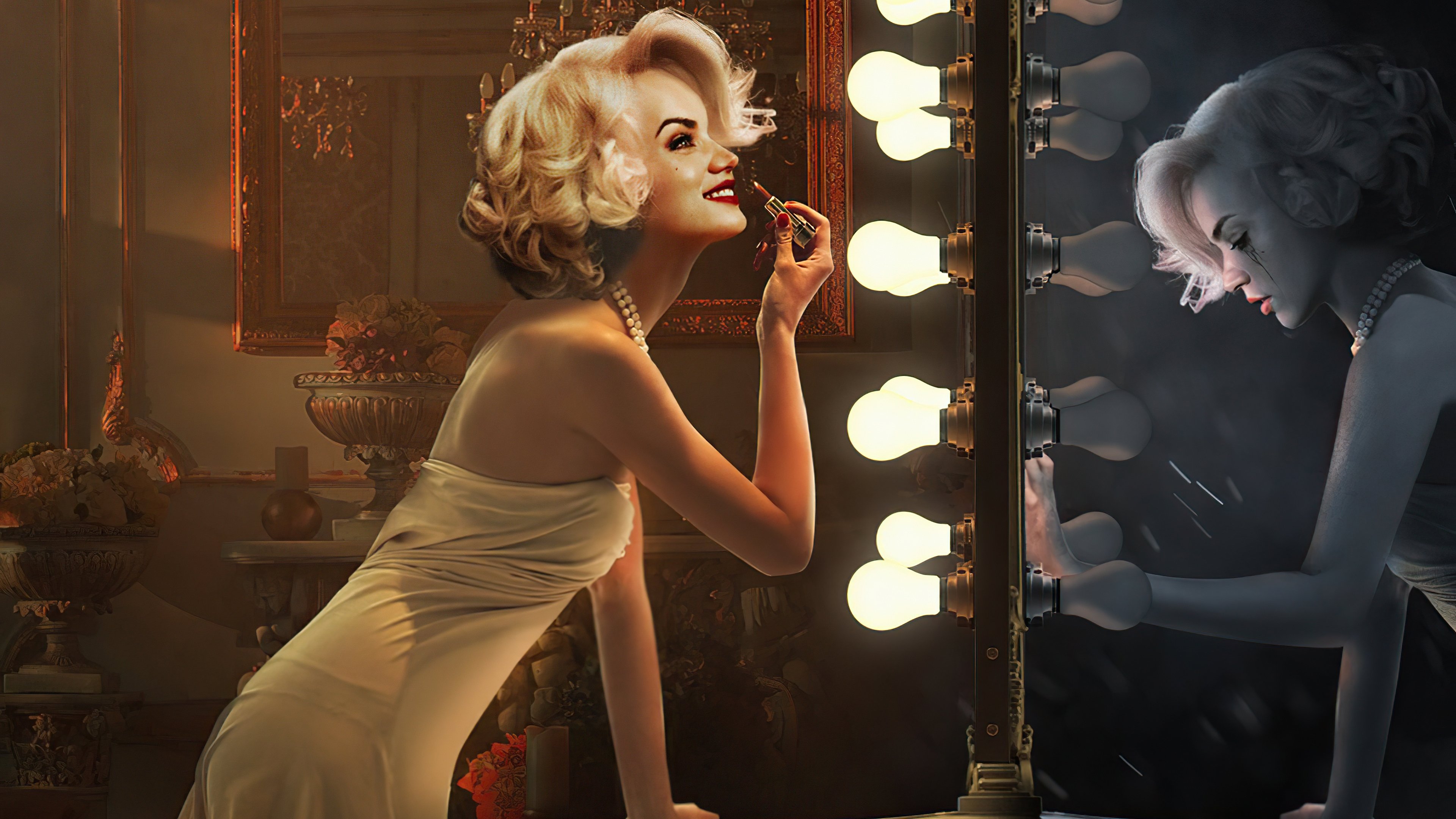
anything can be used as material for art. a dead person's life (whether that be a person only the artist knew or everybody knows), horrific events in history, murder... so on and so forth. no matter how 'immoral' a subject is held to be in society, it is not the responsibility of an artistic medium to help reject, or, in the case of marilyn's heavily publicised life, ethically preserve it. this is a creative exploration of what monroe's life could have been (see oates' original novel), and to that end it succeeds. it exists to offer us a sensual, sensational, and solemn look into one variant of the figure that was marilyn monroe - one interpretation of the elusive figure of norma jeane mortenson that none of us knew or could ever really understand. as people speculated into norma/marilyn's life when she was alive, blonde physicalises these speculations into a linear narrative of a rise and a fall that never claims to be factually accurate.
thus, i do not dislike this film because of what it attempts to do. in fact, i find its premise incredibly compelling. anything, as i said, is worthy source material - but that of a nebulous public figure who had a different life depending on which person you ask is especially fascinating to me. rather, i dislike the film because of its execution of said premise. the piece is tonally inconsistent, flirts with multiple ideas but recedes before the ideas are fully explored, and often feels like it places style over substance. that is not an inherent flaw - it'd be stupid of me to quote the principle of aestheticism just to rebuke its tastes - but it was clear that dominik was attempting to produce an emotional response in the viewer by the end and i do not think surface-level style was the best way to achieve that. for emotion, you need substance. i think the lack thereof is why audiences left the movie so angered; that is, at its ultimate nothingness when attempting to depict a woman emblematic of everything that is feminine.
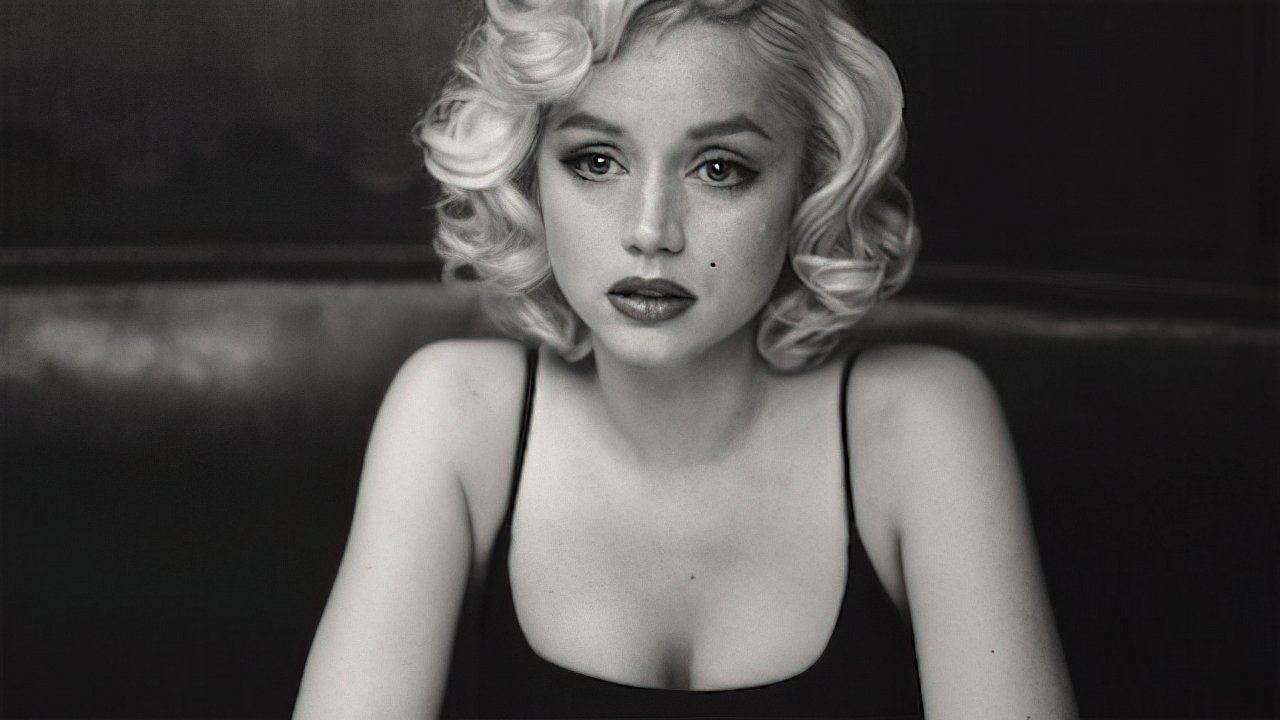
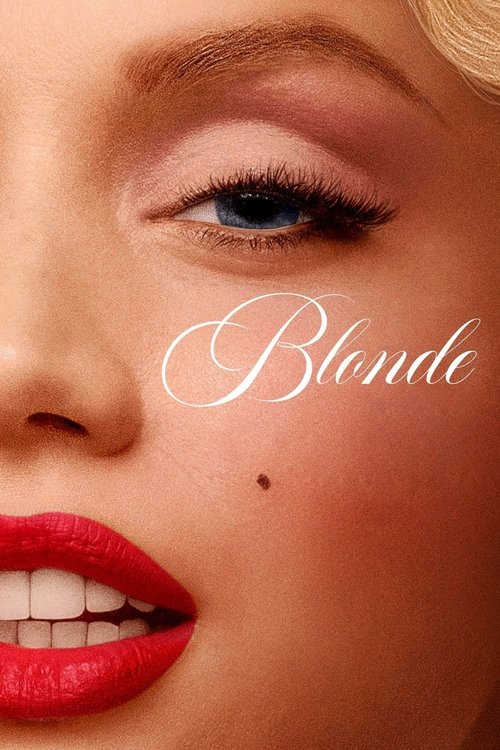
overall, this was an interesting watch (and i mean interesting in the very sense of the word - not enjoyable, not horrible, but artistically fascinating). dominik and irvin make some choices here that i wouldn't enact personally. ana de armas occasionally feels a tad one-note, although the performance remains immensely powerful otherwise. and the fictional deviations sometimes feel a bit corny or poorly chosen. that said, it's not so bad it shouldn't exist. i think it's worth a watch at the end of the day. i've seen better, i've seen worse. interesting.
firstly: i do not think this film is as bad as some people on here make it out to be. giving it a half (or even one) star appears to me a purely emotional response to the movie that expresses anger towards the oftentimes disturbing fictionalisation of marilyn's life rather than acting as an active, good-faith attempt to engage with the material that the film does offer.
the movie does have some significant and undeniable issues. the constant shifts in aspect ratio and colour palette, the one-dimensional and overtly infantile writing of marilyn, the rushed pacing between fragmented scenes, and seriously questionable directorial choices (e.g. having the cgi baby 'speak' to marilyn via voiceover) all contribute towards forming a justifiable basis off of which critics + audiences have rejected this movie. it is not, let me be clear, a perfect work of art.
nevertheless, i do take gripe with what i previously called 'emotional' responses and criticisms of the movie. the fictionalisation of marilyn's life, for example, is not, to me, the main issue that blonde has. i understand that many may view the rewriting of marilyn's life in an arguably crude fashion to be immoral, but art should NEVER be subject to morality policing. art, and particularly film, only ever has the need to express itself. echoing wilde and pater, the only maxim art should be held to is 'art for art's sake' - it should NOT be expected to conform to a set of ethical rules so as to not defame dead persons or to avoid upsetting audiences. this is not a moral battleground. this is a movie.
anything can be used as material for art. a dead person's life (whether that be a person only the artist knew or everybody knows), horrific events in history, murder... so on and so forth. no matter how 'immoral' a subject is held to be in society, it is not the responsibility of an artistic medium to help reject, or, in the case of marilyn's heavily publicised life, ethically preserve it. this is a creative exploration of what monroe's life could have been (see oates' original novel), and to that end it succeeds. it exists to offer us a sensual, sensational, and solemn look into one variant of the figure that was marilyn monroe - one interpretation of the elusive figure of norma jeane mortenson that none of us knew or could ever really understand. as people speculated into norma/marilyn's life when she was alive, blonde physicalises these speculations into a linear narrative of a rise and a fall that never claims to be factually accurate.
thus, i do not dislike this film because of what it attempts to do. in fact, i find its premise incredibly compelling. anything, as i said, is worthy source material - but that of a nebulous public figure who had a different life depending on which person you ask is especially fascinating to me. rather, i dislike the film because of its execution of said premise. the piece is tonally inconsistent, flirts with multiple ideas but recedes before the ideas are fully explored, and often feels like it places style over substance. that is not an inherent flaw - it'd be stupid of me to quote the principle of aestheticism just to rebuke its tastes - but it was clear that dominik was attempting to produce an emotional response in the viewer by the end and i do not think surface-level style was the best way to achieve that. for emotion, you need substance. i think the lack thereof is why audiences left the movie so angered; that is, at its ultimate nothingness when attempting to depict a woman emblematic of everything that is feminine.
overall, this was an interesting watch (and i mean interesting in the very sense of the word - not enjoyable, not horrible, but artistically fascinating). dominik and irvin make some choices here that i wouldn't enact personally. ana de armas occasionally feels a tad one-note, although the performance remains immensely powerful otherwise. and the fictional deviations sometimes feel a bit corny or poorly chosen. that said, it's not so bad it shouldn't exist. i think it's worth a watch at the end of the day. i've seen better, i've seen worse. interesting.












 3
3