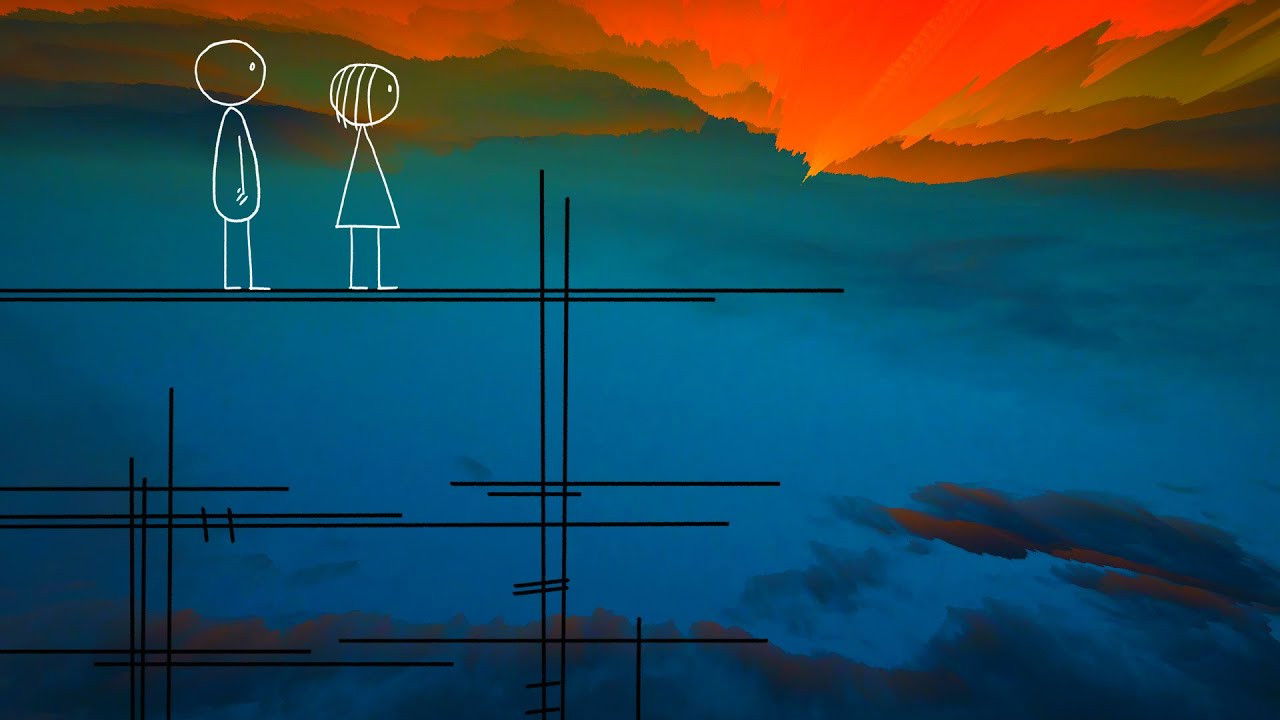
“Do not lose time on daily trivialities. Do not dwell on petty detail. For all of these things melt away and drift apart within the obscure traffic of time. Live well and live broadly. You are alive and living now. Now is the envy of all of the dead.”
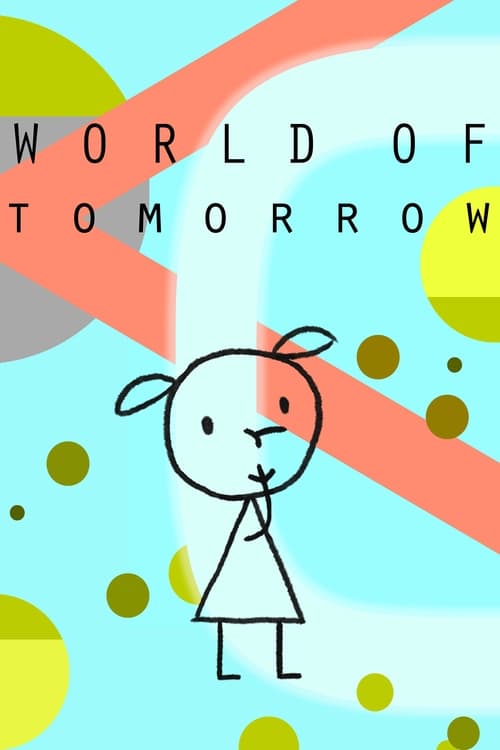
It’s hard to believe that World of Tomorrow lasts only seventeen minutes. Don Hertzfeldt takes the simplest animation style imaginable and somehow creates one of the most profound science-fiction films I’ve seen.
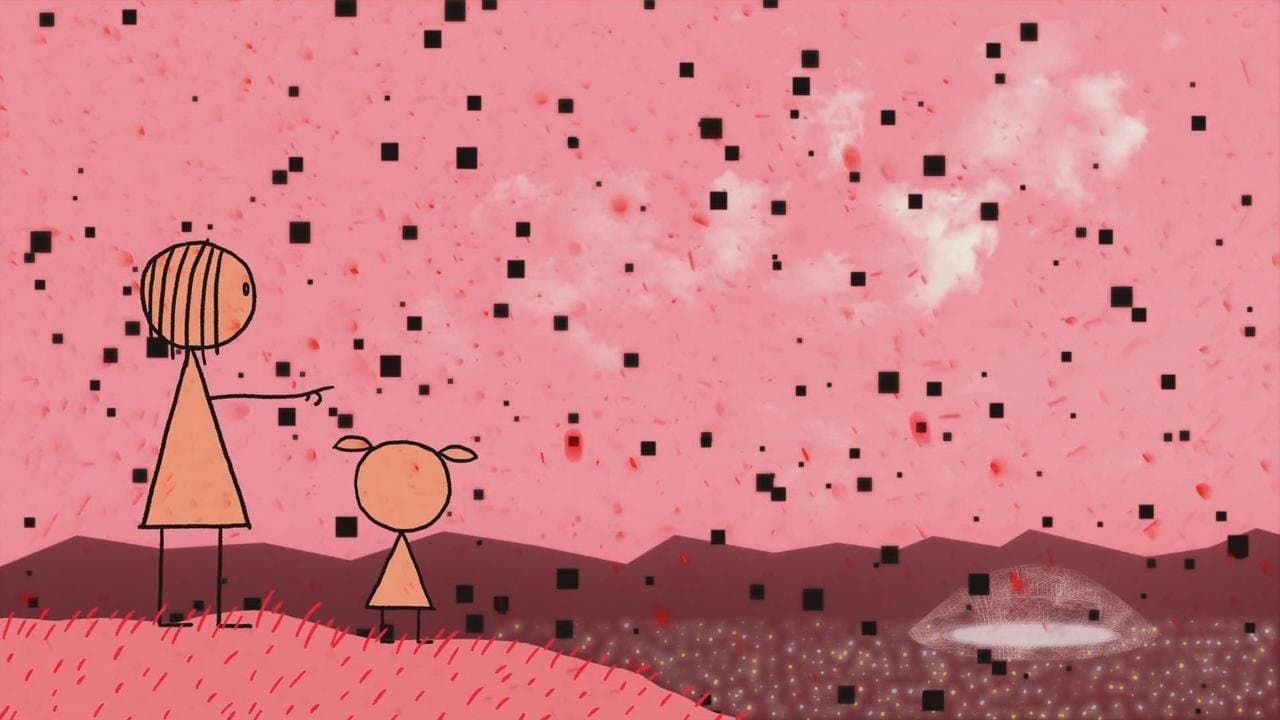
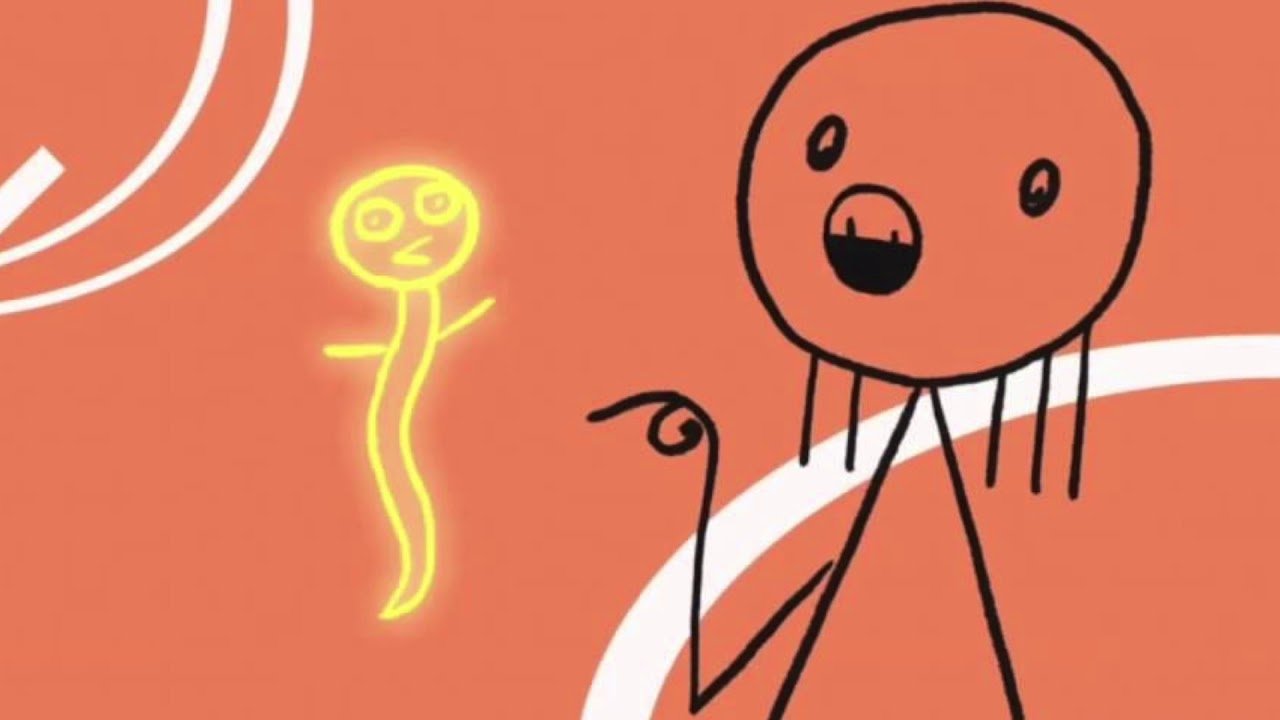
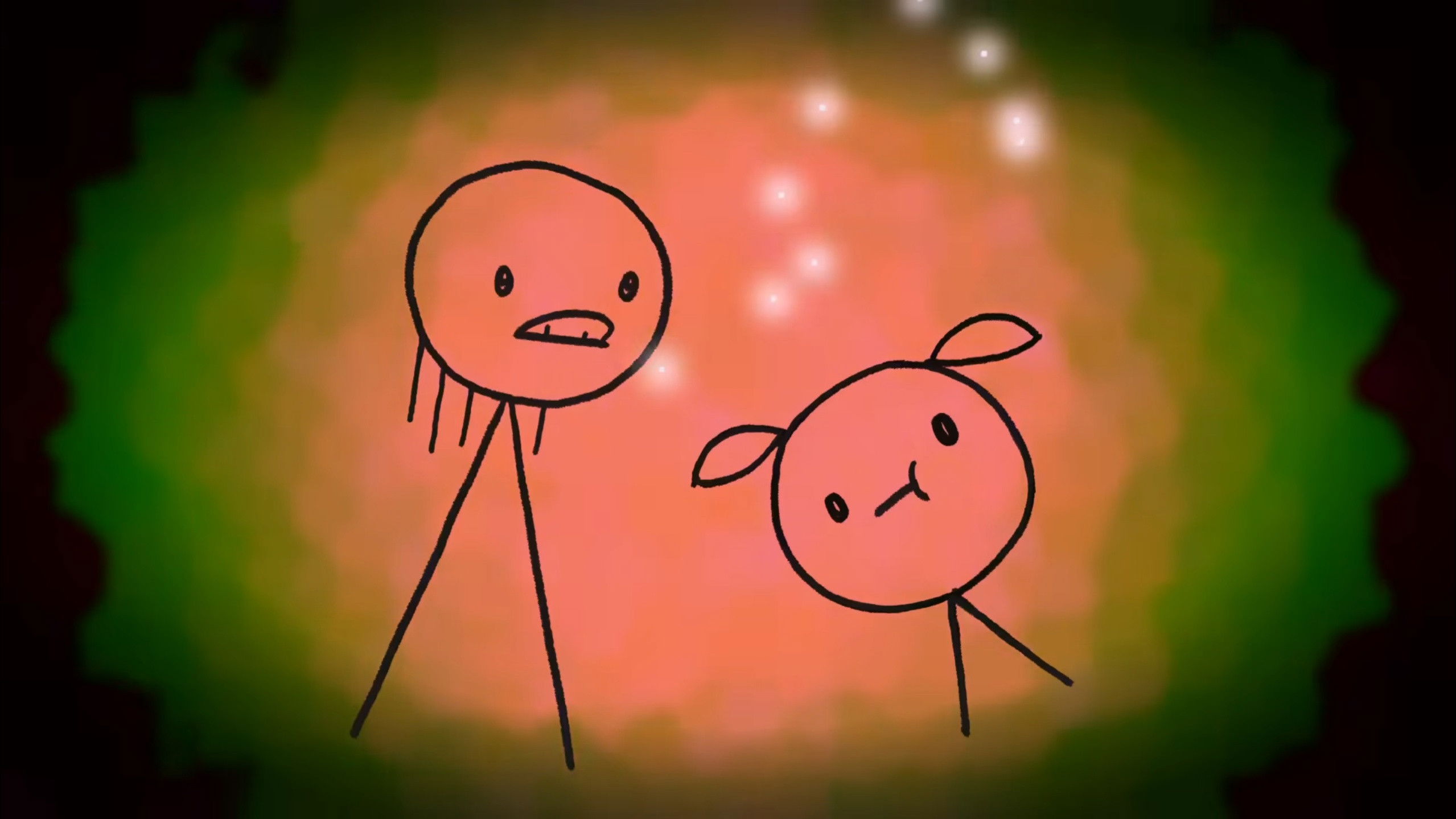
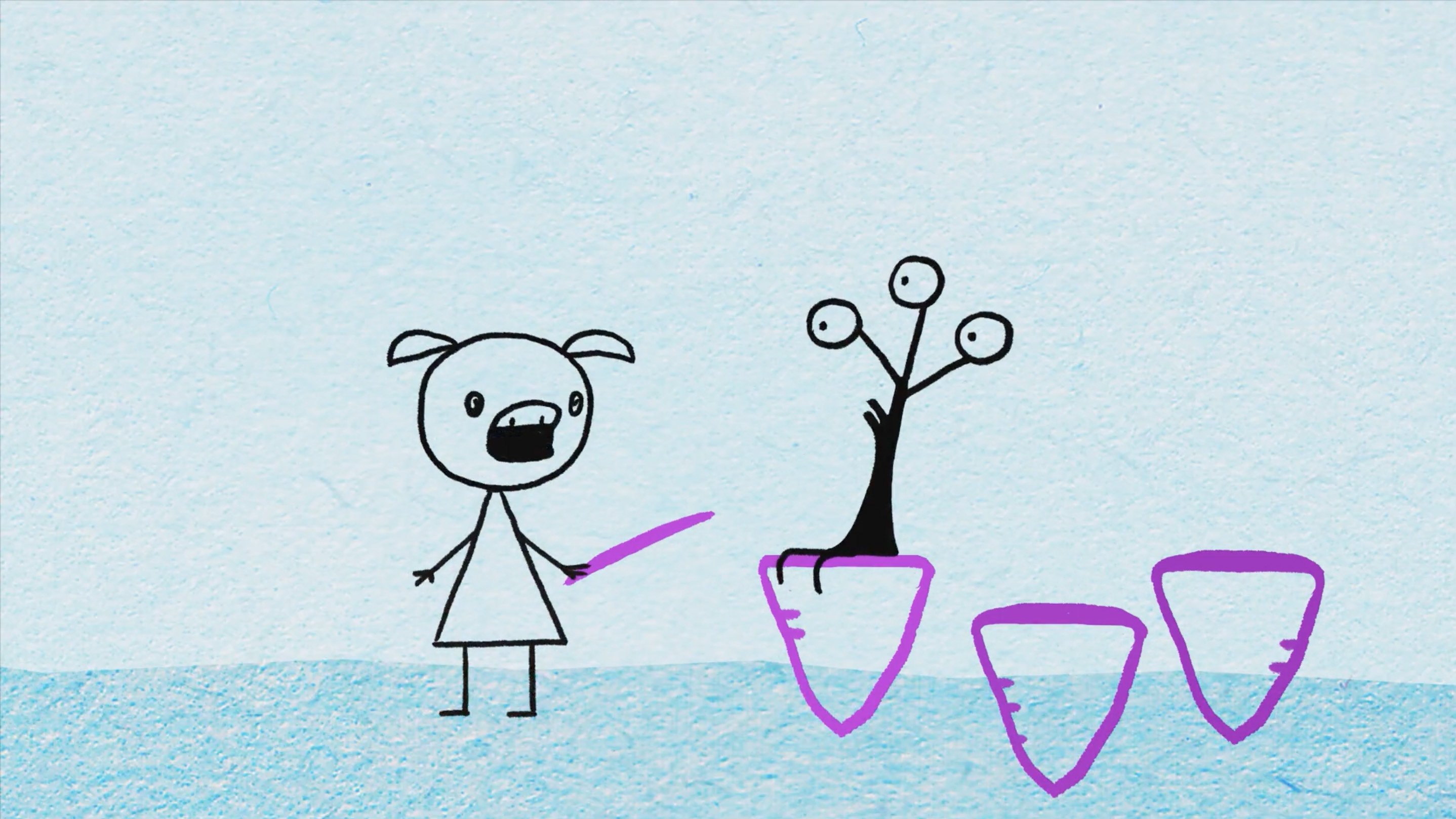
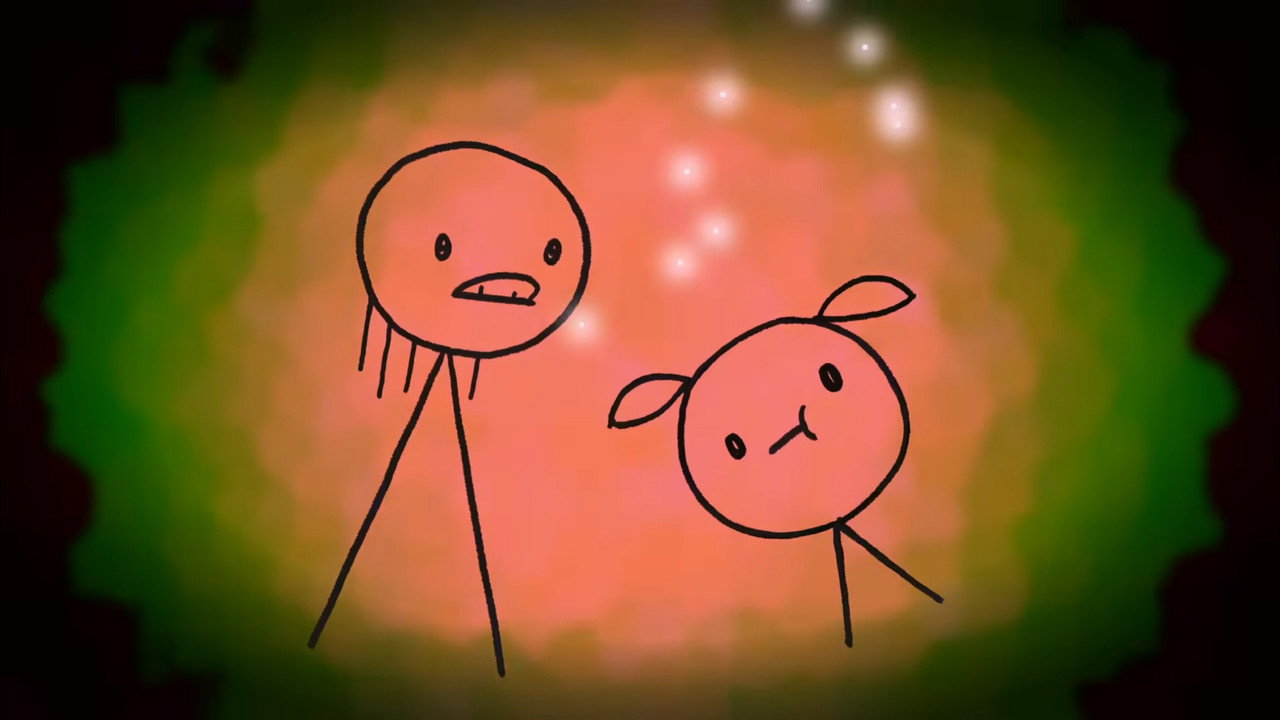
The premise is wonderfully absurd: a little girl named Emily is taken into the distant future by her own clone, who guides her through a world where memories can be extracted, people exist in endless generations of copies, and technology has advanced so far that humanity seems to have forgotten how to truly live. Future Emily speaks with melancholy about love, loneliness and the passage of time, while Emily Prime responds with the innocent curiosity of a child who simply accepts everything she sees.
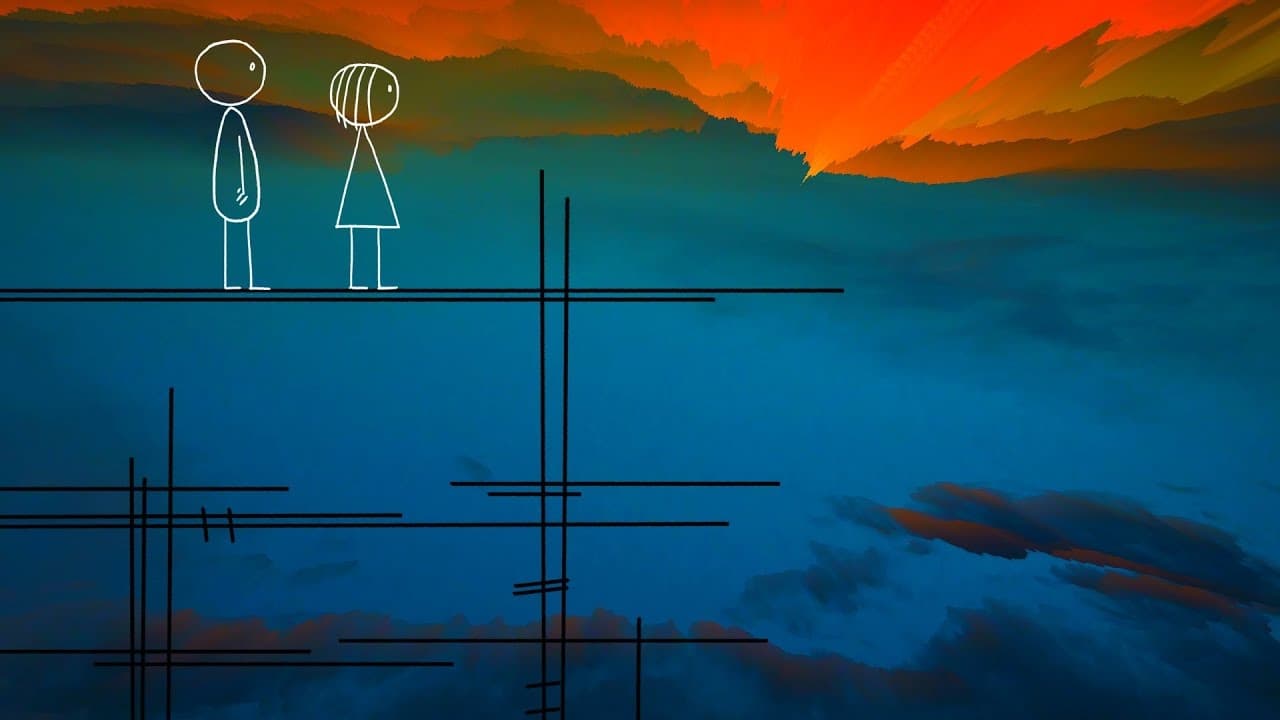
That contrast is what makes the film so moving. The future is overwhelmed by memory and regret, while the child exists entirely in the present. When Future Emily, standing at the edge of extinction, tells her younger self not to waste time on trivialities because “now is the envy of all of the dead,” the film suddenly stops being about science fiction and becomes a meditation on being alive.
For all its existential dread, World of Tomorrow is strangely comforting. It acknowledges that life is temporary, that memories fade and time keeps moving, yet Emily’s final joyfully sung “What a happy day it is!” feels like the only answer we really need. In a future obsessed with preserving the past and predicting tomorrow, the film quietly reminds us that the only place we ever truly exist is now.
Few films manage to be this funny, heartbreaking and philosophically rich in such a short runtime. It feels less like watching a movie and more like briefly borrowing someone else’s memories before returning to your own life with a little more appreciation for it.