
The Big Parade
1925·Romance·2h 31m
7.1
★
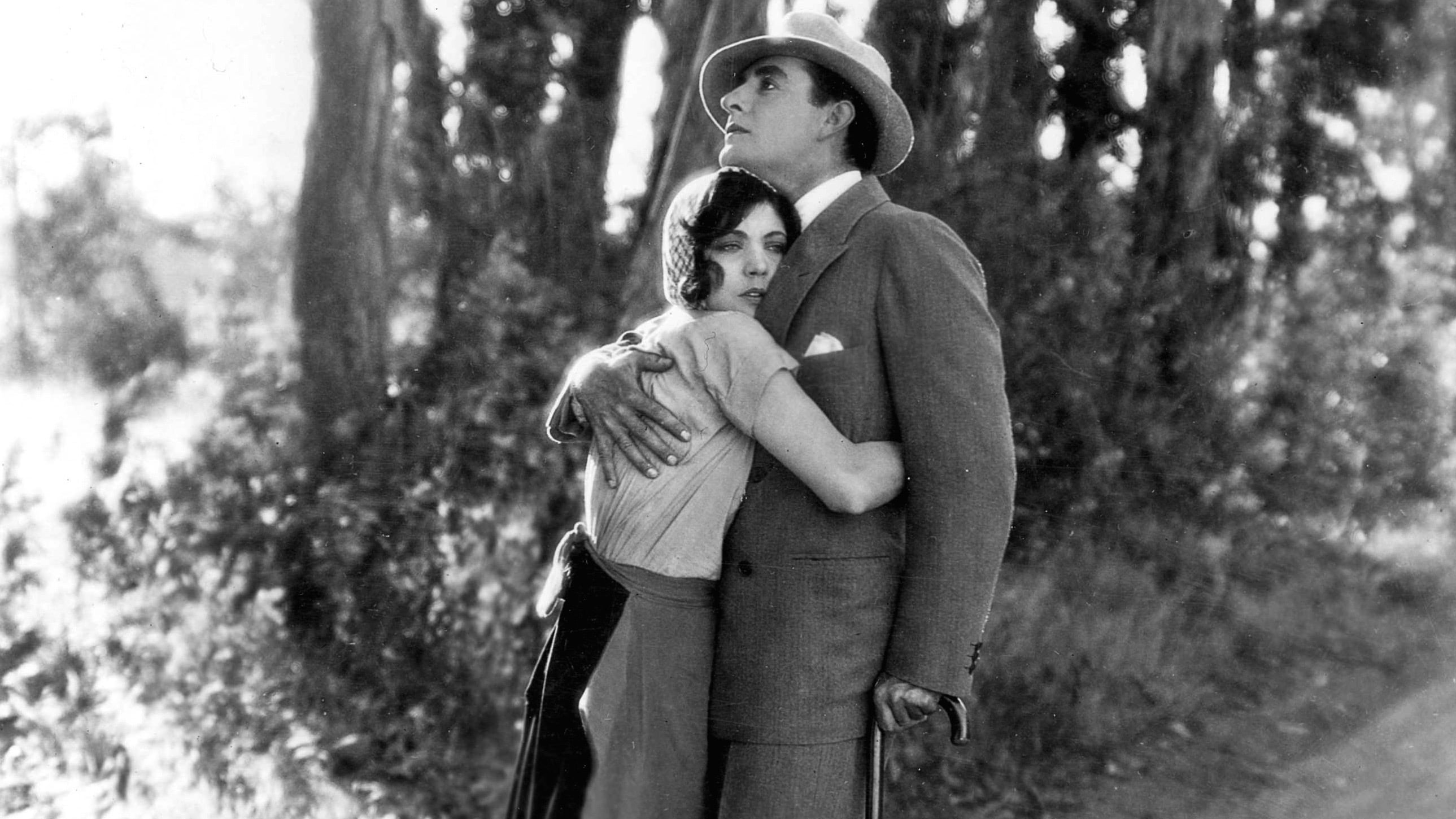
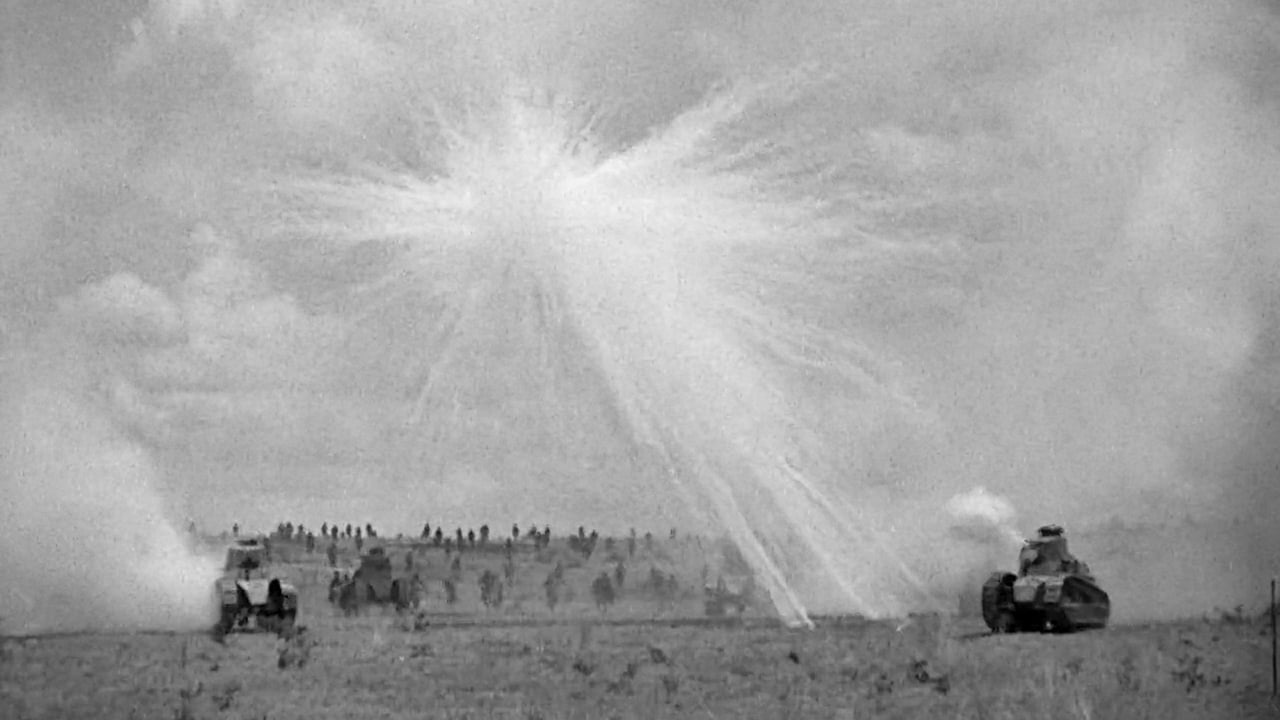
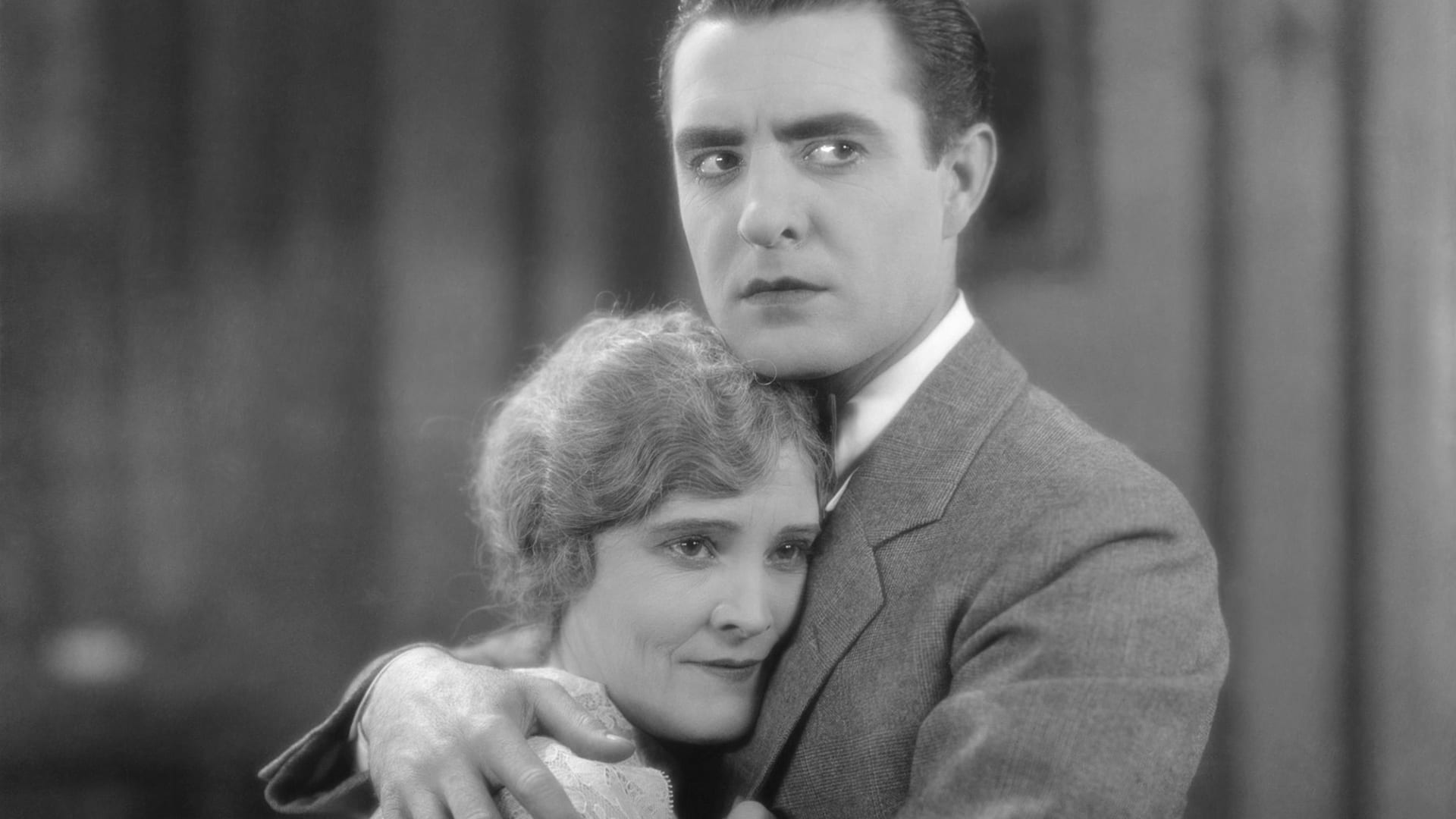
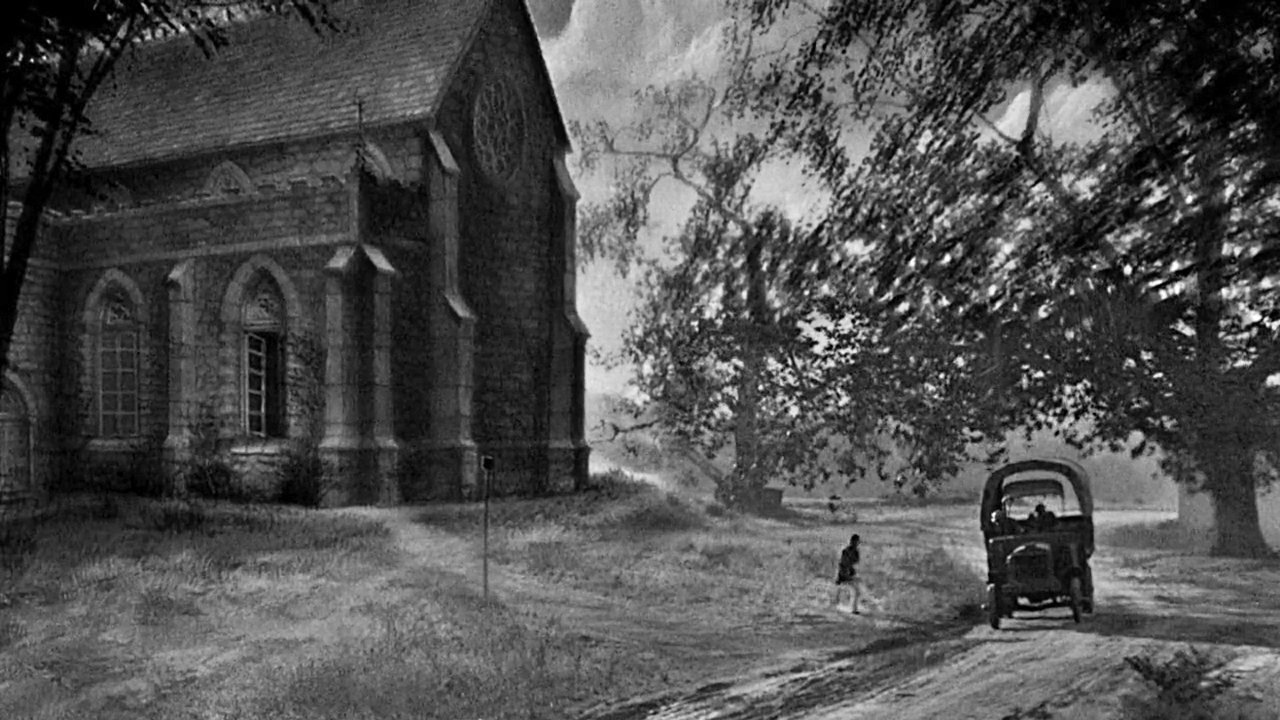
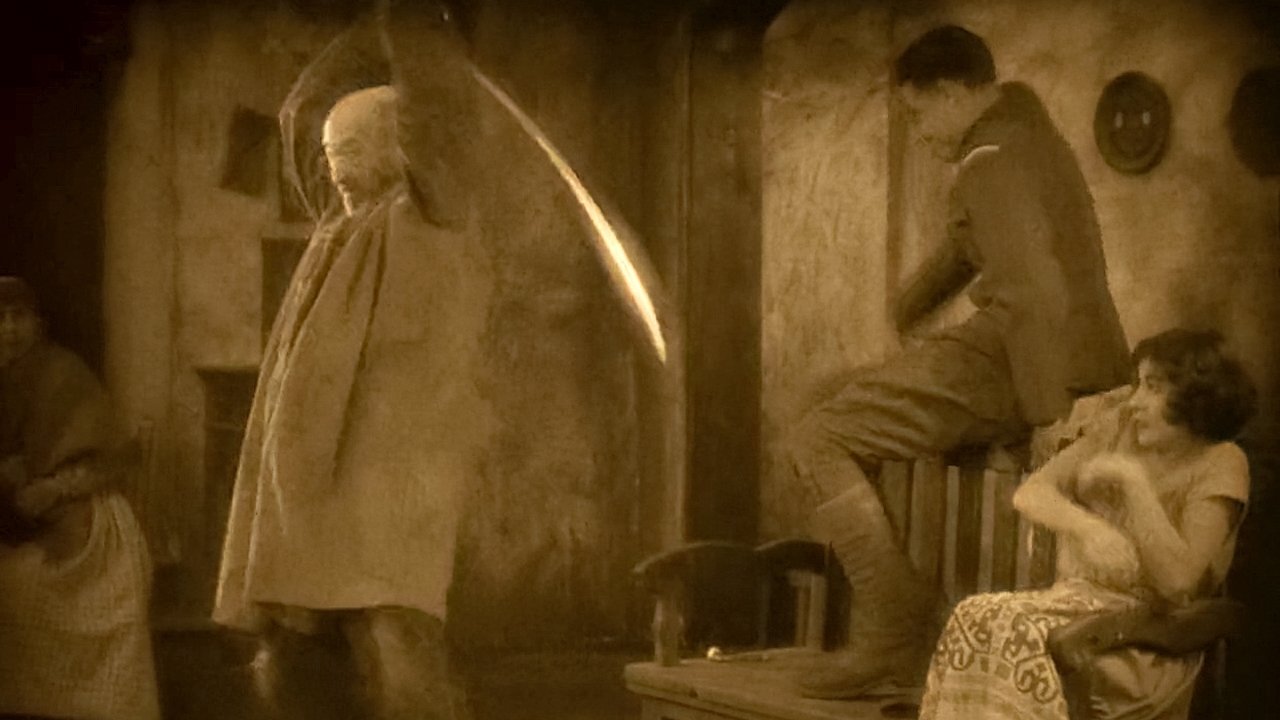
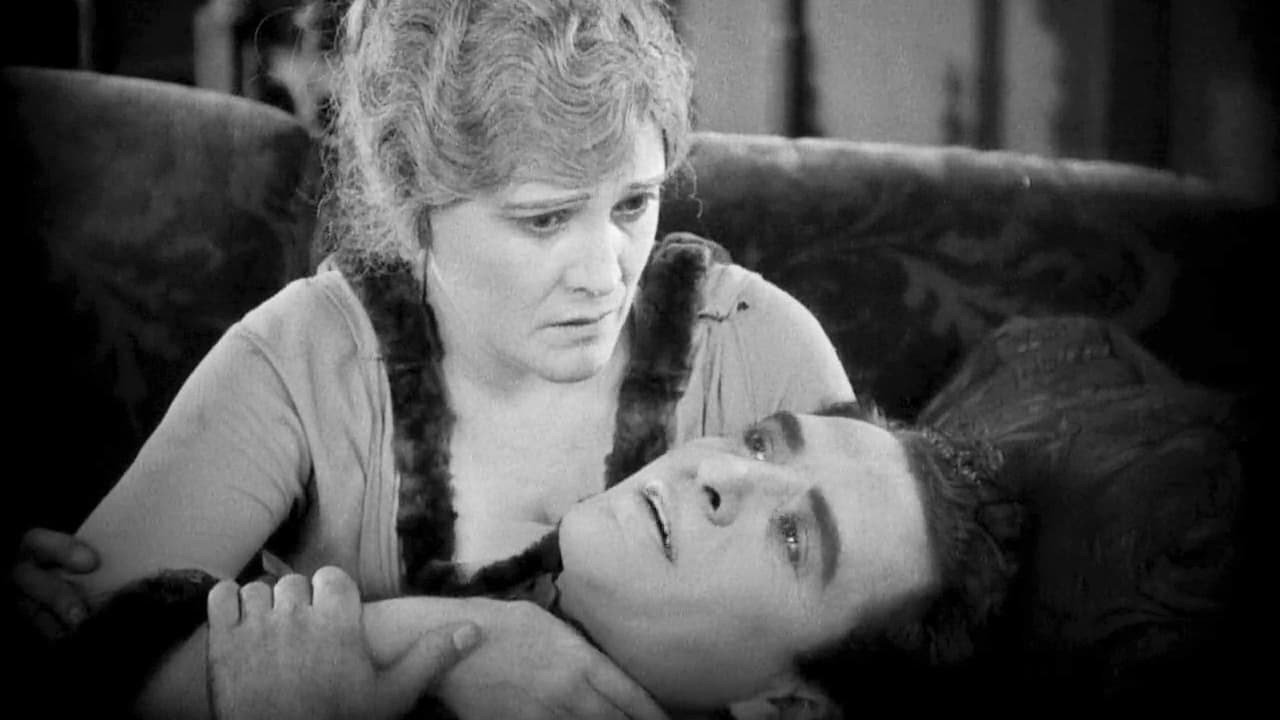
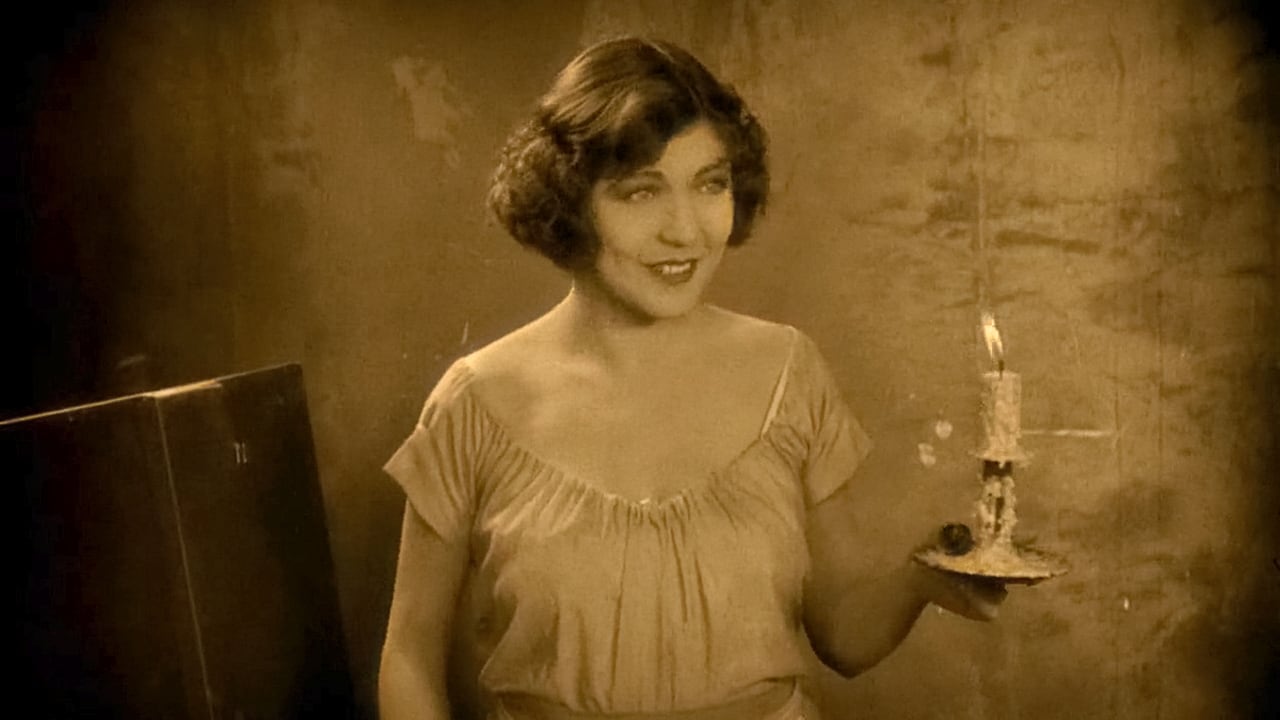
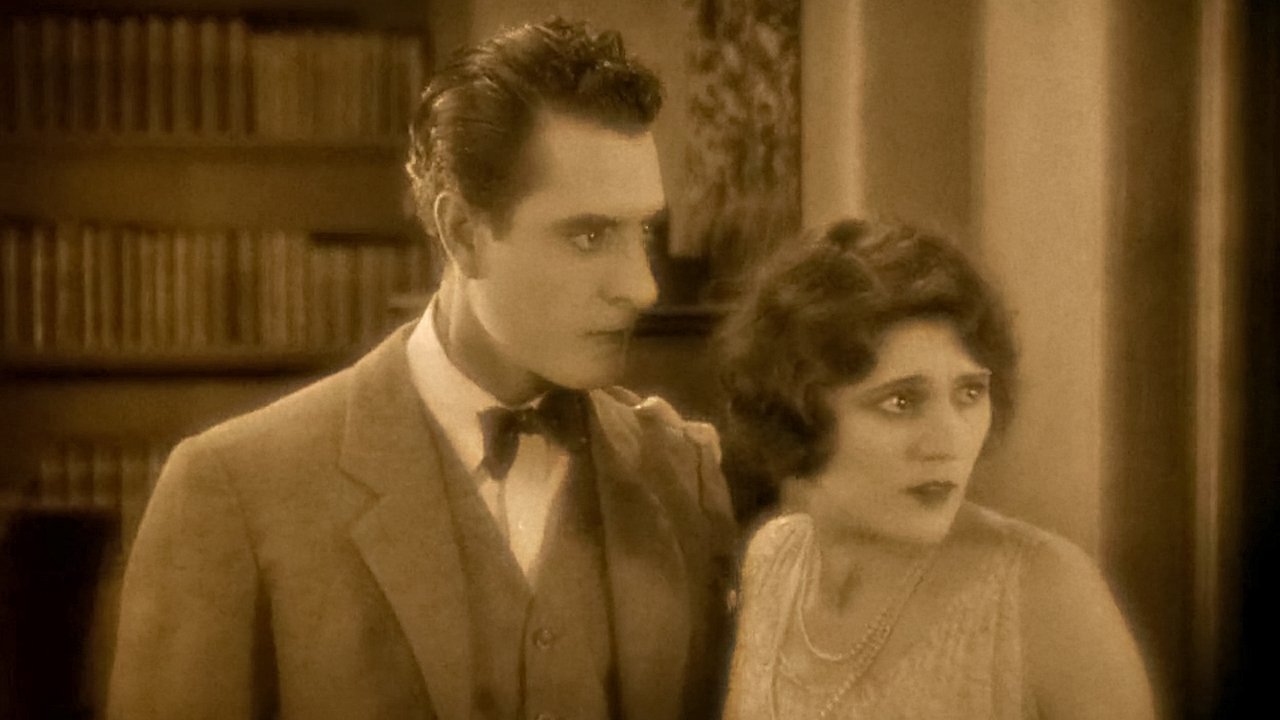
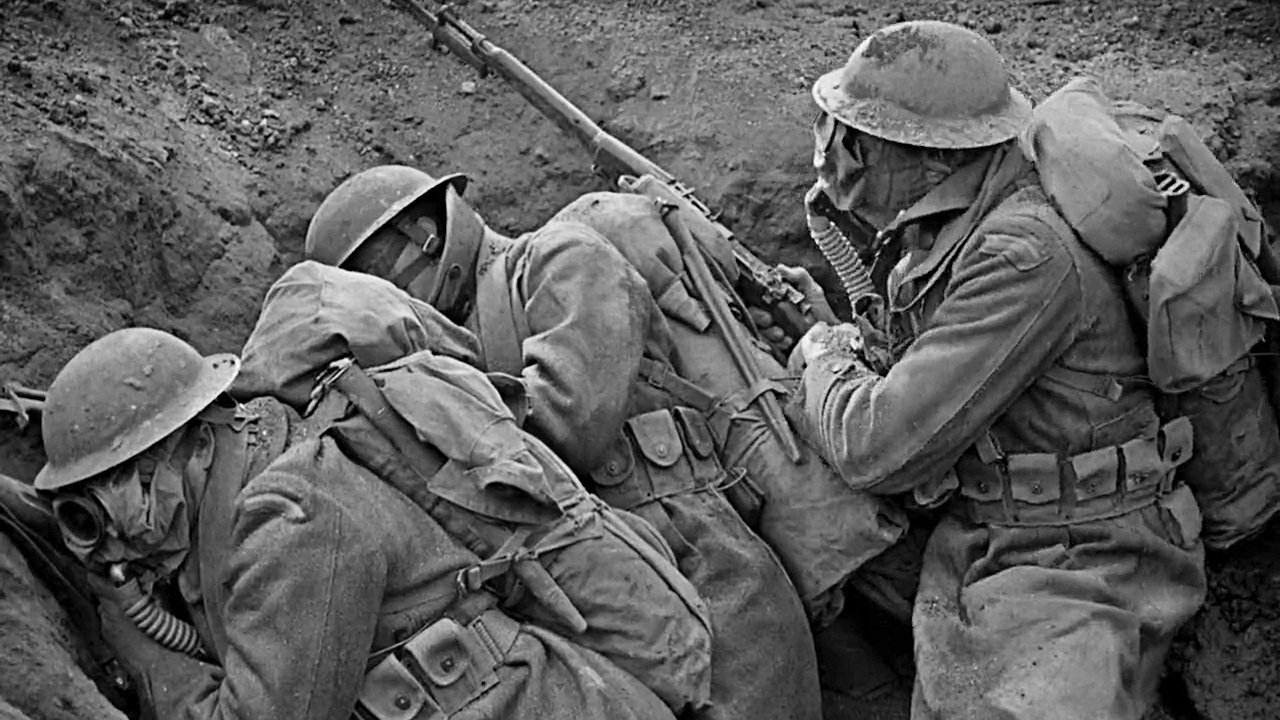
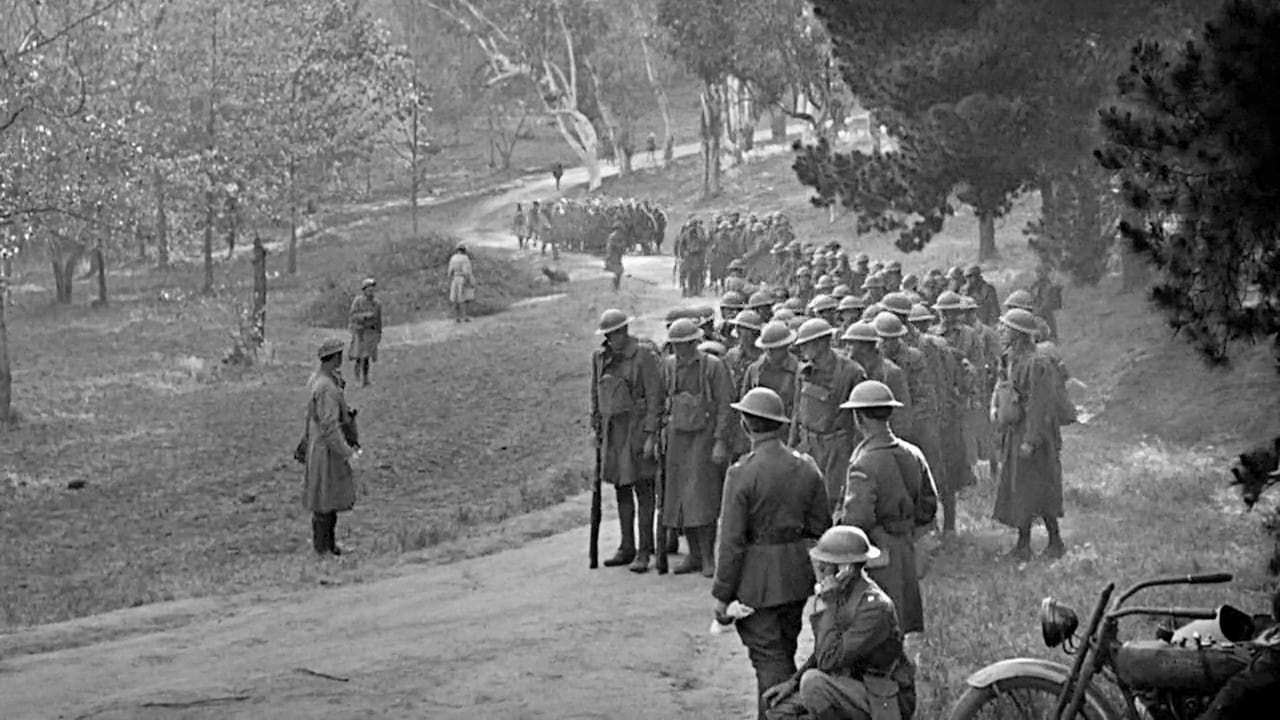
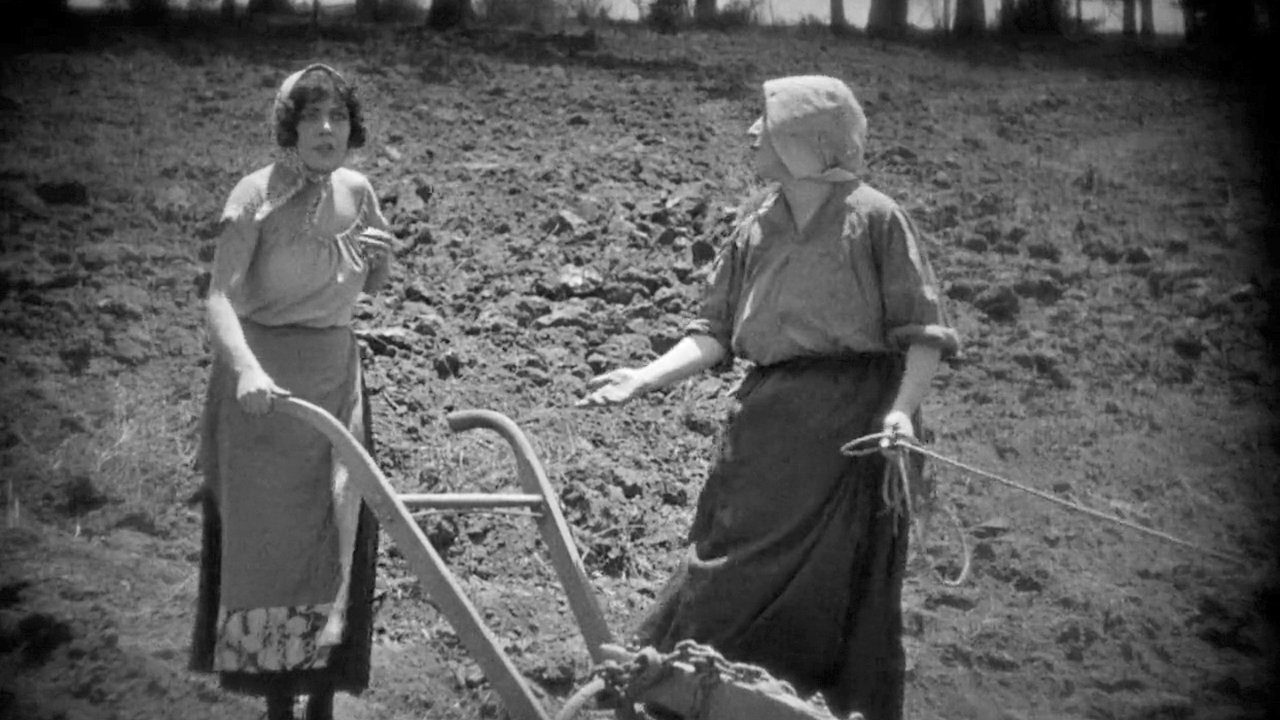
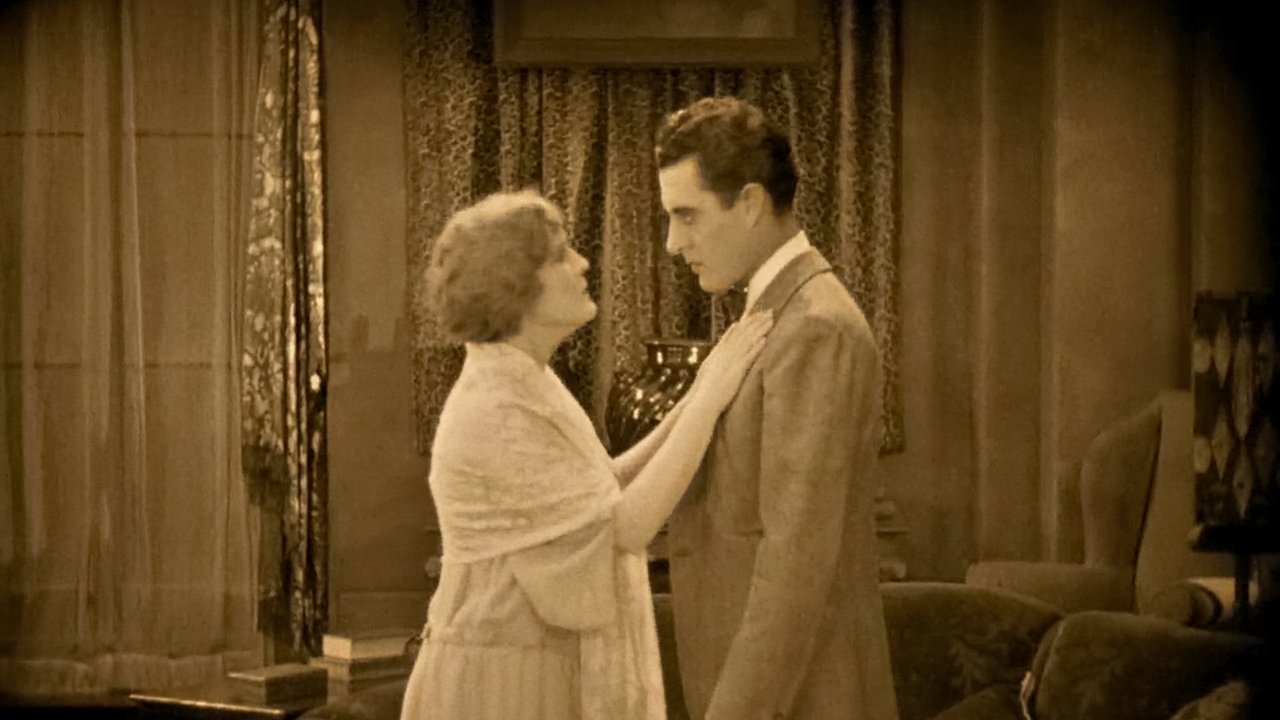
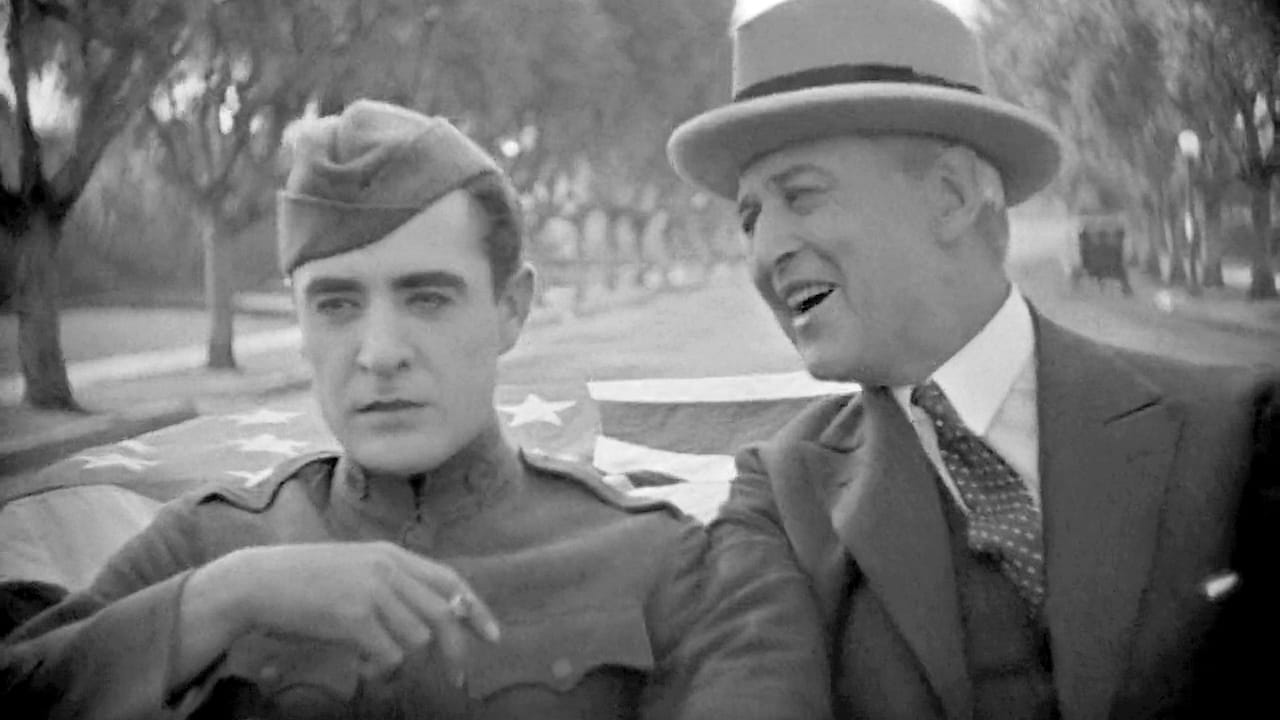
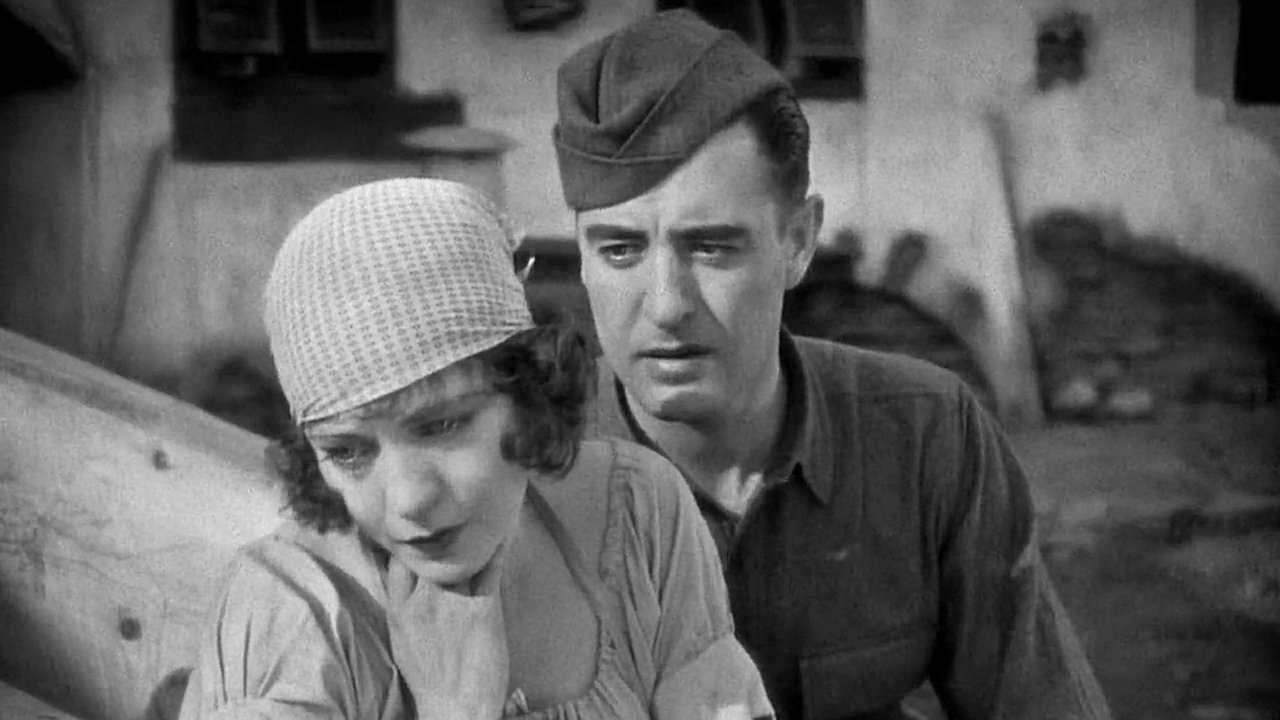
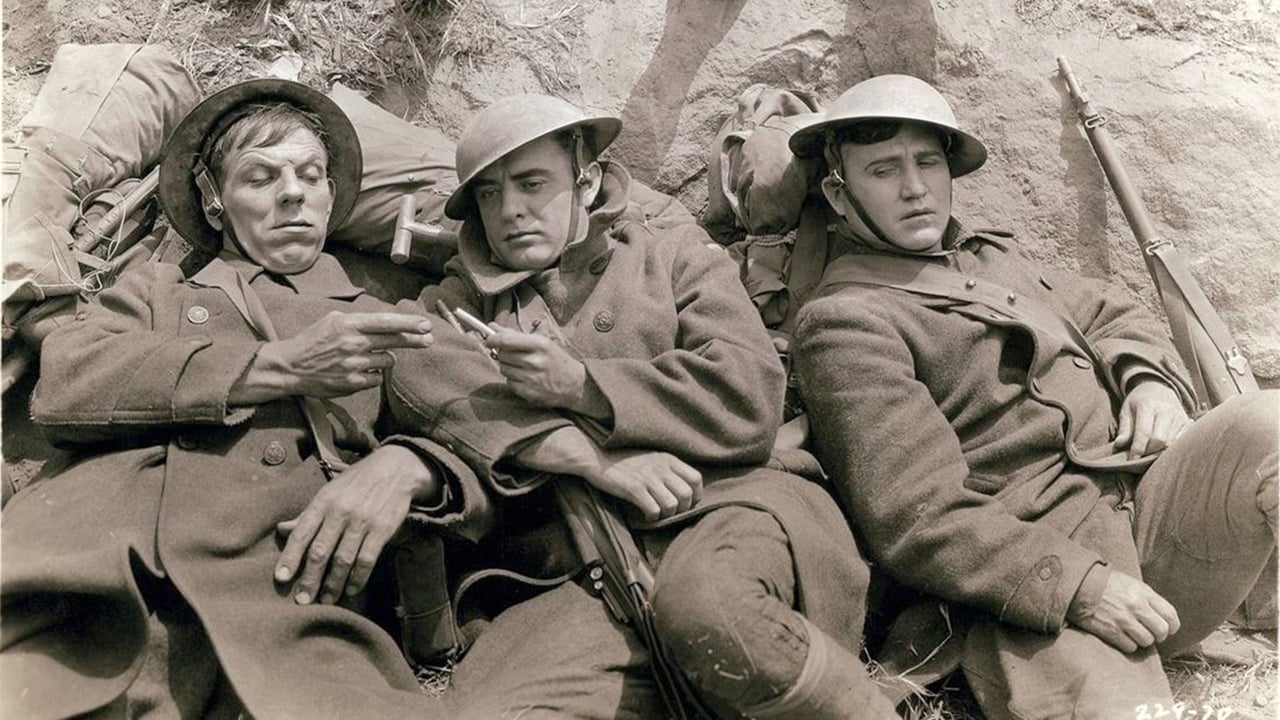
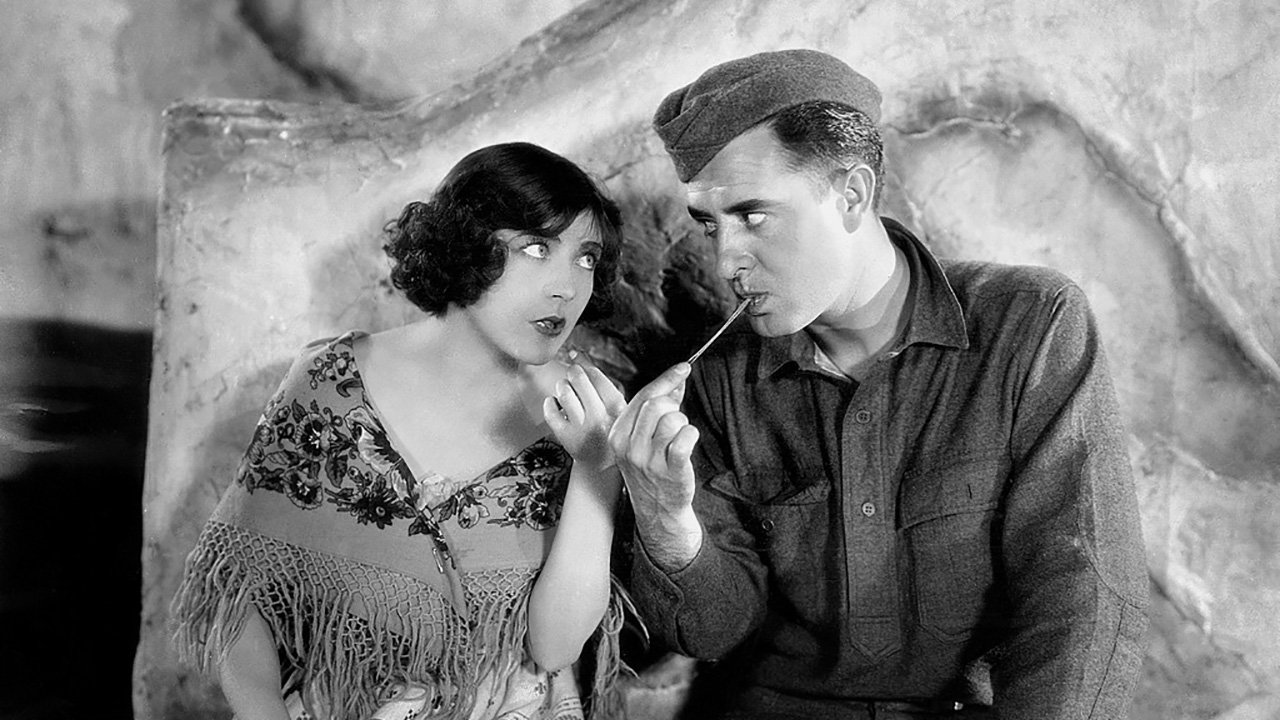
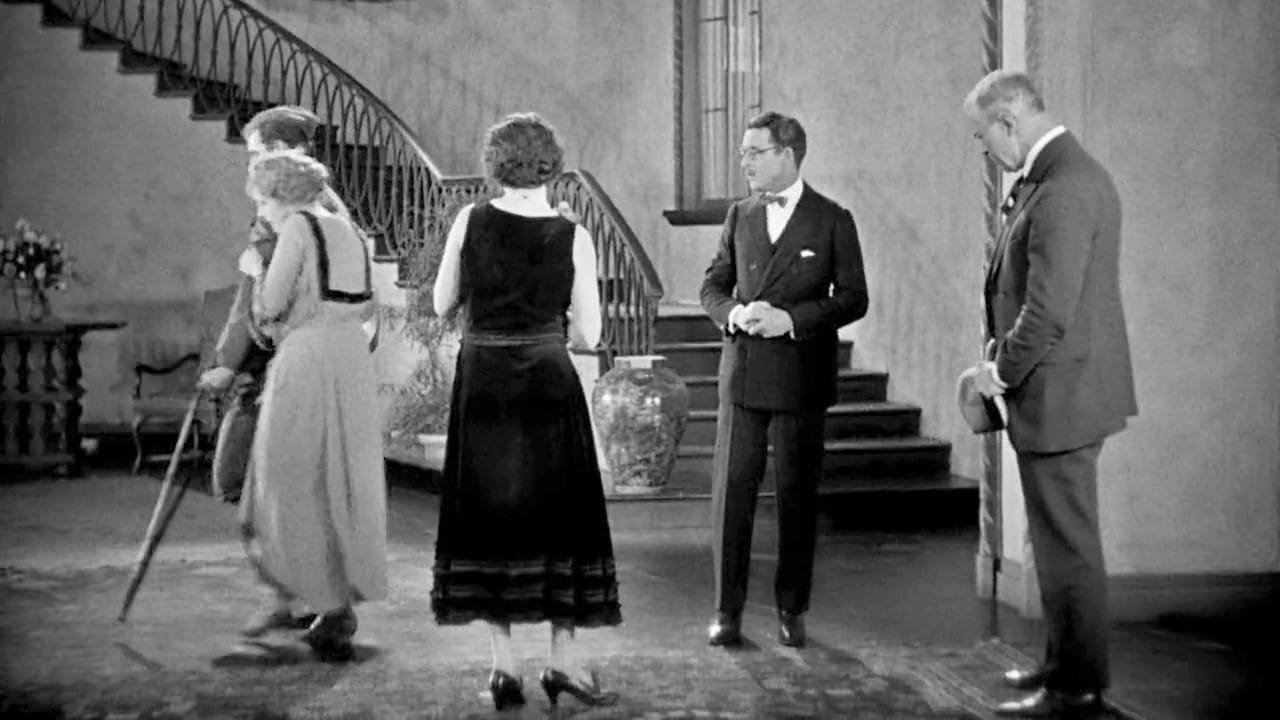
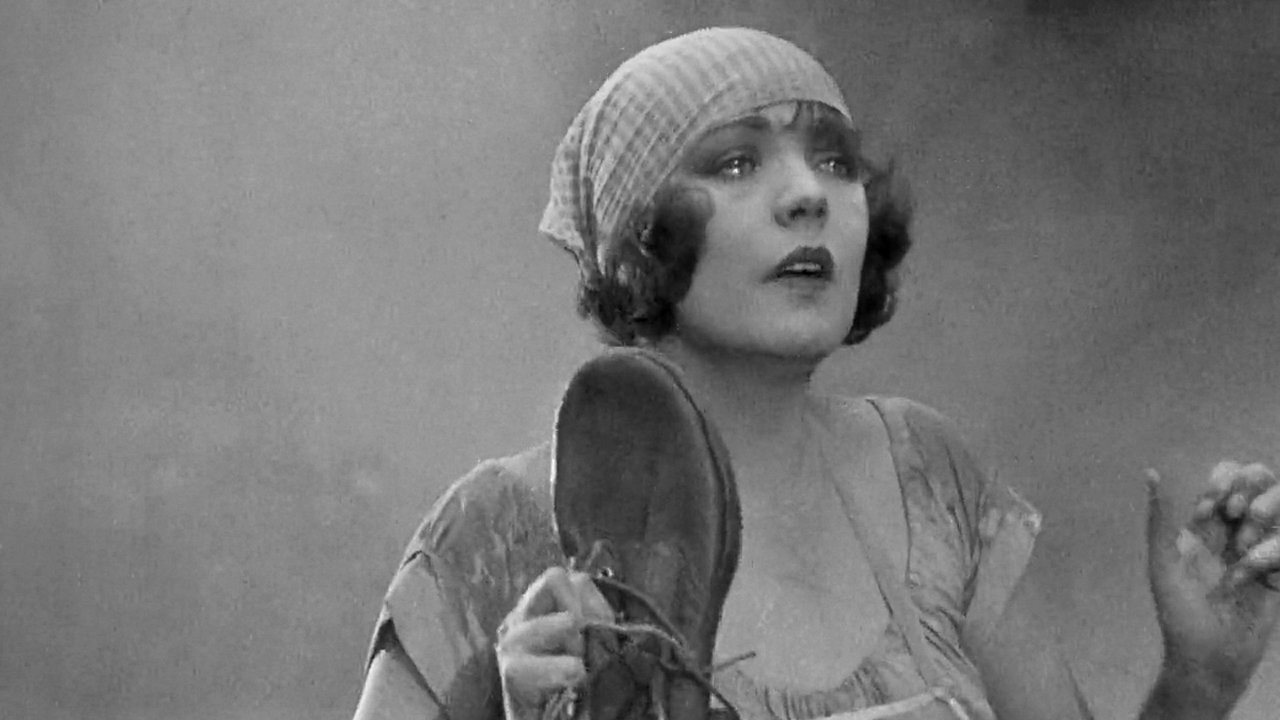
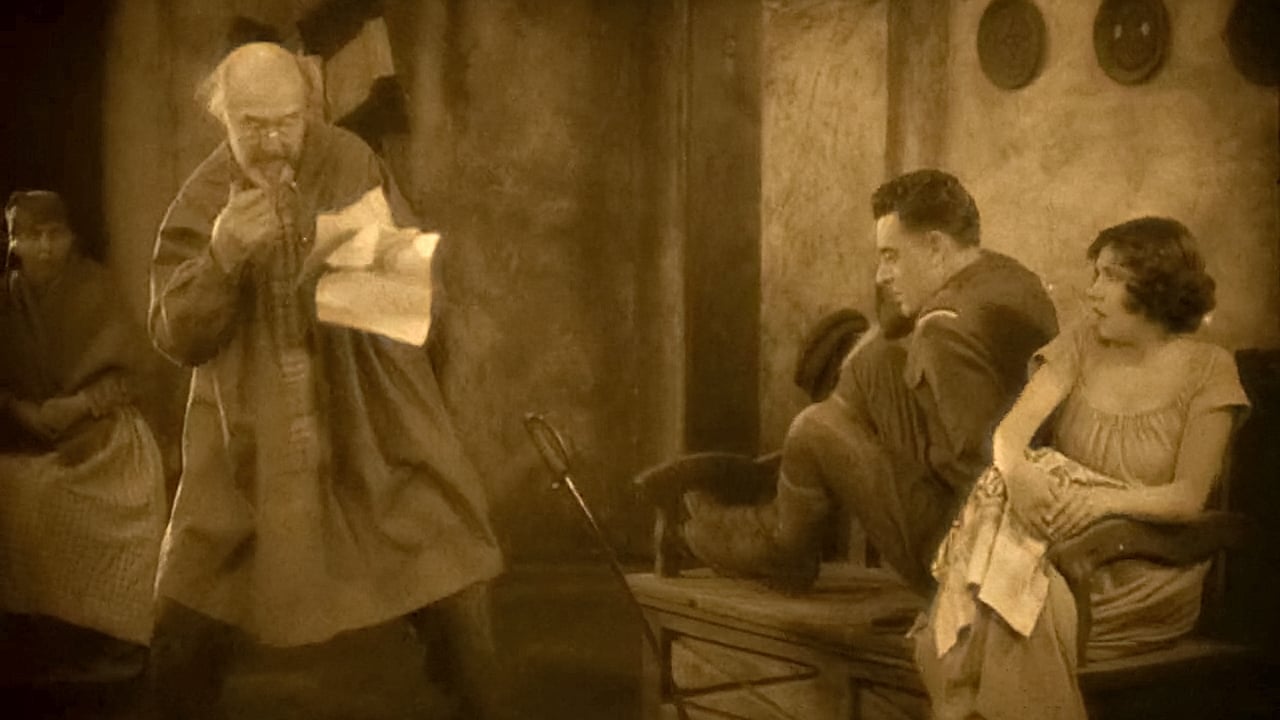
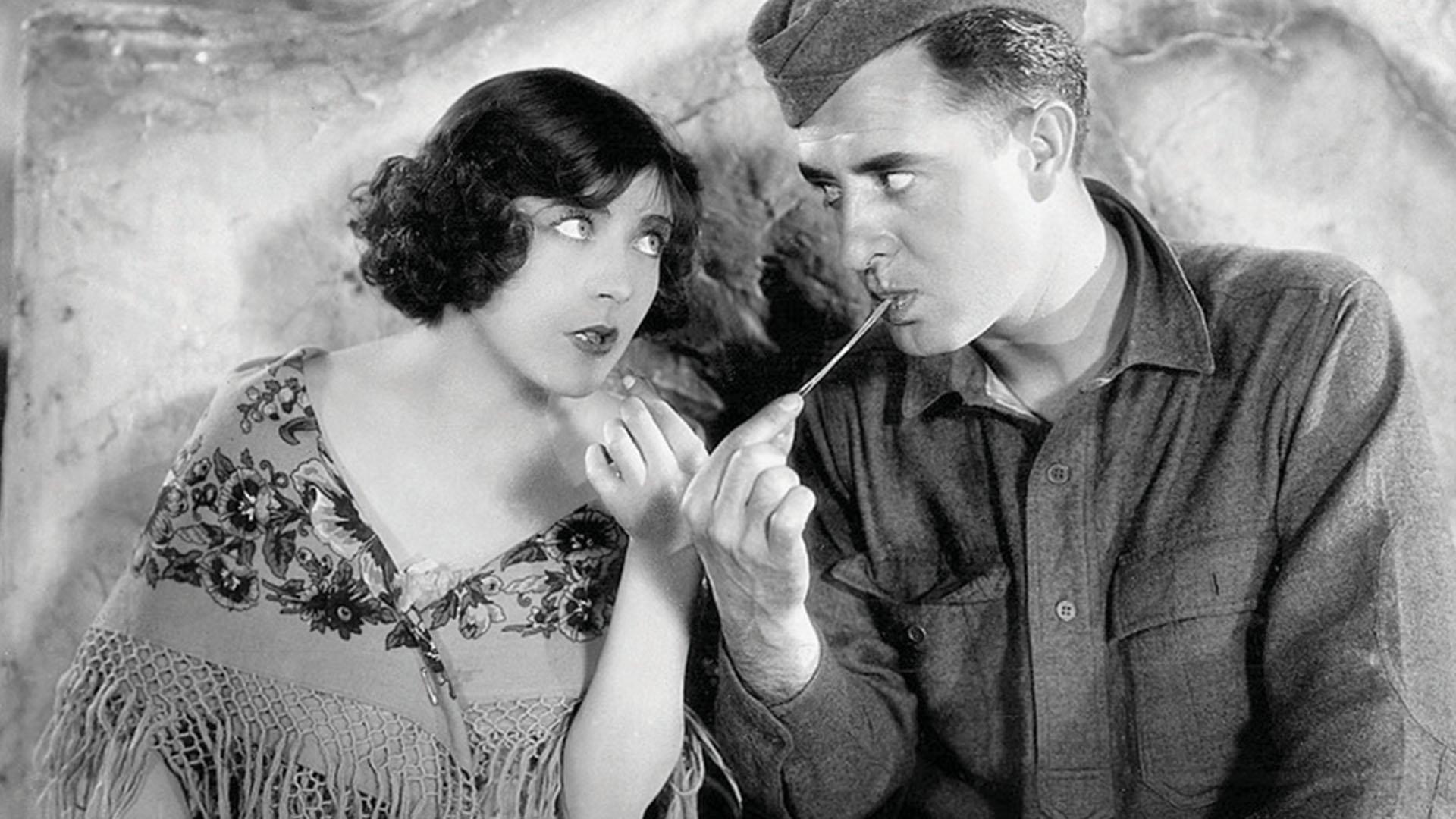
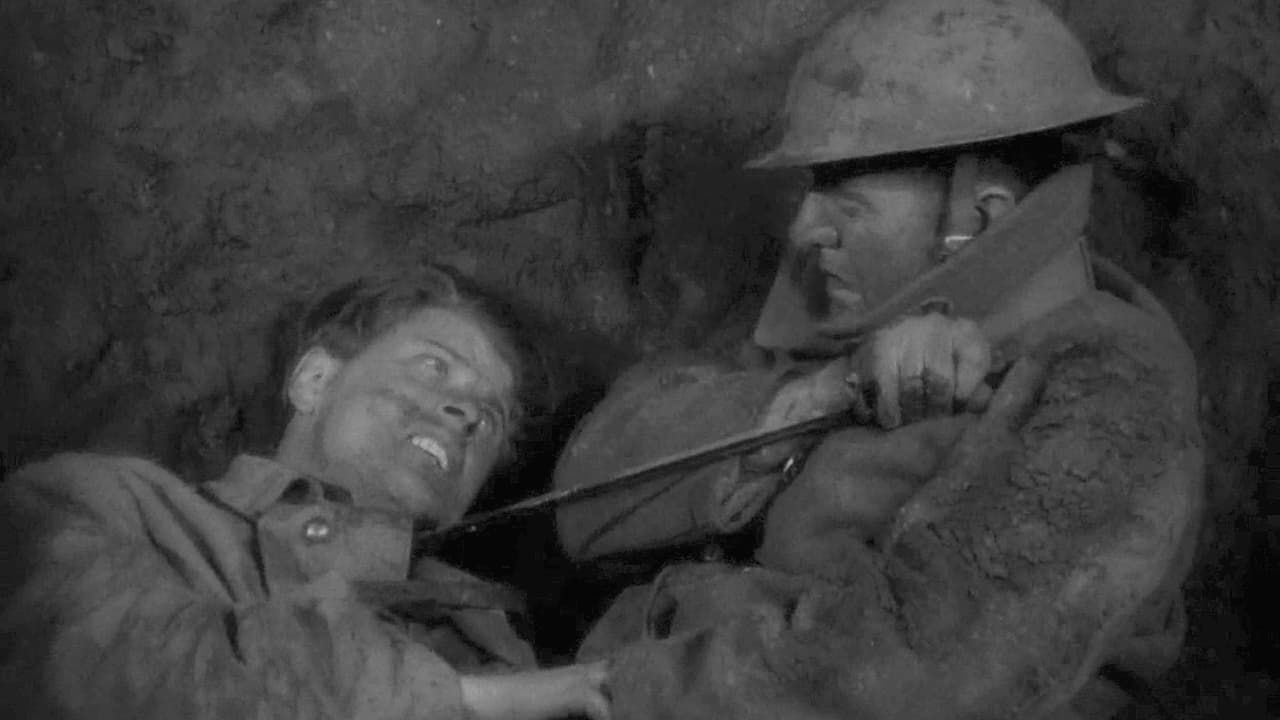
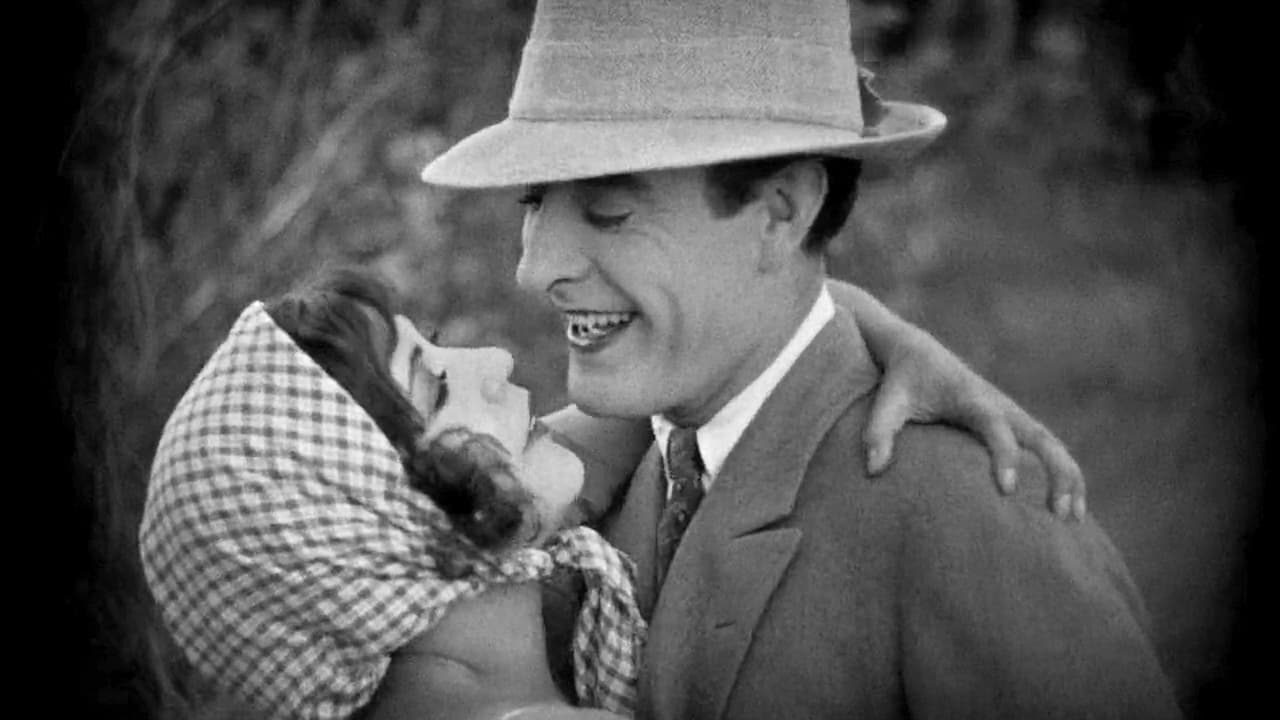
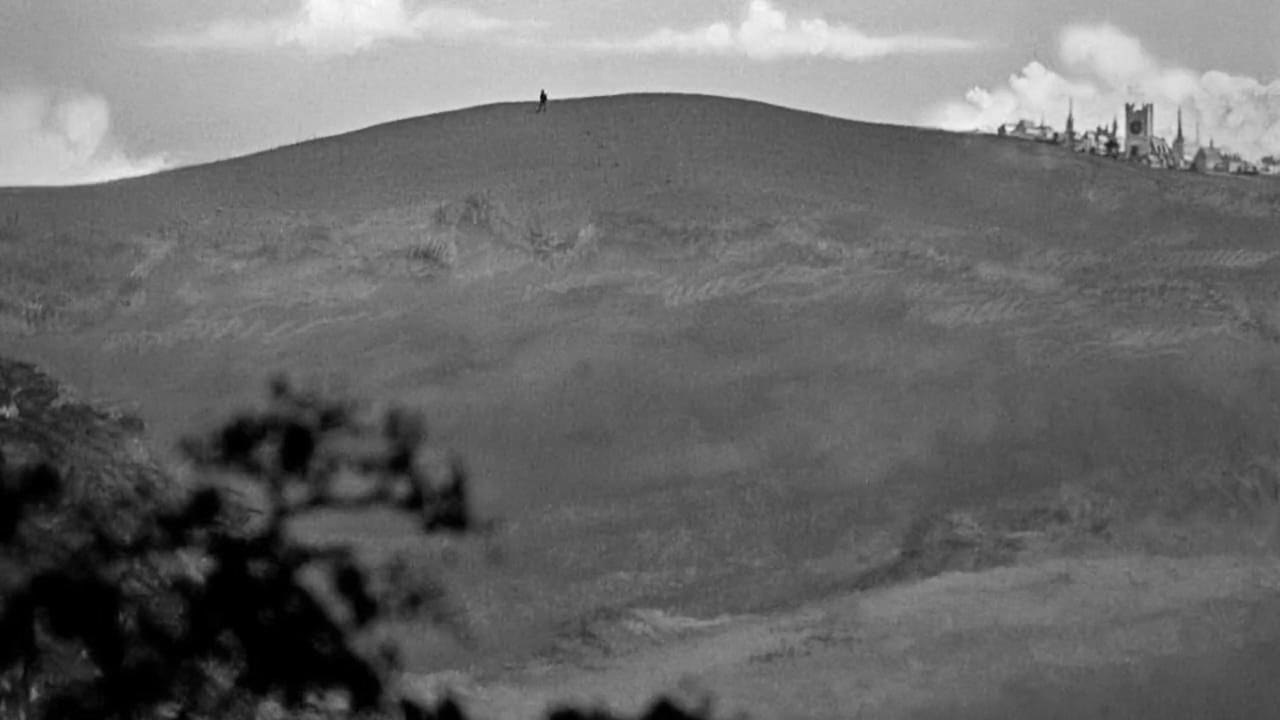
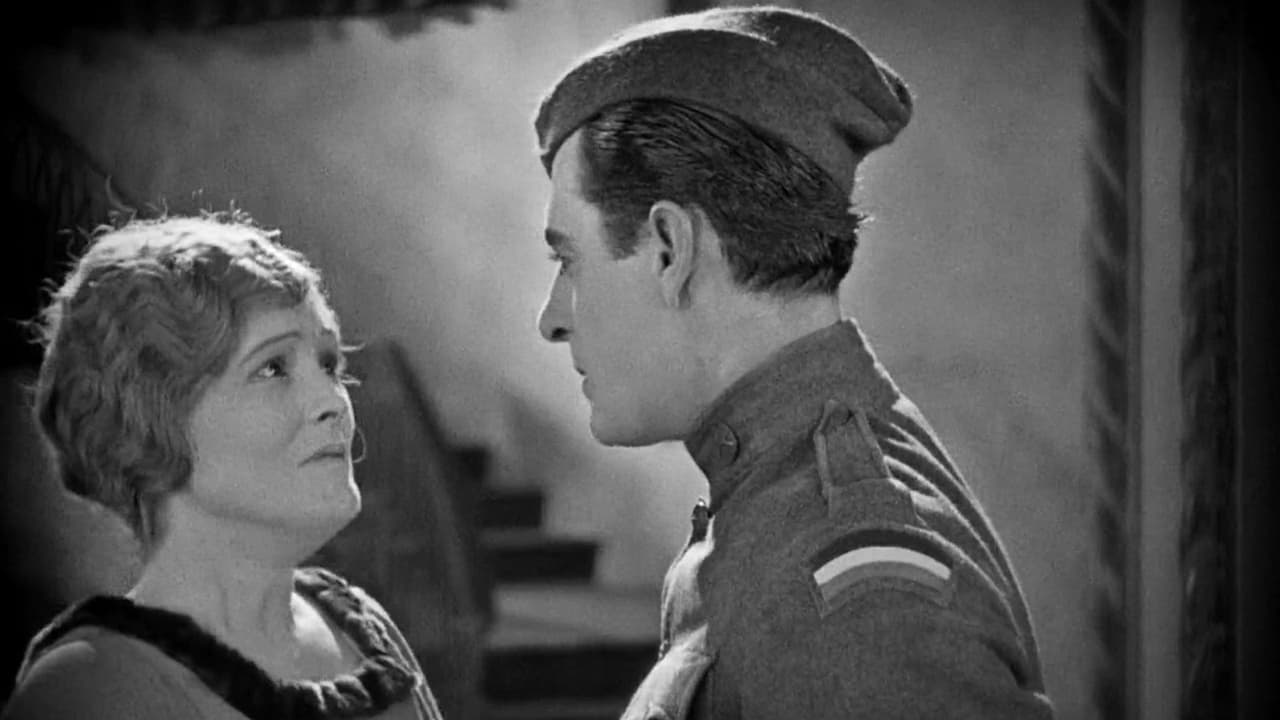
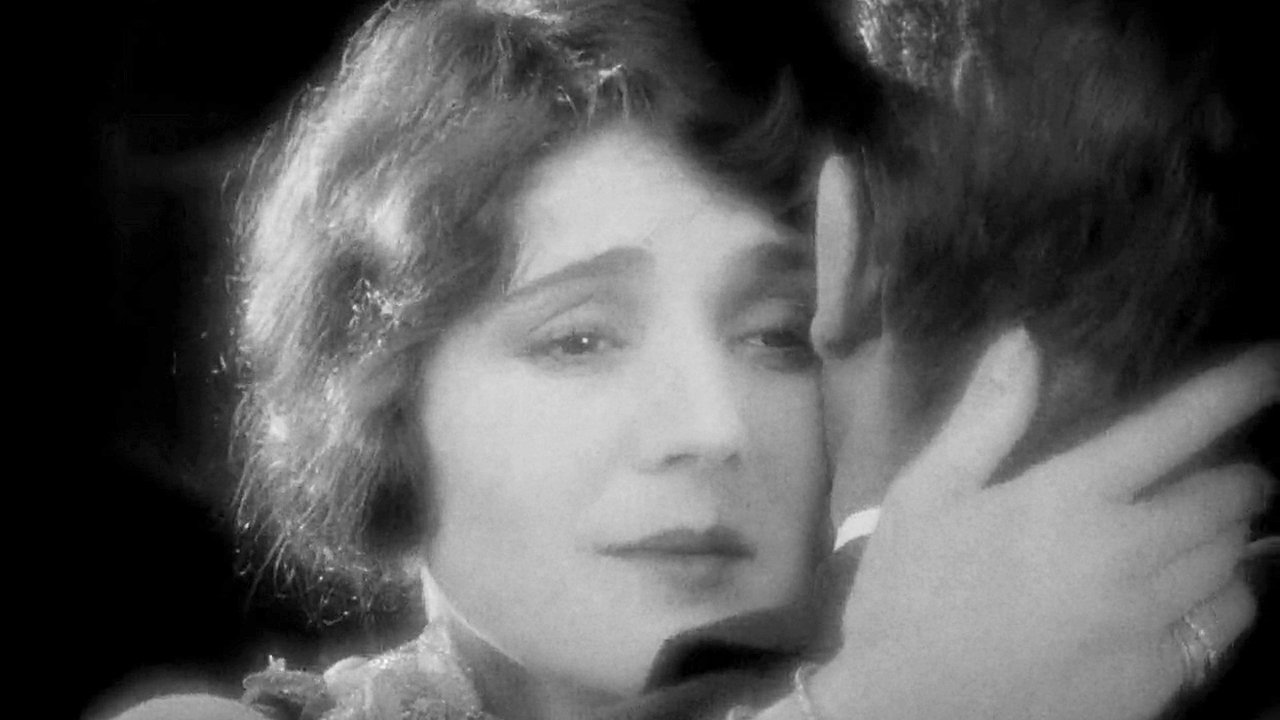
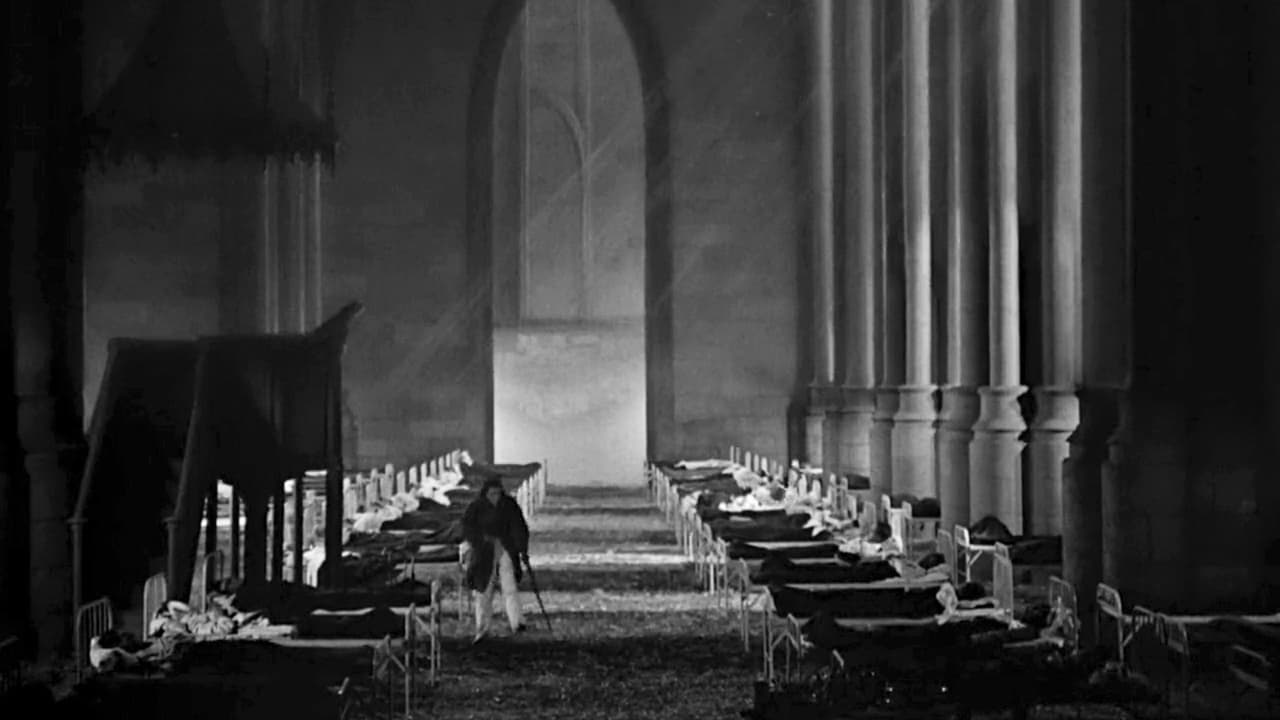
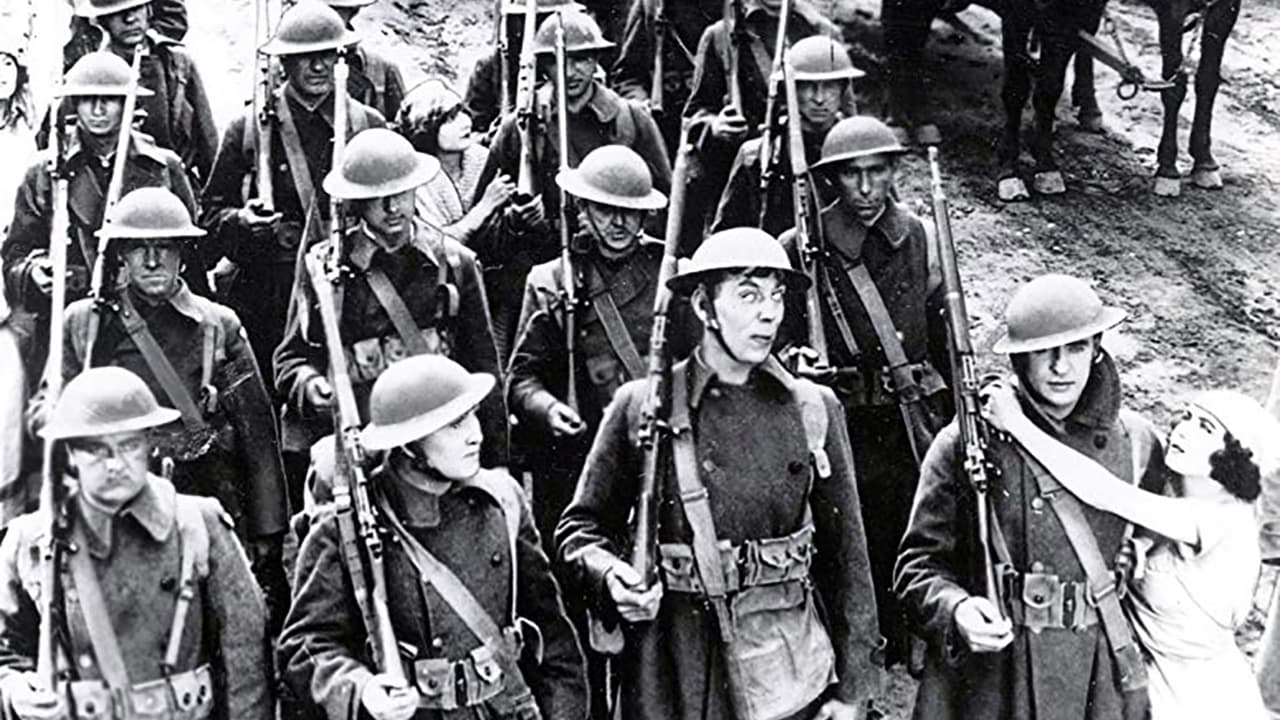
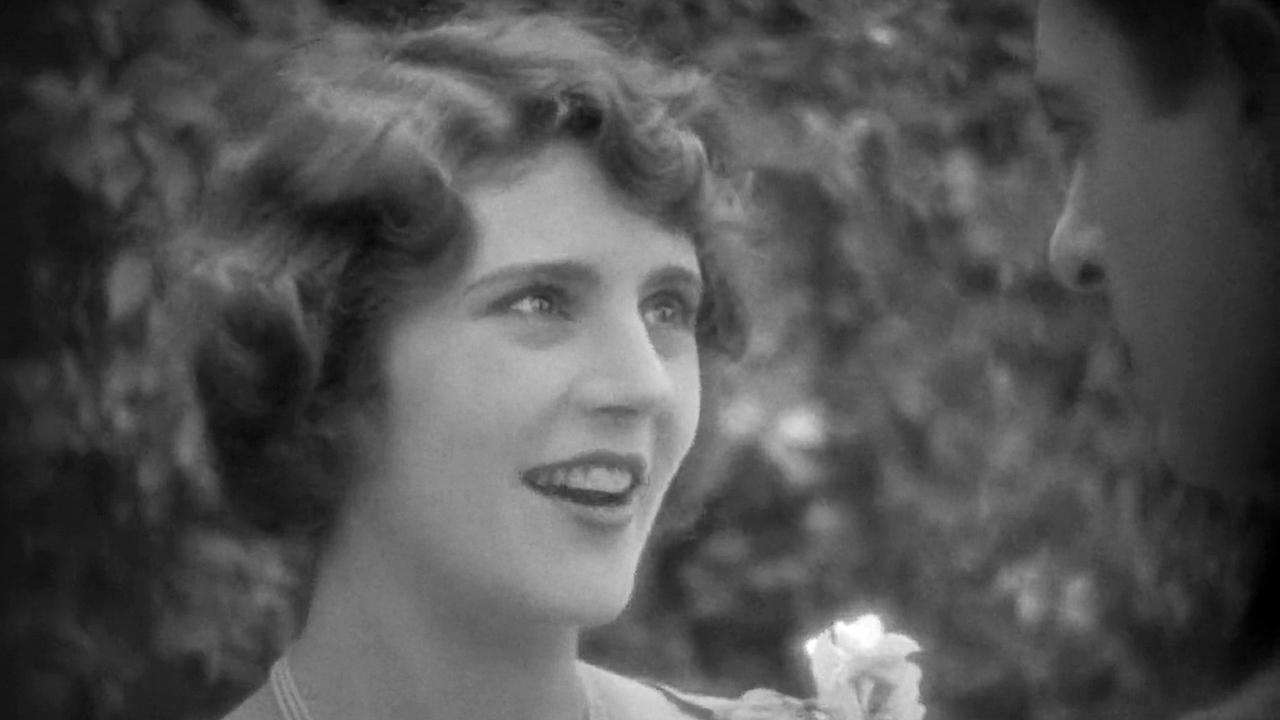
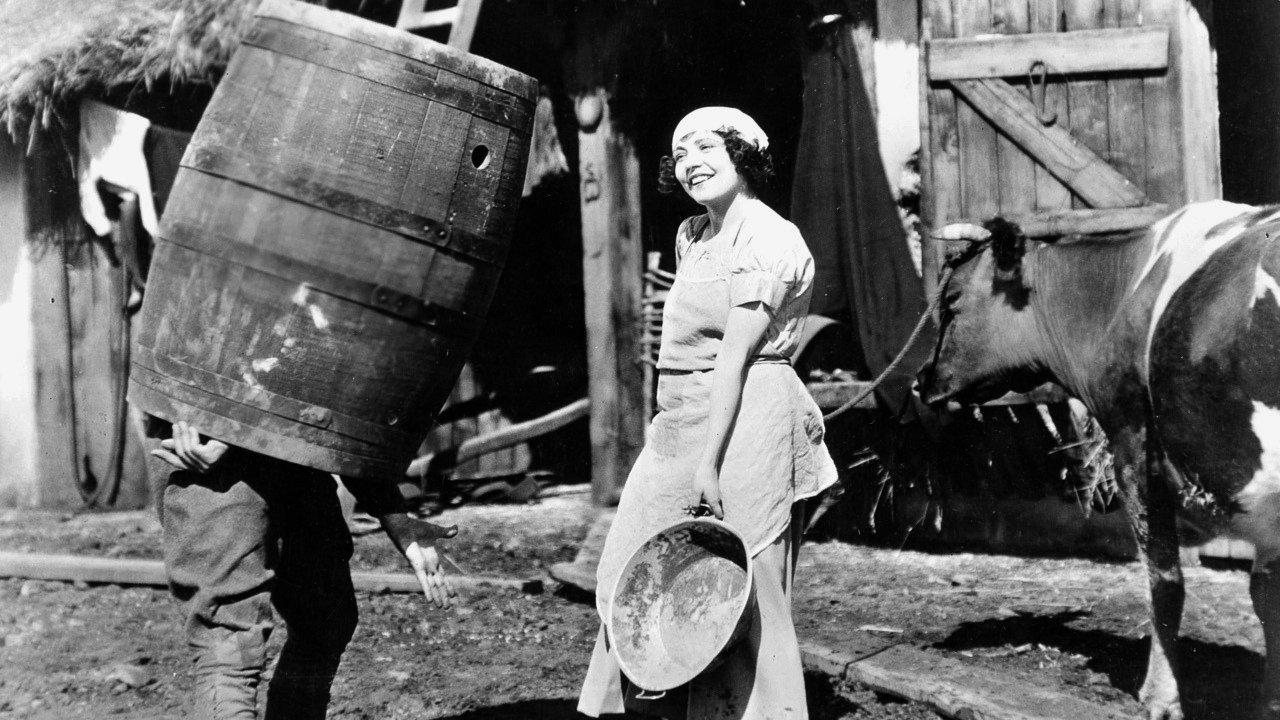
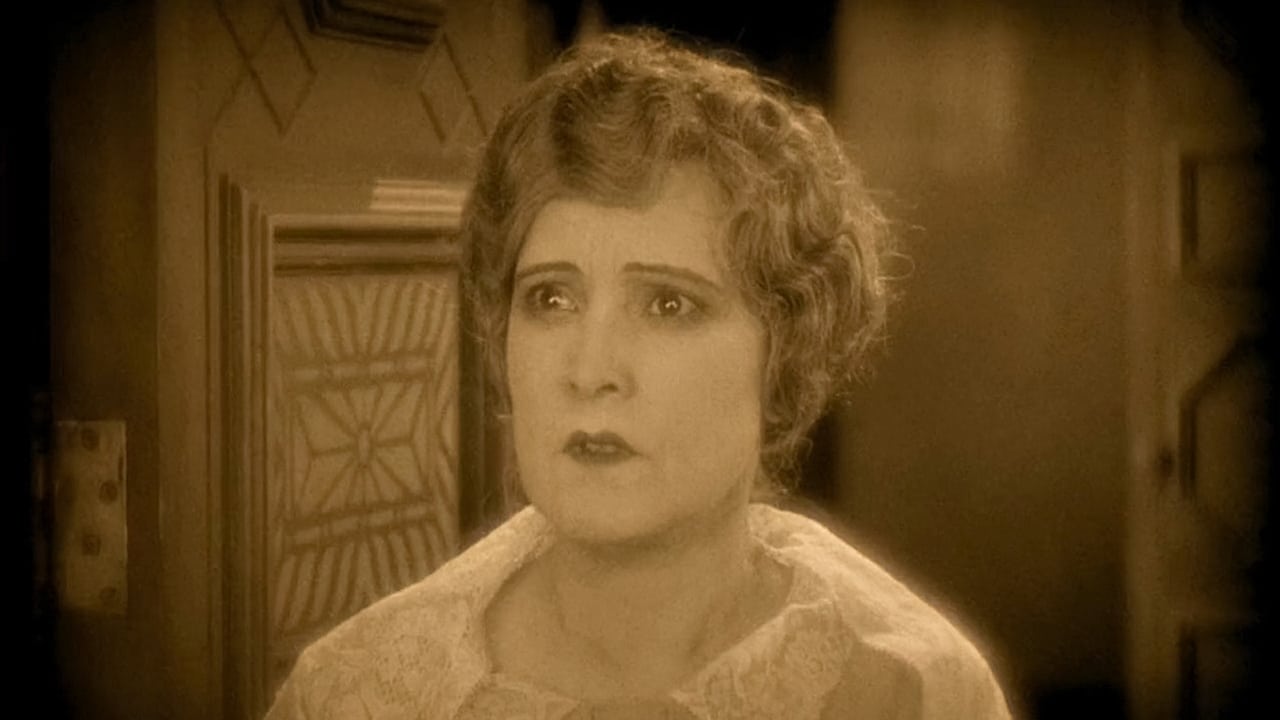
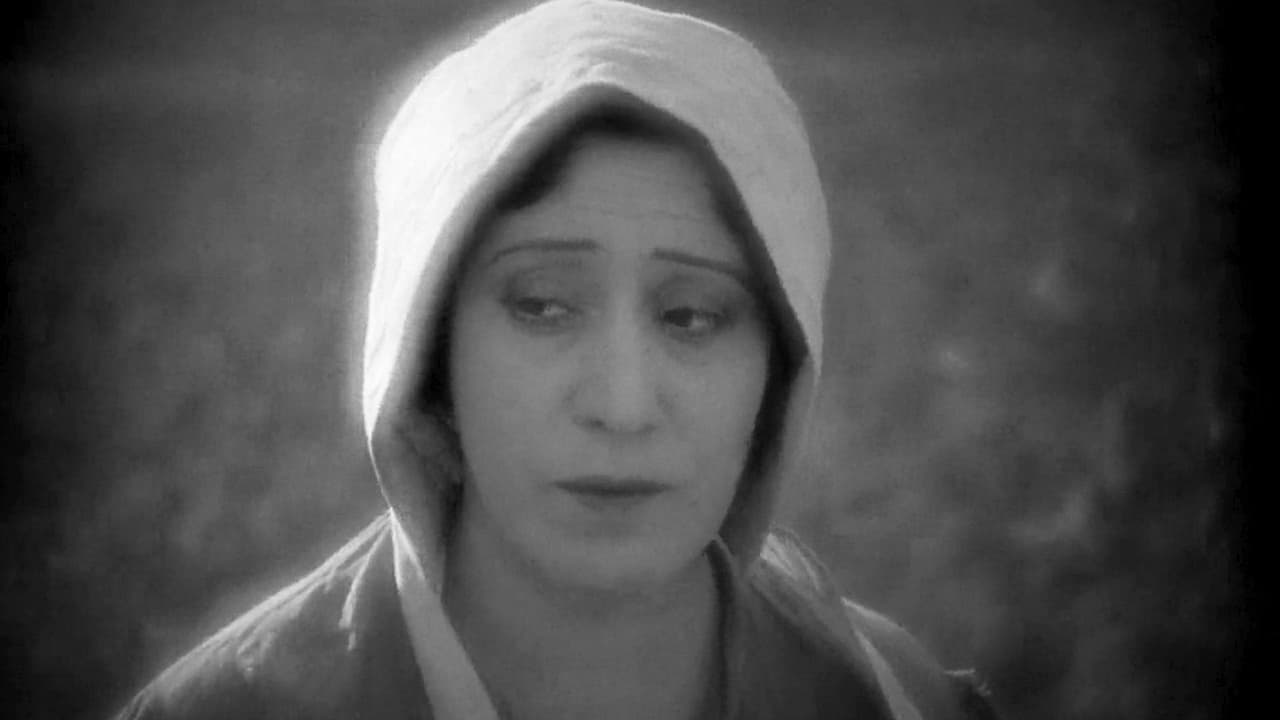
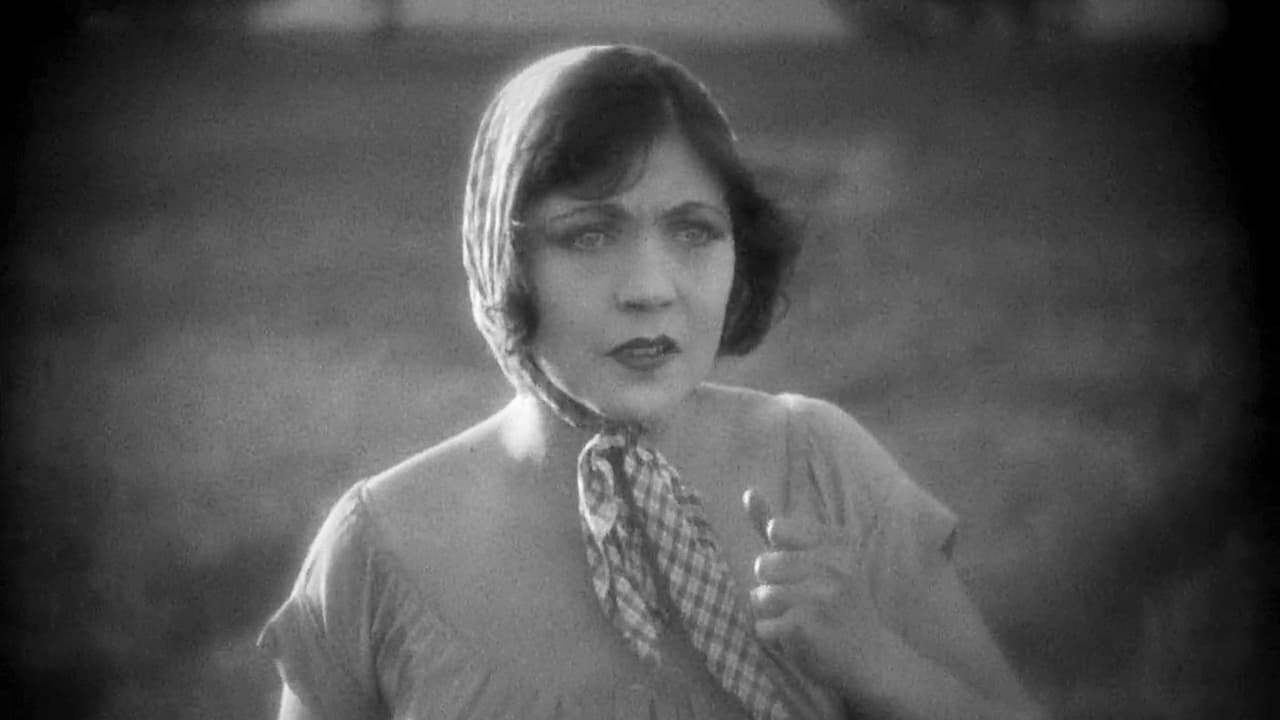
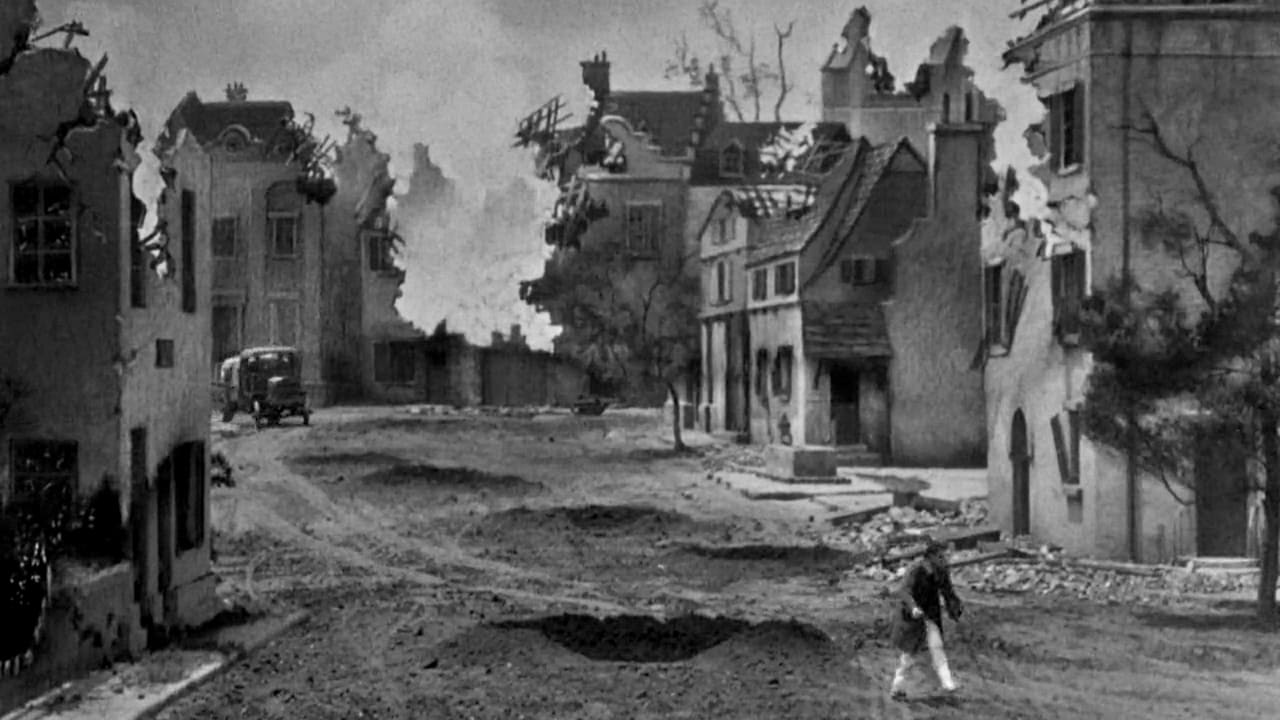
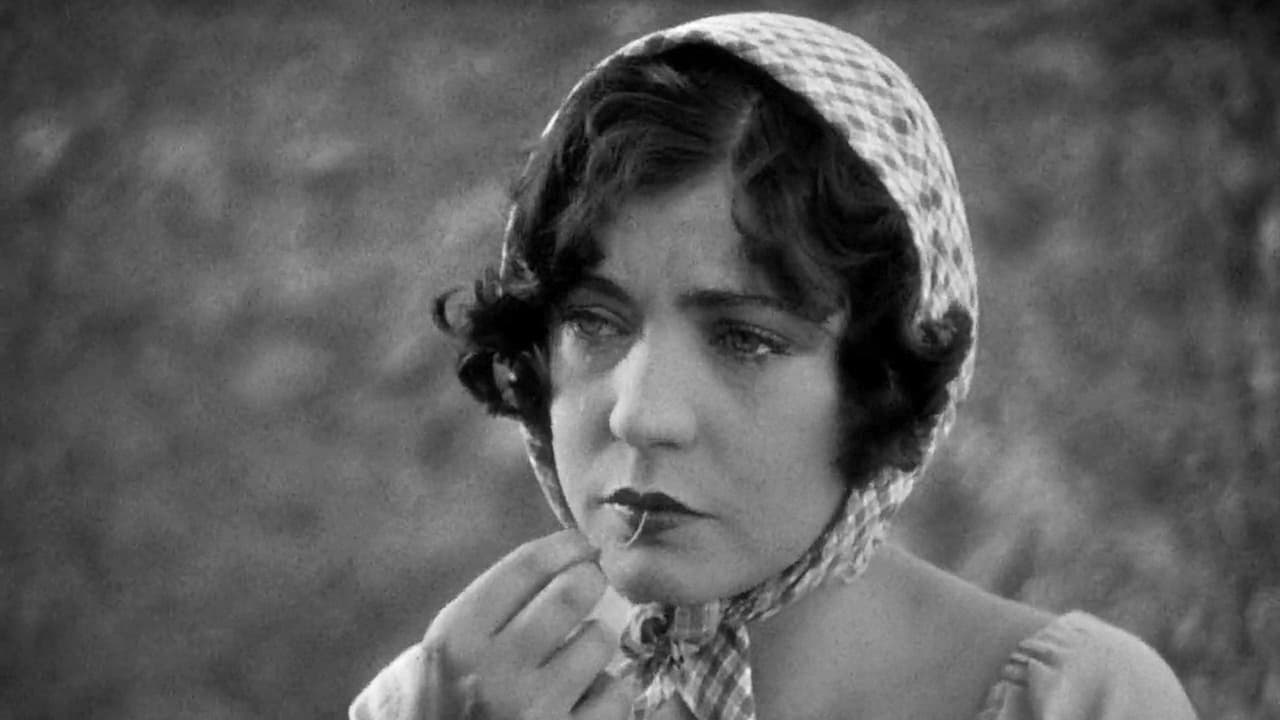
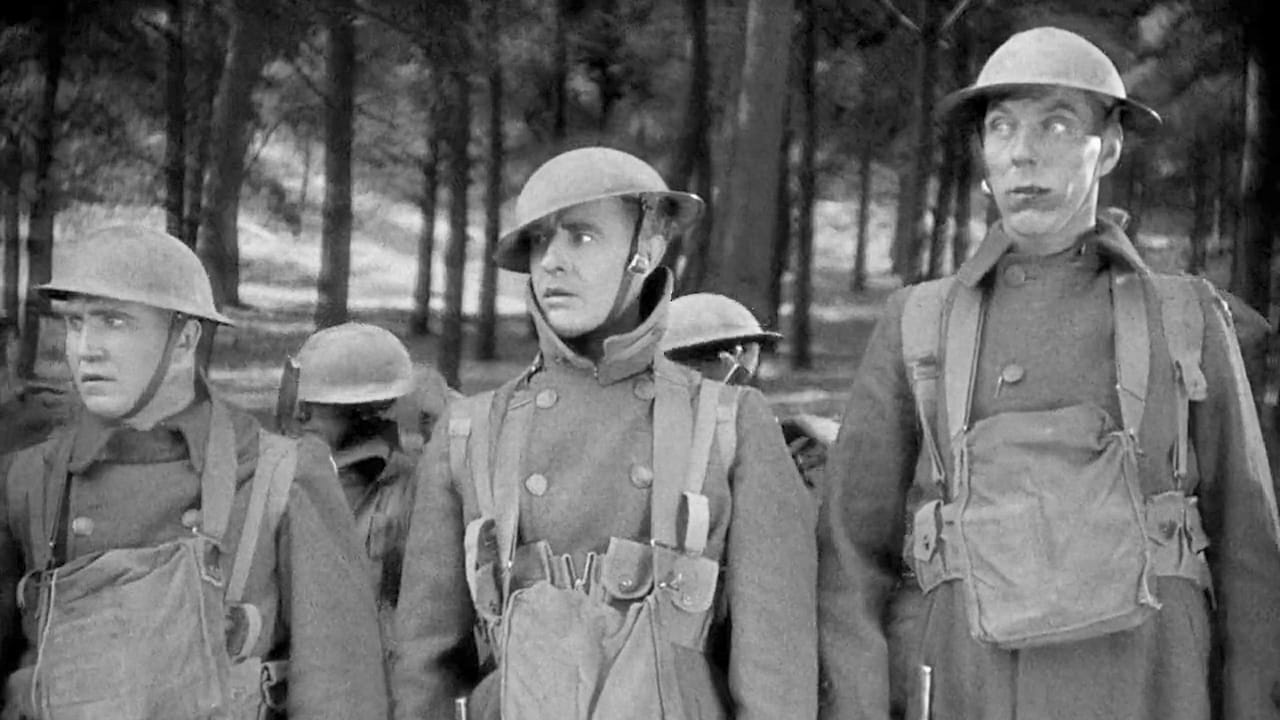
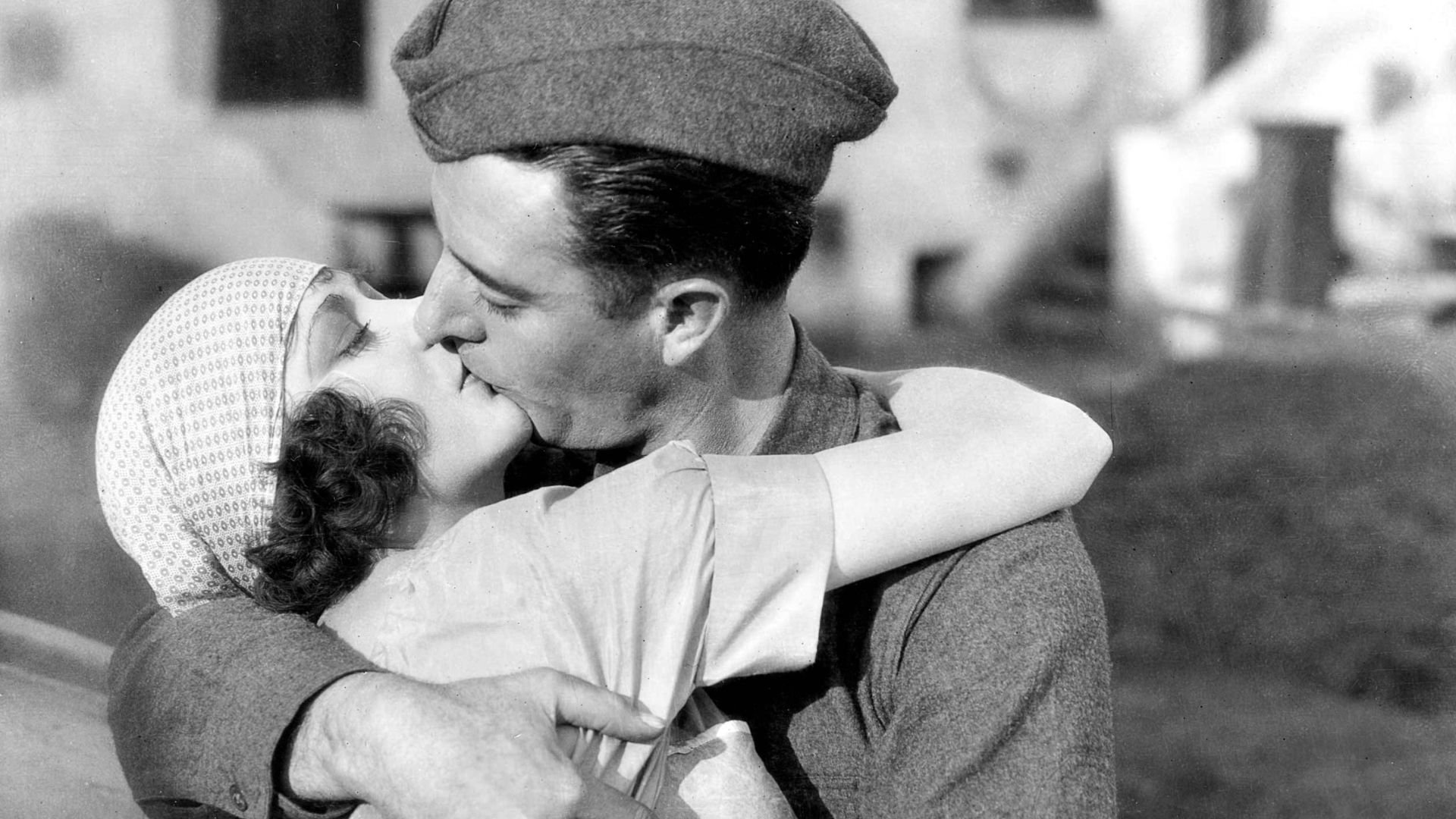
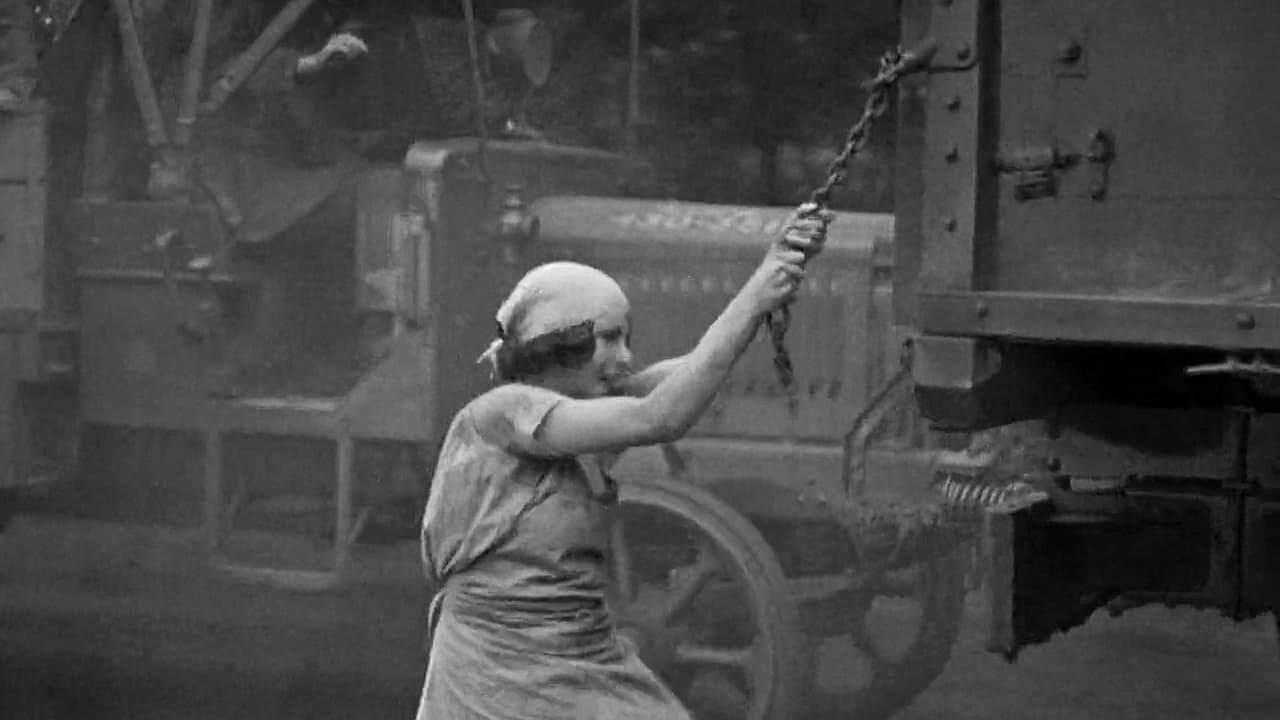
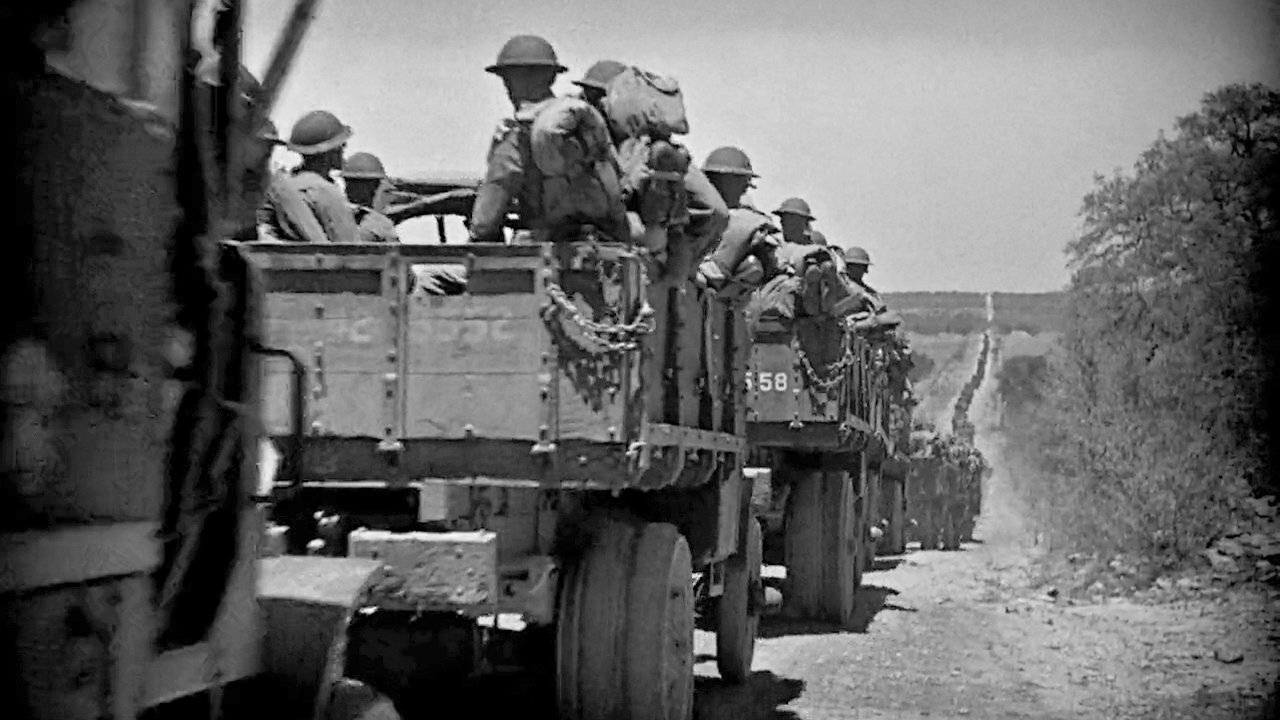
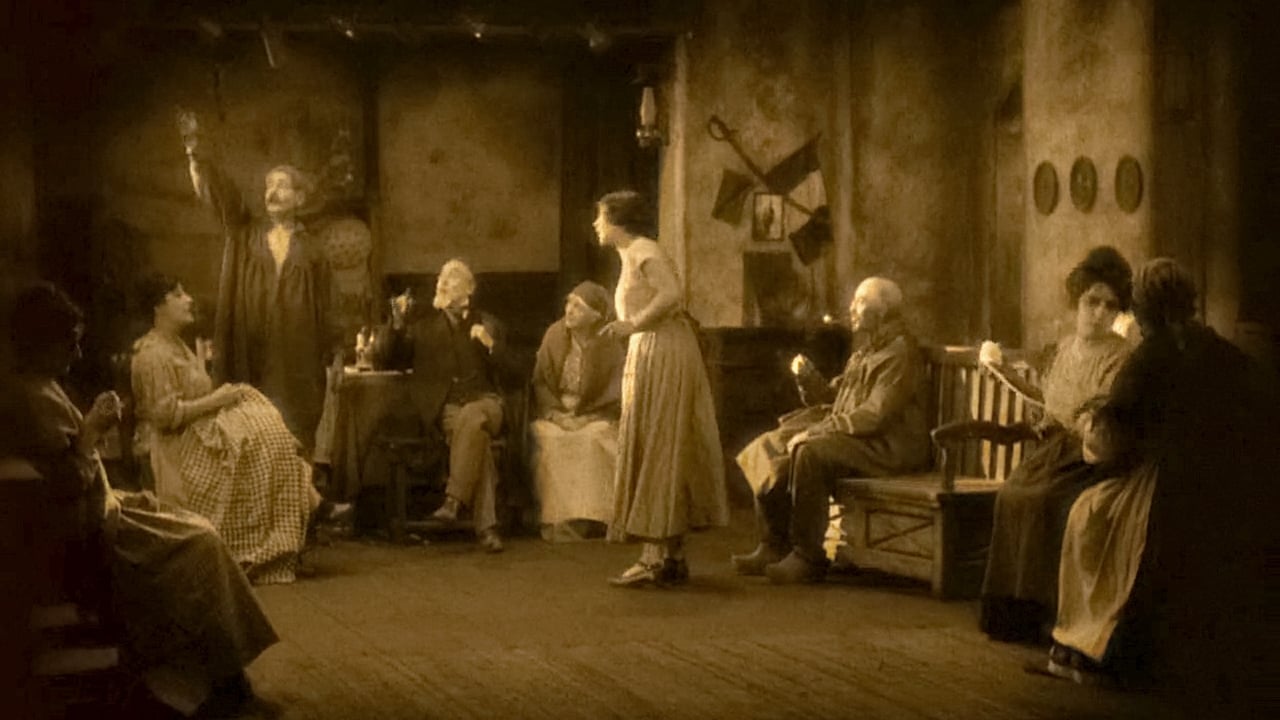
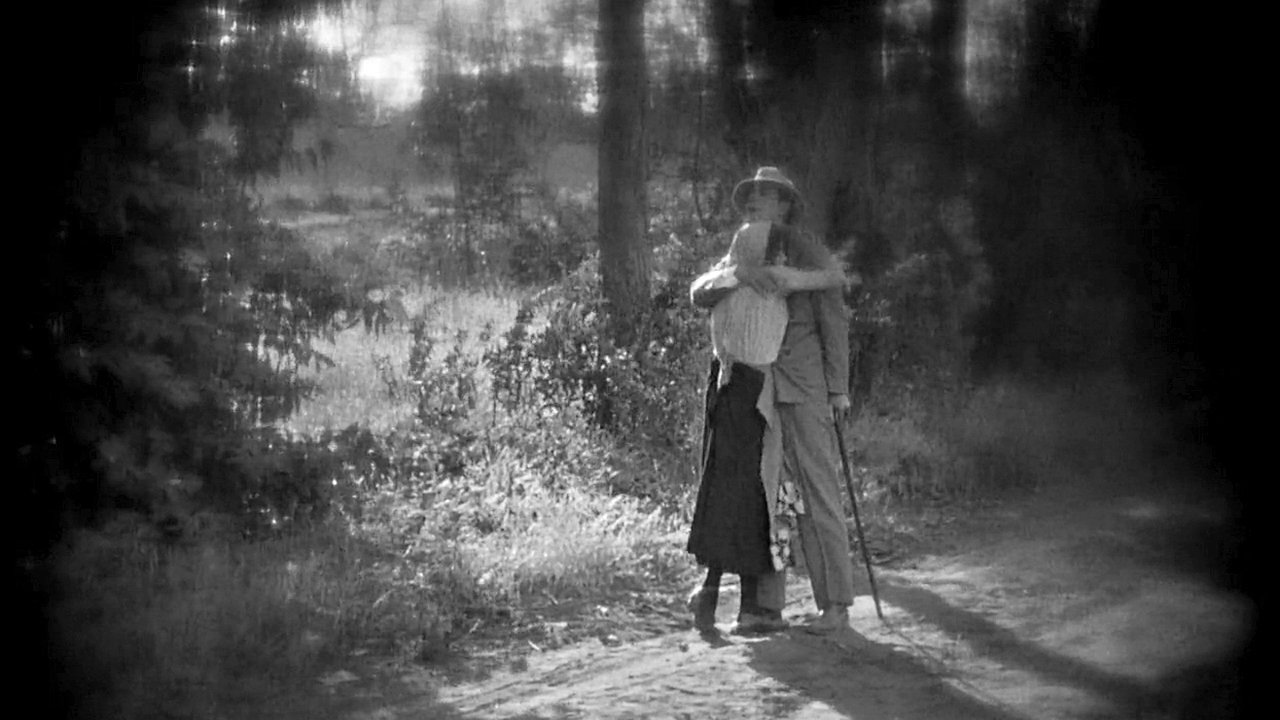
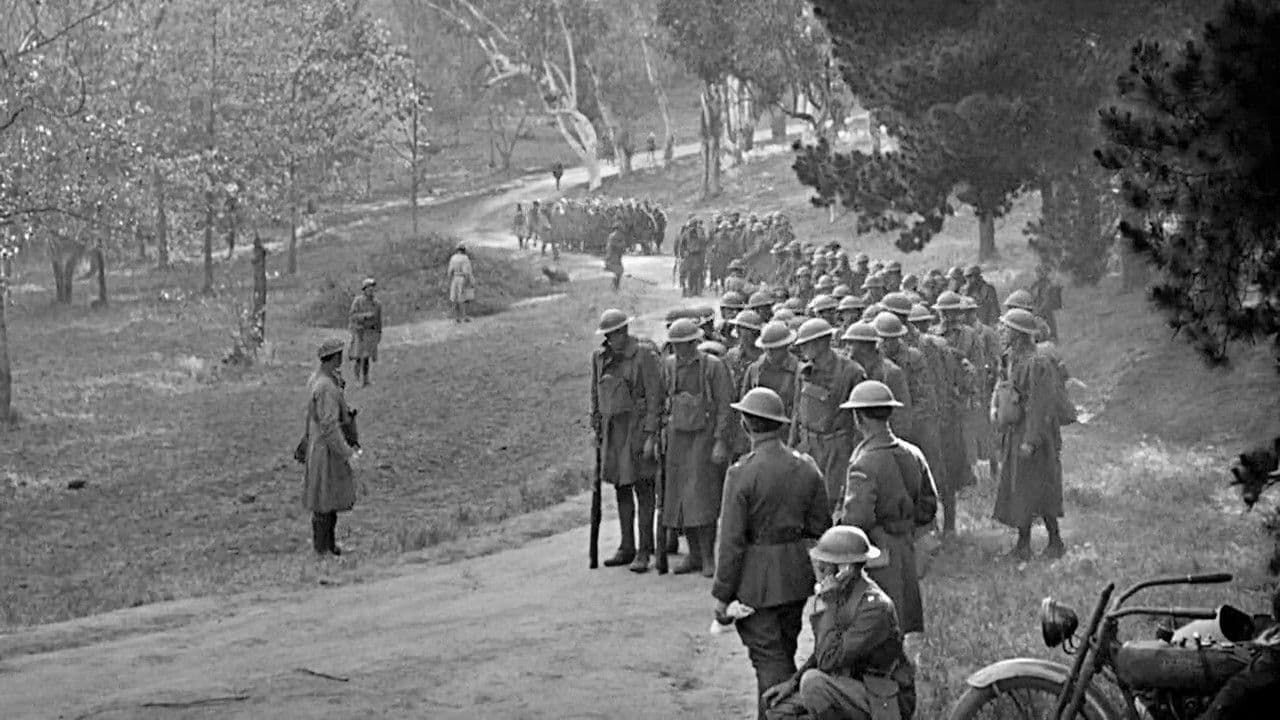
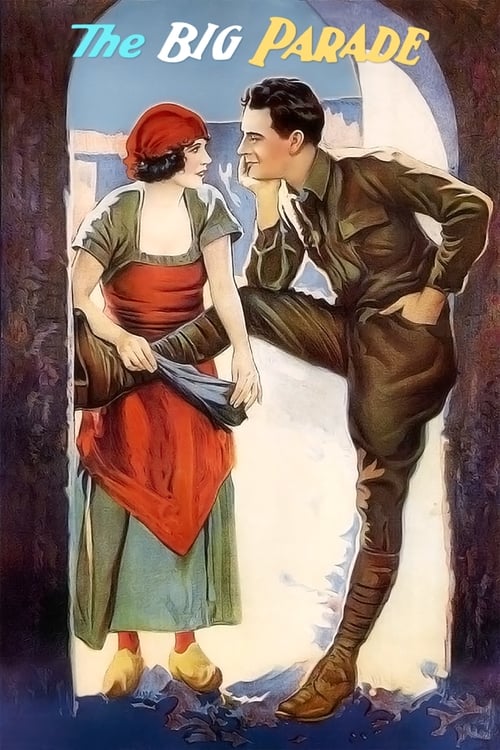
The story of an idle rich boy who joins the US Army's Rainbow Division and is sent to France to fight in World War I, becomes friends with two working class men, experiences the horrors of trench warfare, and finds love with a French girl.
Directed by King Vidor
france
world war i
patriotism
battlefield
falling in love
combat
silent film
convoy
french girl
spitting
letter from home
mud
western front
1910s
young soldier
trench warfare
american g.i.
war buddies
doughboy
joining the army
front-line soldier
front line warfare
military enlistment
love in war
fiance to the front
soldiers marching

Trailer

IMDB
N/A
Where to Watch



Cast
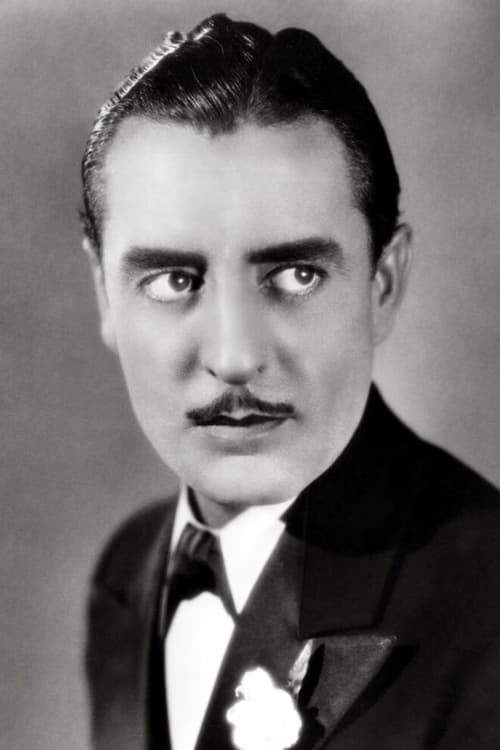
John Gilbert
James 'Jim' Apperson
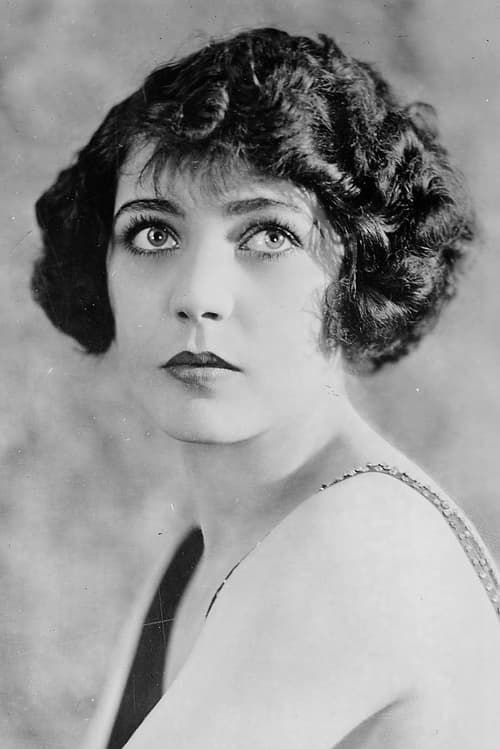
Renée Adorée
Melisande
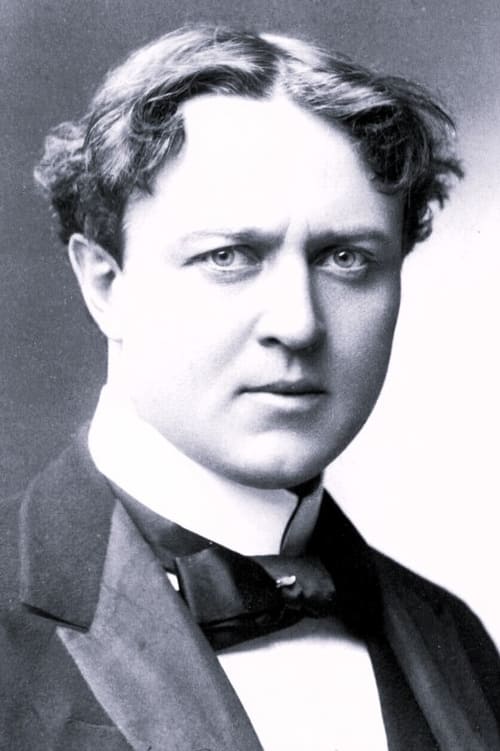
Hobart Bosworth
Mr. Apperson
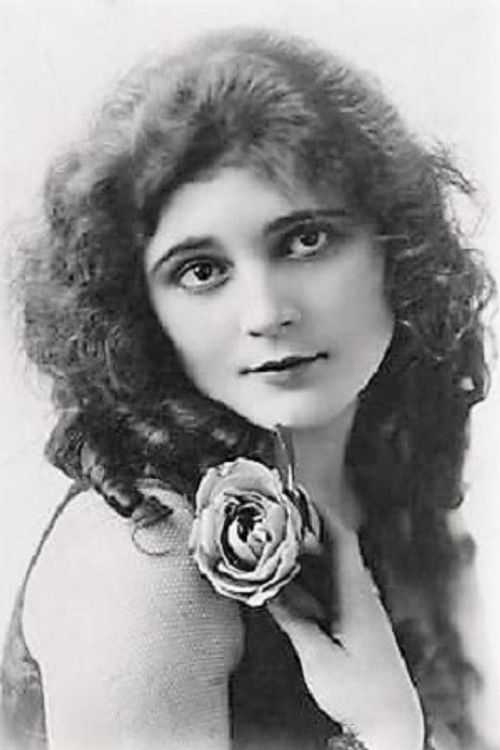
Claire McDowell
Mrs. Apperson
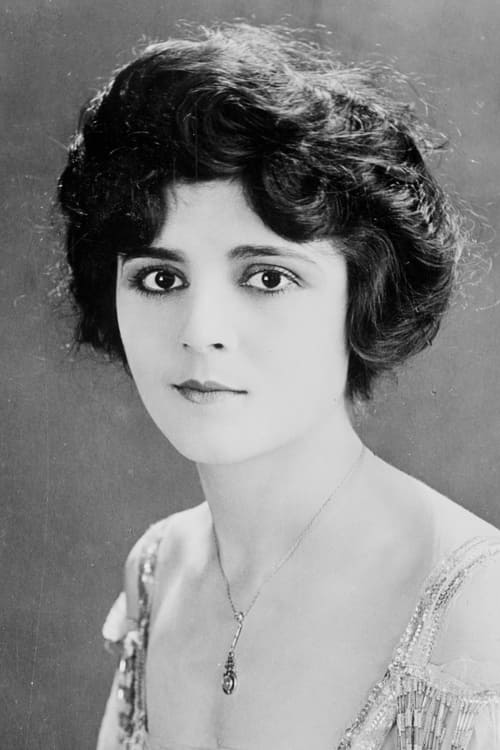
Claire Adams
Justyn Reed
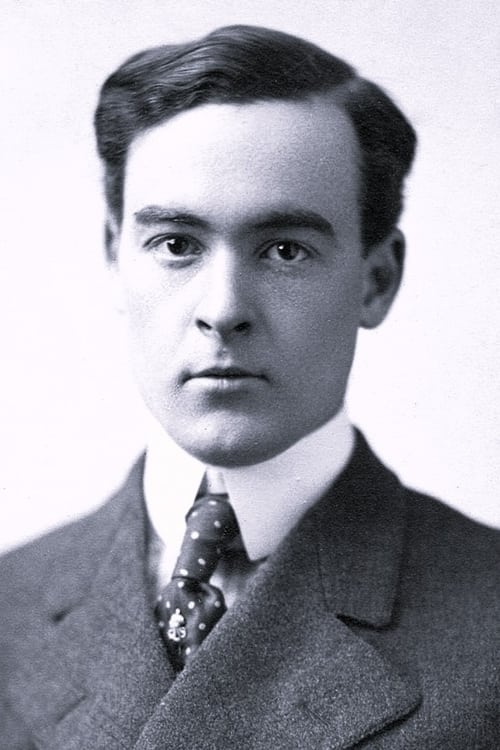
Robert Ober
Harry Apperson
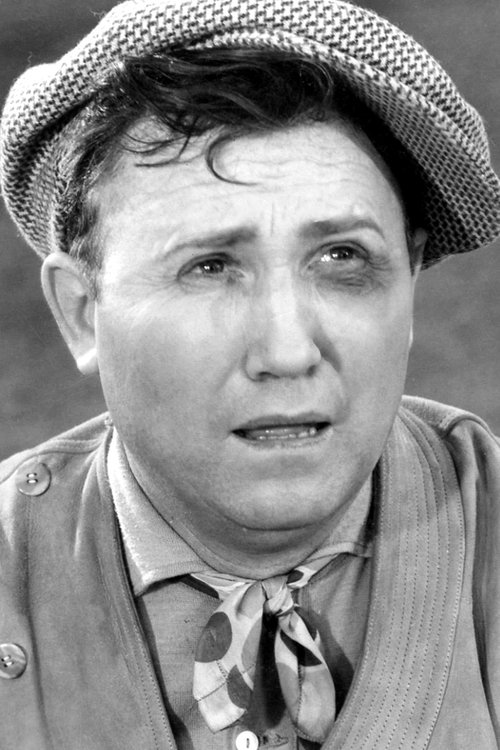
Tom O'Brien
Michael Olysius 'Bull' O'Hara

Karl Dane
'Slim' Jensen
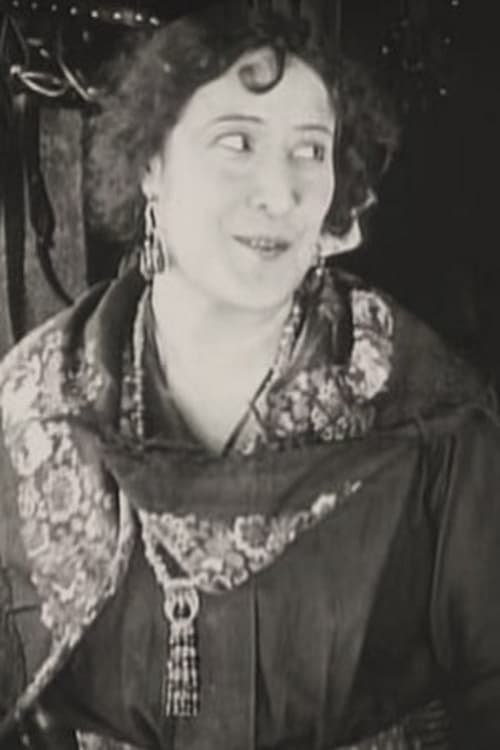
Rosita Marstini
Melisande's Mother
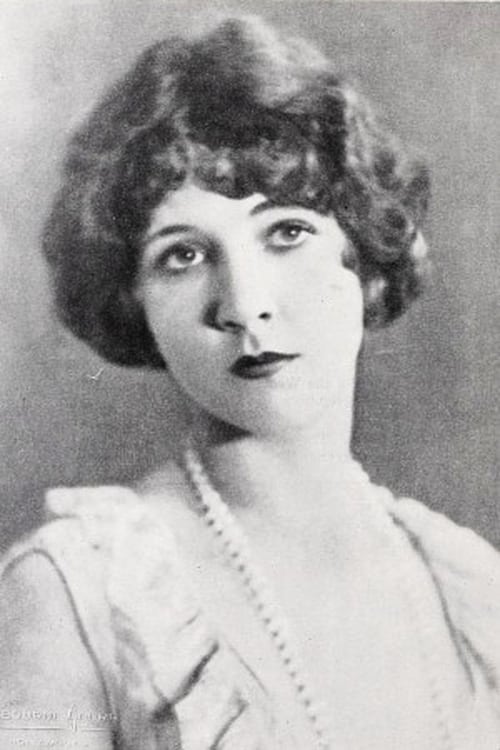
Julanne Johnston
Justine Devereux (uncredited)
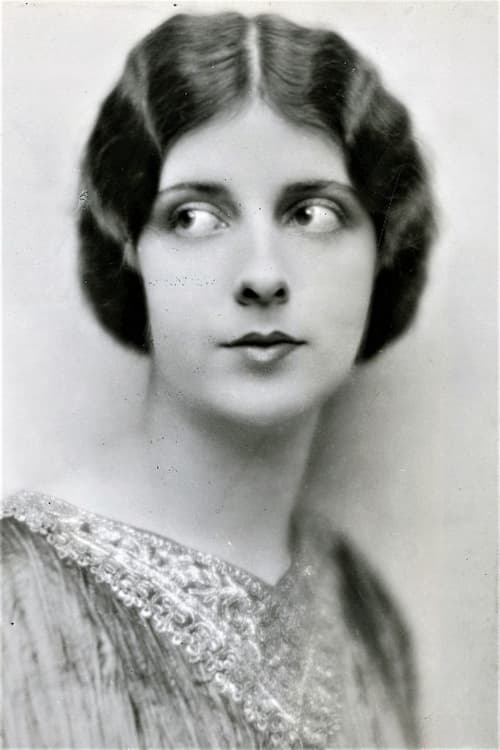
Kathleen Key
Miss Apperson (uncredited)
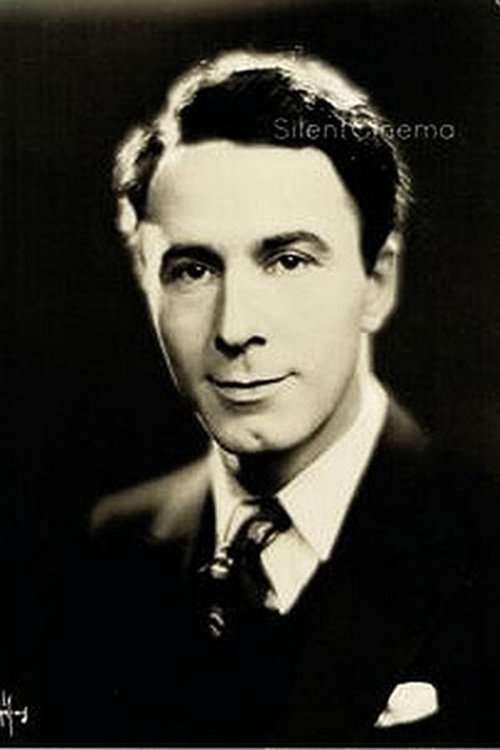
George Beranger
Patriotic Letter Reader
Crew
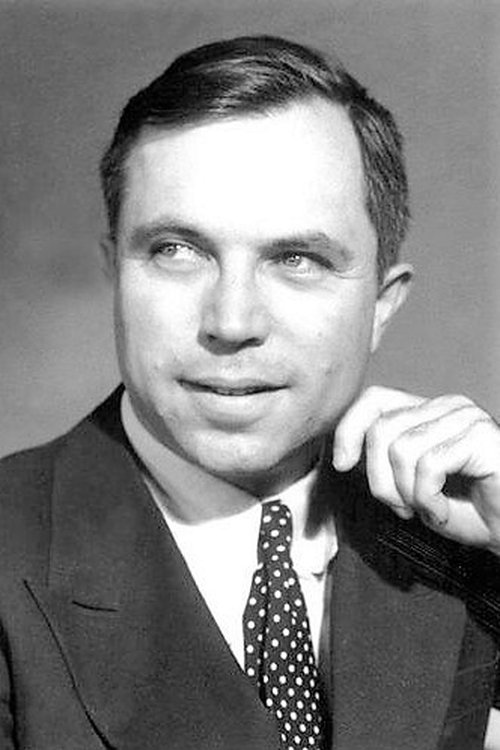
King Vidor
Director
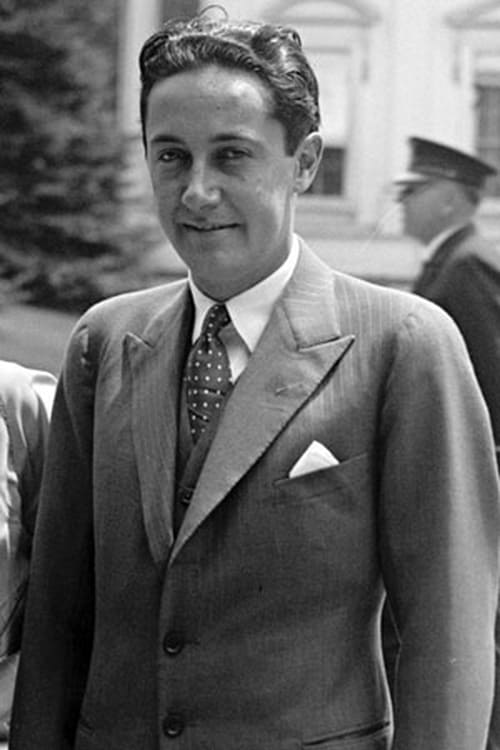
Irving Thalberg
Producer
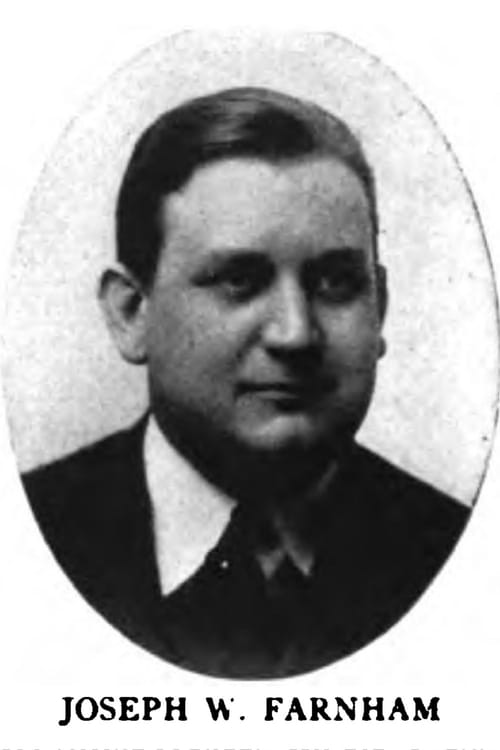
Joseph Farnham
Theatre Play
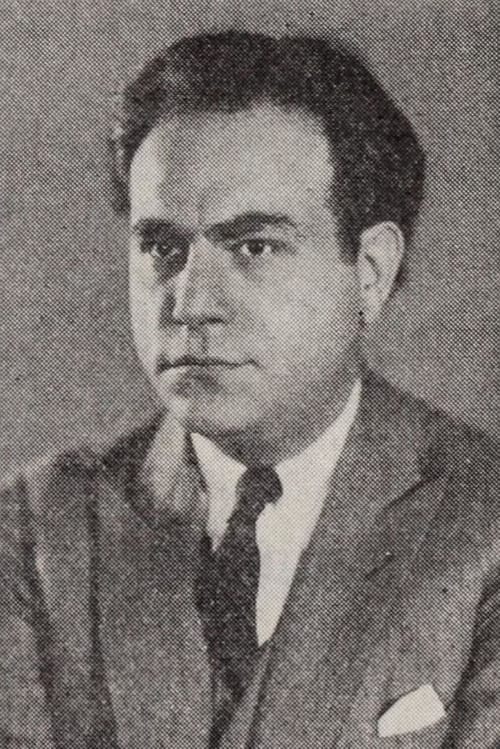
David Mendoza
Music
Popular Reviews
20 reviews
Sarah Wren
7.0★ · 04/23/26
My first silent movie definitely shouldn’t have been this long
My first silent movie shouldn’t have been a war movie because I hate war movies
It was sweet though
And the live orchestra helped and was cool
My first silent movie shouldn’t have been a war movie because I hate war movies
It was sweet though
And the live orchestra helped and was cool
My first silent movie definitely shouldn’t have been this long
My first silent movie shouldn’t have been a war movie because I hate war movies
It was sweet though
And the live orchestra helped and was cool
My first silent movie shouldn’t have been a war movie because I hate war movies
It was sweet though
And the live orchestra helped and was cool


Emily Pantell
6.0★ · 02/04/26
lowkey good!
lowkey good!
ari
8.0★ · 01/31/26
les textes mal écrits en français pour rire de son accent m’ont bien eu
les textes mal écrits en français pour rire de son accent m’ont bien eu
ChaiclassicsPRO
10.0★ · 03/23/25
A truly powerful anti war film that truly captured my attention! It was long but it was worth it! Initially there's an excitement about the war, patriotism. Jim conforms to the ideals of war and to actually enlist. The excitement with the war eventually contrasts the later events of the film especially the war scenes which has to be some of the truly most gruelling and haunting sequences I have ever seen. It not only shows the physical toll of war but also the psychological, on how war can mess up somebody. Jim changes from an idle rich young boy into a broken soldier by the end. It's heartbreaking to see. Jim falls for Melisande and it's truly a sweet romance that adds another emotional layer to the film. The two are sweet and wonderful together, the gum scene is just timeless and even the fact they do not have a mutual language, they still mutually understand one another which is fascinating. There's also themes of friendships, which is so crucial and again adds another emotional layer as we see some of Jim's friends lives cut too short. Finally there's the final 10 minutes which is wonderful to see. As Jim, who is amputated and crippled, comes into his house and the tracking shot of the mother as her emotions are all over the place. She hugs Jim and has flashbacks to his childhood, is just such a perfect scene it heightens the emotional significance present throughout this story. Silent films are very universal, not just because you don't have to speak English, or German or whatever to understand it, but because they always encompass universal themes, love, loss, friendship. It's truly fascinating, and one of the reasons why silent film transcended boundaries to become the global phenomenon. Films are the greatest form of mass entertainment the world has ever known. A global culture was formed and its fascinating! King Vidor offered a greasy direction. While I do not know if this is very realistic, it still seems rather haunting given the war scenes, it's truly horrifying. Renee Adoree is wonderful and sweet whereas John Gilbert was perfect in this, again he is one of my favourite actors truly! Not shocked to hear this was not only MGM's biggest hit, but the biggest hit of the decade.
A truly powerful anti war film that truly captured my attention! It was long but it was worth it! Initially there's an excitement about the war, patriotism. Jim conforms to the ideals of war and to actually enlist. The excitement with the war eventually contrasts the later events of the film especially the war scenes which has to be some of the truly most gruelling and haunting sequences I have ever seen. It not only shows the physical toll of war but also the psychological, on how war can mess up somebody. Jim changes from an idle rich young boy into a broken soldier by the end. It's heartbreaking to see. Jim falls for Melisande and it's truly a sweet romance that adds another emotional layer to the film. The two are sweet and wonderful together, the gum scene is just timeless and even the fact they do not have a mutual language, they still mutually understand one another which is fascinating. There's also themes of friendships, which is so crucial and again adds another emotional layer as we see some of Jim's friends lives cut too short. Finally there's the final 10 minutes which is wonderful to see. As Jim, who is amputated and crippled, comes into his house and the tracking shot of the mother as her emotions are all over the place. She hugs Jim and has flashbacks to his childhood, is just such a perfect scene it heightens the emotional significance present throughout this story. Silent films are very universal, not just because you don't have to speak English, or German or whatever to understand it, but because they always encompass universal themes, love, loss, friendship. It's truly fascinating, and one of the reasons why silent film transcended boundaries to become the global phenomenon. Films are the greatest form of mass entertainment the world has ever known. A global culture was formed and its fascinating! King Vidor offered a greasy direction. While I do not know if this is very realistic, it still seems rather haunting given the war scenes, it's truly horrifying. Renee Adoree is wonderful and sweet whereas John Gilbert was perfect in this, again he is one of my favourite actors truly! Not shocked to hear this was not only MGM's biggest hit, but the biggest hit of the decade.
Colin
I must say for being a two and a half hour silent film I’m surprised by how this kept my attention
I must say for being a two and a half hour silent film I’m surprised by how this kept my attention