

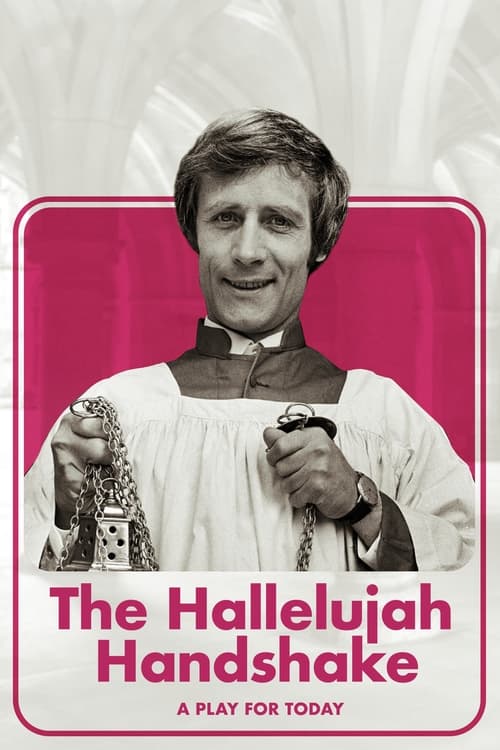
The Hallelujah Handshake
1970·Drama·1h 15m
7.1
★
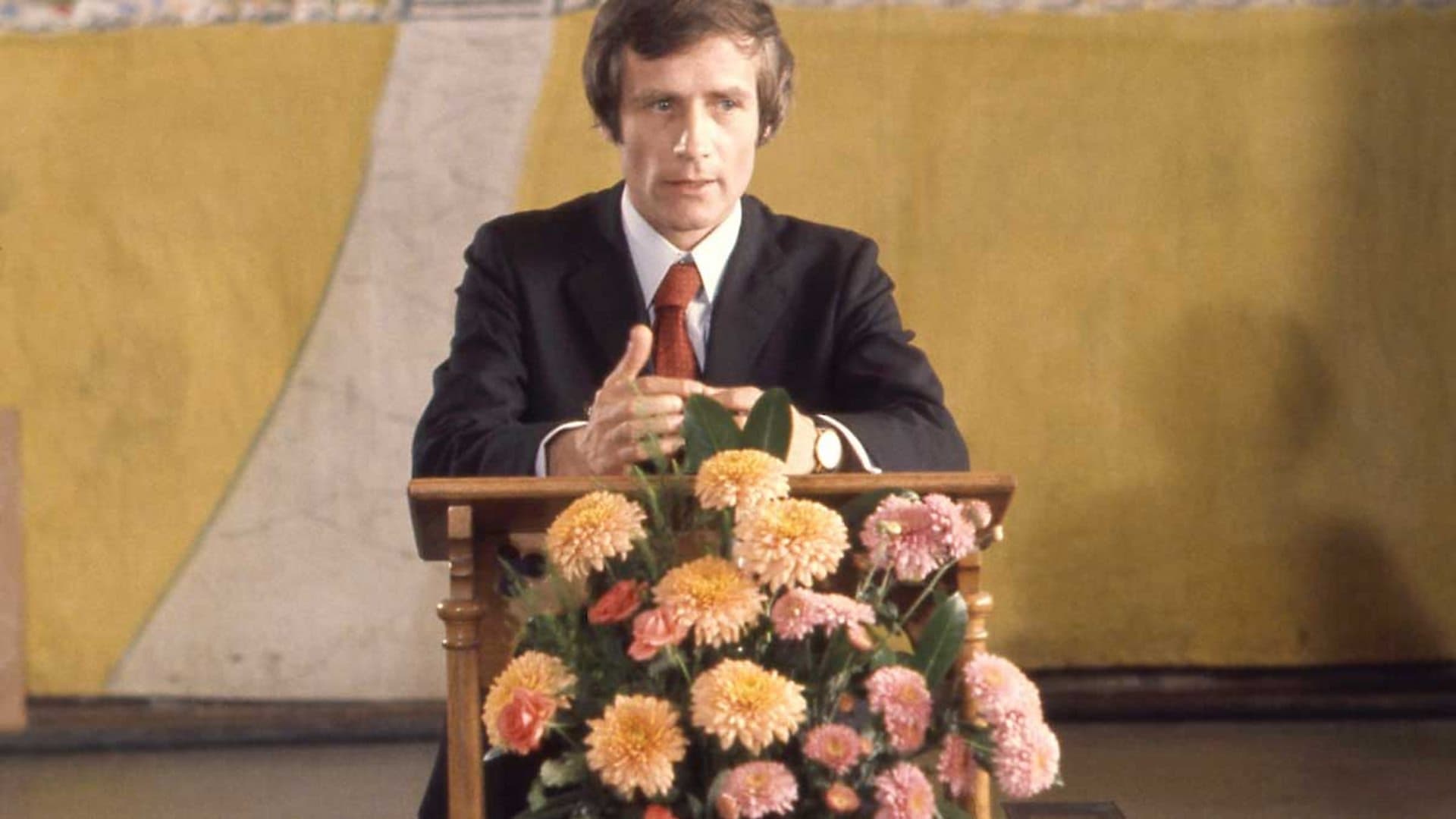
Henry sets out to join a church and passionately help the parish. Slowly but surely his habits of exaggeration and lying begin to catch up with him.
Directed by Alan Clarke
church

IMDB
N/A
Cast
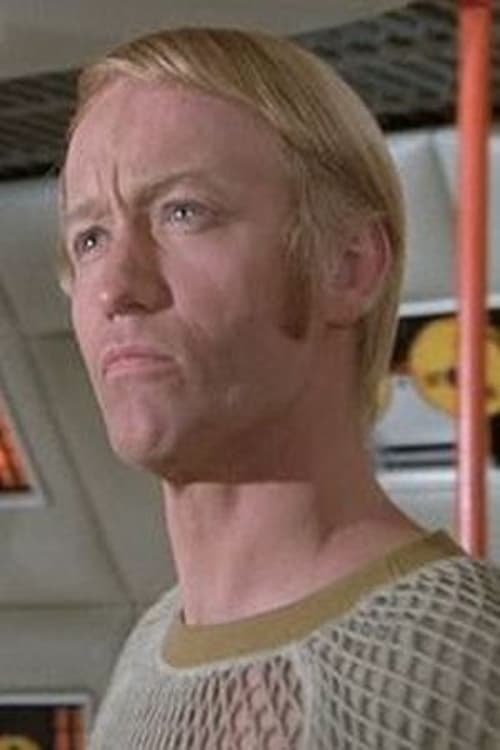
Jeremy Wilkin
Geoff

Lynn Farleigh
Anne
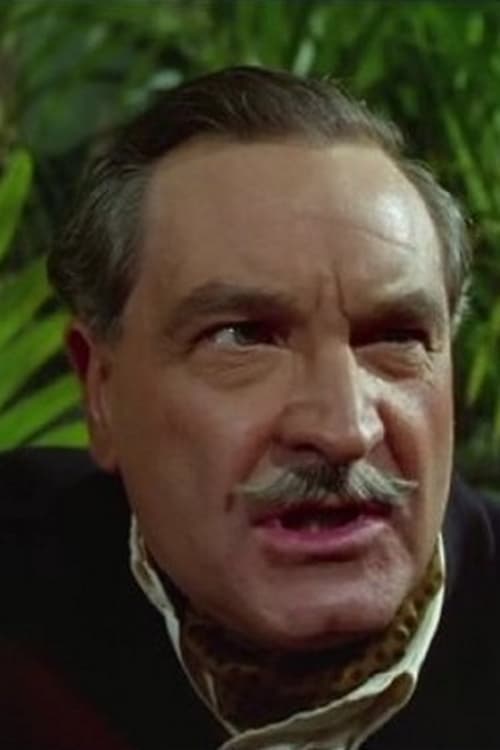
John Phillips
Rev. Howard Whithead
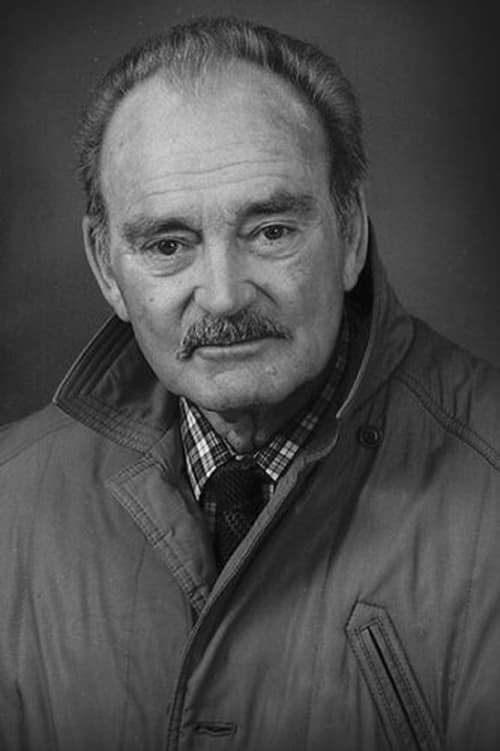
Howell Evans
Bob

June Watson
Wendy
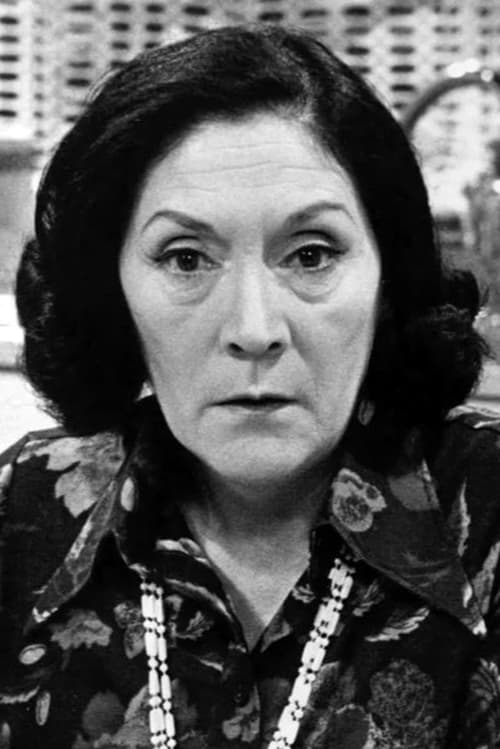
Queenie Watts
Connie

Shelagh Wilcocks
Mrs. Atkinson
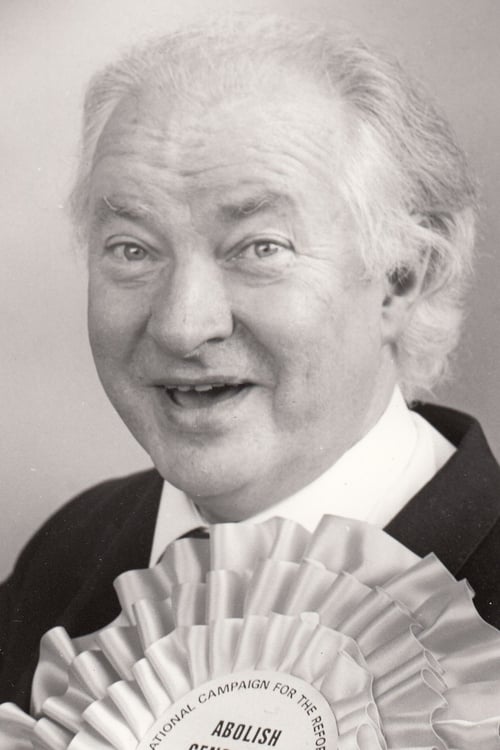
David Webb
Probation Officer
Alan Foss
Magistrate
Carmen du Sautoy
Child (uncredited)
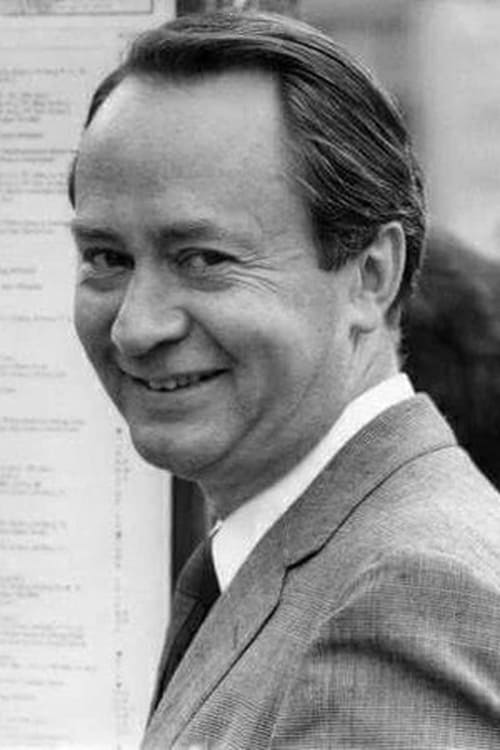
Peter Sallis
Minor Role (uncredited)
Crew
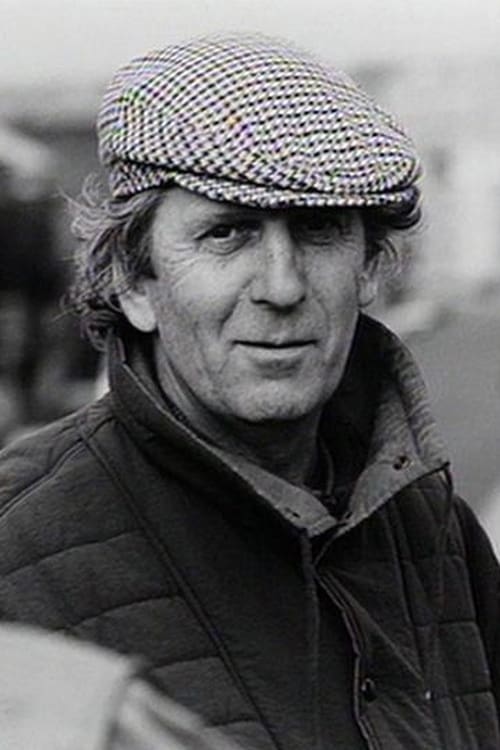
Alan Clarke
Director
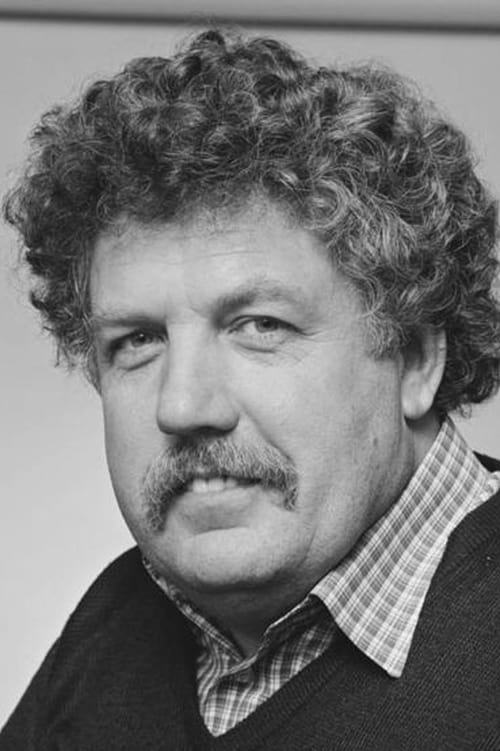
Colin Welland
Writer
Popular Reviews
1 review
Jacob Dickens
7.6★ · 03/15/24
I found this one really compelling, especially because of Tony Calvin's performance as an intentionally enigmatic figure who cannot help but lie and deceive his way into a community even when he does a poor job at it. That aspect of it, the fact that everyone seems to realize quickly that this guy isn't who he says he is and is prone to exaggeration, makes the story much more interesting because of their continued commitment to him. It's a story about religious faith and brotherhood, about the people in our communities who need salvation of some sort even if it becomes difficult to gauge just what they need. There's also an unspoken specter around Henry in viewing it today, a somewhat sinister underpinning to his insistence on working with children. I don't know how far Clarke was willing to go down that path because, importantly, everyone acknowledges how Henry isn't dangerous or anything other than odd and incompetent. The most we see of a "darker side" to him is his passionate reading of the Ten Commandments (in which he literally foams at the mouth) and an outburst with a woman he thinks is seducing him. It's a complex arrangement of expectation and reality, a character you can feel the entire time that you need to keep a close eye on even if he hasn't given you any reason to. Like the rest of Clarke's work, the actions taken are up for debate: what is to be done with someone like Henry?; what is our responsibility as a community, and a religious one at that, to watch out for someone like him? Great stuff.
I found this one really compelling, especially because of Tony Calvin's performance as an intentionally enigmatic figure who cannot help but lie and deceive his way into a community even when he does a poor job at it. That aspect of it, the fact that everyone seems to realize quickly that this guy isn't who he says he is and is prone to exaggeration, makes the story much more interesting because of their continued commitment to him. It's a story about religious faith and brotherhood, about the people in our communities who need salvation of some sort even if it becomes difficult to gauge just what they need. There's also an unspoken specter around Henry in viewing it today, a somewhat sinister underpinning to his insistence on working with children. I don't know how far Clarke was willing to go down that path because, importantly, everyone acknowledges how Henry isn't dangerous or anything other than odd and incompetent. The most we see of a "darker side" to him is his passionate reading of the Ten Commandments (in which he literally foams at the mouth) and an outburst with a woman he thinks is seducing him. It's a complex arrangement of expectation and reality, a character you can feel the entire time that you need to keep a close eye on even if he hasn't given you any reason to. Like the rest of Clarke's work, the actions taken are up for debate: what is to be done with someone like Henry?; what is our responsibility as a community, and a religious one at that, to watch out for someone like him? Great stuff.

