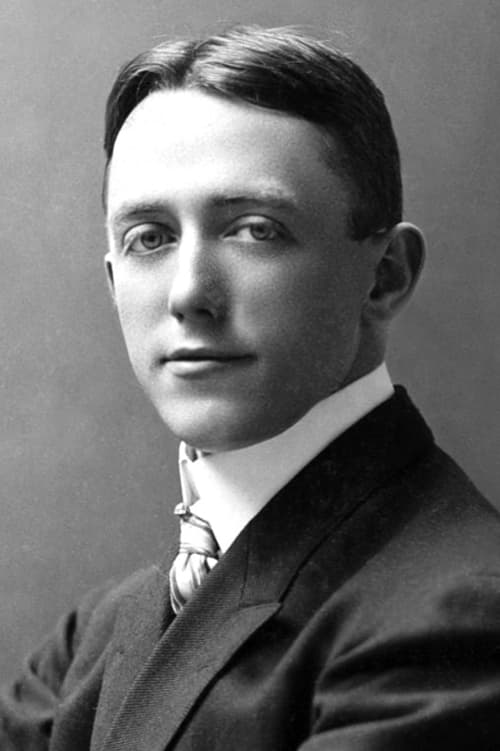
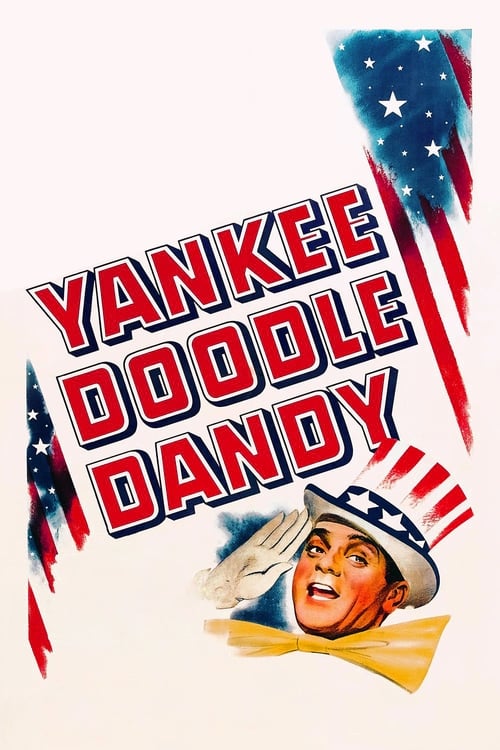
A piece of wartime propaganda used to boost morale. The whole musical biopic narrative means nothing. The film turns George Cohan into a symbol of unquestioning patriotism. The songs represent "unofficial" anthems of World War I, thereby conveniently being revived to galvanize the spirit of World War II. By dramatizing Cohan as a fable of American virtue, the film implicitly equates personal success with patriotic duty. Basically, national ideology shapes nostalgia, which is a trope deeply embedded in wartime Hollywood.
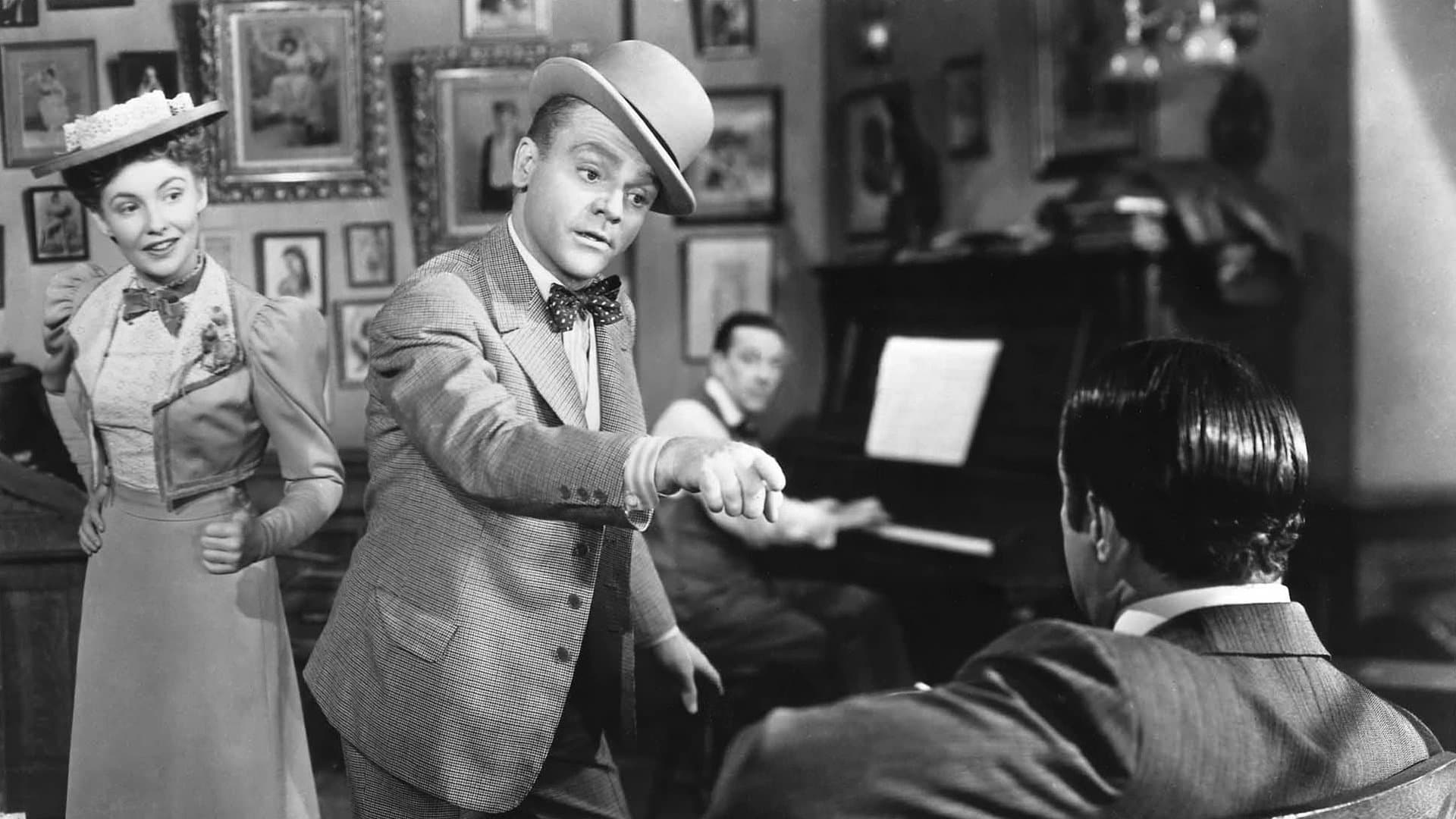
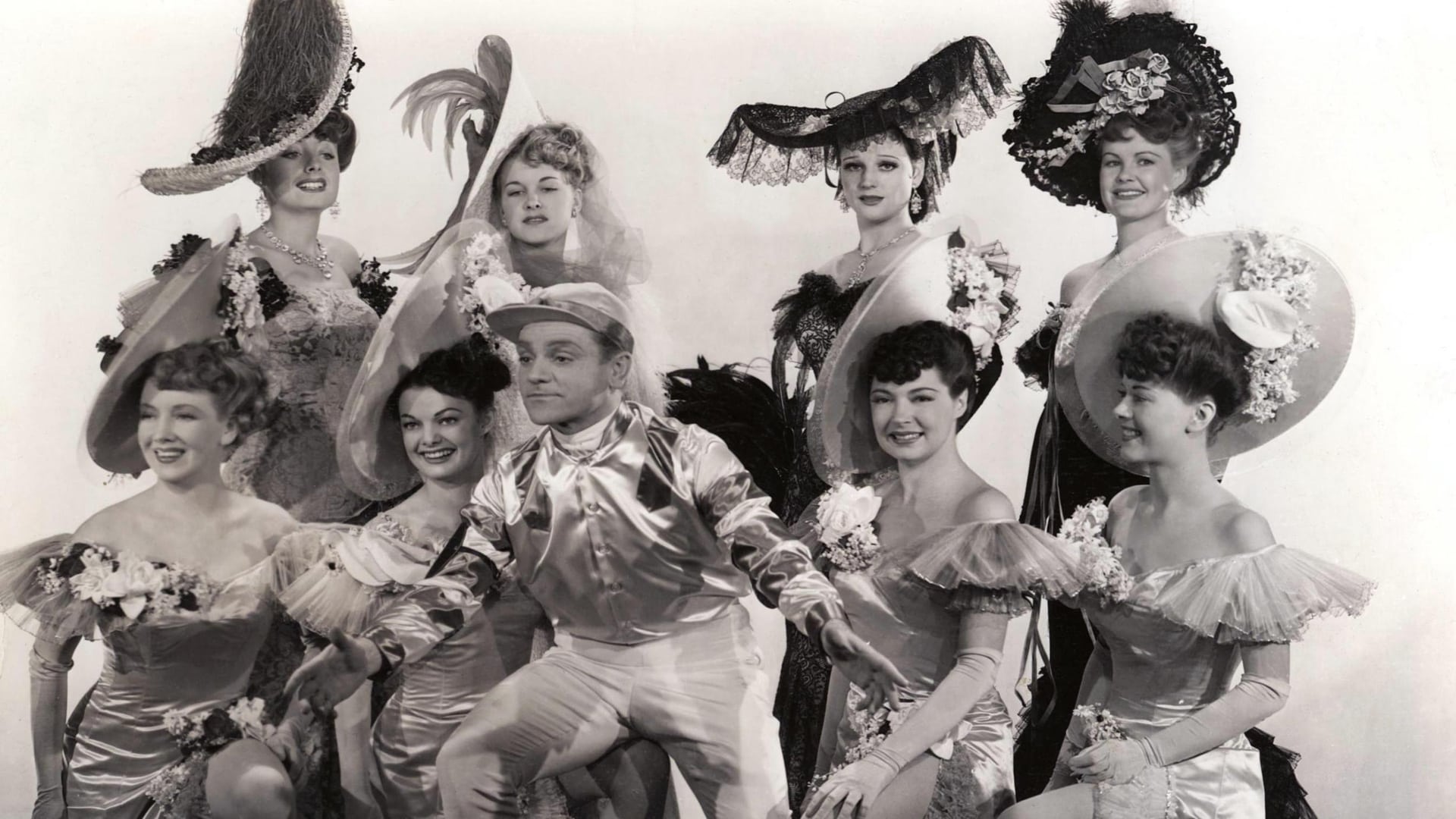
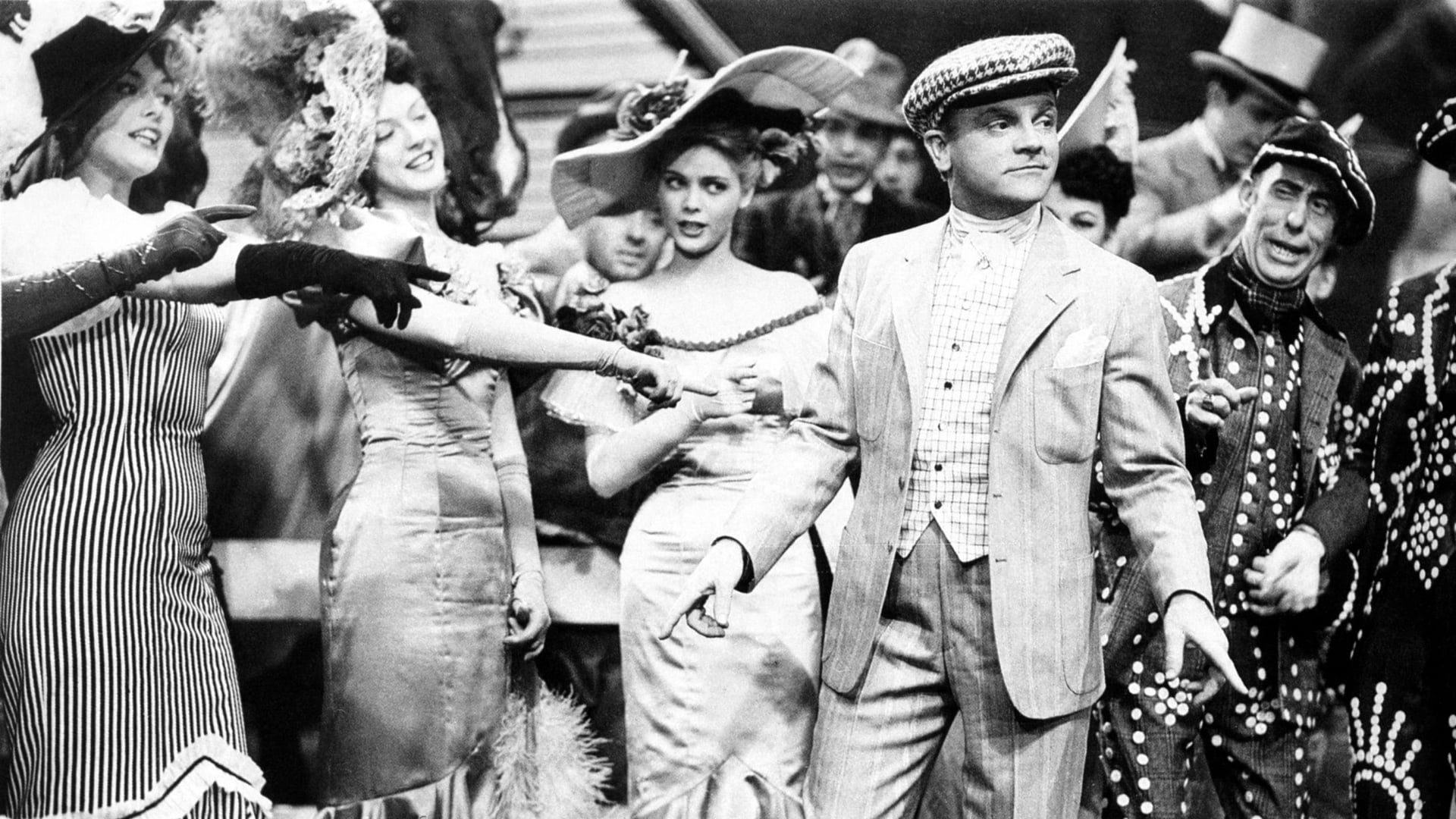
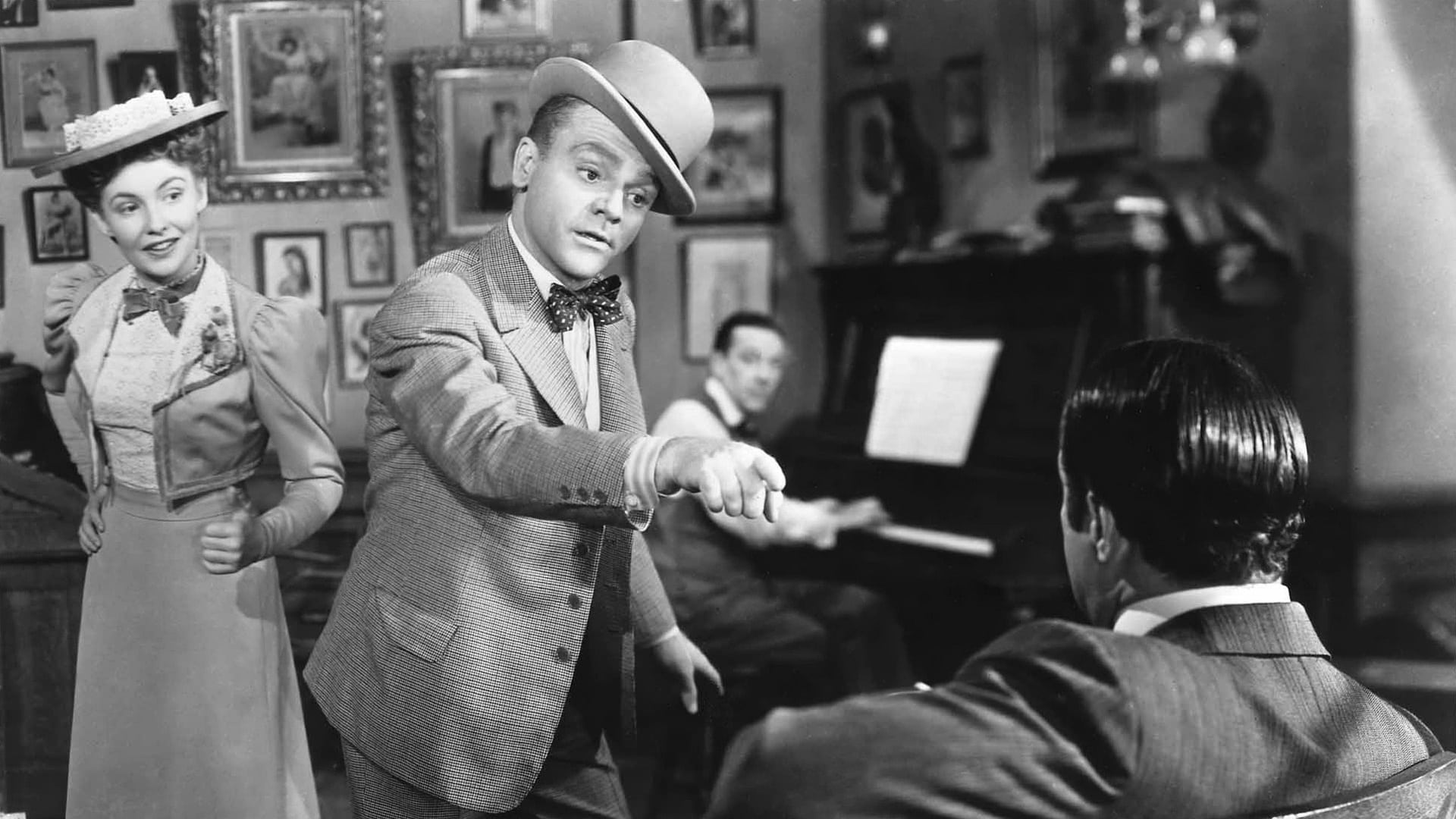
The film remains rooted in the aesthetics of vaudeville (it contains a few seconds of a family in blackface) and Broadway. All the musical numbers are on stage, which more or less makes the film look like a museum exhibit than an actual living environment. Um, yeah. I mean, the technical confidence is reflected through the cinematography and choreography. Nothing much here unless we examine the hypocrisy.
A piece of wartime propaganda used to boost morale. The whole musical biopic narrative means nothing. The film turns George Cohan into a symbol of unquestioning patriotism. The songs represent "unofficial" anthems of World War I, thereby conveniently being revived to galvanize the spirit of World War II. By dramatizing Cohan as a fable of American virtue, the film implicitly equates personal success with patriotic duty. Basically, national ideology shapes nostalgia, which is a trope deeply embedded in wartime Hollywood.
The film remains rooted in the aesthetics of vaudeville (it contains a few seconds of a family in blackface) and Broadway. All the musical numbers are on stage, which more or less makes the film look like a museum exhibit than an actual living environment. Um, yeah. I mean, the technical confidence is reflected through the cinematography and choreography. Nothing much here unless we examine the hypocrisy.