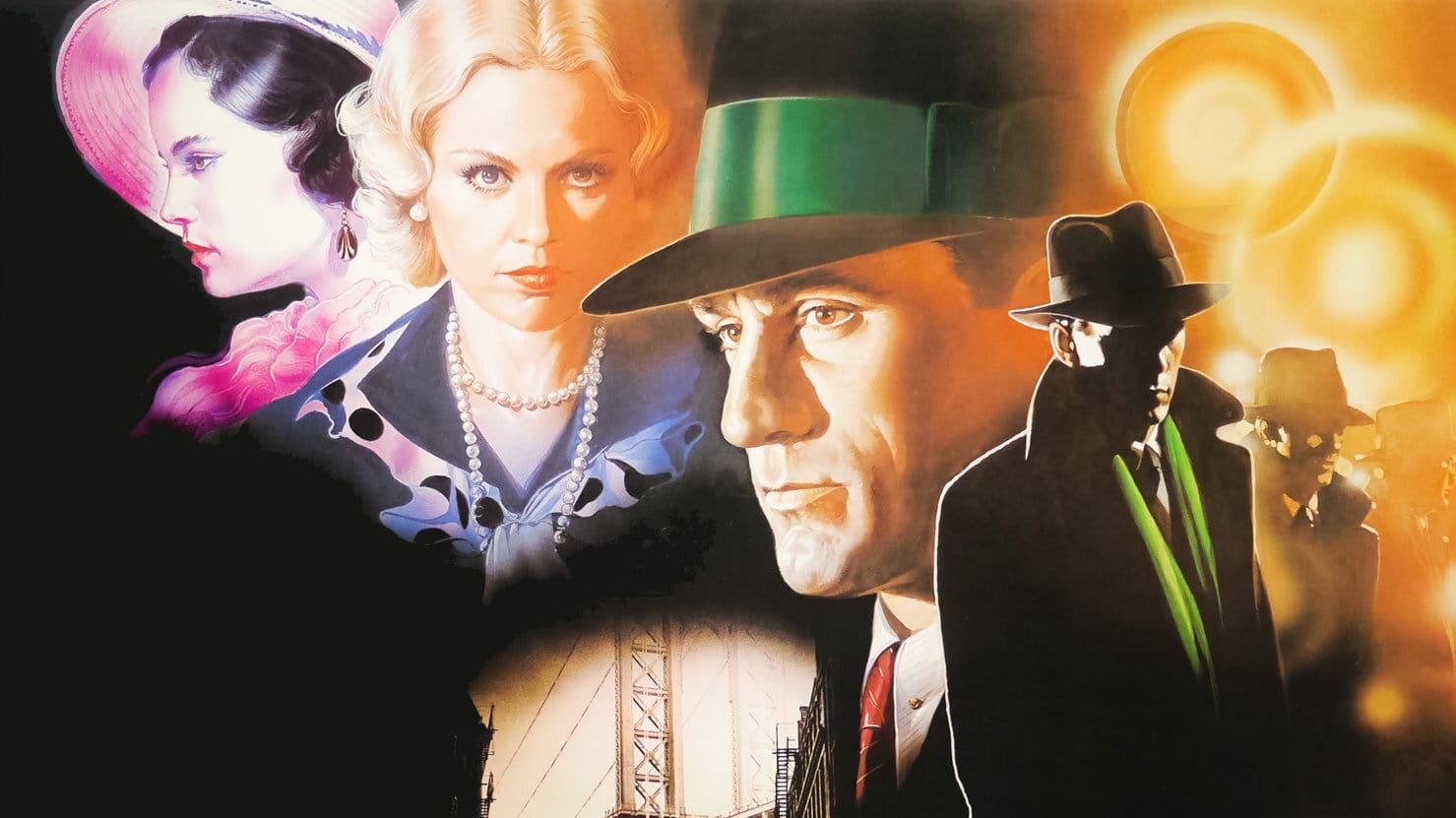
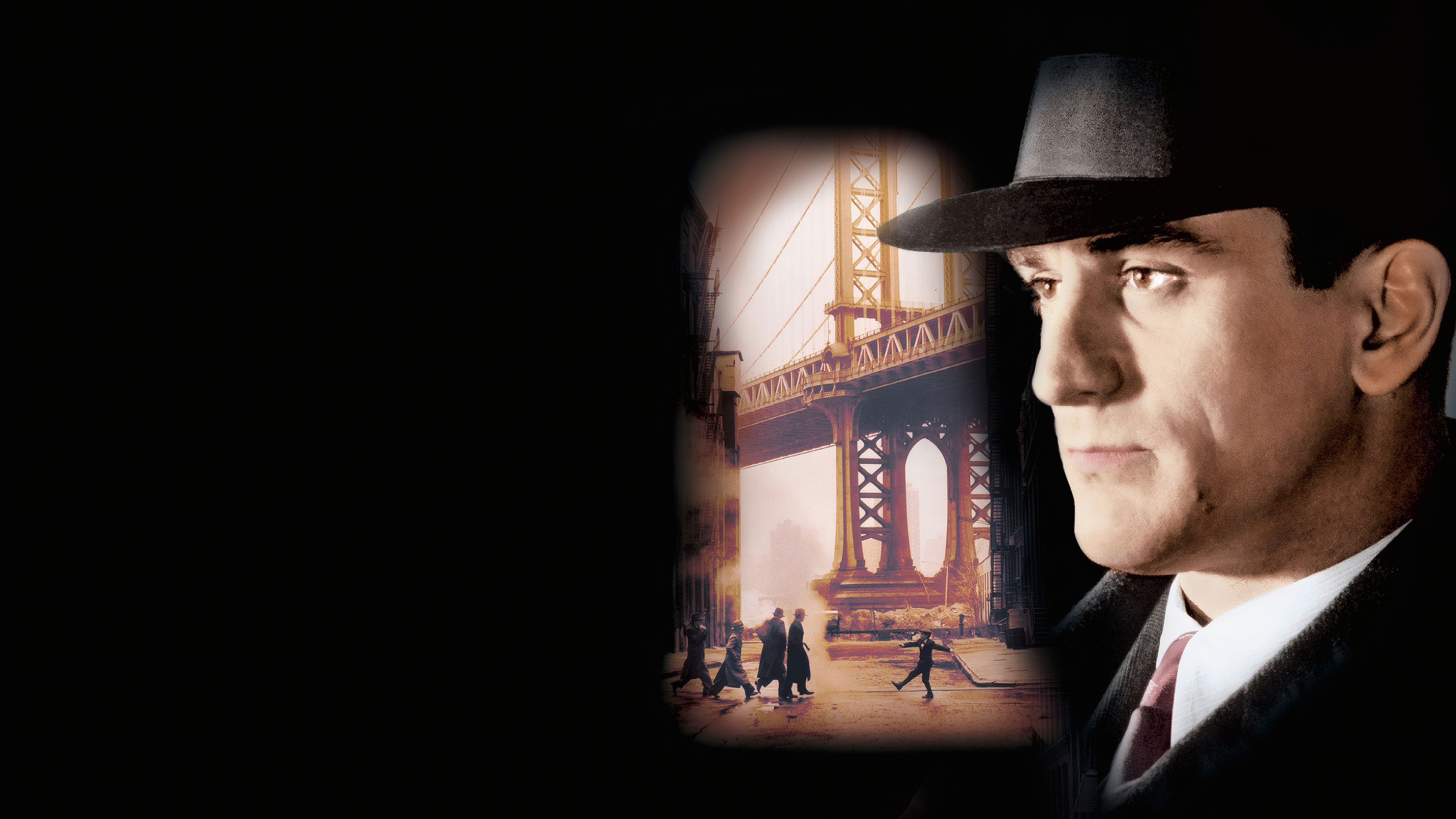
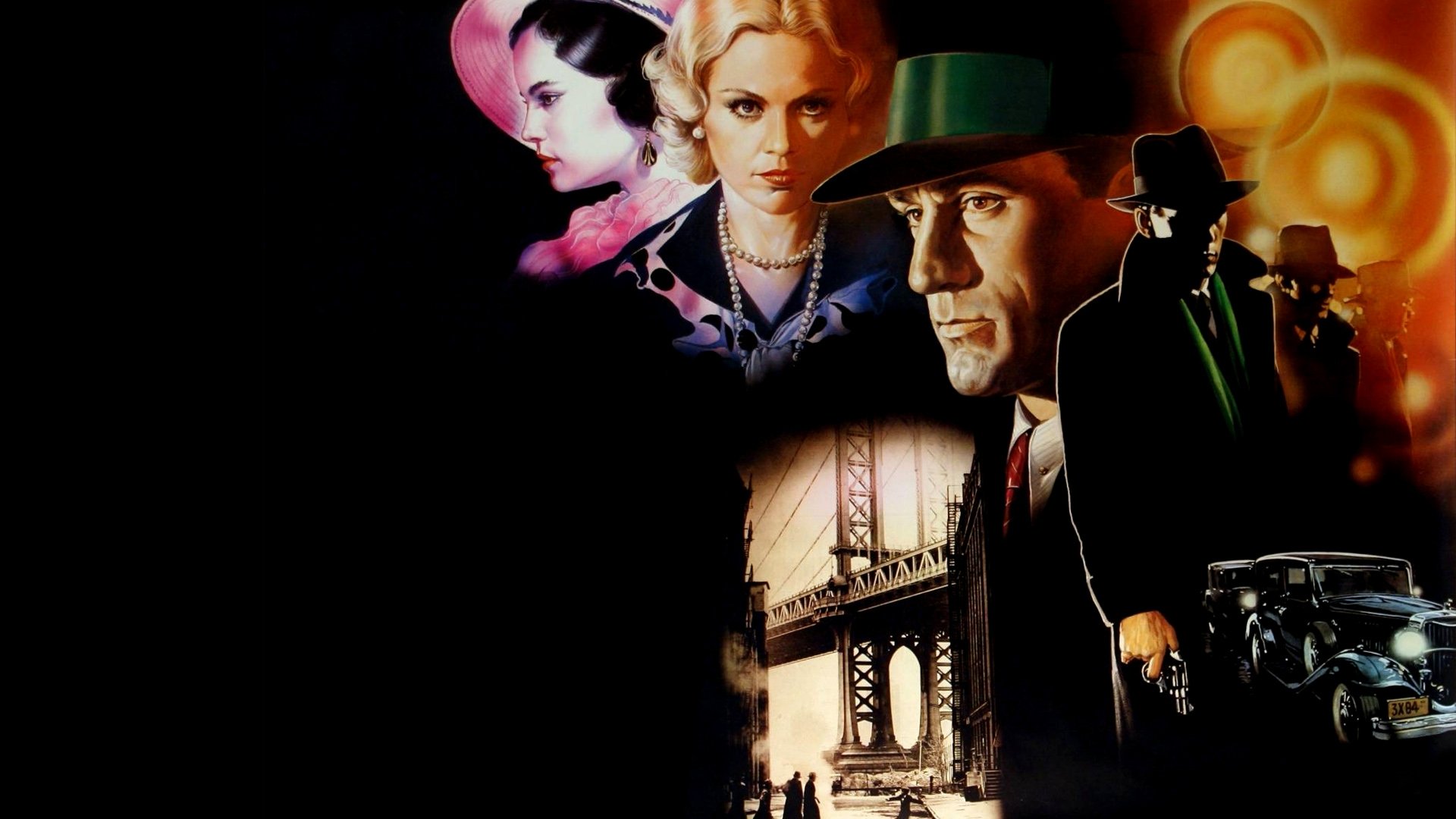
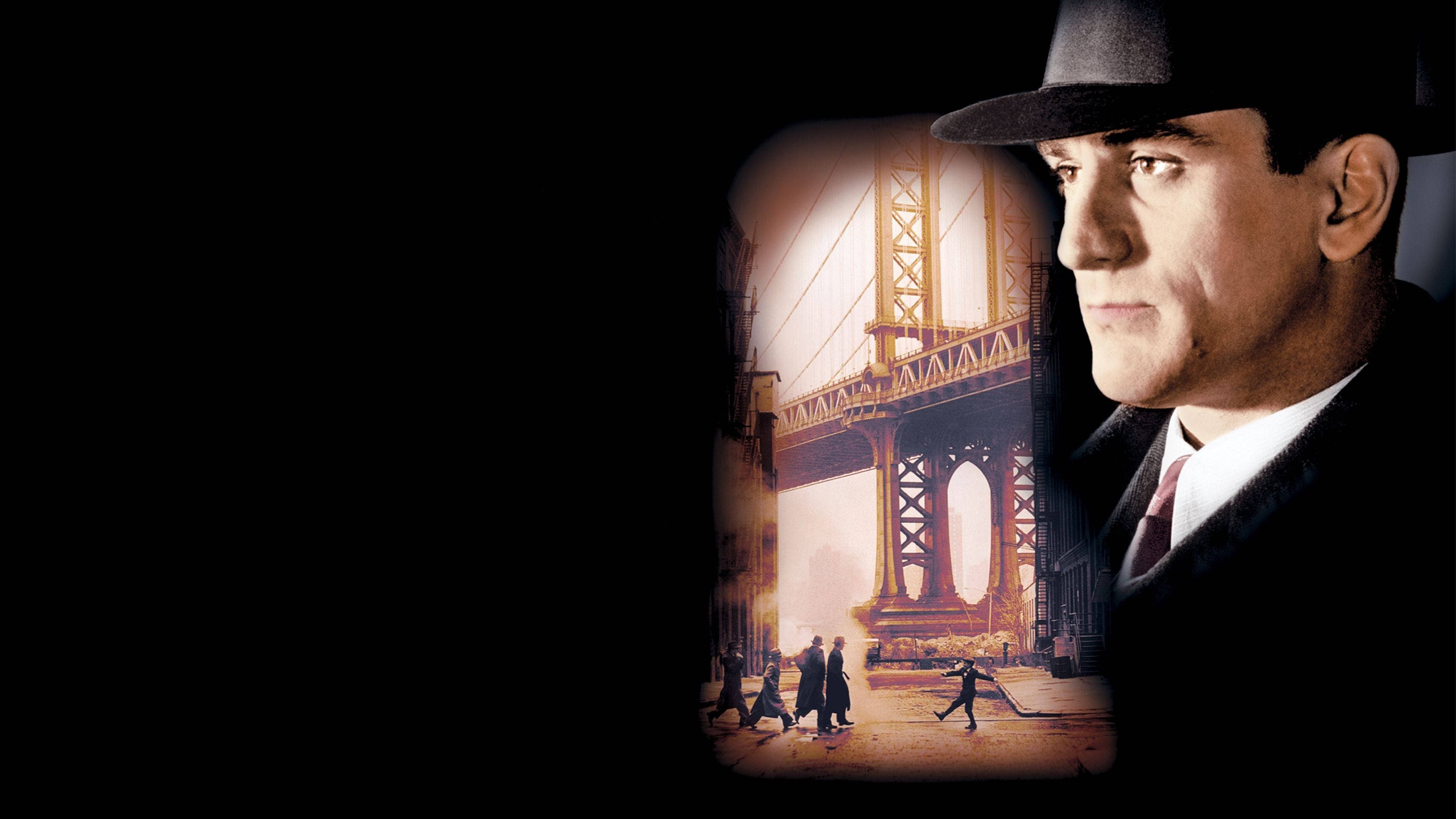
Sergio Leone is an iconic Western director best known for his partnership with Clint Eastwood for the ‘Dollars trilogy’. With Once Upon a Time in America (1984) he reinvented himself. It’s a passion product and epic of unprecedented proportions. The film was originally 10 hours, cut to 6 (with the proposal produce two 3 hour films), and then down again when this was rejected. During its release, the studio cut it to 2 hours without permission, resulting in an awful initial response.
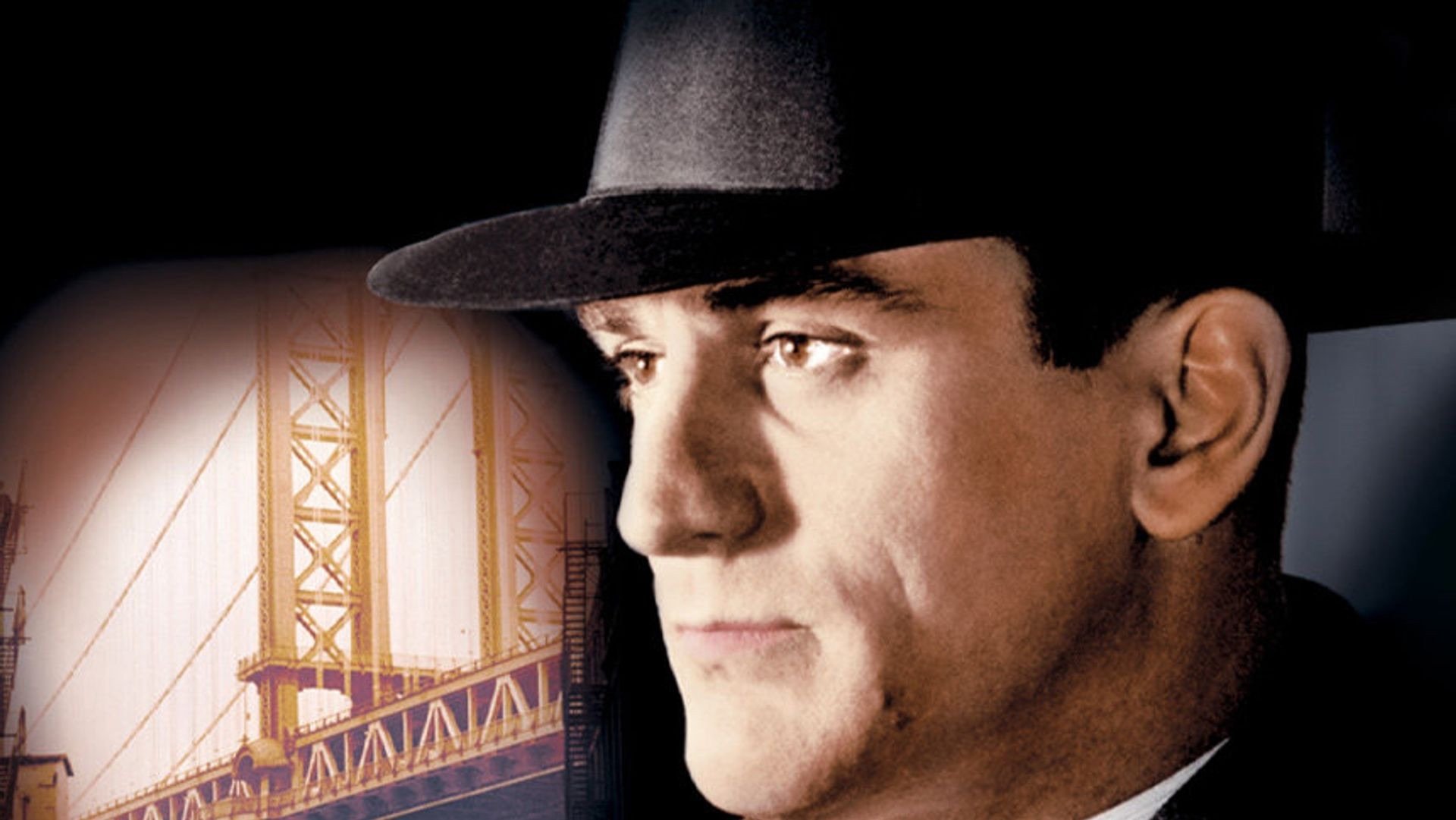
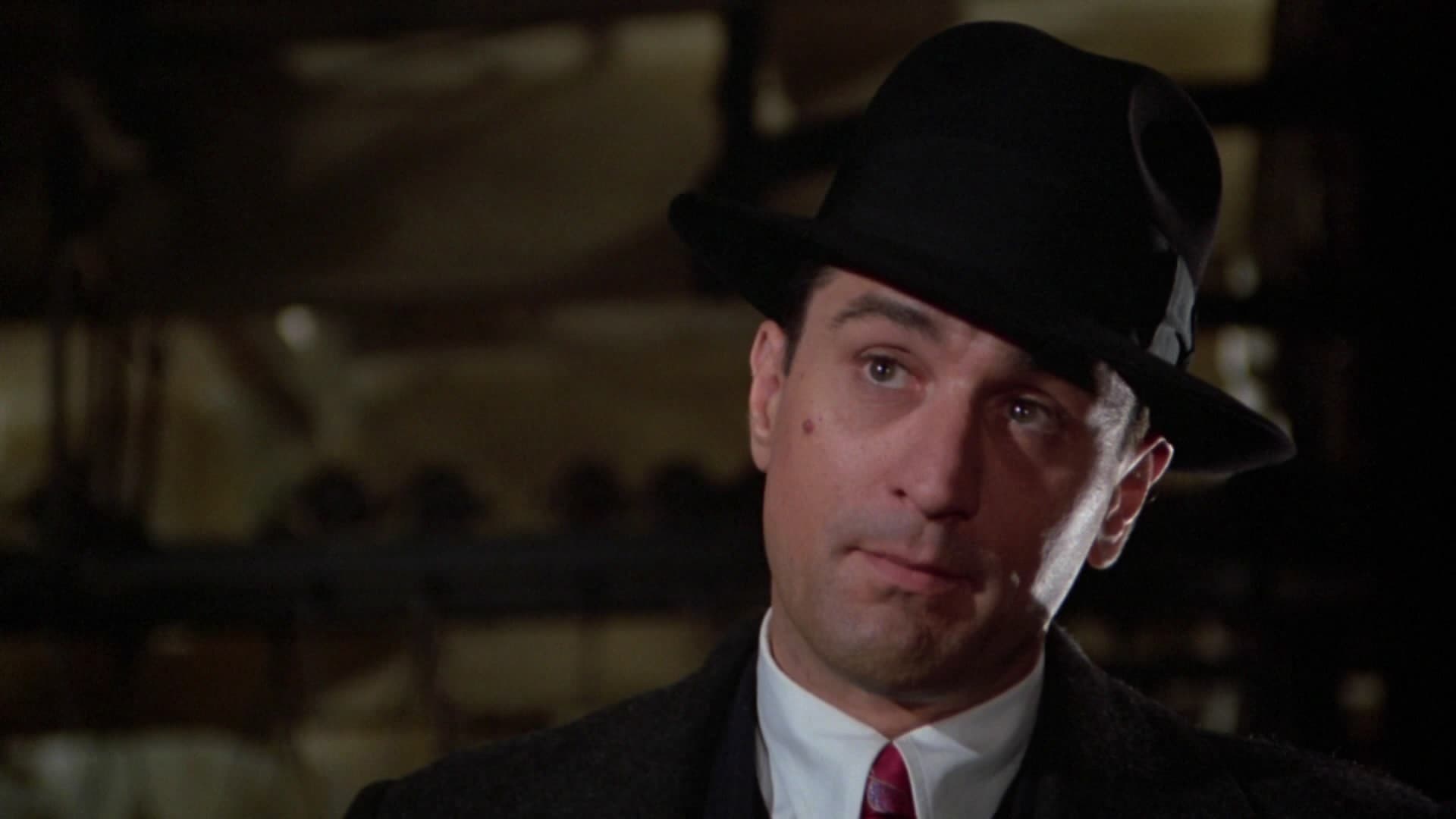
The film follows Noodles (Robert De Niro) across three stages of life: childhood (1920’s), adulthood (1930’s) and present day in old age (1968). The story is told with a non-linear narrative, transitioning between time periods at appropriate moments.
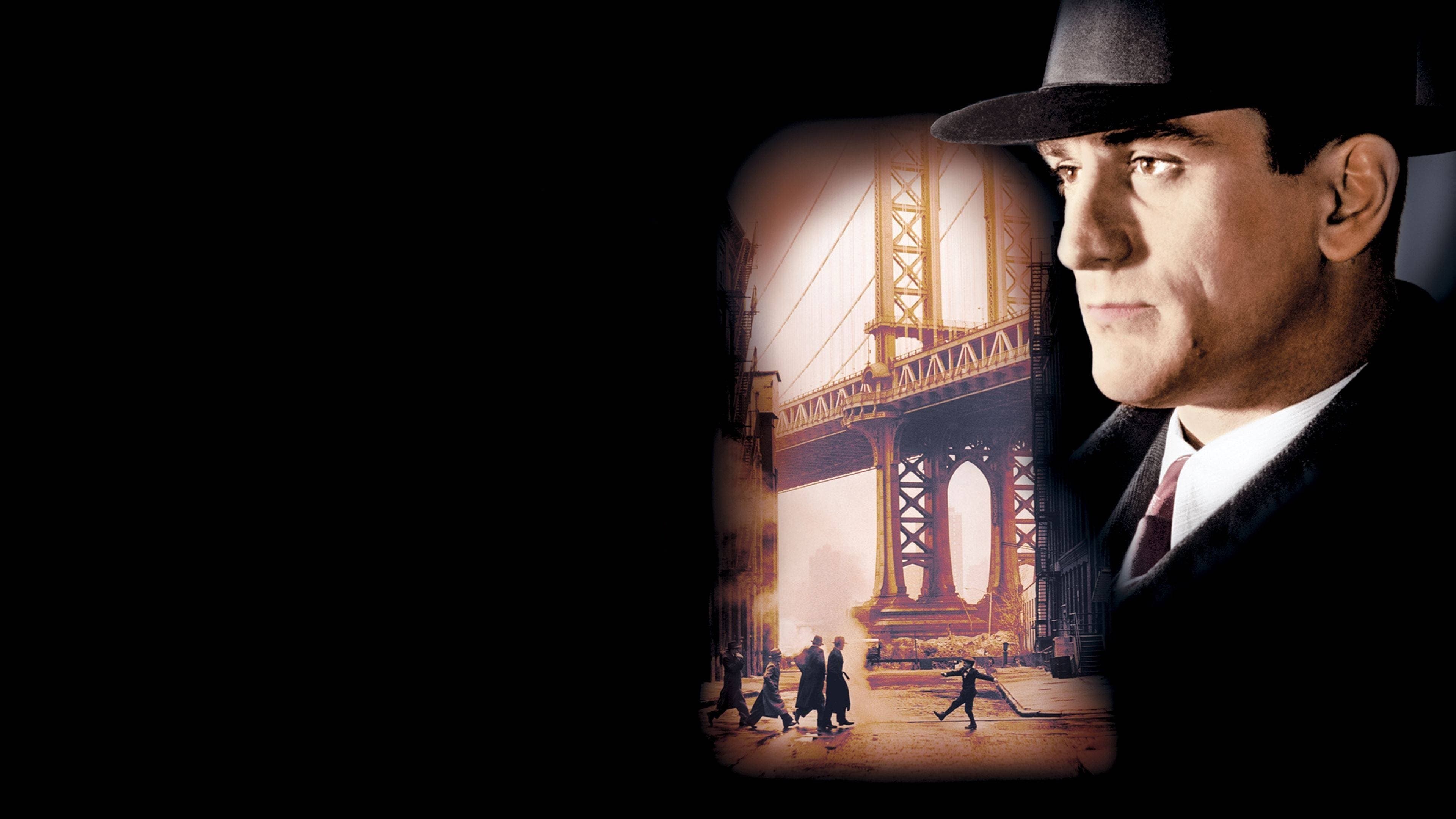
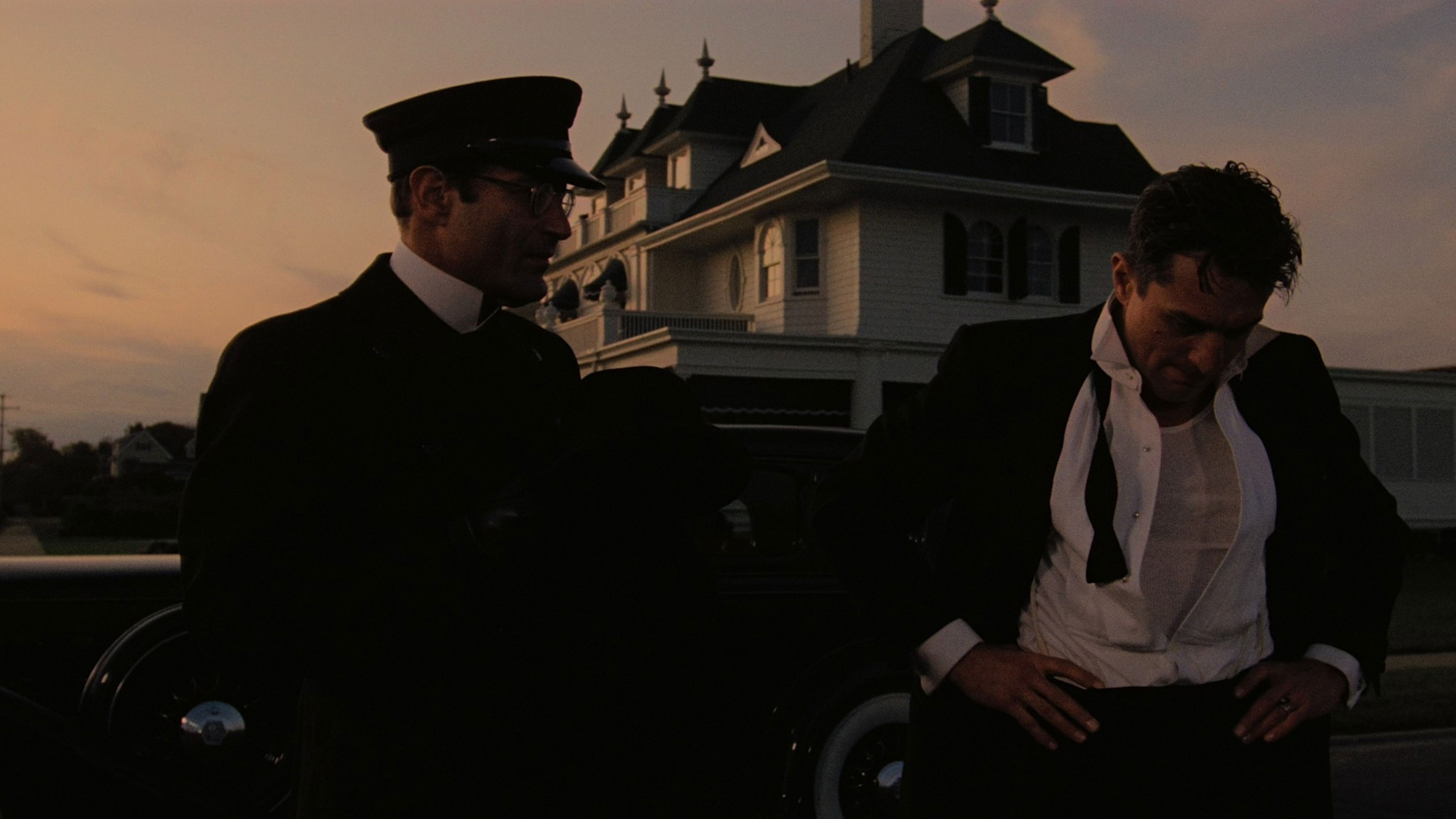
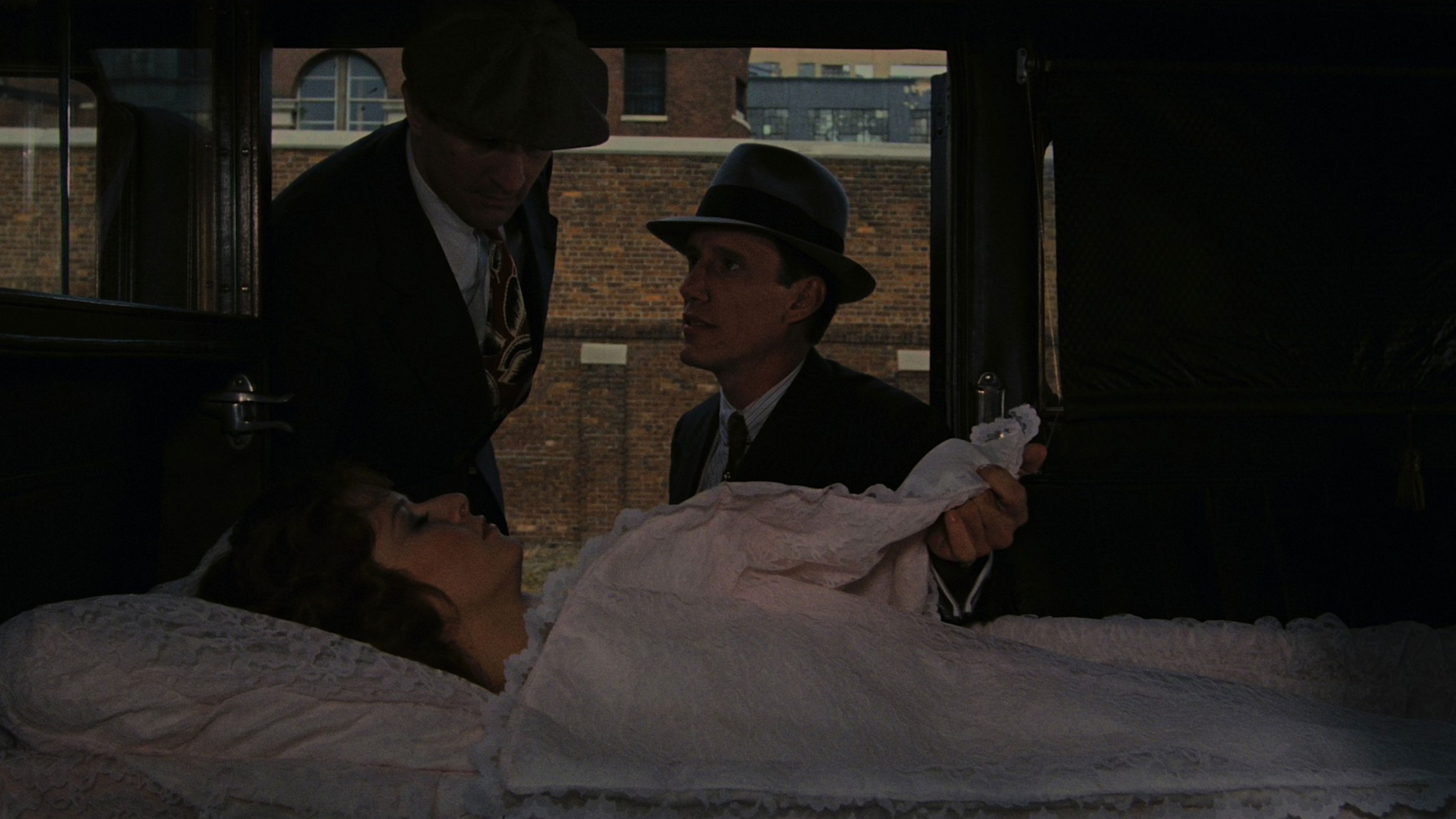
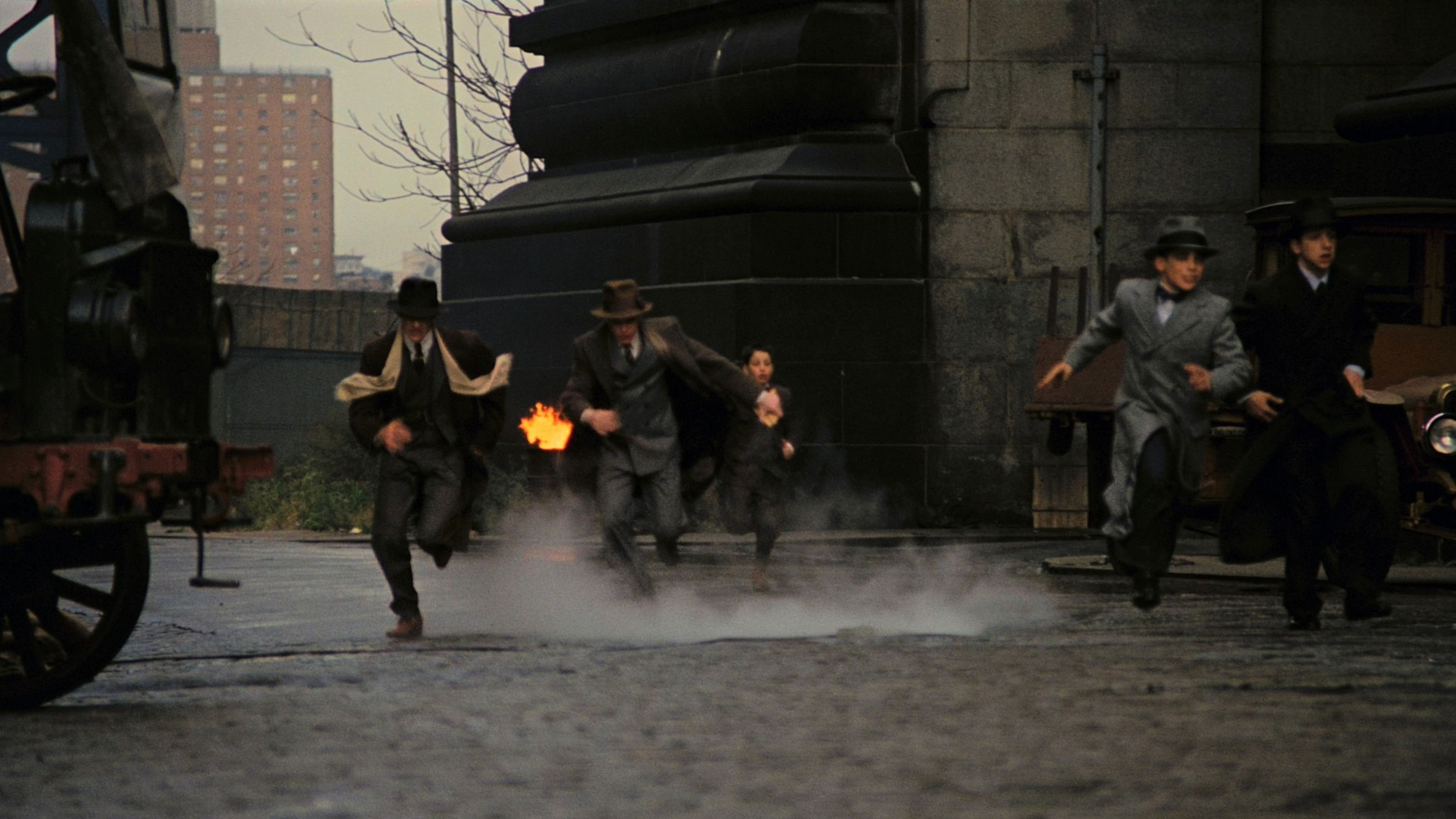
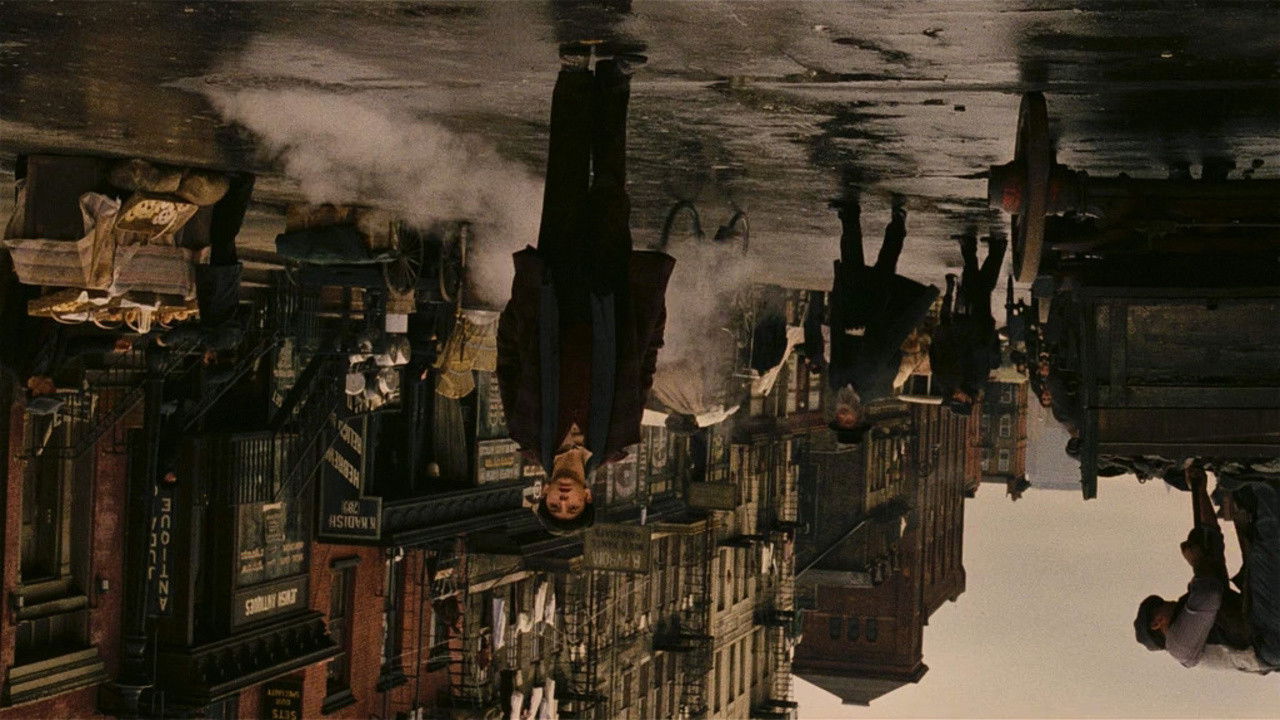
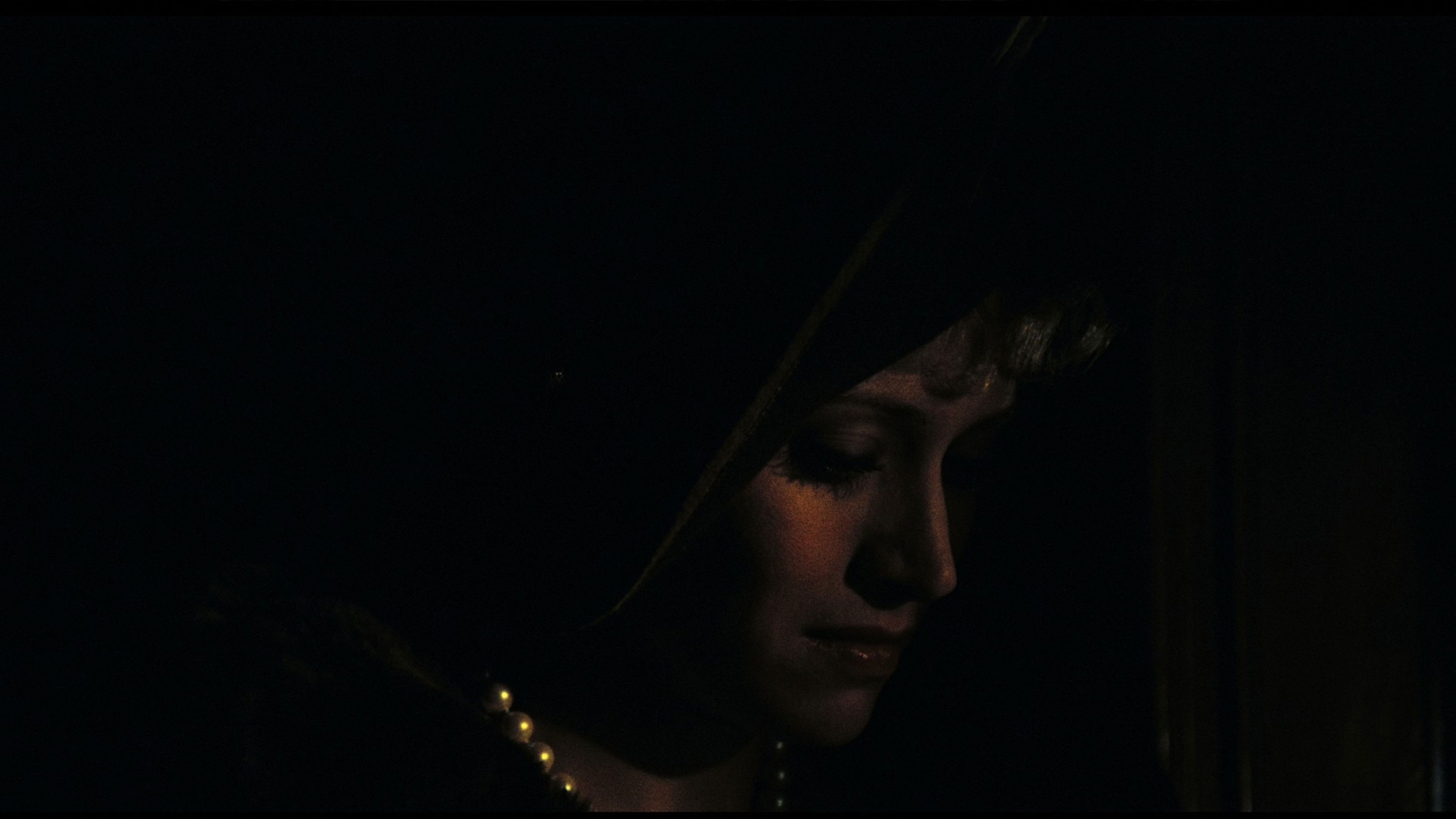
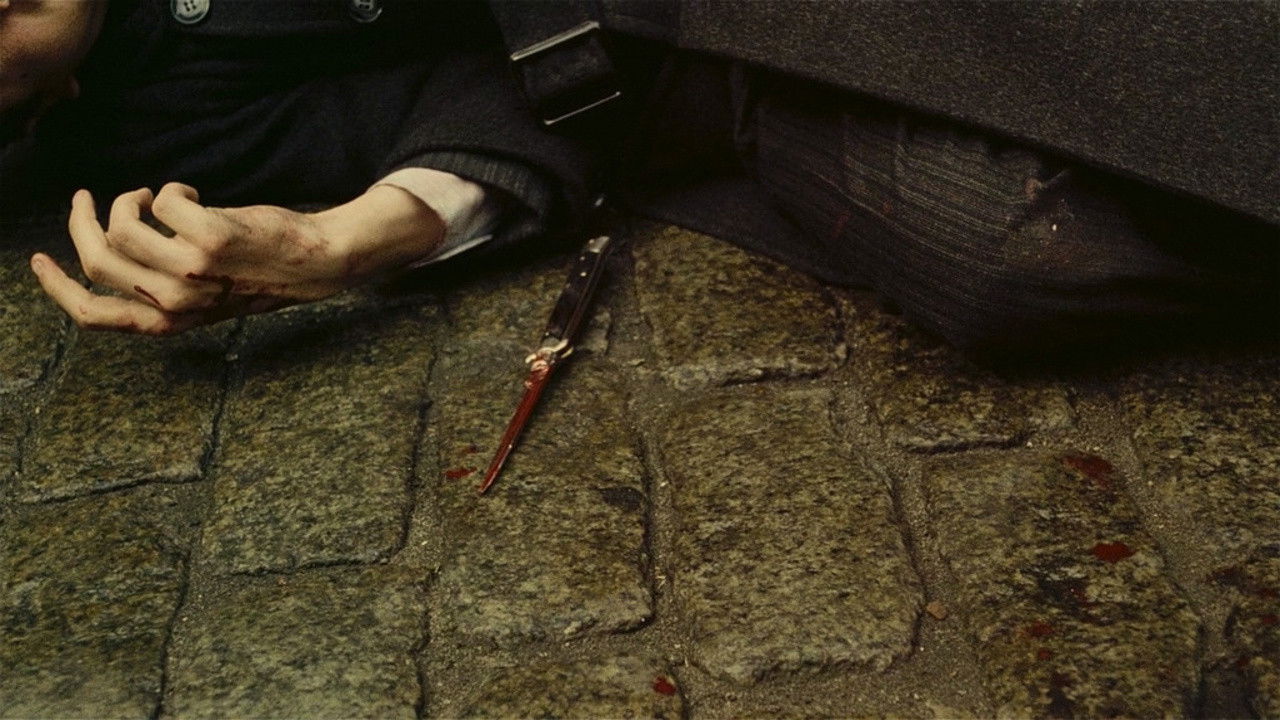
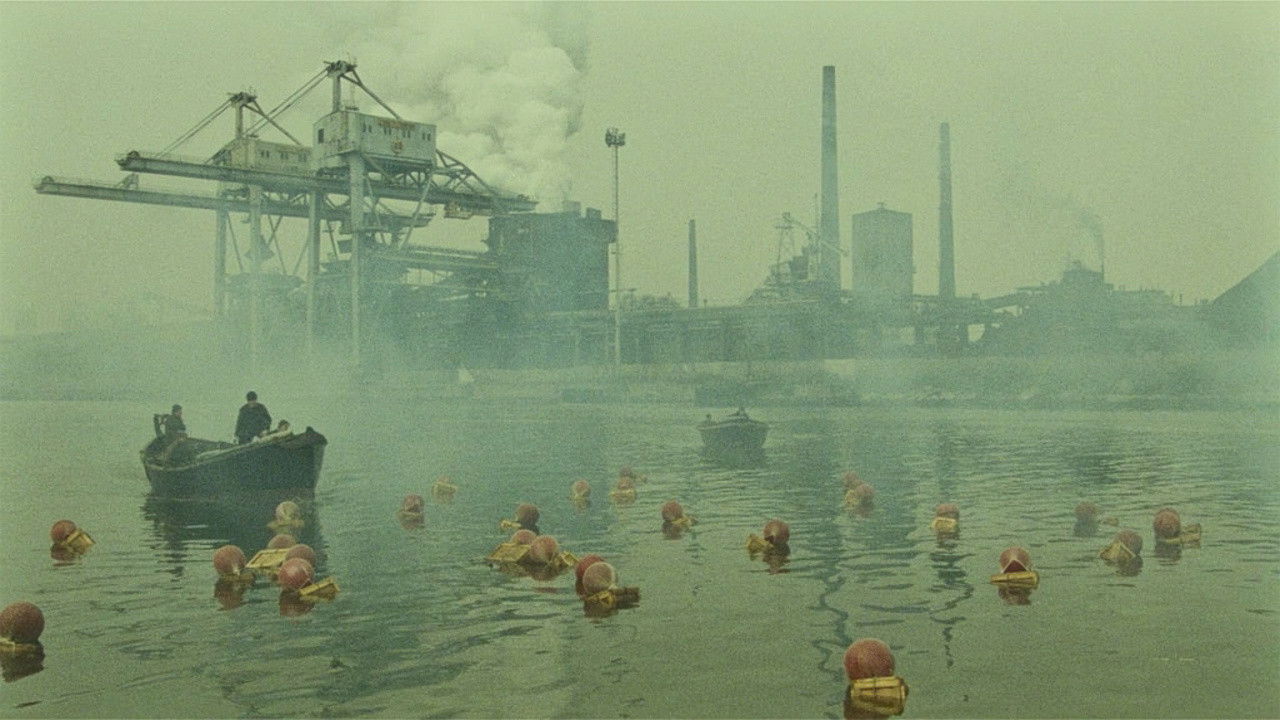
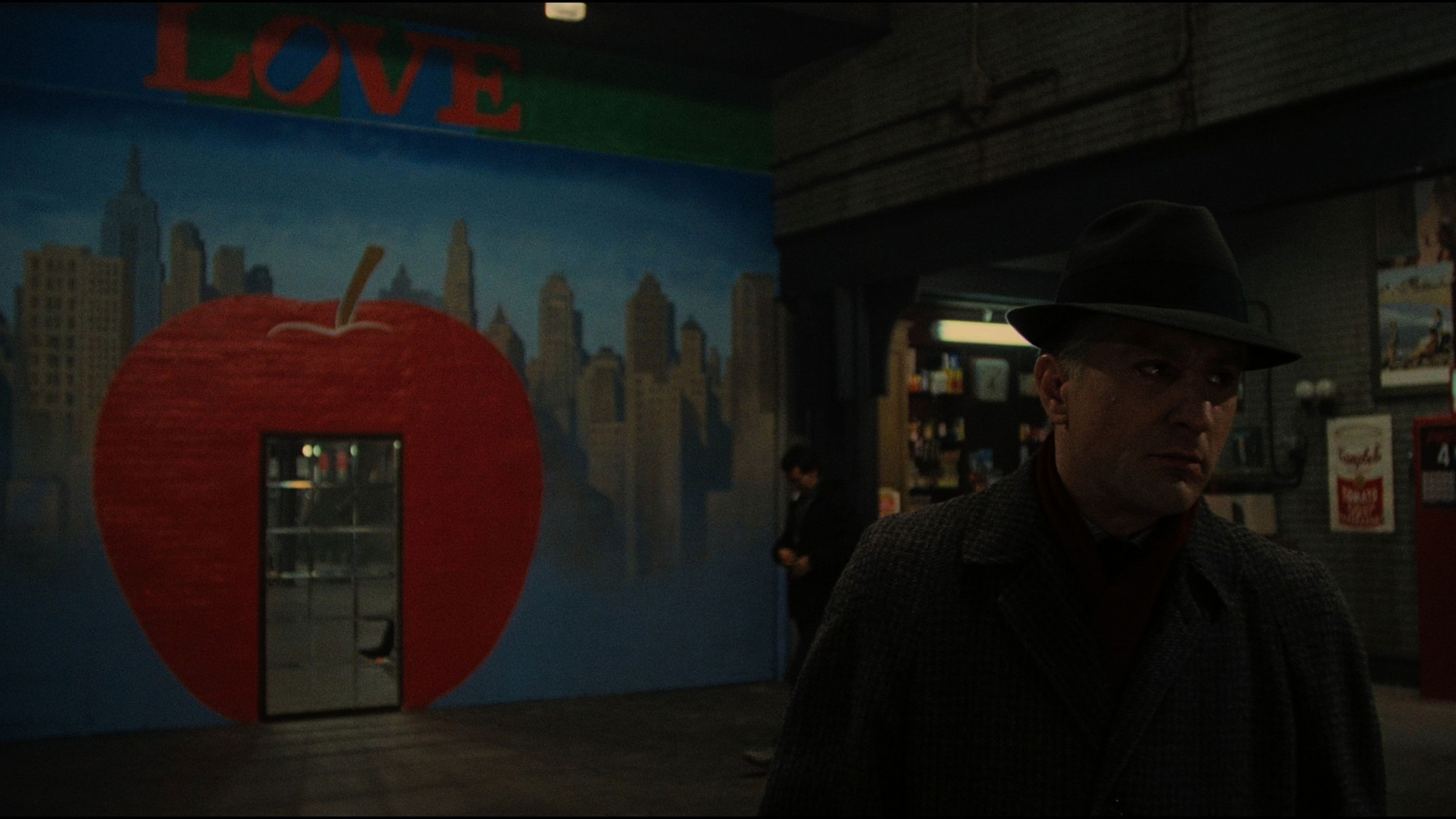
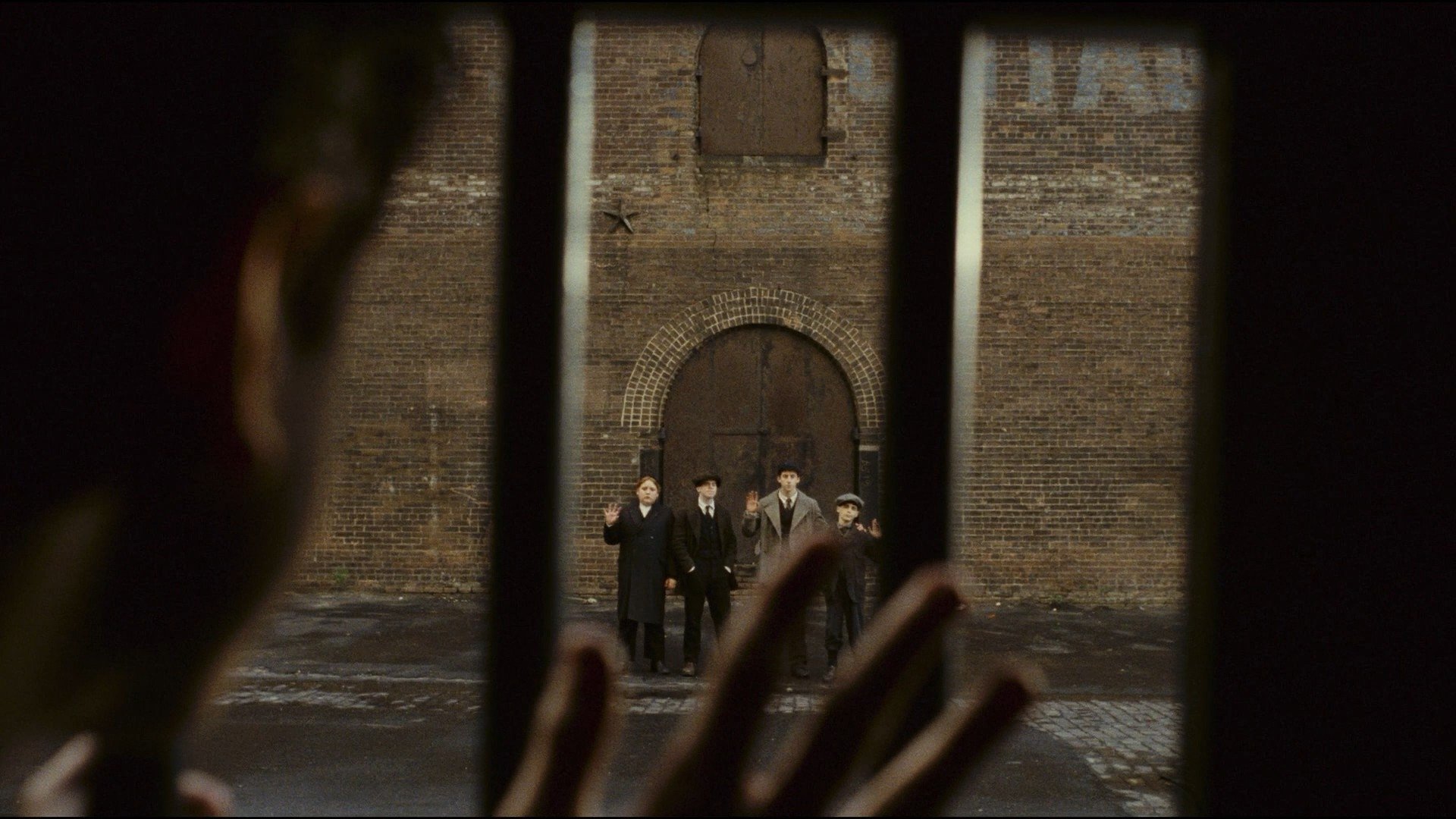
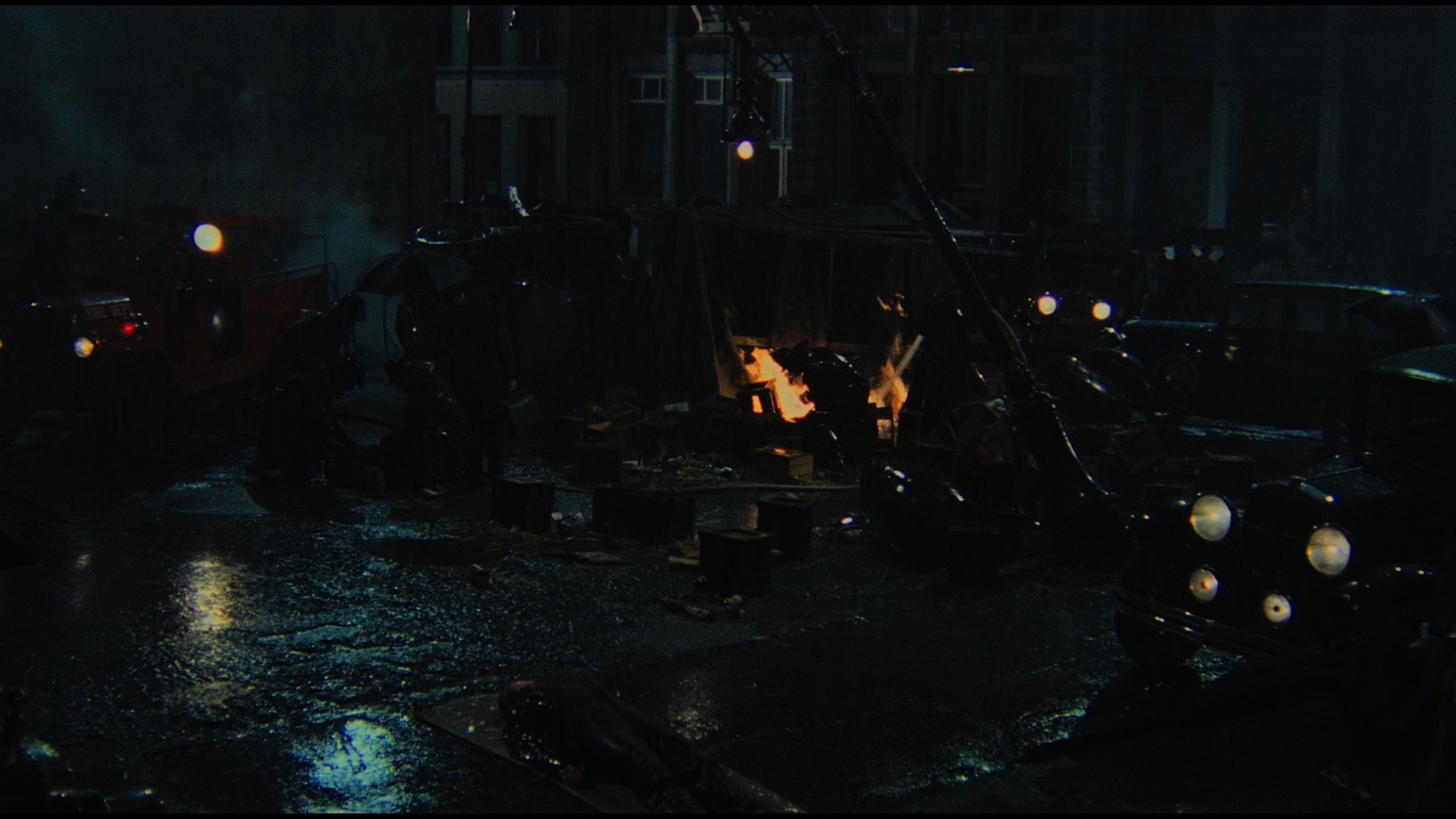
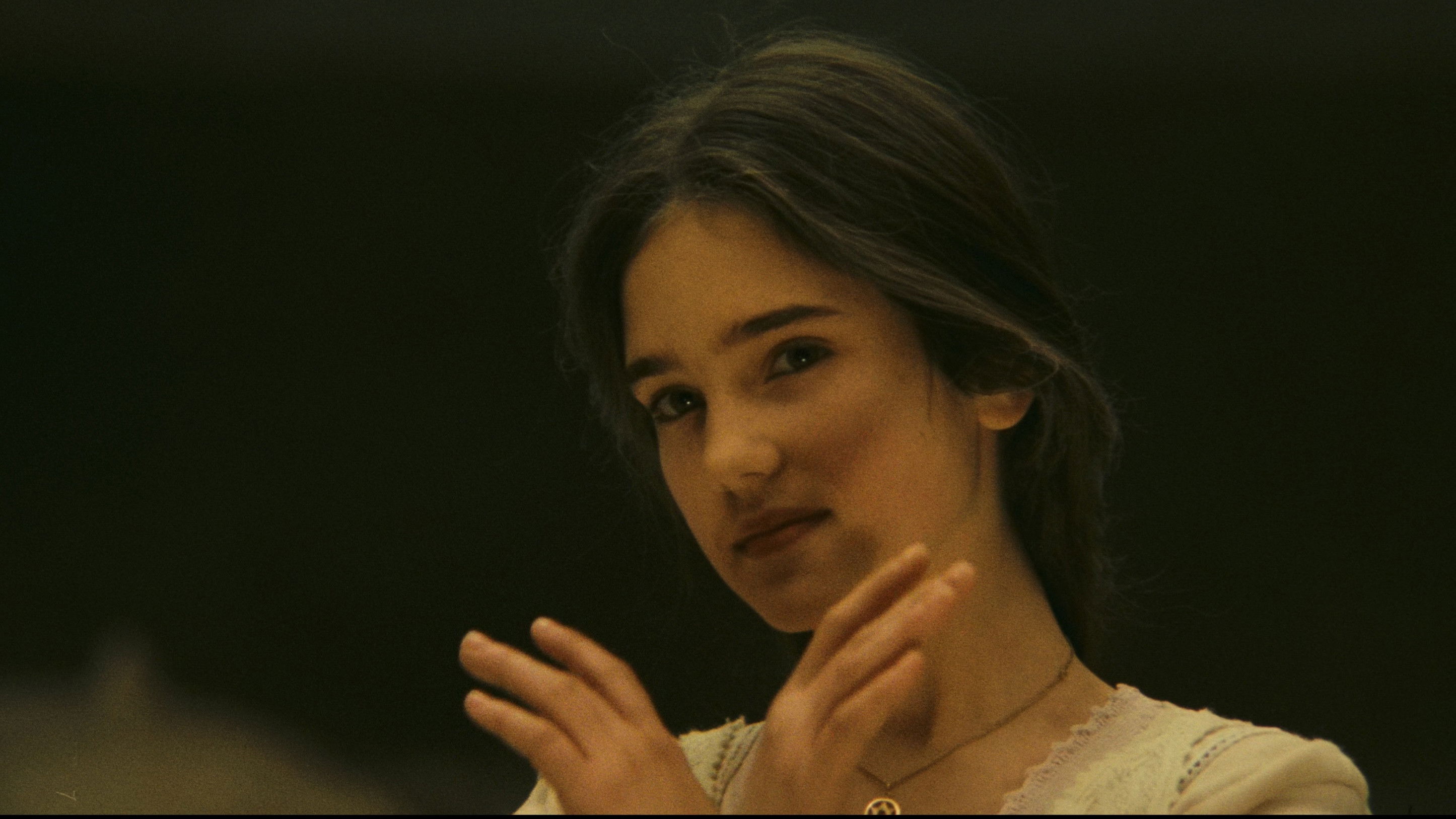
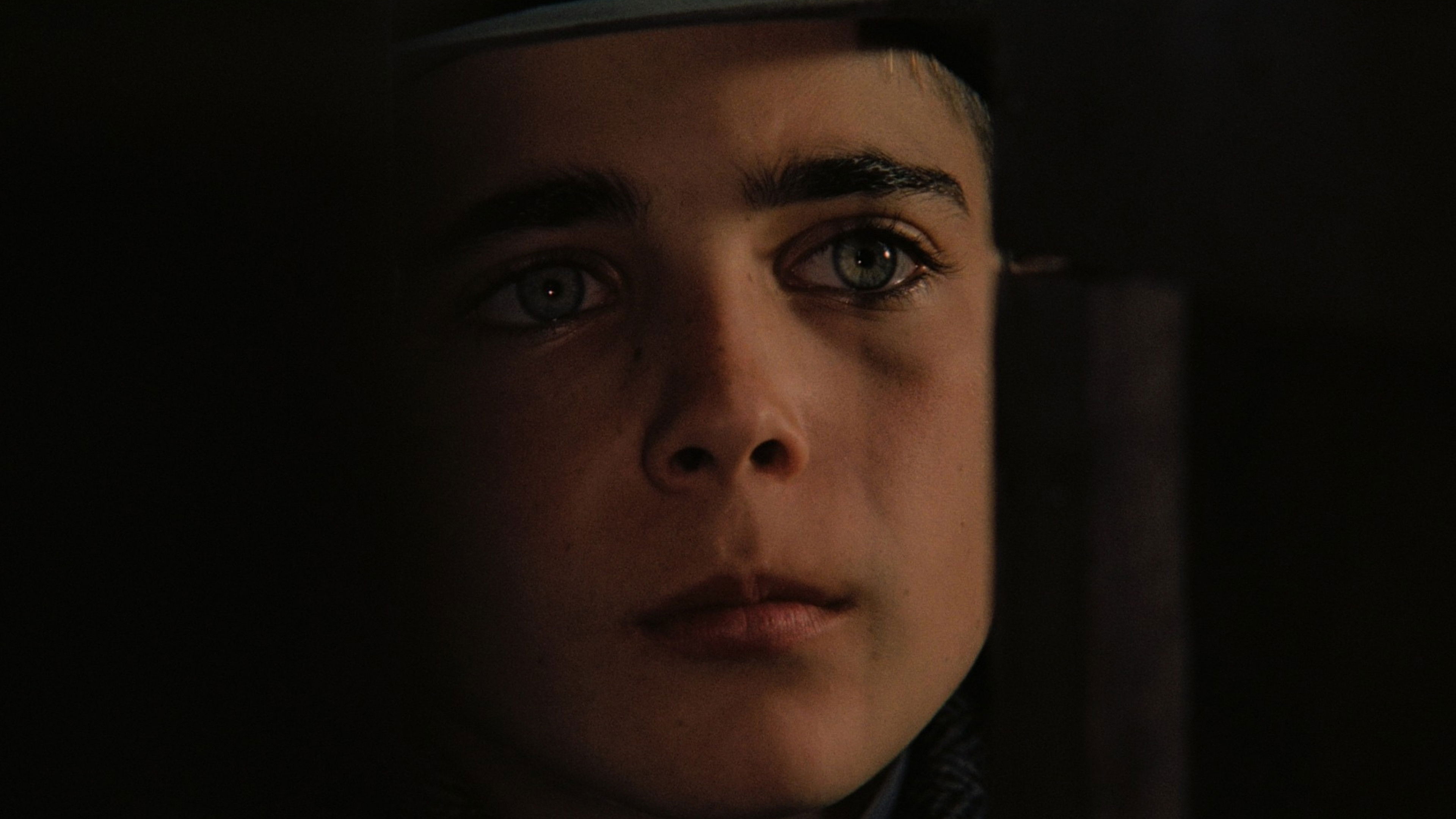
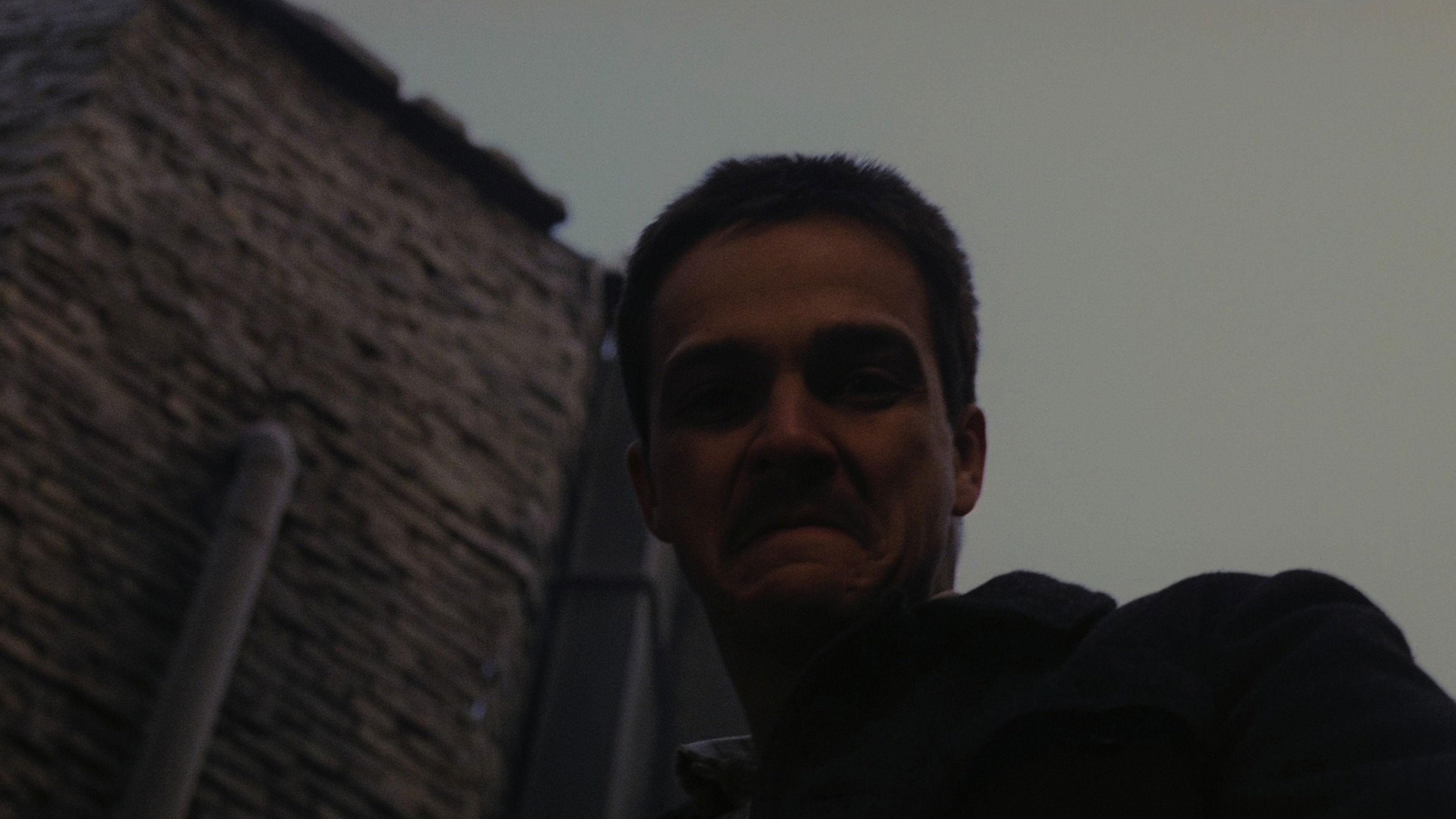
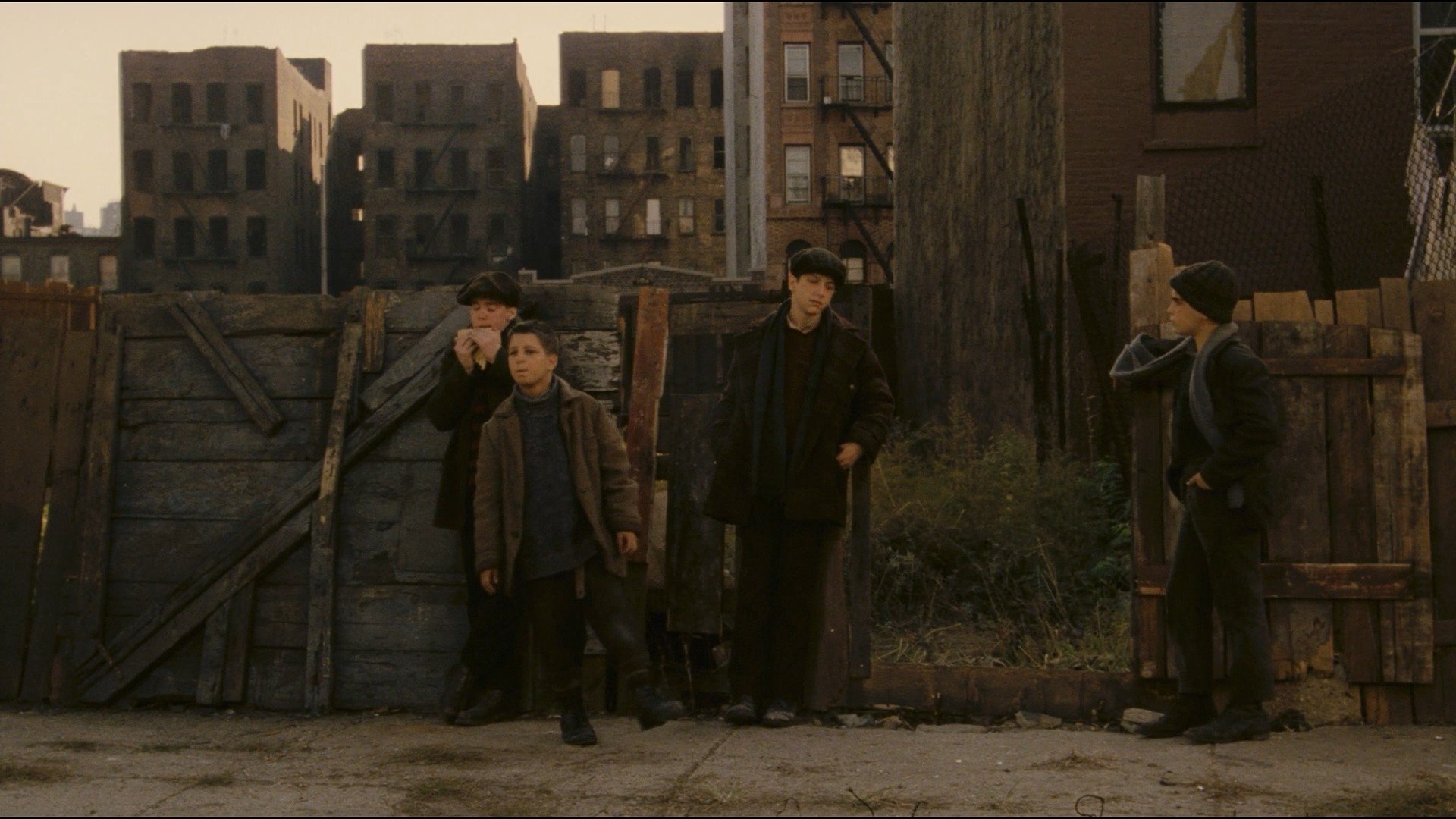
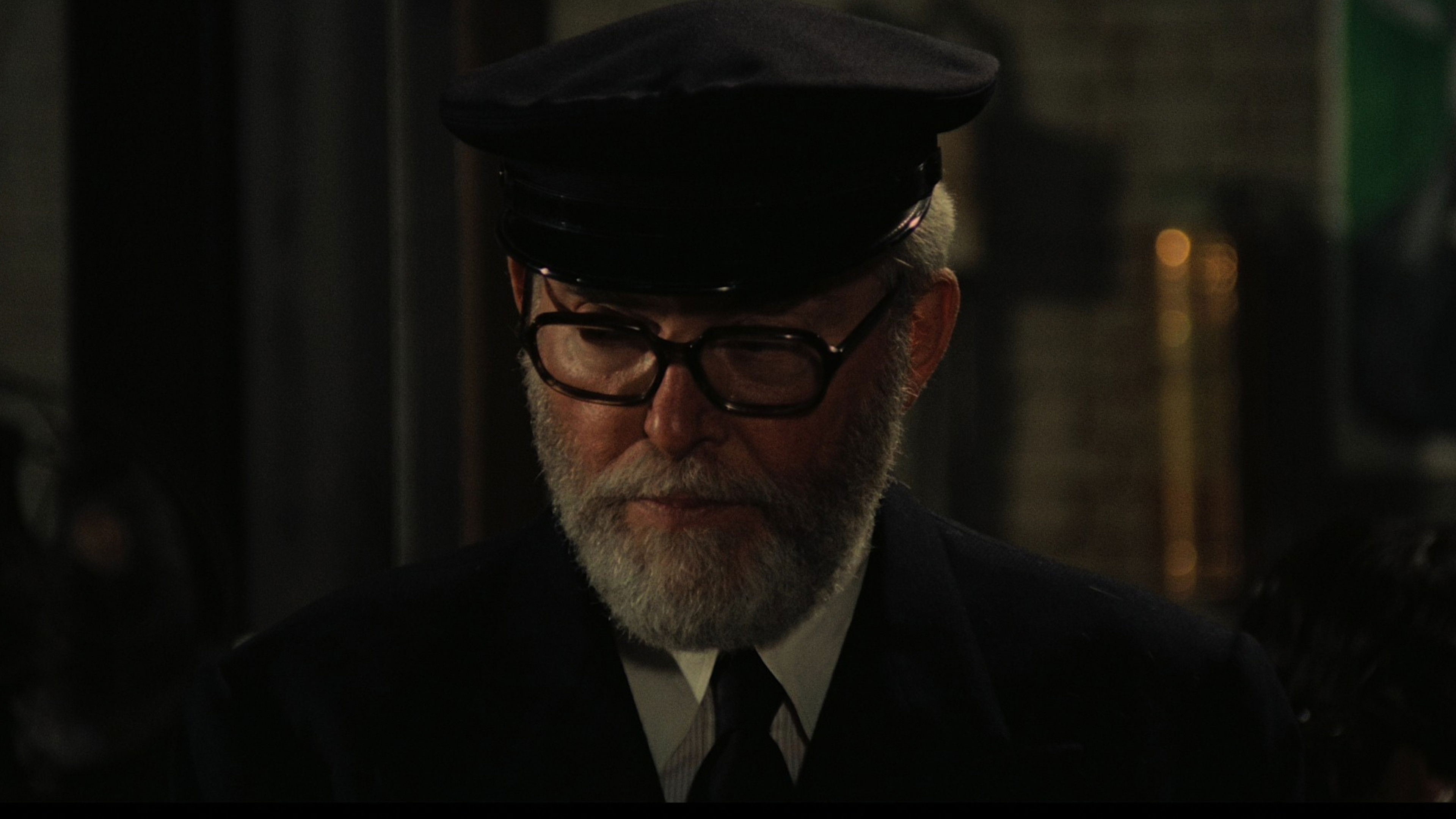
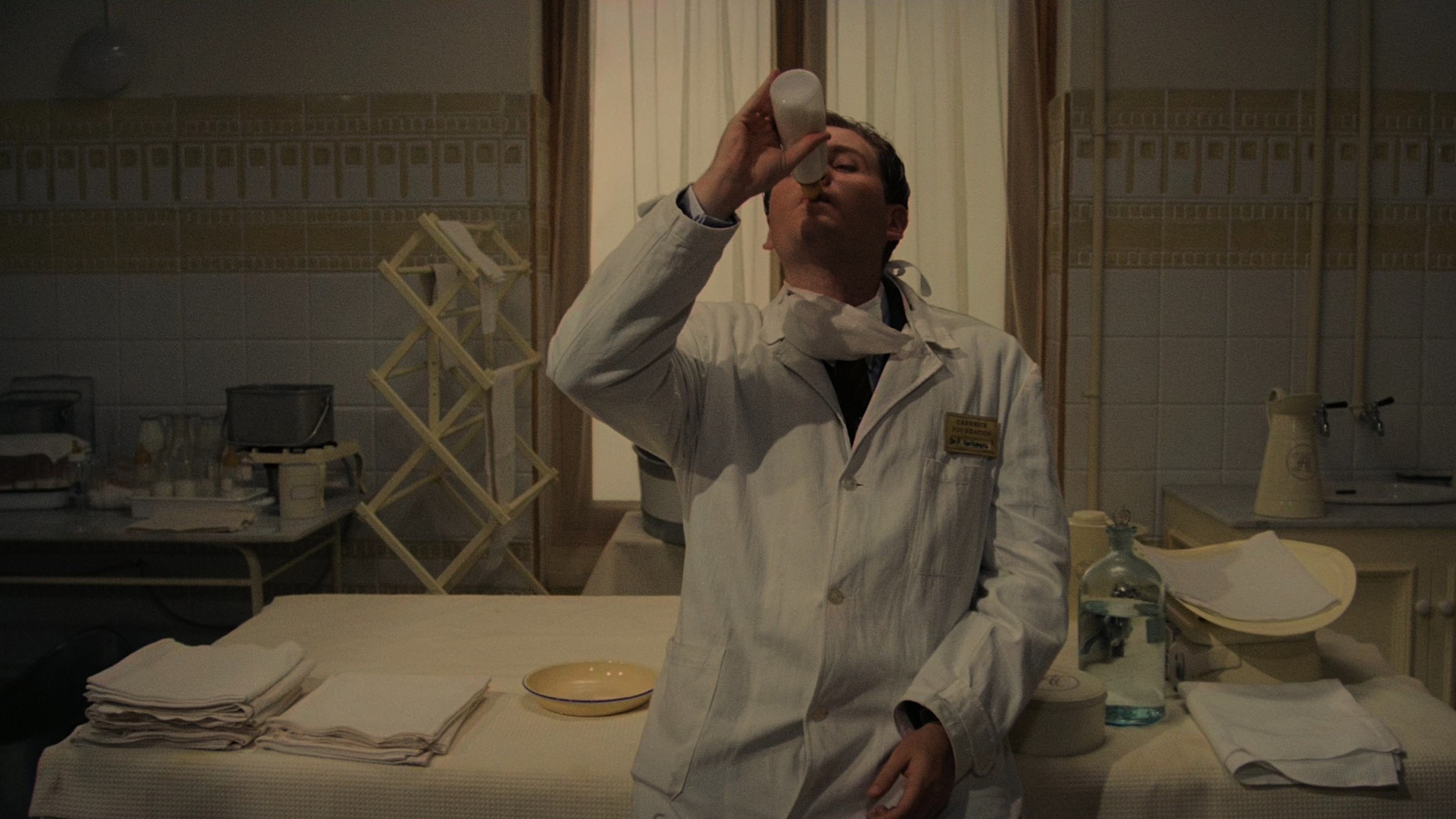
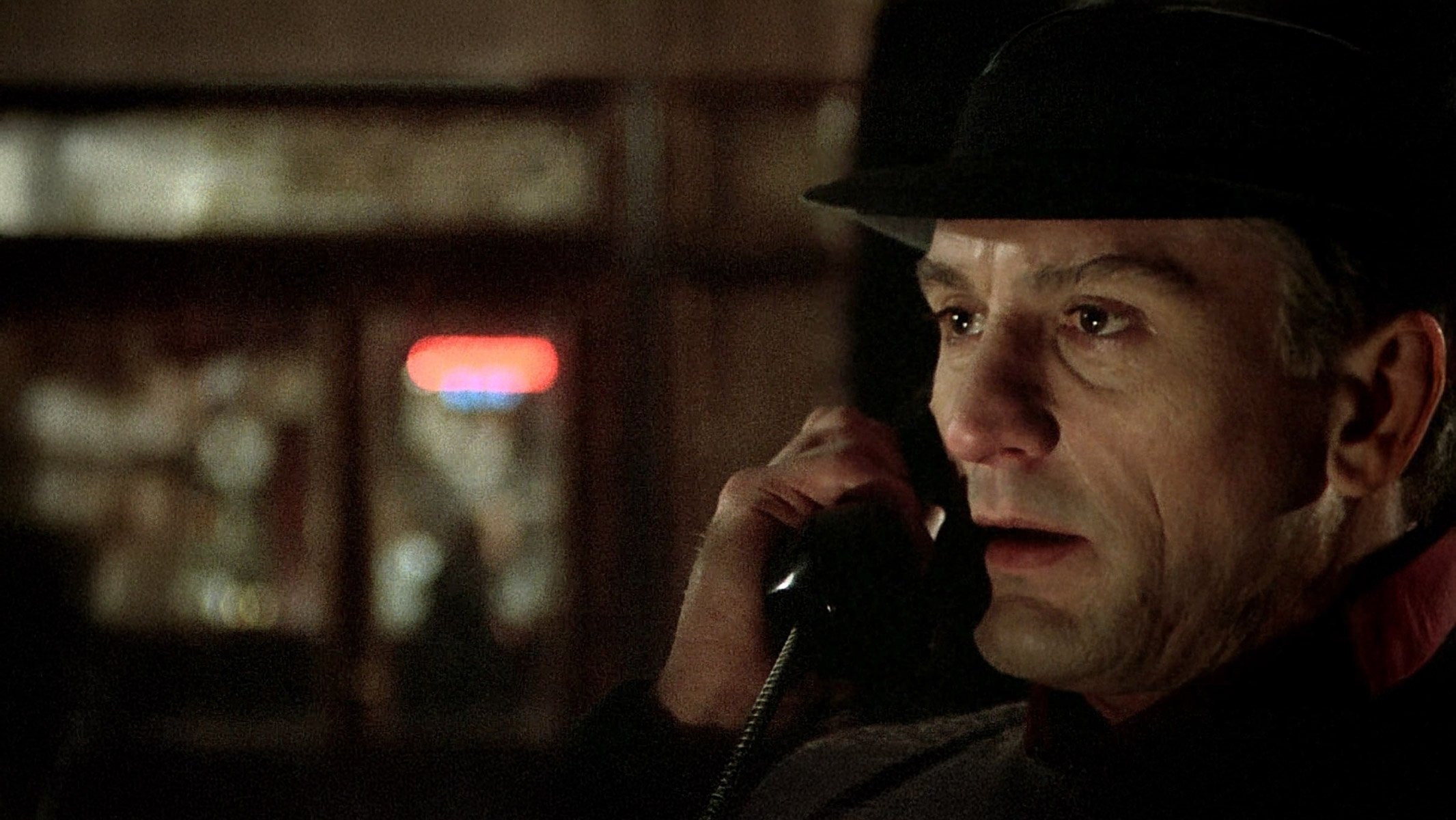
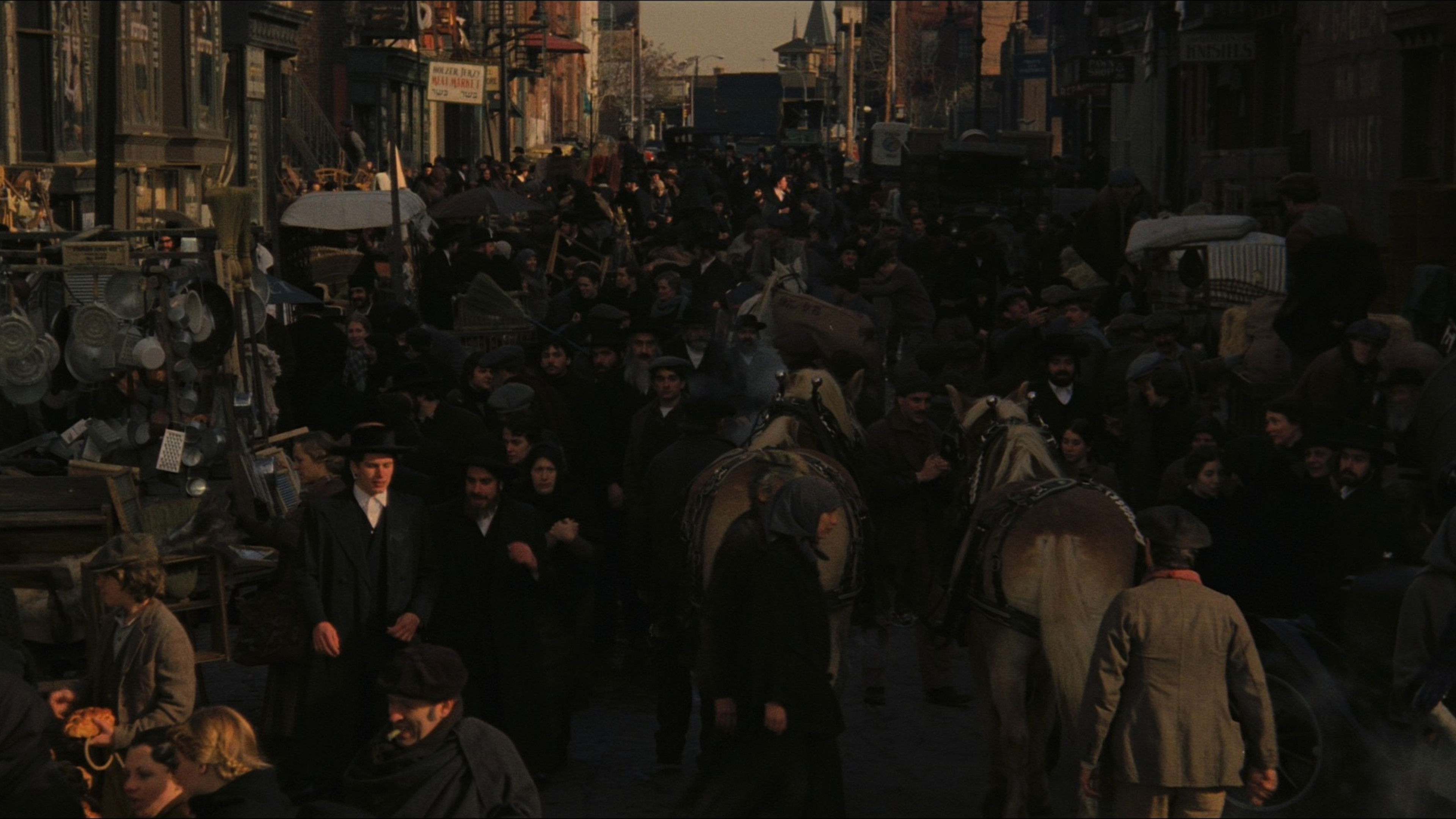
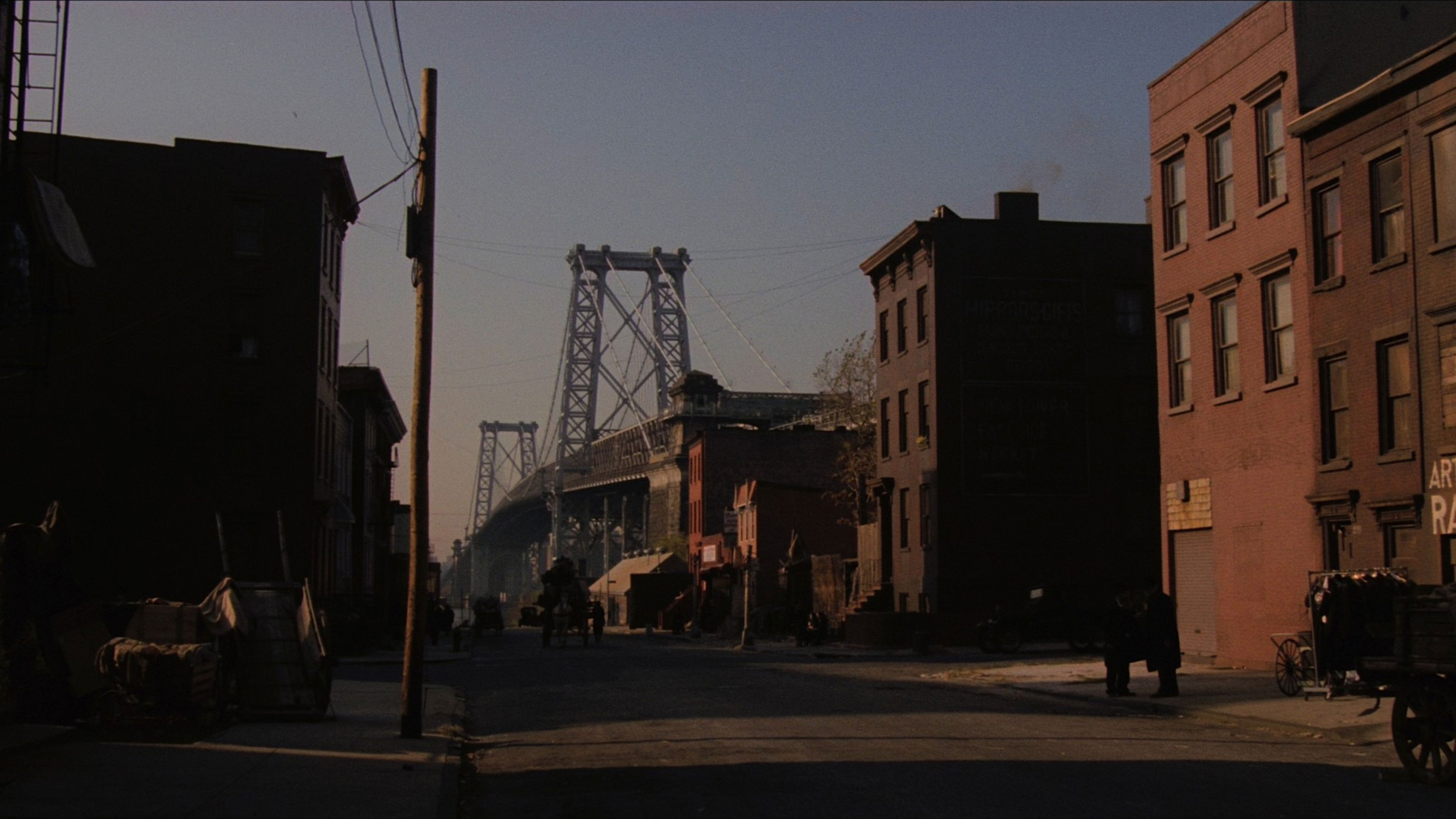
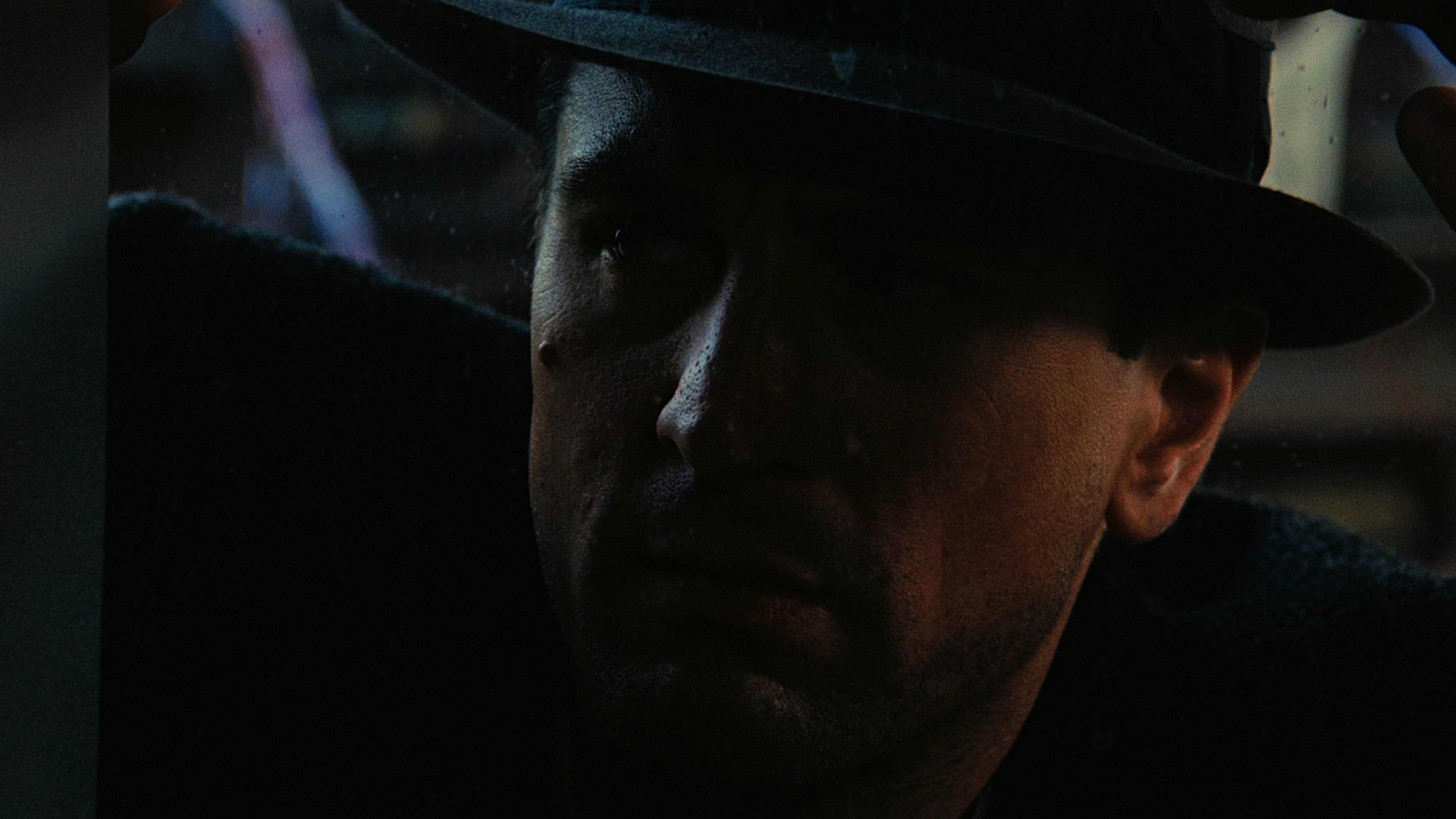
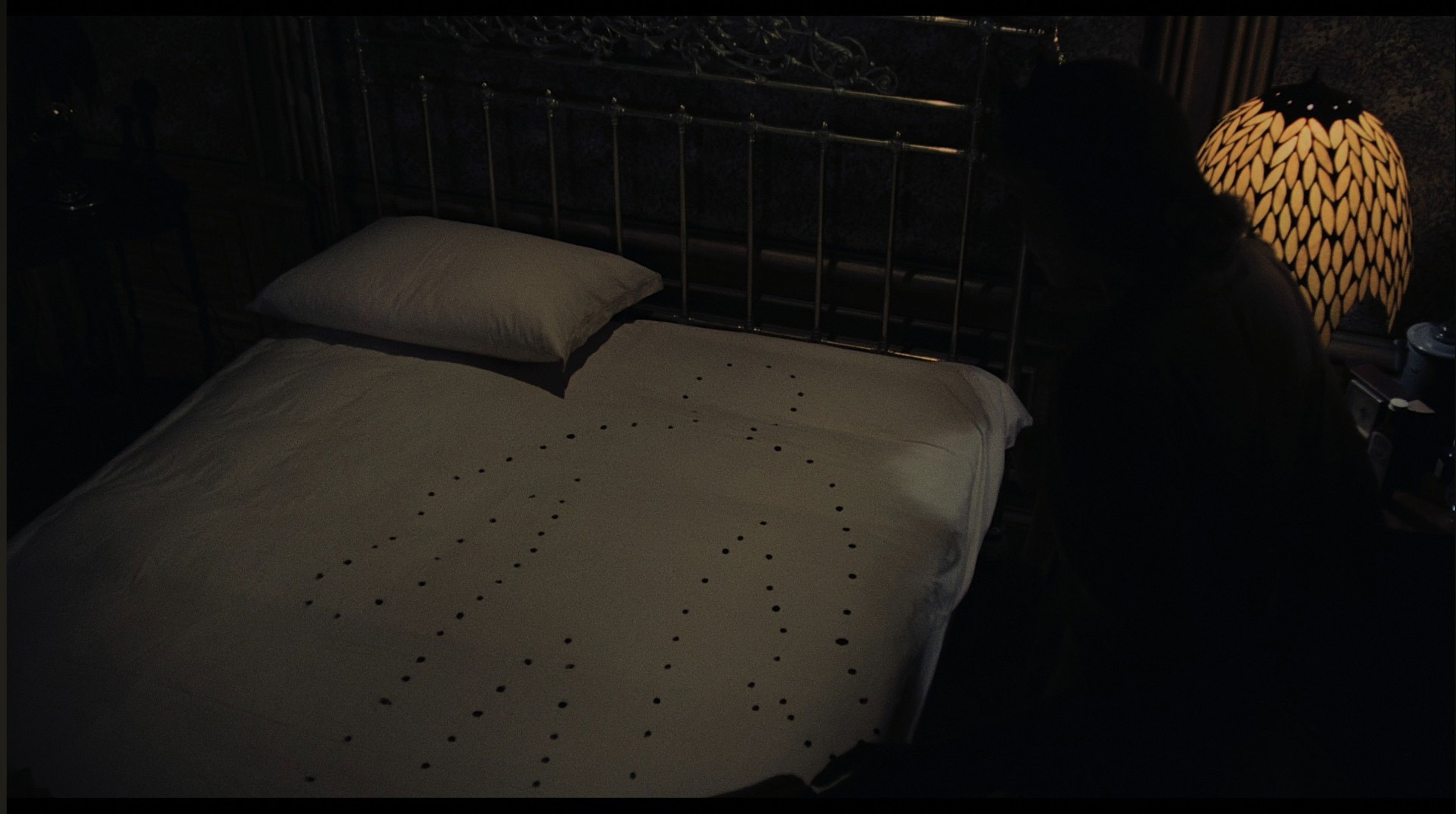
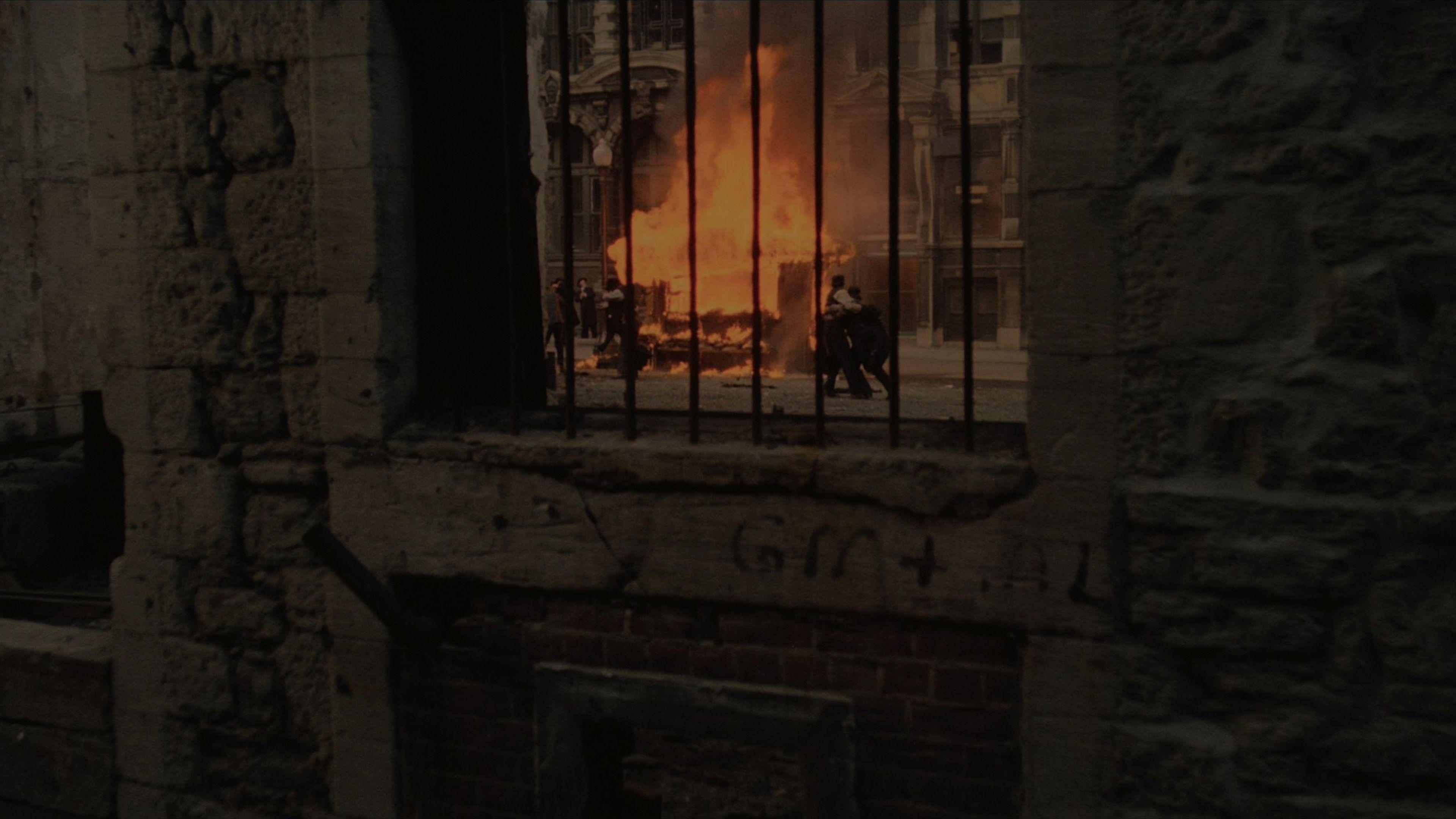
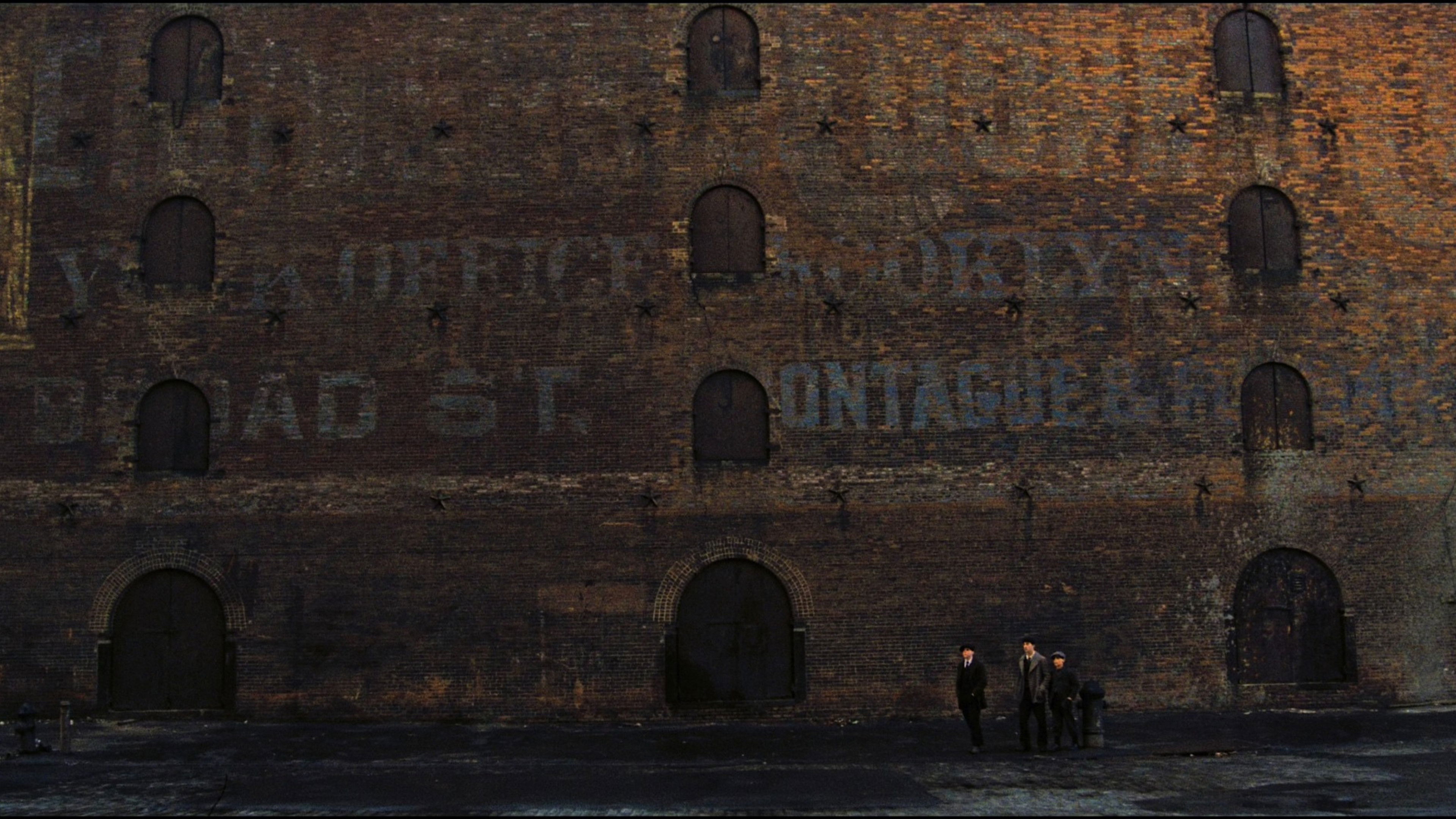
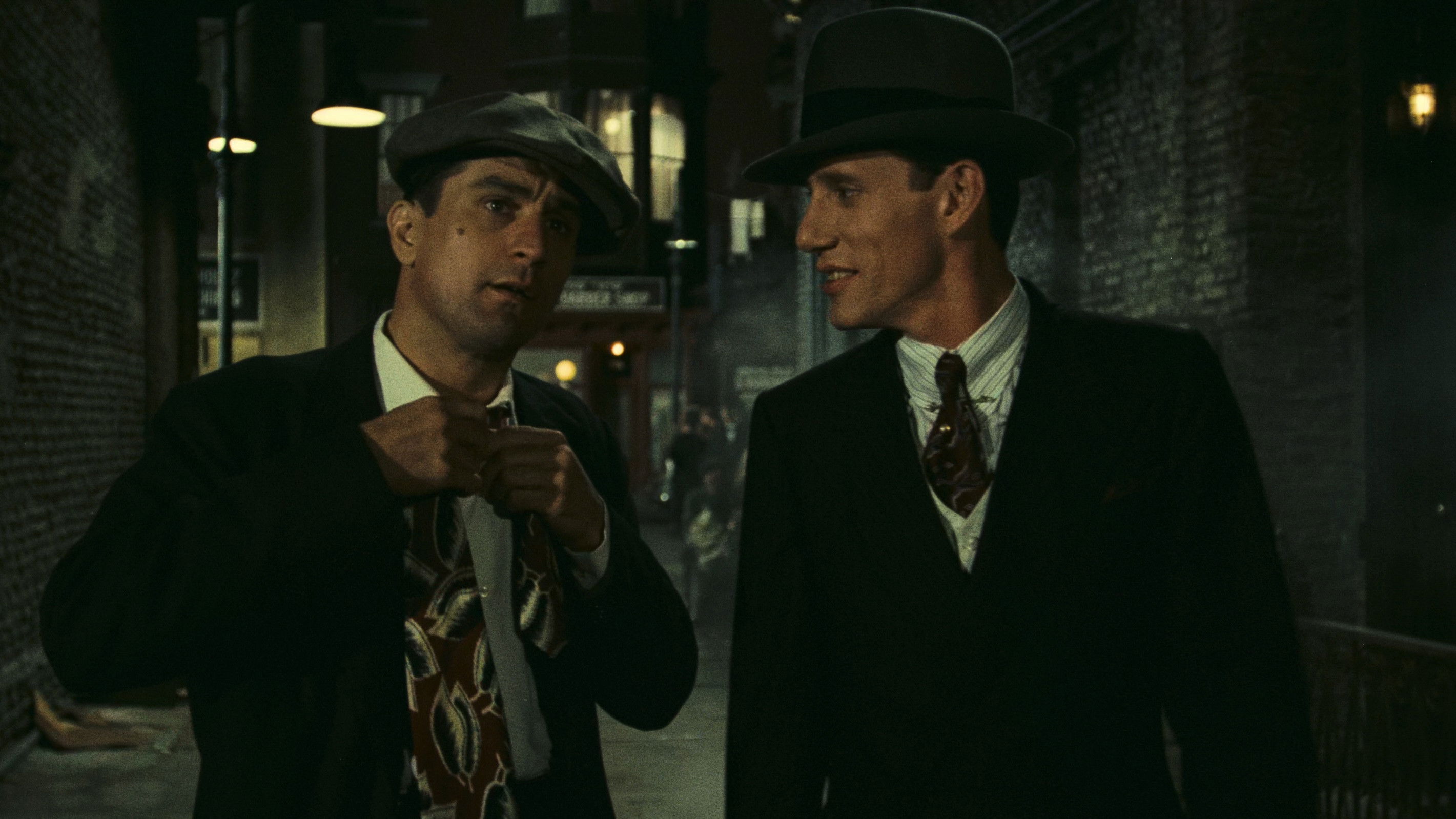
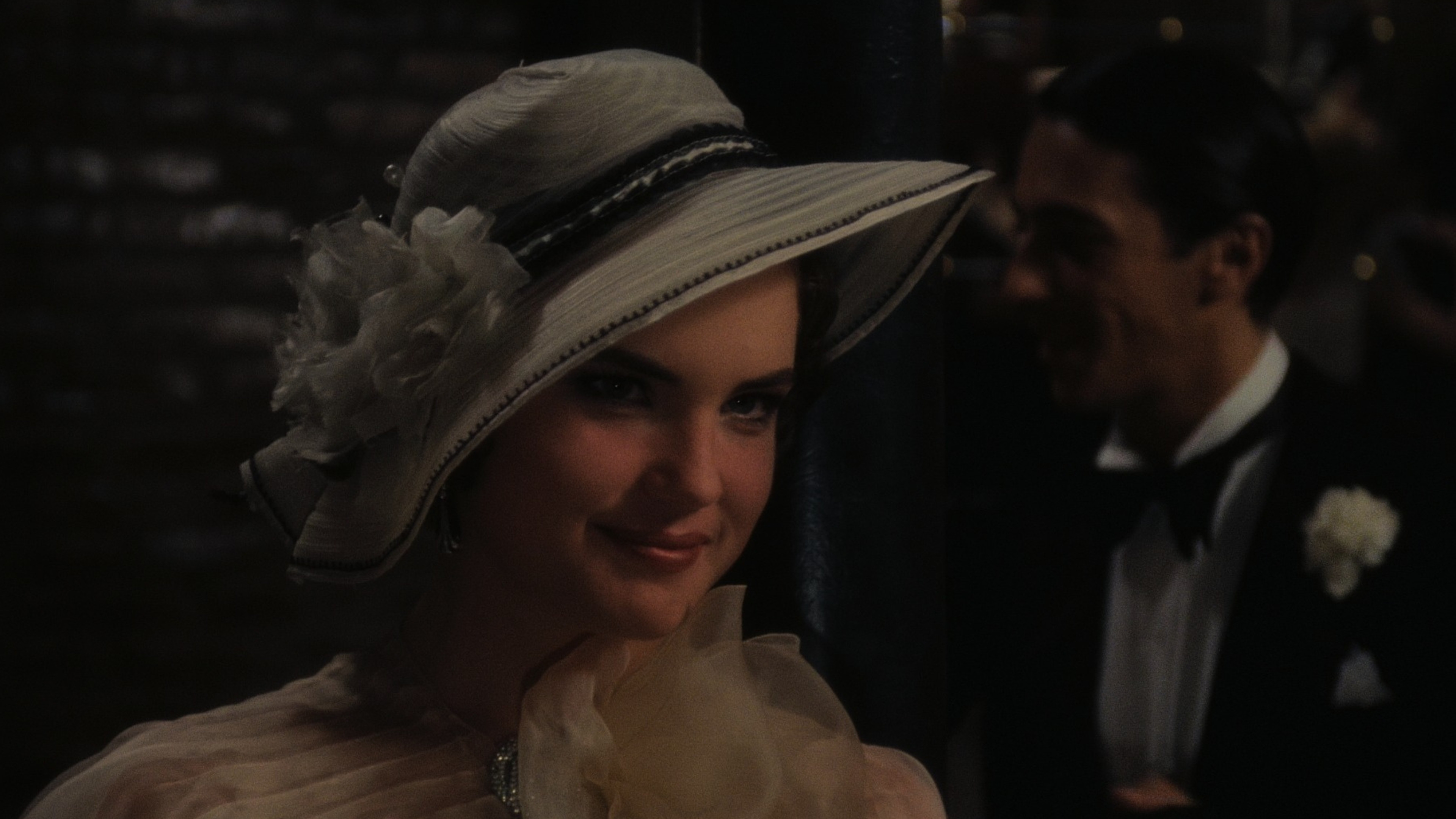
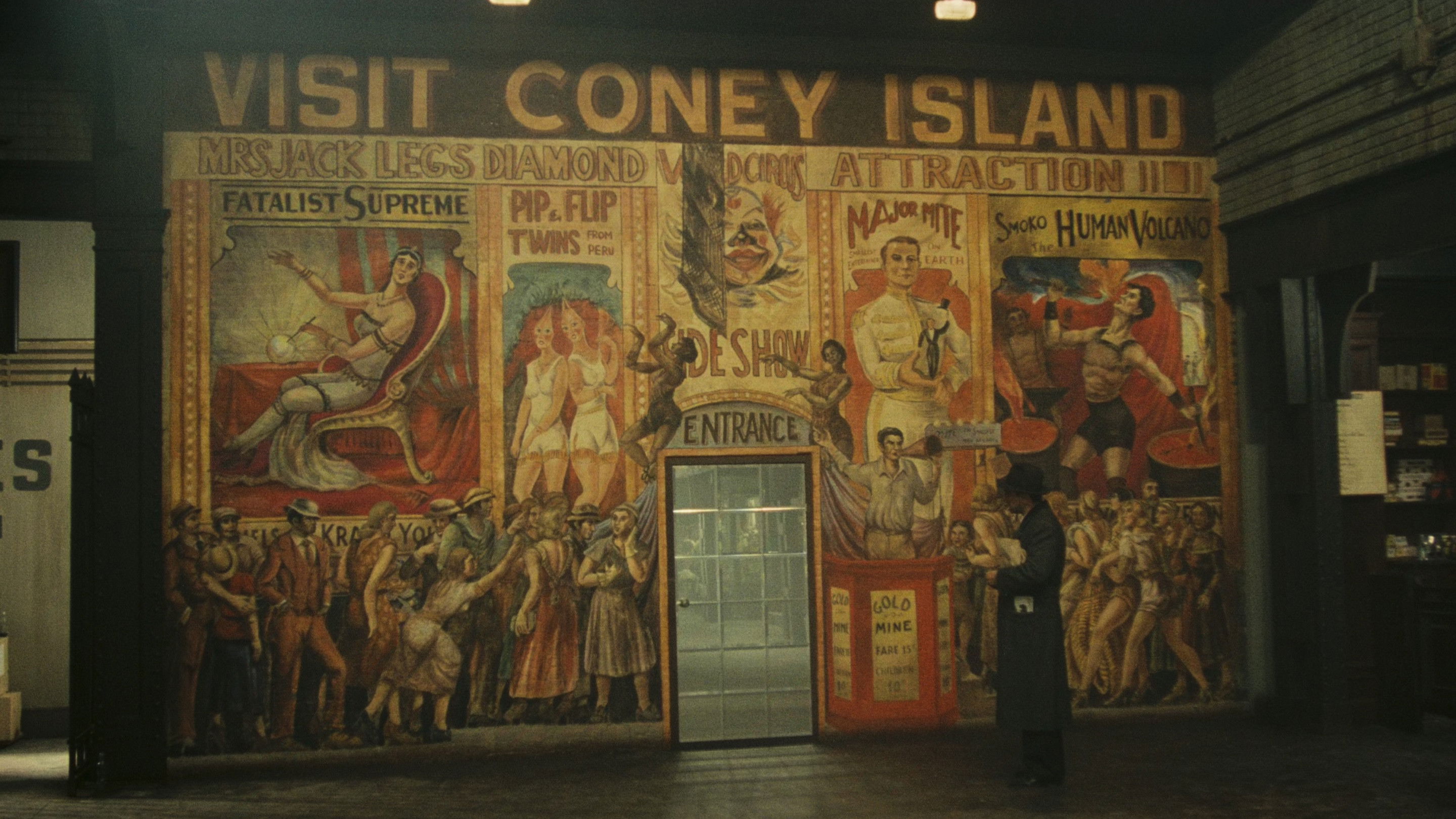
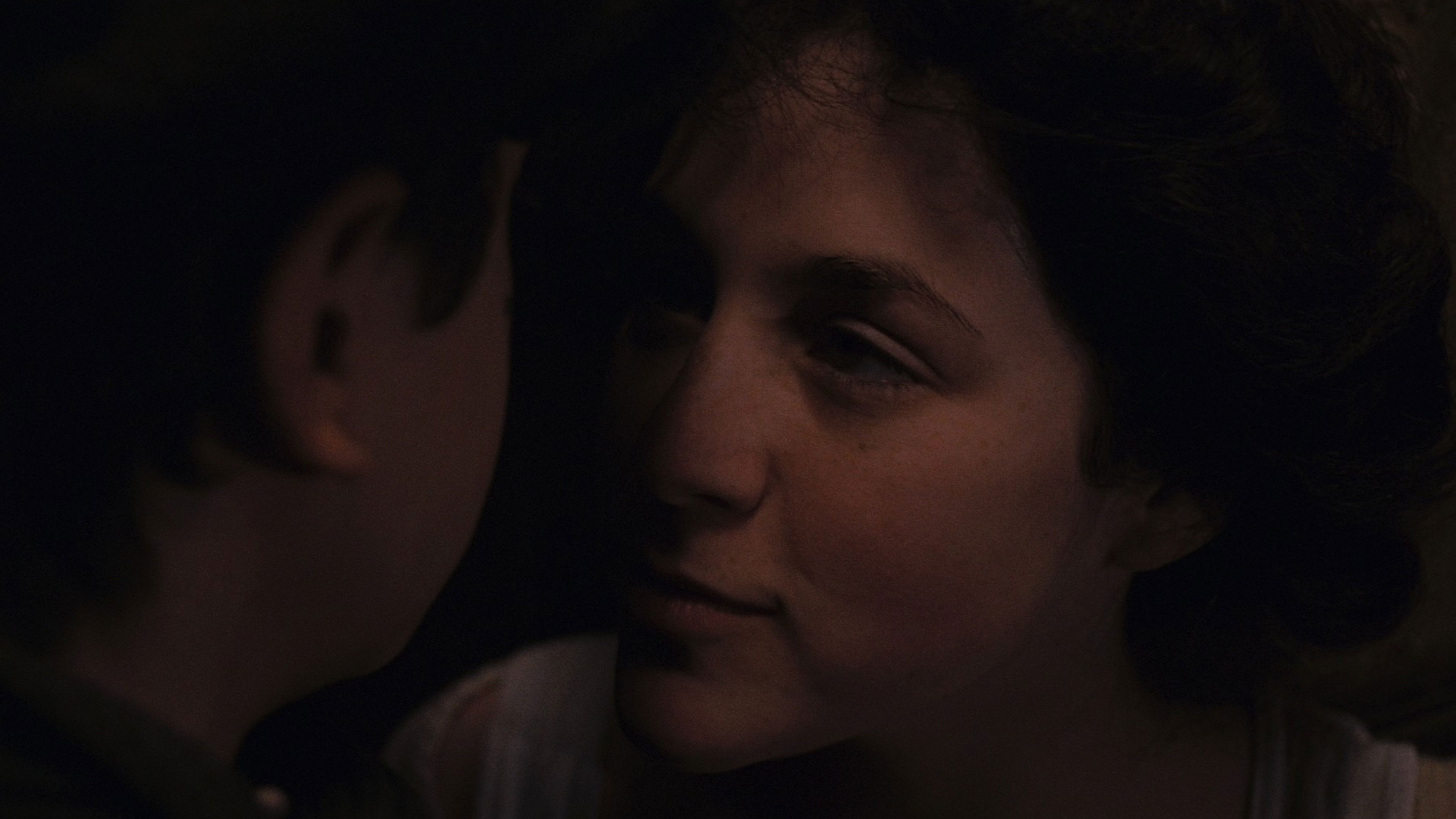
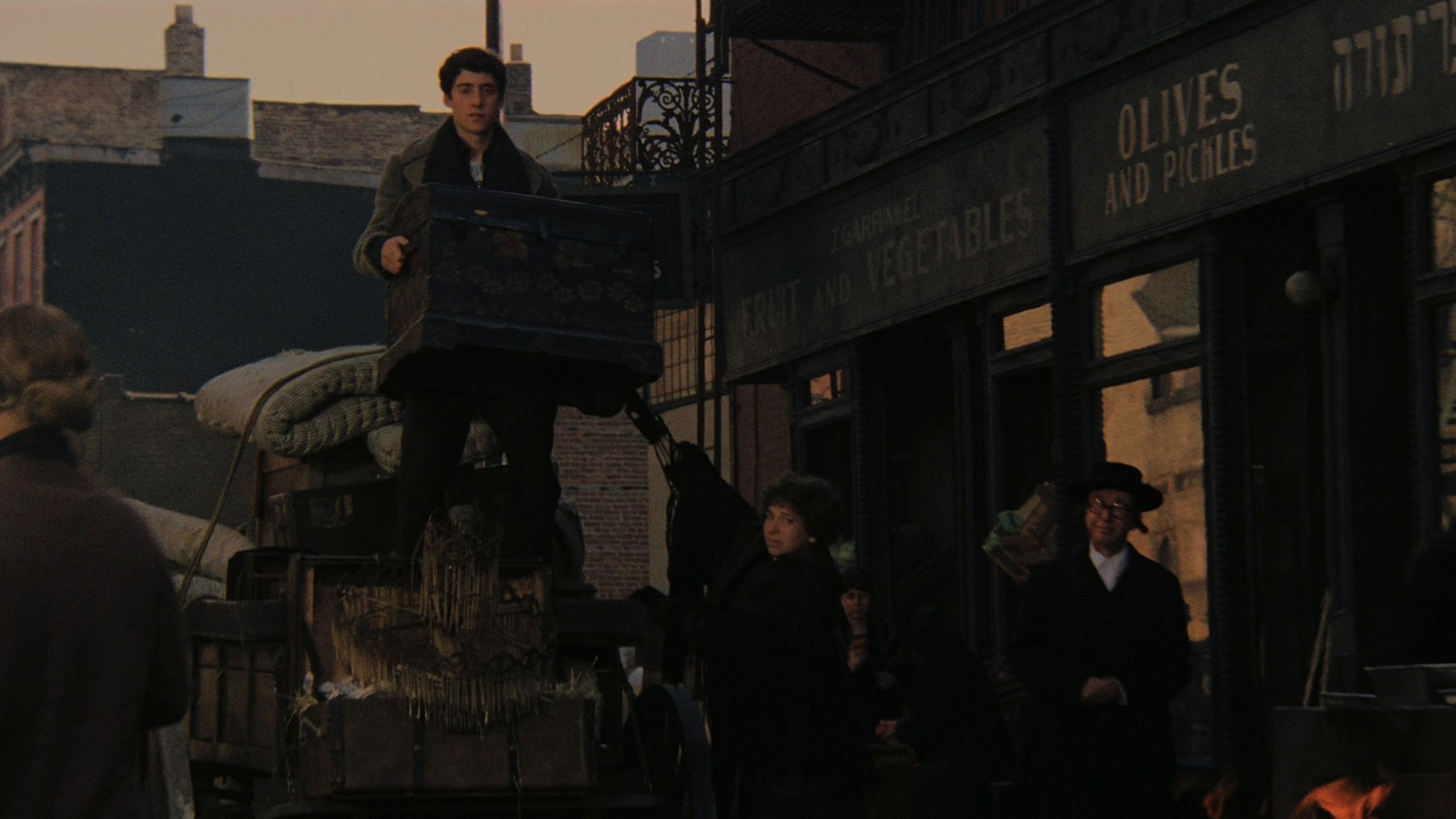
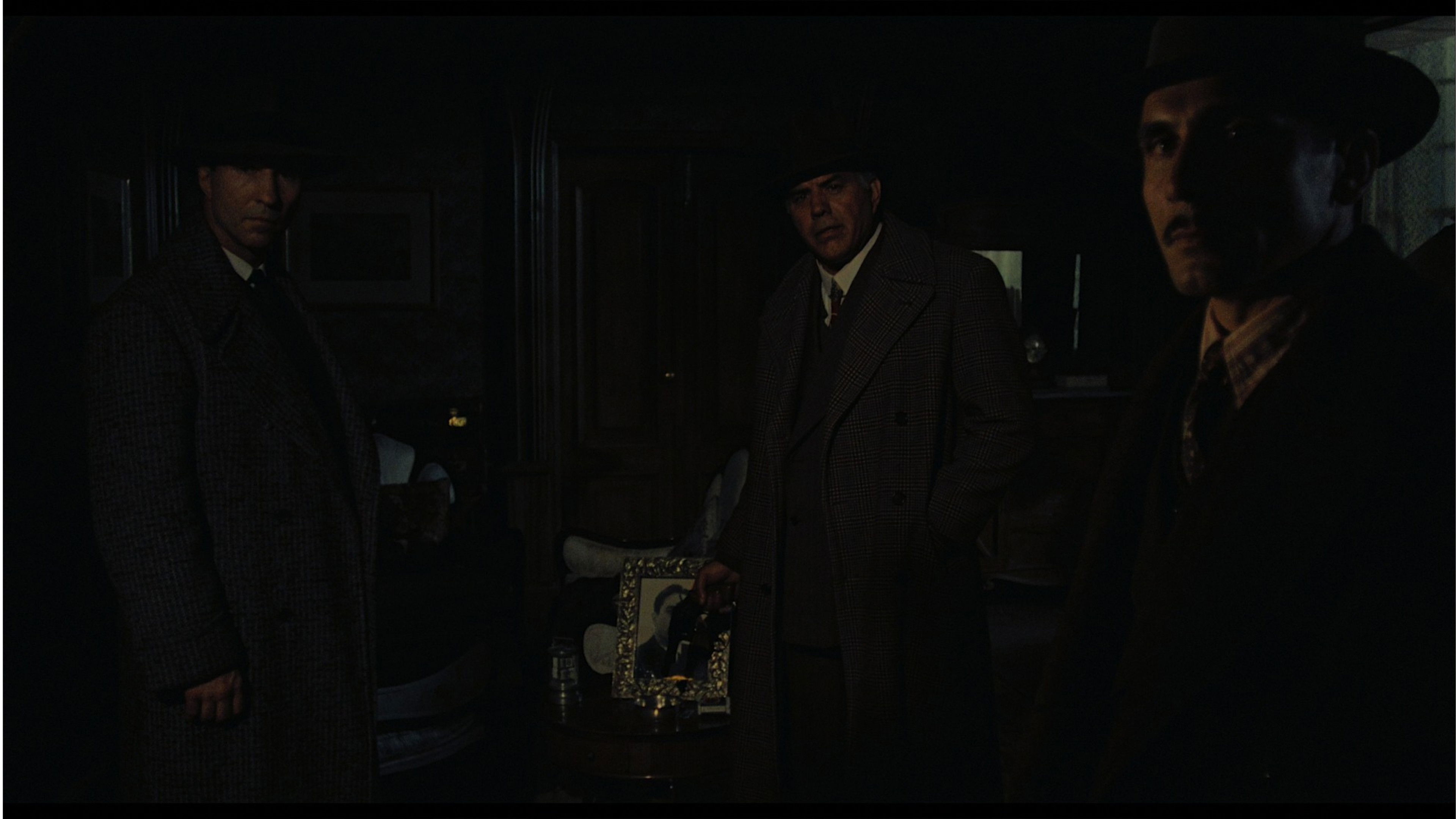
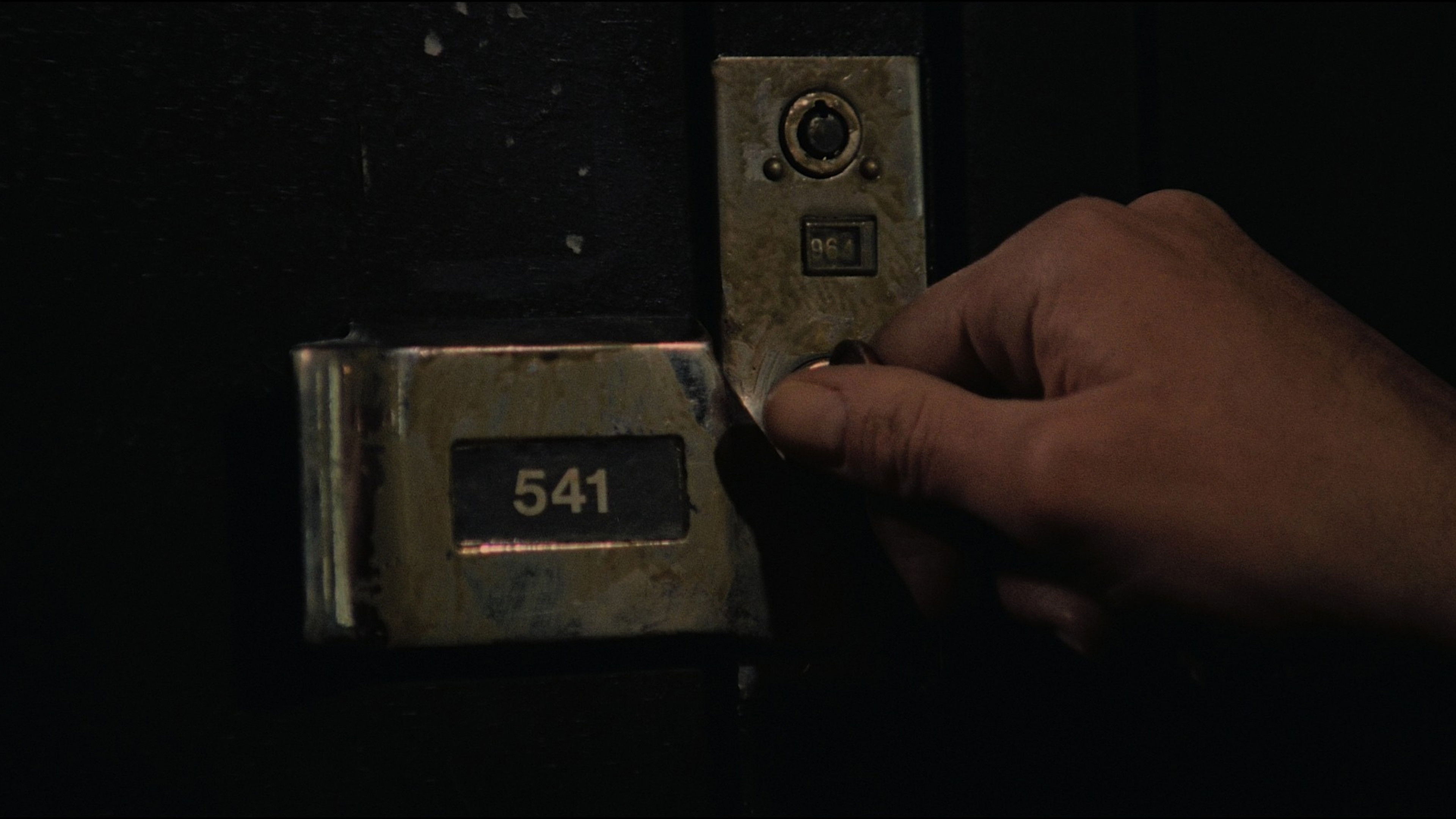
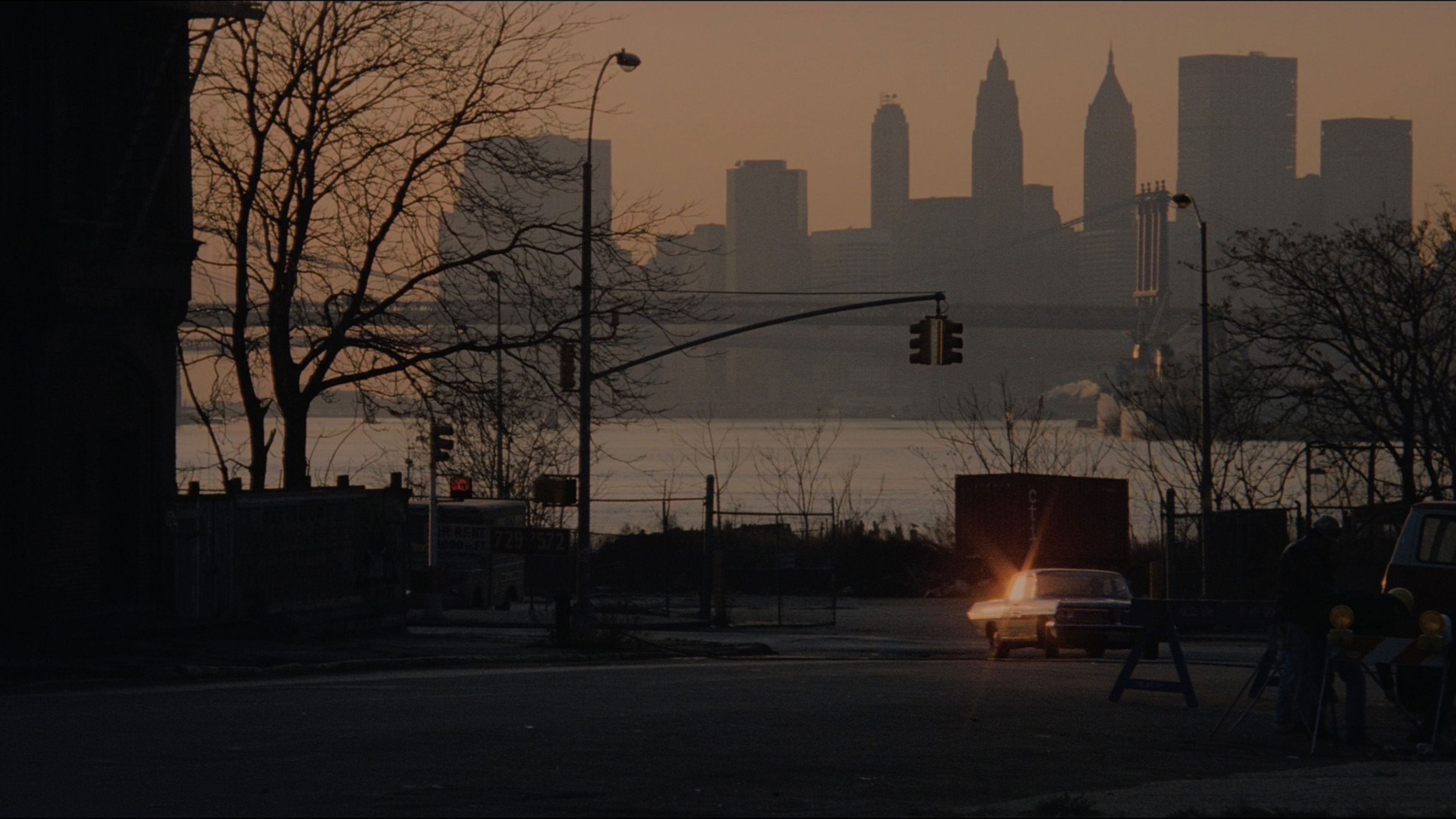
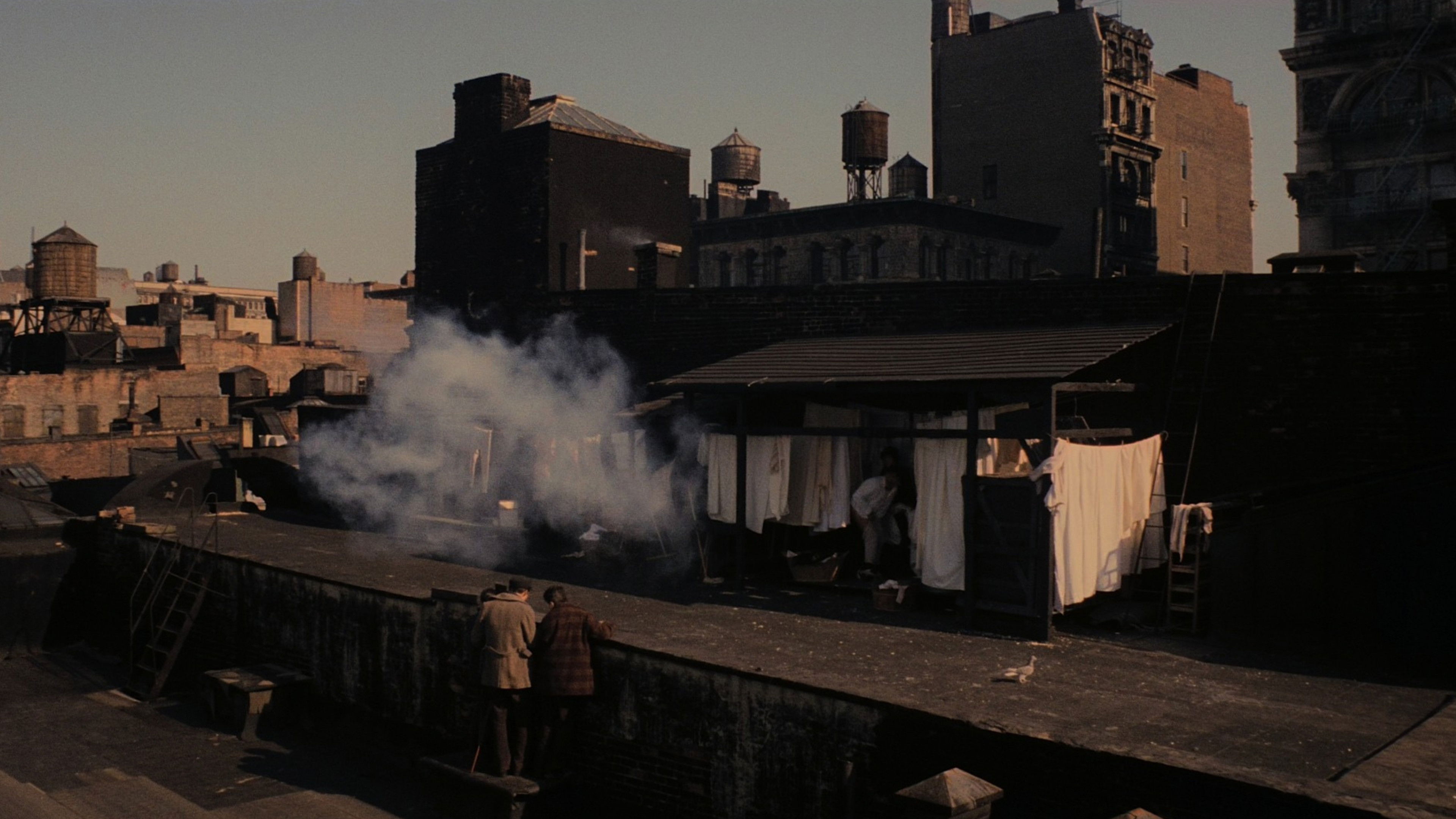
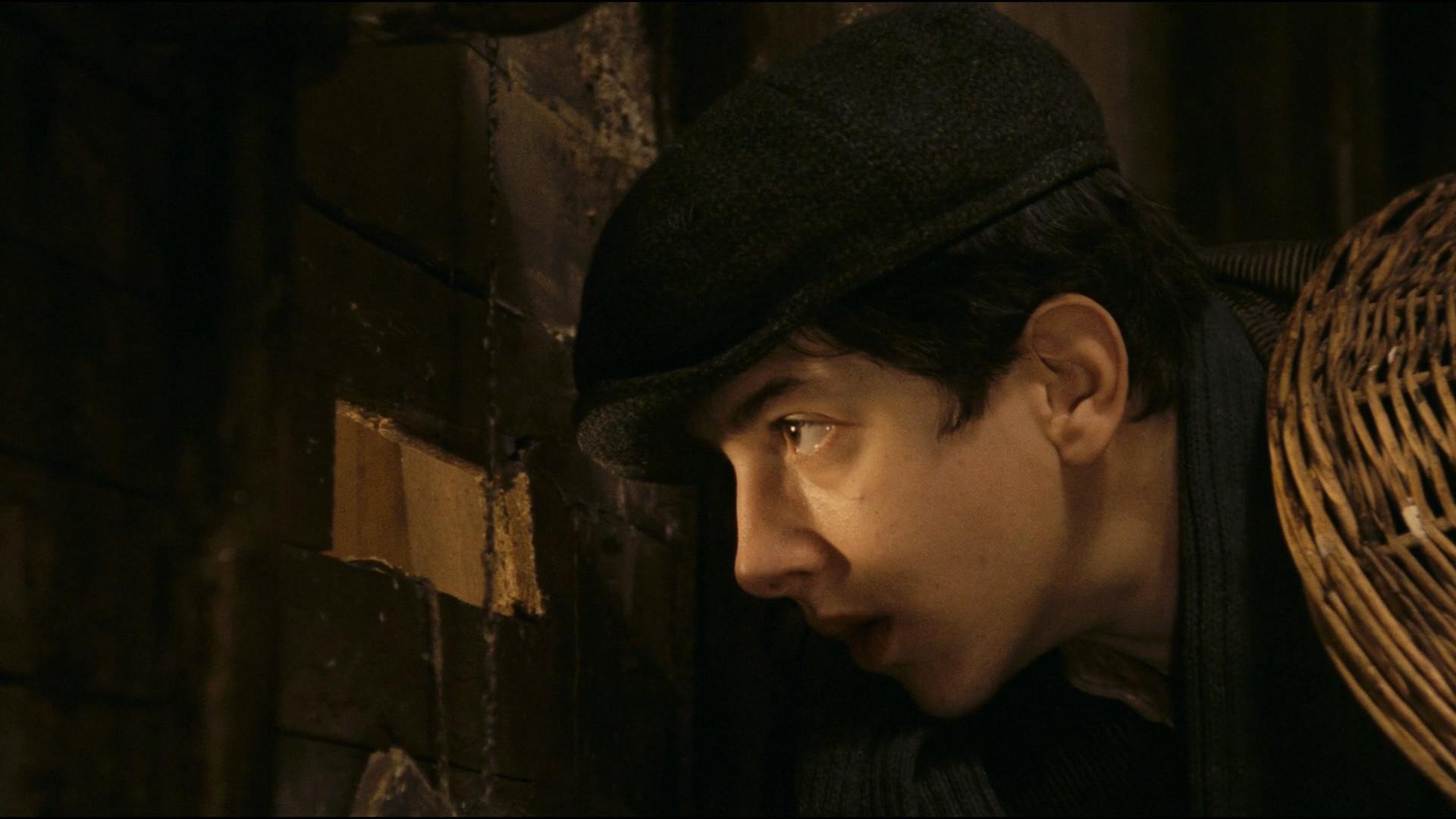
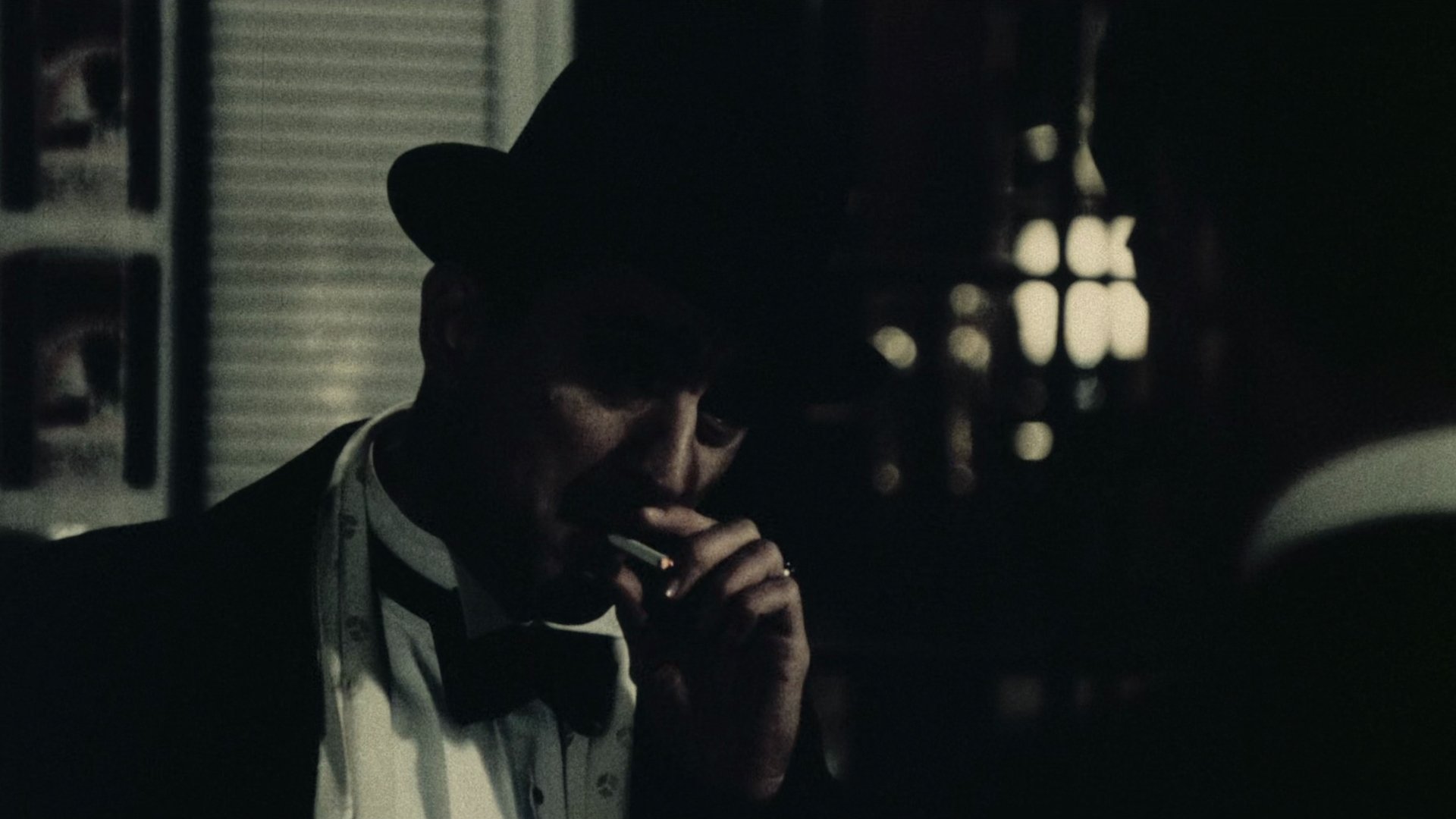
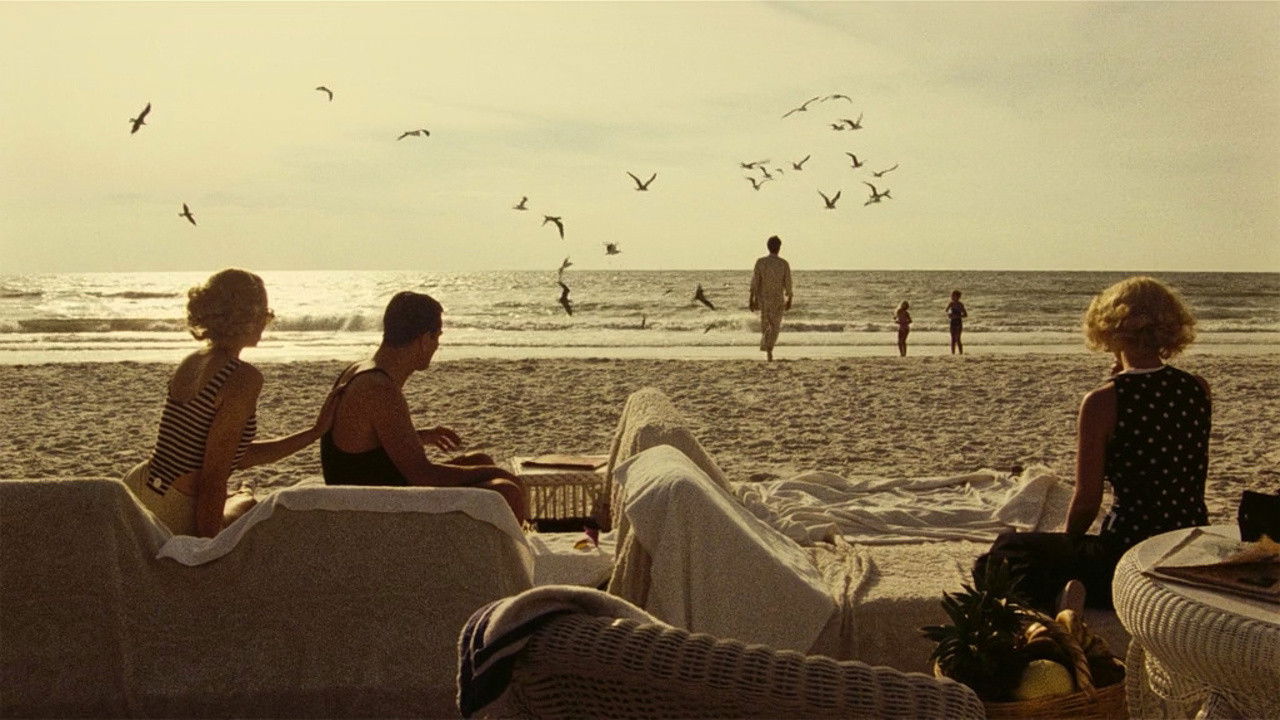
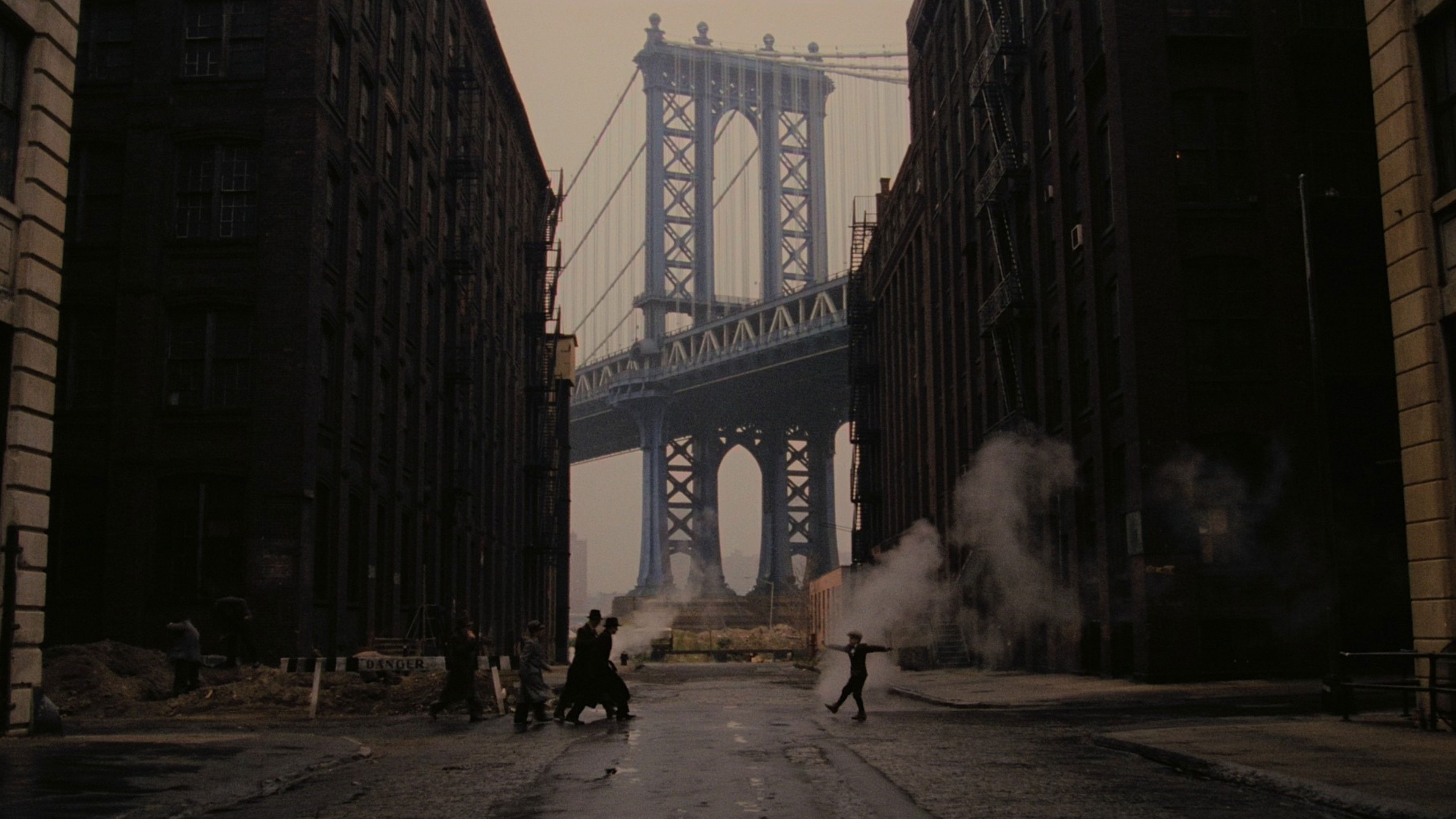
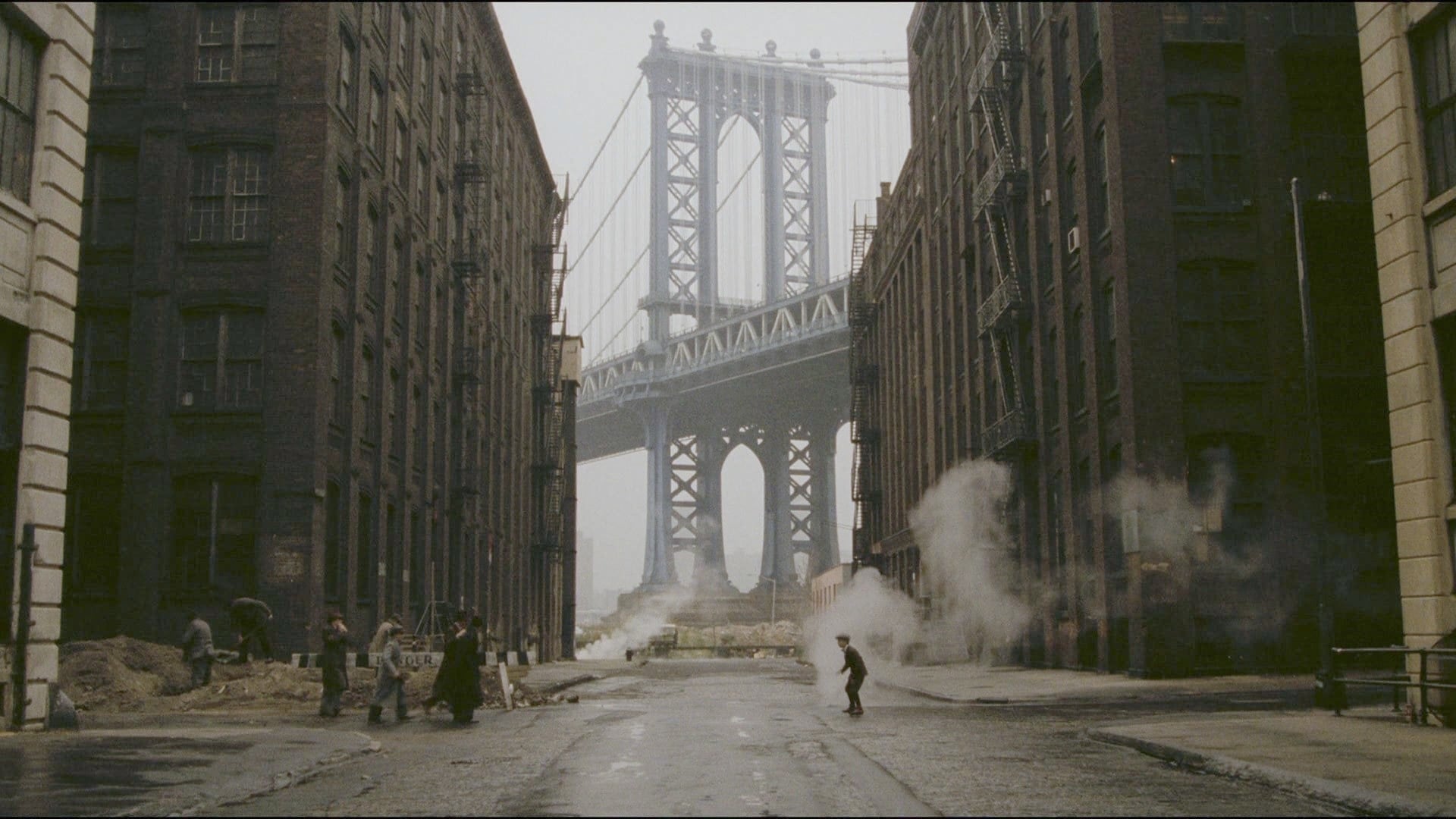
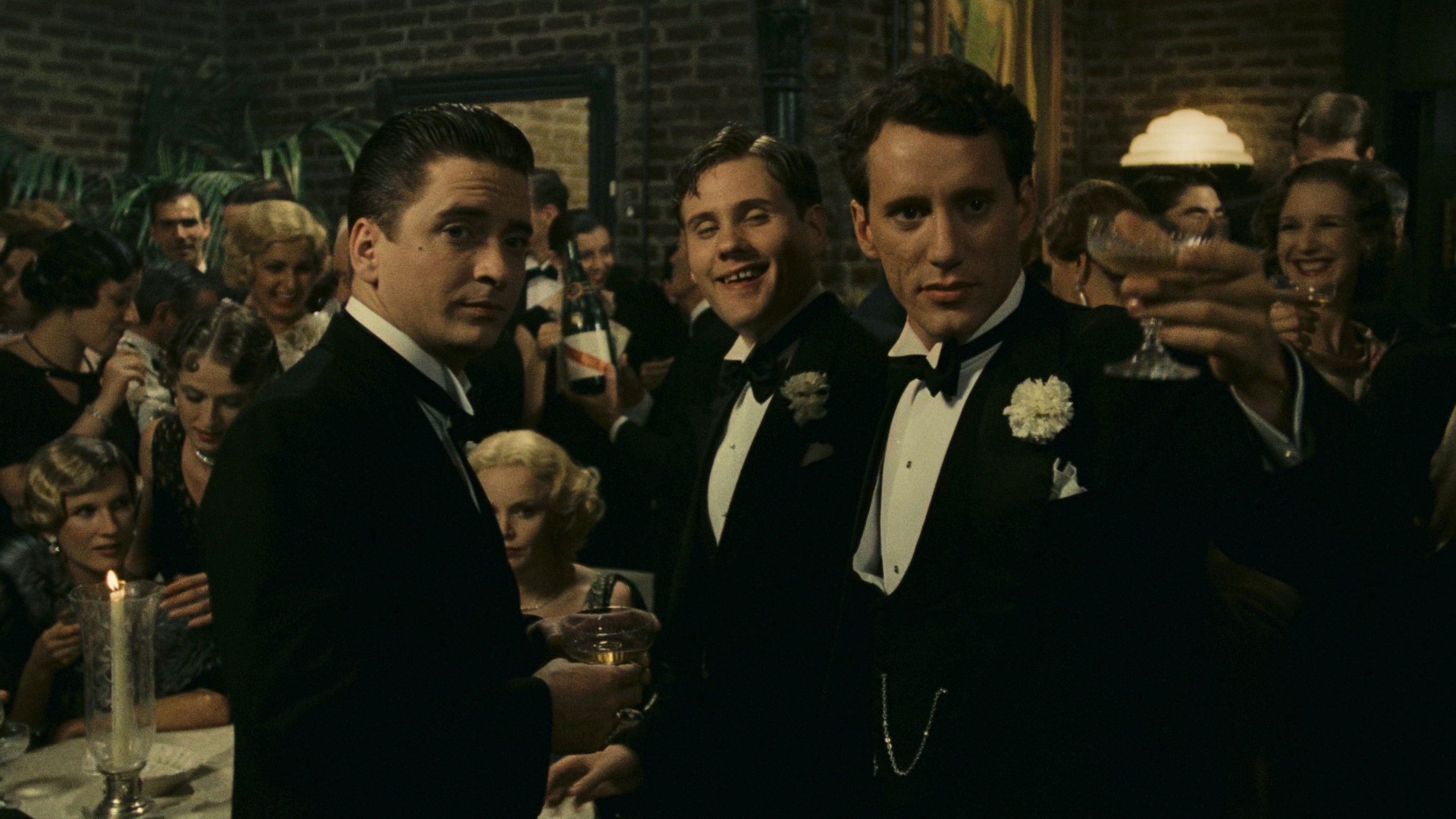
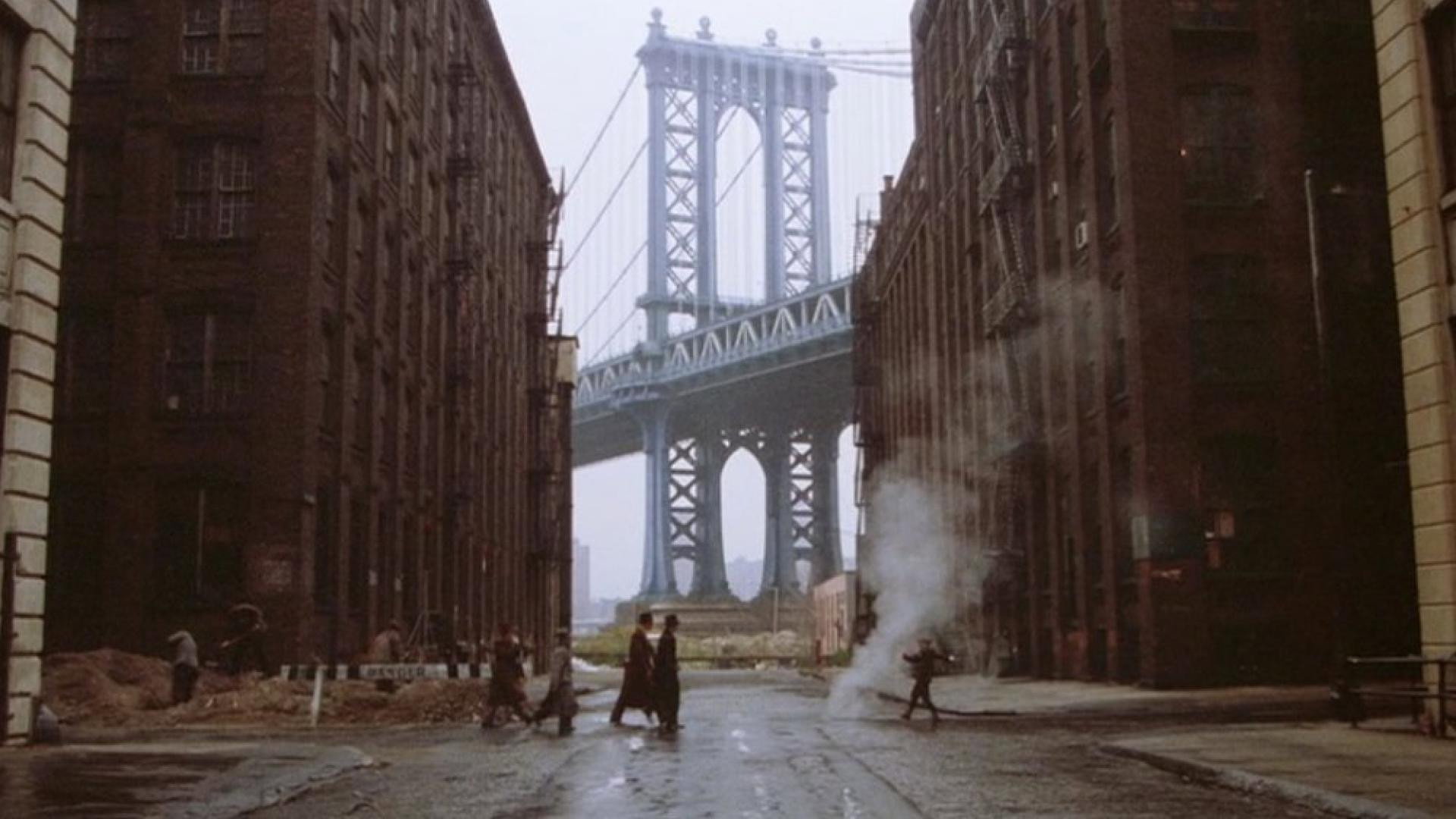
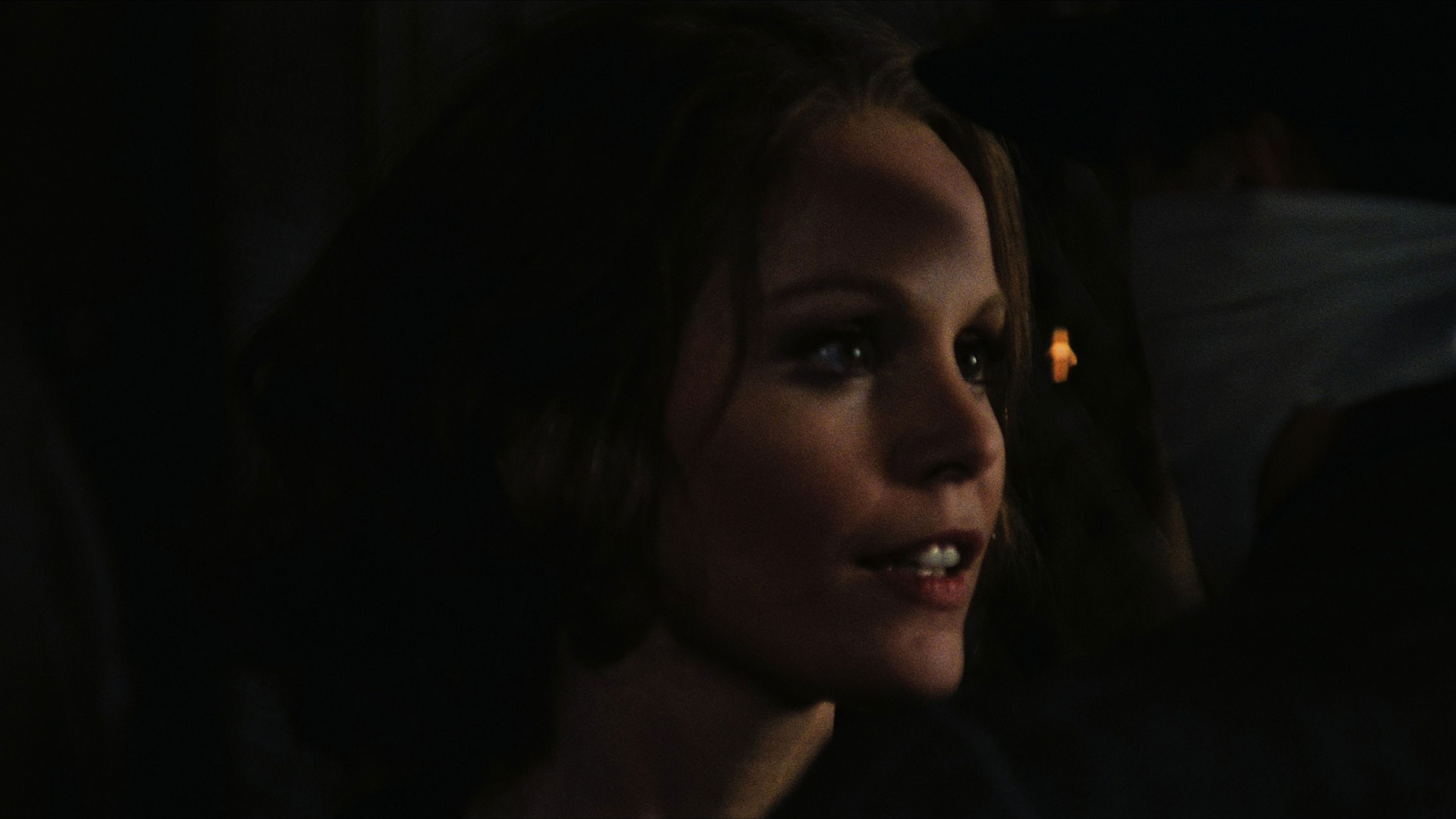
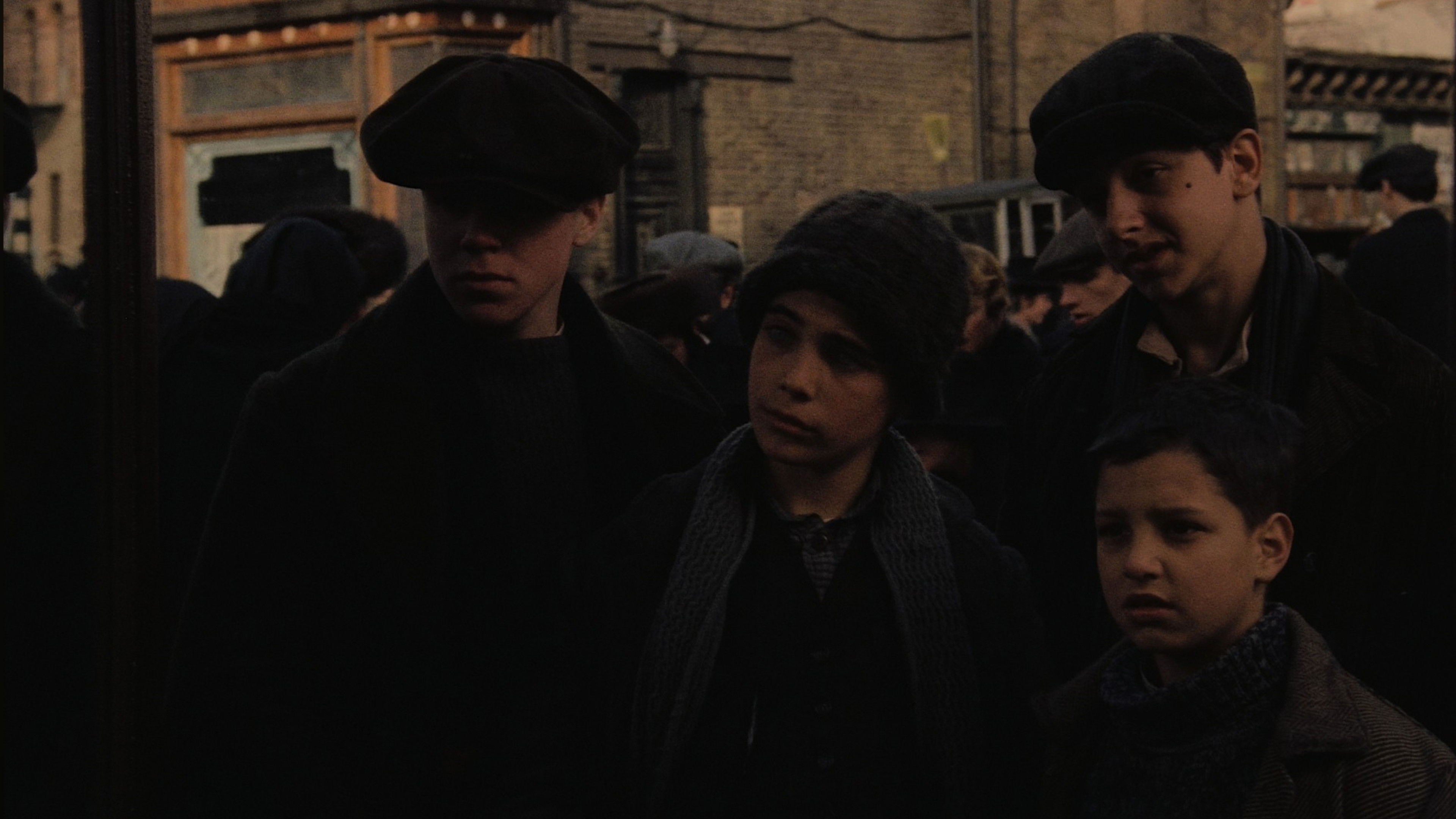
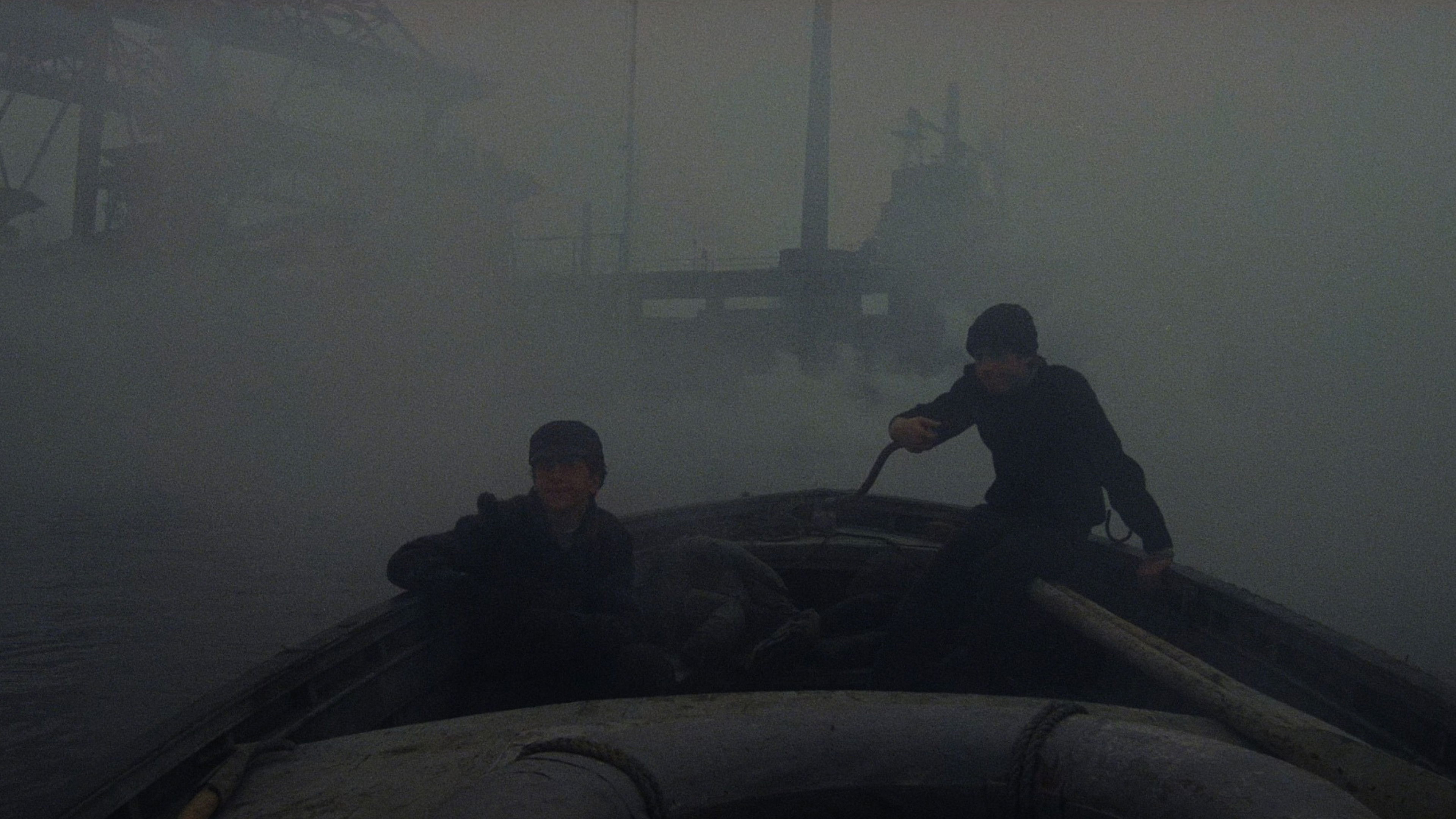
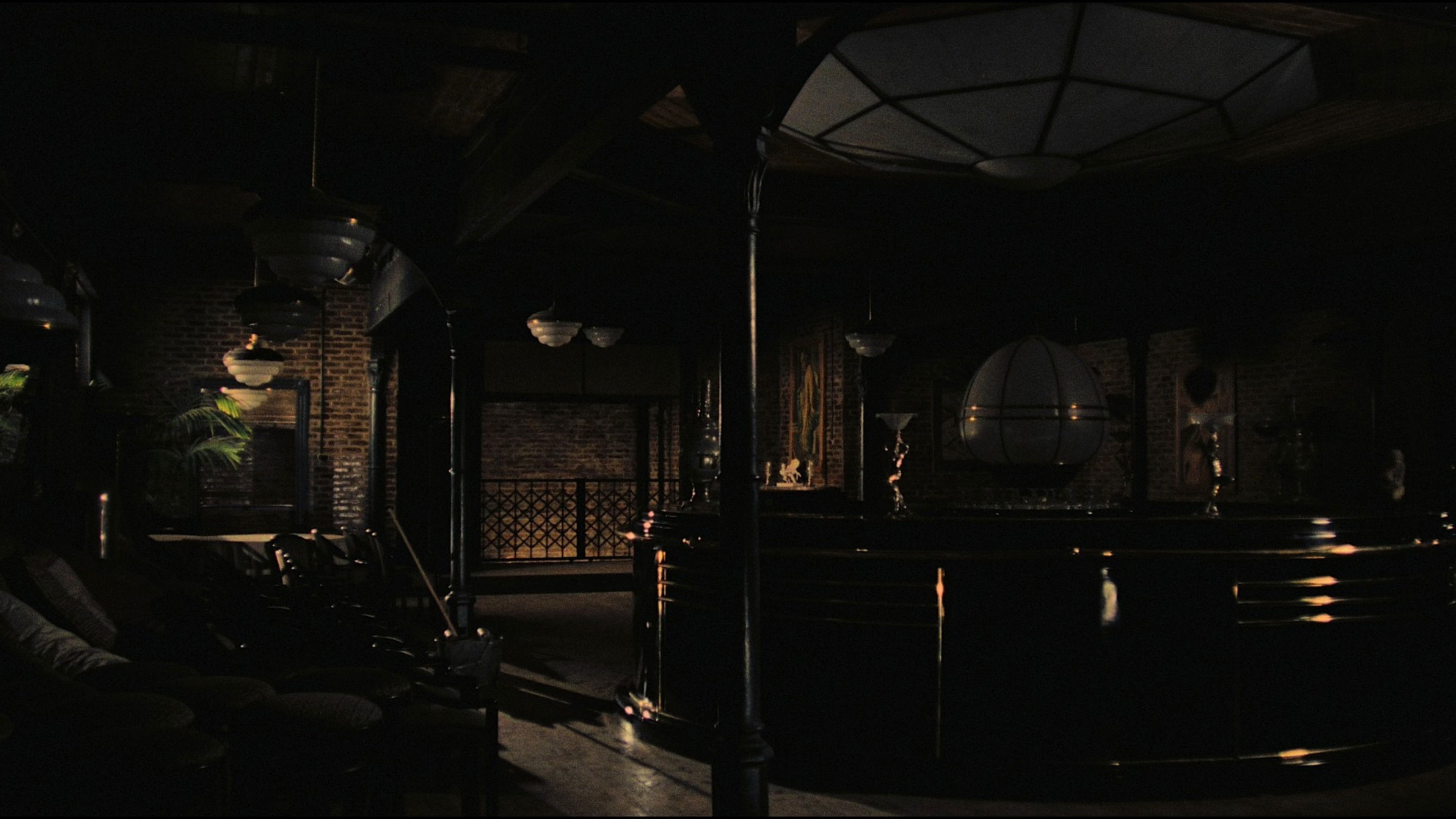
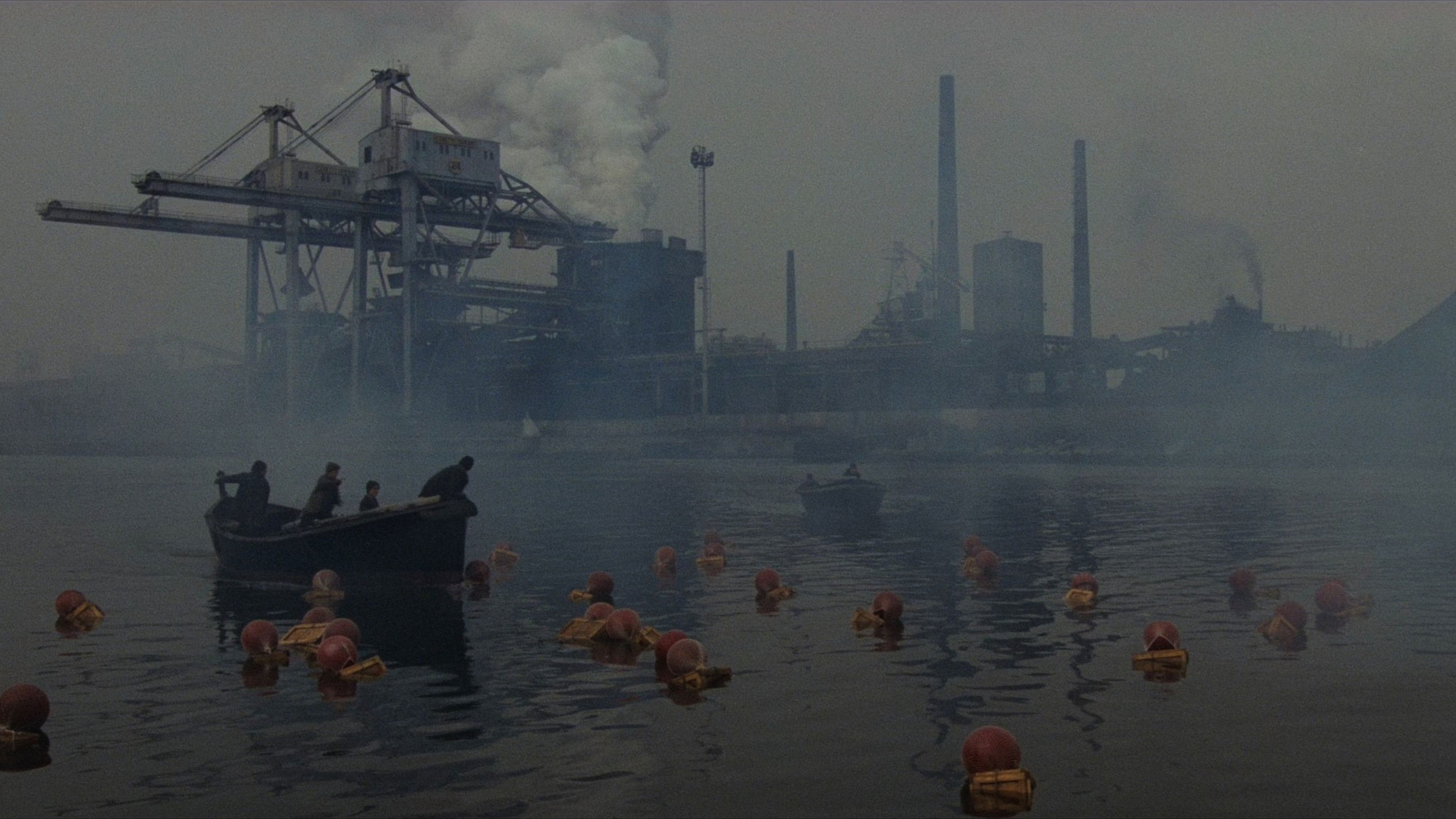
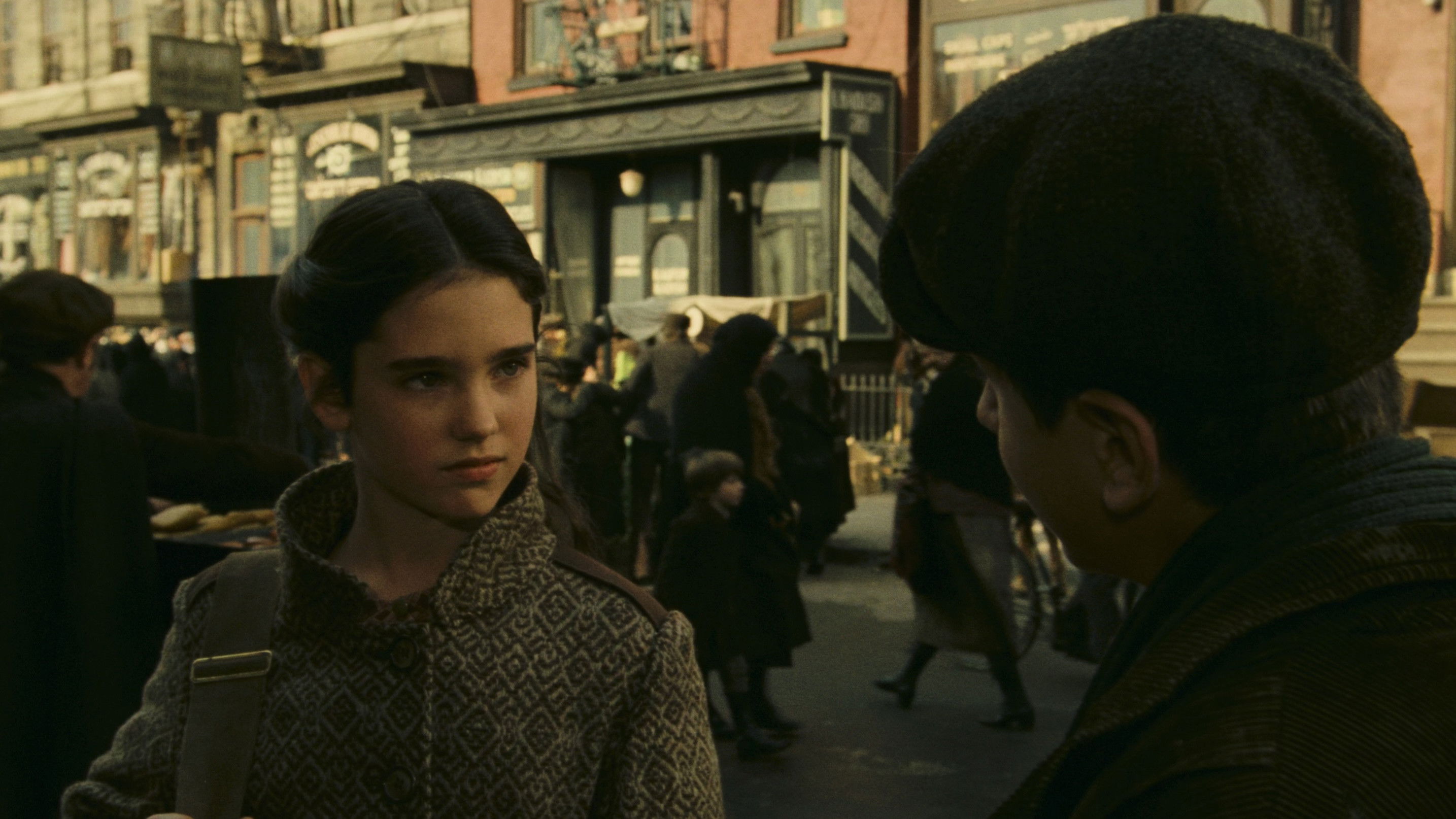
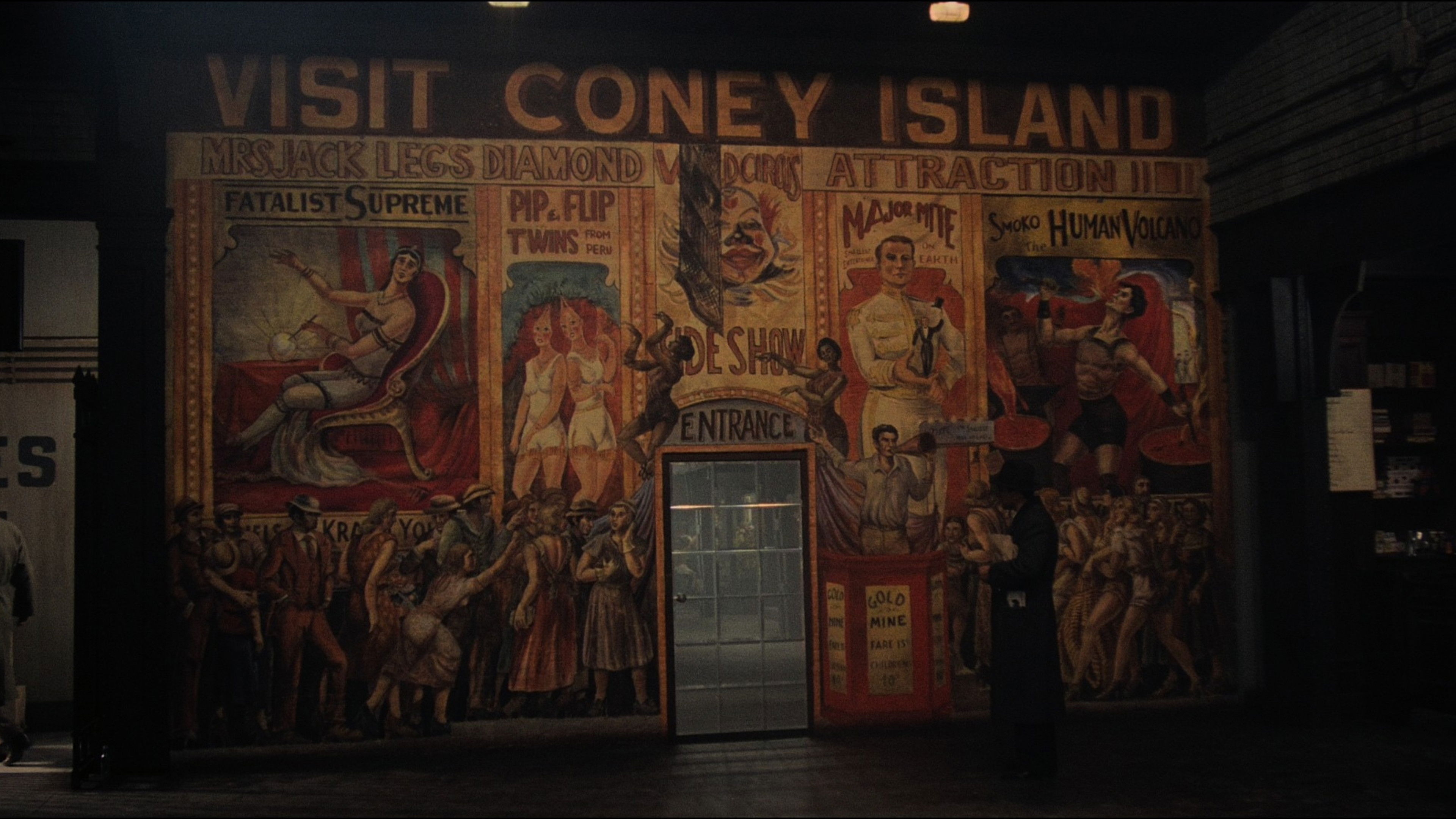
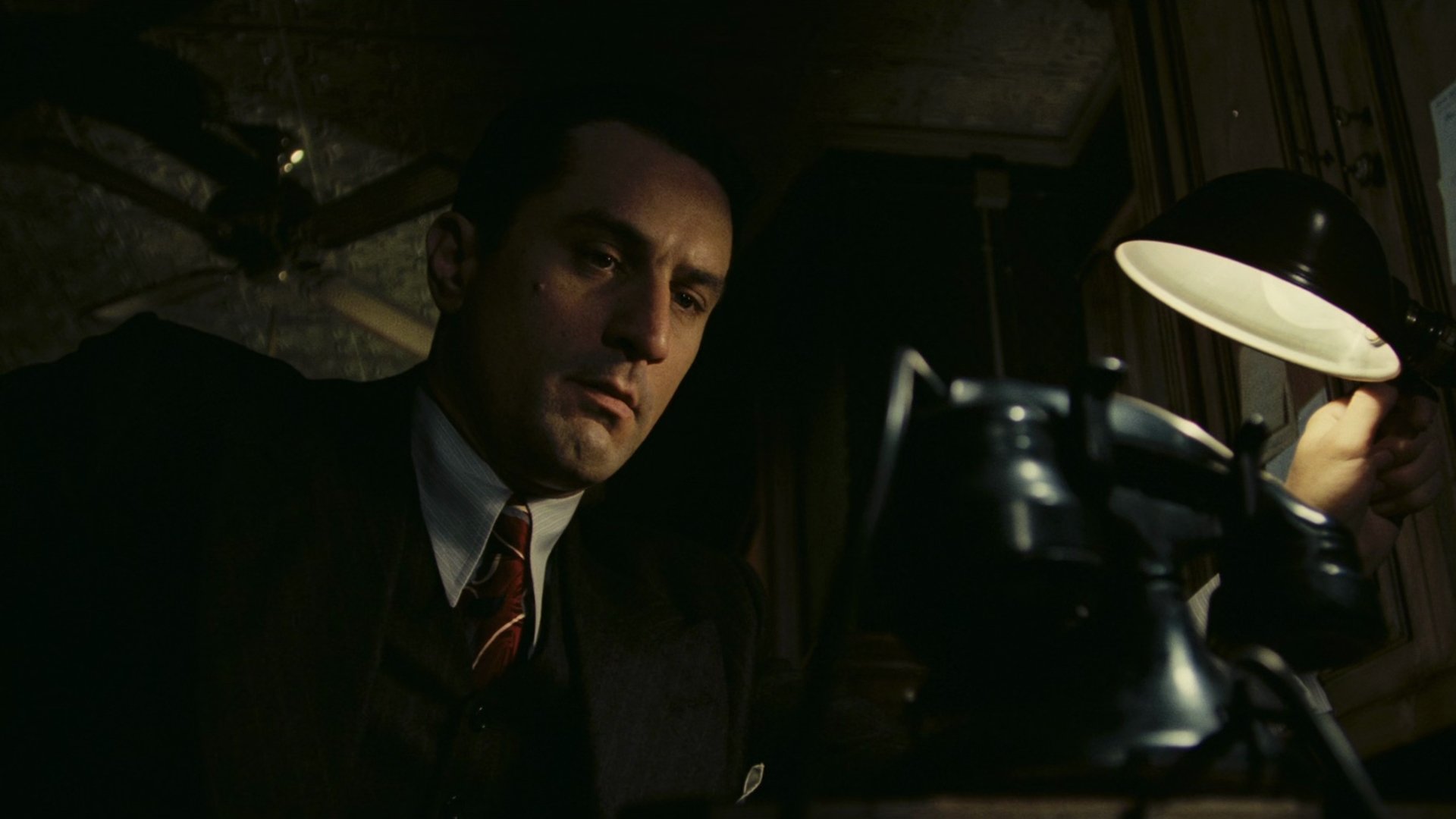
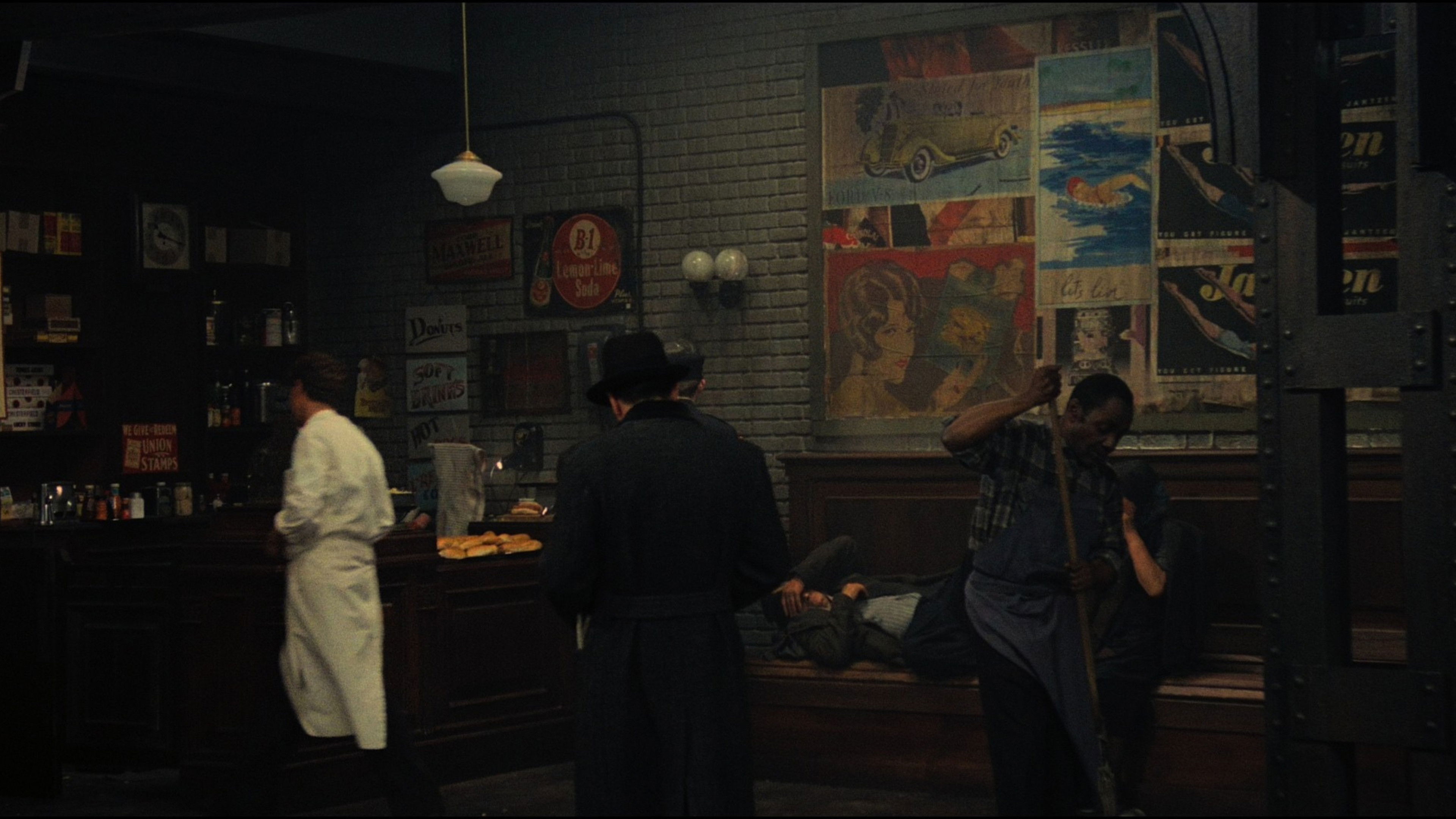
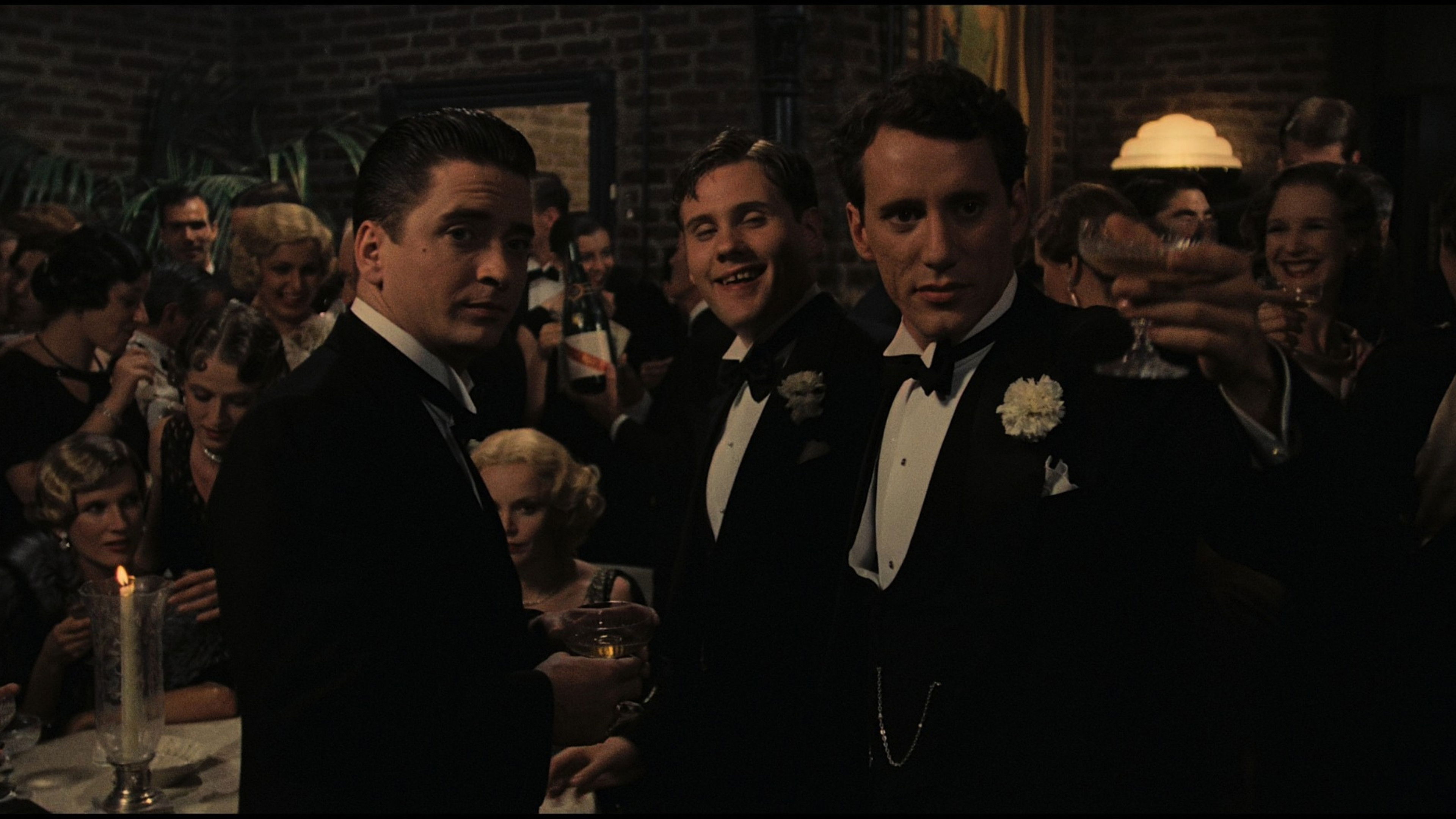
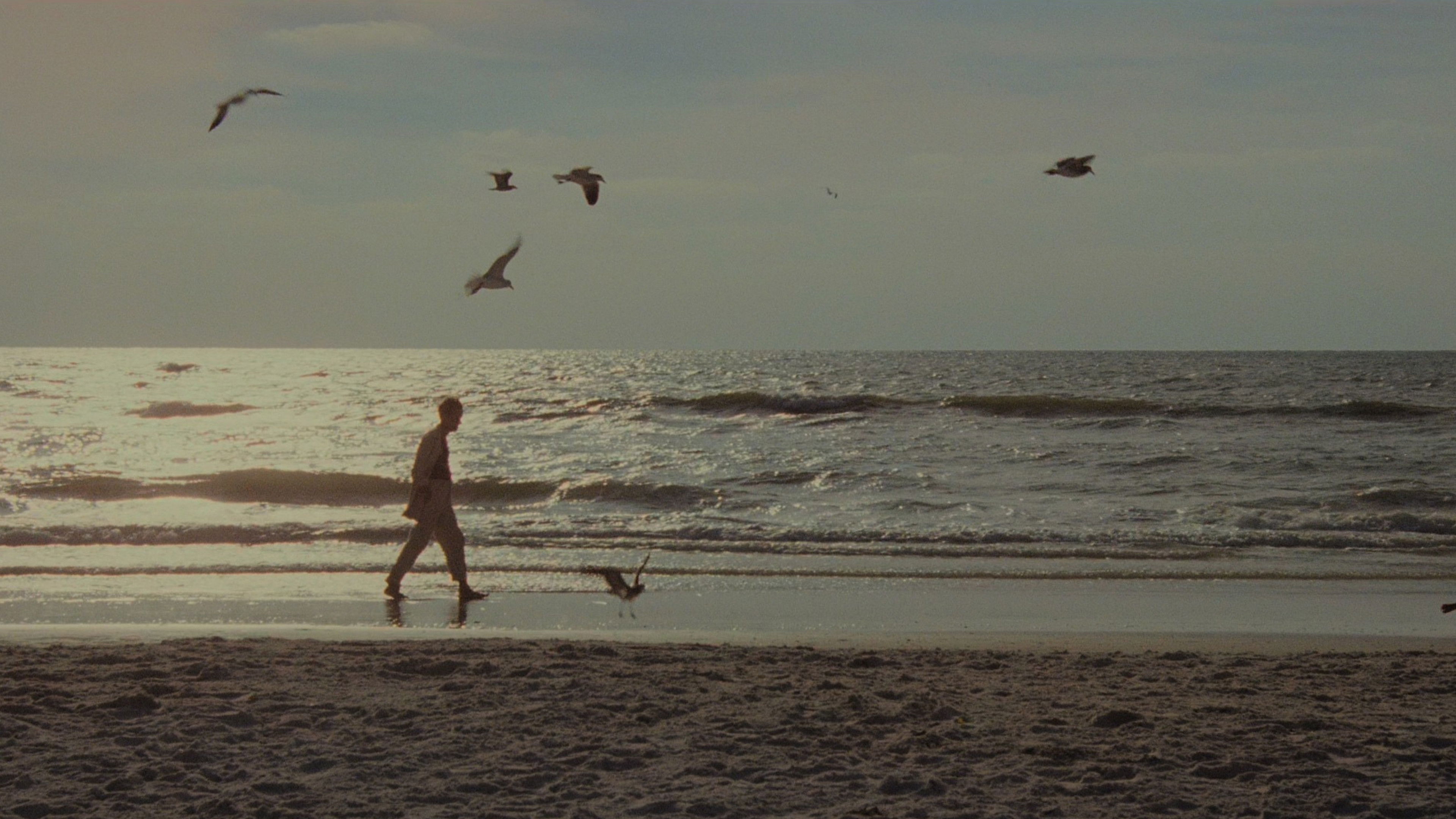
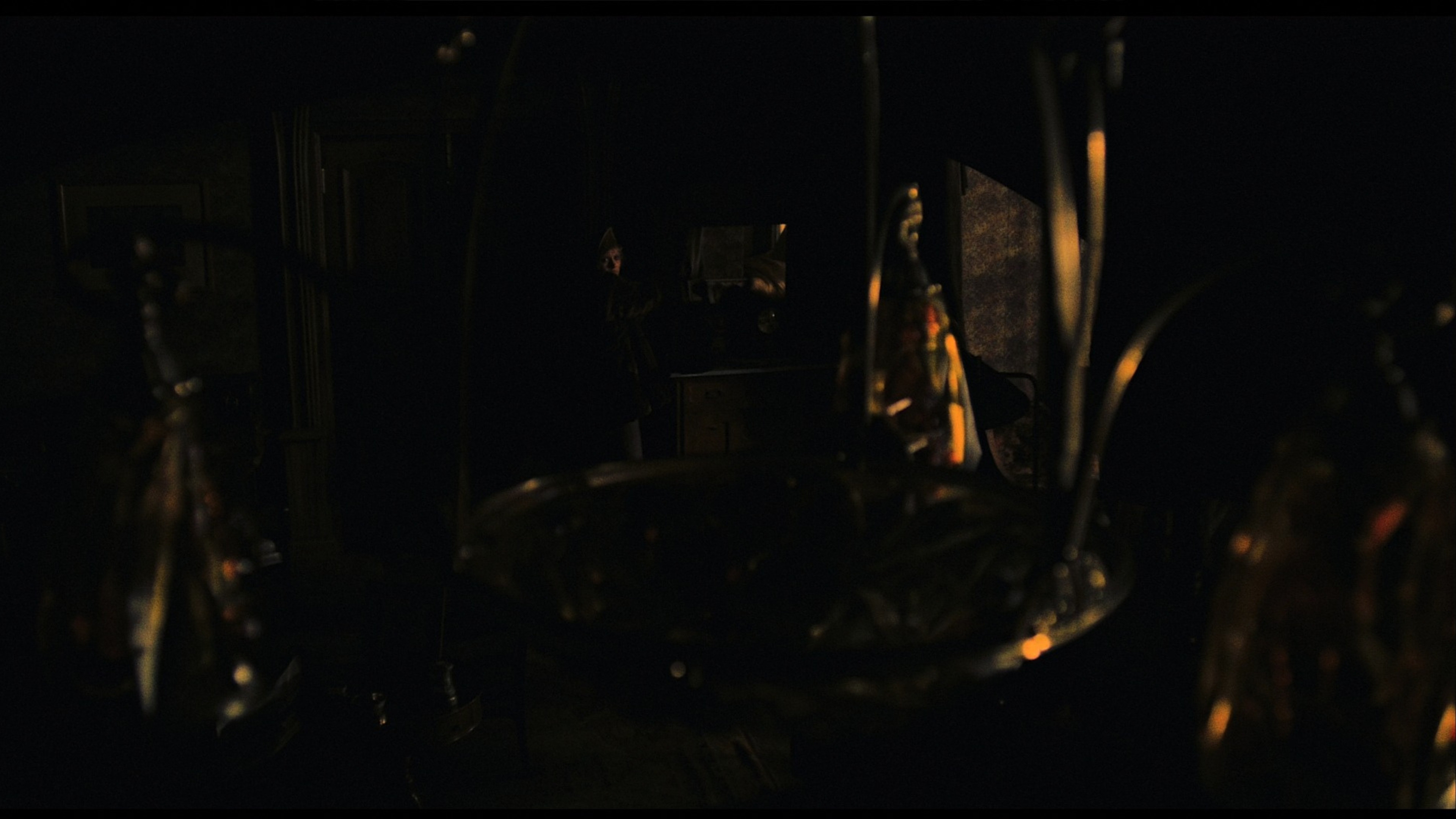
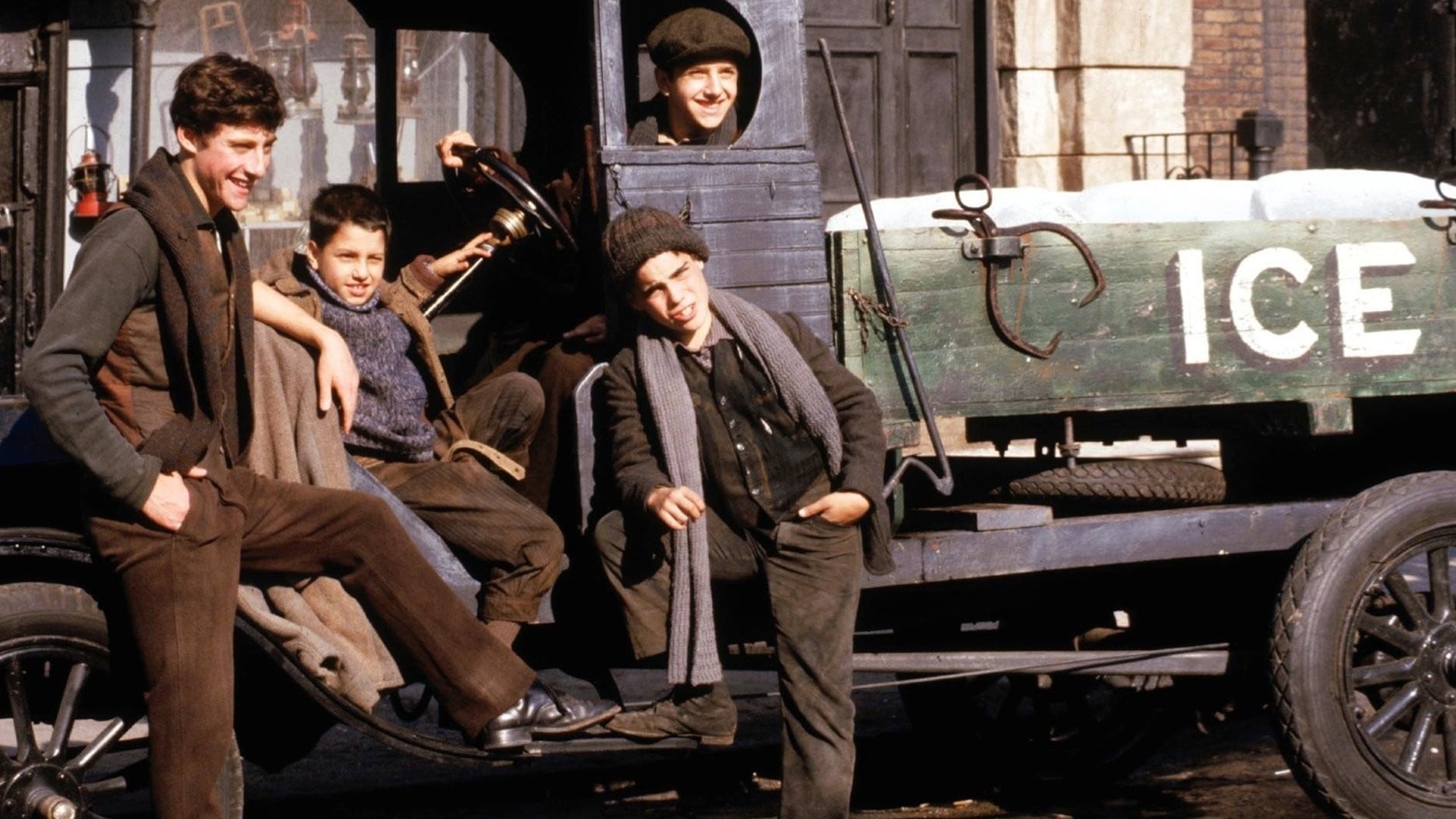
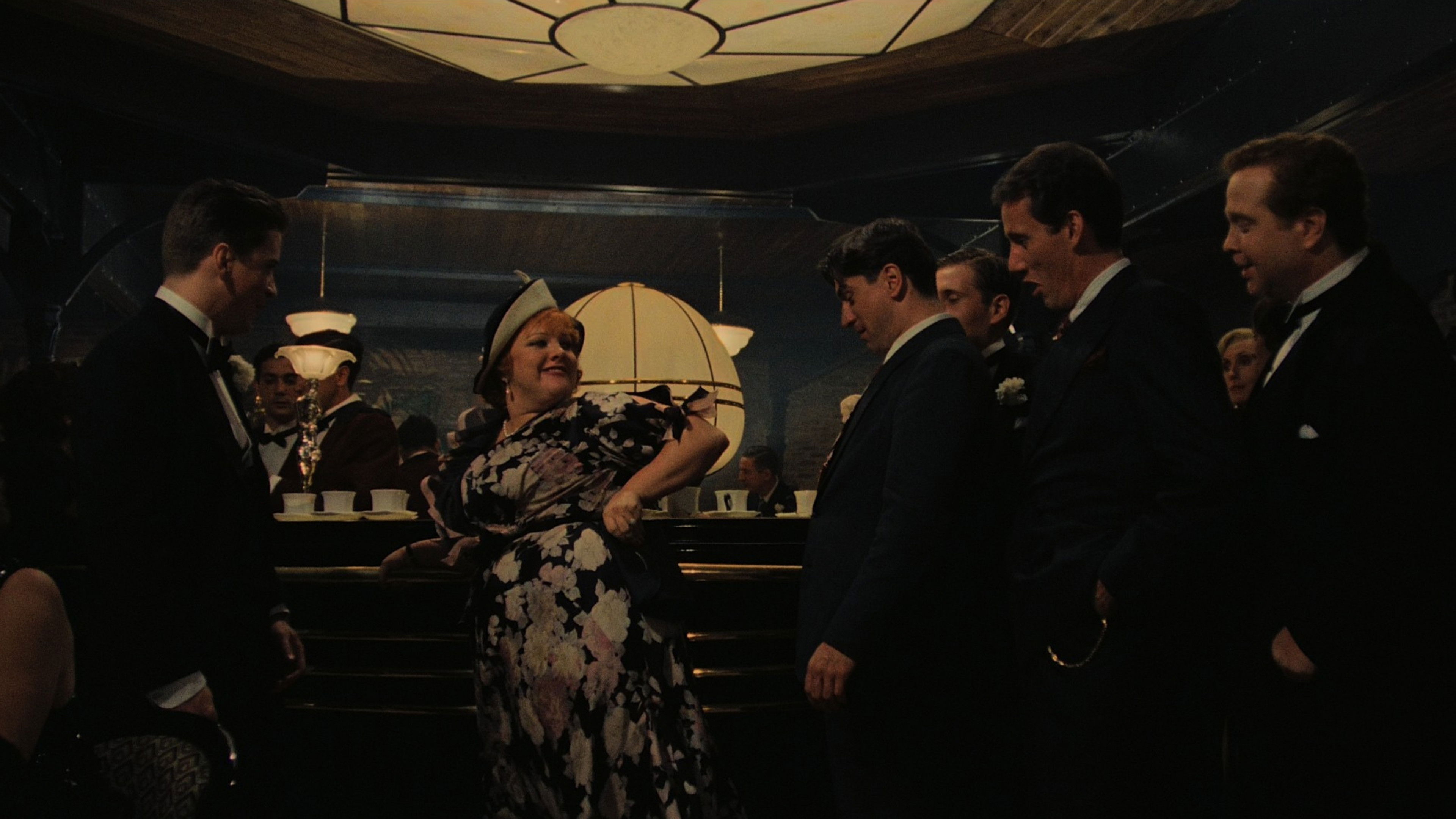
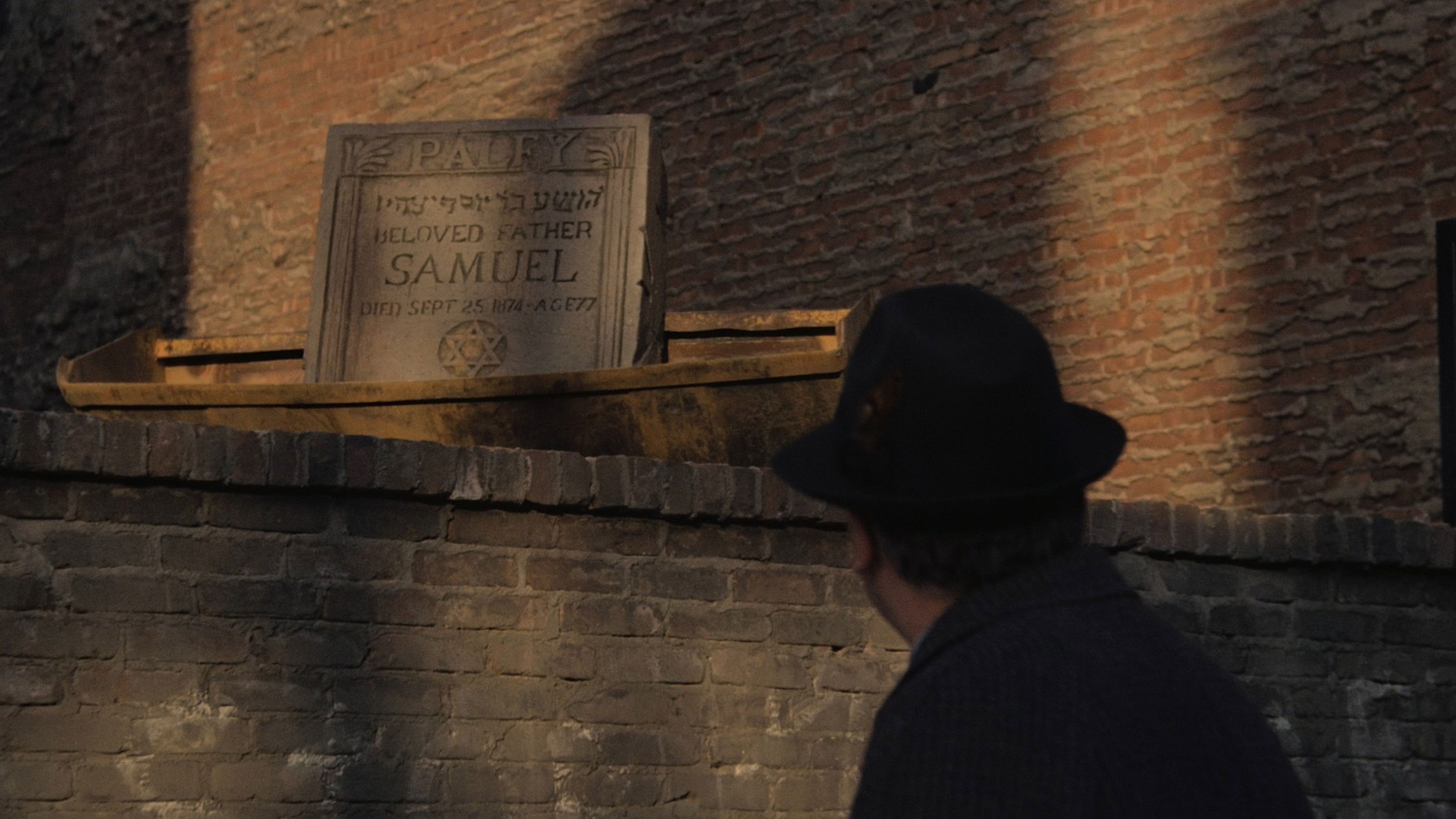
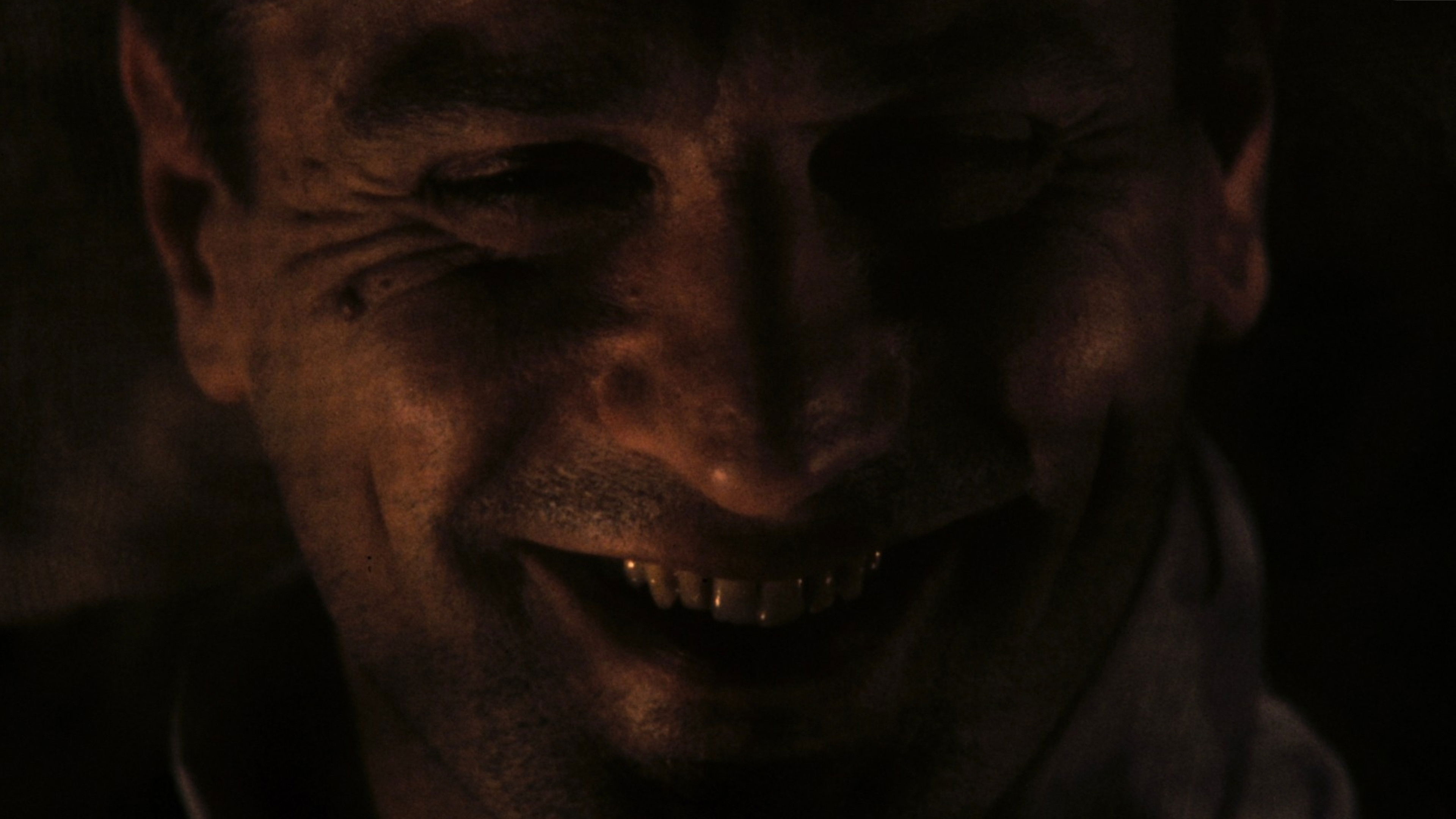
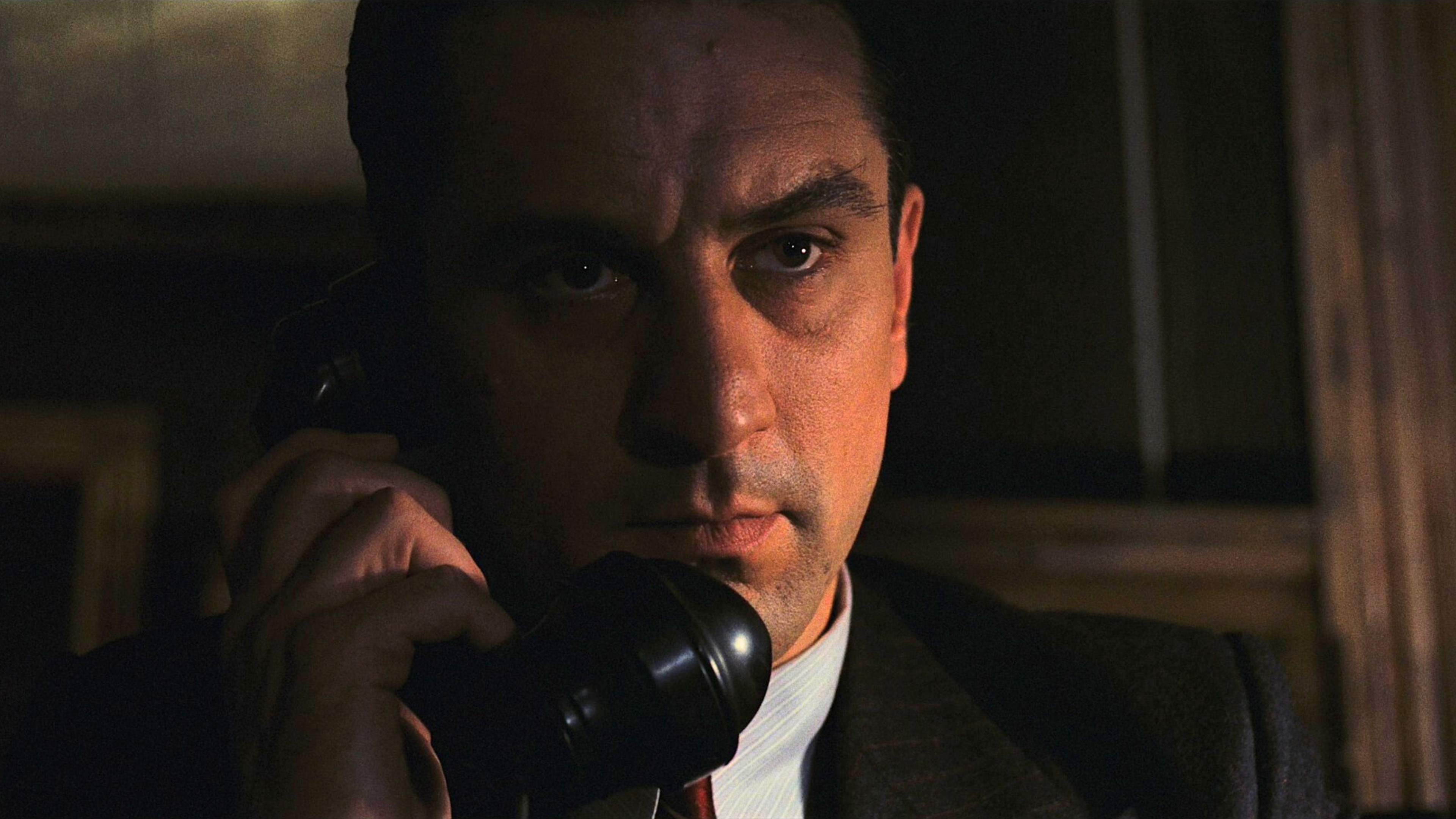
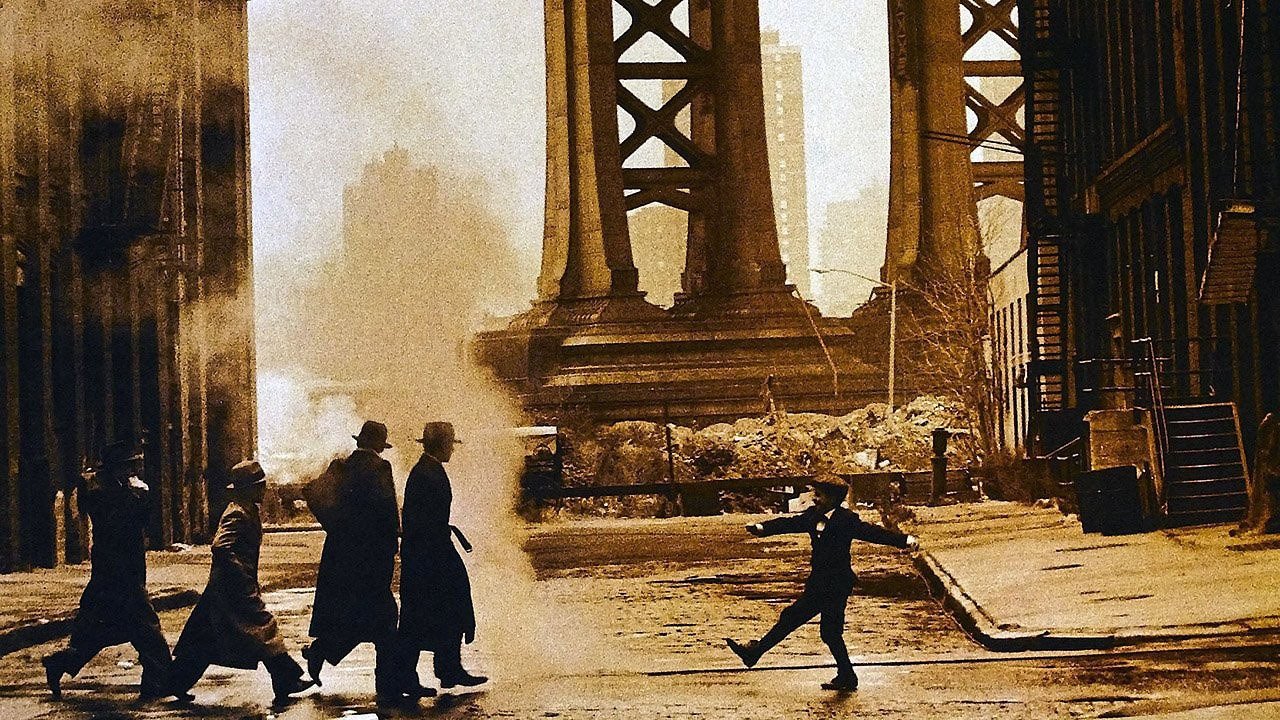
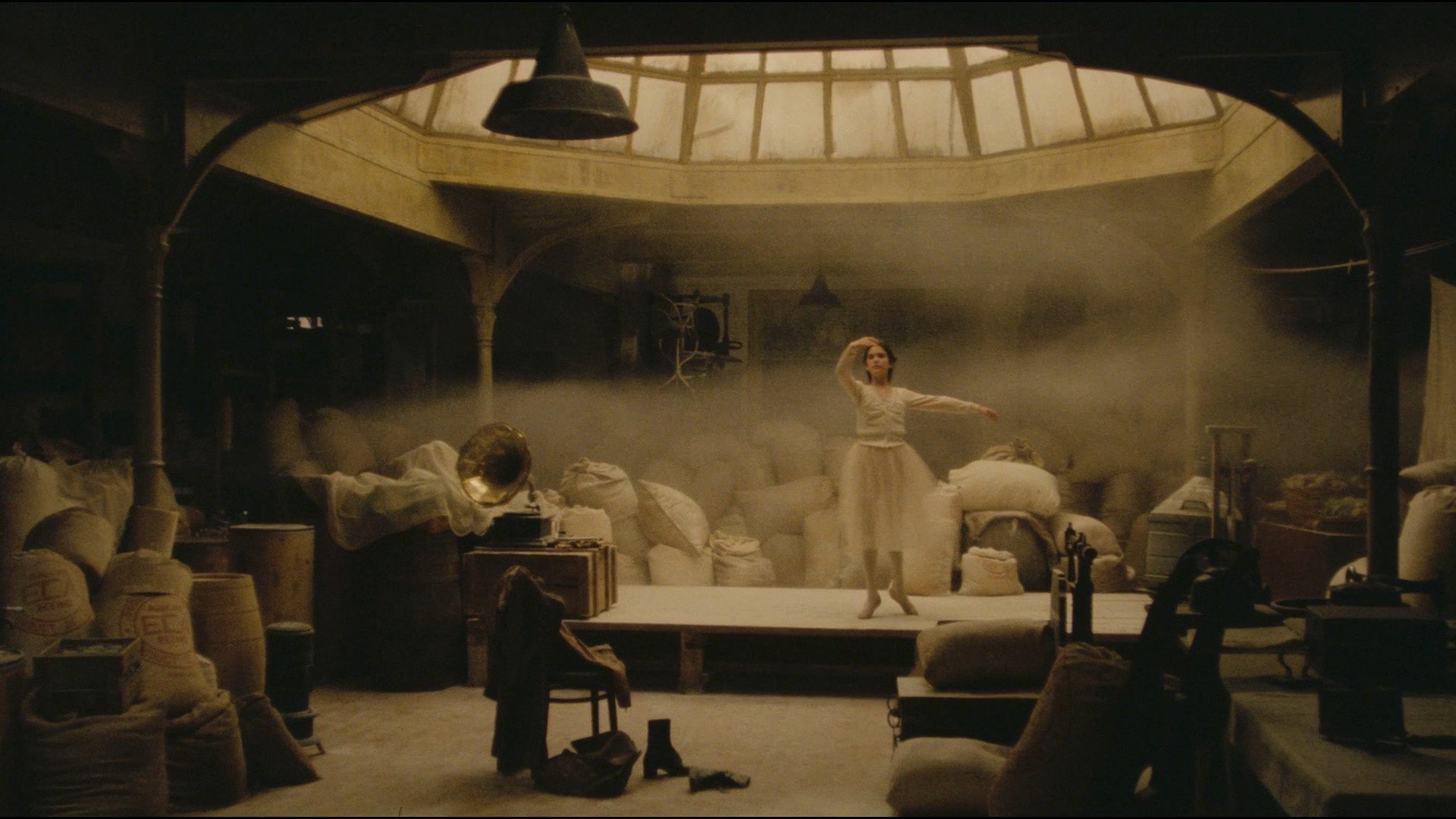
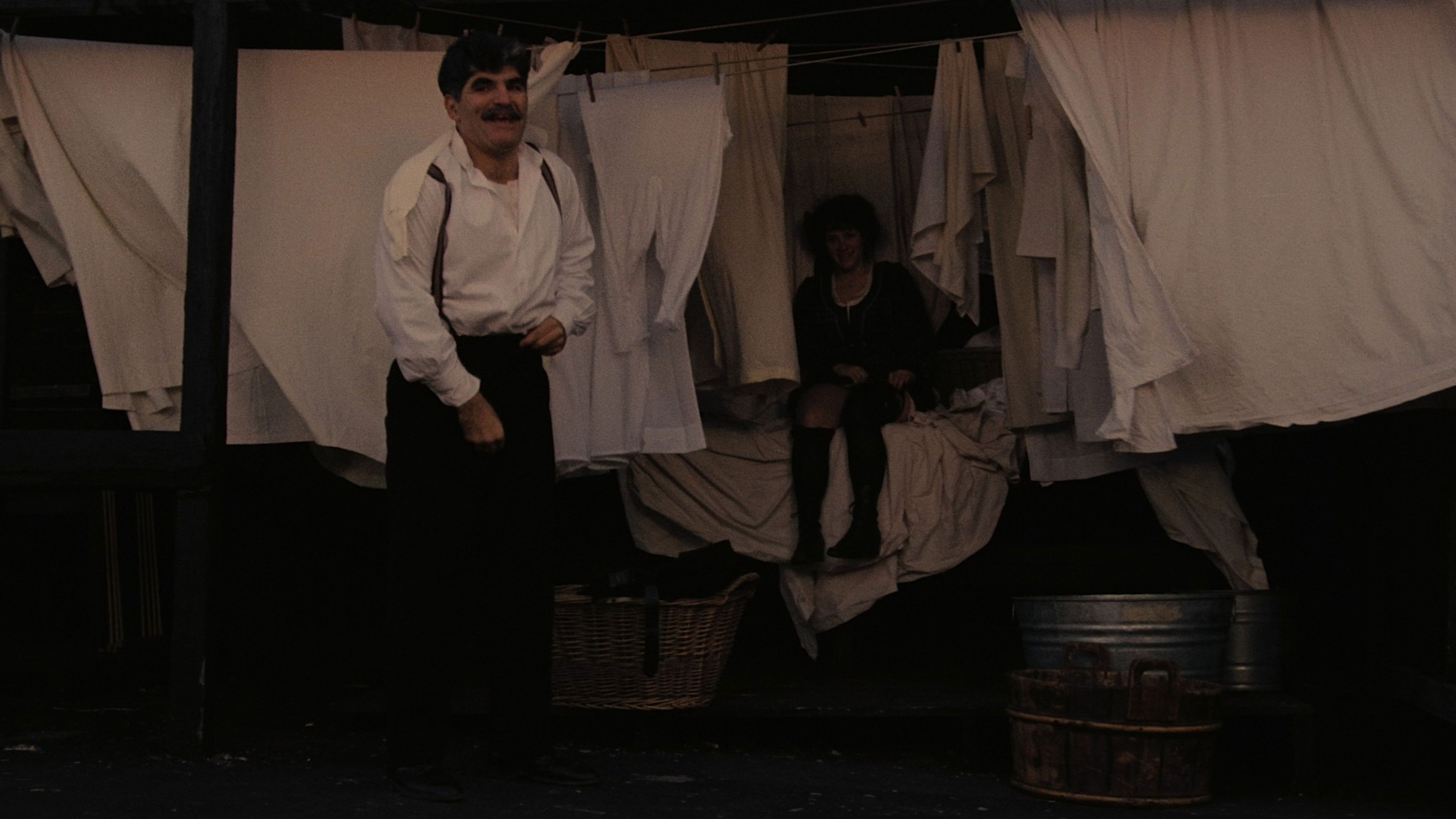
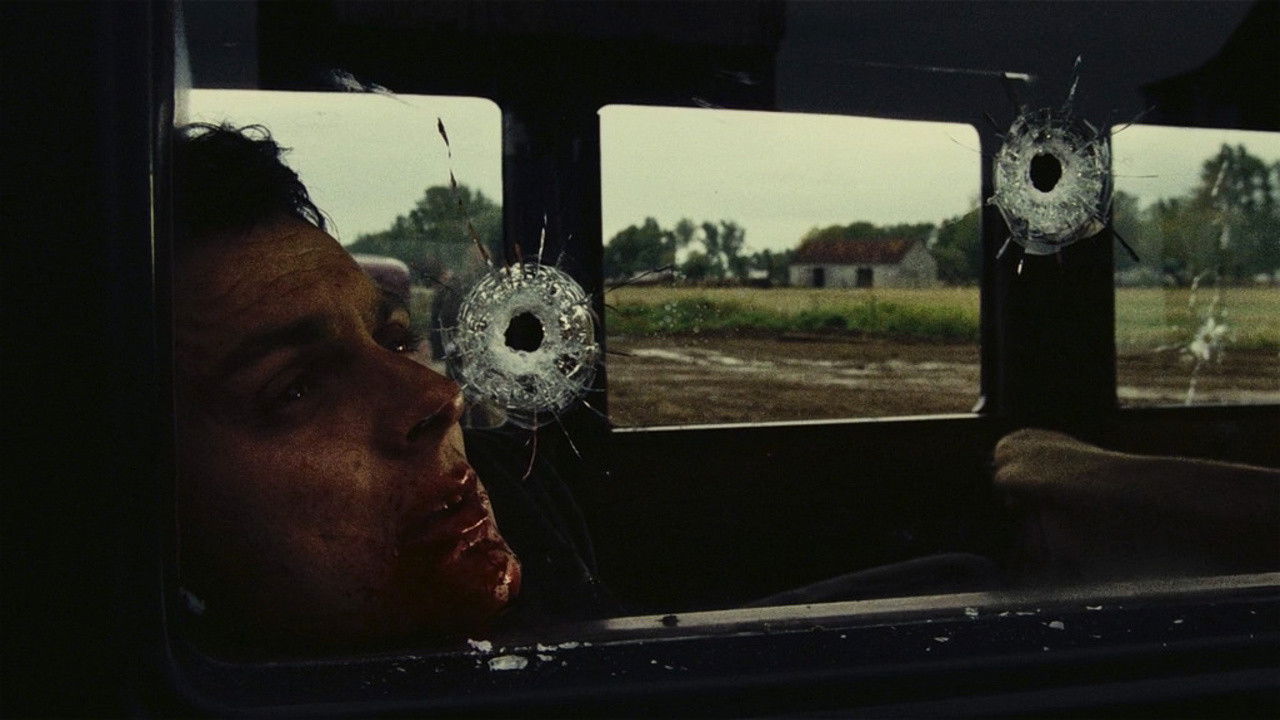
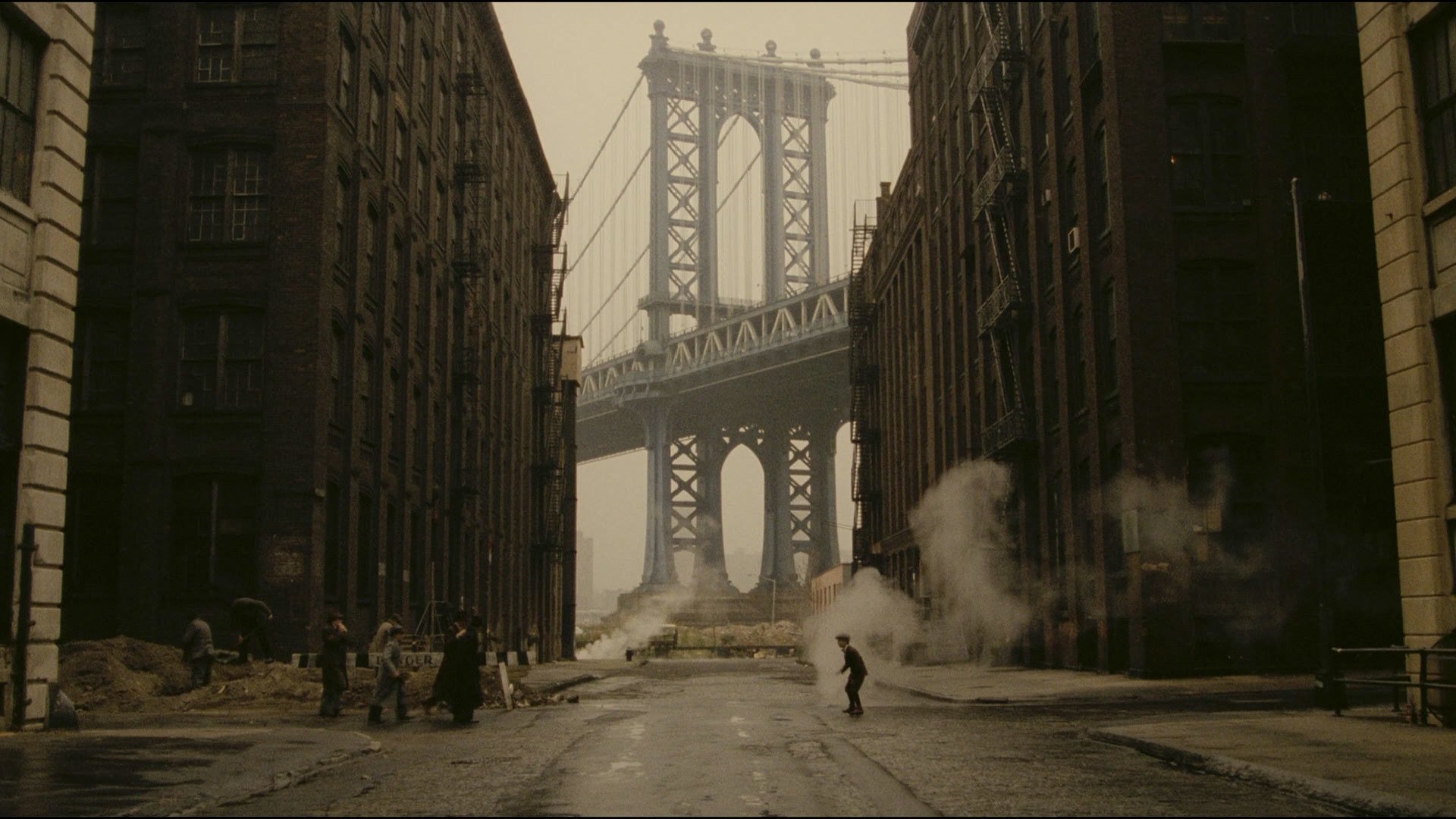
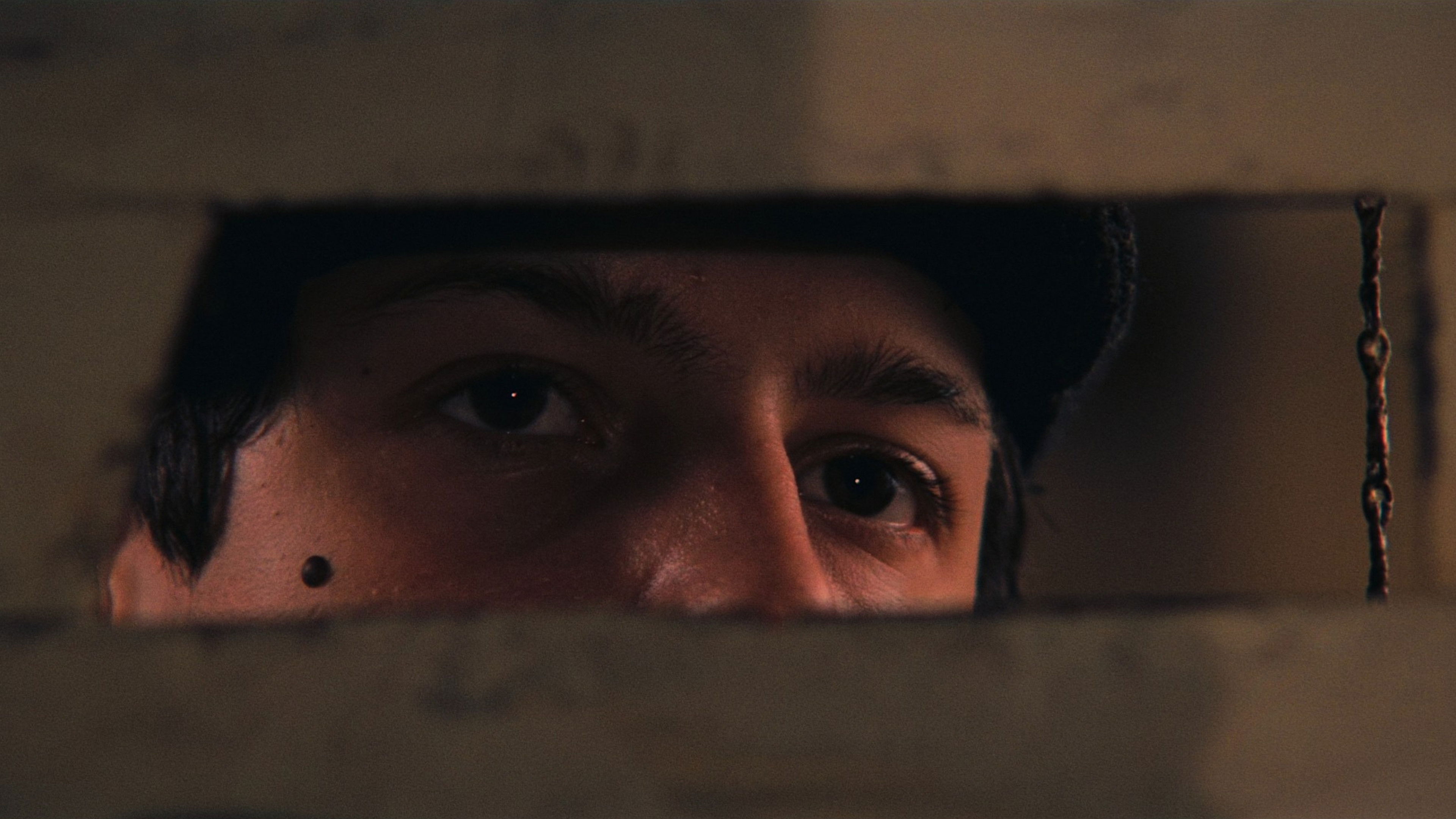
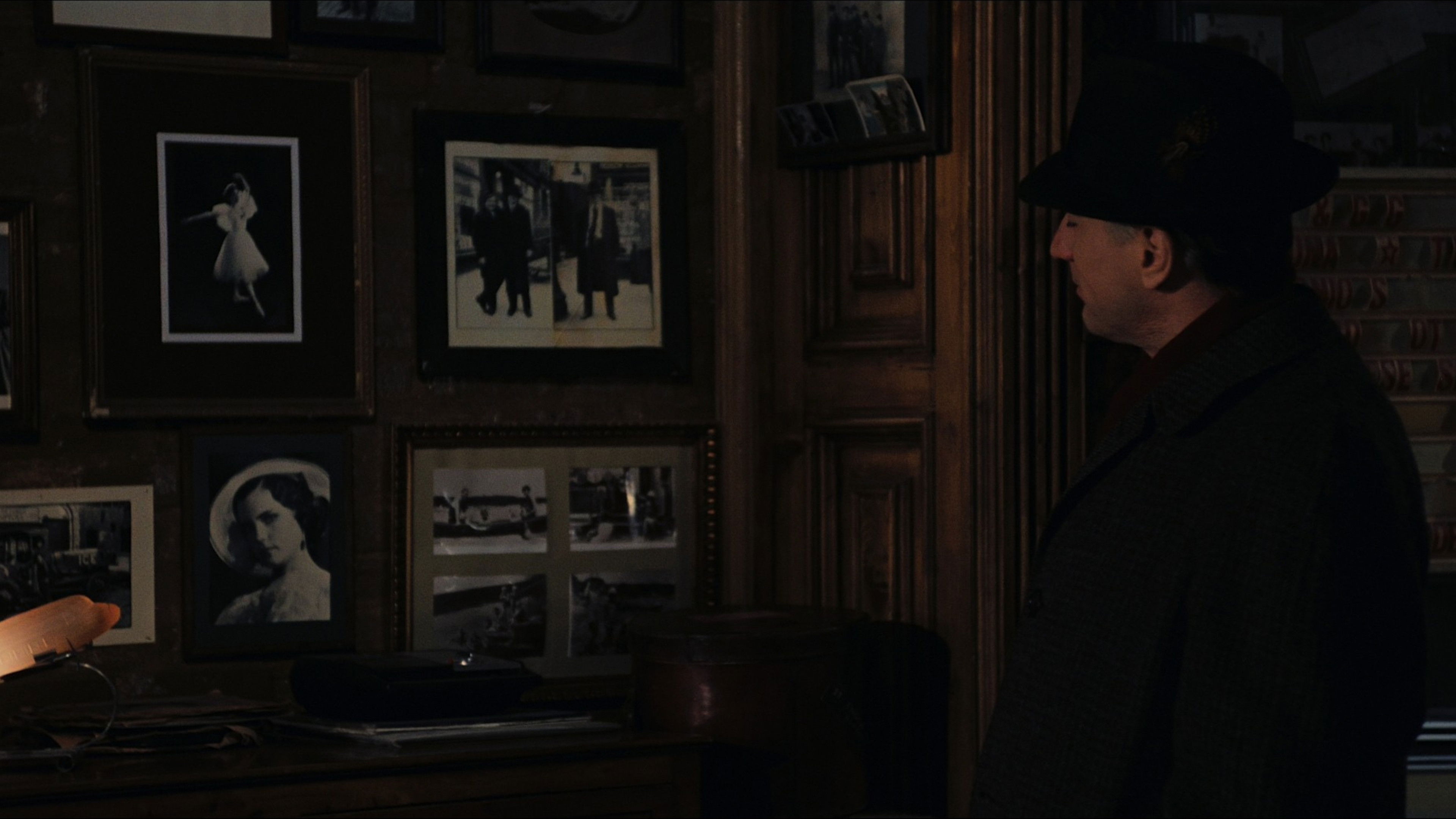
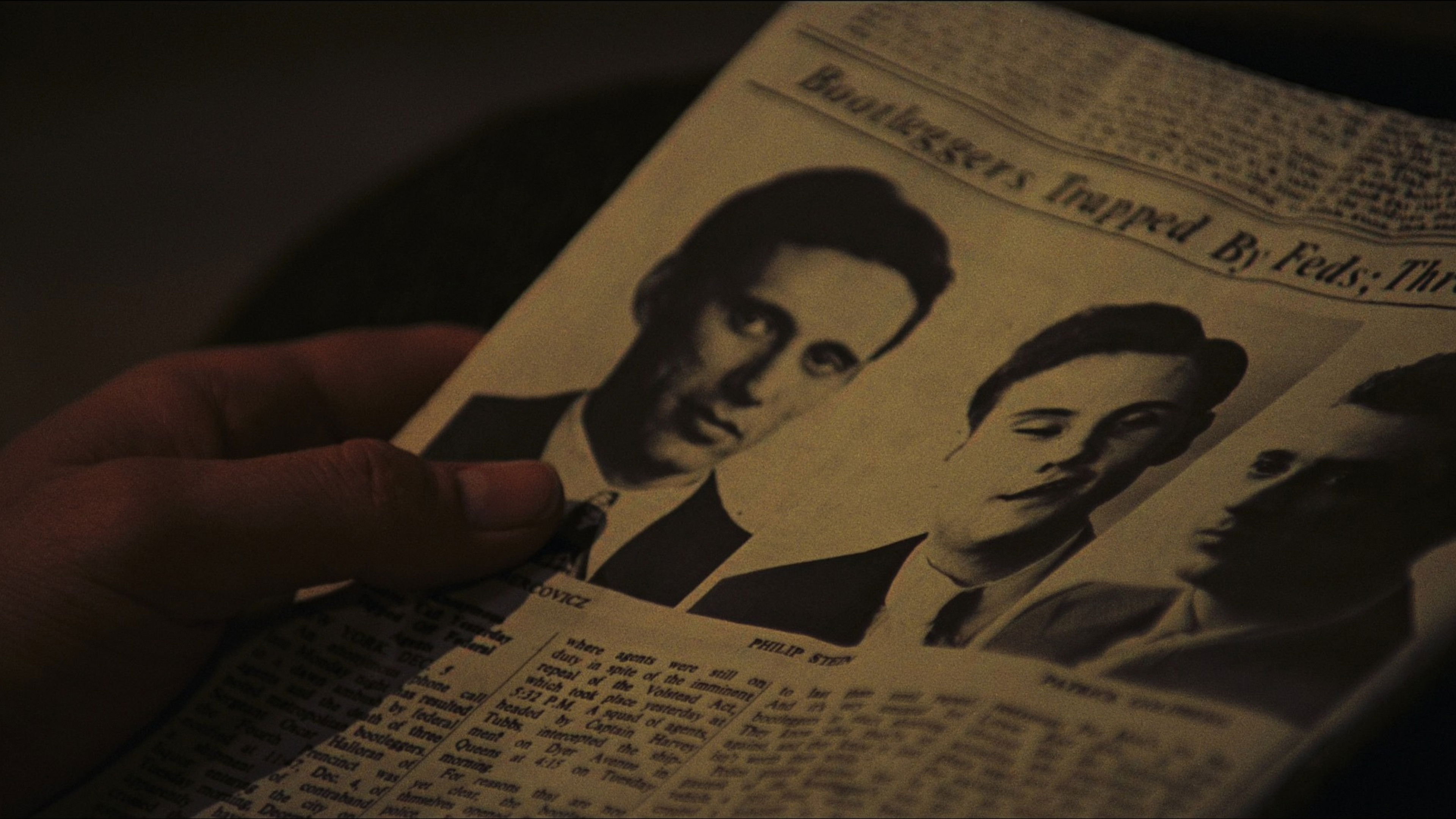
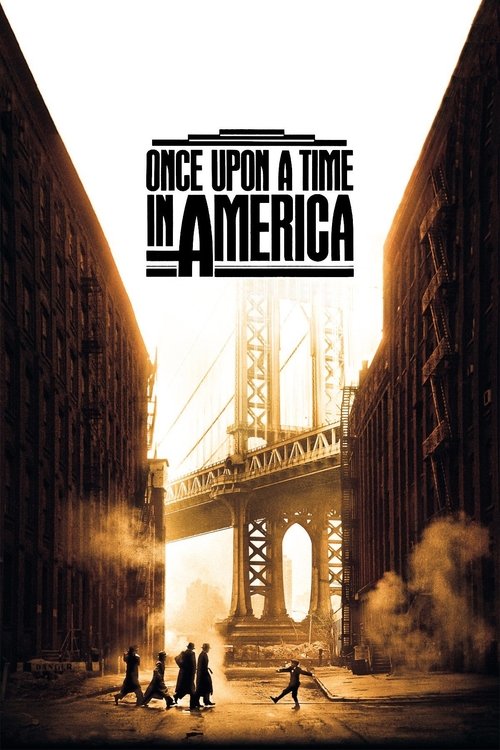
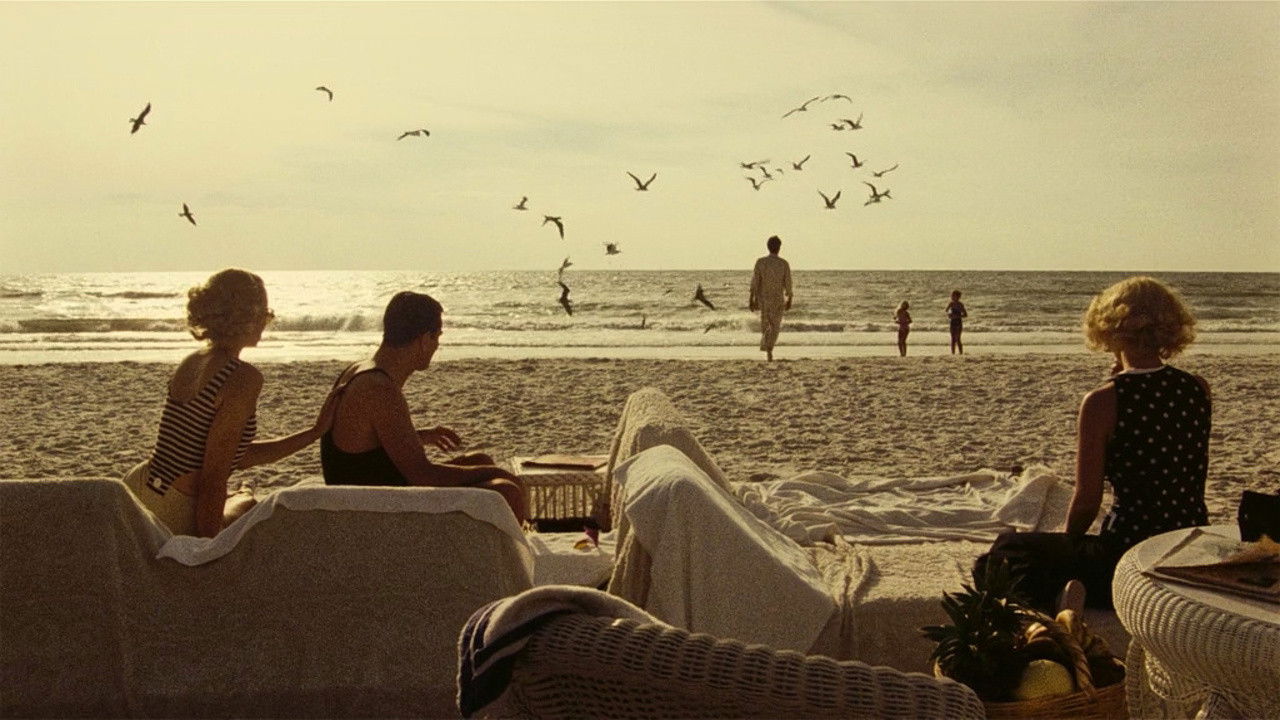
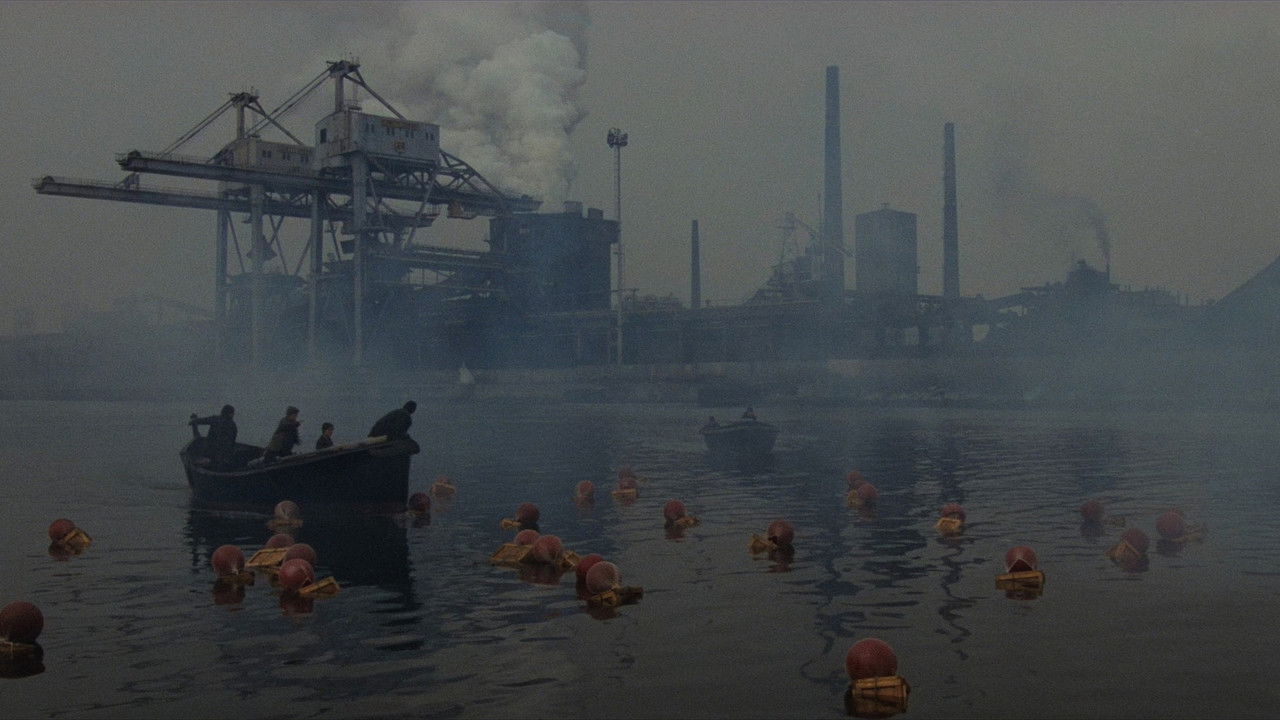
A key feature of the film I loved was the cinematography. In the first hour, each shot looks like a piece of art. When we first see the busy streets of New York, the camera slowly zooms out to show the whole scene and contains a grainy texture that feels distinctly authentic and nostalgic for a flashback in a period drama. Other shots are more simple, using wide low angles to exude the city’s sense of graduate and status against the young crew. I also loved the use of natural frames, such as bars when noodles was arrested, or the reoccurring motive of compositions through a key hole. Objects are also used for transitions, such as the scene with the suitcase which seamlessly transports us back in time. Leone does not simply use Cinematography for aesthetics and creative flair, and takes care to ensure all shots hold serve hold significance for the character and the story.
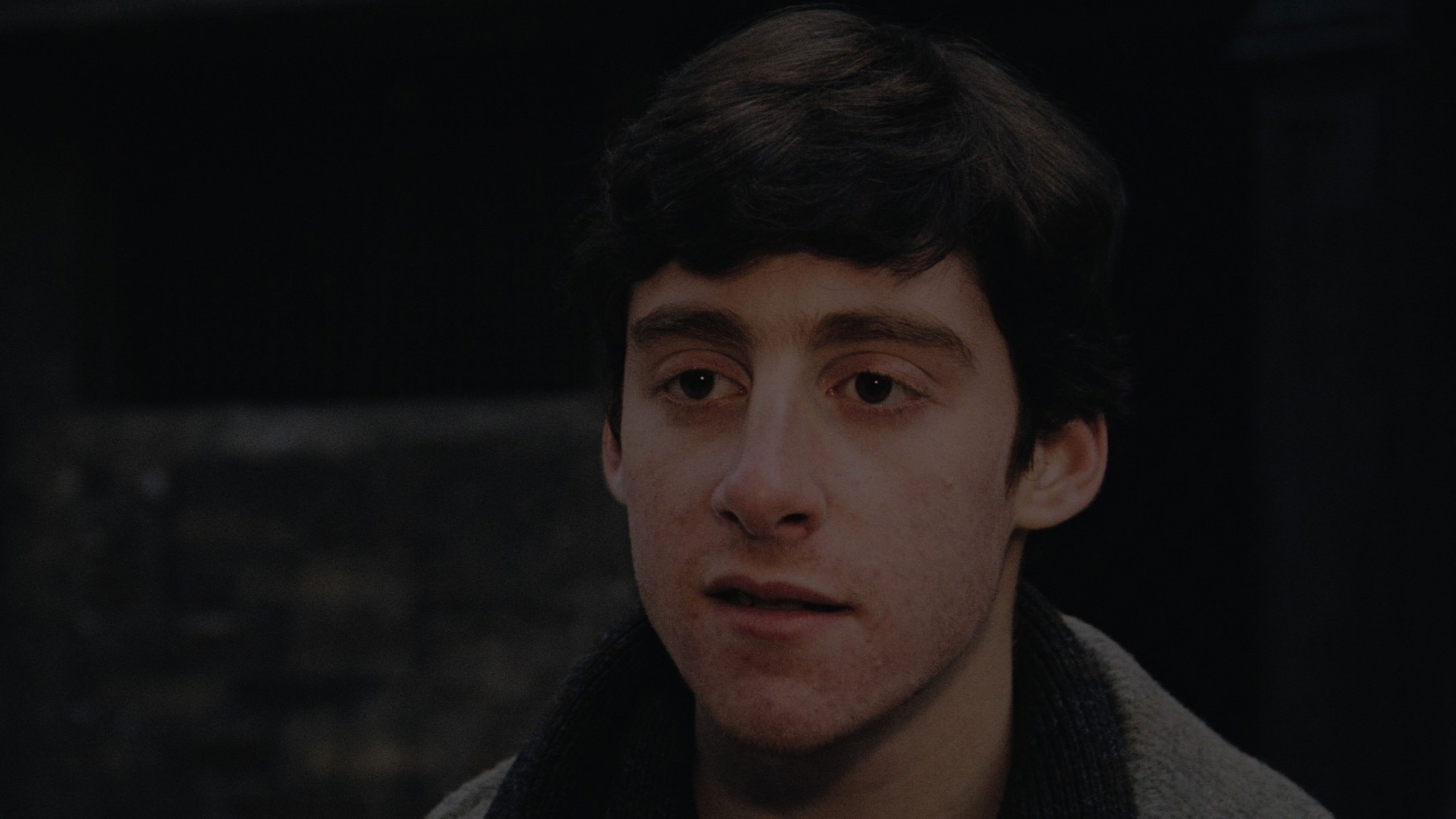
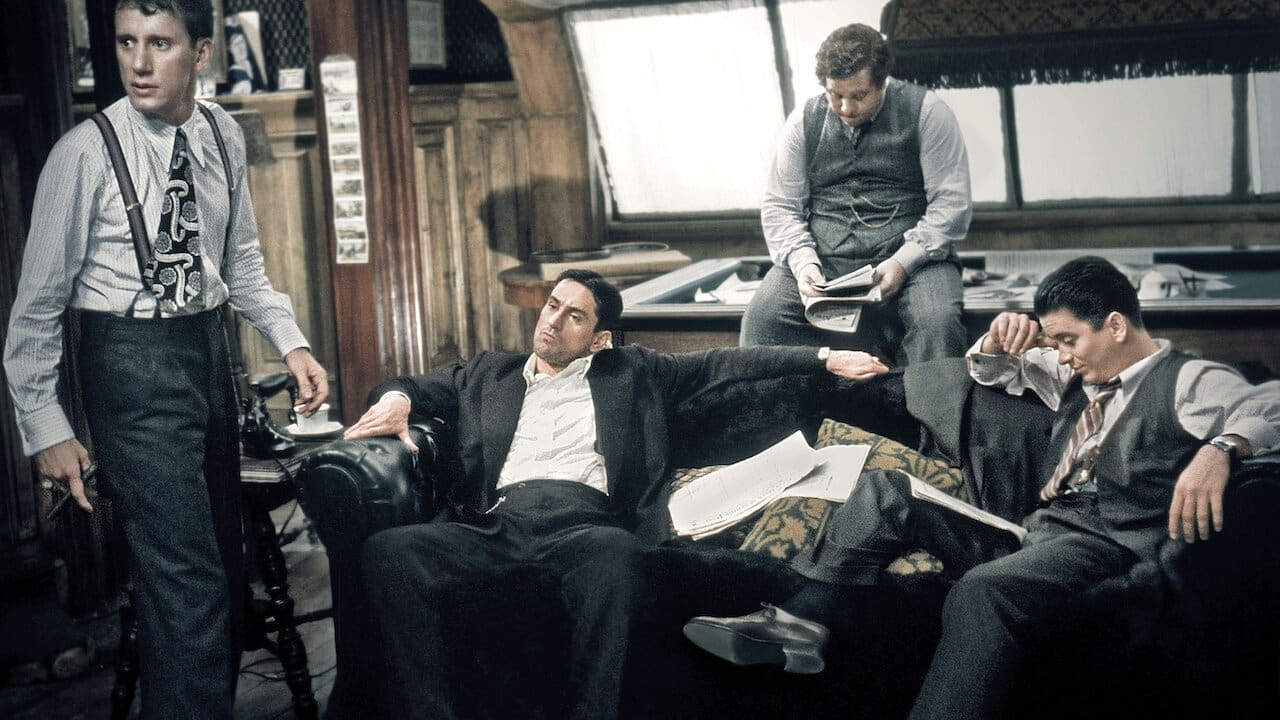
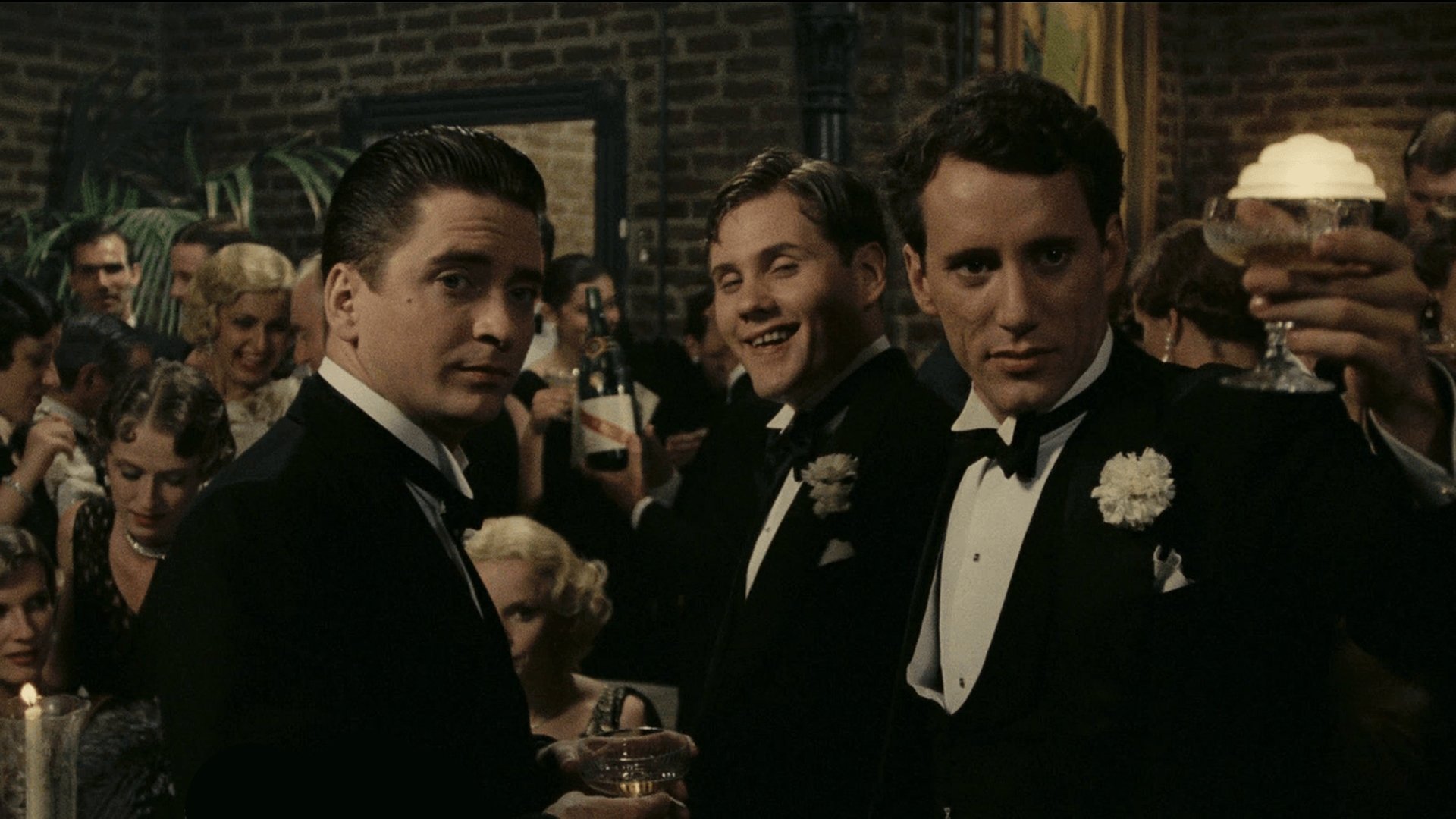
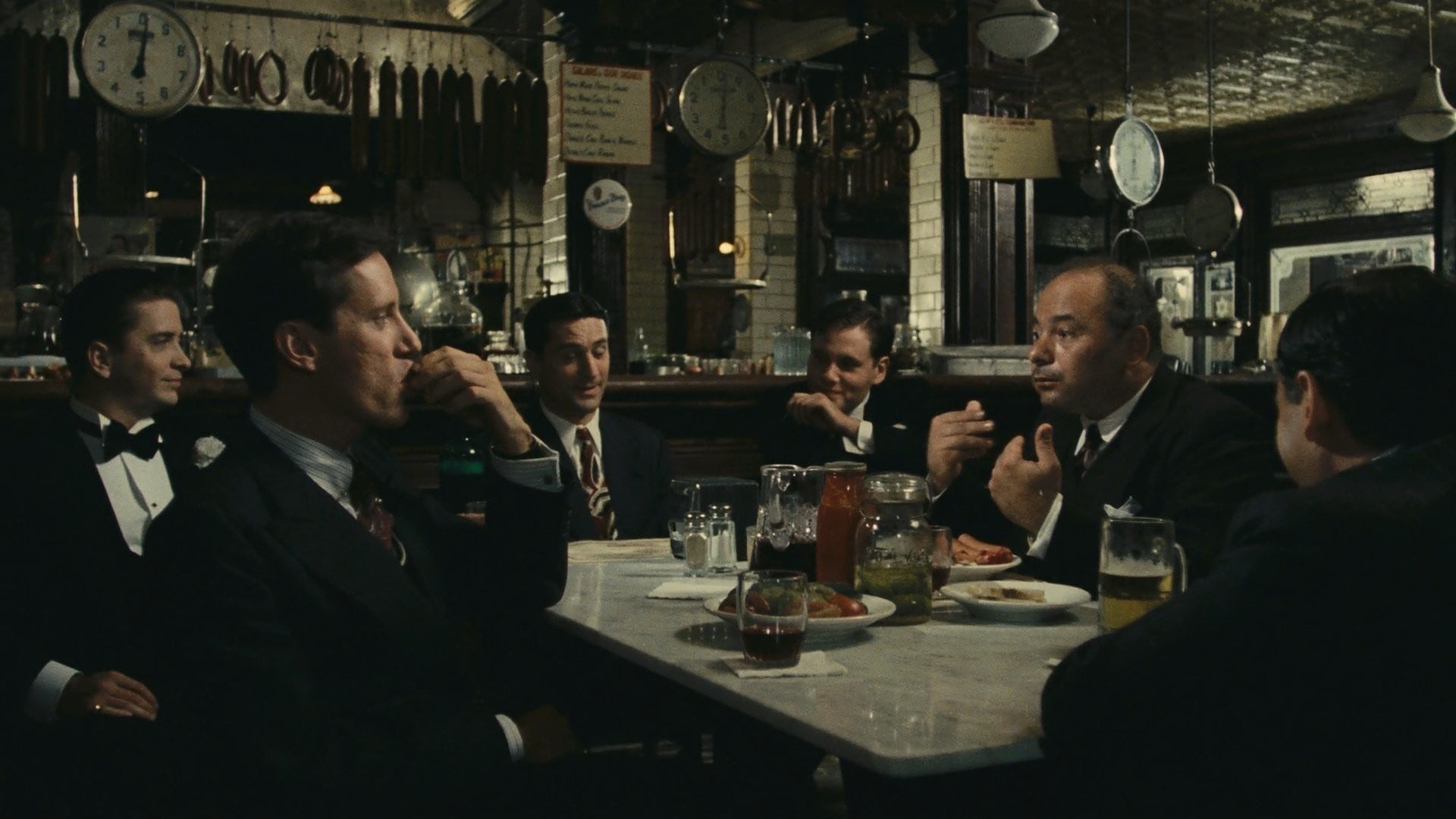
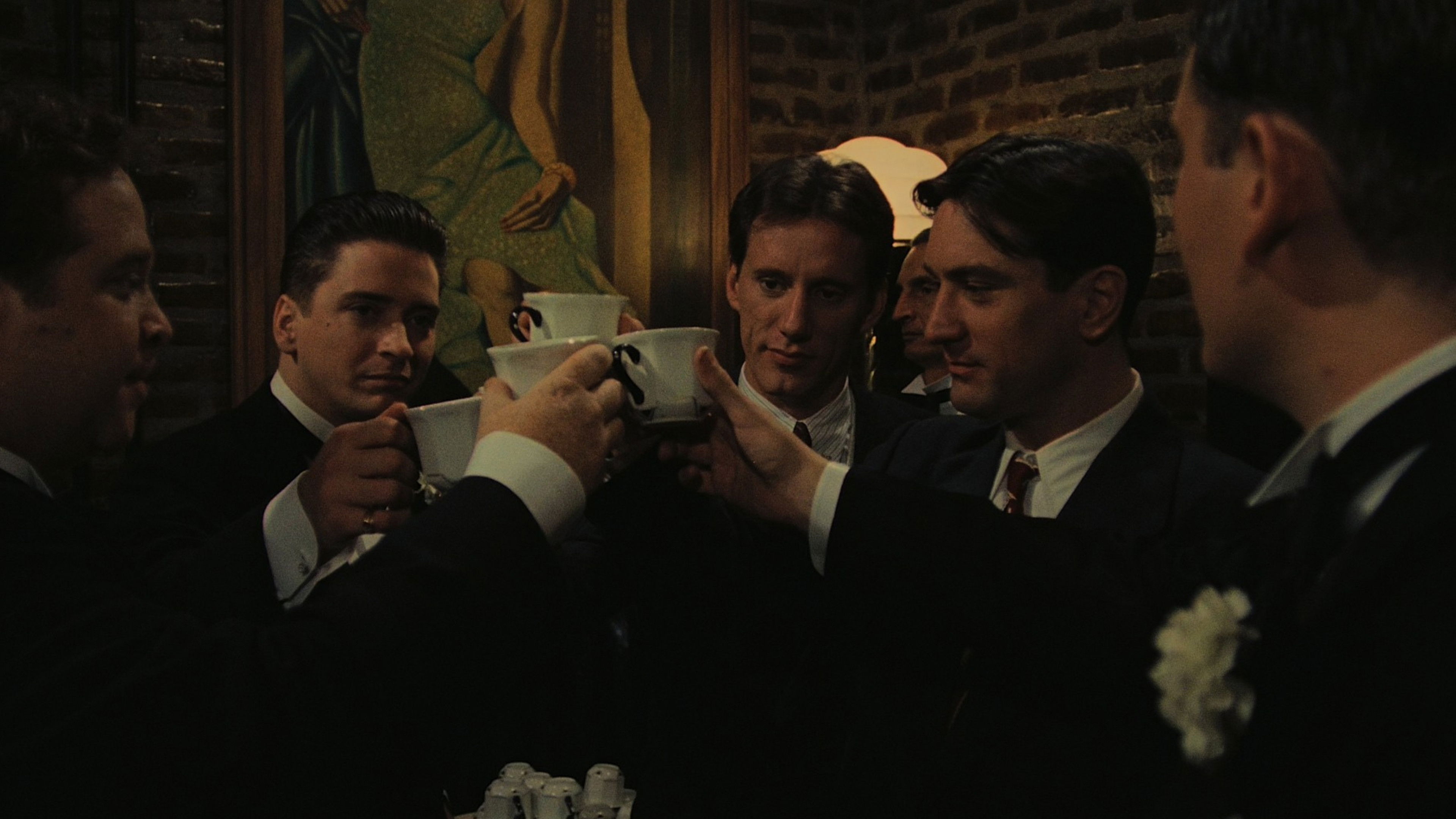
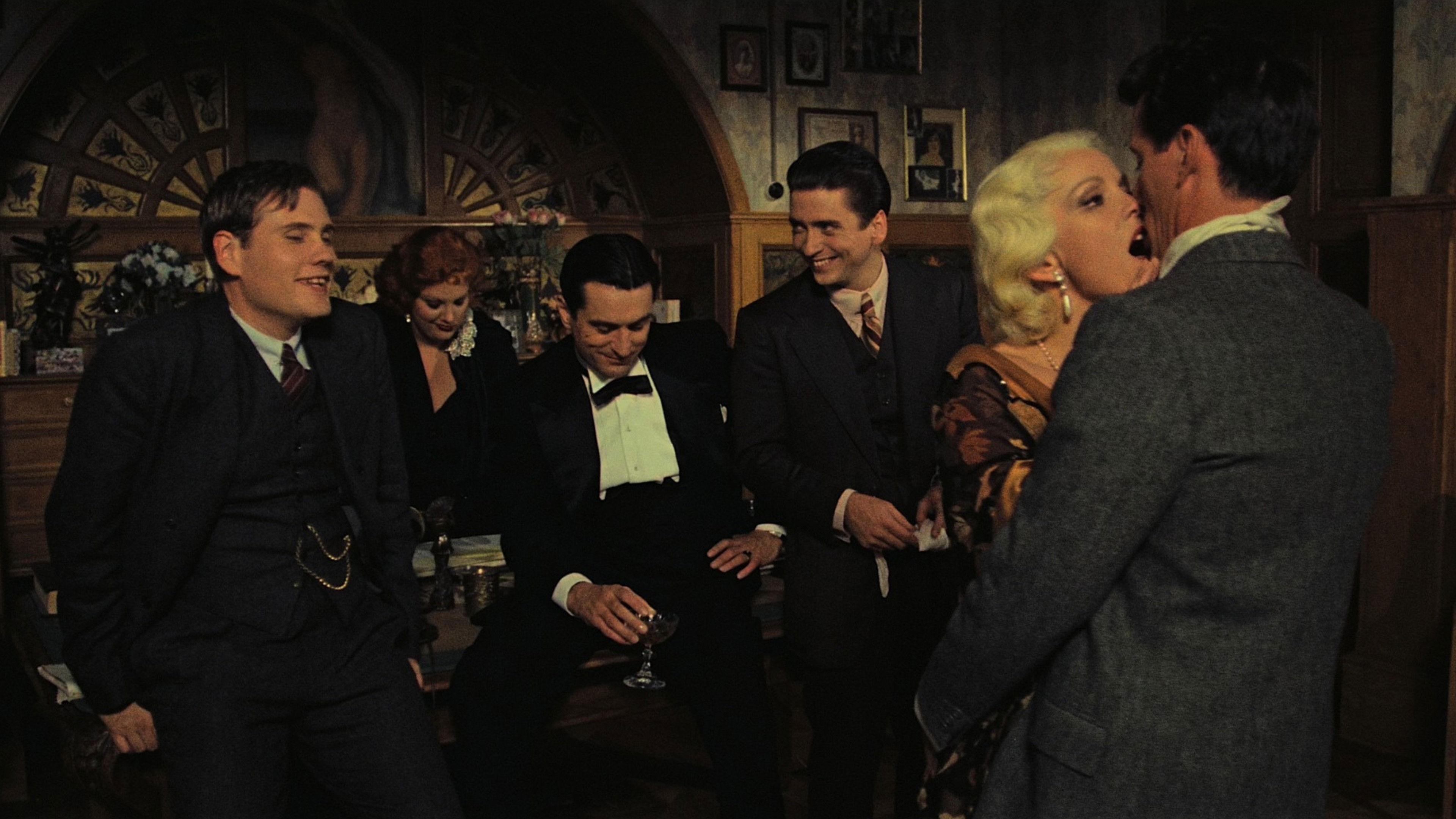
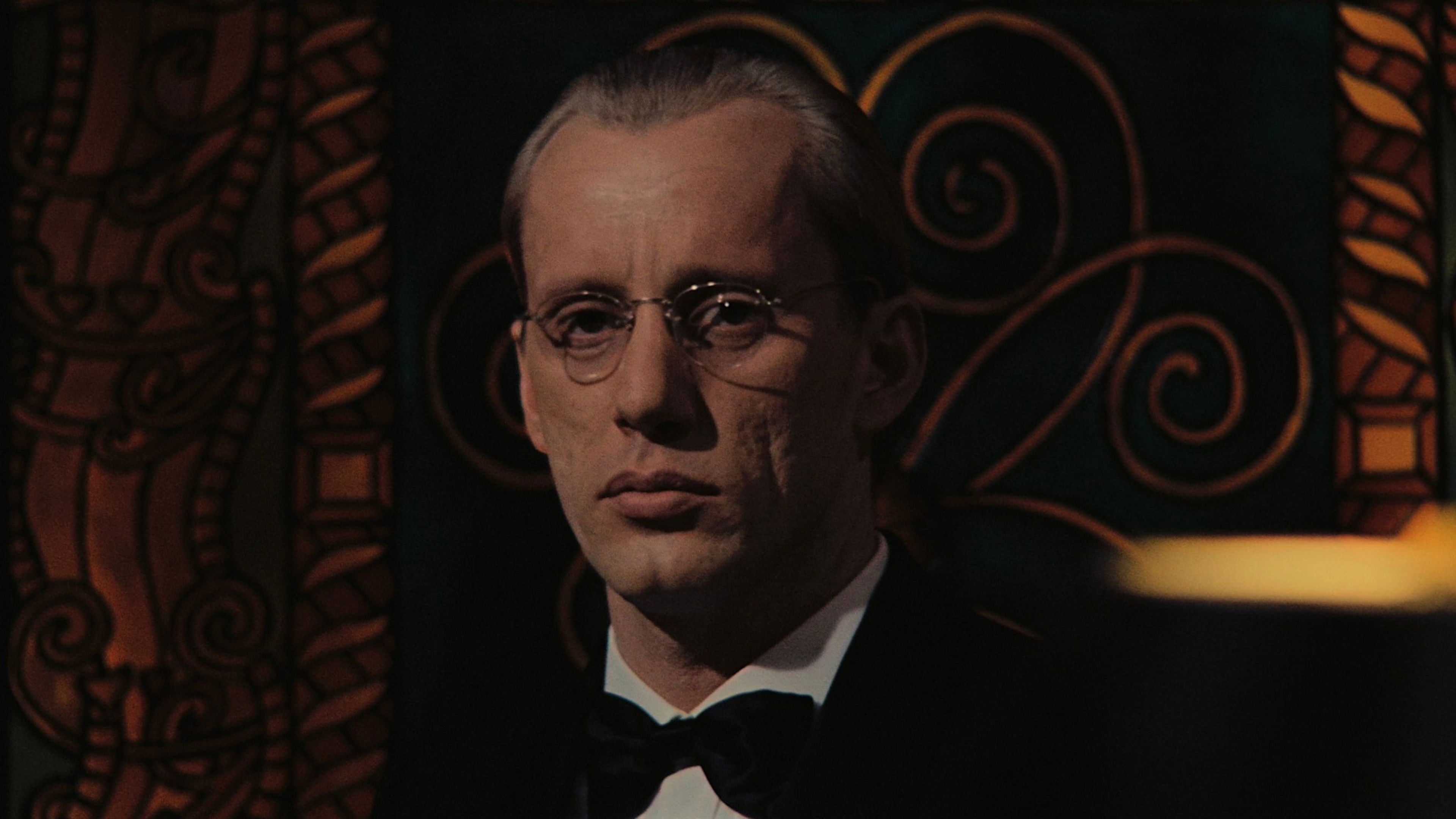
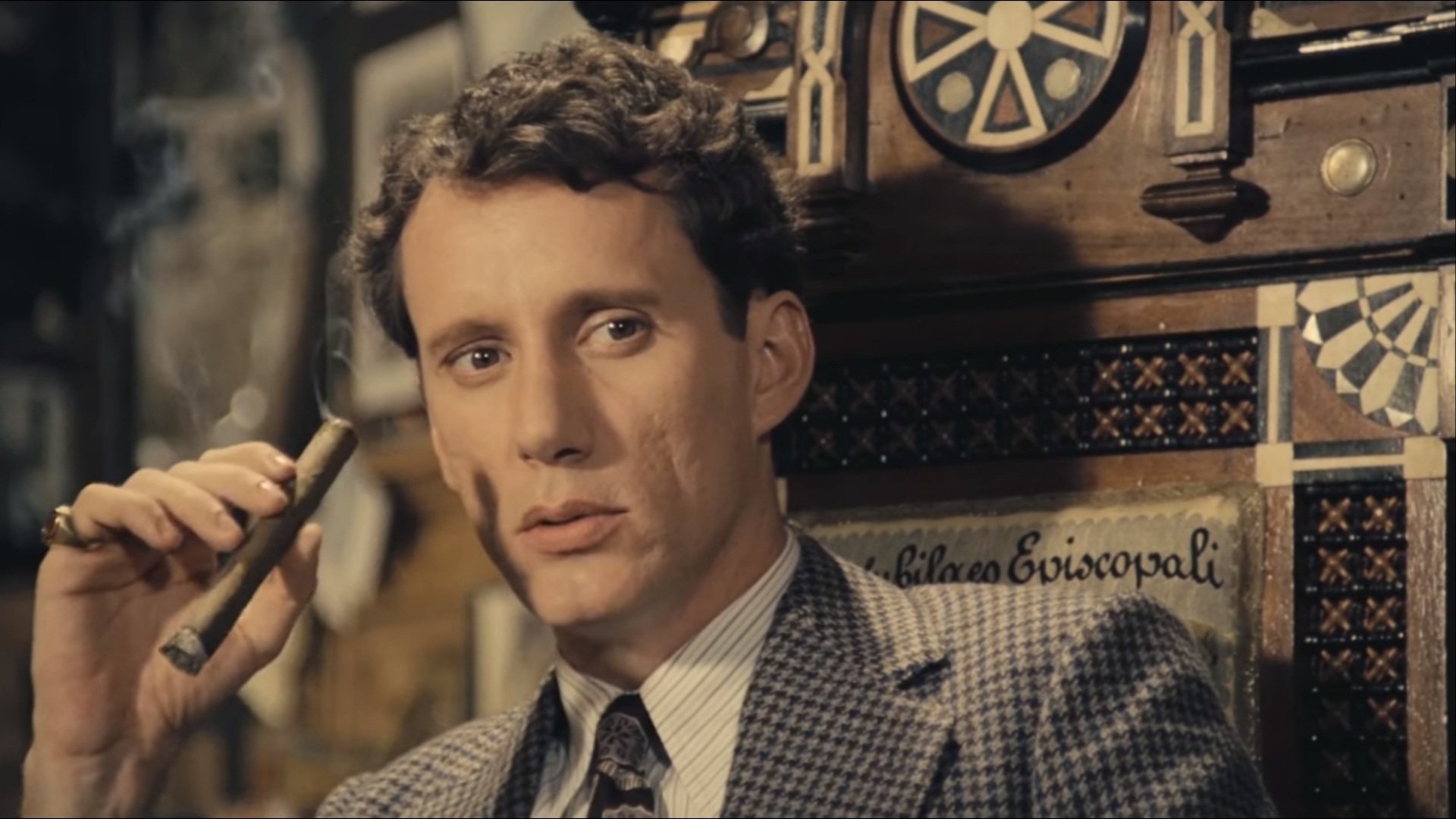
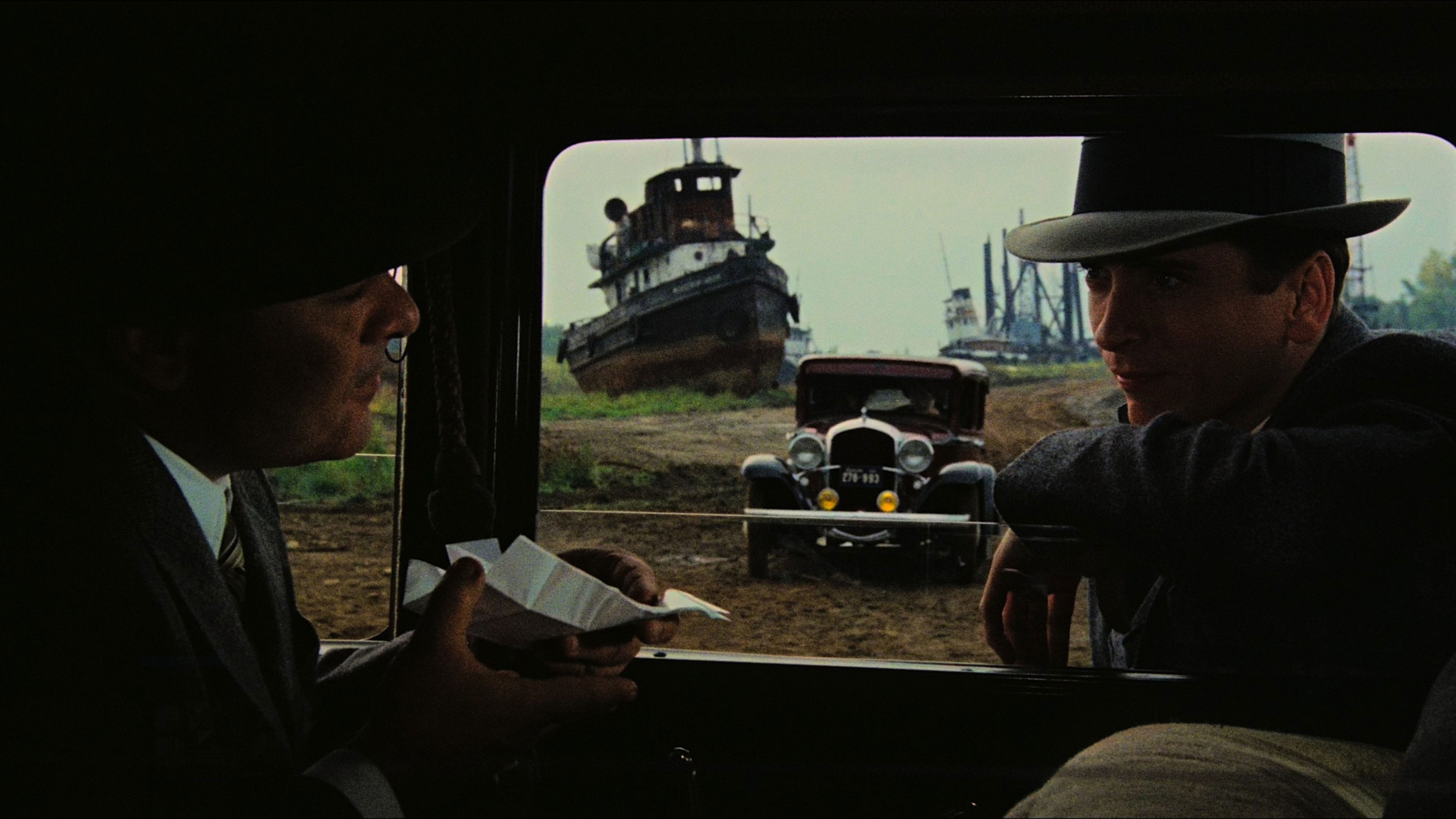
I also loved the films treatment of characters. Central to this is the dynamic between Noodles and Max (James Wood). Act 1 shows how they became friends, overcoming hardship, rivalry, and jealous, before realising their commonalities. In Act 2, we slowly realise Max’s repressed homosexuality and unrequited love for Noodles which clouds his judgment. This is mostly signified through scene composition, often positioning Max to the side where you can see attentiveness and wandering eyes. This technique also works to showcase their power dynamic and contest to be gang leader. Another key example is the meeting of Frankie. Noodles observes Max’s stern looks and silence and intuitively knows to not trust him, not overstep, and follow Max’s lead. It’s a textbook example of characters portraying information without dialogue.
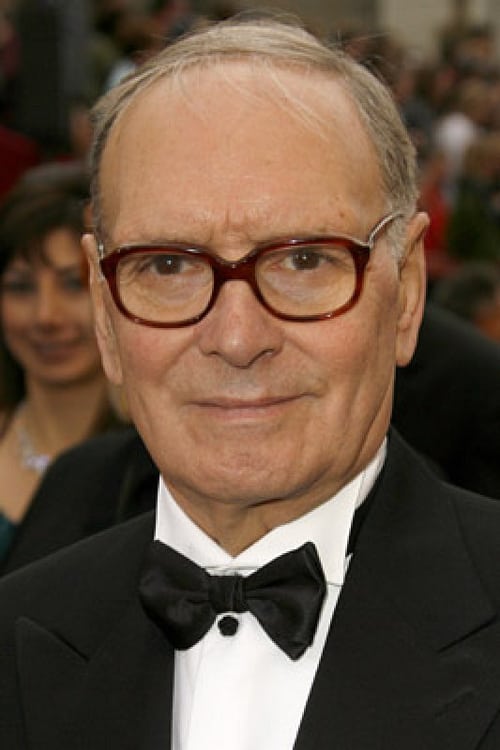
Another standout quality is the soundtrack which is beautiful throughout and hard to compare to anything else. Ennio Morricone uses variations of a central theme which are poignant but understated not overdone by emotional peaks. The woodwinds in particularly are haunting and align with the films themes of memory and melancholic nostalgia.
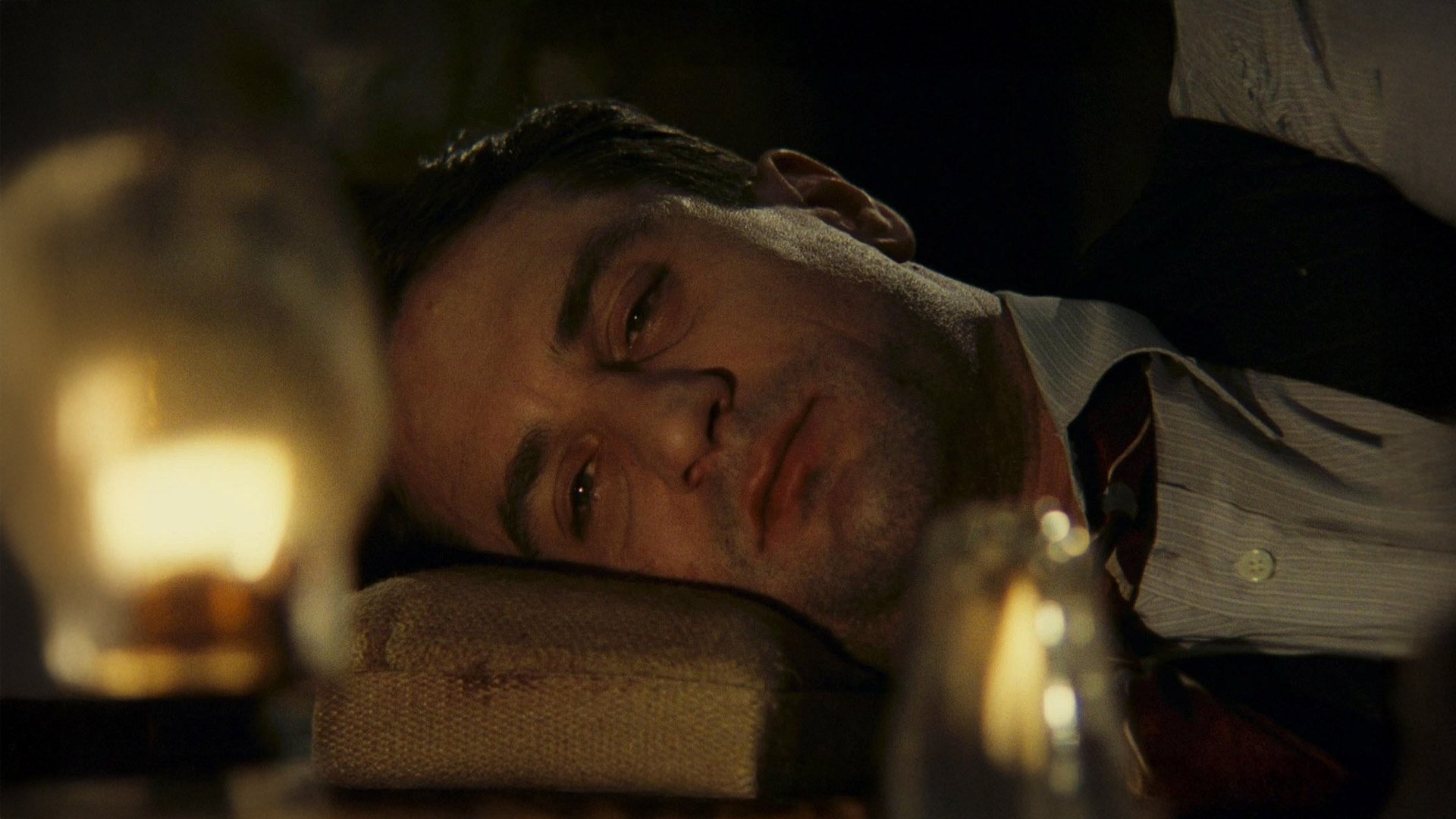
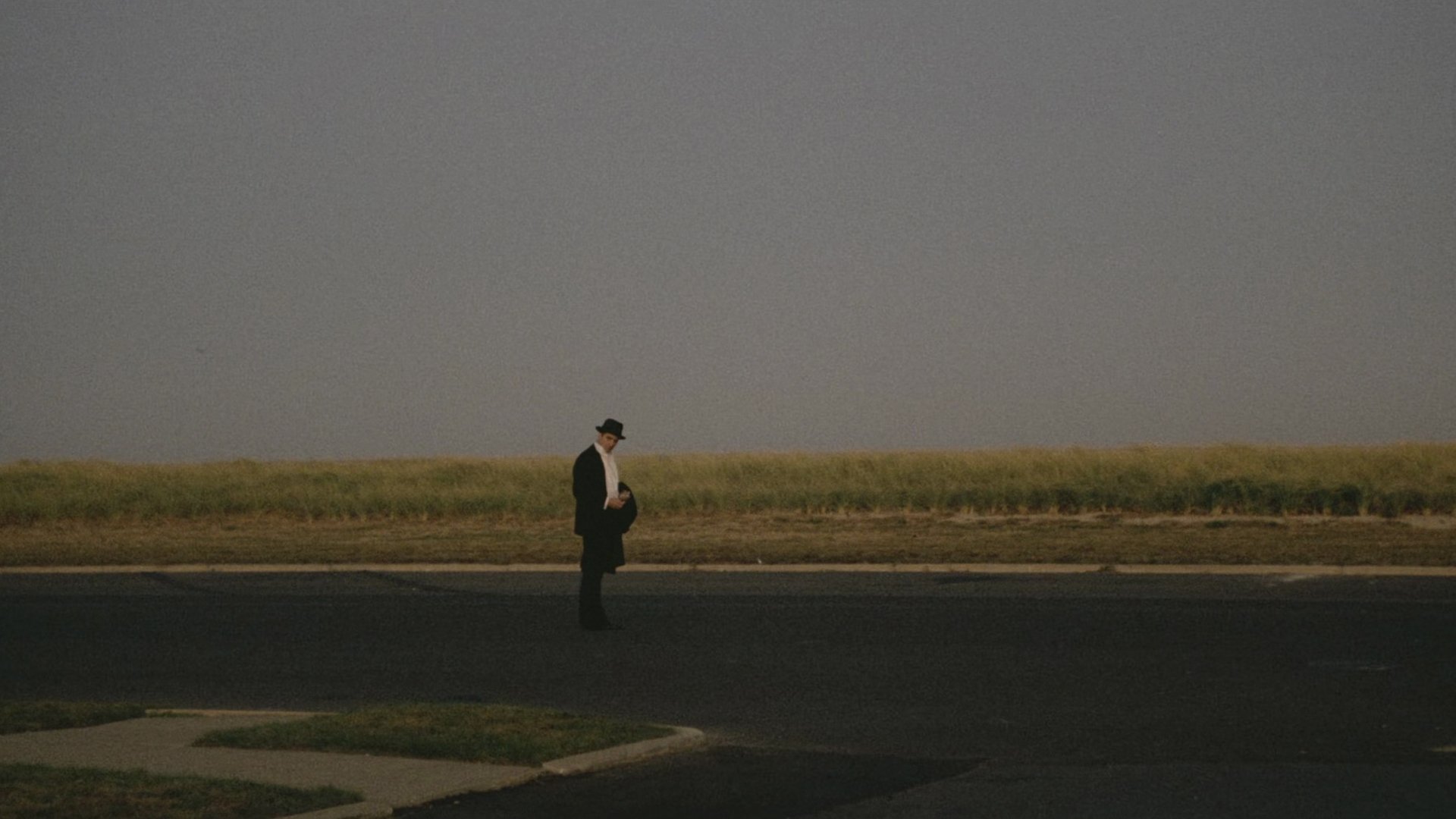
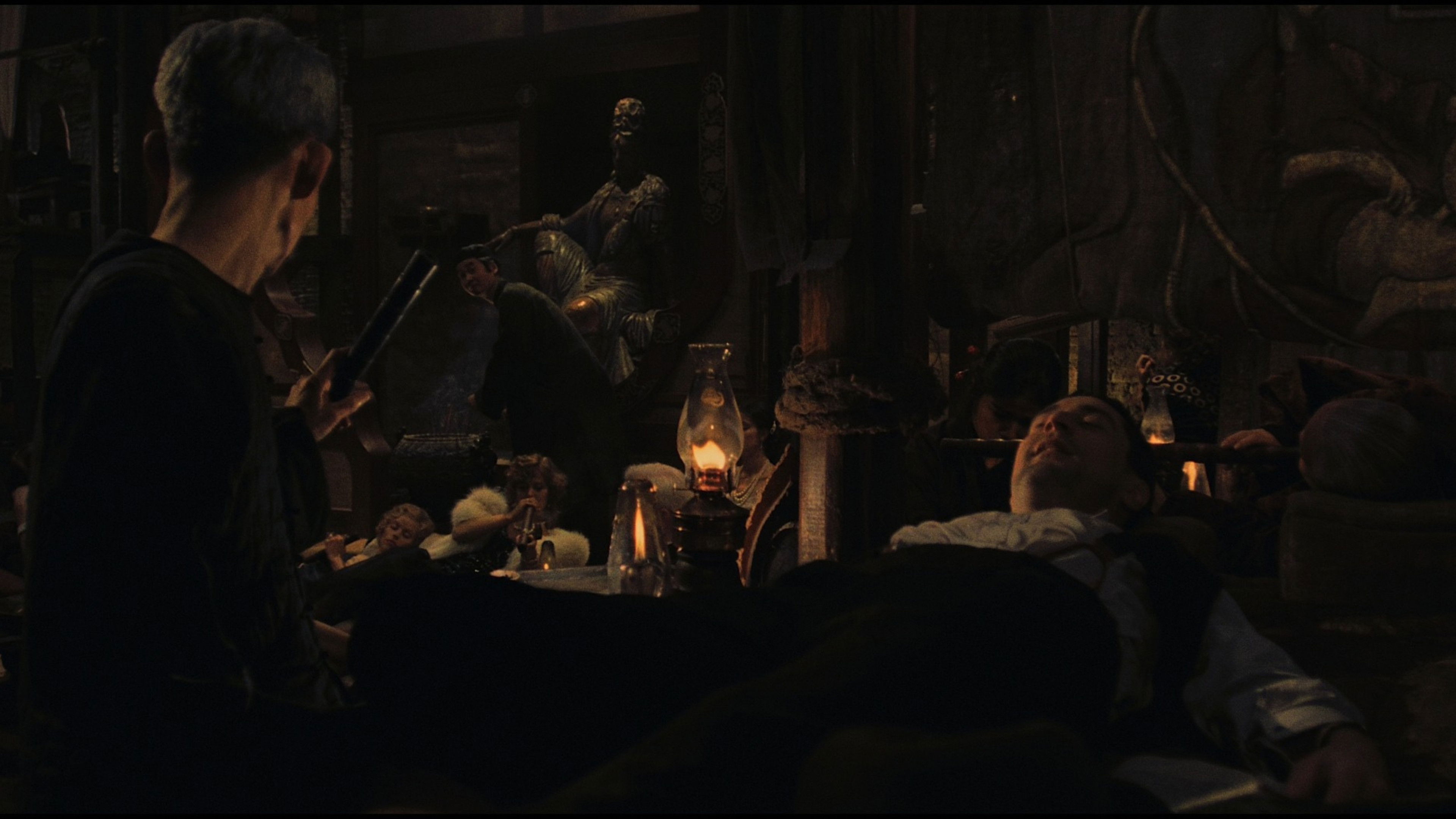
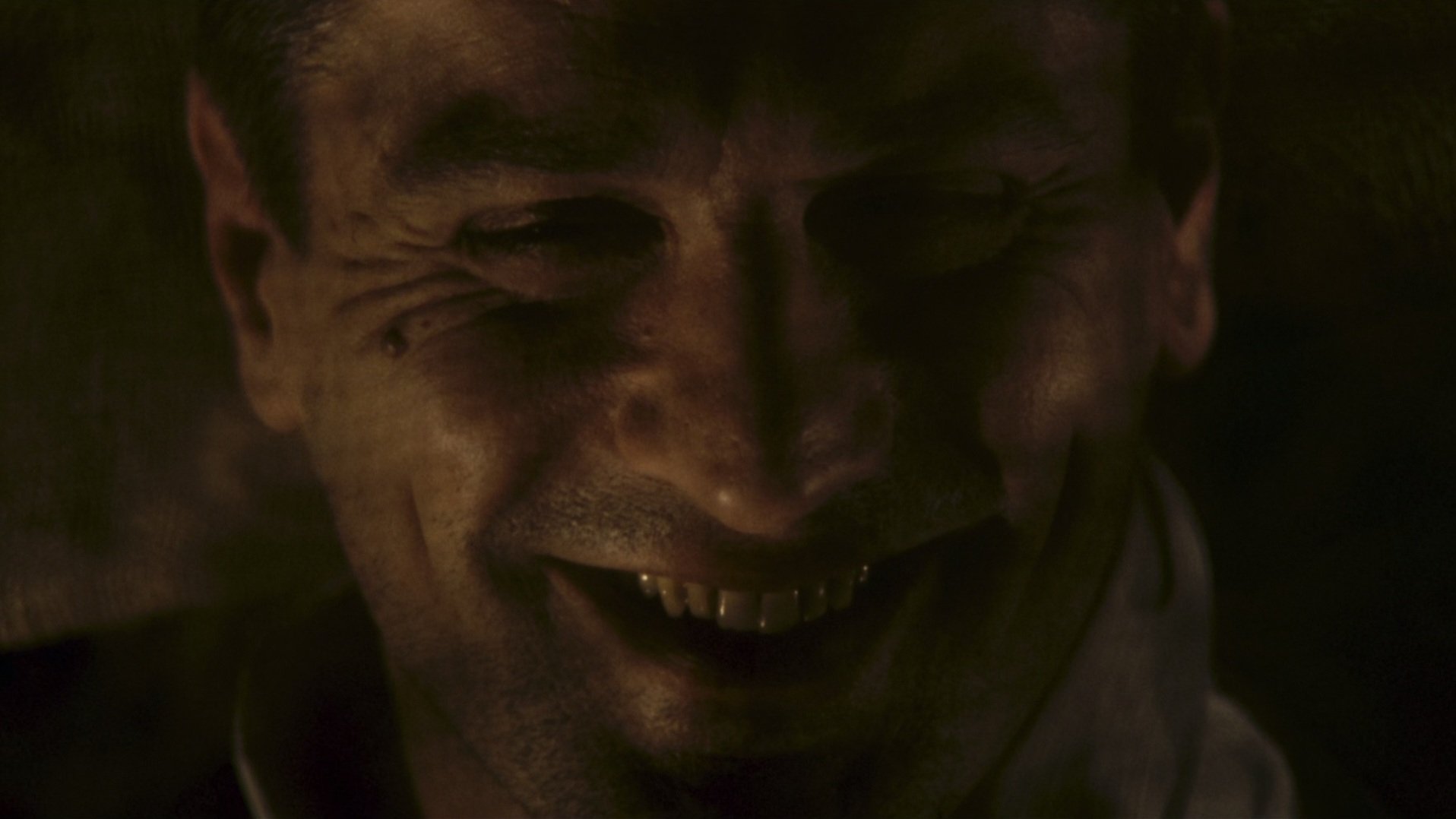
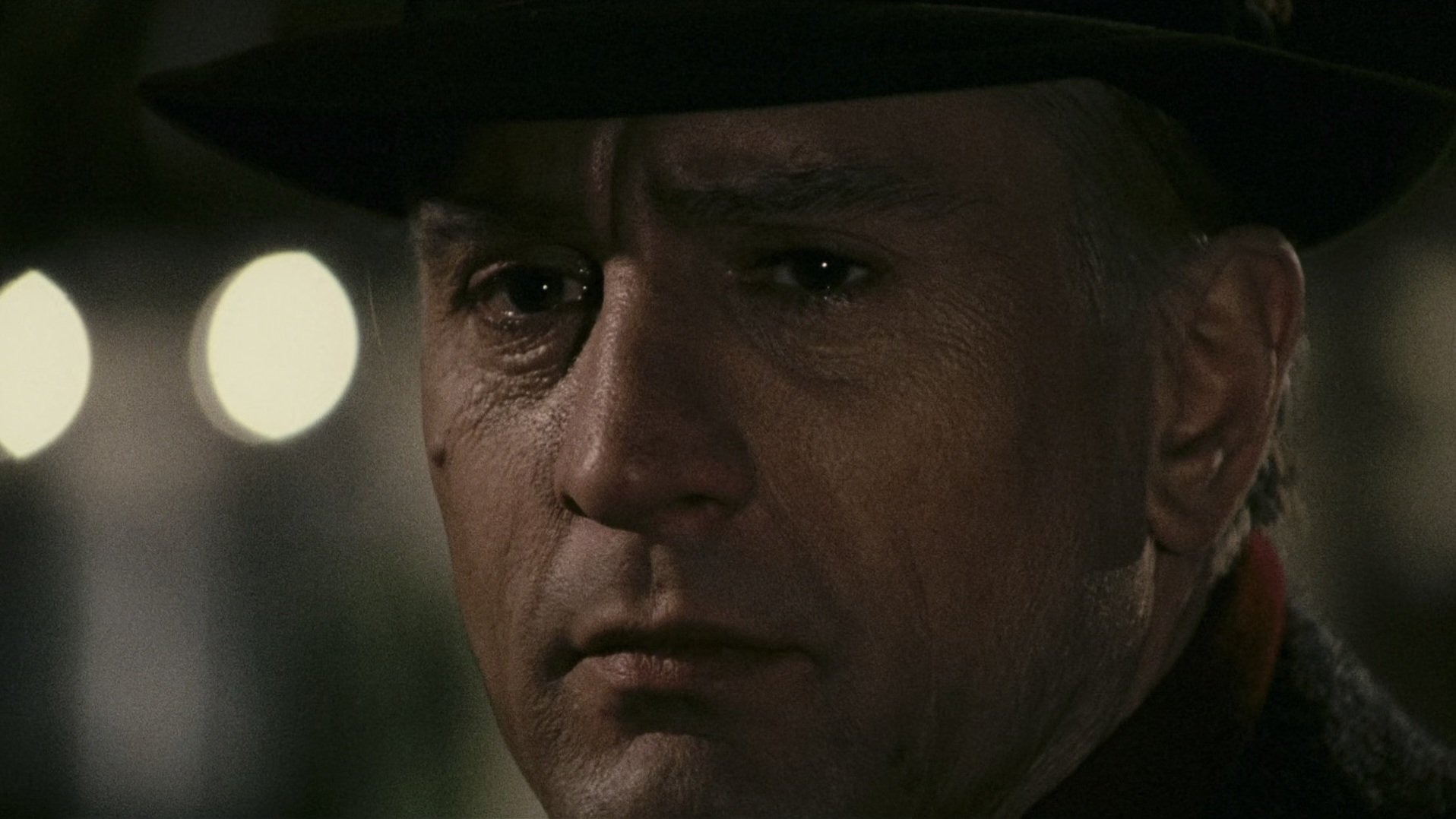
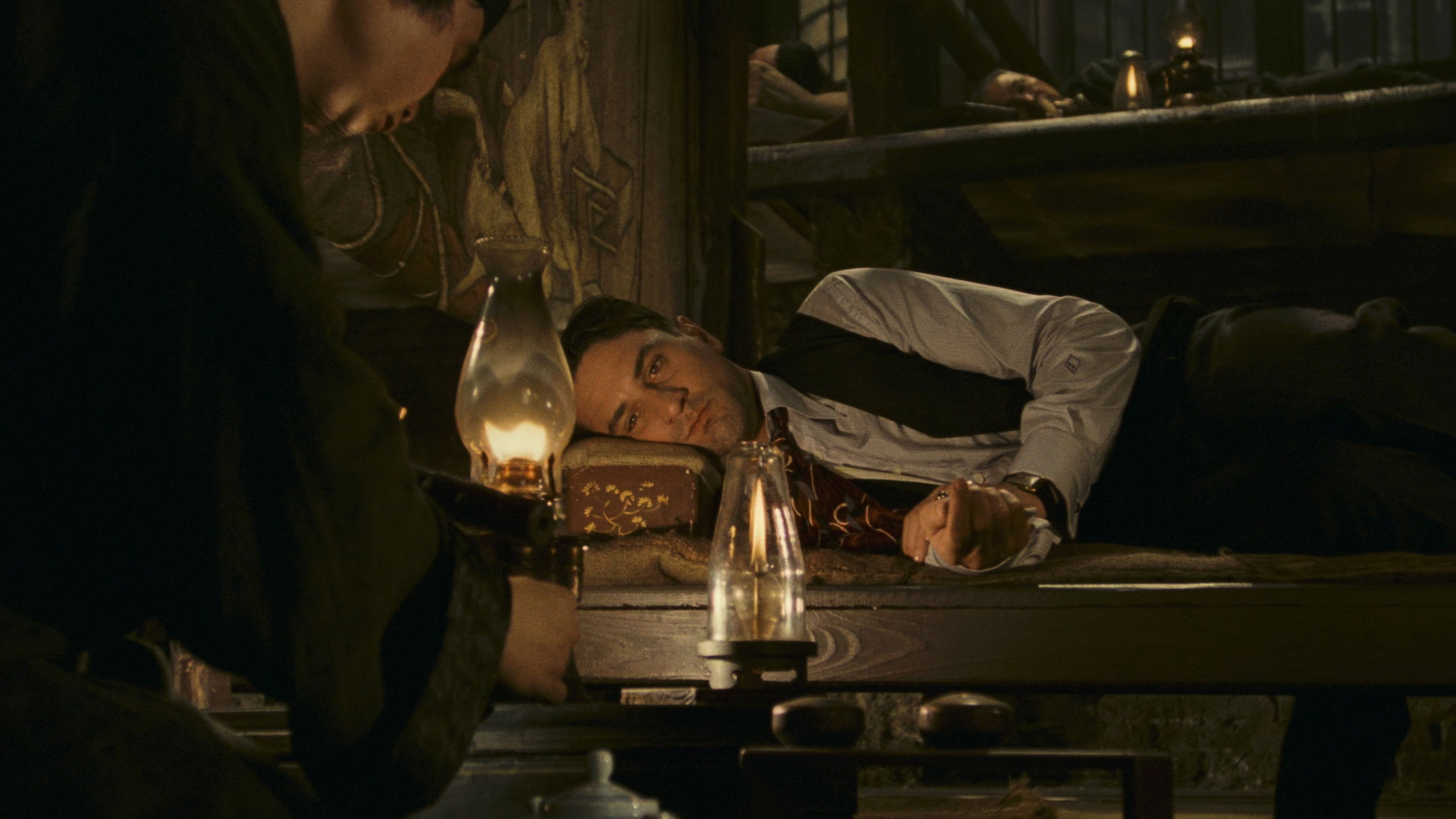
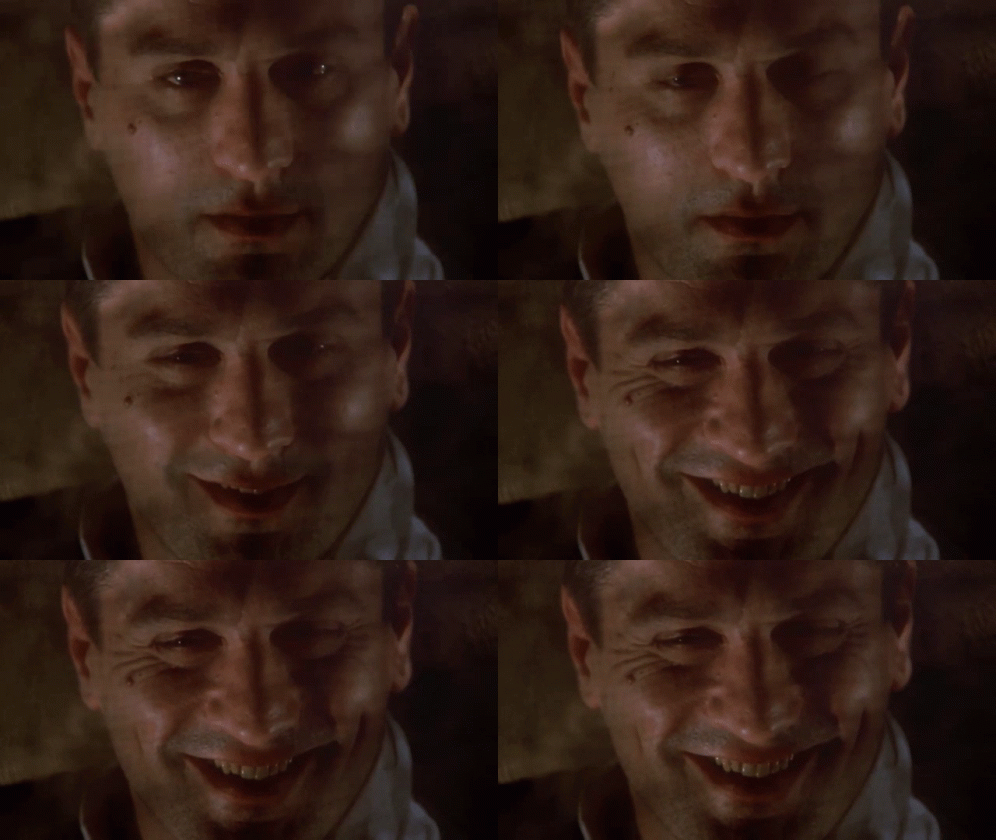
A final strength of the film is its experimentation with fantasy and surrealism. In Act 3, hints of the widely discussed ‘dream theory’ for the film become more pronounced. Noodles finds Deborah as a lonely older lady who never married, and Max admits faking his death and asks for forgiveness. The main theory is that Noodles turned to opium after selling out Max and assaulting Deborah, using the drug to invent a future in which he was forgiven and able to find closure. In the penultimate scene, characters start to look like there are from the 1930’s not present day (1960’s). Perhaps the fantasy was wearing off, thus explaining the final scene where we see him get high again. However, these scenes could be interpreted in many different ways, and it’s fascinating to see such a brutal and gritty gangster film transition into ambiguous surrealism.
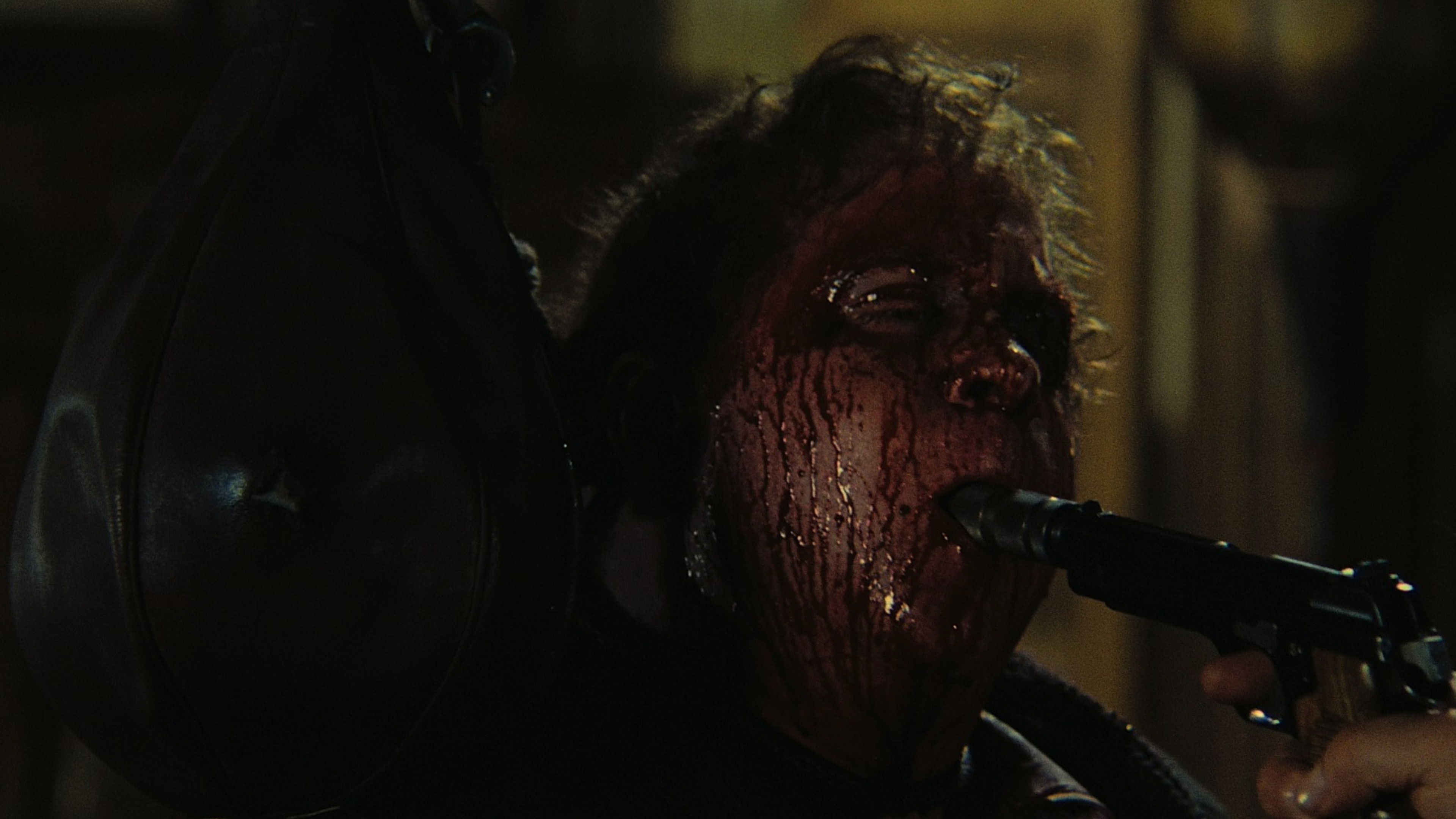
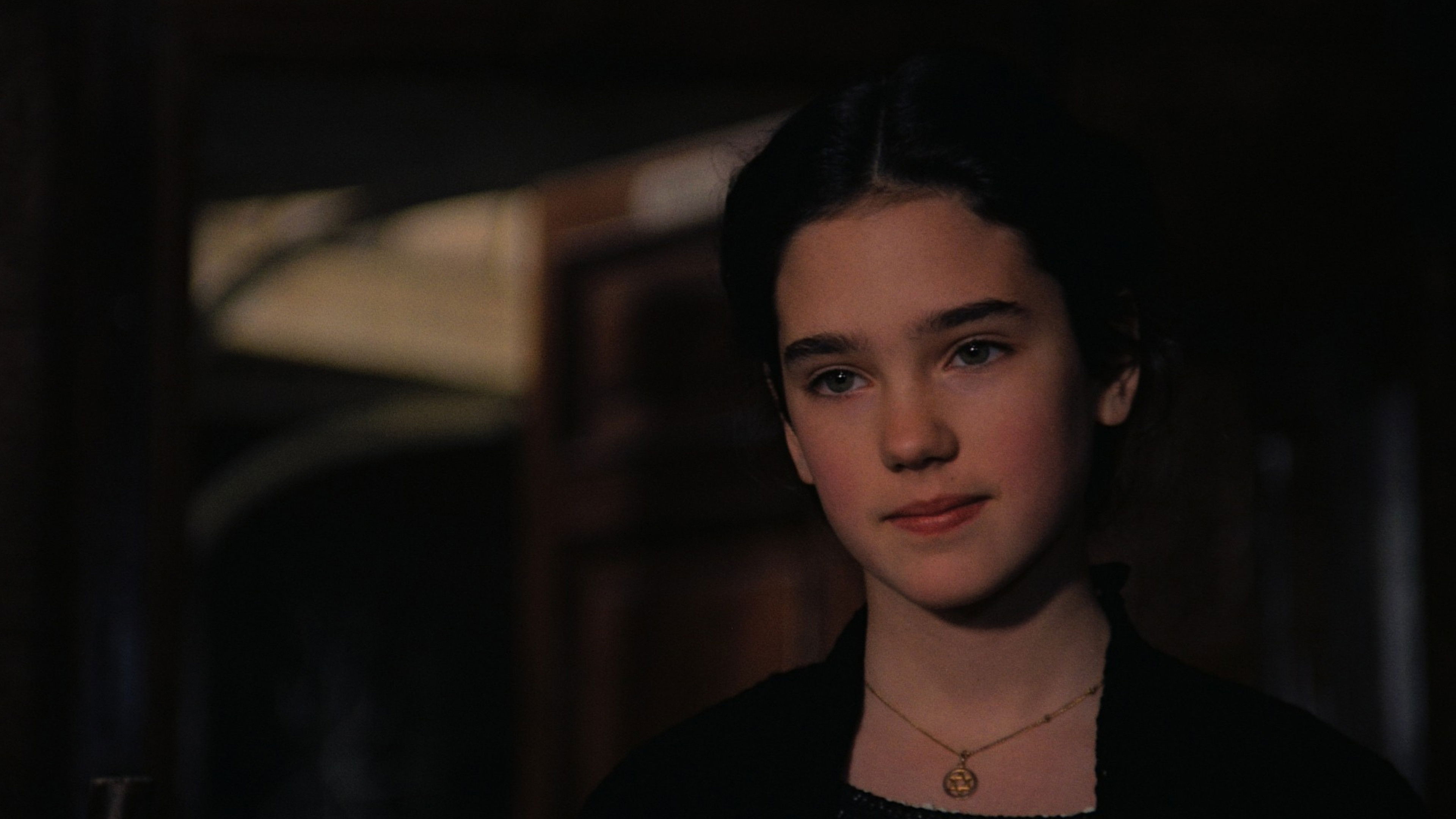
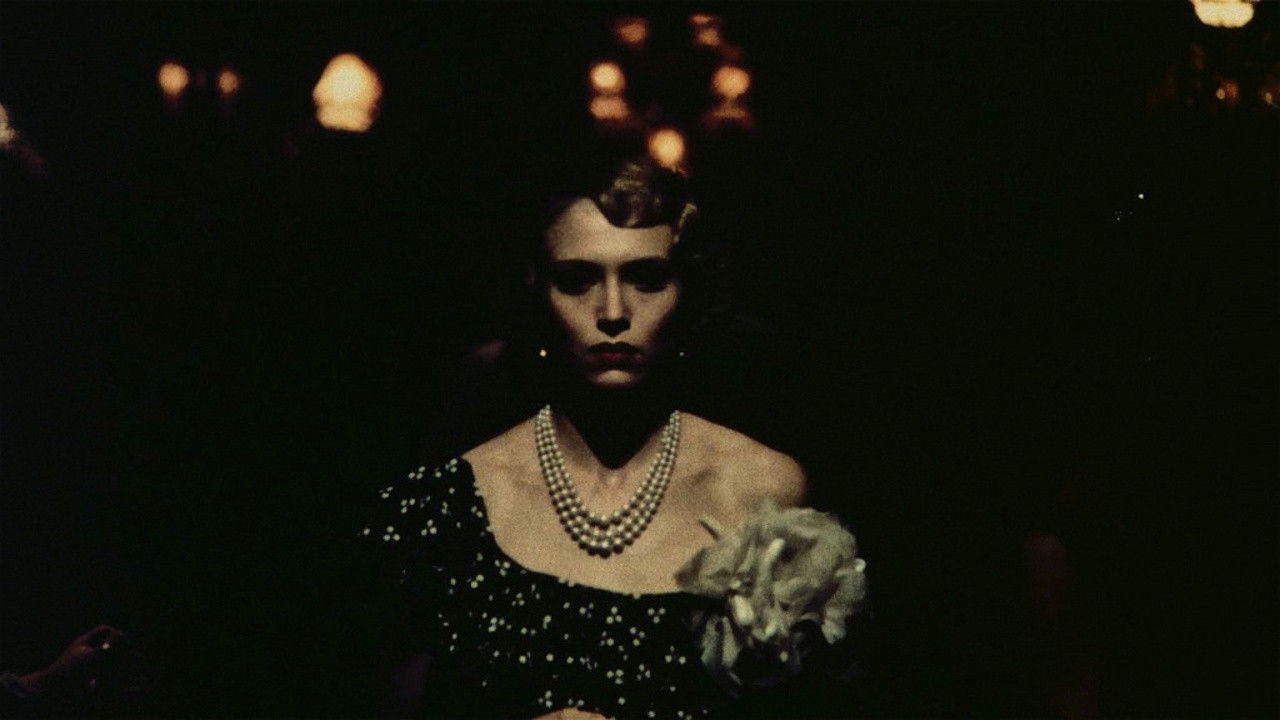
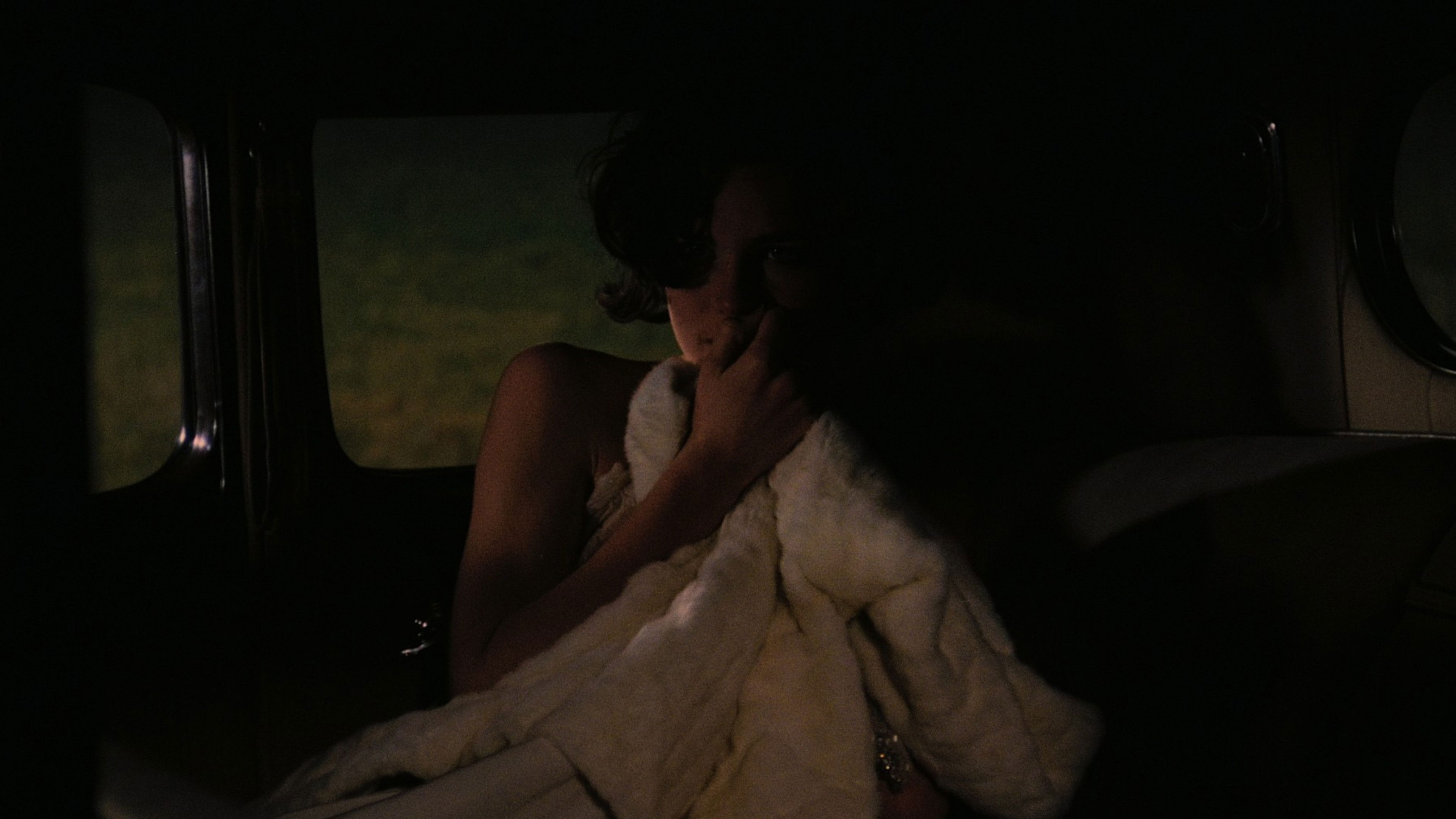
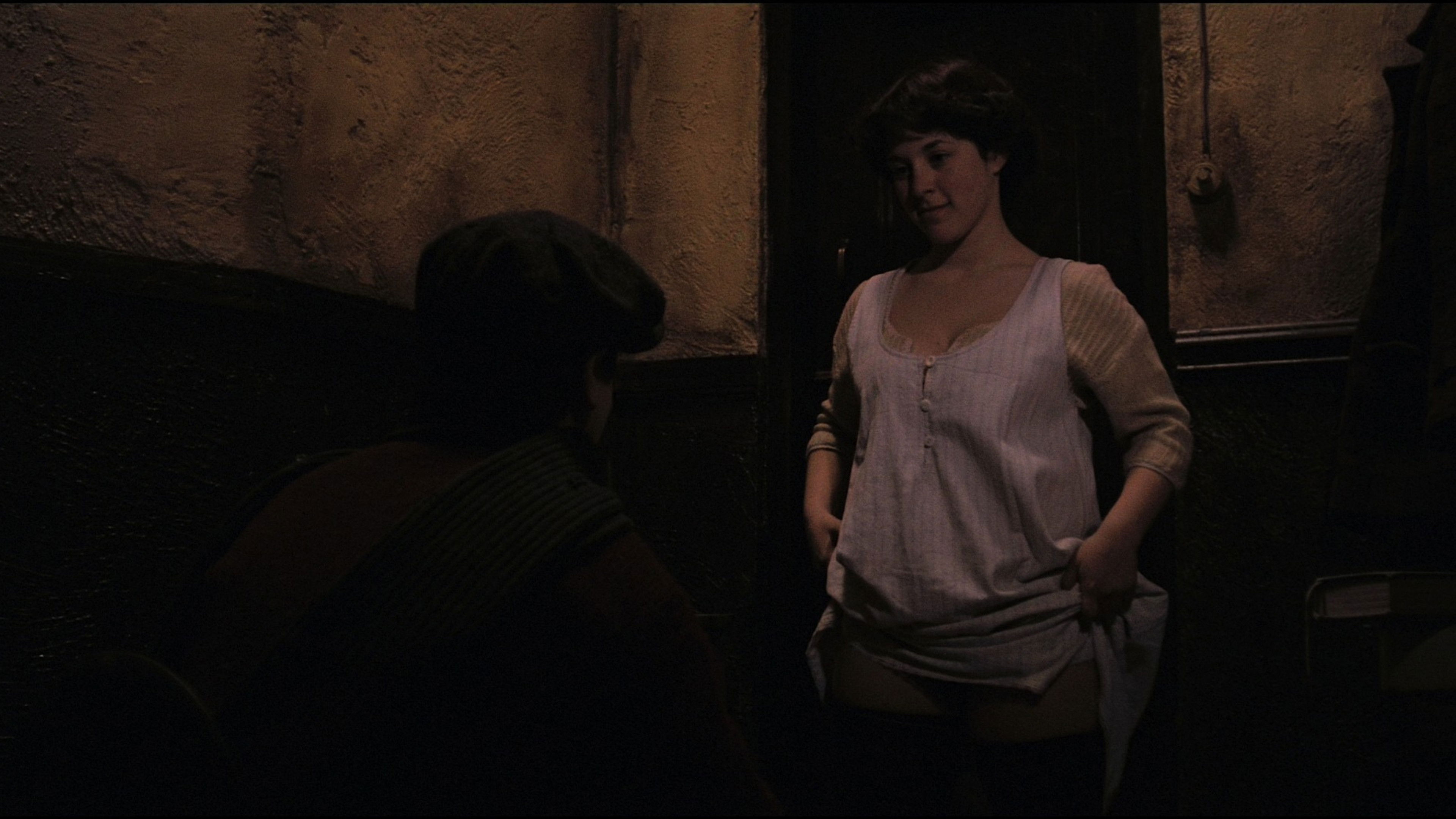
However, it would be remiss to do a review of this film without mentioning its issues with misogyny and excessive use of sexual assault. Some people argue that the scenes with Carol unequivocally show the audience who the gang are, and reinforce Noodles’ view that women are objects for him to use and own, and who won’t ever desire him themselves. While this may be true, I don’t think it warrants the distrusting approach to rape, with comedic undertones and justifications from her masochist traits. The scenes with Deborah are even worse. Noodles is spurn to violence by his realisation that Deborah would never like him due to his background regardless of how much money he made. It is graphic, prolonged, unnecessary, and never explicitly resolved. The one silver lining is Leone’s decision to include it just before the intermission, at least allowing audiences to consider ‘is this a protagonist we can support’. A whole essay could be written on Leone’s portrayal of female characters in Once Upon a Time in America (including young Peggy and Deb). Saying it was ‘of it’s time’ is not good enough in this case.
Despite this, I enjoyed the film thoroughly. It is a four hour film which kept my engagement throughout and should be celebrated for standout storytelling, cinematography, music, and experimentation. It is rare to see a film contain such extremes of beauty and brutality, and it really leaves you thinking long after it’s finished. A high 4.5 (close to a 5).
Sergio Leone is an iconic Western director best known for his partnership with Clint Eastwood for the ‘Dollars trilogy’. With Once Upon a Time in America (1984) he reinvented himself. It’s a passion product and epic of unprecedented proportions. The film was originally 10 hours, cut to 6 (with the proposal produce two 3 hour films), and then down again when this was rejected. During its release, the studio cut it to 2 hours without permission, resulting in an awful initial response.
The film follows Noodles (Robert De Niro) across three stages of life: childhood (1920’s), adulthood (1930’s) and present day in old age (1968). The story is told with a non-linear narrative, transitioning between time periods at appropriate moments.
A key feature of the film I loved was the cinematography. In the first hour, each shot looks like a piece of art. When we first see the busy streets of New York, the camera slowly zooms out to show the whole scene and contains a grainy texture that feels distinctly authentic and nostalgic for a flashback in a period drama. Other shots are more simple, using wide low angles to exude the city’s sense of graduate and status against the young crew. I also loved the use of natural frames, such as bars when noodles was arrested, or the reoccurring motive of compositions through a key hole. Objects are also used for transitions, such as the scene with the suitcase which seamlessly transports us back in time. Leone does not simply use Cinematography for aesthetics and creative flair, and takes care to ensure all shots hold serve hold significance for the character and the story.
I also loved the films treatment of characters. Central to this is the dynamic between Noodles and Max (James Wood). Act 1 shows how they became friends, overcoming hardship, rivalry, and jealous, before realising their commonalities. In Act 2, we slowly realise Max’s repressed homosexuality and unrequited love for Noodles which clouds his judgment. This is mostly signified through scene composition, often positioning Max to the side where you can see attentiveness and wandering eyes. This technique also works to showcase their power dynamic and contest to be gang leader. Another key example is the meeting of Frankie. Noodles observes Max’s stern looks and silence and intuitively knows to not trust him, not overstep, and follow Max’s lead. It’s a textbook example of characters portraying information without dialogue.
Another standout quality is the soundtrack which is beautiful throughout and hard to compare to anything else. Ennio Morricone uses variations of a central theme which are poignant but understated not overdone by emotional peaks. The woodwinds in particularly are haunting and align with the films themes of memory and melancholic nostalgia.
A final strength of the film is its experimentation with fantasy and surrealism. In Act 3, hints of the widely discussed ‘dream theory’ for the film become more pronounced. Noodles finds Deborah as a lonely older lady who never married, and Max admits faking his death and asks for forgiveness. The main theory is that Noodles turned to opium after selling out Max and assaulting Deborah, using the drug to invent a future in which he was forgiven and able to find closure. In the penultimate scene, characters start to look like there are from the 1930’s not present day (1960’s). Perhaps the fantasy was wearing off, thus explaining the final scene where we see him get high again. However, these scenes could be interpreted in many different ways, and it’s fascinating to see such a brutal and gritty gangster film transition into ambiguous surrealism.
However, it would be remiss to do a review of this film without mentioning its issues with misogyny and excessive use of sexual assault. Some people argue that the scenes with Carol unequivocally show the audience who the gang are, and reinforce Noodles’ view that women are objects for him to use and own, and who won’t ever desire him themselves. While this may be true, I don’t think it warrants the distrusting approach to rape, with comedic undertones and justifications from her masochist traits. The scenes with Deborah are even worse. Noodles is spurn to violence by his realisation that Deborah would never like him due to his background regardless of how much money he made. It is graphic, prolonged, unnecessary, and never explicitly resolved. The one silver lining is Leone’s decision to include it just before the intermission, at least allowing audiences to consider ‘is this a protagonist we can support’. A whole essay could be written on Leone’s portrayal of female characters in Once Upon a Time in America (including young Peggy and Deb). Saying it was ‘of it’s time’ is not good enough in this case.
Despite this, I enjoyed the film thoroughly. It is a four hour film which kept my engagement throughout and should be celebrated for standout storytelling, cinematography, music, and experimentation. It is rare to see a film contain such extremes of beauty and brutality, and it really leaves you thinking long after it’s finished. A high 4.5 (close to a 5).