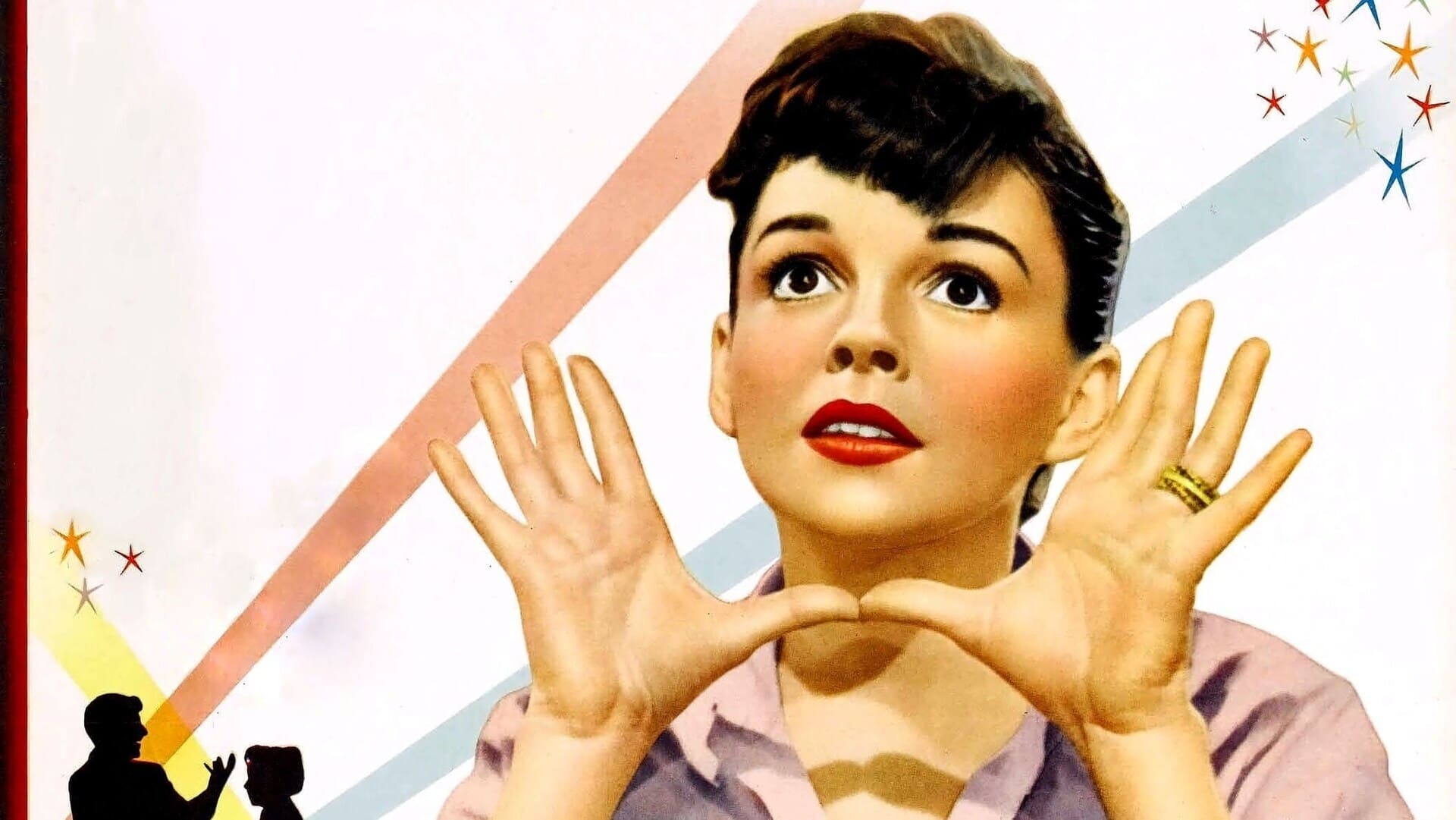
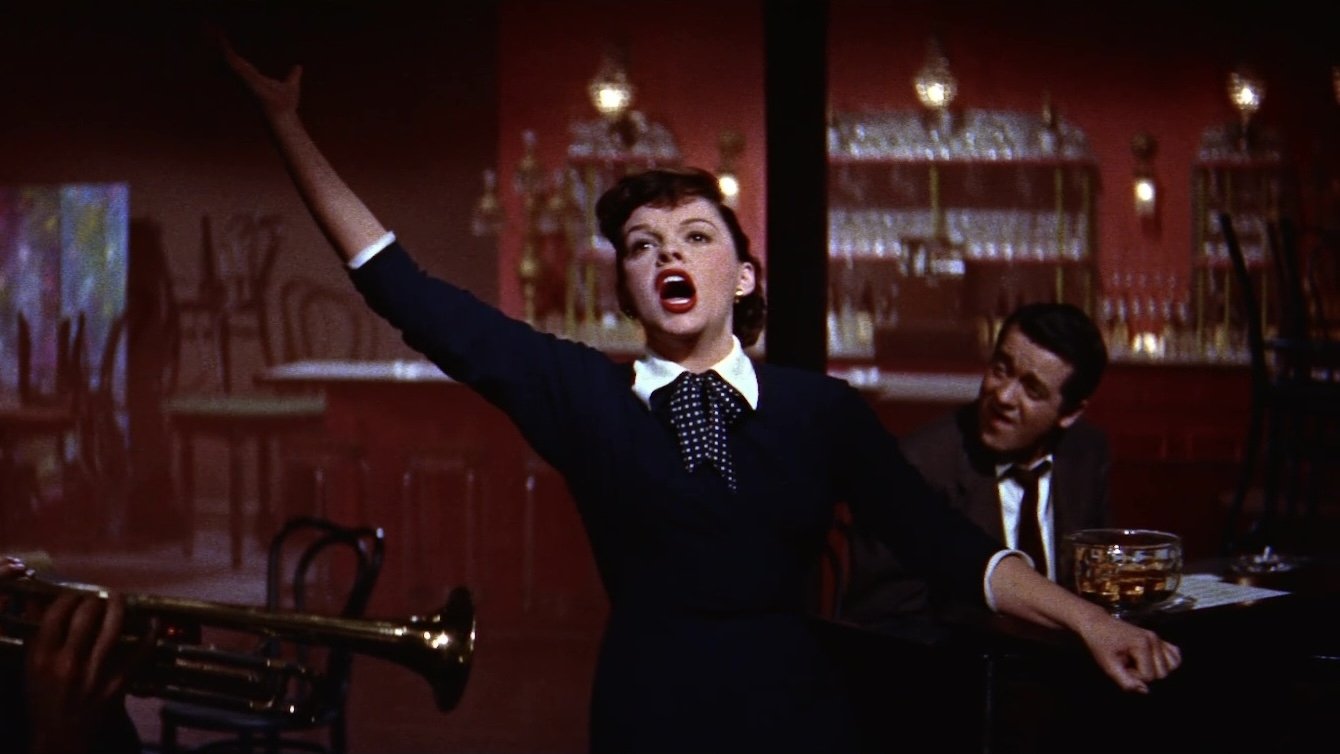
If the music fails to reach you, or if the restored cut’s still-photo transitions fracture your immersion, the film can register as emotionally remote. But that distance is not a flaw; it is the point. A Star Is Born (1954) turns love into labor, fame into a kind of ritual slaughter. Garland’s musical performances are not “numbers,” they’re exorcisms! Cukor frames Hollywood as a luminous engine that devours the human spirit and converts it into spectacle. The film is not seamless; it remains a wound, carefully preserved. Its narrative treats people as raw material, diminishes them, and then hands the audience what remains. The breakage is not a gap to be closed but a bridge between melodrama and artifact. The film does not simply tell a story; it stages the price of being seen.
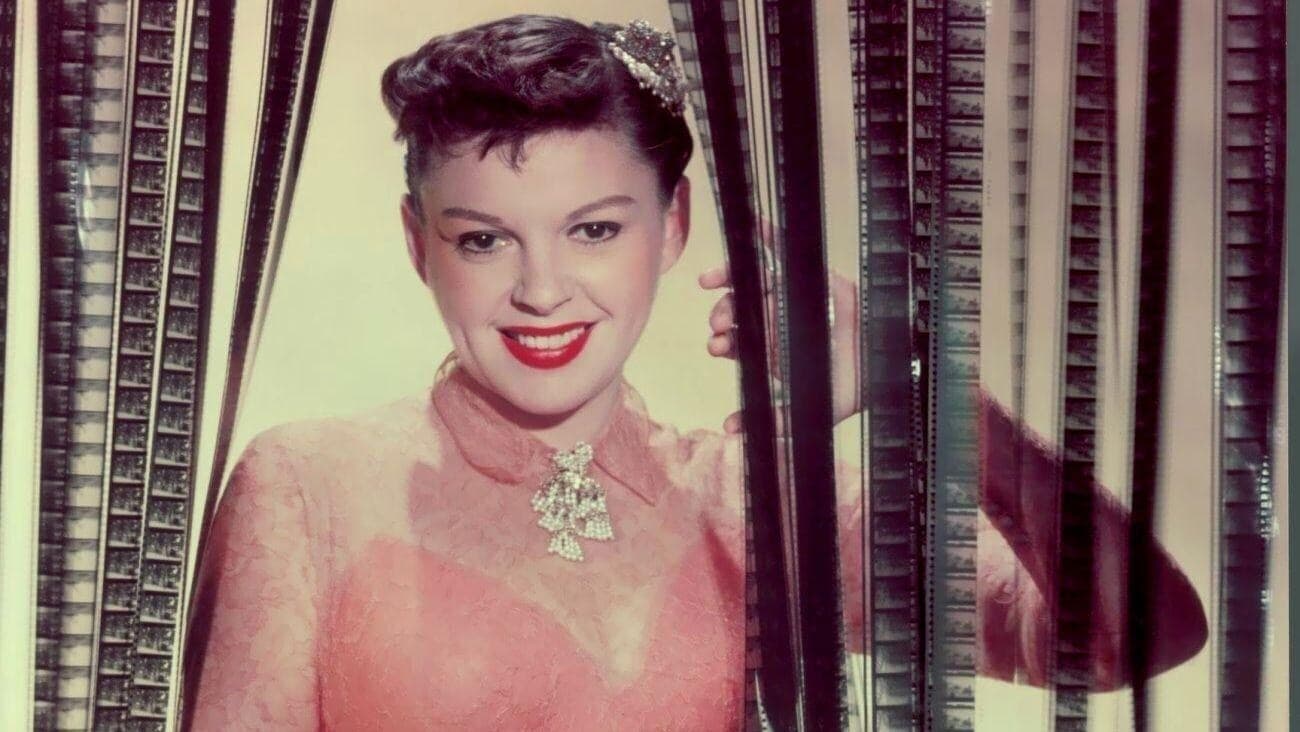
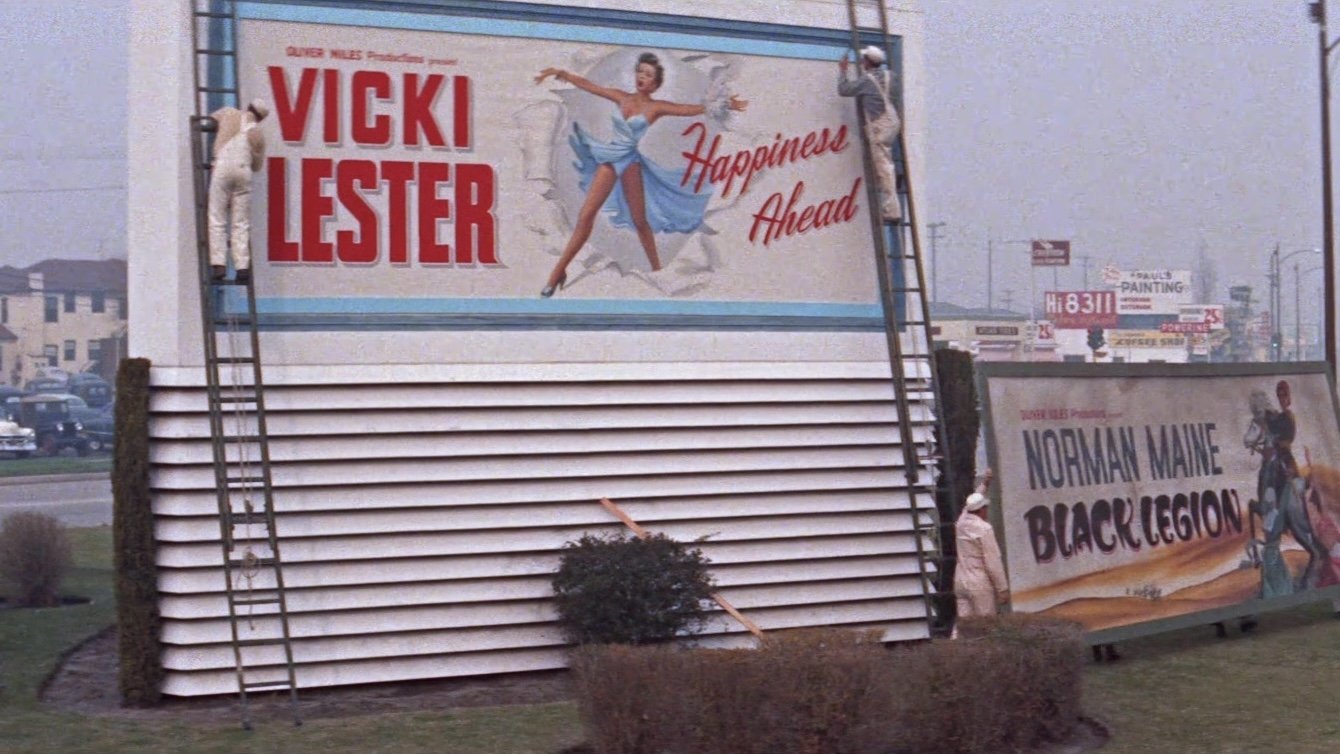
Any review that claims the “restoration” is objective overlooks the most poetic aspect of this version: the film stands fundamentally incomplete, and it enacts its incompleteness with a distinct self-awareness. The still-photo montages serve not only as interruptions but also as reminders that this narrative comes packaged as a commodified product. The restored version can resemble an extended audition reel. Yet, there is a somber coherence in this fragmentation. The film depicts a life dissected for public consumption. In this sense, the fragmented structure enhances the film’s authenticity: it does not merely critique Hollywood; it exemplifies its mechanisms.
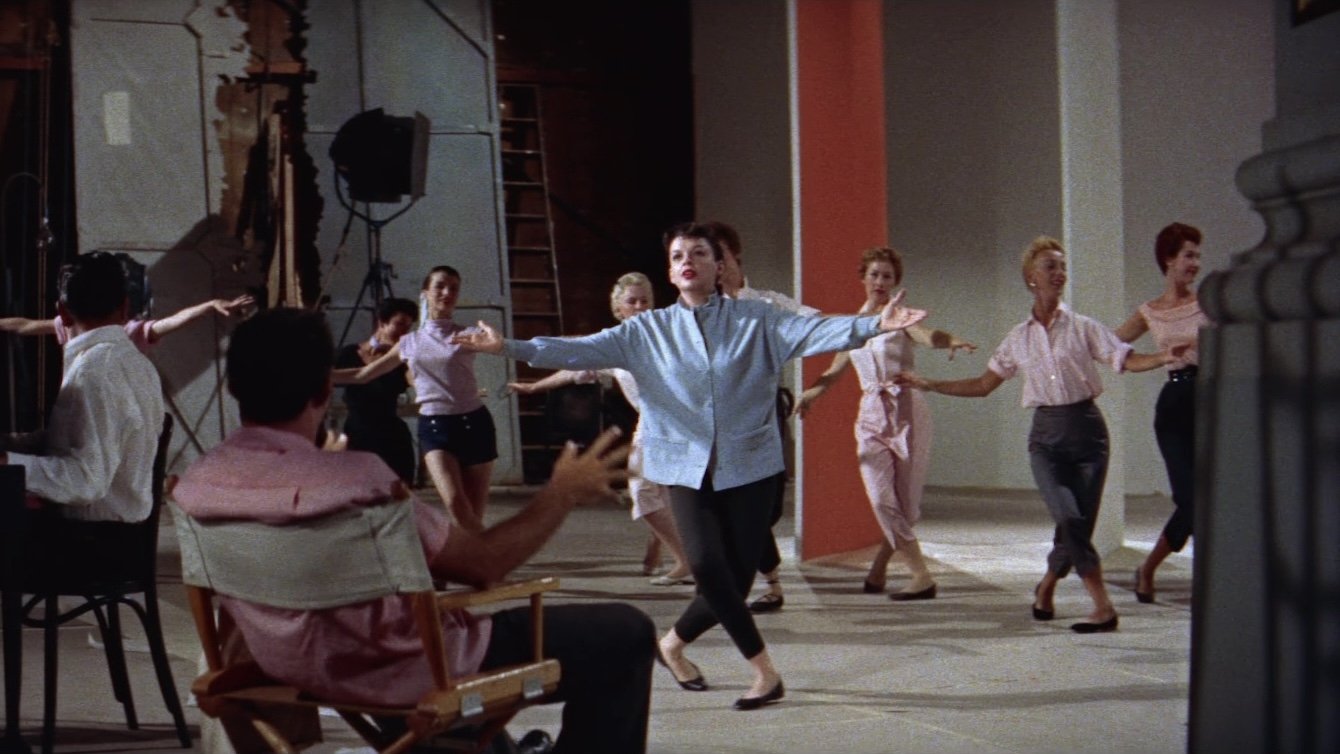
The story’s sense of longing and the idea of a dream pulled from nowhere thins out here. If we don’t see Vicki work for her transformation, her journey turns predictable. This matters because the whole film is built on contrasts: rising and falling, new talent and old stars, ambition and exhaustion. If Vicki's rise glides too easily, Norman’s later claim that he believed in her first lands, forced, as if the script insisted on itself rather than showing us. The small moments, awkward silences, and slow build-up are missing, which makes the romance feel less real. That’s why some viewers say the love story is more “stated and sung” than truly felt.
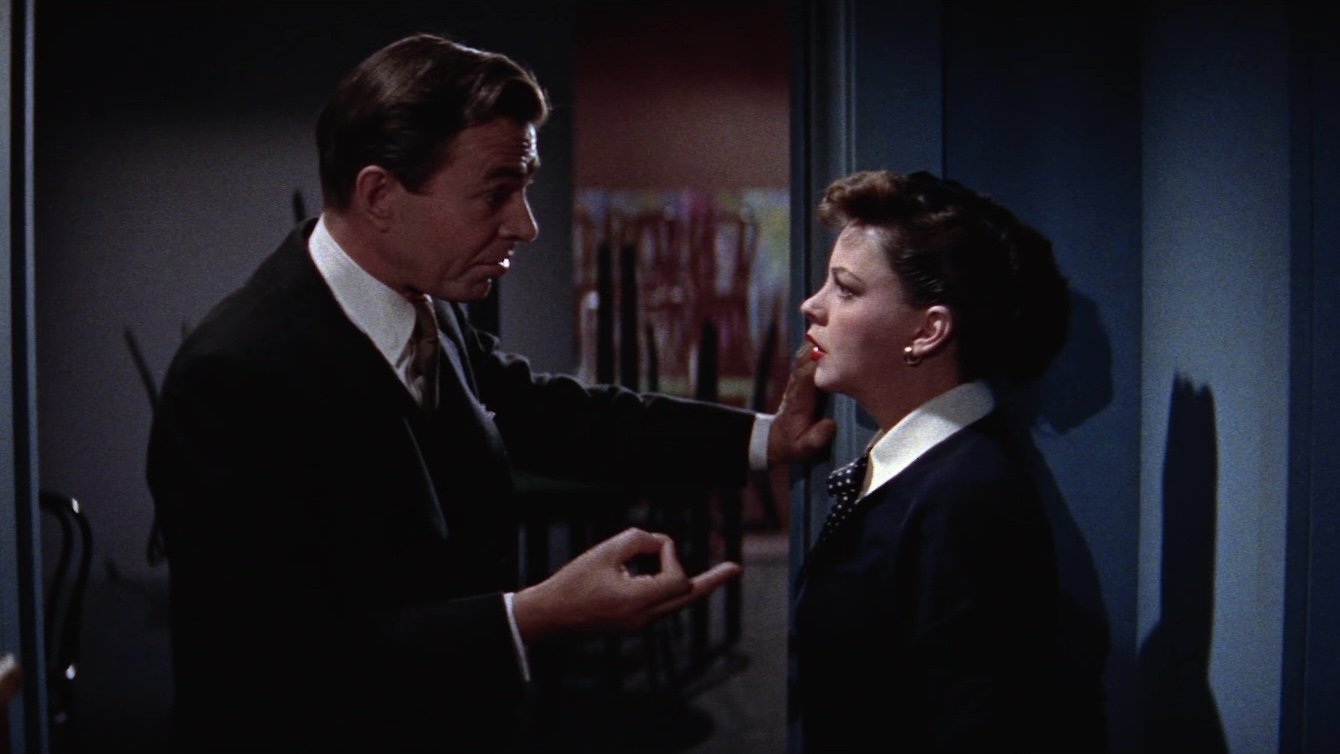
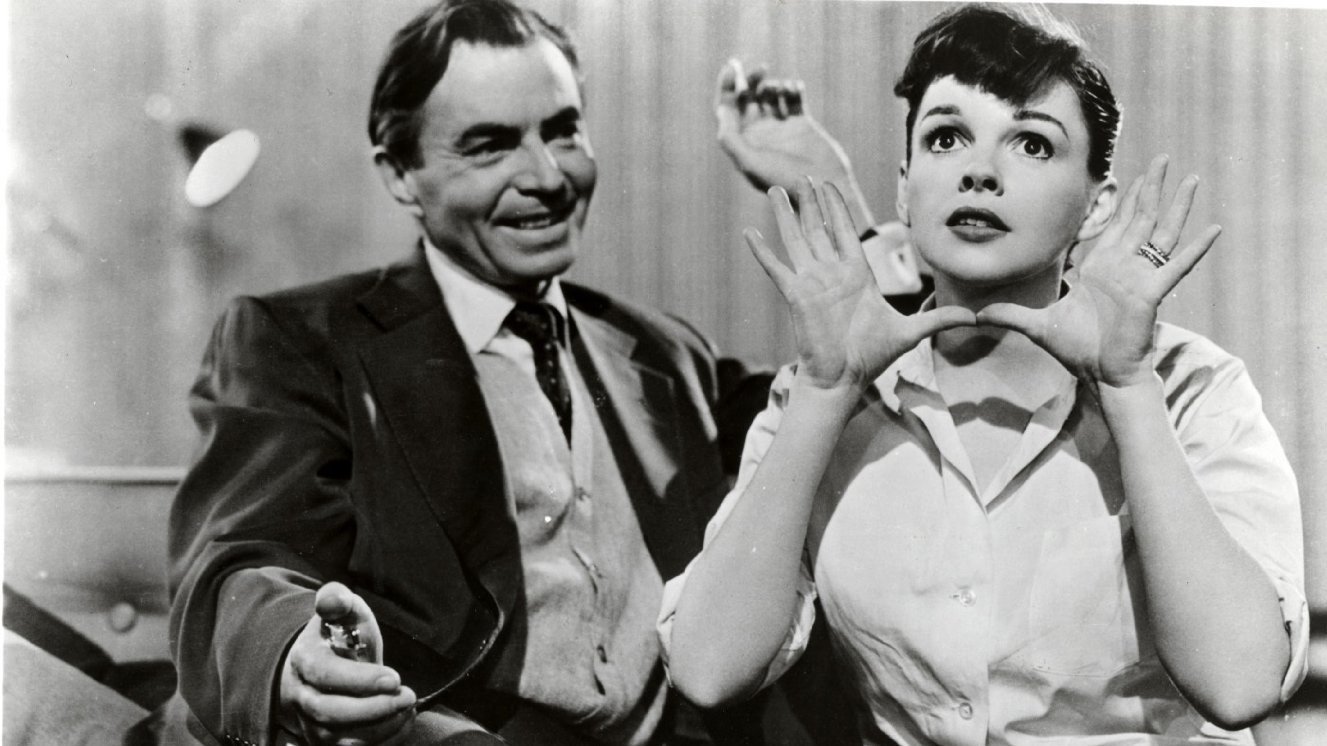
This way of looking at the story is important because it changes how we see Norman’s downfall. His alcoholism isn’t just a personal flaw; it’s what happens when someone is praised for their image long after they’re worn out. The film shows how he realizes he’s hurt Vicki and how that truth hits him. Again and again, the film points out how the system is built to use people up.
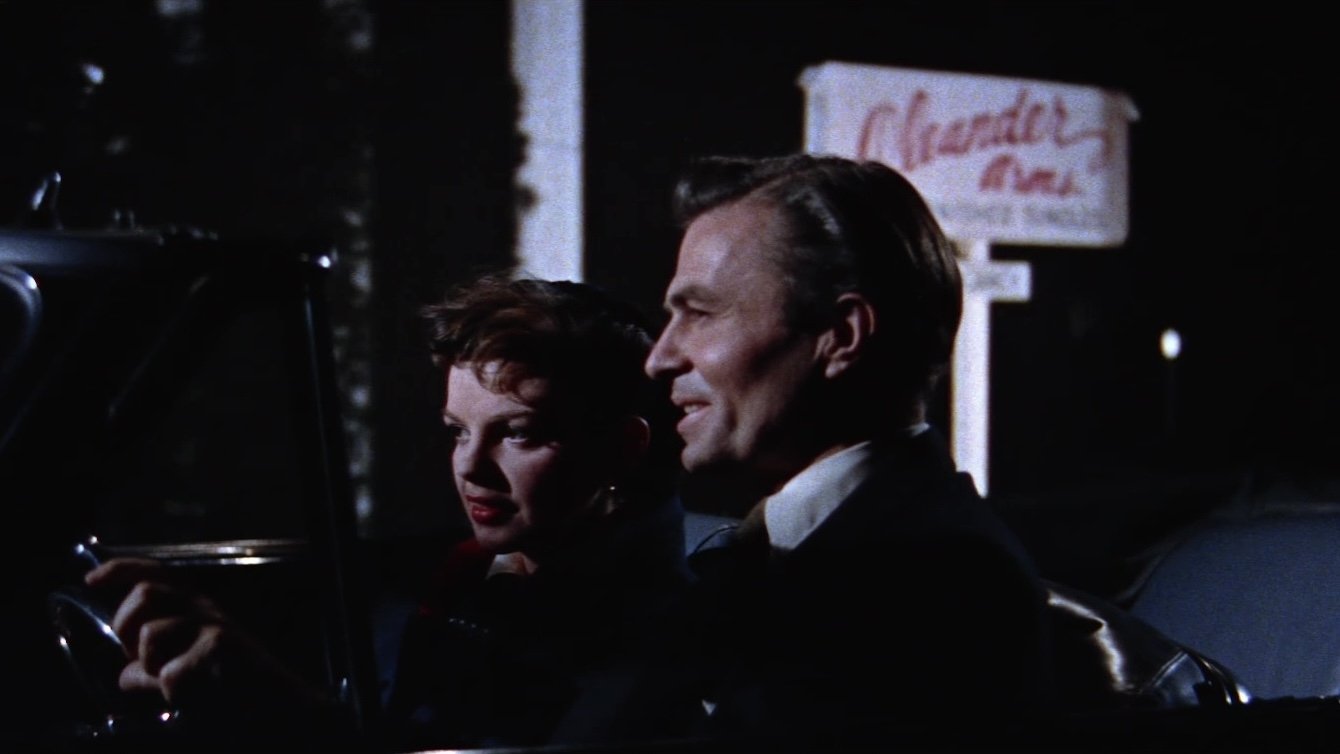
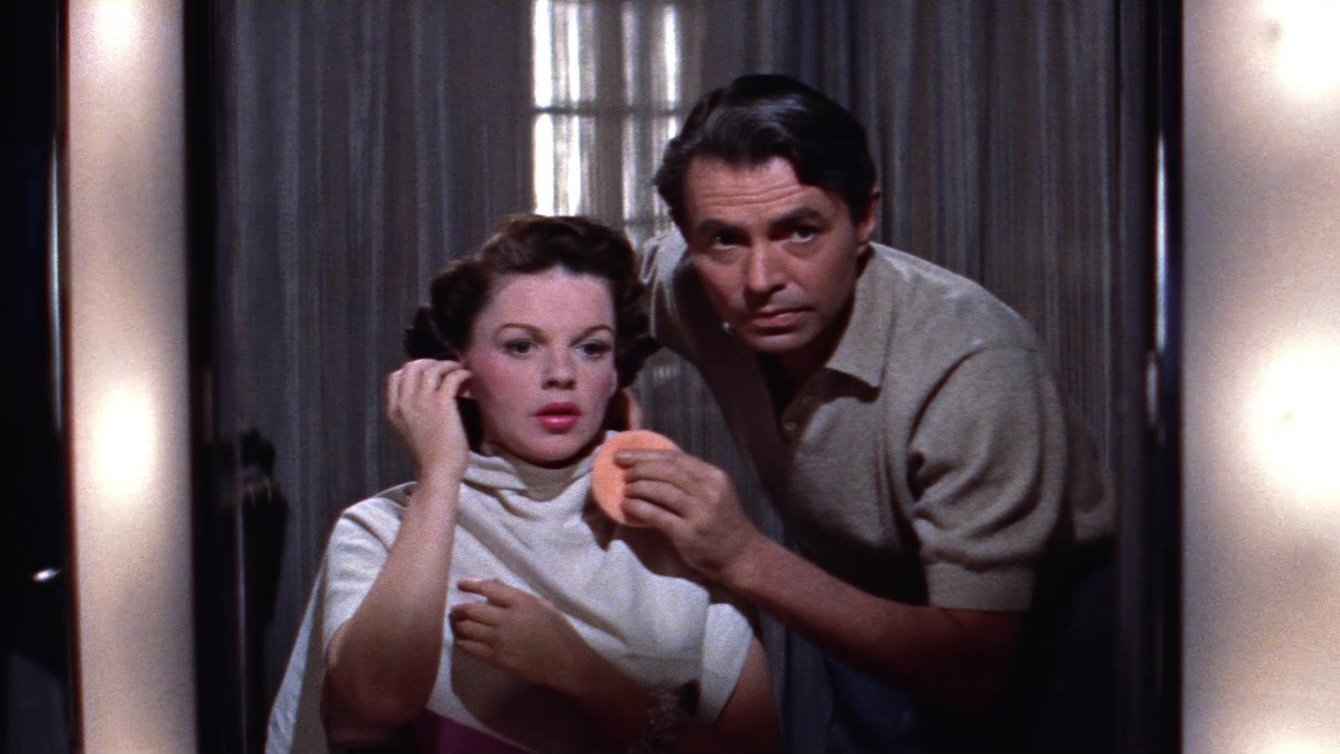
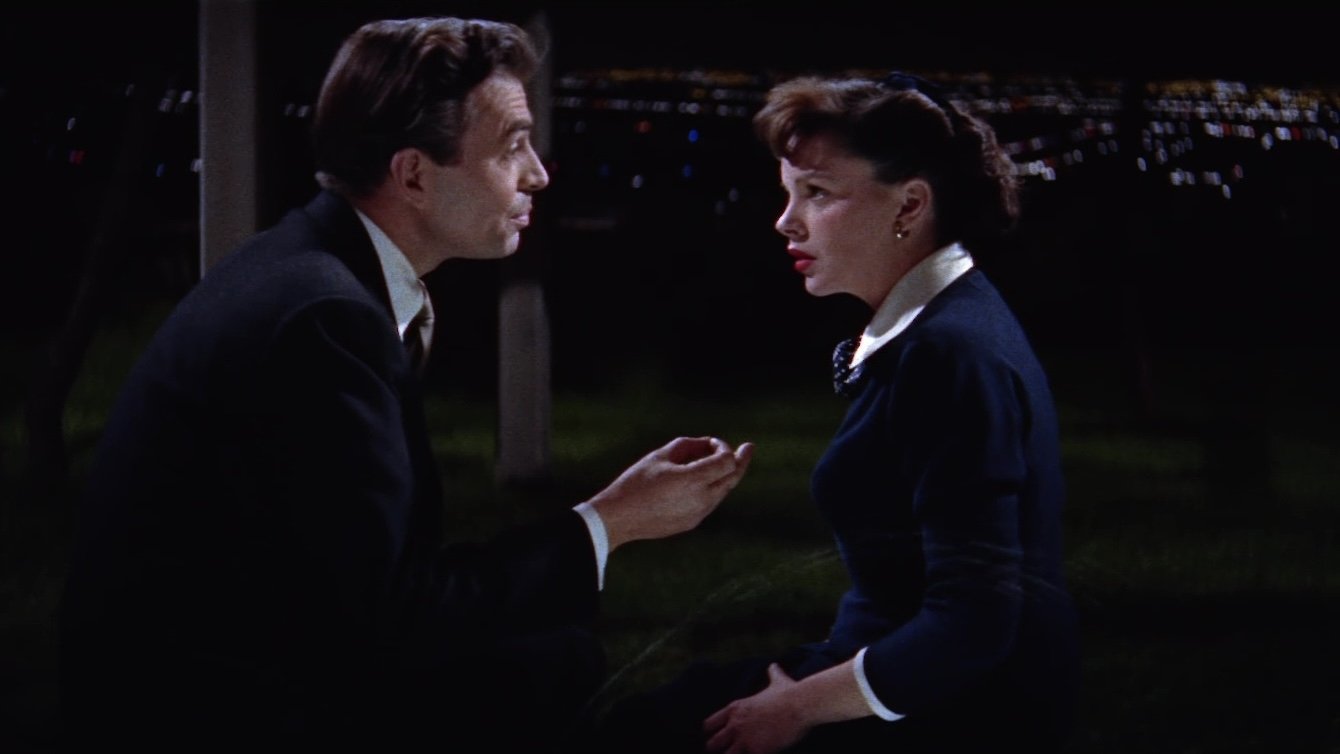
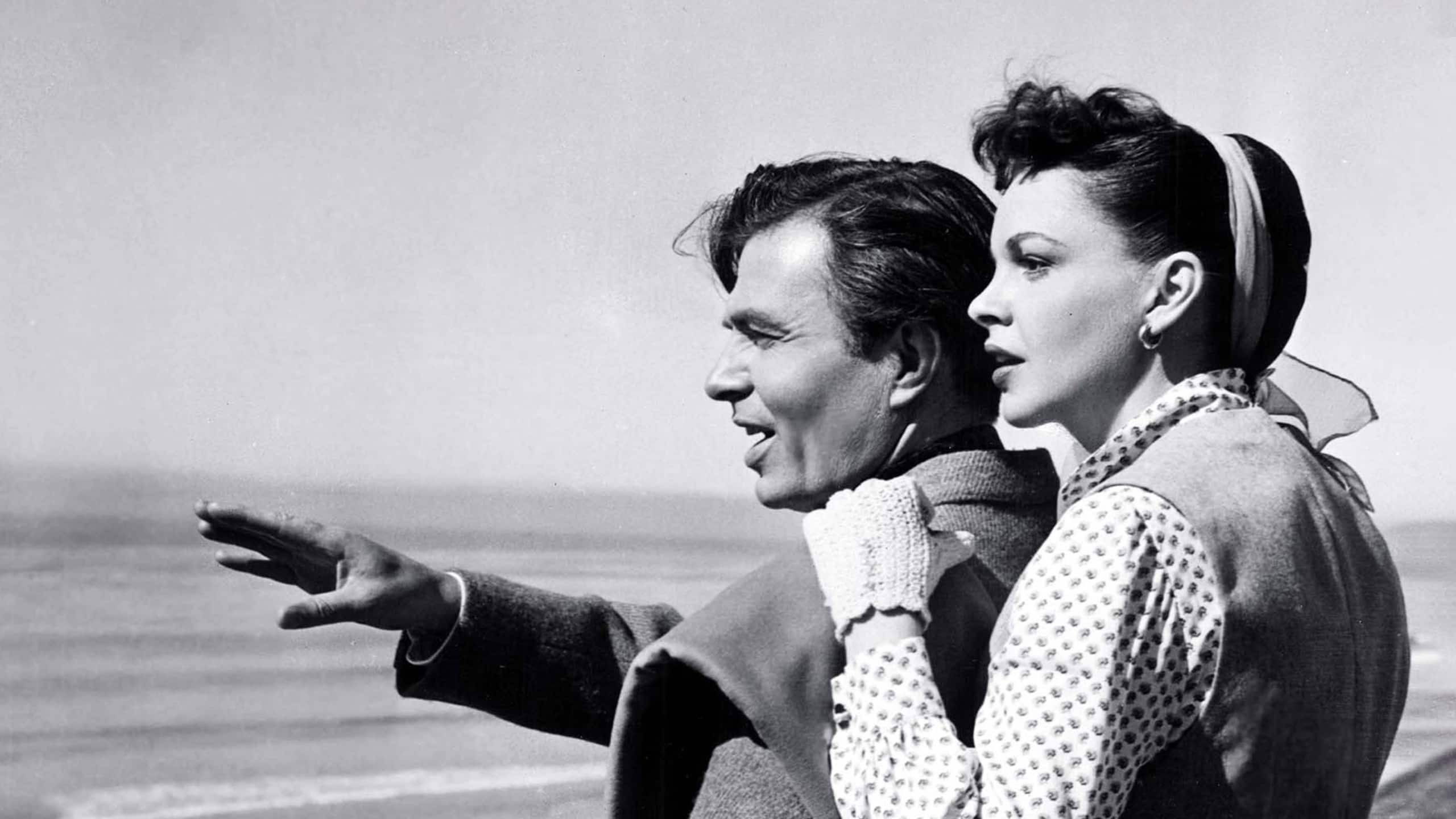
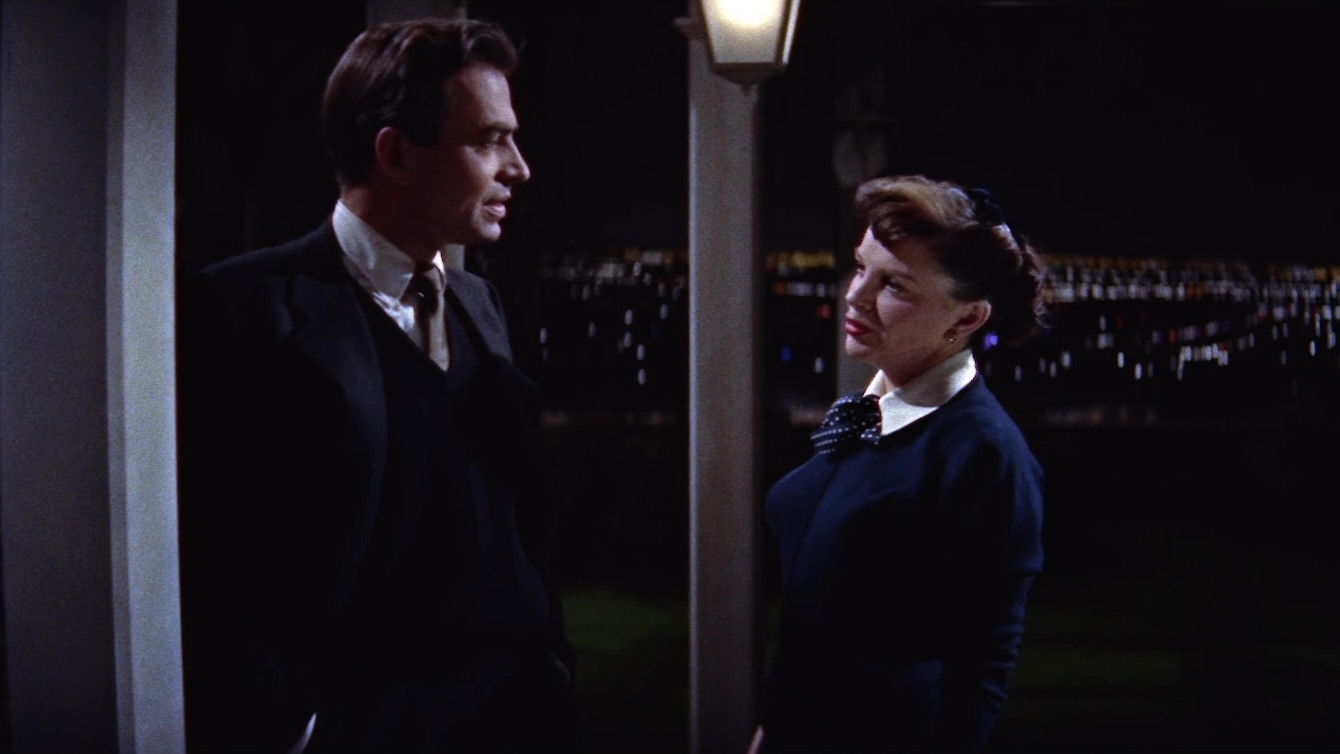
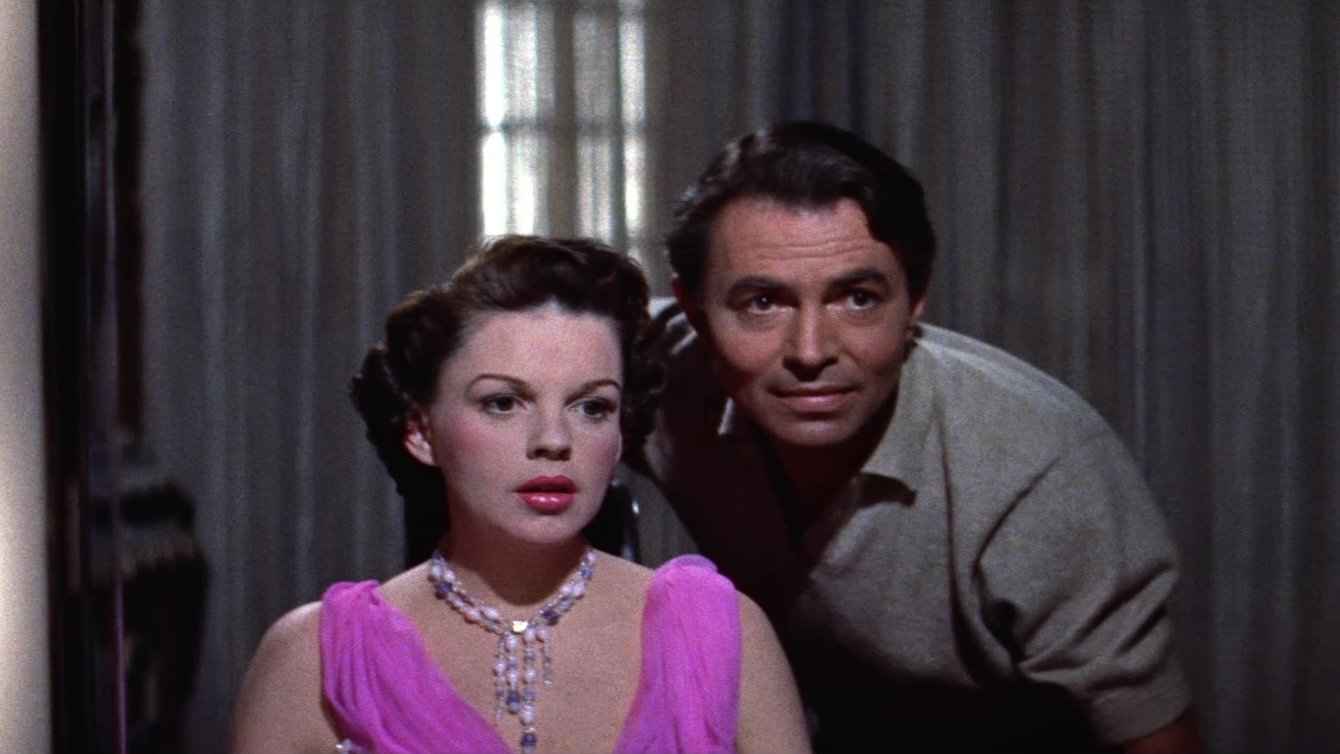
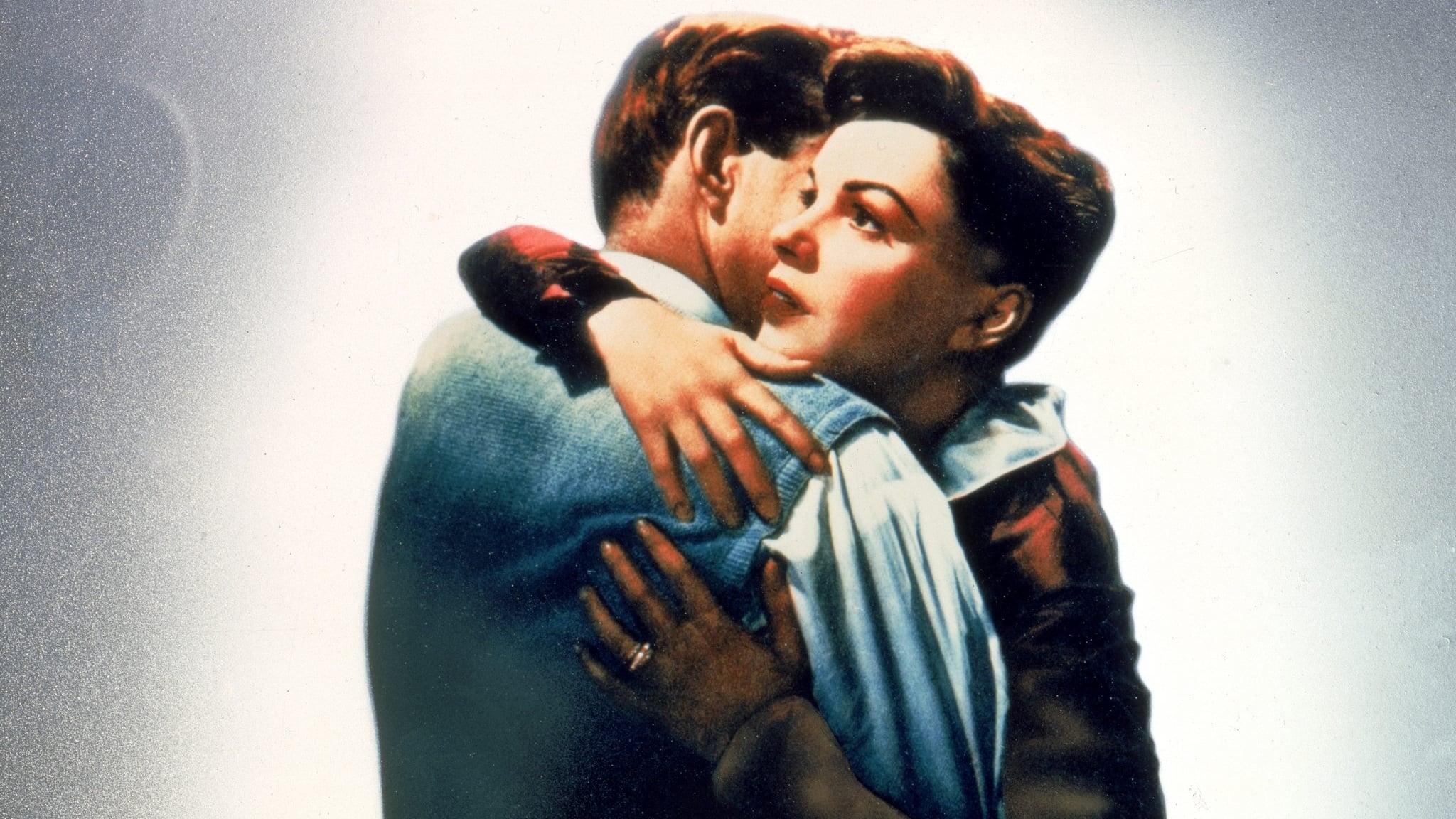
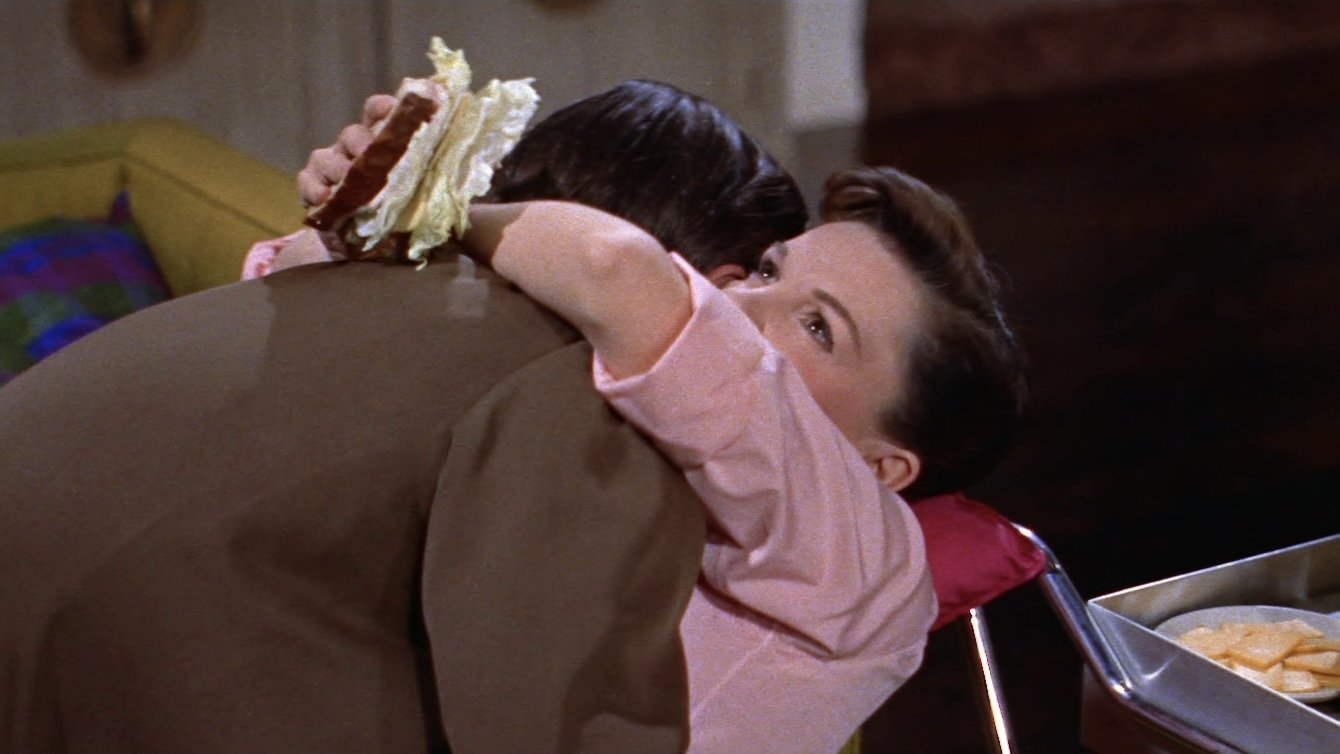
The film almost asks to be read as queer-coded. Here, love feels more like seeing and caring for someone than about passion. Vicki’s loyalty is the kind you show when you know someone’s pain and choose to stay. In this view, the romance is a public mask for a deeper story: one person rising, one falling, and the promise “I won’t abandon you” being the only steady thing in a shaky world. Norman is often called a "handler," someone the industry uses to manage and then take back, a man pushed aside in the story’s musical world. Their relationship is more about faith in each other than physical desire. That’s why it can feel both honest and a bit distant—it’s about belief, not longing. The main point is that the film treats love as a promise, not just a feeling. That’s why it feels “deeply true” even if it isn’t traditionally romantic.
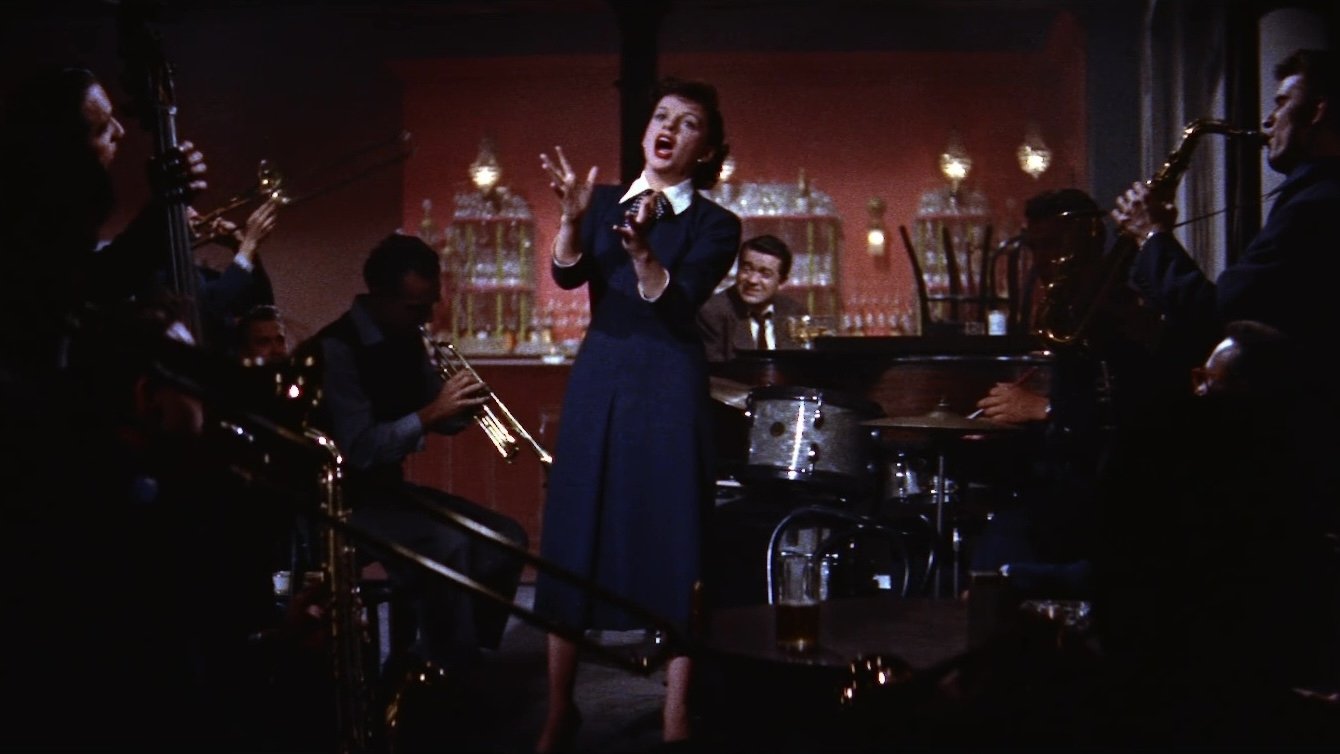
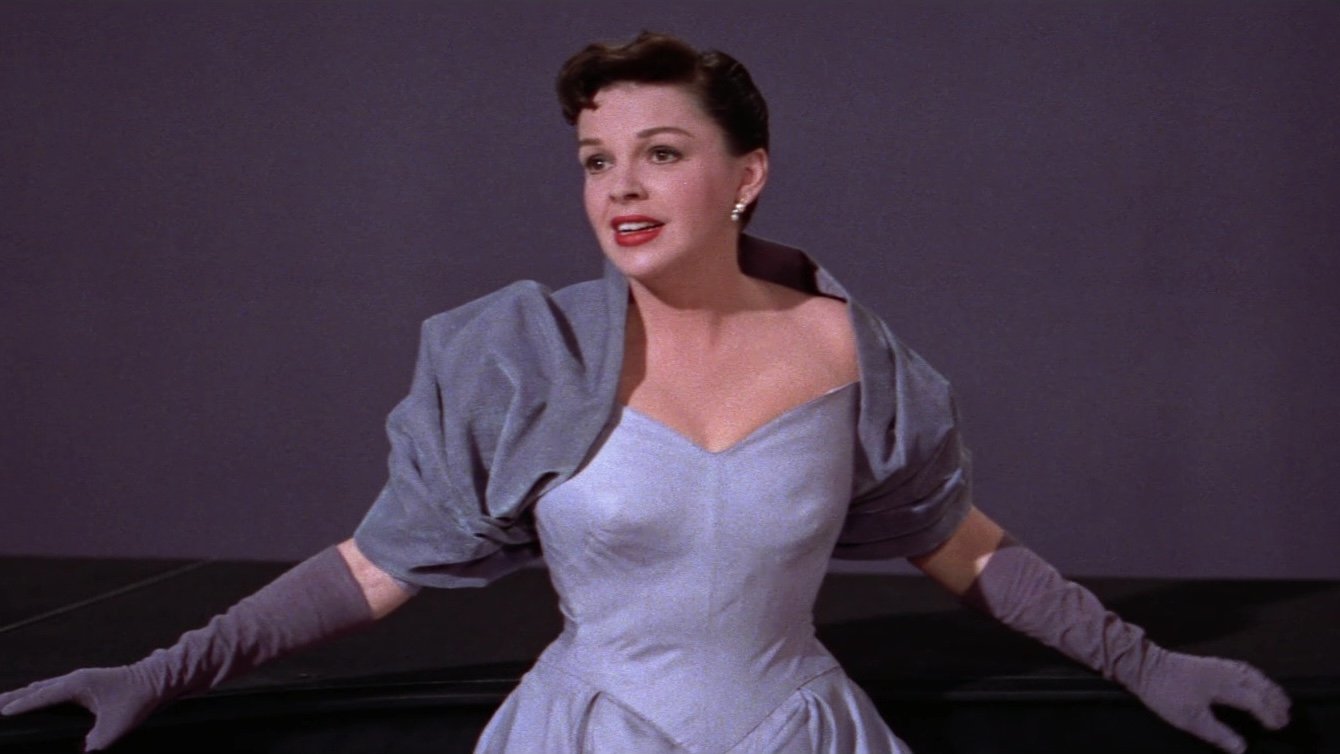
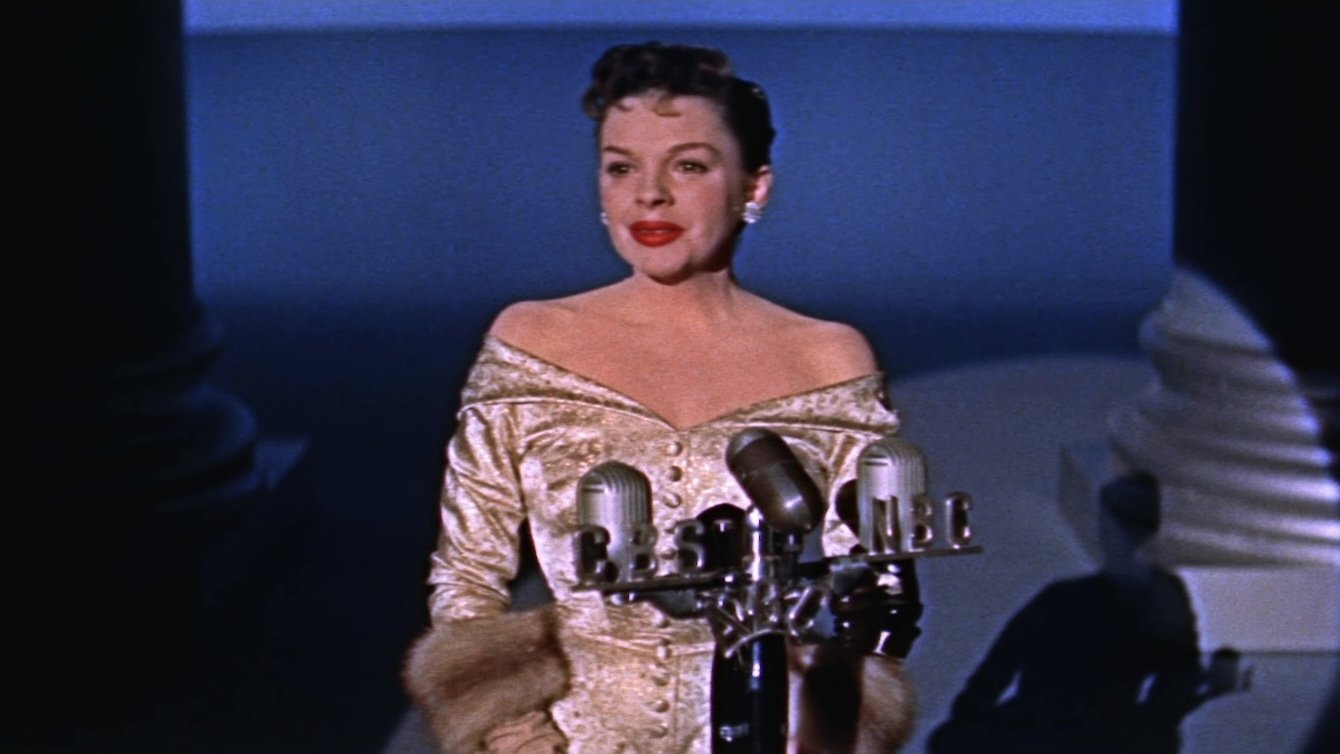
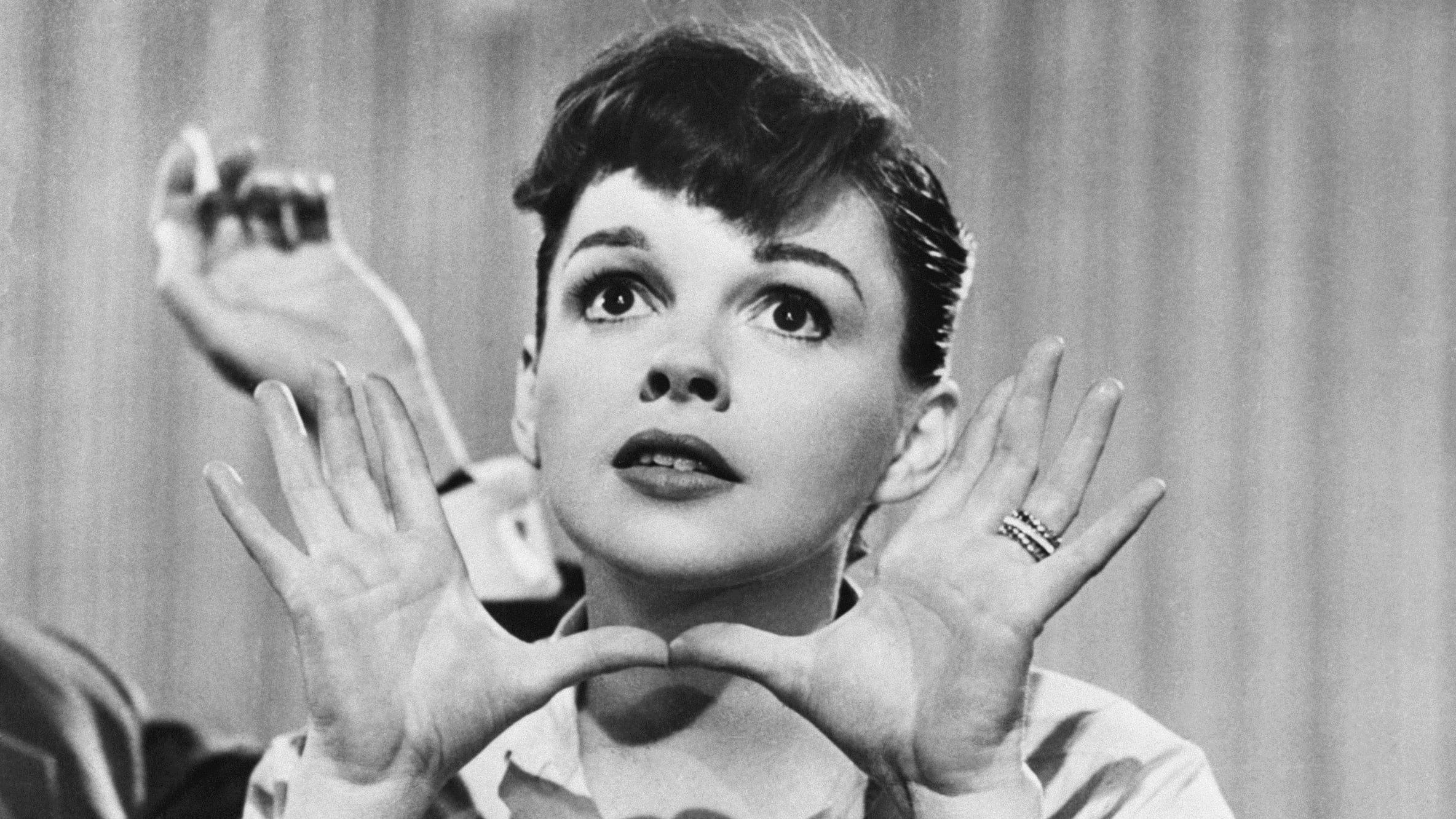
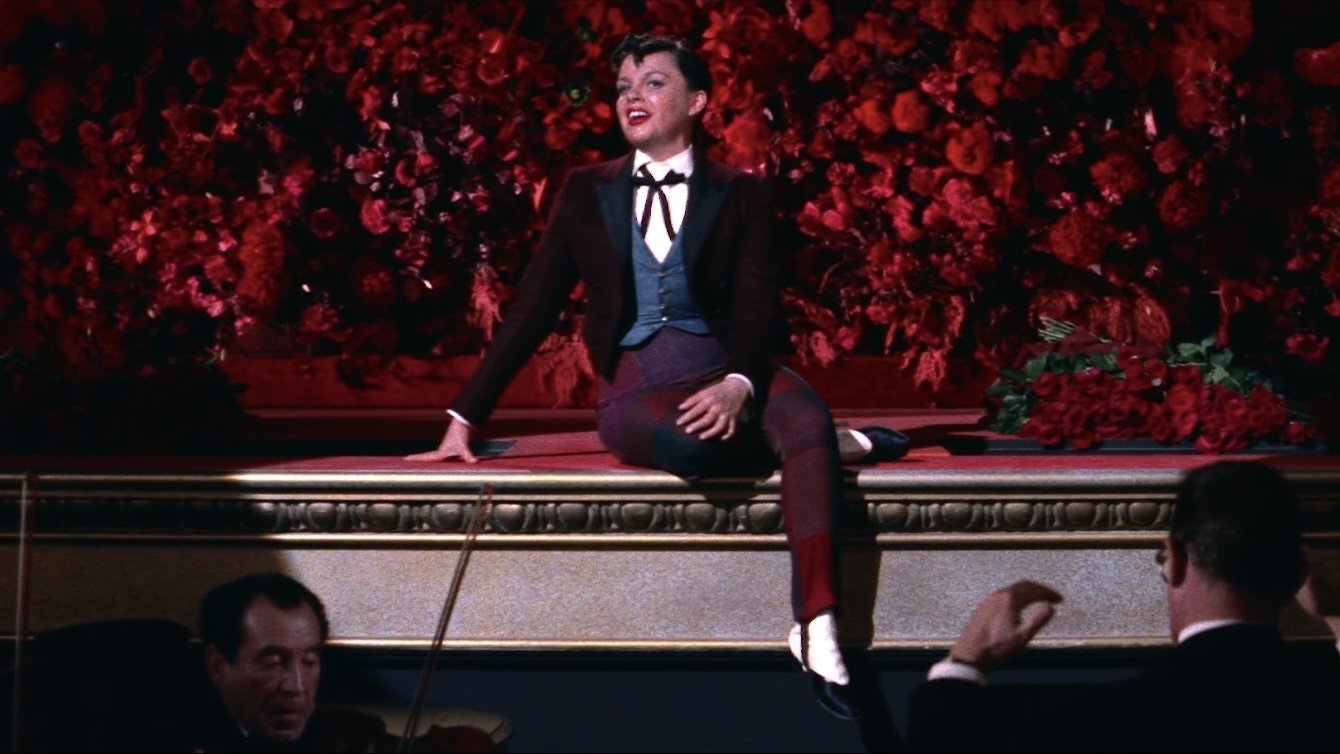
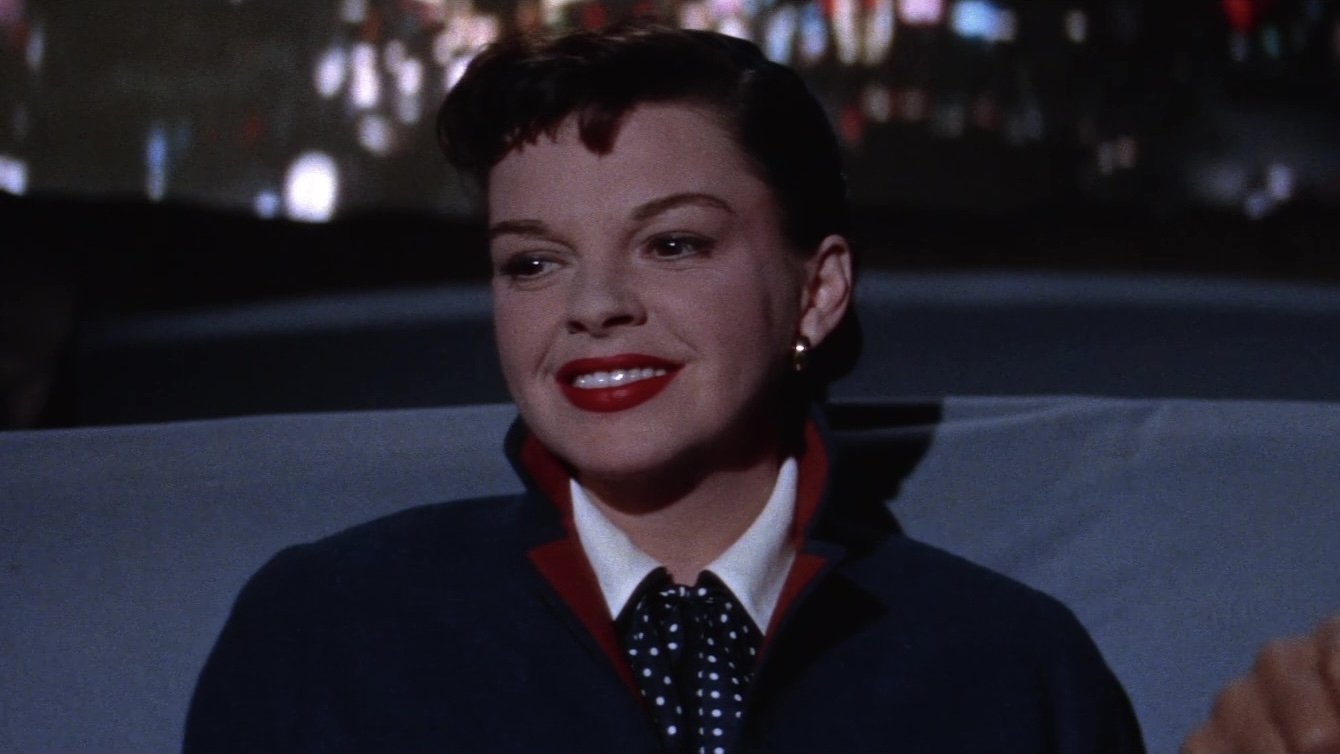
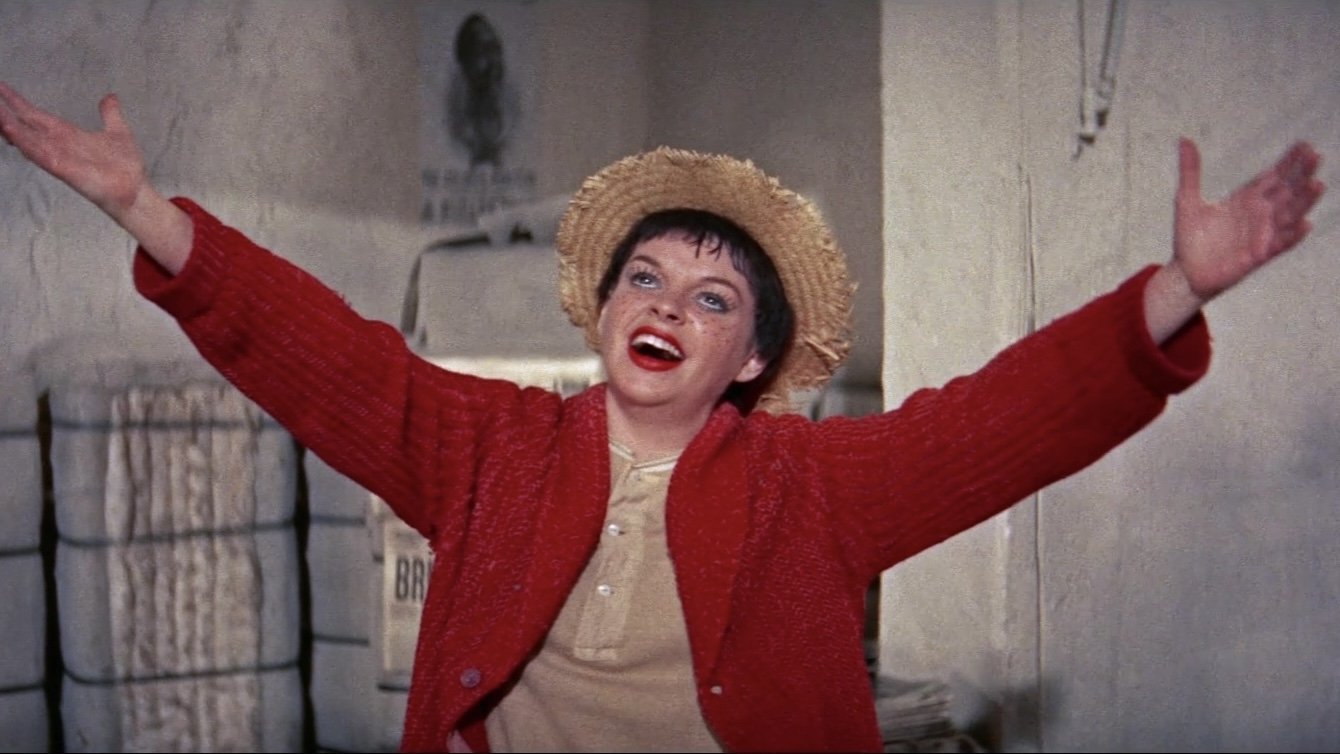
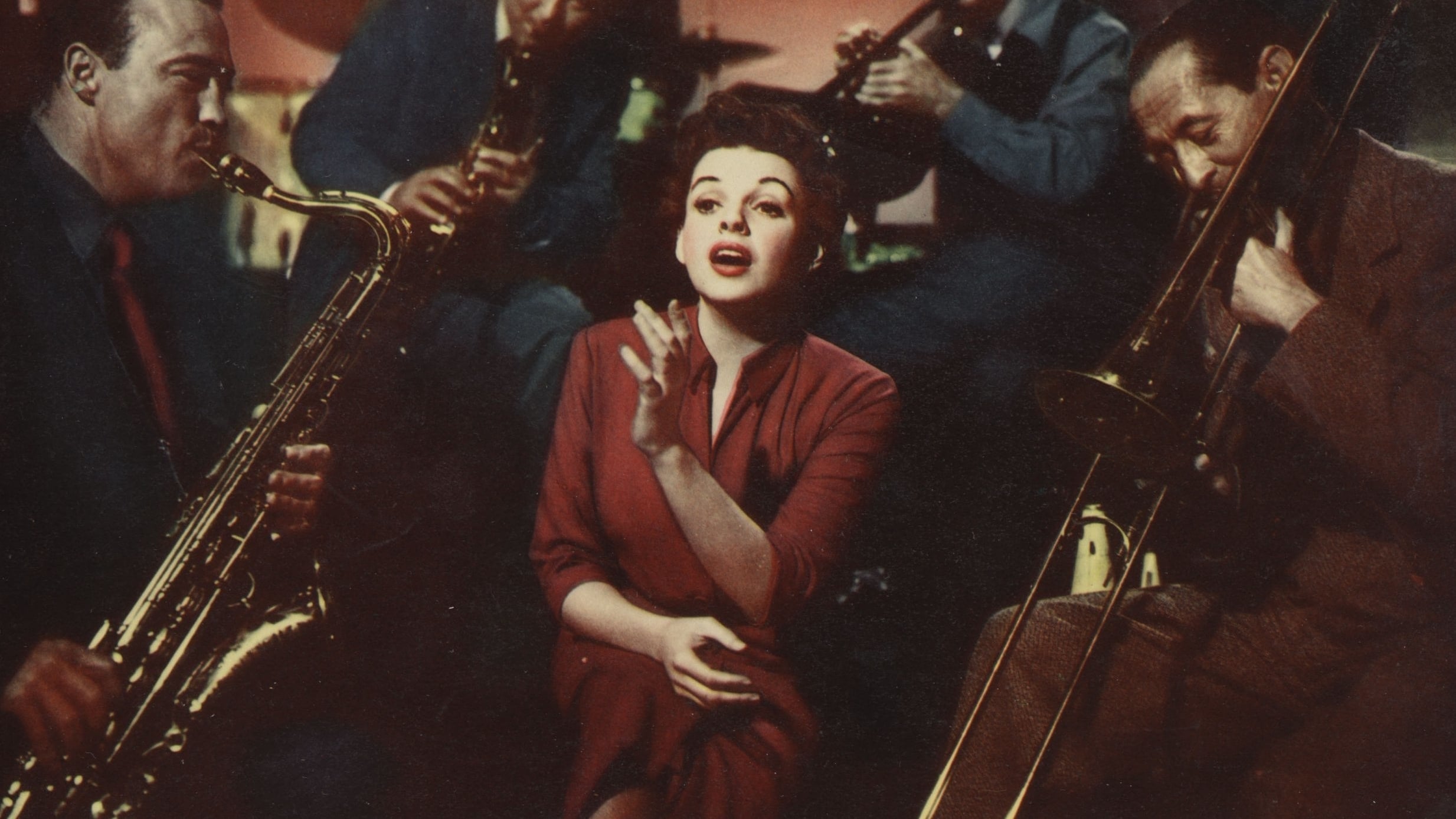
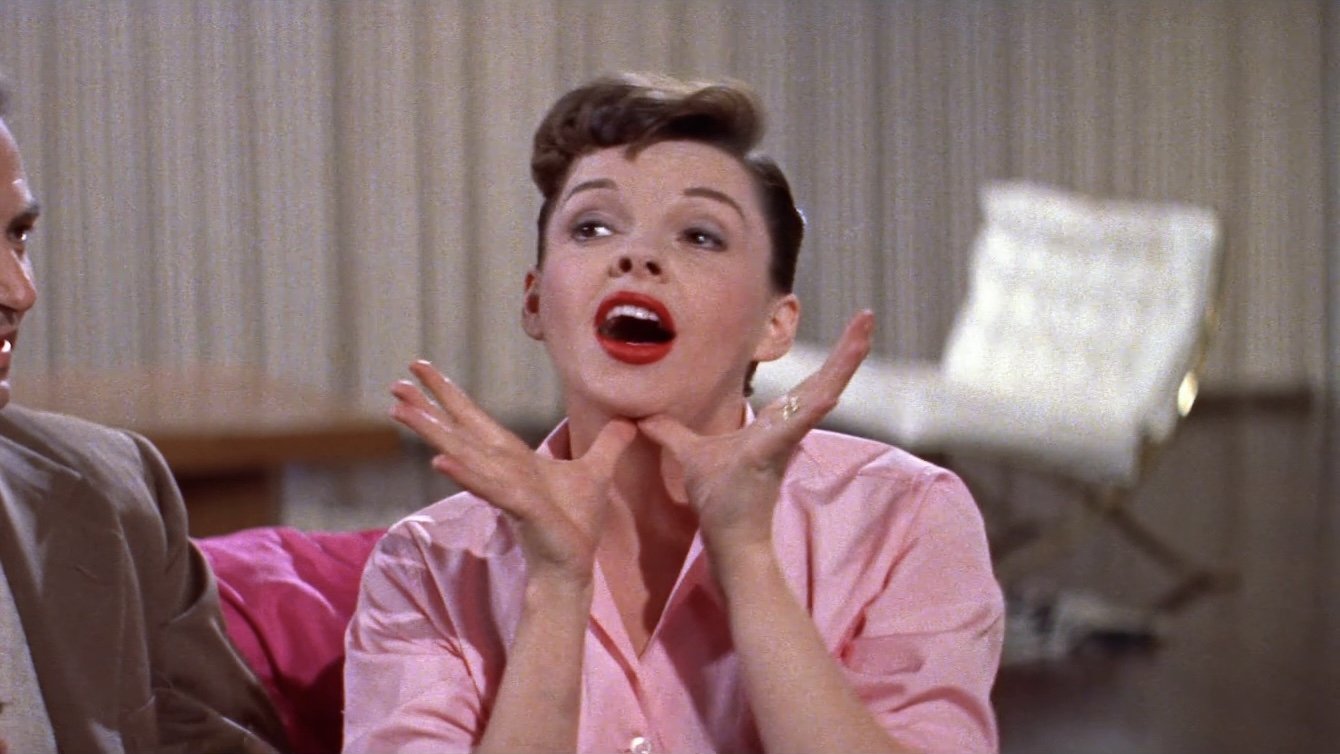
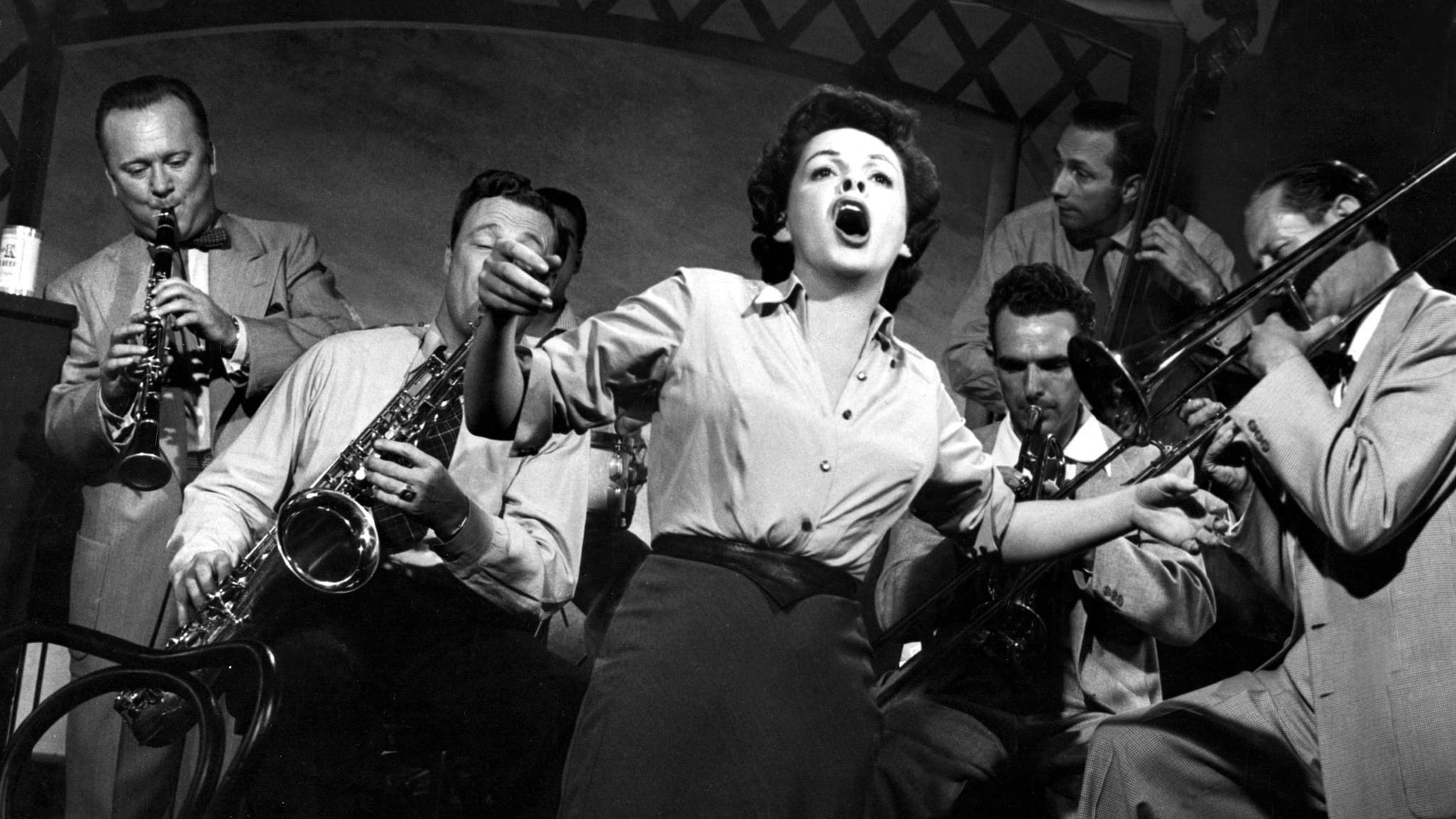
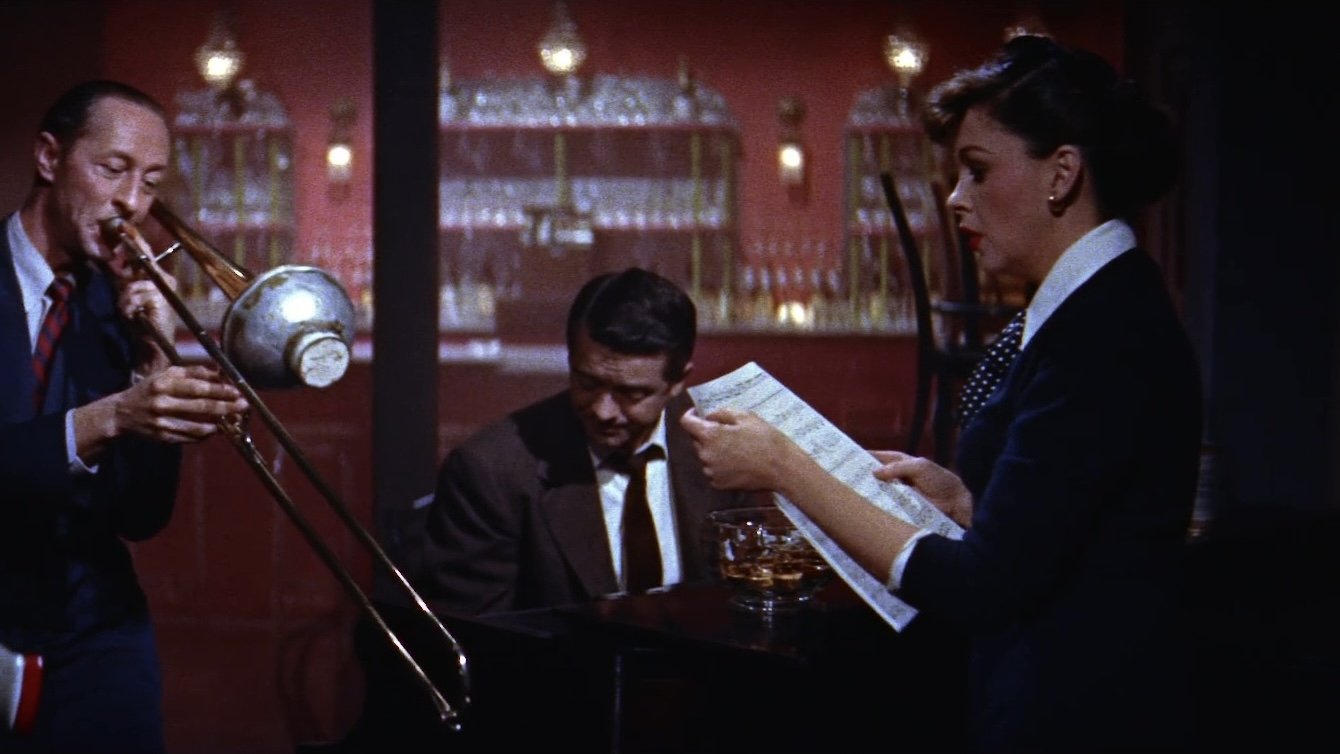
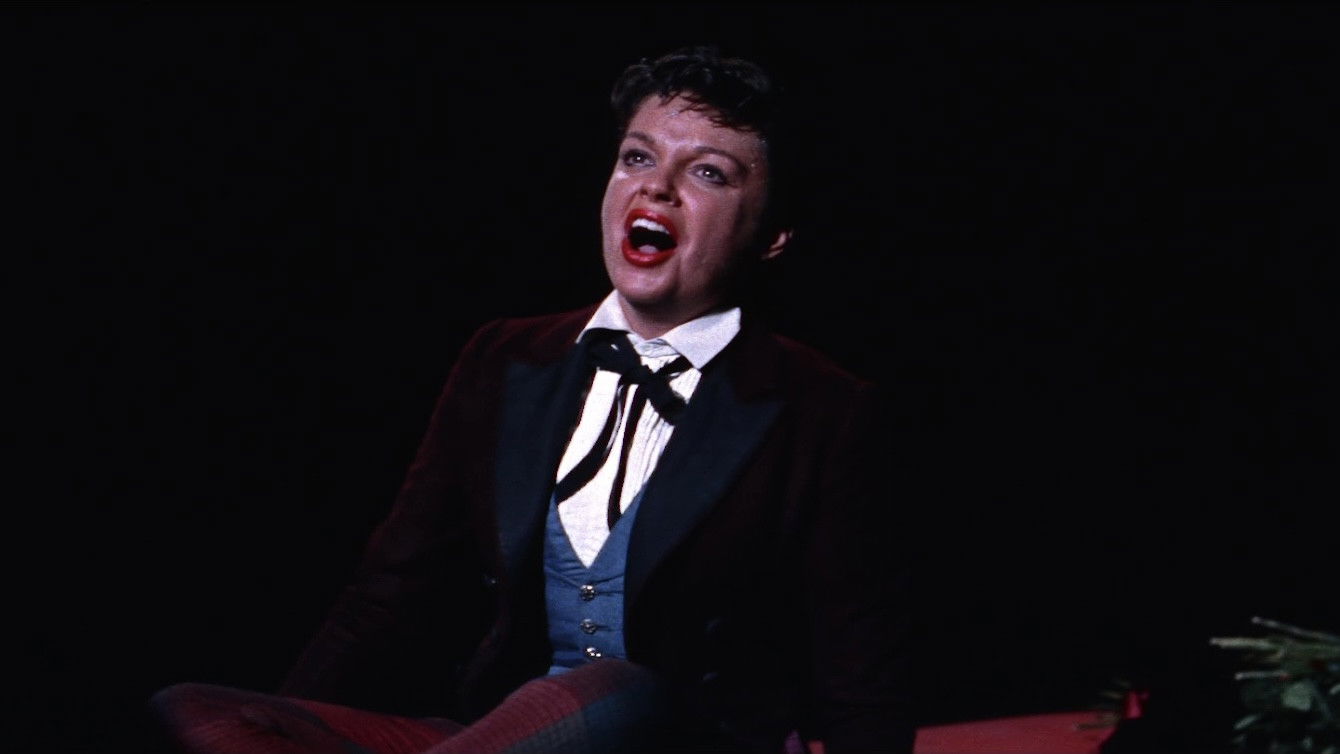
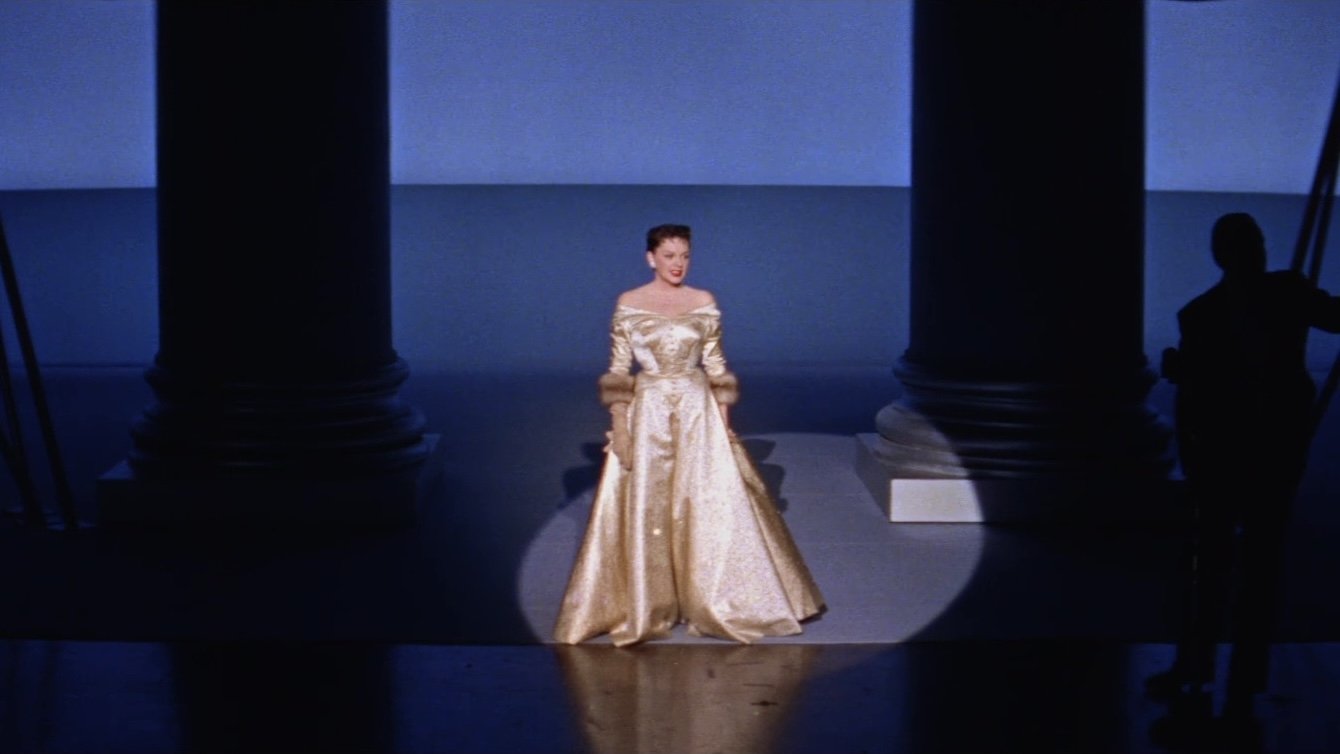
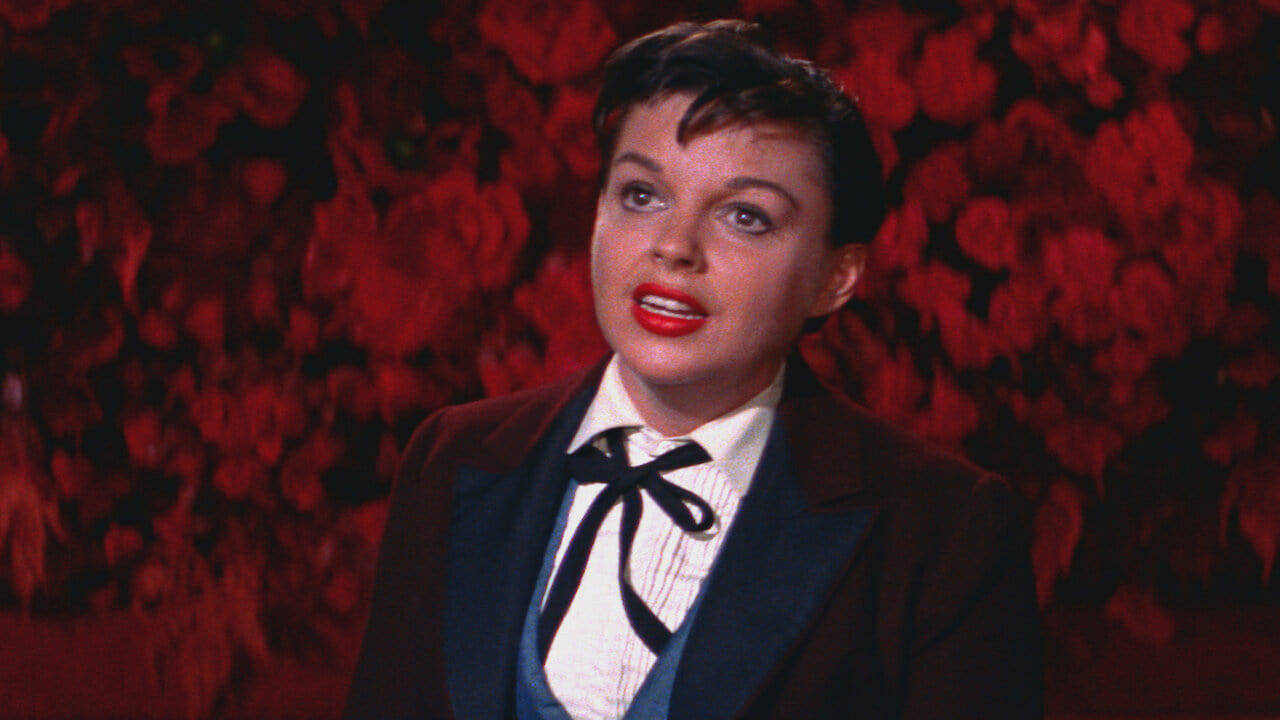
Garland is the main attraction. Some call the hype an exaggeration; others call her work defining, even epochal. Almost everyone agrees that her presence on screen is powerful and immediate. So much of this film is her draining her soul out to the audience. Not merely “watch her sing,” but watch what it costs for her to sing.
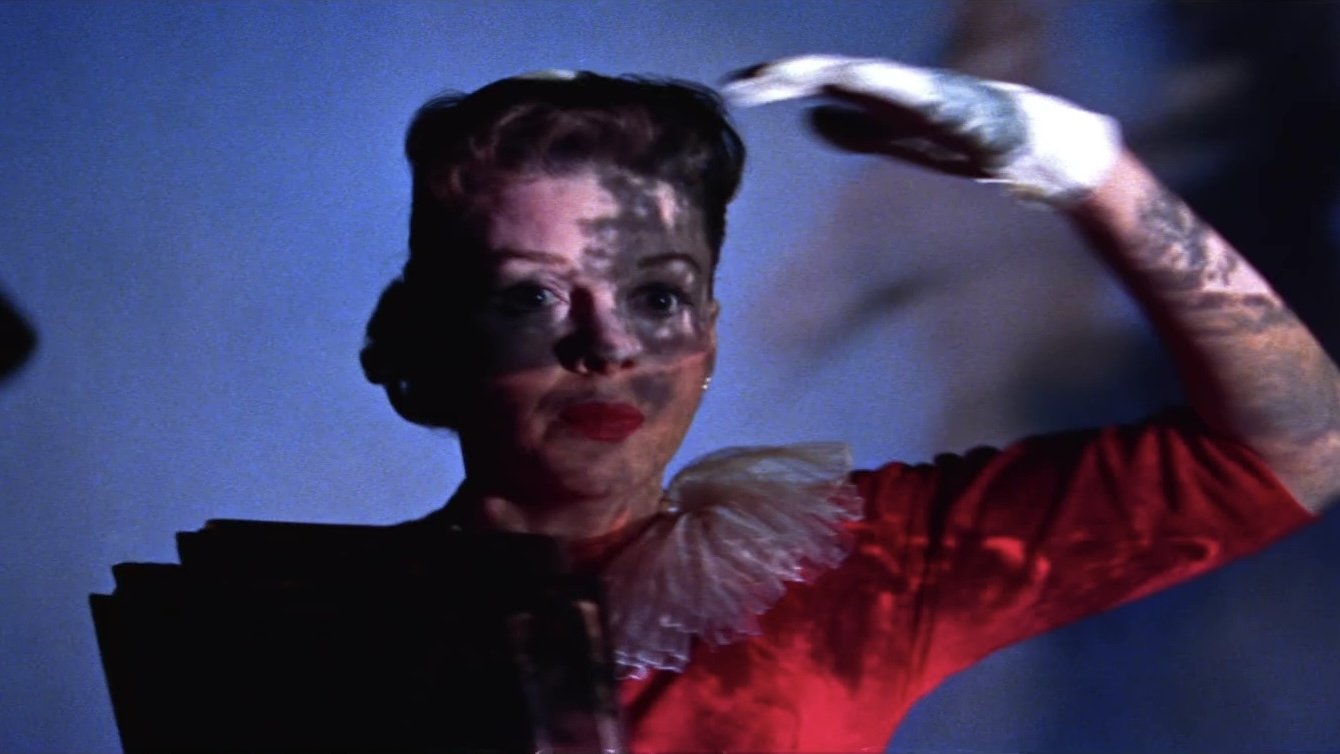
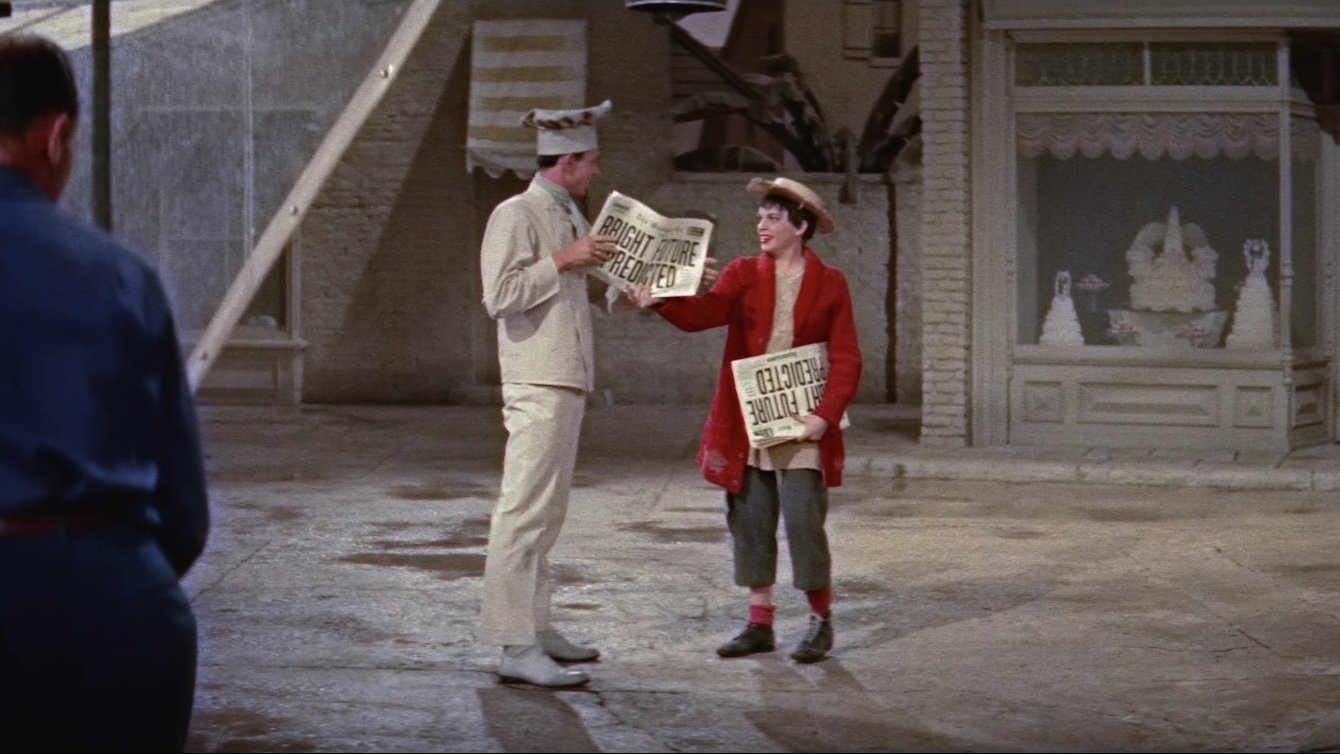
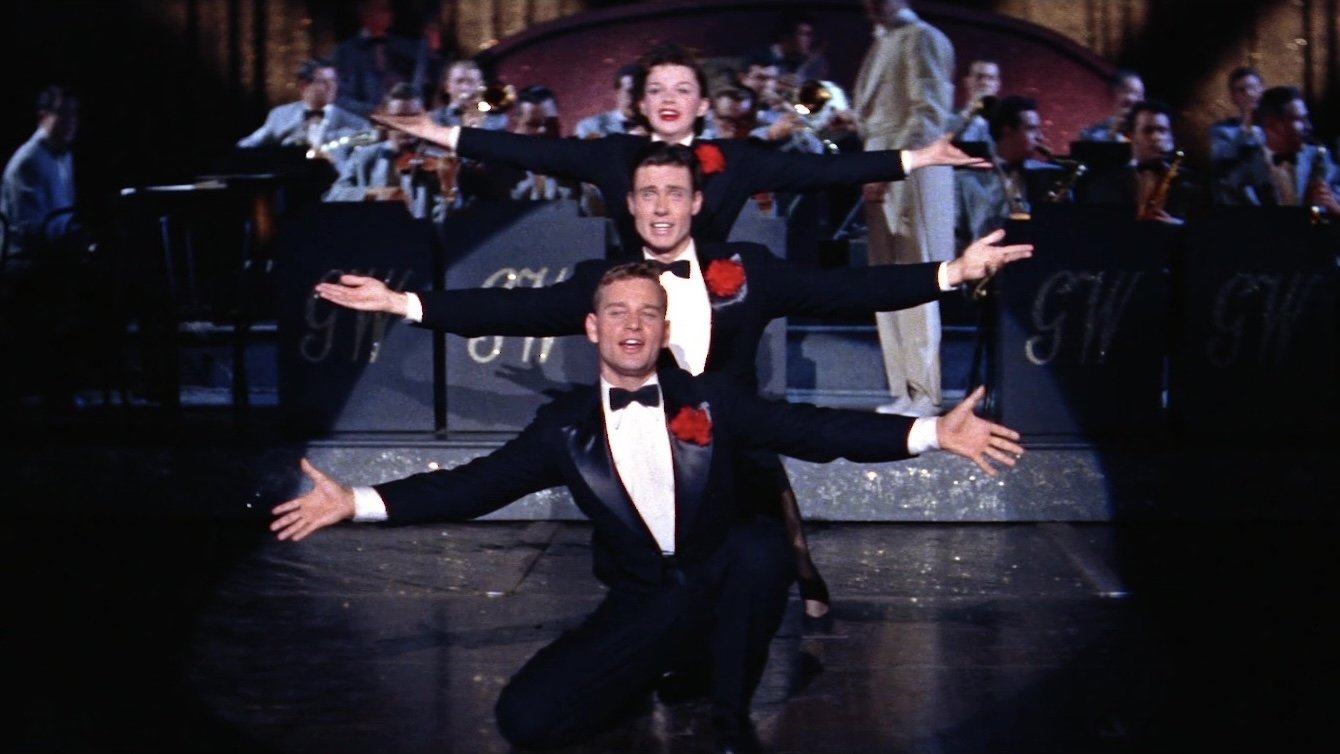
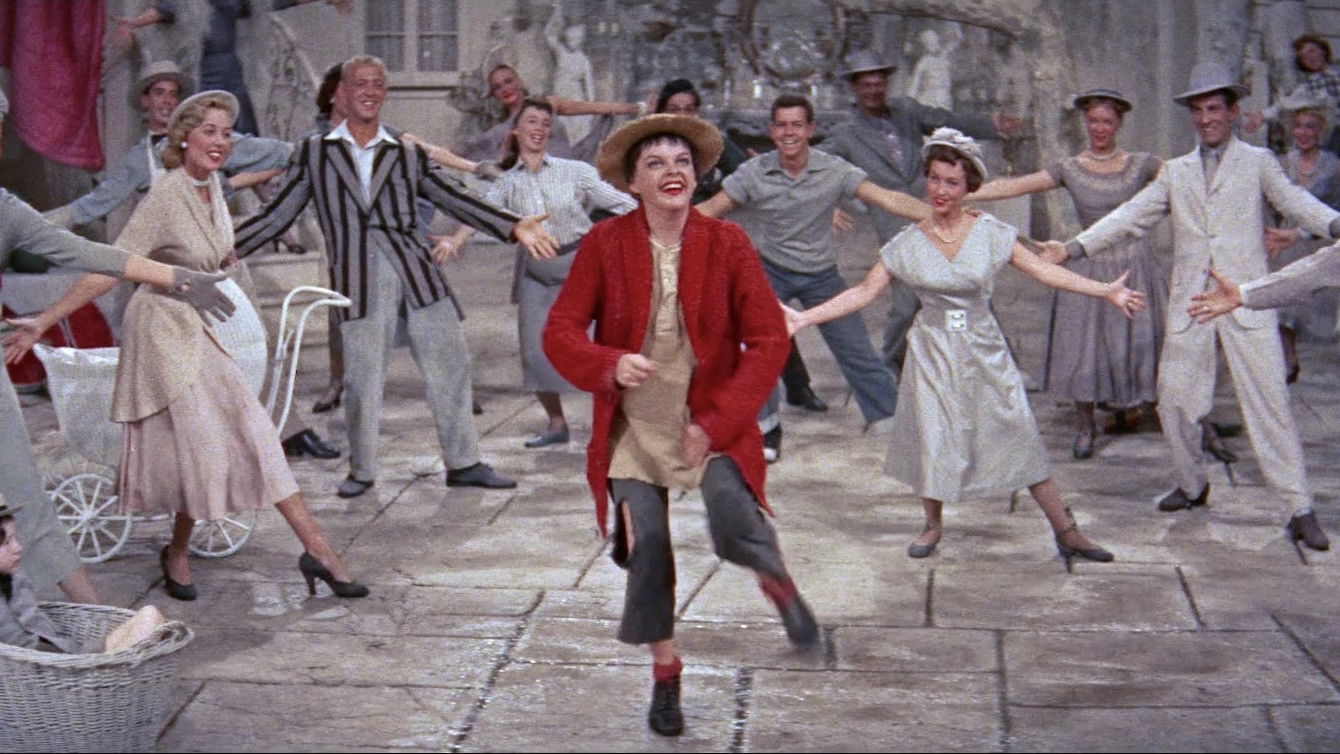
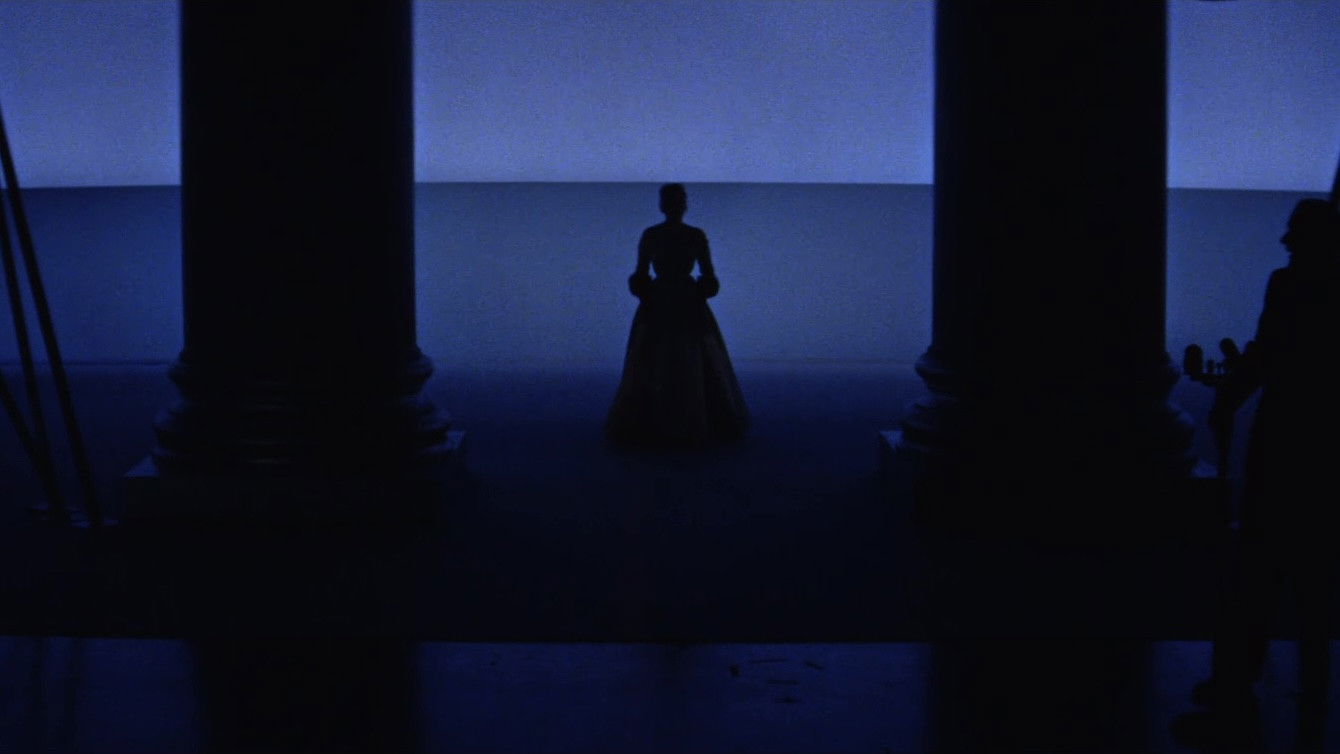
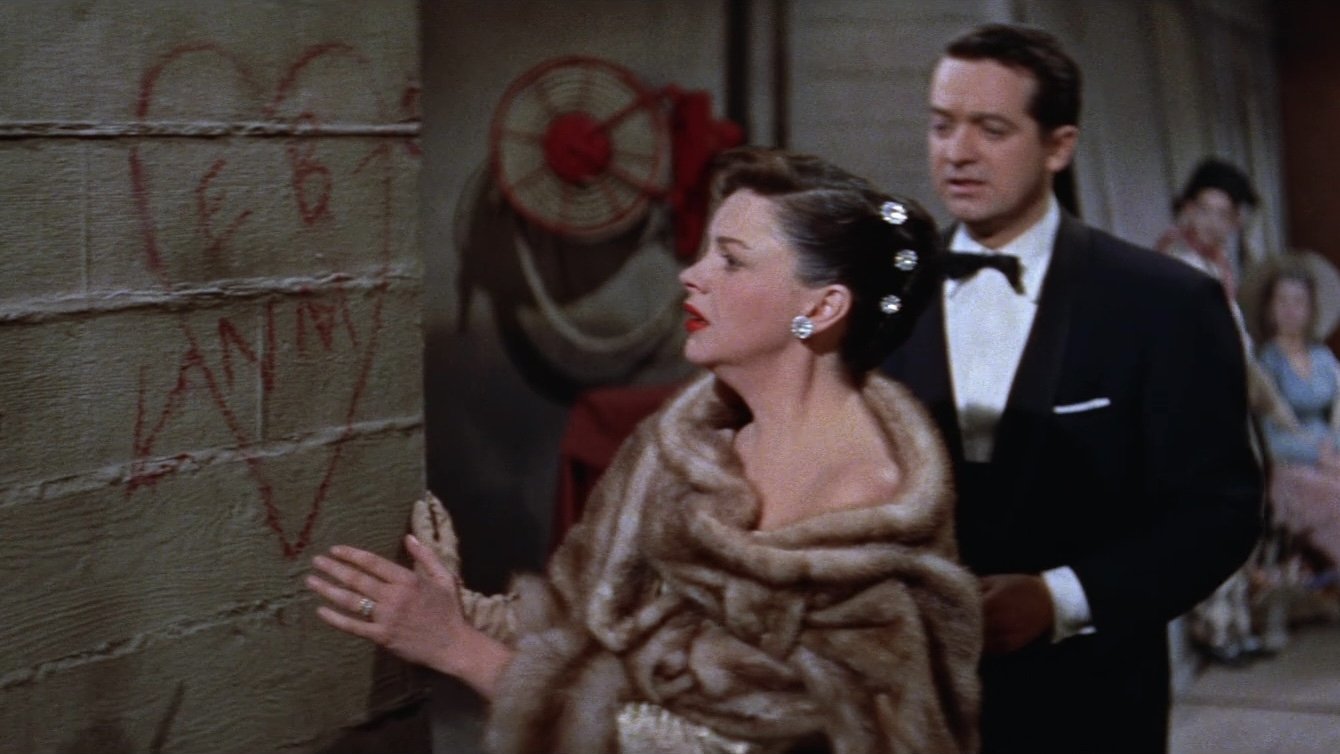
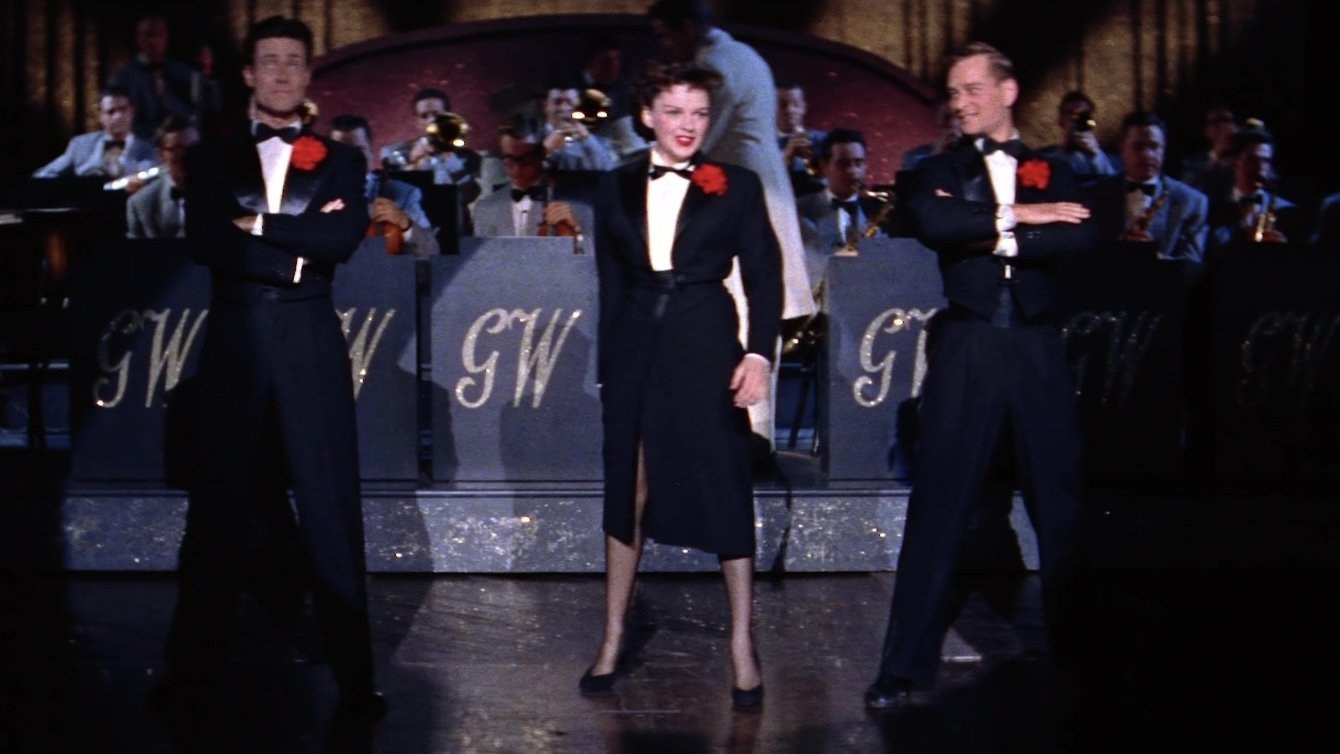
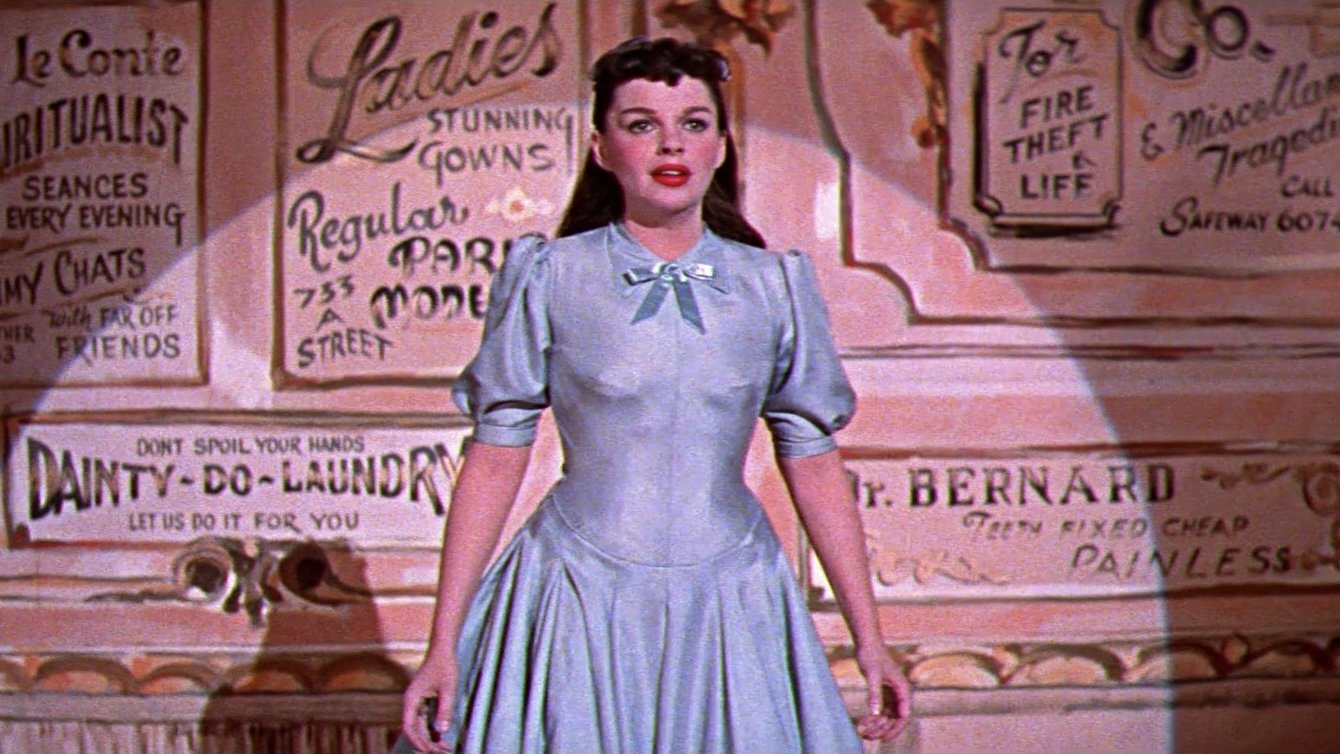
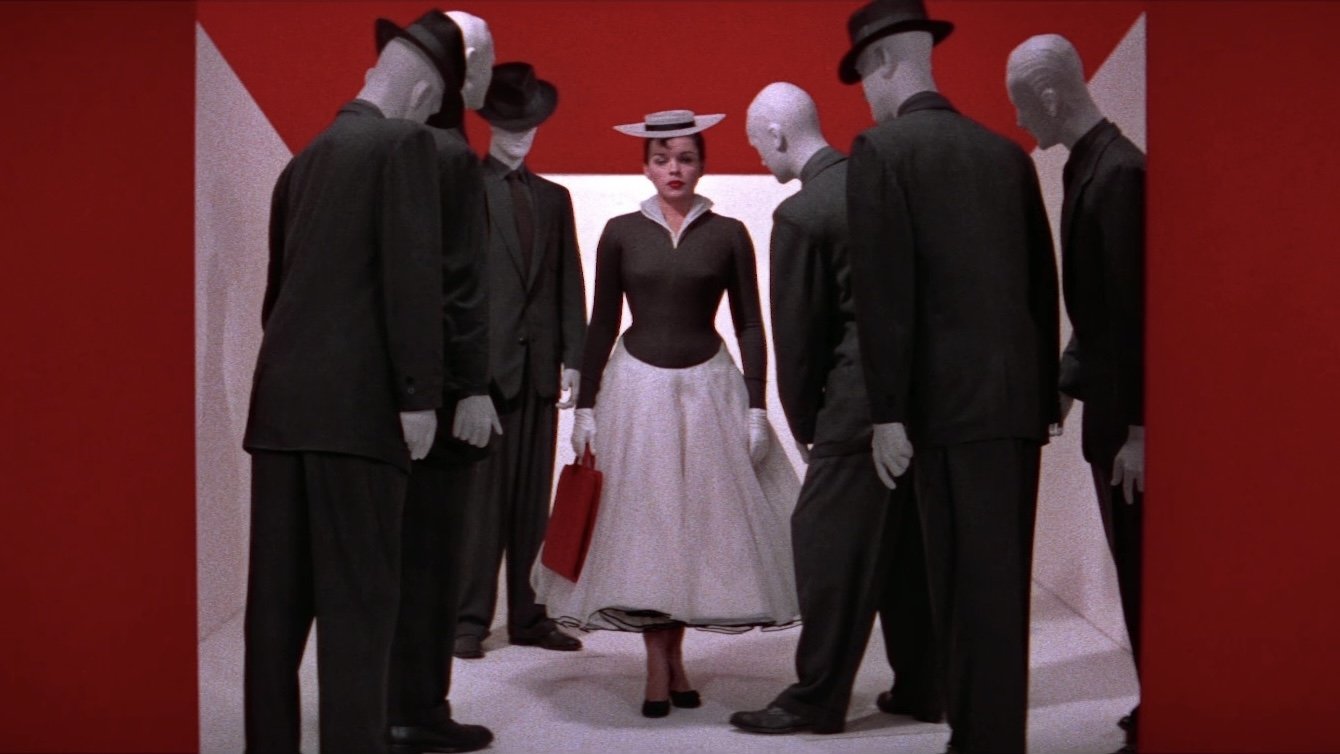
The color-and-blocking nails the film’s thesis. The star system is choreography, and choreography is the logic of replacement. The camera stages the transfer of power as both seduction and inevitability, a dance whose beauty conceals its violence. The spectacle glistens, but harm circulates beneath the surface. The film’s unstable visual language amplifies this tension, shimmering with the unreality of fame. These aesthetics feed the dread: the movie shimmers like a dream because fame itself floats outside time, timelessly artificial.
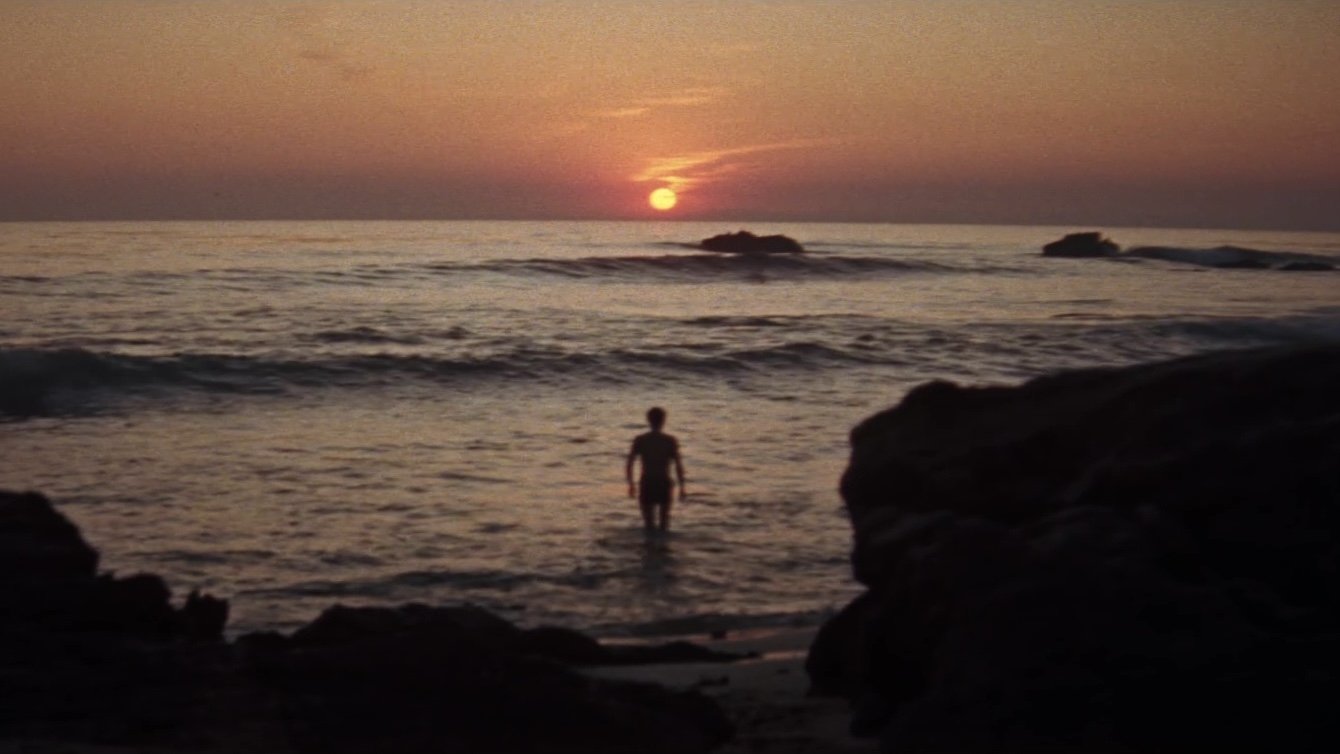
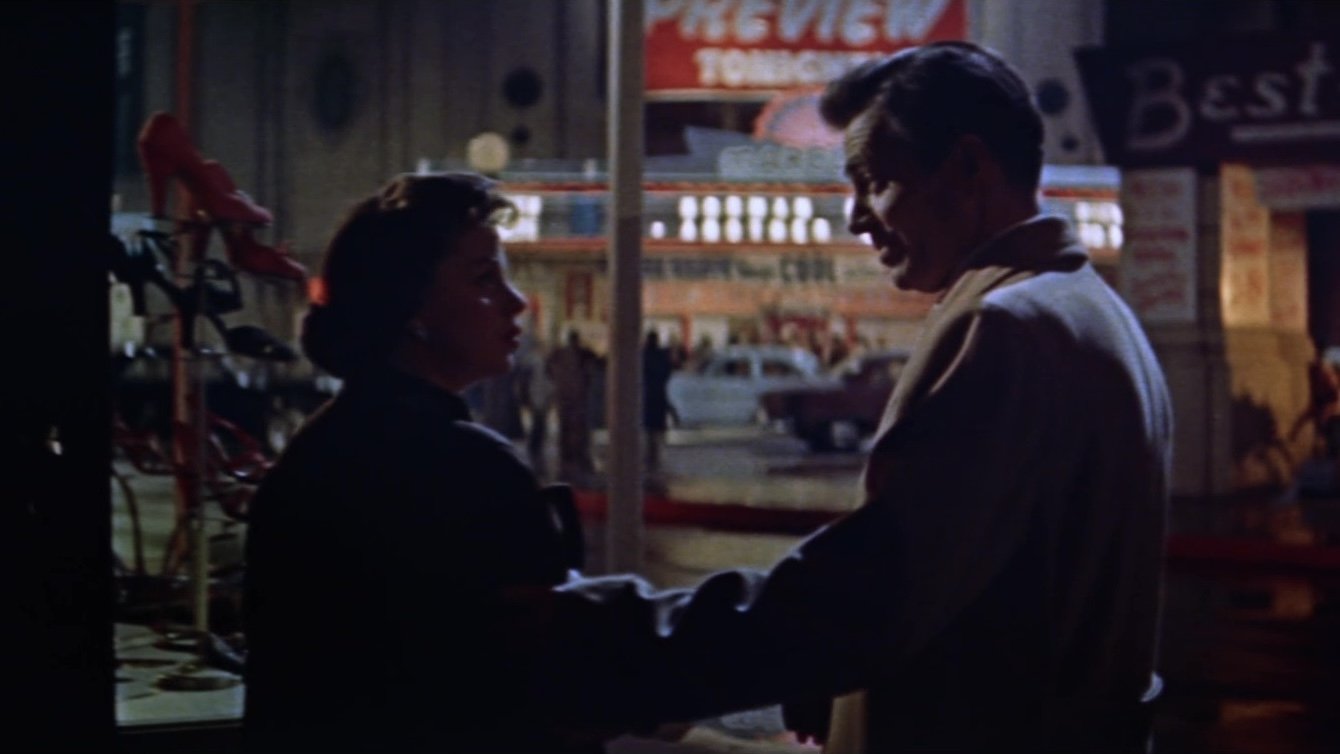
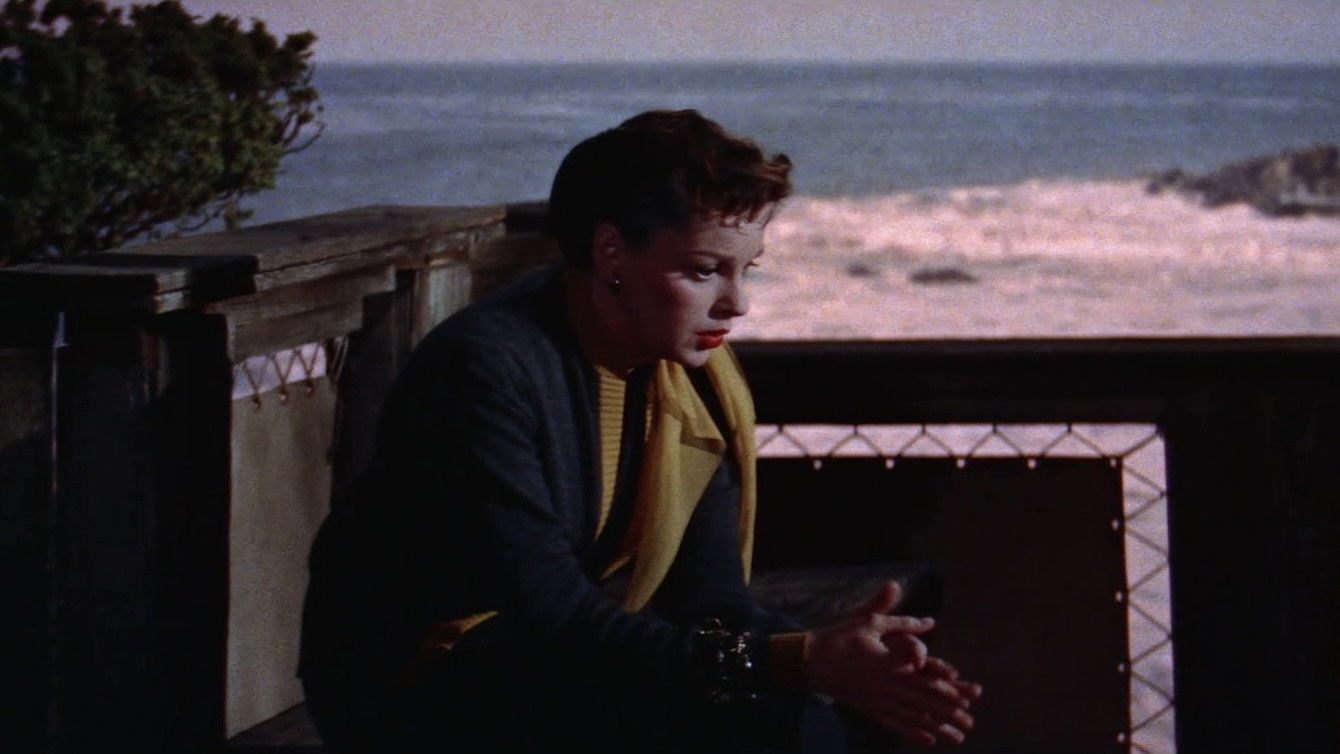
The film’s devastation is not just in its ending, but in the protagonist’s surrender to the logic of public identity. The vow to never give up survives, but only as a shadow. She does not save him; she memorializes him by becoming the product the system demands. The final paradox is that love is transmuted into branding. The performance endures, the self recedes. What remains is a romance that is both haunting and hollow: the authentic self hidden, the performed self rewarded.
If the music fails to reach you, or if the restored cut’s still-photo transitions fracture your immersion, the film can register as emotionally remote. But that distance is not a flaw; it is the point. A Star Is Born (1954) turns love into labor, fame into a kind of ritual slaughter. Garland’s musical performances are not “numbers,” they’re exorcisms! Cukor frames Hollywood as a luminous engine that devours the human spirit and converts it into spectacle. The film is not seamless; it remains a wound, carefully preserved. Its narrative treats people as raw material, diminishes them, and then hands the audience what remains. The breakage is not a gap to be closed but a bridge between melodrama and artifact. The film does not simply tell a story; it stages the price of being seen.
Any review that claims the “restoration” is objective overlooks the most poetic aspect of this version: the film stands fundamentally incomplete, and it enacts its incompleteness with a distinct self-awareness. The still-photo montages serve not only as interruptions but also as reminders that this narrative comes packaged as a commodified product. The restored version can resemble an extended audition reel. Yet, there is a somber coherence in this fragmentation. The film depicts a life dissected for public consumption. In this sense, the fragmented structure enhances the film’s authenticity: it does not merely critique Hollywood; it exemplifies its mechanisms.
The story’s sense of longing and the idea of a dream pulled from nowhere thins out here. If we don’t see Vicki work for her transformation, her journey turns predictable. This matters because the whole film is built on contrasts: rising and falling, new talent and old stars, ambition and exhaustion. If Vicki's rise glides too easily, Norman’s later claim that he believed in her first lands, forced, as if the script insisted on itself rather than showing us. The small moments, awkward silences, and slow build-up are missing, which makes the romance feel less real. That’s why some viewers say the love story is more “stated and sung” than truly felt.
This way of looking at the story is important because it changes how we see Norman’s downfall. His alcoholism isn’t just a personal flaw; it’s what happens when someone is praised for their image long after they’re worn out. The film shows how he realizes he’s hurt Vicki and how that truth hits him. Again and again, the film points out how the system is built to use people up.
The film almost asks to be read as queer-coded. Here, love feels more like seeing and caring for someone than about passion. Vicki’s loyalty is the kind you show when you know someone’s pain and choose to stay. In this view, the romance is a public mask for a deeper story: one person rising, one falling, and the promise “I won’t abandon you” being the only steady thing in a shaky world. Norman is often called a "handler," someone the industry uses to manage and then take back, a man pushed aside in the story’s musical world. Their relationship is more about faith in each other than physical desire. That’s why it can feel both honest and a bit distant—it’s about belief, not longing. The main point is that the film treats love as a promise, not just a feeling. That’s why it feels “deeply true” even if it isn’t traditionally romantic.
Garland is the main attraction. Some call the hype an exaggeration; others call her work defining, even epochal. Almost everyone agrees that her presence on screen is powerful and immediate. So much of this film is her draining her soul out to the audience. Not merely “watch her sing,” but watch what it costs for her to sing.
The color-and-blocking nails the film’s thesis. The star system is choreography, and choreography is the logic of replacement. The camera stages the transfer of power as both seduction and inevitability, a dance whose beauty conceals its violence. The spectacle glistens, but harm circulates beneath the surface. The film’s unstable visual language amplifies this tension, shimmering with the unreality of fame. These aesthetics feed the dread: the movie shimmers like a dream because fame itself floats outside time, timelessly artificial.
The film’s devastation is not just in its ending, but in the protagonist’s surrender to the logic of public identity. The vow to never give up survives, but only as a shadow. She does not save him; she memorializes him by becoming the product the system demands. The final paradox is that love is transmuted into branding. The performance endures, the self recedes. What remains is a romance that is both haunting and hollow: the authentic self hidden, the performed self rewarded.