
Be Pretty and Shut Up!
1981·Documentary·1h 51m
7.1
★
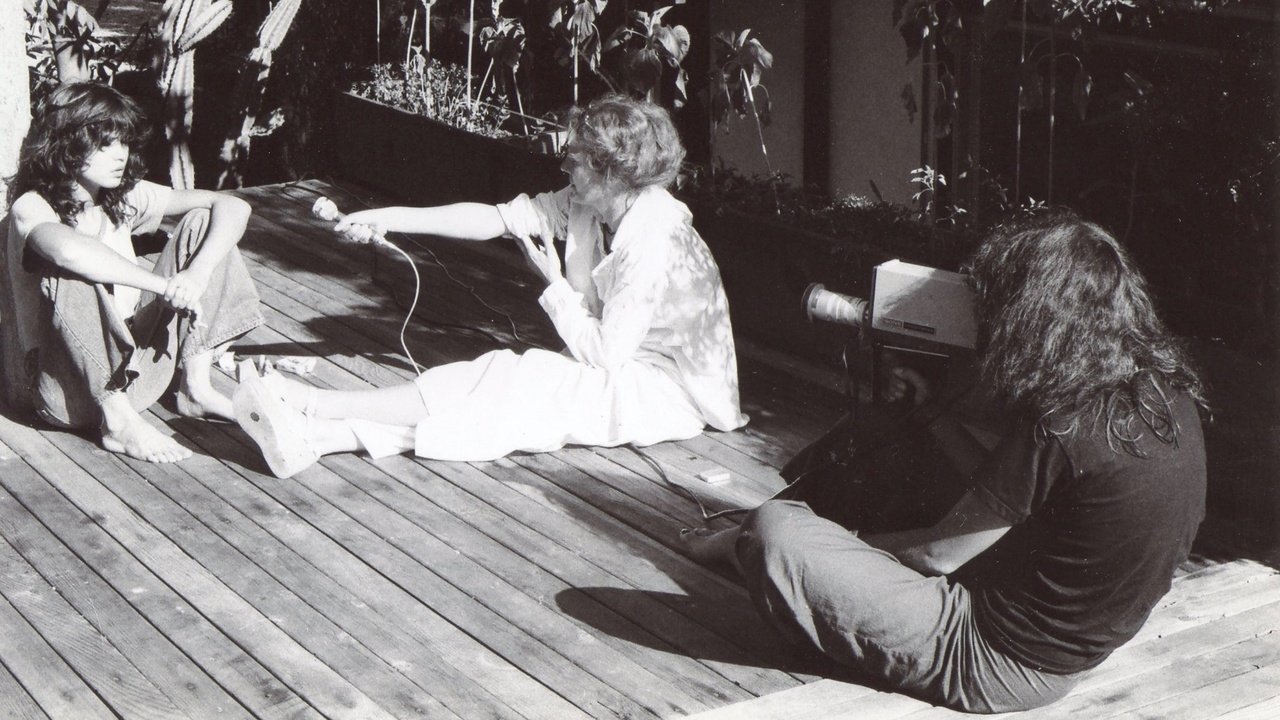
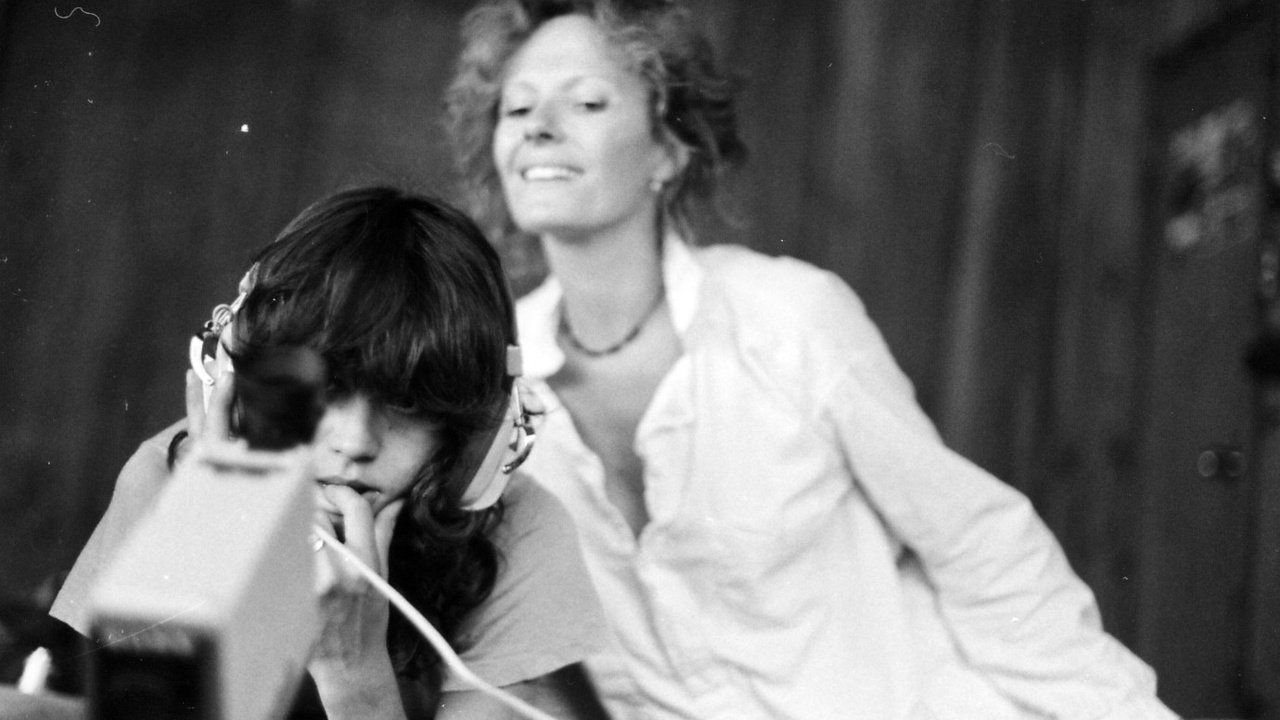
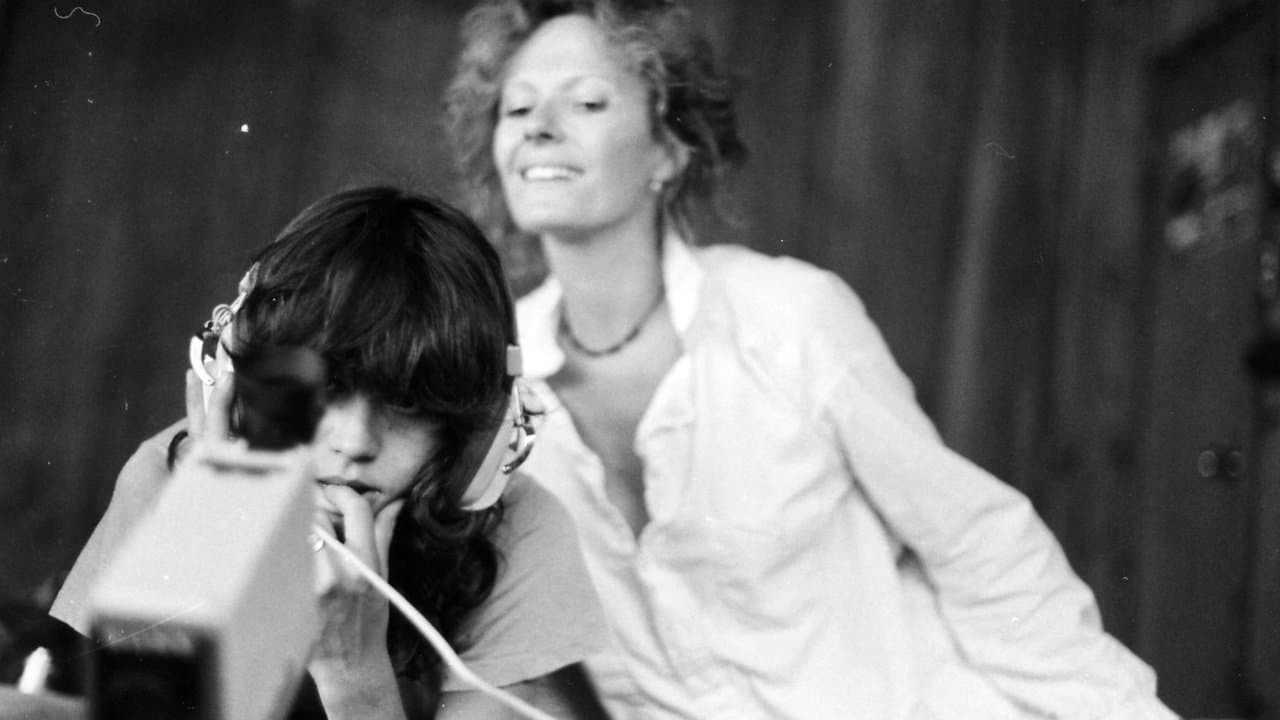
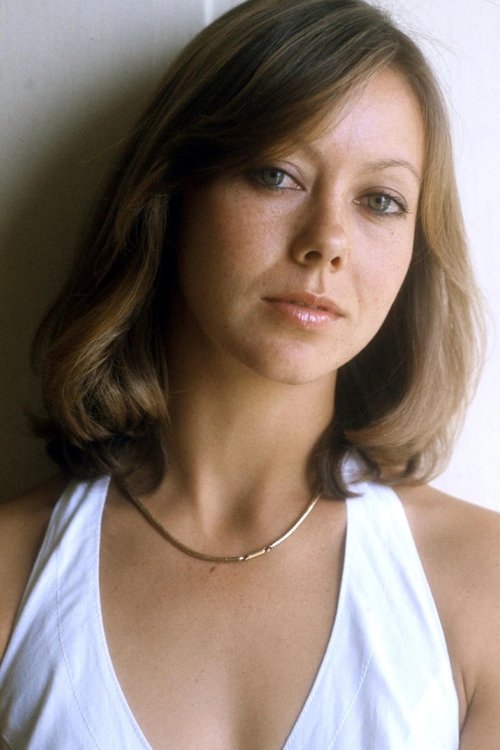
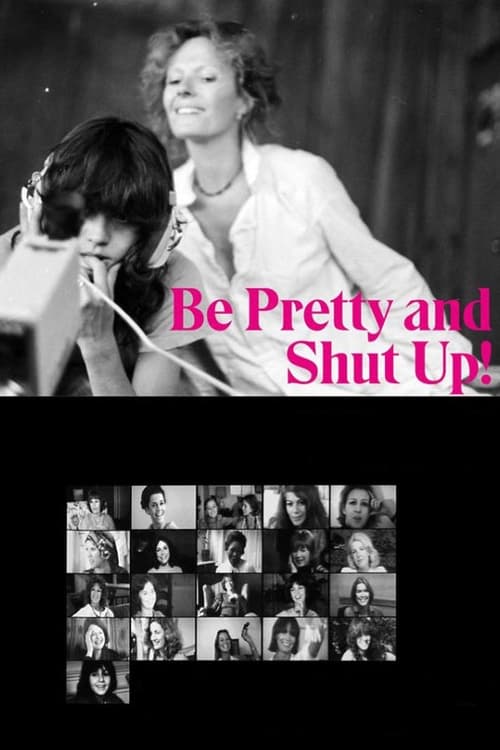
The film is a series of interviews with various well-known film actresses, including Jenny Agutter, Maria Schneider, and Jane Fonda. The title, which is borrowed from a 1958 film with the same name by Marc Allegret, refers to the sense the actresses have of what is expected of them by the film industry.
Directed by Delphine Seyrig
woman director

IMDB
N/A
Cast
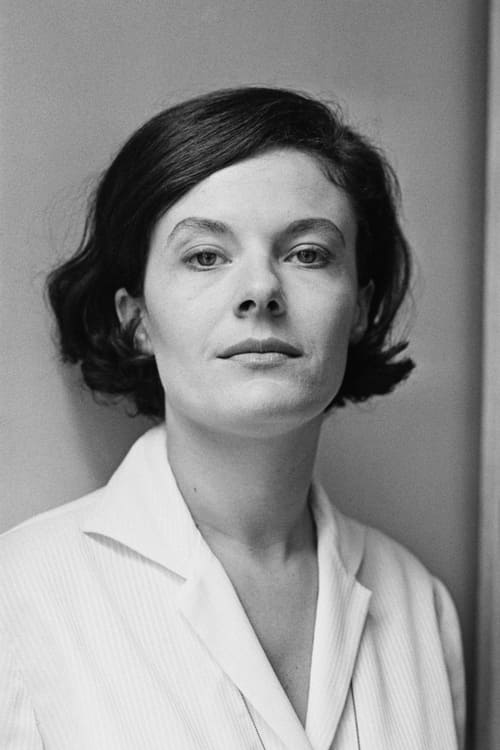
Delphine Seyrig
Self - Interviewer
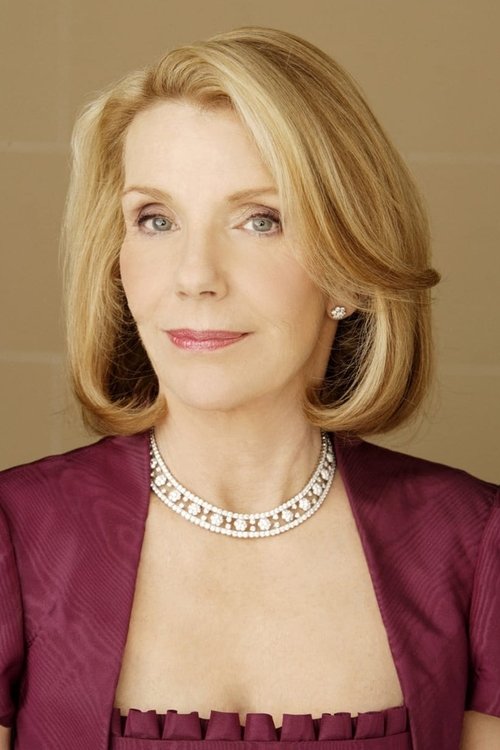
Jill Clayburgh
Self

Marie Dubois
Self
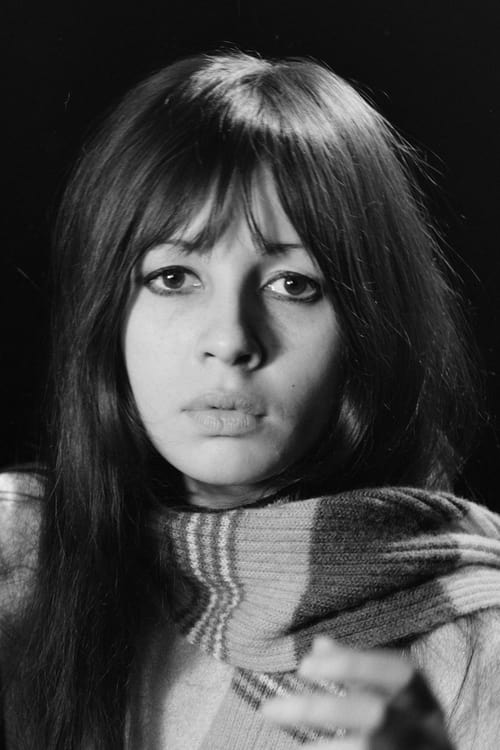
Juliet Berto
Self
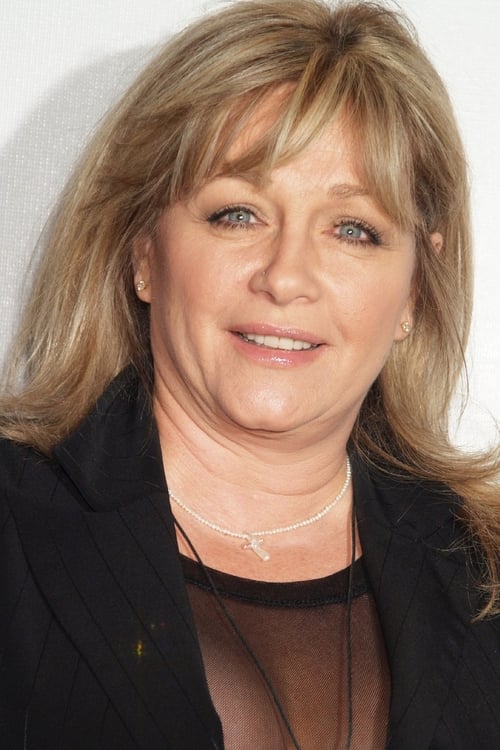
Patti D'Arbanville
Self
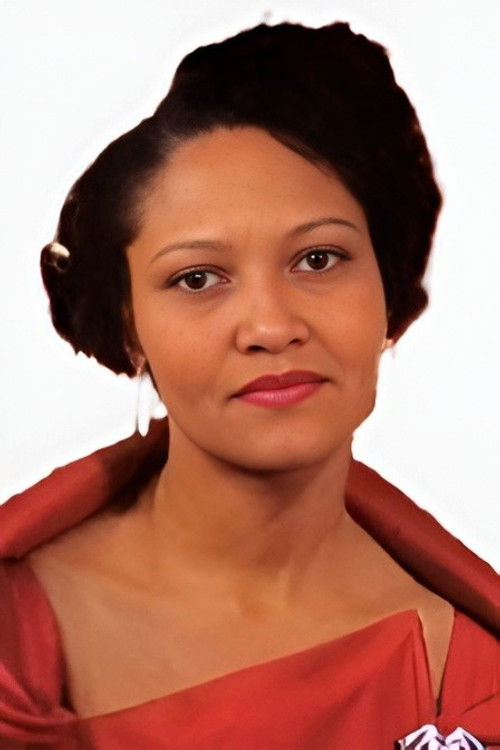
Maidie Norman
Self
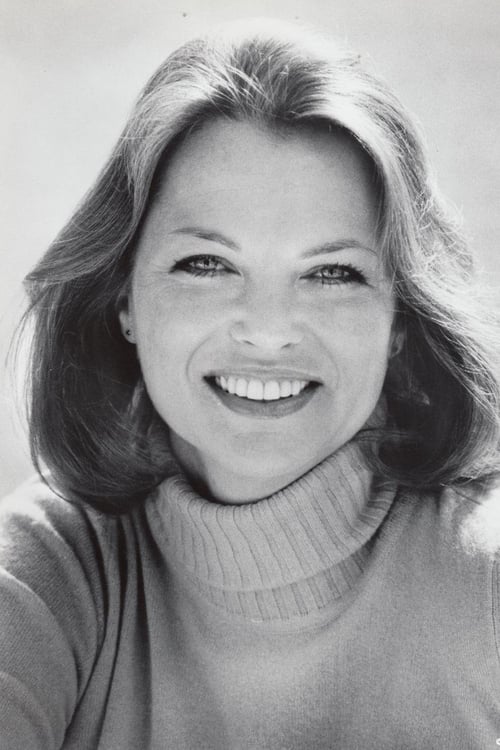
Louise Fletcher
Self
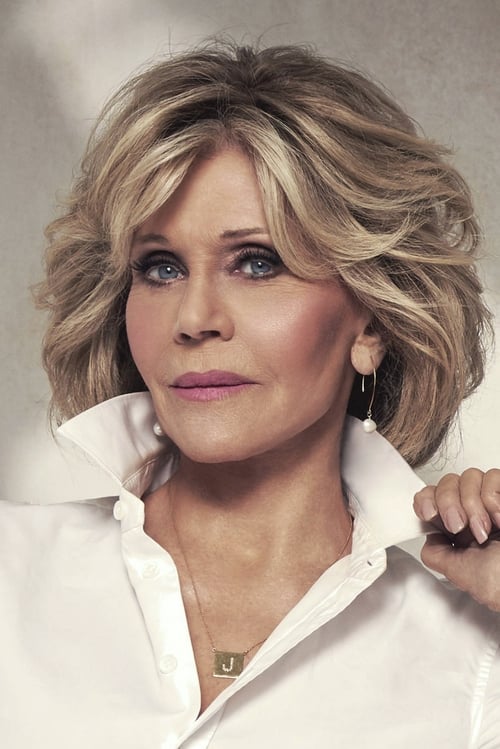
Jane Fonda
Self
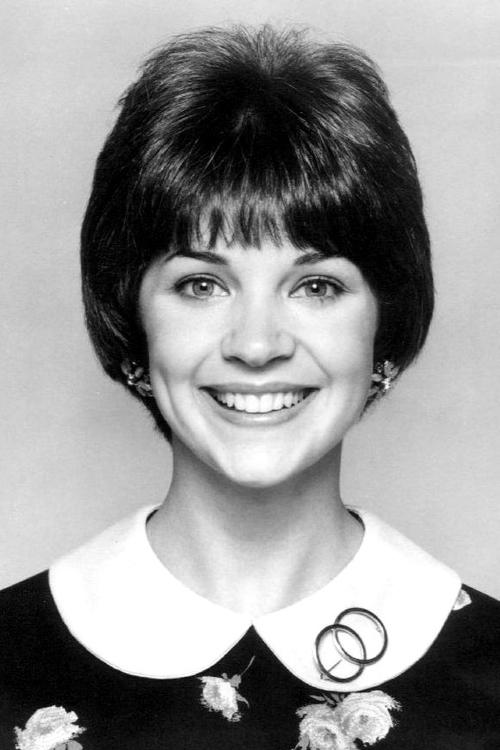
Cindy Williams
Self
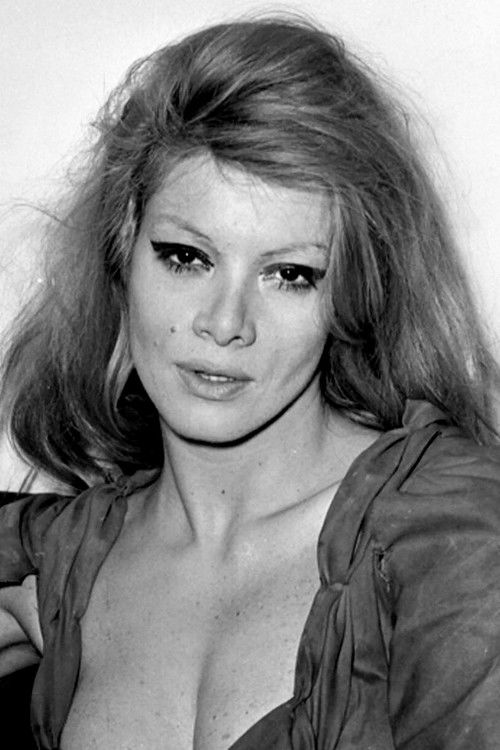
Rita Renoir
Self
Jenny Agutter
Self
Luce Guilbeault
Self
Crew
Delphine Seyrig
Director
Ioana Wieder
Editor
Carole Roussopoulos
Editor
Carole Roussopoulos
Director of Photography
Delphine Seyrig
Producer
Popular Reviews
10 reviews
Tony Hightower
8.0★ · 02/07/26
This feels rather like a companion piece to Delphine & Carole, another film talking about how women in film were treated as less-than, in so many ways. Here, Delphine Seyrig takes more control of the conversation, interviewing dozens of well-known French and American female actors about their experiences on set, and specifically asking them a variation of what would later become known as the Bechdel-Wallace Test.
It won't (or shouldn't) surprise you to know how few films these amazing women have been in that even come close to passing that test, but man, is it sobering to see this massive list of great women, one after the other after the other, tell their horror stories about life on set, and talk about the opportunities they often only realized they hadn't been given long after the door had closed.
You expect Jane Fonda to be eloquent about this, in two languages -- and she absolutely is -- but Juliet Berto, Jill Clayburgh, and Cindy Williams (to name three at random) had clearly spent a lot of time thinking about this, and provide a lot of excellent grist for this particular mill.
The patchwork English-French (and French-English, and for some reason English-French-English) dubbing makes getting through some segments feel like work, but it's an edifying and comprehensive snapshot of a generation of prodigiously talented actors, just trying to do the best work they can.
It won't (or shouldn't) surprise you to know how few films these amazing women have been in that even come close to passing that test, but man, is it sobering to see this massive list of great women, one after the other after the other, tell their horror stories about life on set, and talk about the opportunities they often only realized they hadn't been given long after the door had closed.
You expect Jane Fonda to be eloquent about this, in two languages -- and she absolutely is -- but Juliet Berto, Jill Clayburgh, and Cindy Williams (to name three at random) had clearly spent a lot of time thinking about this, and provide a lot of excellent grist for this particular mill.
The patchwork English-French (and French-English, and for some reason English-French-English) dubbing makes getting through some segments feel like work, but it's an edifying and comprehensive snapshot of a generation of prodigiously talented actors, just trying to do the best work they can.
This feels rather like a companion piece to Delphine & Carole, another film talking about how women in film were treated as less-than, in so many ways. Here, Delphine Seyrig takes more control of the conversation, interviewing dozens of well-known French and American female actors about their experiences on set, and specifically asking them a variation of what would later become known as the Bechdel-Wallace Test.
It won't (or shouldn't) surprise you to know how few films these amazing women have been in that even come close to passing that test, but man, is it sobering to see this massive list of great women, one after the other after the other, tell their horror stories about life on set, and talk about the opportunities they often only realized they hadn't been given long after the door had closed.
You expect Jane Fonda to be eloquent about this, in two languages -- and she absolutely is -- but Juliet Berto, Jill Clayburgh, and Cindy Williams (to name three at random) had clearly spent a lot of time thinking about this, and provide a lot of excellent grist for this particular mill.
The patchwork English-French (and French-English, and for some reason English-French-English) dubbing makes getting through some segments feel like work, but it's an edifying and comprehensive snapshot of a generation of prodigiously talented actors, just trying to do the best work they can.
It won't (or shouldn't) surprise you to know how few films these amazing women have been in that even come close to passing that test, but man, is it sobering to see this massive list of great women, one after the other after the other, tell their horror stories about life on set, and talk about the opportunities they often only realized they hadn't been given long after the door had closed.
You expect Jane Fonda to be eloquent about this, in two languages -- and she absolutely is -- but Juliet Berto, Jill Clayburgh, and Cindy Williams (to name three at random) had clearly spent a lot of time thinking about this, and provide a lot of excellent grist for this particular mill.
The patchwork English-French (and French-English, and for some reason English-French-English) dubbing makes getting through some segments feel like work, but it's an edifying and comprehensive snapshot of a generation of prodigiously talented actors, just trying to do the best work they can.


polina
8.0★ · 01/18/25
Delphine Seyrig is one of my favorite actresses, so I was happy to learn about her work as a director. I immediately watched the documentary. and this one is so strong and important...> 26 women associated with the film industry discuss their experiences and the difficulties they face due to society's perception of women. Delphine made sure that the audience was provided with the experience of girls with completely different experiences, different ages and nationalities, as well as creative activities, here you can listen to the thoughts of actresses, female directors, camerawoman, and so on. Maidie Norman's experience as a black woman working in this industry was also meaningful to hear. > unfortunately, the film industry is not able to learn much from its mistakes, and many of the thoughts seemed very relevant to me. Maria Schneider expressed her thoughts on the fact that actresses are constantly being chosen for partners by men much older than them, and she would like to work with male actors her own age. also, there are reflections regarding the perception of older actresses in society, wherein they appear to lose their attractiveness over time, whereas men are consistently deemed attractive.> "I mean, I find women at any age attractive because of who I am, but men don't." > I am pleased that this industry appears to be progressing and the issue is being brought up on a more frequent basis, including in films, however, it remains a significant issue.> In 1981, the Bechdel test was published, which examines the almost absence of close relationships between women in mass cinema, and how female characters most often talk about their boyfriend or children. It is interesting to see how thoughts about this were expressed five years before its appearance. Juliet Berto says that the only film where she interacted with a woman on the set is "Celine and Julie go boating". Candy Clark also recollects that she only had one-on-one scenes with other male actors, yet her male actors on set consistently interacted, with each other, and with women. > this film is an absolute must watch and I hope it gets more attention in the future.
Delphine Seyrig is one of my favorite actresses, so I was happy to learn about her work as a director. I immediately watched the documentary. and this one is so strong and important...> 26 women associated with the film industry discuss their experiences and the difficulties they face due to society's perception of women. Delphine made sure that the audience was provided with the experience of girls with completely different experiences, different ages and nationalities, as well as creative activities, here you can listen to the thoughts of actresses, female directors, camerawoman, and so on. Maidie Norman's experience as a black woman working in this industry was also meaningful to hear. > unfortunately, the film industry is not able to learn much from its mistakes, and many of the thoughts seemed very relevant to me. Maria Schneider expressed her thoughts on the fact that actresses are constantly being chosen for partners by men much older than them, and she would like to work with male actors her own age. also, there are reflections regarding the perception of older actresses in society, wherein they appear to lose their attractiveness over time, whereas men are consistently deemed attractive.> "I mean, I find women at any age attractive because of who I am, but men don't." > I am pleased that this industry appears to be progressing and the issue is being brought up on a more frequent basis, including in films, however, it remains a significant issue.> In 1981, the Bechdel test was published, which examines the almost absence of close relationships between women in mass cinema, and how female characters most often talk about their boyfriend or children. It is interesting to see how thoughts about this were expressed five years before its appearance. Juliet Berto says that the only film where she interacted with a woman on the set is "Celine and Julie go boating". Candy Clark also recollects that she only had one-on-one scenes with other male actors, yet her male actors on set consistently interacted, with each other, and with women. > this film is an absolute must watch and I hope it gets more attention in the future.
Meow
8.0★ · 05/04/23
And this is one of the many reasons on why I’m a misandrist ☺️❤️.
And this is one of the many reasons on why I’m a misandrist ☺️❤️.
Cami
9.0★ · 08/04/21
God bless these women.
God bless these women.
no
8.0★ · 07/19/25