The deeper the grief, the closer is God.
More Kierkegaard, I guess. So, Hegelian philosophy, this is only one branching idea, wants "the transformation of contingency and necessity." Hegel argues that the entirety of history turns contingency into necessity. Random accidents, think revolutions or even evolution, spark a grander progression of human consciousness and freedom. A magnificent system that poses a problem for Kierkegaard. The grandeur of Hegel's philosophy is detached from individual experience. Humanity is trying to fight the primitive desires of nature by relying on faith as an inward commitment to find truth. As someone searches for faith, faith becomes an inward pressure of angst and existentialism. In essence, faith is not a passive belief; it is the highest passion of inward life.
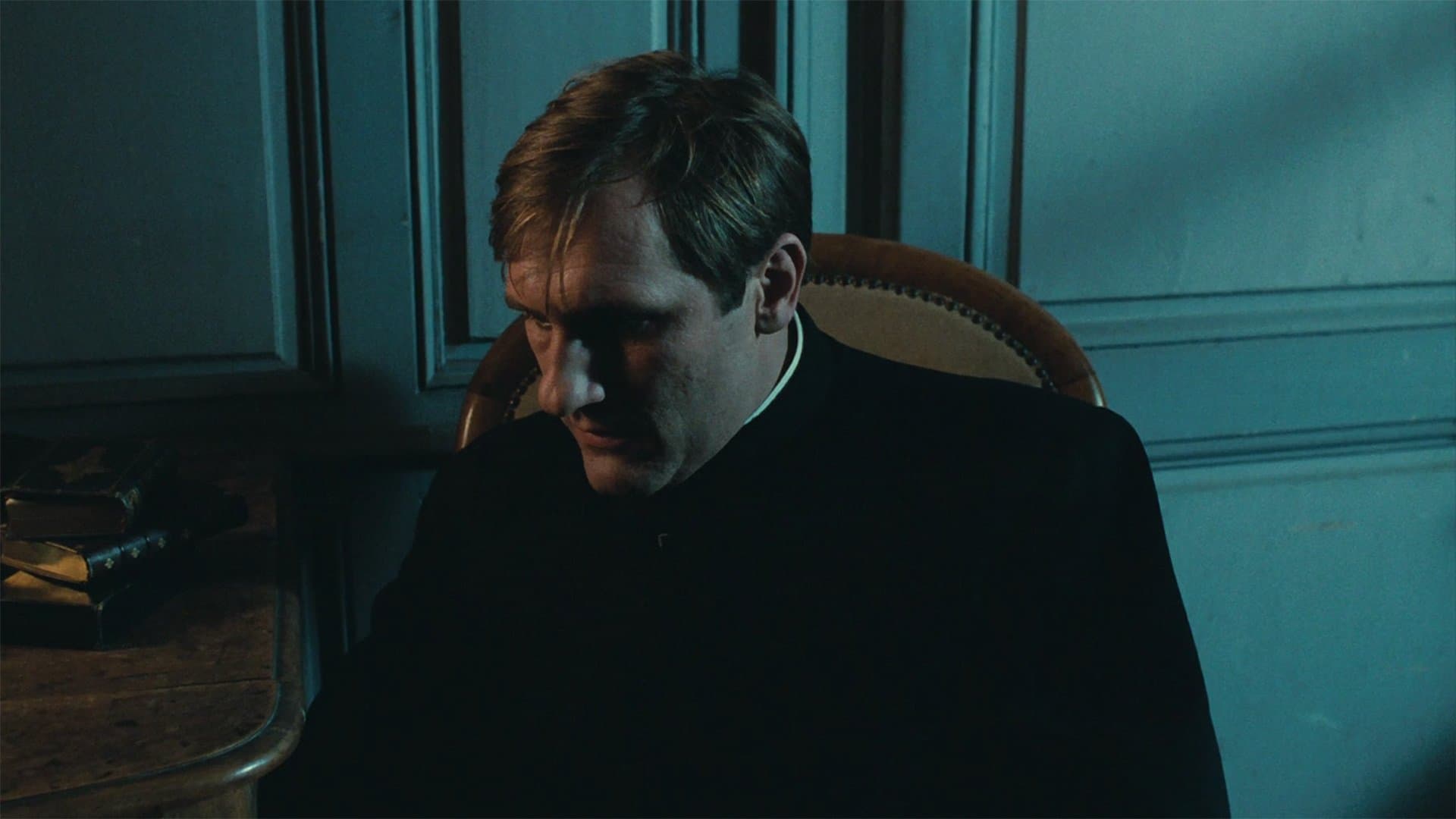
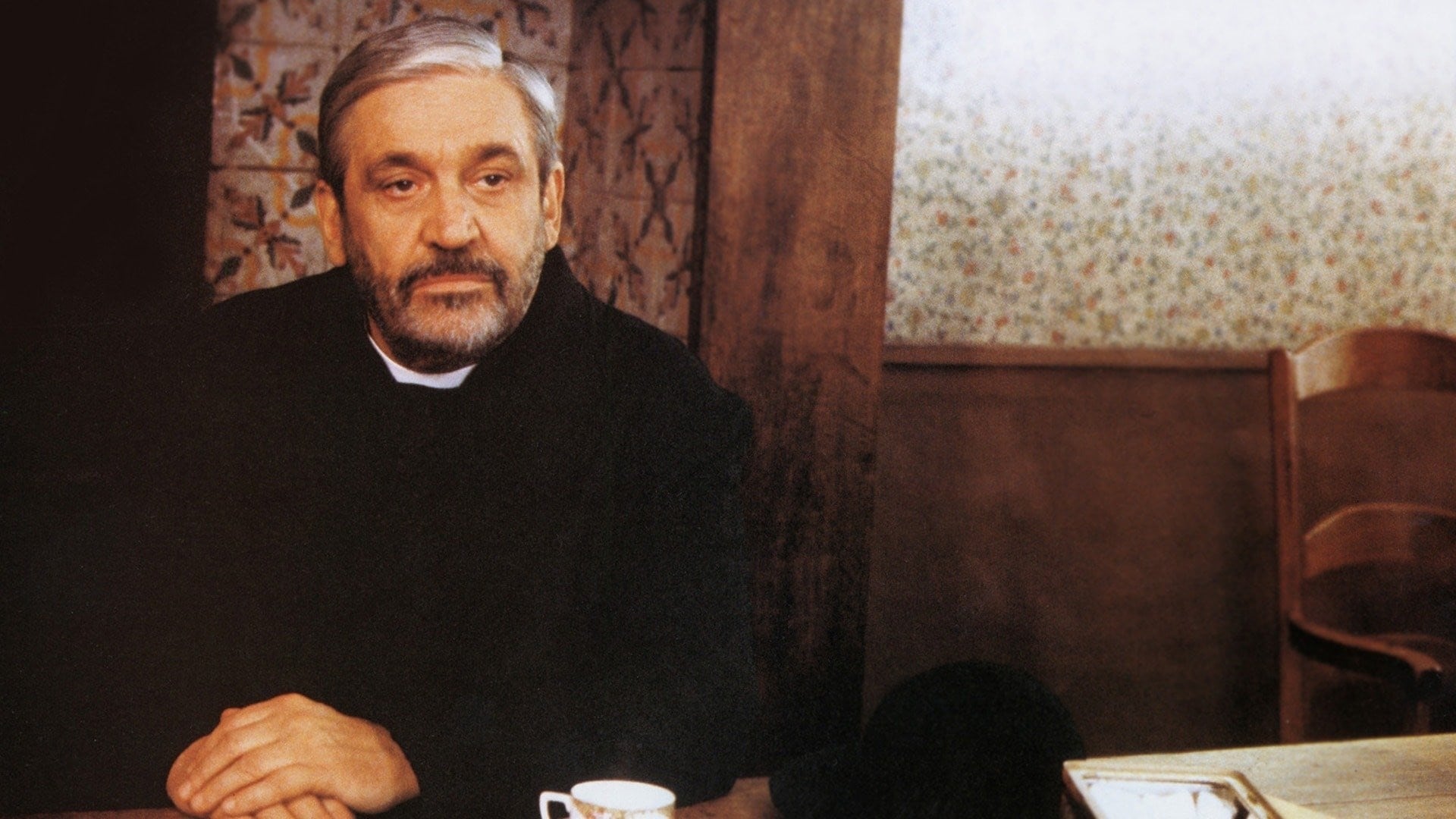
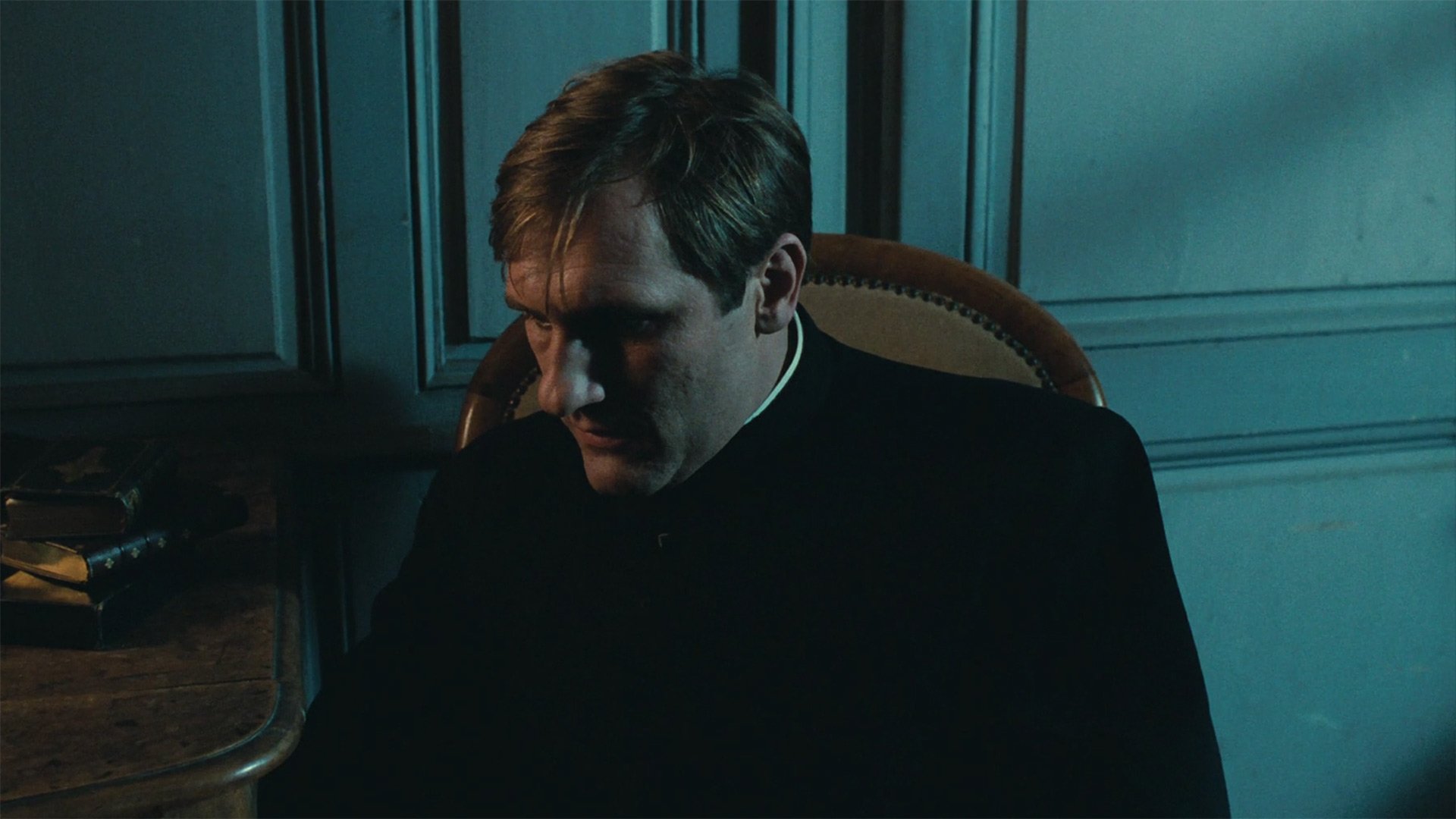
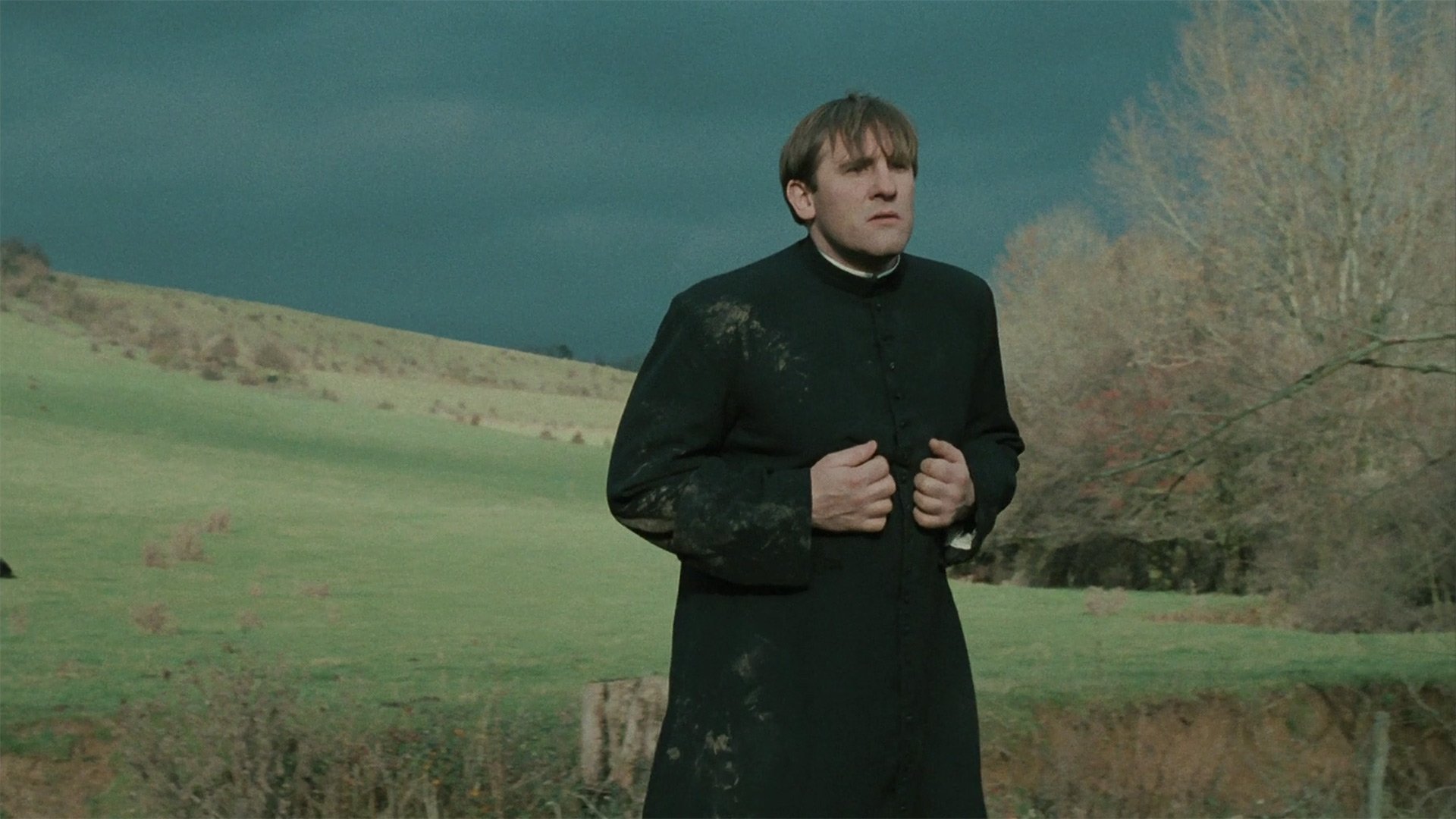
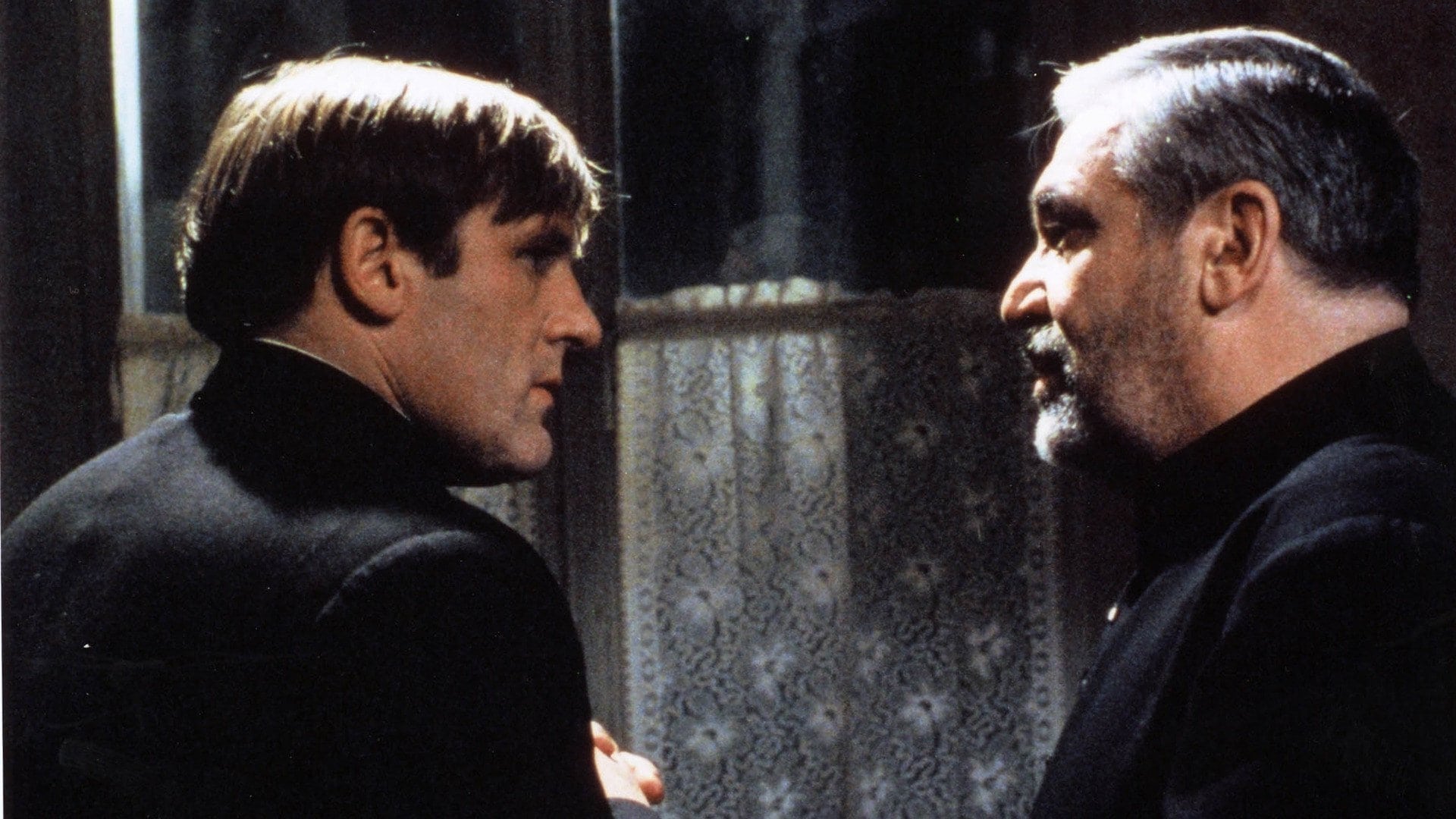
Faith is an inward crisis. Kierkegaard thinks the individual must confront existence personally, not hide inside “the crowd." If Kierkegaard were being charitable, maybe Under the Sun of Satan resembles the knight of infinite resignation. In the broadest of terms, a knight of infinite resignation gives up a beloved object or carries a deep grief within himself. Donissan's priesthood becomes a life of surrender. His faith is built on renunciation. He represents the agony of the religious individual who cannot live aesthetically, cannot rest ethically, and must stand alone before God. Thereby, he remains trapped in the brutal question of whether surrender is grace or self-annihilation.
The deeper the grief, the closer is God.
More Kierkegaard, I guess. So, Hegelian philosophy, this is only one branching idea, wants "the transformation of contingency and necessity." Hegel argues that the entirety of history turns contingency into necessity. Random accidents, think revolutions or even evolution, spark a grander progression of human consciousness and freedom. A magnificent system that poses a problem for Kierkegaard. The grandeur of Hegel's philosophy is detached from individual experience. Humanity is trying to fight the primitive desires of nature by relying on faith as an inward commitment to find truth. As someone searches for faith, faith becomes an inward pressure of angst and existentialism. In essence, faith is not a passive belief; it is the highest passion of inward life.
Faith is an inward crisis. Kierkegaard thinks the individual must confront existence personally, not hide inside “the crowd." If Kierkegaard were being charitable, maybe Under the Sun of Satan resembles the knight of infinite resignation. In the broadest of terms, a knight of infinite resignation gives up a beloved object or carries a deep grief within himself. Donissan's priesthood becomes a life of surrender. His faith is built on renunciation. He represents the agony of the religious individual who cannot live aesthetically, cannot rest ethically, and must stand alone before God. Thereby, he remains trapped in the brutal question of whether surrender is grace or self-annihilation.