
The Little Girl of Hanoi
1974·War·1h 15m
7.1
★
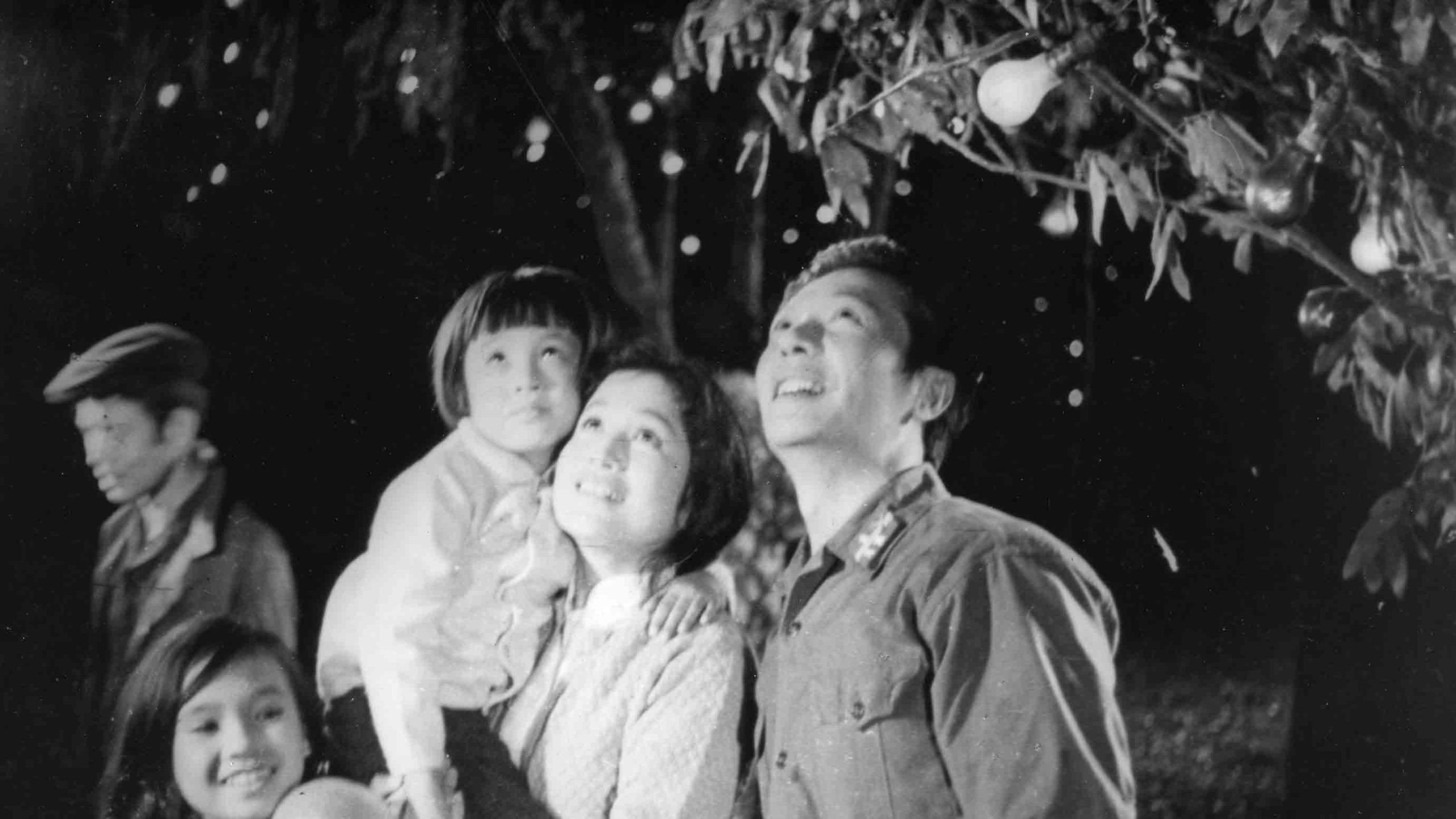

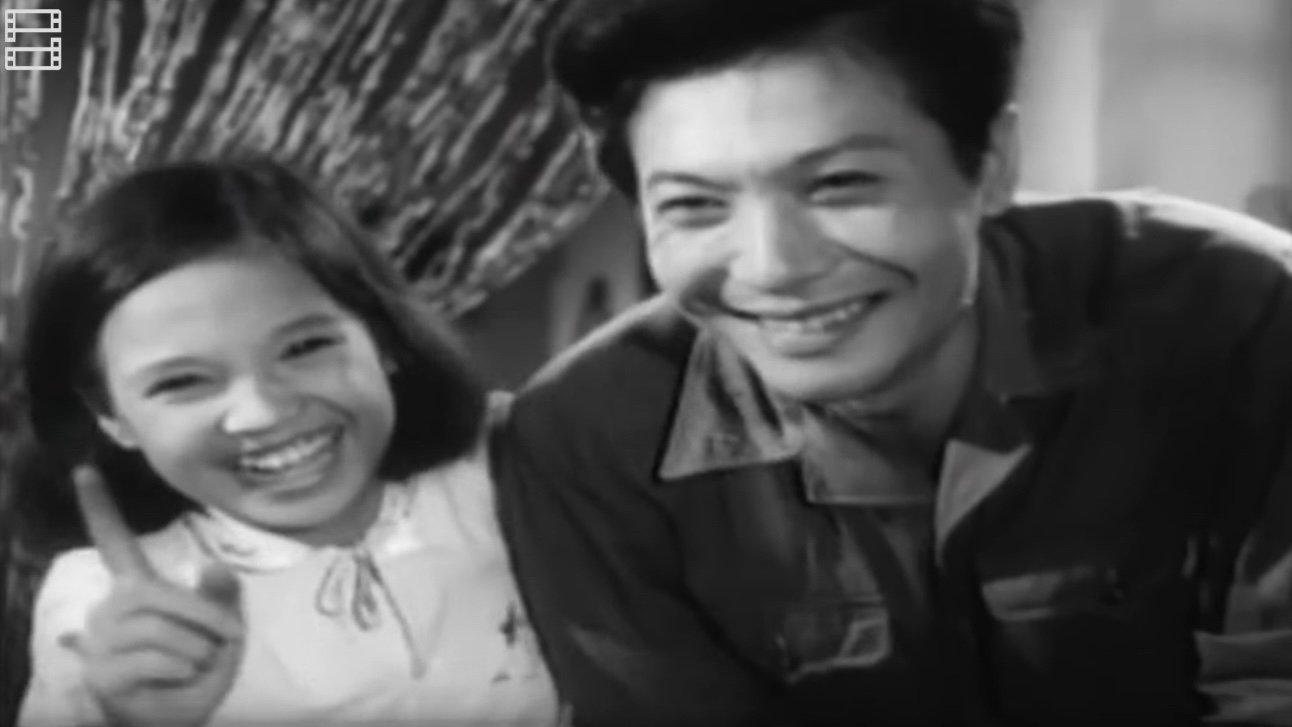
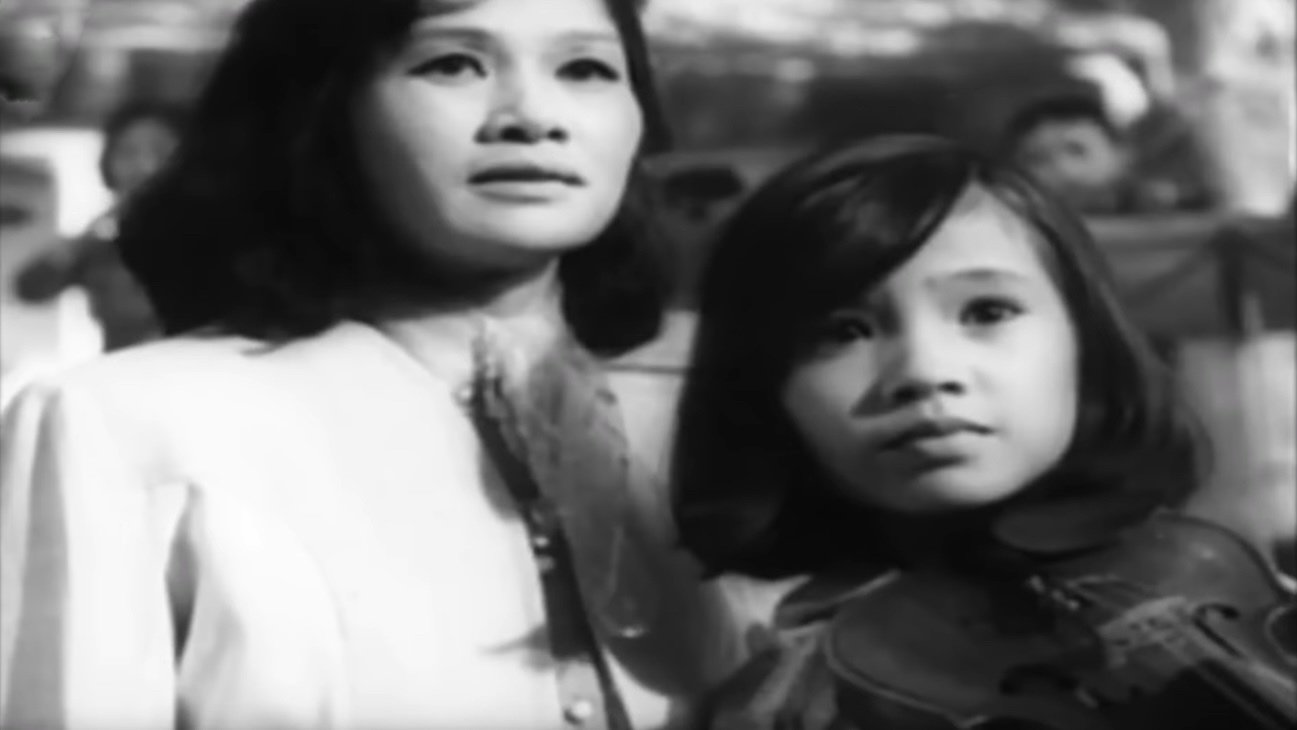
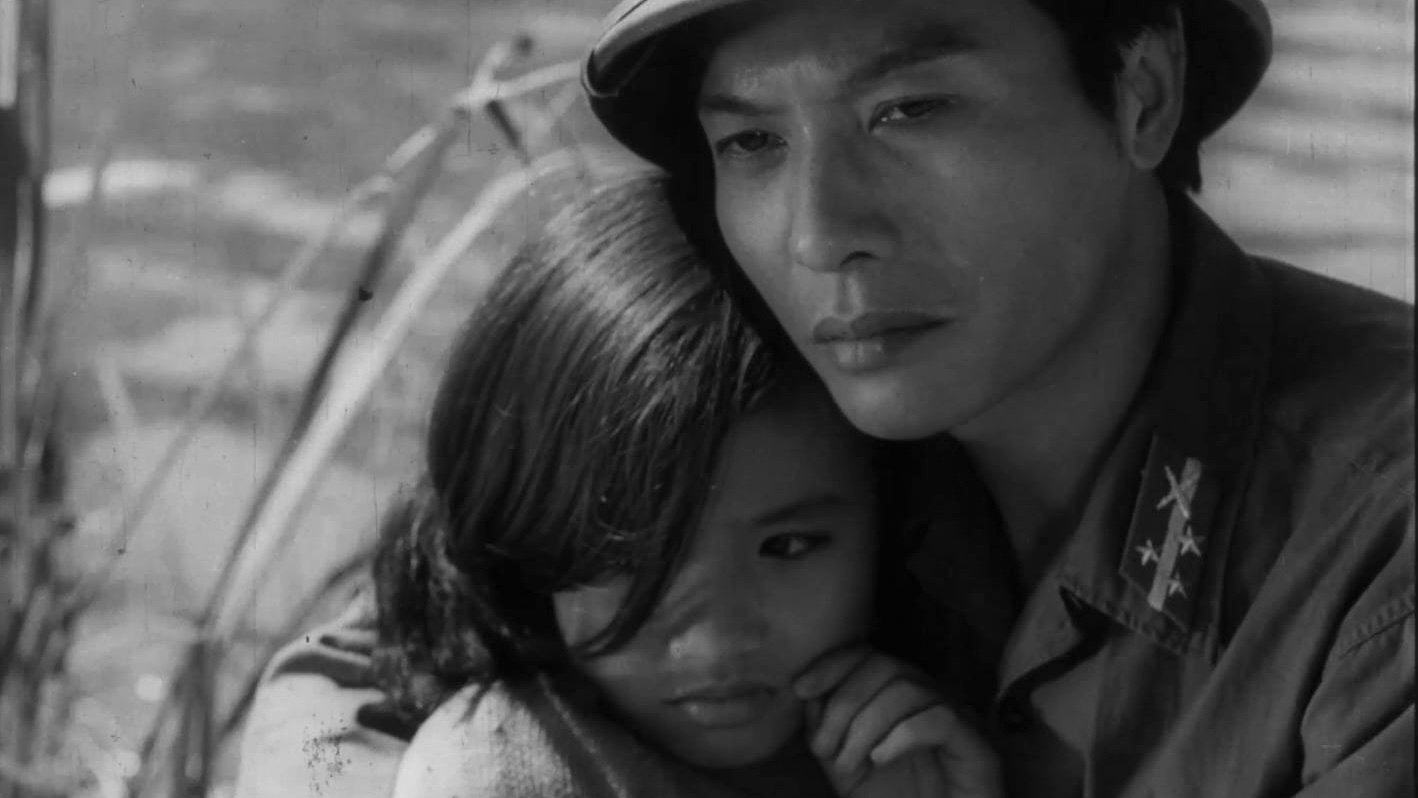
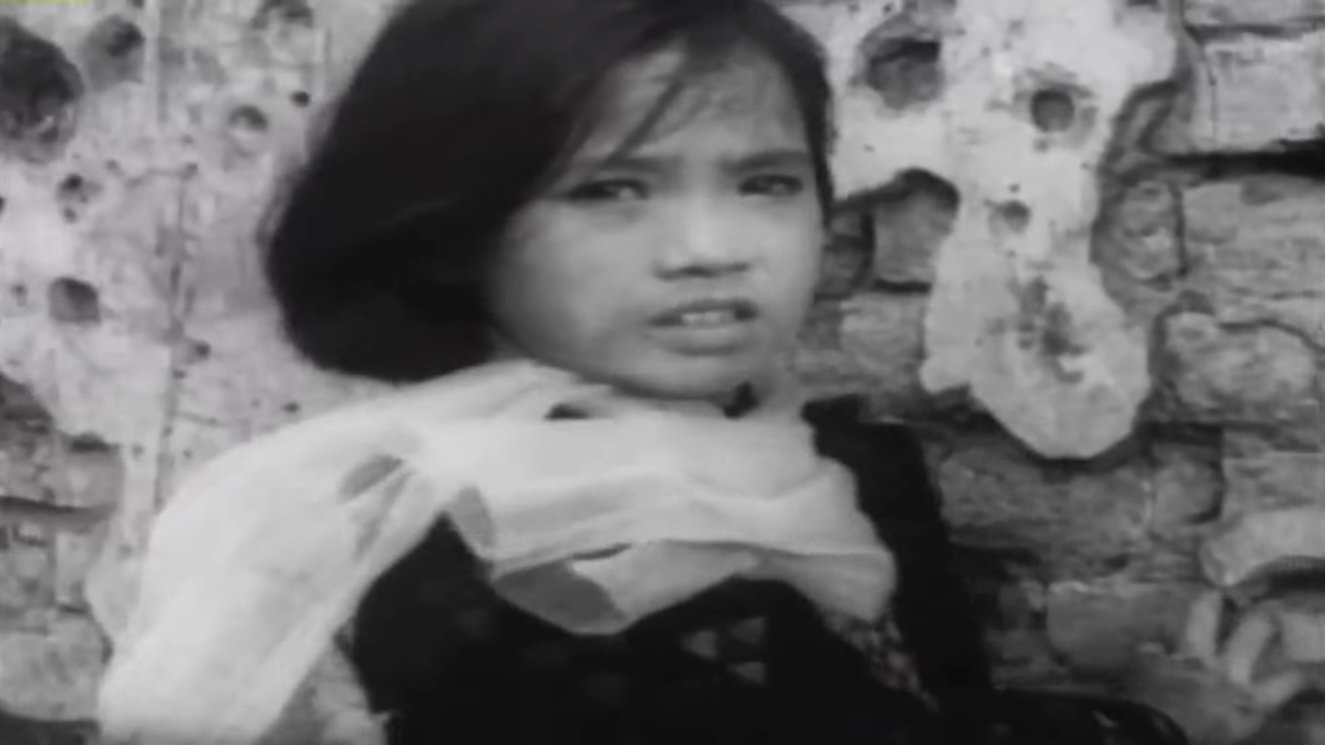
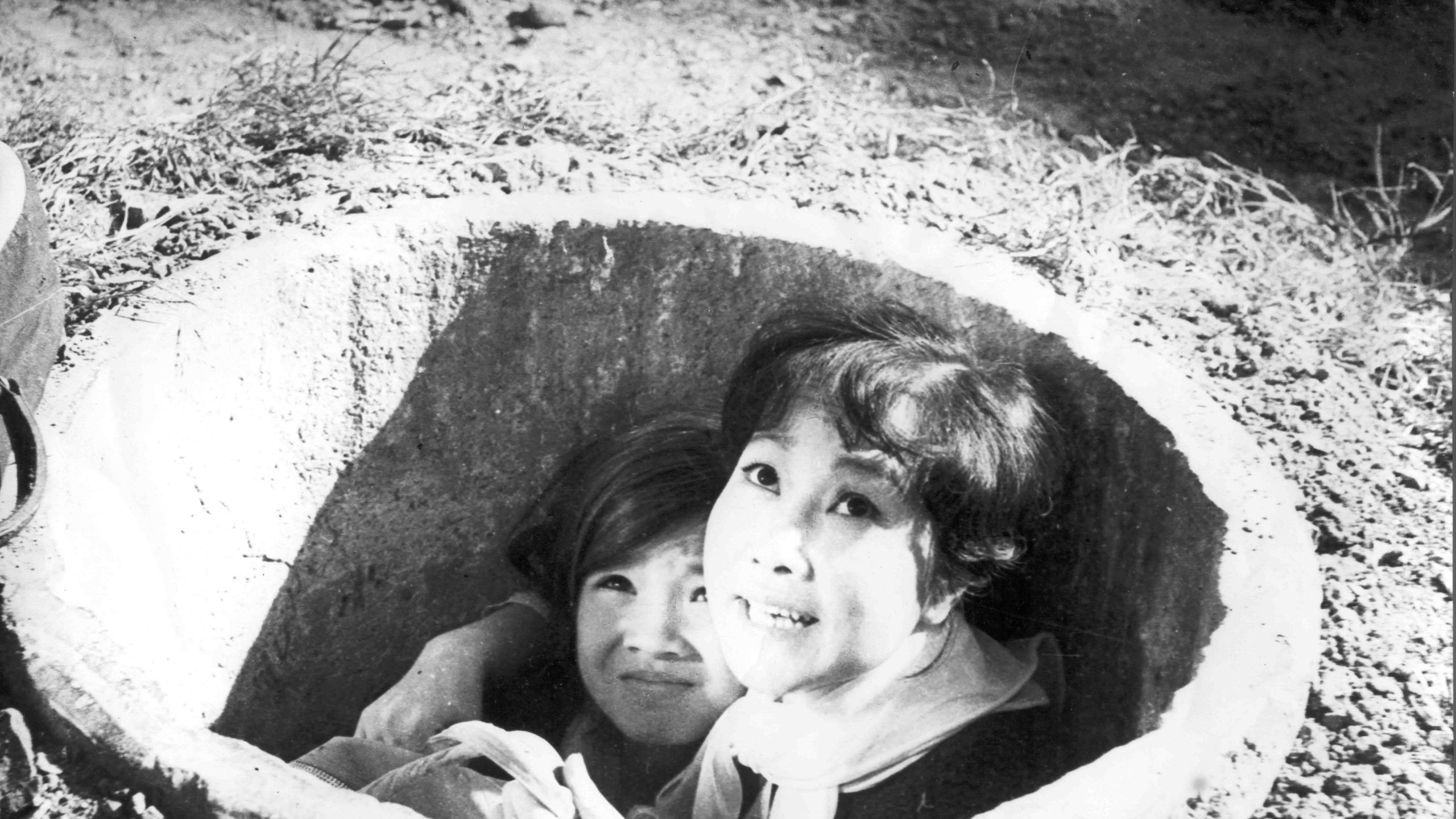
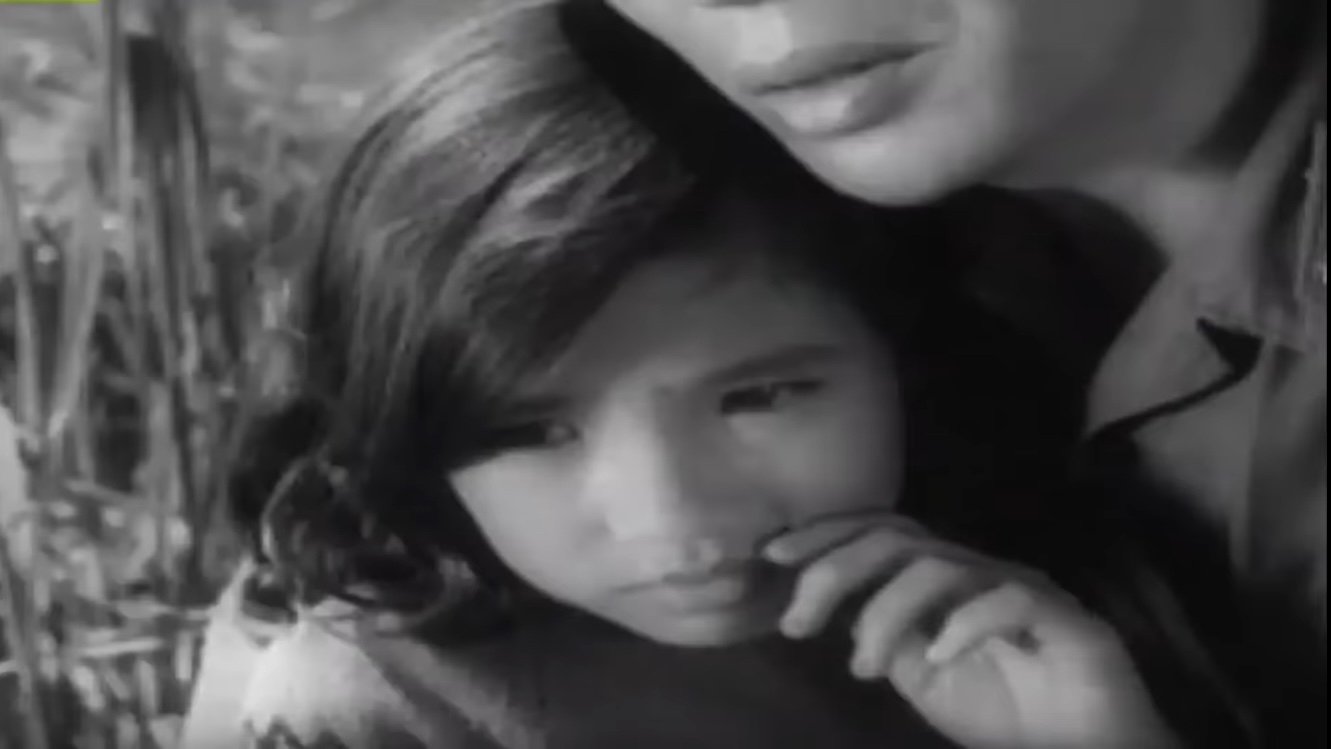
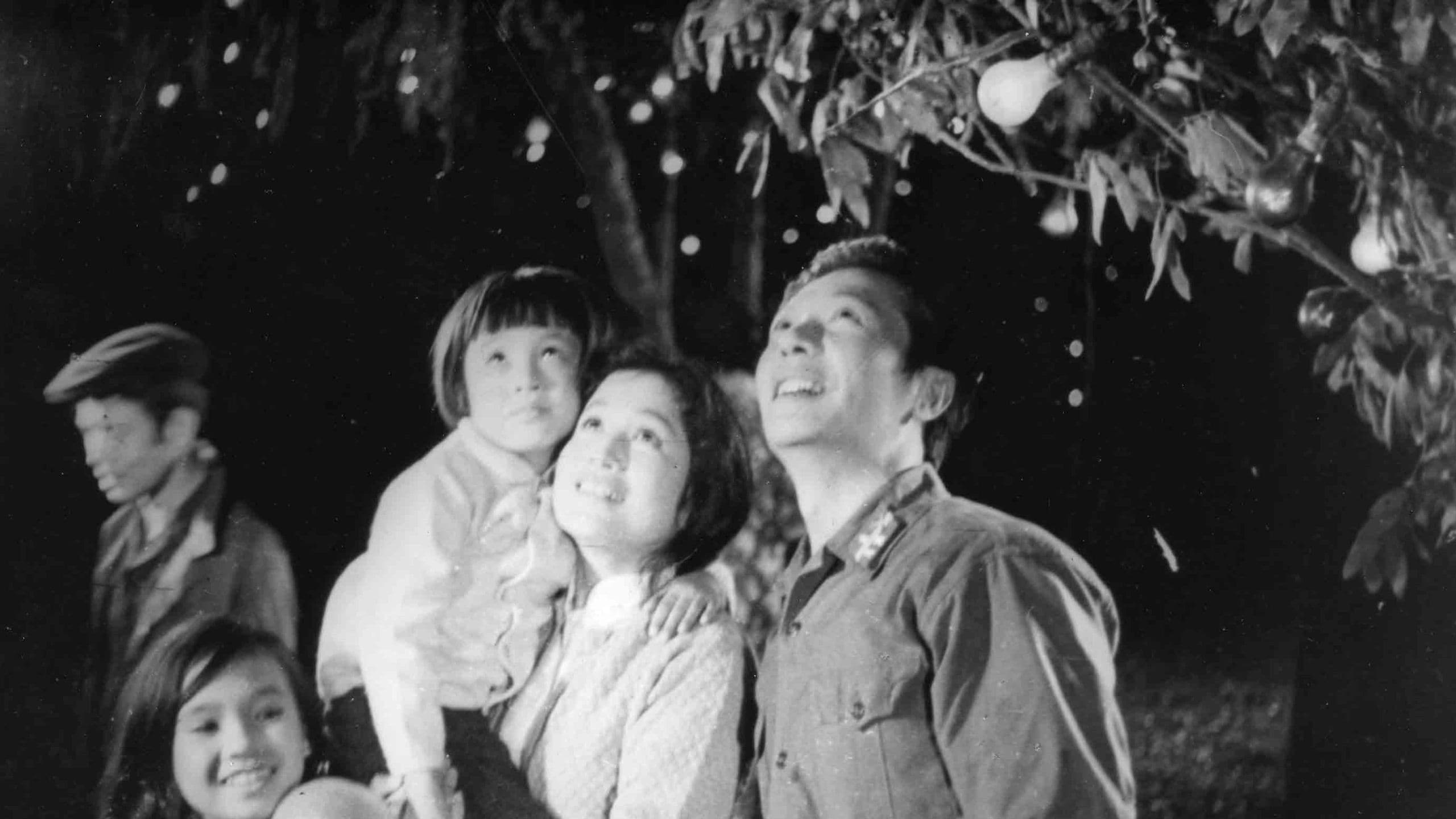
A young girl searches for her father, a soldier in the PAVN, after her mother and sister are killed during Christmas Bombings.
Directed by Hải Ninh

IMDB
N/A
Cast

Lan Hương
Ngọc Hà

Trà Giang
Thu (Ngọc Hà's mother)

Thế Anh
Artilleryman

Kim Xuân
Nga (Ngọc Hà’s aunt)

Thanh Tú
Hương Trà

Hà Văn Trọng
Ngọc Hà’s dad

Tuệ Minh
Rice seller

Thu An
Owner of evacuation house
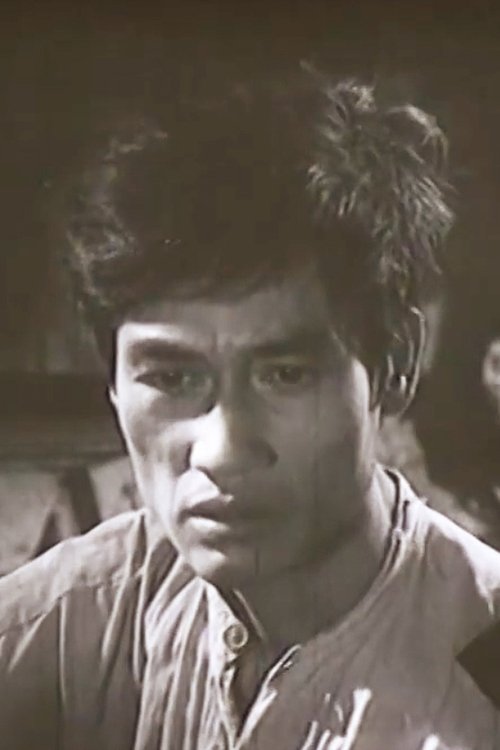
Anh Thái
Policeman

Đoàn Dũng
Rescue worker

Hồ Chí Minh
Self (Archive Footage)
Crew

Hải Ninh
Director

Hoàng Tích Chỉ
Writer
Hải Ninh
Writer

Hoàng Vân
Original Music Composer

Trần Thế Dân
Director of Photography

Xuan Thu Luu
Assistant Camera
Popular Reviews
9 reviews
Pretentious
10.0★ · 09/30/25
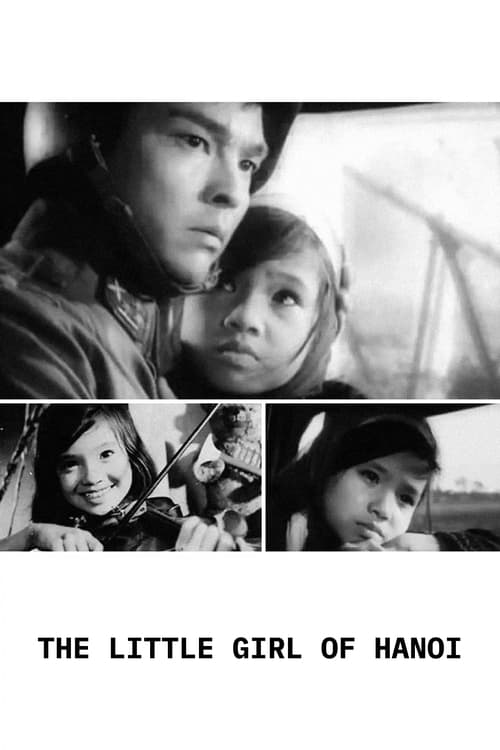
Very mournful, the unevenness or uneasiness of the film relies on a dreamlike memory message about collective grief. There's dread, tenderness, innocence, fragility, the beauty of silence. Like the scene when she plays the violin for the infant. As the baby falls asleep, she pauses and hears the hum of planes in the distance and then resumes. The camera drifts upward along the trees, pointed at the sky. There's a serenity when faced with cruelty. It’s a lullaby sung against the void, like a fleeting feeling meant to coax peace as a silent act of defiance.
Very mournful, the unevenness or uneasiness of the film relies on a dreamlike memory message about collective grief. There's dread, tenderness, innocence, fragility, the beauty of silence. Like the scene when she plays the violin for the infant. As the baby falls asleep, she pauses and hears the hum of planes in the distance and then resumes. The camera drifts upward along the trees, pointed at the sky. There's a serenity when faced with cruelty. It’s a lullaby sung against the void, like a fleeting feeling meant to coax peace as a silent act of defiance.

1

Ivy
9.8★ · 09/09/25
One of my fundamental beliefs surrounding filmmaking is that even pieces of narrative art must be conscious about their role as a document of the land and the humanity on display. It doesn’t matter if the text is realist or a work of high fantasy; effective filmmaking serves its living canvas above all else.
The aspect of The Little Girl of Hanoi that deeply struck me was the reverence held by the visual language’s depiction of space. Everything from the sprawling greenery to everyday public spaces to the wreckage of war is treated with the necessary respect; the camera quietly lingers, slowly gliding through these environments with the awareness of their potential destruction. This awareness brought upon by war reveals a deep sense of spirituality and mourning in every image, capturing both the beauty and tragedy of the land before… it gets erased.
In contrast, the presence of active destruction is presented through the distortion of space. Though the documentarian’s tongue is still present, the film adopts an almost surrealist form as the chaos of destruction is reduced down to its base emotions: a dehumanizing binary captured through B&W contrast.
To make a successful “anti-war” film requires the decentralization of war itself, as the spectacle of violence serves as a fundamental basis of the dehumanizing effect of war films. Not only does this film construct itself in its expression of community, but I would argue that it directly places itself in dialogue with the dehumanization of war texts—the degradation of formal reverence exposes the faults in the dramatization of war. Simply an awe-inspiring film.
The aspect of The Little Girl of Hanoi that deeply struck me was the reverence held by the visual language’s depiction of space. Everything from the sprawling greenery to everyday public spaces to the wreckage of war is treated with the necessary respect; the camera quietly lingers, slowly gliding through these environments with the awareness of their potential destruction. This awareness brought upon by war reveals a deep sense of spirituality and mourning in every image, capturing both the beauty and tragedy of the land before… it gets erased.
In contrast, the presence of active destruction is presented through the distortion of space. Though the documentarian’s tongue is still present, the film adopts an almost surrealist form as the chaos of destruction is reduced down to its base emotions: a dehumanizing binary captured through B&W contrast.
To make a successful “anti-war” film requires the decentralization of war itself, as the spectacle of violence serves as a fundamental basis of the dehumanizing effect of war films. Not only does this film construct itself in its expression of community, but I would argue that it directly places itself in dialogue with the dehumanization of war texts—the degradation of formal reverence exposes the faults in the dramatization of war. Simply an awe-inspiring film.
One of my fundamental beliefs surrounding filmmaking is that even pieces of narrative art must be conscious about their role as a document of the land and the humanity on display. It doesn’t matter if the text is realist or a work of high fantasy; effective filmmaking serves its living canvas above all else.
The aspect of The Little Girl of Hanoi that deeply struck me was the reverence held by the visual language’s depiction of space. Everything from the sprawling greenery to everyday public spaces to the wreckage of war is treated with the necessary respect; the camera quietly lingers, slowly gliding through these environments with the awareness of their potential destruction. This awareness brought upon by war reveals a deep sense of spirituality and mourning in every image, capturing both the beauty and tragedy of the land before… it gets erased.
In contrast, the presence of active destruction is presented through the distortion of space. Though the documentarian’s tongue is still present, the film adopts an almost surrealist form as the chaos of destruction is reduced down to its base emotions: a dehumanizing binary captured through B&W contrast.
To make a successful “anti-war” film requires the decentralization of war itself, as the spectacle of violence serves as a fundamental basis of the dehumanizing effect of war films. Not only does this film construct itself in its expression of community, but I would argue that it directly places itself in dialogue with the dehumanization of war texts—the degradation of formal reverence exposes the faults in the dramatization of war. Simply an awe-inspiring film.
The aspect of The Little Girl of Hanoi that deeply struck me was the reverence held by the visual language’s depiction of space. Everything from the sprawling greenery to everyday public spaces to the wreckage of war is treated with the necessary respect; the camera quietly lingers, slowly gliding through these environments with the awareness of their potential destruction. This awareness brought upon by war reveals a deep sense of spirituality and mourning in every image, capturing both the beauty and tragedy of the land before… it gets erased.
In contrast, the presence of active destruction is presented through the distortion of space. Though the documentarian’s tongue is still present, the film adopts an almost surrealist form as the chaos of destruction is reduced down to its base emotions: a dehumanizing binary captured through B&W contrast.
To make a successful “anti-war” film requires the decentralization of war itself, as the spectacle of violence serves as a fundamental basis of the dehumanizing effect of war films. Not only does this film construct itself in its expression of community, but I would argue that it directly places itself in dialogue with the dehumanization of war texts—the degradation of formal reverence exposes the faults in the dramatization of war. Simply an awe-inspiring film.
ienne
8.2★ · 04/14/25
so well crafted man
so well crafted man
Louise
10.0★ · 11/06/23
the editing is so controlled. soft and sharp—thoughtful
the editing is so controlled. soft and sharp—thoughtful
PFC
9.7★ · 07/21/26