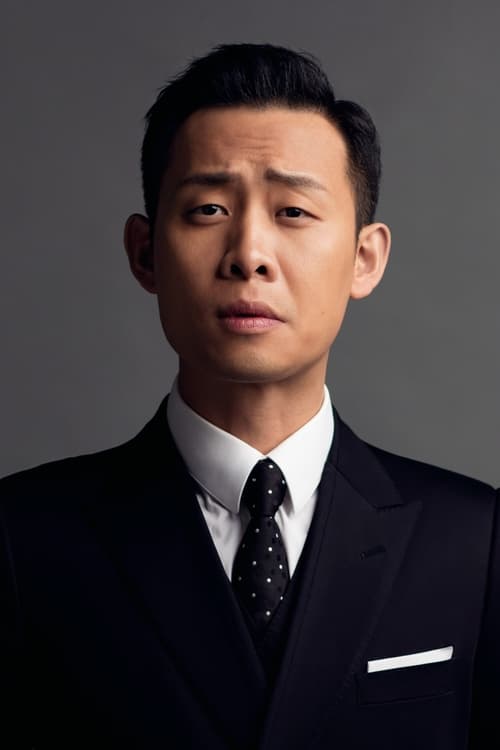
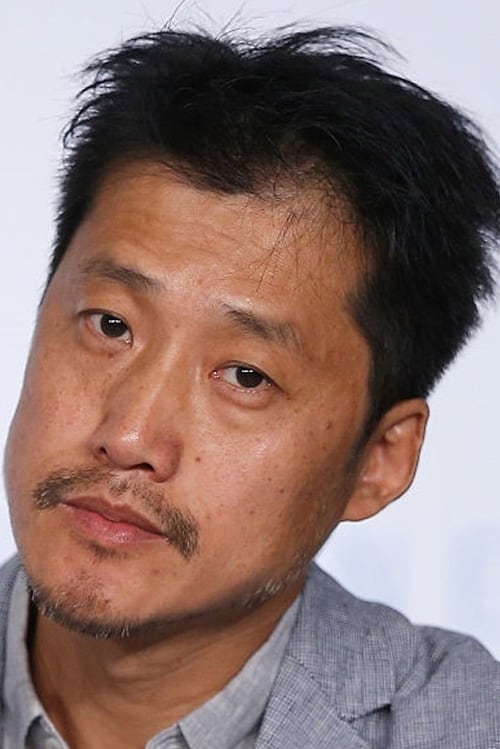
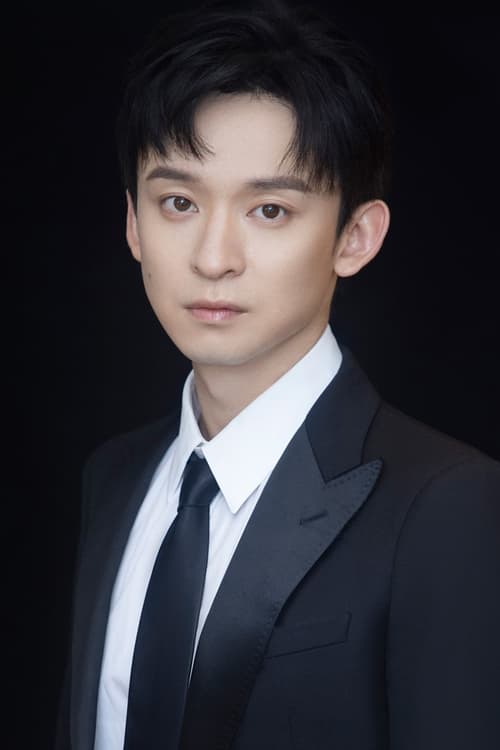
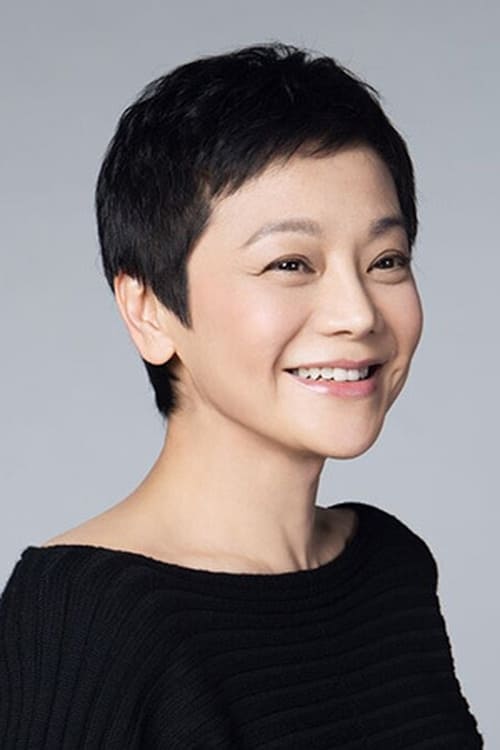
Loved parts, and felt unbelievably cornball aura in others. Jia’s already less-then-stellar dialogue writing is at an all time low, when paired with that insanely good acting performances. He leans into the drama and pulling of heartstrings with still keeping the long takes and masterclass mise en scène.
6.5/10
essay for school lol—————!
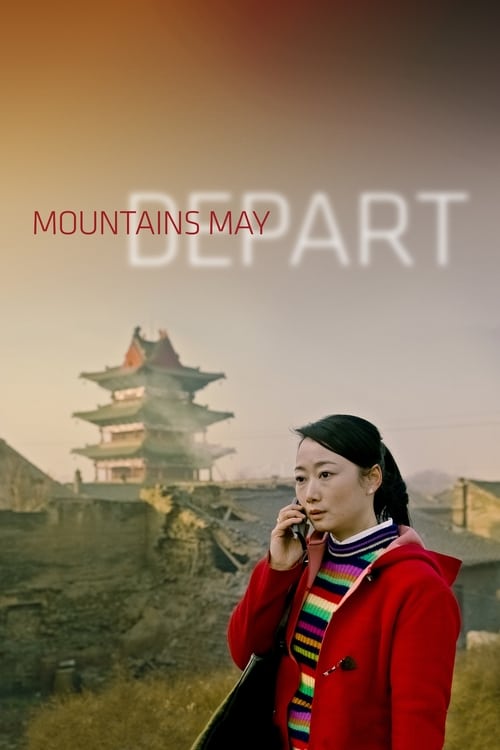
Jia Zhangke’s Mountains May Depart (2015) is split into three distinct sections (1999,2024, and 2025). Jia Zhangke uses many different types of audiovisual elements to show the transforming ideological framework of modern China. Shifting aspect ratios, evolving color palettes, and concurrent themes of language through song; Jia shows the passage of time and the erosion of cultural identity due to globalization and class disparity.
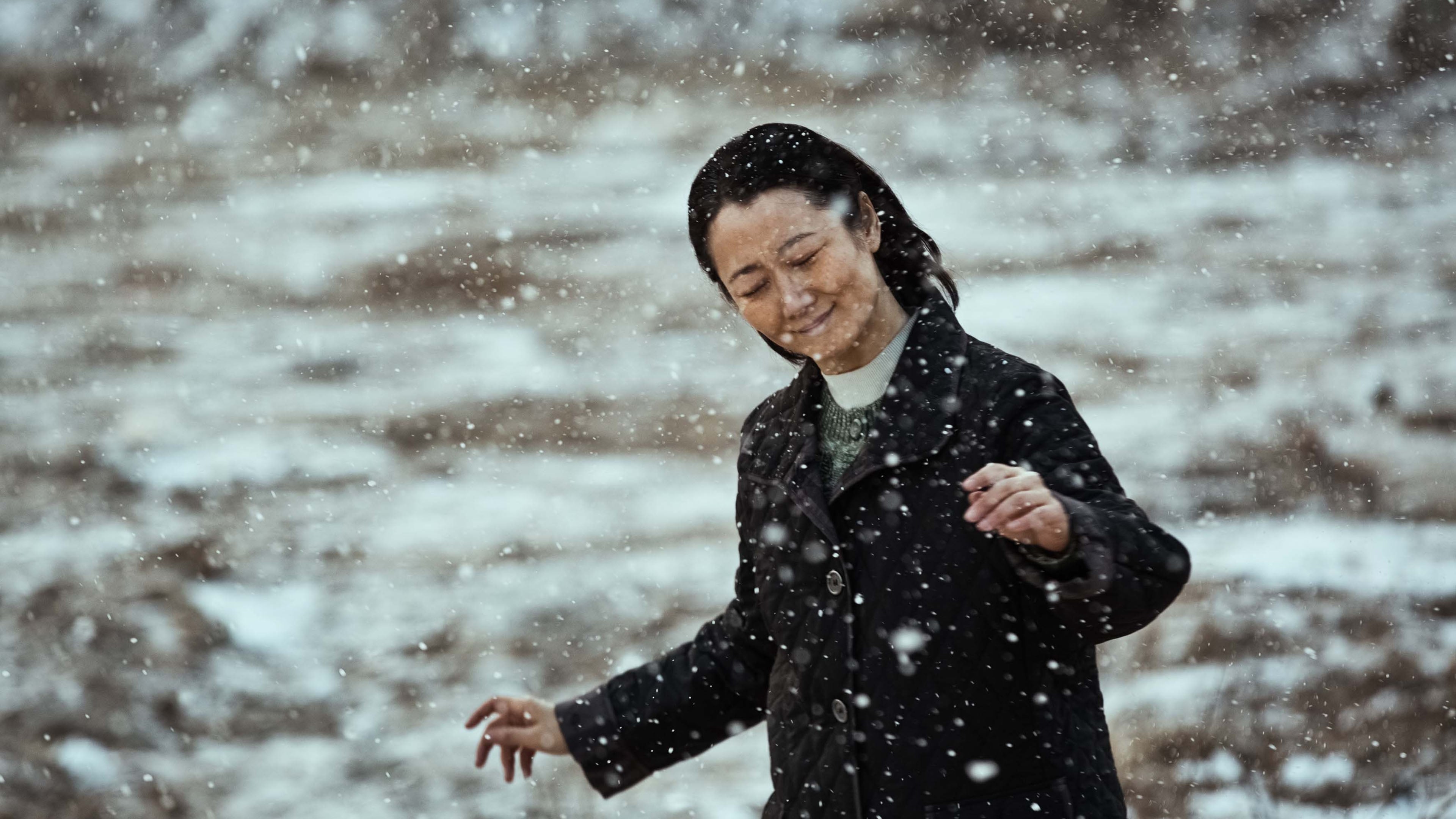
The first section, set in 1999, is entirely shot in a square aspect ratio (4:3). This peculiar aspect ratio evokes a sense of nostalgia that follows suit with the happier tones present. Usually with a square aspect ratio, the first comment made is that it can feel confined, or as if the viewer is trapped. But I believe it shows intimacy. We share these crucial moments in a budding love triangle. The scene in the shop, where Zhang Jinsheng (played by Zhang Yi), is constantly entering and exiting the screen, silently pacing around the cramped shop. I never felt trapped or hemmed in, but rather I felt the intimacy between this friend group. Also, during this scene, we hear the first inclusion of the Cantonese pop song. Shen Tao appreciated the song and even noted how she wished she could understand Cantonese. Just as the film starts with the Pet Shop Boy’s song “Go West”. This shows the difficulty of language barriers and the effects of modern globalization. The contents of the song are alluding to an envision of a possible Chinese future. One where China expands and heads West, both politically and culturally. However, the Chinese people dancing and singing to the song most likely do not understand the lyrics, but they still connect with the tone and energy of it. It is a very uplifting song, with soviet aesthetics and a bouncy beat. Like the song in the store, it’s not about the lyrics; but how the music makes you feel. The Cantonese pop song is a melancholic nostalgic song, that immediately connects with Shen Tao. Both songs make more than one appearance, but the meaning changes each time. The final scene of the film is Shen Tao dancing to Go West, and this time it is not happy or triumphant, but ironic and bleak. Showing what little progress, she has made, along with her country.
The environment also plays a special role in the first section; we are at the core of industrial China. Walking around crowded urban streets, and community centers. The locations are familiar and bring back memories of Jia’s early films such as Pickpocket or Platform. It seems like a very traditional town, the people are grounded and connected in a shared world. But this town Even though Zhang Jinsheng just bought a fancy new car, he still fits into this world. He fits in a lot more than in 2025, where Australia is portrayed as cold and bougie, he is surrounded by guns, alcohol, and fellow Chinese folk.
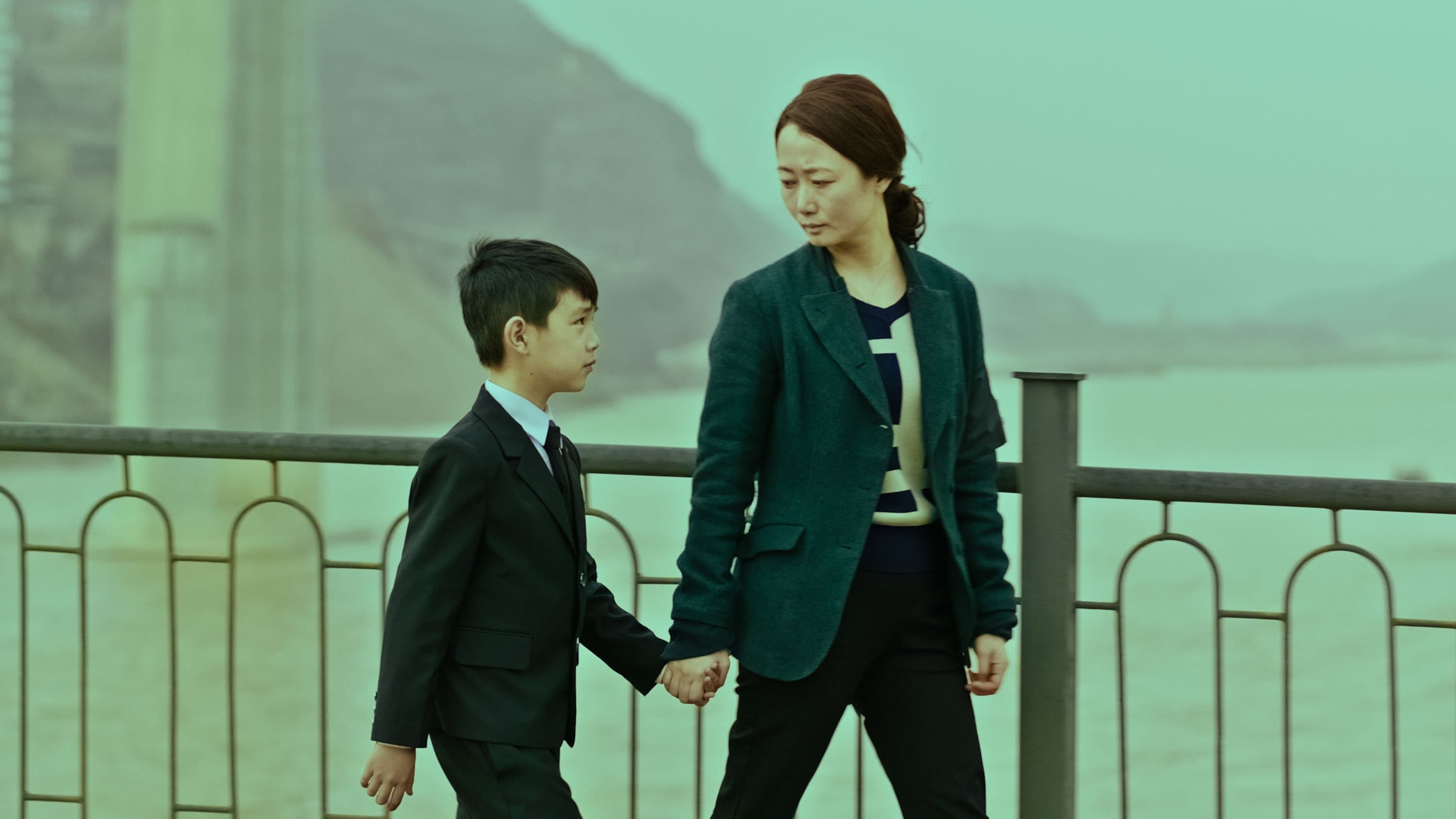
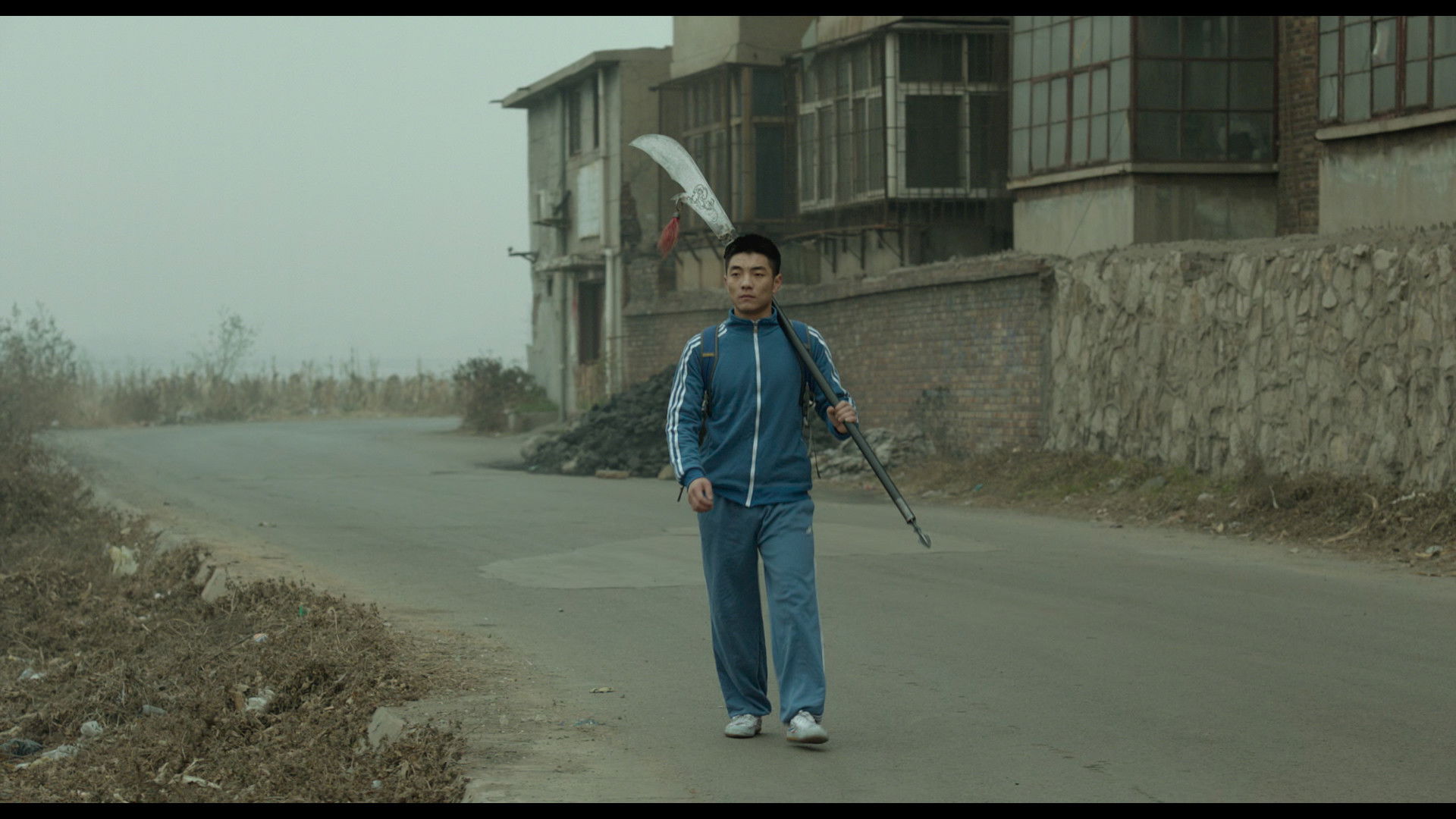
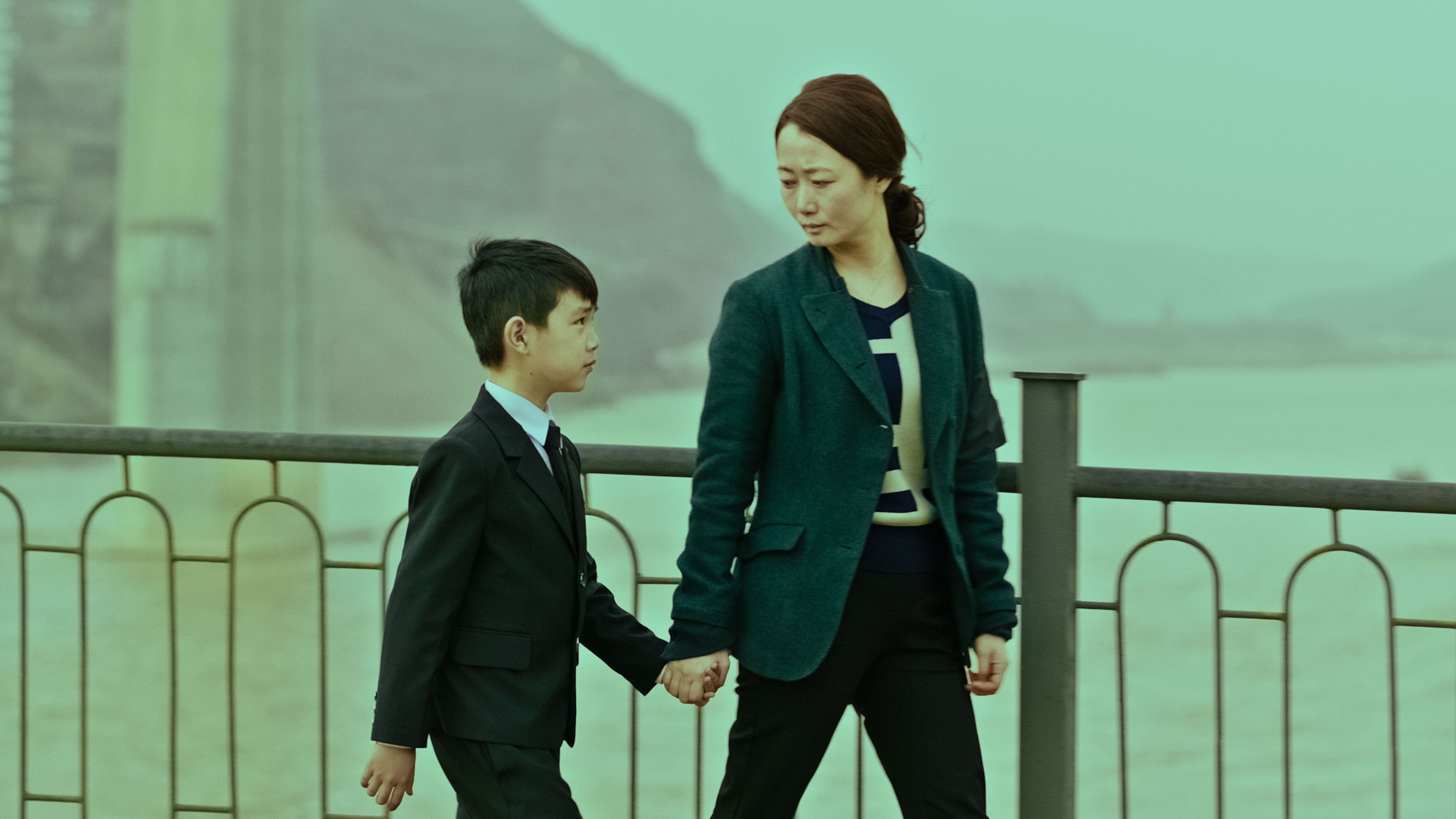
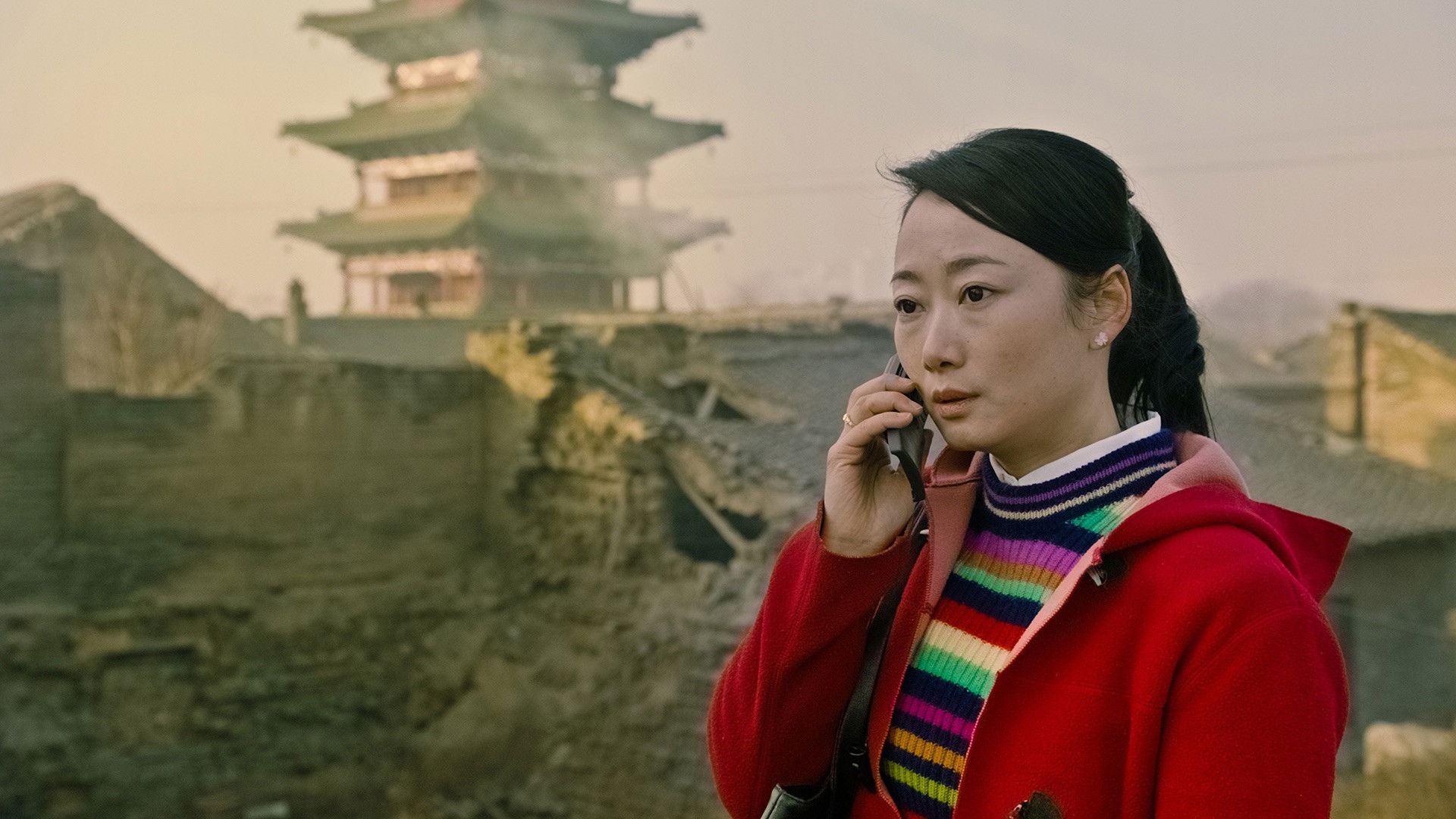
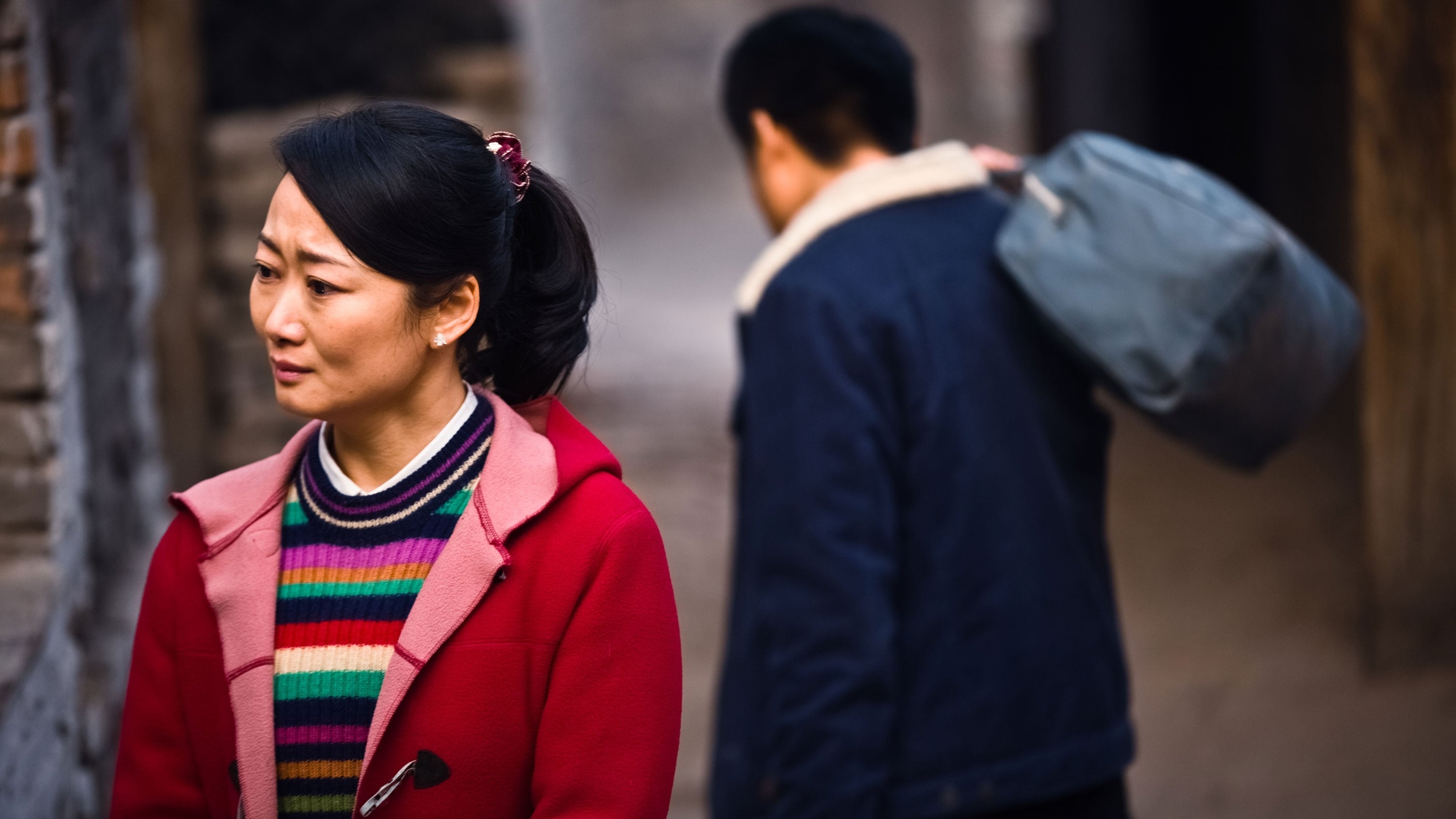
In the second chapter, the aspect ratio changes to 1.85:1, which is the standard widescreen ratio. The changing aspect ratio indicates an expanding world opening up to our main characters. Both Shen Tao and Zhang Jinsheng have become financially prosperous. The two got married, had children, and divorced; all off-screen. The other plot line is focused on the coal miner Liang Jingdong. The dull color tones full of gray and dark greens keep the mood calm and grounded. We see slower, documentary-style shots of Liang working. He always has a smile on his face and gets along greatly with his fellow workers. This style emphasizes a monotonous and plain life as a worker. In stark contrast with the luxurious lifestyle of his old friends. Due to his consistent work in the mines, he becomes ill, most likely with pneumoconiosis (or black lung disease) which is caused by inhaling airborne dust or fibers. He becomes bedridden with a haunting cough. His story ends unceremoniously with him dying young, again off-screen.
After hearing this news, Shen Tao is heartbroken. More sadness comes when her father suddenly passes away. Shen Tao rushes to connect with her son, in an effort for him to properly grieve his late grandfather. The contrast between Daole's pampered lifestyle and the traditional one Shen Tao leads is glaring. He is not familiar with the customs or process of mourning the dead. We hear the Cantonese pop ballad from section one but in a new context. Shen Tao is attempting to connect with her estranged son; he listens to the song respectfully but does not comment on it much; instead returning to his screen. This happens when the two take the “slow” train instead of a quicker and more luxurious mode of transportation. Public transportation has always been a key symbol in Jia’s work. So, for Shen Tao to purposely choose the slower and more public mode not only shows that she wishes to spend more time with Zhang Daole; but that she is still connected to Chinese culture. To only take bullet trains or private planes shows a level of class that is high above the average Chinese person. This way of life can become isolating, cold, and depressing. We see this level of disconnect take center stage in the third section.
The mise-en-scène of the third section is wildly different. It is cold, methodical, and distant; perfectly reflecting the relationship between Zhang Jinsheng, Daole, and China. The use of colors changes from dull grays to washed-out whites and blues. Scenes take place at the top of high rises in penthouses. The aspect ratio changes once again, this time to 2.39:1, which is the theatrical standard, as opposed to the TV standard of 16:9. This shows the expansive but isolating world of Australia, in the eyes of our characters. The use of English dialogue works to create an uneasy and awkward tension. The theme of language barriers is very present, from using Google Translate to decipher texts, to forgetting your original name. The year is 2025 and the future is made up of sleek thin touch screens and not much else. I felt that this is an overall pretty grounded representation of the future. In ten years, it will be possible to create technology such as this. To me, it feels like a natural step into the coldness of this third section of the world. To have technology so advanced it seems a little foreign to viewers. A scene that stands out in my mind in the third section is the conversation between Doale and Zhang Jinsheng, with translation aid via Mia (played by Sylvia Chang). While Doale wanted this conversation to be a useful but tough conversation with his father about his uncertain future; it became twisted and distorted through translation. During Mia’s translations, she left out important information and meanings. She made the choice to summarize Zhang Jinsheng’s words, but to speak as Doale in first person. In general. For a language interpreter, especially in a conversation, it is better to speak as the speaker as opposed to summarizing their sentences. This is because a conversation needs to flow. It is challenging for a conversation to be had when both sides are working off summary. So, for Mia to use two distinct styles of interpretation raises some questions. It could be she is trying to protect Doale’s feelings, while also showing respect for Zhang Jinsheng, as he is a powerful man.
Mountains May Depart uses aspect ratio changes, evolving color choices, musical motifs, and language to show China’s identity shifts throughout the 21st century. The way that globalization and class divides have affected the Chinese population is reflected in our three main characters' lives and relationships. The three distinct sections show us what is lost and gained as time moves forward. Mountains and rivers may depart, but human nature stays the same.
Loved parts, and felt unbelievably cornball aura in others. Jia’s already less-then-stellar dialogue writing is at an all time low, when paired with that insanely good acting performances. He leans into the drama and pulling of heartstrings with still keeping the long takes and masterclass mise en scène.
6.5/10
essay for school lol—————!
Jia Zhangke’s Mountains May Depart (2015) is split into three distinct sections (1999,2024, and 2025). Jia Zhangke uses many different types of audiovisual elements to show the transforming ideological framework of modern China. Shifting aspect ratios, evolving color palettes, and concurrent themes of language through song; Jia shows the passage of time and the erosion of cultural identity due to globalization and class disparity.
The first section, set in 1999, is entirely shot in a square aspect ratio (4:3). This peculiar aspect ratio evokes a sense of nostalgia that follows suit with the happier tones present. Usually with a square aspect ratio, the first comment made is that it can feel confined, or as if the viewer is trapped. But I believe it shows intimacy. We share these crucial moments in a budding love triangle. The scene in the shop, where Zhang Jinsheng (played by Zhang Yi), is constantly entering and exiting the screen, silently pacing around the cramped shop. I never felt trapped or hemmed in, but rather I felt the intimacy between this friend group. Also, during this scene, we hear the first inclusion of the Cantonese pop song. Shen Tao appreciated the song and even noted how she wished she could understand Cantonese. Just as the film starts with the Pet Shop Boy’s song “Go West”. This shows the difficulty of language barriers and the effects of modern globalization. The contents of the song are alluding to an envision of a possible Chinese future. One where China expands and heads West, both politically and culturally. However, the Chinese people dancing and singing to the song most likely do not understand the lyrics, but they still connect with the tone and energy of it. It is a very uplifting song, with soviet aesthetics and a bouncy beat. Like the song in the store, it’s not about the lyrics; but how the music makes you feel. The Cantonese pop song is a melancholic nostalgic song, that immediately connects with Shen Tao. Both songs make more than one appearance, but the meaning changes each time. The final scene of the film is Shen Tao dancing to Go West, and this time it is not happy or triumphant, but ironic and bleak. Showing what little progress, she has made, along with her country.
The environment also plays a special role in the first section; we are at the core of industrial China. Walking around crowded urban streets, and community centers. The locations are familiar and bring back memories of Jia’s early films such as Pickpocket or Platform. It seems like a very traditional town, the people are grounded and connected in a shared world. But this town Even though Zhang Jinsheng just bought a fancy new car, he still fits into this world. He fits in a lot more than in 2025, where Australia is portrayed as cold and bougie, he is surrounded by guns, alcohol, and fellow Chinese folk.
In the second chapter, the aspect ratio changes to 1.85:1, which is the standard widescreen ratio. The changing aspect ratio indicates an expanding world opening up to our main characters. Both Shen Tao and Zhang Jinsheng have become financially prosperous. The two got married, had children, and divorced; all off-screen. The other plot line is focused on the coal miner Liang Jingdong. The dull color tones full of gray and dark greens keep the mood calm and grounded. We see slower, documentary-style shots of Liang working. He always has a smile on his face and gets along greatly with his fellow workers. This style emphasizes a monotonous and plain life as a worker. In stark contrast with the luxurious lifestyle of his old friends. Due to his consistent work in the mines, he becomes ill, most likely with pneumoconiosis (or black lung disease) which is caused by inhaling airborne dust or fibers. He becomes bedridden with a haunting cough. His story ends unceremoniously with him dying young, again off-screen.
After hearing this news, Shen Tao is heartbroken. More sadness comes when her father suddenly passes away. Shen Tao rushes to connect with her son, in an effort for him to properly grieve his late grandfather. The contrast between Daole's pampered lifestyle and the traditional one Shen Tao leads is glaring. He is not familiar with the customs or process of mourning the dead. We hear the Cantonese pop ballad from section one but in a new context. Shen Tao is attempting to connect with her estranged son; he listens to the song respectfully but does not comment on it much; instead returning to his screen. This happens when the two take the “slow” train instead of a quicker and more luxurious mode of transportation. Public transportation has always been a key symbol in Jia’s work. So, for Shen Tao to purposely choose the slower and more public mode not only shows that she wishes to spend more time with Zhang Daole; but that she is still connected to Chinese culture. To only take bullet trains or private planes shows a level of class that is high above the average Chinese person. This way of life can become isolating, cold, and depressing. We see this level of disconnect take center stage in the third section.
The mise-en-scène of the third section is wildly different. It is cold, methodical, and distant; perfectly reflecting the relationship between Zhang Jinsheng, Daole, and China. The use of colors changes from dull grays to washed-out whites and blues. Scenes take place at the top of high rises in penthouses. The aspect ratio changes once again, this time to 2.39:1, which is the theatrical standard, as opposed to the TV standard of 16:9. This shows the expansive but isolating world of Australia, in the eyes of our characters. The use of English dialogue works to create an uneasy and awkward tension. The theme of language barriers is very present, from using Google Translate to decipher texts, to forgetting your original name. The year is 2025 and the future is made up of sleek thin touch screens and not much else. I felt that this is an overall pretty grounded representation of the future. In ten years, it will be possible to create technology such as this. To me, it feels like a natural step into the coldness of this third section of the world. To have technology so advanced it seems a little foreign to viewers. A scene that stands out in my mind in the third section is the conversation between Doale and Zhang Jinsheng, with translation aid via Mia (played by Sylvia Chang). While Doale wanted this conversation to be a useful but tough conversation with his father about his uncertain future; it became twisted and distorted through translation. During Mia’s translations, she left out important information and meanings. She made the choice to summarize Zhang Jinsheng’s words, but to speak as Doale in first person. In general. For a language interpreter, especially in a conversation, it is better to speak as the speaker as opposed to summarizing their sentences. This is because a conversation needs to flow. It is challenging for a conversation to be had when both sides are working off summary. So, for Mia to use two distinct styles of interpretation raises some questions. It could be she is trying to protect Doale’s feelings, while also showing respect for Zhang Jinsheng, as he is a powerful man.
Mountains May Depart uses aspect ratio changes, evolving color choices, musical motifs, and language to show China’s identity shifts throughout the 21st century. The way that globalization and class divides have affected the Chinese population is reflected in our three main characters' lives and relationships. The three distinct sections show us what is lost and gained as time moves forward. Mountains and rivers may depart, but human nature stays the same.