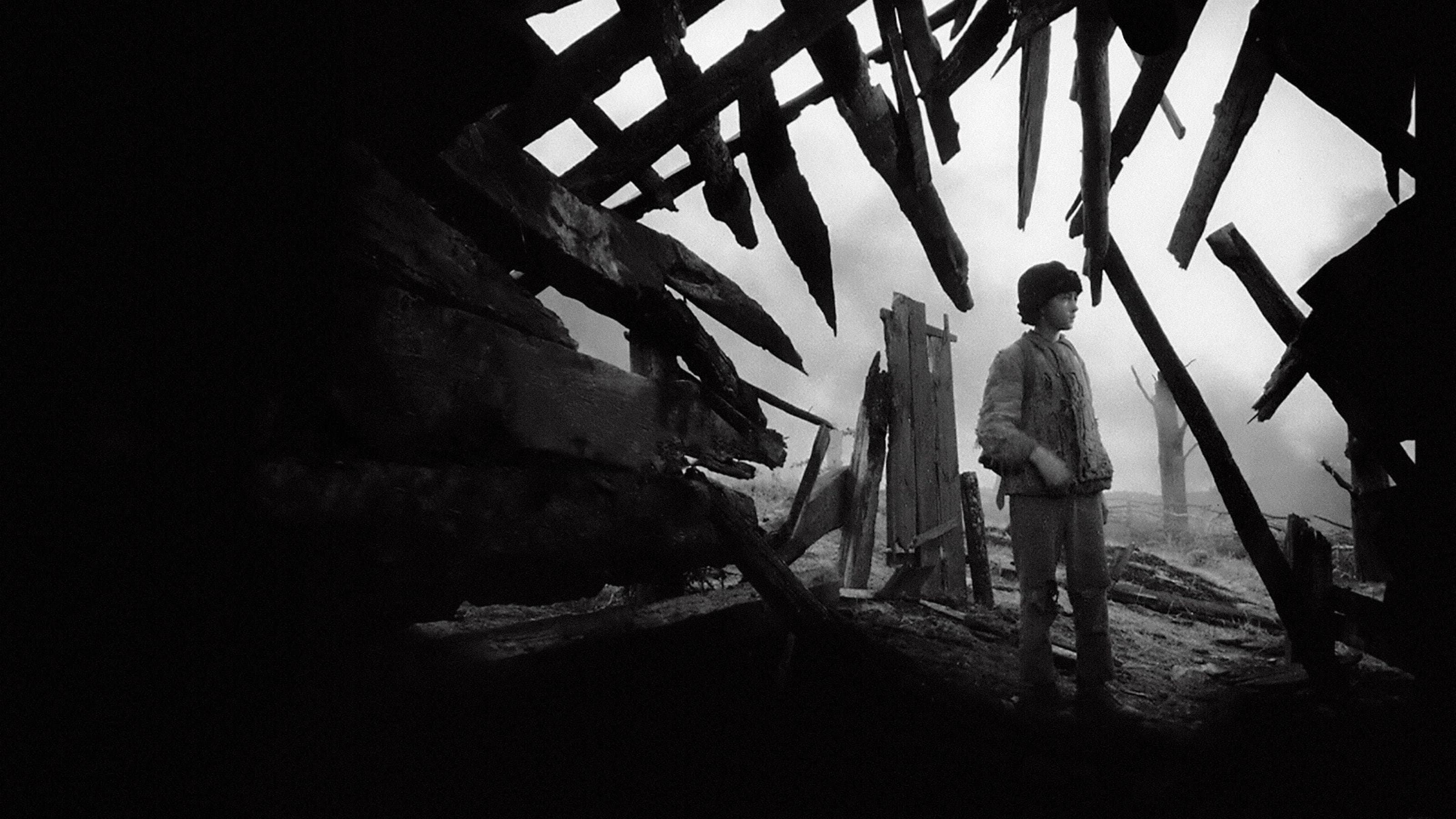
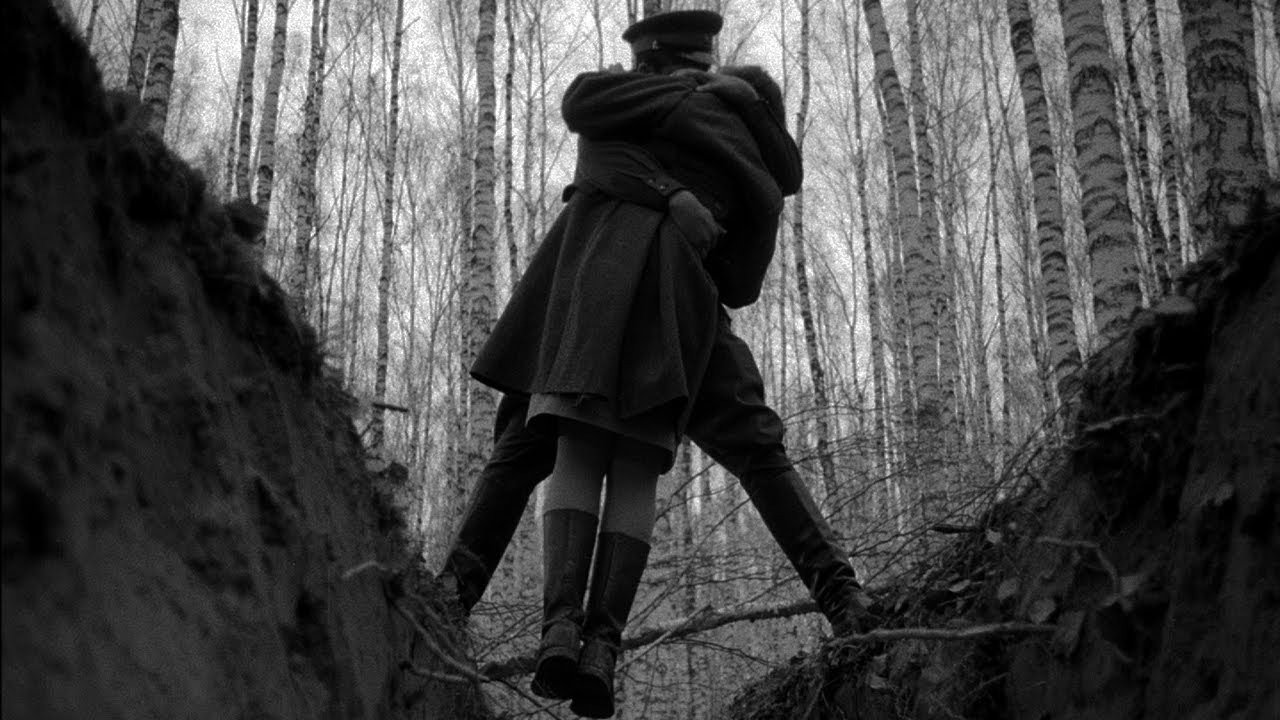
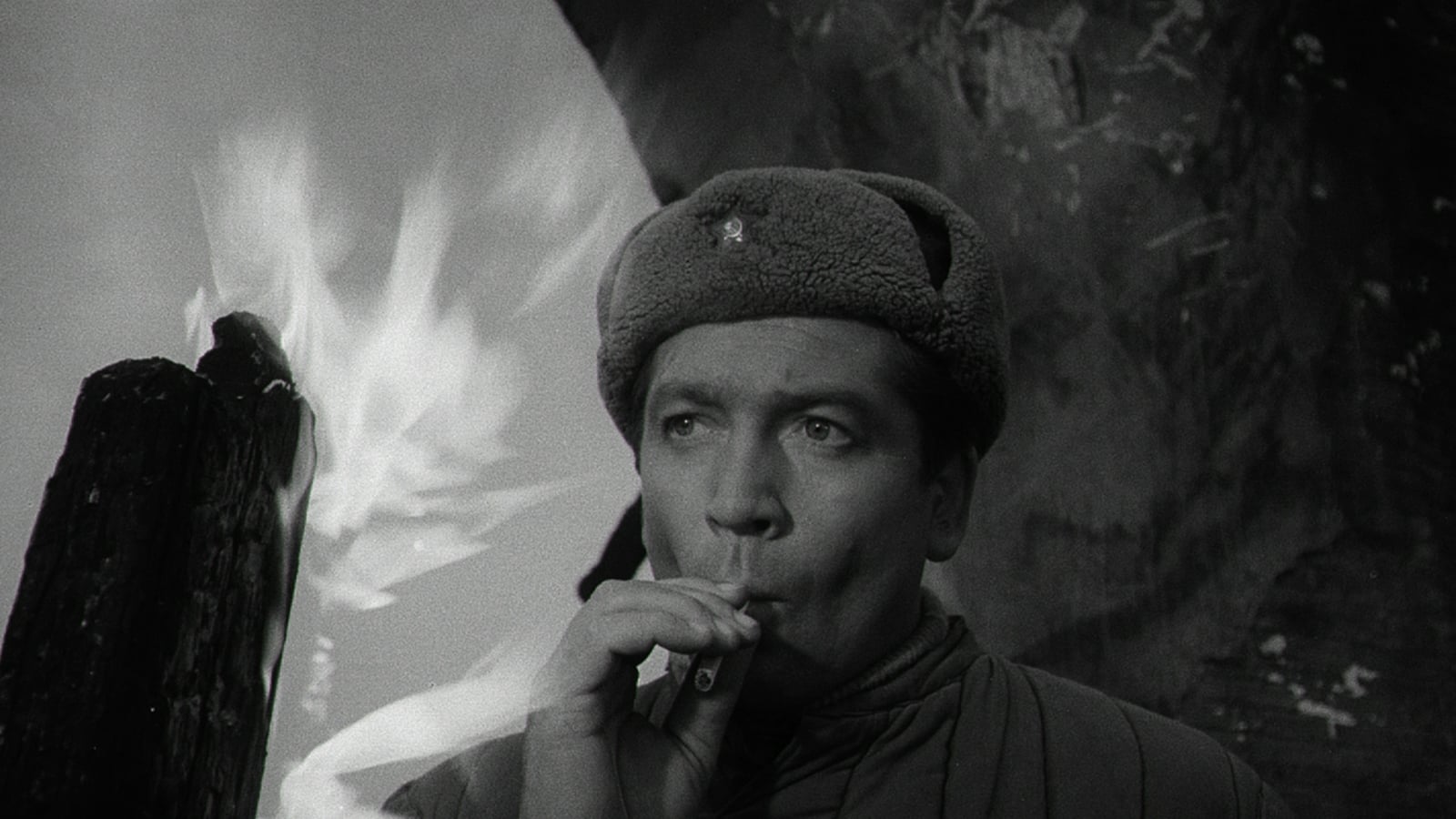
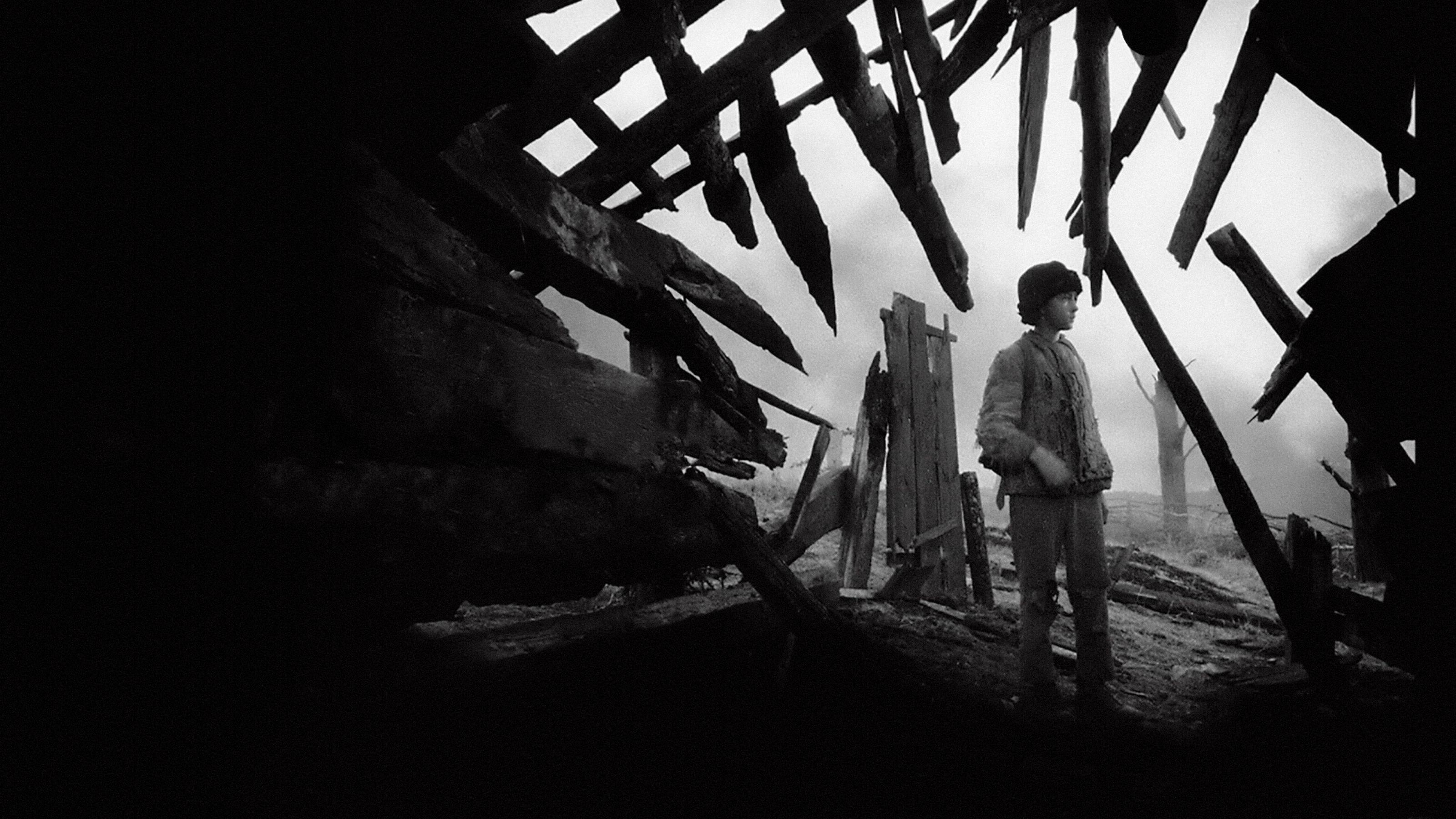
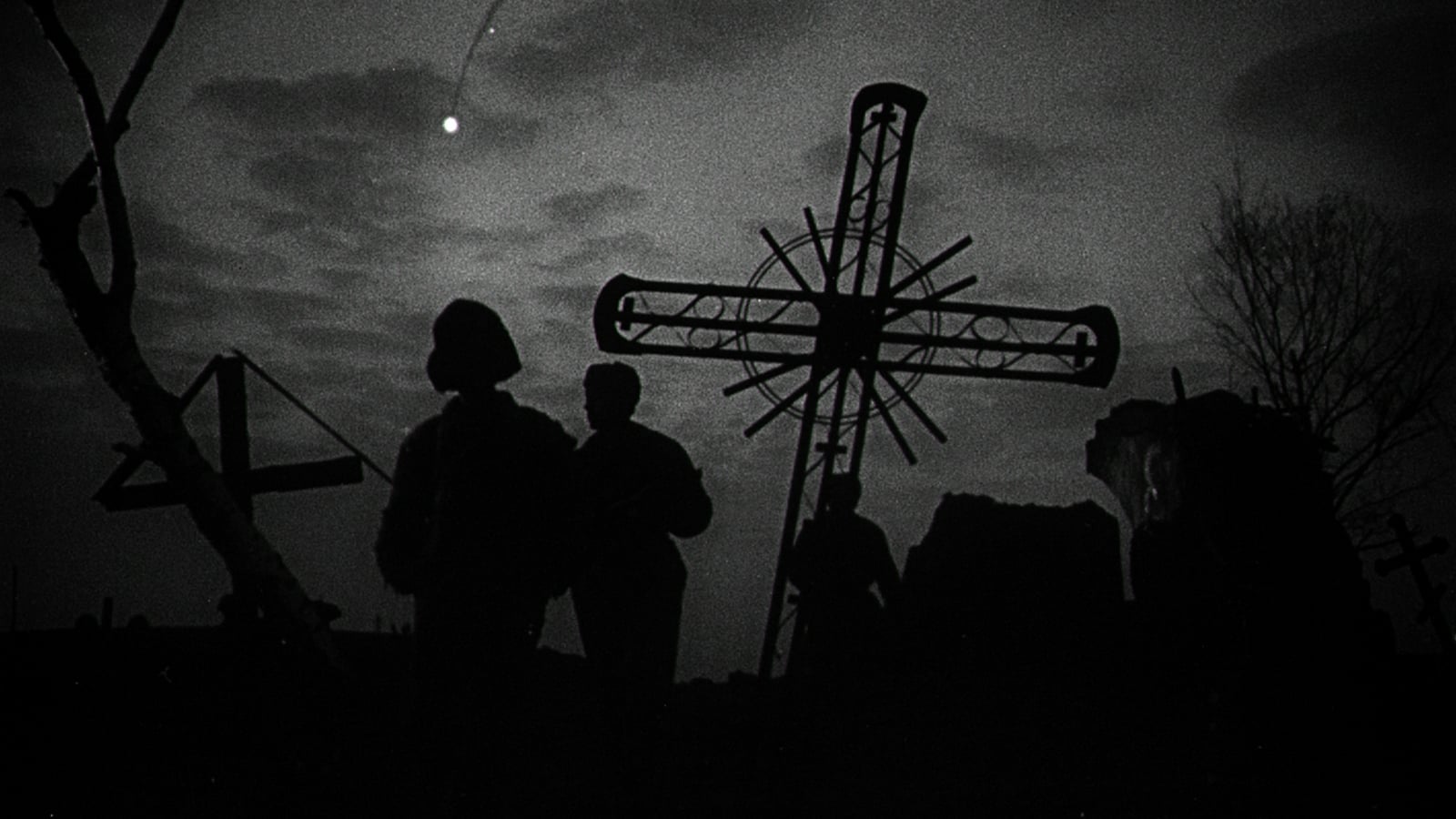
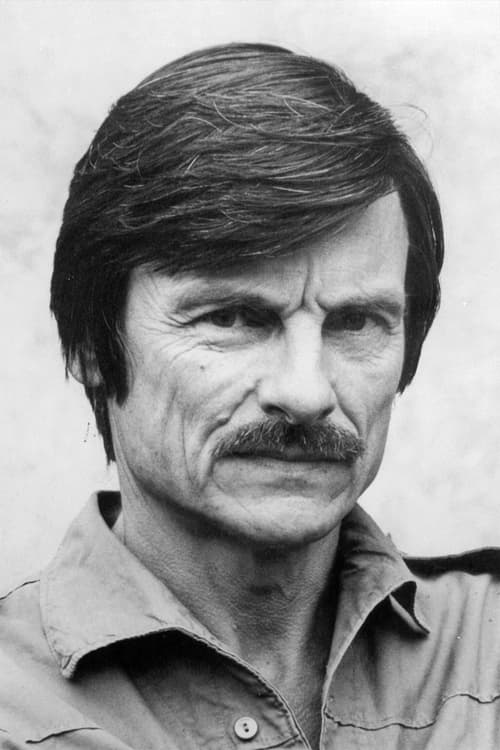
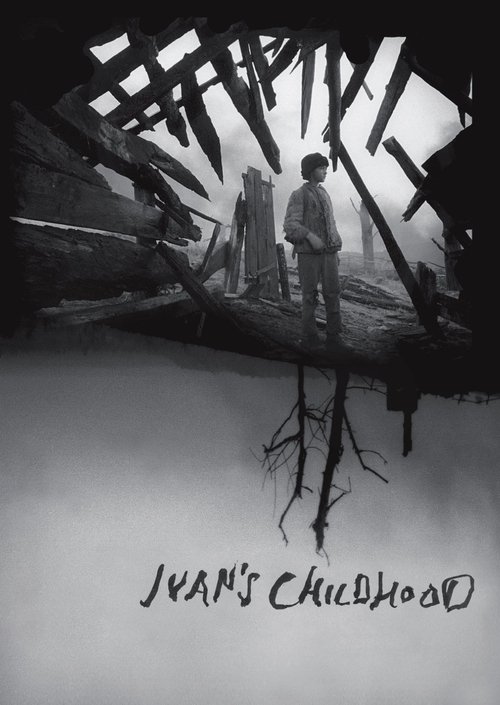
This movie is not only a powerful anti-war film but also an exploration of how the adults responsible for a child's life, like presidents and political figures, often talk about children as the future of the country, yet proceed to traumatize and ruin their childhoods through war. The film deeply examines the experiences of these children, exploring a less violent but more gloomy and melancholic side of war—the isolation and despair. War never feels like we think it will; it is slow and colorless. The black and white cinematography enhances these melancholic vibes as the movie slowly and somehow peacefully explores the devastating effects of war, especially on children. Unlike many war films filled with adrenaline shots and epic battles, Tarkovsky takes a more human and deep approach to war.
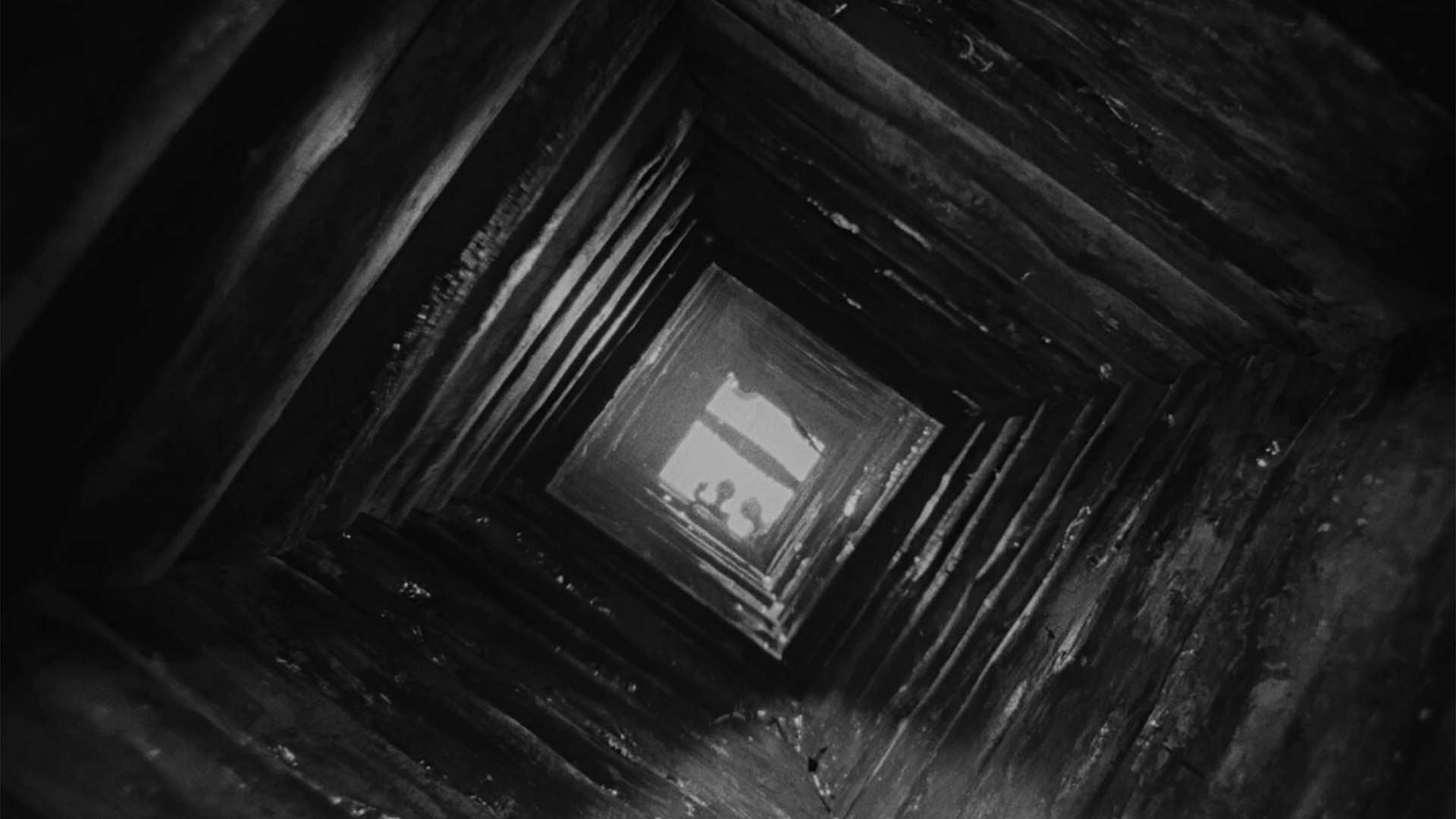
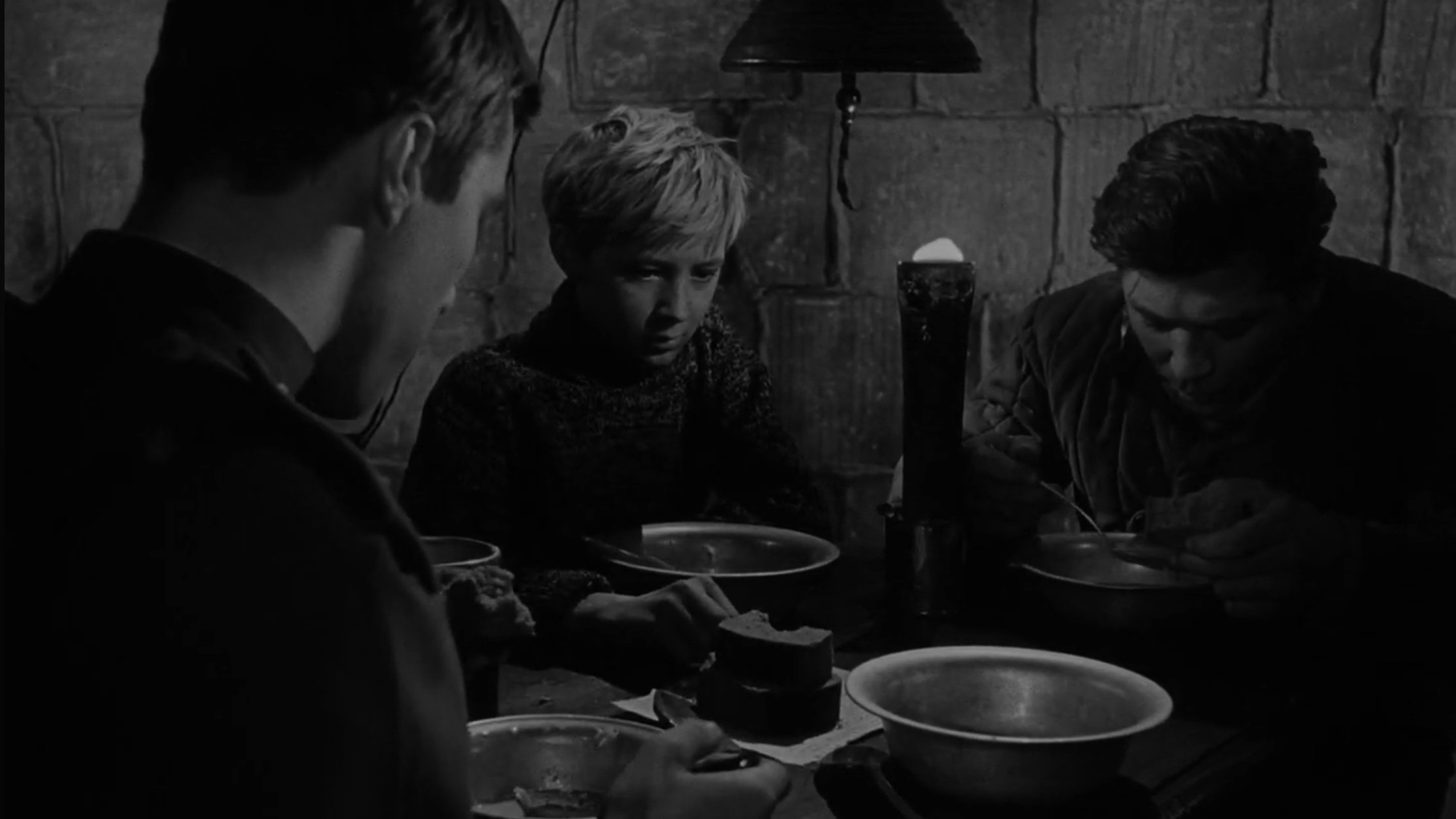
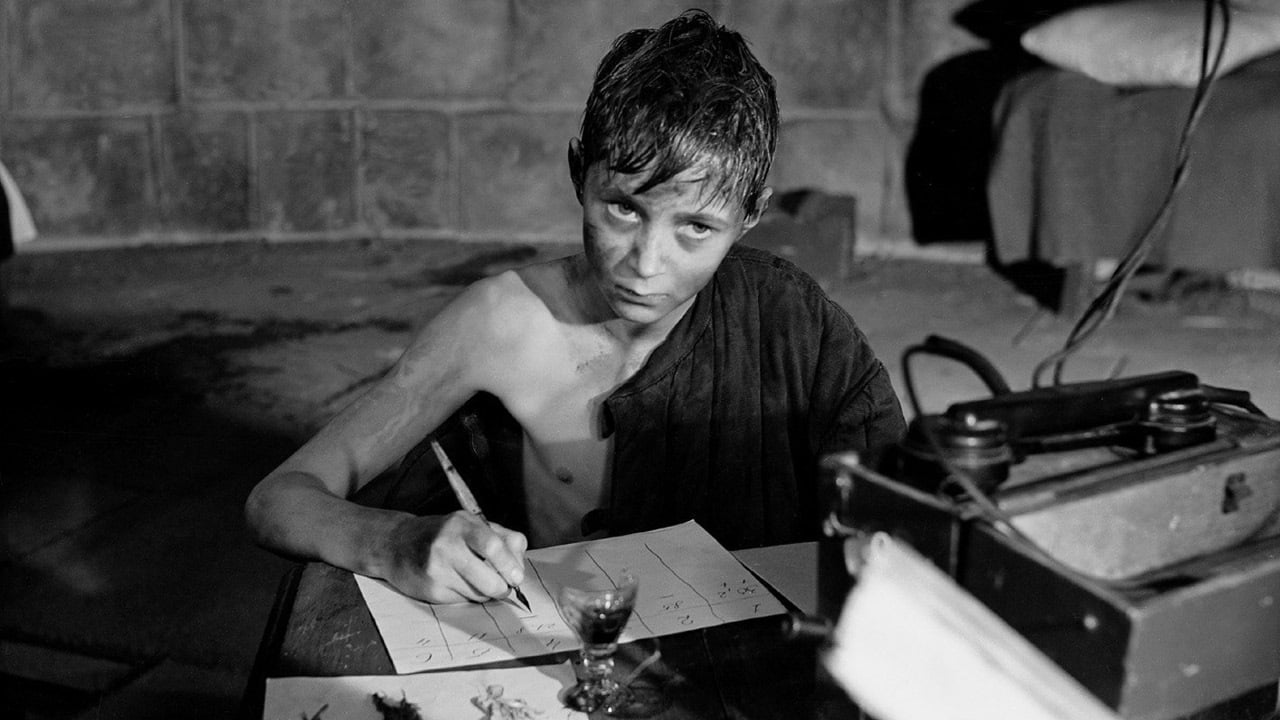
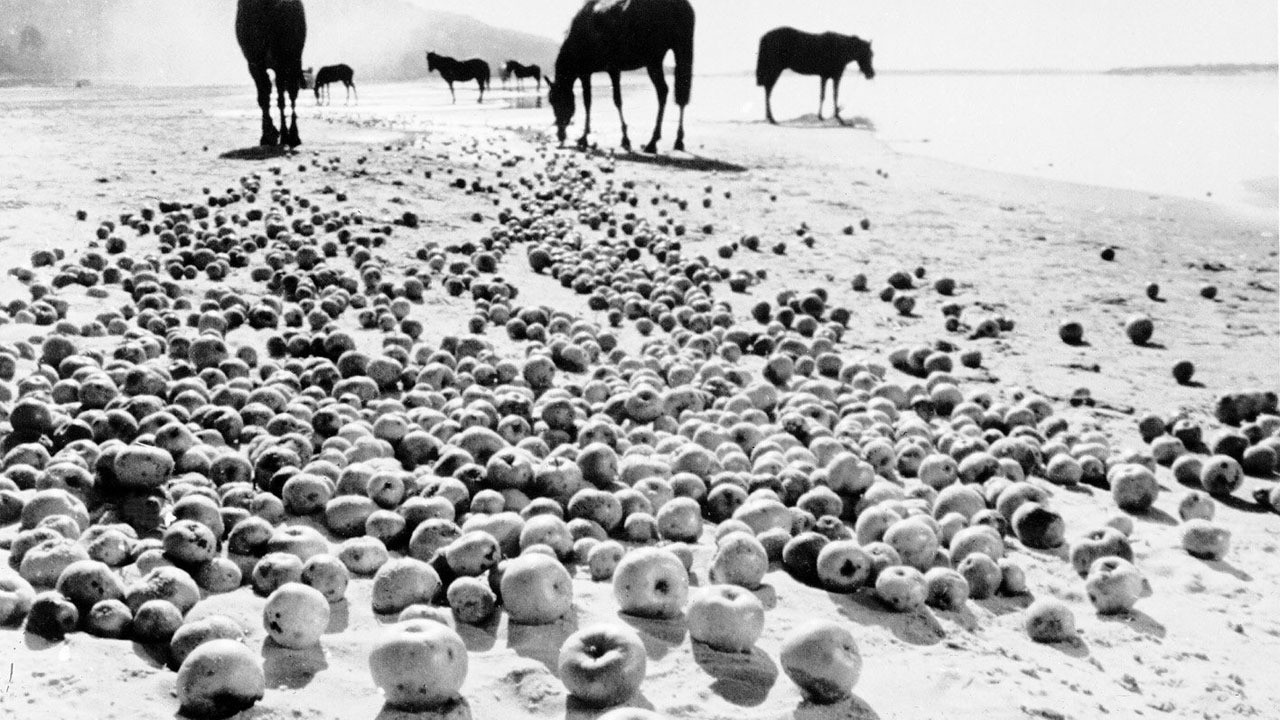
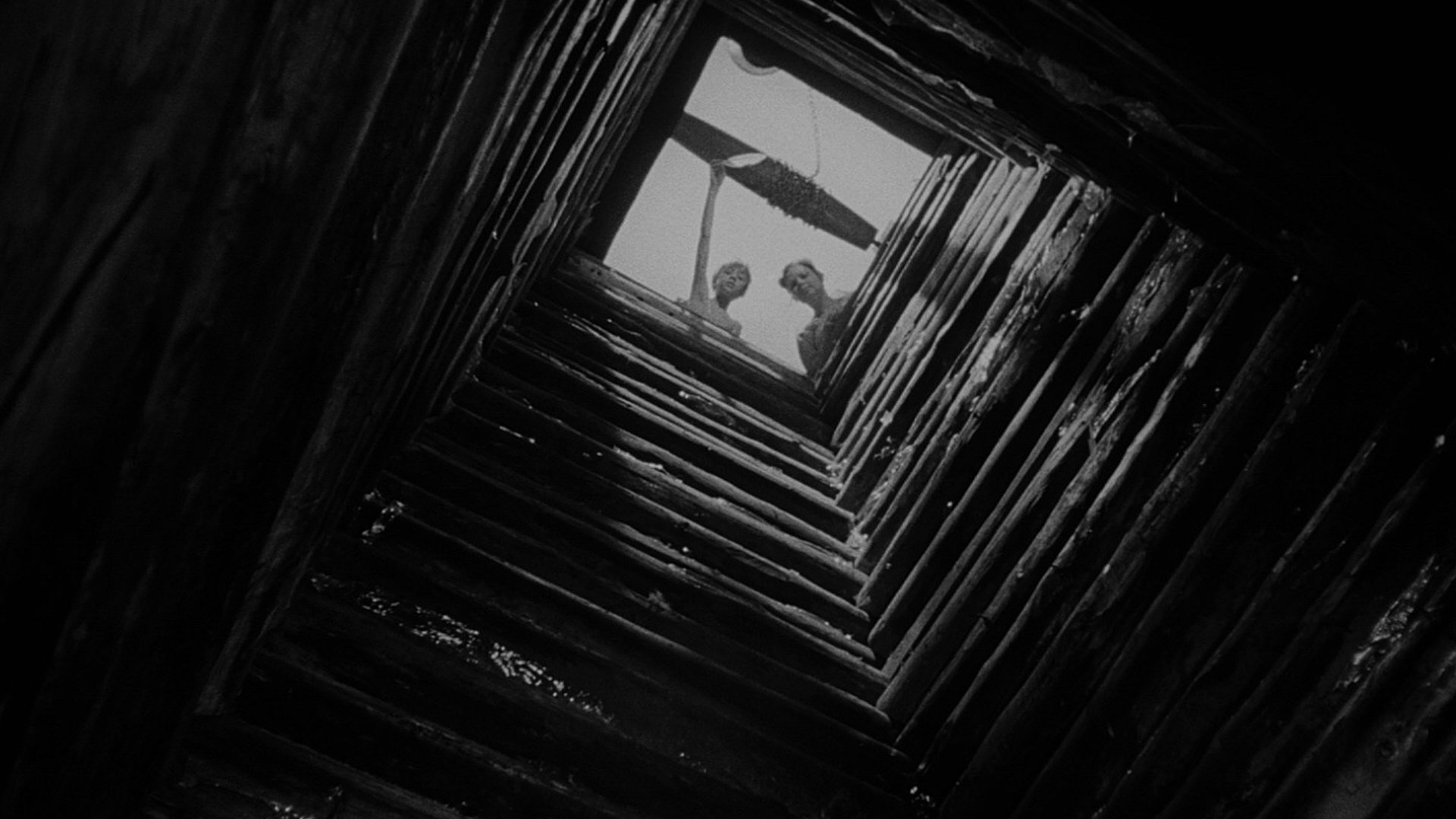
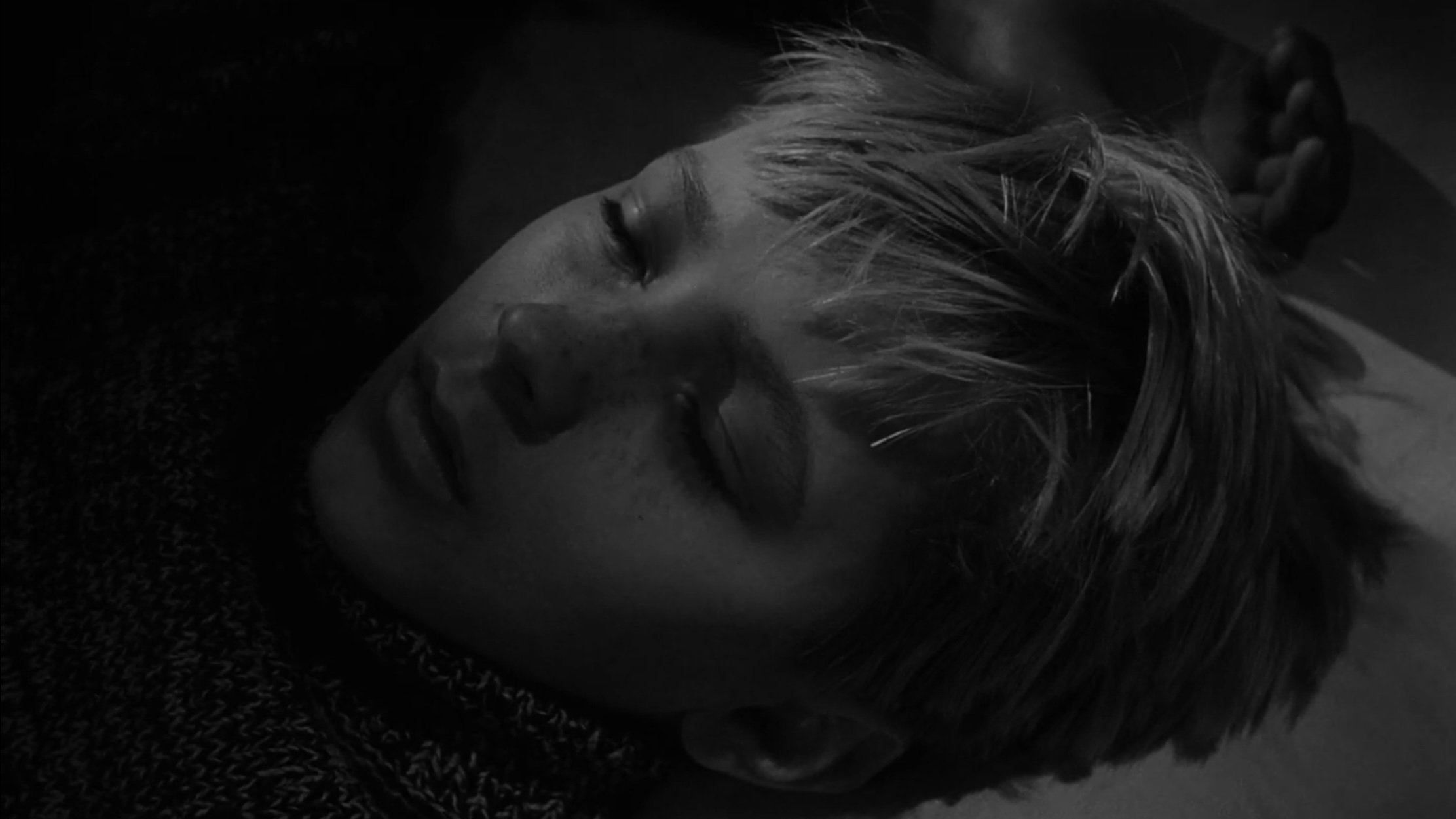
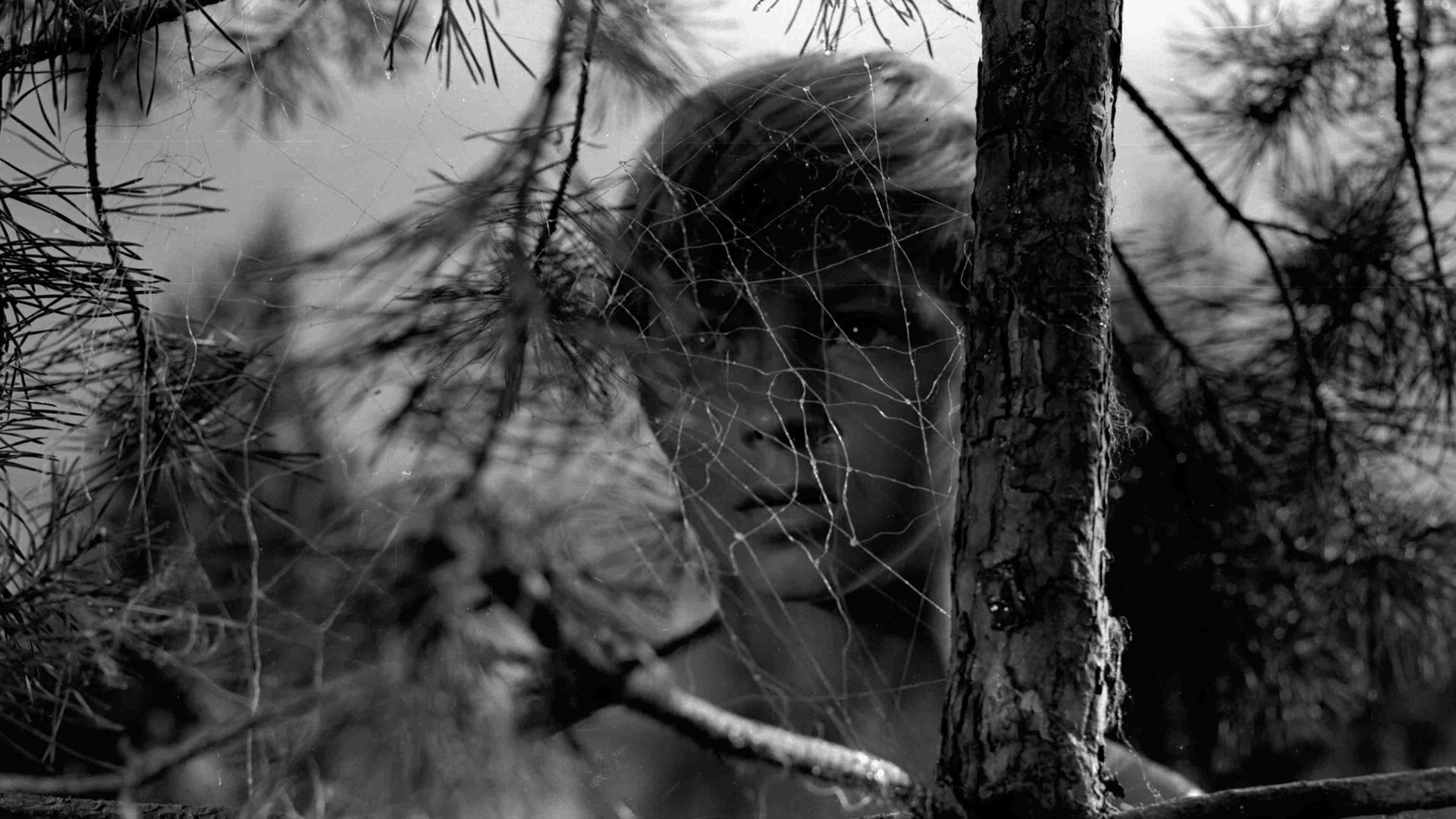
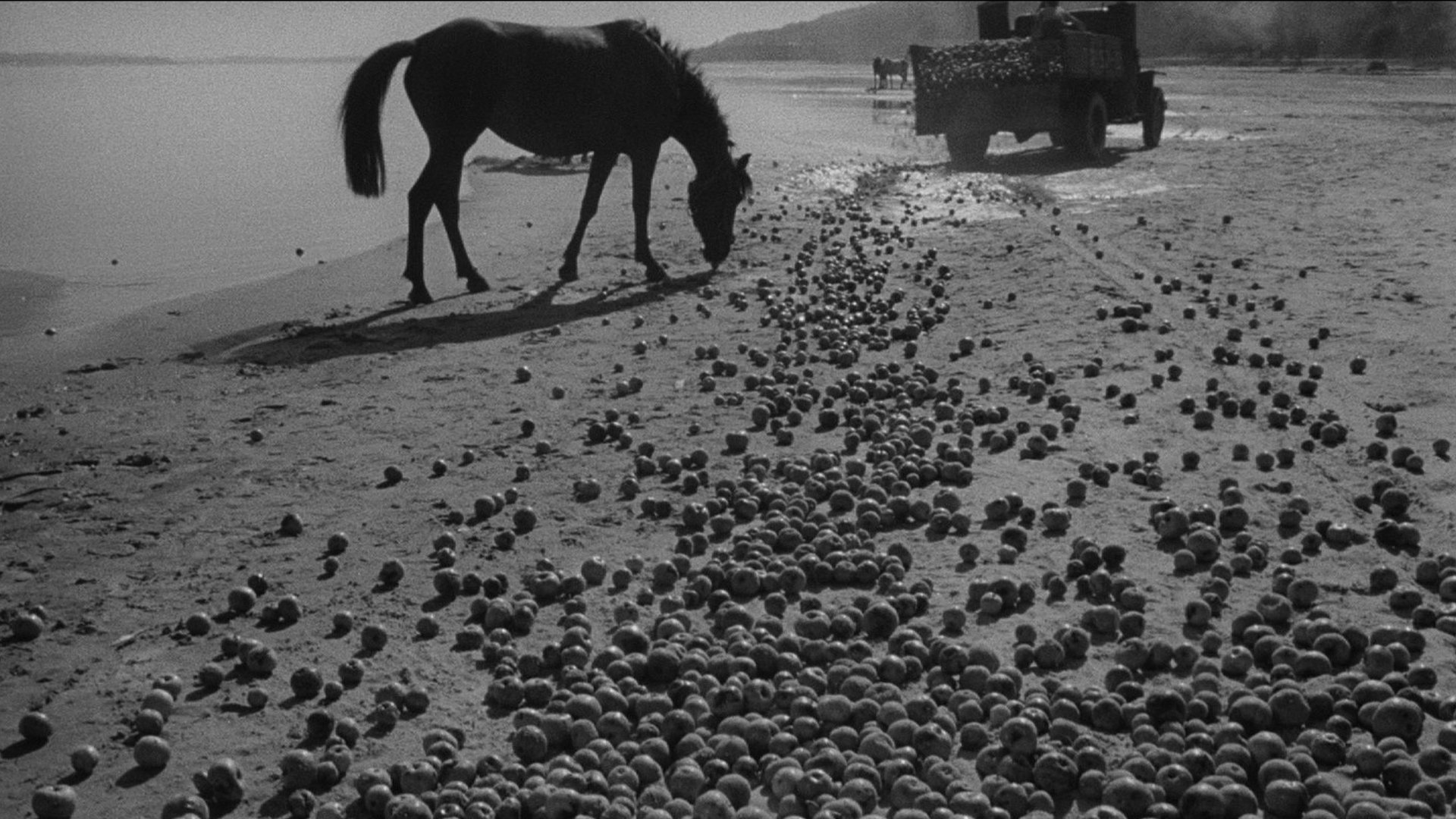
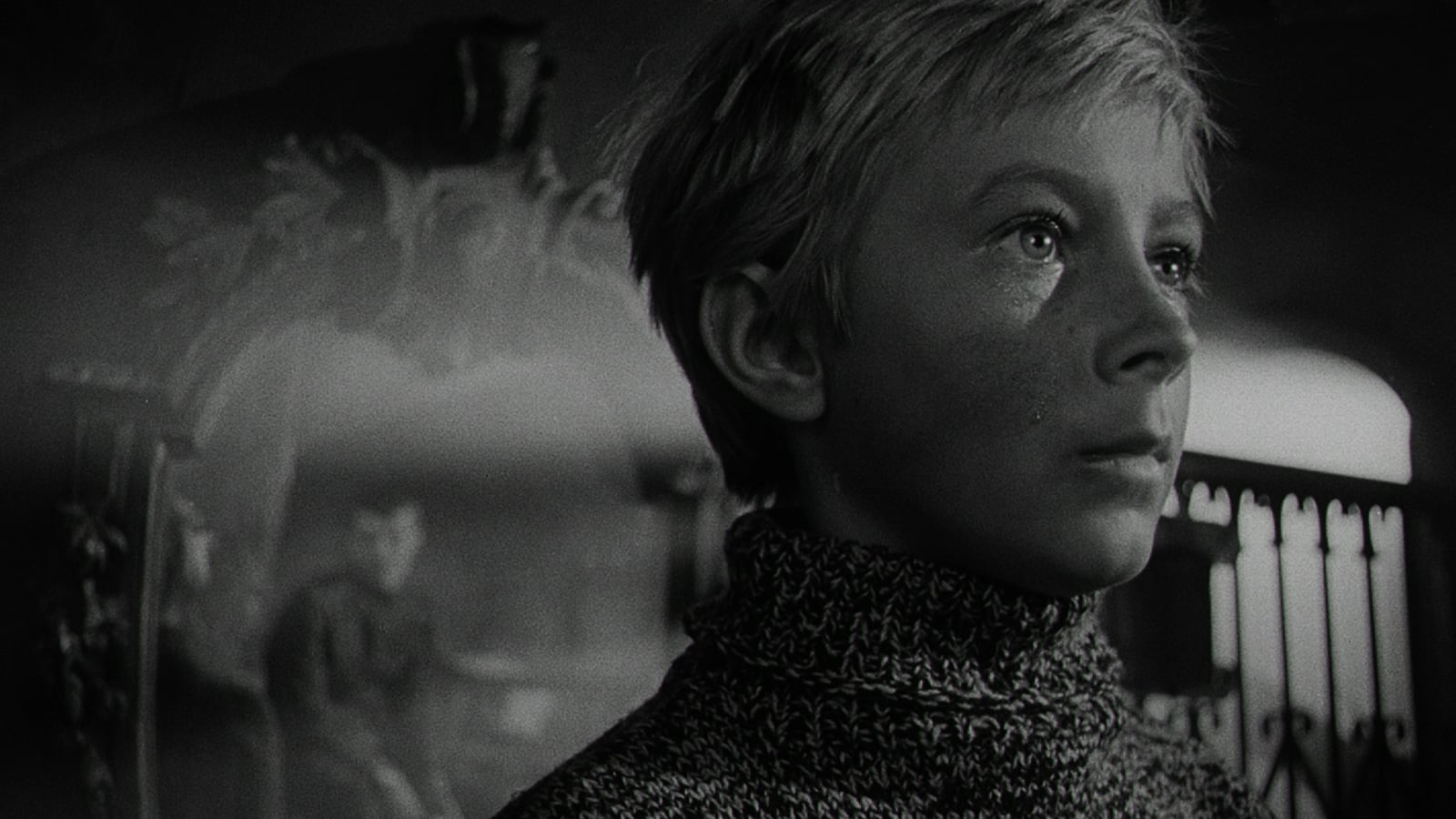
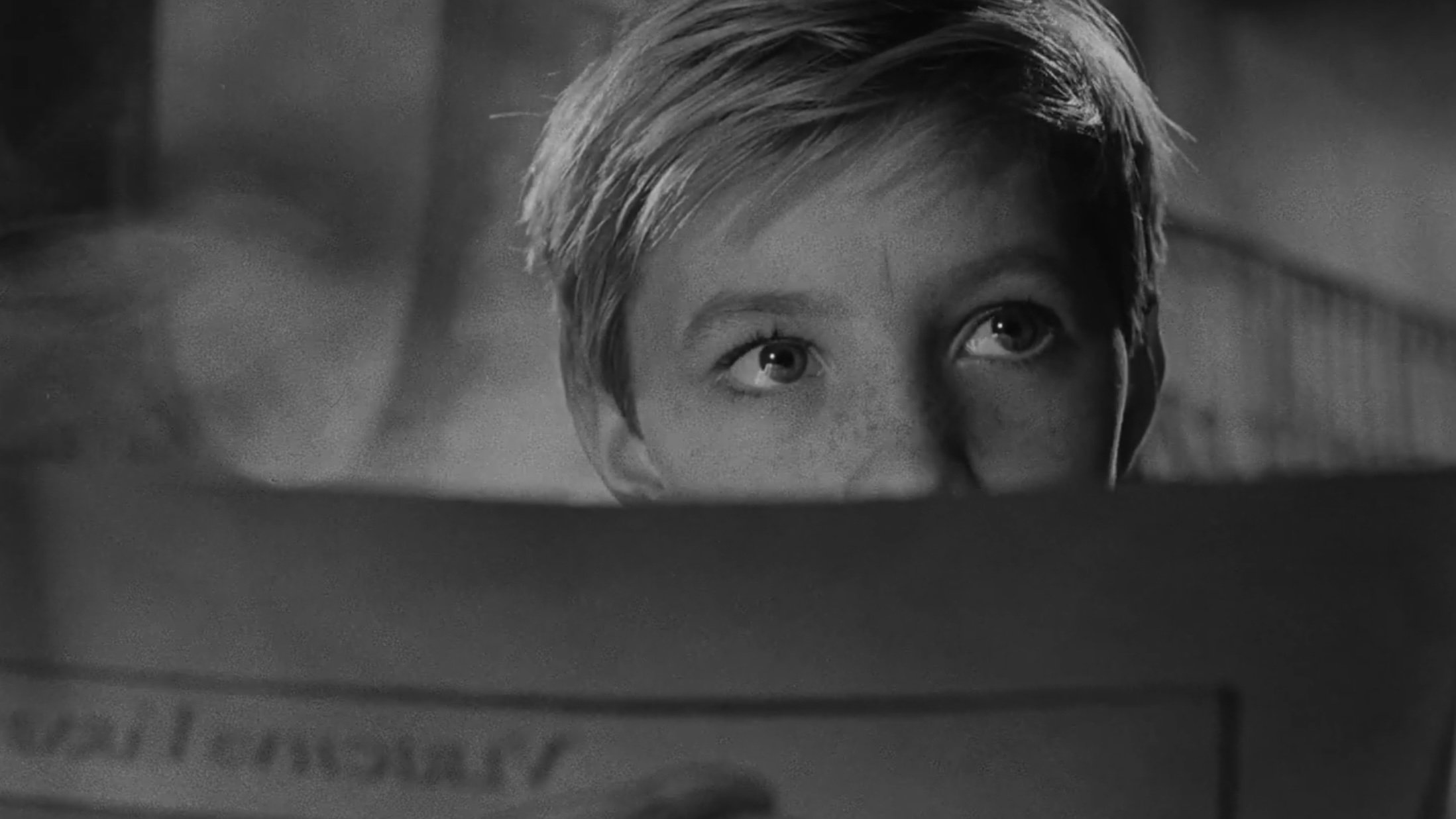
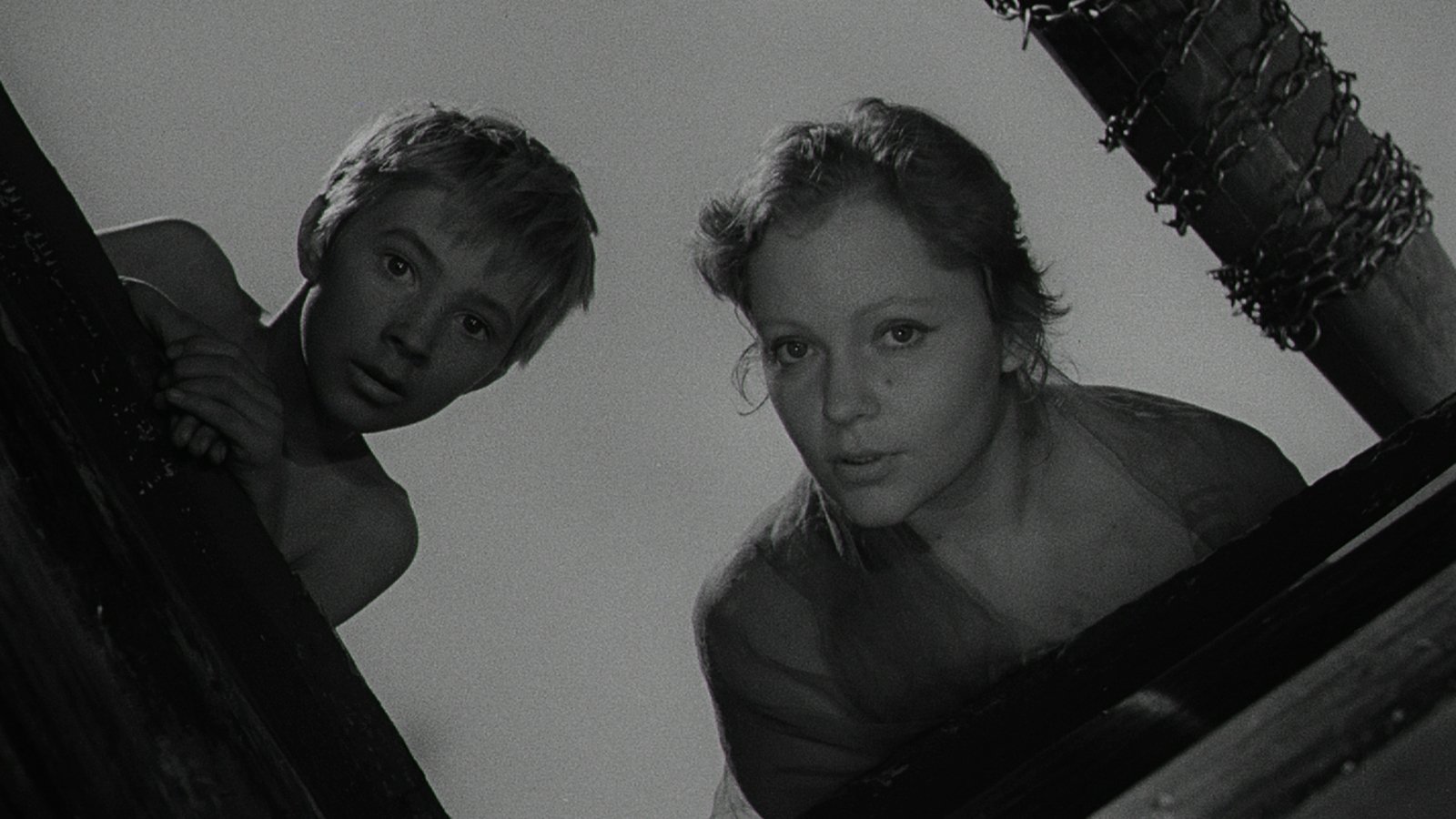
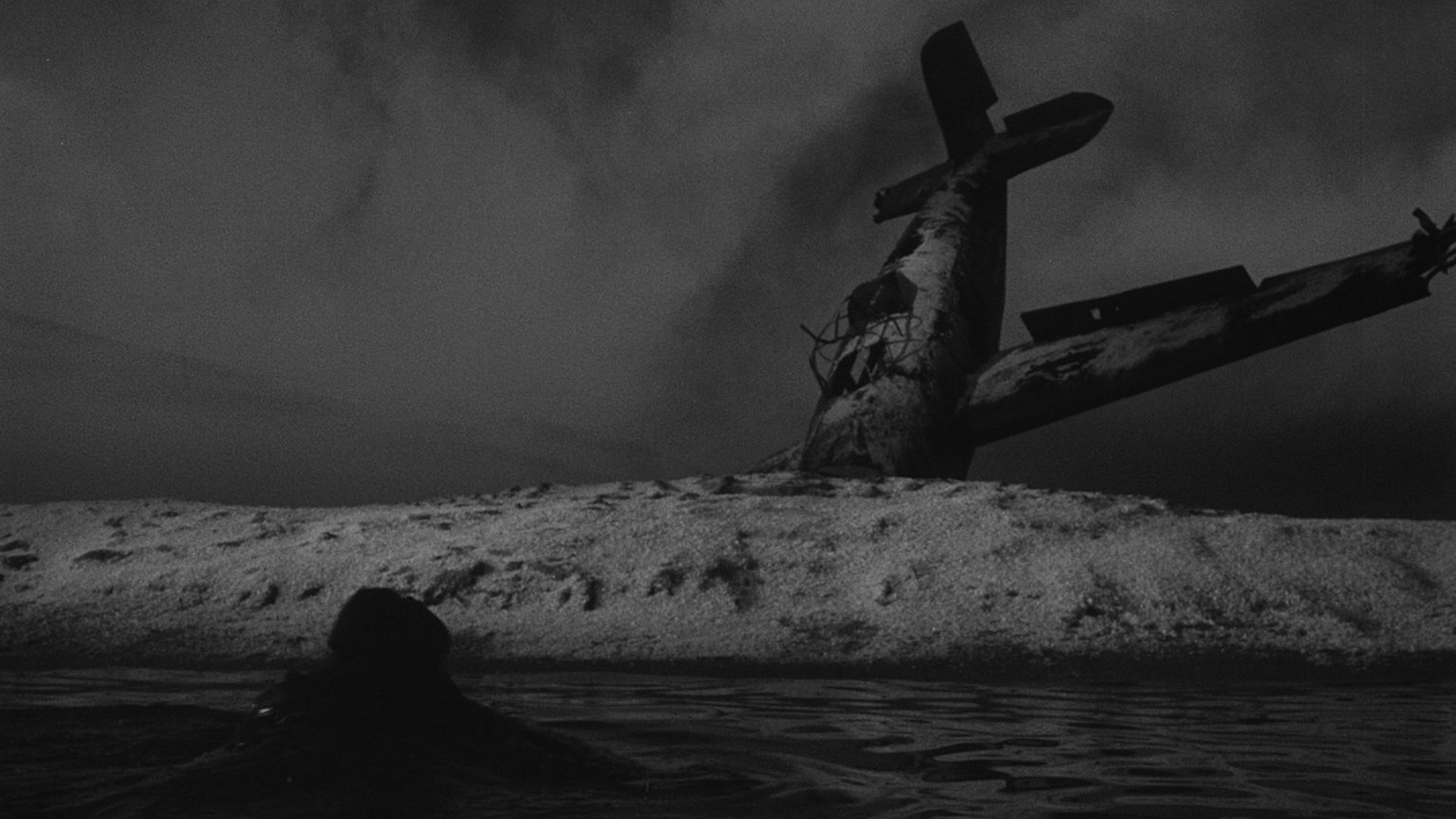
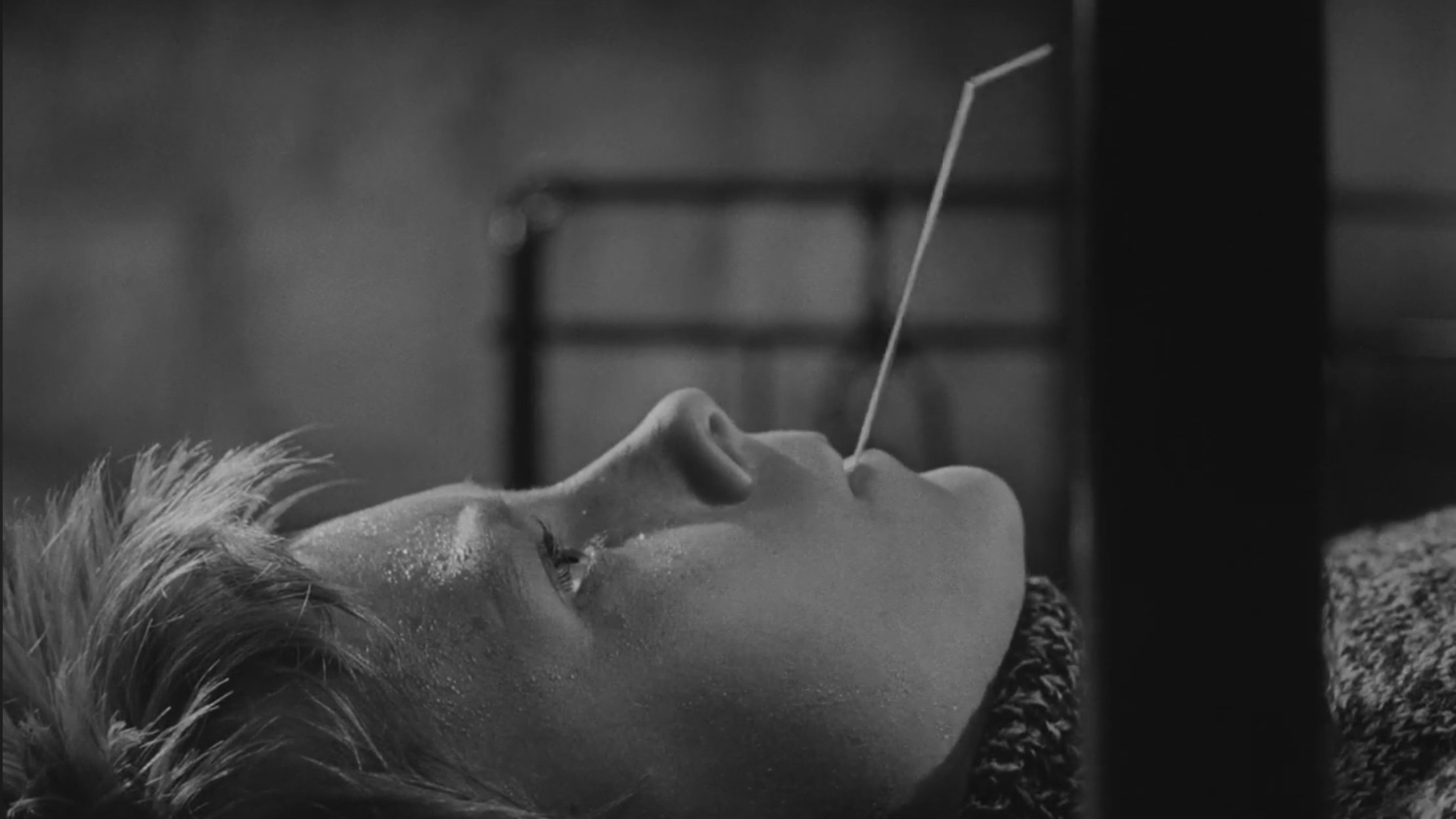
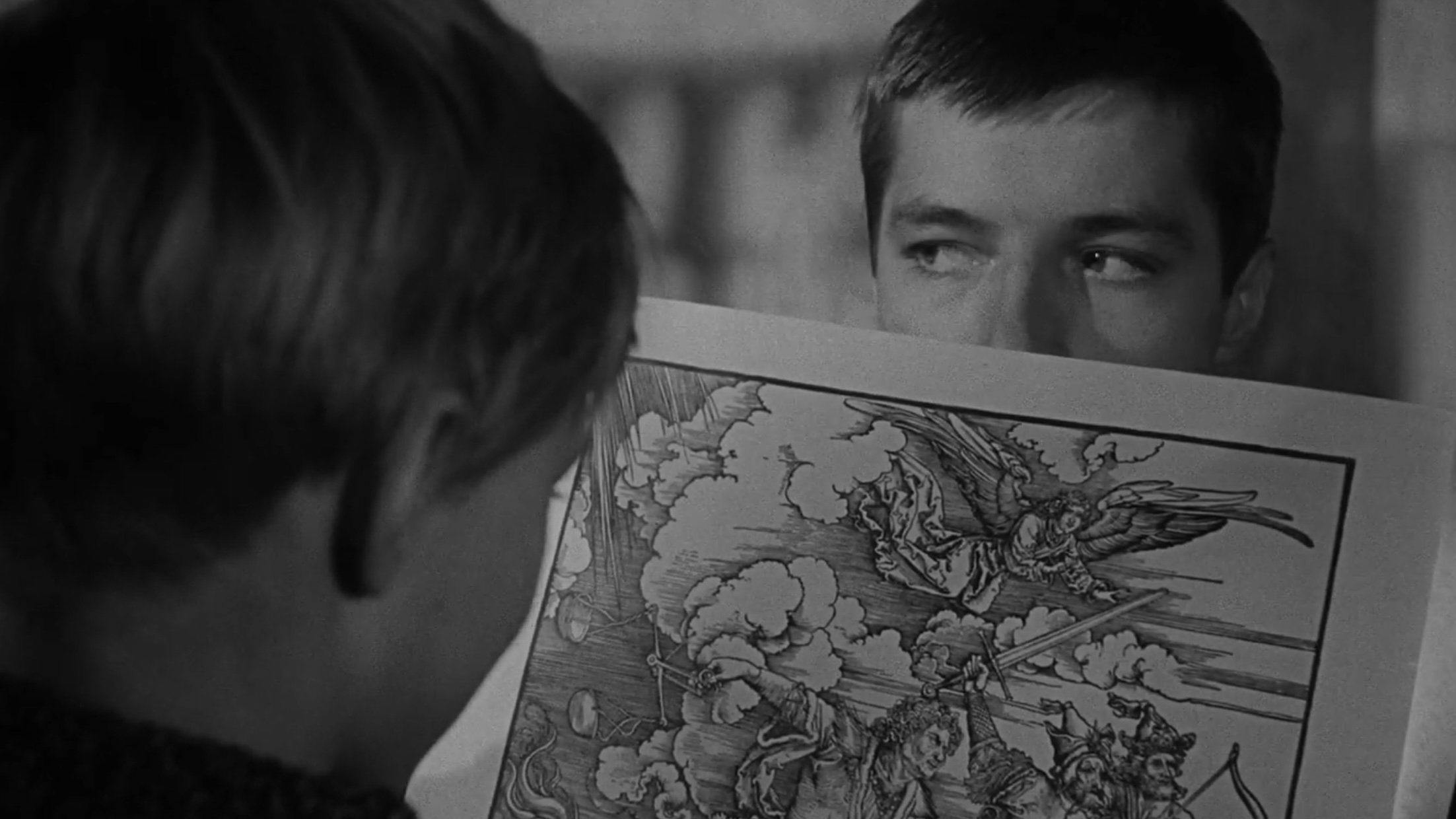
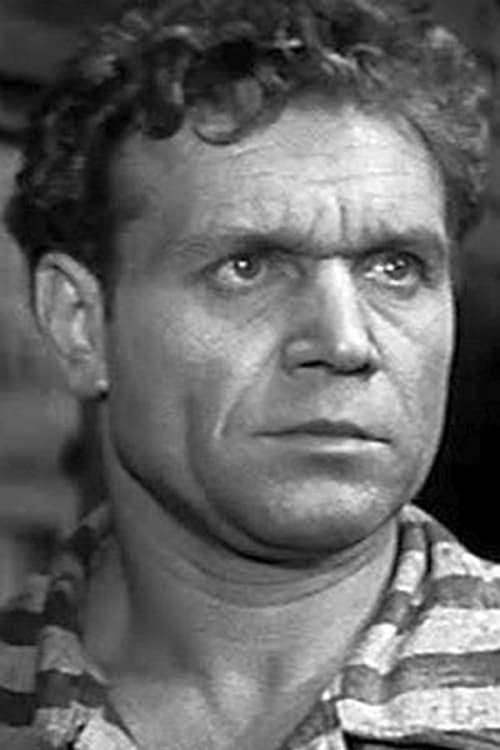
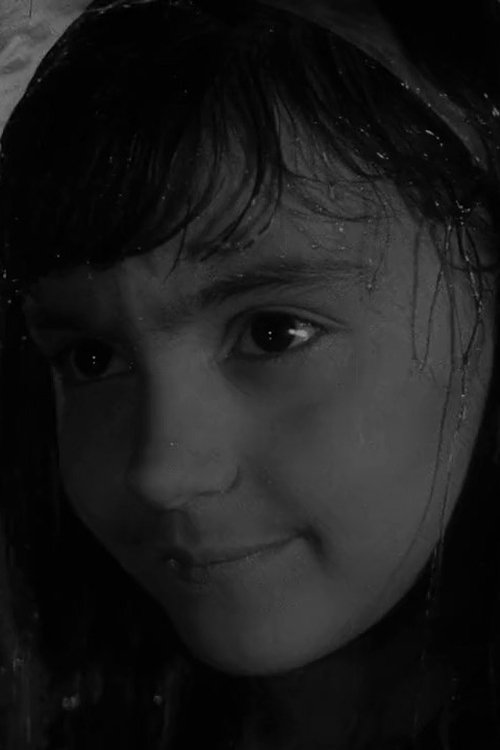
The cinematography was amazing; the long, uncut shots force the viewer to linger on the harshness of war, the barren landscapes, and the cold, industrial environments that serve as the backdrop for the story. This visual approach, at least for me, made it all seem uneasy and almost alienating. For me, it represents how war feels unnatural—a destructive force that disrupts the natural order of life. The camera also sometimes changes to the POVs of the symbols of innocence in this movie, Ivan and Marta. The director’s use of close-ups on Ivan’s face captures the intensity of his emotions, from anger and determination to moments of vulnerability and fear. This intimate focus on Ivan's expressions and the physicality of his movements helps convey the profound psychological impact of the war on his young mind. Tarkovsky really did everything to put us in Ivan's shoes. When we are in a scene as him, he makes that clear. He uses silence and ambient sounds instead of an actual soundtrack to immerse us in Ivan's world—a world where the happy rhythms of life have been stolen from him, and he can do nothing but survive.
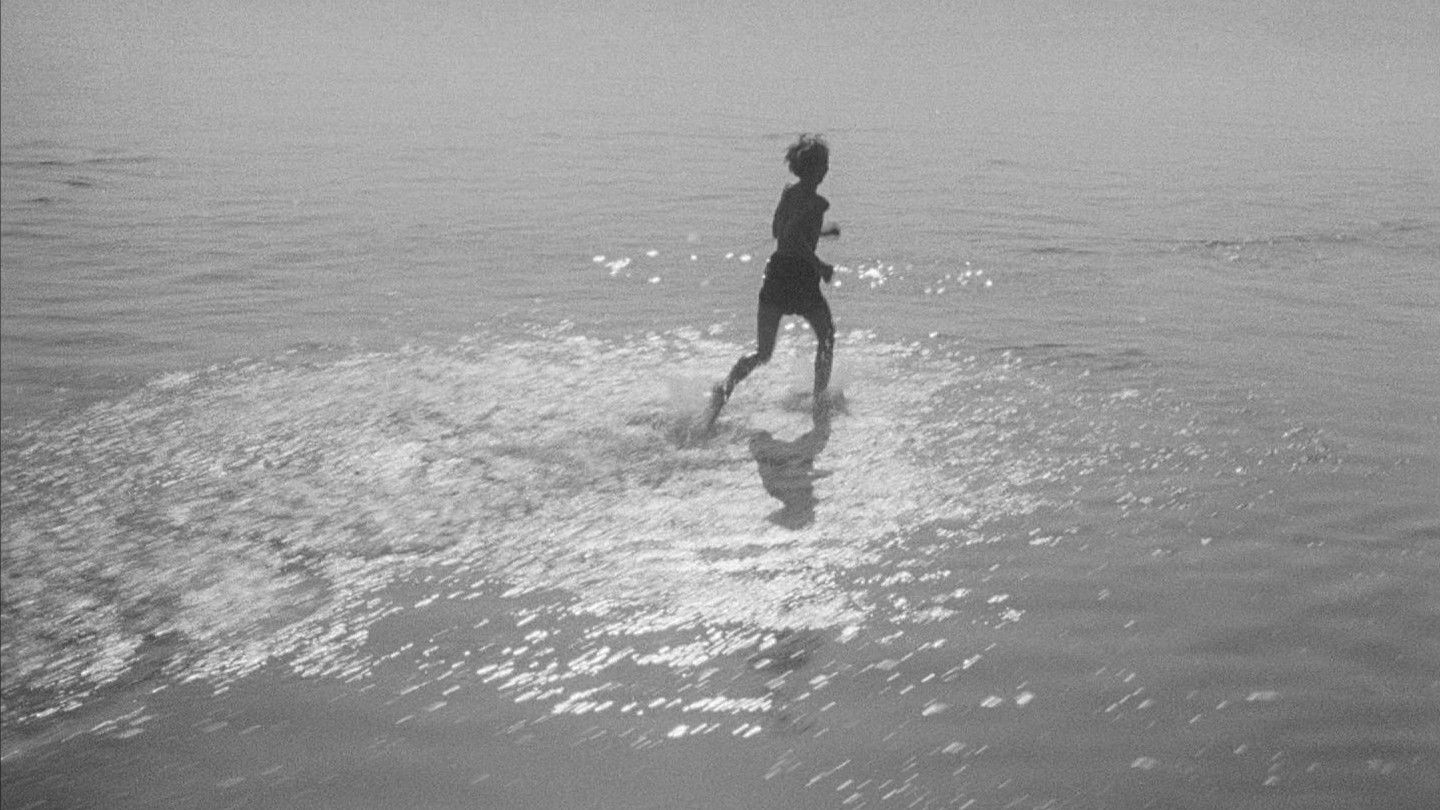
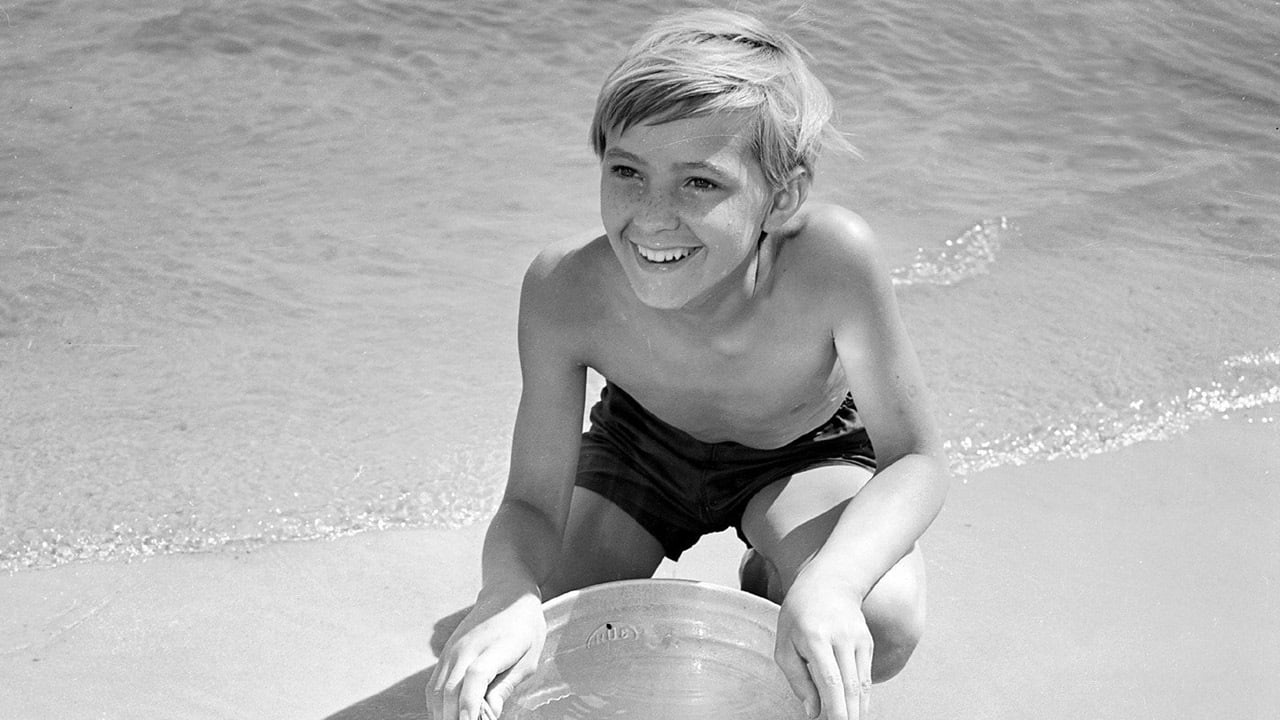
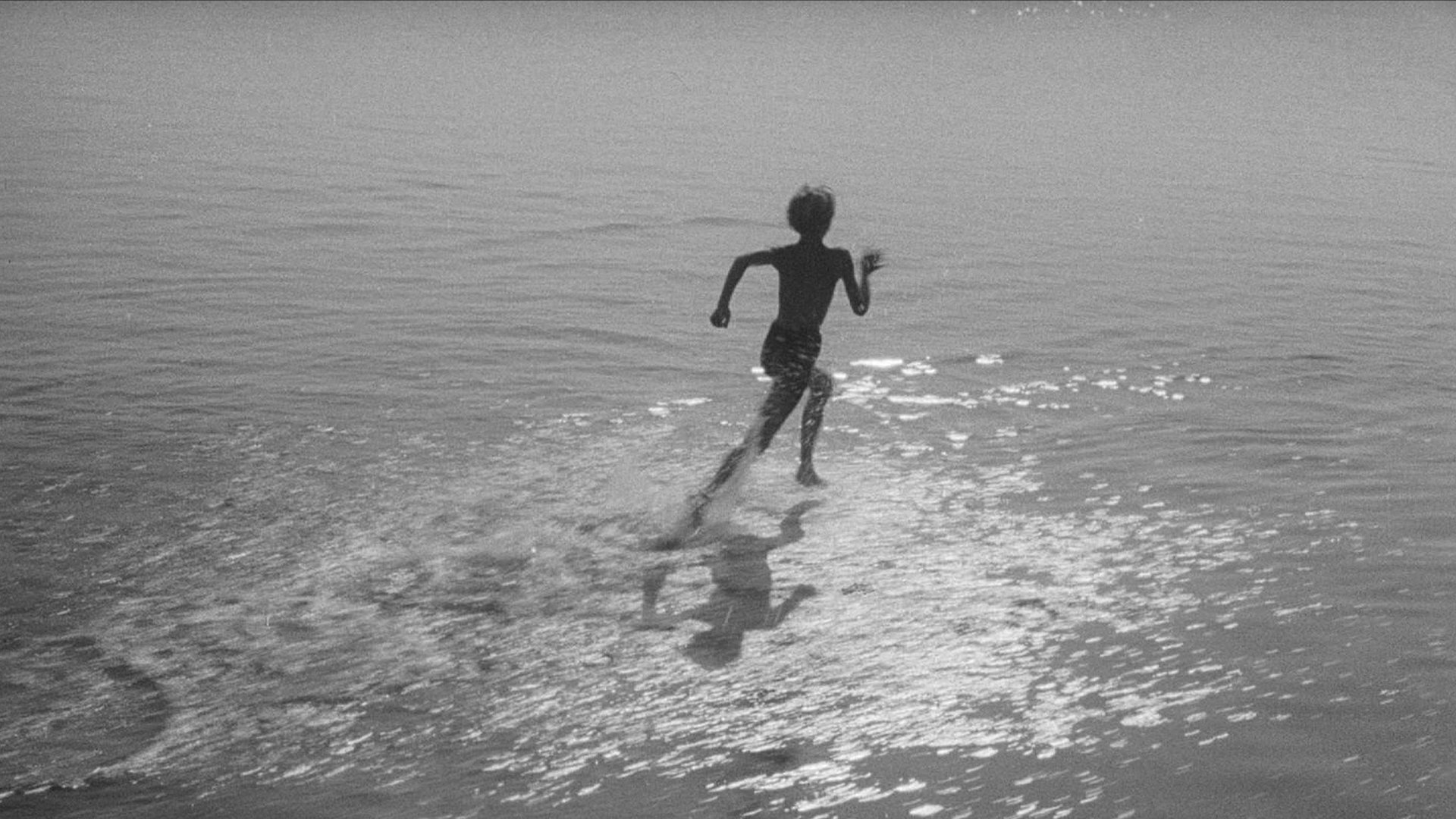
Tarkovsky also uses symbolism to further enhance his themes. The random dreams and memories remind us that Ivan once had a normal life, contrasting with the dark environment he must now endure. The dream sequences represent the innocence, childhood, and immaturity he once had.
At its core, at least for me, Ivan's Childhood is about stolen childhood. It's about Ivan, a young boy forced to grow up too quickly, to adapt because of the "responsible" adults who were supposed to protect him—presidents, politicians, etc. Tarkovsky's portrayal of Ivan is a powerful exploration of the loss of childhood innocence and the forced maturity that war and adults impose on the young. Ivan’s tough exterior and relentless determination to contribute to the war effort are clear indicators of a child thrust into an adult world of violence and suffering. Tarkovsky recognizes that Ivan has matured; he isn’t a silly, immature boy with no idea of what’s going on, as adults might think. The director knows that Ivan is aware there is no space left for the joys and experiences that should define childhood. Yet, Tarkovsky is careful to show that beneath this hardened facade, Ivan remains a child, deeply scarred by the horrors he has witnessed and endured.
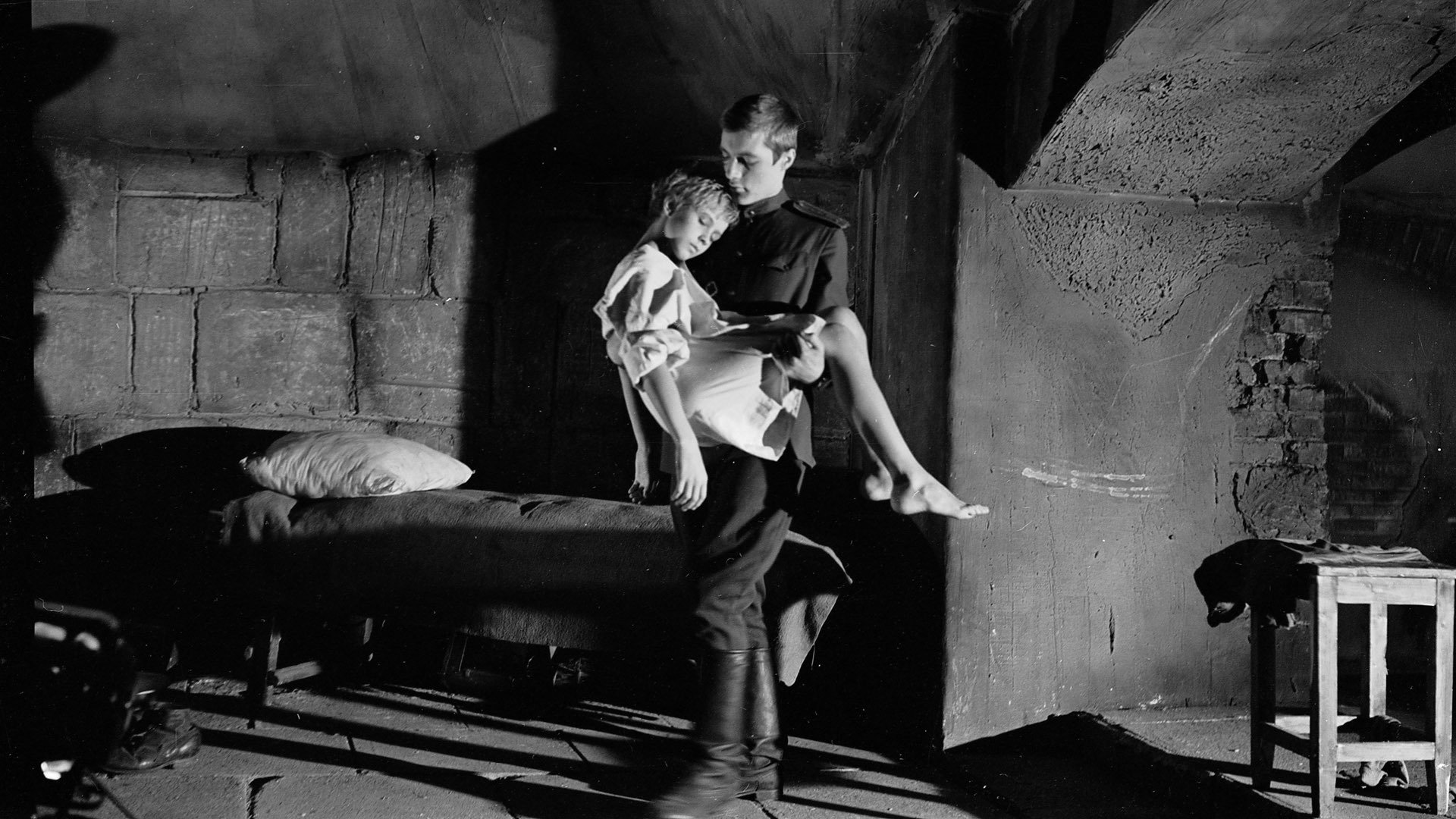
Tarkovsky uses vulnerable moments to remind the audience of the innocence that still lingers within Ivan despite his trauma. These moments are crucial for audiences to understand Ivan, to show the imperfect and messy balance he maintains between maturity and toughness, and immaturity and sensitivity, simply due to his youth and the rapid pace of events. For example, in scenes where Ivan interacts with the soldiers who have taken him in, there are fleeting moments of tenderness and care that hint at the child he once was. However, these moments are often quickly overshadowed by the harsh realities of his life, reinforcing the idea that war leaves no room for such softness or vulnerability.
The ending is the most important part of the movie for me. In the final scene, we see Ivan being a kid for once, playing hide and seek—a simple, innocent, and childish activity. But that scene is pure tragedy, given the preceding scene and the whole movie's dark, oppressive tone. The image of Ivan playing, seemingly carefree and joyful, is a powerful reminder of the childhood he has been denied. However, for me, that scene didn’t actually happen; it represents what could have happened, what Ivan could have been doing at that specific time if there were no war. The hide and seek game is symbolic of Ivan’s attempts to navigate the dangerous and unpredictable world of war, where he is constantly trying to avoid the threats that surround him.
Overall, Ivan's Childhood is a powerful anti-war film that explores how war destroys children's innocence. Unlike typical war films, Tarkovsky's approach is deeply human, focusing on the isolation, despair, and psychological impact on young minds. The black-and-white cinematography enhances the melancholic atmosphere, while the long, uncut shots emphasize the harshness of war and its unnatural disruption of life. Tarkovsky uses close-ups and symbolism, particularly through Ivan's dreams and memories, to highlight the tragic loss of childhood.