

1988·Thriller·2h 7m
7.0
★
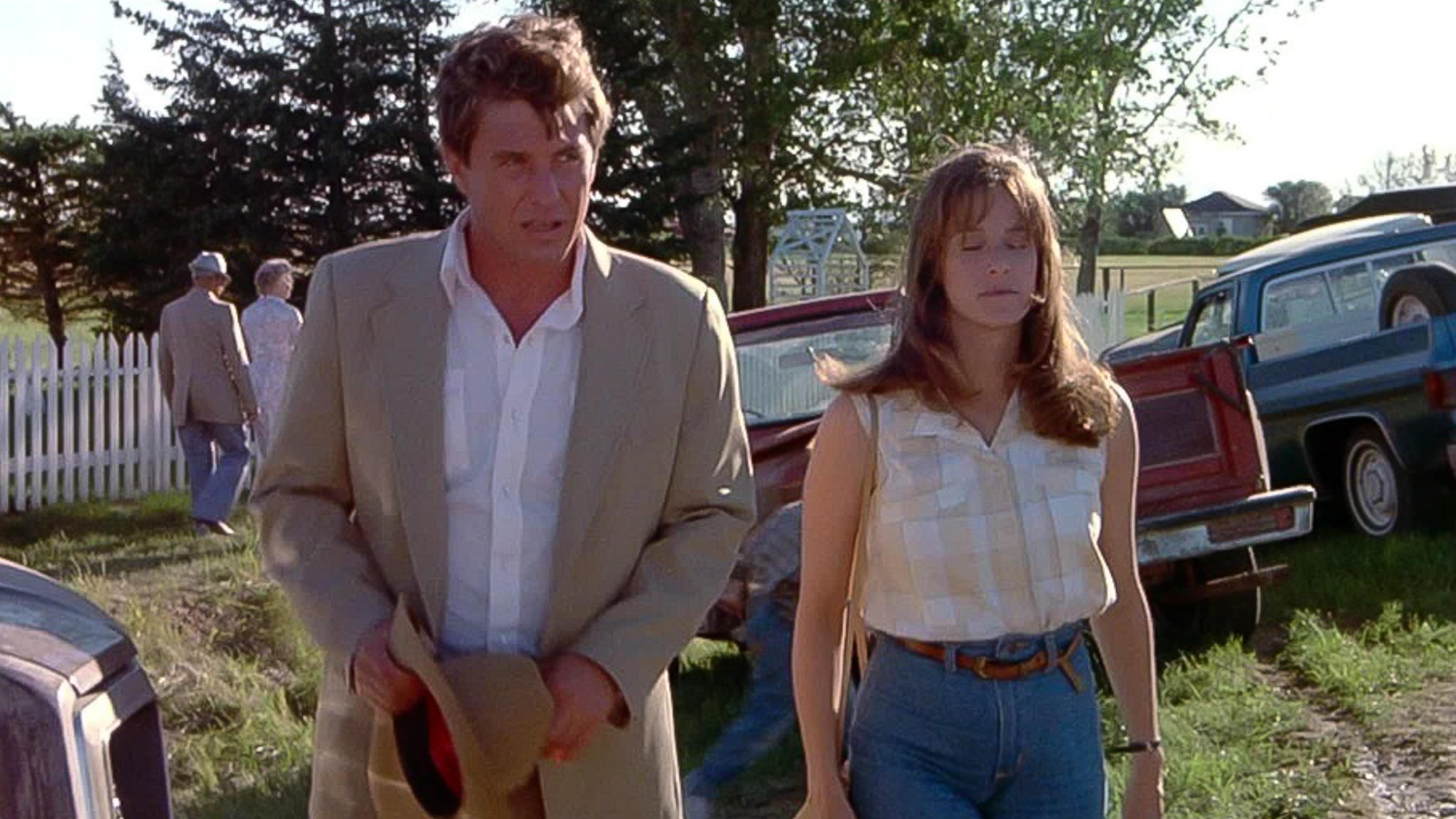

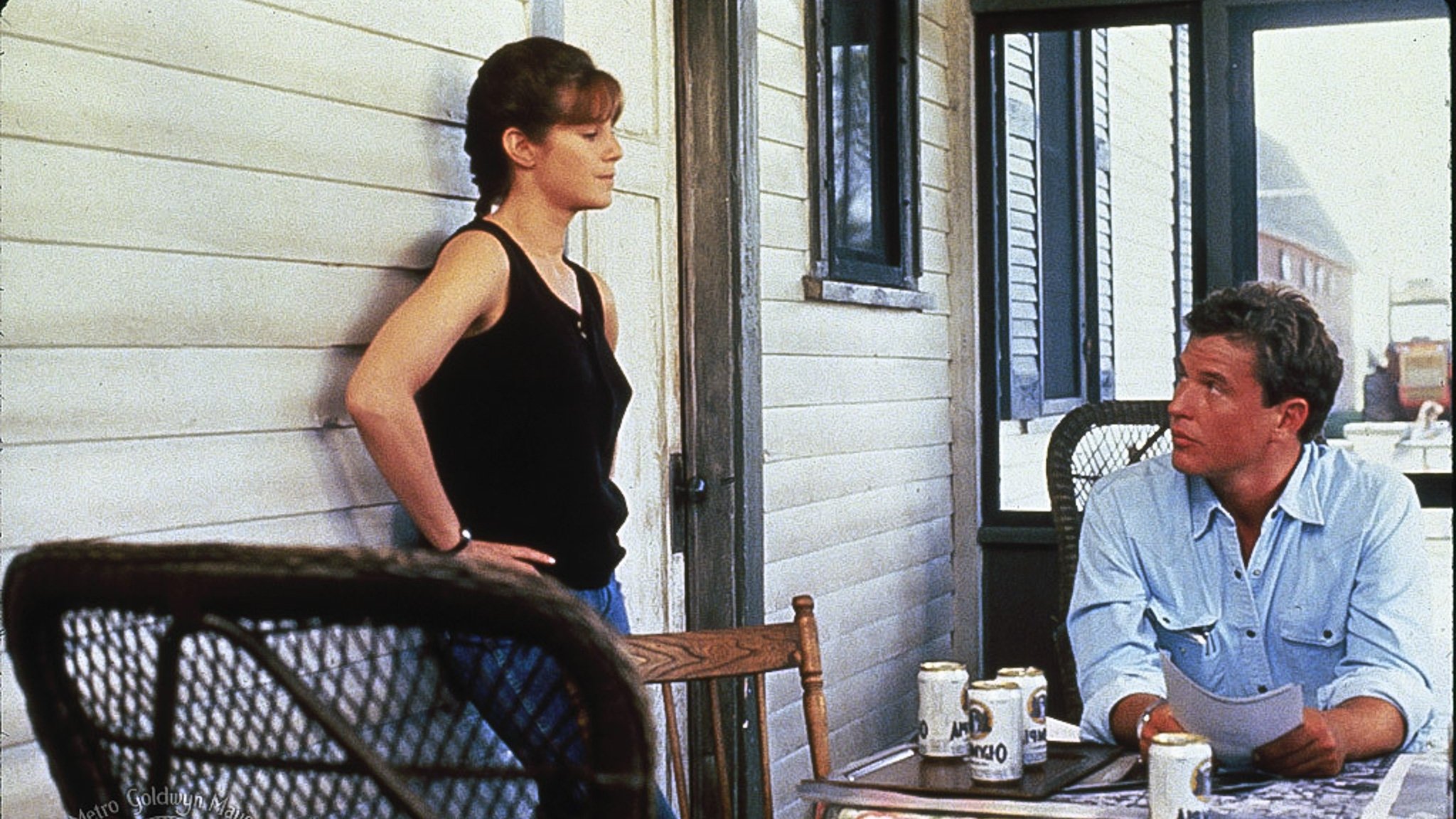
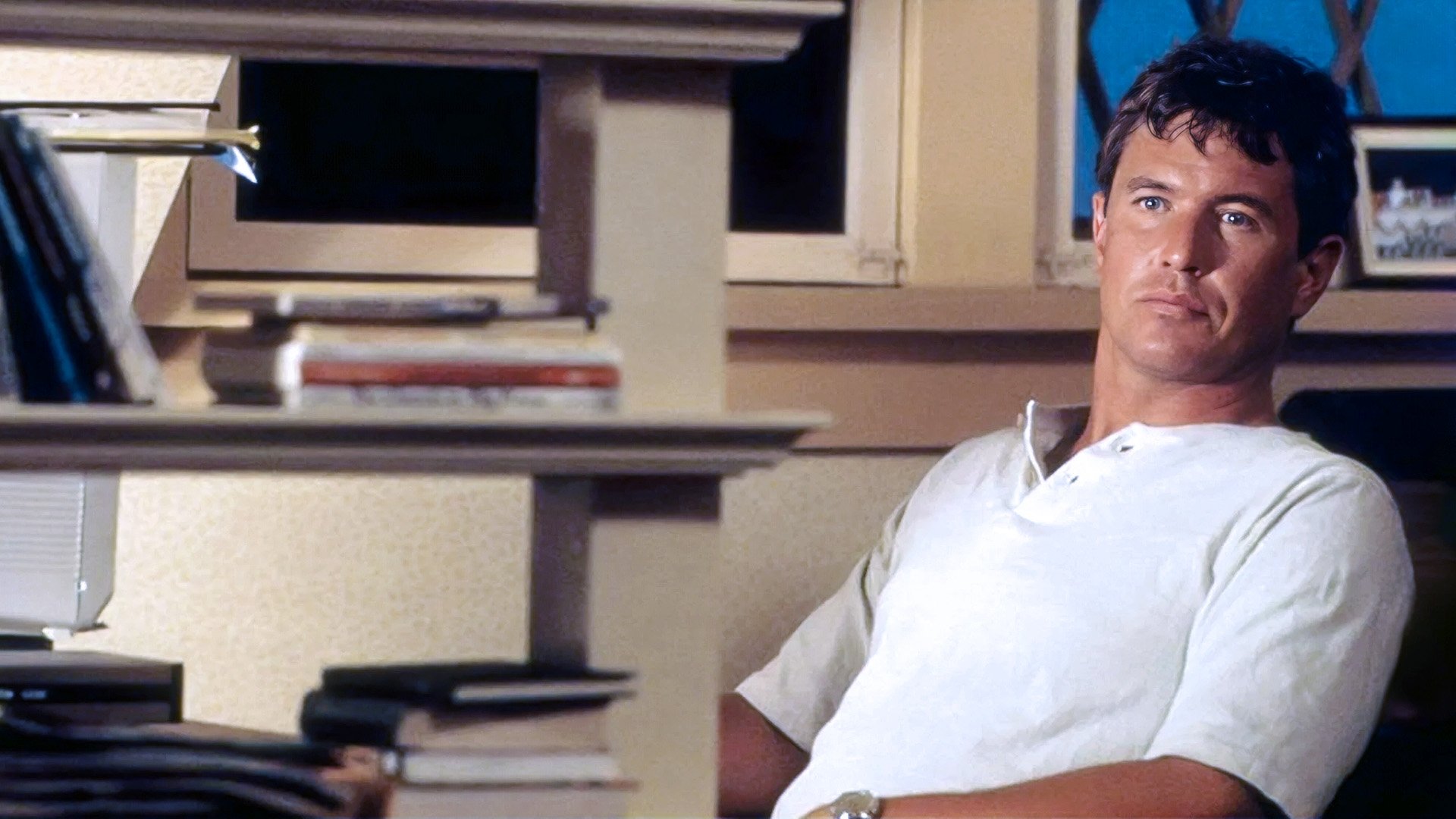
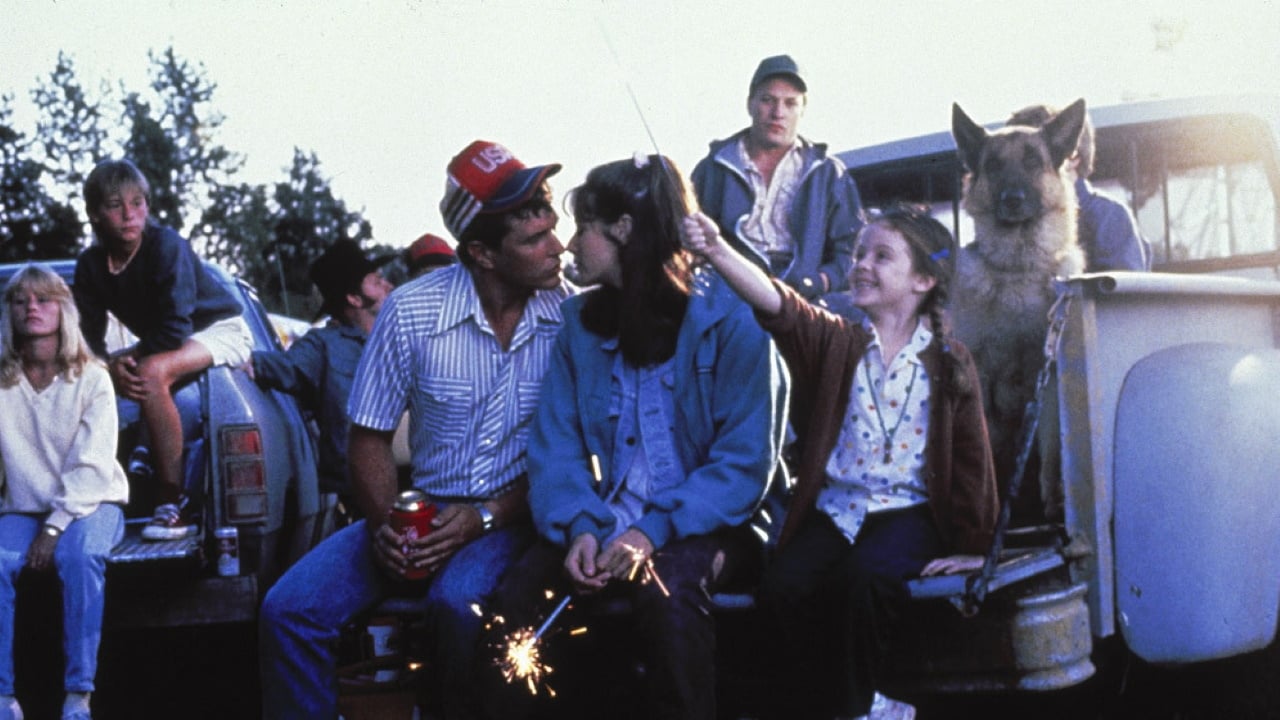
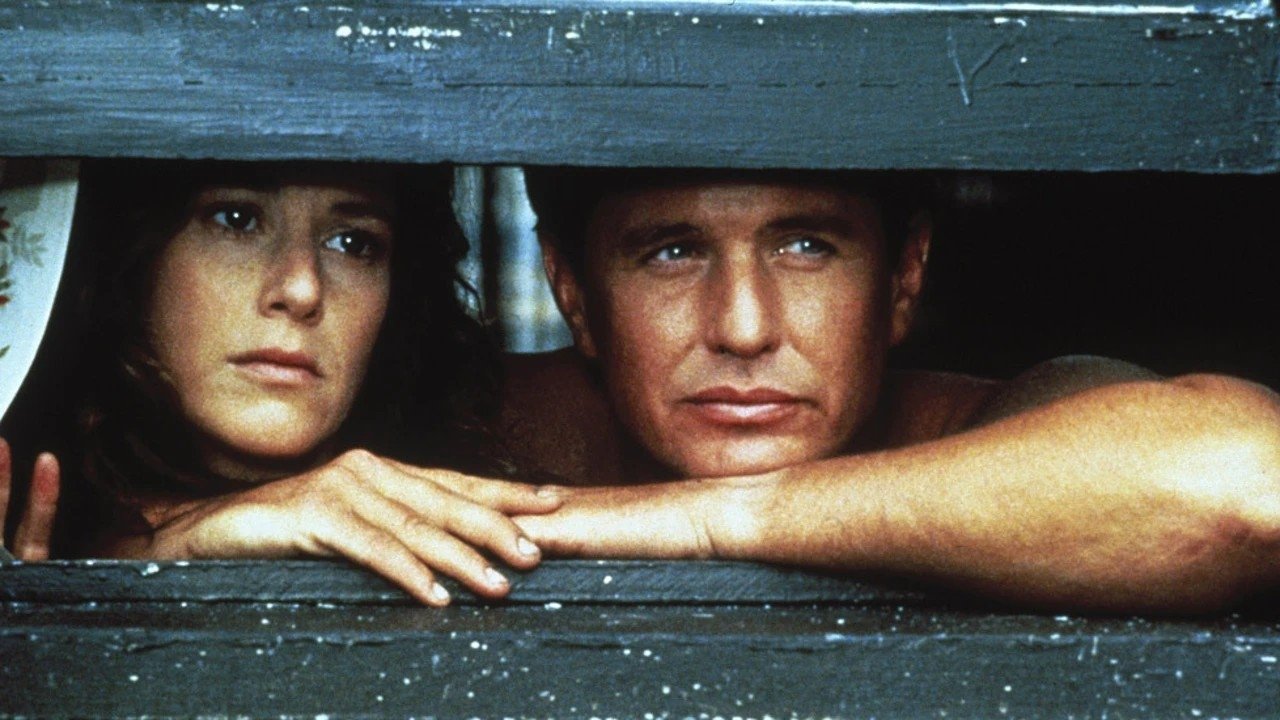

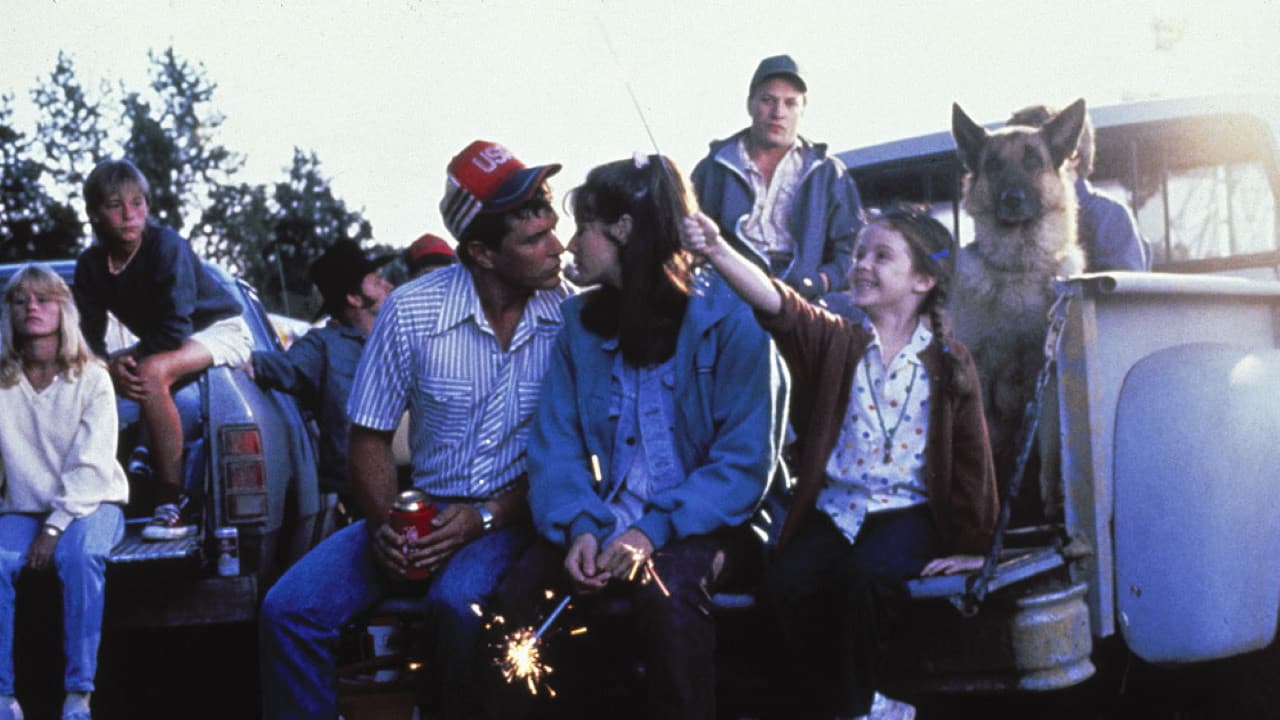
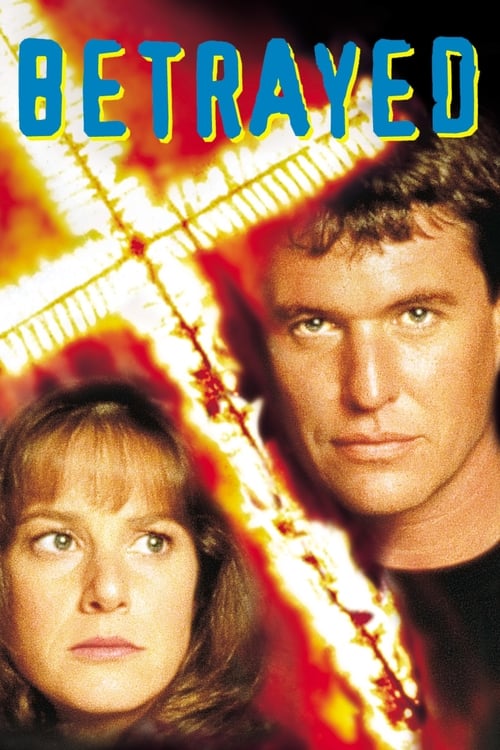
An FBI agent posing as a combine driver becomes romantically involved with a Midwest farmer who lives a double life as a white supremacist.
Directed by Costa-Gavras
ku klux klan
widow
fbi
murder
racism
terrorism
farmer
hunt
radio show host
white supremacists

Trailer

IMDB
N/A
Where to Watch


Cast

Debra Winger
Katie Phillips / Cathy Weaver

Tom Berenger
Gary Simmons
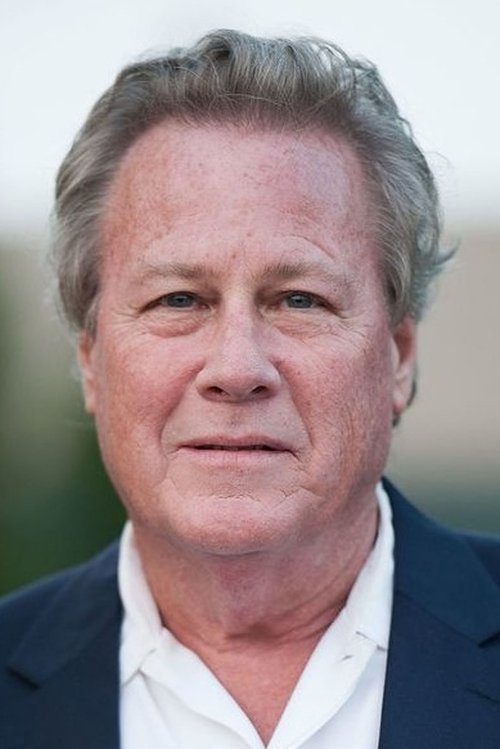
John Heard
Michael Carnes

Betsy Blair
Gladys Simmons

John Mahoney
Shorty

Ted Levine
Wes
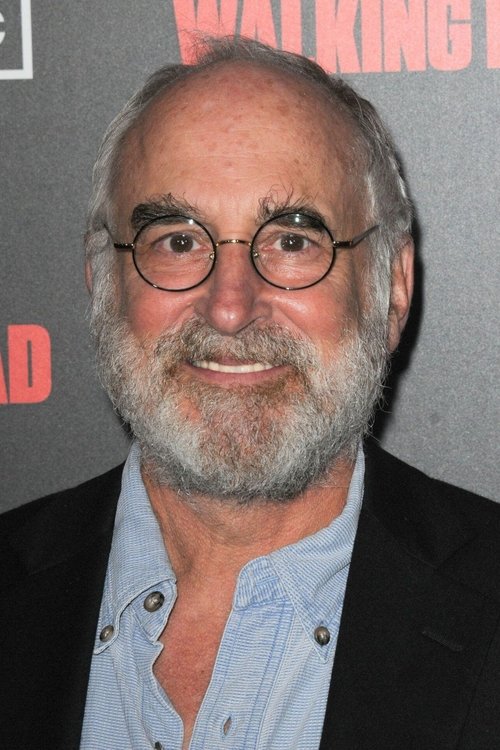
Jeffrey DeMunn
Flynn

Albert Hall
Al Sanders
David Clennon
Jack Carpenter
Richard Libertini
Sam Kraus

Alan Wilder
Duffin

Ralph Foody
Lyle
Crew

Costa-Gavras
Director

Joe Eszterhas
Writer

Bill Conti
Original Music Composer

Joële Van Effenterre
Editor

Patrick Blossier
Director of Photography
Joe Eszterhas
Executive Producer

Irwin Winkler
Producer
Popular Reviews
12 reviews
Rebs_18
4.0★ · 07/19/26
no vabbè assurdo, un razzista si rivela razzista
no vabbè assurdo, un razzista si rivela razzista


Ainoa
8.0★ · 09/06/25
I had blind faith for this to turn out differently
I had blind faith for this to turn out differently
Sean.CF
7.0★ · 05/29/25
Great first half, horrible second half
Great first half, horrible second half
Ben
4.8★ · 05/05/23
Costa-Gavras' “Betrayed" is a mixed film, with more relationship drama than I think it should have, particularly after two pivotal scenes that play out, which undermine the film in a way that ensures it never fully gets going again. The lynching scene is the one that plays out in a shockingly violent way, which you would assume would shock Kathy Philips to her core. And while it does, it also has an hour and a half to go, so you are forced to see this FBI agent struggle with her feelings for a truly degenerate person. While I don't agree with a lot of the reviews saying that it's still trying to be a romance, by that point, it feels, given the context, more like a non-willing participant for Kathy, mostly due to the next scene that follows. In that scene, she pleads to the FBI that she saw the murder of a black man at the hands of a racist mob, and they immediately tell her it's not enough and she has to go back, which she's not too keen on. Before they shame her for going too deep, it's a scene that firmly places the FBI sections of the film into a negative light for the remaining runtime, which is obviously the point, but it doesn't work. It's a strange shift, and then you're immediately shown a scene where Gary Simmons' family is told that Kathy will be living with them, and the whole family is suddenly shown to have an issue with her being part of the family, which never appeared to be an issue before and isn't after. It's just poor. The second half of the film shows Kathy going deeper into the group and getting introduced to increasingly more radical individuals, which allows Tom Berenger a more three-dimensional approach to his character. You find out he doesn't like Nazis or certain politicians, which is great for characterization, but it's all so lightly explored beyond that, you wonder why it was really ever explored to begin with. The drama with John Heard is particularly half-baked and contrived for conflict, feeling incredibly manipulative, which I'm willing to say was the point, perhaps. There are certainly highlights. The film looks very good, thanks to Patrick Blossier. The small moments with Kathy and the daughter are highlights but are far too few between, and most of the performances are very good, particularly Debra Winger, who has to do a lot of heavy lifting, and Tom Berenger, who is good. The tension is effective at multiple points. The ending is rushed, it's a messy and underdeveloped conclusion. The pessimism of the ending with the slight hope of a younger generation learning is nice and even if idealistic, it's good.
Costa-Gavras' “Betrayed" is a mixed film, with more relationship drama than I think it should have, particularly after two pivotal scenes that play out, which undermine the film in a way that ensures it never fully gets going again. The lynching scene is the one that plays out in a shockingly violent way, which you would assume would shock Kathy Philips to her core. And while it does, it also has an hour and a half to go, so you are forced to see this FBI agent struggle with her feelings for a truly degenerate person. While I don't agree with a lot of the reviews saying that it's still trying to be a romance, by that point, it feels, given the context, more like a non-willing participant for Kathy, mostly due to the next scene that follows. In that scene, she pleads to the FBI that she saw the murder of a black man at the hands of a racist mob, and they immediately tell her it's not enough and she has to go back, which she's not too keen on. Before they shame her for going too deep, it's a scene that firmly places the FBI sections of the film into a negative light for the remaining runtime, which is obviously the point, but it doesn't work. It's a strange shift, and then you're immediately shown a scene where Gary Simmons' family is told that Kathy will be living with them, and the whole family is suddenly shown to have an issue with her being part of the family, which never appeared to be an issue before and isn't after. It's just poor. The second half of the film shows Kathy going deeper into the group and getting introduced to increasingly more radical individuals, which allows Tom Berenger a more three-dimensional approach to his character. You find out he doesn't like Nazis or certain politicians, which is great for characterization, but it's all so lightly explored beyond that, you wonder why it was really ever explored to begin with. The drama with John Heard is particularly half-baked and contrived for conflict, feeling incredibly manipulative, which I'm willing to say was the point, perhaps. There are certainly highlights. The film looks very good, thanks to Patrick Blossier. The small moments with Kathy and the daughter are highlights but are far too few between, and most of the performances are very good, particularly Debra Winger, who has to do a lot of heavy lifting, and Tom Berenger, who is good. The tension is effective at multiple points. The ending is rushed, it's a messy and underdeveloped conclusion. The pessimism of the ending with the slight hope of a younger generation learning is nice and even if idealistic, it's good.
Douglas Lancaster
3.7★ · 06/29/22
Another one that didn’t grab me as it did back in 1988.
Another one that didn’t grab me as it did back in 1988.