

1974·Crime·2h 3m
7.1
★
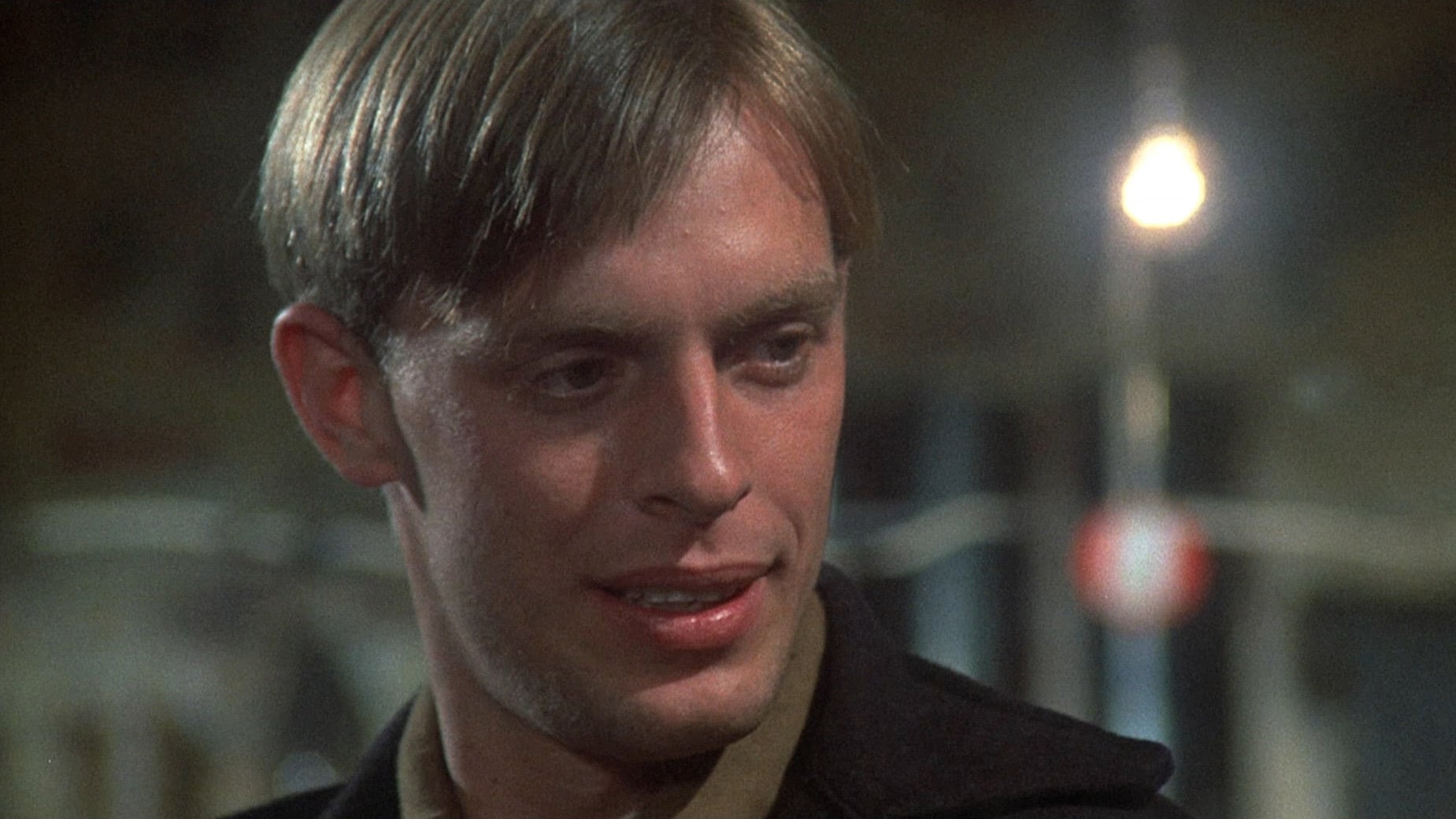
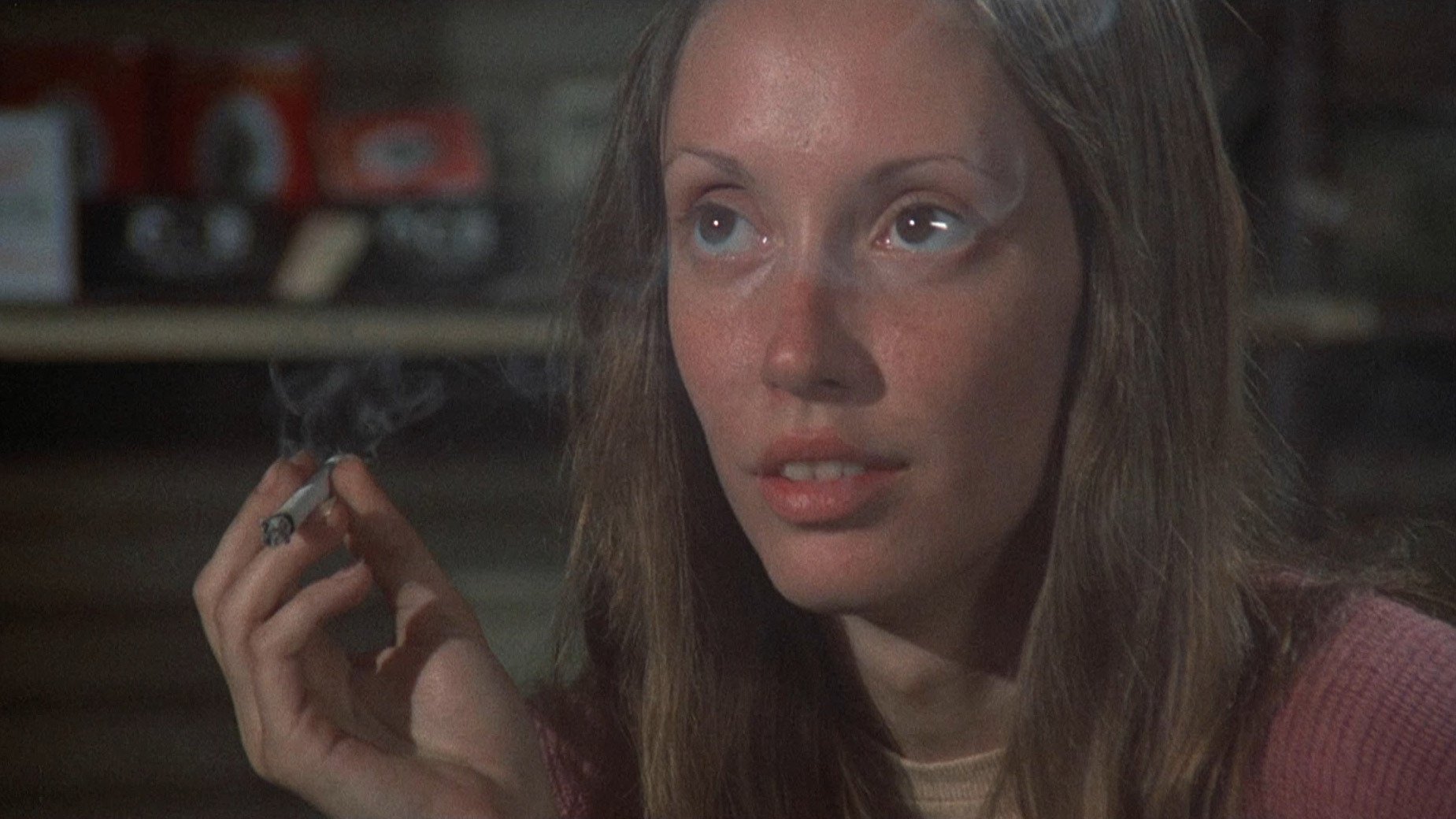
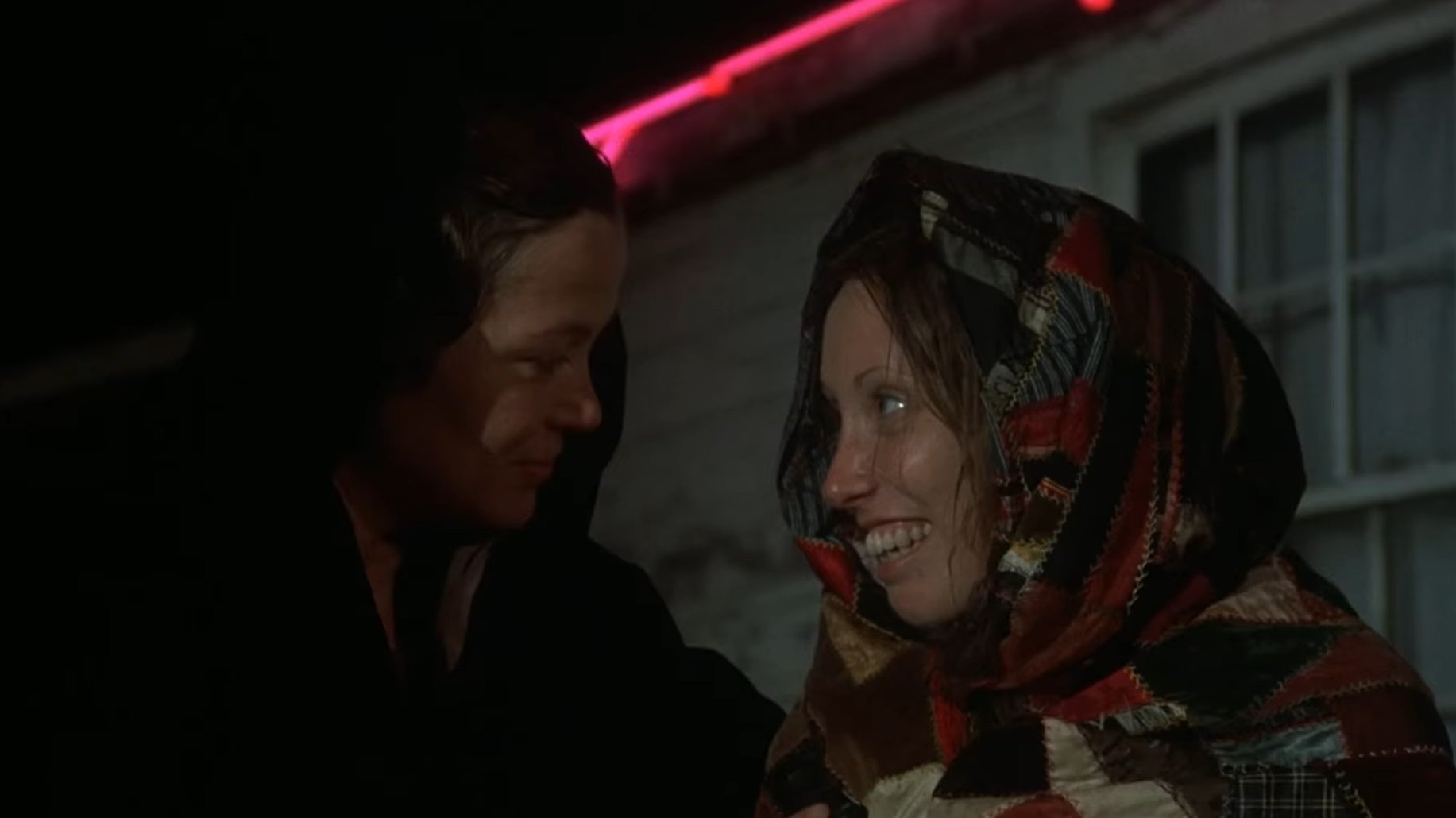
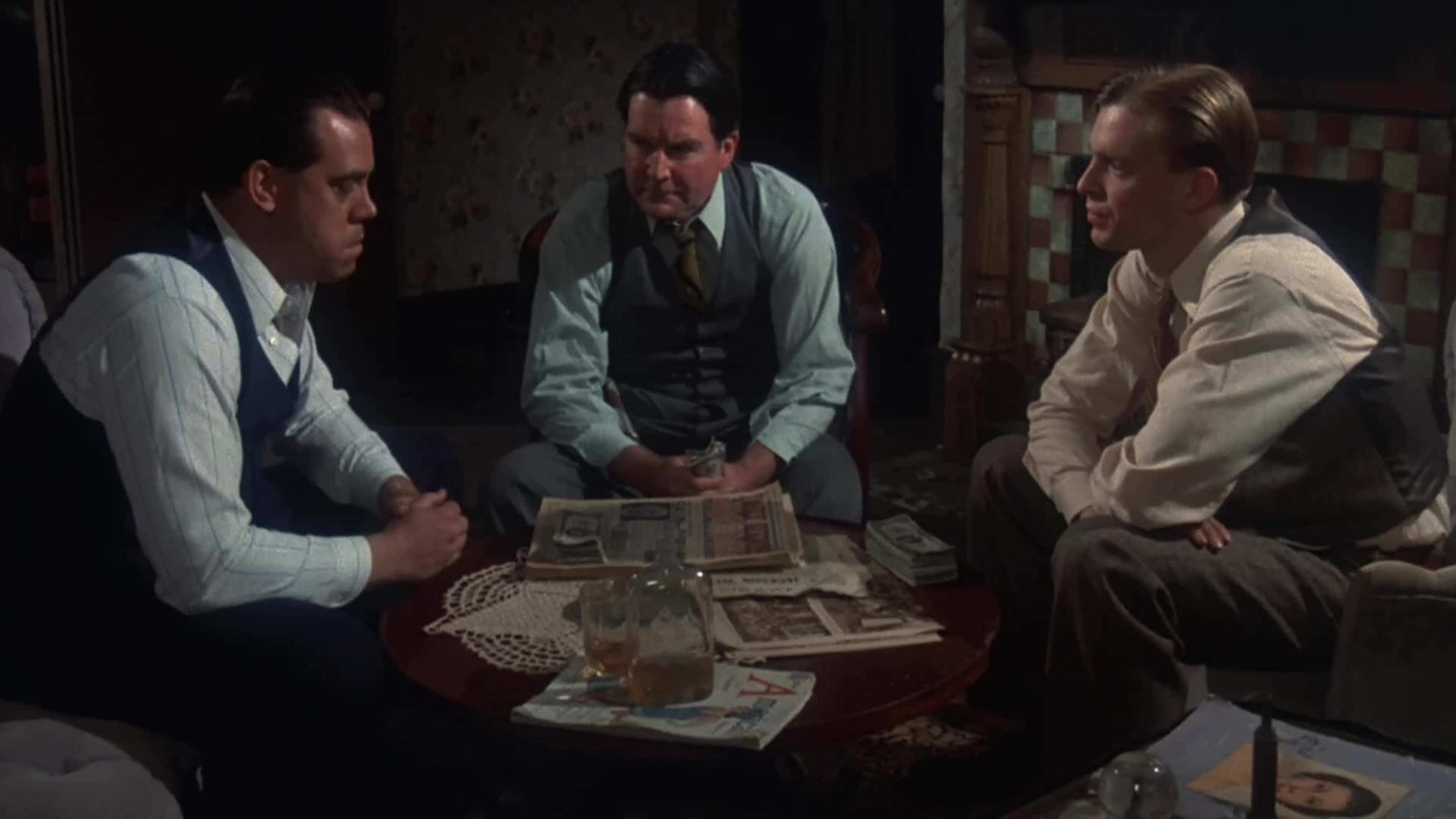
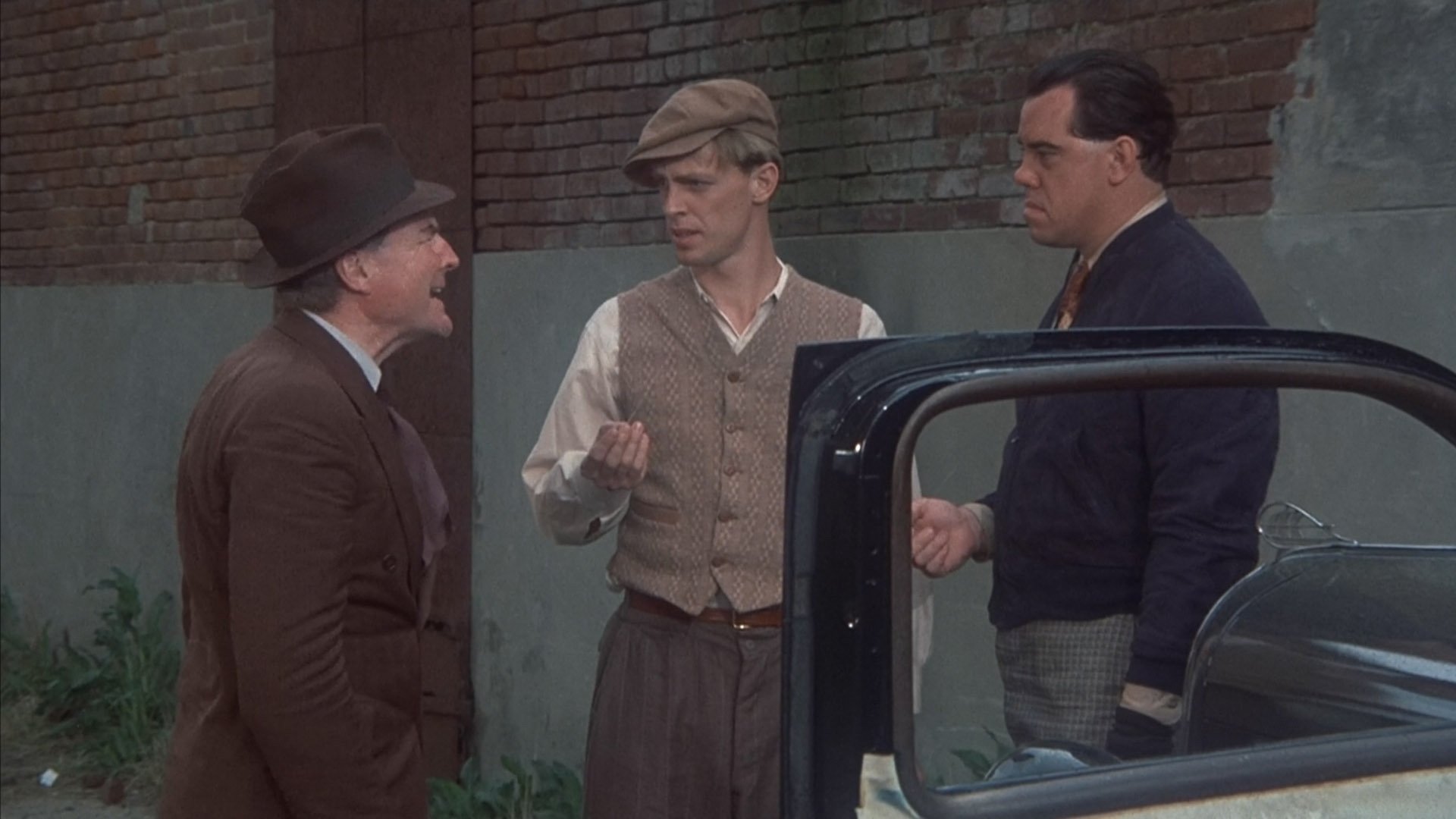
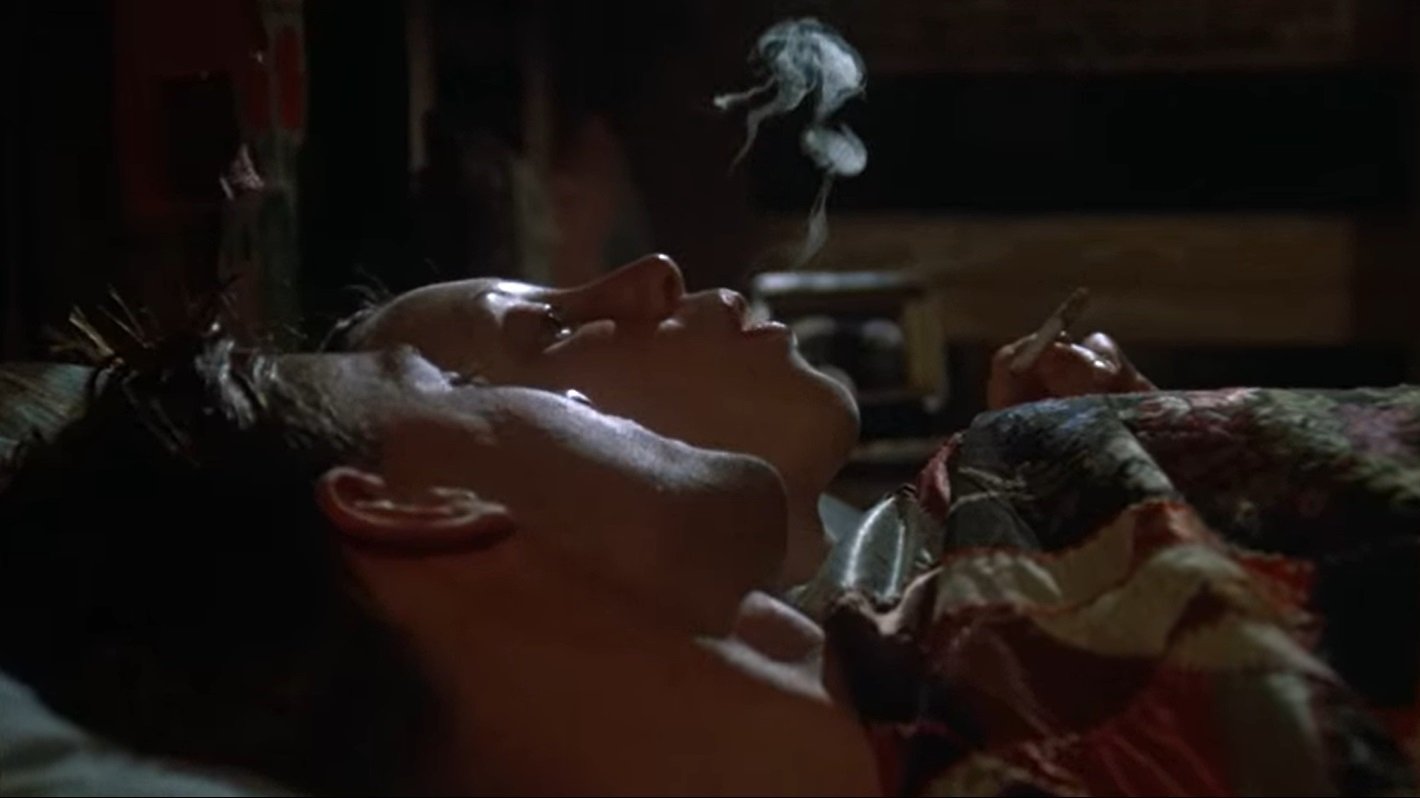
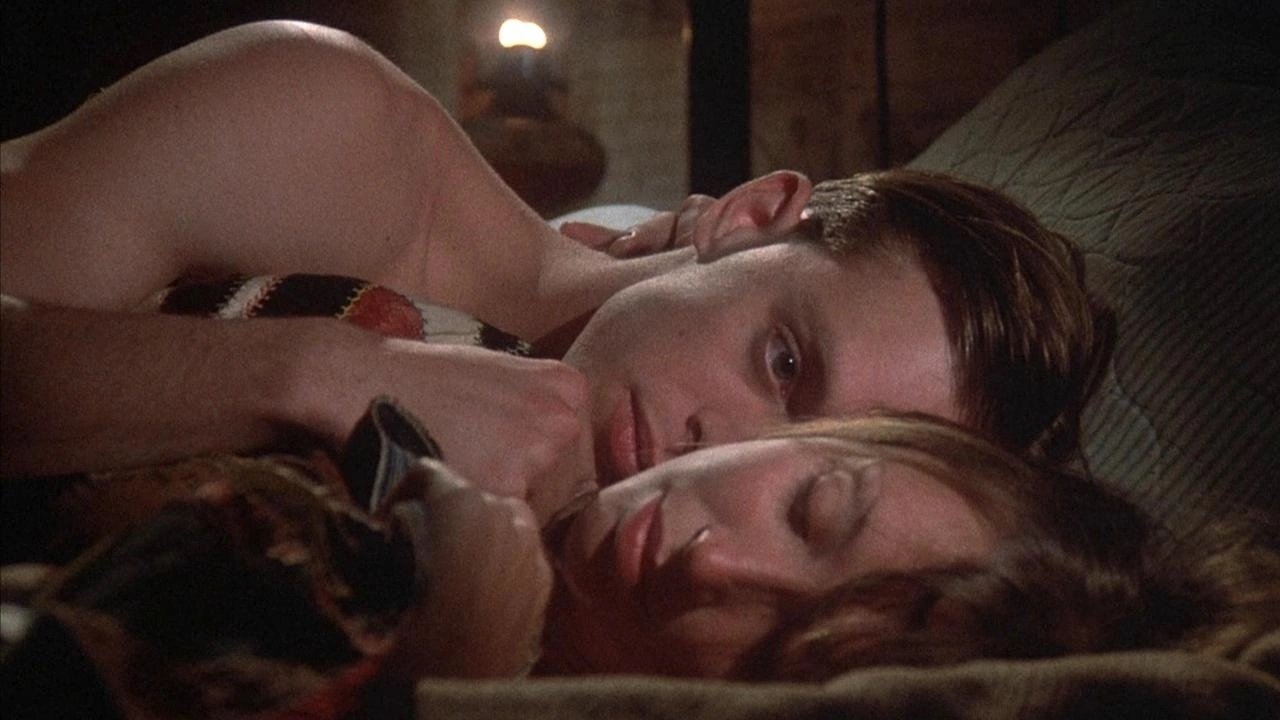
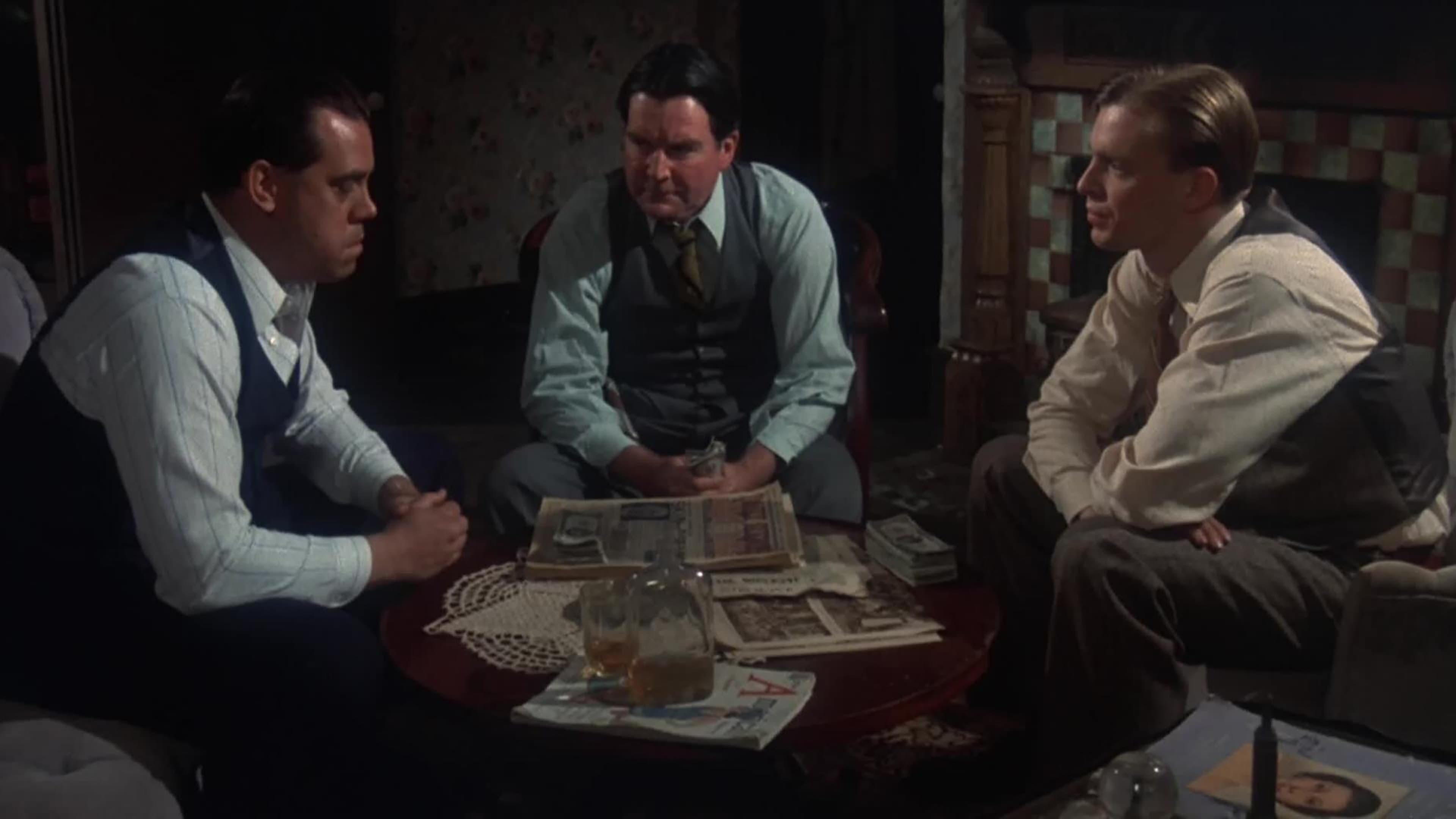
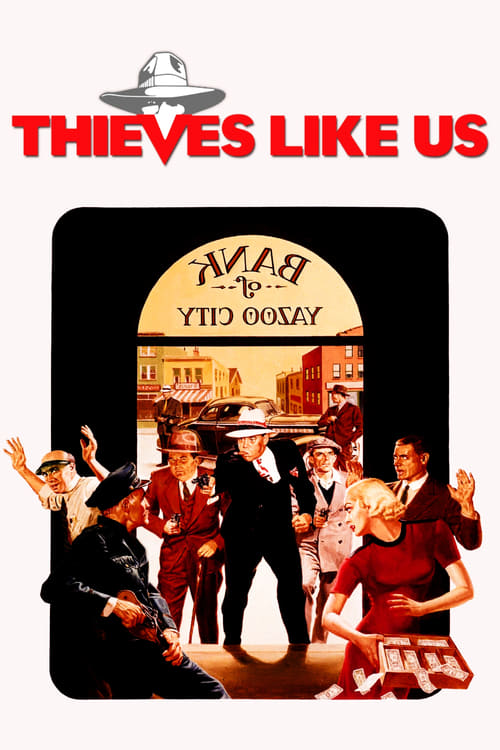
Three criminals escape from prison and embark on a robbery spree across USA. Along the way, one of them falls in love while they plan a final heist before going their separate ways.
Directed by Robert Altman
based on novel or book
mississippi river
escaped convict
chain gang
on the run
bank robbery
depression era
1930s

Trailer

IMDB
N/A
Cast

Shelley Duvall
Keechie

Keith Carradine
Bowie
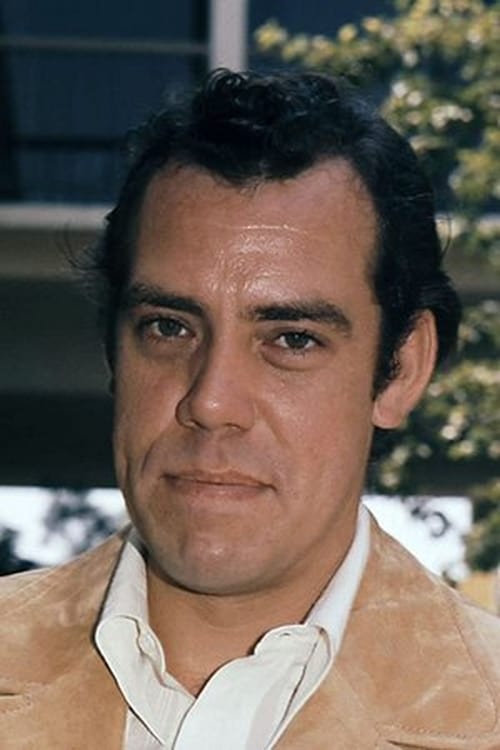
John Schuck
Chicamaw
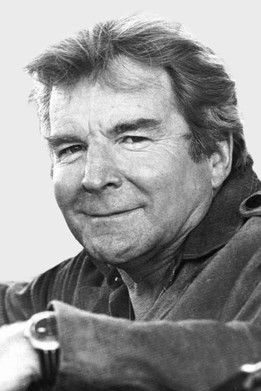
Bert Remsen
T-Dub

Louise Fletcher
Mattie
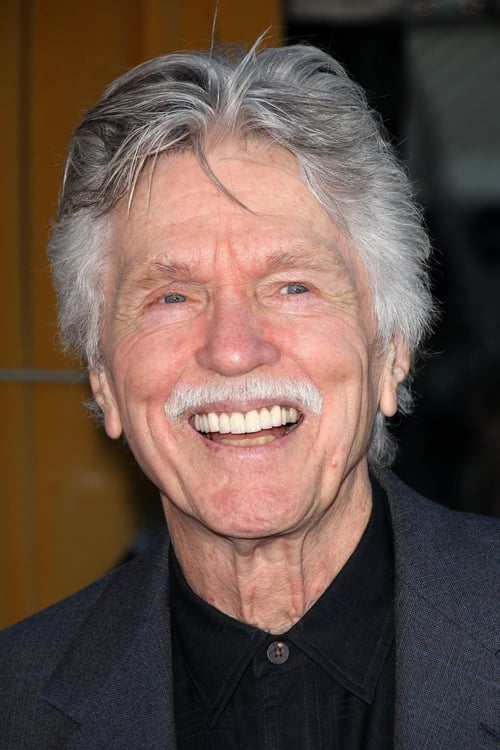
Tom Skerritt
Dee Mobley
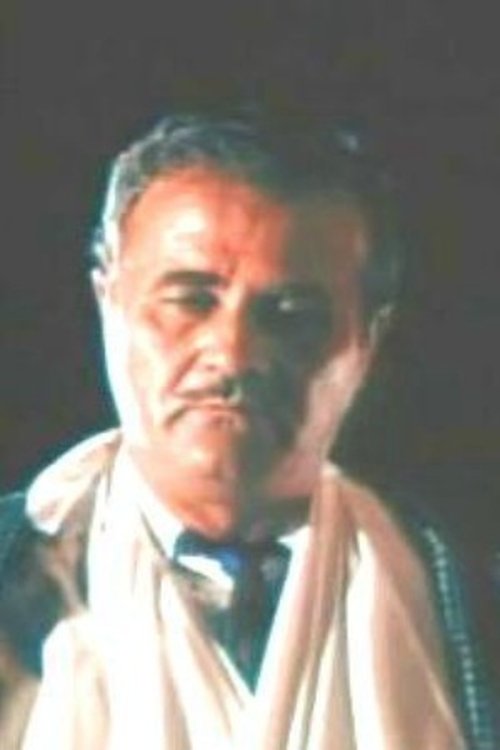
Arch Hall Sr.
Alvin

Joan Tewkesbury
Lady in Train Station
Crew
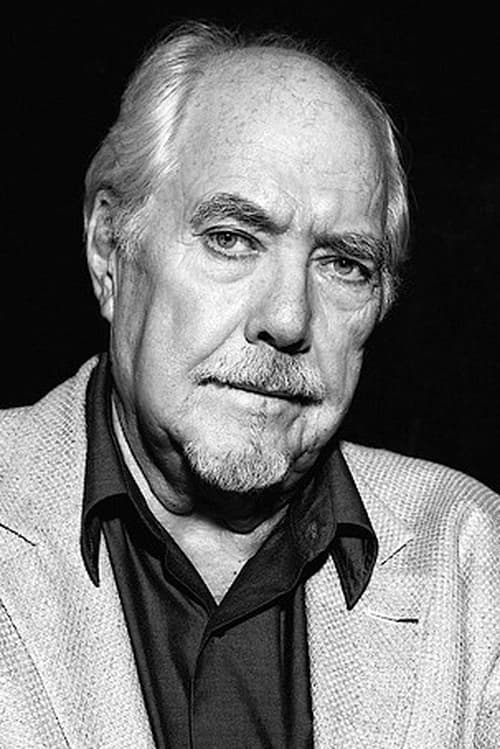
Robert Altman
Director
Joan Tewkesbury
Screenplay
Robert Altman
Screenplay
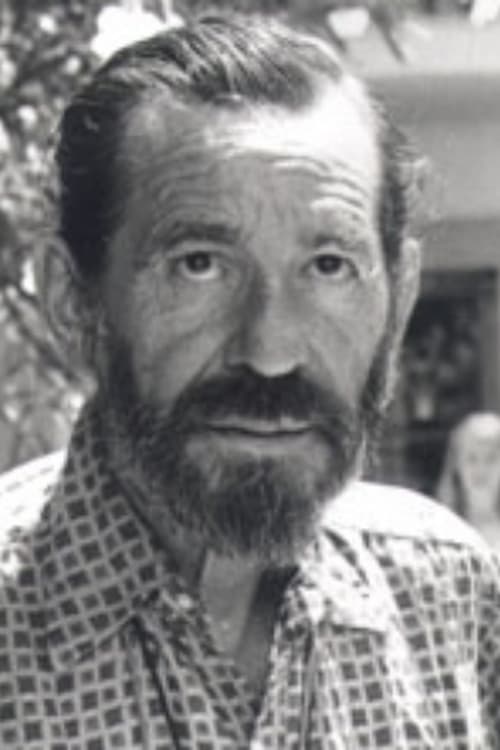
Jean Boffety
Director of Photography
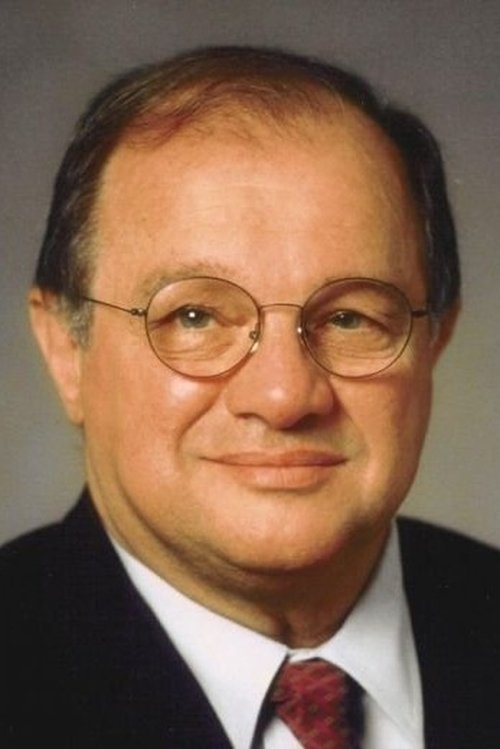
George Litto
Executive Producer
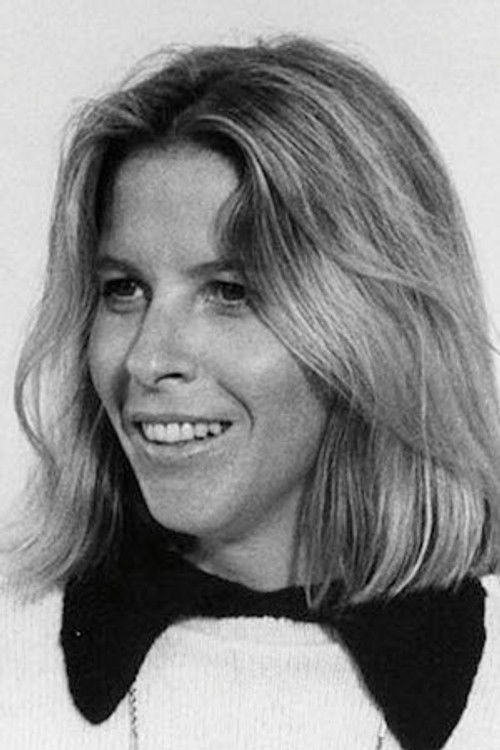
Polly Platt
Costume Design
Popular Reviews
24 reviews
Addie Pray
9.0★ · 05/07/26
Je vais dire tout ce que j’ai aimé dans ce film, sans ordre de préférence :
- le rythme, très très typique d’Altman qui finalement raconte relativement toujours la même genre d’histoires d’un film à l’autre, sans jamais donner l’impression de se répéter ni tomber dans l’auto-indulgence.
- cette idée du personnage principal masculin un peu loser, qui se retrouve embringué dans des situations pas possibles par loyauté mal placée.
- la scène avec le chien sous les rails.
- la référence au Bonnie and Clyde d’Arthur Penn mais sous un aspect moins glamour.
- Bowie et Keechie
- la garde-robe de Bowie
- la séquence Roméo et Juliette
- les dialogues
- “Keechie-Keechie-koo. Bowie-Bowie-boo.”
- Keith Carradine
- Shelley Duvall
- Keith Carradine et Shelley Duvall
- Shelley Duvall et Keith Carradine
- Keechie et Bowie
- le rythme, très très typique d’Altman qui finalement raconte relativement toujours la même genre d’histoires d’un film à l’autre, sans jamais donner l’impression de se répéter ni tomber dans l’auto-indulgence.
- cette idée du personnage principal masculin un peu loser, qui se retrouve embringué dans des situations pas possibles par loyauté mal placée.
- la scène avec le chien sous les rails.
- la référence au Bonnie and Clyde d’Arthur Penn mais sous un aspect moins glamour.
- Bowie et Keechie
- la garde-robe de Bowie
- la séquence Roméo et Juliette
- les dialogues
- “Keechie-Keechie-koo. Bowie-Bowie-boo.”
- Keith Carradine
- Shelley Duvall
- Keith Carradine et Shelley Duvall
- Shelley Duvall et Keith Carradine
- Keechie et Bowie
Je vais dire tout ce que j’ai aimé dans ce film, sans ordre de préférence :
- le rythme, très très typique d’Altman qui finalement raconte relativement toujours la même genre d’histoires d’un film à l’autre, sans jamais donner l’impression de se répéter ni tomber dans l’auto-indulgence.
- cette idée du personnage principal masculin un peu loser, qui se retrouve embringué dans des situations pas possibles par loyauté mal placée.
- la scène avec le chien sous les rails.
- la référence au Bonnie and Clyde d’Arthur Penn mais sous un aspect moins glamour.
- Bowie et Keechie
- la garde-robe de Bowie
- la séquence Roméo et Juliette
- les dialogues
- “Keechie-Keechie-koo. Bowie-Bowie-boo.”
- Keith Carradine
- Shelley Duvall
- Keith Carradine et Shelley Duvall
- Shelley Duvall et Keith Carradine
- Keechie et Bowie
- le rythme, très très typique d’Altman qui finalement raconte relativement toujours la même genre d’histoires d’un film à l’autre, sans jamais donner l’impression de se répéter ni tomber dans l’auto-indulgence.
- cette idée du personnage principal masculin un peu loser, qui se retrouve embringué dans des situations pas possibles par loyauté mal placée.
- la scène avec le chien sous les rails.
- la référence au Bonnie and Clyde d’Arthur Penn mais sous un aspect moins glamour.
- Bowie et Keechie
- la garde-robe de Bowie
- la séquence Roméo et Juliette
- les dialogues
- “Keechie-Keechie-koo. Bowie-Bowie-boo.”
- Keith Carradine
- Shelley Duvall
- Keith Carradine et Shelley Duvall
- Shelley Duvall et Keith Carradine
- Keechie et Bowie


Brian
8.0★ · 09/25/25
This movie is so hard to find that I had to get it as an Interlibrary Loan! So thank you to the James H. Thomason Library at the Presbyterian College in Clinton, South Carolina for lending me their copy.
Set in the Depression-era Mississippi, "Thieves Like Us" follows three bank robbers. However, unlike most crime movies, it only shows one robbery. Instead, we watch the downtimes between jobs as the men count their cash, hide out in the homes of family and friends, and plan for their next robbery.
I really wanted to watch this movie after hearing how it laid the groundwork for Altman's hit "Nashville." Louise Fletcher was also supposed to be in "Nashville" after her fantastic supporting role here, but Altman went with Lily Tomlin instead (Fletcher would go on to star in Cuckoo's Nest and win an Oscar so I don't think she was that upset in the end).
I also wanted to watch this to see my old pal Shelley Duvall. I've been watching a lot of her movies this year. She is so captivating in this; almost as good as her role in "3 Women."
There are some slow parts towards the middle of this, but I think that the ending is unforgettable. I loved the ambient radio programs played throughout. I really felt like I had been dropped in the 30's.
This is one of Altman's most straight-forward movies and it's cool to see just how good he was even without his signature giant ensemble or overlapping dialogue.
I hope that this movie becomes easier to watch soon. It's a shame that a director as beloved as Altman has great movies that are so difficult to find and watch.
Set in the Depression-era Mississippi, "Thieves Like Us" follows three bank robbers. However, unlike most crime movies, it only shows one robbery. Instead, we watch the downtimes between jobs as the men count their cash, hide out in the homes of family and friends, and plan for their next robbery.
I really wanted to watch this movie after hearing how it laid the groundwork for Altman's hit "Nashville." Louise Fletcher was also supposed to be in "Nashville" after her fantastic supporting role here, but Altman went with Lily Tomlin instead (Fletcher would go on to star in Cuckoo's Nest and win an Oscar so I don't think she was that upset in the end).
I also wanted to watch this to see my old pal Shelley Duvall. I've been watching a lot of her movies this year. She is so captivating in this; almost as good as her role in "3 Women."
There are some slow parts towards the middle of this, but I think that the ending is unforgettable. I loved the ambient radio programs played throughout. I really felt like I had been dropped in the 30's.
This is one of Altman's most straight-forward movies and it's cool to see just how good he was even without his signature giant ensemble or overlapping dialogue.
I hope that this movie becomes easier to watch soon. It's a shame that a director as beloved as Altman has great movies that are so difficult to find and watch.
This movie is so hard to find that I had to get it as an Interlibrary Loan! So thank you to the James H. Thomason Library at the Presbyterian College in Clinton, South Carolina for lending me their copy.
Set in the Depression-era Mississippi, "Thieves Like Us" follows three bank robbers. However, unlike most crime movies, it only shows one robbery. Instead, we watch the downtimes between jobs as the men count their cash, hide out in the homes of family and friends, and plan for their next robbery.
I really wanted to watch this movie after hearing how it laid the groundwork for Altman's hit "Nashville." Louise Fletcher was also supposed to be in "Nashville" after her fantastic supporting role here, but Altman went with Lily Tomlin instead (Fletcher would go on to star in Cuckoo's Nest and win an Oscar so I don't think she was that upset in the end).
I also wanted to watch this to see my old pal Shelley Duvall. I've been watching a lot of her movies this year. She is so captivating in this; almost as good as her role in "3 Women."
There are some slow parts towards the middle of this, but I think that the ending is unforgettable. I loved the ambient radio programs played throughout. I really felt like I had been dropped in the 30's.
This is one of Altman's most straight-forward movies and it's cool to see just how good he was even without his signature giant ensemble or overlapping dialogue.
I hope that this movie becomes easier to watch soon. It's a shame that a director as beloved as Altman has great movies that are so difficult to find and watch.
Set in the Depression-era Mississippi, "Thieves Like Us" follows three bank robbers. However, unlike most crime movies, it only shows one robbery. Instead, we watch the downtimes between jobs as the men count their cash, hide out in the homes of family and friends, and plan for their next robbery.
I really wanted to watch this movie after hearing how it laid the groundwork for Altman's hit "Nashville." Louise Fletcher was also supposed to be in "Nashville" after her fantastic supporting role here, but Altman went with Lily Tomlin instead (Fletcher would go on to star in Cuckoo's Nest and win an Oscar so I don't think she was that upset in the end).
I also wanted to watch this to see my old pal Shelley Duvall. I've been watching a lot of her movies this year. She is so captivating in this; almost as good as her role in "3 Women."
There are some slow parts towards the middle of this, but I think that the ending is unforgettable. I loved the ambient radio programs played throughout. I really felt like I had been dropped in the 30's.
This is one of Altman's most straight-forward movies and it's cool to see just how good he was even without his signature giant ensemble or overlapping dialogue.
I hope that this movie becomes easier to watch soon. It's a shame that a director as beloved as Altman has great movies that are so difficult to find and watch.
fives
9.2★ · 06/23/25
“I ain’t sorry. I ain’t sorry for anything I ever did in this world.”
One of the great Robert Altman’s most under-appreciated films in my opinion. A superb crime drama set in 1930’s America starring Keith Carradine and Shelley Duvall, who both turn in fantastic performances, as do the rest of the cast. The film is funny, tragic and tense all at the same time, and it mixes tones so smoothly, making the emotional beats work to even greater effect. The music elevates the overall feel of the movie, and aids in the masterful character and world building. This film is one of the more straight forward and focused narratives I’ve seen from Altman’s works, but his iconic style still shines through in the screenplay, lovely photography and the overall atmosphere of the picture. Thieves Like Us is yet another absolutely brilliant film from Robert Altman, and one I absolutely think should be talked about in the same high regard as his many other masterworks.
One of the great Robert Altman’s most under-appreciated films in my opinion. A superb crime drama set in 1930’s America starring Keith Carradine and Shelley Duvall, who both turn in fantastic performances, as do the rest of the cast. The film is funny, tragic and tense all at the same time, and it mixes tones so smoothly, making the emotional beats work to even greater effect. The music elevates the overall feel of the movie, and aids in the masterful character and world building. This film is one of the more straight forward and focused narratives I’ve seen from Altman’s works, but his iconic style still shines through in the screenplay, lovely photography and the overall atmosphere of the picture. Thieves Like Us is yet another absolutely brilliant film from Robert Altman, and one I absolutely think should be talked about in the same high regard as his many other masterworks.
“I ain’t sorry. I ain’t sorry for anything I ever did in this world.”
One of the great Robert Altman’s most under-appreciated films in my opinion. A superb crime drama set in 1930’s America starring Keith Carradine and Shelley Duvall, who both turn in fantastic performances, as do the rest of the cast. The film is funny, tragic and tense all at the same time, and it mixes tones so smoothly, making the emotional beats work to even greater effect. The music elevates the overall feel of the movie, and aids in the masterful character and world building. This film is one of the more straight forward and focused narratives I’ve seen from Altman’s works, but his iconic style still shines through in the screenplay, lovely photography and the overall atmosphere of the picture. Thieves Like Us is yet another absolutely brilliant film from Robert Altman, and one I absolutely think should be talked about in the same high regard as his many other masterworks.
One of the great Robert Altman’s most under-appreciated films in my opinion. A superb crime drama set in 1930’s America starring Keith Carradine and Shelley Duvall, who both turn in fantastic performances, as do the rest of the cast. The film is funny, tragic and tense all at the same time, and it mixes tones so smoothly, making the emotional beats work to even greater effect. The music elevates the overall feel of the movie, and aids in the masterful character and world building. This film is one of the more straight forward and focused narratives I’ve seen from Altman’s works, but his iconic style still shines through in the screenplay, lovely photography and the overall atmosphere of the picture. Thieves Like Us is yet another absolutely brilliant film from Robert Altman, and one I absolutely think should be talked about in the same high regard as his many other masterworks.
Vini
6.0★ · 06/21/25
Com o preço em crescente, Bowie vai a um caminho sem volta, eventualmente não dá pra fugir mais. Mesmo sentindo que ele não queria mais essa vida, promessas o prendem ao passado, e quando ele basta, suas escolham não fazem o mesmo, e aí já é tarde demais.
Simplesmente a Shelley Duval. 🙇♂️
Simplesmente a Shelley Duval. 🙇♂️
Com o preço em crescente, Bowie vai a um caminho sem volta, eventualmente não dá pra fugir mais. Mesmo sentindo que ele não queria mais essa vida, promessas o prendem ao passado, e quando ele basta, suas escolham não fazem o mesmo, e aí já é tarde demais.
Simplesmente a Shelley Duval. 🙇♂️
Simplesmente a Shelley Duval. 🙇♂️
Pretentious
9.0★ · 01/12/25
Altman’s direction strips away the romance often associated with on-screen outlaws; instead, he underscores the desperation that drives them. While the characters experience fleeting moments of camaraderie and excitement, these are continually undercut by the bleak reality of crime’s consequences. The film’s slow burn of tension stems not from shootouts, but from the psychological toll exacted by a life on the run. In depicting crime as a tragic spiral—one from which these characters can never fully escape—Altman forces viewers to question any lingering fascination with outlaw myths.
An equally compelling theme is how the media and popular culture distort both the public’s view of crime and the criminals’ self-perception. Throughout the film, radios blare with news bulletins and entertainment programs, offering a steady soundtrack of sensationalized headlines. Altman uses these broadcasts to comment on how a society mired in economic hardship might cling to larger-than-life tales of rogues and daring robberies. Simultaneously, Bowie and his cohort find themselves caught in the media’s portrayal of them as notorious figures, which subtly influences their sense of identity. Their images loom larger in the papers and on radio spots than they do in reality, where day-to-day survival matters more than any supposed romantic panache. By weaving radio commentary into the fabric of the film, Altman reveals how mass media can both demonize and glamorize criminals.
A final dimension of Thieves Like Us is its tender depiction of an unlikely romance between Bowie and Keechie (Shelley Duvall), a relationship that highlights the fragile humanity behind the couple’s criminal acts. Unlike many films in the gangster tradition, the love story here is quiet and introspective, reflecting a mutual longing for normalcy and acceptance rather than raw passion. Their intimate moments, often in cramped, mundane settings, underline the poignancy of two people trying to forge a life together against all odds. This understated romance counters the more sensational aspects of bank robberies, suggesting that genuine connection might offer a glimmer of redemption—though Altman, characteristically, refuses to deliver an easy or cheerful resolution.
An equally compelling theme is how the media and popular culture distort both the public’s view of crime and the criminals’ self-perception. Throughout the film, radios blare with news bulletins and entertainment programs, offering a steady soundtrack of sensationalized headlines. Altman uses these broadcasts to comment on how a society mired in economic hardship might cling to larger-than-life tales of rogues and daring robberies. Simultaneously, Bowie and his cohort find themselves caught in the media’s portrayal of them as notorious figures, which subtly influences their sense of identity. Their images loom larger in the papers and on radio spots than they do in reality, where day-to-day survival matters more than any supposed romantic panache. By weaving radio commentary into the fabric of the film, Altman reveals how mass media can both demonize and glamorize criminals.
A final dimension of Thieves Like Us is its tender depiction of an unlikely romance between Bowie and Keechie (Shelley Duvall), a relationship that highlights the fragile humanity behind the couple’s criminal acts. Unlike many films in the gangster tradition, the love story here is quiet and introspective, reflecting a mutual longing for normalcy and acceptance rather than raw passion. Their intimate moments, often in cramped, mundane settings, underline the poignancy of two people trying to forge a life together against all odds. This understated romance counters the more sensational aspects of bank robberies, suggesting that genuine connection might offer a glimmer of redemption—though Altman, characteristically, refuses to deliver an easy or cheerful resolution.
Altman’s direction strips away the romance often associated with on-screen outlaws; instead, he underscores the desperation that drives them. While the characters experience fleeting moments of camaraderie and excitement, these are continually undercut by the bleak reality of crime’s consequences. The film’s slow burn of tension stems not from shootouts, but from the psychological toll exacted by a life on the run. In depicting crime as a tragic spiral—one from which these characters can never fully escape—Altman forces viewers to question any lingering fascination with outlaw myths.
An equally compelling theme is how the media and popular culture distort both the public’s view of crime and the criminals’ self-perception. Throughout the film, radios blare with news bulletins and entertainment programs, offering a steady soundtrack of sensationalized headlines. Altman uses these broadcasts to comment on how a society mired in economic hardship might cling to larger-than-life tales of rogues and daring robberies. Simultaneously, Bowie and his cohort find themselves caught in the media’s portrayal of them as notorious figures, which subtly influences their sense of identity. Their images loom larger in the papers and on radio spots than they do in reality, where day-to-day survival matters more than any supposed romantic panache. By weaving radio commentary into the fabric of the film, Altman reveals how mass media can both demonize and glamorize criminals.
A final dimension of Thieves Like Us is its tender depiction of an unlikely romance between Bowie and Keechie (Shelley Duvall), a relationship that highlights the fragile humanity behind the couple’s criminal acts. Unlike many films in the gangster tradition, the love story here is quiet and introspective, reflecting a mutual longing for normalcy and acceptance rather than raw passion. Their intimate moments, often in cramped, mundane settings, underline the poignancy of two people trying to forge a life together against all odds. This understated romance counters the more sensational aspects of bank robberies, suggesting that genuine connection might offer a glimmer of redemption—though Altman, characteristically, refuses to deliver an easy or cheerful resolution.
An equally compelling theme is how the media and popular culture distort both the public’s view of crime and the criminals’ self-perception. Throughout the film, radios blare with news bulletins and entertainment programs, offering a steady soundtrack of sensationalized headlines. Altman uses these broadcasts to comment on how a society mired in economic hardship might cling to larger-than-life tales of rogues and daring robberies. Simultaneously, Bowie and his cohort find themselves caught in the media’s portrayal of them as notorious figures, which subtly influences their sense of identity. Their images loom larger in the papers and on radio spots than they do in reality, where day-to-day survival matters more than any supposed romantic panache. By weaving radio commentary into the fabric of the film, Altman reveals how mass media can both demonize and glamorize criminals.
A final dimension of Thieves Like Us is its tender depiction of an unlikely romance between Bowie and Keechie (Shelley Duvall), a relationship that highlights the fragile humanity behind the couple’s criminal acts. Unlike many films in the gangster tradition, the love story here is quiet and introspective, reflecting a mutual longing for normalcy and acceptance rather than raw passion. Their intimate moments, often in cramped, mundane settings, underline the poignancy of two people trying to forge a life together against all odds. This understated romance counters the more sensational aspects of bank robberies, suggesting that genuine connection might offer a glimmer of redemption—though Altman, characteristically, refuses to deliver an easy or cheerful resolution.