A BLEAKLY TENDER ELEGY FOR YOUTH LOST TO ROUTINE AND FLICKERING FLUORESCENTS.
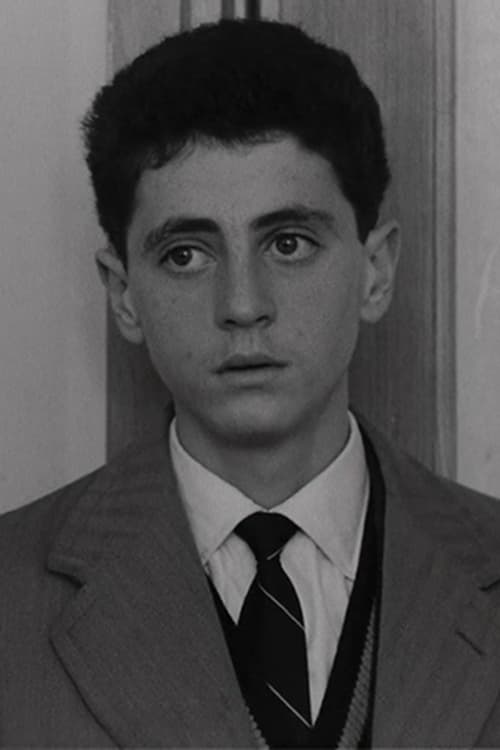
domenico’s quiet disorientation in il posto mirrors the existential dread found in gregor samsa from
kafka’s metamorphosis, not through surreal transformation, but through the slow suffocation of systems that drain your sense of self.
this film captures the quiet absurdity of modern life through its almost claustrophobic portrayal of institutions that are supposed to offer structure, yet feel more like slow-moving traps. the film doesn’t rely on loud metaphors or dramatic speeches. it simply shows how oppressive a system can be by making you feel the weight of every hallway, every formality, every moment of waiting. it’s that specific type of kafkaesque dread, where the rules aren’t clear, the people seem detached from their own roles, and everything feels like it's moving forward without actually going anywhere.
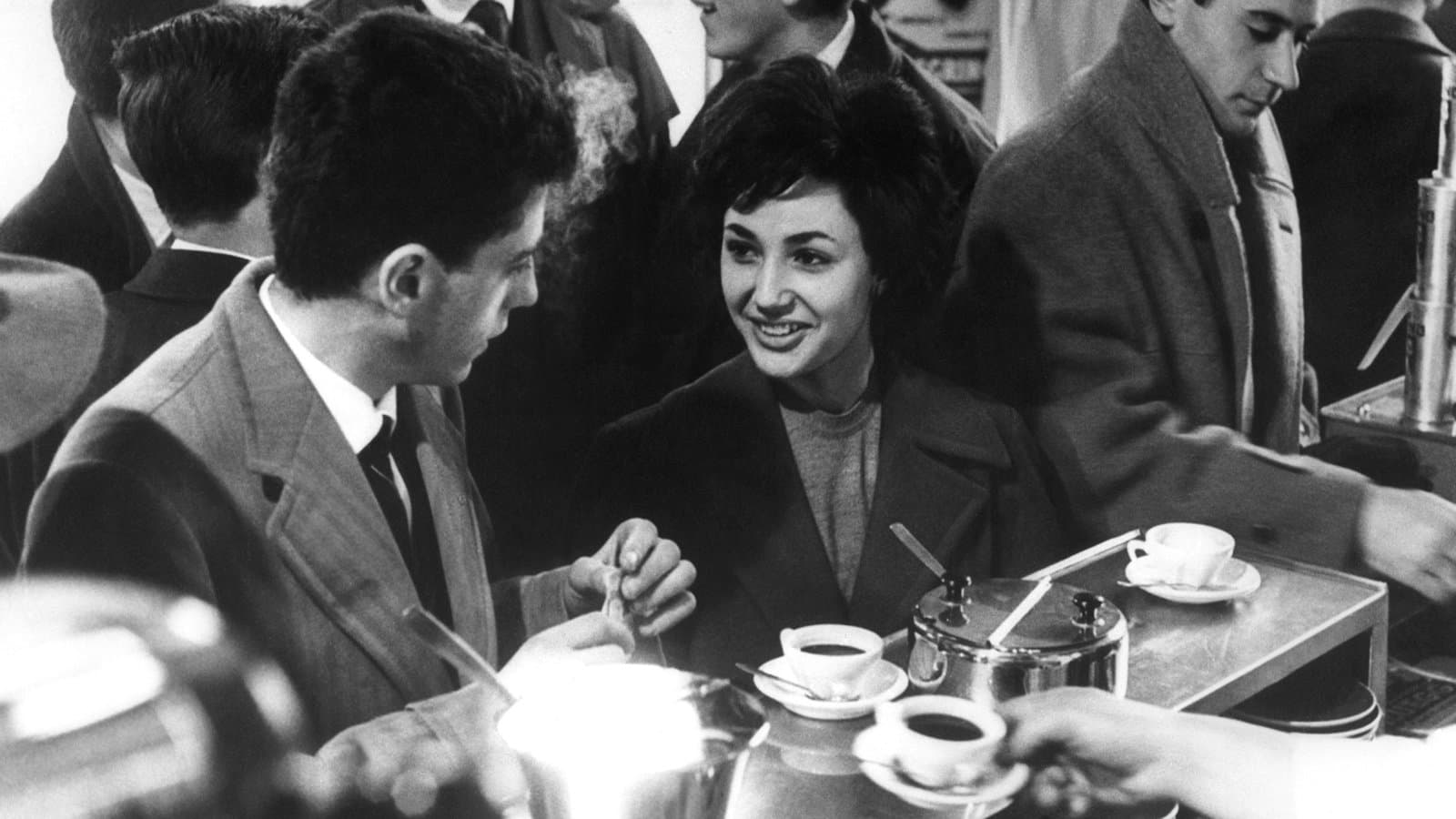
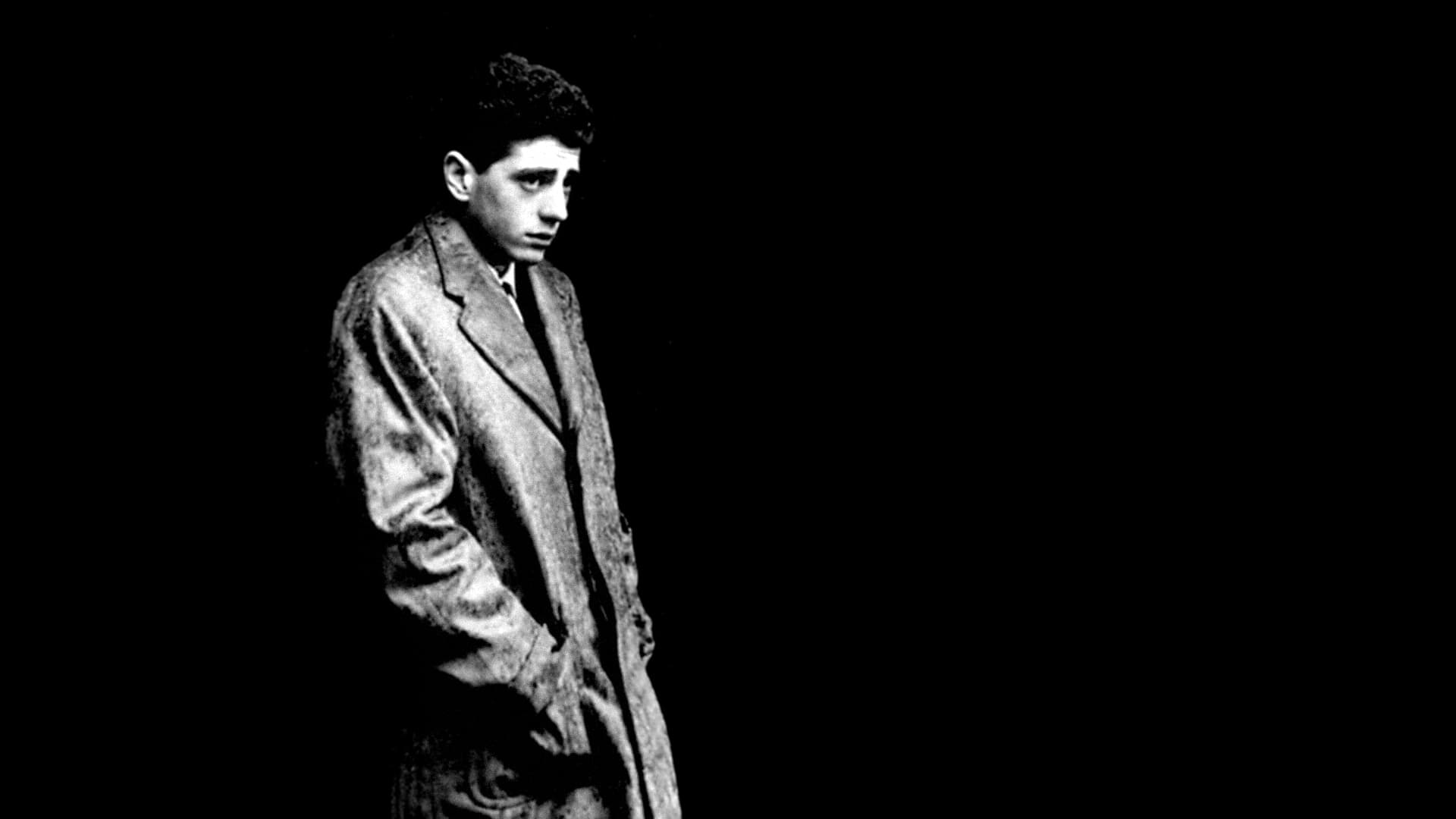
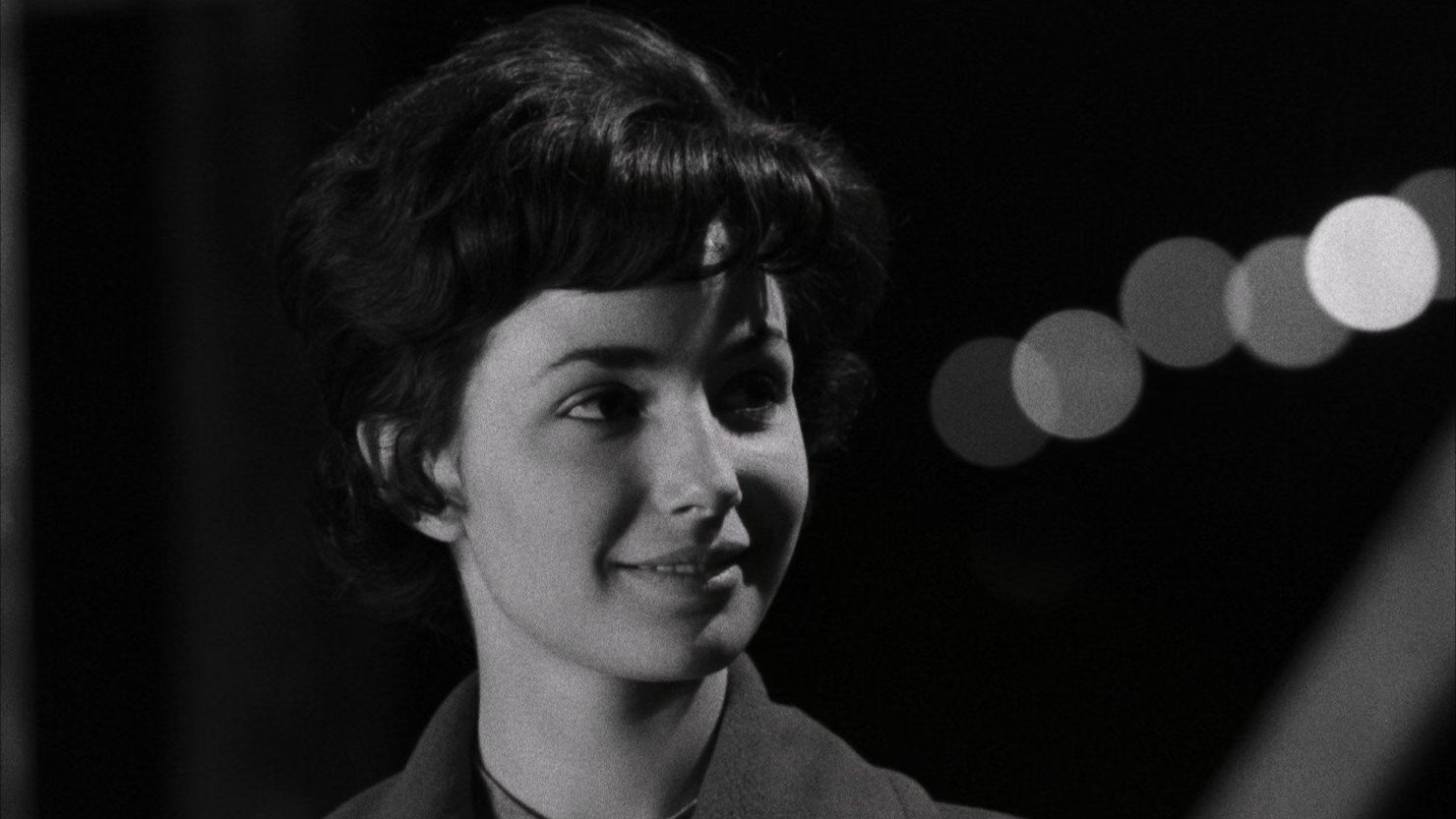
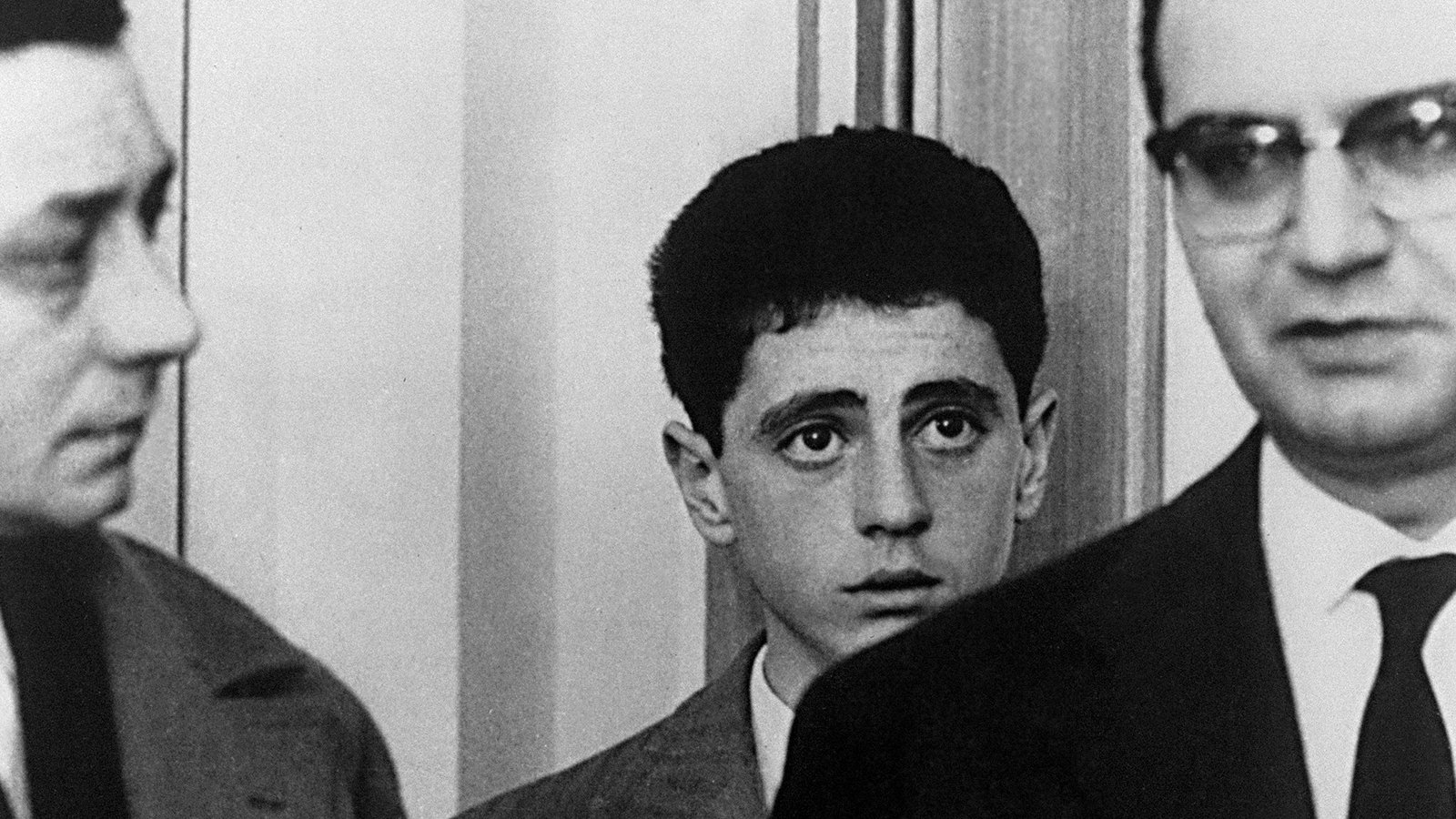
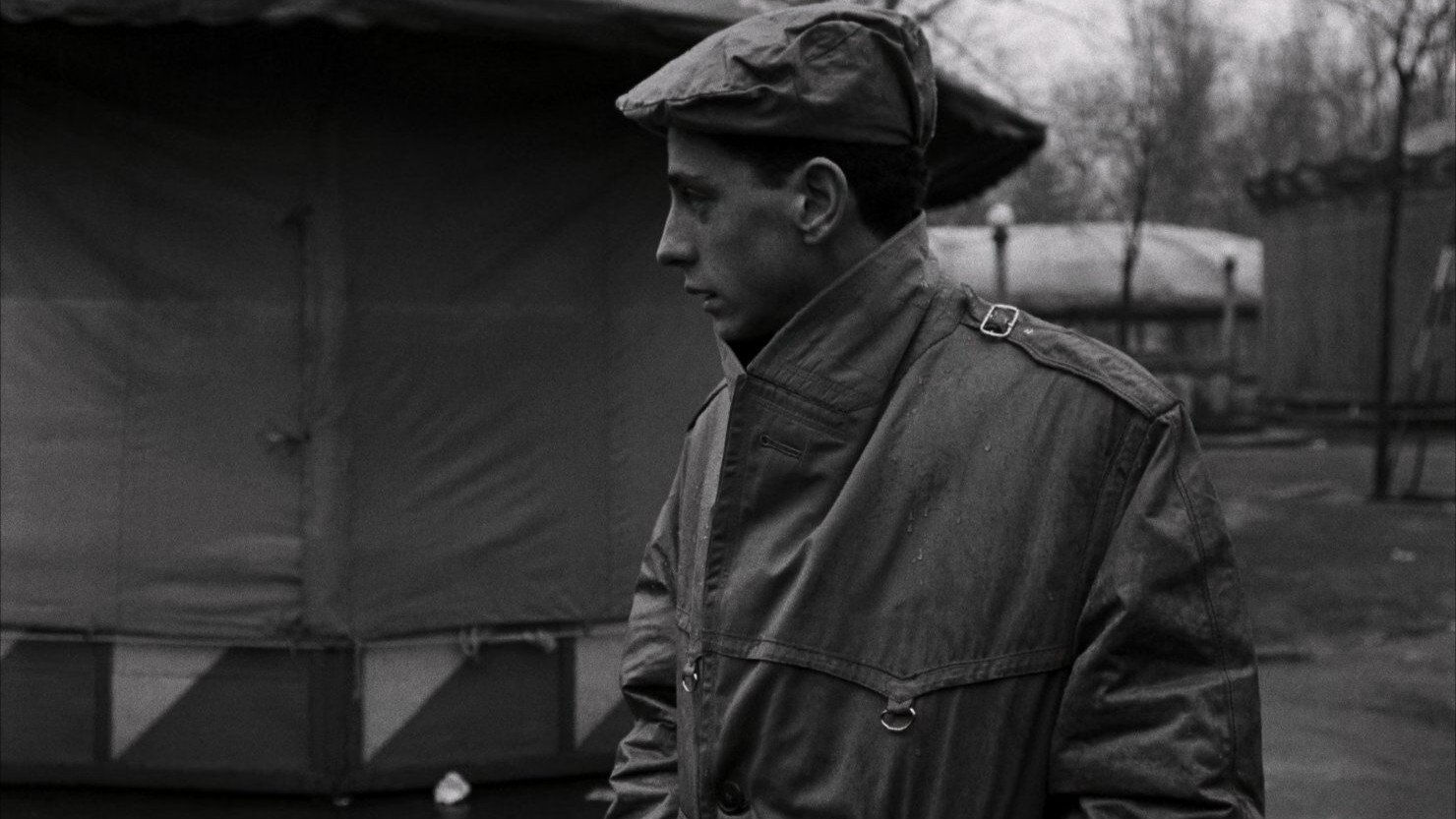
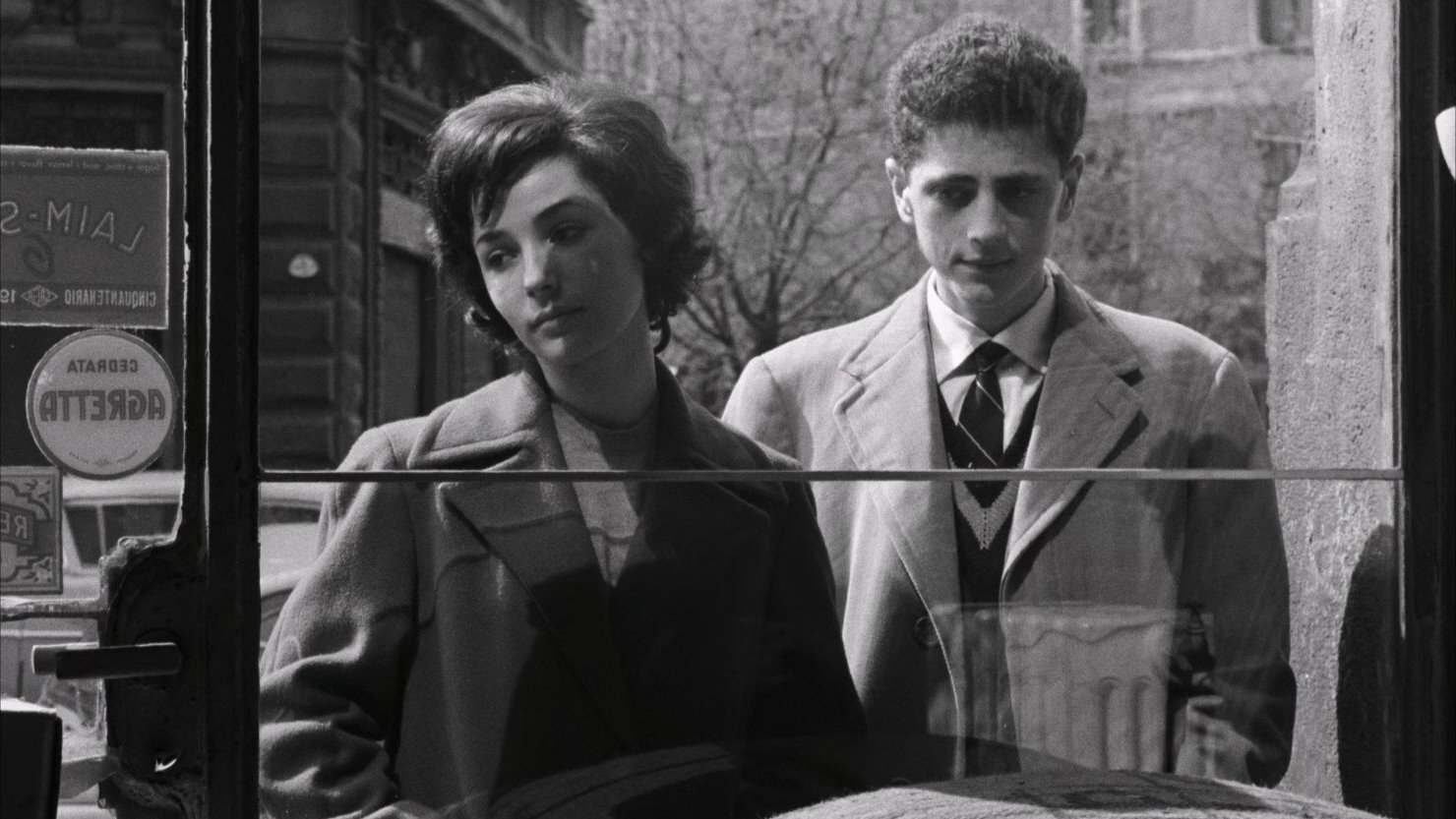
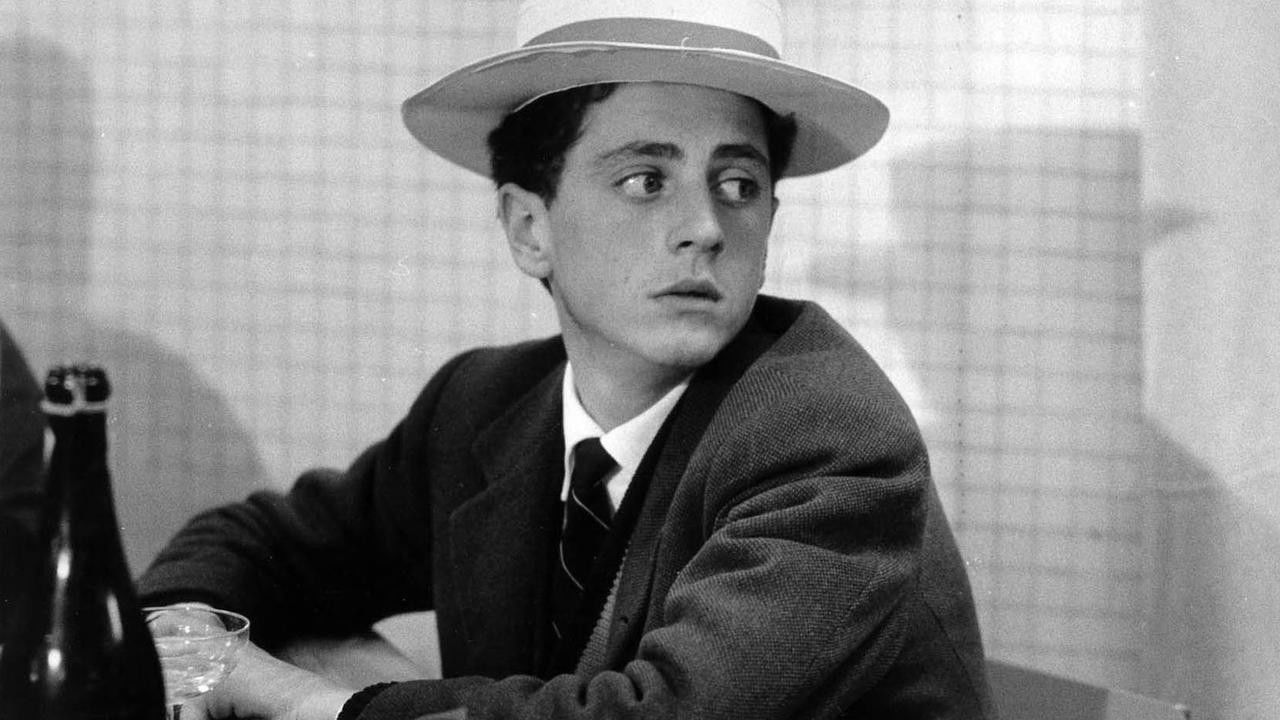
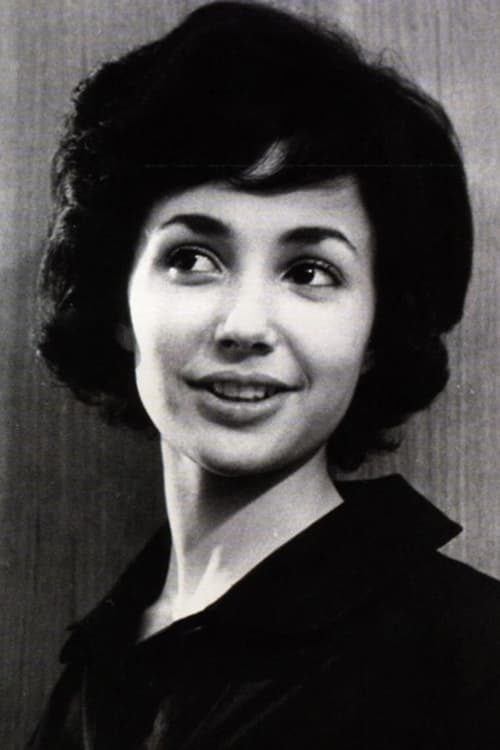
i found that there’s something deeply kafkaesque in the framing and pacing. domenico enters the workforce like gregor samsa waking up as a bug. he’s out of place, out of depth, and somehow expected to function in a world that never explained its rules. the camera lingers on corridors that feel too long, desks that repeat endlessly into the background, shadows that stretch just a little too far. all these visual choices quietly echo the surrealism of conformity, the horror that nothing is explicitly wrong, yet everything feels subtly off. the lighting is often neutral, drained of emotion, making moments of warmth, like his brief interactions with antonietta, feel fragile and precious, like they might disappear if you breathe too loud.
there’s a strange loneliness in systems like this. it’s not the kind of isolation that comes from being alone. it’s the kind that happens within the presence of others, inside a world where people have become parts of the same machine, but no one really knows what the machine does or who it's working for. domenico enters this world the way someone might enter a dream that slowly turns into a nightmare, but nothing overtly terrifying happens. it’s just endlessly repetitive, quietly disorienting, and filled with moments that make you question your place in the world.
the director isn’t just criticizing bureaucracy. he’s quietly asking what it does to a young person’s spirit. what does it mean to enter a world where rules exist but are never explained? where dignity is earned by silence and staying seated? the job, in the literal sense, is the goal. but the film suggests that what’s really at stake is identity, possibility, and time. kafka wrote about systems that were surreal and impenetrable. this film shows that such systems already exist—and they wear the face of normal life.
what makes this film feel so deeply existential is how it uses this atmosphere to mirror a very real emotional truth: the fear that your life will be reduced to a desk, a name on a file, and a place in a long hallway of anonymous faces. the system isn’t evil in an obvious way. it just is. and that’s what makes it even more unsettling. you’re not fighting a villain. you’re trying to survive something that doesn’t even know you exist.
rated 4.5 stars. after watching this film, i was reminded how easy it is to lose yourself inside systems that weren’t made for you to flourish—just for you to function. and functioning becomes a poor substitute for living.
#15 : 1960s |
the criterion challenge 2025 |
auteur-coded *:・