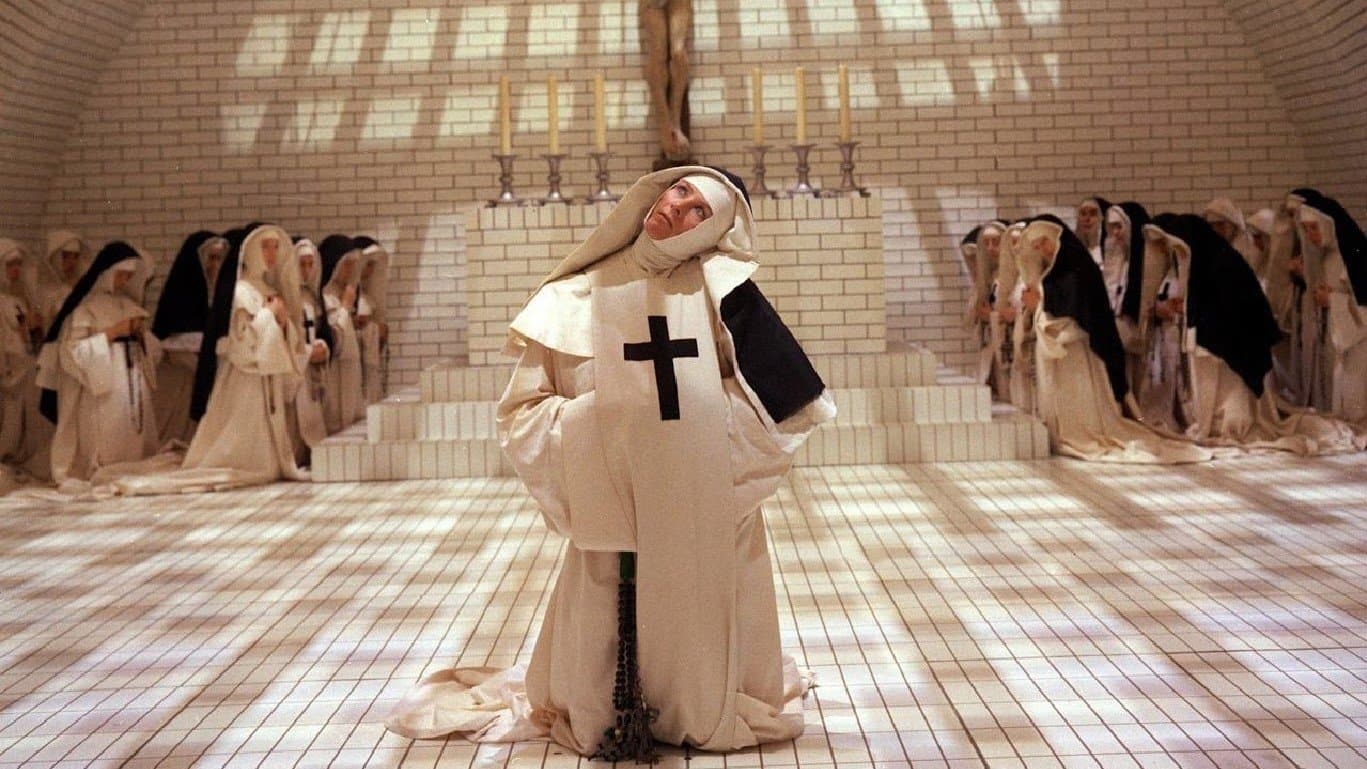
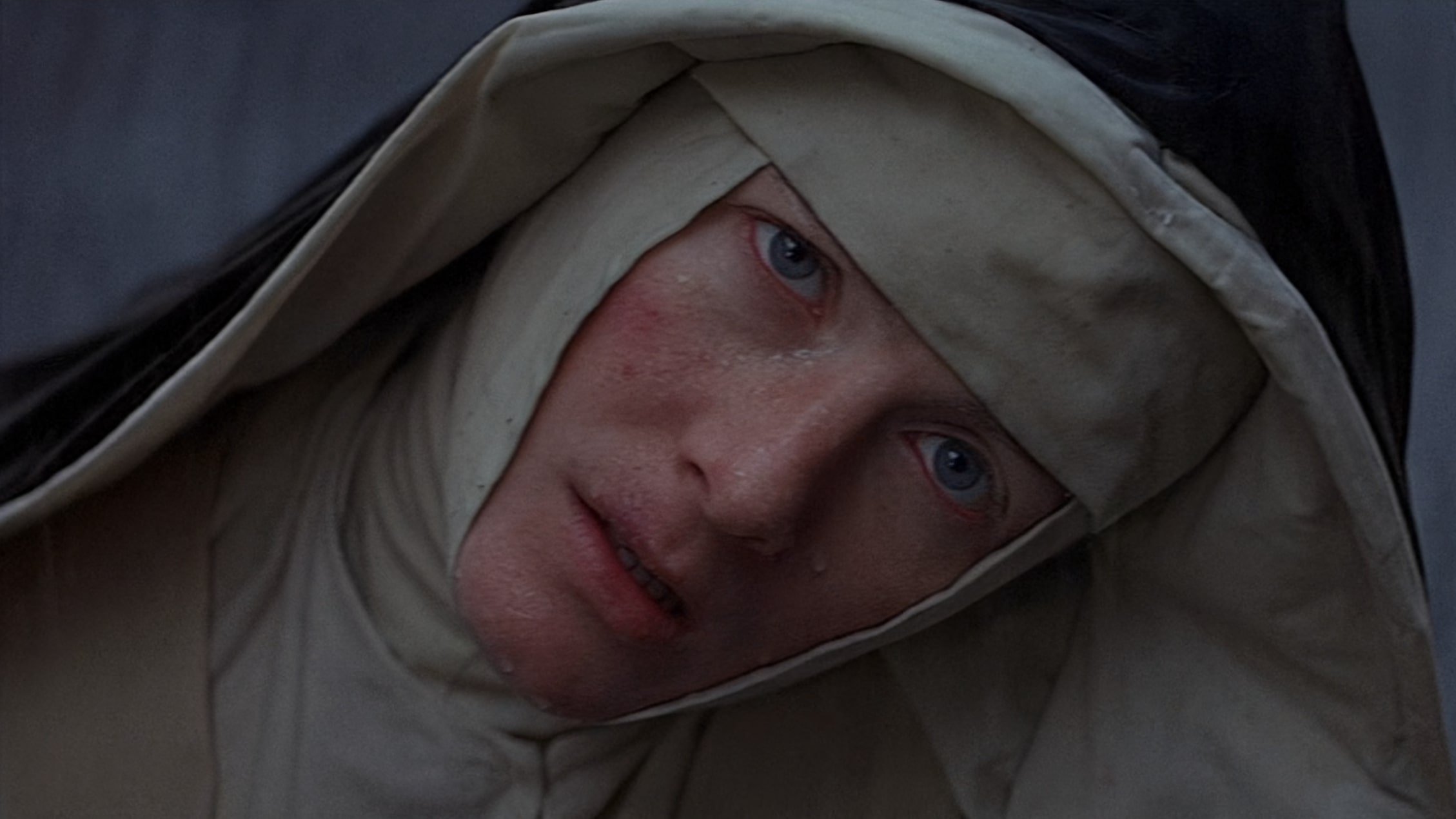
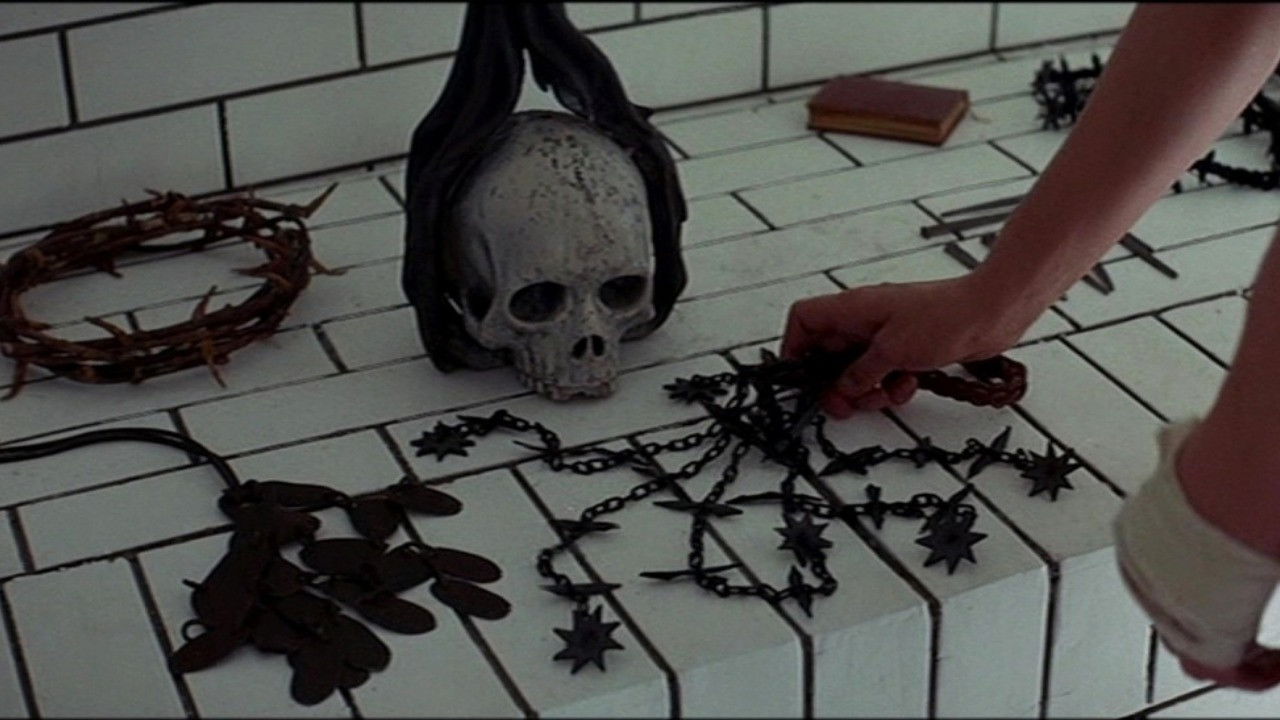
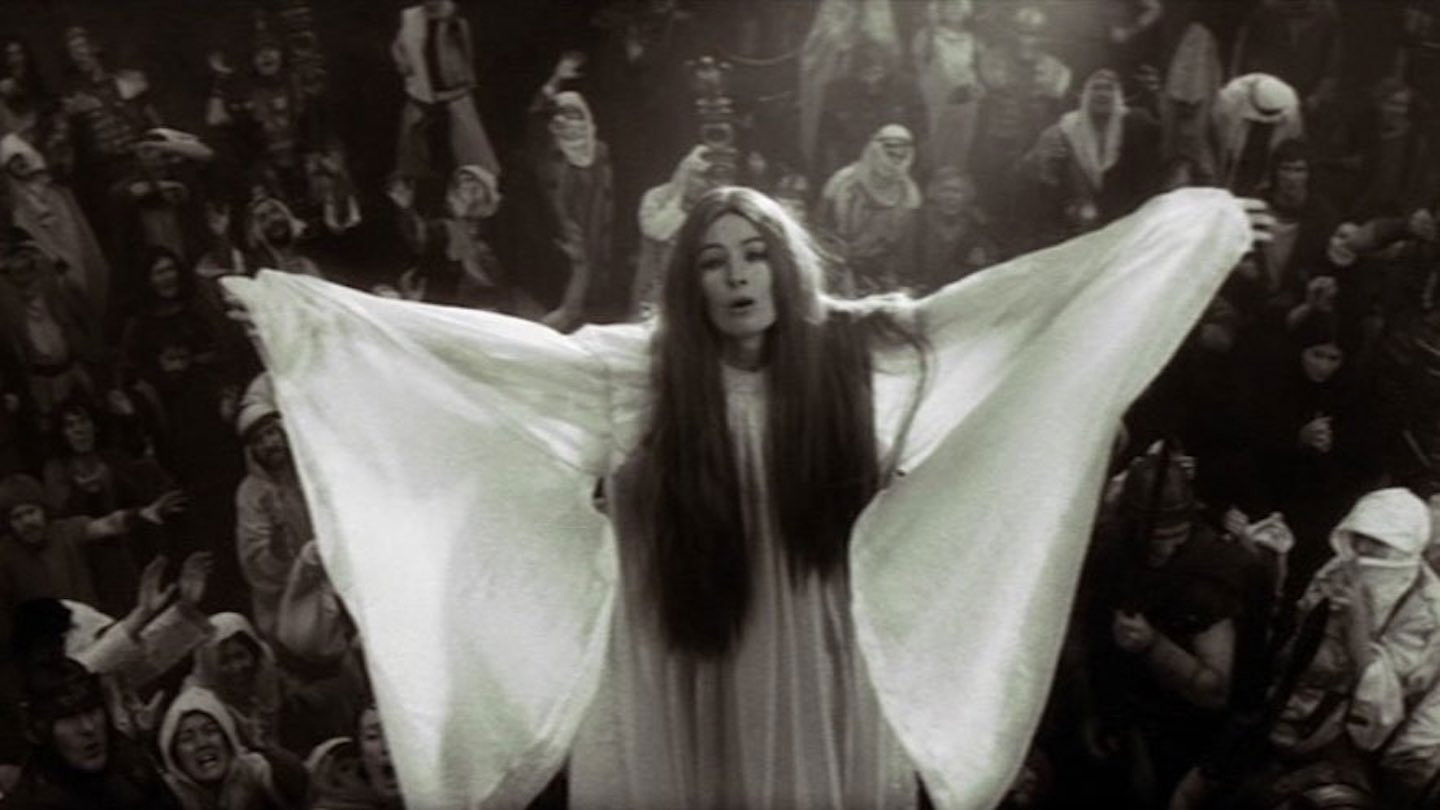
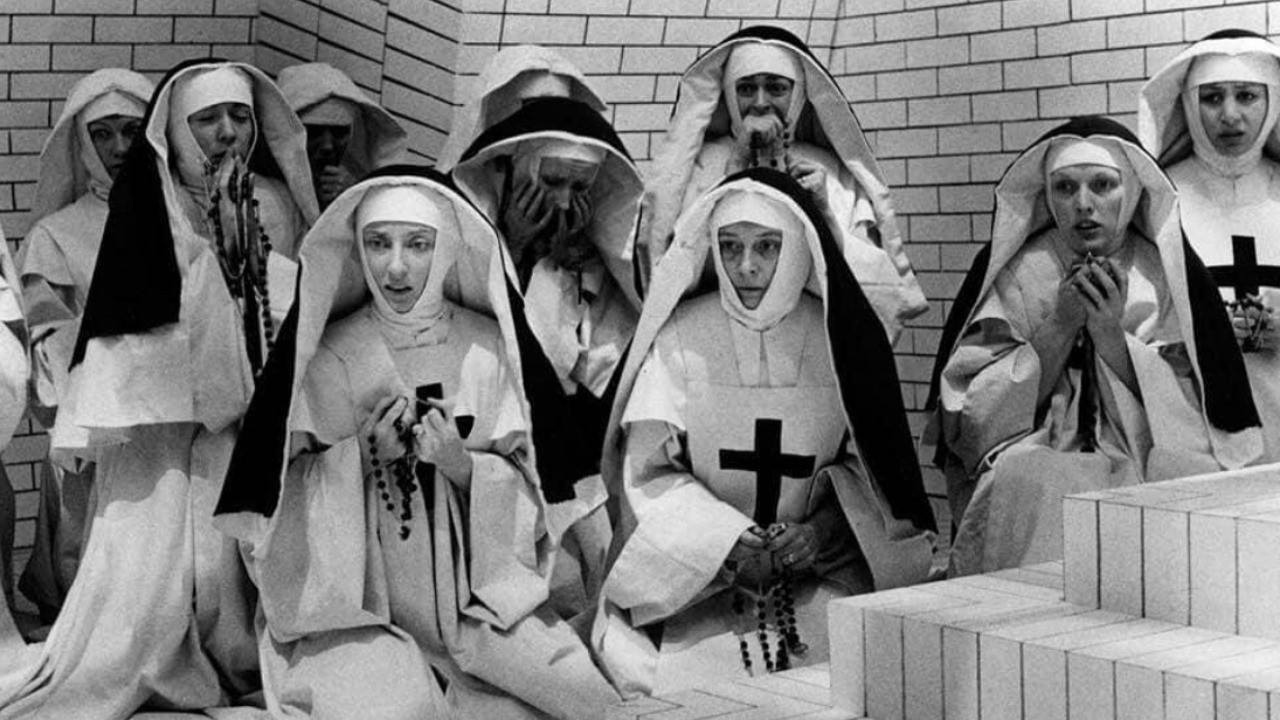
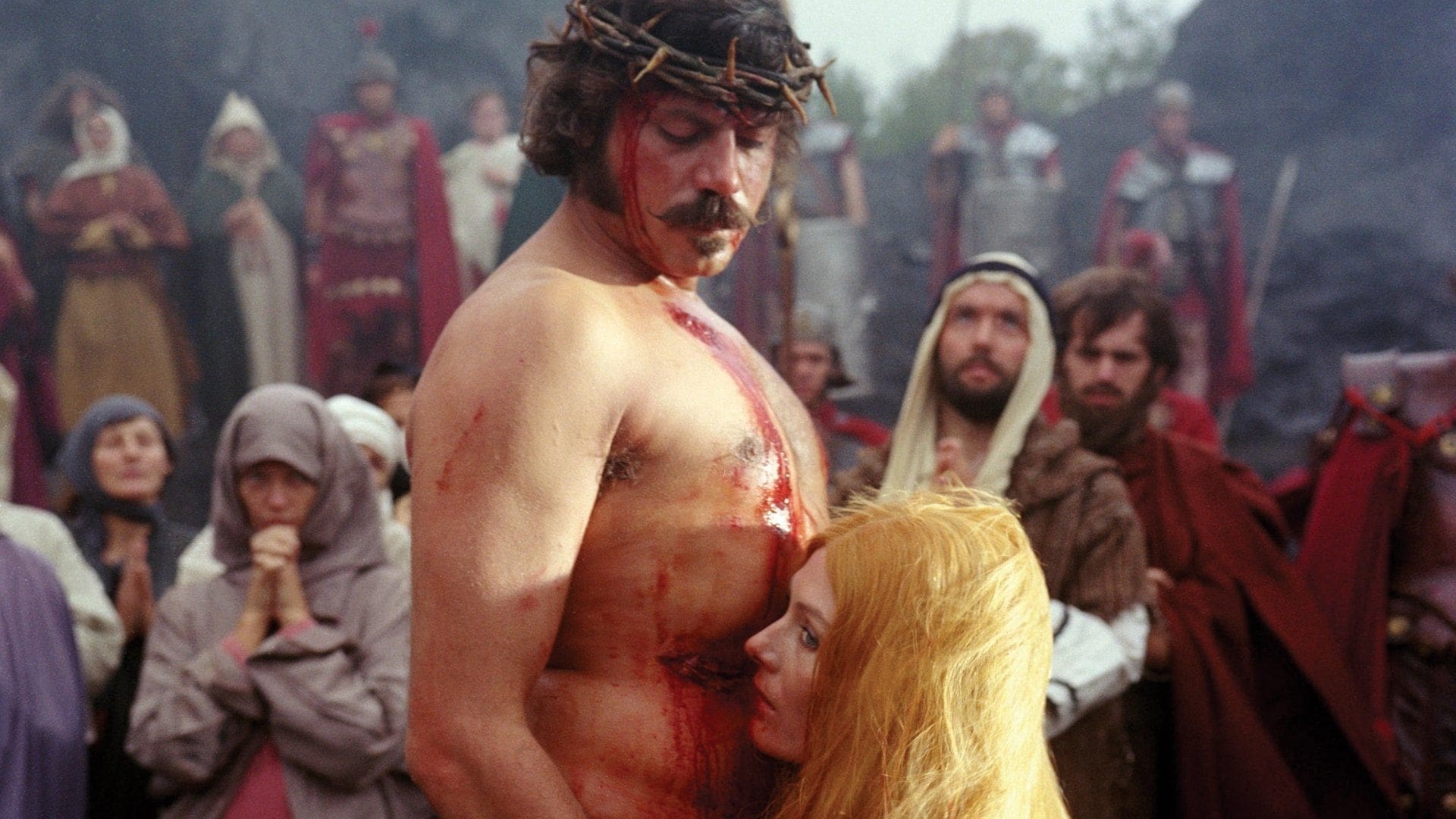
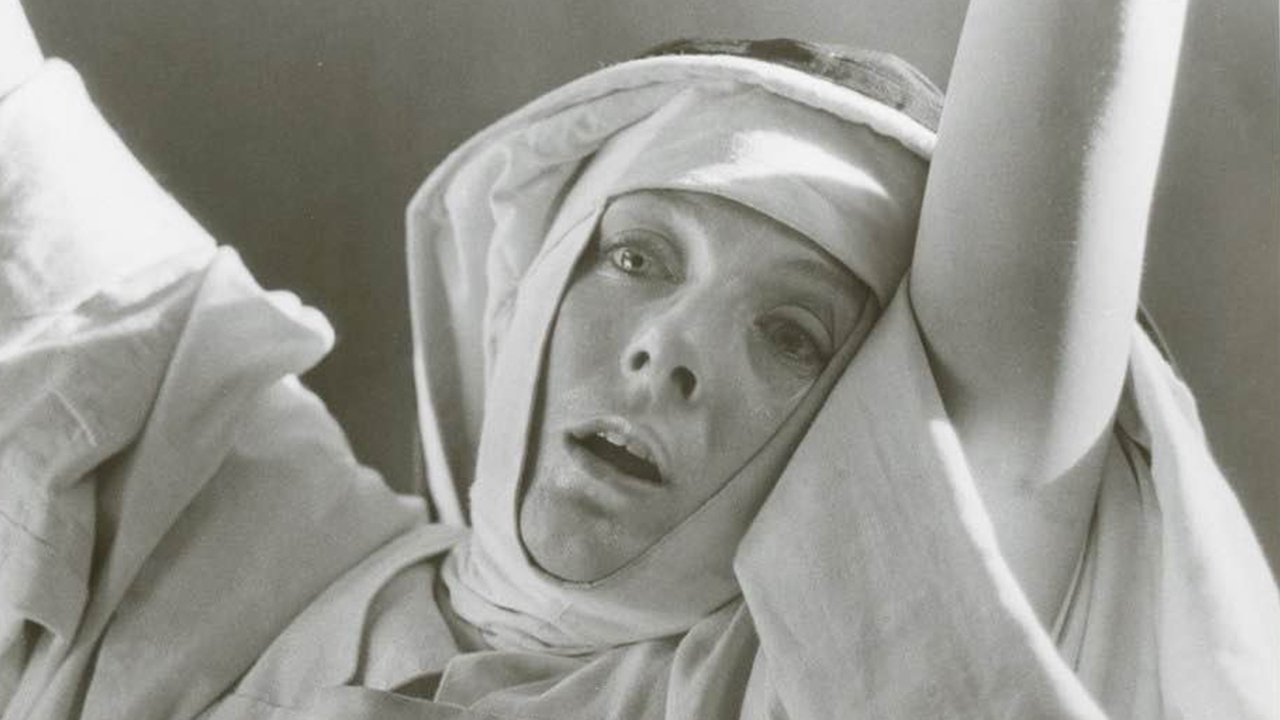
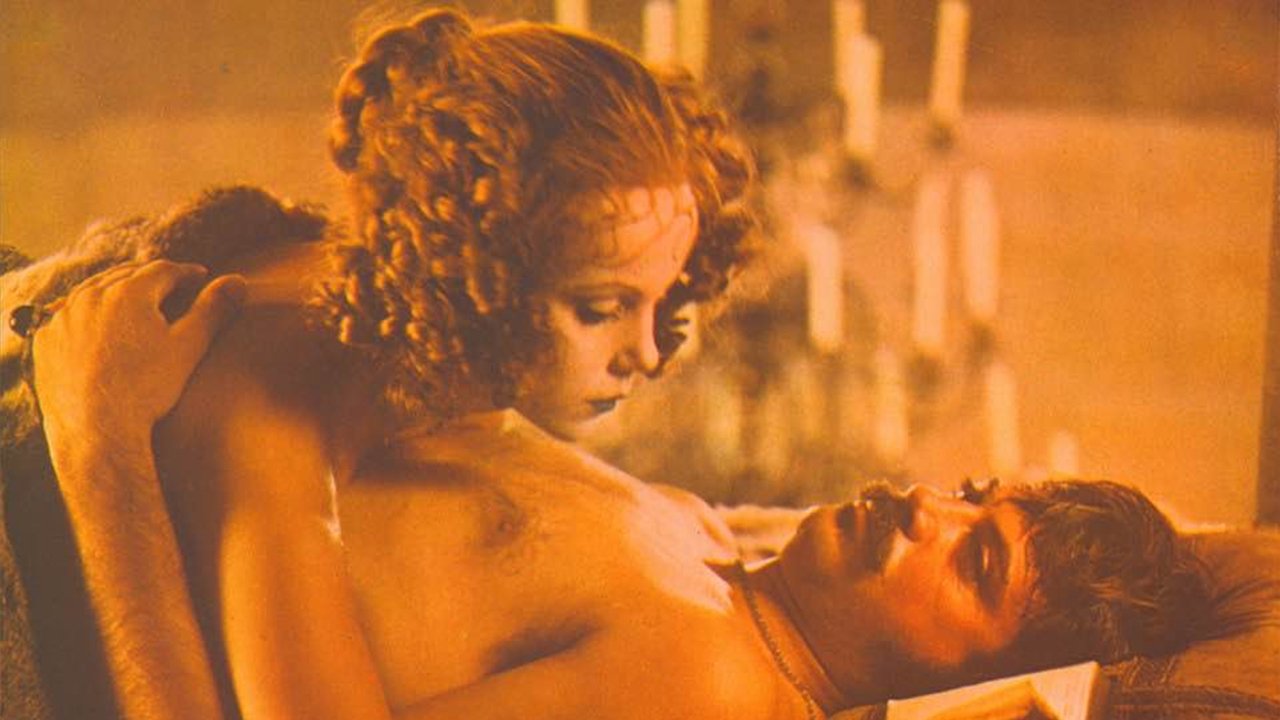
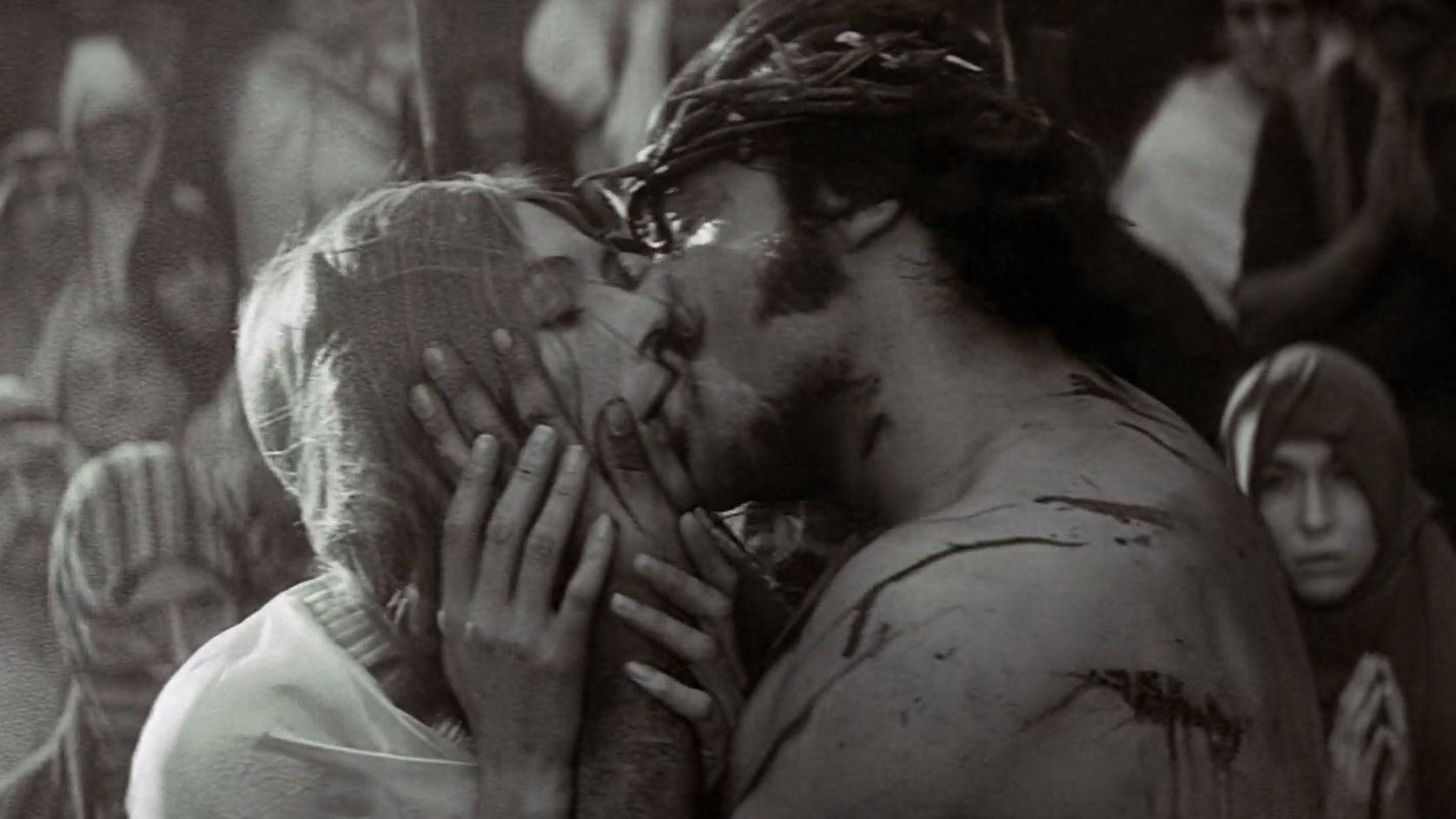
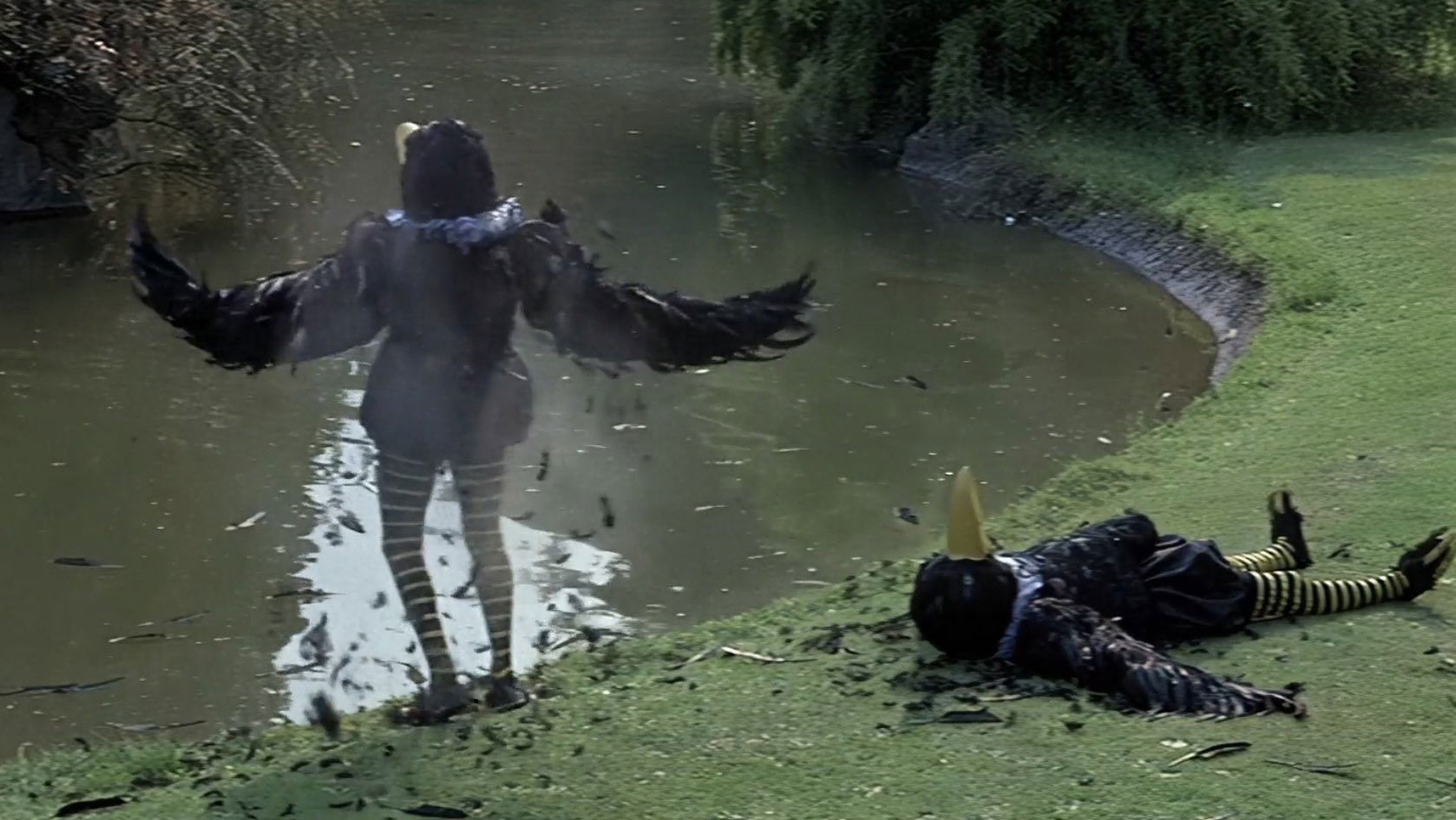
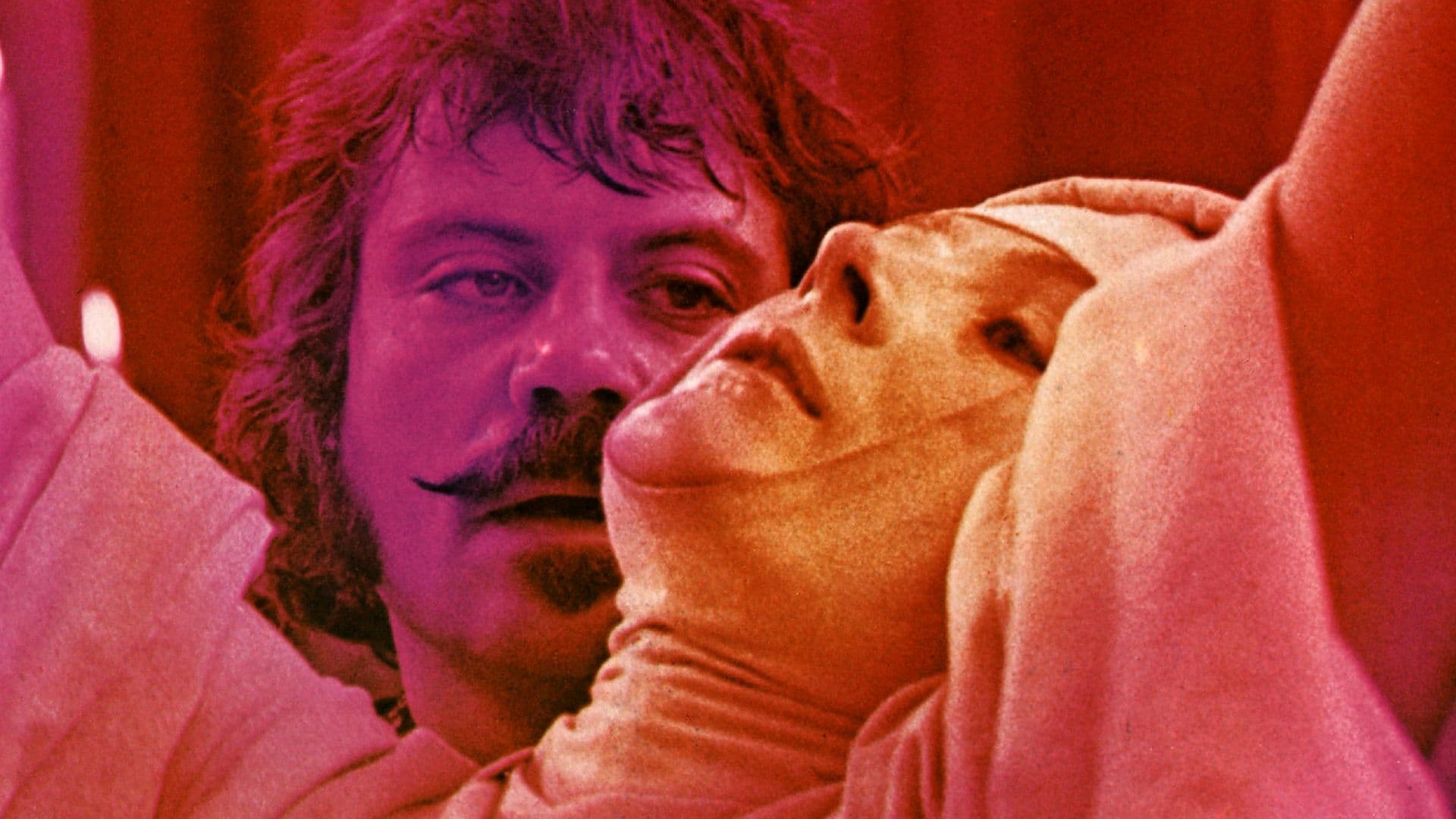
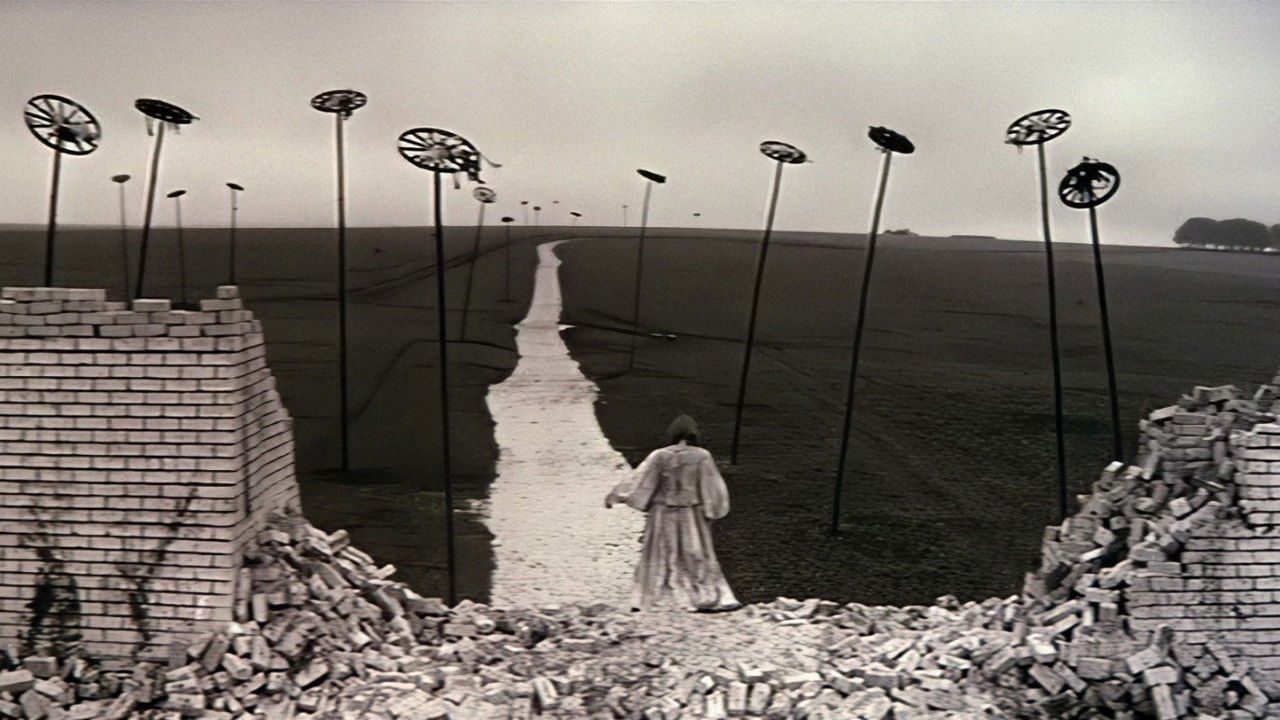
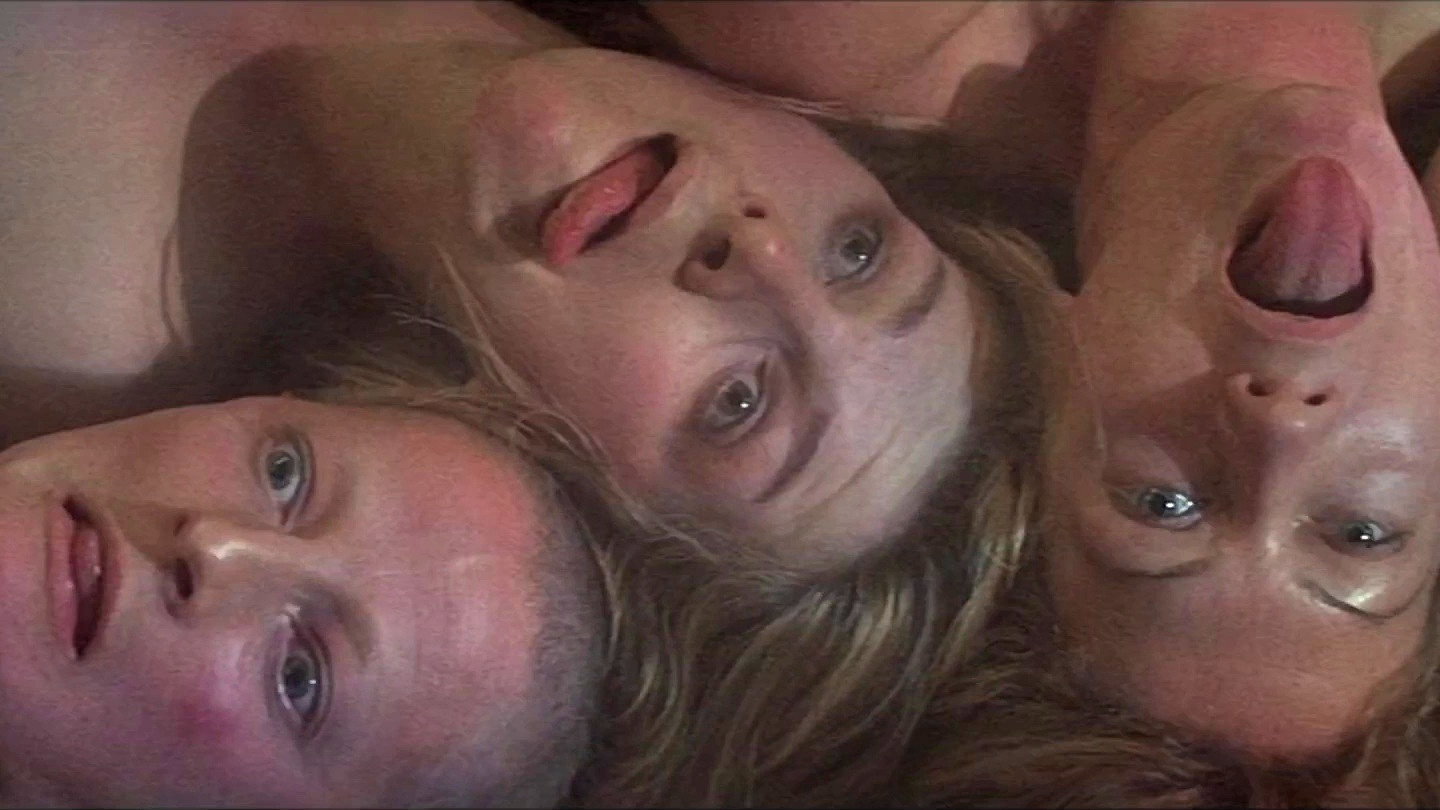
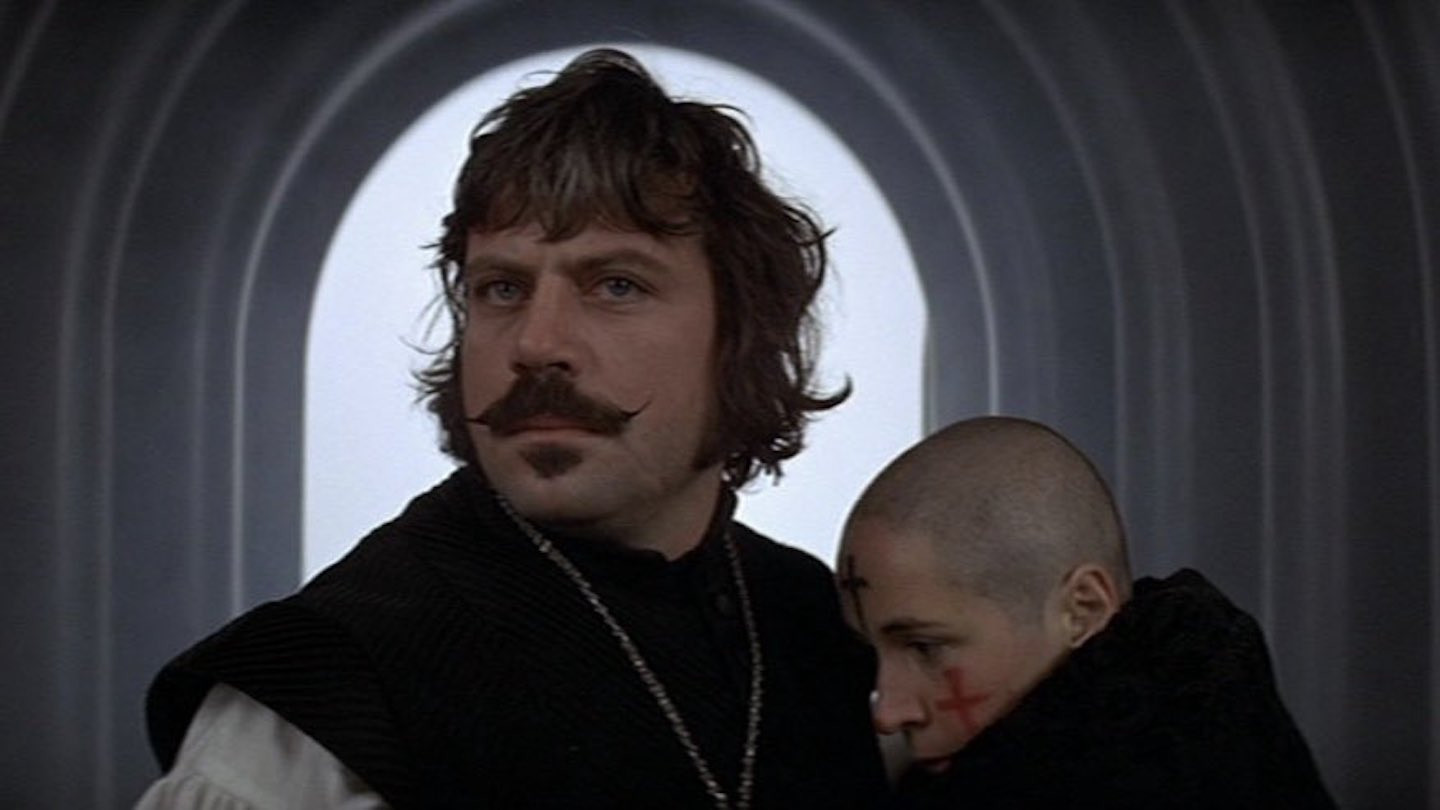
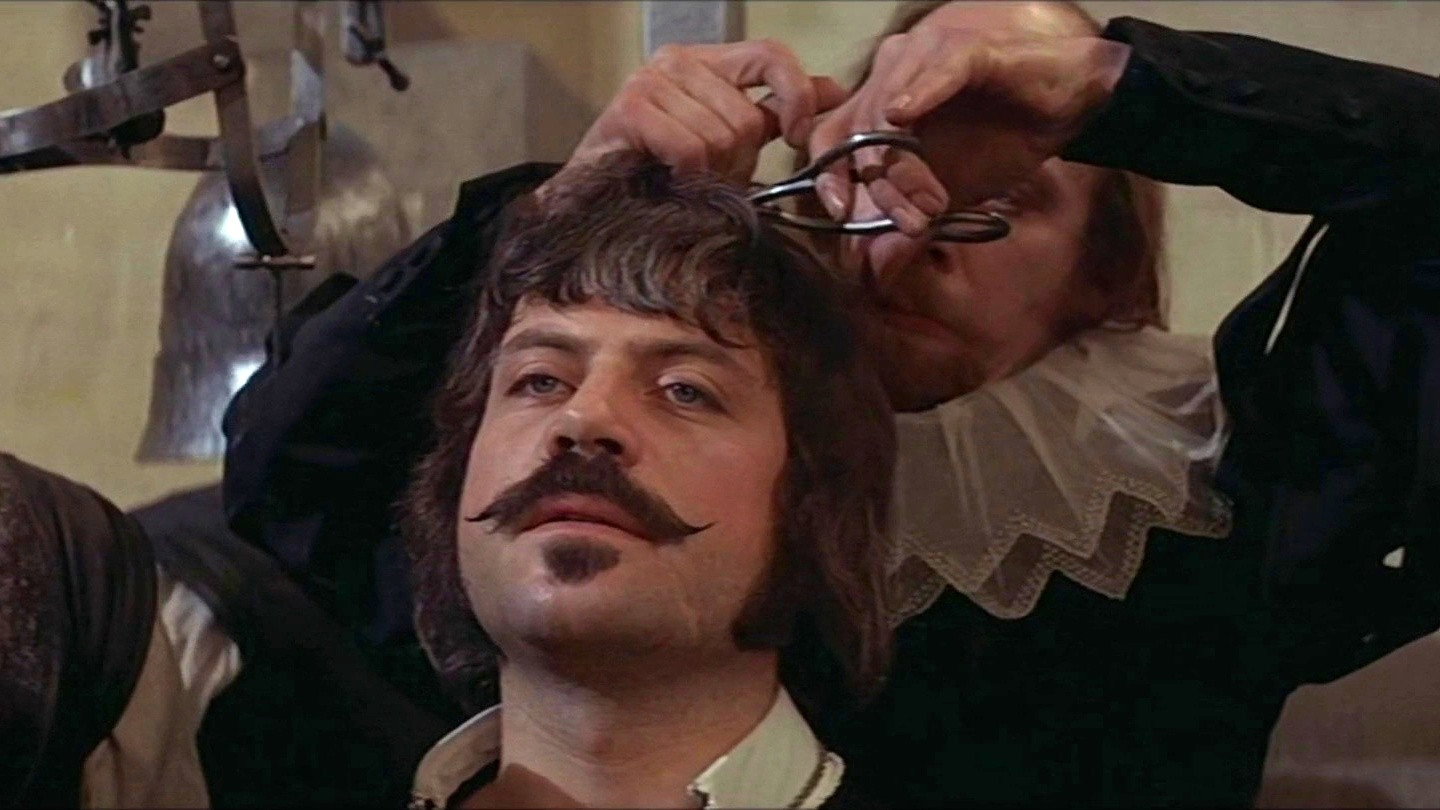
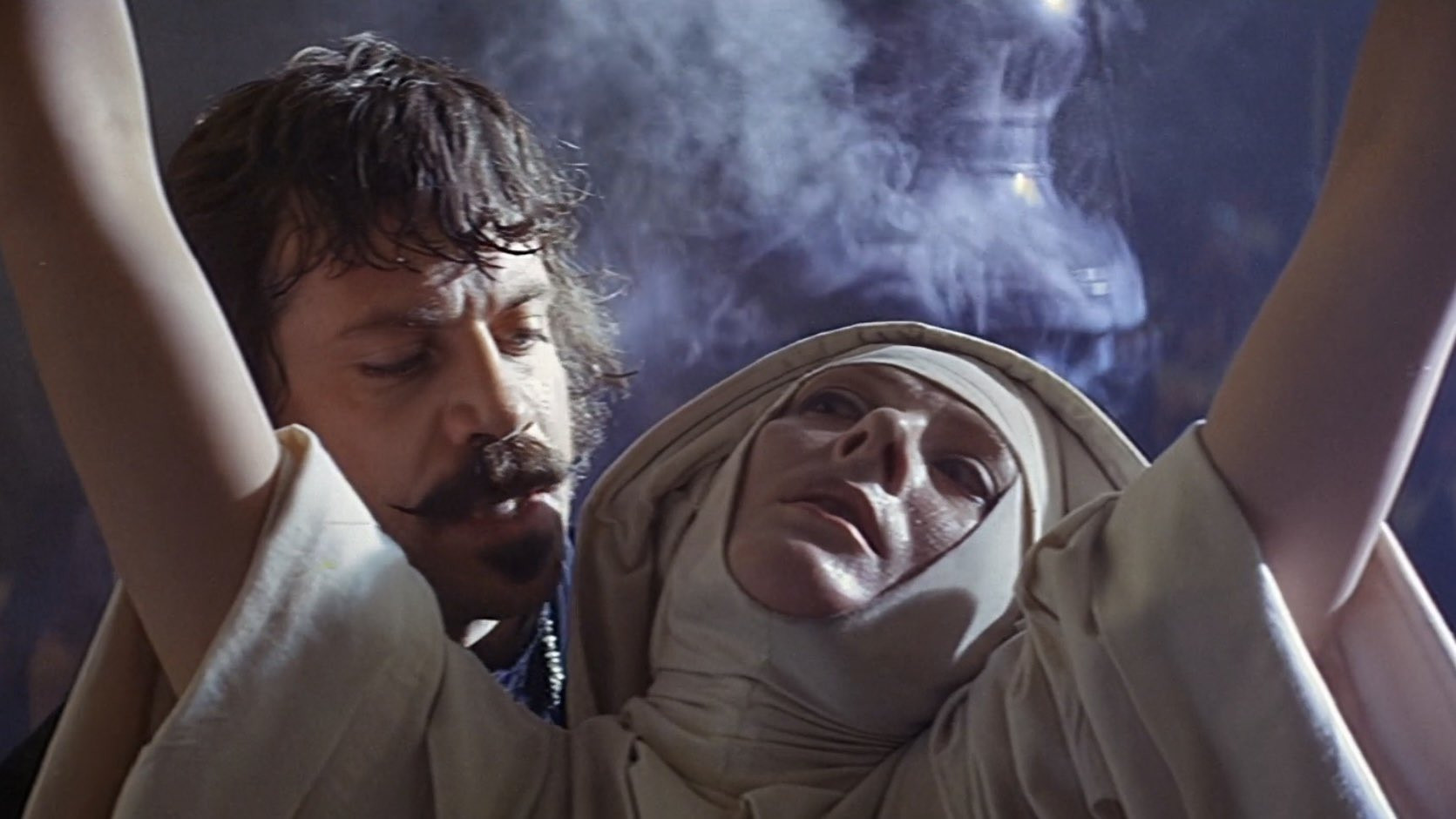
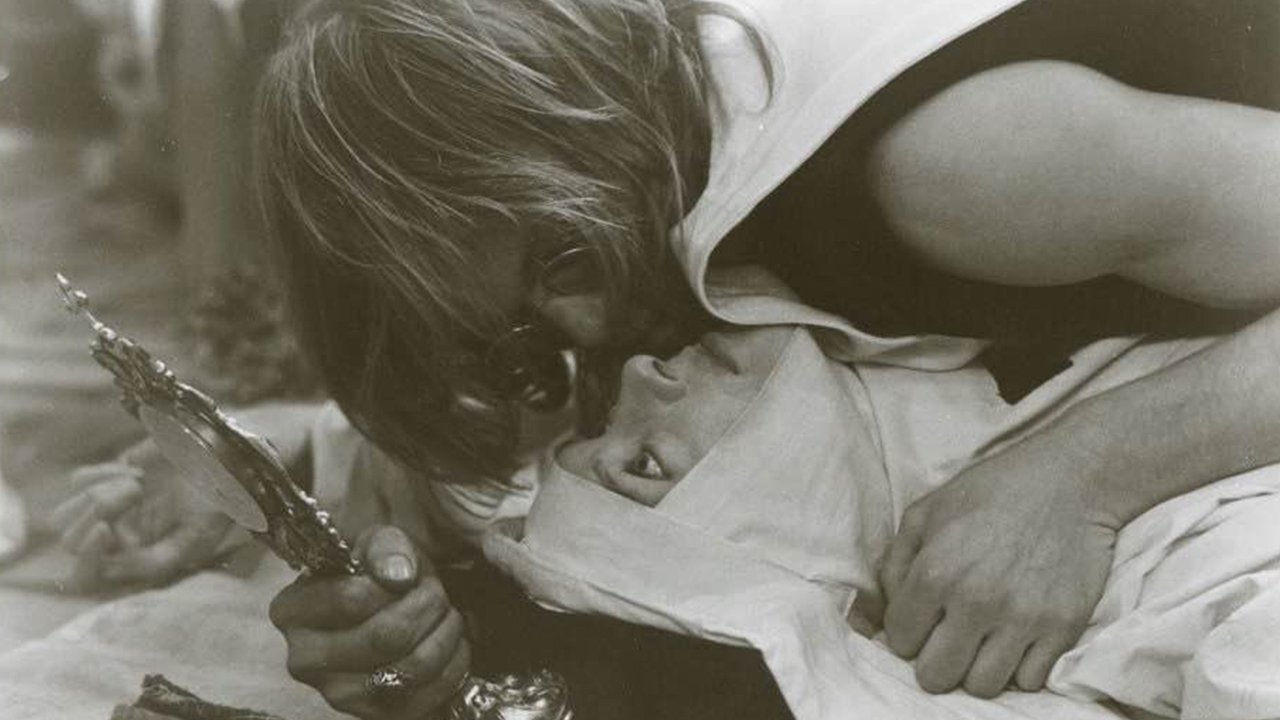
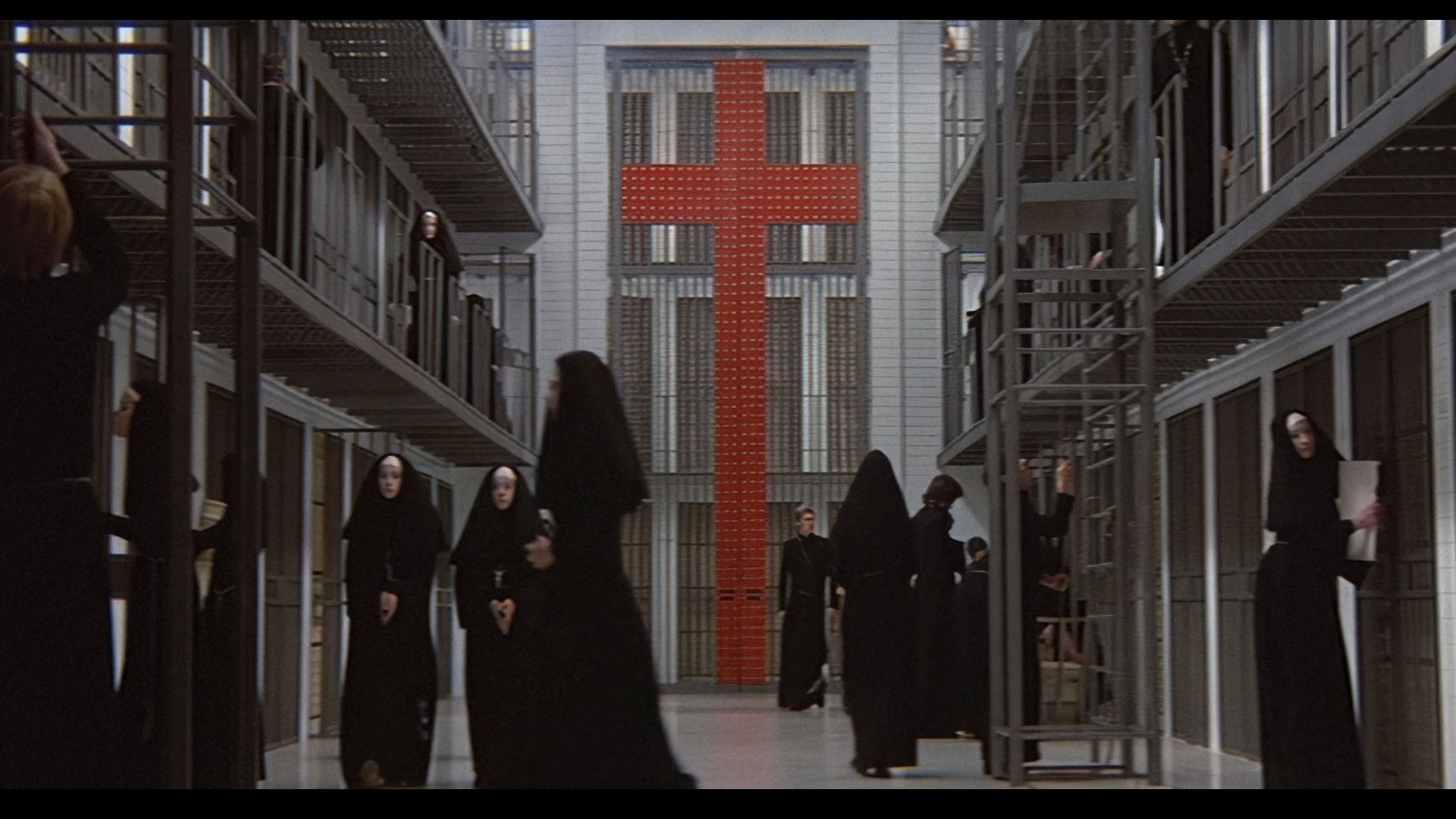
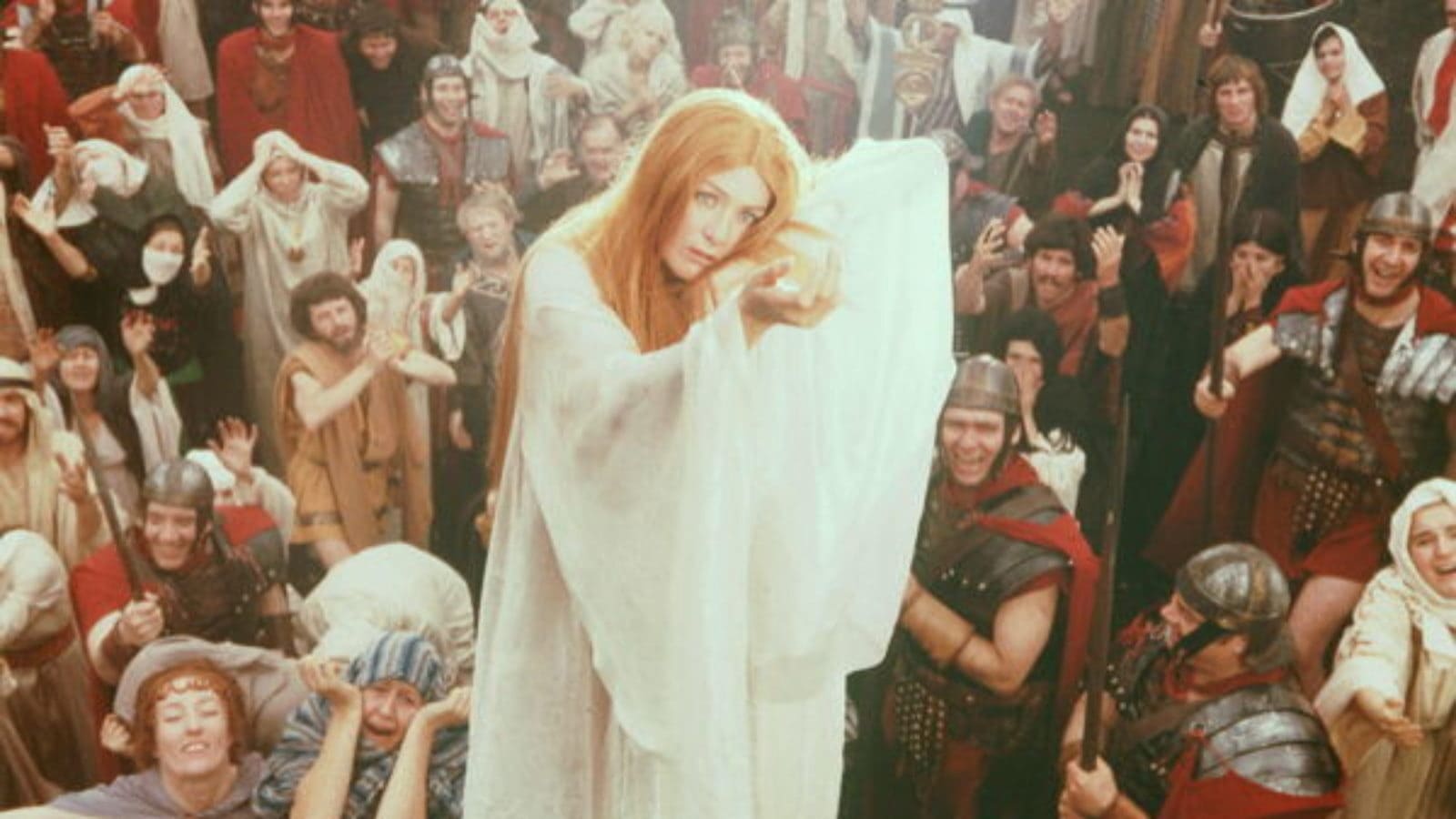
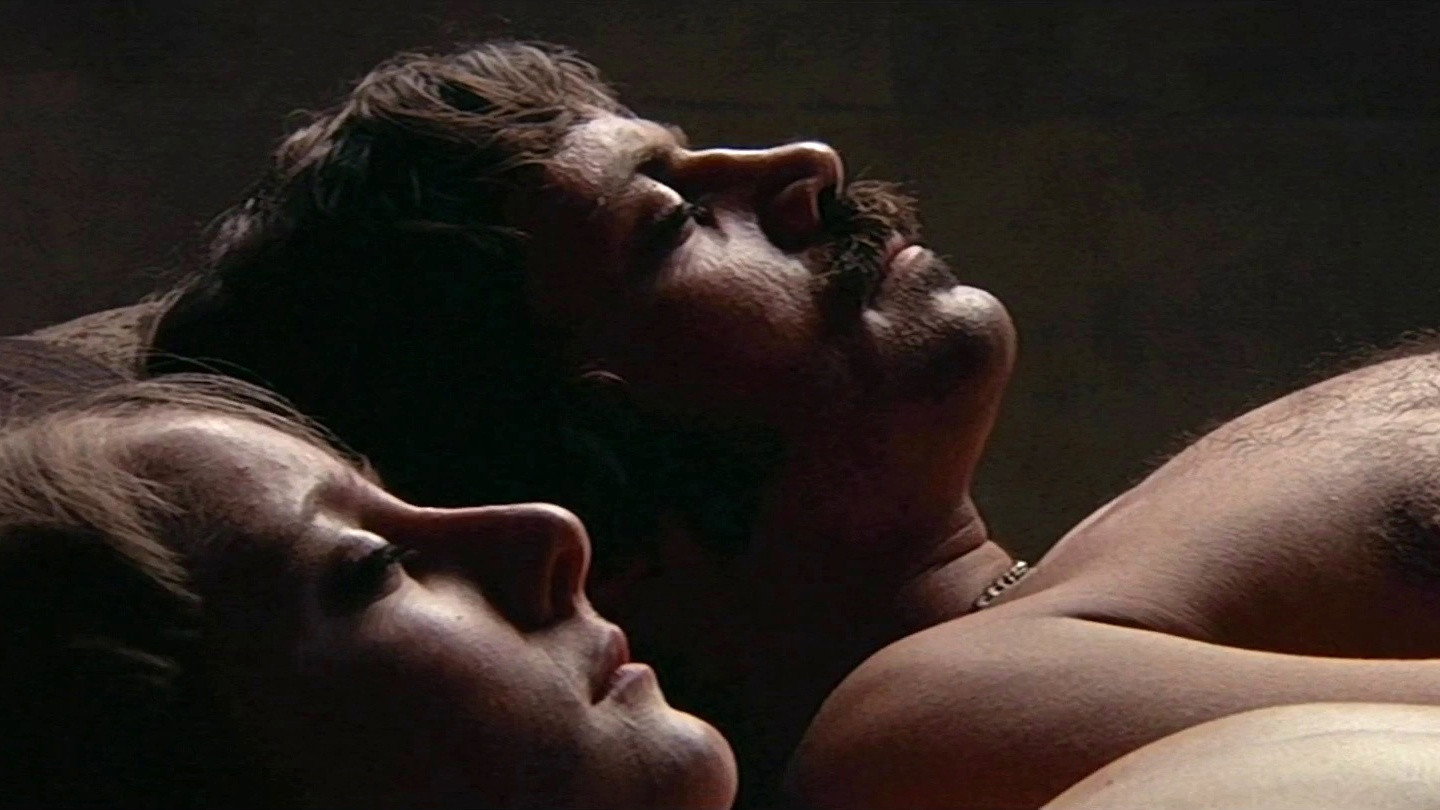
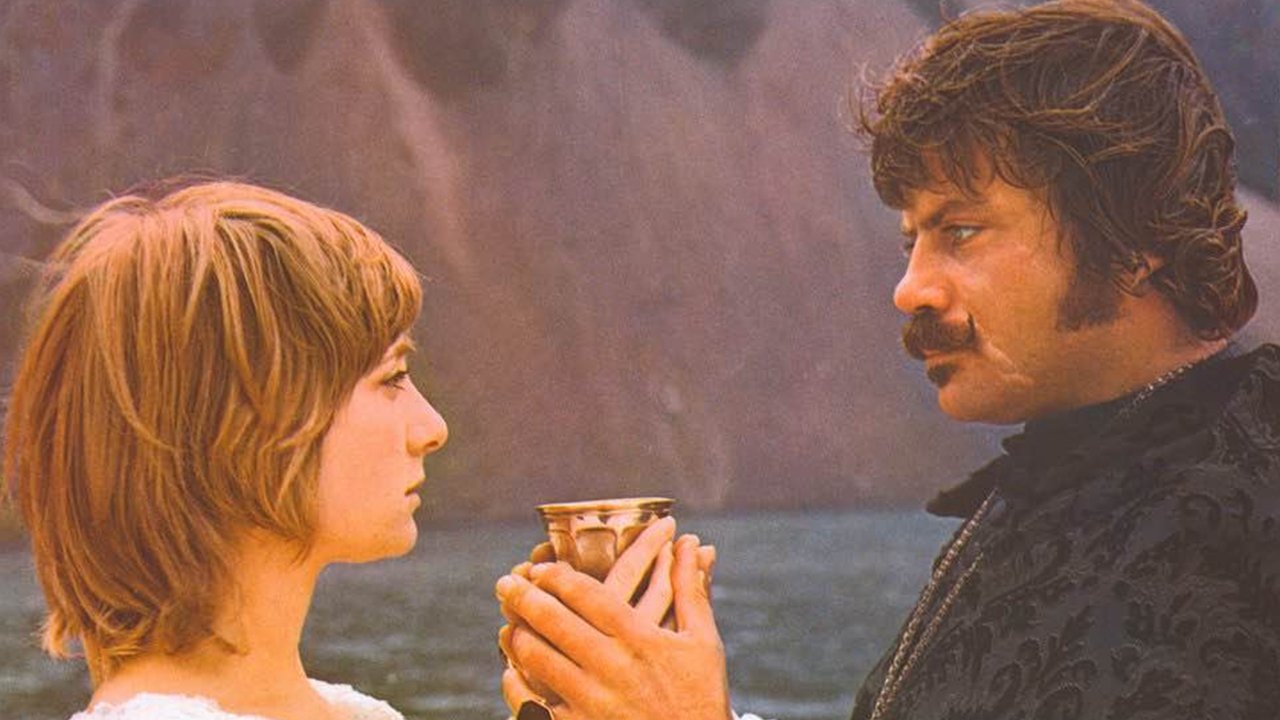
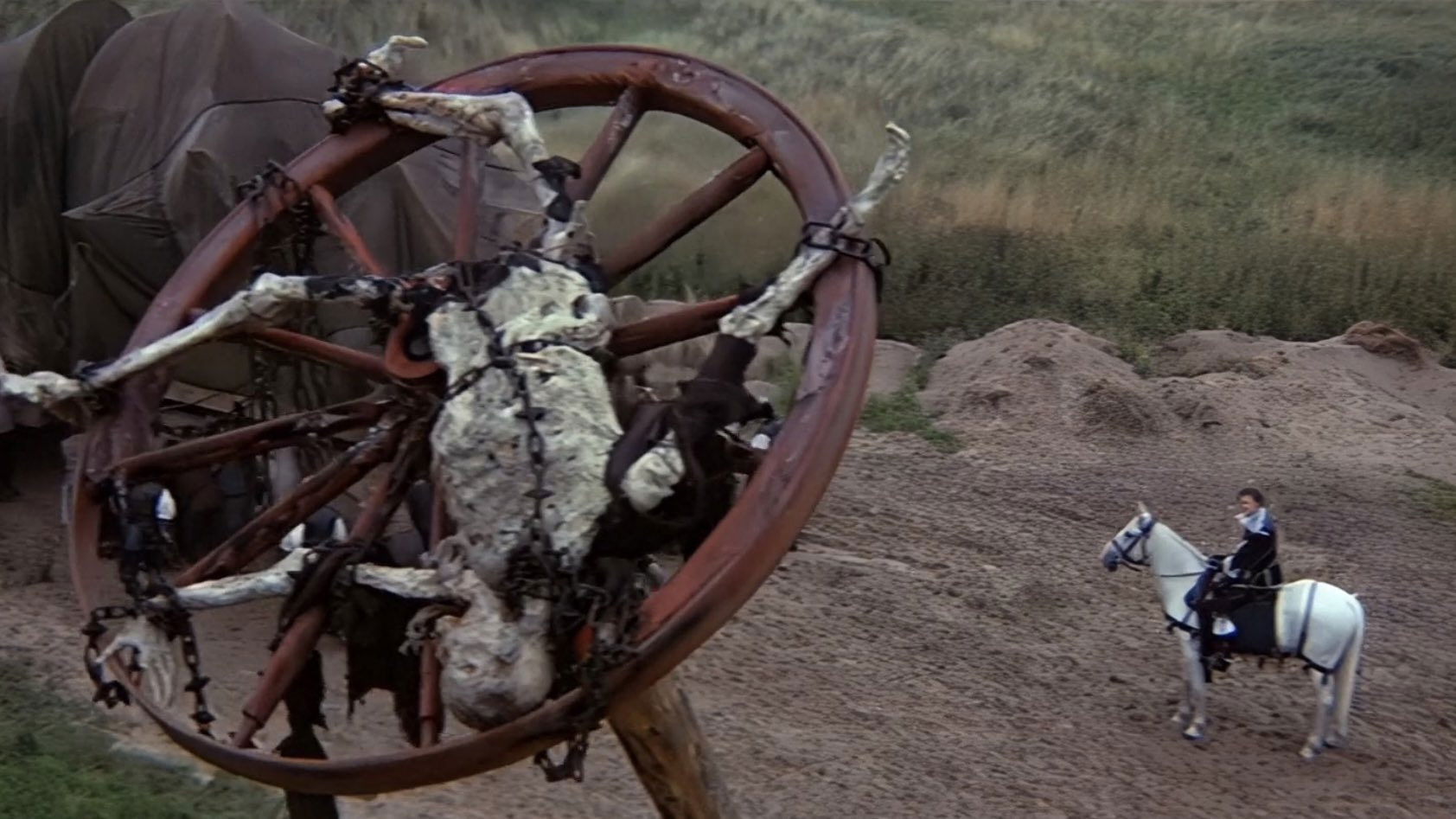
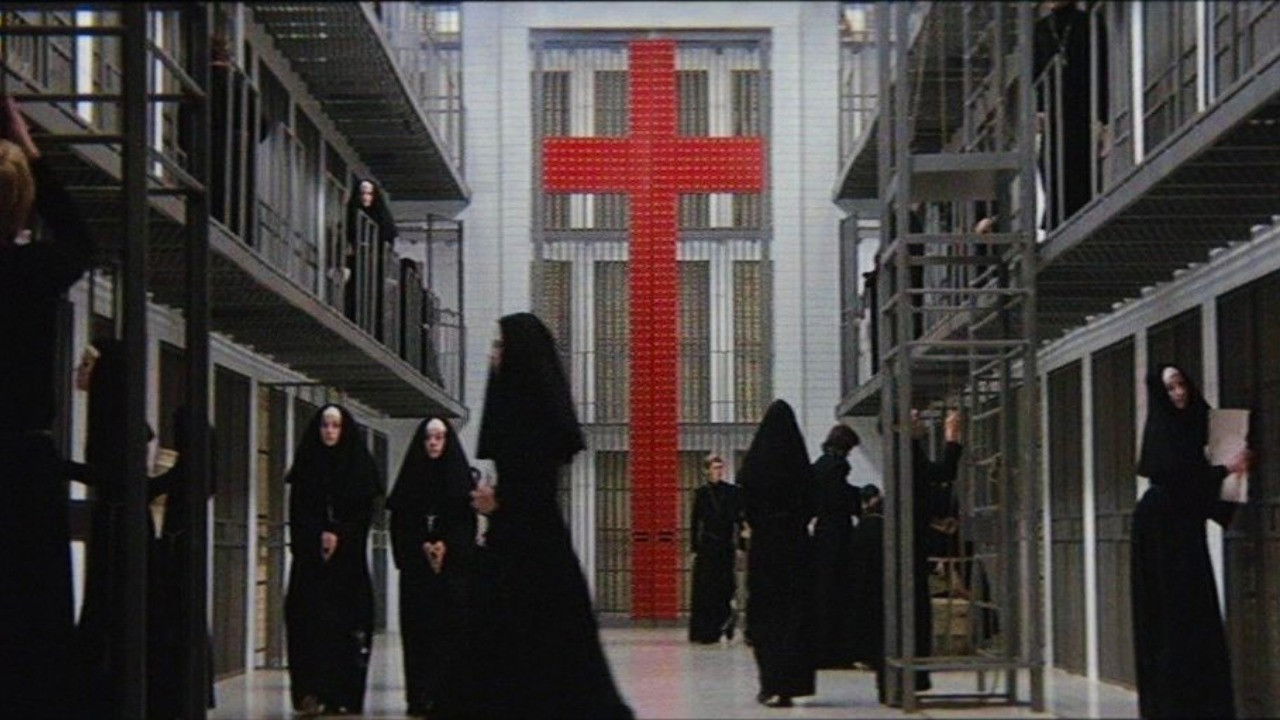
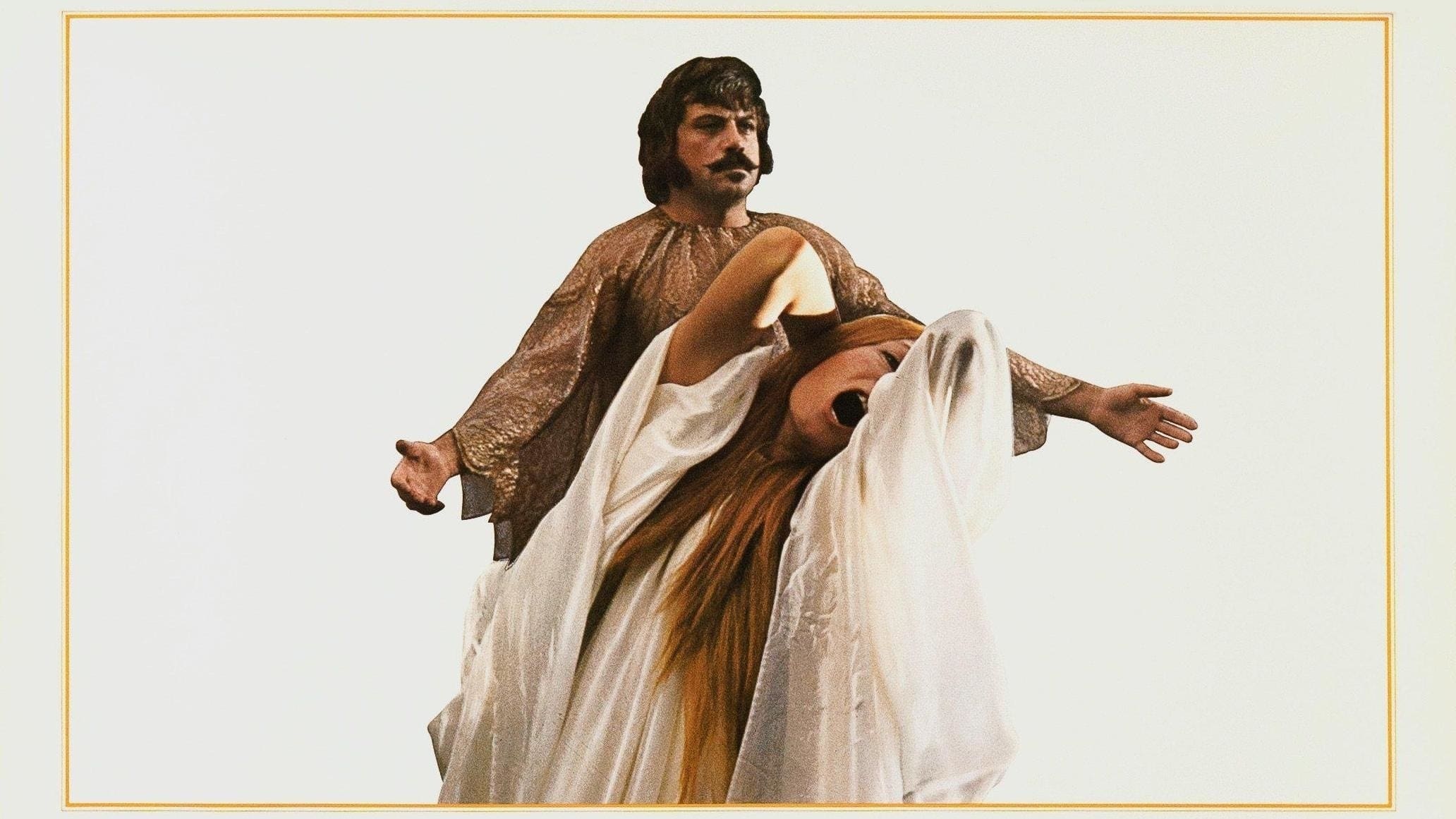
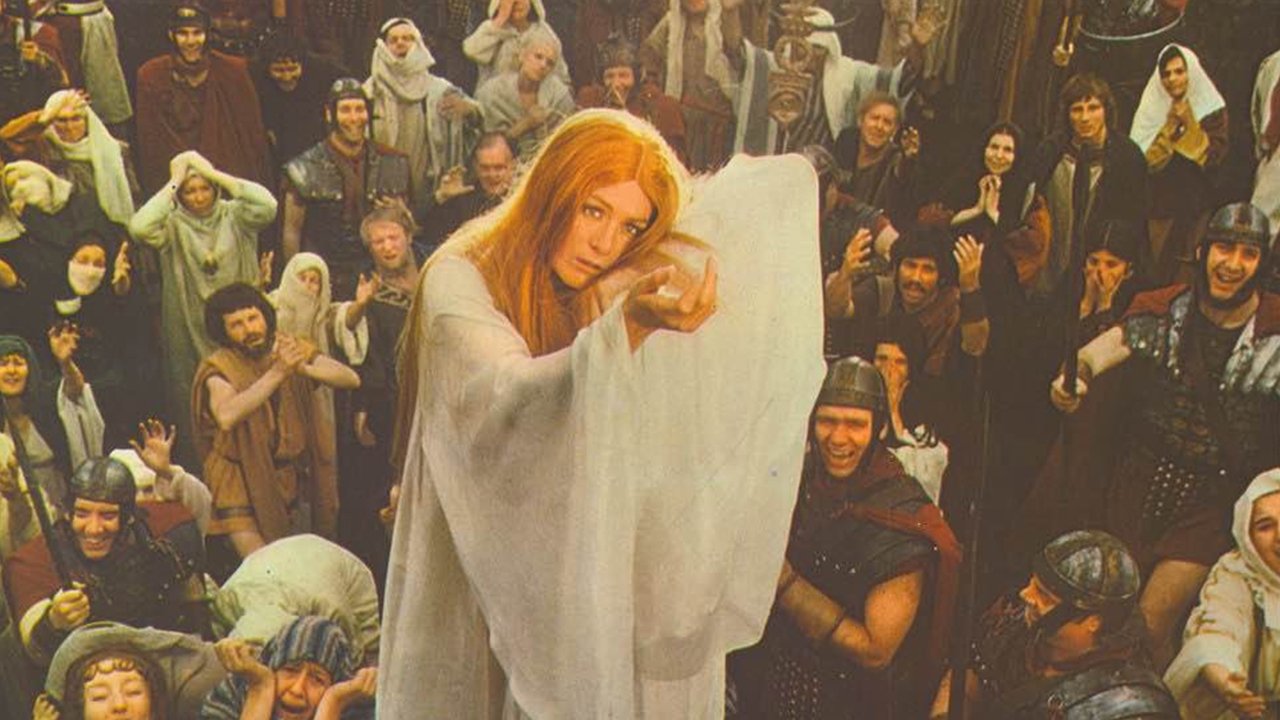
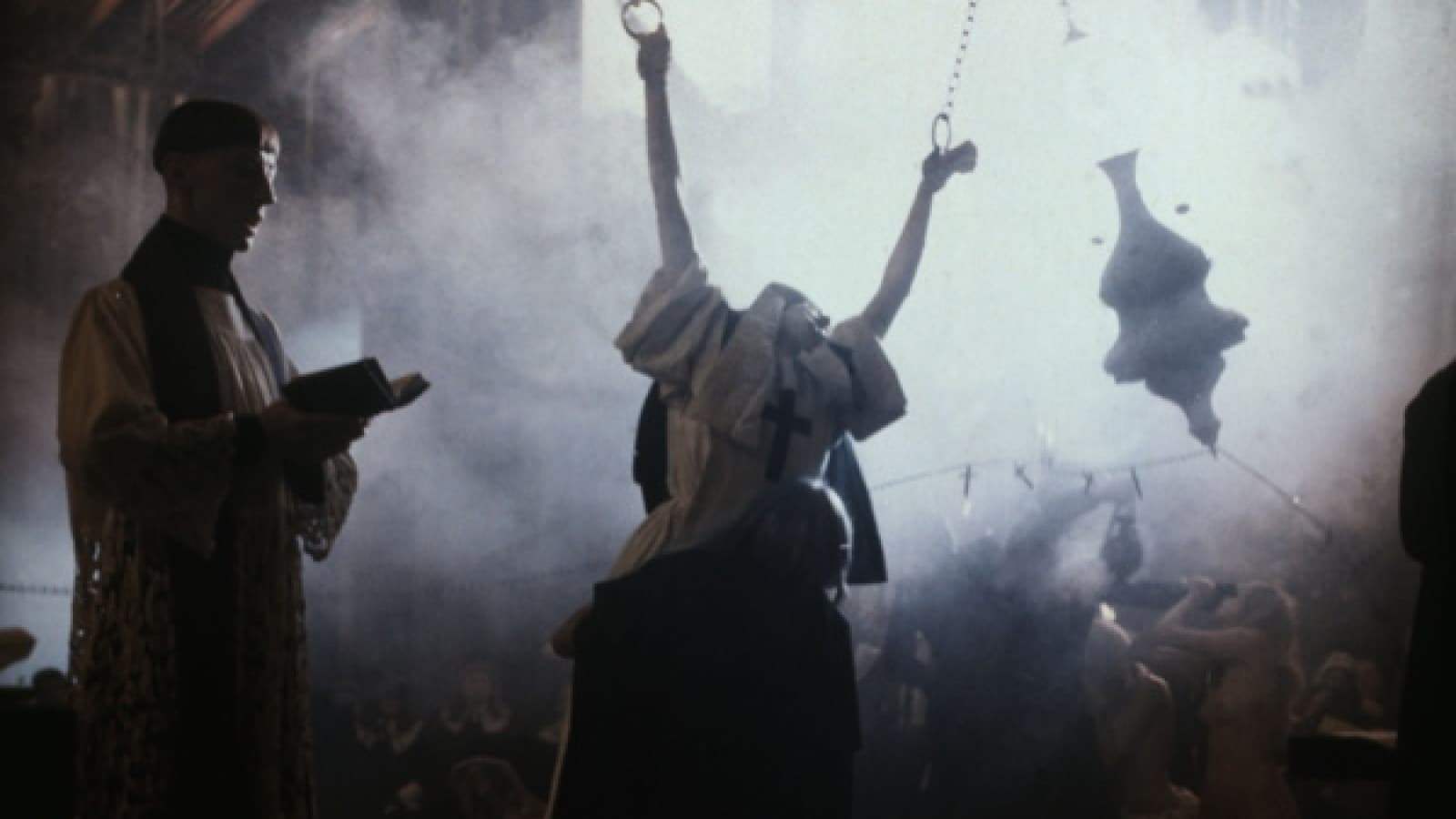
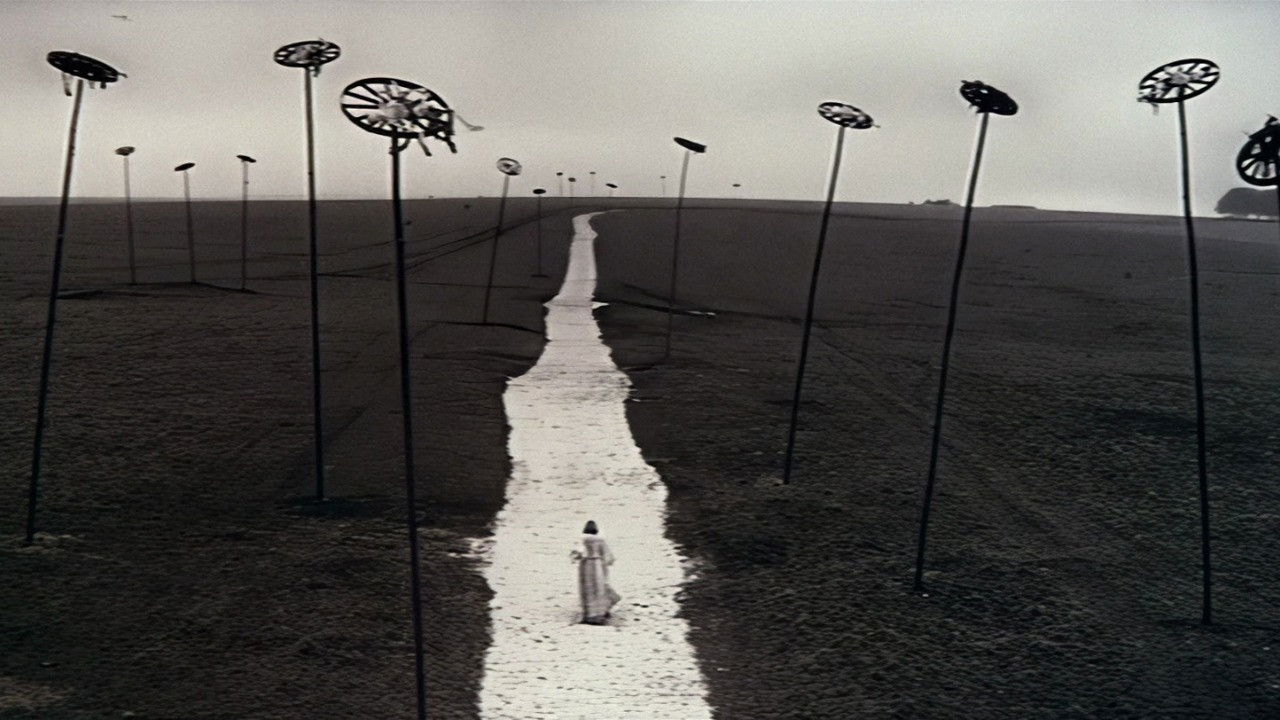
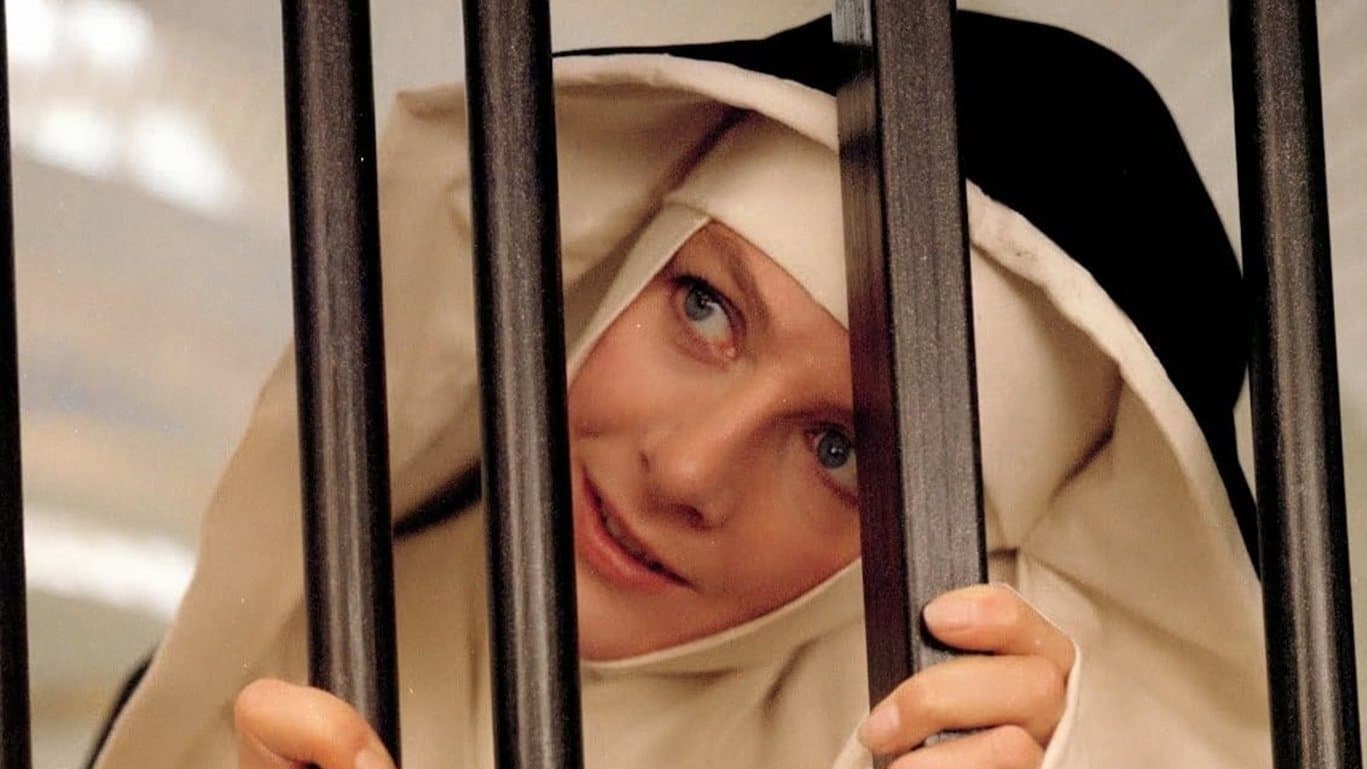
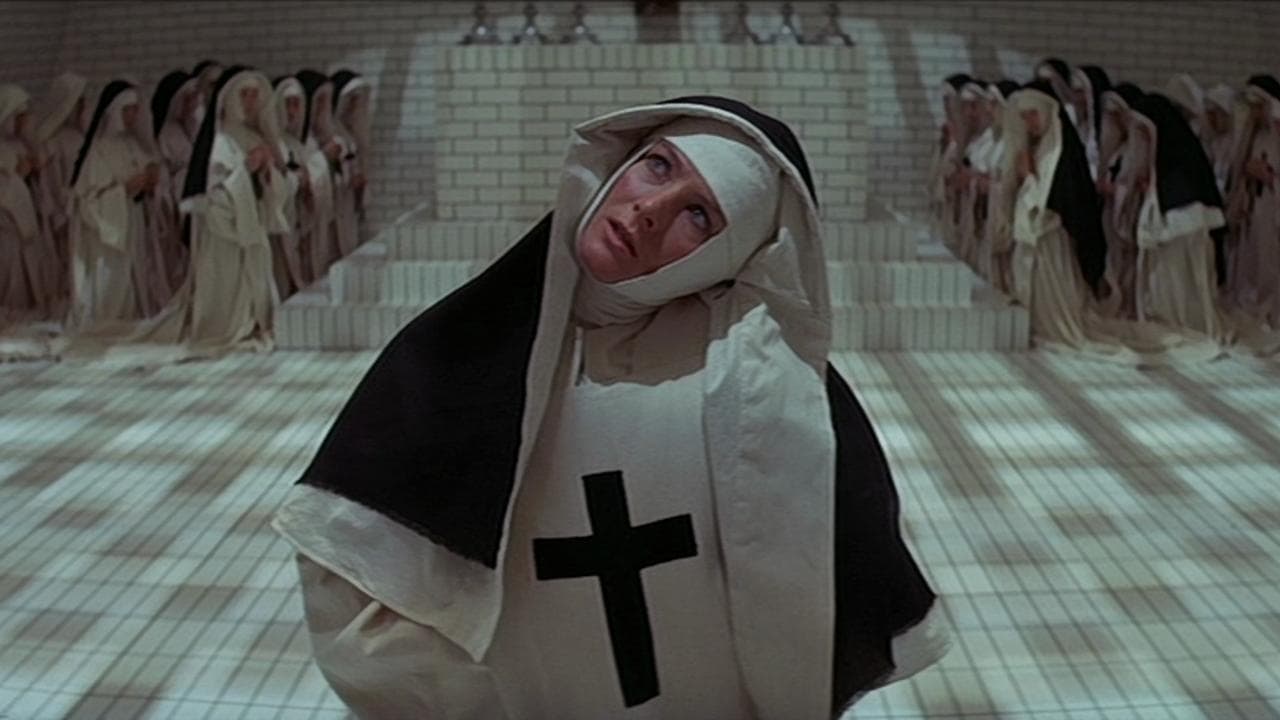
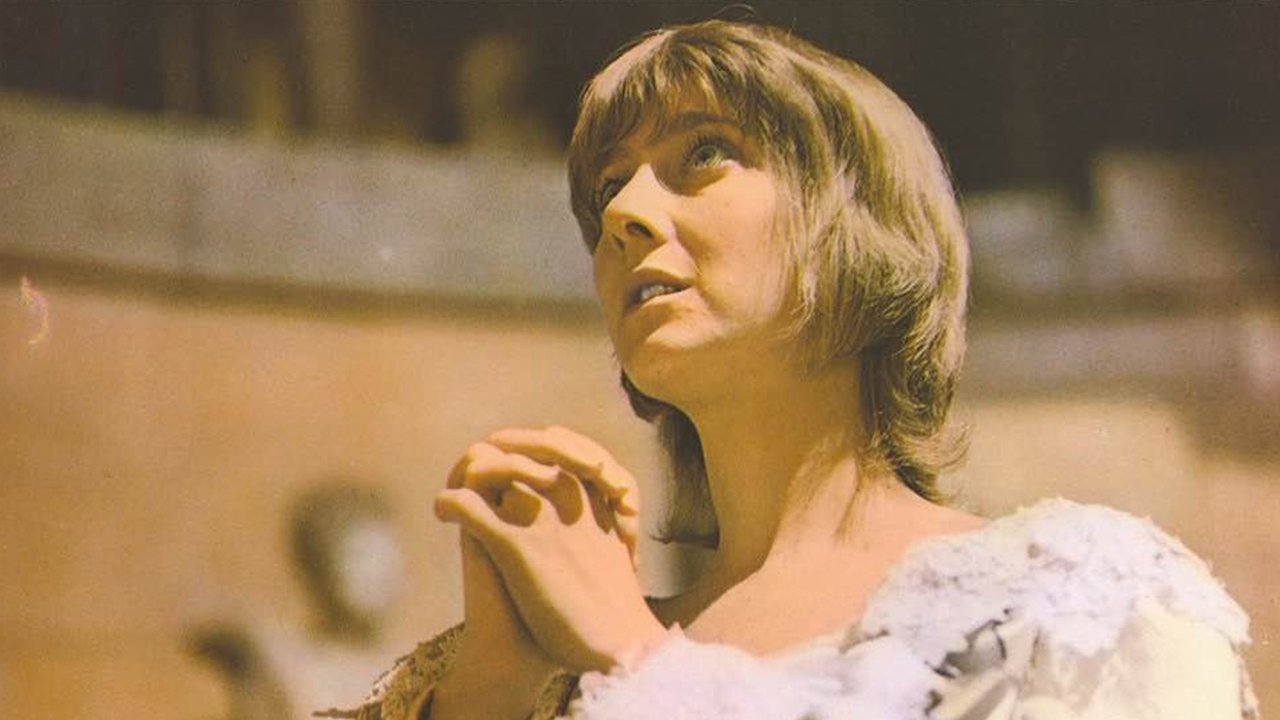
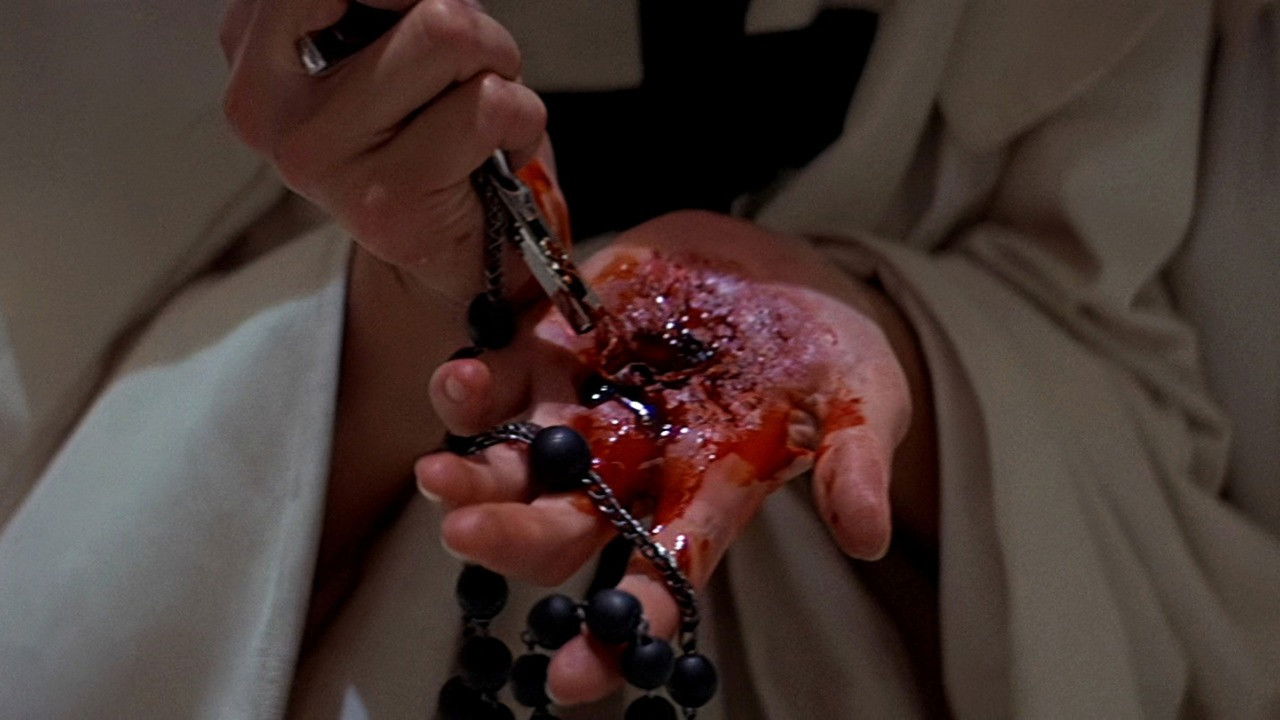
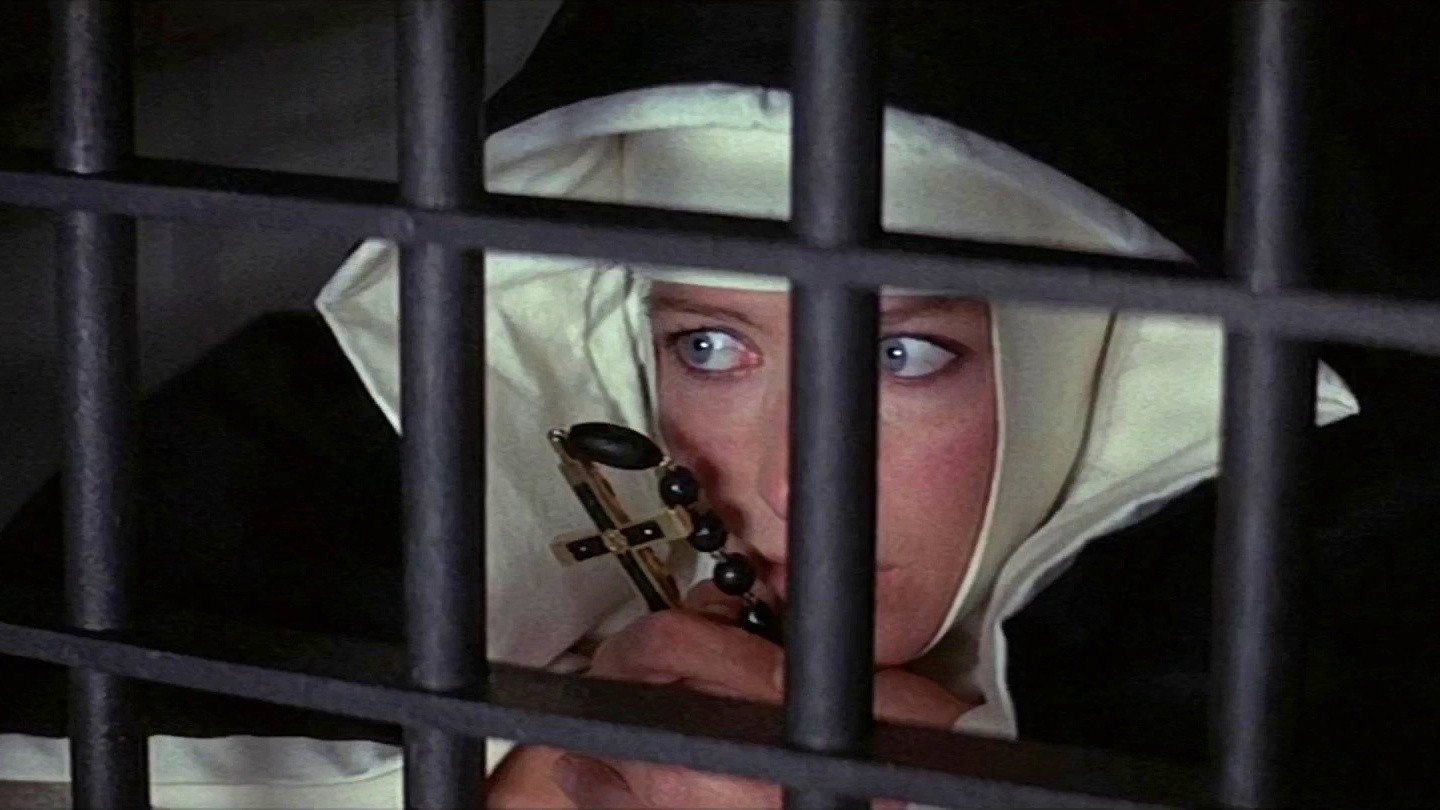
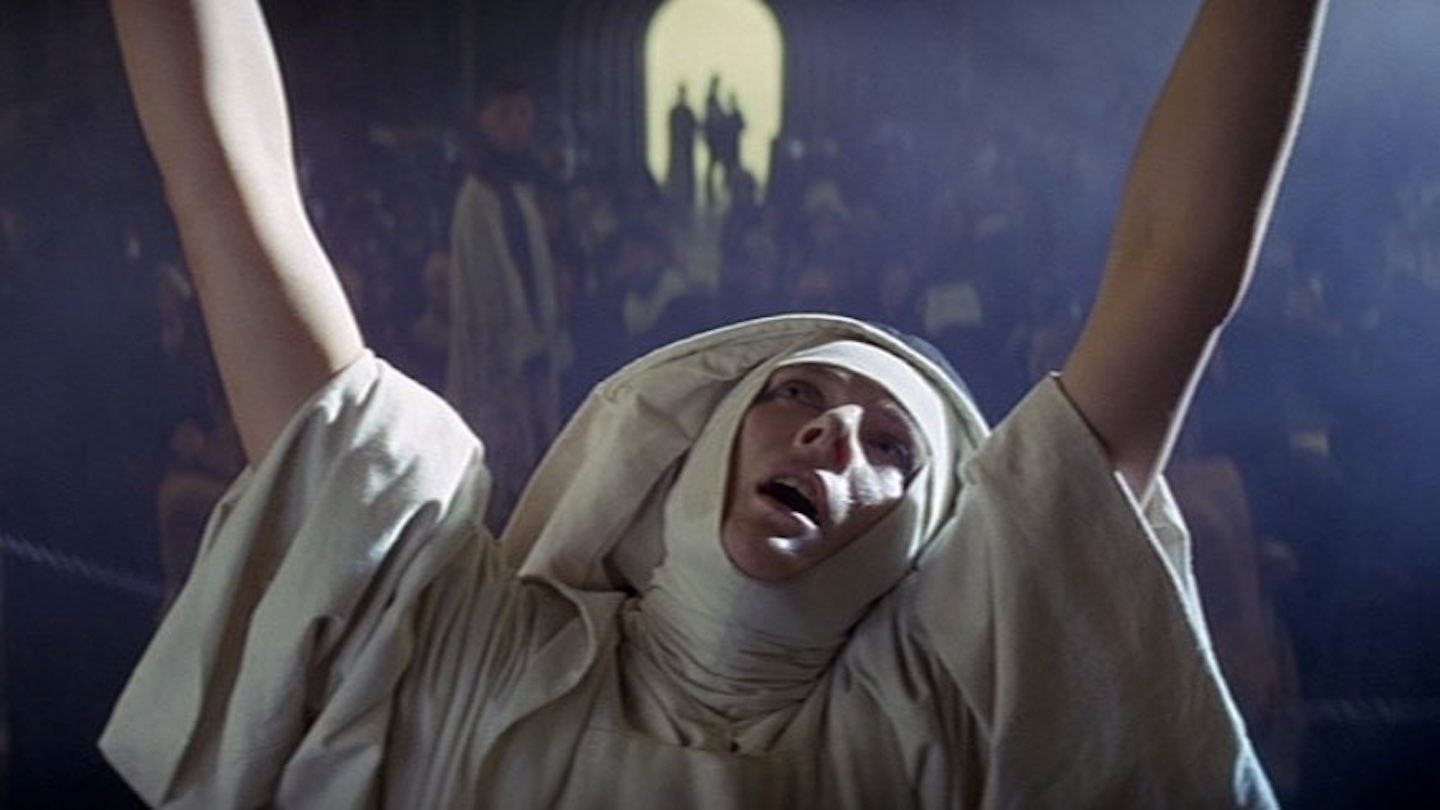
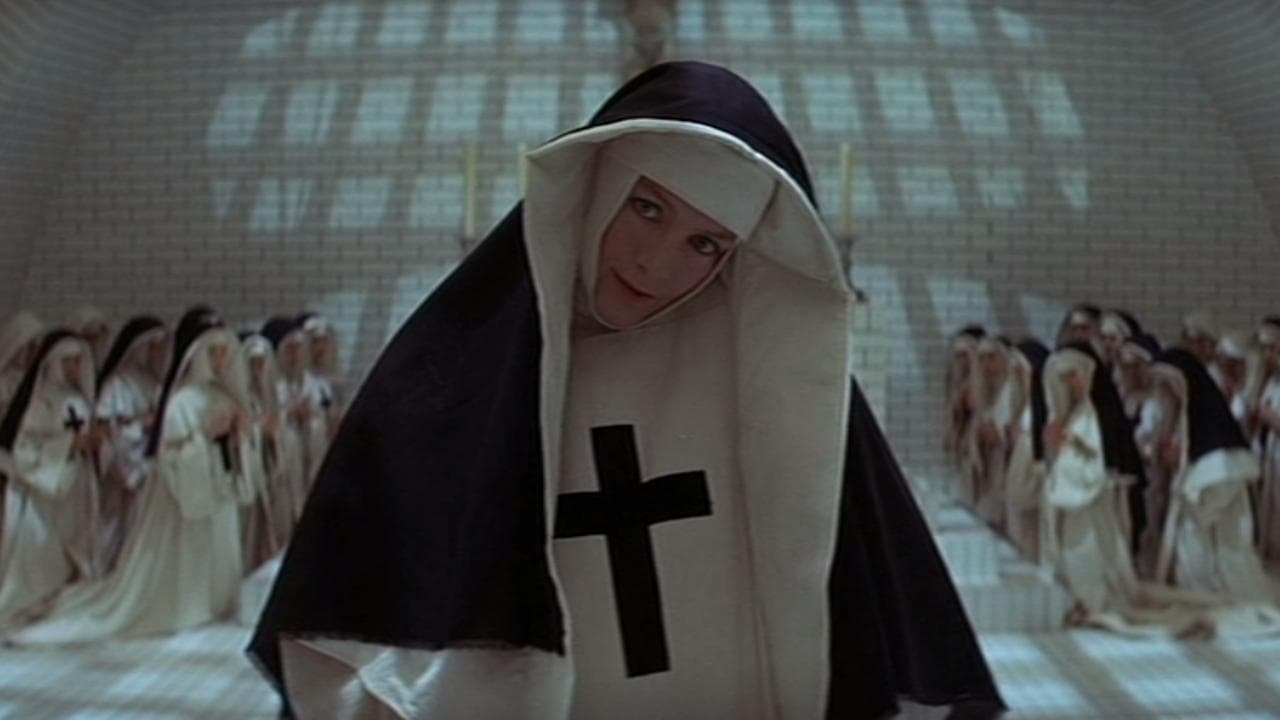
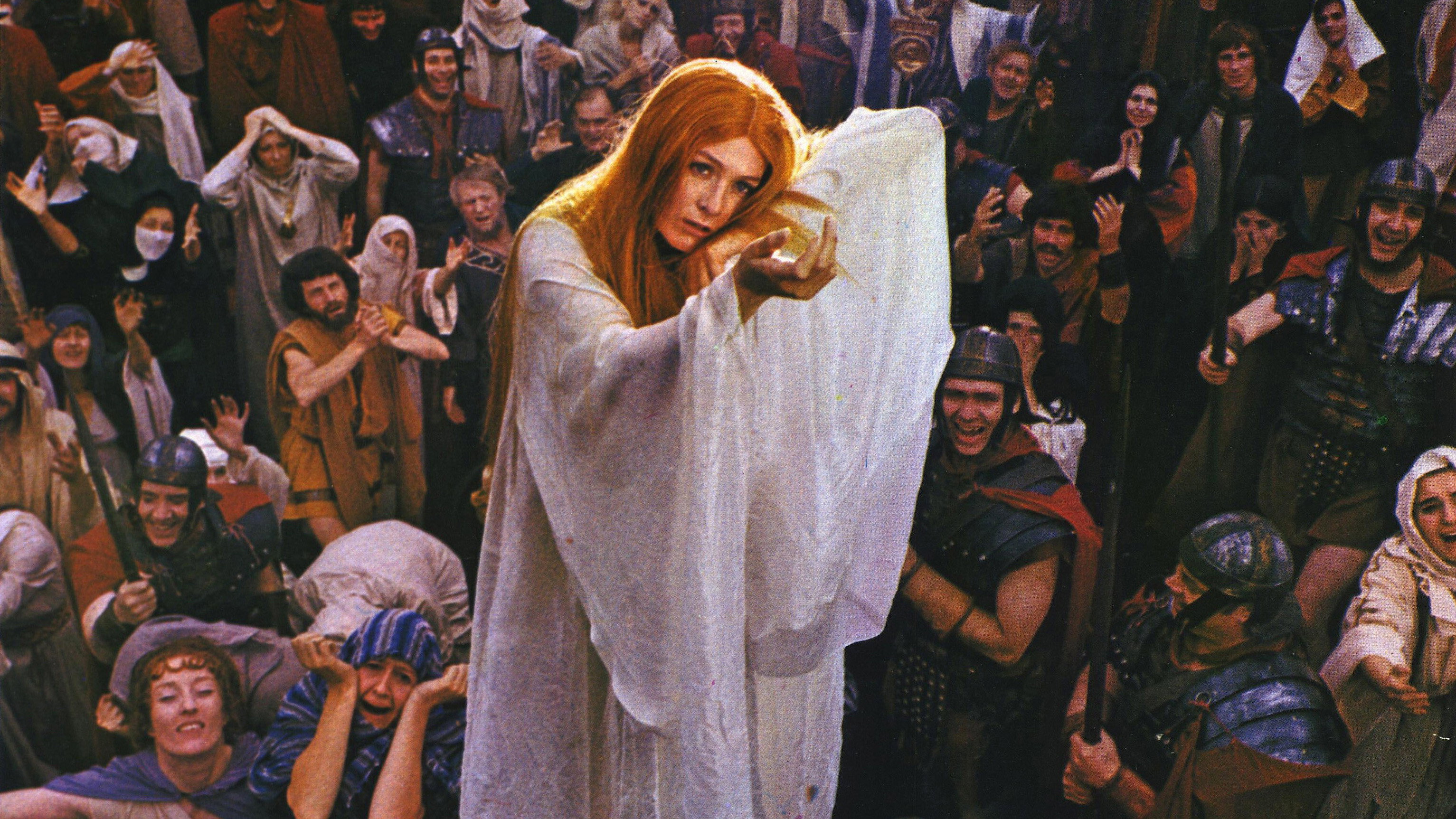
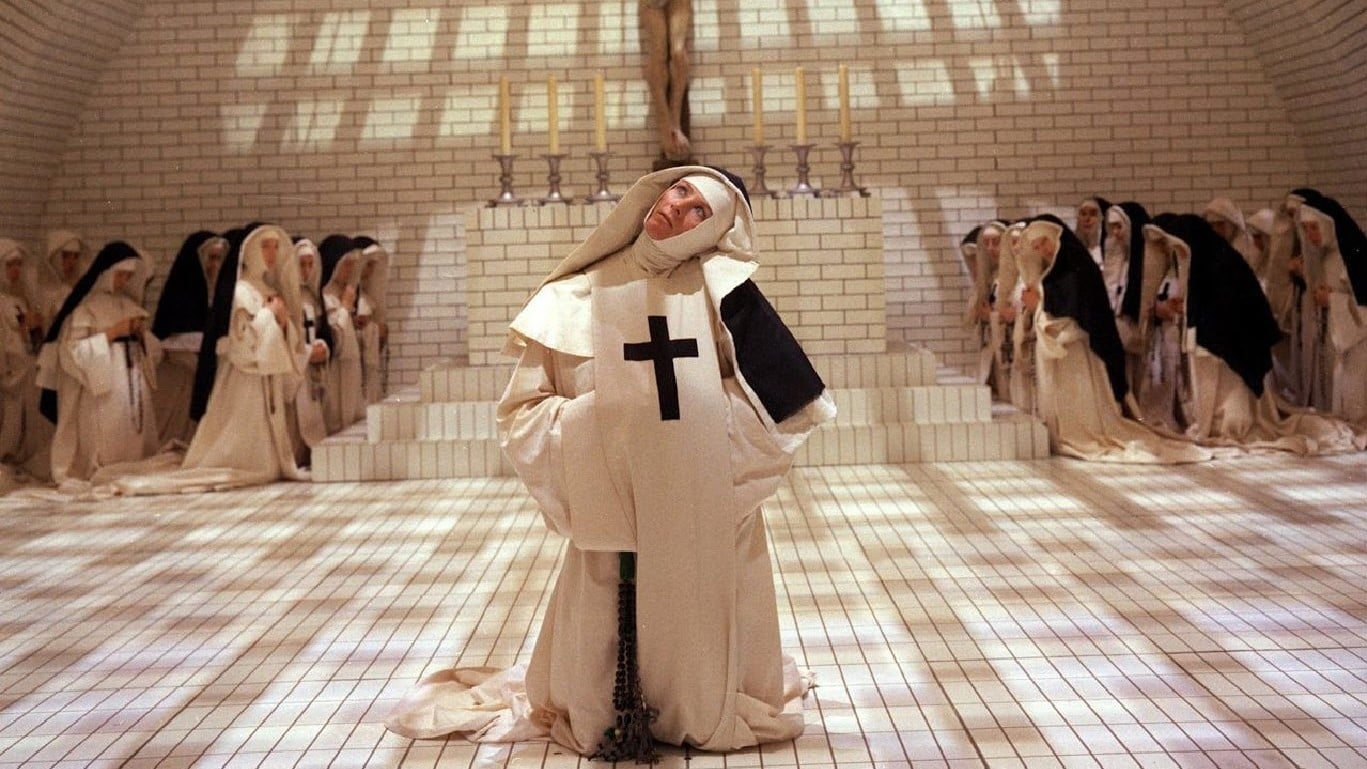
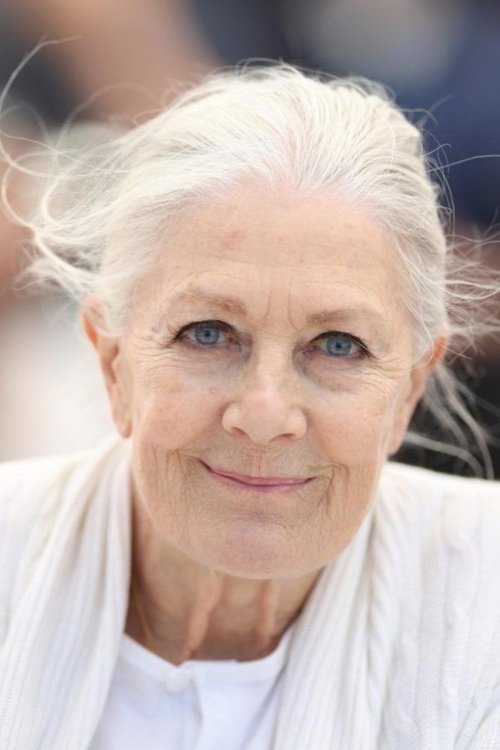
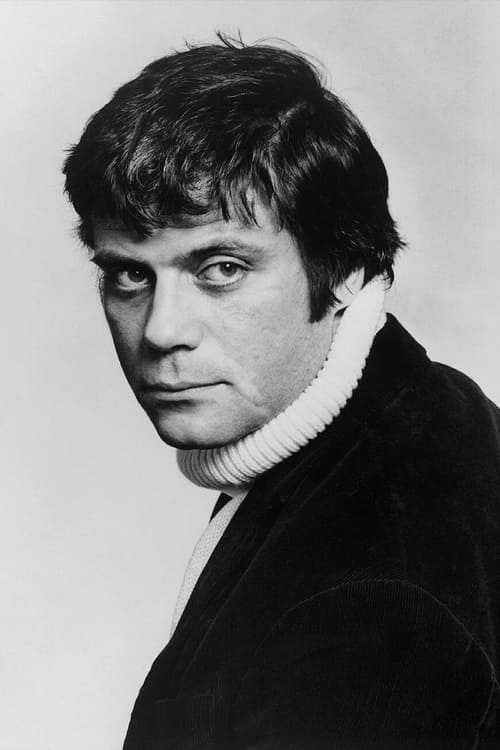
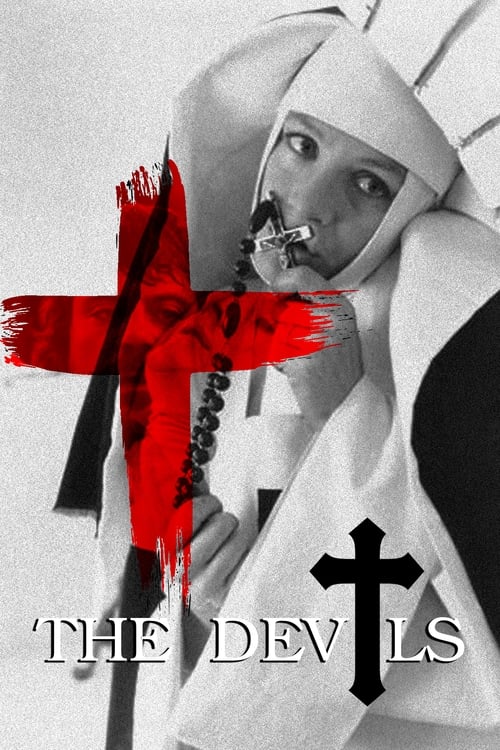
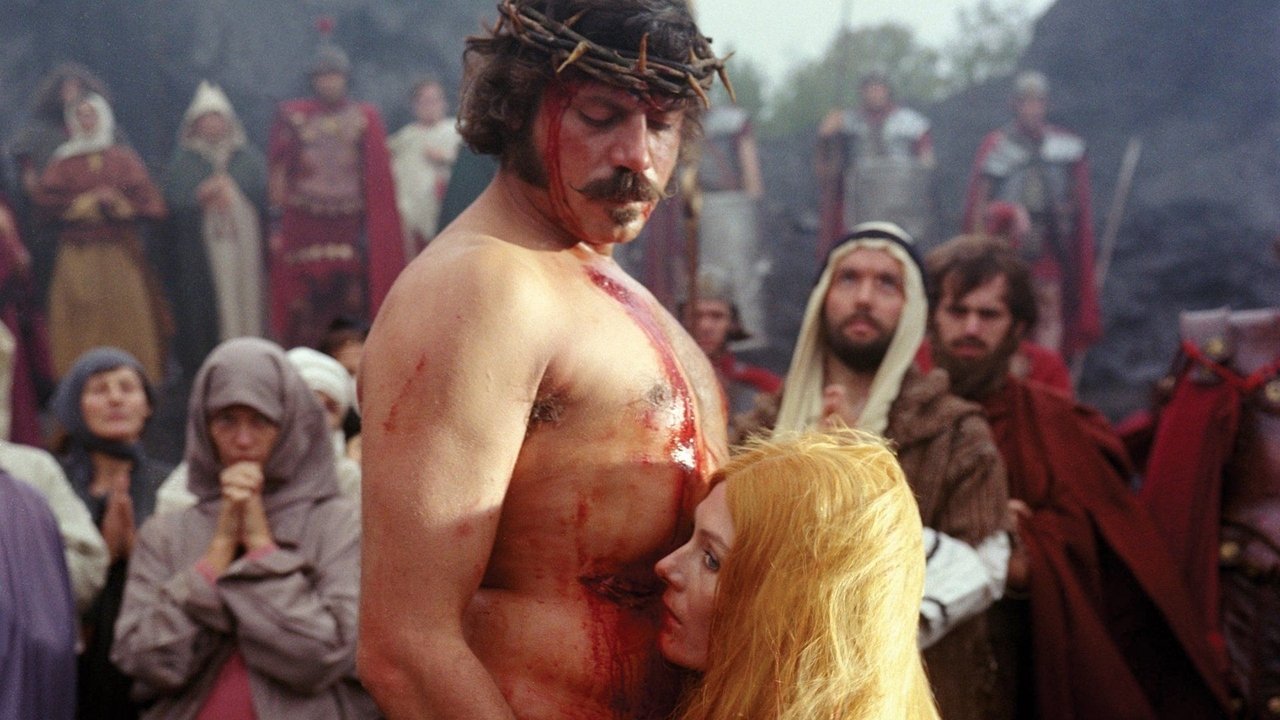
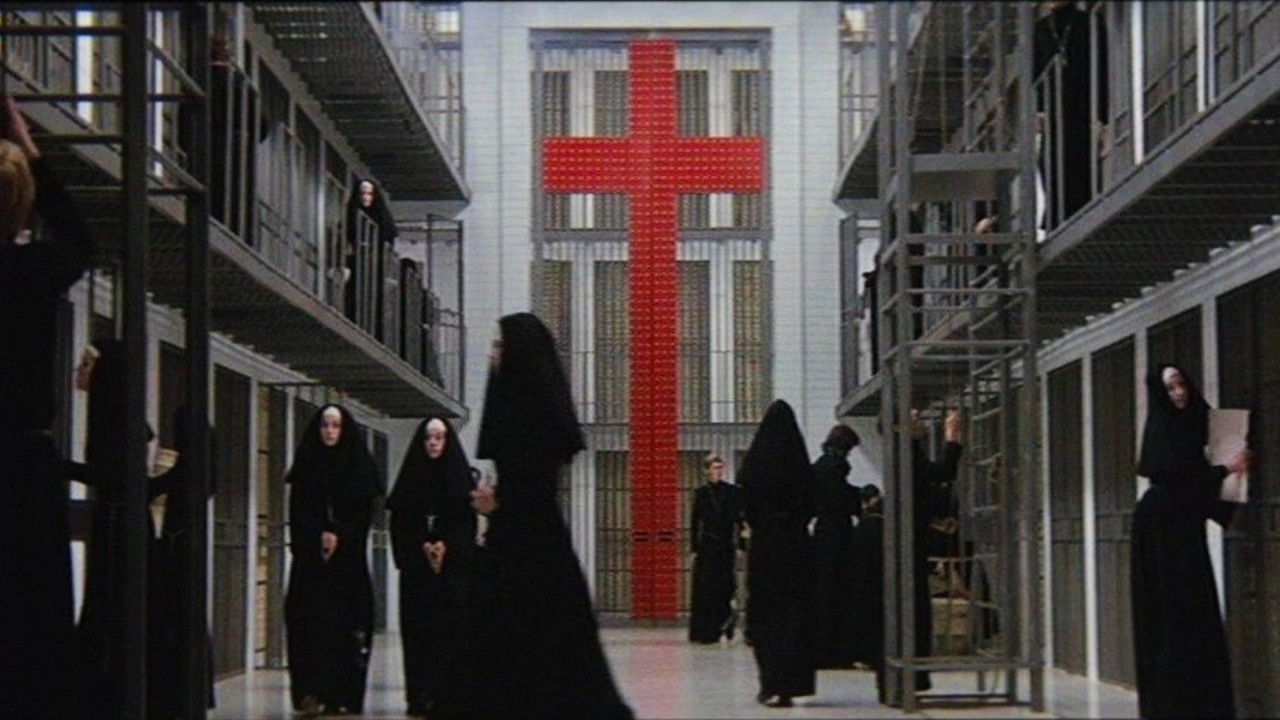
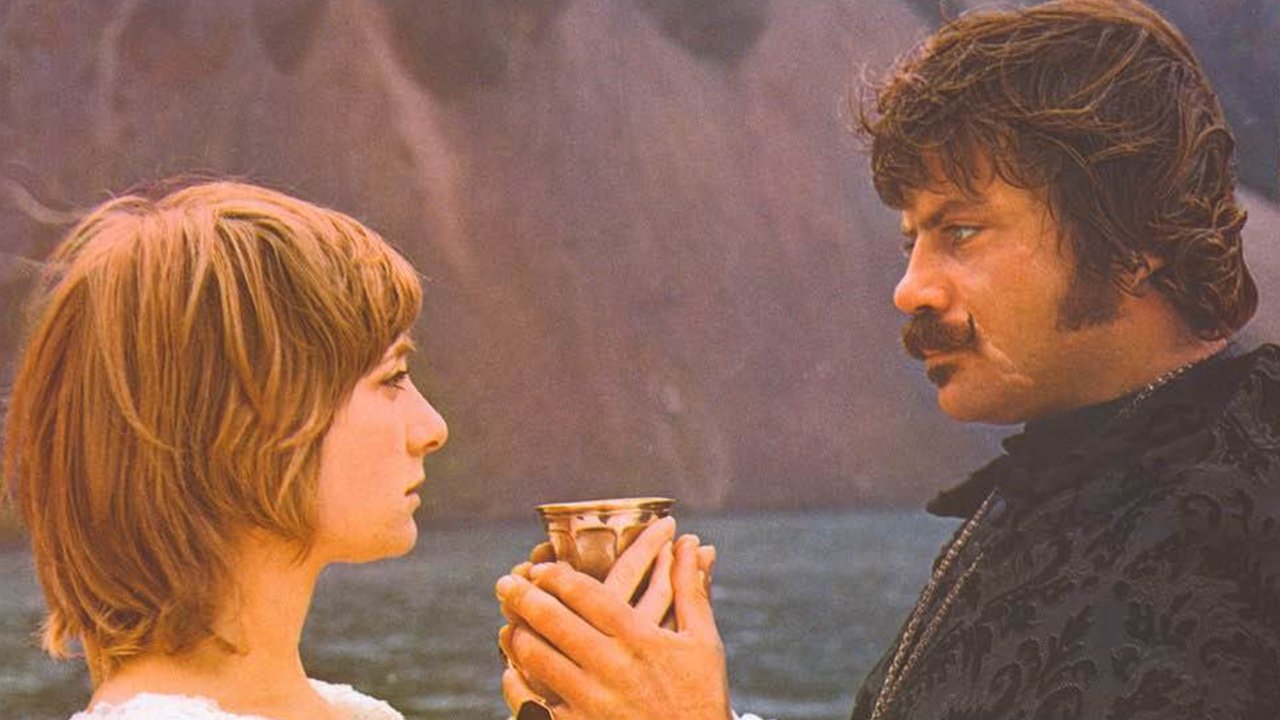
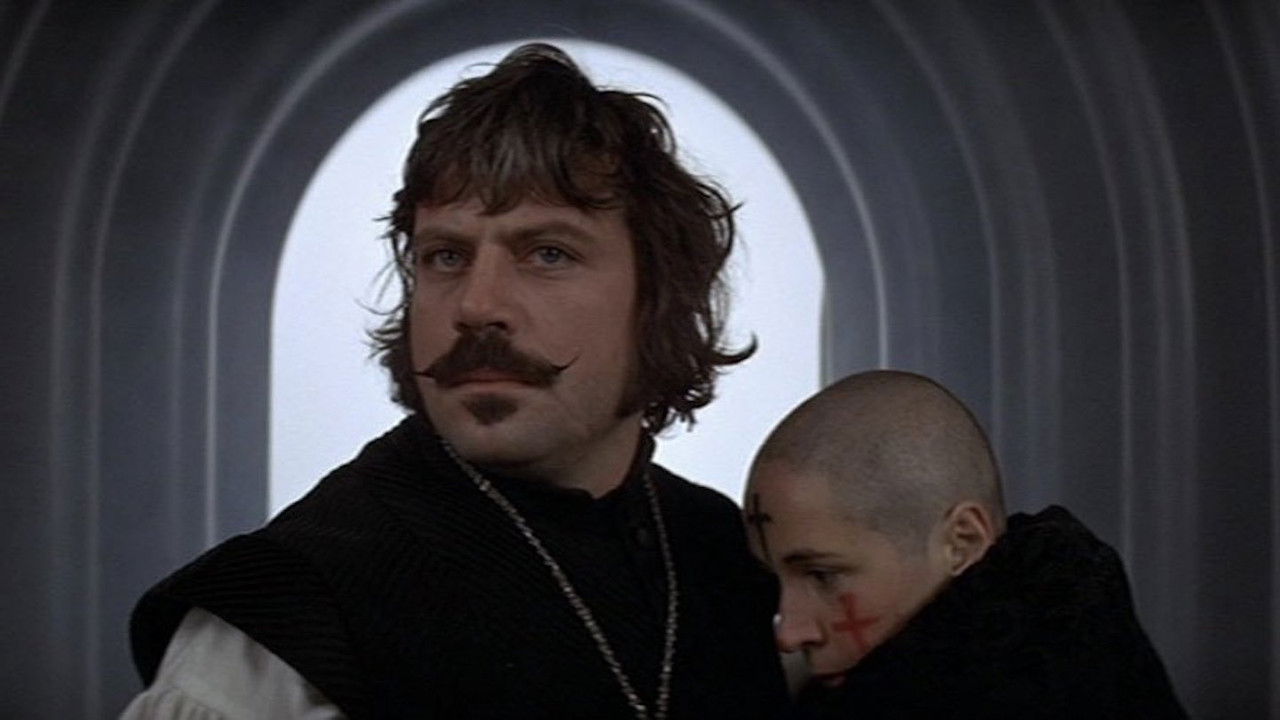
What a motion picture. There truly aren’t movies like this one anymore. I mean come on, this is a film all about politics, sex, Christianity, corruption, love, identity, etc. and it’s lathered with beautiful production design, camera work, and otherworldly performances. Oliver Reed steals the show and is a towering presence in this movie. I love his characters’ honesty and his willingness to defend his humanly desires such as love for women and power. He is not perfect, but he is certainly no devil and he is certainly no sorcerer as the corrupt leaders of France claim him to be. Sure, he is indicative of the fusion of religion and state since he is both the most popular priest and temporary governor of the walled city in which he resides, but he doesn’t use this position of power to try and suppress his people. He does not try to take away these people’s sexual desires as the French crown does, but he isn’t a saint since he is something of a womanizer and a man consumed with lust and love for women. However, it’s the French leaders that pillage Reed’s character’s town who are the villains. They are the ones who are taking away the freedoms of the people, they are the ones who are subjecting these people to a life of oppression rather than one of self expression and freedom. So when these French leaders roll in to town in hopes of tearing down the city’s walls, they see Reed’s character as the perfect man to pit all of the blame on in terms of why his people are oppressed. It kind of is his fault, but not in a conscious sort of way. Reed’s character is just so hot and sparks such strong emotions within the nuns of the city that they cannot help but contain themselves with lust. The chief nun even claims that most of the sisters present in the church got where they are because they were too ugly to marry or to serve a proper function in society. They had no other choice and were forced to a life of sacrifice, strictness, and sexual repression. Most of these women aren’t religious and long for the desires of the outside world. Obviously Reed’s character is a little bit of a miscreant since he largely ignores this group of women until they claim that he “possessed them”, but it’s dumb to say it’s all his fault. It’s mainly the fault of the French crown since they exploit the nuns’ lack of individuality and freedom in order to advance their own agenda. They use the nuns as a tool to further their corrupt plans and to kill Reed’s character so that they can get a move on their destruction of the city walls. It’s crazy that all of this occurs just because some Catholic leader wants Protestants to be rid of. There’s a lot to take away from this, a lot of political and theological ideas flowing, but this is also a very erotic film, a very wild film, a film that includes numerous crowds of insane people, numerous parties of naked people, a trial with rather interesting looking judges, and a burning at the stake that reminded me of the Salem Witch Trials. Derek Jarman’s production design is truly outstanding and is easily the best thing about this movie. From the walled city that looks like a castle to the opening scene that is a play and from the 17th century architecture/costume design to the flamboyant colors on full display, this is a bold movie that is pure artistry. It’s rich in both style and substance. It’s rich both in front of and behind the camera. Vanessa Redgrave also deserves a shout out, she gives Reed a run for his money. I mean just look at her tilted head!!! All in all, this is a wild movie that is intellectually stimulating. It kind of hurt my head, but in a good way. It makes you think and serves as a powerful vessel for just how far a man will go, just how far a corrupt system will go in order to get something they want. They will ruin a man’s life just for one thing. They will strip people’s freedoms away just for one small thing. It’s ludicrous. What a scary movie. I didn’t really know why this was considered horror for a majority of the runtime but after thinking about it for a while, it makes so much sense.
What a motion picture. There truly aren’t movies like this one anymore. I mean come on, this is a film all about politics, sex, Christianity, corruption, love, identity, etc. and it’s lathered with beautiful production design, camera work, and otherworldly performances. Oliver Reed steals the show and is a towering presence in this movie. I love his characters’ honesty and his willingness to defend his humanly desires such as love for women and power. He is not perfect, but he is certainly no devil and he is certainly no sorcerer as the corrupt leaders of France claim him to be. Sure, he is indicative of the fusion of religion and state since he is both the most popular priest and temporary governor of the walled city in which he resides, but he doesn’t use this position of power to try and suppress his people. He does not try to take away these people’s sexual desires as the French crown does, but he isn’t a saint since he is something of a womanizer and a man consumed with lust and love for women. However, it’s the French leaders that pillage Reed’s character’s town who are the villains. They are the ones who are taking away the freedoms of the people, they are the ones who are subjecting these people to a life of oppression rather than one of self expression and freedom. So when these French leaders roll in to town in hopes of tearing down the city’s walls, they see Reed’s character as the perfect man to pit all of the blame on in terms of why his people are oppressed. It kind of is his fault, but not in a conscious sort of way. Reed’s character is just so hot and sparks such strong emotions within the nuns of the city that they cannot help but contain themselves with lust. The chief nun even claims that most of the sisters present in the church got where they are because they were too ugly to marry or to serve a proper function in society. They had no other choice and were forced to a life of sacrifice, strictness, and sexual repression. Most of these women aren’t religious and long for the desires of the outside world. Obviously Reed’s character is a little bit of a miscreant since he largely ignores this group of women until they claim that he “possessed them”, but it’s dumb to say it’s all his fault. It’s mainly the fault of the French crown since they exploit the nuns’ lack of individuality and freedom in order to advance their own agenda. They use the nuns as a tool to further their corrupt plans and to kill Reed’s character so that they can get a move on their destruction of the city walls. It’s crazy that all of this occurs just because some Catholic leader wants Protestants to be rid of. There’s a lot to take away from this, a lot of political and theological ideas flowing, but this is also a very erotic film, a very wild film, a film that includes numerous crowds of insane people, numerous parties of naked people, a trial with rather interesting looking judges, and a burning at the stake that reminded me of the Salem Witch Trials. Derek Jarman’s production design is truly outstanding and is easily the best thing about this movie. From the walled city that looks like a castle to the opening scene that is a play and from the 17th century architecture/costume design to the flamboyant colors on full display, this is a bold movie that is pure artistry. It’s rich in both style and substance. It’s rich both in front of and behind the camera. Vanessa Redgrave also deserves a shout out, she gives Reed a run for his money. I mean just look at her tilted head!!! All in all, this is a wild movie that is intellectually stimulating. It kind of hurt my head, but in a good way. It makes you think and serves as a powerful vessel for just how far a man will go, just how far a corrupt system will go in order to get something they want. They will ruin a man’s life just for one thing. They will strip people’s freedoms away just for one small thing. It’s ludicrous. What a scary movie. I didn’t really know why this was considered horror for a majority of the runtime but after thinking about it for a while, it makes so much sense.