If you're having trouble keeping up, then congratulations. That's what I'm here for!
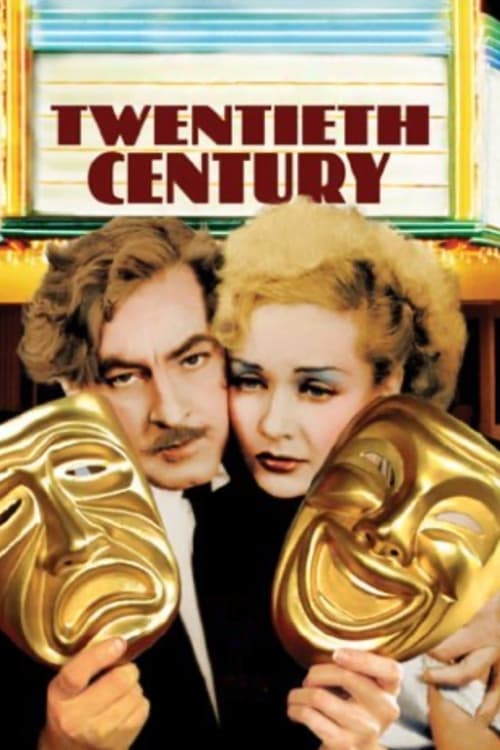
Simply put, Twentieth Century stages the violence of creation: how “making” a star becomes claiming her. The film explores how the compulsions of performance and show business turn love into a contract negotiation and art into a custody battle, blurring the line between performance and intimacy. Most viewers file it away as a 1934 artifact. I accept that, but this film is not just period entertainment. It investigates an appetite for modernity and showbiz cynicism, and wagers that theatrical excess can generate cinematic rhythm.
Howard Hawks’ adaptation arrives at a slippery moment: on the cusp of Hollywood’s mid-1934 clampdown on “pre-Code” looseness and tonal extremity. That timing stains everything. The film mocks religion, wields sex as leverage, treats cruelty as farce, and suggests the camera laughs at the characters’ souls rather than just at their antics. Hawks frames this as a clash between old theatrical ego and modern industrial entertainment. This clash is underscored by the setting: mostly on the 20th Century Limited, a luxury New York–Chicago express marketed as a symbol of speed, class, and American modernity. The train isn’t just a location; it’s the film’s metaphor. Everyone is trapped in forward motion while struggling to renegotiate the past.
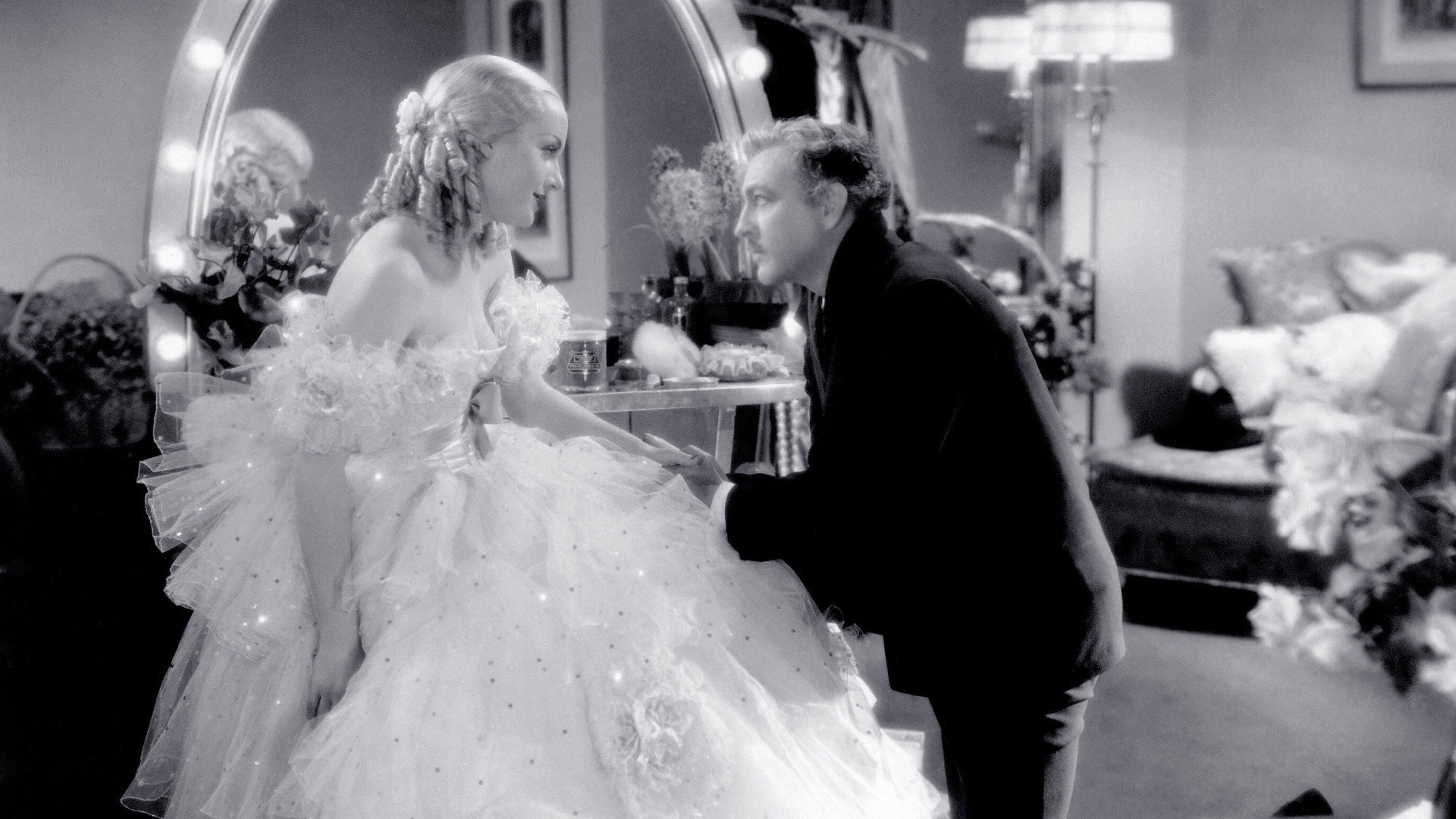
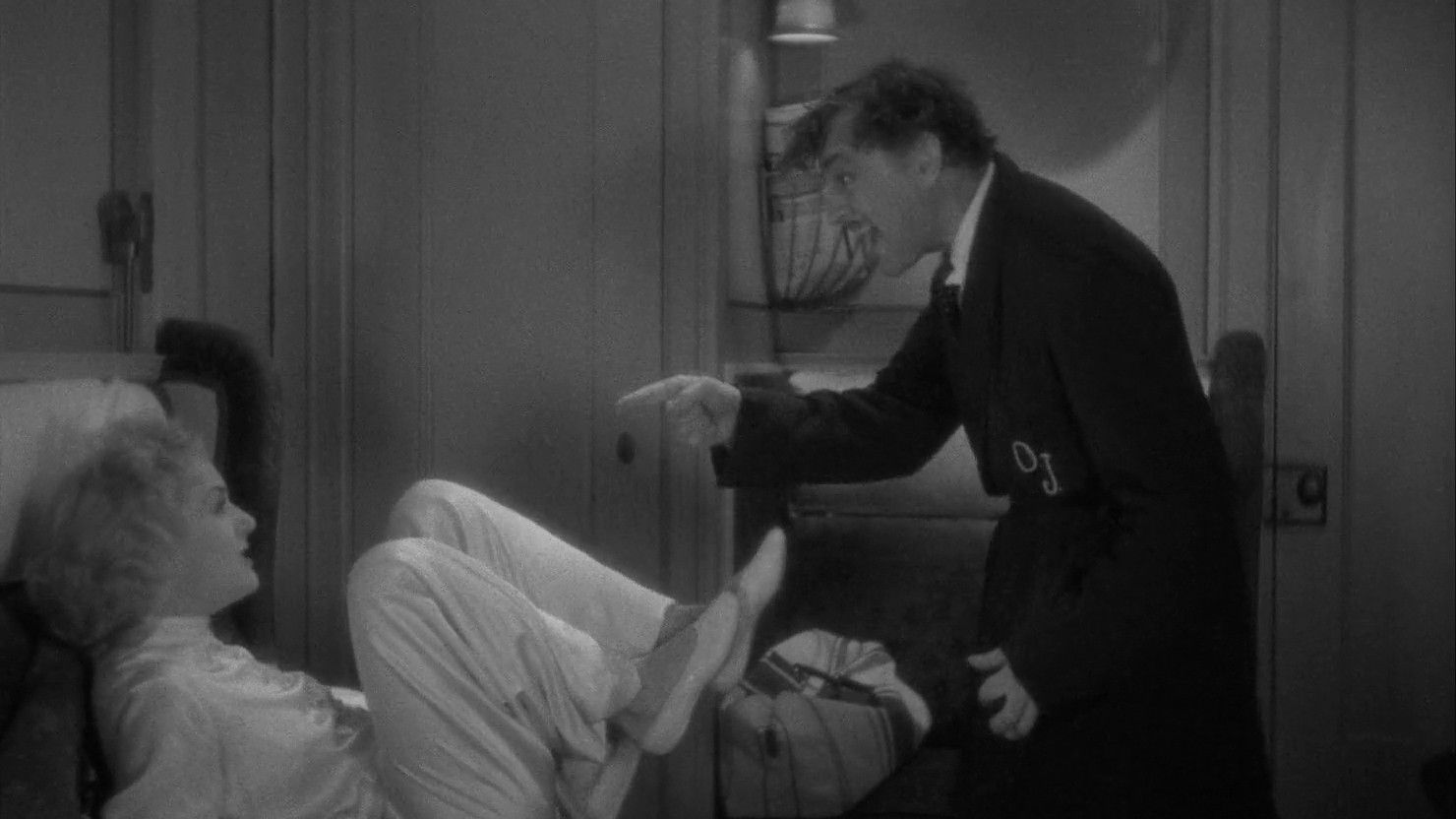
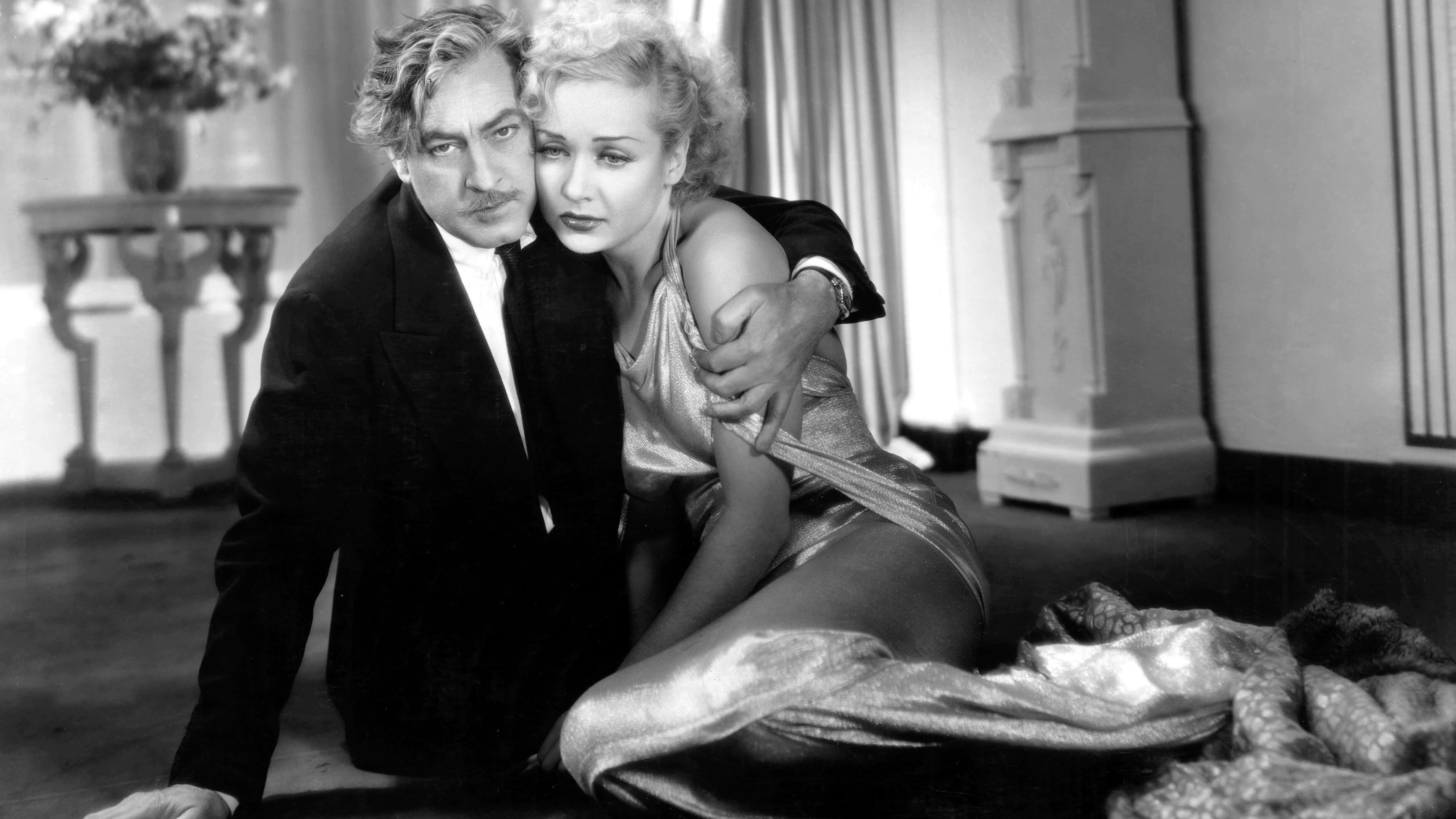
Hawks adds a substantial first act to the original stage farce, specifically to show how Oscar Jaffe fabricates Lily Garland from Mildred Plotka. How the producer “creates” a star, and then treats that creation like property. That long runway before the train is the film’s ugliest idea: the origin story of a relationship built on professional domination. By the time we get to the famous enclosed battle-on-rails, the movie has already argued that romance and labor are fused here: “I discovered you” becomes “I own you,” and “I can make you” becomes “you can’t leave me.” It’s a screwball hostage situation and completely sour in execution.
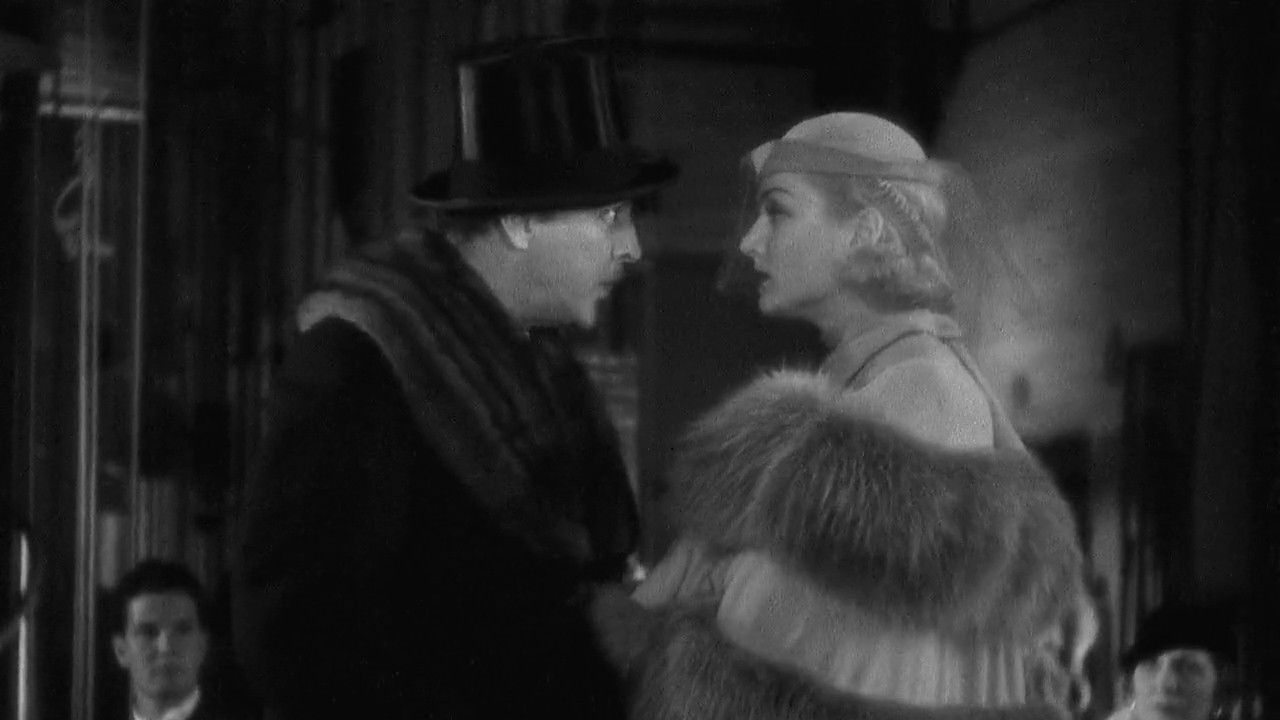
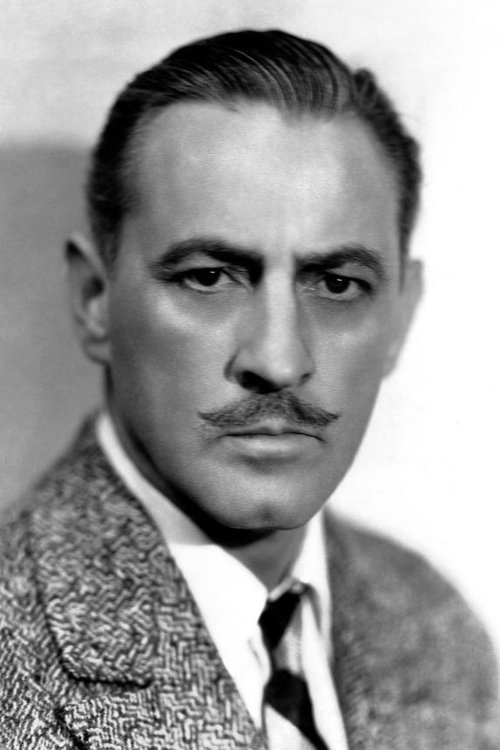
Barrymore’s egomaniac stops being a mere caricature and becomes the film’s thesis. Jaffe isn’t simply vain; he’s imperial. He believes he can rewrite reality by sheer theatrical will, which is why his “love” reads as direction. The deeper meaning isn’t “this guy is obnoxious.” It’s that the culture of show business (and, by extension, modern celebrity) rewards people who treat other human beings as extensions of their own grand narrative. Jaffe is what happens when artistic ambition is indistinguishable from narcissism: everything becomes material, including the woman he “built.”
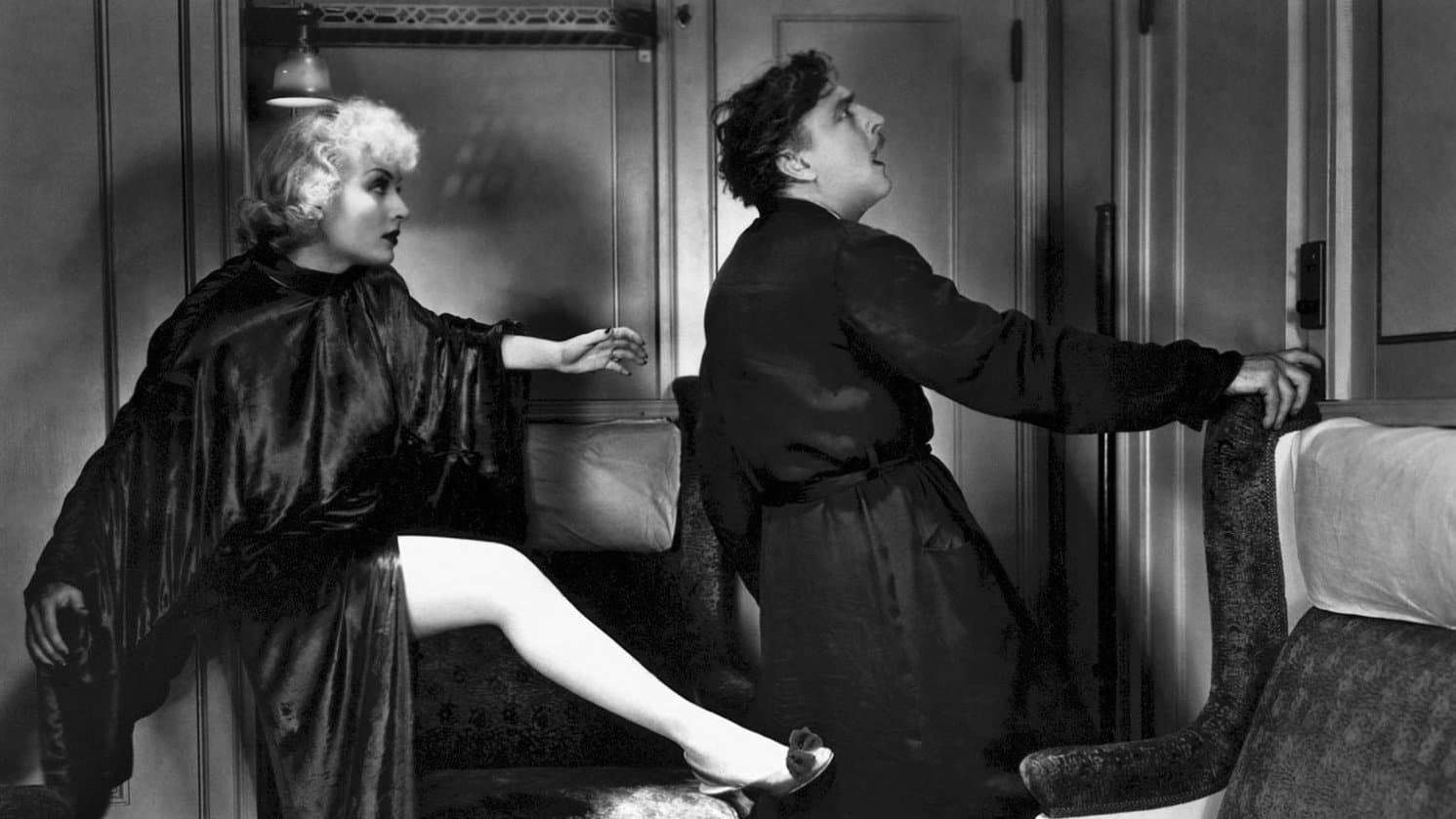
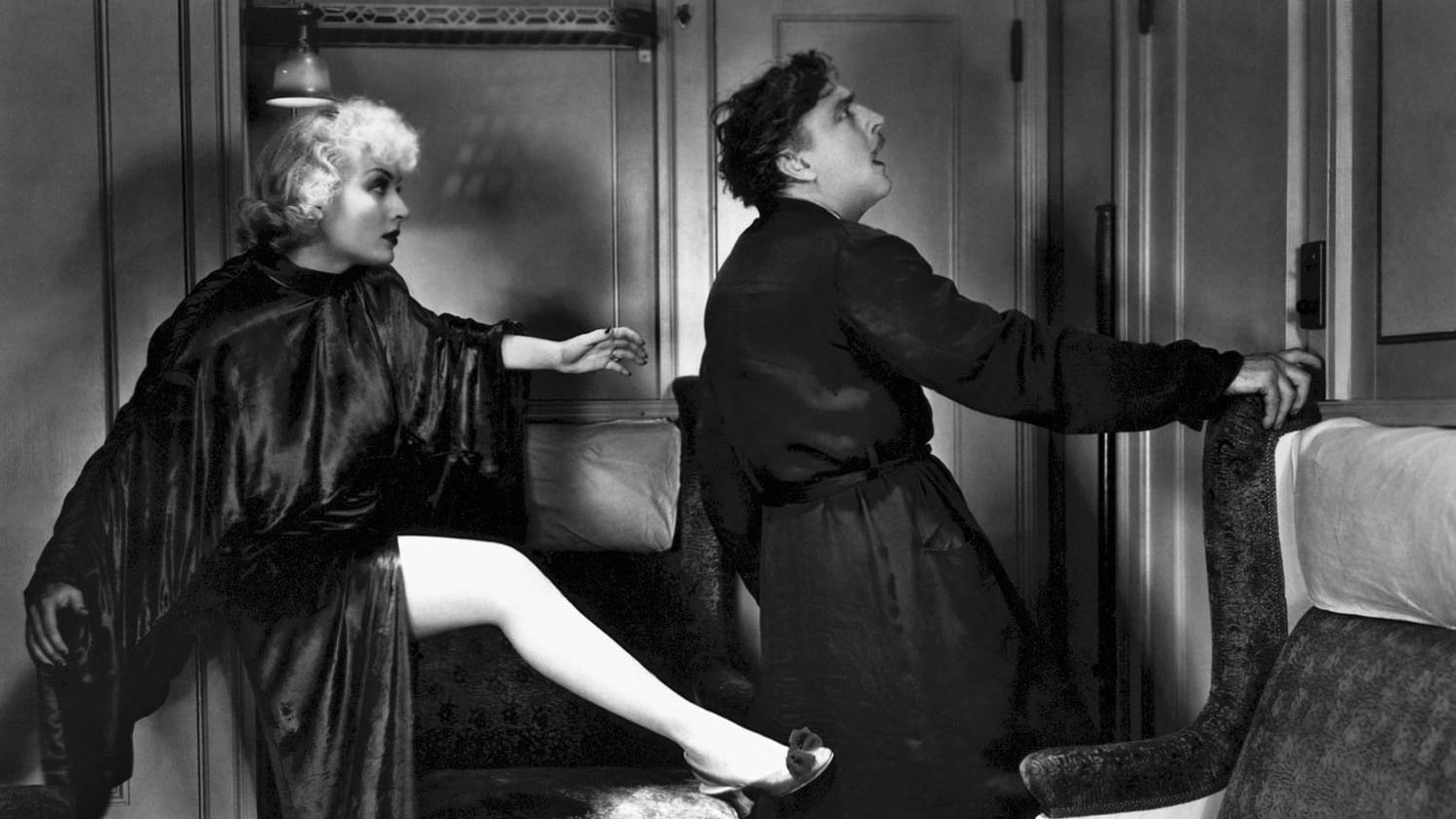
Lombard plays the counterforce. As an early Hawksian woman, later streamlined in His Girl Friday, she meets male pressure with verbal aggression, she refuses to be managed, and she knows that “refusing the script” is the only way to remain a person. TCM’s own account of Hawks’ approach to Lombard emphasizes how he wanted her uninhibited, combative, and willing to kick back against Jaffe’s bullying—because the comedy depends on her refusing the role of passive muse. What’s culturally significant is how this antagonism becomes a popular form: the battle-of-the-sexes structure as a public fantasy of equality via combat. Lily isn’t liberated from the system; she becomes powerful inside it. Her agency is real, but it’s channeled through the same machinery (contracts, reputation, publicity) that Jaffe worships. This is “equality” in the sense of being allowed to be just as ruthless as the men.
As a proto-screwball, the film also tells you what 1930s American studio comedy considered sophisticated: not warmth, not realism, but velocity and reference-density. Wit that assumes the audience can keep up. TCM explicitly frames the film as a rapid-fire farce and a “proto-screwball” built on breakneck pace and whiplash tone shifts, locating it as a key hinge between early sound comedy and the later Hawks screwball masterpieces. It’s not teaching history; it’s advertising cultural literacy as a form of glamour. The allusions, the rhetorical fireworks, the sheer confidence of the language—this is Hollywood selling the idea that talking fast and referencing the world is sexy. The film is prestigious not because it’s tasteful, but because it’s literate in public.
Aesthetically, Hawks builds the movie around a contradiction: it’s cinematic speed powered by theatrical bigness. Barrymore and Lombard are intentionally exhausting because the characters are exhausting. Two performers stuck in permanent rehearsal, doing emotional push-ups for an audience that may no longer exist. The exaggerated gestures and blown-out line readings aren’t accidental “old acting”; they’re thematic staging. These characters cannot be intimate without turning intimacy into a scene. The movie is, in a sneaky way, about performance as pathology—how a life spent selling emotion leaves you incapable of feeling anything without selling it at the same time.
So why does it still drag? Because Hawks hasn’t yet perfected the latter Hawks trick, where velocity feels effortless. TCM itself notes that what once looked “breakneck” in 1934 ambles compared to Hawks’ later comedies; the rhythm is fast, but it’s not yet frictionless. The first act takes its time because it’s doing industrial setup (creation of the star, creation of the feud), and the second act is a pressure cooker that can feel monotonous: two virtuosos doing virtuosity for 90 minutes can become a form of fatigue. The film’s aesthetic achievement and its aesthetic cost are the same thing. It’s a machine that runs on ego, and ego is noisy.
If Twentieth Century is a prestigious artifact, it’s because it crystallizes a 1930s fantasy: that modern life—Depression, celebrity, labor, desire—can be survived if you talk faster than your panic and turn every crisis into a scene. Hawks uses the 20th Century Limited as a perfect container for that worldview: forward motion with no exit, luxury wallpaper over emotional brutality, a nation hurtling toward the future while trying to renegotiate yesterday’s power dynamics in the hallway outside the dining car. It may not be the smoothest screwball you’ll ever see, and it may wear you down before it delights you, but that exhaustion is strangely honest. This is a comedy about the cost of being “on” all the time—about how, for certain kinds of geniuses and monsters, the only way to live is to perform, and the only way to love is to win.
If you're having trouble keeping up, then congratulations. That's what I'm here for!
Simply put, Twentieth Century stages the violence of creation: how “making” a star becomes claiming her. The film explores how the compulsions of performance and show business turn love into a contract negotiation and art into a custody battle, blurring the line between performance and intimacy. Most viewers file it away as a 1934 artifact. I accept that, but this film is not just period entertainment. It investigates an appetite for modernity and showbiz cynicism, and wagers that theatrical excess can generate cinematic rhythm.
Howard Hawks’ adaptation arrives at a slippery moment: on the cusp of Hollywood’s mid-1934 clampdown on “pre-Code” looseness and tonal extremity. That timing stains everything. The film mocks religion, wields sex as leverage, treats cruelty as farce, and suggests the camera laughs at the characters’ souls rather than just at their antics. Hawks frames this as a clash between old theatrical ego and modern industrial entertainment. This clash is underscored by the setting: mostly on the 20th Century Limited, a luxury New York–Chicago express marketed as a symbol of speed, class, and American modernity. The train isn’t just a location; it’s the film’s metaphor. Everyone is trapped in forward motion while struggling to renegotiate the past.
Hawks adds a substantial first act to the original stage farce, specifically to show how Oscar Jaffe fabricates Lily Garland from Mildred Plotka. How the producer “creates” a star, and then treats that creation like property. That long runway before the train is the film’s ugliest idea: the origin story of a relationship built on professional domination. By the time we get to the famous enclosed battle-on-rails, the movie has already argued that romance and labor are fused here: “I discovered you” becomes “I own you,” and “I can make you” becomes “you can’t leave me.” It’s a screwball hostage situation and completely sour in execution.
Barrymore’s egomaniac stops being a mere caricature and becomes the film’s thesis. Jaffe isn’t simply vain; he’s imperial. He believes he can rewrite reality by sheer theatrical will, which is why his “love” reads as direction. The deeper meaning isn’t “this guy is obnoxious.” It’s that the culture of show business (and, by extension, modern celebrity) rewards people who treat other human beings as extensions of their own grand narrative. Jaffe is what happens when artistic ambition is indistinguishable from narcissism: everything becomes material, including the woman he “built.”
Lombard plays the counterforce. As an early Hawksian woman, later streamlined in His Girl Friday, she meets male pressure with verbal aggression, she refuses to be managed, and she knows that “refusing the script” is the only way to remain a person. TCM’s own account of Hawks’ approach to Lombard emphasizes how he wanted her uninhibited, combative, and willing to kick back against Jaffe’s bullying—because the comedy depends on her refusing the role of passive muse. What’s culturally significant is how this antagonism becomes a popular form: the battle-of-the-sexes structure as a public fantasy of equality via combat. Lily isn’t liberated from the system; she becomes powerful inside it. Her agency is real, but it’s channeled through the same machinery (contracts, reputation, publicity) that Jaffe worships. This is “equality” in the sense of being allowed to be just as ruthless as the men.
As a proto-screwball, the film also tells you what 1930s American studio comedy considered sophisticated: not warmth, not realism, but velocity and reference-density. Wit that assumes the audience can keep up. TCM explicitly frames the film as a rapid-fire farce and a “proto-screwball” built on breakneck pace and whiplash tone shifts, locating it as a key hinge between early sound comedy and the later Hawks screwball masterpieces. It’s not teaching history; it’s advertising cultural literacy as a form of glamour. The allusions, the rhetorical fireworks, the sheer confidence of the language—this is Hollywood selling the idea that talking fast and referencing the world is sexy. The film is prestigious not because it’s tasteful, but because it’s literate in public.
Aesthetically, Hawks builds the movie around a contradiction: it’s cinematic speed powered by theatrical bigness. Barrymore and Lombard are intentionally exhausting because the characters are exhausting. Two performers stuck in permanent rehearsal, doing emotional push-ups for an audience that may no longer exist. The exaggerated gestures and blown-out line readings aren’t accidental “old acting”; they’re thematic staging. These characters cannot be intimate without turning intimacy into a scene. The movie is, in a sneaky way, about performance as pathology—how a life spent selling emotion leaves you incapable of feeling anything without selling it at the same time.
So why does it still drag? Because Hawks hasn’t yet perfected the latter Hawks trick, where velocity feels effortless. TCM itself notes that what once looked “breakneck” in 1934 ambles compared to Hawks’ later comedies; the rhythm is fast, but it’s not yet frictionless. The first act takes its time because it’s doing industrial setup (creation of the star, creation of the feud), and the second act is a pressure cooker that can feel monotonous: two virtuosos doing virtuosity for 90 minutes can become a form of fatigue. The film’s aesthetic achievement and its aesthetic cost are the same thing. It’s a machine that runs on ego, and ego is noisy.
If Twentieth Century is a prestigious artifact, it’s because it crystallizes a 1930s fantasy: that modern life—Depression, celebrity, labor, desire—can be survived if you talk faster than your panic and turn every crisis into a scene. Hawks uses the 20th Century Limited as a perfect container for that worldview: forward motion with no exit, luxury wallpaper over emotional brutality, a nation hurtling toward the future while trying to renegotiate yesterday’s power dynamics in the hallway outside the dining car. It may not be the smoothest screwball you’ll ever see, and it may wear you down before it delights you, but that exhaustion is strangely honest. This is a comedy about the cost of being “on” all the time—about how, for certain kinds of geniuses and monsters, the only way to live is to perform, and the only way to love is to win.