
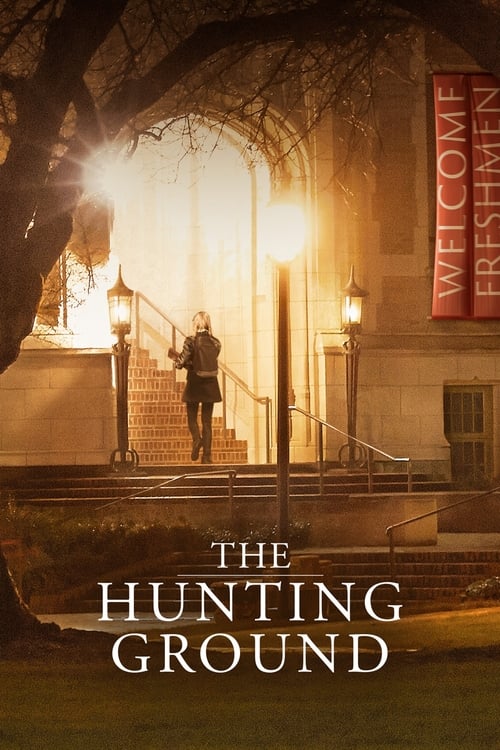
The Hunting Ground
2015·Documentary·1h 44m
7.1
★
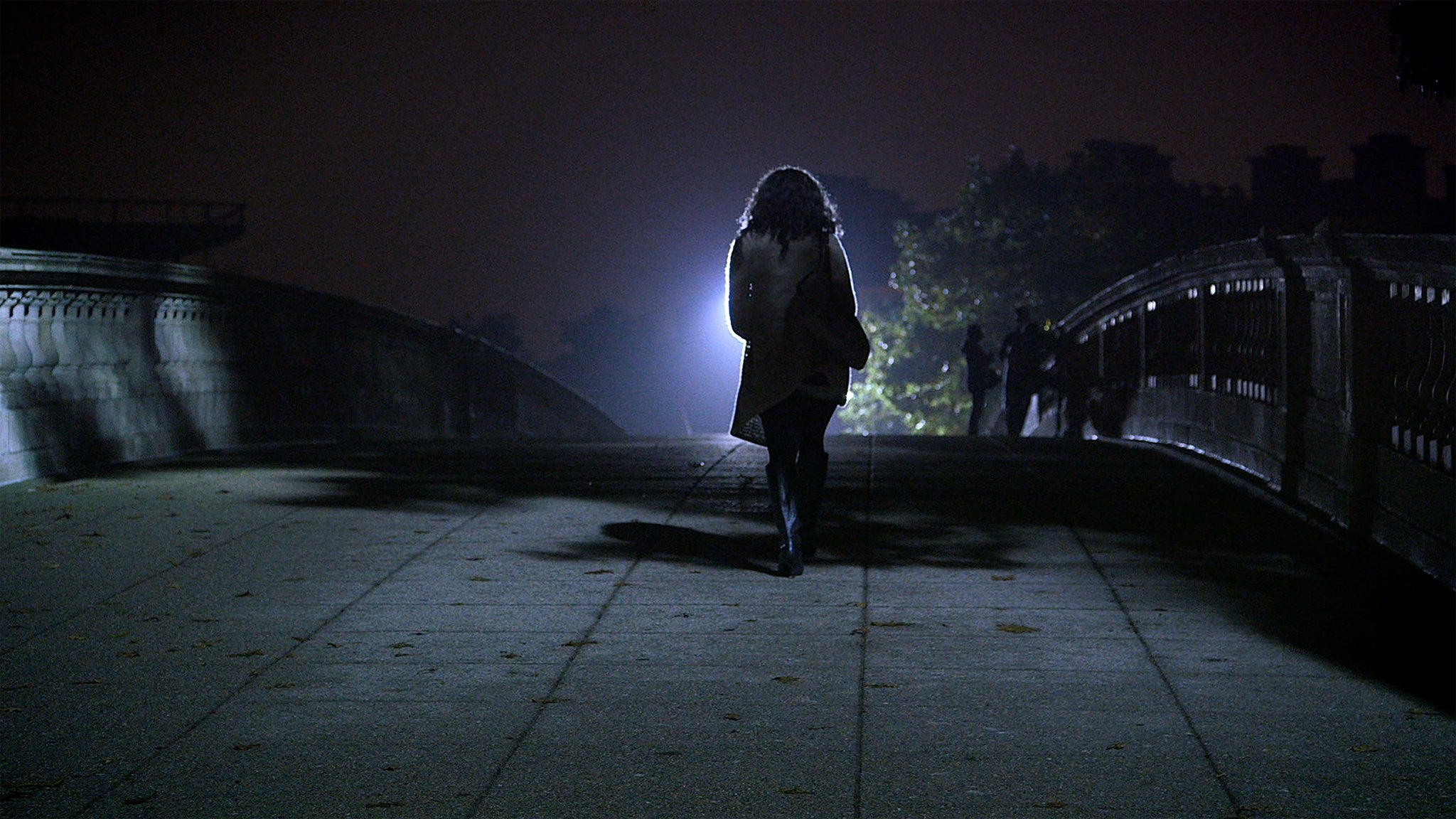
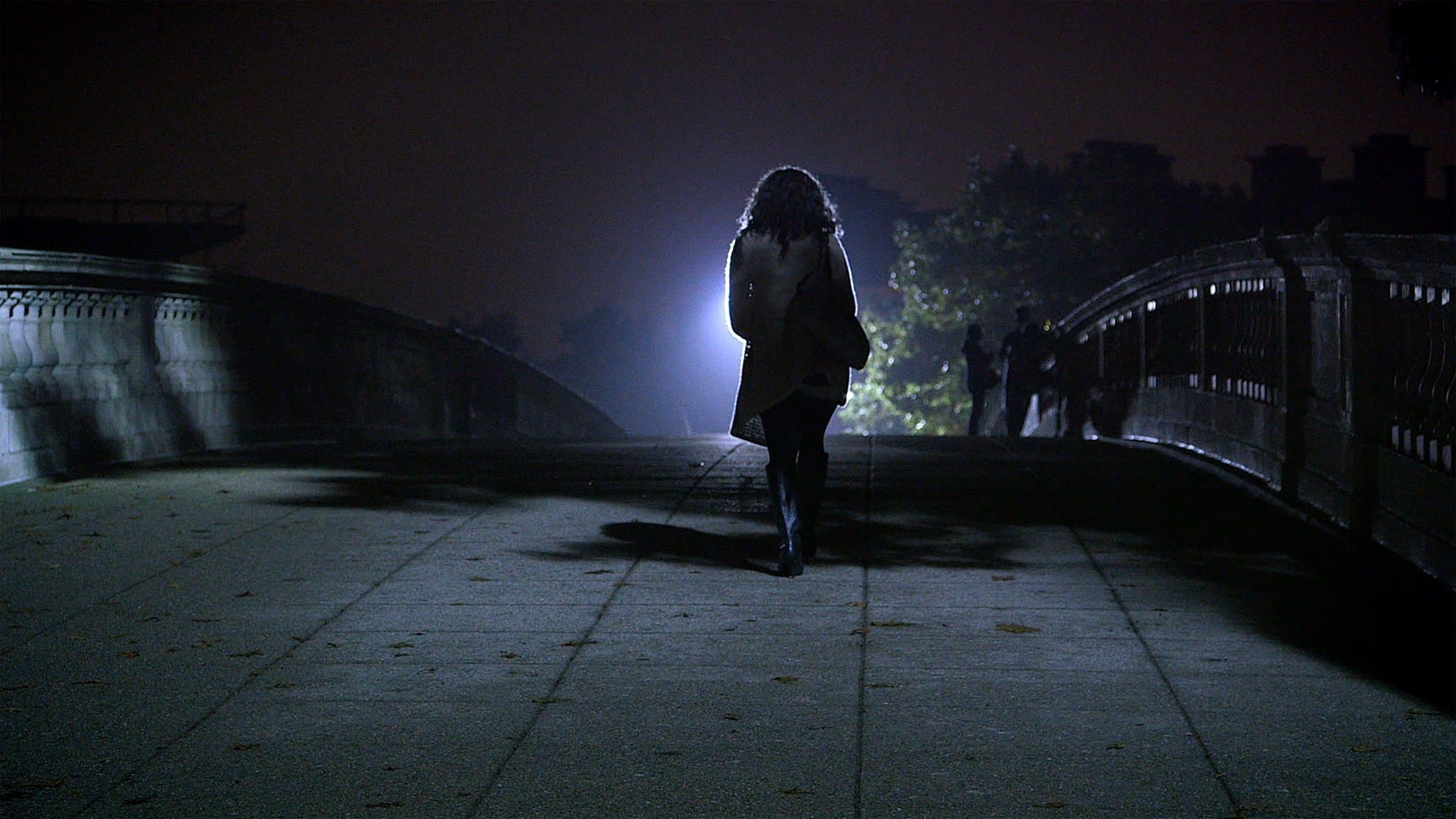
A startling expose of rape crimes on US campuses, their institutional cover-ups, and the devastating toll they take on students and their families. The film follows the lives of several undergraduate assault survivors as they attempt to pursue—despite incredible push back, harassment and traumatic aftermath—both their education and justice.
Directed by Kirby Dick
rape
feminism
college
victim
rape victim
sexual violence
university
oppression
sexual assault
victim blaming
rape culture
social & cultural documentary

Trailer

IMDB
N/A
Where to Watch


Crew
Kirby Dick
Director
Douglas Blush
Editor
Thaddeus Wadleigh
Director of Photography
Aaron Kopp
Director of Photography

Geralyn White Dreyfous
Executive Producer
Dan Cogan
Executive Producer

Amy Ziering
Producer

Ruth Ann Harnisch
Executive Producer

Jennifer Siebel Newsom
Executive Producer
Tom Quinn
Executive Producer

Miriam Cutler
Music
Diane Warren
Songs
Popular Reviews
40 reviews
Zach
January 20, 2025
January 20, 2025


Martyna Sowińska
7.0★ · 11/14/25
i hate people
i hate people
Forrest Irvine
TW: sexual assault (the focus of the documentary)
In the ten years since this movie’s release, public knowledge of the true extent of sexual violence on college campuses has become very widespread. Obviously, these problems persist, but positive change has been and is currently being enacted thanks to cultural shifts and sexual violence prevention education.
We facilitate tremendous work to make sure women know how to protect themselves from perpetrators, to make sure bystanders know what to do, and to make sure men know how to call out other men to help dissolve the social foundations of rape culture.
This work is important, but the research is there now. We know how campus sexual violence happens, we know who facilitates it, and we know how and why schools attempt, and often succeed, at coverups.
Rape culture is an extremely tricky issue. It makes us come to terms with the way perpetrators truly are. How many perpetrators are just a product of their environment (change the environment, prevent the problem), and how many are innately like this (change the environment, still have a problem)?
I’m forever interested in the psychology of male behavior. I’m always asking the question “how did we get here?”. Not as a play of sympathy for men who perpetrate, but as an inquiry. How much, if any, of this could have been stopped from the beginning?
The interviews from the perpetrators’ perspectives conducted for The Hunting Ground only offer the insight that these men are backwards and evil, and that’s just the way they are. Where was this learned? Men don’t come out of the womb as infants feeling this way about women.
I’m sorry that these thoughts are really jumbled and incomplete. I hope to do more coherent writing on this in the future, specifically about documentaries, media, and how they impact our ever-evolving relationships to highly personal social issues.
In the ten years since this movie’s release, public knowledge of the true extent of sexual violence on college campuses has become very widespread. Obviously, these problems persist, but positive change has been and is currently being enacted thanks to cultural shifts and sexual violence prevention education.
We facilitate tremendous work to make sure women know how to protect themselves from perpetrators, to make sure bystanders know what to do, and to make sure men know how to call out other men to help dissolve the social foundations of rape culture.
This work is important, but the research is there now. We know how campus sexual violence happens, we know who facilitates it, and we know how and why schools attempt, and often succeed, at coverups.
Rape culture is an extremely tricky issue. It makes us come to terms with the way perpetrators truly are. How many perpetrators are just a product of their environment (change the environment, prevent the problem), and how many are innately like this (change the environment, still have a problem)?
I’m forever interested in the psychology of male behavior. I’m always asking the question “how did we get here?”. Not as a play of sympathy for men who perpetrate, but as an inquiry. How much, if any, of this could have been stopped from the beginning?
The interviews from the perpetrators’ perspectives conducted for The Hunting Ground only offer the insight that these men are backwards and evil, and that’s just the way they are. Where was this learned? Men don’t come out of the womb as infants feeling this way about women.
I’m sorry that these thoughts are really jumbled and incomplete. I hope to do more coherent writing on this in the future, specifically about documentaries, media, and how they impact our ever-evolving relationships to highly personal social issues.
TW: sexual assault (the focus of the documentary)
In the ten years since this movie’s release, public knowledge of the true extent of sexual violence on college campuses has become very widespread. Obviously, these problems persist, but positive change has been and is currently being enacted thanks to cultural shifts and sexual violence prevention education.
We facilitate tremendous work to make sure women know how to protect themselves from perpetrators, to make sure bystanders know what to do, and to make sure men know how to call out other men to help dissolve the social foundations of rape culture.
This work is important, but the research is there now. We know how campus sexual violence happens, we know who facilitates it, and we know how and why schools attempt, and often succeed, at coverups.
Rape culture is an extremely tricky issue. It makes us come to terms with the way perpetrators truly are. How many perpetrators are just a product of their environment (change the environment, prevent the problem), and how many are innately like this (change the environment, still have a problem)?
I’m forever interested in the psychology of male behavior. I’m always asking the question “how did we get here?”. Not as a play of sympathy for men who perpetrate, but as an inquiry. How much, if any, of this could have been stopped from the beginning?
The interviews from the perpetrators’ perspectives conducted for The Hunting Ground only offer the insight that these men are backwards and evil, and that’s just the way they are. Where was this learned? Men don’t come out of the womb as infants feeling this way about women.
I’m sorry that these thoughts are really jumbled and incomplete. I hope to do more coherent writing on this in the future, specifically about documentaries, media, and how they impact our ever-evolving relationships to highly personal social issues.
In the ten years since this movie’s release, public knowledge of the true extent of sexual violence on college campuses has become very widespread. Obviously, these problems persist, but positive change has been and is currently being enacted thanks to cultural shifts and sexual violence prevention education.
We facilitate tremendous work to make sure women know how to protect themselves from perpetrators, to make sure bystanders know what to do, and to make sure men know how to call out other men to help dissolve the social foundations of rape culture.
This work is important, but the research is there now. We know how campus sexual violence happens, we know who facilitates it, and we know how and why schools attempt, and often succeed, at coverups.
Rape culture is an extremely tricky issue. It makes us come to terms with the way perpetrators truly are. How many perpetrators are just a product of their environment (change the environment, prevent the problem), and how many are innately like this (change the environment, still have a problem)?
I’m forever interested in the psychology of male behavior. I’m always asking the question “how did we get here?”. Not as a play of sympathy for men who perpetrate, but as an inquiry. How much, if any, of this could have been stopped from the beginning?
The interviews from the perpetrators’ perspectives conducted for The Hunting Ground only offer the insight that these men are backwards and evil, and that’s just the way they are. Where was this learned? Men don’t come out of the womb as infants feeling this way about women.
I’m sorry that these thoughts are really jumbled and incomplete. I hope to do more coherent writing on this in the future, specifically about documentaries, media, and how they impact our ever-evolving relationships to highly personal social issues.
sophiaPRO
8.0★ · 12/05/20
I hate this country❤️
I hate this country❤️
lex
7.1★ · 05/29/20
had to watch this for a class - it’s very heartbreaking and difficult to watch, but it’s very important
had to watch this for a class - it’s very heartbreaking and difficult to watch, but it’s very important