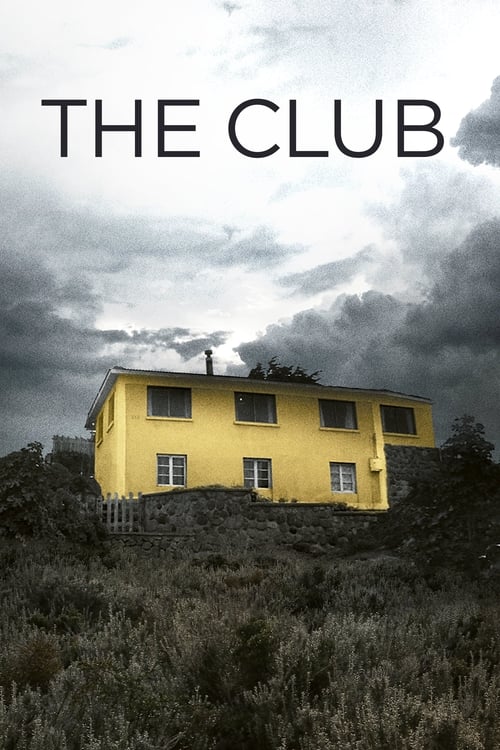
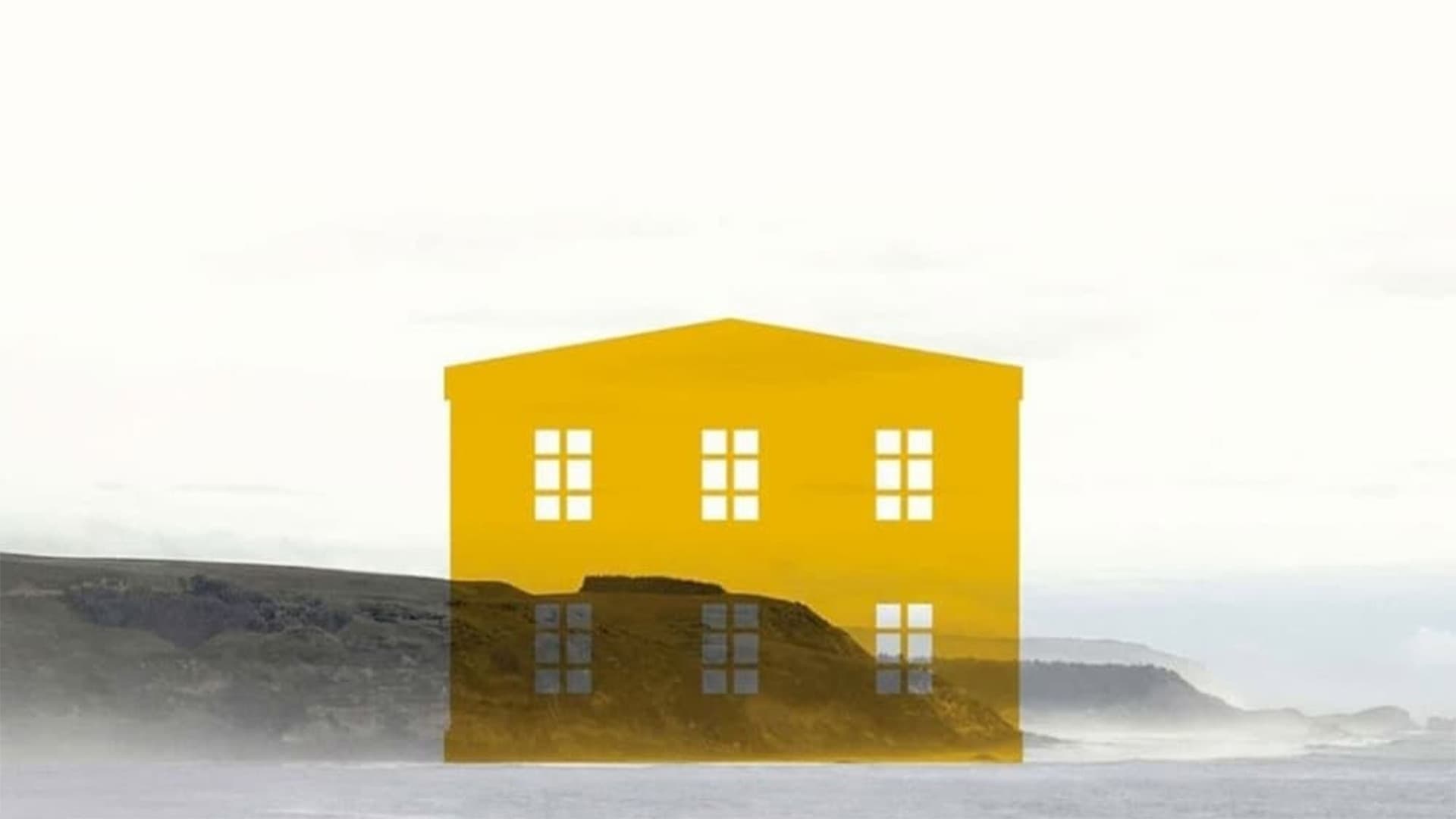
Inside the weathered walls of a house in a seaside town lurks a brotherhood of shame, where crimes fester like open wounds while their perpetrators pray for forgiveness that never comes. Pablo Larraín's "The Club" is a scathing indictment of the corruption and abuse present within the Catholic Church that doesn’t just look at the Church’s dark corners, but forces us to sit with images of moral corruption where the lines between piety and blasphemy, punishment and penance blur beyond recognition.
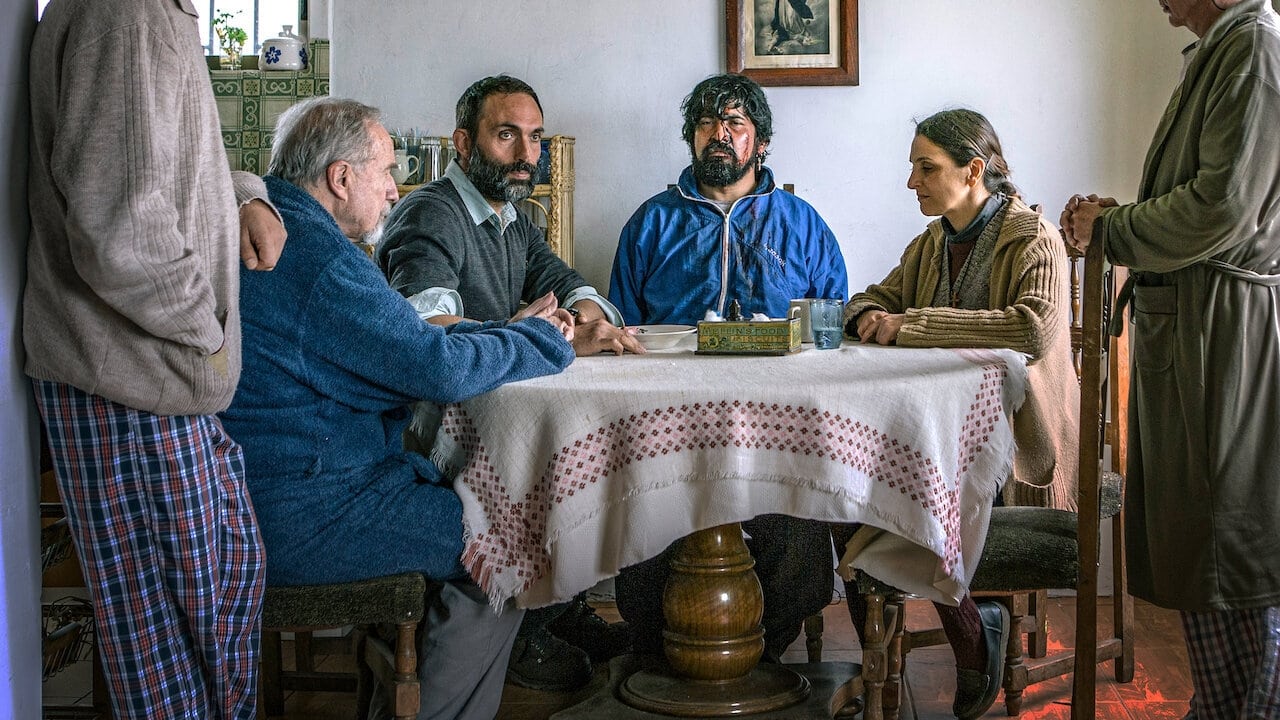
Set in the serene, yet bleak Chilean beach town of La Boca, the film follows the lives of four disgraced priests and a nun who takes care of them, all of whom have been exiled in a unique form of spiritual punishment–for crimes that range from child abuse to pedophilia–that is designed less to reform than to hide them from the public eye. Their daily routine, centered around prayer, meditation, and training a greyhound for racing, creates a facade of a peaceful retirement that masks their reality. When a fifth priest, named Father Lazcano, joins the rest, he barely has time to get settled when he is confronted by a ghost from his past who, in a near-pornographic level of detail, reveals the horrifying story of the sexual abuse he suffered at the hands of the priest.
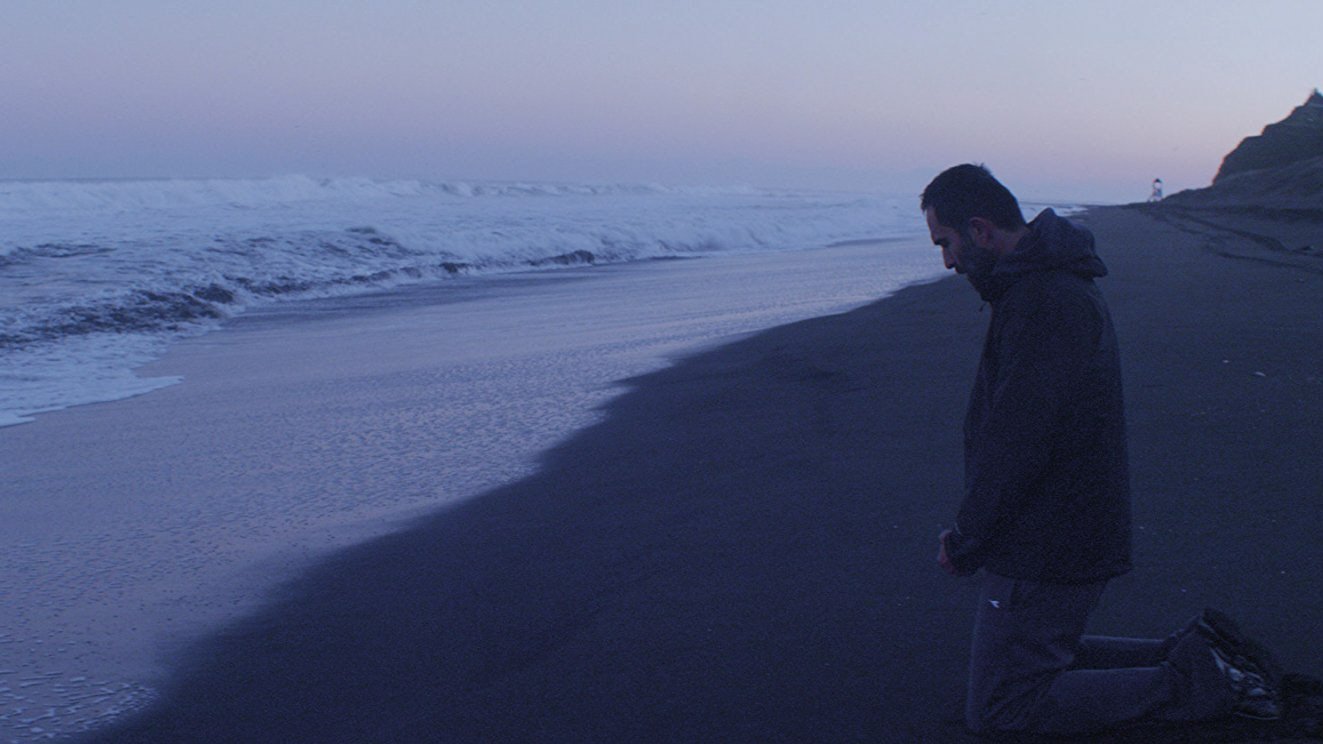
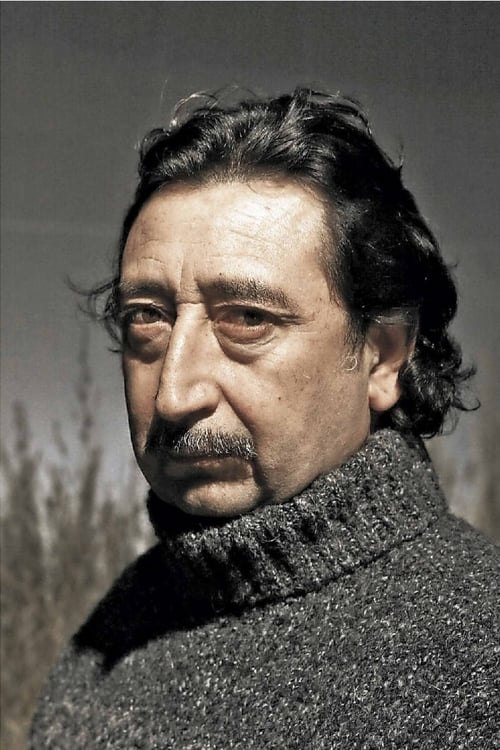
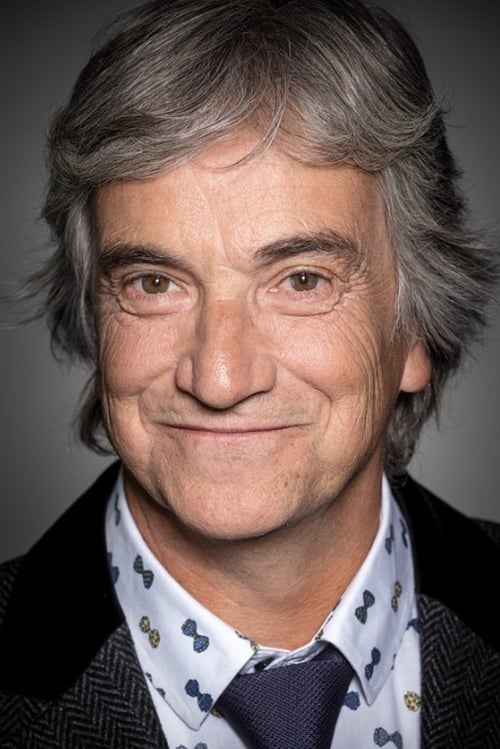
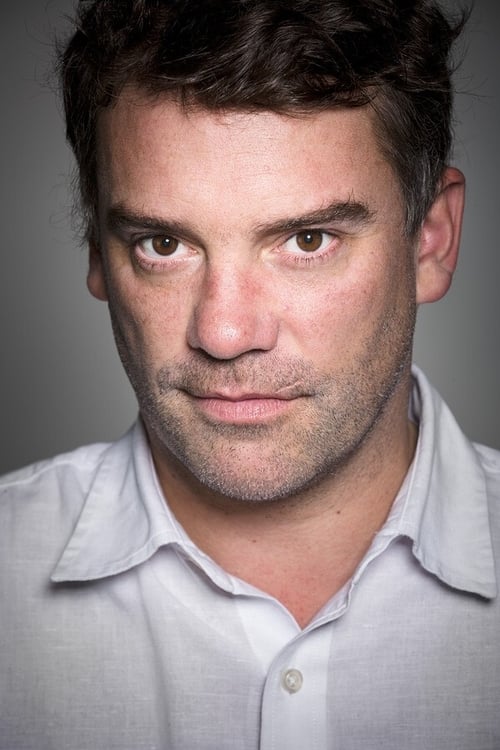
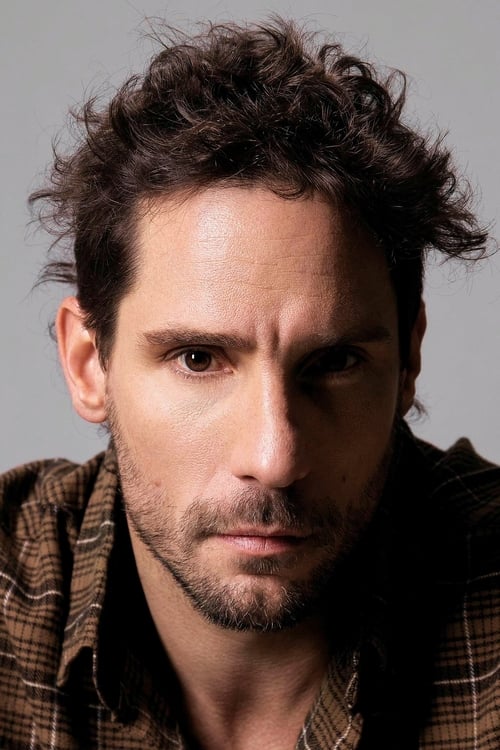
Larraín strips away all the beauty we would normally associate with a peaceful beachside town and traps us, like his characters are trapped, in a cold, lifeless world, where the victims of horrors past come back to haunt their abusers. Cinematographer Sergio Armstrong’s camera captures La Boca in a palette of faded out grays and blues that instantly sucks out all the warmth from the scenes and casts a cold, sterile light on everything, which makes the house feel dim and adds to the ever-present sense of stagnation. There are many uncomfortable close ups of the priests’ faces creating a claustrophobic kind of intimacy that does not allow viewers the comfort of emotional distance. The camera heightens the sense of discomfort and moral ambiguity by lingering, observing; never participating, only creating the feeling that the viewer is listening in on something shameful and private. The film’s sound reinforces the crushing sense of isolation that the characters feel, with the constant, distant crashing of waves serving as a reminder of the world that exists outside of their confinement and prolonged silences with minimal, yet intense, dialogue creating a suffocating tension.
At its core, “The Club” is unsettling because of Larraín’s refusal to serve judgements, as the film presents the priests as complex human beings, rather than one dimensional monsters, though he never excuses their actions. The arrival of a crisis counselor sent by the Vatican to shut down the house, after the incident with Father Lazcano, adds to the complexity of the institutional response, implying that the Church is more concerned with keeping up appearances rather than genuine accountability. The performances throughout are sharp and poignant, with each actor personifying not just individual guilt but also the range of responses to it: denial, rationalization, despair, acceptance. “The Club” offers no answers or closure, instead challenging viewers to confront how systems protect themselves at the expense of their victims. Ultimately, Larraín has managed to create a piece of cinema that acts as both art and indictment, leaving audiences to struggle with difficult questions about accountability, guilt, and forgiveness.
Inside the weathered walls of a house in a seaside town lurks a brotherhood of shame, where crimes fester like open wounds while their perpetrators pray for forgiveness that never comes. Pablo Larraín's "The Club" is a scathing indictment of the corruption and abuse present within the Catholic Church that doesn’t just look at the Church’s dark corners, but forces us to sit with images of moral corruption where the lines between piety and blasphemy, punishment and penance blur beyond recognition.
Set in the serene, yet bleak Chilean beach town of La Boca, the film follows the lives of four disgraced priests and a nun who takes care of them, all of whom have been exiled in a unique form of spiritual punishment–for crimes that range from child abuse to pedophilia–that is designed less to reform than to hide them from the public eye. Their daily routine, centered around prayer, meditation, and training a greyhound for racing, creates a facade of a peaceful retirement that masks their reality. When a fifth priest, named Father Lazcano, joins the rest, he barely has time to get settled when he is confronted by a ghost from his past who, in a near-pornographic level of detail, reveals the horrifying story of the sexual abuse he suffered at the hands of the priest.
Larraín strips away all the beauty we would normally associate with a peaceful beachside town and traps us, like his characters are trapped, in a cold, lifeless world, where the victims of horrors past come back to haunt their abusers. Cinematographer Sergio Armstrong’s camera captures La Boca in a palette of faded out grays and blues that instantly sucks out all the warmth from the scenes and casts a cold, sterile light on everything, which makes the house feel dim and adds to the ever-present sense of stagnation. There are many uncomfortable close ups of the priests’ faces creating a claustrophobic kind of intimacy that does not allow viewers the comfort of emotional distance. The camera heightens the sense of discomfort and moral ambiguity by lingering, observing; never participating, only creating the feeling that the viewer is listening in on something shameful and private. The film’s sound reinforces the crushing sense of isolation that the characters feel, with the constant, distant crashing of waves serving as a reminder of the world that exists outside of their confinement and prolonged silences with minimal, yet intense, dialogue creating a suffocating tension.
At its core, “The Club” is unsettling because of Larraín’s refusal to serve judgements, as the film presents the priests as complex human beings, rather than one dimensional monsters, though he never excuses their actions. The arrival of a crisis counselor sent by the Vatican to shut down the house, after the incident with Father Lazcano, adds to the complexity of the institutional response, implying that the Church is more concerned with keeping up appearances rather than genuine accountability. The performances throughout are sharp and poignant, with each actor personifying not just individual guilt but also the range of responses to it: denial, rationalization, despair, acceptance. “The Club” offers no answers or closure, instead challenging viewers to confront how systems protect themselves at the expense of their victims. Ultimately, Larraín has managed to create a piece of cinema that acts as both art and indictment, leaving audiences to struggle with difficult questions about accountability, guilt, and forgiveness.