Criterion Challenge 2026 || Category #5: Romance
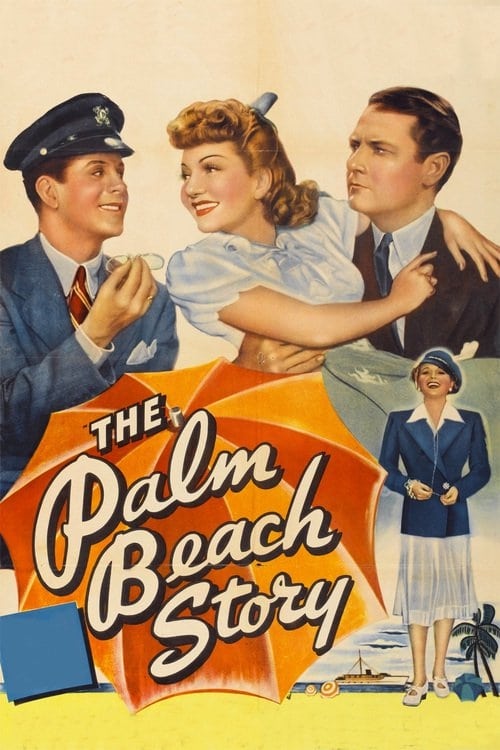
My 2026 Criterion Challenge has officially begun, and I’m kicking things off with a delightful film from 1942. The Palm Beach Story has all the grace and humor you’d expect from a classic 1940s screwball comedy, and its premise immediately jumped out at me as something special—an early indicator that I was in for a pretty fun ride.
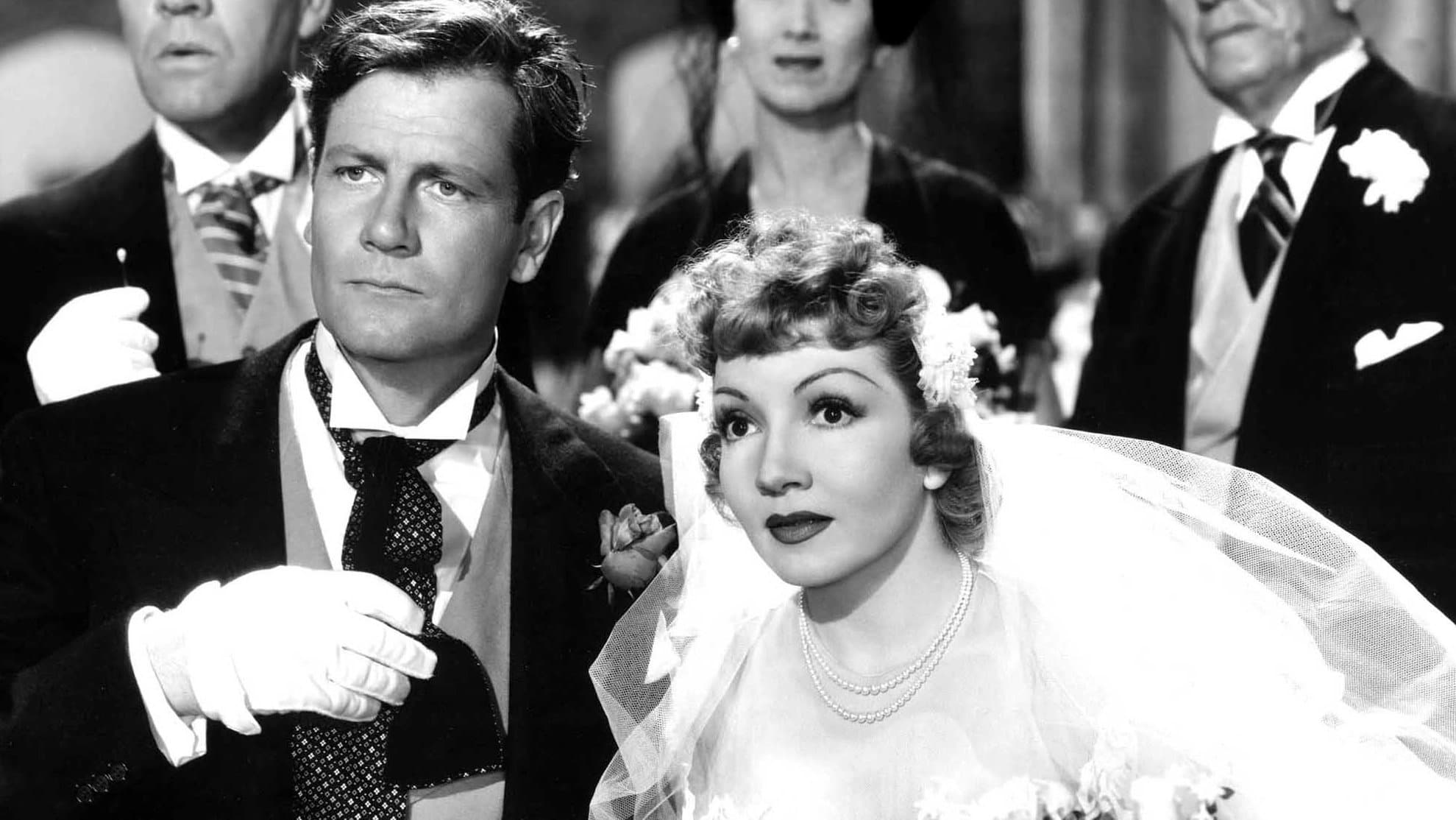
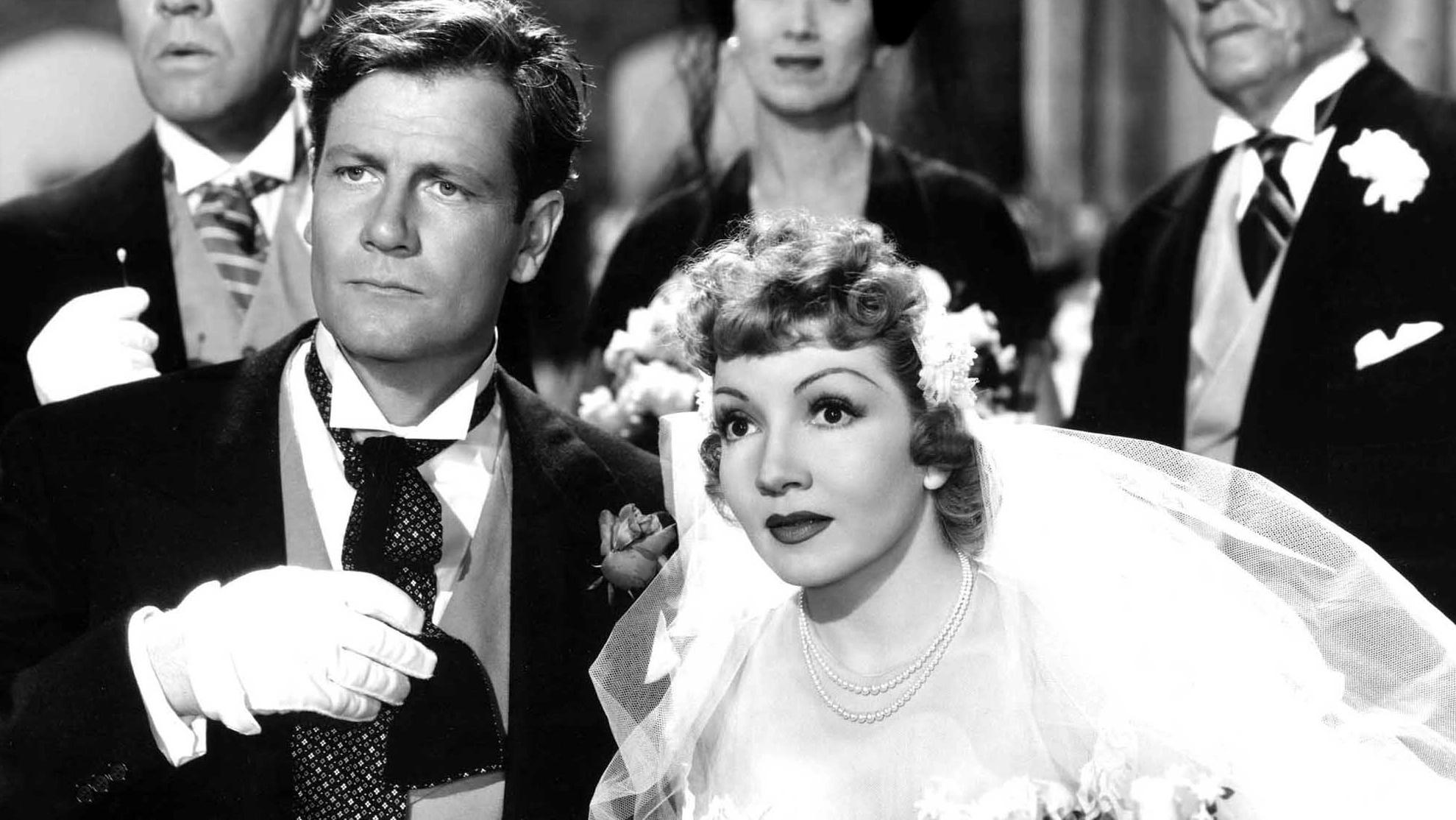
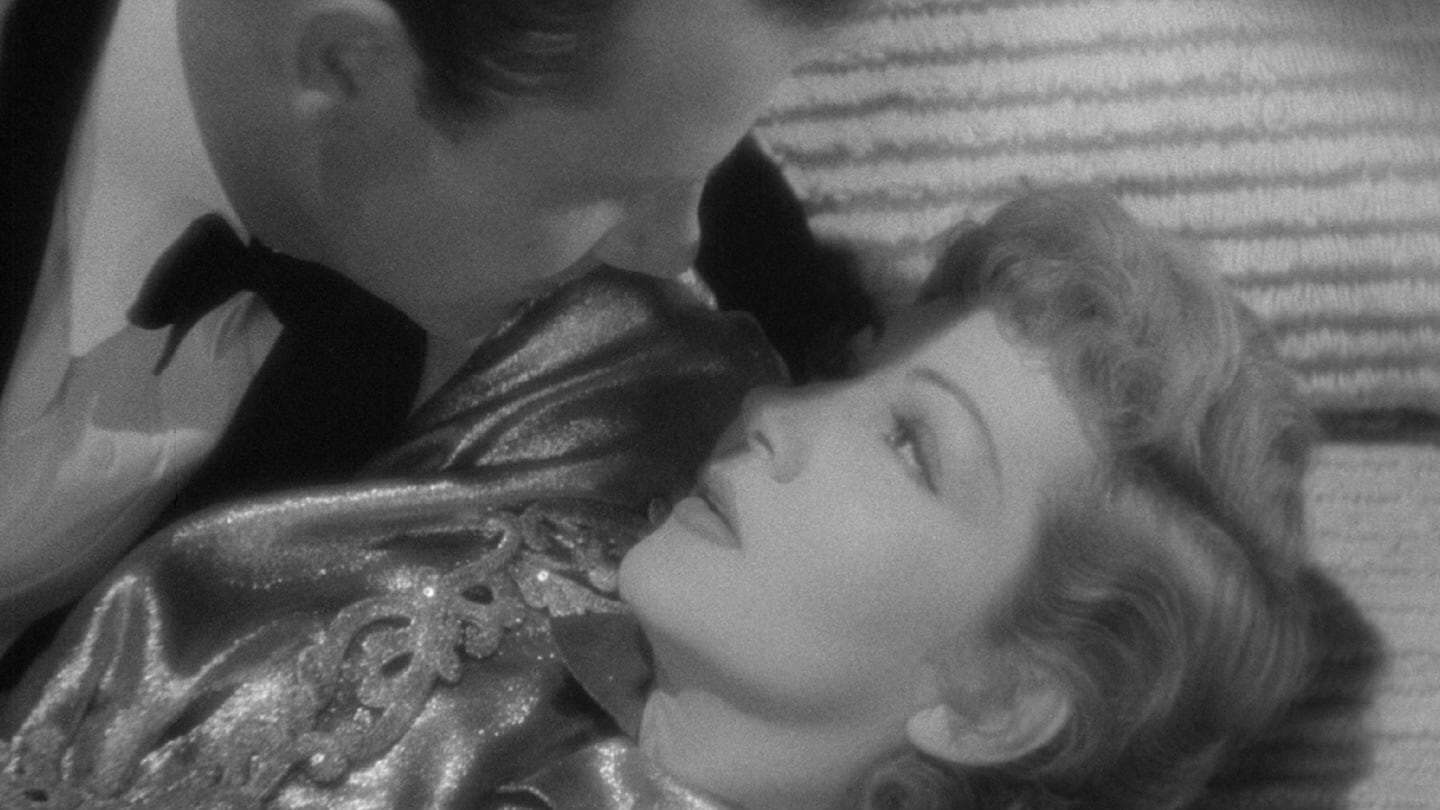
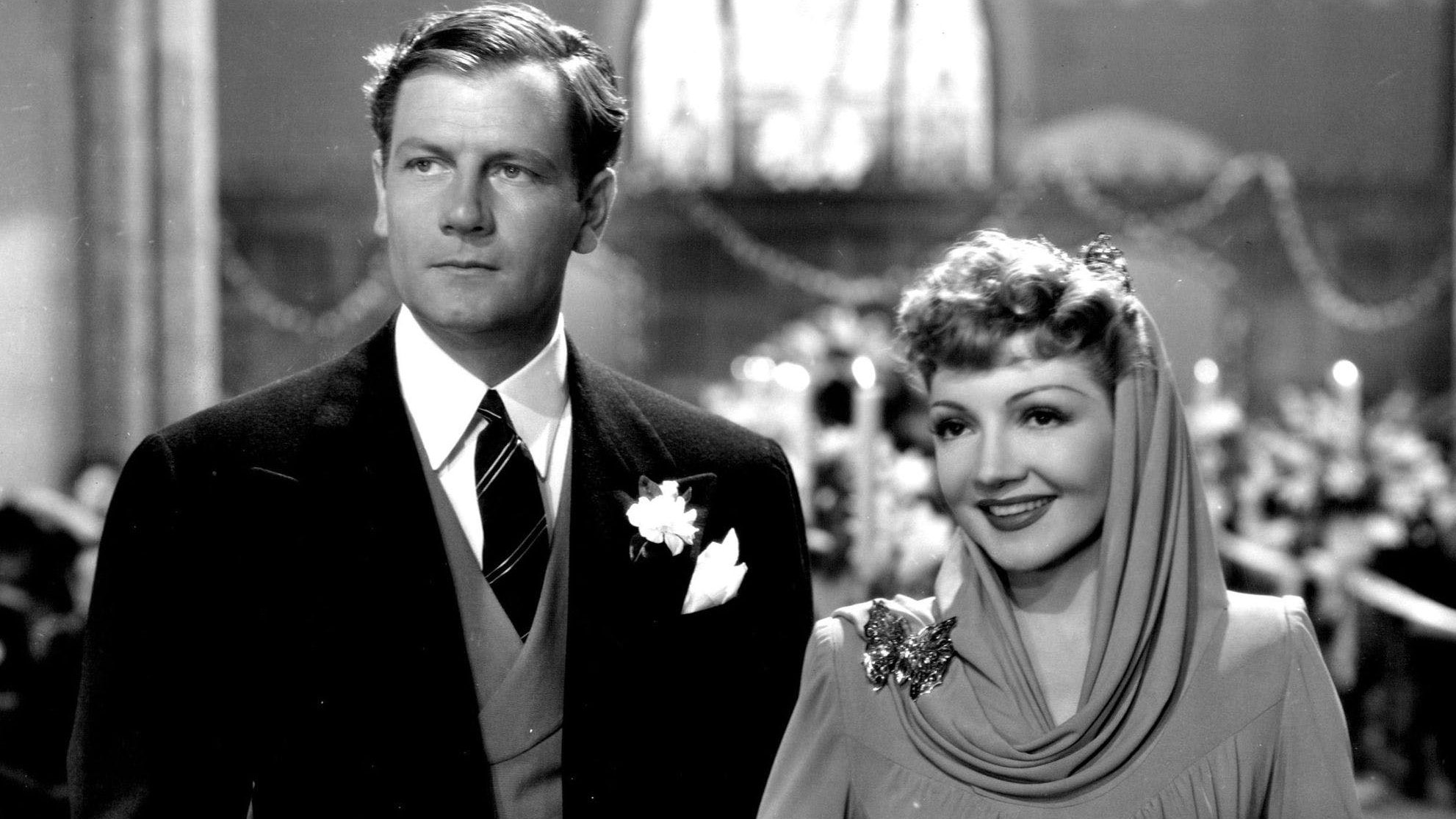
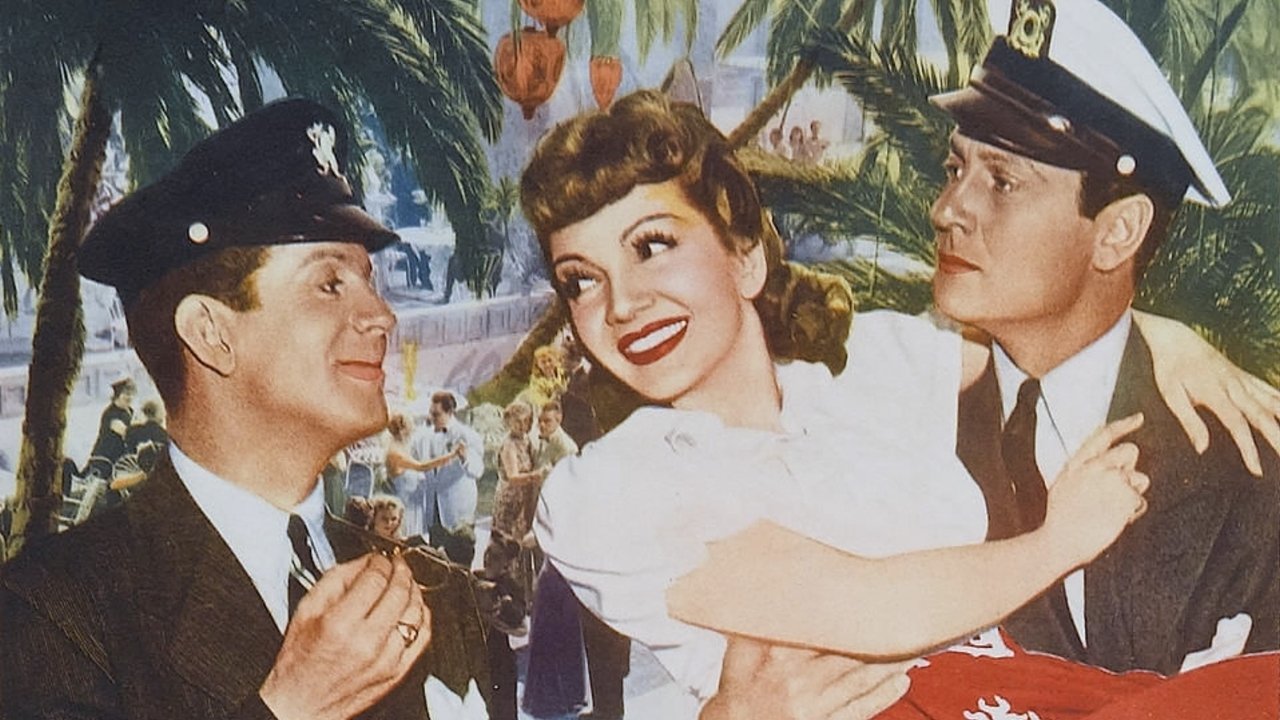
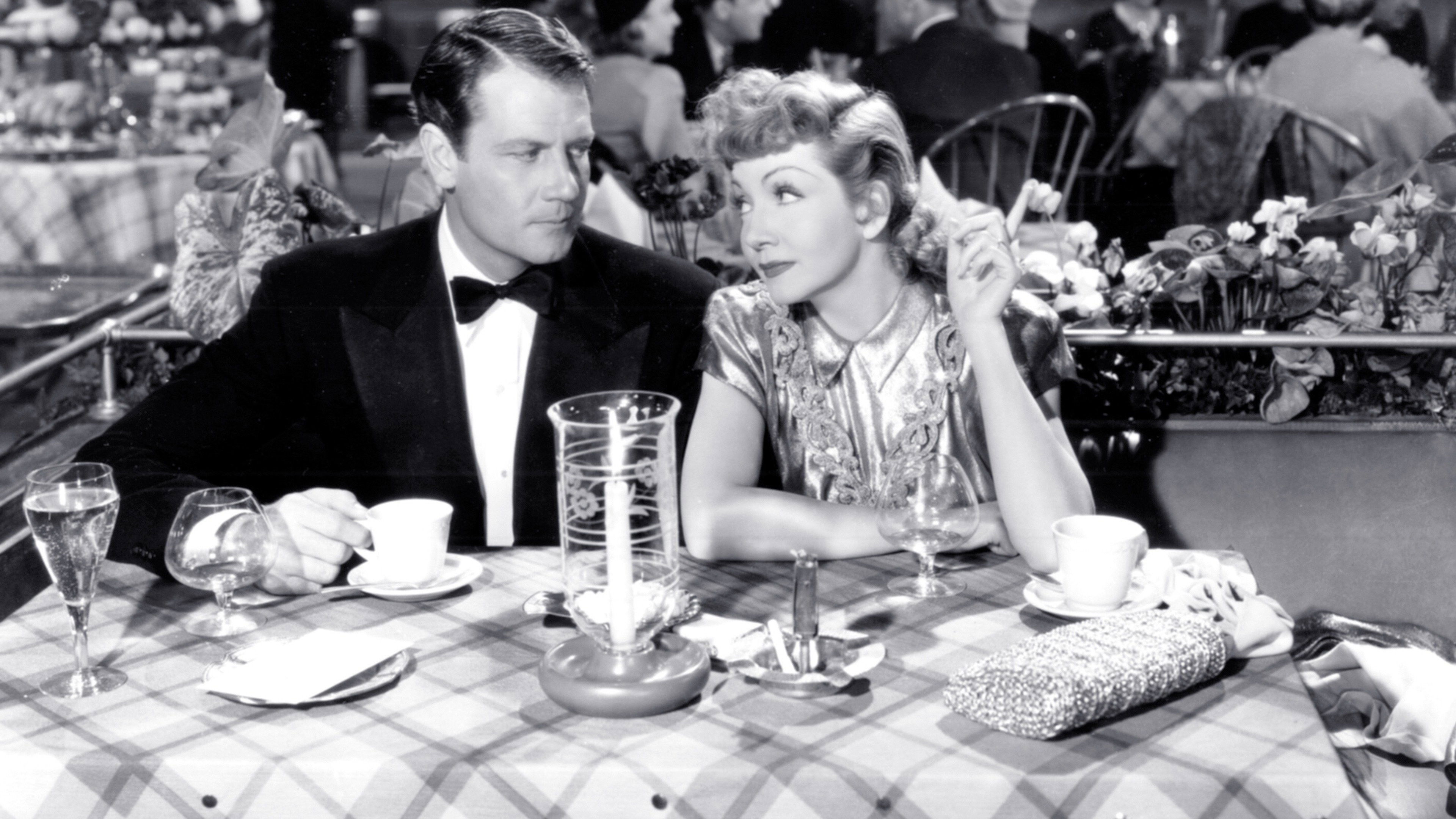
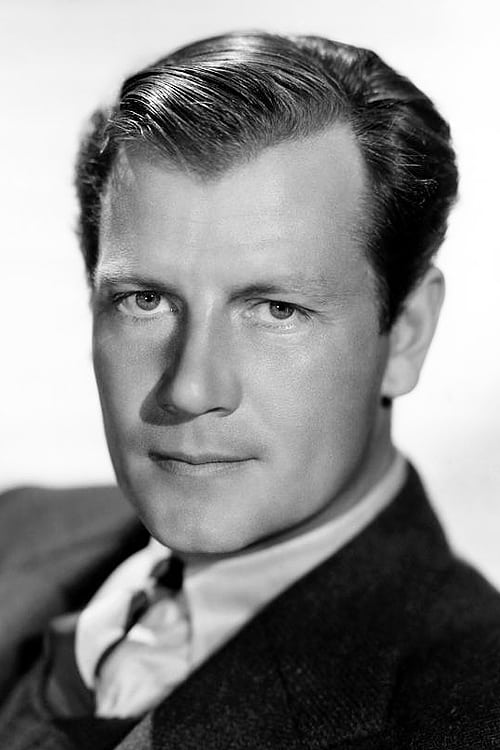
At its core, this is a surprisingly adult film in the way it talks about marriage and divorce. We follow a married couple played by Claudette Colbert and Joel McCrea. Claudette Colbert’s character decides she wants a divorce and flees New York for Palm Beach, Florida. Along the way, she stumbles into the life of a man who turns out to be one of the richest people in the United States. Naturally, this wealthy benefactor falls madly in love with her. Meanwhile, Joel McCrea’s character is on his own journey south, determined to win his wife back.
The film tackles a number of interesting themes, particularly the idea of love as comfort, and the difference between loving someone for who they are and loving someone for what they can provide—money, security, status, and life experience. Claudette Colbert’s character doesn’t leave her husband because he’s cruel or neglectful. She leaves because she believes she’s holding him back. In her mind, divorcing him is an act of love—one that will free him financially and creatively. Her plan is to find a wealthy benefactor who can invest in her husband’s business idea, thereby setting him up for success without her standing in the way.
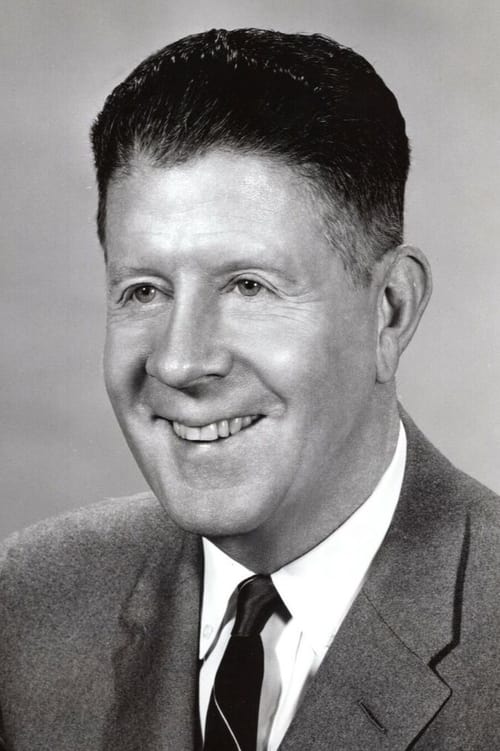
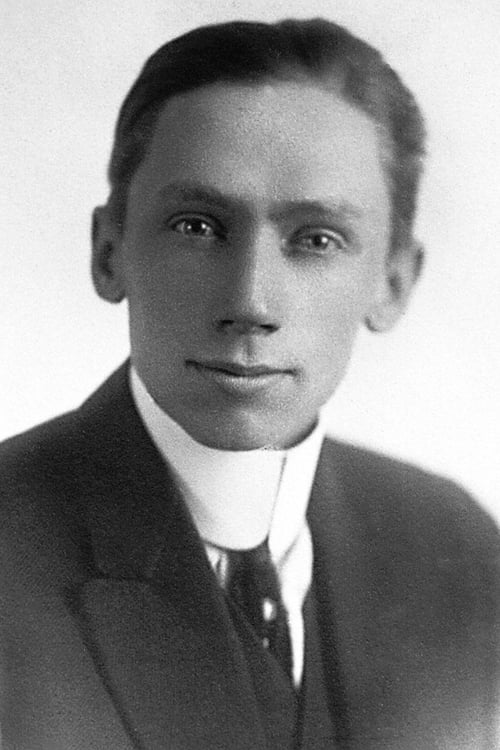
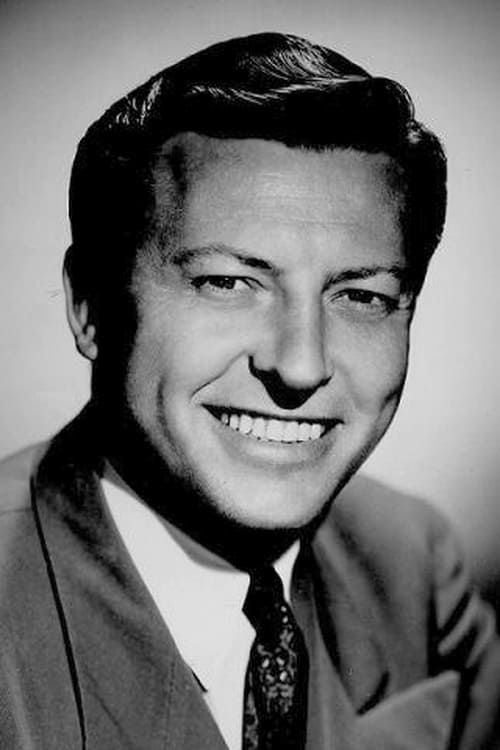
That benefactor ultimately becomes the character played by Rudy Vallée, who is absolutely delightful in this movie. He plays a kind of dweeby, sheltered rich boy—clearly socially awkward, possibly on the spectrum—and watching him attempt to woo Claudette Colbert’s character is endlessly entertaining. There’s a sweetness and oddness to him that makes the dynamic work without ever turning him into a villain.
Like Sullivan’s Travels, this one excels at something I wish more filmmakers would embrace: the sheer vitality of its side characters. The Coen brothers are probably the modern filmmakers who do this best. Every supporting character feels so alive that you almost don’t want them to leave the screen. You could easily imagine entire movies spinning off from these brief, hilarious encounters.
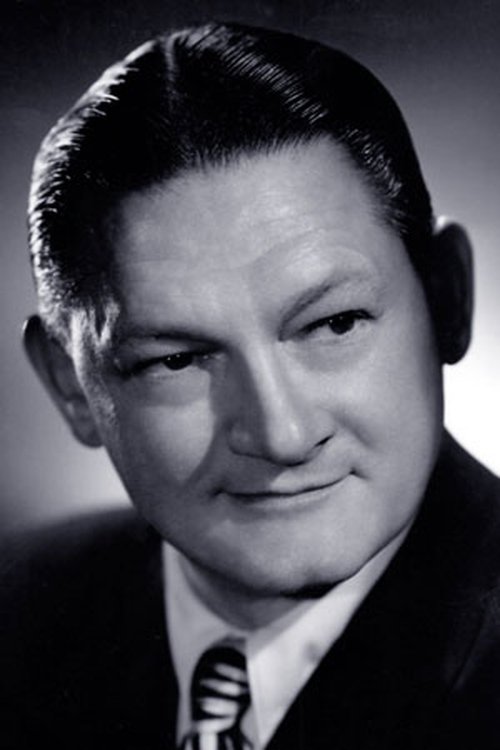
A perfect example is the train sequence. When Claudette Colbert boards a train bound for Palm Beach, she does so by squeezing herself into a group of quail hunters—men with an enthusiastic fondness for alcohol and chaos. These guys completely hijack the train ride, creating what is arguably the liveliest and funniest sequence in the entire film.
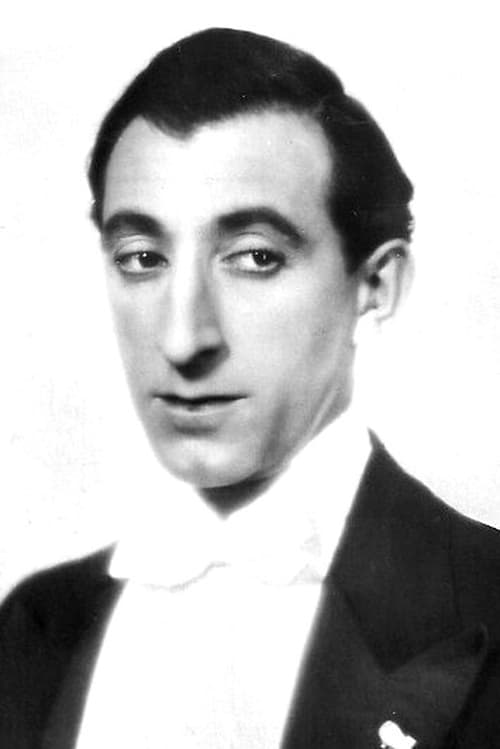
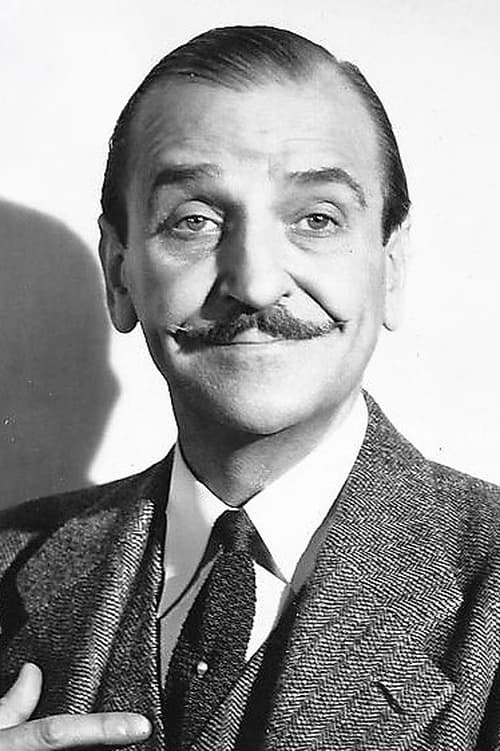
Later, we meet the sister of Rudy Vallée’s character, played wonderfully by Mary Astor. She’s accompanied by a lapdog-like human companion named Toto—a perpetual houseguest who doesn’t speak English and, as far as anyone can tell, doesn’t speak any identifiable language at all. He just materializes out of nowhere and steals every scene he’s in.
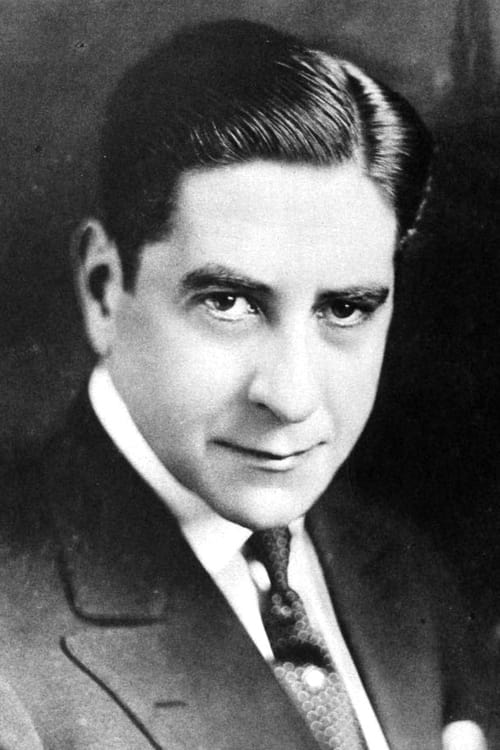
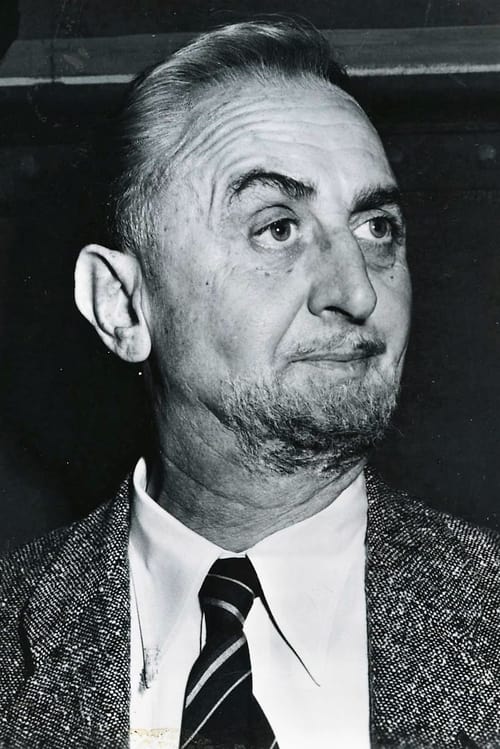
And even earlier, at the very beginning of the film, we get Robert Dudley as the “Weenie King,” who offers Claudette Colbert’s character money.
All in all, the performances are a major standout across the board.
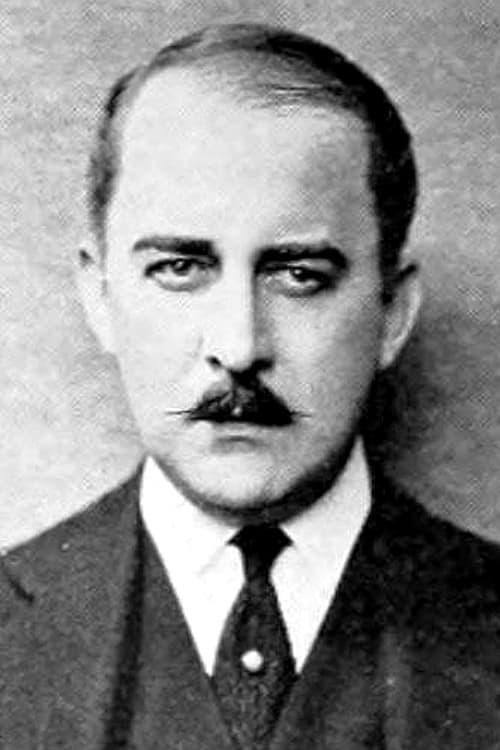
Narratively, this is a story that feels familiar—a template that has been reused and reworked countless times over the last 70 years. By the end of the film, Joel McCrea makes it to Florida to win back his wife, even as she’s actively involved with John D. Hackensacker III. Together, Claudette Colbert and Joel McCrea hatch a somewhat haphazard scheme to pretend they’re siblings so they can extract money from this billionaire before the truth comes out.
Claudette Colbert’s character finds herself in a genuine emotional pickle. Part of her still deeply loves her husband and wants to be with him. At the same time, she feels she isn’t living up to her full potential—and that, by extension, her husband isn’t either. This puts her squarely in the middle of a classic cinematic triangle: the poor man she truly loves versus the rich man who can offer wealth, comfort, and adventure. The rich man isn’t evil or cruel; he’s just not someone she can imagine herself truly loving.
It’s a tale as old as time, and one cinema returns to again and again. Just look at last year's The Materialists.
Also, as always, the dialogue in this film is whip-fast and razor-sharp with some delightful one-liners.
"That's one of the tragedies of this life - that the men who are most in need of a beating up are always enormous."
"I'm the Wienie King! Invented the Texas Wienie! Lay off 'em, you'll live longer."
"You have no idea what a long-legged woman can do without doing anything."
If I have one real criticism, it’s that the film ends about 15 minutes too soon. The wrap-up feels a bit abrupt, as if the movie rushes to tie a bow on everything.
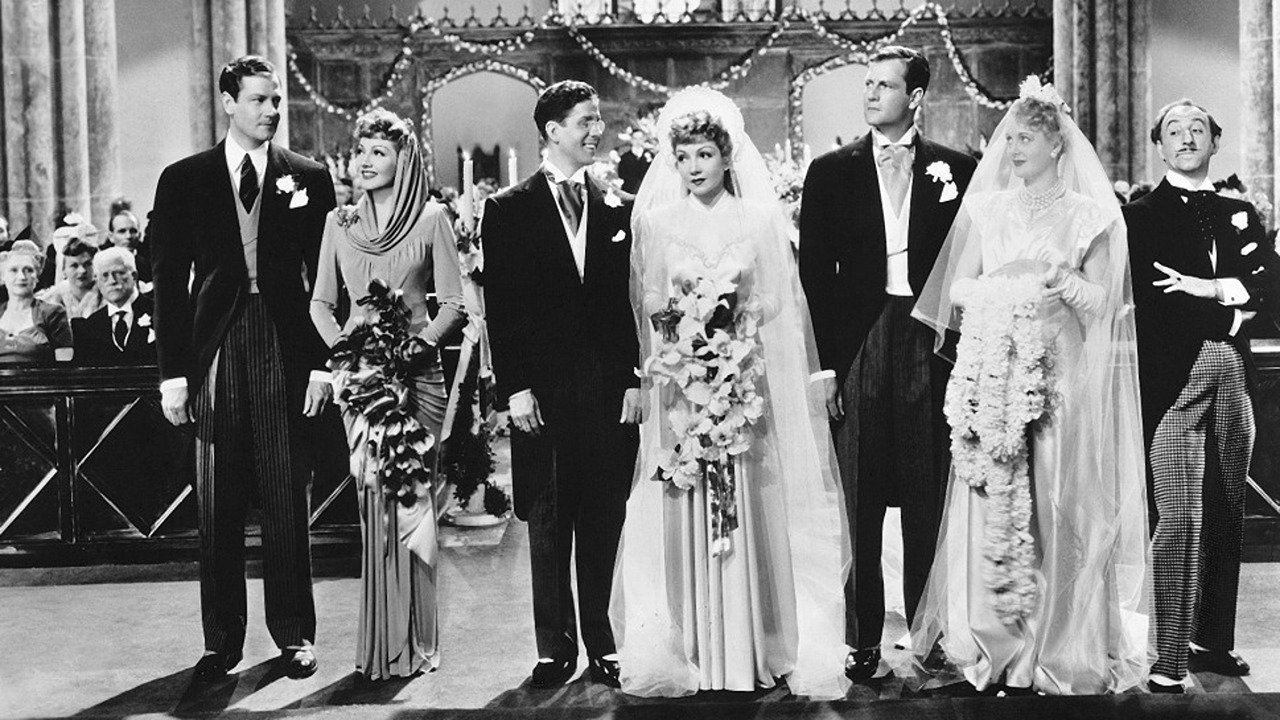
Now, that said, the final shot made me burst out laughing. There’s an offhand sequence at the beginning of the film that you almost forget about (and had me scratching my head), until Joel McCrea delivers a line at the end that suddenly recontextualizes the entire opening. The final image that follows is an absolute delight. The implication is that the opening title sequence is the plot of another movie entirely, which is just incredibly subtle meta filmmaking for the early 40's. I kinda want to see that movie now...

For me, the final 20 minutes were the most interesting stretch of the story. When Joel McCrea arrives in Florida and reunites with Claudette Colbert and is forced to pretend to be her brother instead of her husband. That, to my mind, is the true crux of the movie. It feels like it should have been the midpoint rather than something that happens with only about 20 minutes left to go. There was so much more screwball energy, higher stakes, and madcap potential that could have been mined from that setup alone.
Still, this is another success for Preston Sturges in my book. The film has a delightful cast of characters and a plot that never overextends itself, while still managing to feel truthful and romantic at the same time—two qualities that are often at odds with each other. Sometimes truth is the very antithesis of romanticism, but this strikes a thoughtful balance.
At its heart, the film asks what love and marriage really mean. Joel McCrea’s character is essentially given the opportunity to be bought out of his marriage. Claudette Colbert’s character is trying to secure money from her billionaire suitor so her husband can fulfill his dreams and continue his work. Joel McCrea could take the money, walk away, and never see his wife again—or he can choose love. Ultimately, he chooses love over everything else, and that’s when Claudette Colbert’s character finally recognizes his true value.
So yeah, a really solid movie, and a great way to kick off my 2026 Criterion Challenge.
7.4/10