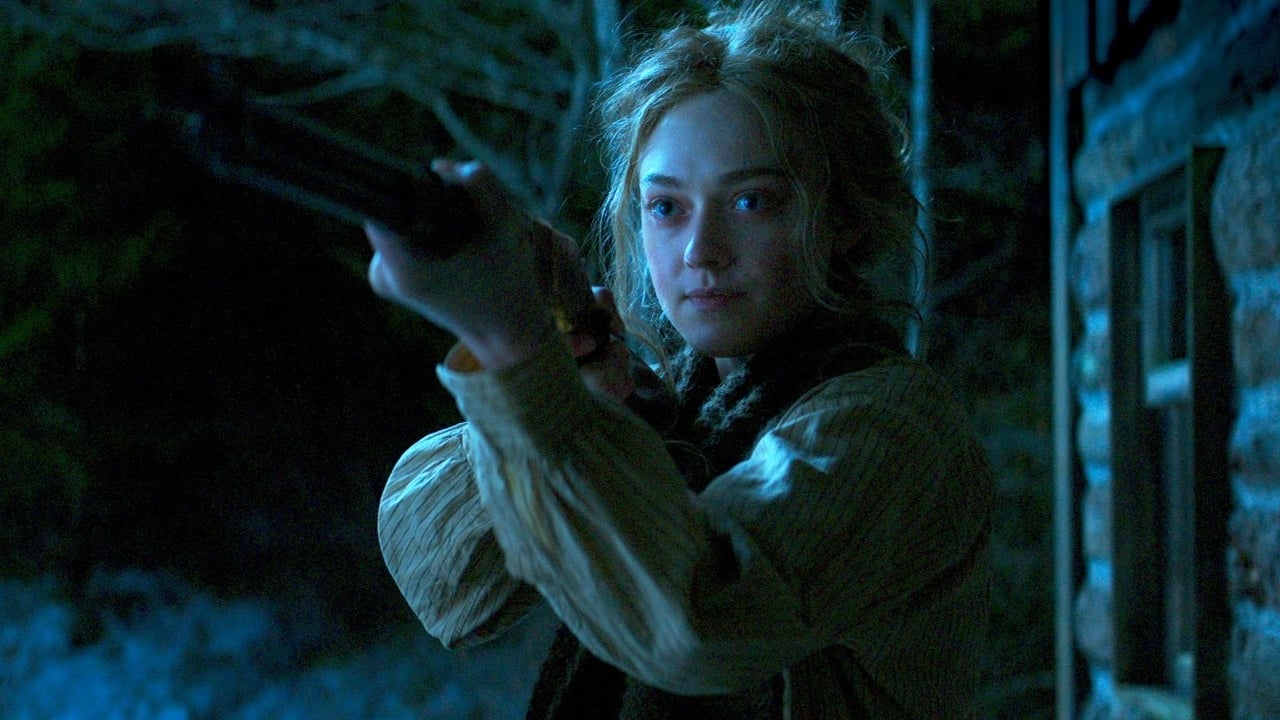
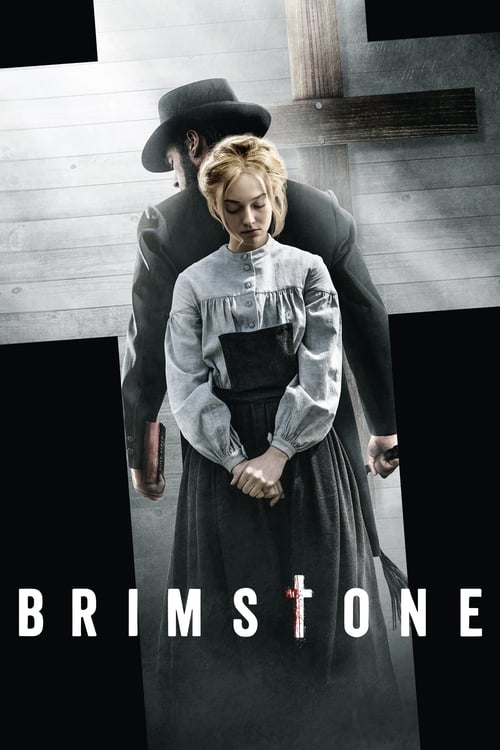
*Brimstone is a film I admire more than I enjoy and that’s part of its power. The chapter-based structure and nonlinear storytelling are brilliant, giving the narrative a fractured, almost psychological feel that mirrors trauma. The way we oscillate between past and present adds depth, forcing the viewer to actively piece together the story rather than passively consume it.
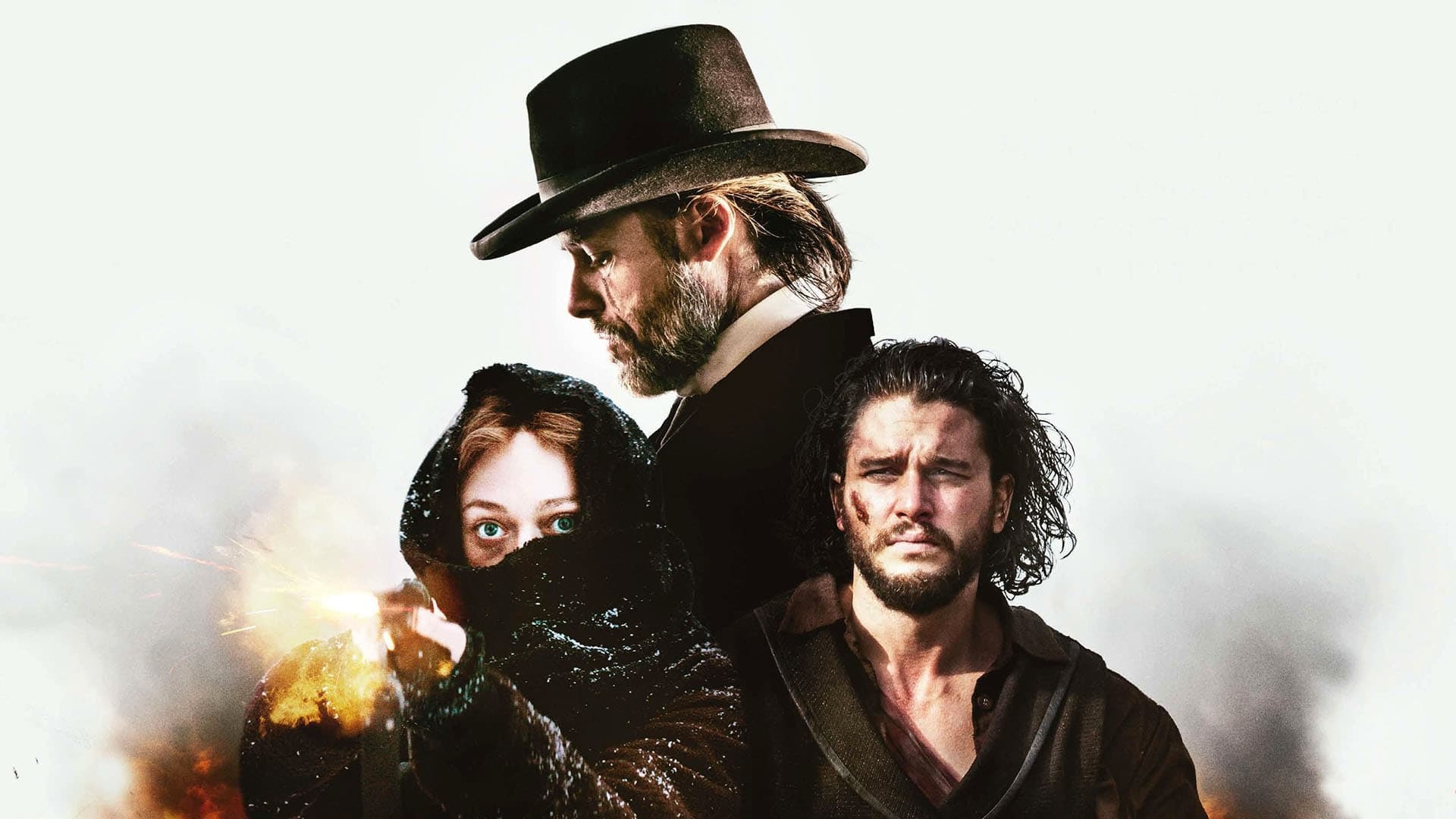
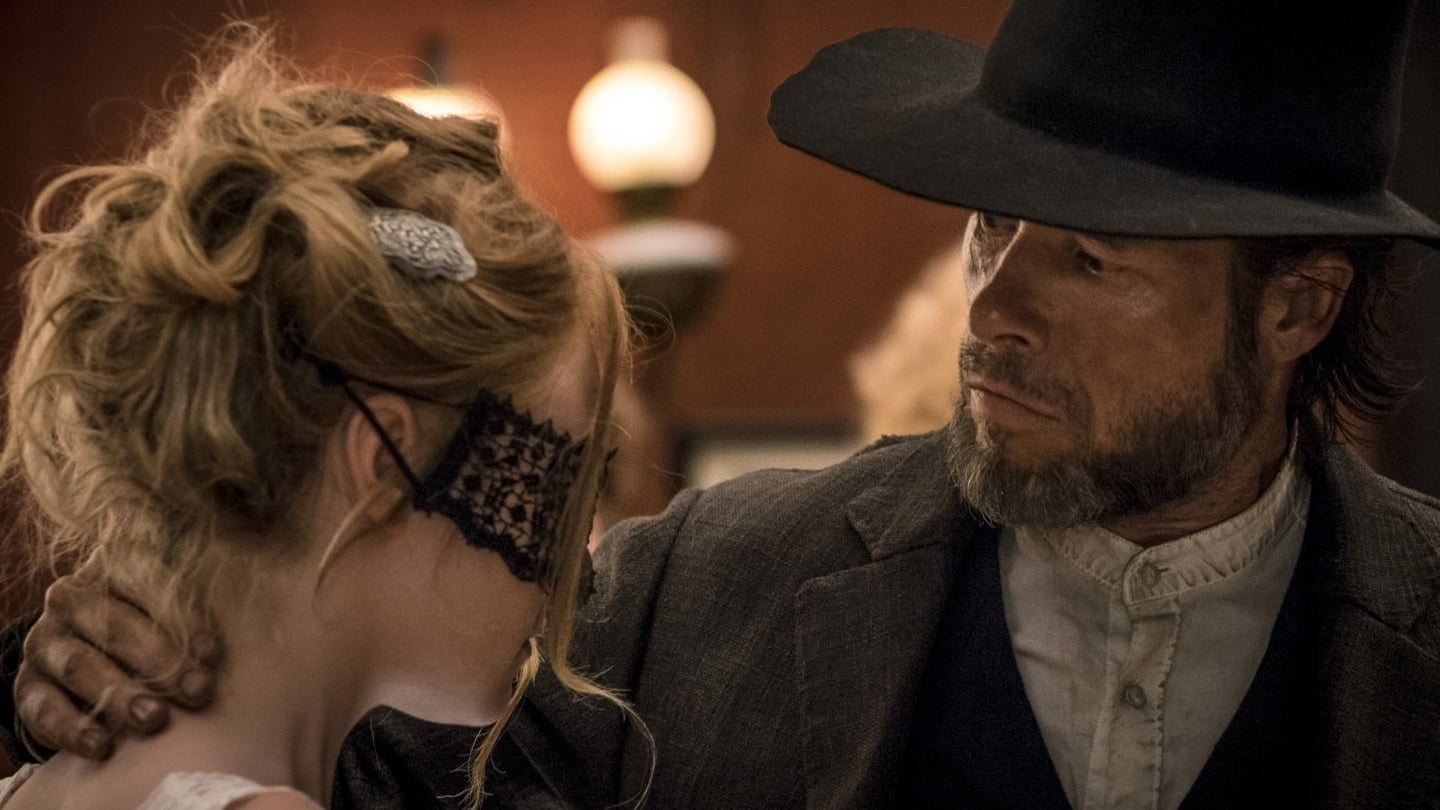
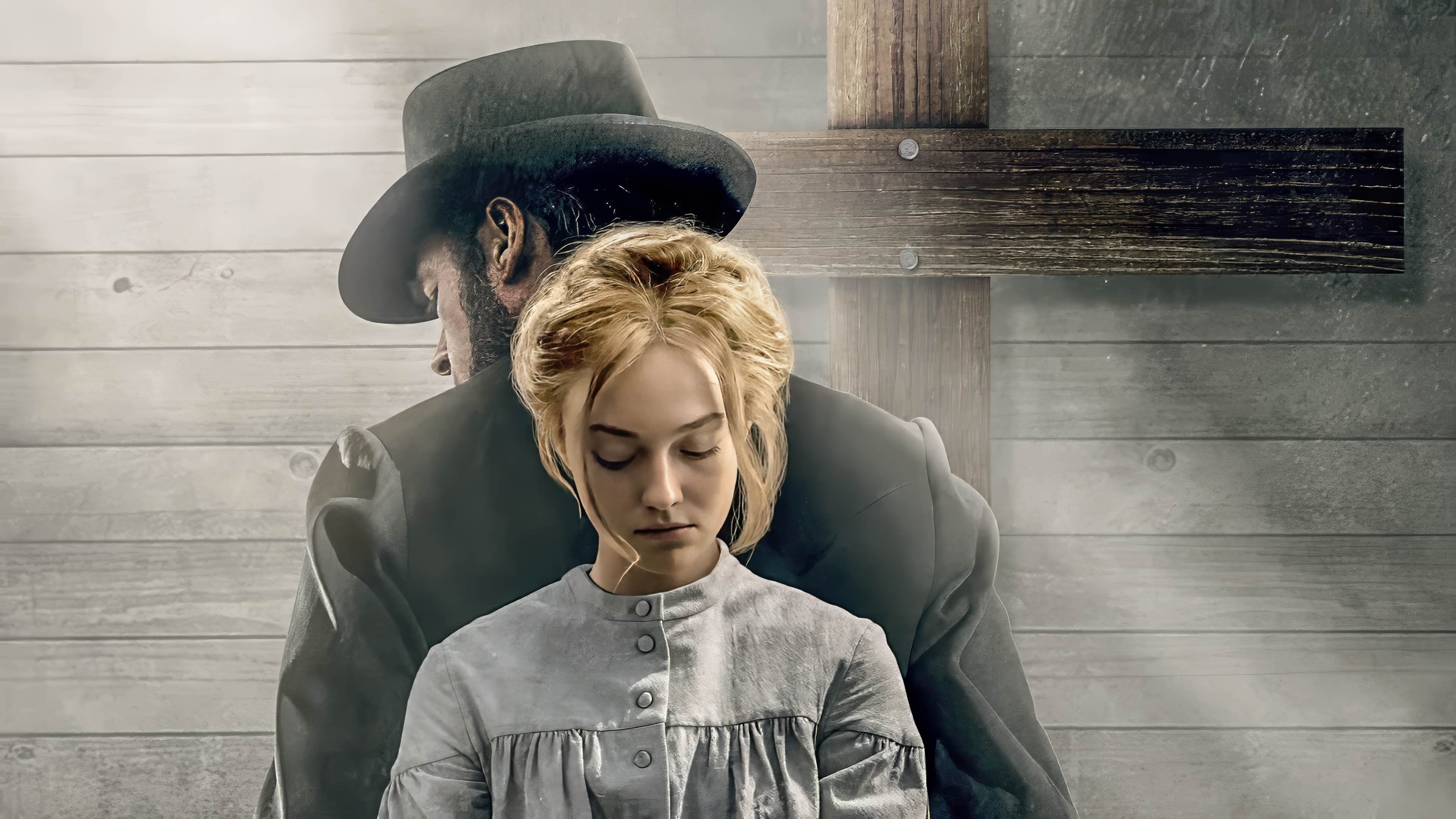
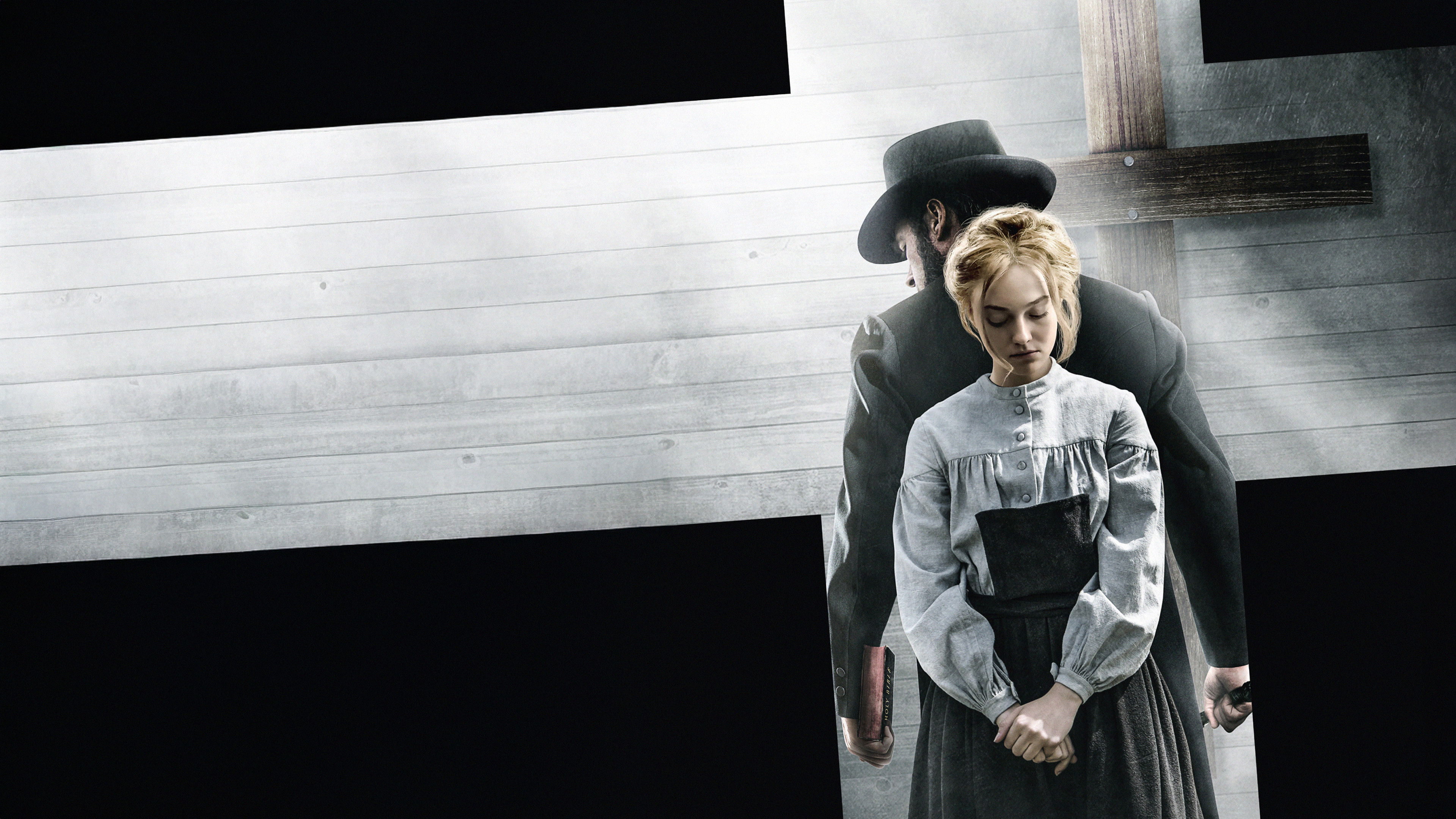
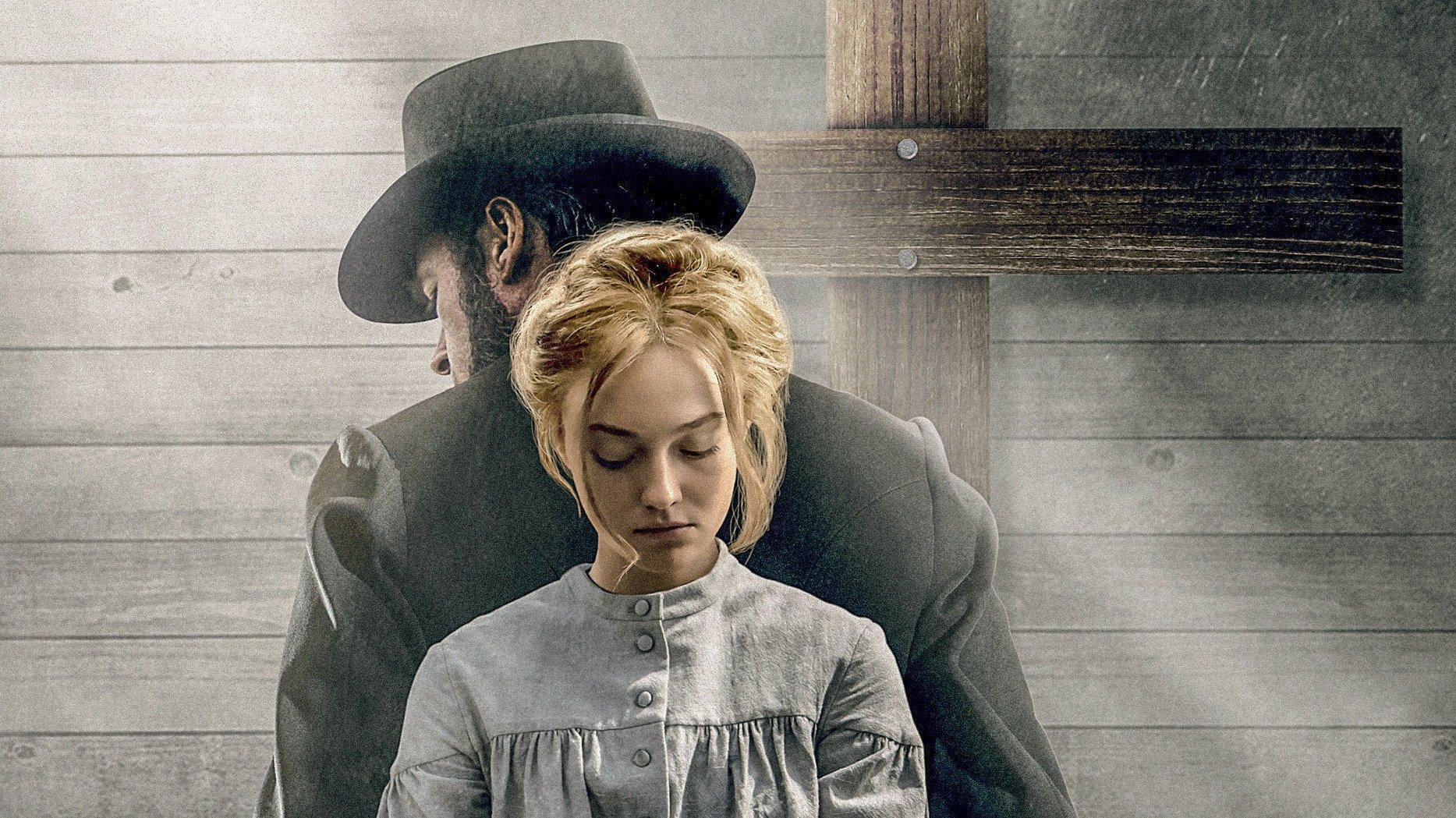
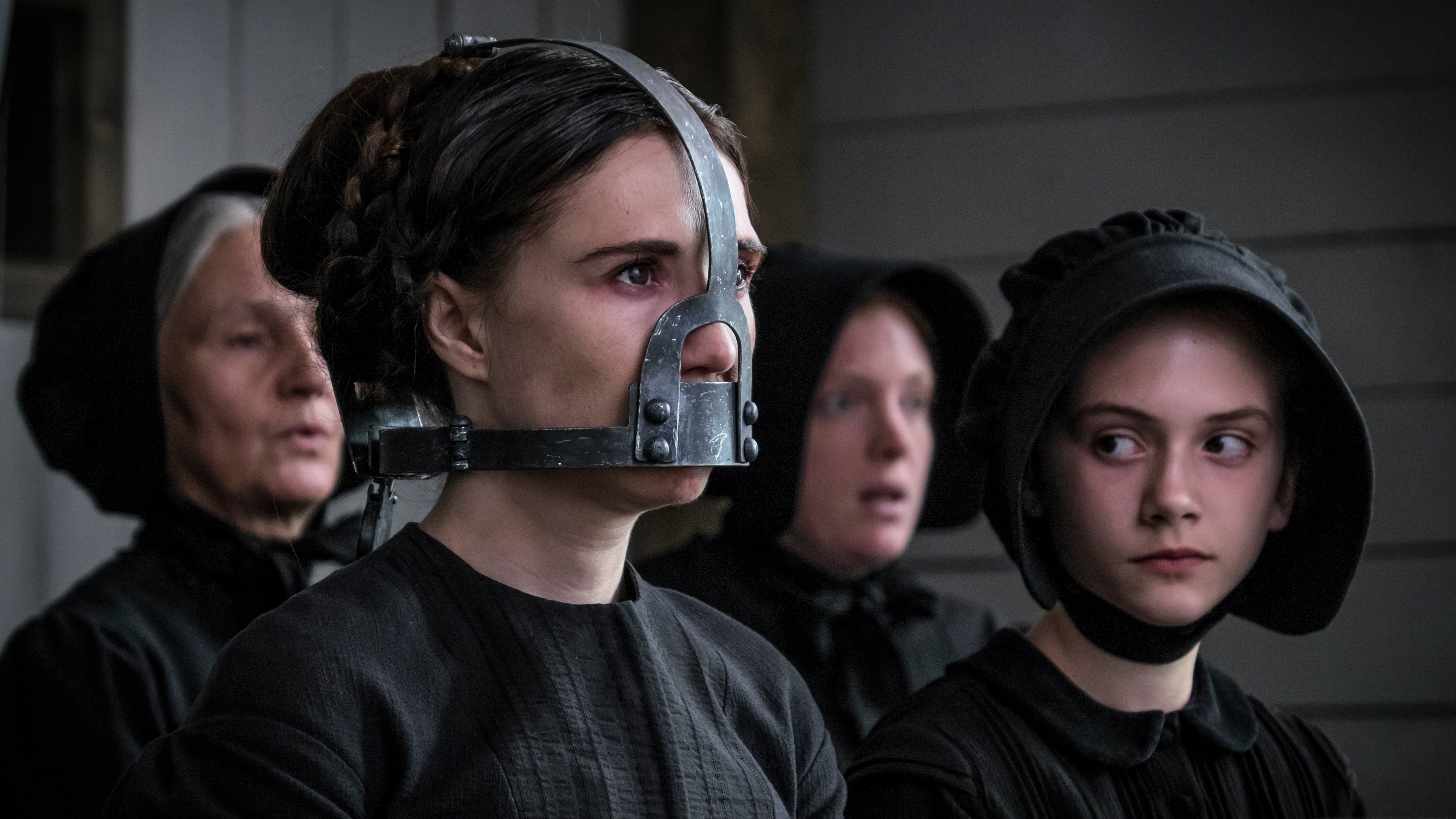
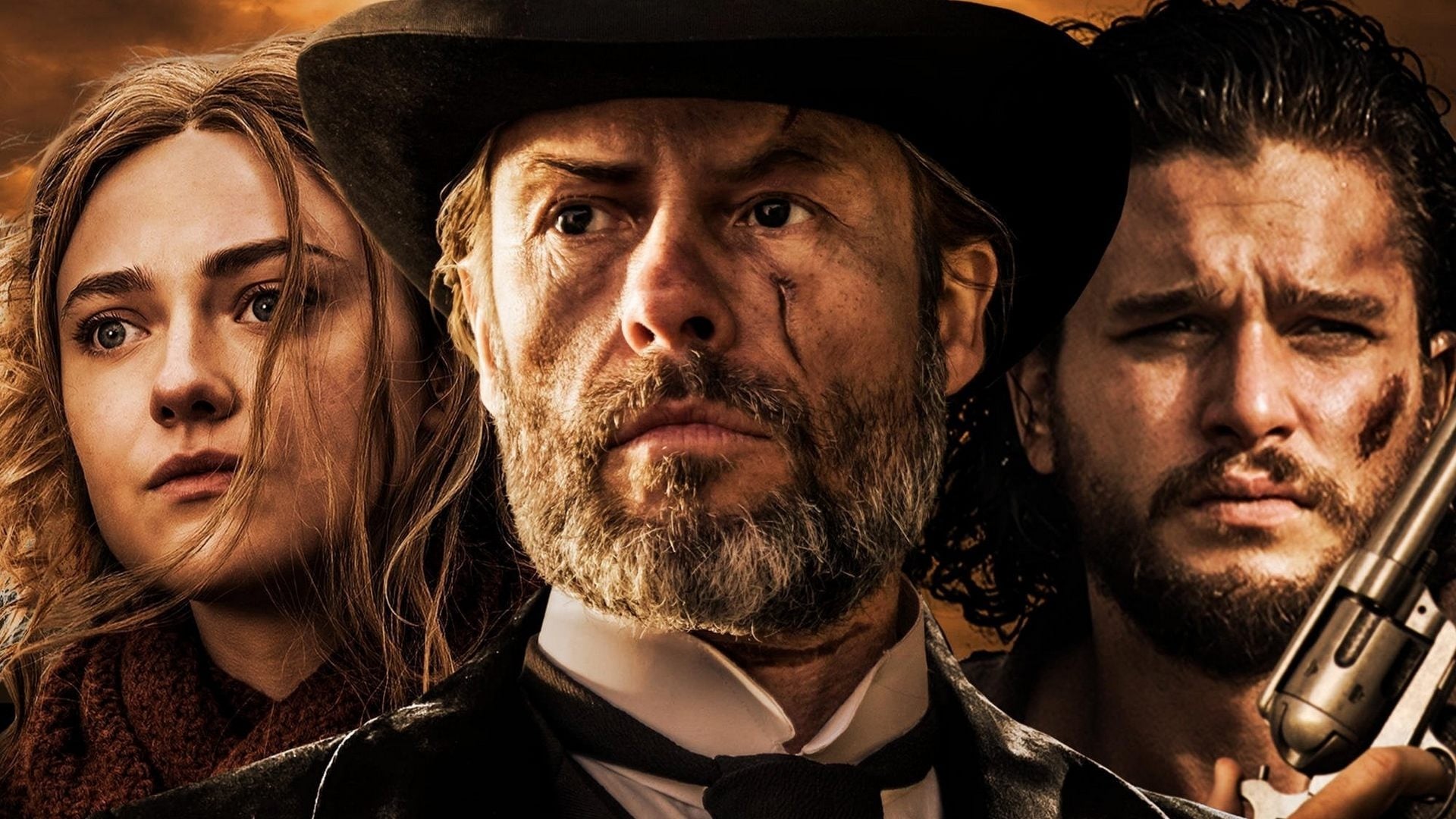
Guy Pearce is terrifying in the best way ; his character embodies patriarchal violence cloaked in religious justification. The scary thing isn’t just what he does, but that his intentions are inscrutable, and his façade of righteousness makes him even more horrifying. In contrast, the other men in the story are openly abusive, loud, and obvious which ironically makes them less frightening because you “know” where you stand. I love that paradox: the concealed evil versus the blatant cruelty, both equally devastating to the women, but operating in different ways.
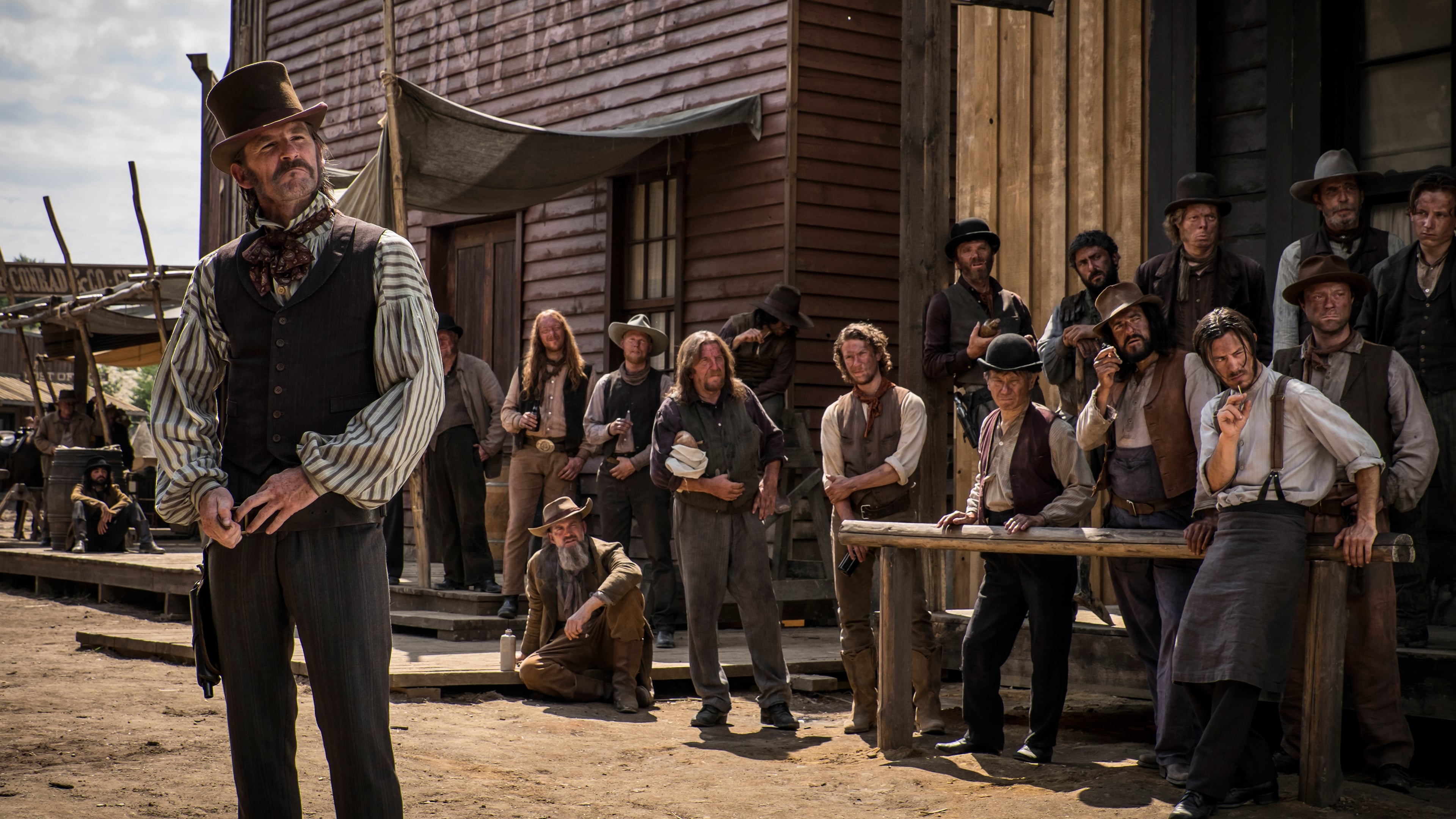
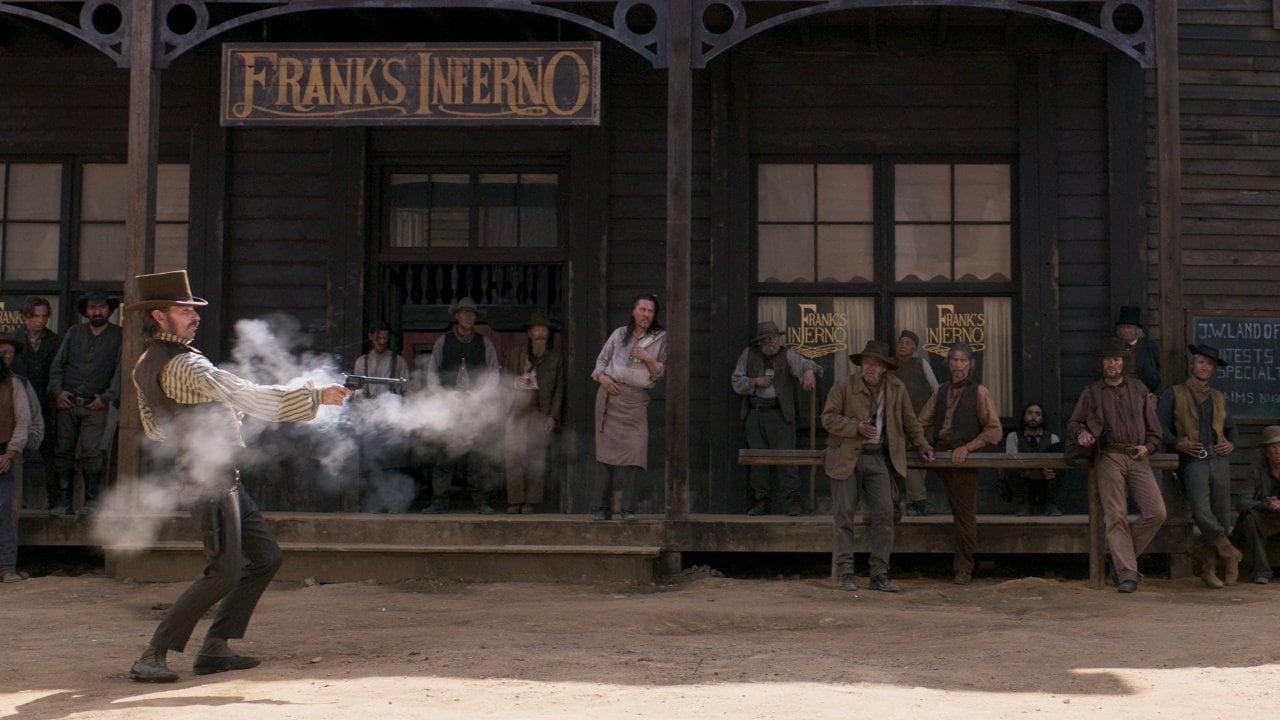
I could almost picture Quentin Tarantino making a film like this the western vibes, the brutal violence, the symbolic framing, even the horse scenes. It’s gruesome, unflinching, and unapologetically dark. This is not an enjoyable watch, but it’s the kind of discomfort that makes you reflect on history, power, and gendered violence.
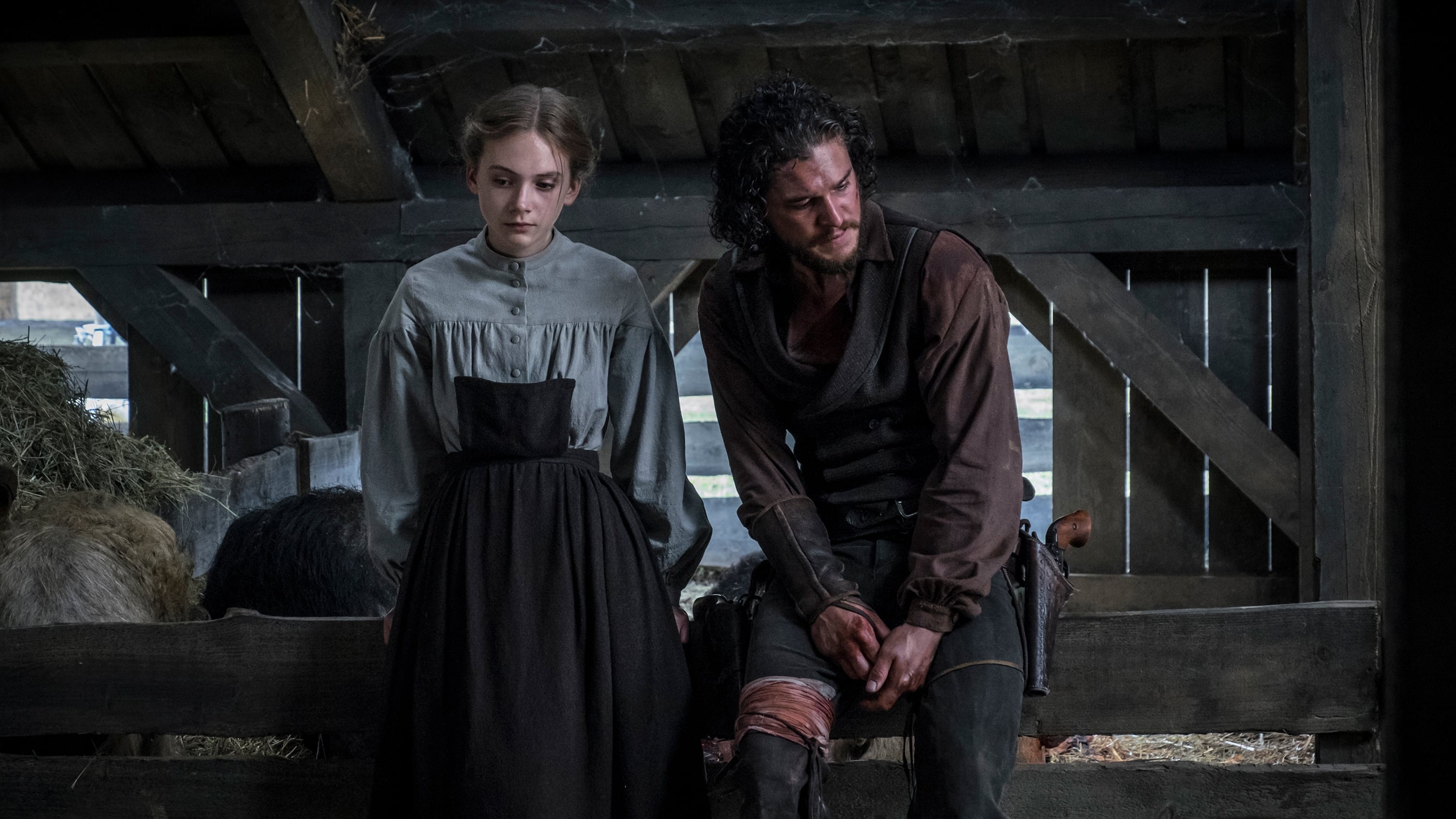
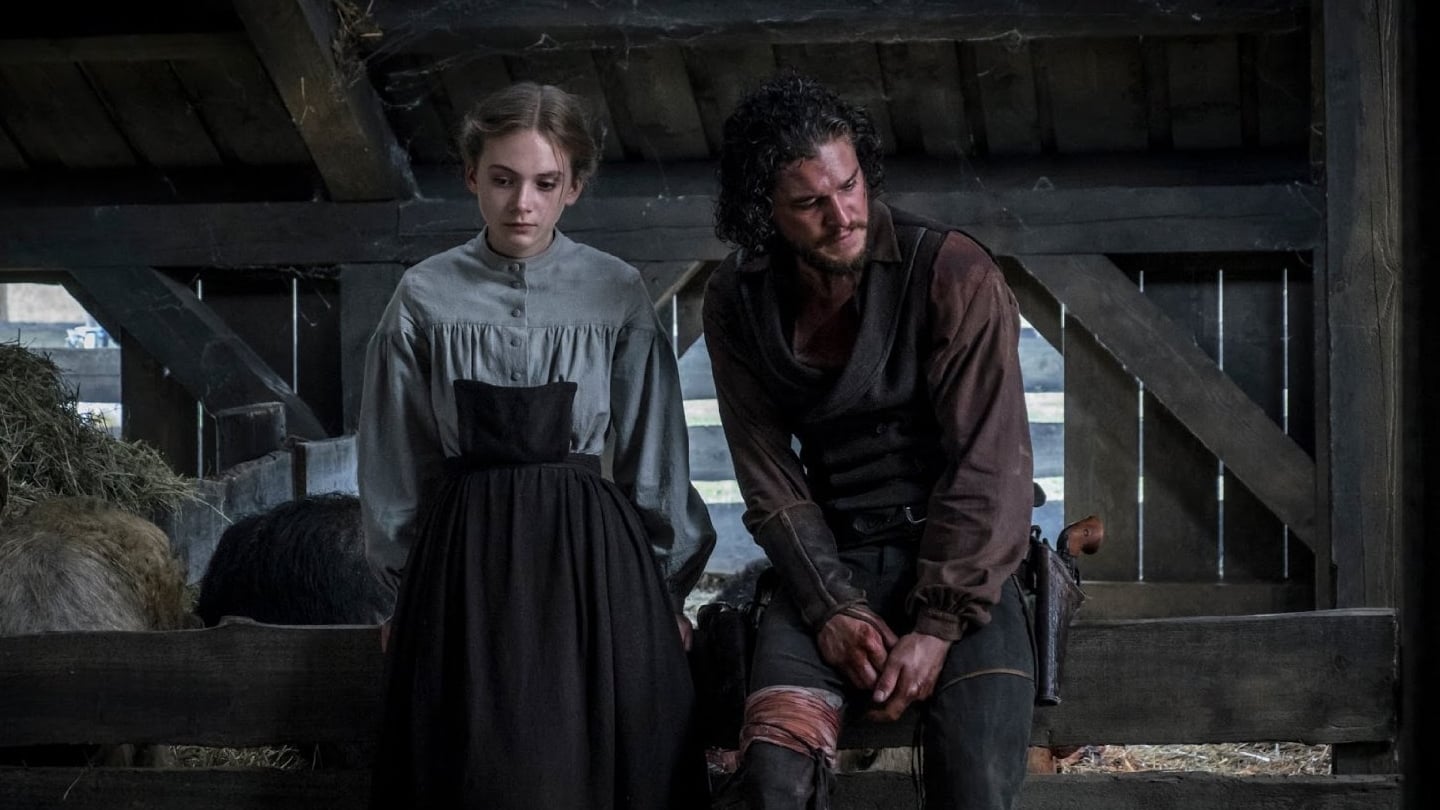
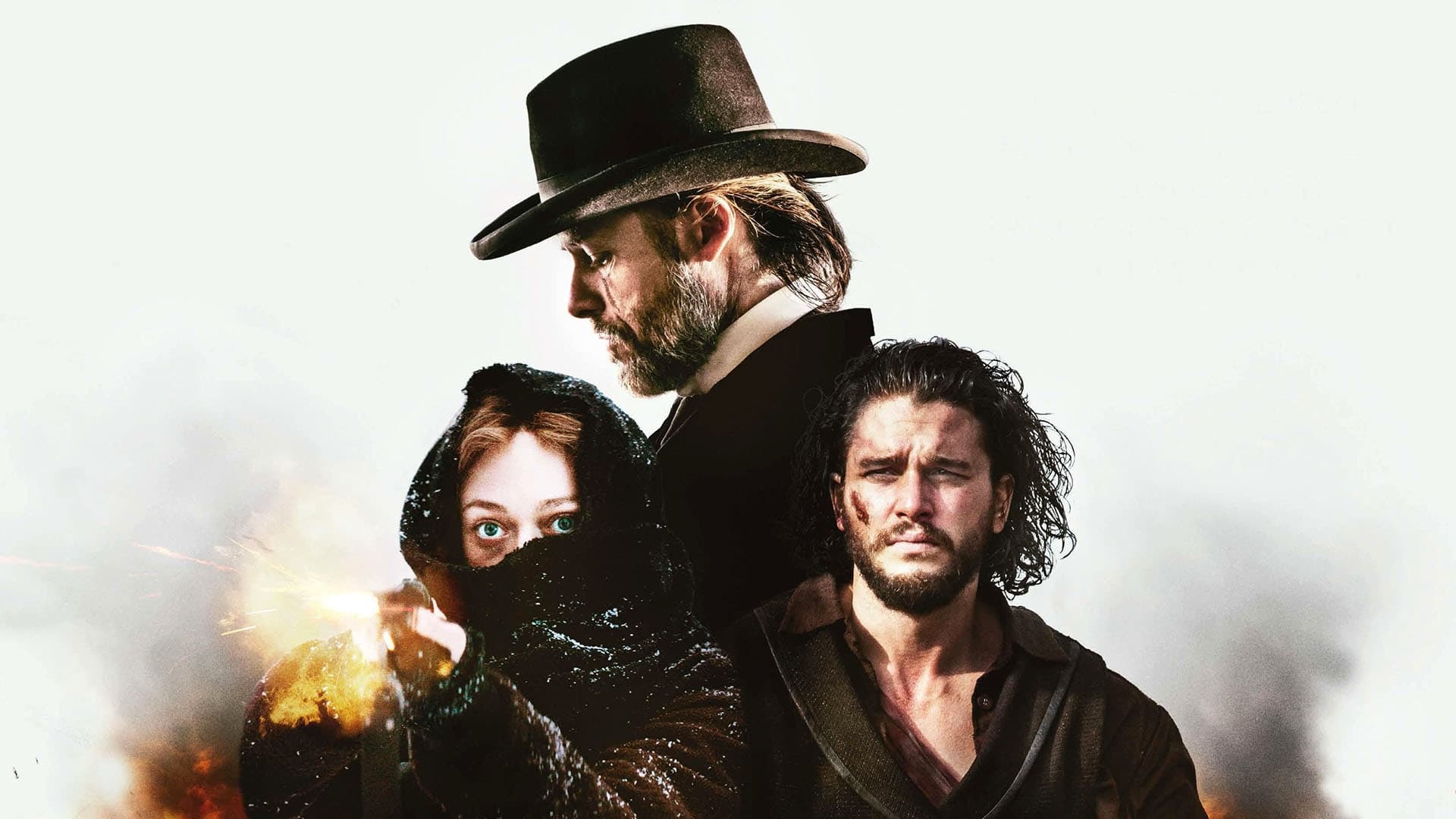
Where the film falters is in emotional payoff. The husband’s death feels too quick, and Kit Harington’s character is underdeveloped; their potential for genuine connection is hinted at but never fully realized. These gaps stop the movie from achieving the masterpiece status it could have. Still, the thematic ambition, the moral complexity, and the intelligence behind its construction make Brimstone a haunting, thought-provoking experience*
*Brimstone is a film I admire more than I enjoy and that’s part of its power. The chapter-based structure and nonlinear storytelling are brilliant, giving the narrative a fractured, almost psychological feel that mirrors trauma. The way we oscillate between past and present adds depth, forcing the viewer to actively piece together the story rather than passively consume it.
Guy Pearce is terrifying in the best way ; his character embodies patriarchal violence cloaked in religious justification. The scary thing isn’t just what he does, but that his intentions are inscrutable, and his façade of righteousness makes him even more horrifying. In contrast, the other men in the story are openly abusive, loud, and obvious which ironically makes them less frightening because you “know” where you stand. I love that paradox: the concealed evil versus the blatant cruelty, both equally devastating to the women, but operating in different ways.
I could almost picture Quentin Tarantino making a film like this the western vibes, the brutal violence, the symbolic framing, even the horse scenes. It’s gruesome, unflinching, and unapologetically dark. This is not an enjoyable watch, but it’s the kind of discomfort that makes you reflect on history, power, and gendered violence.
Where the film falters is in emotional payoff. The husband’s death feels too quick, and Kit Harington’s character is underdeveloped; their potential for genuine connection is hinted at but never fully realized. These gaps stop the movie from achieving the masterpiece status it could have. Still, the thematic ambition, the moral complexity, and the intelligence behind its construction make Brimstone a haunting, thought-provoking experience*