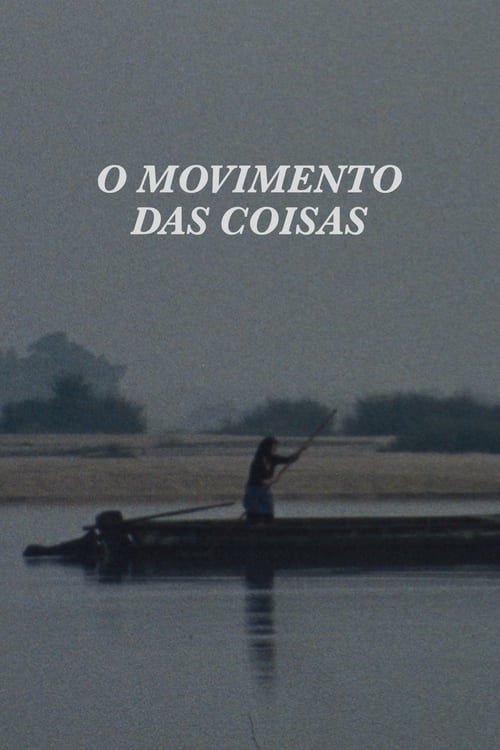
This is the second time I've seen Manuela Serra's "The Movement of Things," but this second time I was even more impressed.
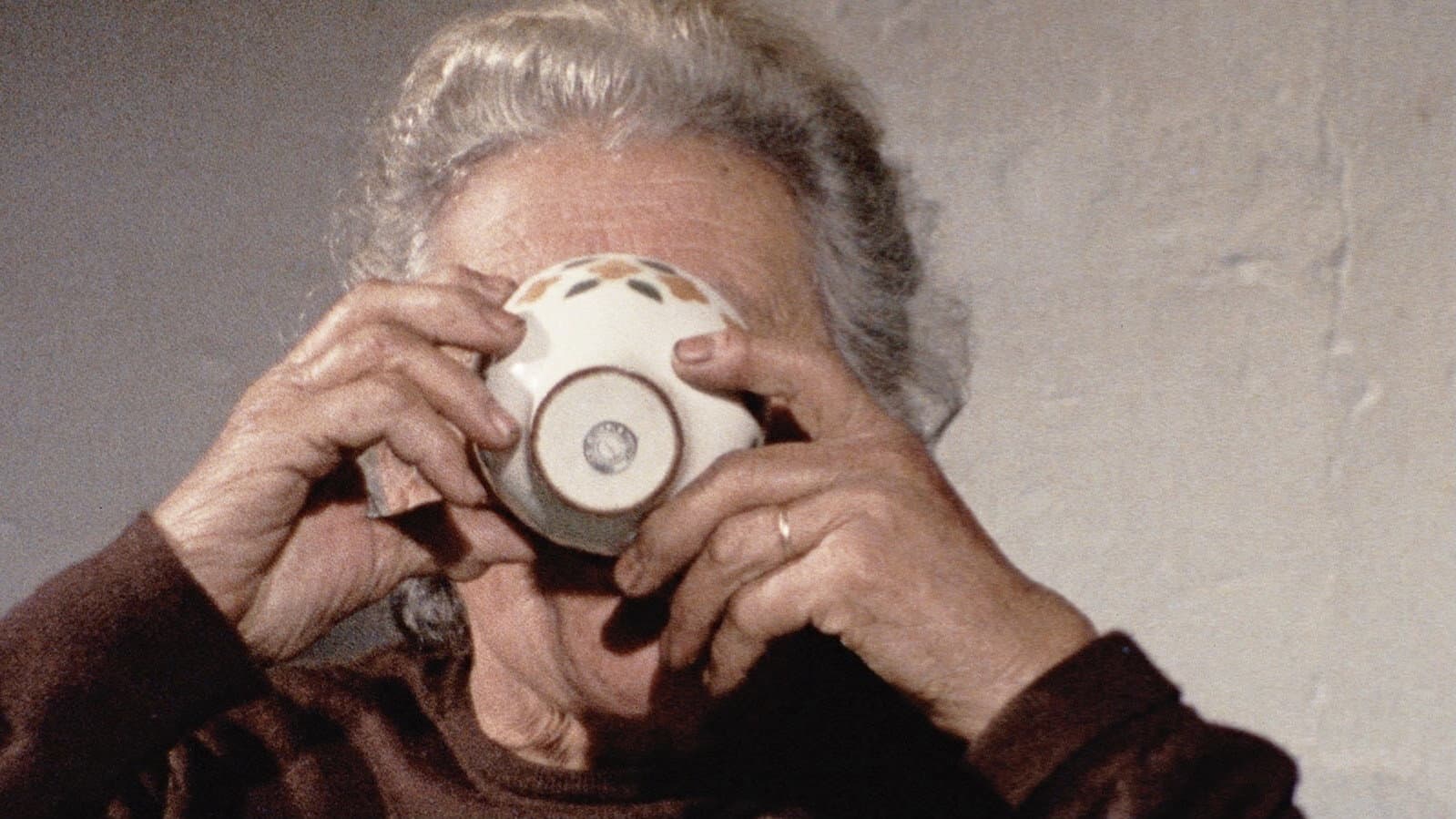
I have a teacher who said she doesn't see anything ethnographic in this film - I wonder if she really did. Ultimately, the storytelling in this film serves only to maintain the cohesion of a film that is purely sensory imagery and a tribute to the immortality of Alto Minho — I would even say that, more than fiction, it's a documentary with some staged parts.
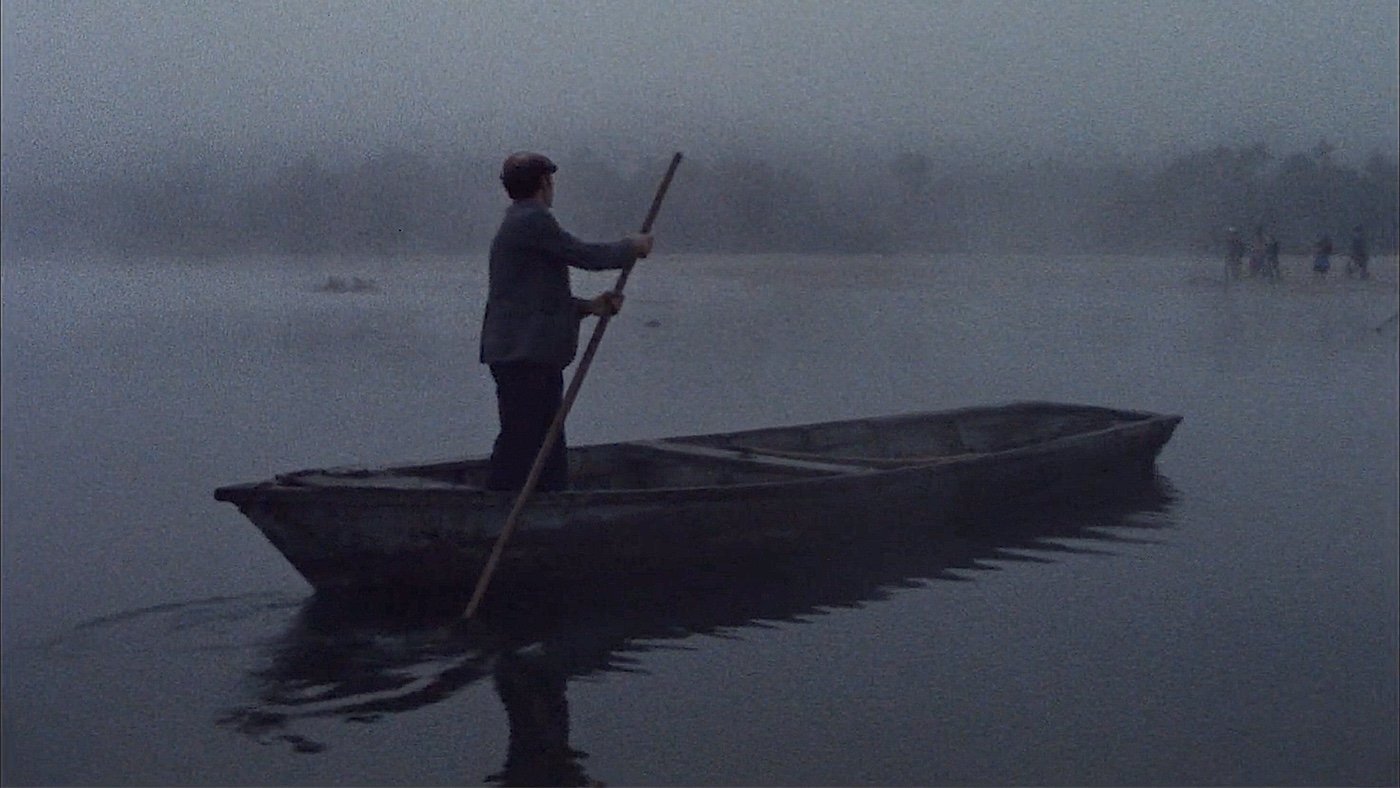
There is a dimension of sensitivity in Manuela Serra's first and only film that Studio Ghibli animators take years and years to achieve—there is an aesthetic dimension stemming from the direction and cinematography that would make the film a cultural landmark even if it didn't tell a story.
One of the most beautiful films I’ve ever seen.
This is the second time I've seen Manuela Serra's "The Movement of Things," but this second time I was even more impressed.
I have a teacher who said she doesn't see anything ethnographic in this film - I wonder if she really did. Ultimately, the storytelling in this film serves only to maintain the cohesion of a film that is purely sensory imagery and a tribute to the immortality of Alto Minho — I would even say that, more than fiction, it's a documentary with some staged parts.
There is a dimension of sensitivity in Manuela Serra's first and only film that Studio Ghibli animators take years and years to achieve—there is an aesthetic dimension stemming from the direction and cinematography that would make the film a cultural landmark even if it didn't tell a story.
One of the most beautiful films I’ve ever seen.