You’d think a slow, non-climactic film like this would bore you, but Nightshift completely absorbed me. I enjoyed every second, and it feels like something I could rewatch endlessly—not because it demands interpretation, but because it simply exists so comfortably.
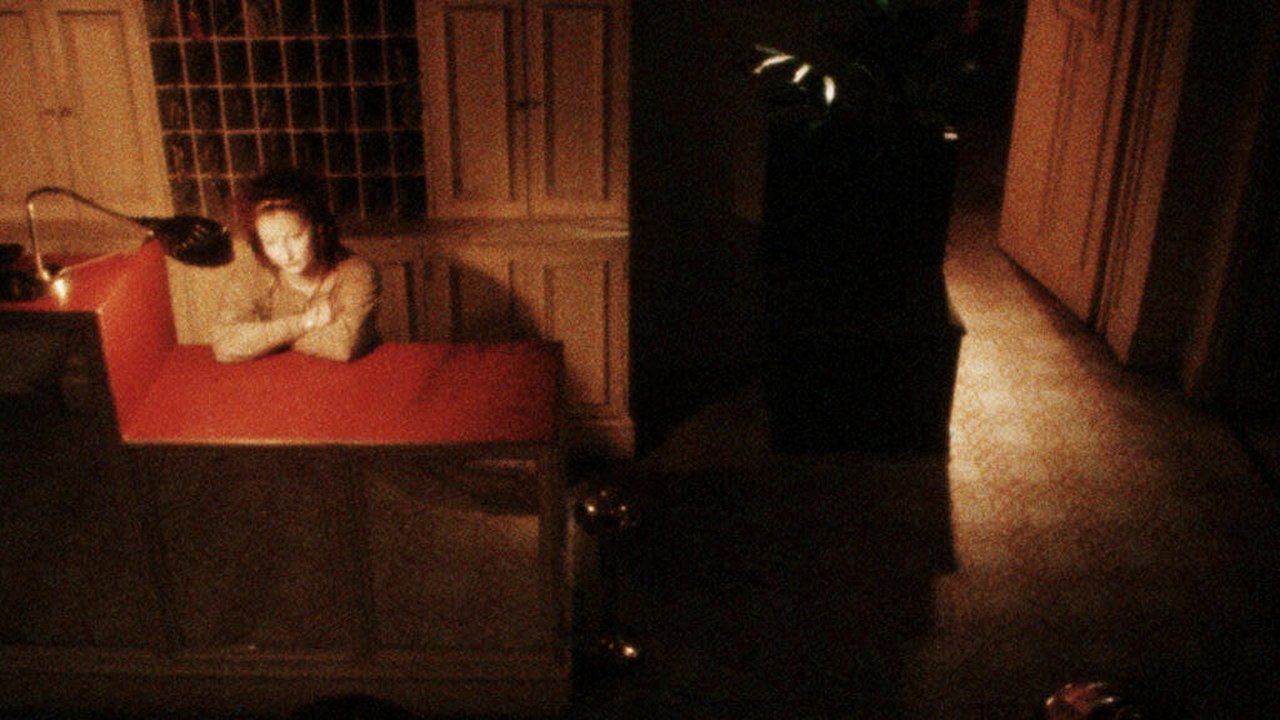
The film sits in this strange space of relaxing discomfort—uncomfortably comfortable, comfortably uncomfortable. It’s grainy, warm, and softly hued, giving everything a hazy, late night texture. It feels dreamy, but not in an overtly surreal way—more like how dreams usually are. Nothing is wildly abstract, yet everything feels slightly off. It’s uncanny, but in a strangely gentle, almost hug-like way. I never thought uncanniness could feel so comforting.
What really struck me is the film’s quiet meditation on ephemerality and transience. These encounters are fleeting—small, mundane, sometimes idiotic—but they linger. No matter how insignificant they seem, there’s always the possibility that you’ll never forget them. And even if you do, the idea that you might not is powerful. There’s a strong sense of sonder and impermanence here, and even the people we despise can leave a strange absence behind once they’re gone.
The Receptionist, in particular, is treated less like a person and more like a function. She exists to listen, to serve, to absorb other people’s whining and misbehaviour. No one asks about her life, her interests, her inner world. She isn’t afforded autonomy—because it’s customer service, because that’s her “purpose.” When she wipes the makeup from her face, it feels like a brief shedding of that forced pleasantness, revealing just how exhausted she is.
The emotions the film stirs are soft but extreme. I wasn’t shocked, and I wasn’t drowning in melancholy either—it’s something quieter and harder to pin down. And visually, it’s beautiful. As the top liked review on here points out, Nightshift is almost a masterclass in framing and camerawork—where to place a camera, when to hold back, and how to let a shot breathe. Watching it, you can feel how true that is. Every frame feels deliberate without ever calling attention to itself.
Everything just works.
You’d think a slow, non-climactic film like this would bore you, but Nightshift completely absorbed me. I enjoyed every second, and it feels like something I could rewatch endlessly—not because it demands interpretation, but because it simply exists so comfortably.
The film sits in this strange space of relaxing discomfort—uncomfortably comfortable, comfortably uncomfortable. It’s grainy, warm, and softly hued, giving everything a hazy, late night texture. It feels dreamy, but not in an overtly surreal way—more like how dreams usually are. Nothing is wildly abstract, yet everything feels slightly off. It’s uncanny, but in a strangely gentle, almost hug-like way. I never thought uncanniness could feel so comforting.
What really struck me is the film’s quiet meditation on ephemerality and transience. These encounters are fleeting—small, mundane, sometimes idiotic—but they linger. No matter how insignificant they seem, there’s always the possibility that you’ll never forget them. And even if you do, the idea that you might not is powerful. There’s a strong sense of sonder and impermanence here, and even the people we despise can leave a strange absence behind once they’re gone.
The Receptionist, in particular, is treated less like a person and more like a function. She exists to listen, to serve, to absorb other people’s whining and misbehaviour. No one asks about her life, her interests, her inner world. She isn’t afforded autonomy—because it’s customer service, because that’s her “purpose.” When she wipes the makeup from her face, it feels like a brief shedding of that forced pleasantness, revealing just how exhausted she is.
The emotions the film stirs are soft but extreme. I wasn’t shocked, and I wasn’t drowning in melancholy either—it’s something quieter and harder to pin down. And visually, it’s beautiful. As the top liked review on here points out, Nightshift is almost a masterclass in framing and camerawork—where to place a camera, when to hold back, and how to let a shot breathe. Watching it, you can feel how true that is. Every frame feels deliberate without ever calling attention to itself.
Everything just works.