
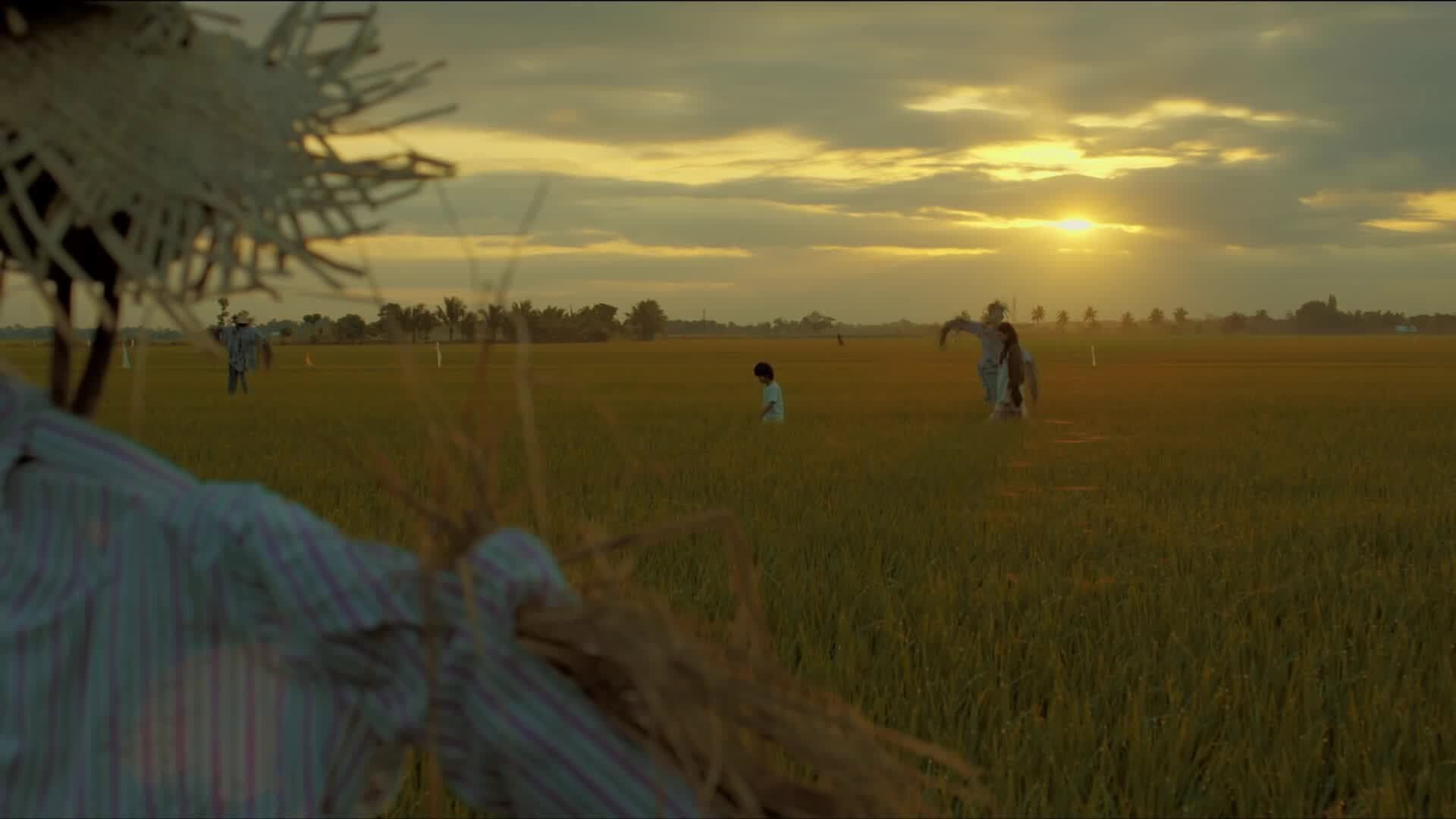
Scarecrow
2015·Drama·1h 22m
7.1
★
The search for a missing watch instigates the painful quest for the truth in Belyn’s and her son’s life.
Directed by Zig Madamba Dulay
philippines

Trailer

IMDB
N/A
Cast

Alessandra de Rossi

Shamaine Buencamino

Micko Laurente

Julio Díaz

Delphine Buencamino

Lui Manansala

Erlinda Villalobos

Kiki Baento
Crew

Zig Madamba Dulay
Director
Zig Madamba Dulay
Writer
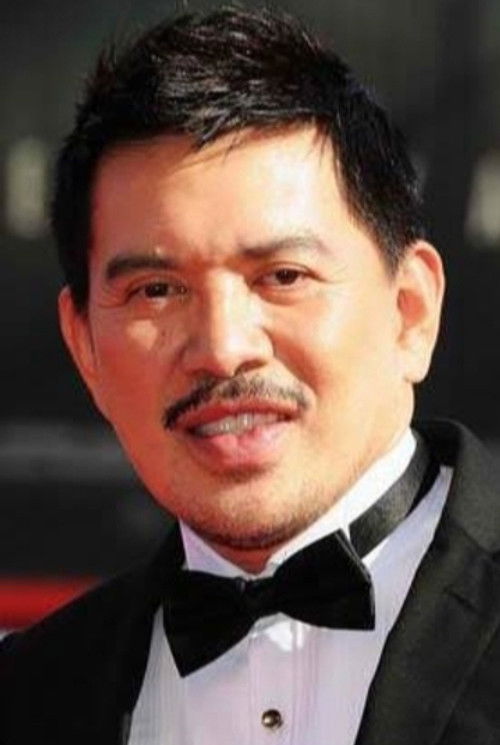
Brillante Ma Mendoza
Executive Producer
Popular Reviews
33 reviews
Earl
8.5★ · 07/12/25

I’ve never seen myself so clearly in a film before, and it hurts. Bambanti hit like a gut punch because I was Popoy. When I was six, living poor in Makati, a neighbor’s uncle accused me of stealing money from a cabinet I couldn’t even reach. I didn’t do it. But that didn’t matter. I was just the poor kid, the easiest one to blame. My mom defended me like her life depended on it, just like Belyn did, and I’ll never forget the way she told me I could never play with that girl again. Watching this brought all that back, the shame, the anger, the confusion of being judged just for being poor. And that’s what Bambanti captures so painfully well: how dignity becomes a fragile thing when you don’t have much to begin with. The scarecrow isn’t just a symbol, it is us, standing guard over lives people already assume are dirty or broken. This film isn’t just social commentary, it’s memory. And it stings.
I’ve never seen myself so clearly in a film before, and it hurts. Bambanti hit like a gut punch because I was Popoy. When I was six, living poor in Makati, a neighbor’s uncle accused me of stealing money from a cabinet I couldn’t even reach. I didn’t do it. But that didn’t matter. I was just the poor kid, the easiest one to blame. My mom defended me like her life depended on it, just like Belyn did, and I’ll never forget the way she told me I could never play with that girl again. Watching this brought all that back, the shame, the anger, the confusion of being judged just for being poor. And that’s what Bambanti captures so painfully well: how dignity becomes a fragile thing when you don’t have much to begin with. The scarecrow isn’t just a symbol, it is us, standing guard over lives people already assume are dirty or broken. This film isn’t just social commentary, it’s memory. And it stings.


caturks
7.0★ · 03/04/26
nakay john denver ang relo at nakay popoy ang ipad
nakay john denver ang relo at nakay popoy ang ipad
Kenken
10.0★ · 02/25/26
Nagpintas.
I am from pangasinan so of course I understood this one very much, what this movie conveys is very close to me. The ending where the truth is not known is so so real, I did not get the ending that comforts me instead I was given false hope, but that makes it a million times better. The scene where Popoy sings a song about their poor life might be the best scene I've ever watched, I cried at that scene it's dear to me. It's crazy that Philippines indie cinema can compete in quality and feelings internationally, especially this and oda sa wala. This might be the first time I've been proud to be a Filipino.
I am from pangasinan so of course I understood this one very much, what this movie conveys is very close to me. The ending where the truth is not known is so so real, I did not get the ending that comforts me instead I was given false hope, but that makes it a million times better. The scene where Popoy sings a song about their poor life might be the best scene I've ever watched, I cried at that scene it's dear to me. It's crazy that Philippines indie cinema can compete in quality and feelings internationally, especially this and oda sa wala. This might be the first time I've been proud to be a Filipino.
Nagpintas.
I am from pangasinan so of course I understood this one very much, what this movie conveys is very close to me. The ending where the truth is not known is so so real, I did not get the ending that comforts me instead I was given false hope, but that makes it a million times better. The scene where Popoy sings a song about their poor life might be the best scene I've ever watched, I cried at that scene it's dear to me. It's crazy that Philippines indie cinema can compete in quality and feelings internationally, especially this and oda sa wala. This might be the first time I've been proud to be a Filipino.
I am from pangasinan so of course I understood this one very much, what this movie conveys is very close to me. The ending where the truth is not known is so so real, I did not get the ending that comforts me instead I was given false hope, but that makes it a million times better. The scene where Popoy sings a song about their poor life might be the best scene I've ever watched, I cried at that scene it's dear to me. It's crazy that Philippines indie cinema can compete in quality and feelings internationally, especially this and oda sa wala. This might be the first time I've been proud to be a Filipino.
Ry
8.0★ · 01/08/26
katulad ng isang bambanti, laging nakakatakot ang una nating iisipin nang hindi nalalaman wala naman pala talaga silang masamang dulot, sa tao man o hayop
katulad ni popoy nang dahil siya’y galing sa hirap, nanay na baon sa utang, at pamilyang hirap sa bukiran—lahat ng ito ay binigyan malisya ng mga taong tingin nila na nakatataas sila dahil he has all the means to steal. bakit? dahil mahirap siya.
at nakakatawa lang isipin na ginagamit lagi nila ang naratibong relihiyoso para maisawalat ang katotohanan. crucifying the innocent for a narrative you want to force and having the audacity it is sinful on the eyes of the Lord?
fuck the classist.
katulad ni popoy nang dahil siya’y galing sa hirap, nanay na baon sa utang, at pamilyang hirap sa bukiran—lahat ng ito ay binigyan malisya ng mga taong tingin nila na nakatataas sila dahil he has all the means to steal. bakit? dahil mahirap siya.
at nakakatawa lang isipin na ginagamit lagi nila ang naratibong relihiyoso para maisawalat ang katotohanan. crucifying the innocent for a narrative you want to force and having the audacity it is sinful on the eyes of the Lord?
fuck the classist.
katulad ng isang bambanti, laging nakakatakot ang una nating iisipin nang hindi nalalaman wala naman pala talaga silang masamang dulot, sa tao man o hayop
katulad ni popoy nang dahil siya’y galing sa hirap, nanay na baon sa utang, at pamilyang hirap sa bukiran—lahat ng ito ay binigyan malisya ng mga taong tingin nila na nakatataas sila dahil he has all the means to steal. bakit? dahil mahirap siya.
at nakakatawa lang isipin na ginagamit lagi nila ang naratibong relihiyoso para maisawalat ang katotohanan. crucifying the innocent for a narrative you want to force and having the audacity it is sinful on the eyes of the Lord?
fuck the classist.
katulad ni popoy nang dahil siya’y galing sa hirap, nanay na baon sa utang, at pamilyang hirap sa bukiran—lahat ng ito ay binigyan malisya ng mga taong tingin nila na nakatataas sila dahil he has all the means to steal. bakit? dahil mahirap siya.
at nakakatawa lang isipin na ginagamit lagi nila ang naratibong relihiyoso para maisawalat ang katotohanan. crucifying the innocent for a narrative you want to force and having the audacity it is sinful on the eyes of the Lord?
fuck the classist.
liway
8.0★ · 01/07/26
mga bagay na nagustuhan ko sa pelikula:
sinematograpiya. pagganap. ginamit na metapora. daloy ng kwento. tagpuan.
sinematograpiya. pagganap. ginamit na metapora. daloy ng kwento. tagpuan.
mga bagay na nagustuhan ko sa pelikula:
sinematograpiya. pagganap. ginamit na metapora. daloy ng kwento. tagpuan.
sinematograpiya. pagganap. ginamit na metapora. daloy ng kwento. tagpuan.