


1999·Comedy·1h 58m
7.1
★


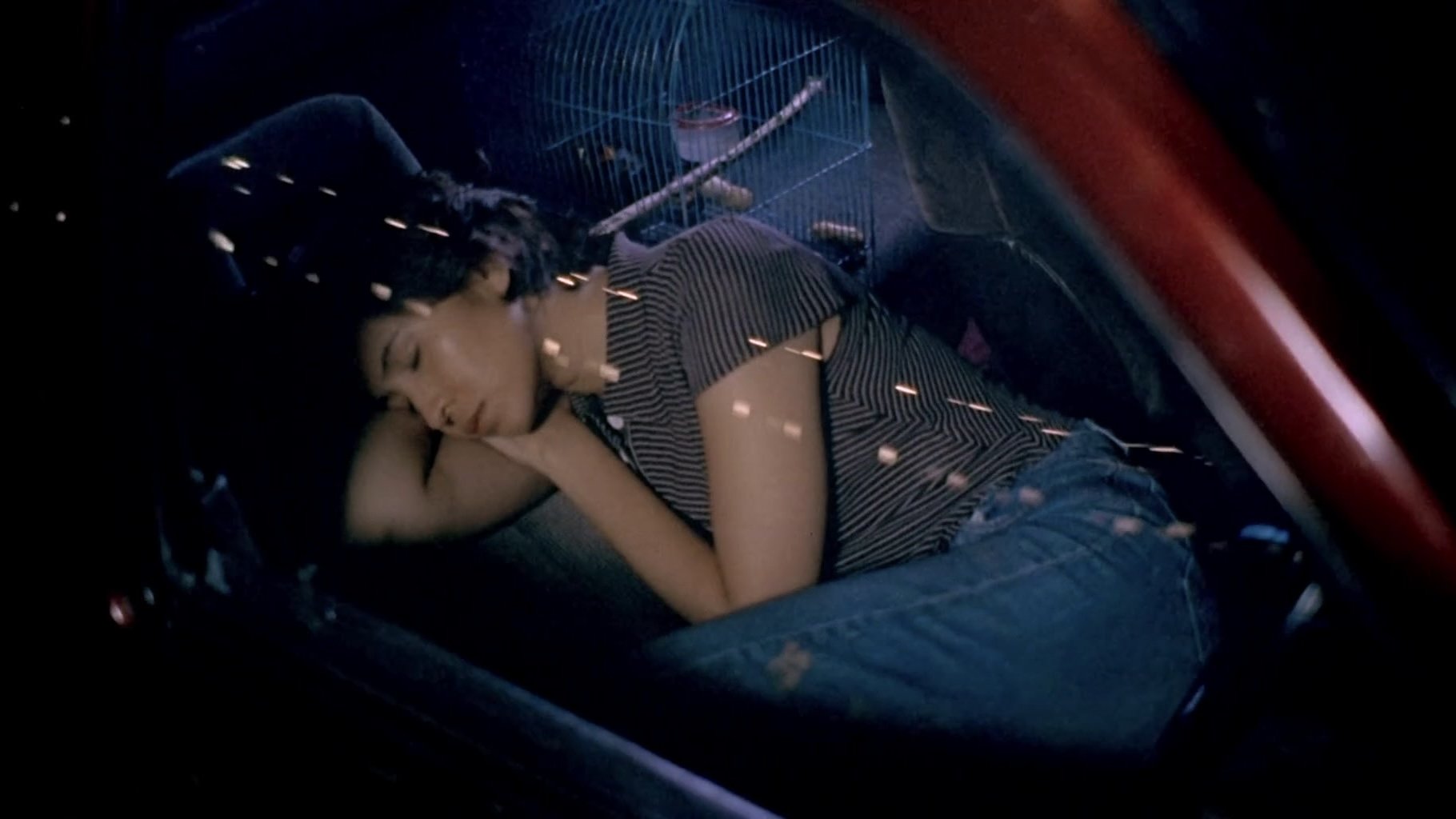
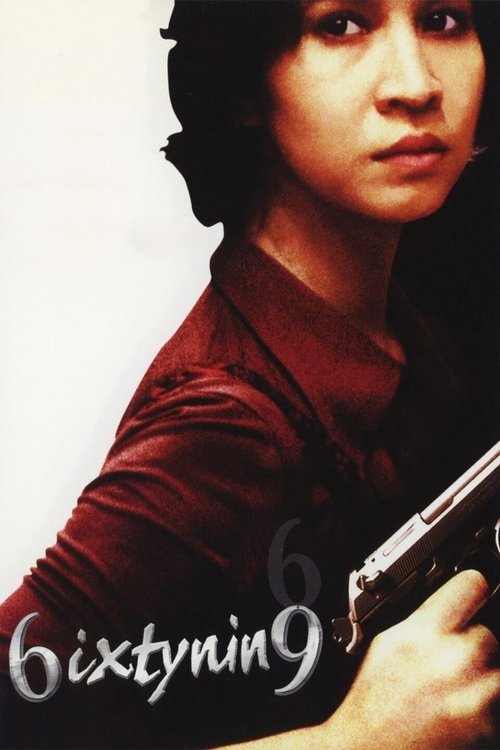
A woman, fired from a financial corporation during the Asia crisis, returns home with no money. However, she finds a box with a fortune in front of her door, and decides to keep it. However, the people that left it there soon want it back.
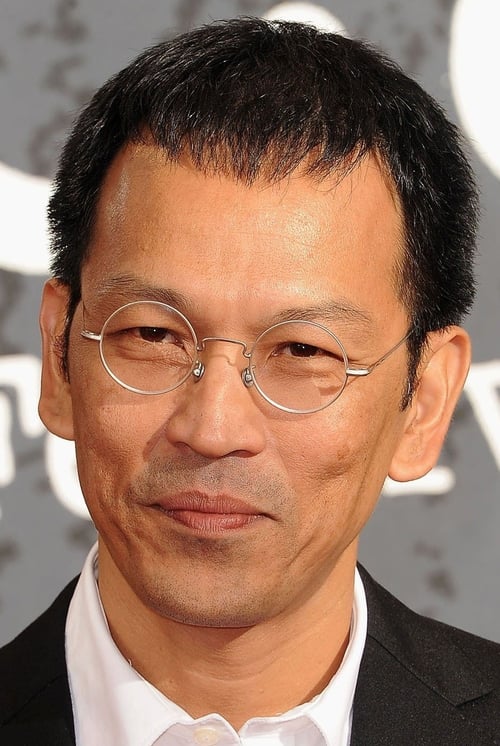
Directed by Pen-Ek Ratanaruang
drug dealer
airport
escape
loss of loved one
dark comedy
mistaken identity
buddhist
money
old man
crying
break-up
praying
crying male

Trailer

IMDB
N/A
Cast

Lalita Panyopas
Tum

Jaran Petcharoen
Uncle Yen

Wichai Jongprasitporn
Cashier

Cheathavuth Watcharakhun
Sornchak
Crew
Pen-Ek Ratanaruang
Director
Pen-Ek Ratanaruang
Screenplay

Paibuljkiat Kheokao
Original Music Composer
Pen-Ek Ratanaruang
Producer

Sombatsara Teerasaroch
Costume Designer
Popular Reviews
22 reviews
Allynn
9.0★ · 05/10/26
ชอบห้องตุ้ม สีเยอะดีจัง
ชอบห้องตุ้ม สีเยอะดีจัง


May
8.4★ · 04/07/26
Gotta stop somehow.Red scene was just brrrrrrr
Gotta stop somehow.Red scene was just brrrrrrr
Jagdish
9.1★ · 05/21/25
“When god gives you a gift, he also gives you a whip.”
Pen-Ek Ratanaruang’s 6IXTYNIN9 is one of those rare films that feels like it slipped through a temporal crack — not just of era, but of genre, tone, and cultural climate. A black comedy drenched in a Bangkok haze, it nails the strange, specific mood of the late ’90s and early 2000s, when analog life still lingered, but the chaos of modernity was knocking harder and harder.
The fashion, the apartments, the rotary phones and boxy monitors, even the way people move through space — it’s all so perfectly preserved. It’s not nostalgia-for-nostalgia’s-sake, but a genuine time capsule of an urban life that feels quietly extinct.
Lalita Panyopas is magnetic as Tum, our quietly expressive, constantly caught-off-guard heroine. It’s baffling — and frankly a little infuriating — that she isn’t a much bigger international name. She anchors the film with a subtle, lived-in weariness, then flips into panic, dark comedy, or resilience without ever breaking stride. Her performance walks the tightrope between absurdist theater and deadpan realism.
And the coincidences! They just keep stacking — like bodies, like noodles, like fate itself is a lazy god flipping coins into our laps. The plot unravels like a Looney Tunes noir, each character a caricature, every decision snowballing into increasingly surreal violence. Yet it’s always grounded. There’s never a wink to the audience, which makes the madness even more potent.
Ratanaruang’s direction is sharp but unfussy. He trusts the script, the camera, the city. There’s a quiet confidence to it all — the mark of a filmmaker who knows exactly what he’s doing, even when his characters don’t.
This is the kind of film you want to put in a time capsule — not just to show what movies were like, but what life felt like for a brief, bizarre moment in history. Also, justice for that wildly handsome Farang actor who was the cop and her neighbor ladies’ lover.
Pen-Ek Ratanaruang’s 6IXTYNIN9 is one of those rare films that feels like it slipped through a temporal crack — not just of era, but of genre, tone, and cultural climate. A black comedy drenched in a Bangkok haze, it nails the strange, specific mood of the late ’90s and early 2000s, when analog life still lingered, but the chaos of modernity was knocking harder and harder.
The fashion, the apartments, the rotary phones and boxy monitors, even the way people move through space — it’s all so perfectly preserved. It’s not nostalgia-for-nostalgia’s-sake, but a genuine time capsule of an urban life that feels quietly extinct.
Lalita Panyopas is magnetic as Tum, our quietly expressive, constantly caught-off-guard heroine. It’s baffling — and frankly a little infuriating — that she isn’t a much bigger international name. She anchors the film with a subtle, lived-in weariness, then flips into panic, dark comedy, or resilience without ever breaking stride. Her performance walks the tightrope between absurdist theater and deadpan realism.
And the coincidences! They just keep stacking — like bodies, like noodles, like fate itself is a lazy god flipping coins into our laps. The plot unravels like a Looney Tunes noir, each character a caricature, every decision snowballing into increasingly surreal violence. Yet it’s always grounded. There’s never a wink to the audience, which makes the madness even more potent.
Ratanaruang’s direction is sharp but unfussy. He trusts the script, the camera, the city. There’s a quiet confidence to it all — the mark of a filmmaker who knows exactly what he’s doing, even when his characters don’t.
This is the kind of film you want to put in a time capsule — not just to show what movies were like, but what life felt like for a brief, bizarre moment in history. Also, justice for that wildly handsome Farang actor who was the cop and her neighbor ladies’ lover.
“When god gives you a gift, he also gives you a whip.”
Pen-Ek Ratanaruang’s 6IXTYNIN9 is one of those rare films that feels like it slipped through a temporal crack — not just of era, but of genre, tone, and cultural climate. A black comedy drenched in a Bangkok haze, it nails the strange, specific mood of the late ’90s and early 2000s, when analog life still lingered, but the chaos of modernity was knocking harder and harder.
The fashion, the apartments, the rotary phones and boxy monitors, even the way people move through space — it’s all so perfectly preserved. It’s not nostalgia-for-nostalgia’s-sake, but a genuine time capsule of an urban life that feels quietly extinct.
Lalita Panyopas is magnetic as Tum, our quietly expressive, constantly caught-off-guard heroine. It’s baffling — and frankly a little infuriating — that she isn’t a much bigger international name. She anchors the film with a subtle, lived-in weariness, then flips into panic, dark comedy, or resilience without ever breaking stride. Her performance walks the tightrope between absurdist theater and deadpan realism.
And the coincidences! They just keep stacking — like bodies, like noodles, like fate itself is a lazy god flipping coins into our laps. The plot unravels like a Looney Tunes noir, each character a caricature, every decision snowballing into increasingly surreal violence. Yet it’s always grounded. There’s never a wink to the audience, which makes the madness even more potent.
Ratanaruang’s direction is sharp but unfussy. He trusts the script, the camera, the city. There’s a quiet confidence to it all — the mark of a filmmaker who knows exactly what he’s doing, even when his characters don’t.
This is the kind of film you want to put in a time capsule — not just to show what movies were like, but what life felt like for a brief, bizarre moment in history. Also, justice for that wildly handsome Farang actor who was the cop and her neighbor ladies’ lover.
Pen-Ek Ratanaruang’s 6IXTYNIN9 is one of those rare films that feels like it slipped through a temporal crack — not just of era, but of genre, tone, and cultural climate. A black comedy drenched in a Bangkok haze, it nails the strange, specific mood of the late ’90s and early 2000s, when analog life still lingered, but the chaos of modernity was knocking harder and harder.
The fashion, the apartments, the rotary phones and boxy monitors, even the way people move through space — it’s all so perfectly preserved. It’s not nostalgia-for-nostalgia’s-sake, but a genuine time capsule of an urban life that feels quietly extinct.
Lalita Panyopas is magnetic as Tum, our quietly expressive, constantly caught-off-guard heroine. It’s baffling — and frankly a little infuriating — that she isn’t a much bigger international name. She anchors the film with a subtle, lived-in weariness, then flips into panic, dark comedy, or resilience without ever breaking stride. Her performance walks the tightrope between absurdist theater and deadpan realism.
And the coincidences! They just keep stacking — like bodies, like noodles, like fate itself is a lazy god flipping coins into our laps. The plot unravels like a Looney Tunes noir, each character a caricature, every decision snowballing into increasingly surreal violence. Yet it’s always grounded. There’s never a wink to the audience, which makes the madness even more potent.
Ratanaruang’s direction is sharp but unfussy. He trusts the script, the camera, the city. There’s a quiet confidence to it all — the mark of a filmmaker who knows exactly what he’s doing, even when his characters don’t.
This is the kind of film you want to put in a time capsule — not just to show what movies were like, but what life felt like for a brief, bizarre moment in history. Also, justice for that wildly handsome Farang actor who was the cop and her neighbor ladies’ lover.
Feine
7.2★ · 12/06/24
ทุกคนแม่งเสือกหมดเลยว่ะ
ทุกคนแม่งเสือกหมดเลยว่ะ
judgmentjo
8.0★ · 08/28/24
Soundtrack คือ
Soundtrack คือ