Fando y Lis is both whimsical and deeply cruel—a film where play, love, and violence collapse into the same gesture. Jodorowsky creates a world governed entirely by dominance, ritual, and repetition, where liberation never arrives and innocence is something to be consumed rather than protected.
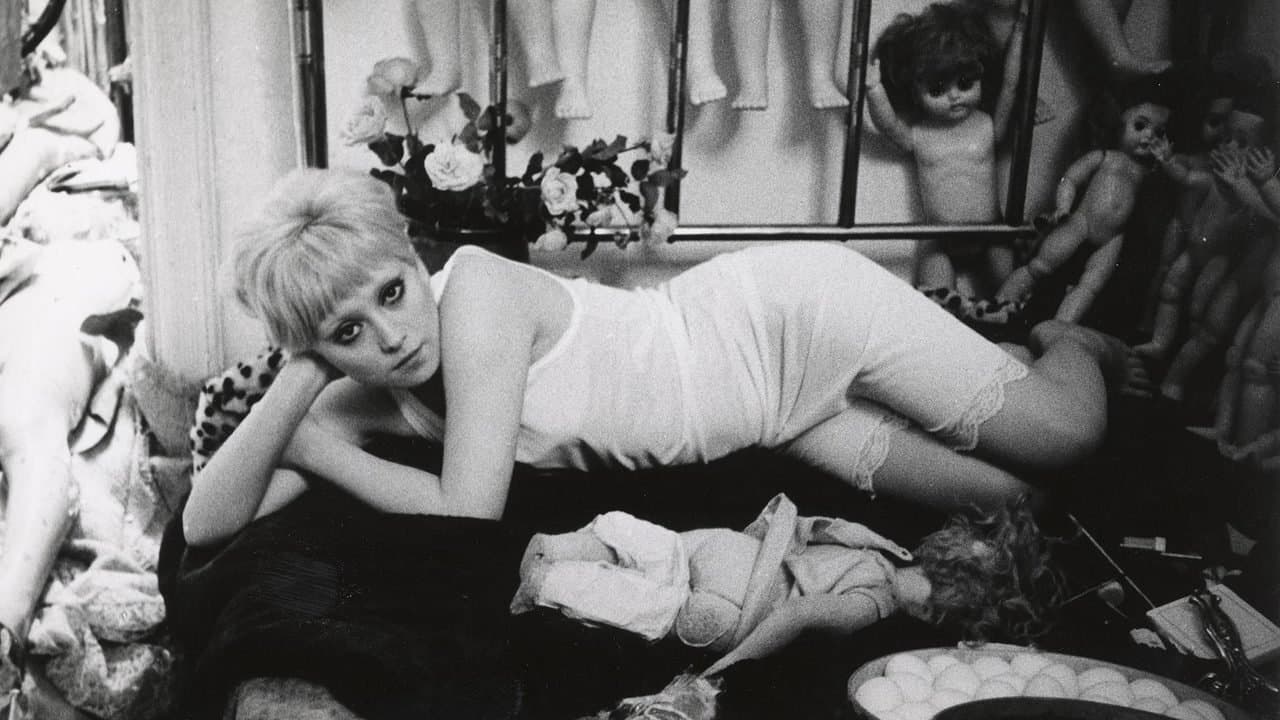
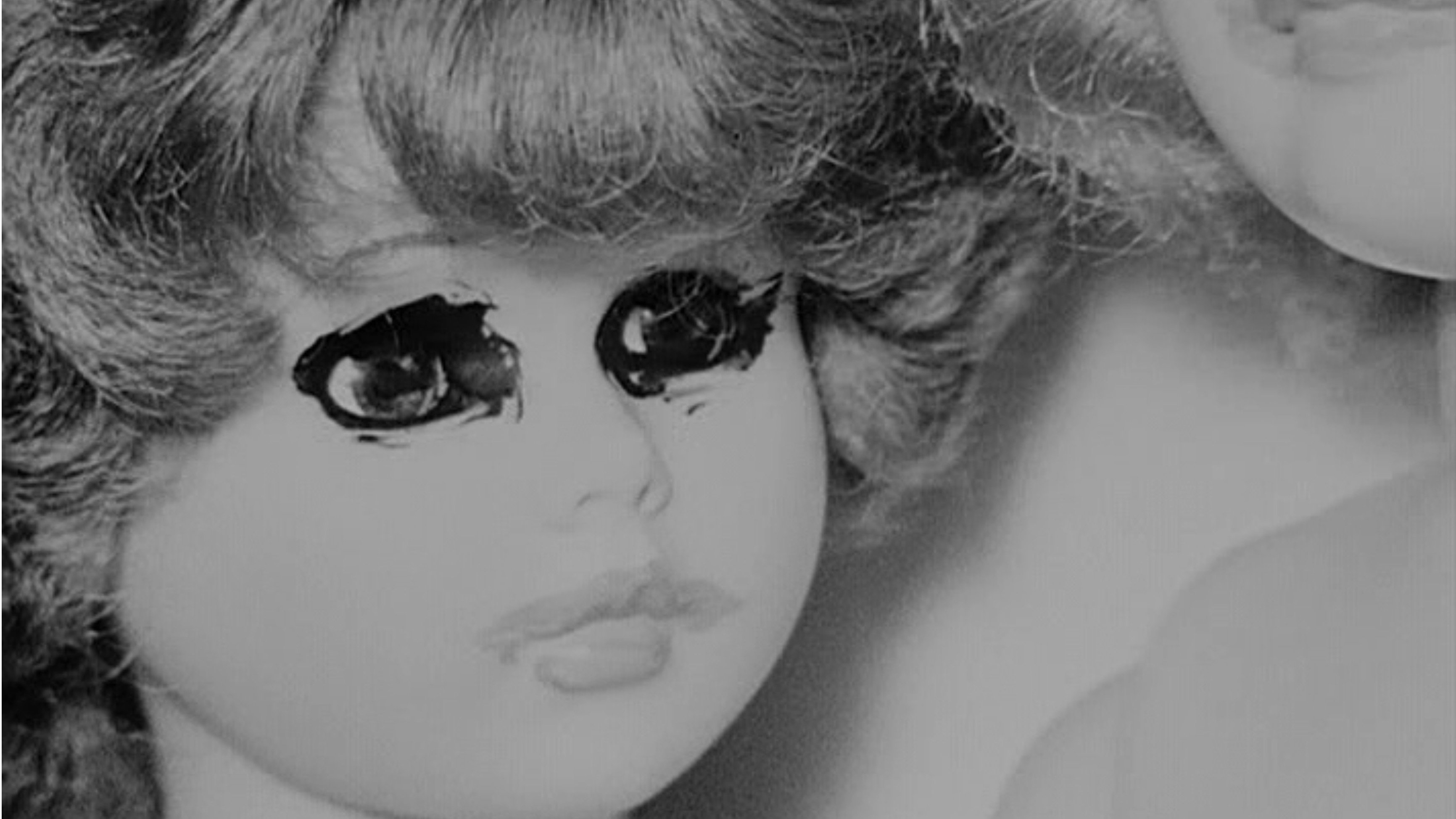
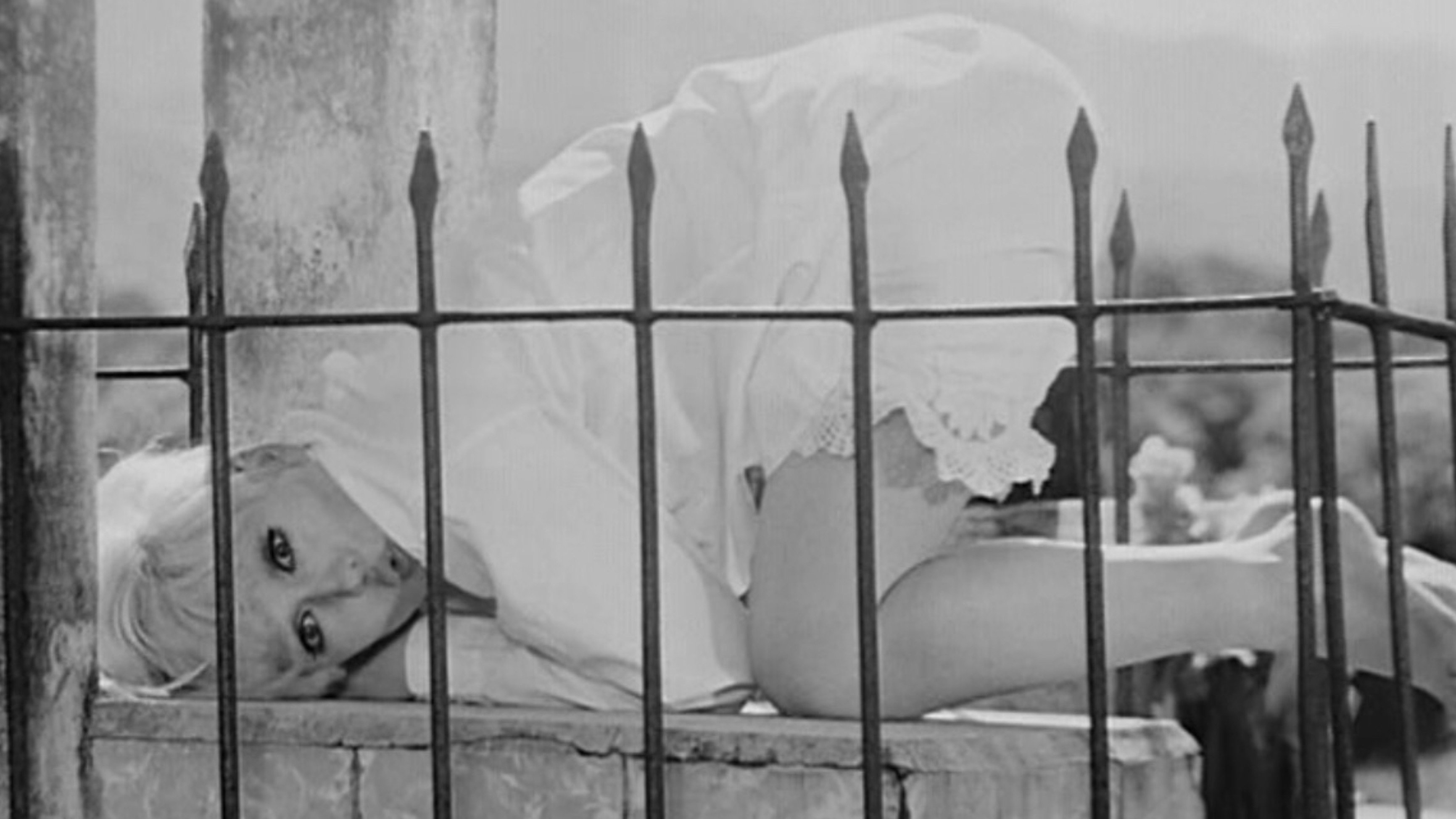
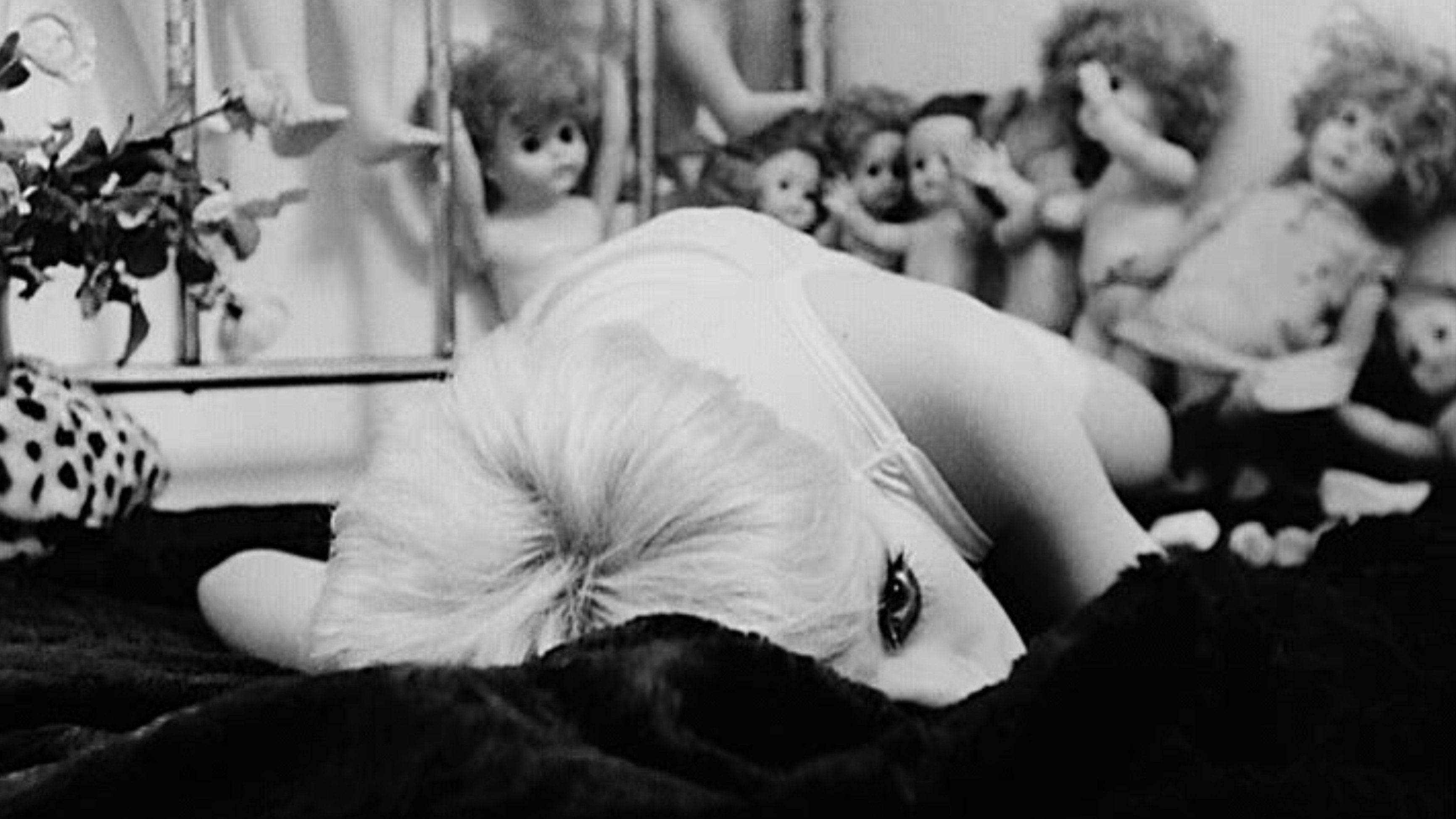
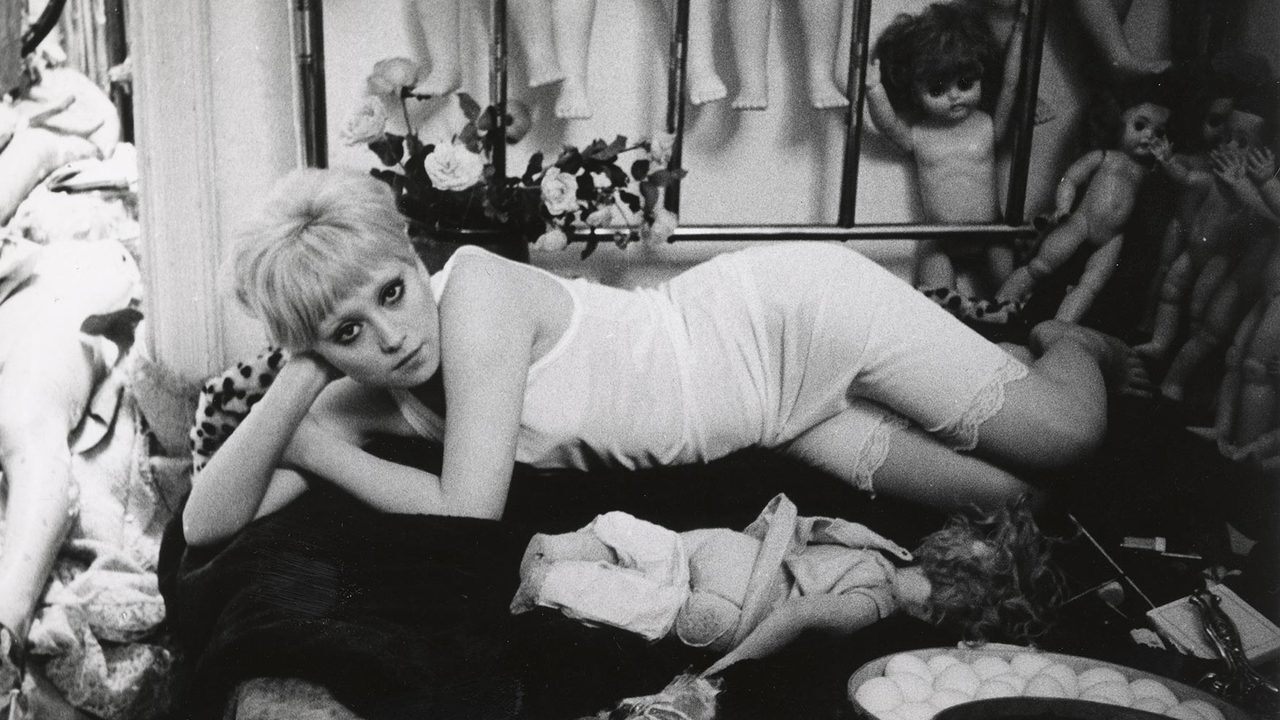
Lis is the emotional core of the film. Violated as a child, she is left physically paralysed and psychologically arrested—her body develops, but her innocence remains frozen. She yearns for the childhood that was stolen from her, clinging to baby dolls and play as substitutes for a life she never had the chance to understand. Her trauma renders her incapable of imagining a healthy relationship—abuse is the only language of intimacy she knows.
Fando does not love Lis—he depends on her. He treats her as a toy, dragging her through the world in a wheelbarrow, claiming her body while denying her autonomy. Their relationship isn’t built on affection, but on possession and emotional manipulation. This imbalance is made painfully explicit in the scene where Fando allows strangers to touch Lis, only for them to cower the moment he asserts himself as her fiancé—her body is public property until another man claims ownership.
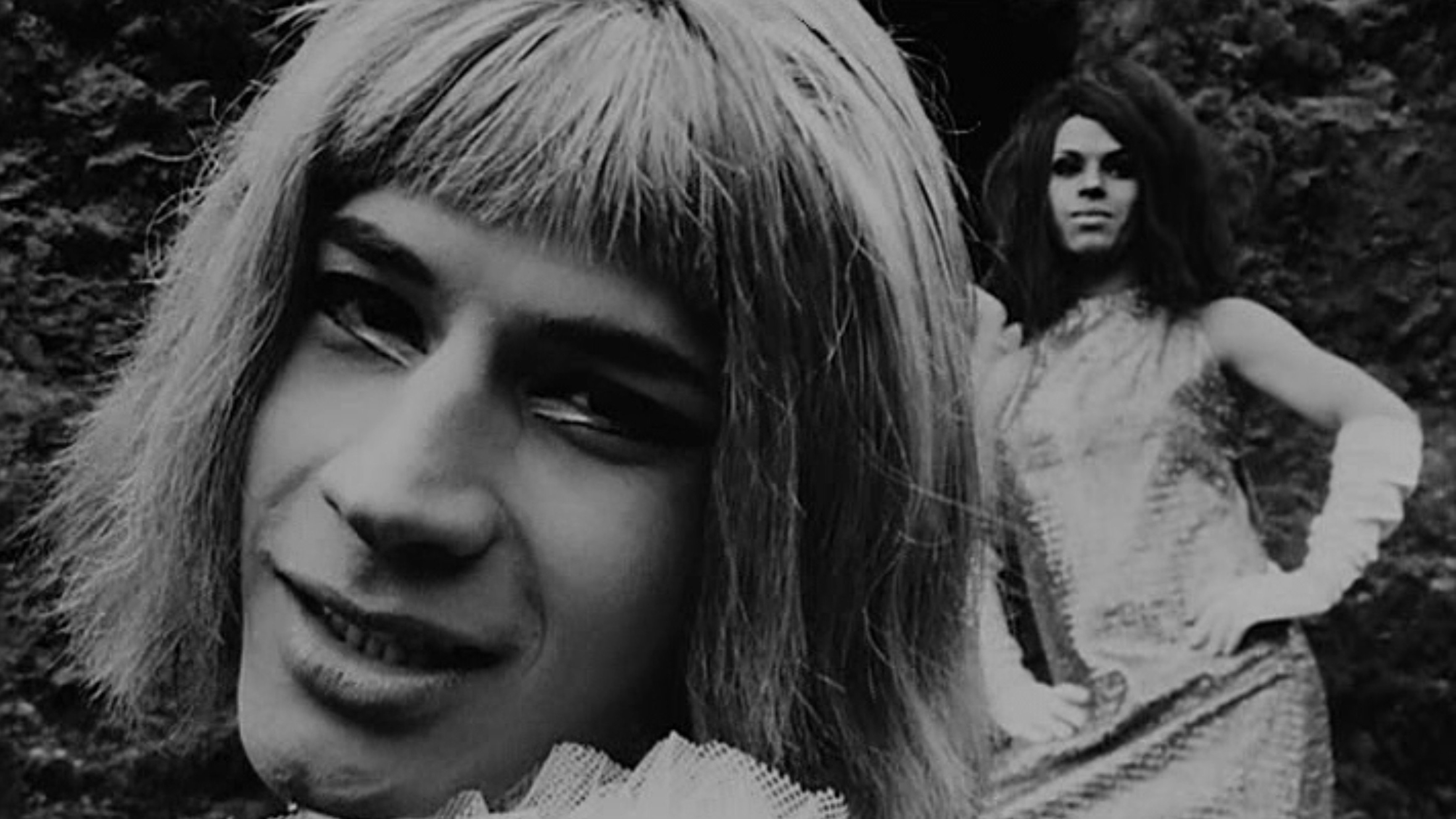
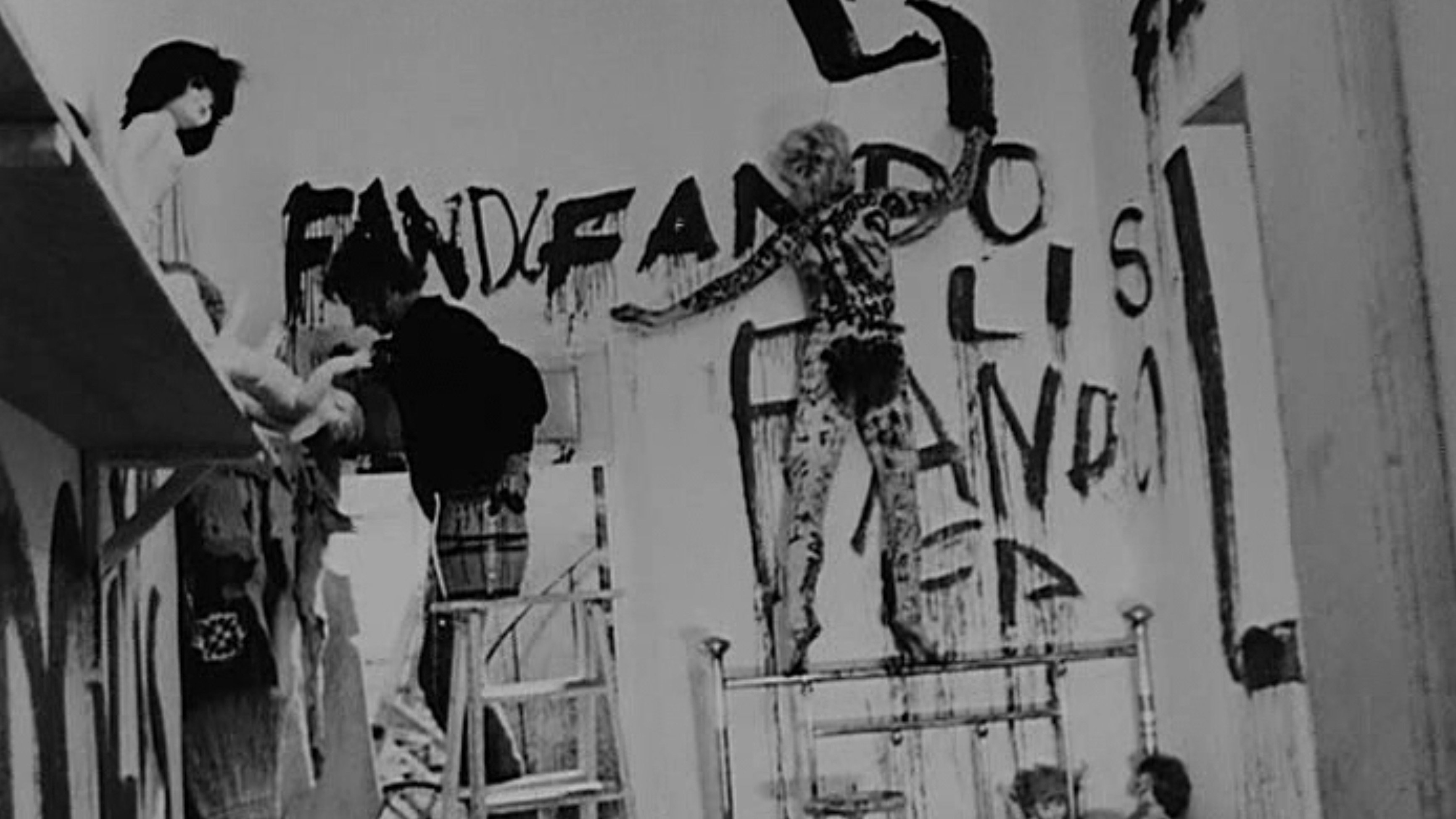
Power in Fando y Lis is fluid but never dismantled. Scenes of role reversal—drag, submission, ritualised humiliation—do not offer liberation, only inversion. The bowling ball sequence is especially paradoxical—violence becomes a way to reclaim autonomy by reflecting it back at the abuser, asserting worth through the same structures that once enforced subjugation. Power circulates, but it is never destroyed.
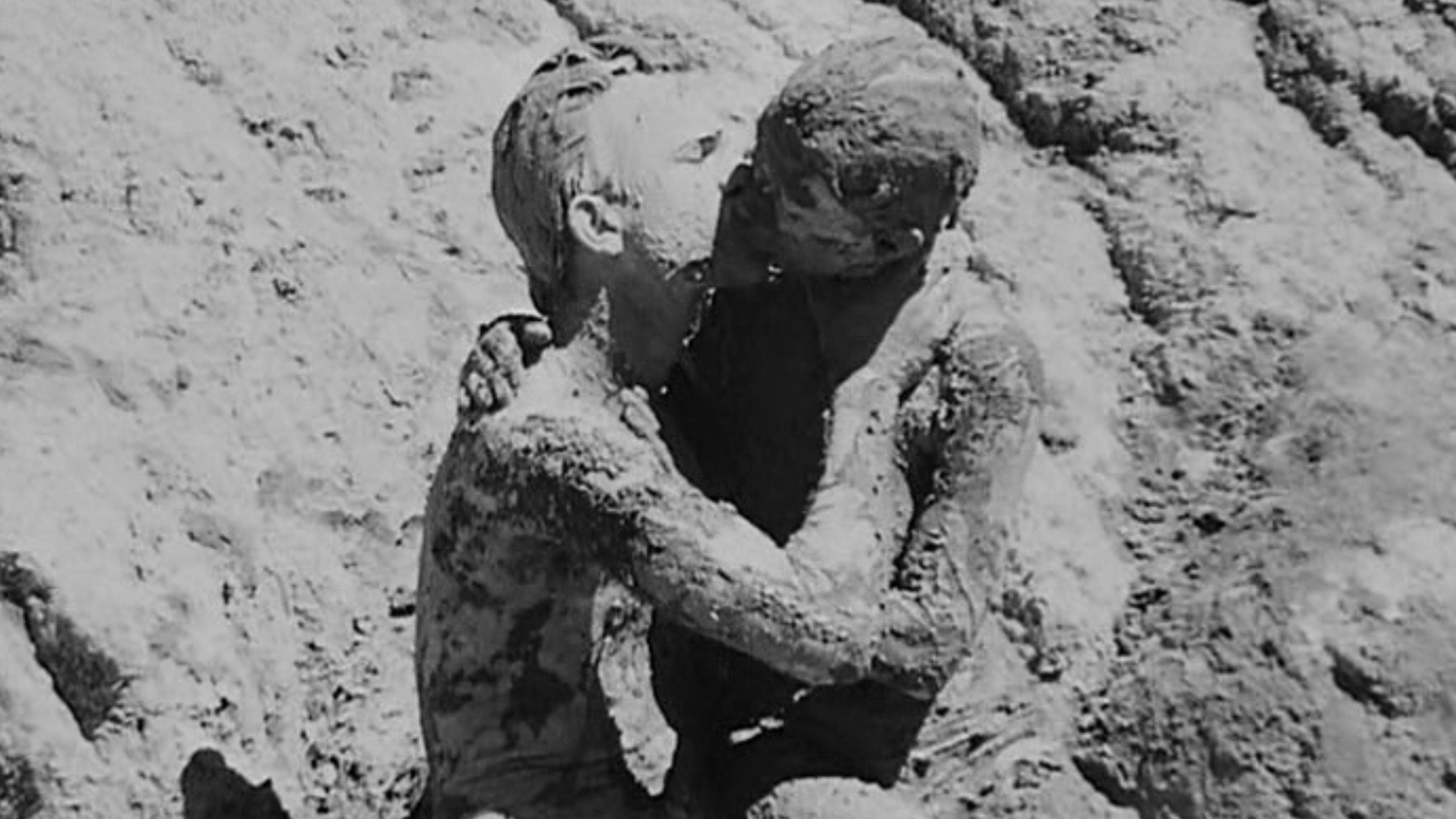
The film’s circular structure mirrors Lis and Fando’s relationship. They move endlessly without progress, trapped in stagnation—symbolised through tar, paralysis, and repeated trials that promise transcendence, but deliver only repetition. Even Lis’ death feels inevitable. Long before it occurs, she is stripped bare and placed atop animal skulls, visually aligned with sacrifice and remains—already marked as disposable.
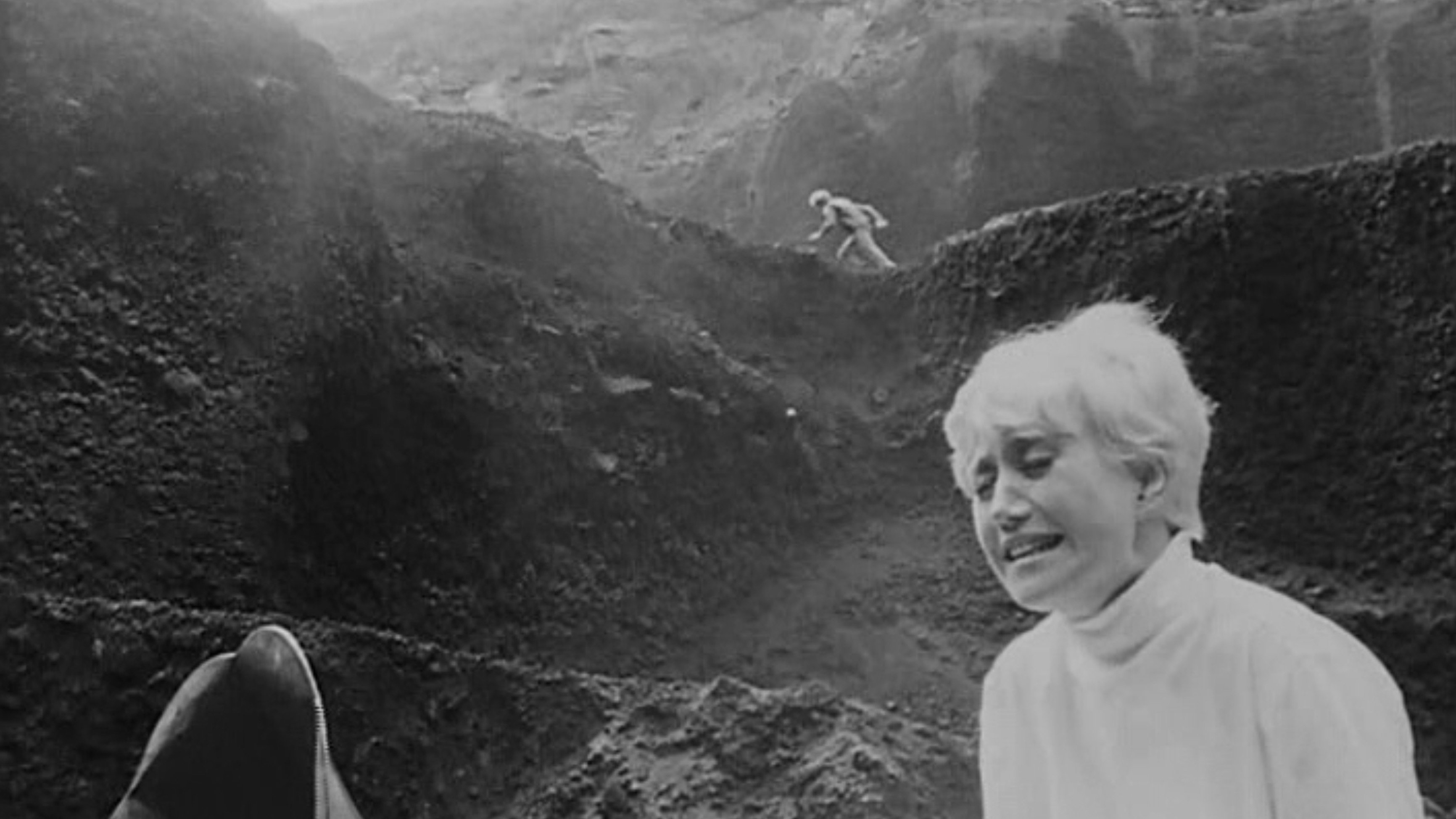
After killing Lis, Fando struggles to carry her body. The posture is familiar—he carries her the same way he always has—but now her weight is unbearable. What was once control becomes burden. He falls repeatedly under the weight of her death, forced at last to carry the guilt and consequence of his actions. Yet even this offers no redemption—only collapse.
Despite moments of playfulness and absurdity, Fando y Lis is profoundly difficult to watch. Not because of extremity, but because of intimacy. Lis feels painfully human, painfully innocent, and tragically trapped. Her trust in Fando—paired with her simultaneous fear of him—reveals a mind shaped entirely by trauma. The film does not seek catharsis or justice—it simply sits with grief.
There’s nothing like Jodorowsky symbolism. Even here, in his early work, his voice is unmistakable—raw, paradoxical, merciless. The film feels like the raw blueprint for his later masterpieces, El Topo and The Holy Mountain, but it never softens. Unlike those later films’ eventual spiritual transcendence, this one offers no salvation—only ritual and repetition.
The sound design and music are incredible. Even when some effects feel cheap or overused, they work and feel tactile, childlike, and unsettling in a way that fits the film’s tone perfectly.
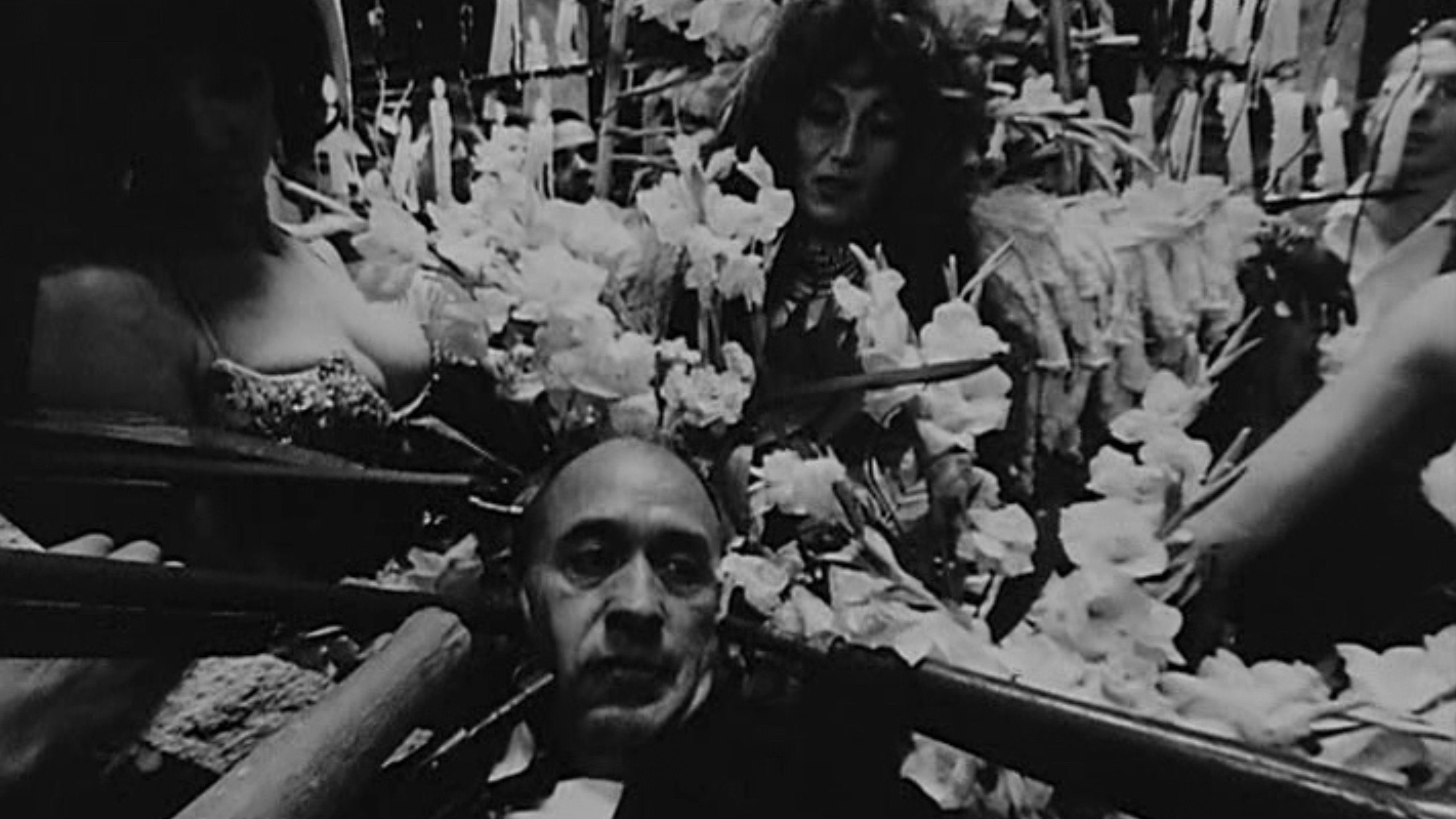
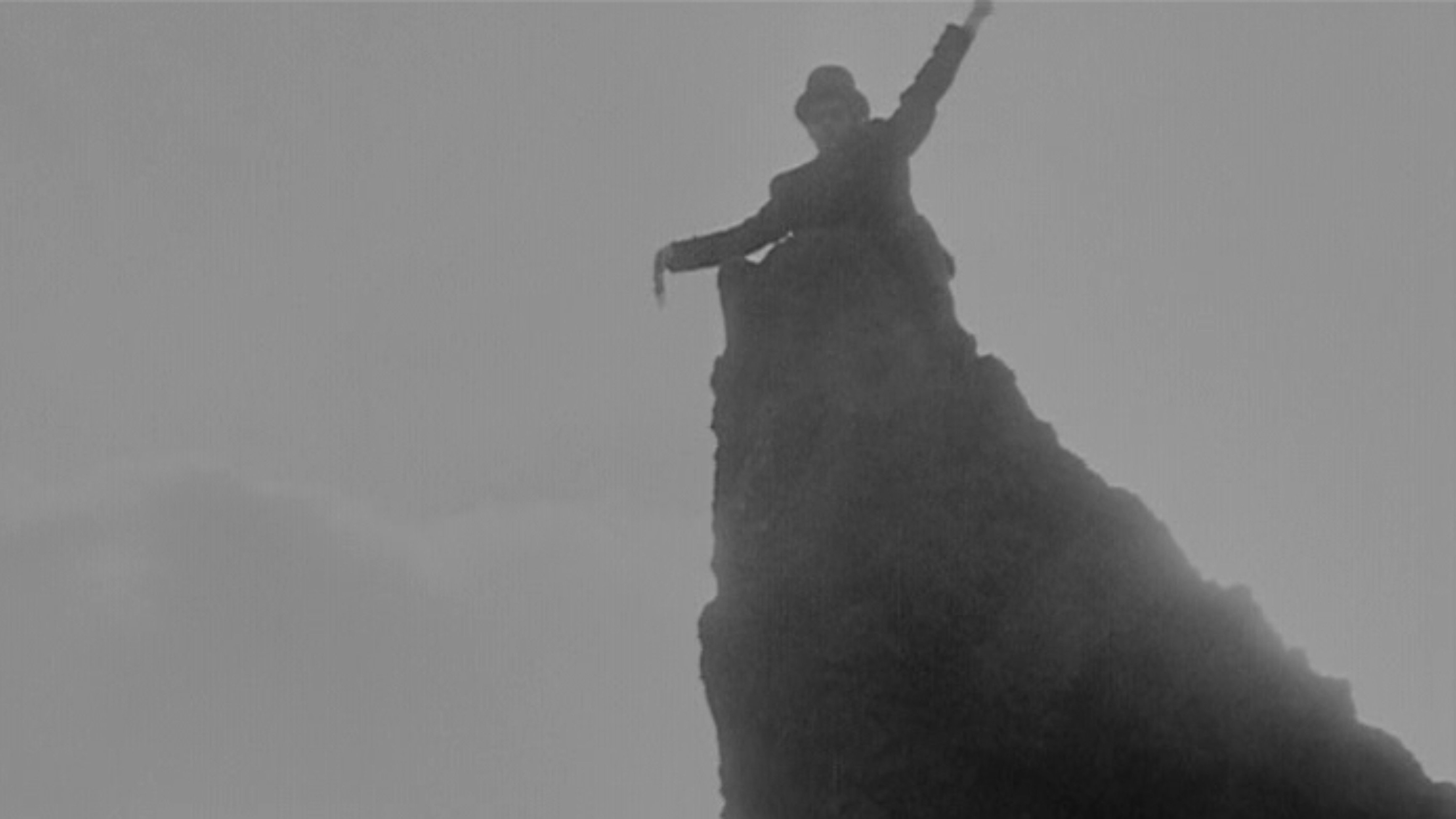
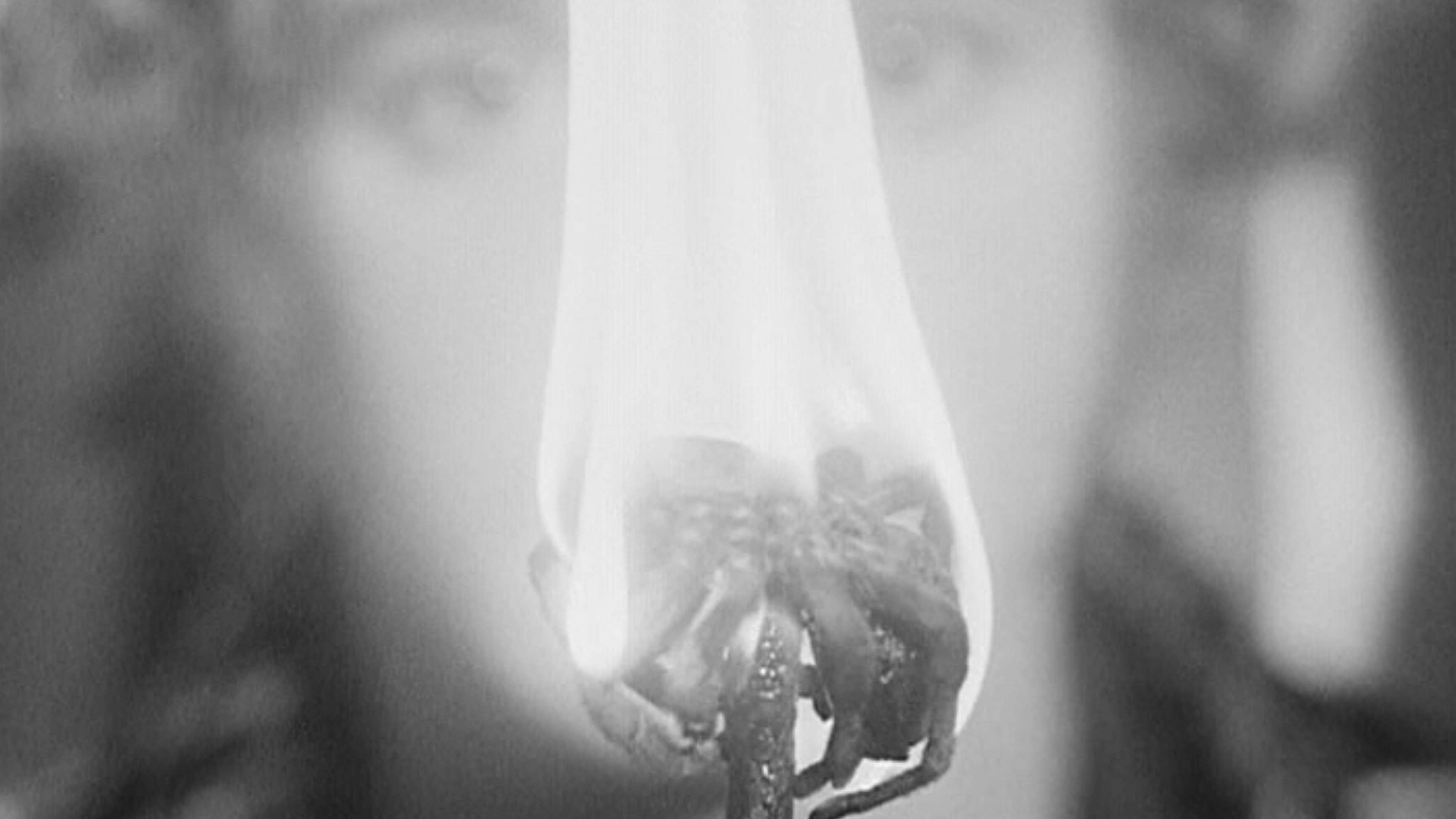
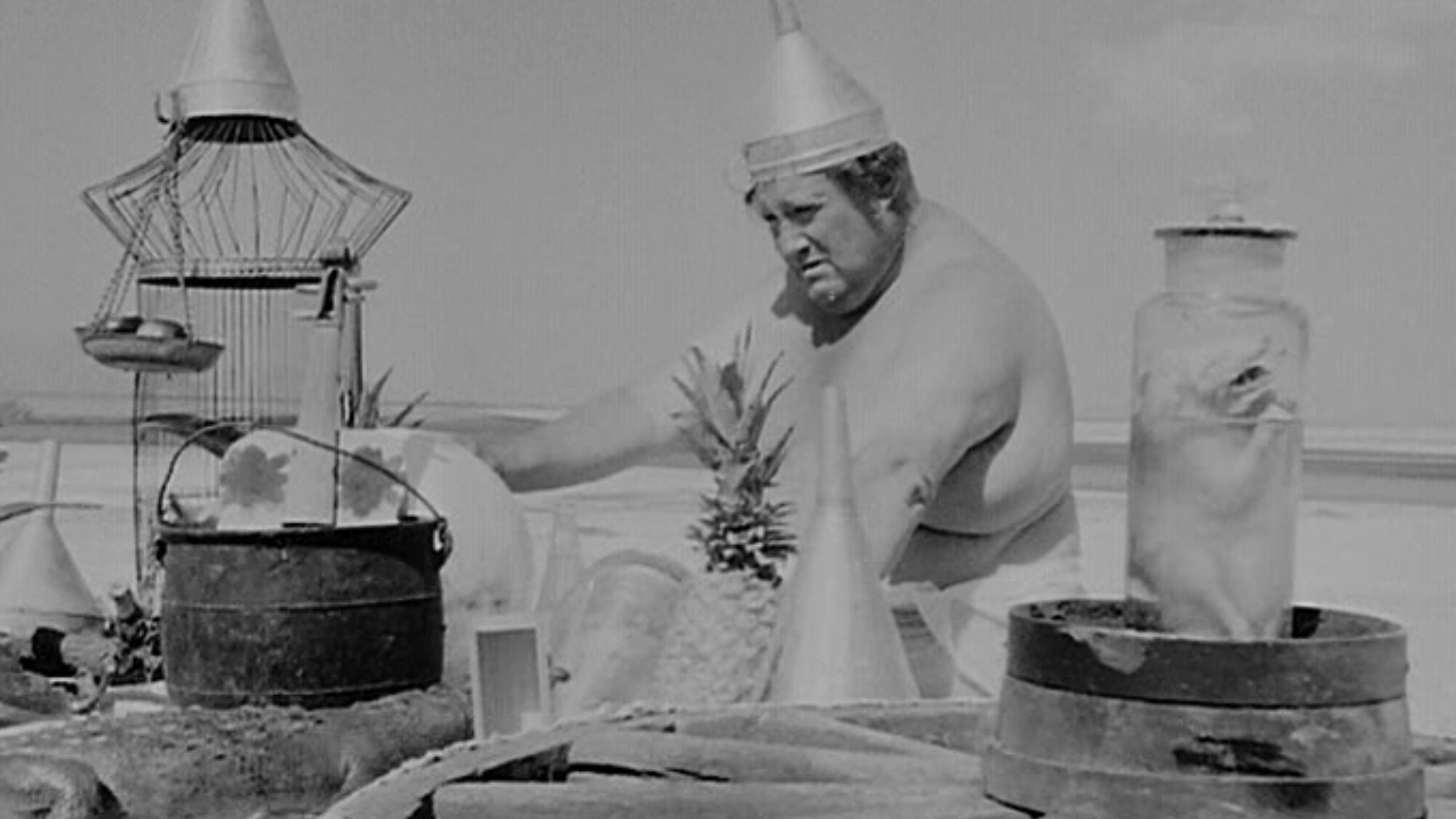
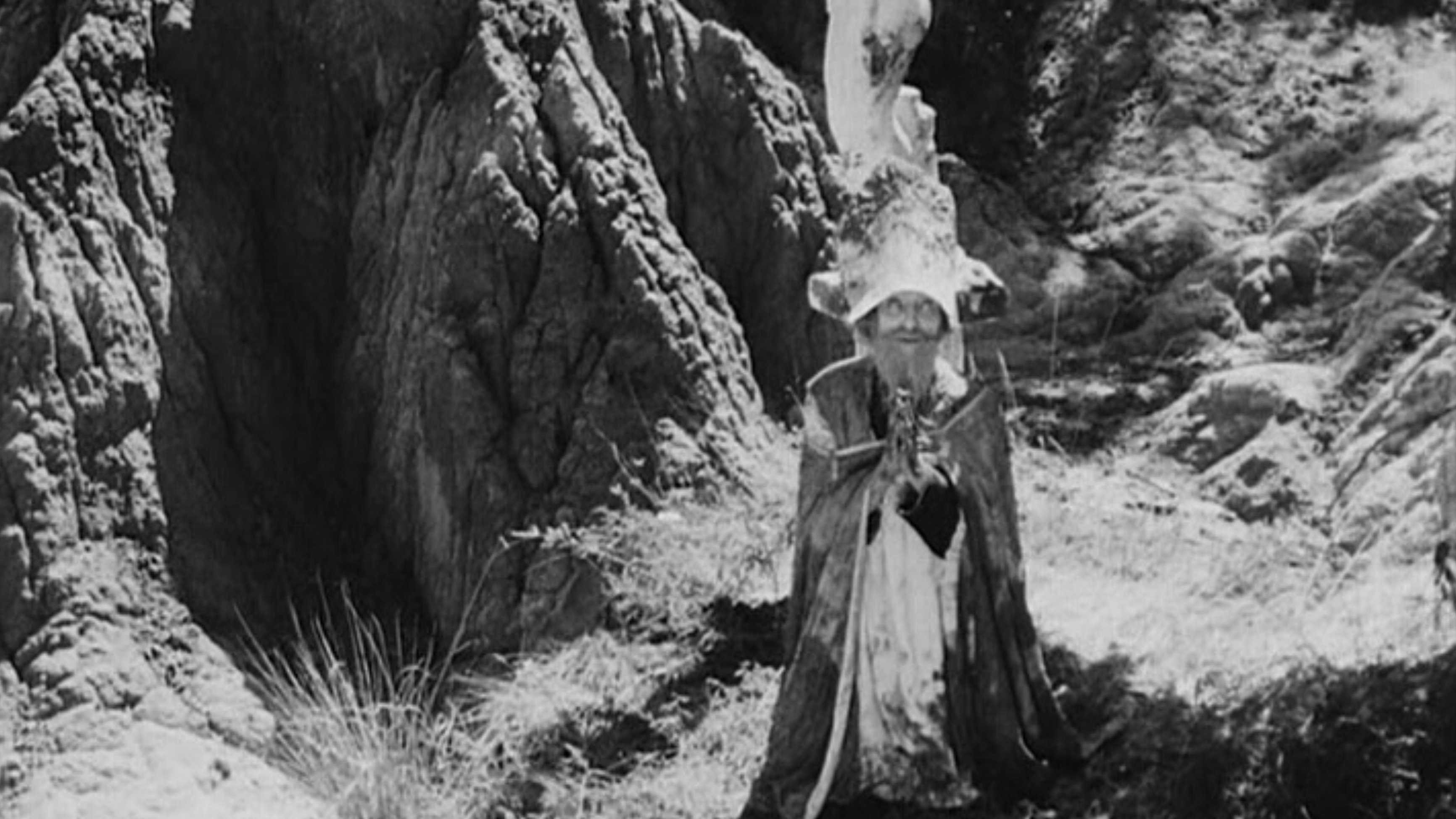
The b&w visuals work beautifully. I do wish I could have seen this in colour, though—I imagine it would have been even more overwhelming.
This is early Jodorowsky at his most merciless. There is no enlightenment here, no transcendence, no comfort or clarity—only ritual, abuse, and inevitability. And that refusal to offer comfort is exactly what makes the film linger.
Fando y Lis is both whimsical and deeply cruel—a film where play, love, and violence collapse into the same gesture. Jodorowsky creates a world governed entirely by dominance, ritual, and repetition, where liberation never arrives and innocence is something to be consumed rather than protected.
Lis is the emotional core of the film. Violated as a child, she is left physically paralysed and psychologically arrested—her body develops, but her innocence remains frozen. She yearns for the childhood that was stolen from her, clinging to baby dolls and play as substitutes for a life she never had the chance to understand. Her trauma renders her incapable of imagining a healthy relationship—abuse is the only language of intimacy she knows.
Fando does not love Lis—he depends on her. He treats her as a toy, dragging her through the world in a wheelbarrow, claiming her body while denying her autonomy. Their relationship isn’t built on affection, but on possession and emotional manipulation. This imbalance is made painfully explicit in the scene where Fando allows strangers to touch Lis, only for them to cower the moment he asserts himself as her fiancé—her body is public property until another man claims ownership.
Power in Fando y Lis is fluid but never dismantled. Scenes of role reversal—drag, submission, ritualised humiliation—do not offer liberation, only inversion. The bowling ball sequence is especially paradoxical—violence becomes a way to reclaim autonomy by reflecting it back at the abuser, asserting worth through the same structures that once enforced subjugation. Power circulates, but it is never destroyed.
The film’s circular structure mirrors Lis and Fando’s relationship. They move endlessly without progress, trapped in stagnation—symbolised through tar, paralysis, and repeated trials that promise transcendence, but deliver only repetition. Even Lis’ death feels inevitable. Long before it occurs, she is stripped bare and placed atop animal skulls, visually aligned with sacrifice and remains—already marked as disposable.
After killing Lis, Fando struggles to carry her body. The posture is familiar—he carries her the same way he always has—but now her weight is unbearable. What was once control becomes burden. He falls repeatedly under the weight of her death, forced at last to carry the guilt and consequence of his actions. Yet even this offers no redemption—only collapse.
Despite moments of playfulness and absurdity, Fando y Lis is profoundly difficult to watch. Not because of extremity, but because of intimacy. Lis feels painfully human, painfully innocent, and tragically trapped. Her trust in Fando—paired with her simultaneous fear of him—reveals a mind shaped entirely by trauma. The film does not seek catharsis or justice—it simply sits with grief.
There’s nothing like Jodorowsky symbolism. Even here, in his early work, his voice is unmistakable—raw, paradoxical, merciless. The film feels like the raw blueprint for his later masterpieces, El Topo and The Holy Mountain, but it never softens. Unlike those later films’ eventual spiritual transcendence, this one offers no salvation—only ritual and repetition.
The sound design and music are incredible. Even when some effects feel cheap or overused, they work and feel tactile, childlike, and unsettling in a way that fits the film’s tone perfectly.
The b&w visuals work beautifully. I do wish I could have seen this in colour, though—I imagine it would have been even more overwhelming.
This is early Jodorowsky at his most merciless. There is no enlightenment here, no transcendence, no comfort or clarity—only ritual, abuse, and inevitability. And that refusal to offer comfort is exactly what makes the film linger.