

1956·Drama·1h 57m
7.2
★
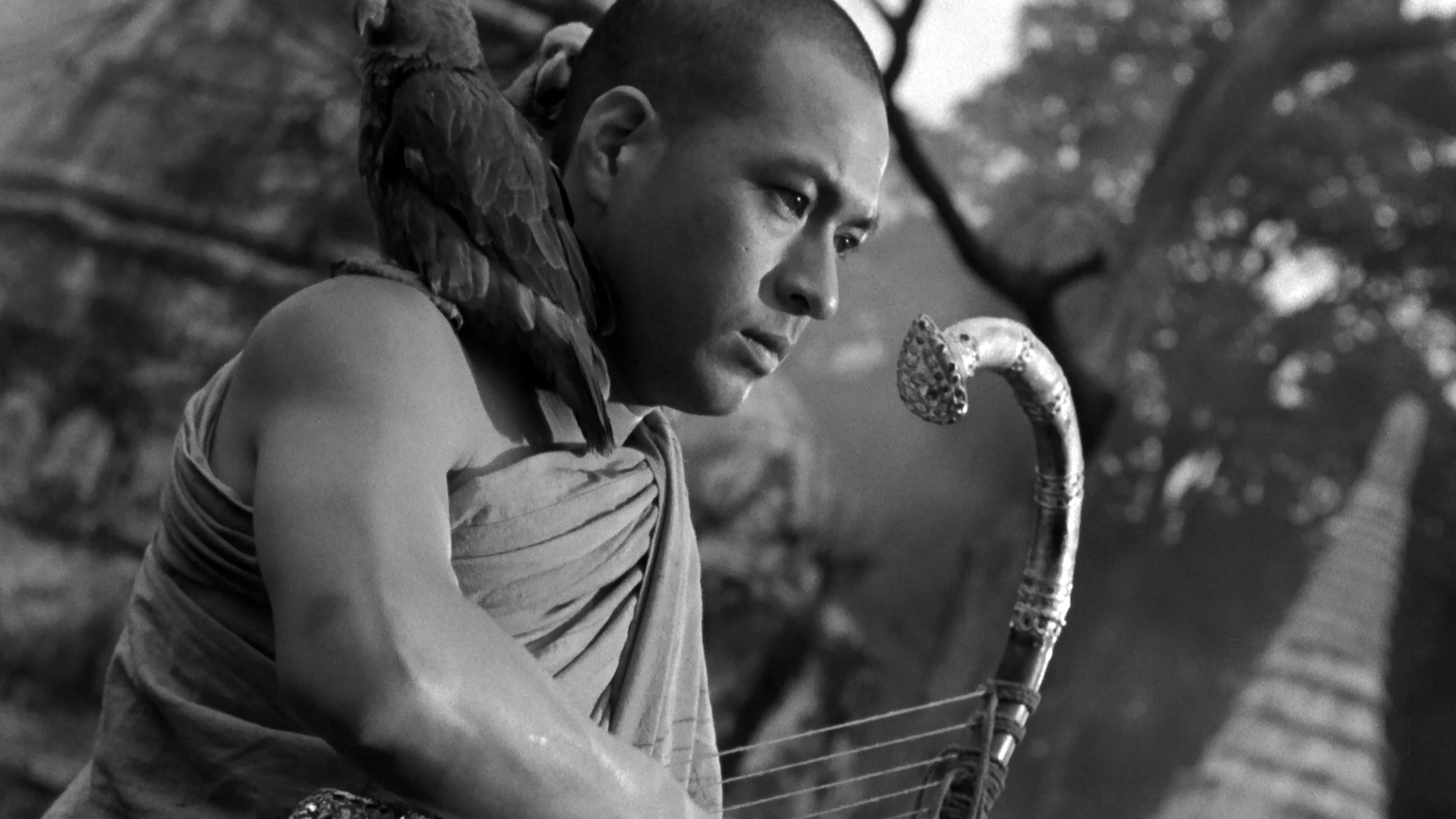
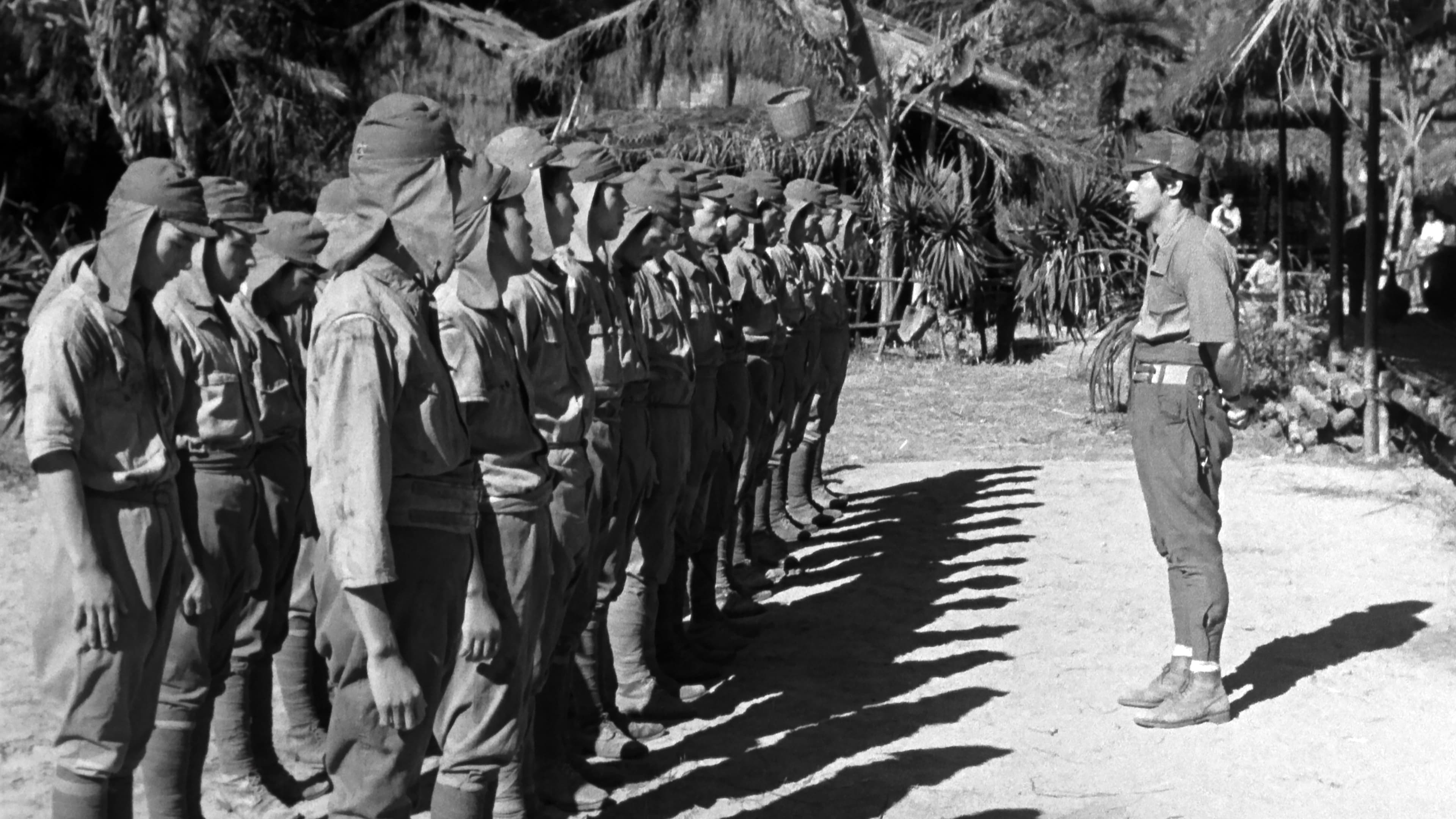
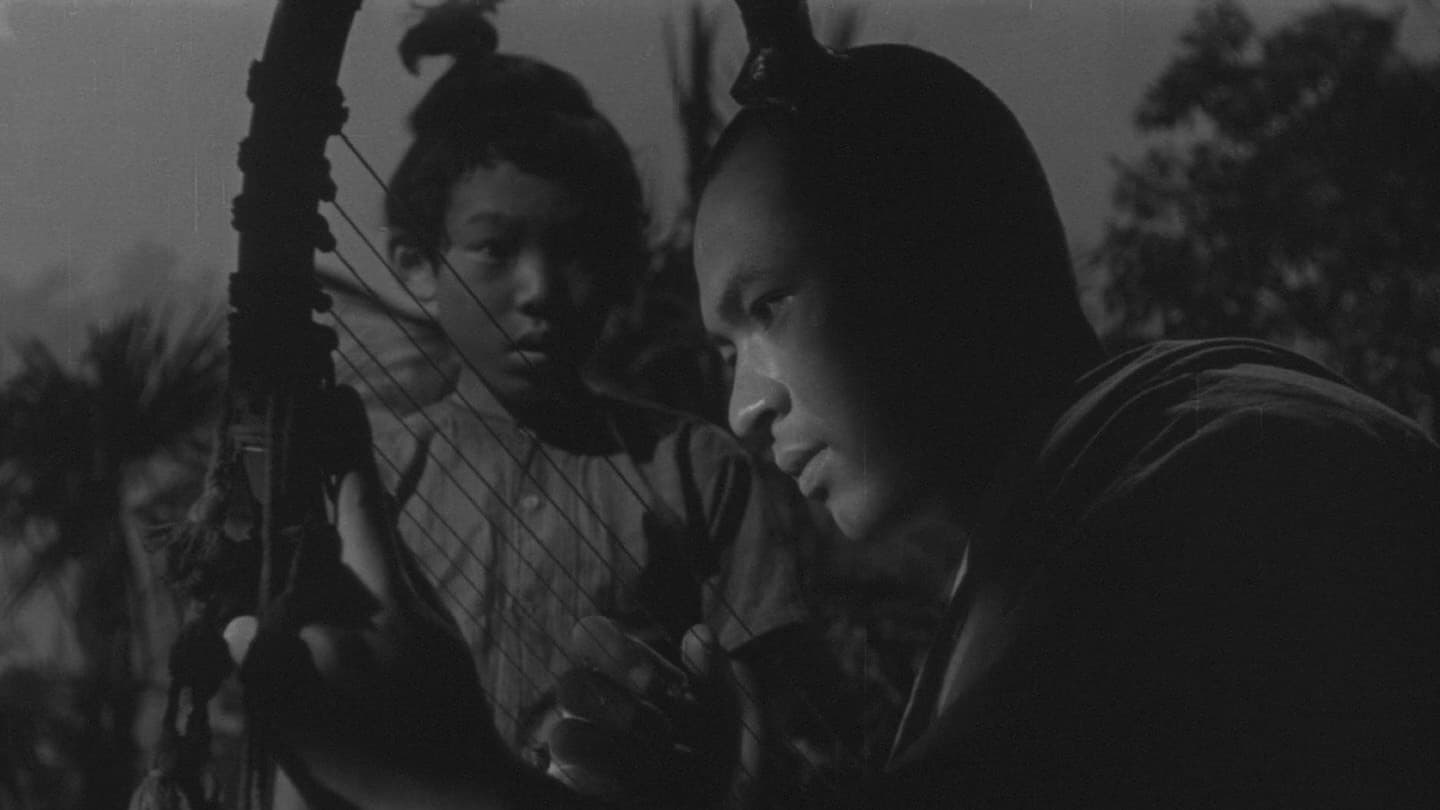
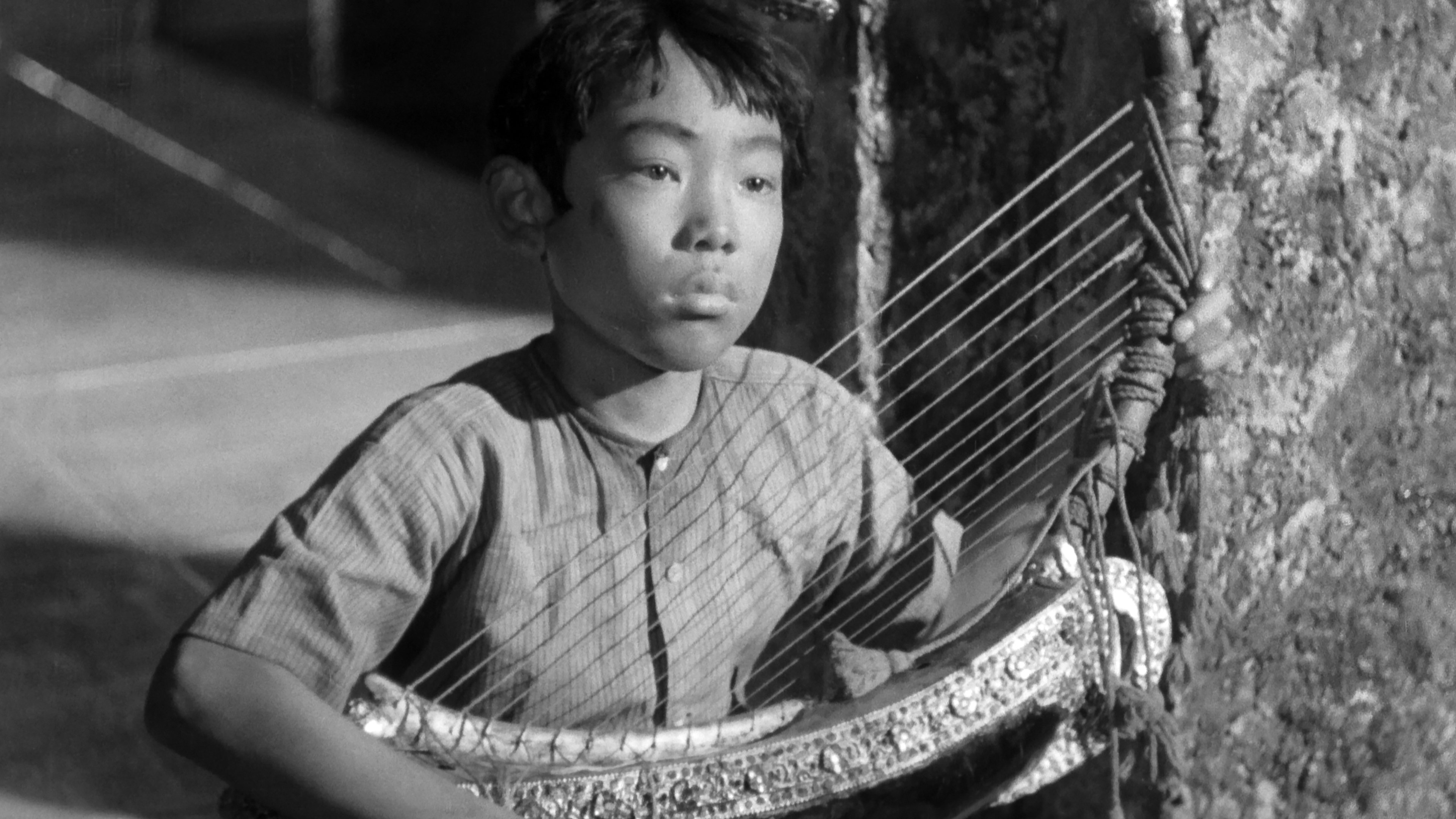
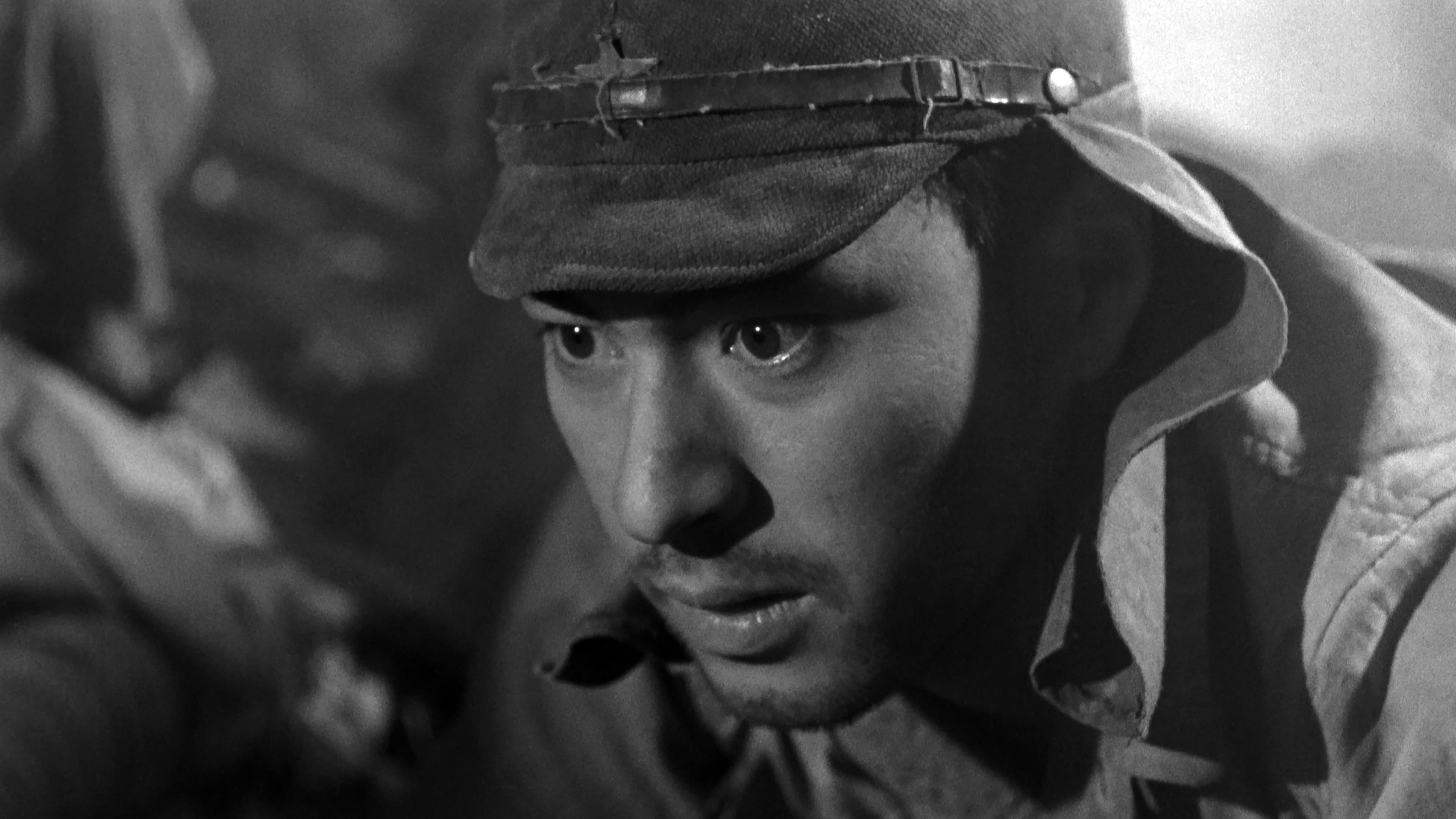
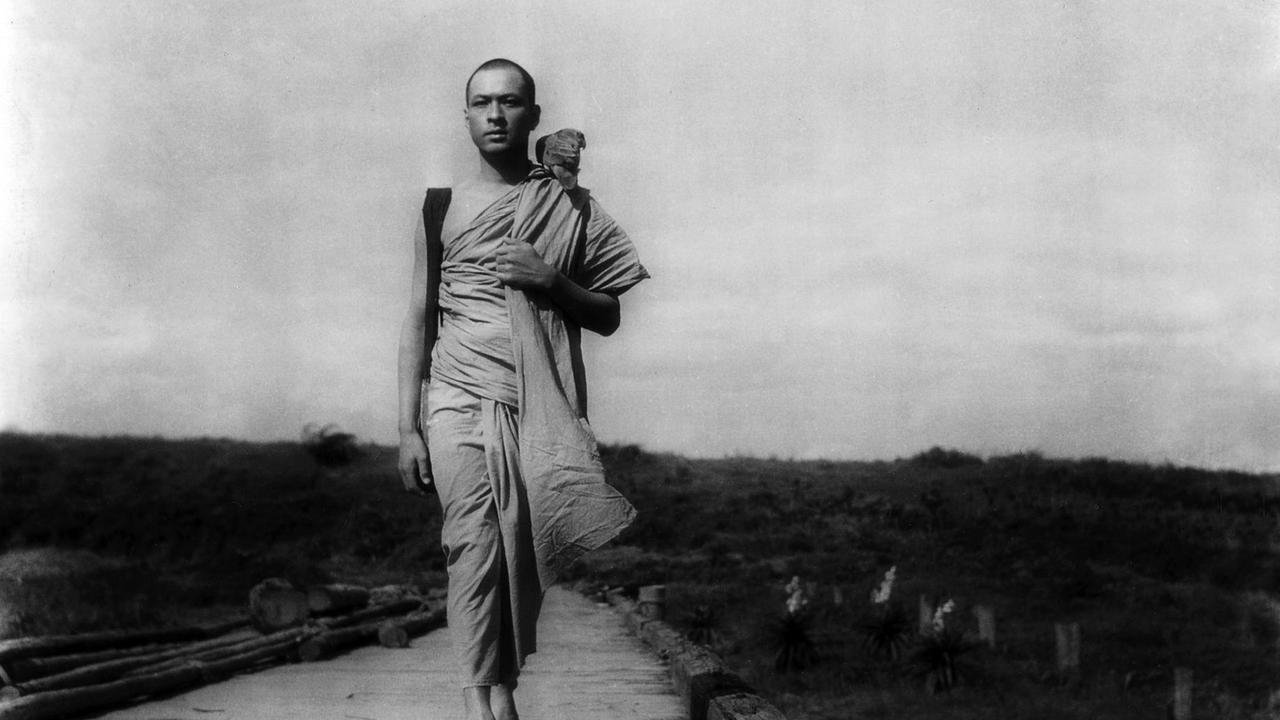
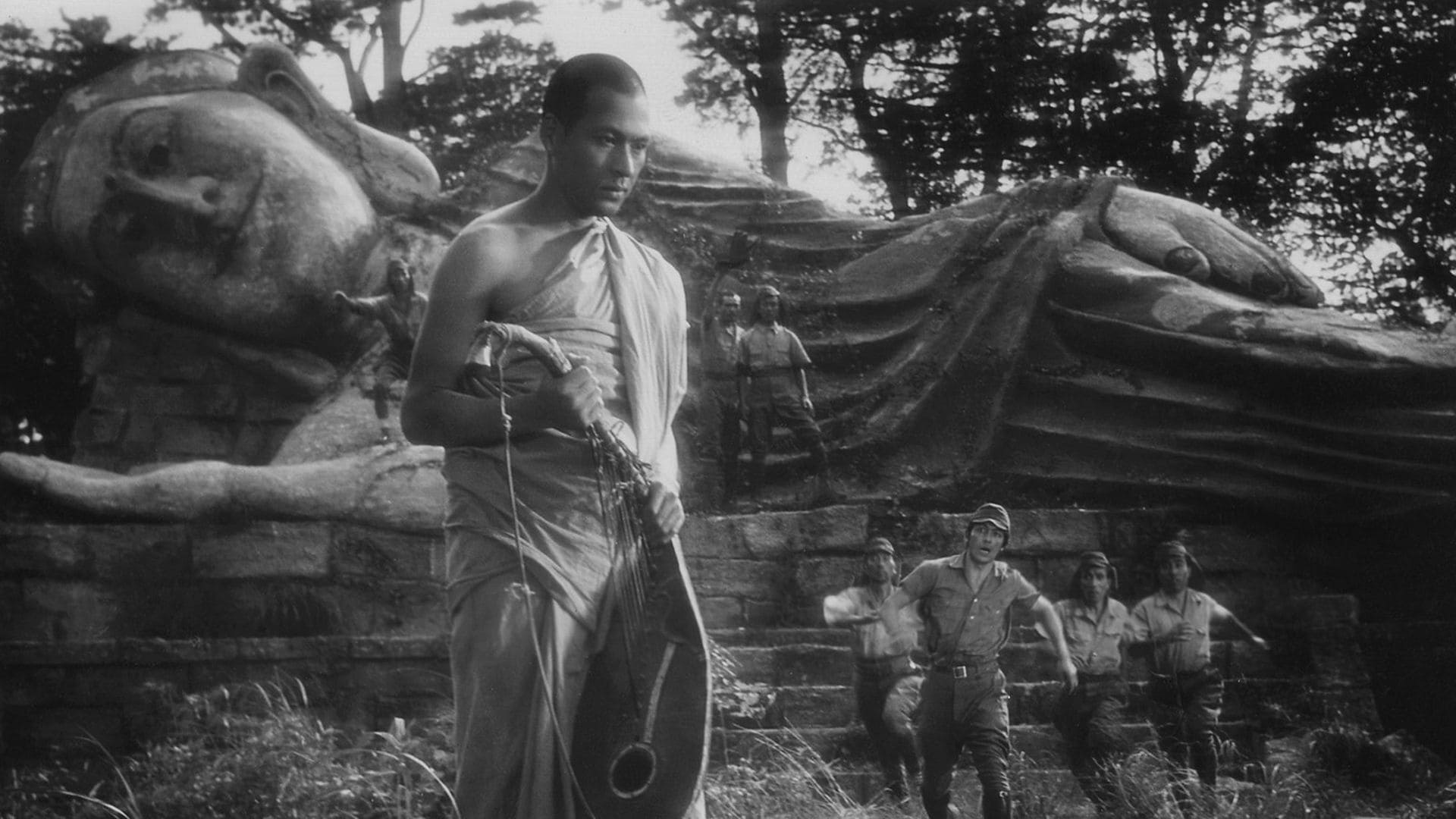
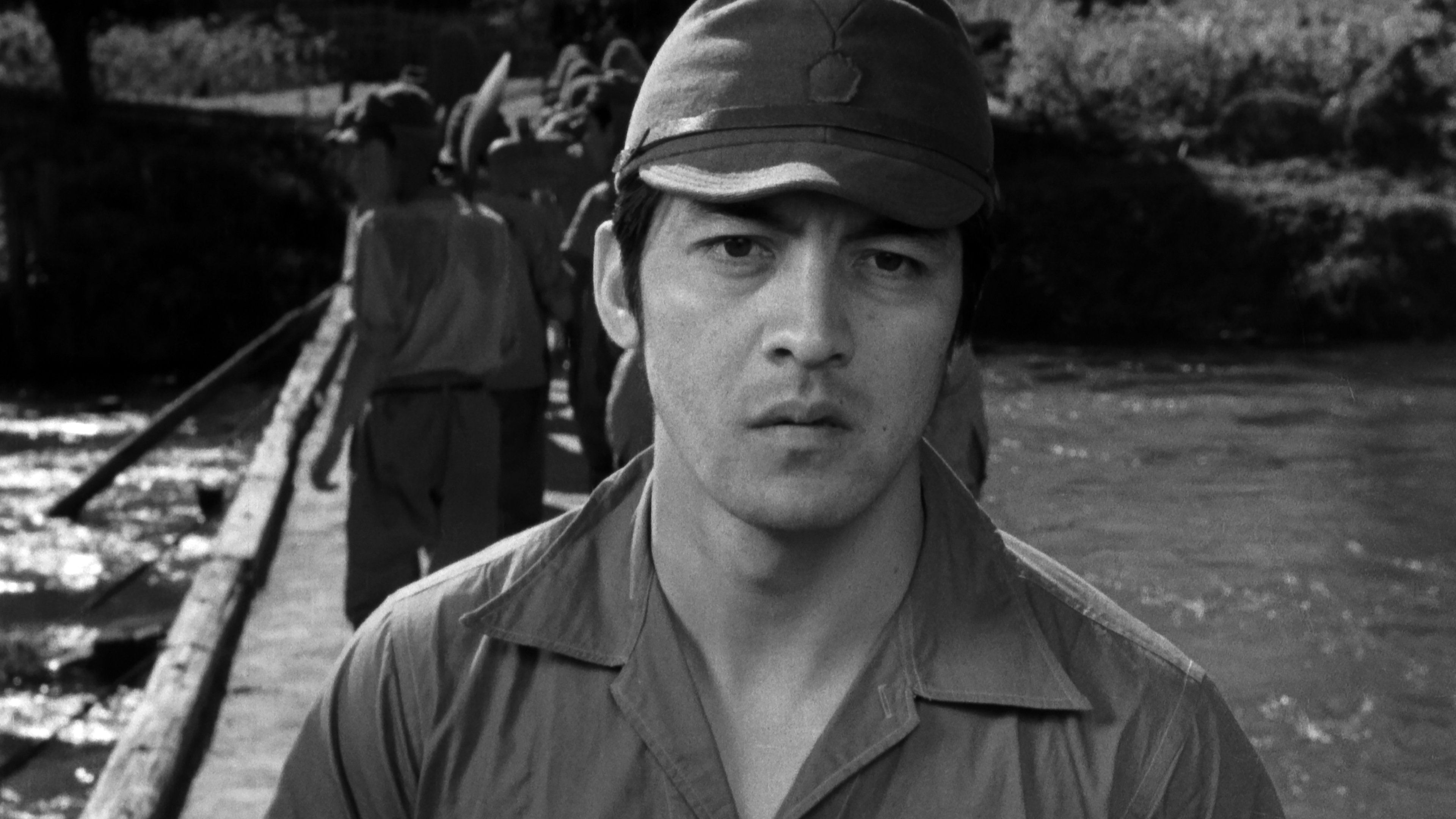
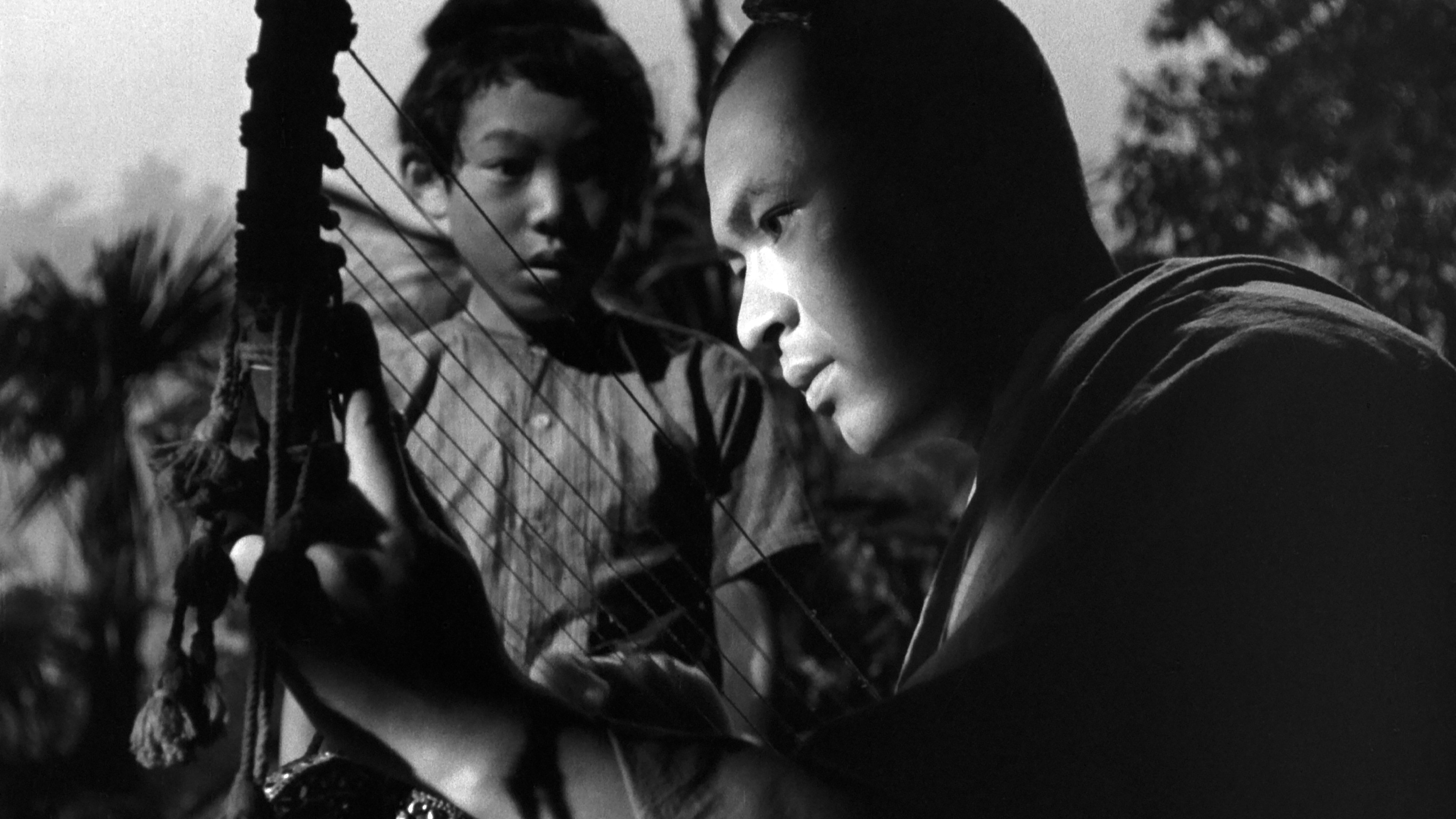
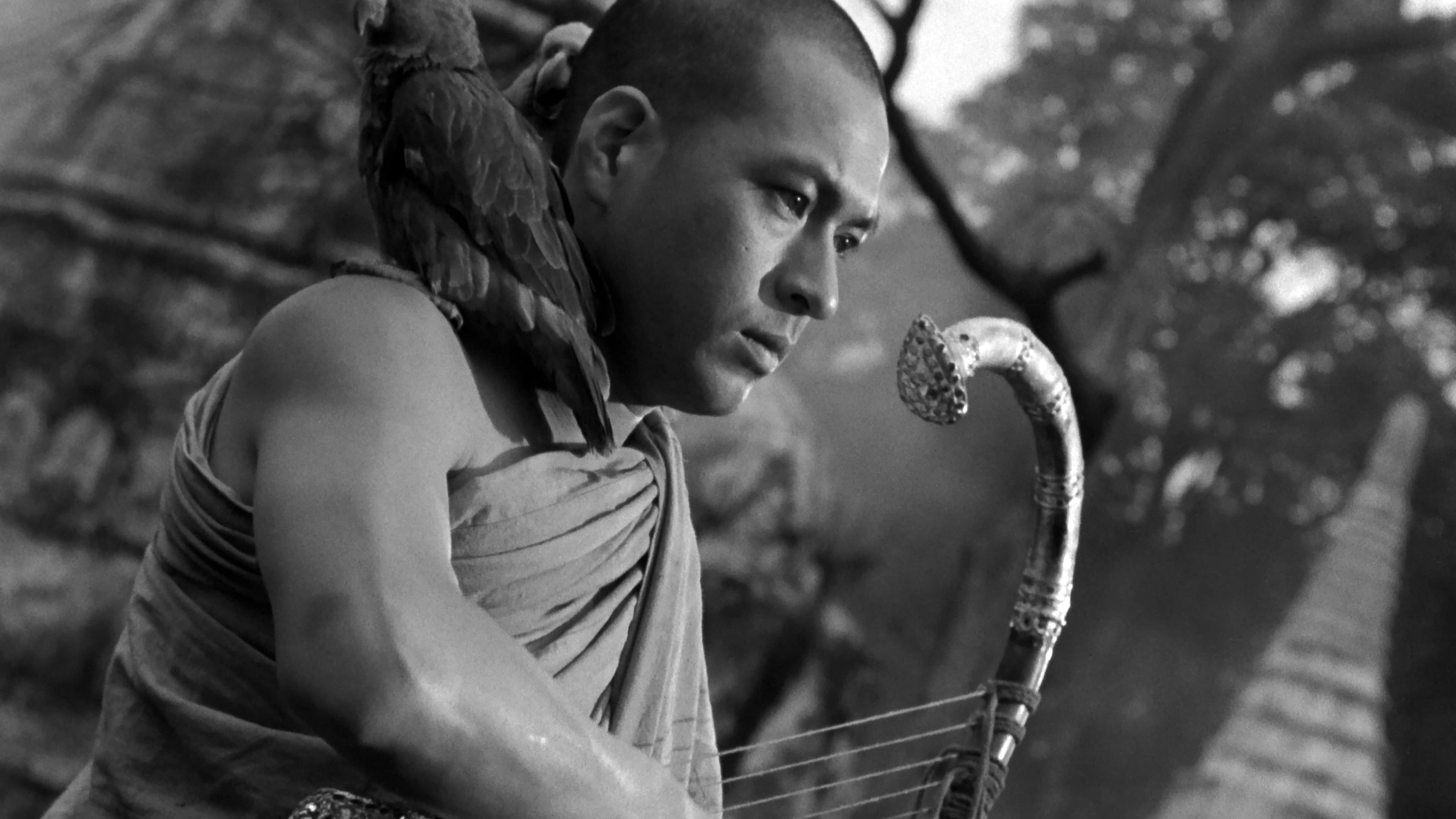
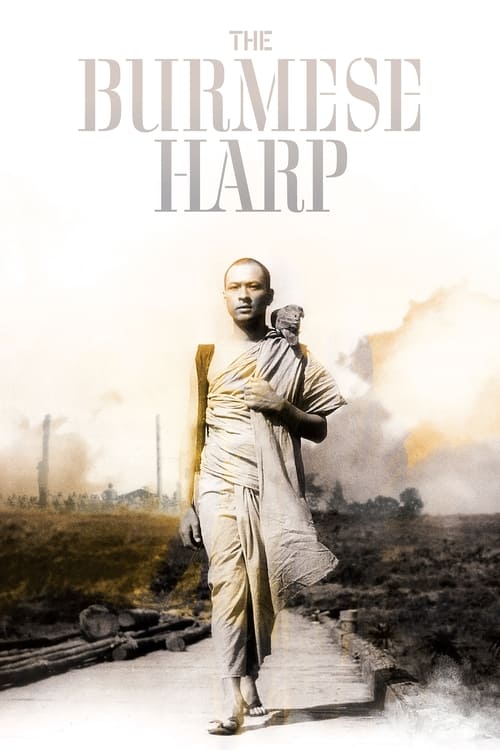
In Burma during the closing days of WWII, a Japanese soldier separated from his unit disguises himself as a Buddhist monk to escape imprisonment as a POW.
Directed by Kon Ichikawa
japan
buddhism
buddhist monk
world war ii
choir
burma
pacific war
japanese soldier
japanese surrender
moral crisis
burying the dead
pow
religious experience
power of music

Trailer

IMDB
N/A
Where to Watch


Cast
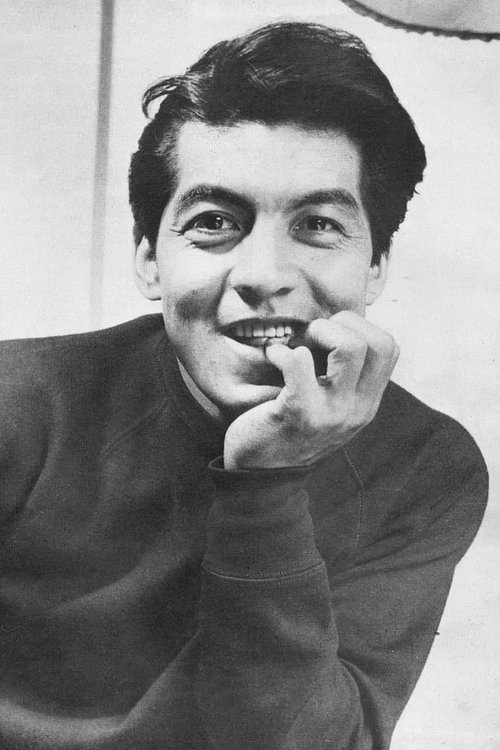
Rentaro Mikuni
Captain Inouye
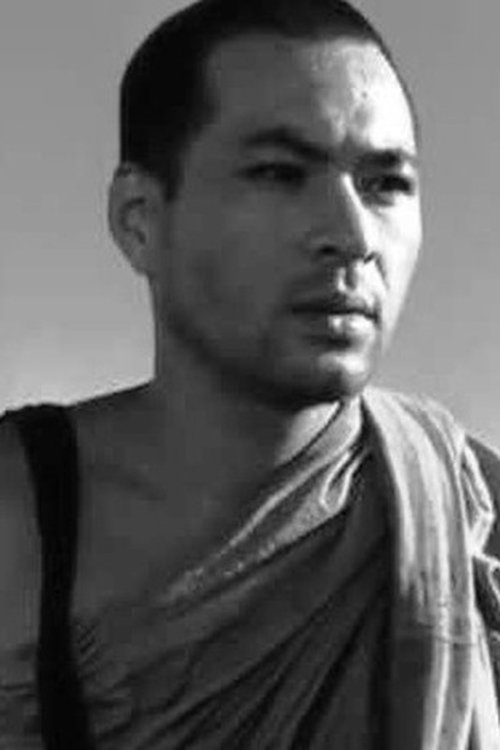
Shōji Yasui
Mizushima

Jun Hamamura
Ito

Taketoshi Naitō
Kobayashi
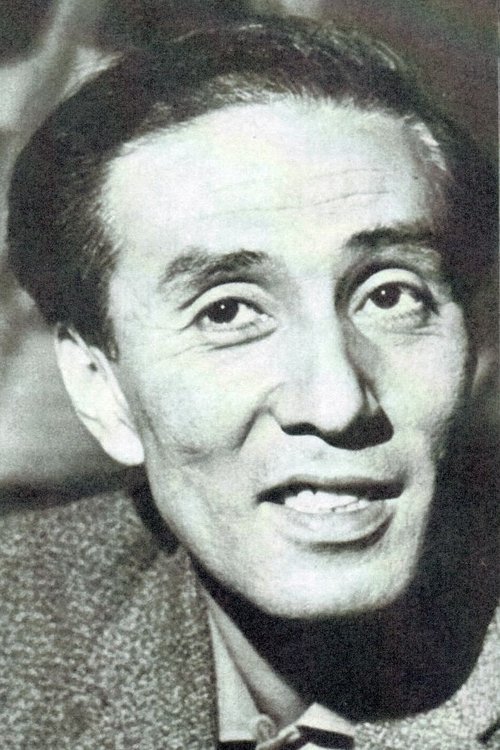
Kō Nishimura
Baba
Tomio Aoki
Oyama

Asao Sano

Tanie Kitabayashi
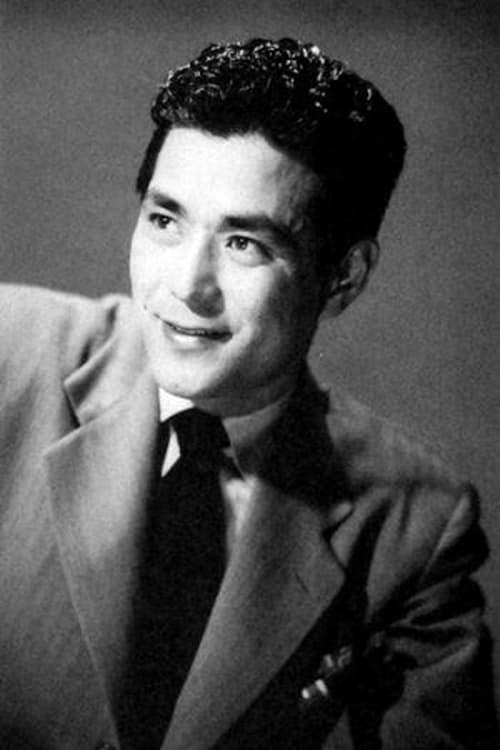
Tatsuya Mihashi
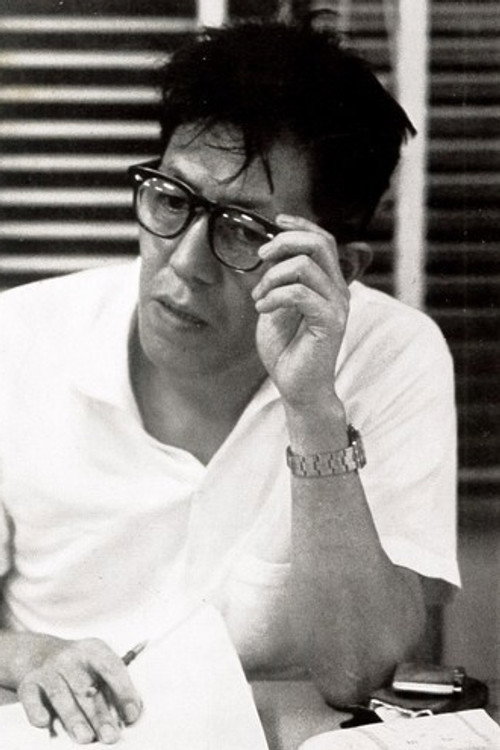
Yūnosuke Itō
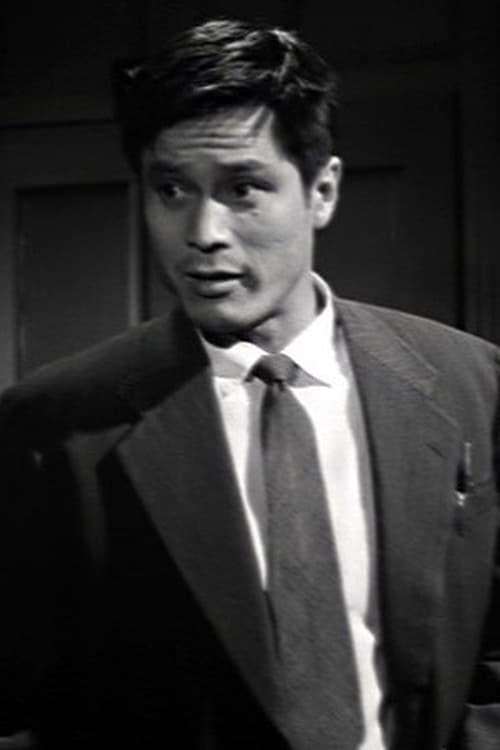
Shōki Fukae
Crew
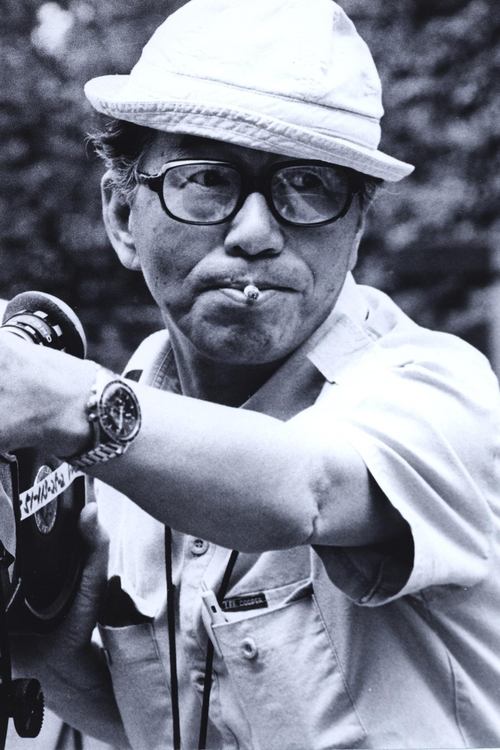
Kon Ichikawa
Director

Natto Wada
Screenplay
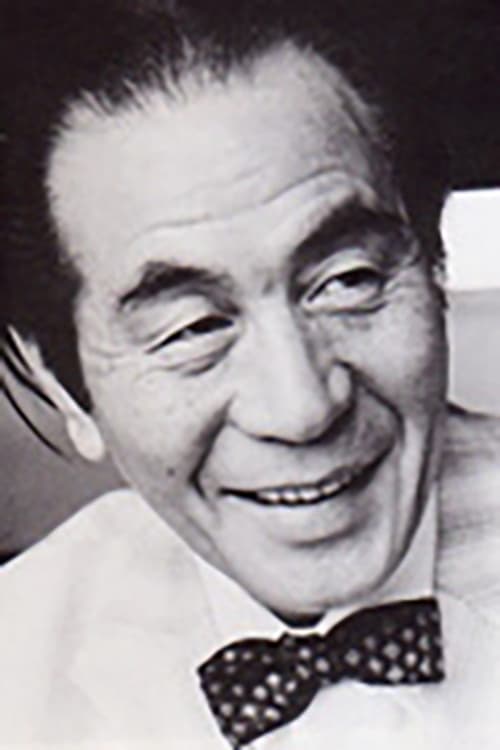
Akira Ifukube
Original Music Composer

Toshio Masuda
Assistant Director
Popular Reviews
33 reviews
SKTUD
8.0★ · 05/11/26
truly incredible filmmaking. it's so emotionally devastating that it almost makes you forget that the Japanese were the bad guys.
truly incredible filmmaking. it's so emotionally devastating that it almost makes you forget that the Japanese were the bad guys.


will
9.0★ · 02/16/26
a profound human and spiritual film, it moves with stillness like a prayer, asking what it means to choose compassion and devotion in times of war.
its pacifism holds a patient portrayal against demand. it implies that true strength is not held in victory, but in mercy. in a world shaped by violence, the landscape and its people tending to the dead, become an act of choosing love and reverence over revenge.
music is a shared language connecting people long after the world has failed them, creating connection between the living and the dead, and between guilt and mercy. music and singing aren’t just vibrations, they’re a quiet kneeling, a form of repentance that the voice can carry without bending the body to the world’s rigidness.
this film is a quiet kiss to humanity, as it remembers how to be human again.
its pacifism holds a patient portrayal against demand. it implies that true strength is not held in victory, but in mercy. in a world shaped by violence, the landscape and its people tending to the dead, become an act of choosing love and reverence over revenge.
music is a shared language connecting people long after the world has failed them, creating connection between the living and the dead, and between guilt and mercy. music and singing aren’t just vibrations, they’re a quiet kneeling, a form of repentance that the voice can carry without bending the body to the world’s rigidness.
this film is a quiet kiss to humanity, as it remembers how to be human again.
a profound human and spiritual film, it moves with stillness like a prayer, asking what it means to choose compassion and devotion in times of war.
its pacifism holds a patient portrayal against demand. it implies that true strength is not held in victory, but in mercy. in a world shaped by violence, the landscape and its people tending to the dead, become an act of choosing love and reverence over revenge.
music is a shared language connecting people long after the world has failed them, creating connection between the living and the dead, and between guilt and mercy. music and singing aren’t just vibrations, they’re a quiet kneeling, a form of repentance that the voice can carry without bending the body to the world’s rigidness.
this film is a quiet kiss to humanity, as it remembers how to be human again.
its pacifism holds a patient portrayal against demand. it implies that true strength is not held in victory, but in mercy. in a world shaped by violence, the landscape and its people tending to the dead, become an act of choosing love and reverence over revenge.
music is a shared language connecting people long after the world has failed them, creating connection between the living and the dead, and between guilt and mercy. music and singing aren’t just vibrations, they’re a quiet kneeling, a form of repentance that the voice can carry without bending the body to the world’s rigidness.
this film is a quiet kiss to humanity, as it remembers how to be human again.
Devin Esser
9.0★ · 08/23/25
Criterion Collection Challenge #379
The Burmese Harp really feels Like Ichikawa's masterpiece a story of a soldier finding a way to escape after the war by becoming a monk and finding solace in this escape. It truly is one of the most unique war films I have ever seen, while maintaining the ominous tone that defined the genre and time period. A film I may have never seen without the criterion collection promotion and one I will recommend for a long time.
86.6/100
My Lists that include The Burmese Harp:The Criterion Collection ChallengeEvery Film I watched in August 2025 RankedMy Top 25 Films of the 1950sMy Top 25 War Films of all time4.5 stars comprehensive list and ranking.
The Burmese Harp really feels Like Ichikawa's masterpiece a story of a soldier finding a way to escape after the war by becoming a monk and finding solace in this escape. It truly is one of the most unique war films I have ever seen, while maintaining the ominous tone that defined the genre and time period. A film I may have never seen without the criterion collection promotion and one I will recommend for a long time.
86.6/100
My Lists that include The Burmese Harp:The Criterion Collection ChallengeEvery Film I watched in August 2025 RankedMy Top 25 Films of the 1950sMy Top 25 War Films of all time4.5 stars comprehensive list and ranking.
Criterion Collection Challenge #379
The Burmese Harp really feels Like Ichikawa's masterpiece a story of a soldier finding a way to escape after the war by becoming a monk and finding solace in this escape. It truly is one of the most unique war films I have ever seen, while maintaining the ominous tone that defined the genre and time period. A film I may have never seen without the criterion collection promotion and one I will recommend for a long time.
86.6/100
My Lists that include The Burmese Harp:The Criterion Collection ChallengeEvery Film I watched in August 2025 RankedMy Top 25 Films of the 1950sMy Top 25 War Films of all time4.5 stars comprehensive list and ranking.
The Burmese Harp really feels Like Ichikawa's masterpiece a story of a soldier finding a way to escape after the war by becoming a monk and finding solace in this escape. It truly is one of the most unique war films I have ever seen, while maintaining the ominous tone that defined the genre and time period. A film I may have never seen without the criterion collection promotion and one I will recommend for a long time.
86.6/100
My Lists that include The Burmese Harp:The Criterion Collection ChallengeEvery Film I watched in August 2025 RankedMy Top 25 Films of the 1950sMy Top 25 War Films of all time4.5 stars comprehensive list and ranking.
Patrick Michael
9.1★ · 08/01/25
A beautiful depiction of quiet radicalism I didn’t know I needed this week. It speaks volumes about the peril of conviction when it makes you see too clearly and care too deeply.
Yokoyama’s shadows are breathtaking.
A+ bird usage.
Yokoyama’s shadows are breathtaking.
A+ bird usage.
A beautiful depiction of quiet radicalism I didn’t know I needed this week. It speaks volumes about the peril of conviction when it makes you see too clearly and care too deeply.
Yokoyama’s shadows are breathtaking.
A+ bird usage.
Yokoyama’s shadows are breathtaking.
A+ bird usage.
Linus
9.6★ · 07/27/25
War films often show the violence, the chaos and the battles. But The Burmese Harp shows us the silence, sorrow, and the quiet weight of humanity. It’s not about fighting to win, but learning how to mourn, how to forgive, how to carry the memory of lost ones. In its stillness, it easily becomes one of the most beautiful and moving war films I’ve ever seen.
”Why must the world suffer such misery? Why must there be such inexplicable pain?”
”Why must the world suffer such misery? Why must there be such inexplicable pain?”
War films often show the violence, the chaos and the battles. But The Burmese Harp shows us the silence, sorrow, and the quiet weight of humanity. It’s not about fighting to win, but learning how to mourn, how to forgive, how to carry the memory of lost ones. In its stillness, it easily becomes one of the most beautiful and moving war films I’ve ever seen.
”Why must the world suffer such misery? Why must there be such inexplicable pain?”
”Why must the world suffer such misery? Why must there be such inexplicable pain?”