
The Lynx
1982·Drama·1h 24m
7.1
★
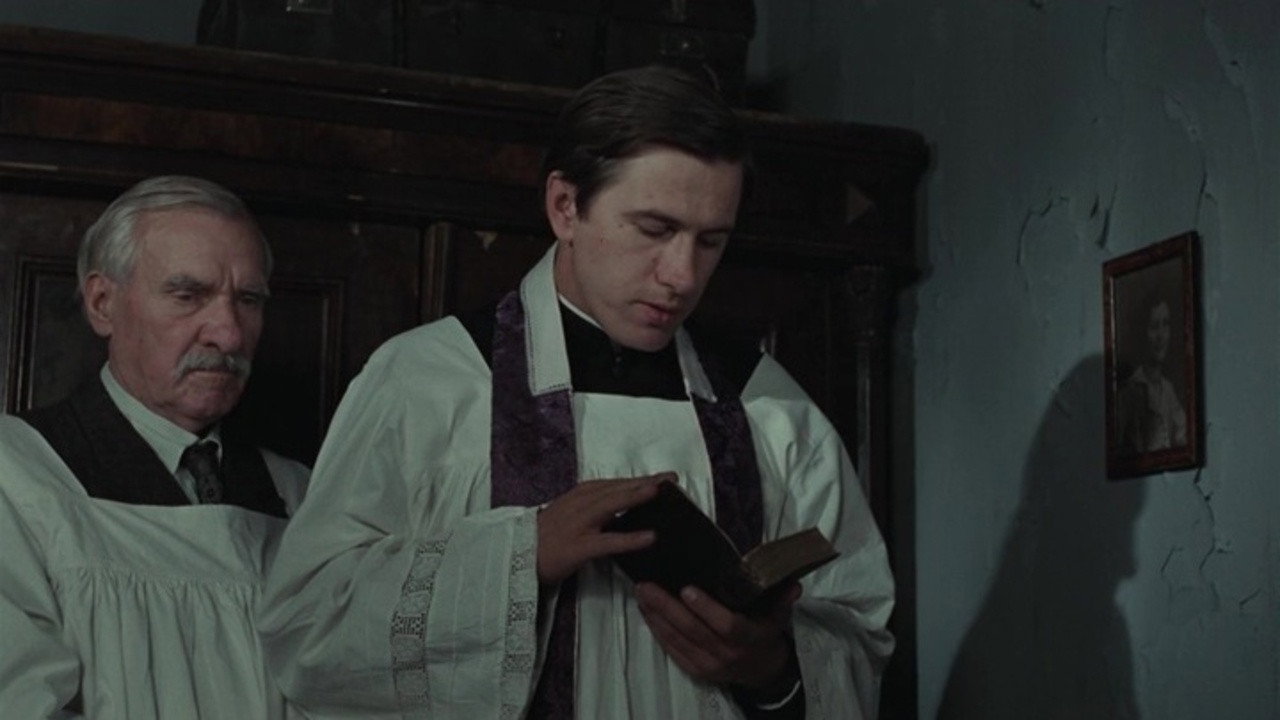
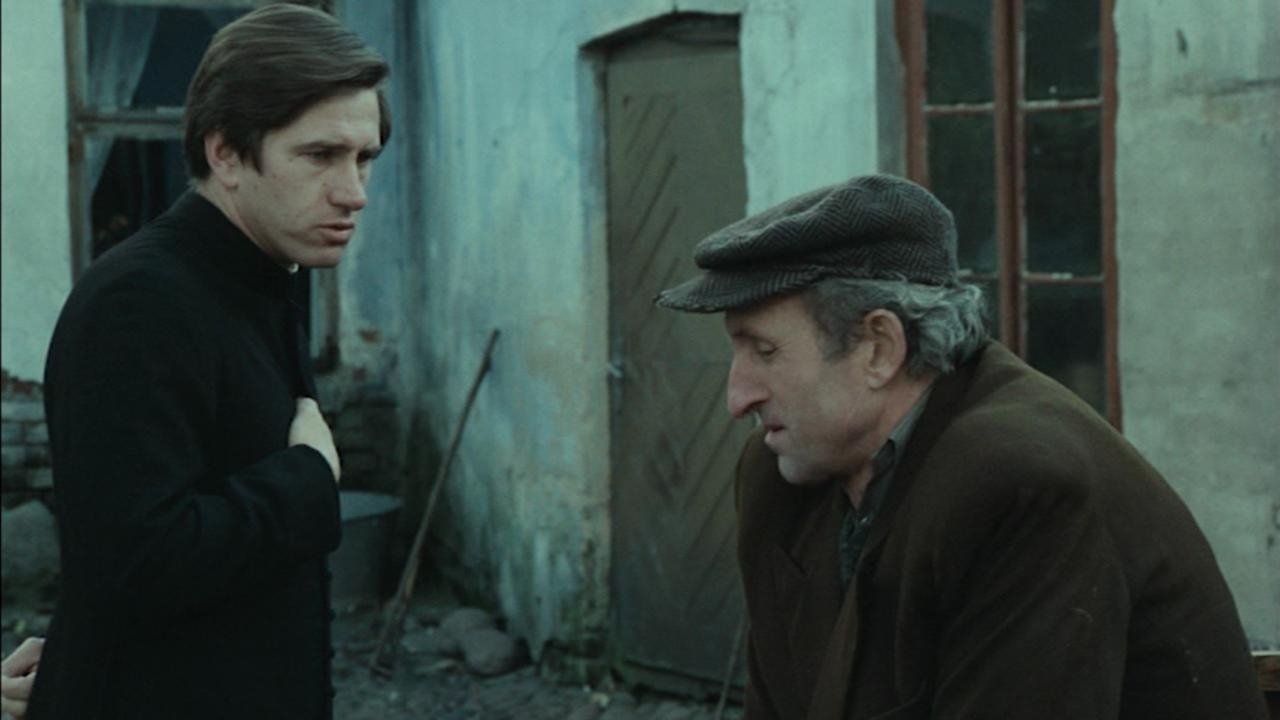
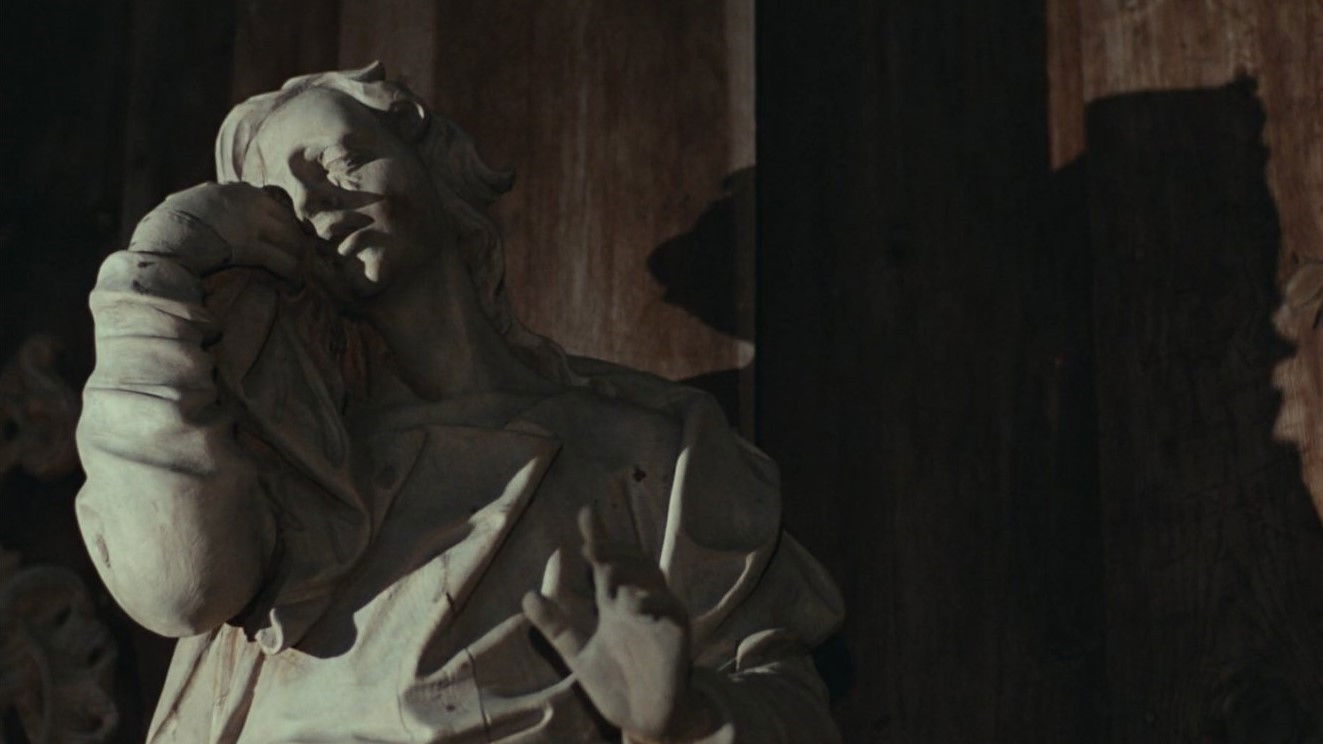
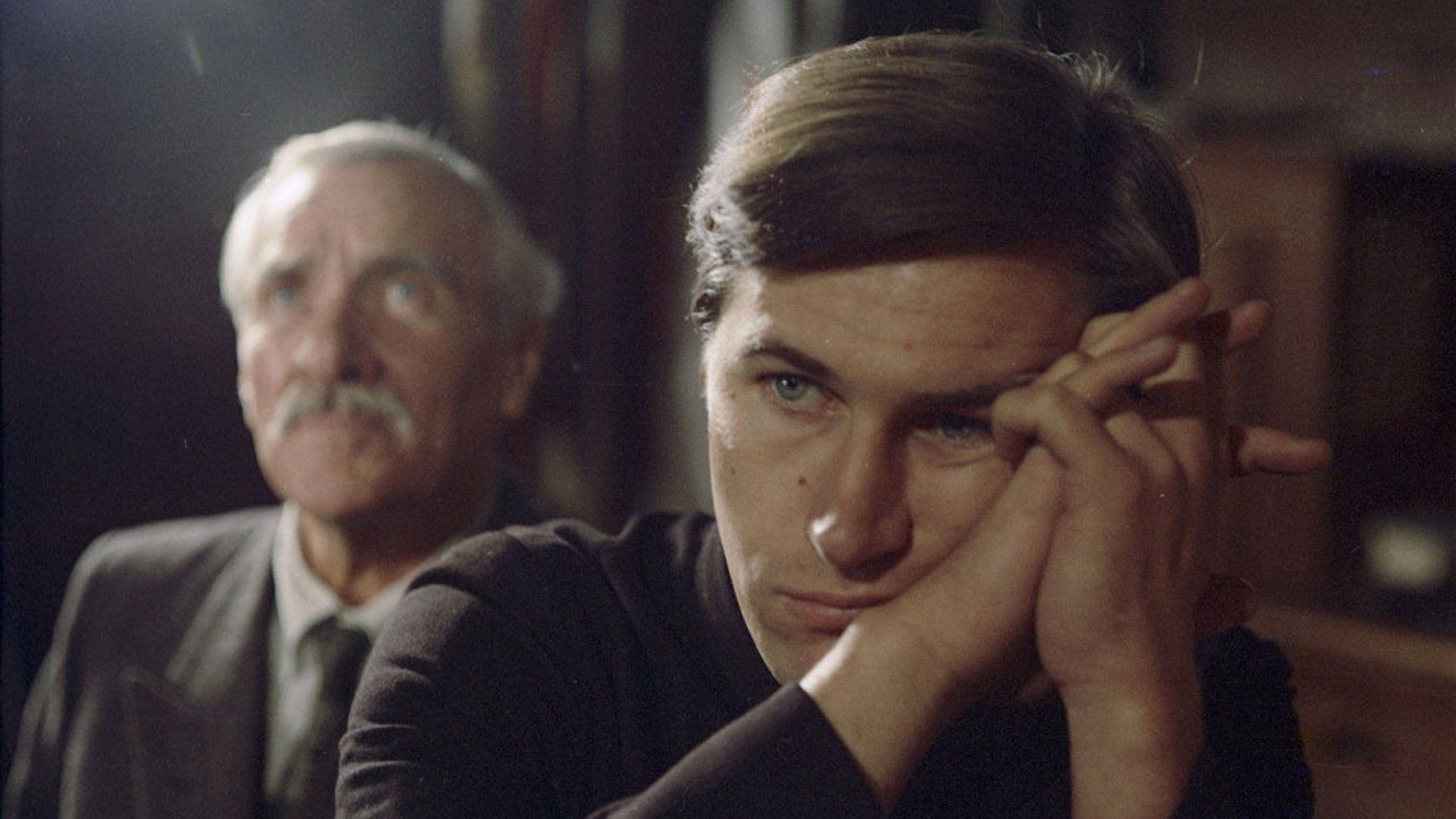
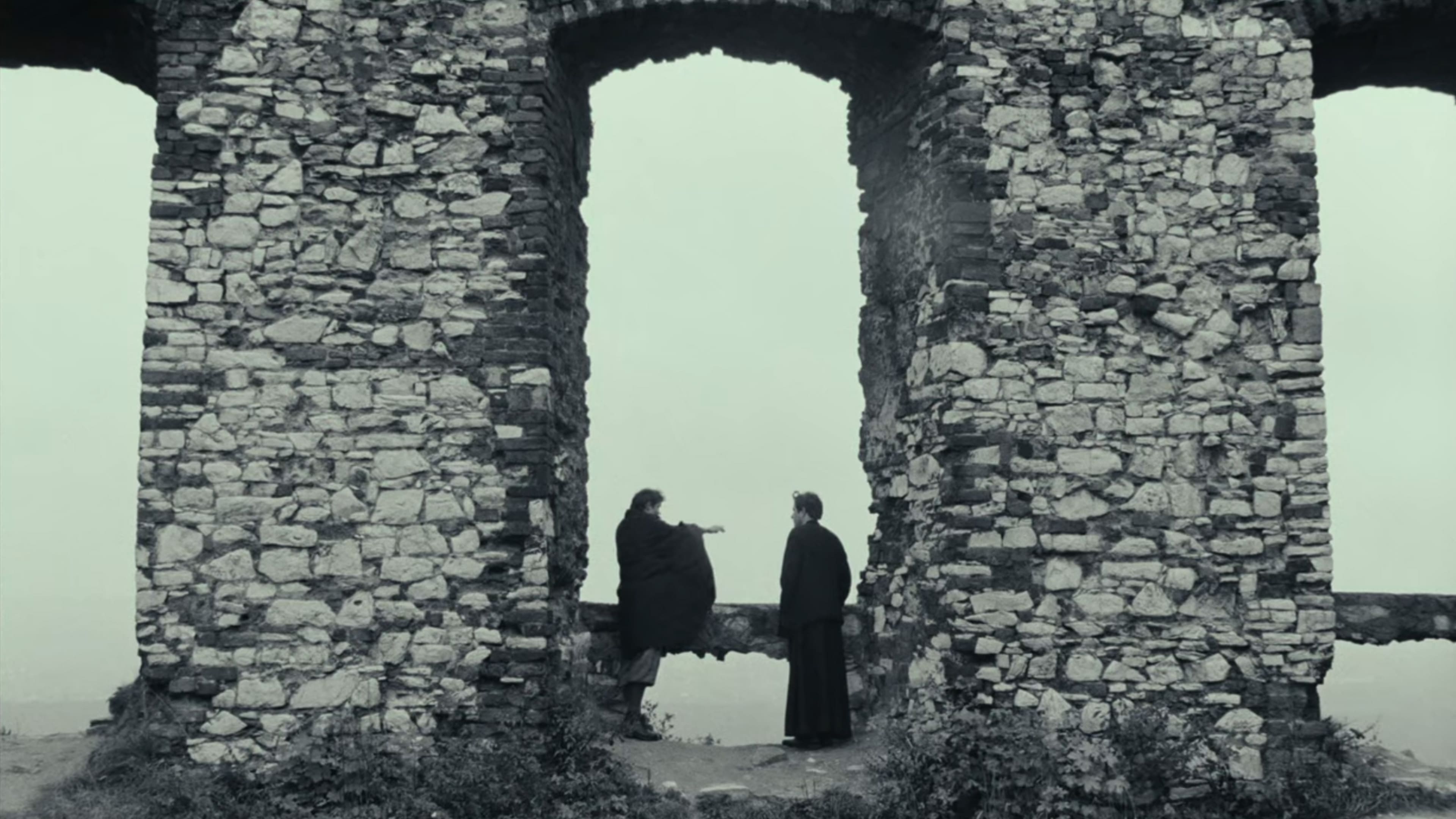
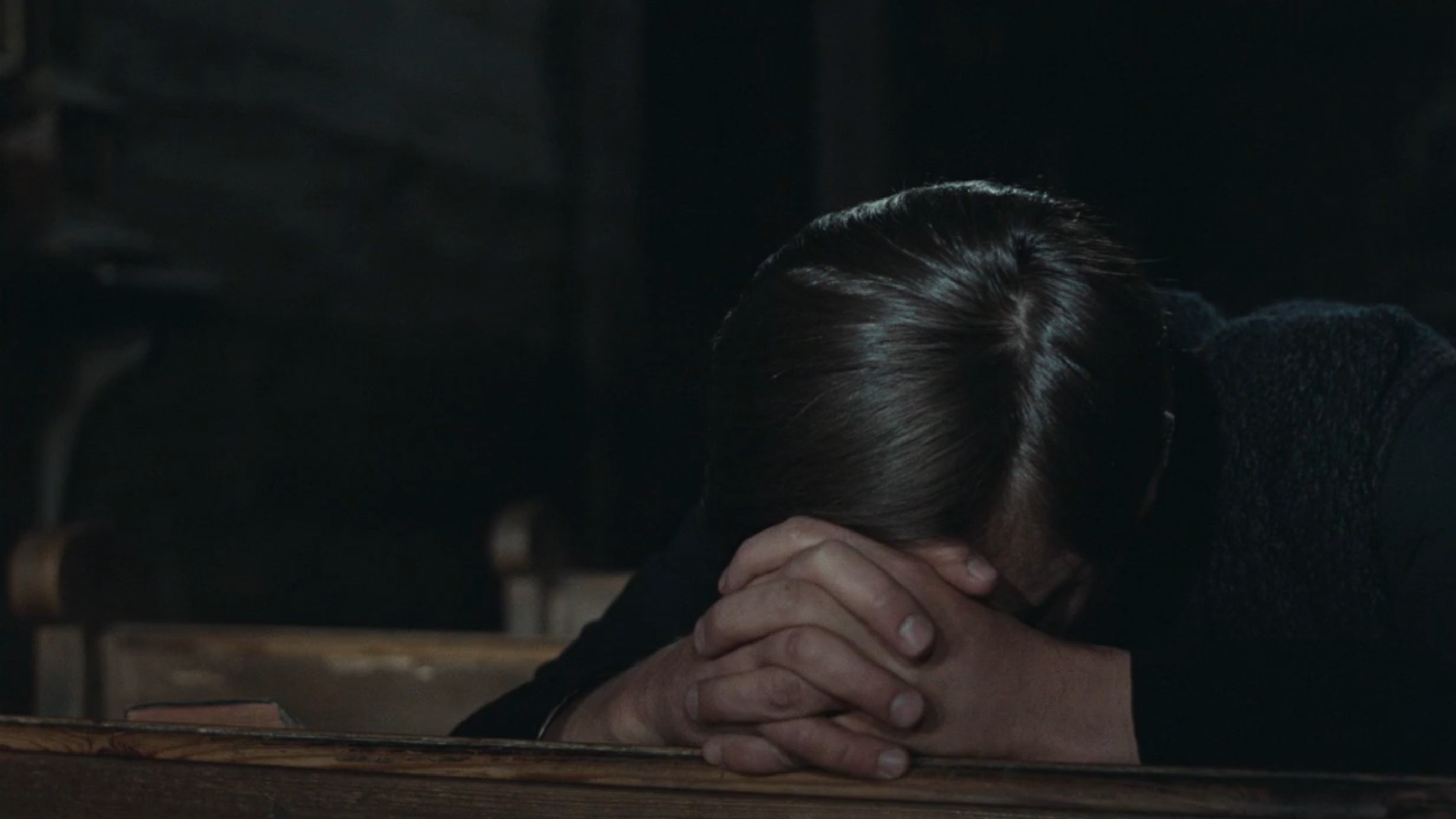
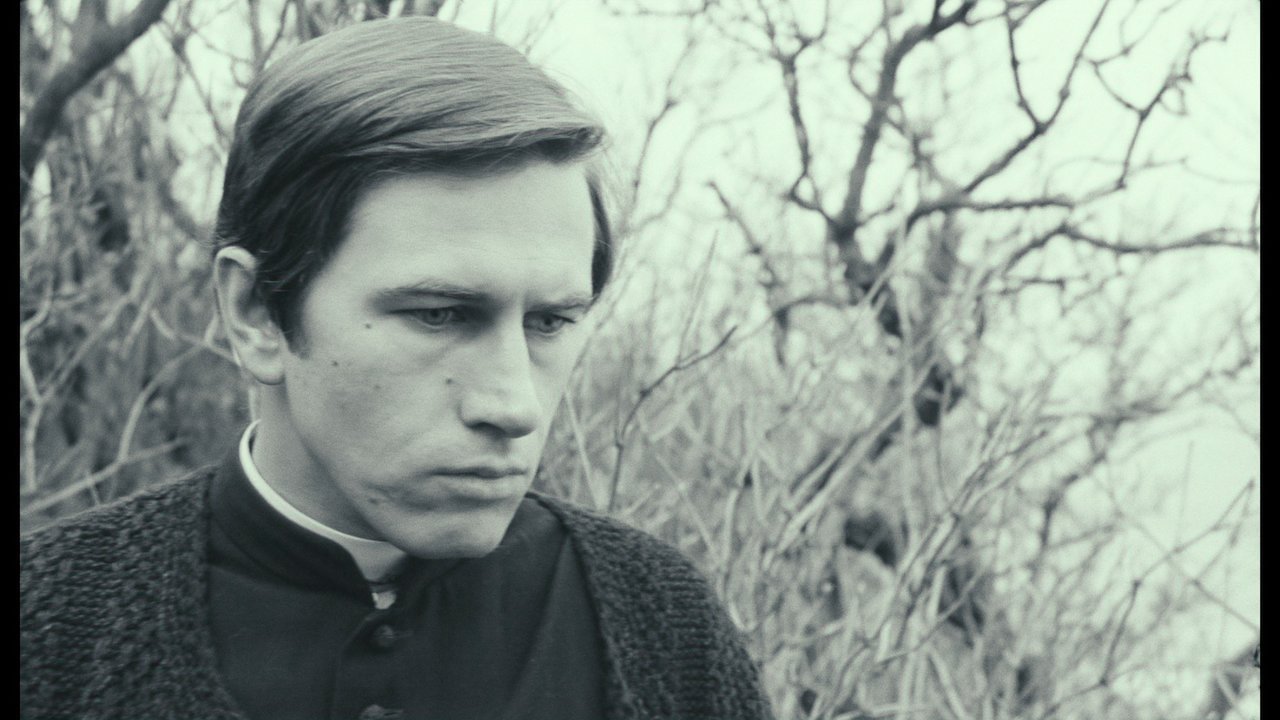

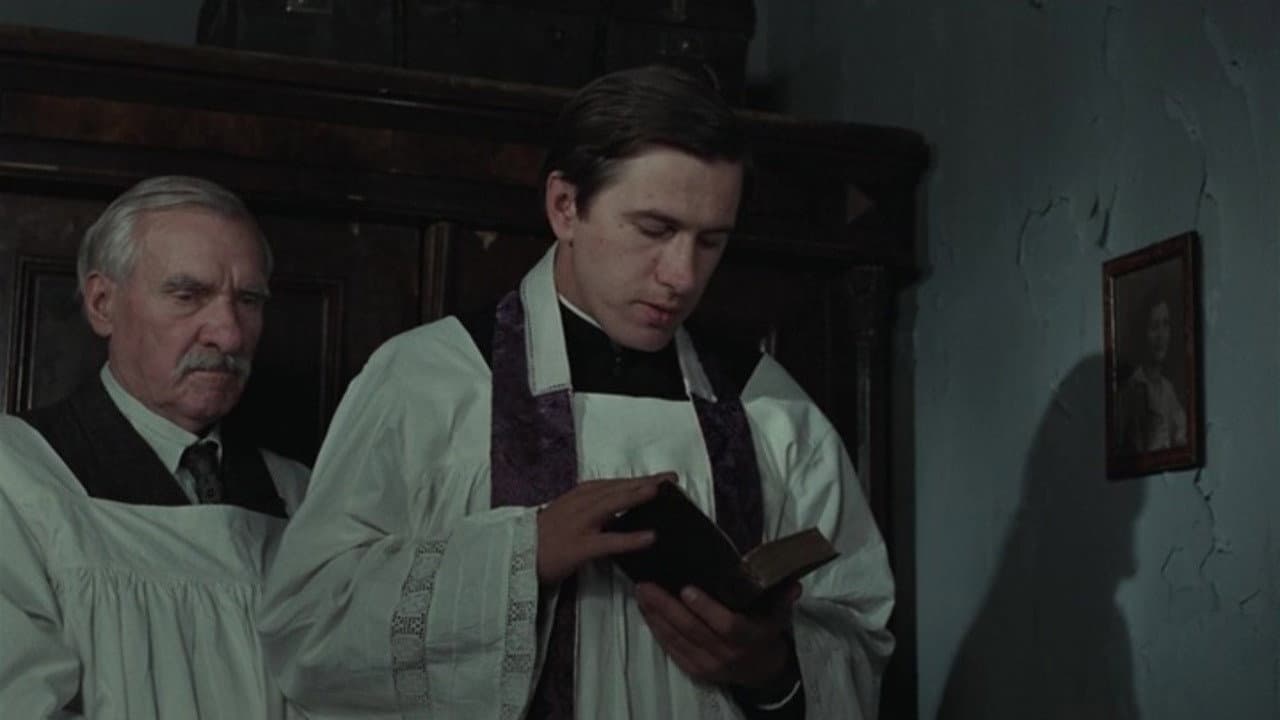
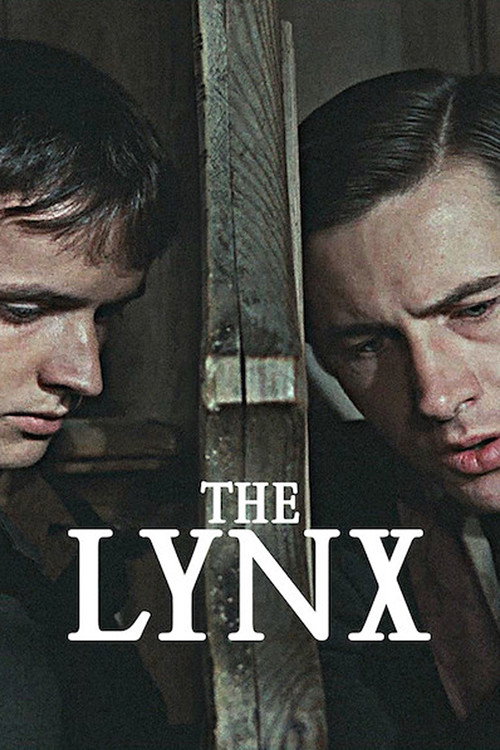
Set during the German occupation of Poland during WWII. A priest in a small village meets a revolutionary who is on an assignment to kill a supposed Nazi collaborator.
Directed by Stanisław Różewicz
world war ii
priest

IMDB
N/A
Cast
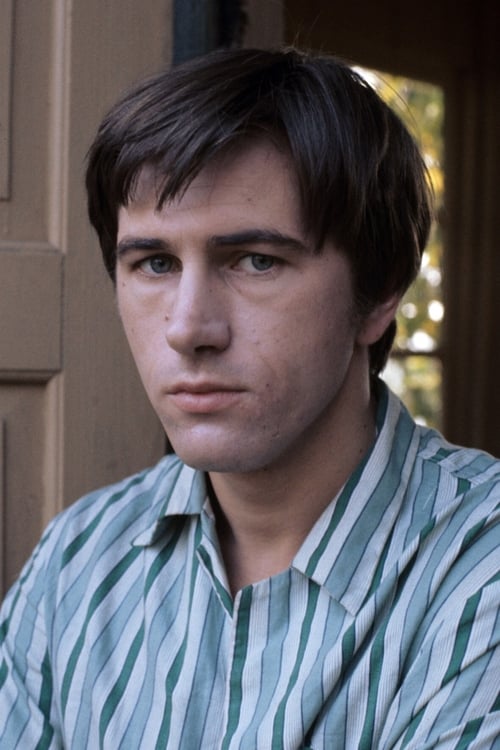
Jerzy Radziwiłowicz
Ksiądz Konrad
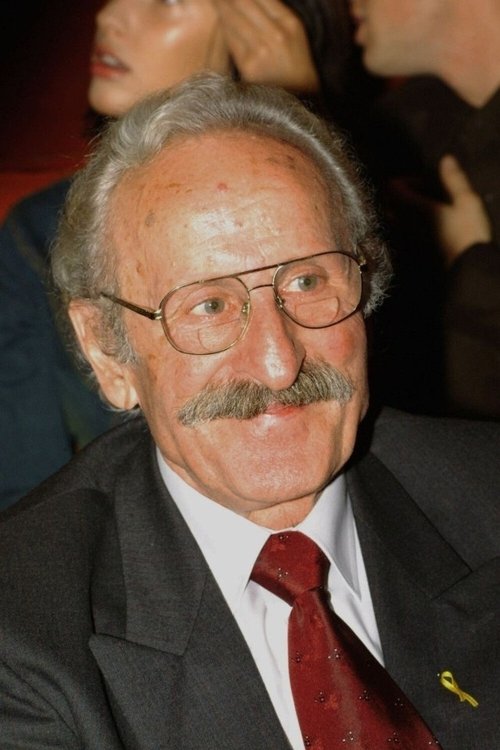
Franciszek Pieczka
Stelmach Alojz
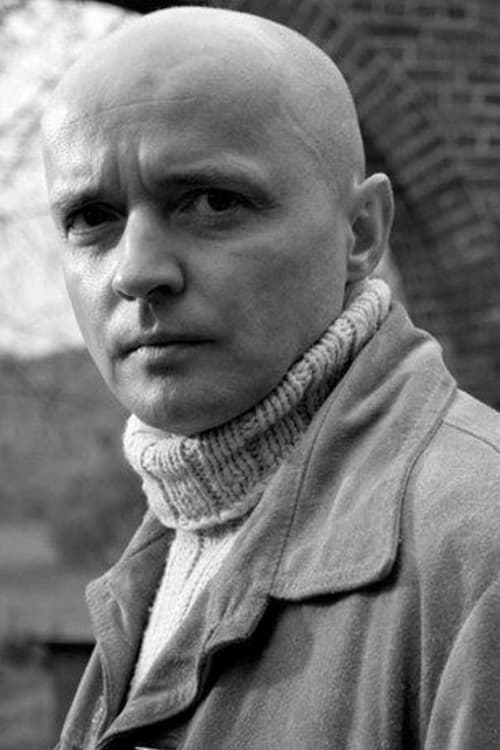
Piotr Bajor
Ryś
Janusz Paluszkiewicz
Kościelny Józef
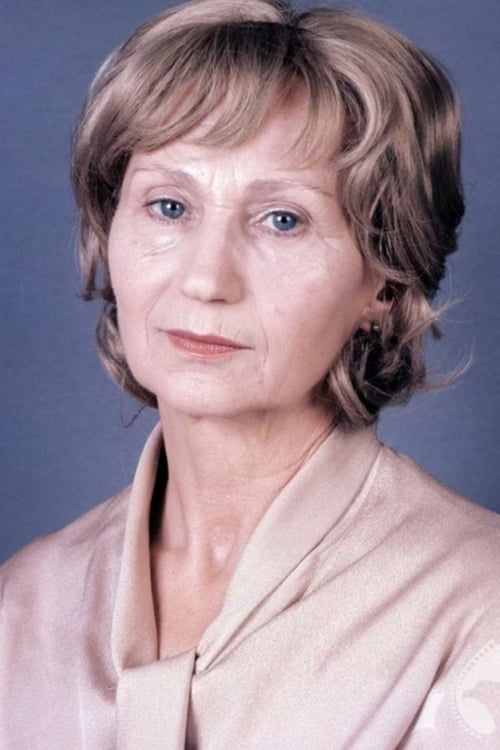
Ryszarda Hanin
Hela
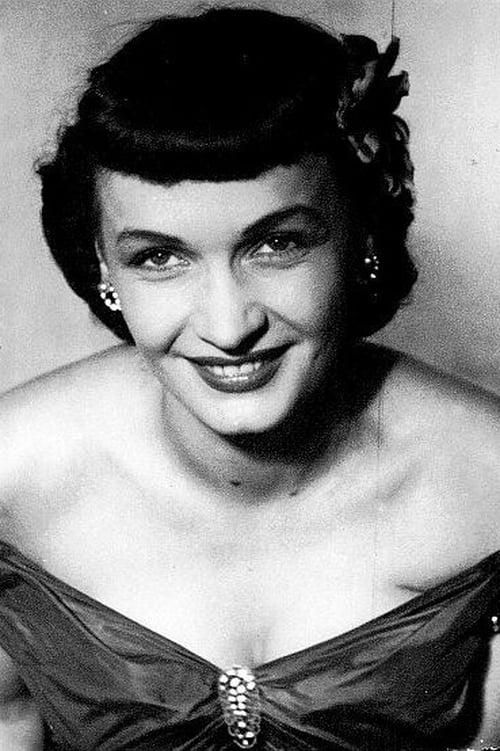
Maria Klejdysz
Córka Sieradzkiego
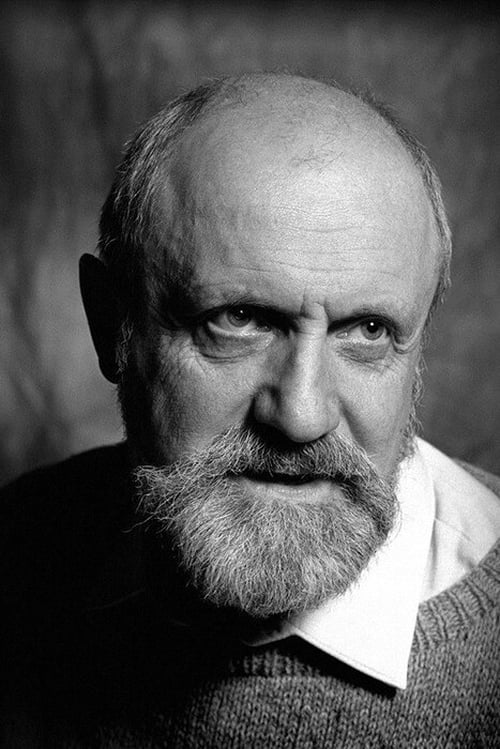
Henryk Machalica
Dziad Darus
Crew
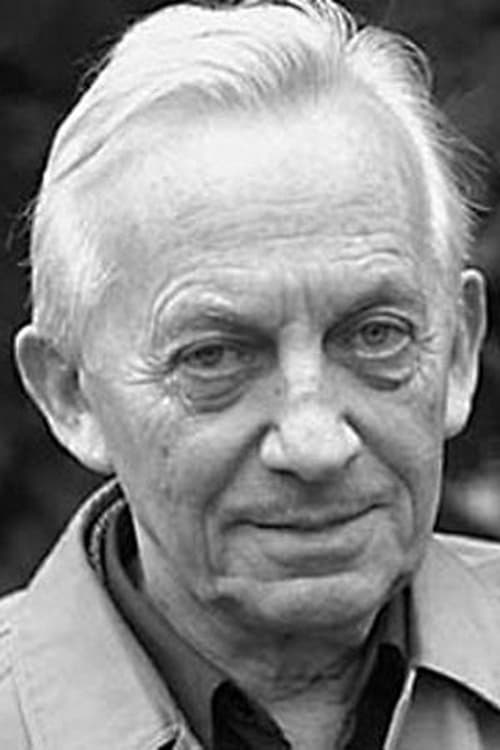
Stanisław Różewicz
Director
Stanisław Różewicz
Screenplay

Lucjan Kaszycki
Music
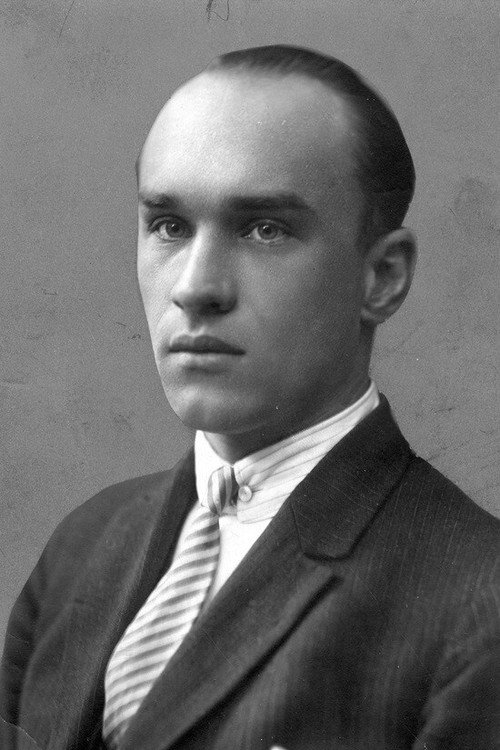
Jarosław Iwaszkiewicz
Short Story
Popular Reviews
19 reviews
MopudPRO
10.0★ · 02/04/26
It shows how easily ‘doing the right thing’ becomes complicated when real lives are involved
It shows how easily ‘doing the right thing’ becomes complicated when real lives are involved

1

doinel
7.0★ · 06/01/26
Mors malis, vita bonis. Śmierć złem, życie dobrem
Mors malis, vita bonis. Śmierć złem, życie dobrem
Nick
8.0★ · 05/17/26
Father Konrad finds himself in a downward spiral of spiritual crisis after hearing the confession of The Lynx who has been tasked with killing a suspected traitor during WWII. The great question is if the condemned man is truly guilty. If he is guilty, can our priest grant The Lynx absolution? Thus, a tale of morality, faith, guilt, society, and truth unfolds.
Father Konrad goes through different iterations of trying to solve this problem. Ultimately, he offers to kill in the Lynx’s place, to save this young man from sin. The analogy of Christ shouldering sin peeks through. We then see the toll such a weight may carry.
Director Różewicz employs several arthouse favourite motifs to emphasize the severity of Konrad’s crisis. Conspicuously heavy rain, trudging through mud and dirt, and black and white ascetic dream sequences plague Konrad constantly. The film is not restrained in tone or temperament though. Father Konrad is an expressive character and the emergent music within the church amplifies the spiritual experience.
I think the genius of the film lies in its first scene. Before meeting the Lynx, Father Konrad performs the last rites for a dying man. The dying man, presumably mad at this point, claims Konrad is an imposter. I posit Konrad’s crisis of faith was already in motion. The dying man’s proclamation was less foreshadowing and more heralding.
The man the Lynx was tasked with killing is named Alojz. The Father observes Alojz’ acute perception and expressions earlier in the film. During a later confrontation between Father Konrad and Alojz, the latter has some scathing words:
“lacking your own opinion” resonated with me. I think that notion of our conviction and authenticity of opinion is worth thinking about.
I thought the rhetoric of the film asked when the evil starts in men? When, exactly, does the devil grab hold? What does the unraveling look like as exemplified by the presumably purest of souls: a priest.
Father Konrad goes through different iterations of trying to solve this problem. Ultimately, he offers to kill in the Lynx’s place, to save this young man from sin. The analogy of Christ shouldering sin peeks through. We then see the toll such a weight may carry.
Director Różewicz employs several arthouse favourite motifs to emphasize the severity of Konrad’s crisis. Conspicuously heavy rain, trudging through mud and dirt, and black and white ascetic dream sequences plague Konrad constantly. The film is not restrained in tone or temperament though. Father Konrad is an expressive character and the emergent music within the church amplifies the spiritual experience.
I think the genius of the film lies in its first scene. Before meeting the Lynx, Father Konrad performs the last rites for a dying man. The dying man, presumably mad at this point, claims Konrad is an imposter. I posit Konrad’s crisis of faith was already in motion. The dying man’s proclamation was less foreshadowing and more heralding.
The man the Lynx was tasked with killing is named Alojz. The Father observes Alojz’ acute perception and expressions earlier in the film. During a later confrontation between Father Konrad and Alojz, the latter has some scathing words:
You’re so absent-minded, Father. You’re talking like you lacked your own opinion. You must’ve got all mixed-up.
“lacking your own opinion” resonated with me. I think that notion of our conviction and authenticity of opinion is worth thinking about.
I thought the rhetoric of the film asked when the evil starts in men? When, exactly, does the devil grab hold? What does the unraveling look like as exemplified by the presumably purest of souls: a priest.
Father Konrad finds himself in a downward spiral of spiritual crisis after hearing the confession of The Lynx who has been tasked with killing a suspected traitor during WWII. The great question is if the condemned man is truly guilty. If he is guilty, can our priest grant The Lynx absolution? Thus, a tale of morality, faith, guilt, society, and truth unfolds.
Father Konrad goes through different iterations of trying to solve this problem. Ultimately, he offers to kill in the Lynx’s place, to save this young man from sin. The analogy of Christ shouldering sin peeks through. We then see the toll such a weight may carry.
Director Różewicz employs several arthouse favourite motifs to emphasize the severity of Konrad’s crisis. Conspicuously heavy rain, trudging through mud and dirt, and black and white ascetic dream sequences plague Konrad constantly. The film is not restrained in tone or temperament though. Father Konrad is an expressive character and the emergent music within the church amplifies the spiritual experience.
I think the genius of the film lies in its first scene. Before meeting the Lynx, Father Konrad performs the last rites for a dying man. The dying man, presumably mad at this point, claims Konrad is an imposter. I posit Konrad’s crisis of faith was already in motion. The dying man’s proclamation was less foreshadowing and more heralding.
The man the Lynx was tasked with killing is named Alojz. The Father observes Alojz’ acute perception and expressions earlier in the film. During a later confrontation between Father Konrad and Alojz, the latter has some scathing words:
“lacking your own opinion” resonated with me. I think that notion of our conviction and authenticity of opinion is worth thinking about.
I thought the rhetoric of the film asked when the evil starts in men? When, exactly, does the devil grab hold? What does the unraveling look like as exemplified by the presumably purest of souls: a priest.
Father Konrad goes through different iterations of trying to solve this problem. Ultimately, he offers to kill in the Lynx’s place, to save this young man from sin. The analogy of Christ shouldering sin peeks through. We then see the toll such a weight may carry.
Director Różewicz employs several arthouse favourite motifs to emphasize the severity of Konrad’s crisis. Conspicuously heavy rain, trudging through mud and dirt, and black and white ascetic dream sequences plague Konrad constantly. The film is not restrained in tone or temperament though. Father Konrad is an expressive character and the emergent music within the church amplifies the spiritual experience.
I think the genius of the film lies in its first scene. Before meeting the Lynx, Father Konrad performs the last rites for a dying man. The dying man, presumably mad at this point, claims Konrad is an imposter. I posit Konrad’s crisis of faith was already in motion. The dying man’s proclamation was less foreshadowing and more heralding.
The man the Lynx was tasked with killing is named Alojz. The Father observes Alojz’ acute perception and expressions earlier in the film. During a later confrontation between Father Konrad and Alojz, the latter has some scathing words:
You’re so absent-minded, Father. You’re talking like you lacked your own opinion. You must’ve got all mixed-up.
“lacking your own opinion” resonated with me. I think that notion of our conviction and authenticity of opinion is worth thinking about.
I thought the rhetoric of the film asked when the evil starts in men? When, exactly, does the devil grab hold? What does the unraveling look like as exemplified by the presumably purest of souls: a priest.
sunkilmoon
9.0★ · 04/06/26
- "In the hell we're living in, there are no sins."
- "You live in hell?"
- "Where else? Is that not hell right now? People murdering, killing, eating each other alive... There are no people in this world right now."
Couldn't be more appropriate for this day and age; I find it hilarious that the USA's a heavily Christian country, although I don't think genuine, cultlike religious people are that smart or as good as they say they are anyways. Have to say I always love a good priest-questioning-his-faith film though. Was shot well, and I loved that the stills were given just the right amount of time to allow me to recognise the atmosphere. Also, Cristoph Waltz??
Watch here (English subs).
- "You live in hell?"
- "Where else? Is that not hell right now? People murdering, killing, eating each other alive... There are no people in this world right now."
Couldn't be more appropriate for this day and age; I find it hilarious that the USA's a heavily Christian country, although I don't think genuine, cultlike religious people are that smart or as good as they say they are anyways. Have to say I always love a good priest-questioning-his-faith film though. Was shot well, and I loved that the stills were given just the right amount of time to allow me to recognise the atmosphere. Also, Cristoph Waltz??
Watch here (English subs).
- "In the hell we're living in, there are no sins."
- "You live in hell?"
- "Where else? Is that not hell right now? People murdering, killing, eating each other alive... There are no people in this world right now."
Couldn't be more appropriate for this day and age; I find it hilarious that the USA's a heavily Christian country, although I don't think genuine, cultlike religious people are that smart or as good as they say they are anyways. Have to say I always love a good priest-questioning-his-faith film though. Was shot well, and I loved that the stills were given just the right amount of time to allow me to recognise the atmosphere. Also, Cristoph Waltz??
Watch here (English subs).
- "You live in hell?"
- "Where else? Is that not hell right now? People murdering, killing, eating each other alive... There are no people in this world right now."
Couldn't be more appropriate for this day and age; I find it hilarious that the USA's a heavily Christian country, although I don't think genuine, cultlike religious people are that smart or as good as they say they are anyways. Have to say I always love a good priest-questioning-his-faith film though. Was shot well, and I loved that the stills were given just the right amount of time to allow me to recognise the atmosphere. Also, Cristoph Waltz??
Watch here (English subs).
endo
9.0★ · 09/15/25
Au final il n’y pas grand chose à dire mais en même temps tellement, le film parle surtout de lui même.
L’histoire est tellement bien construite avec surtout 10 gros dialogues qui entourent des silences pesants, coupe par des séquences en noire et blanc digne de Tarkovsky dans Nostalghia.
Le prêtre tiraillé entre deux versions de l’histoire c’est tellement parfait on pourrait croire à un Bergman, voici probablement le défaut du film qui sont les inspirations qui se voient trop, notamment pour Andrei Tarkovsky même si j’ai apprécié a certains moments car il reste mon réalisateur préféré.
Foncez voir le film il est très court et est disponible en VO sous titre anglais sur VK vidéo.
L’histoire est tellement bien construite avec surtout 10 gros dialogues qui entourent des silences pesants, coupe par des séquences en noire et blanc digne de Tarkovsky dans Nostalghia.
Le prêtre tiraillé entre deux versions de l’histoire c’est tellement parfait on pourrait croire à un Bergman, voici probablement le défaut du film qui sont les inspirations qui se voient trop, notamment pour Andrei Tarkovsky même si j’ai apprécié a certains moments car il reste mon réalisateur préféré.
Foncez voir le film il est très court et est disponible en VO sous titre anglais sur VK vidéo.
Au final il n’y pas grand chose à dire mais en même temps tellement, le film parle surtout de lui même.
L’histoire est tellement bien construite avec surtout 10 gros dialogues qui entourent des silences pesants, coupe par des séquences en noire et blanc digne de Tarkovsky dans Nostalghia.
Le prêtre tiraillé entre deux versions de l’histoire c’est tellement parfait on pourrait croire à un Bergman, voici probablement le défaut du film qui sont les inspirations qui se voient trop, notamment pour Andrei Tarkovsky même si j’ai apprécié a certains moments car il reste mon réalisateur préféré.
Foncez voir le film il est très court et est disponible en VO sous titre anglais sur VK vidéo.
L’histoire est tellement bien construite avec surtout 10 gros dialogues qui entourent des silences pesants, coupe par des séquences en noire et blanc digne de Tarkovsky dans Nostalghia.
Le prêtre tiraillé entre deux versions de l’histoire c’est tellement parfait on pourrait croire à un Bergman, voici probablement le défaut du film qui sont les inspirations qui se voient trop, notamment pour Andrei Tarkovsky même si j’ai apprécié a certains moments car il reste mon réalisateur préféré.
Foncez voir le film il est très court et est disponible en VO sous titre anglais sur VK vidéo.