Everything’s of interest, but nothing matters.
Back in university, my classmates and I once had a discussion with one of our professors about classic dystopias and how accurately life imitates art, so to speak. Looking back, I can’t remember what conclusion we reached, but
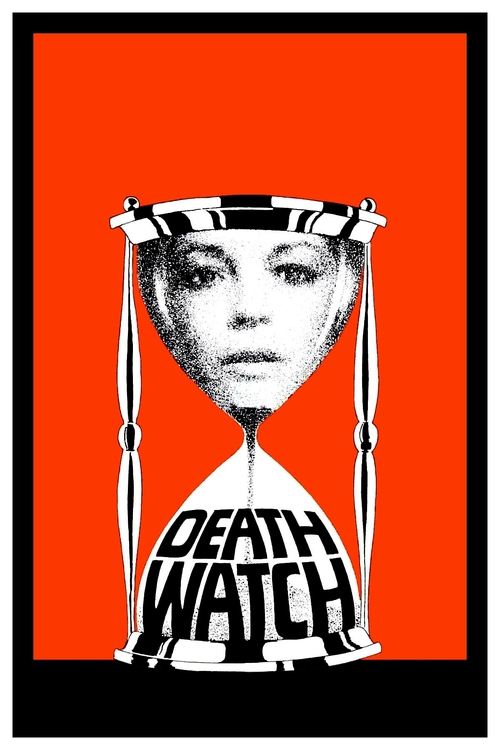
Death Watch – despite its obvious flaws – would now be my pick if that topic ever came up again.
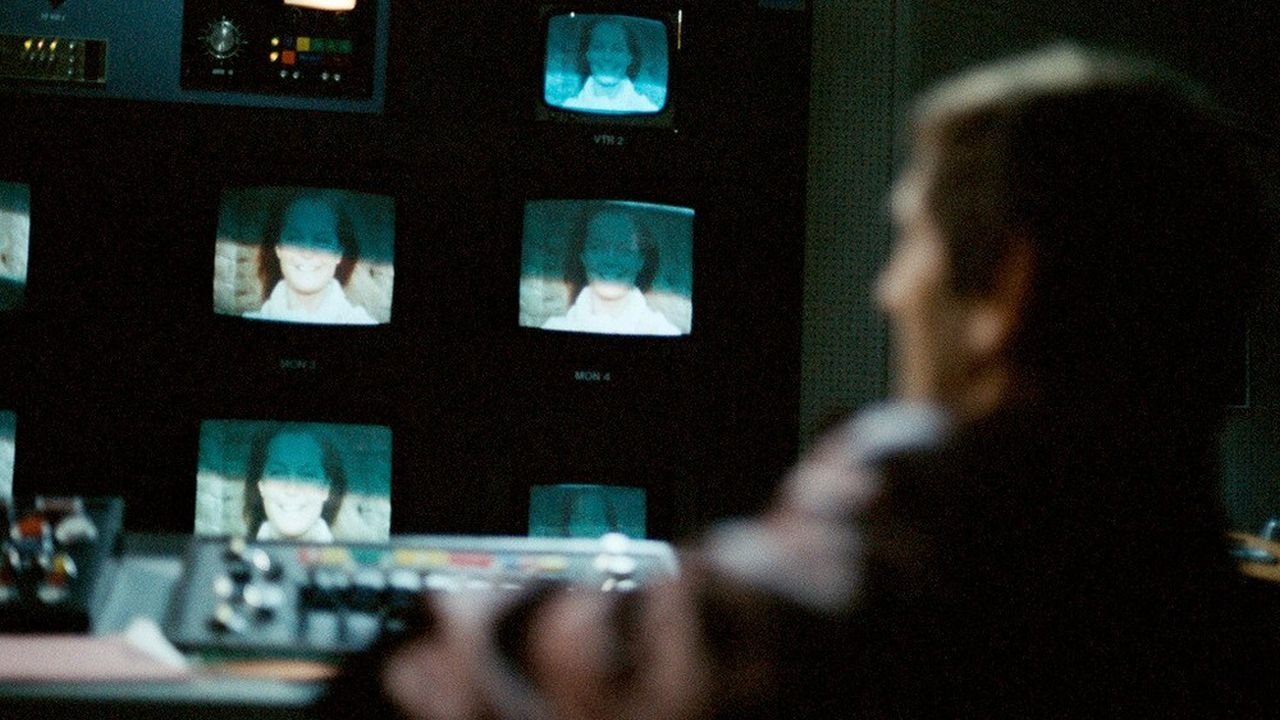
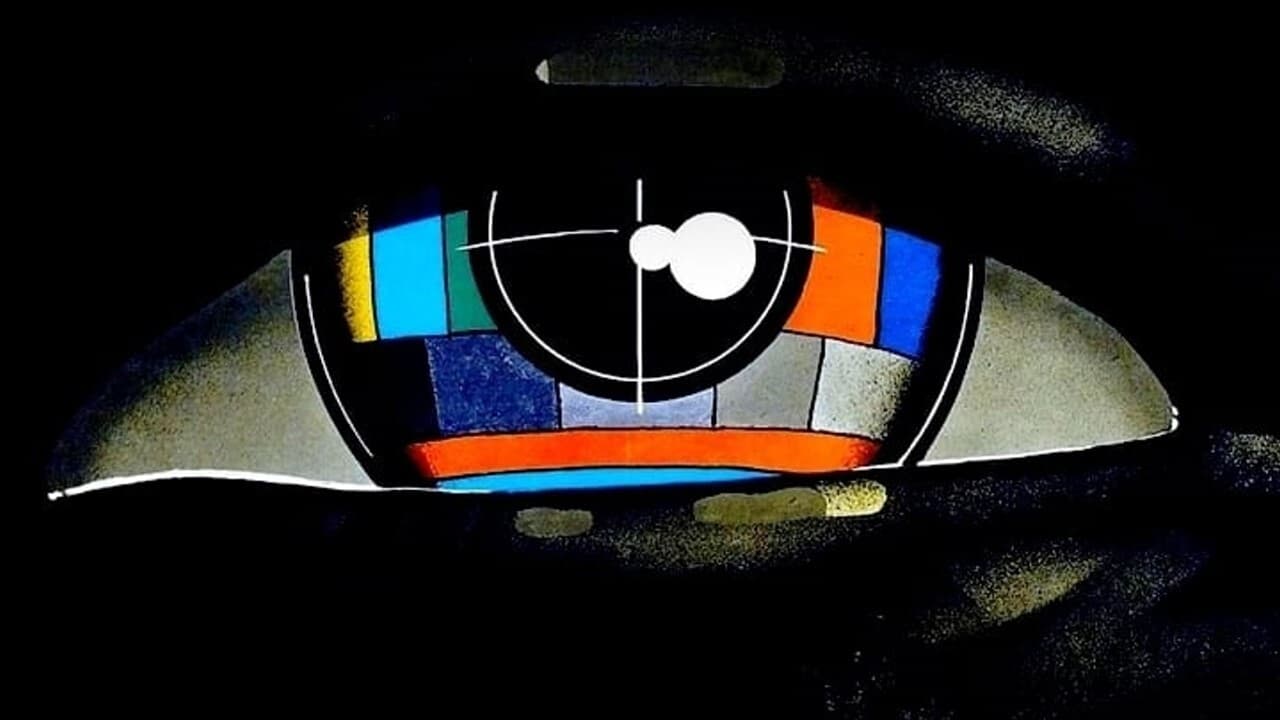
In the world of a not-so-distant future, death from disease has become so rare that it turns into the subject of a questionable reality show (Guy Debord sends his regards). The show is literally filmed through the eyes of a volunteer operator. But wait, there’s more. He cannot close his eyes for longer than a few minutes, or he’ll go blind. To ensure the depiction of another person’s moral suffering, he’s willing to suffer physically himself.
The plot of
Death Watch revolves primarily around its characters, so the world itself feels underdeveloped. There's also a machine named Harriet that writes romantic novels – a detail that’s only briefly mentioned, but one I can’t help viewing as strangely prophetic.
It’s also notable that the story unfolds in the industrial cityscapes of Glasgow rather than the shiny steel-and-glass districts typical of dystopias, further amplifying the film’s high-tech, low-life atmosphere. However, in that department, viewers are largely left to draw their own conclusions .
The premise is a solid 10/10, but the lack of worldbuilding and a somewhat banal, disappointing ending ultimately soured the experience for me.