“I wish I believed in a god, so I could ask him to protect you.”
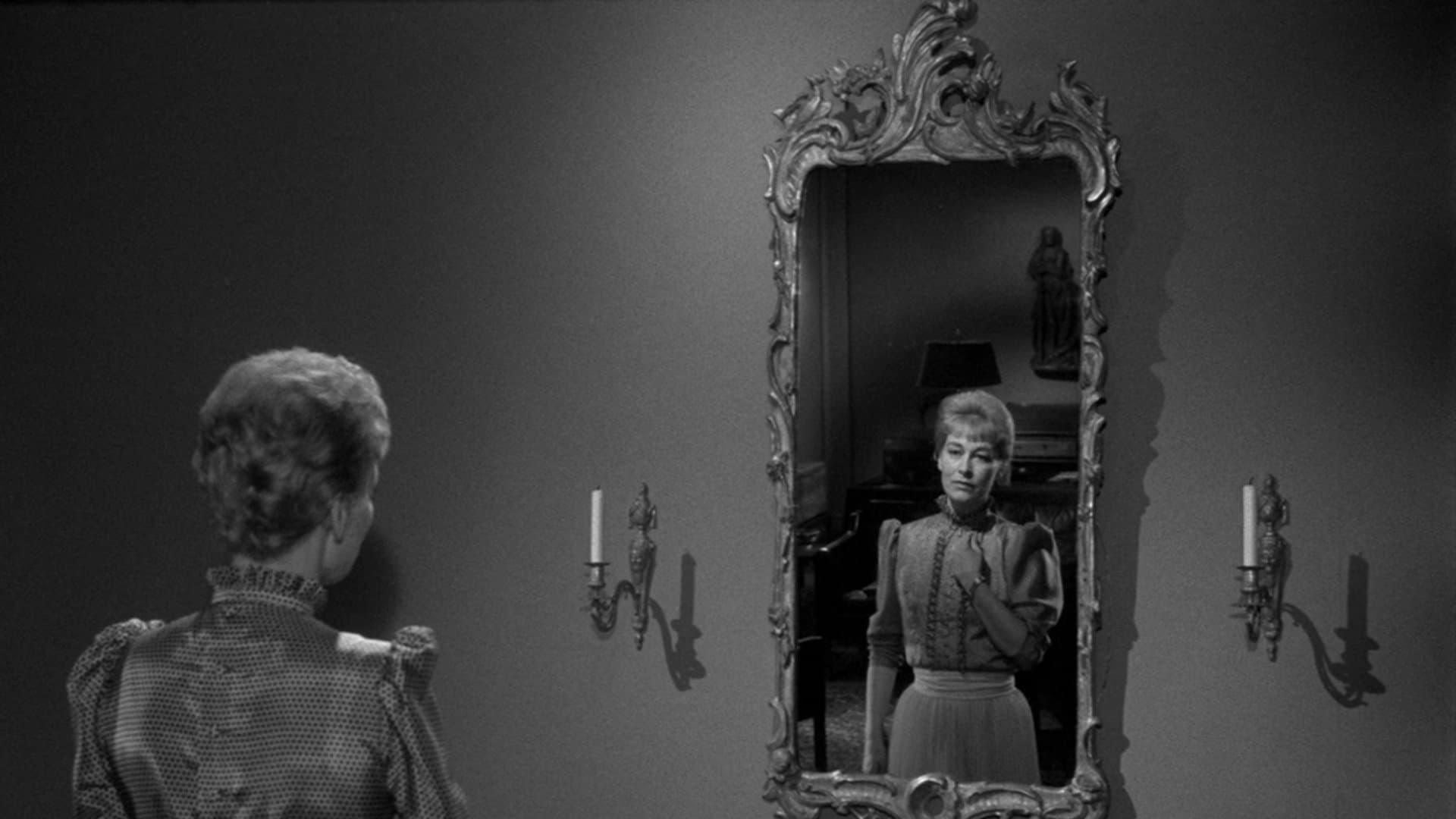
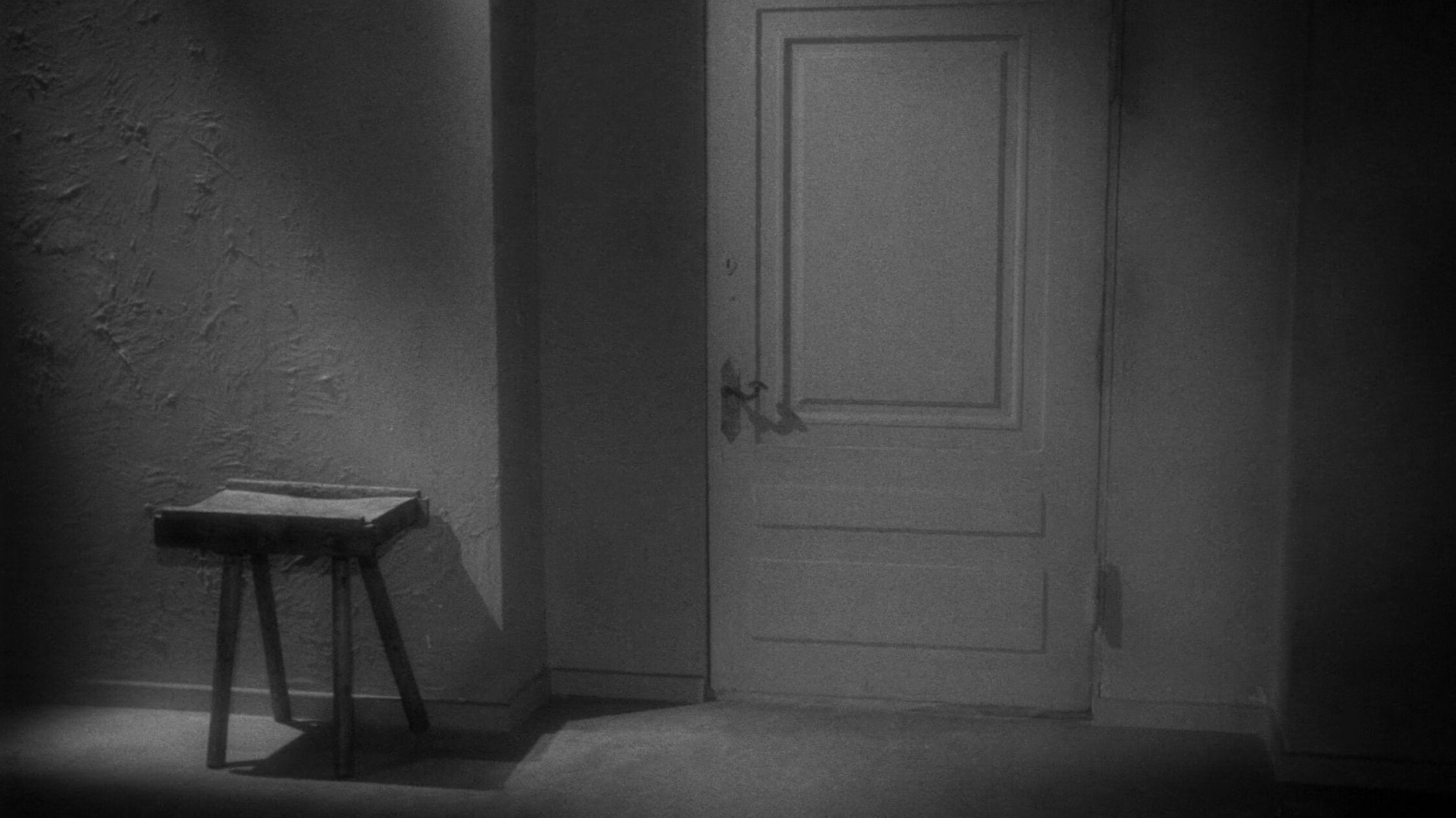
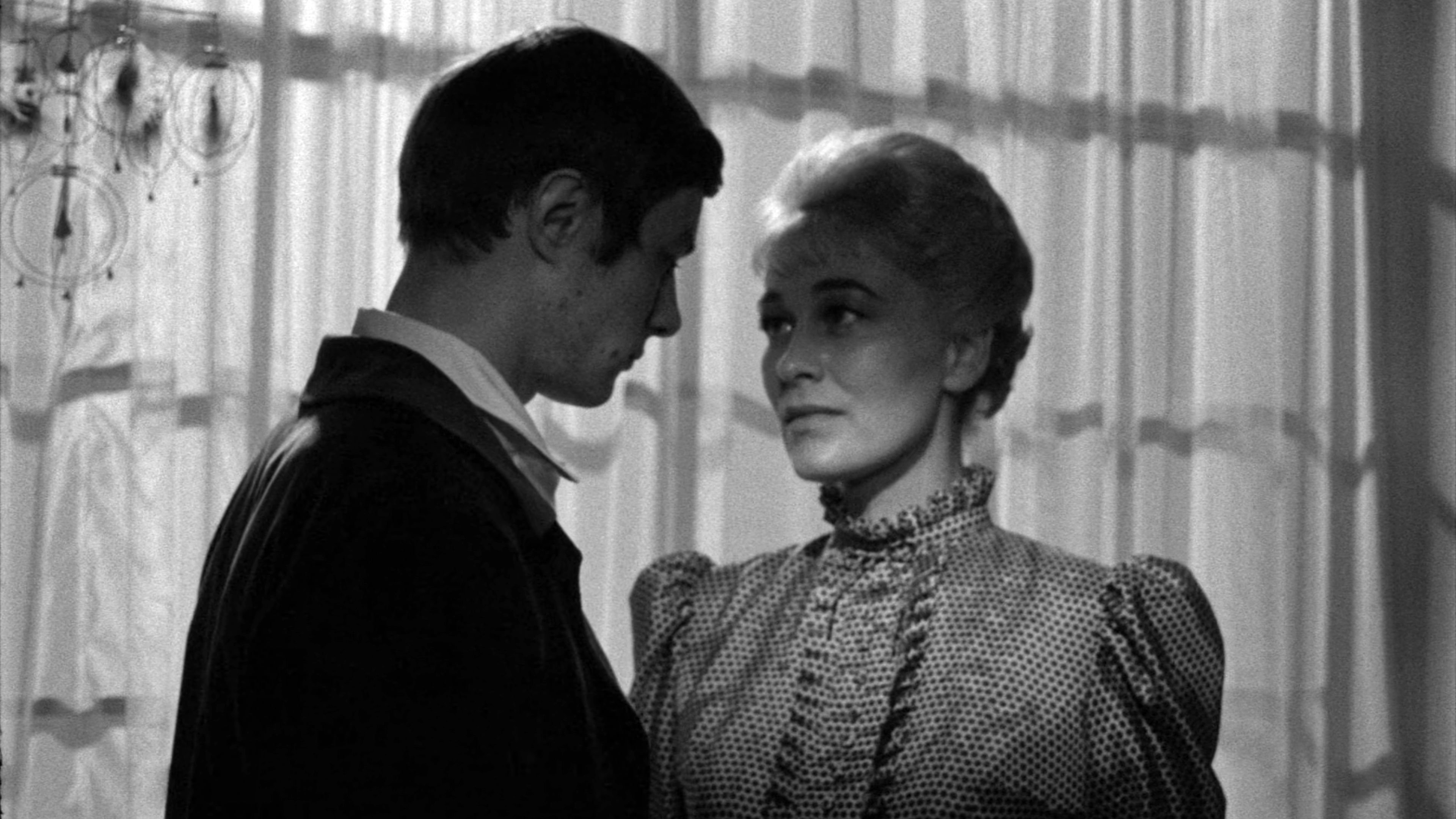
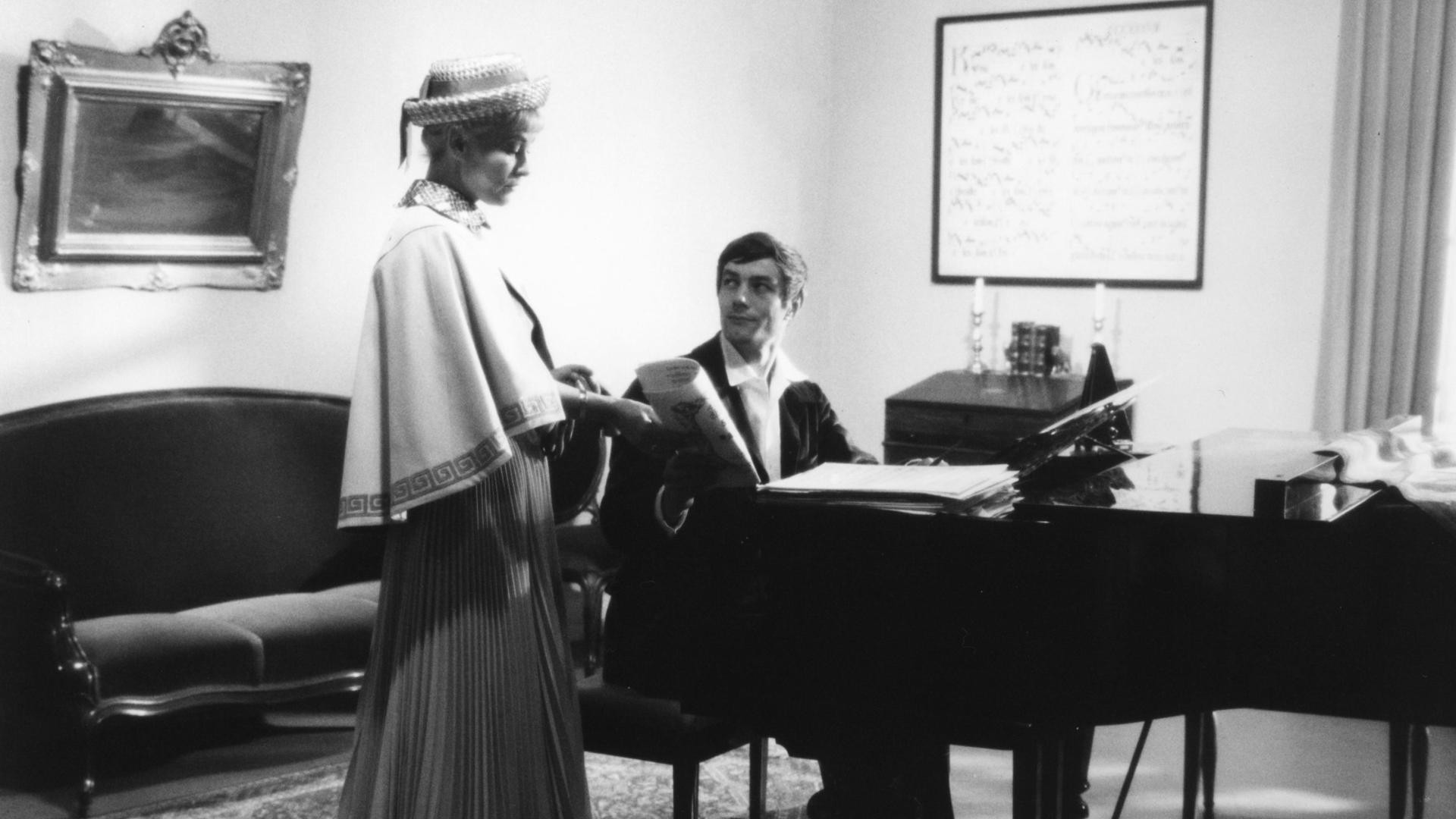
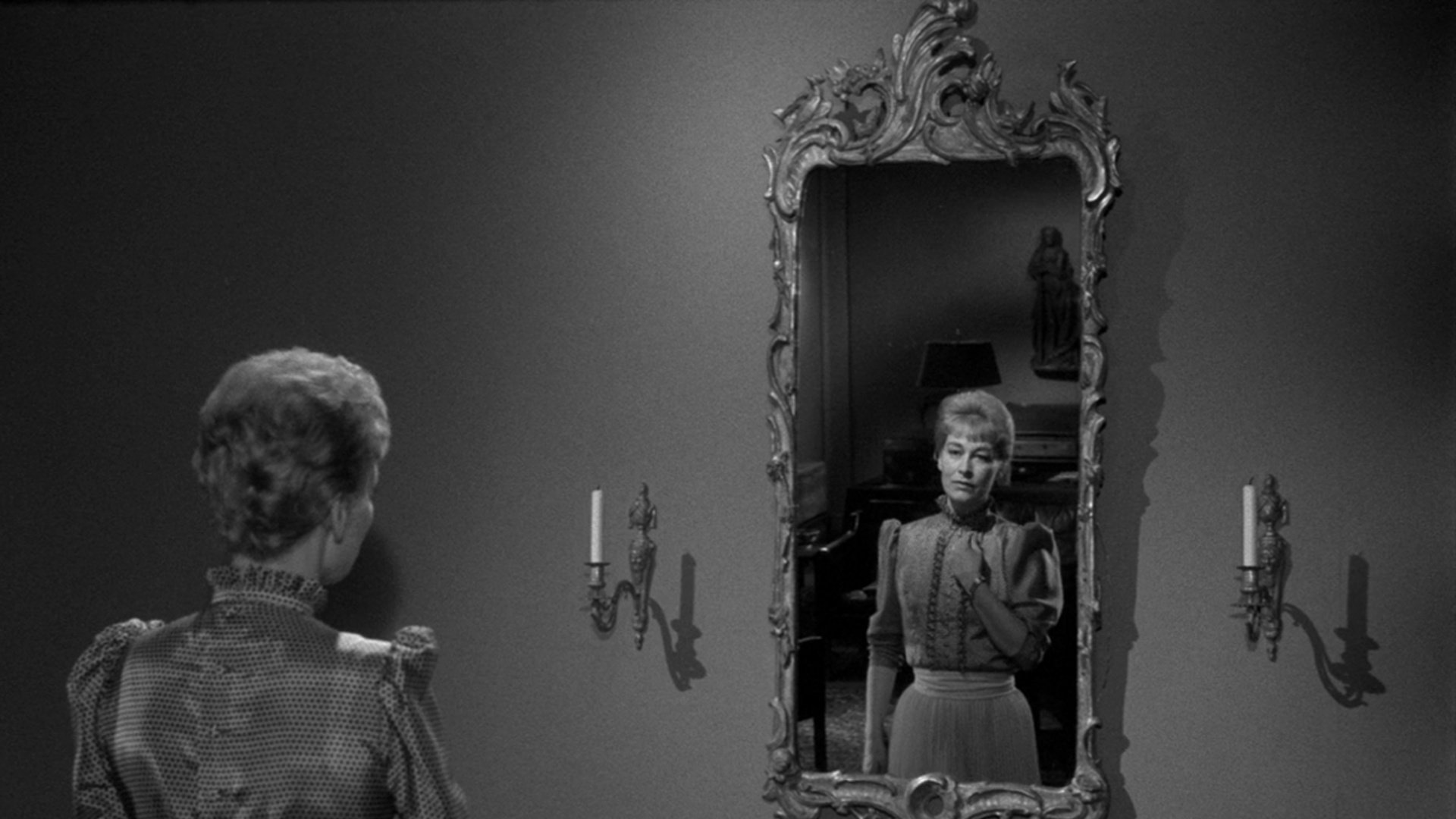
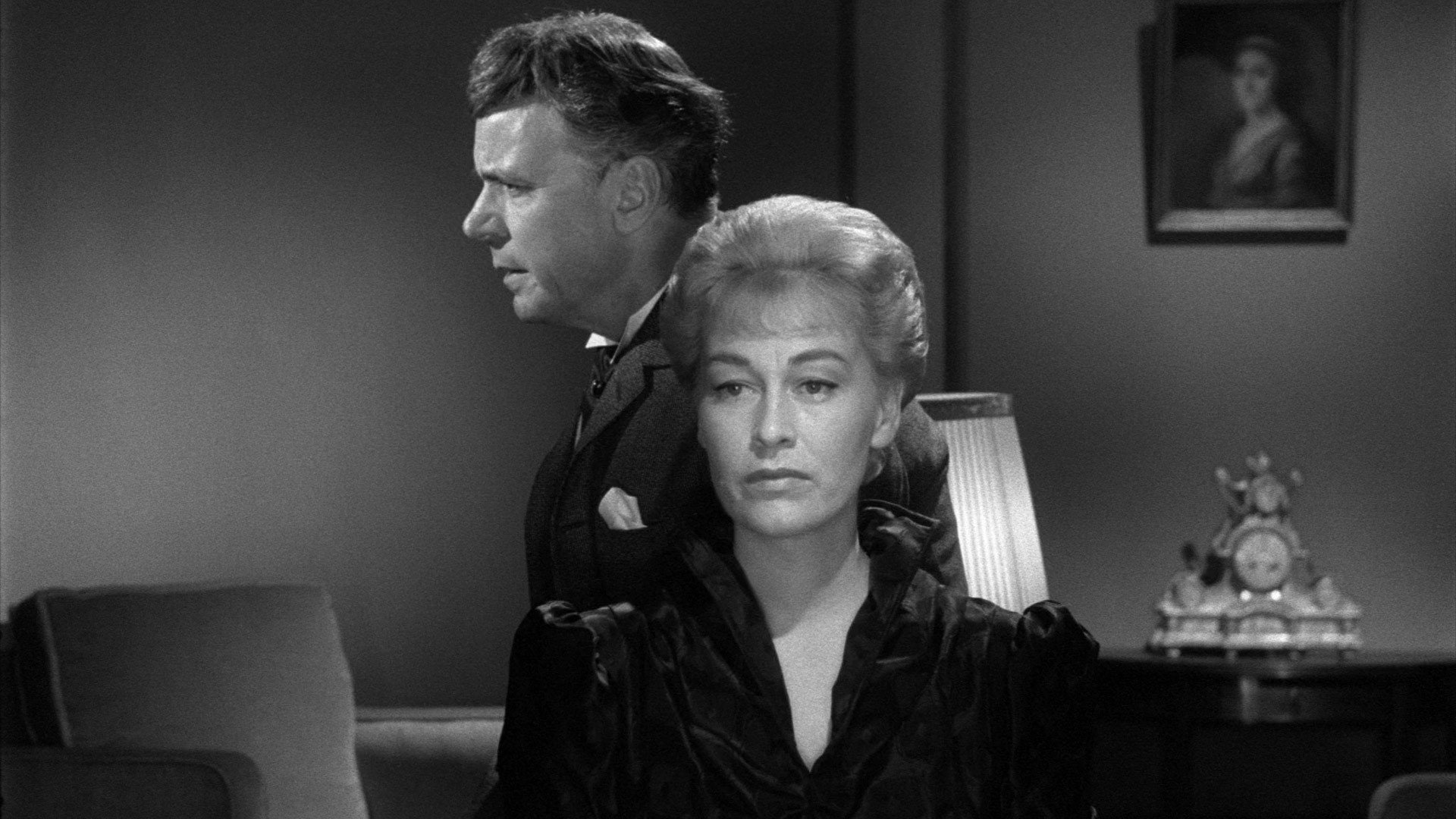
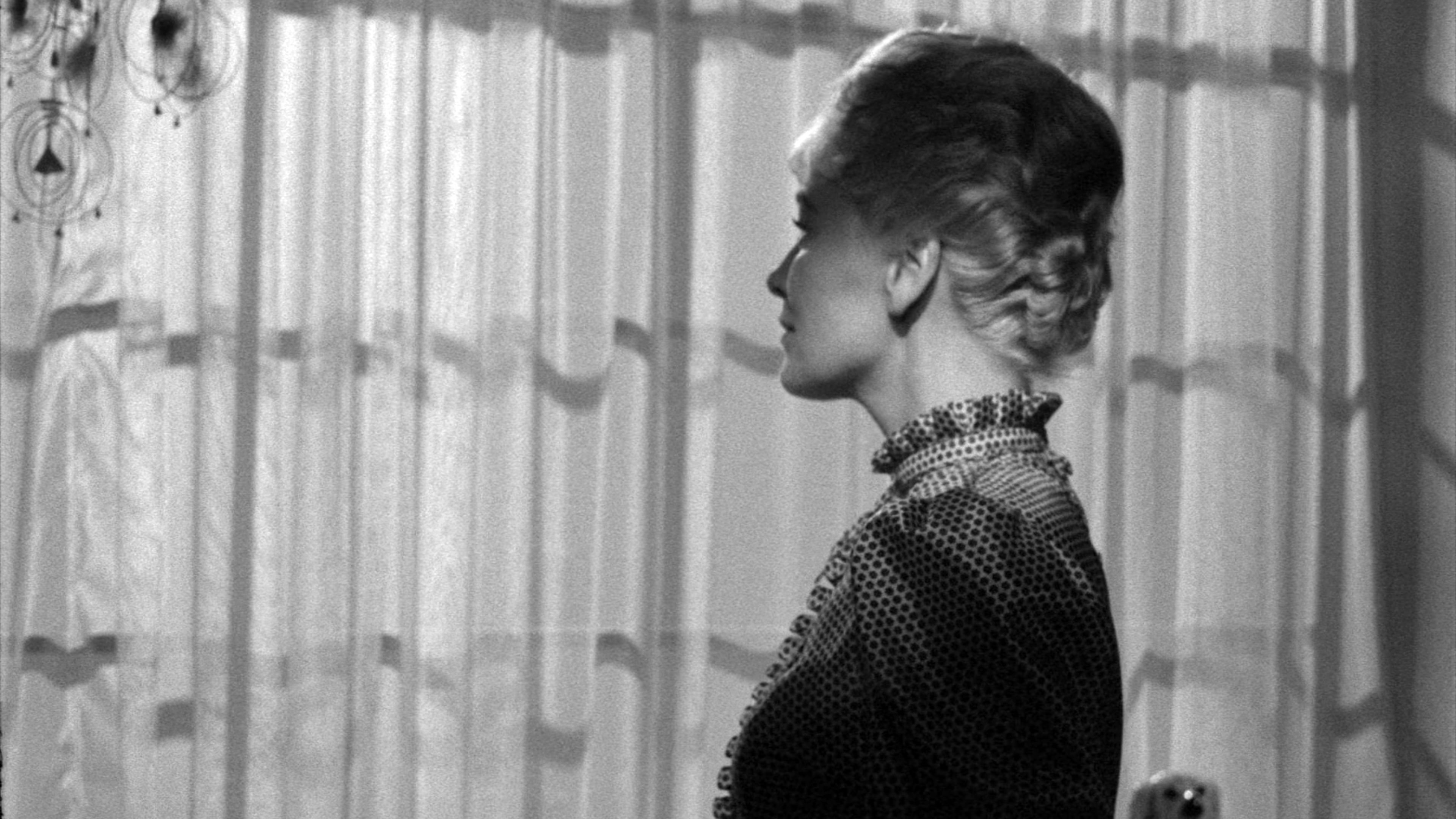
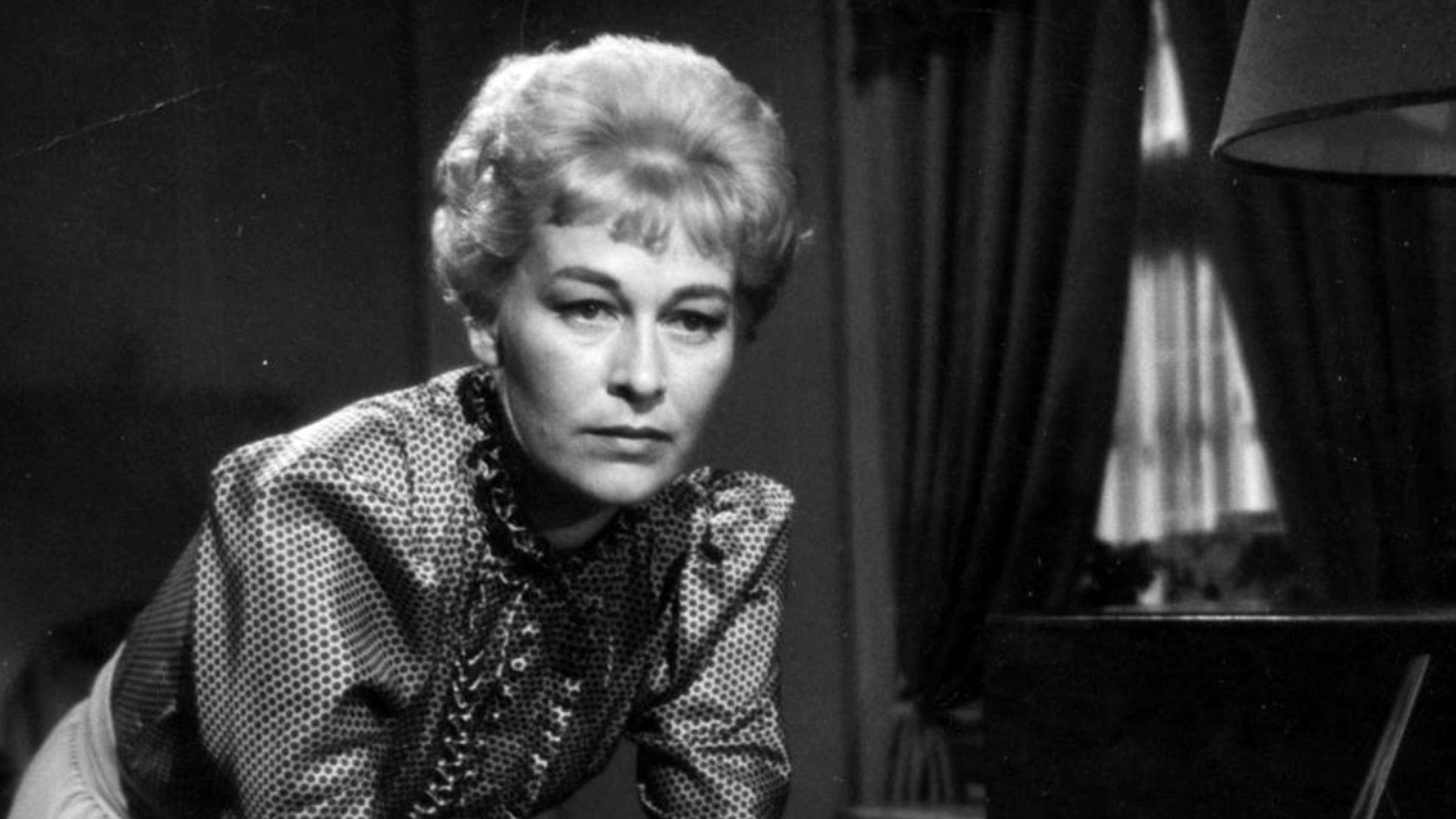
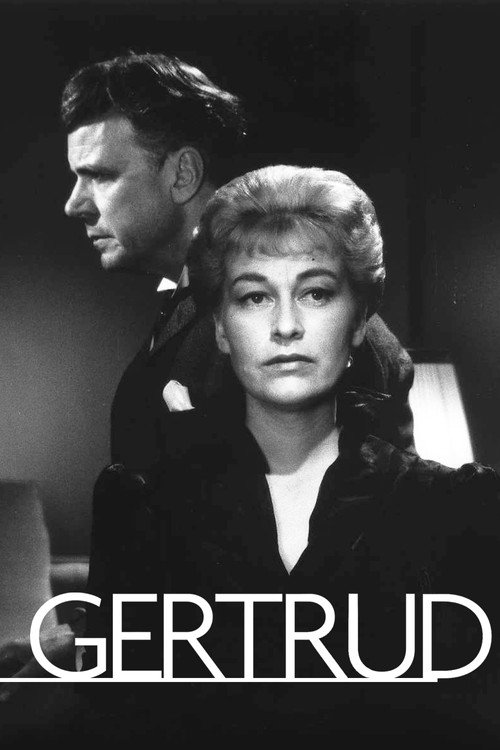
Deeply moving, deeply ascetic. Deprived of all but the necessities, the distillation of this film can come down to the single shot of Lidman and Gertrud’s reflection: two people in the same room, but in different worlds, here, different literal cinematic dimensions. The blocking and framing constantly create a palpable separateness between the characters. The sterility of the very air creates a stark atmosphere on the edge of breaking with every spoken line of scathing lament.
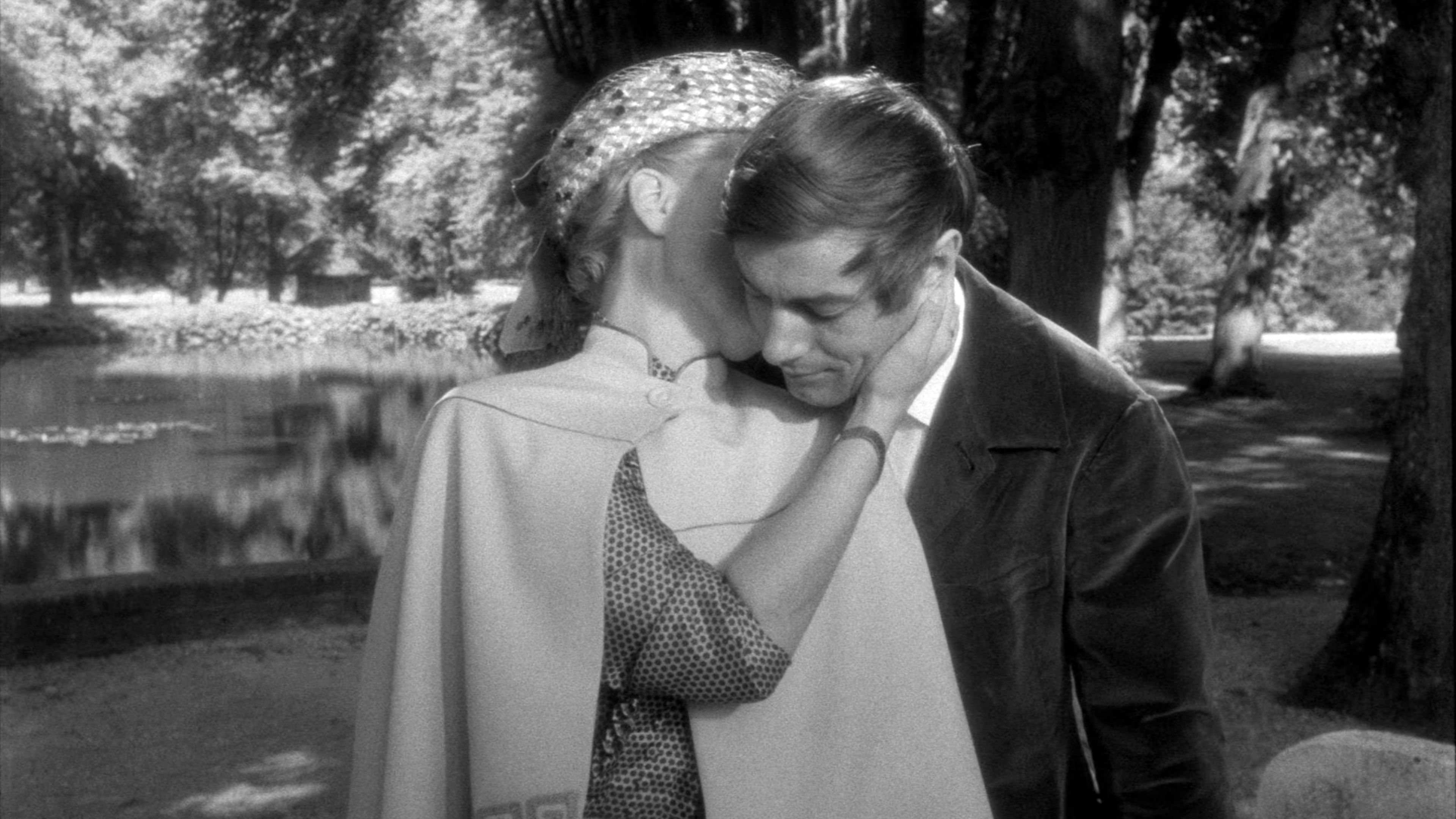
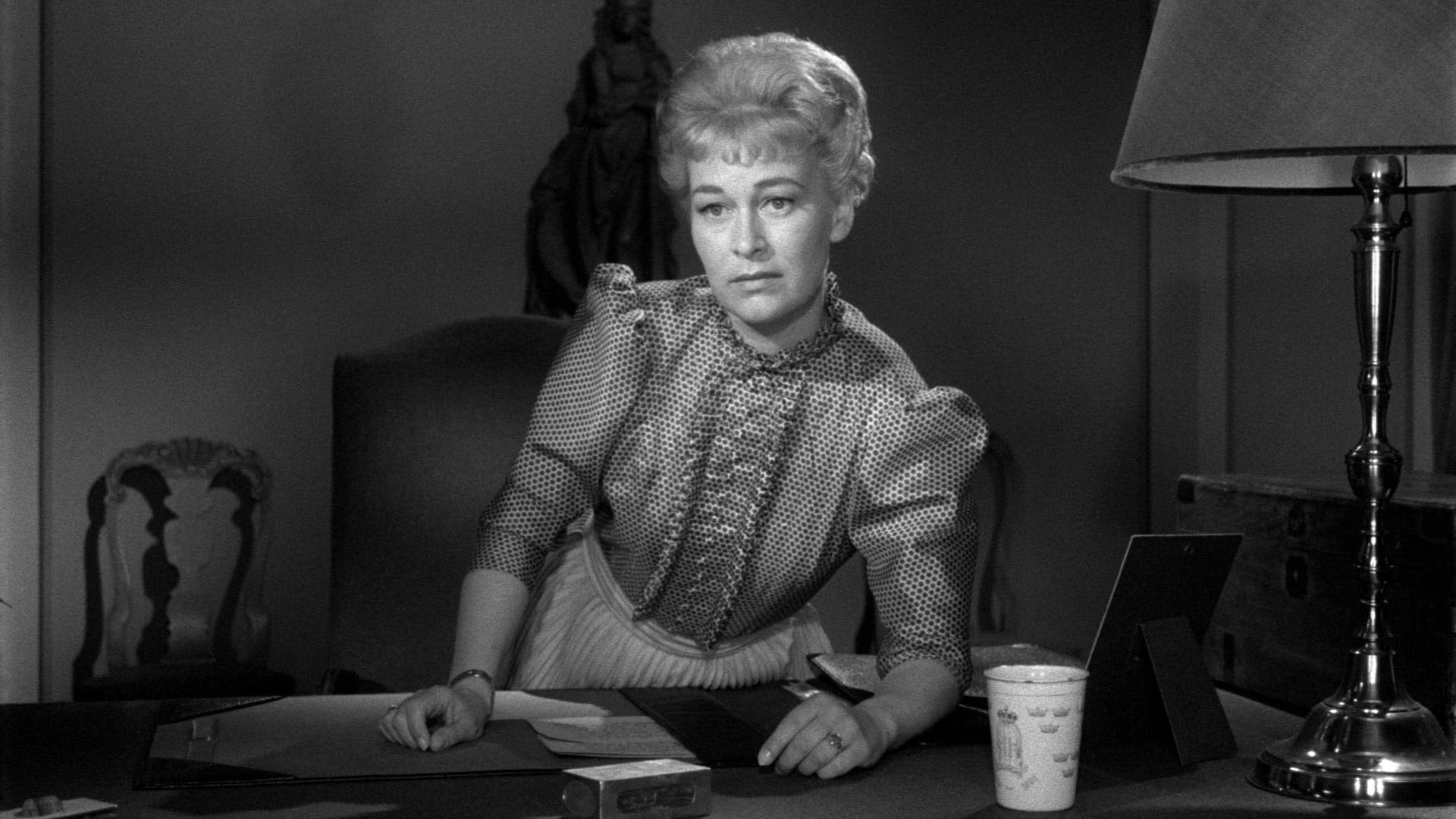
I like this film so much because it really is Gertrud’s movie. Each male is an orbital reflection of a lesson as opposed to a dictating force. We get to see two key aspects of Gertrud’s autonomy: first is the exogenous, what is outside of her control, ie Erland’s behaviour. But we also see the endogenous, her response to that behaviour as well as the courtship of Kanning and Lidman. A trite story would have forced her into one of their arms. Instead, the epilogue (which, I do like) seals her victory.
The total experience of the film is of the ontological nature which I adore. It seeks to find meaning in our humanity and our emotions, love, here, specifically. It asks what this concept means to us and how it applies to the people around us. It asks about the temporality of that concept. Is love forever? Is love temporary? Gertrud talks about the fatalism of her father. The inevitability of life or lack of choice is explored through Gertrud’s existential navigation. At every turn, this movie seeks to look within.
“I wish I believed in a god, so I could ask him to protect you.”
Deeply moving, deeply ascetic. Deprived of all but the necessities, the distillation of this film can come down to the single shot of Lidman and Gertrud’s reflection: two people in the same room, but in different worlds, here, different literal cinematic dimensions. The blocking and framing constantly create a palpable separateness between the characters. The sterility of the very air creates a stark atmosphere on the edge of breaking with every spoken line of scathing lament.
I like this film so much because it really is Gertrud’s movie. Each male is an orbital reflection of a lesson as opposed to a dictating force. We get to see two key aspects of Gertrud’s autonomy: first is the exogenous, what is outside of her control, ie Erland’s behaviour. But we also see the endogenous, her response to that behaviour as well as the courtship of Kanning and Lidman. A trite story would have forced her into one of their arms. Instead, the epilogue (which, I do like) seals her victory.
The total experience of the film is of the ontological nature which I adore. It seeks to find meaning in our humanity and our emotions, love, here, specifically. It asks what this concept means to us and how it applies to the people around us. It asks about the temporality of that concept. Is love forever? Is love temporary? Gertrud talks about the fatalism of her father. The inevitability of life or lack of choice is explored through Gertrud’s existential navigation. At every turn, this movie seeks to look within.