Does ritual produce moral order? Does ritual make coercion easier to administer?
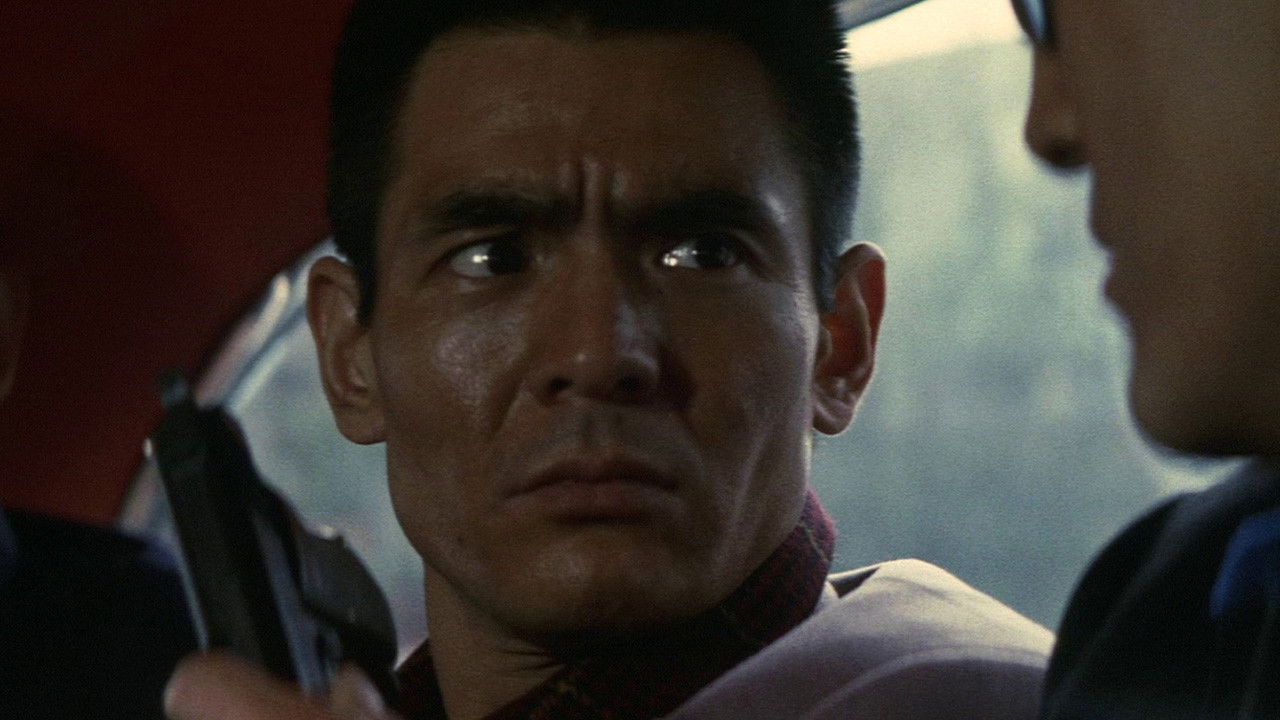
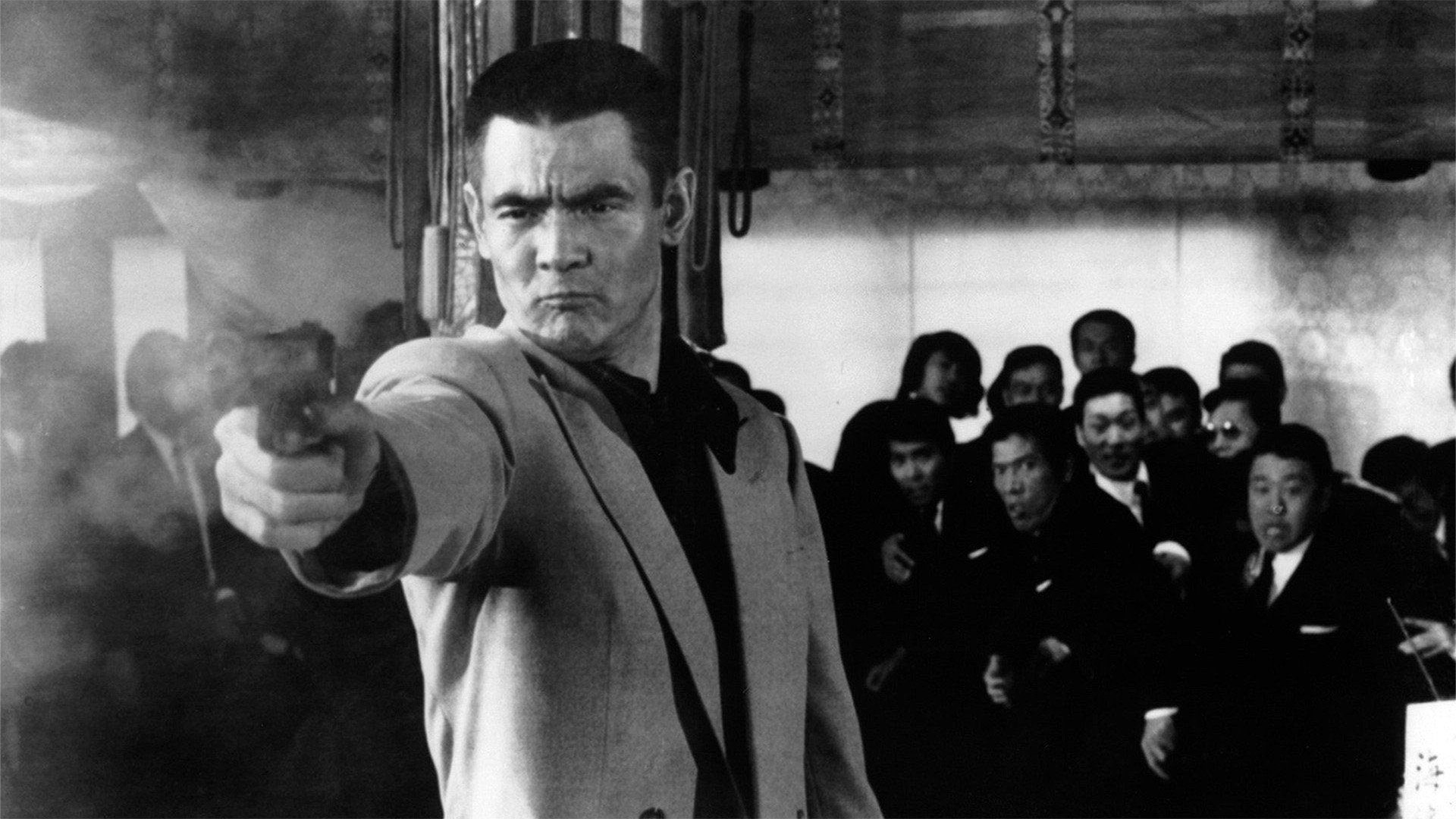
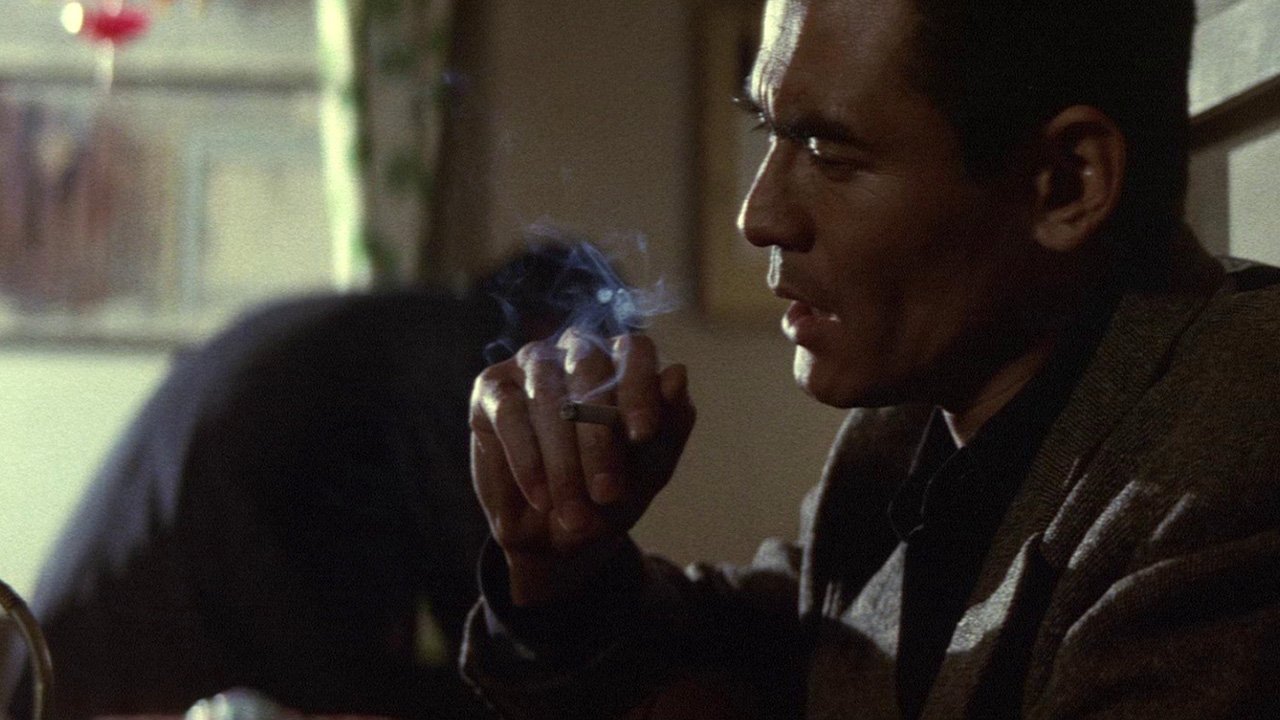
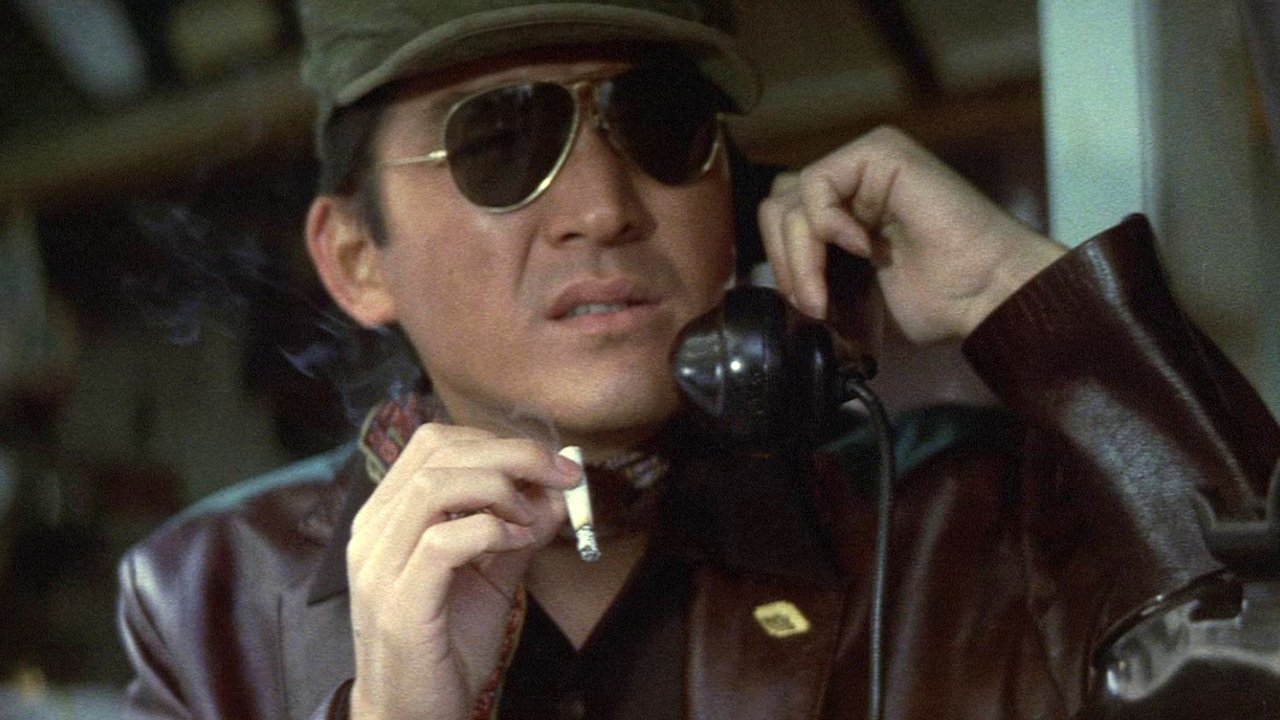
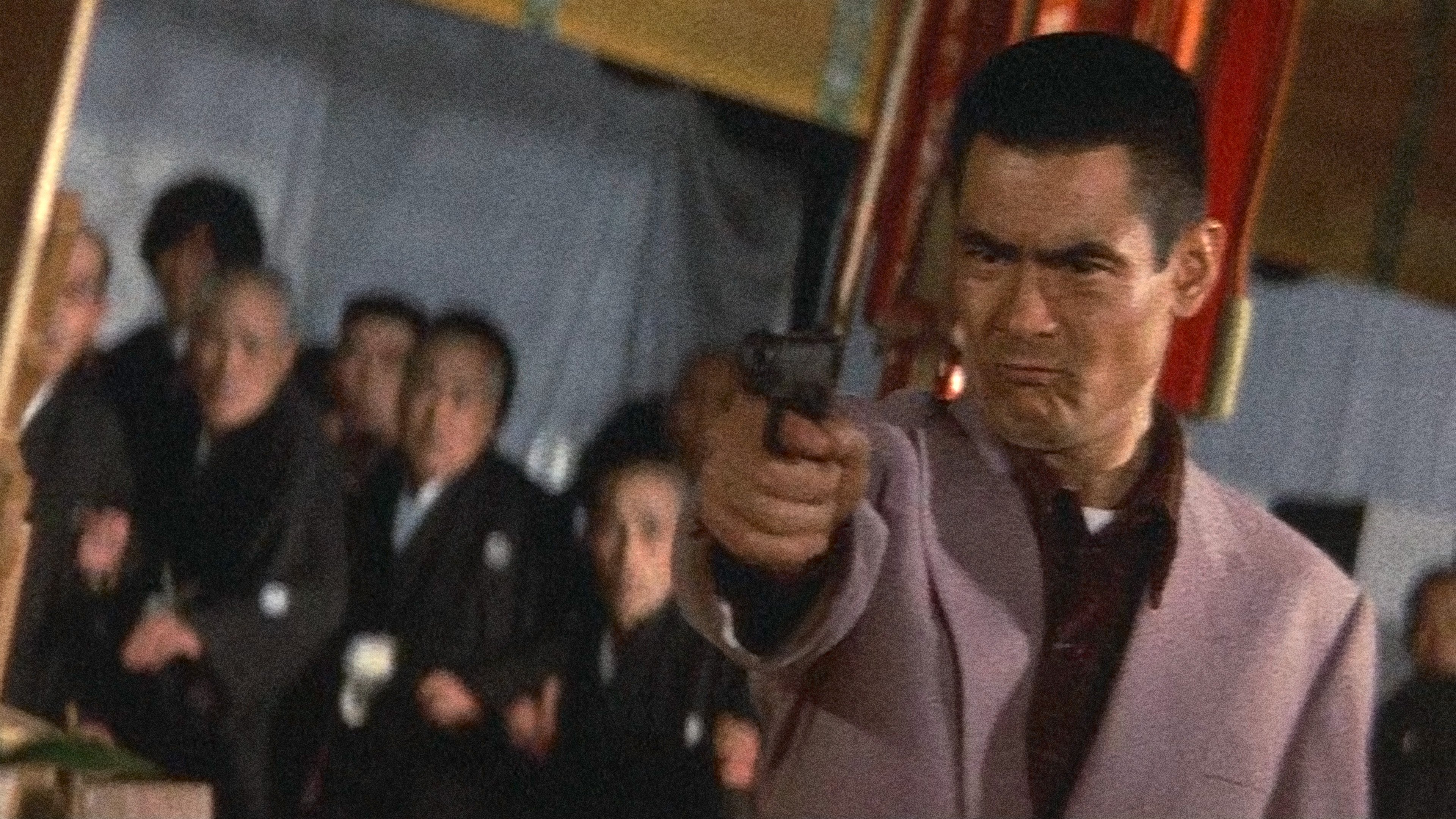
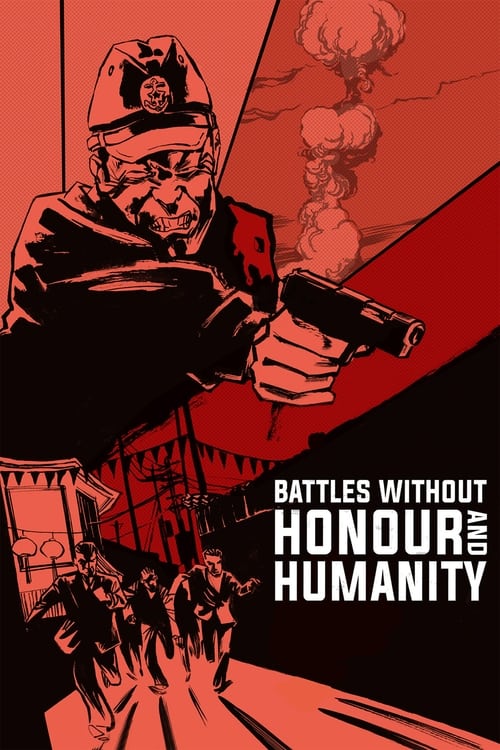
Battles Without Honor and Humanity is less about gangsters and more about testing society's limits. The story starts with names and families you can follow. Soon, it becomes much harder to pin down. This isn’t because the film is sloppy. It shows a world where legitimacy is always uncertain. The film follows Shōzō Hirono as he moves between groups and watches alliances shift, assassinations increase, and a new family rise and fall. On paper, it looks like a typical yakuza story. On screen, it feels like society itself is falling apart behind a gangster mask. Corruption isn’t just part of the story. It’s everywhere.
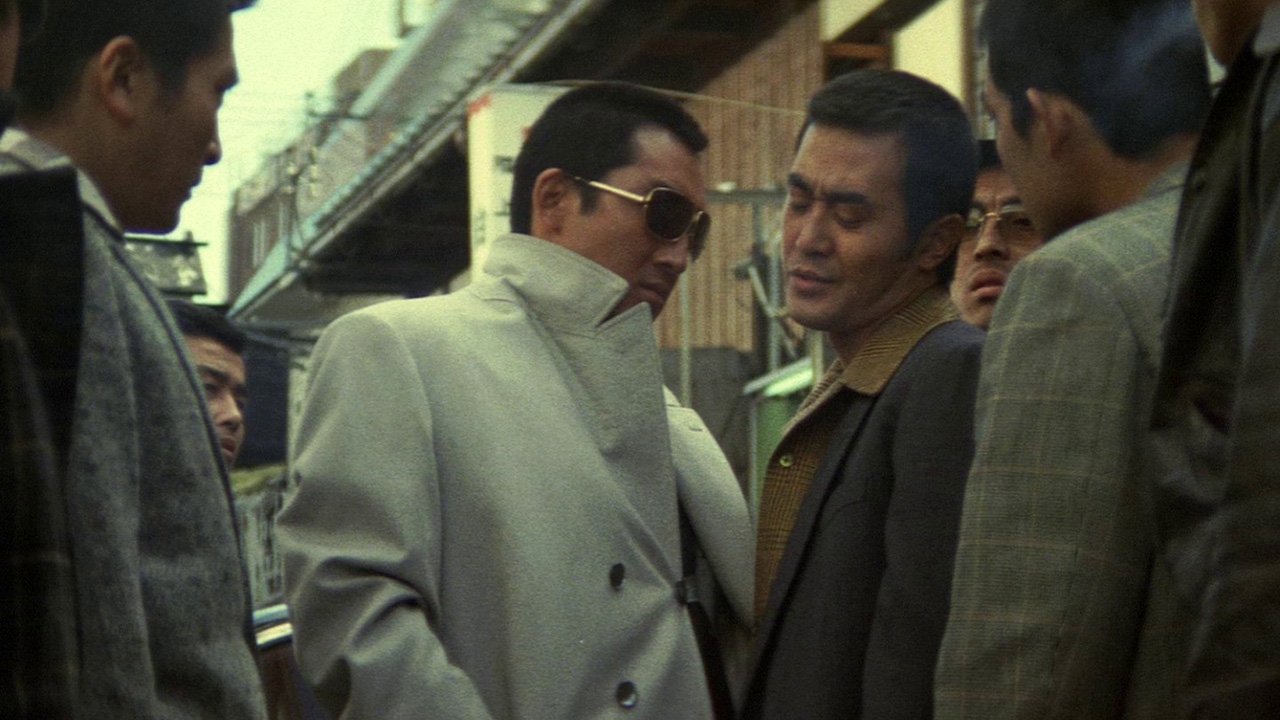
The film shows how public life turns into a marketplace. The yakuza act as brokers who enforce deals that the official system can’t manage. Political conflict arises from competition for public resources. This leads to coercion and, eventually, criminal groups gaining legitimacy. The gangsters aren’t just fighting for pride. They are fighting for control over government money, permissions, and contracts. In this world, “family” is less about tradition. It is more about running an organization: managing workers, dividing profits, and keeping people in line. Violence is the primary means of enforcing rules. Ritual is the structure that supports. This background is important because the film’s story begins with a major societal rupture. Hiroshima was destroyed by the atomic bomb, which shattered any sense of order. Kure, where the film begins, wasn’t hit by the bomb. It was heavily damaged by air raids, including a big firebombing in July 1945. When the film takes you to Kure in 1946, it’s not just “after the war.” It’s a place where the government’s control over supplies, safety, and justice is clearly weakened. Shortages and rationing aren’t just part of the setting. They drive the story. Black markets grow because normal systems don’t work. When survival depends on informal deals, power shows up wherever goods are scarce, and rules can’t be enforced. Whoever can get supplies and make deals stick becomes the new authority, whether they’re official or not.
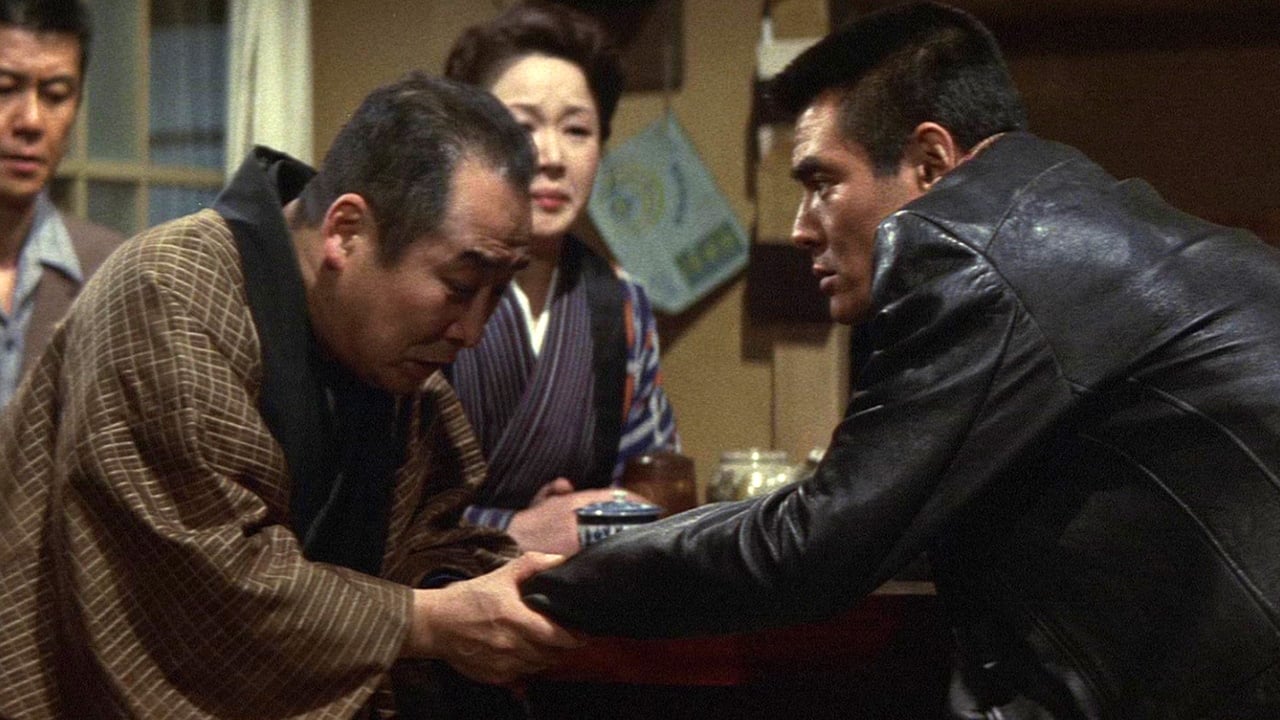
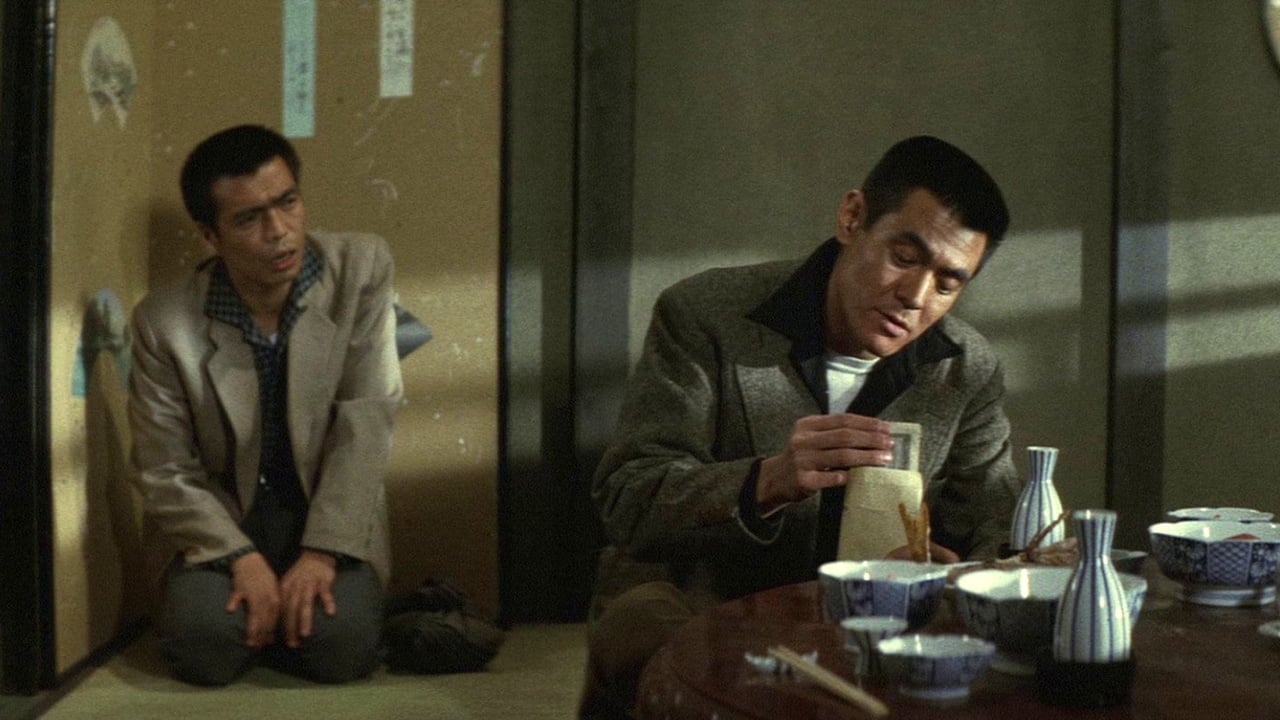
This is where the film’s focus on rites—sake ceremonies, pledges, finger-cut apologies, sworn-brother bonds—gains its sting. When legal enforcement is unavailable or unusable because the transaction is corrupt or illicit, extra-legal enforcement rushes in to provide structure. Fukasaku’s insight is that structure can be a con. The cultural forms remain: hierarchy, obligation, ceremony, and the appearance of tradition. But they become tools that launder brute coercion into something that appears to be order. The film does not argue that culture disappears after a catastrophe. It argues that culture can be repurposed, becoming the aesthetic wrapping for a predatory economy.
The film’s shift to the Korean War era makes its point even clearer. Japan became a support base for the UN war efforts. This brought a sudden surge in revenue from special orders, repairs, and services. The money came quickly and unevenly to places like Kure. Around 1951, Kure’s new wealth from these war contracts brought more social tension and less safety. The Yamamori Family’s success from war contracts isn’t just a detail. It shows how the underworld became more organized. When money floods back into society, it doesn’t bring back real order. It brings new competition over who controls the money, who gets to collect from it, and who decides what “order” means. The film shows how a broken society starts making deals again. These deals are enforced by people with weapons, not by official systems.
This historical focus is what makes the film important in Japanese cinema. It pulls the yakuza genre away from romantic stories into a more honest look at the aftermath of war. For years, “ninkyo” films made gangsters seem noble and honorable. “Jitsuroku” films like this one break that myth. They show the reality of betrayal and small-scale violence. Fukasaku avoids making the story glamorous and instead uses a raw, direct style. He treats postwar history as a time when fraud was exposed rather than celebrated. The “code” isn’t a sacred tradition. It’s just a set of words people use to control others. The film’s use of dates, names, and official-sounding narration makes the yakuza conflict feel like a public record of how power changes. The real question isn’t “who is the hero?” but “how does power come back when the rules are gone?” This isn’t just a style choice. It’s a statement about modern Japan: prosperity comes from deals, memories can be changed, and talk of loyalty often hides the real goal of taking resources. Fukasaku’s style is meant to make history feel like it moves too quickly to judge. The camera moves urgently at street level, with quick shifts and scenes that start in the middle of conflict. Scenes end before anything is resolved. The film doesn’t feel like a classic crime story. It’s more like a series of incident reports. This documentary style is part of what makes it powerful. It doesn’t give viewers the usual pleasures of gangster movies: clear stories, noble reasons, or stable groups. Instead, it creates a feeling of constant instability. You don’t admire the code. You see it being used, like paperwork signed in blood.
But this same approach can make the film hard to follow. The editing can get so fast and chaotic that it’s hard to see what causes what. Political moves turn into a rush of names, titles, and gunfire. When the editing goes beyond what viewers can keep up with, the chaos can hide the film’s deeper points. The instability can start to feel like random noise, especially for people watching for the first time who are trying to keep track of who is connected to whom. Still, this confusion might be intentional. The film suggests that understanding what’s happening is a luxury reserved for the stable. When order breaks down, the story of power is messy. The film’s best idea—using editing to show historical panic—sometimes goes too far. That makes betrayals feel less powerful than they should.
In the end, Battles Without Honor and Humanity lives up to its name not by saying honor never existed. It shows how easily honor can be used as a tool. Ritual doesn’t guarantee morality. It can just as easily be used to guide coercion. By showing yakuza violence in the ruins of Kure, in the black market economy, and in the rush of new money that changes who is seen as “legitimate,” the film becomes more than just a crime story. It shows how societies rebuild the look of order long before they rebuild real ethics. If the film leaves you confused, that confusion is part of its message. Fukasaku isn’t asking you to remember every name. He wants you to see the pattern. How quickly “family” turns into a business, how tradition becomes just another system, and how violence becomes the language everyone understands.
Does ritual produce moral order? Does ritual make coercion easier to administer?
Battles Without Honor and Humanity is less about gangsters and more about testing society's limits. The story starts with names and families you can follow. Soon, it becomes much harder to pin down. This isn’t because the film is sloppy. It shows a world where legitimacy is always uncertain. The film follows Shōzō Hirono as he moves between groups and watches alliances shift, assassinations increase, and a new family rise and fall. On paper, it looks like a typical yakuza story. On screen, it feels like society itself is falling apart behind a gangster mask. Corruption isn’t just part of the story. It’s everywhere.
The film shows how public life turns into a marketplace. The yakuza act as brokers who enforce deals that the official system can’t manage. Political conflict arises from competition for public resources. This leads to coercion and, eventually, criminal groups gaining legitimacy. The gangsters aren’t just fighting for pride. They are fighting for control over government money, permissions, and contracts. In this world, “family” is less about tradition. It is more about running an organization: managing workers, dividing profits, and keeping people in line. Violence is the primary means of enforcing rules. Ritual is the structure that supports. This background is important because the film’s story begins with a major societal rupture. Hiroshima was destroyed by the atomic bomb, which shattered any sense of order. Kure, where the film begins, wasn’t hit by the bomb. It was heavily damaged by air raids, including a big firebombing in July 1945. When the film takes you to Kure in 1946, it’s not just “after the war.” It’s a place where the government’s control over supplies, safety, and justice is clearly weakened. Shortages and rationing aren’t just part of the setting. They drive the story. Black markets grow because normal systems don’t work. When survival depends on informal deals, power shows up wherever goods are scarce, and rules can’t be enforced. Whoever can get supplies and make deals stick becomes the new authority, whether they’re official or not.
This is where the film’s focus on rites—sake ceremonies, pledges, finger-cut apologies, sworn-brother bonds—gains its sting. When legal enforcement is unavailable or unusable because the transaction is corrupt or illicit, extra-legal enforcement rushes in to provide structure. Fukasaku’s insight is that structure can be a con. The cultural forms remain: hierarchy, obligation, ceremony, and the appearance of tradition. But they become tools that launder brute coercion into something that appears to be order. The film does not argue that culture disappears after a catastrophe. It argues that culture can be repurposed, becoming the aesthetic wrapping for a predatory economy.
The film’s shift to the Korean War era makes its point even clearer. Japan became a support base for the UN war efforts. This brought a sudden surge in revenue from special orders, repairs, and services. The money came quickly and unevenly to places like Kure. Around 1951, Kure’s new wealth from these war contracts brought more social tension and less safety. The Yamamori Family’s success from war contracts isn’t just a detail. It shows how the underworld became more organized. When money floods back into society, it doesn’t bring back real order. It brings new competition over who controls the money, who gets to collect from it, and who decides what “order” means. The film shows how a broken society starts making deals again. These deals are enforced by people with weapons, not by official systems.
This historical focus is what makes the film important in Japanese cinema. It pulls the yakuza genre away from romantic stories into a more honest look at the aftermath of war. For years, “ninkyo” films made gangsters seem noble and honorable. “Jitsuroku” films like this one break that myth. They show the reality of betrayal and small-scale violence. Fukasaku avoids making the story glamorous and instead uses a raw, direct style. He treats postwar history as a time when fraud was exposed rather than celebrated. The “code” isn’t a sacred tradition. It’s just a set of words people use to control others. The film’s use of dates, names, and official-sounding narration makes the yakuza conflict feel like a public record of how power changes. The real question isn’t “who is the hero?” but “how does power come back when the rules are gone?” This isn’t just a style choice. It’s a statement about modern Japan: prosperity comes from deals, memories can be changed, and talk of loyalty often hides the real goal of taking resources. Fukasaku’s style is meant to make history feel like it moves too quickly to judge. The camera moves urgently at street level, with quick shifts and scenes that start in the middle of conflict. Scenes end before anything is resolved. The film doesn’t feel like a classic crime story. It’s more like a series of incident reports. This documentary style is part of what makes it powerful. It doesn’t give viewers the usual pleasures of gangster movies: clear stories, noble reasons, or stable groups. Instead, it creates a feeling of constant instability. You don’t admire the code. You see it being used, like paperwork signed in blood.
But this same approach can make the film hard to follow. The editing can get so fast and chaotic that it’s hard to see what causes what. Political moves turn into a rush of names, titles, and gunfire. When the editing goes beyond what viewers can keep up with, the chaos can hide the film’s deeper points. The instability can start to feel like random noise, especially for people watching for the first time who are trying to keep track of who is connected to whom. Still, this confusion might be intentional. The film suggests that understanding what’s happening is a luxury reserved for the stable. When order breaks down, the story of power is messy. The film’s best idea—using editing to show historical panic—sometimes goes too far. That makes betrayals feel less powerful than they should.
In the end, Battles Without Honor and Humanity lives up to its name not by saying honor never existed. It shows how easily honor can be used as a tool. Ritual doesn’t guarantee morality. It can just as easily be used to guide coercion. By showing yakuza violence in the ruins of Kure, in the black market economy, and in the rush of new money that changes who is seen as “legitimate,” the film becomes more than just a crime story. It shows how societies rebuild the look of order long before they rebuild real ethics. If the film leaves you confused, that confusion is part of its message. Fukasaku isn’t asking you to remember every name. He wants you to see the pattern. How quickly “family” turns into a business, how tradition becomes just another system, and how violence becomes the language everyone understands.