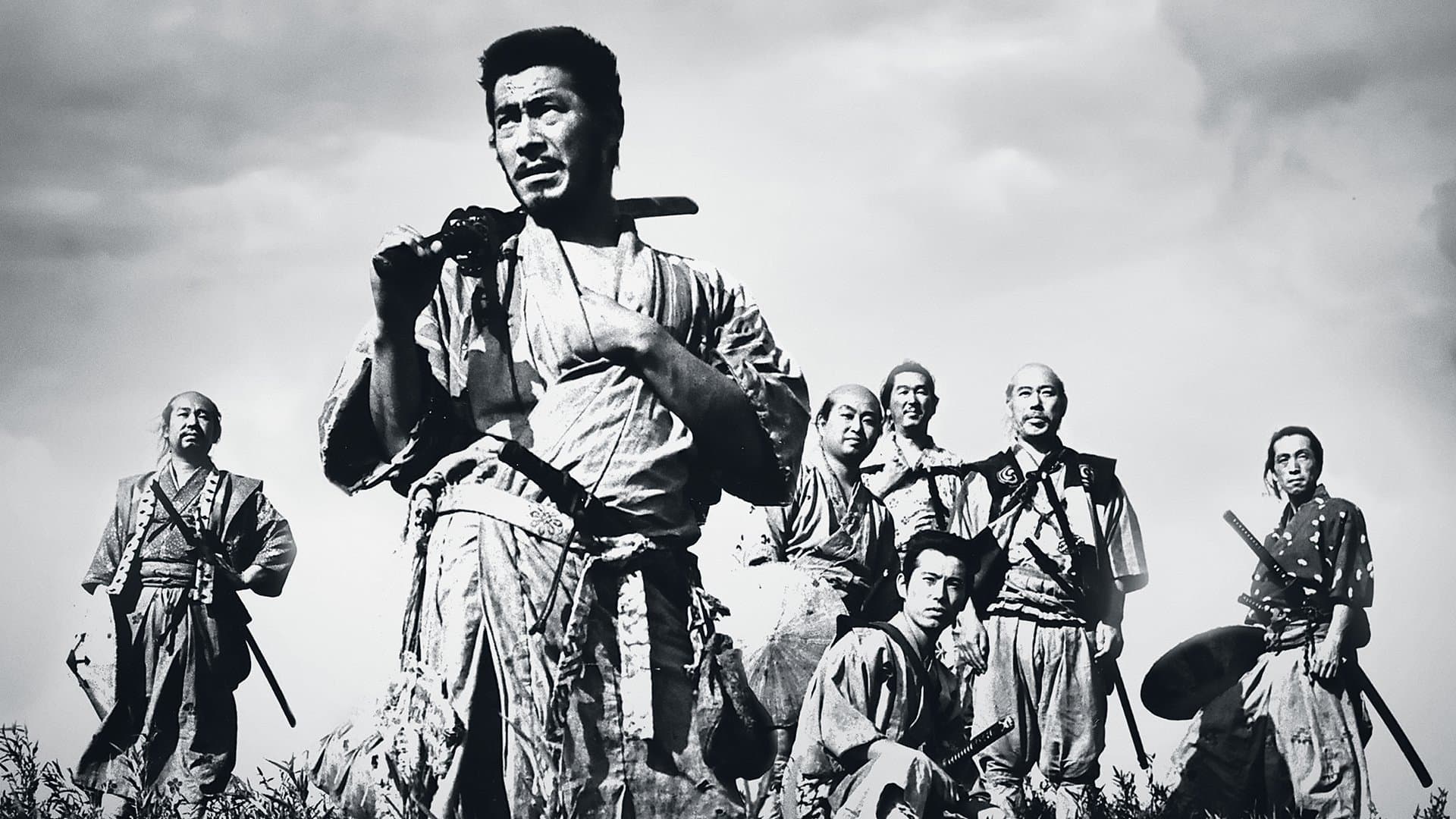
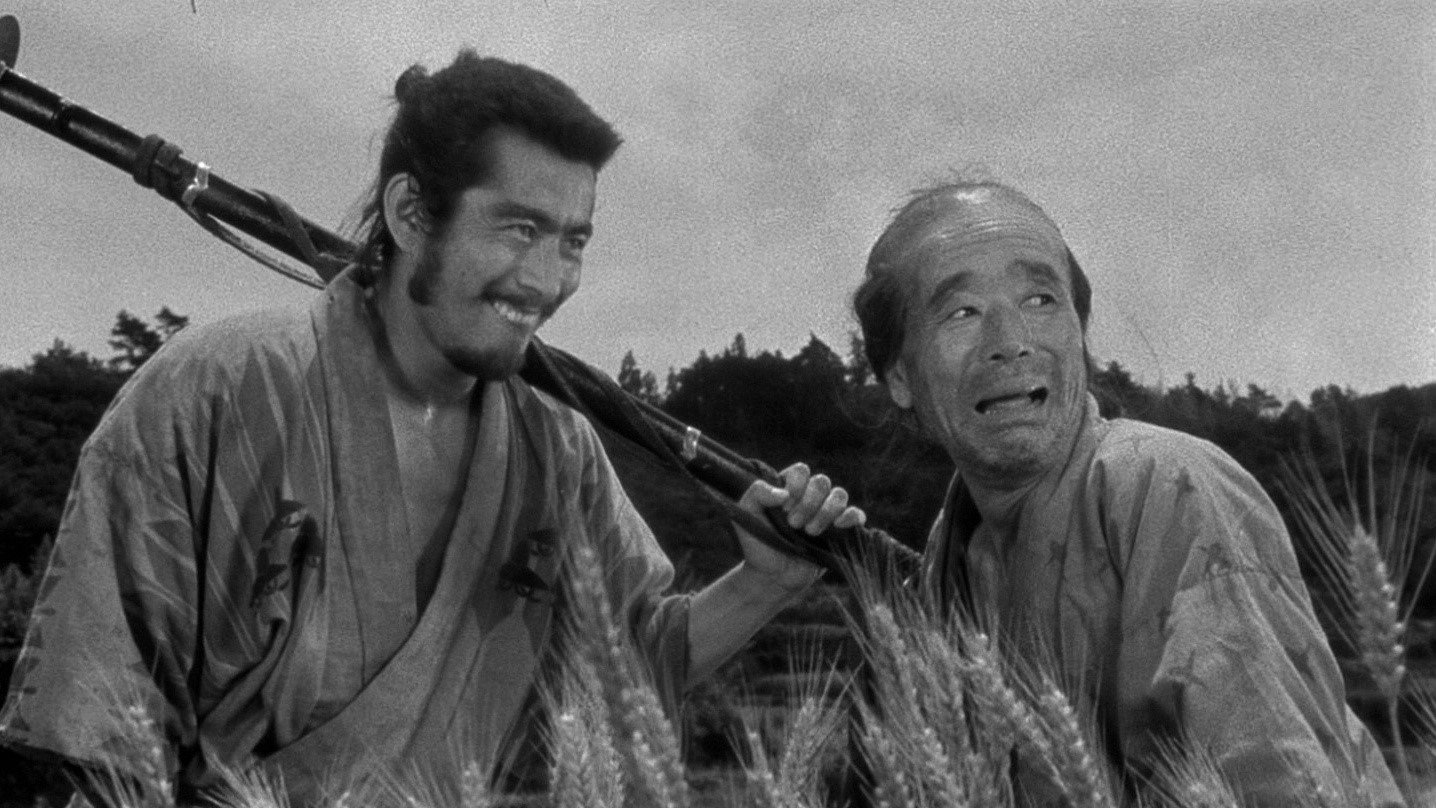
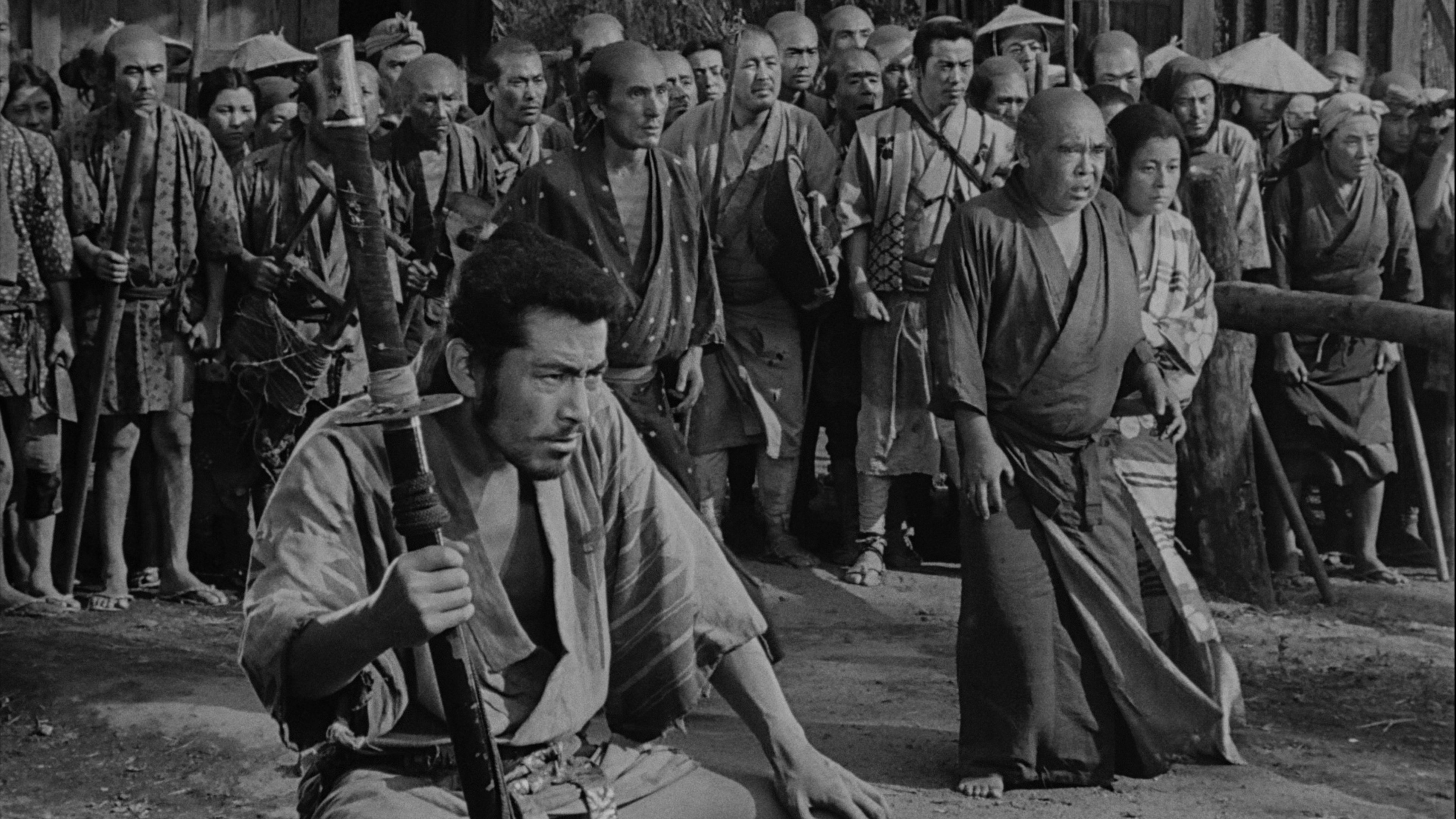
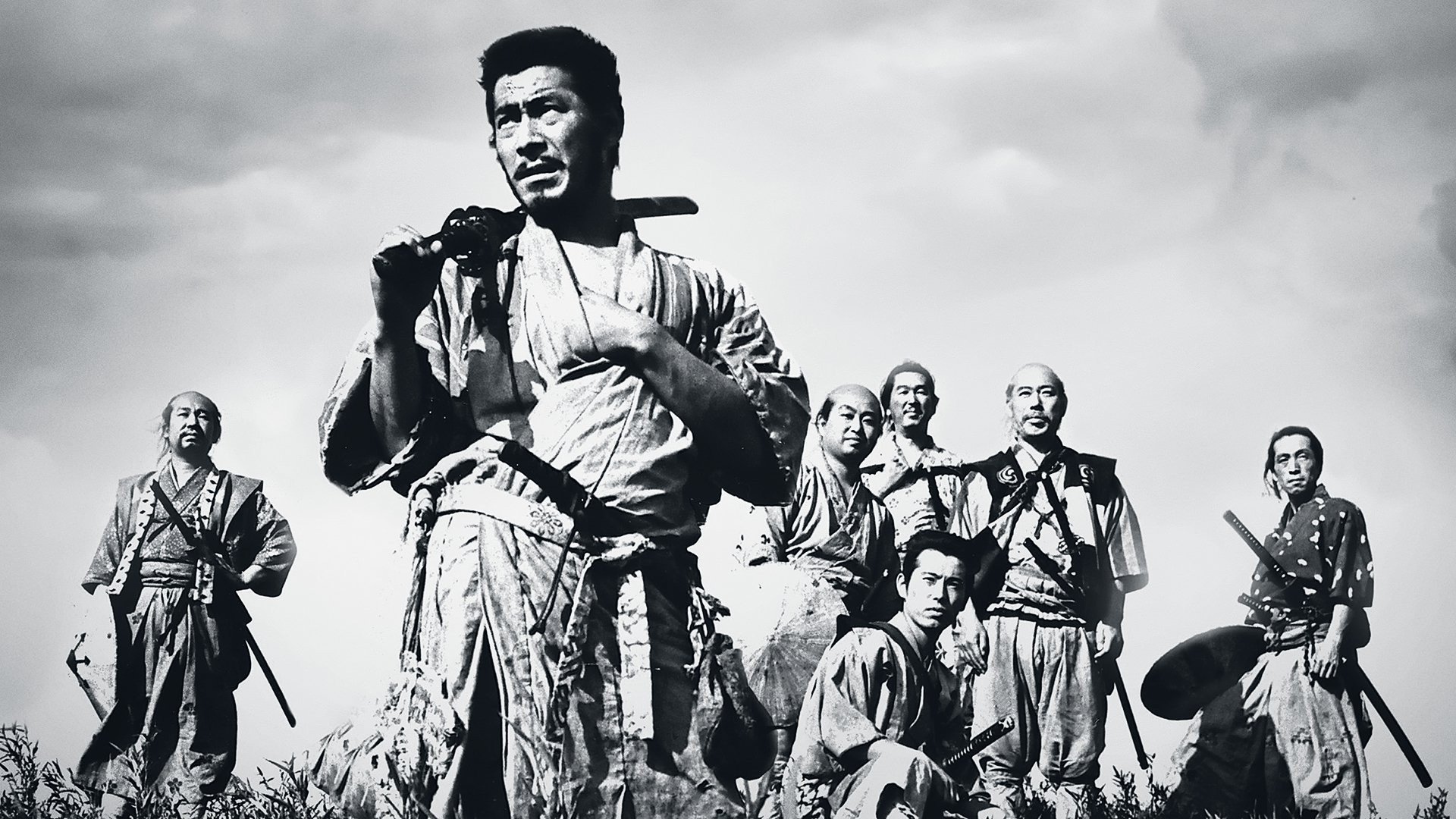
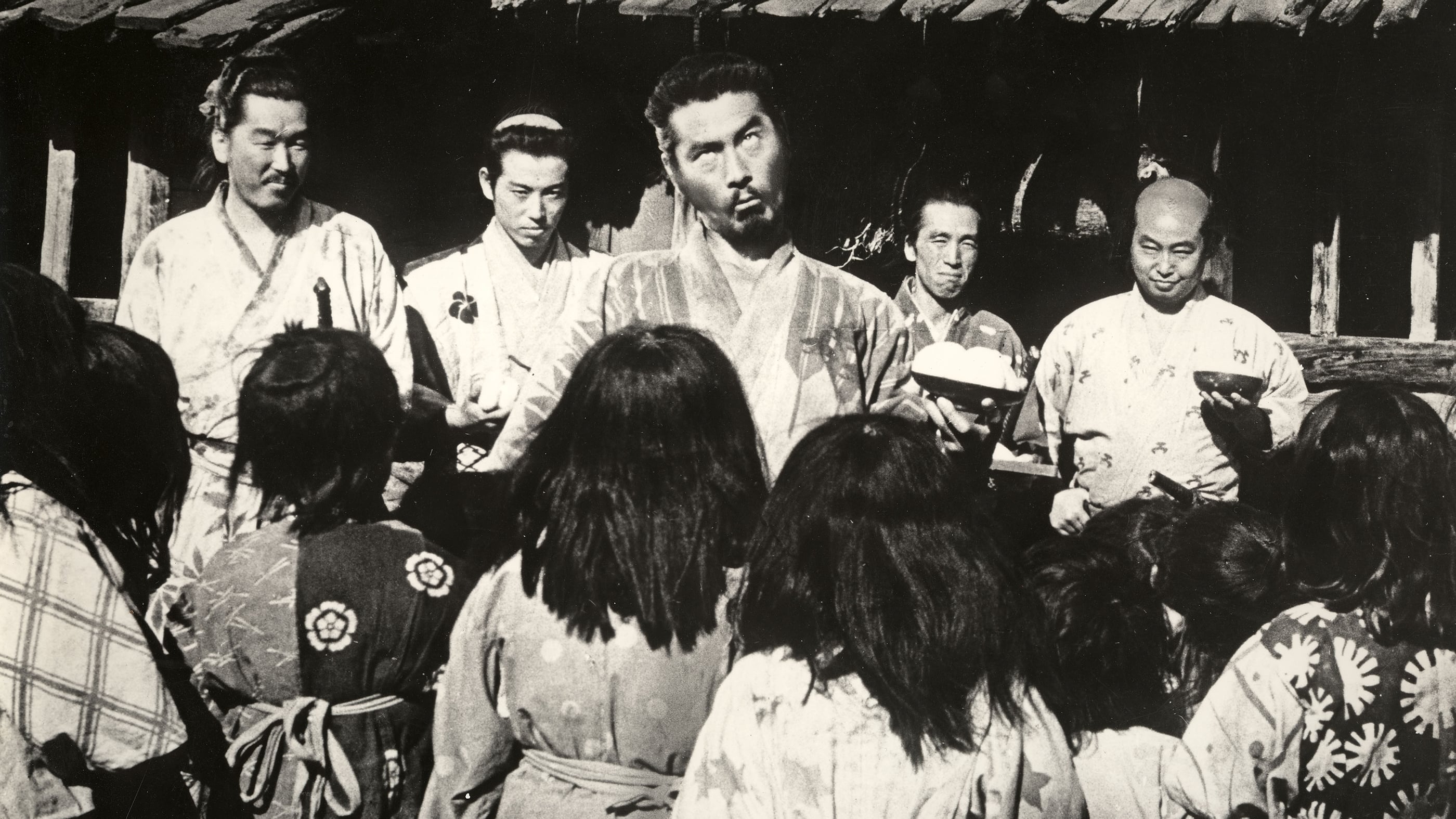
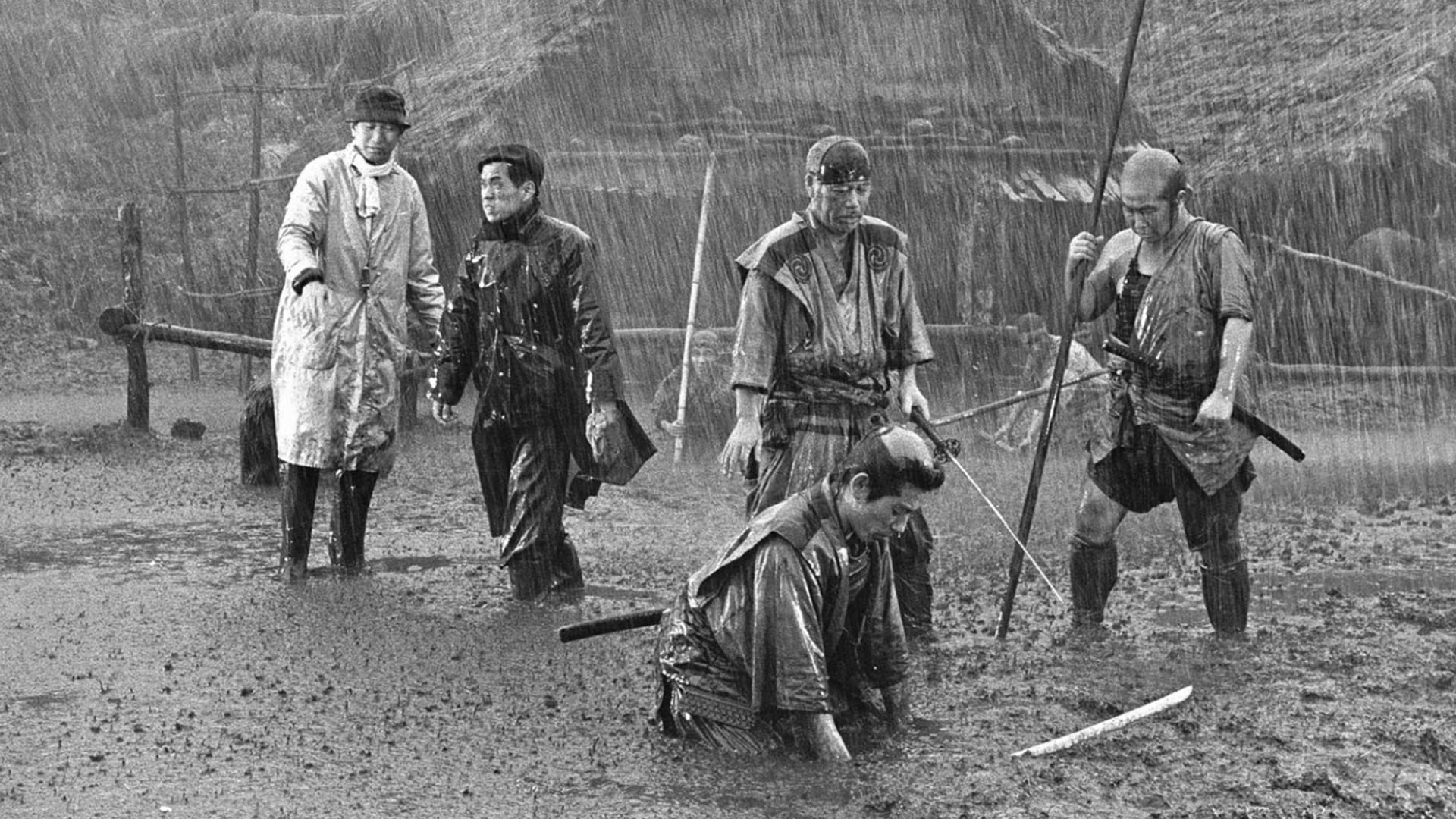
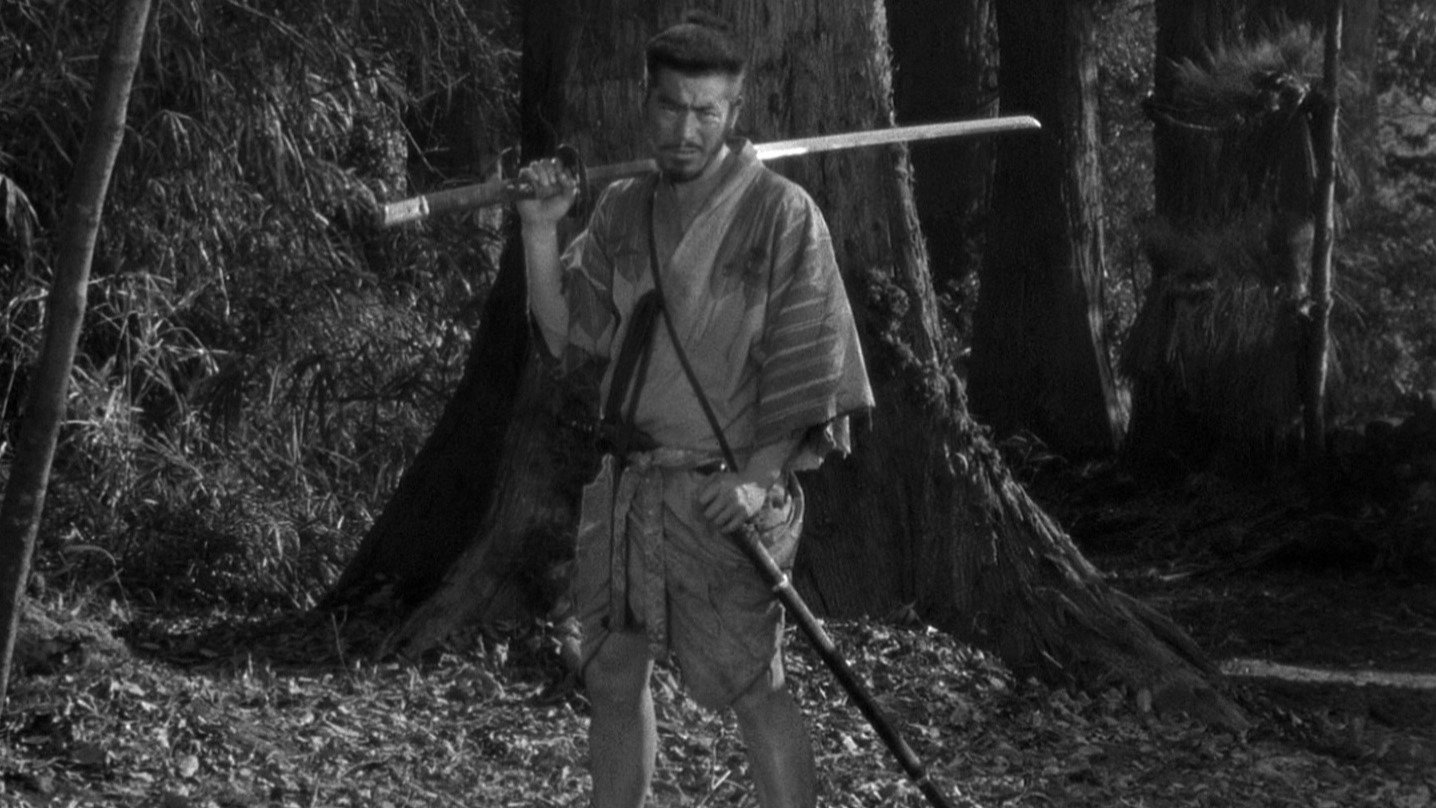
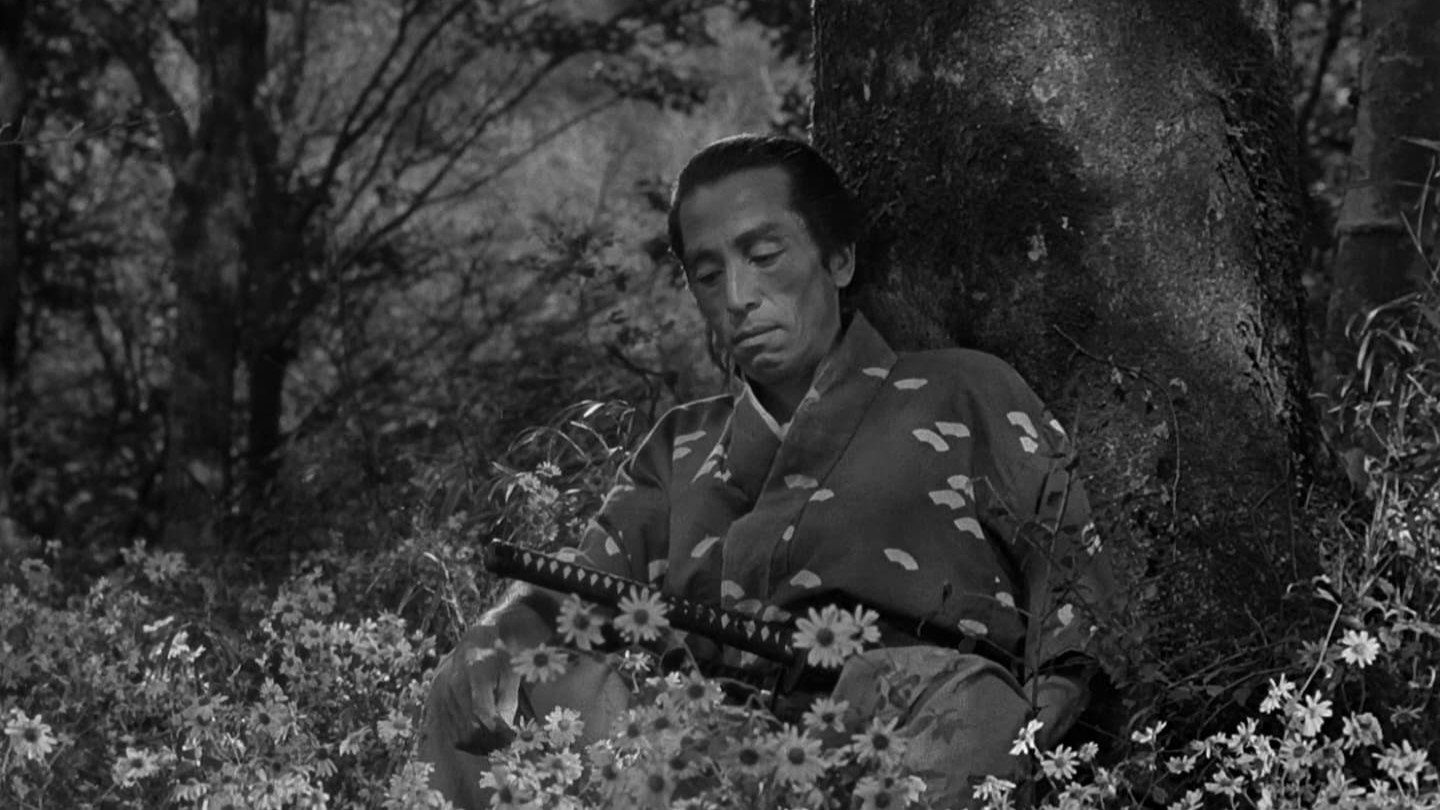
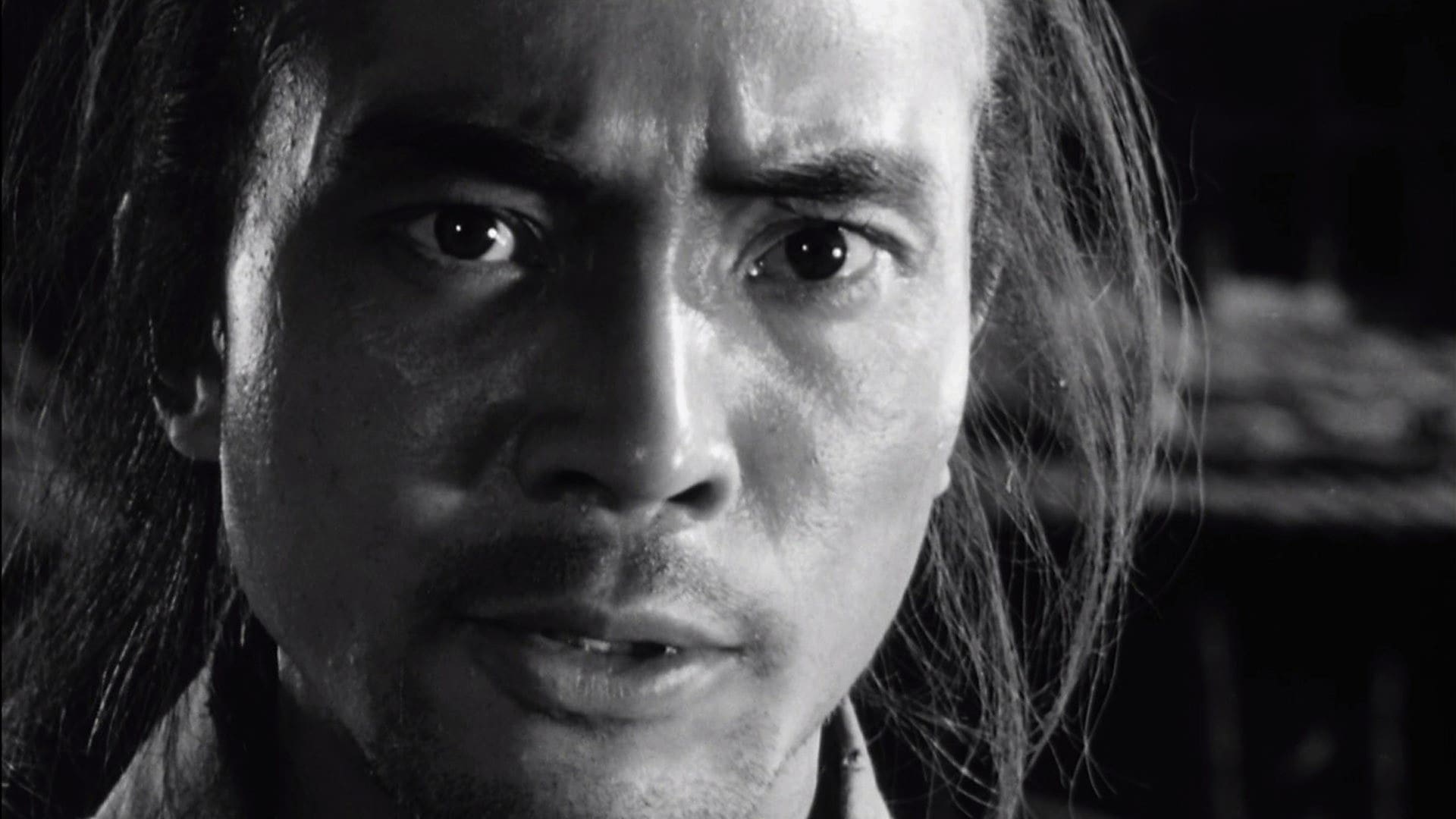
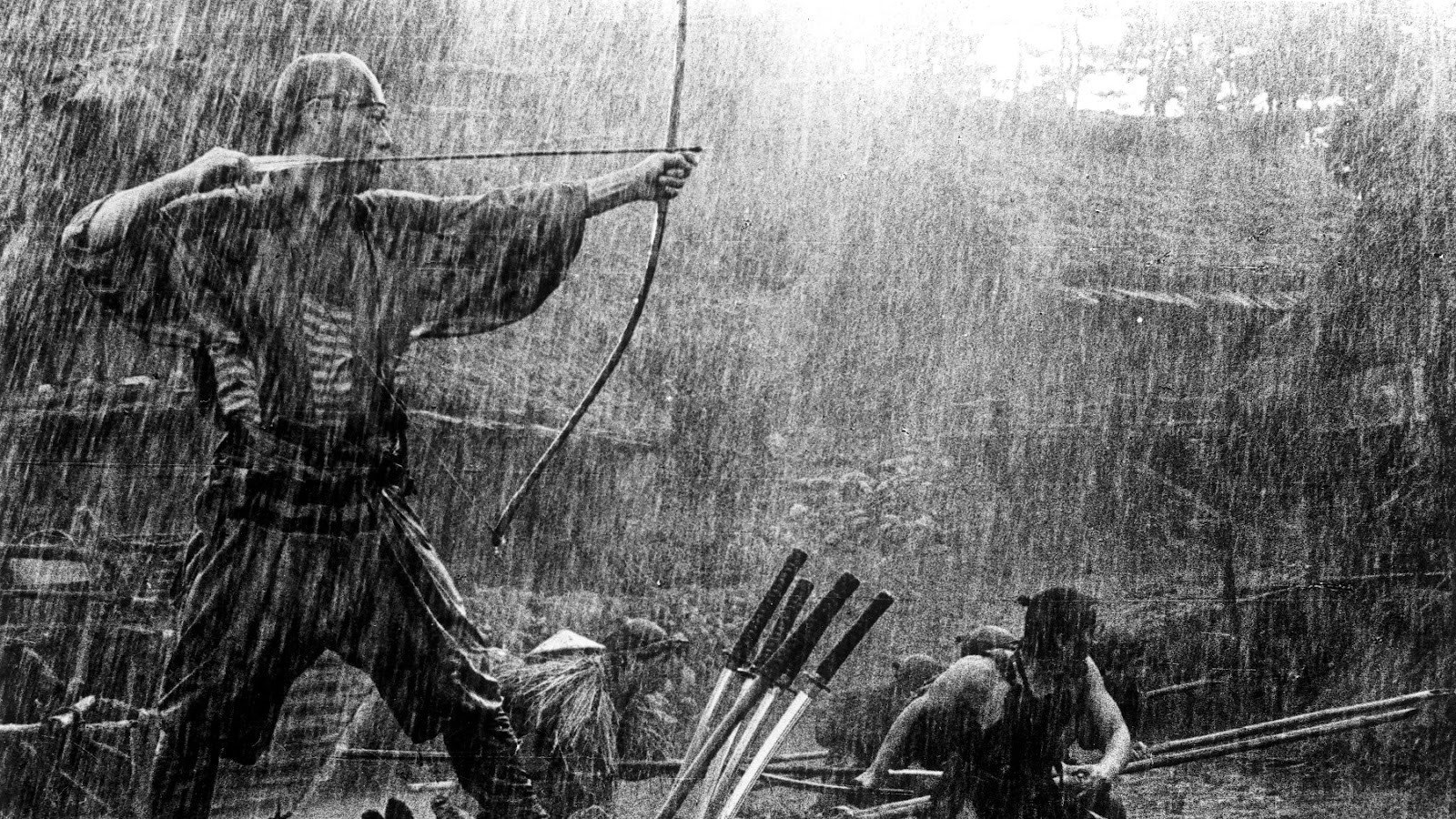
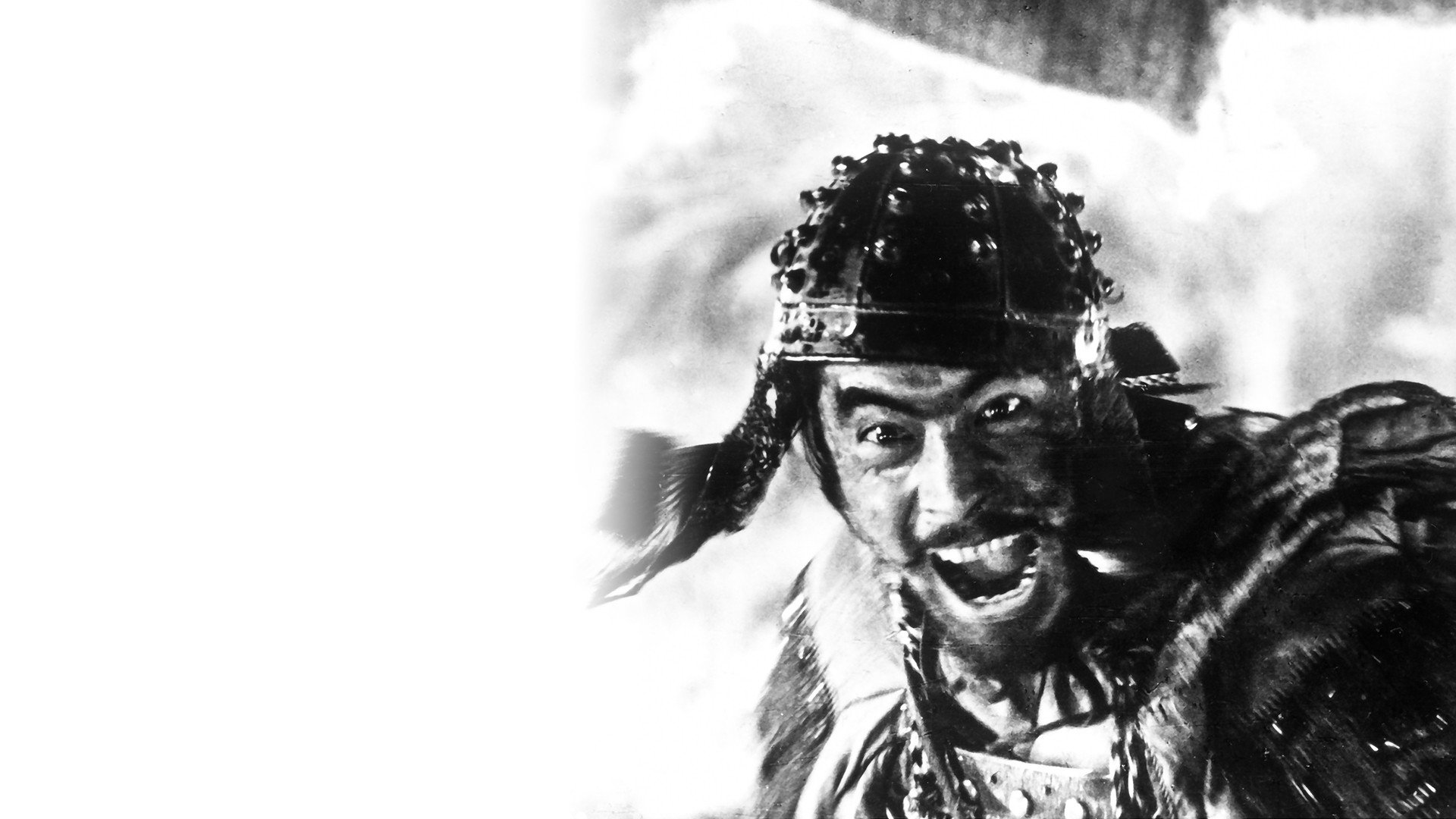
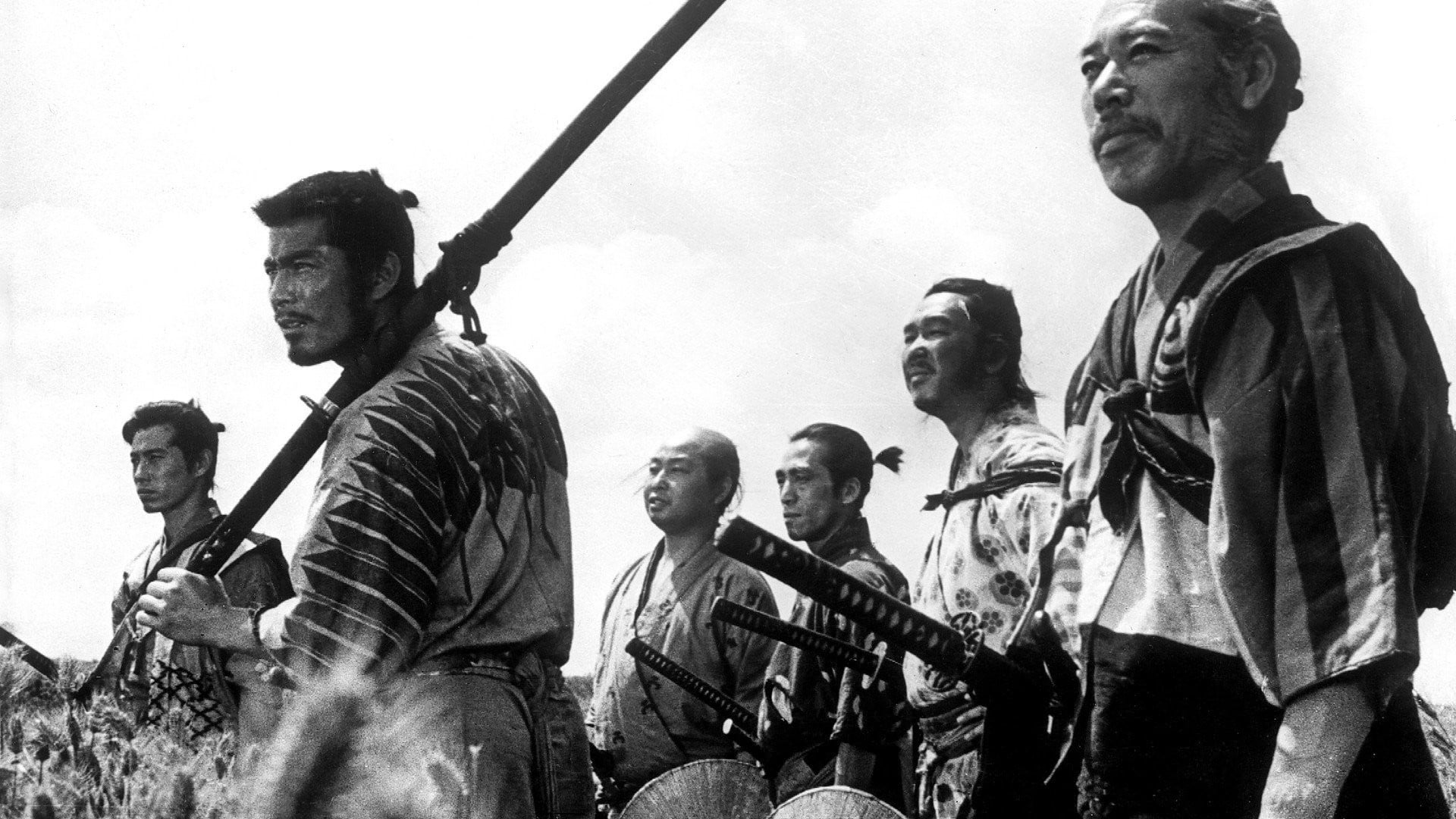
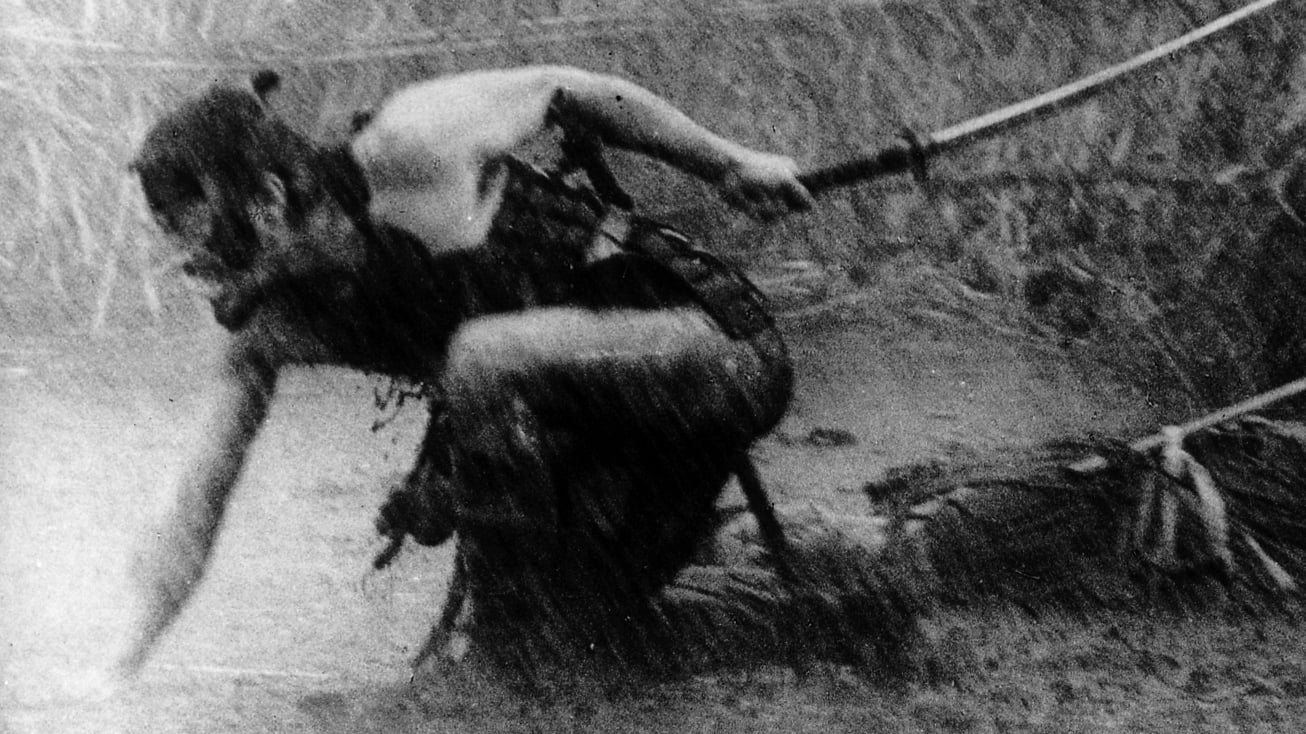
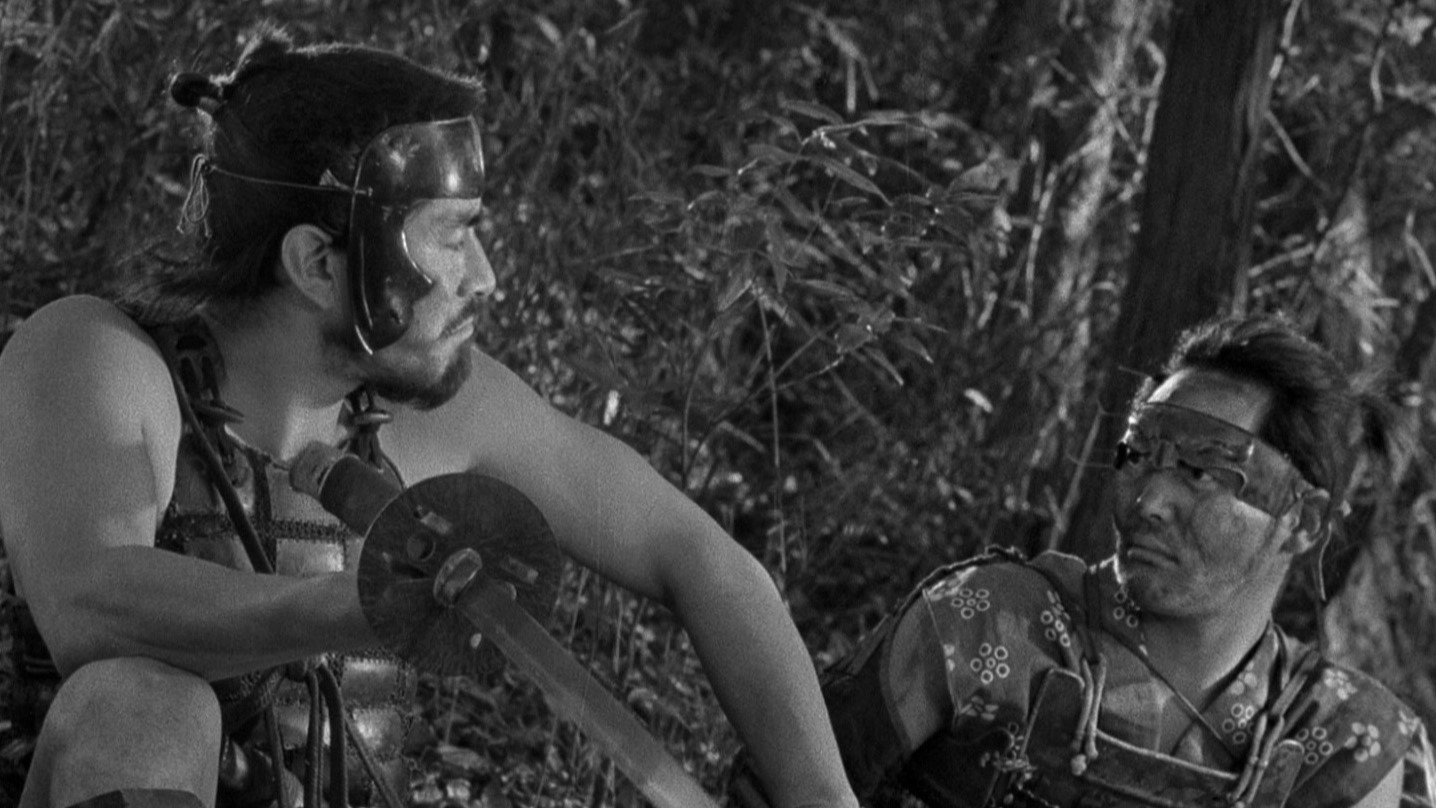
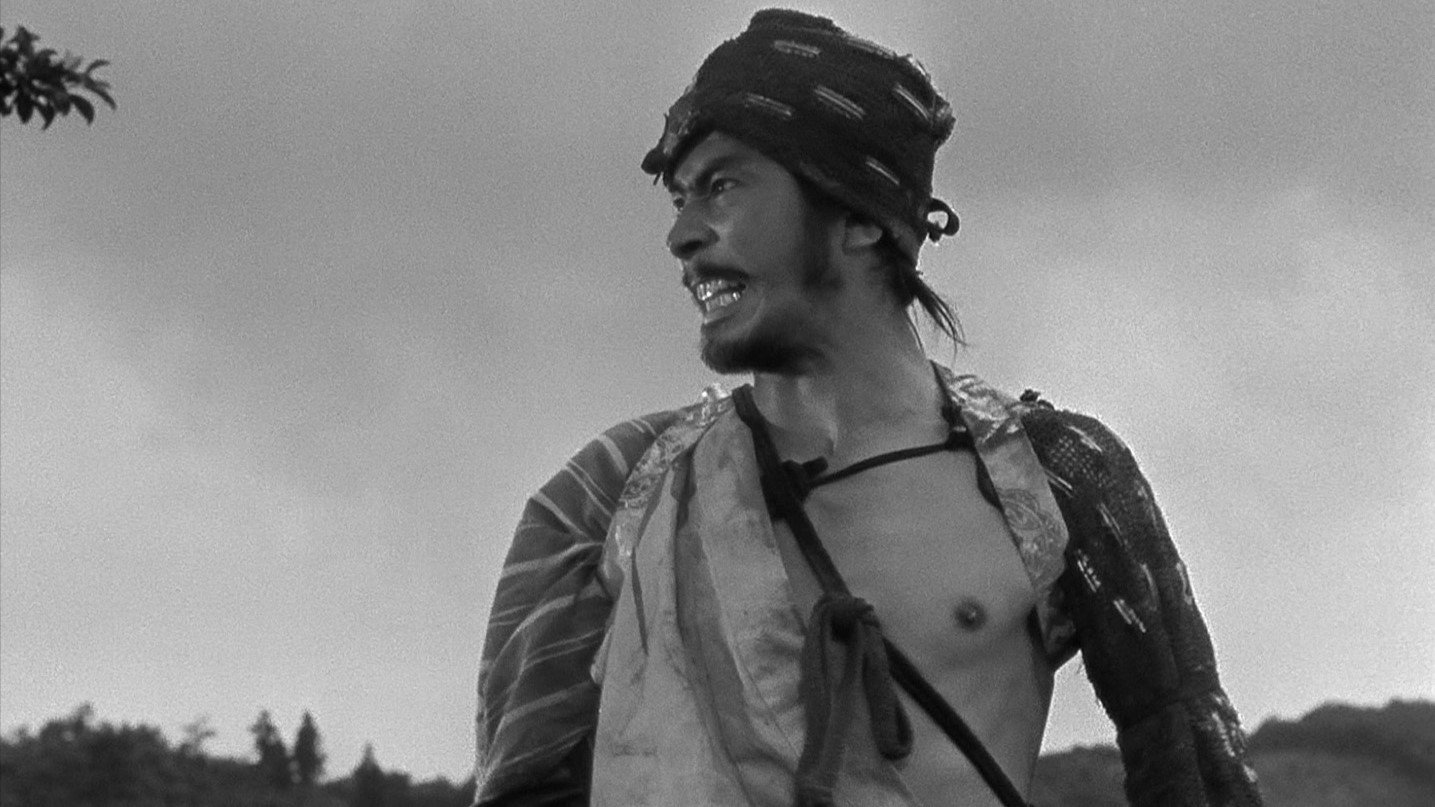
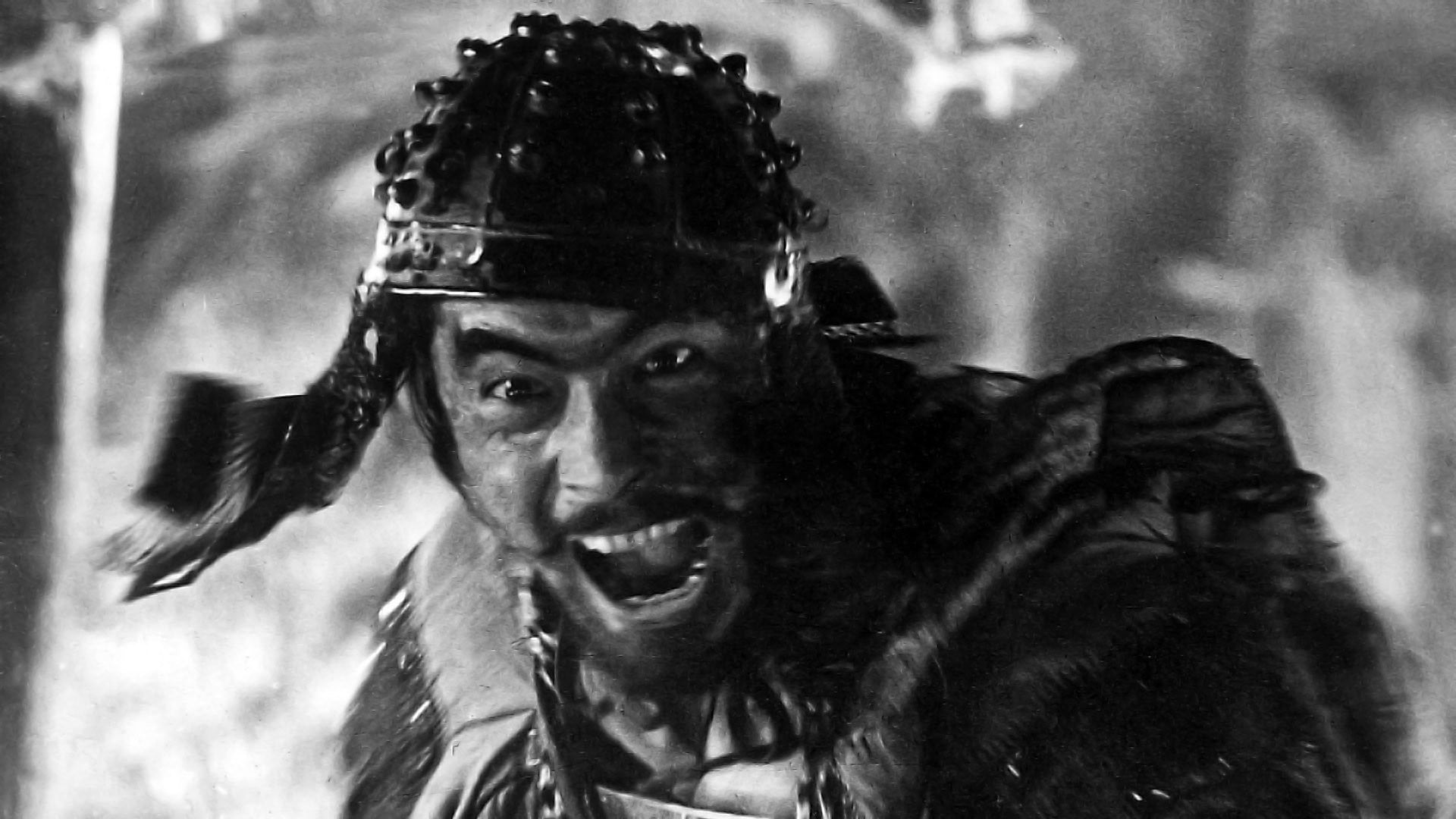
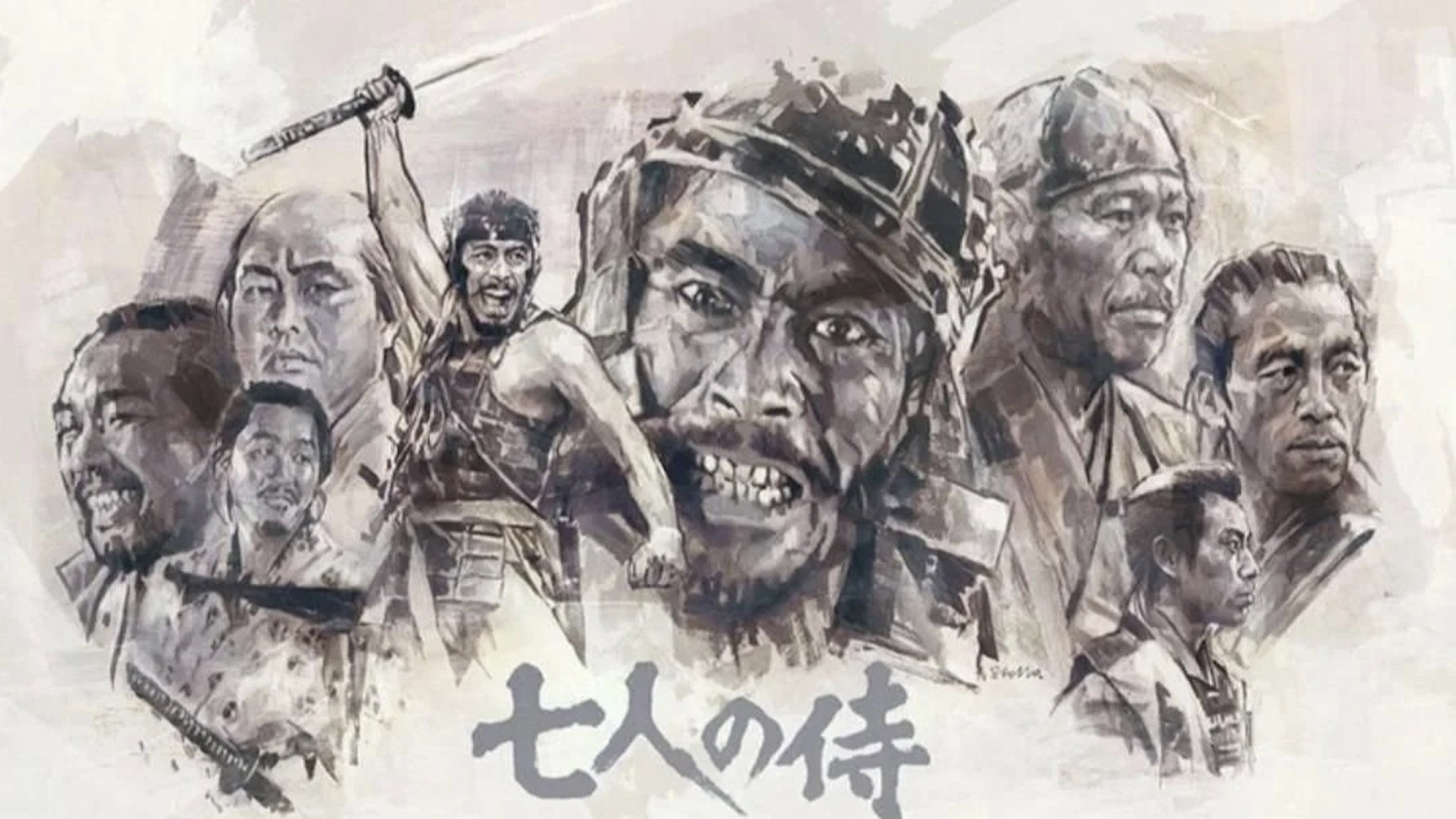
One of the best 75 films I’ve ever seen.Seven Samurai is for many the magnum opus of Kurosawa (including me). This is an epic full of action, drama, some touches of comedy and charismatic characters who will live the experience of the War.
The soundtrack has become one of my favorites, it perfectly captures the essence of this film and makes it look like an authentic piece that would sound in the war. Fumio Kayasaka is a true musical genius and this music should be recognized at the level of John Williams' works (and I would say even more than them).
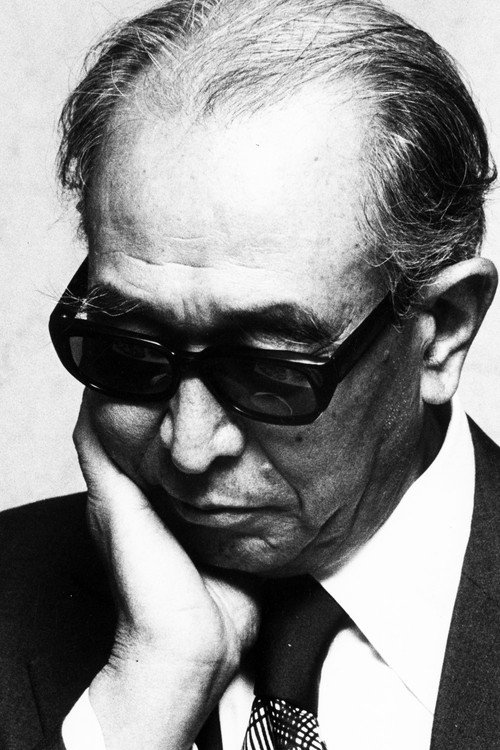
Kurosawa is one of the most acclaimed filmmakers by all critics and audiences, each of his works has inspired hundreds of filmmakers and some of them are: Sergio Leone, George Lucas, John Sturges, Walter Hill, John Lasseter, Quentin Tarantino and many more. Known by many as the father of Japanese cinema because it popularized samurai cinema and how he put Japan on the map taking it to America where everyone praised it (just see how many of the directors who were inspired by the sound of America).
Those 207 would normally bore people a lot and would make them an eternity but Kurosawa's ingenuity made this fly by and even leaves you wanting to see more, one of my favorite films with a duration of over 180 minutes that lately those films are the ones I like the most. It is impressive to see that a more general audience loves this movie not only for its duration but for the black and white (which for many is a problem, although I do not understand why).
This may be the pinnacle of cinema, although it is not my favorite I can see why. And if it's not the pinnacle of cinema, it has to be the most influential film in history (and maybe it's at the level of Eisenstein's masterpiece Battleship Potemkin or even much higher). I doubt that any of the Kurosawa films that I still have to see are at the level of this piece of film, although they can touch it, I still doubt that they will beat him.
Simply a masterpiece.
100/100Criterion Collection**
**




































 2
2
