

2010·Fantasy·2h 41m
7.4
★
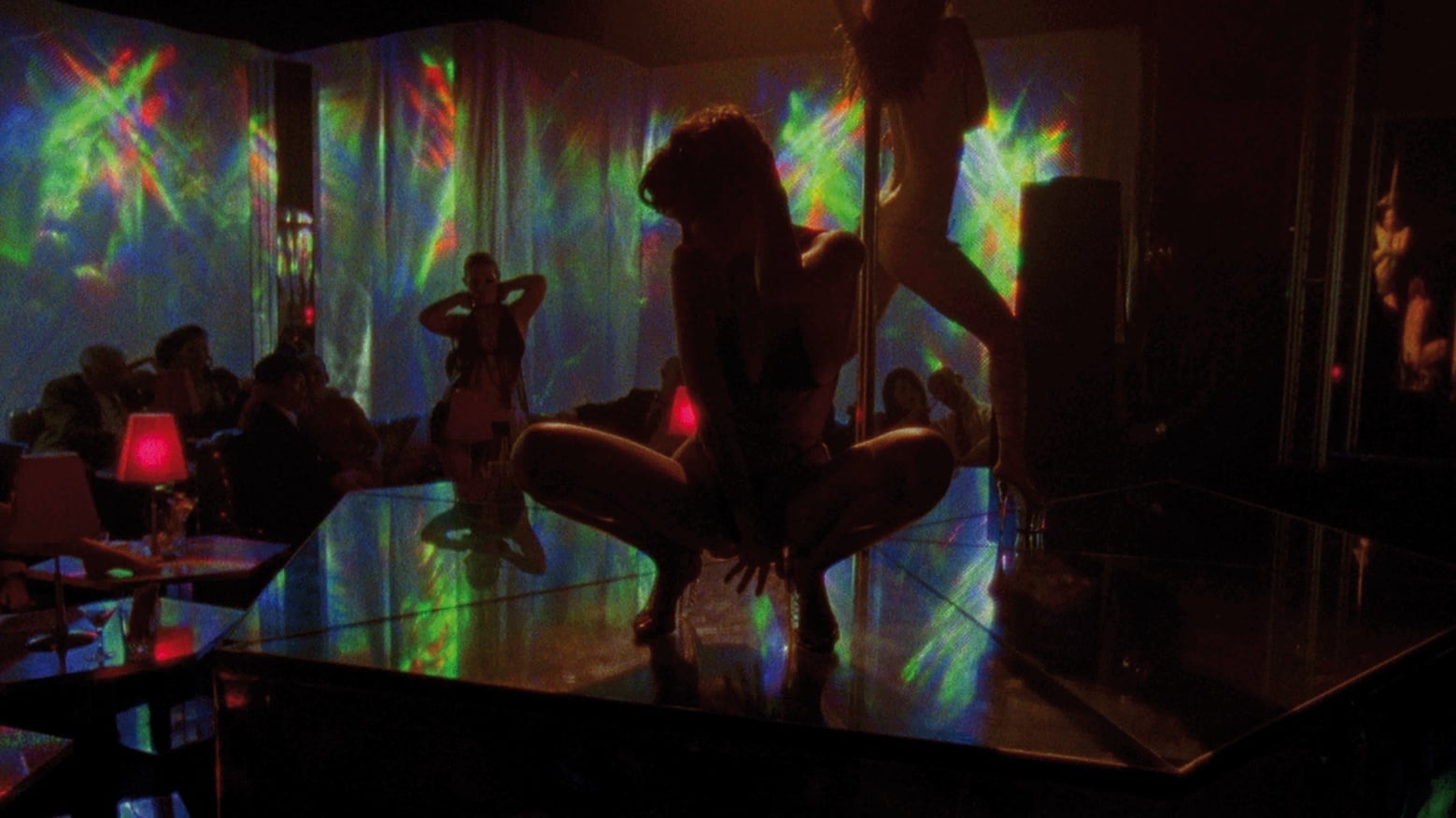
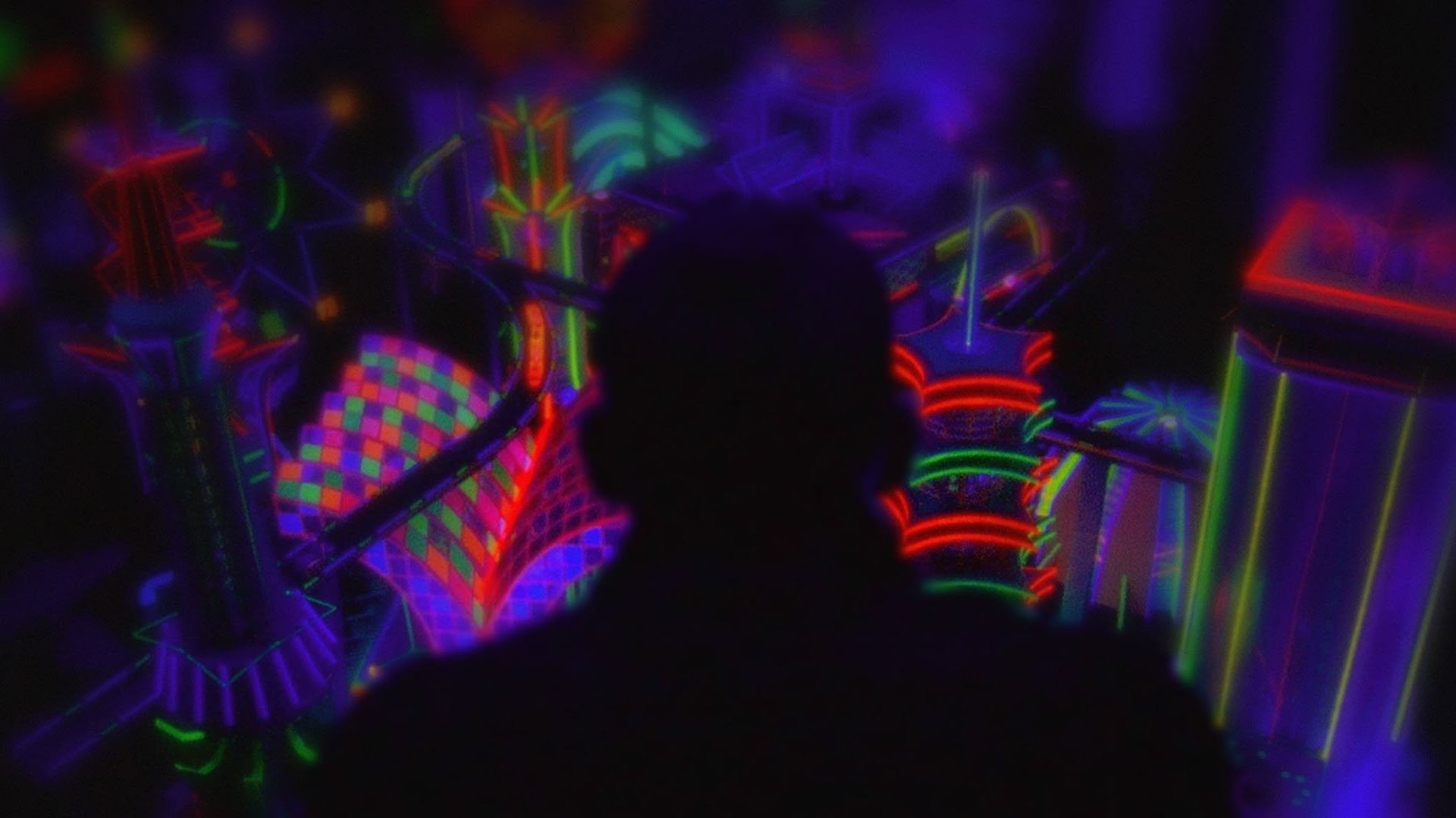
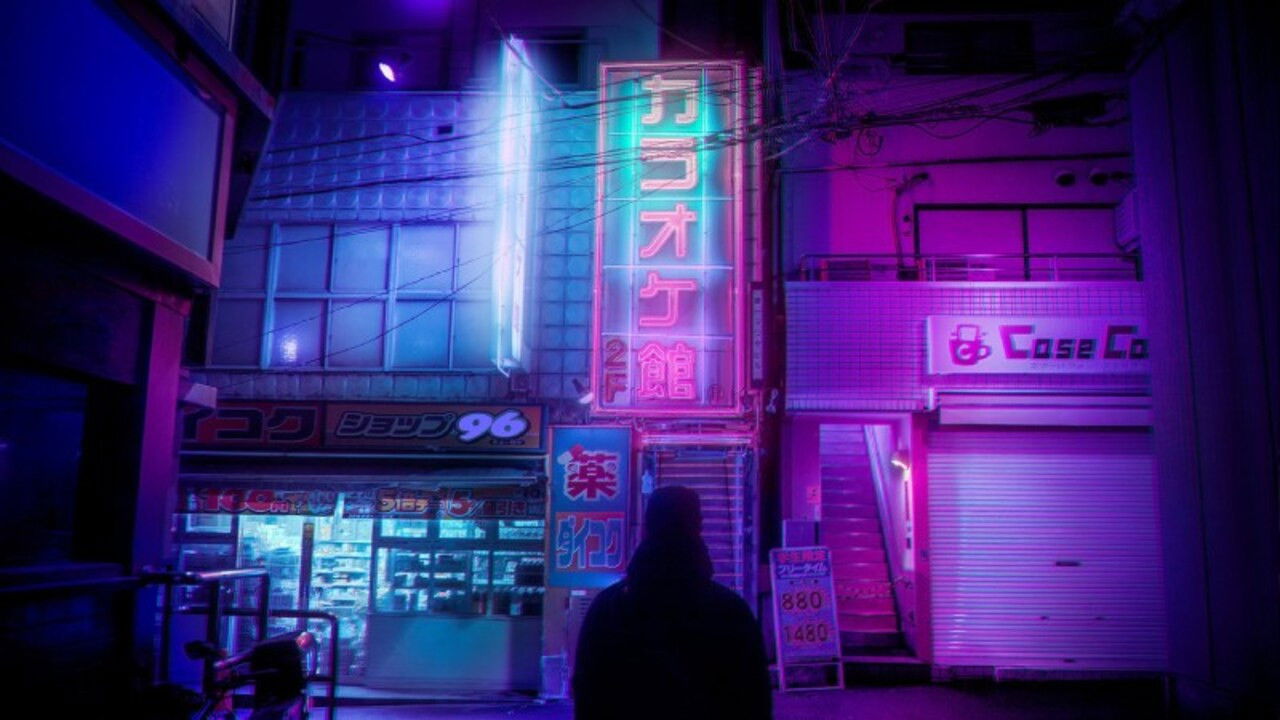
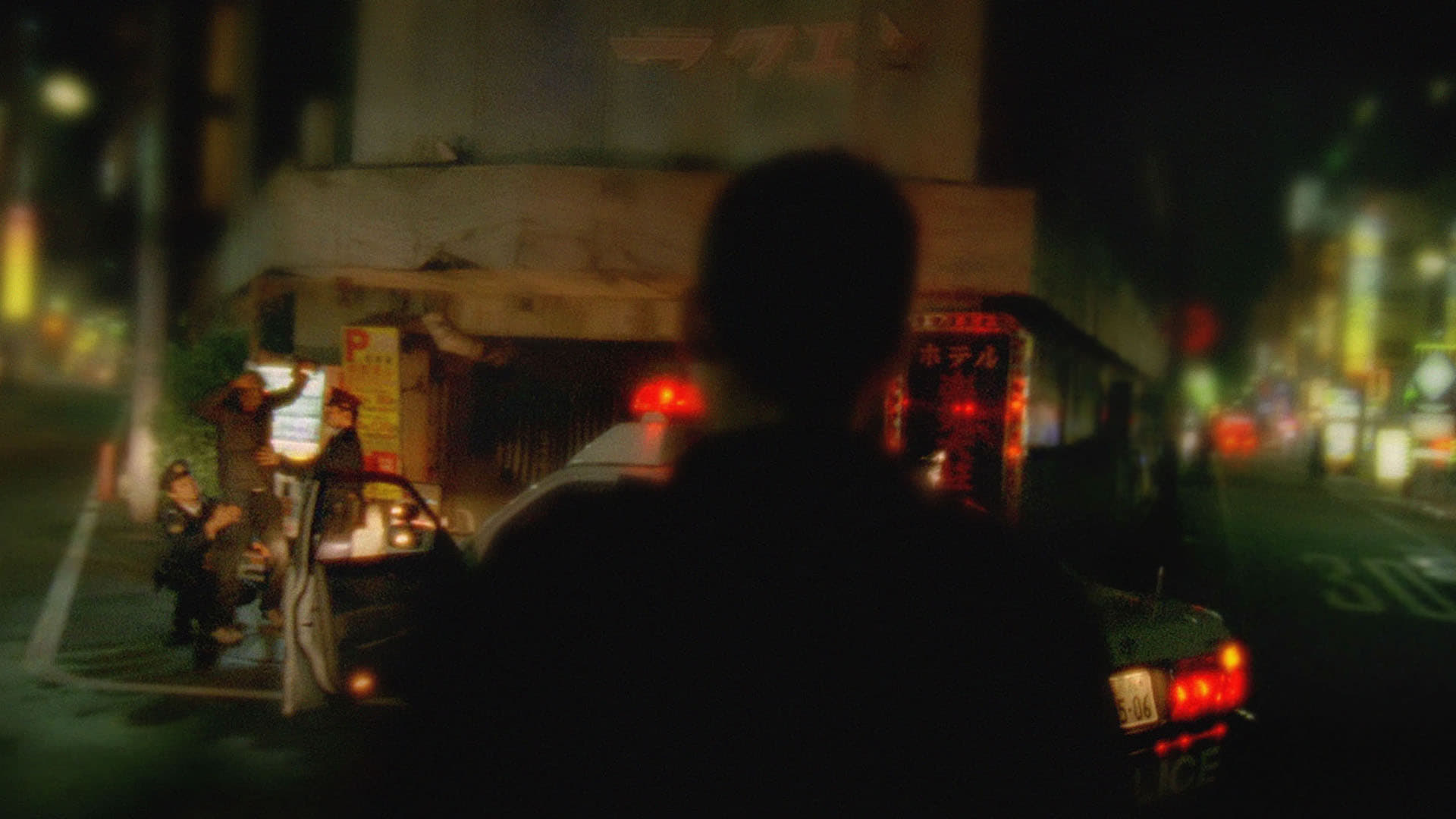
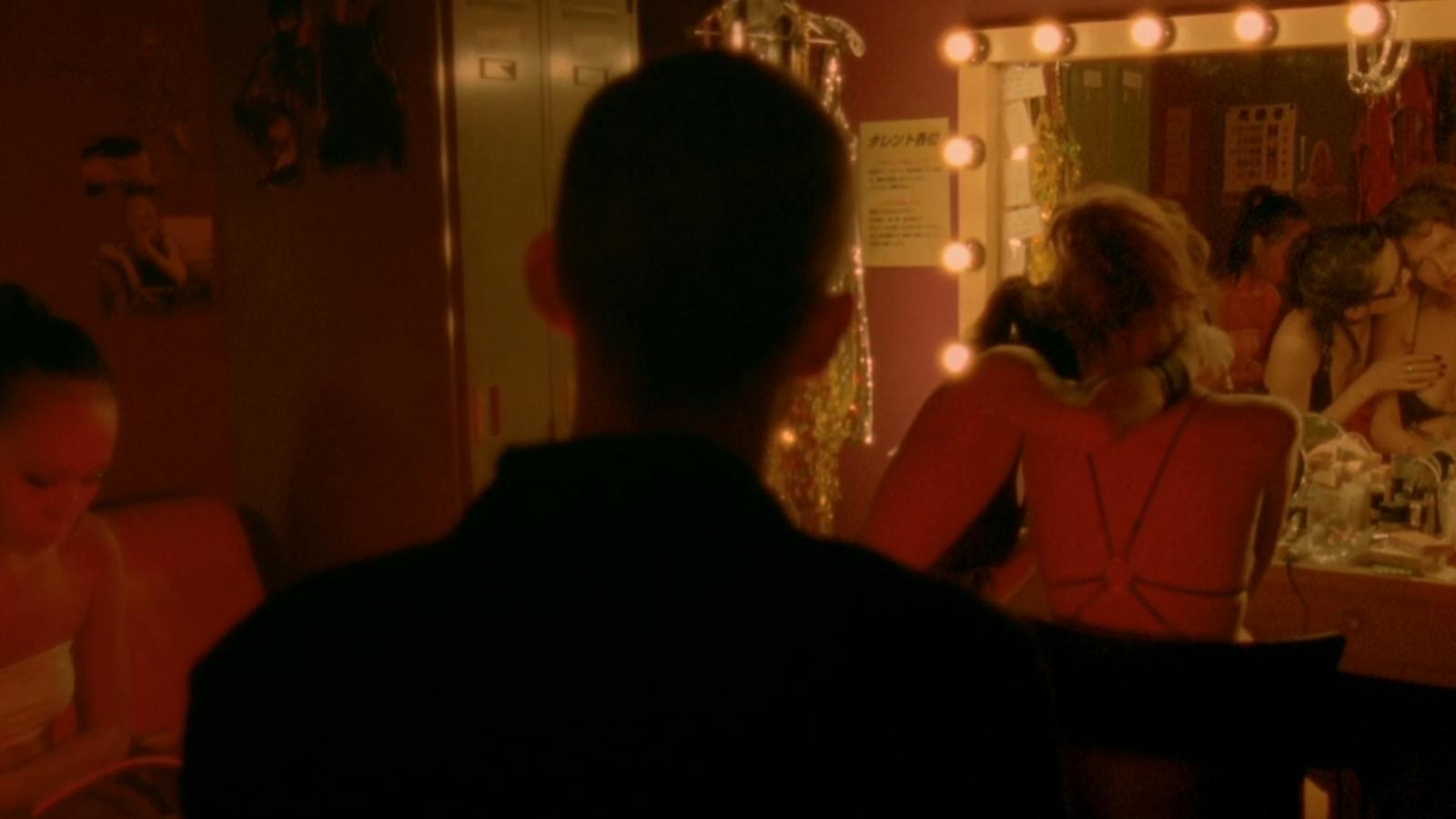
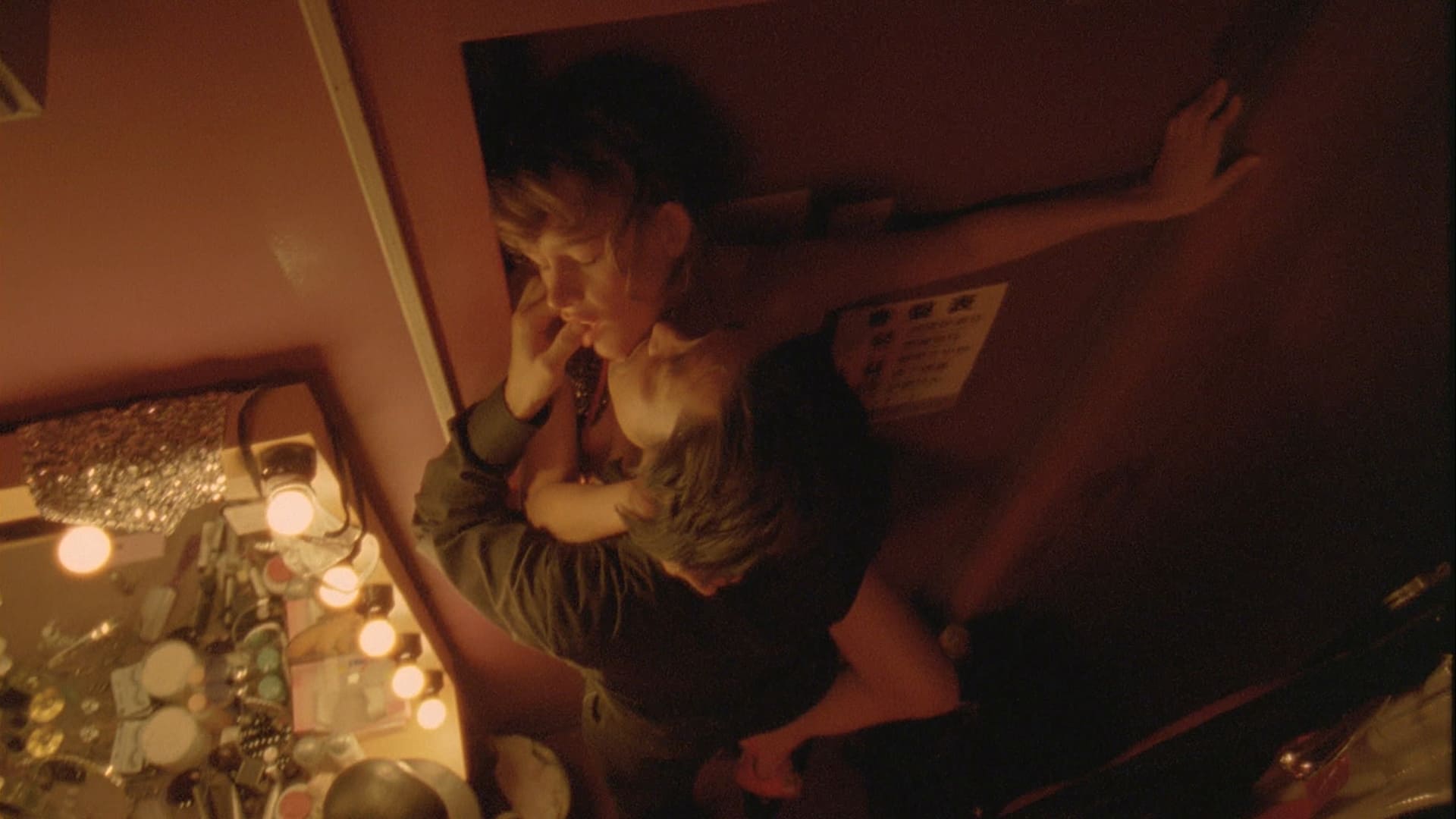
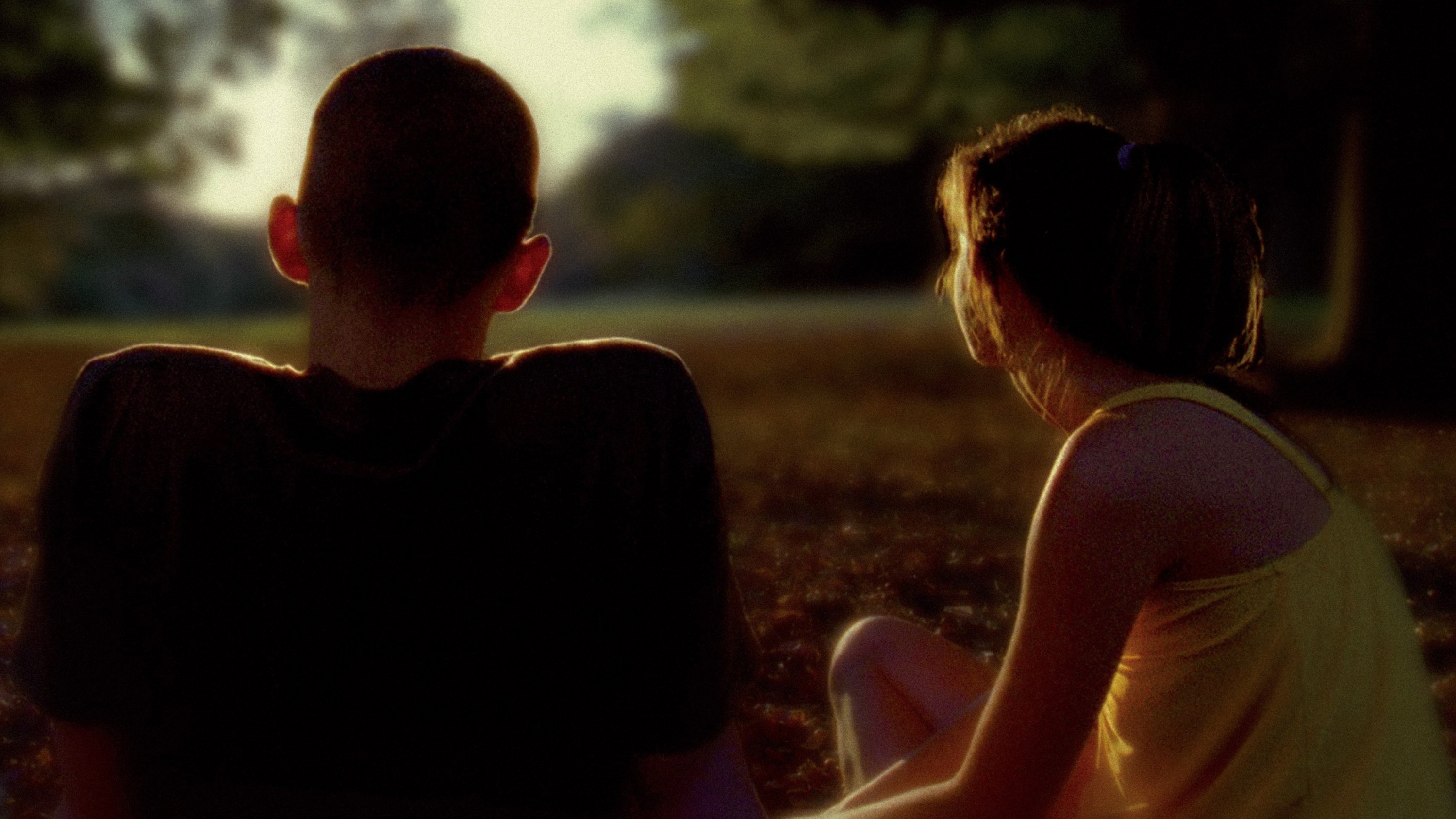
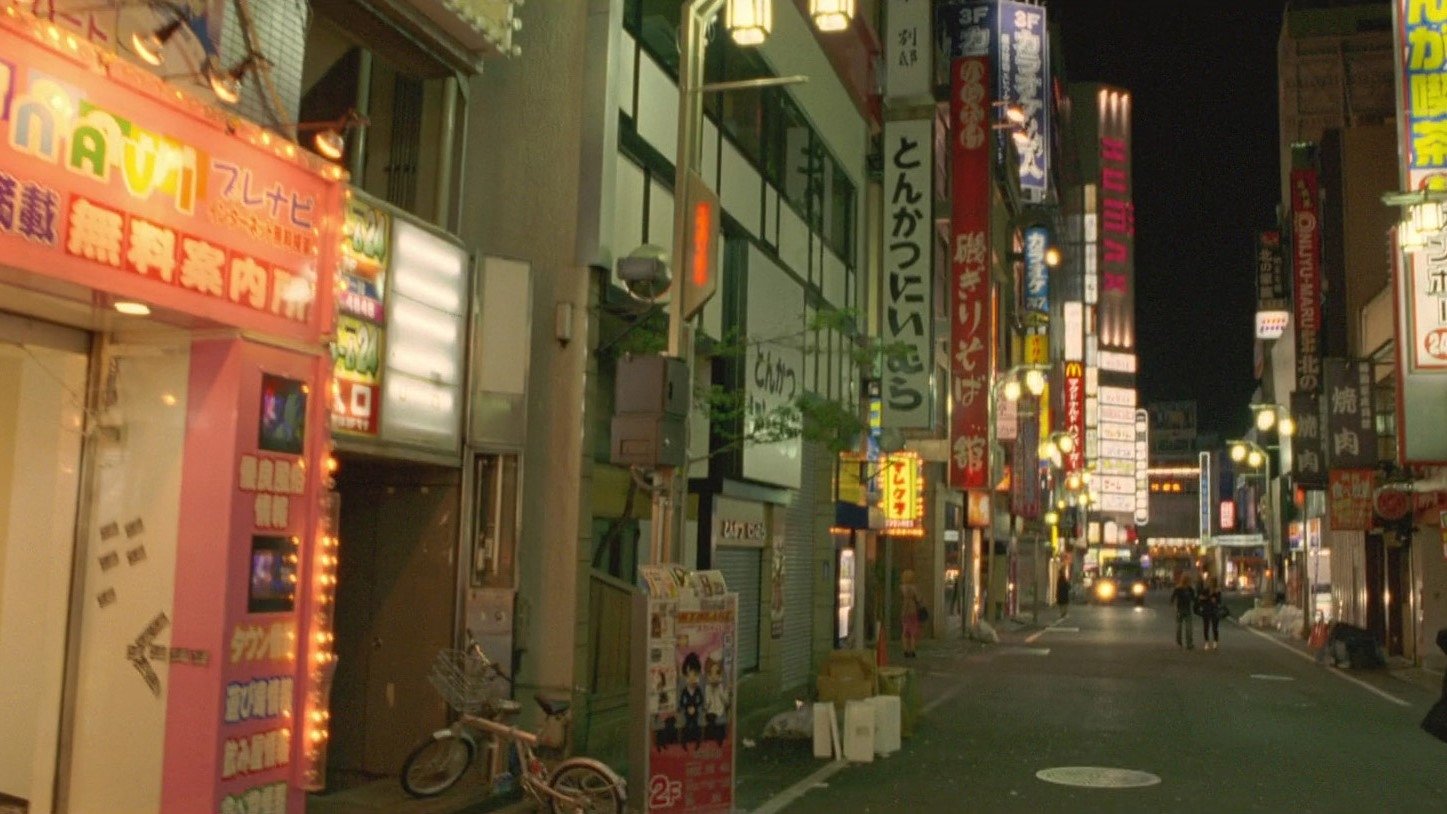
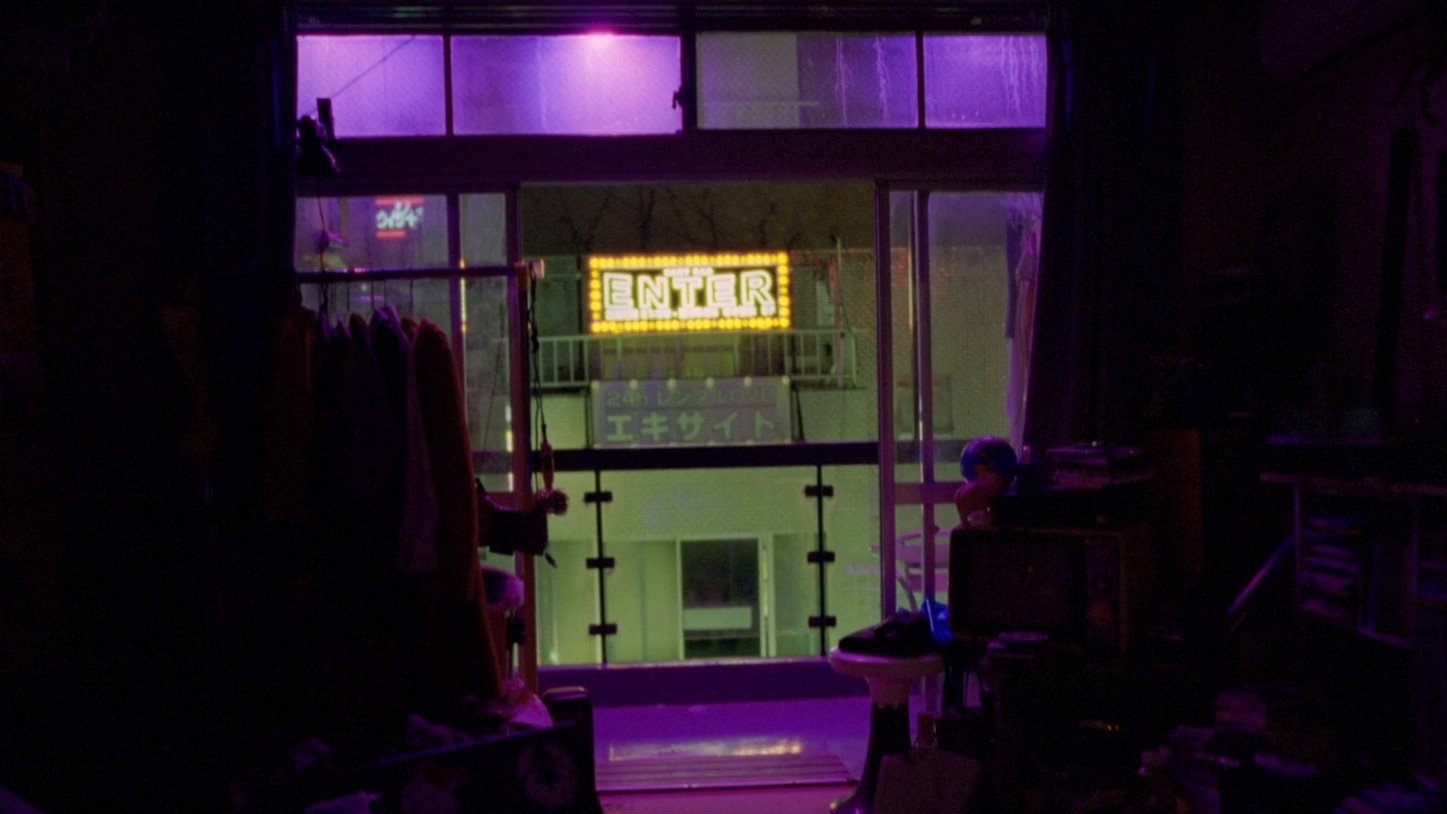
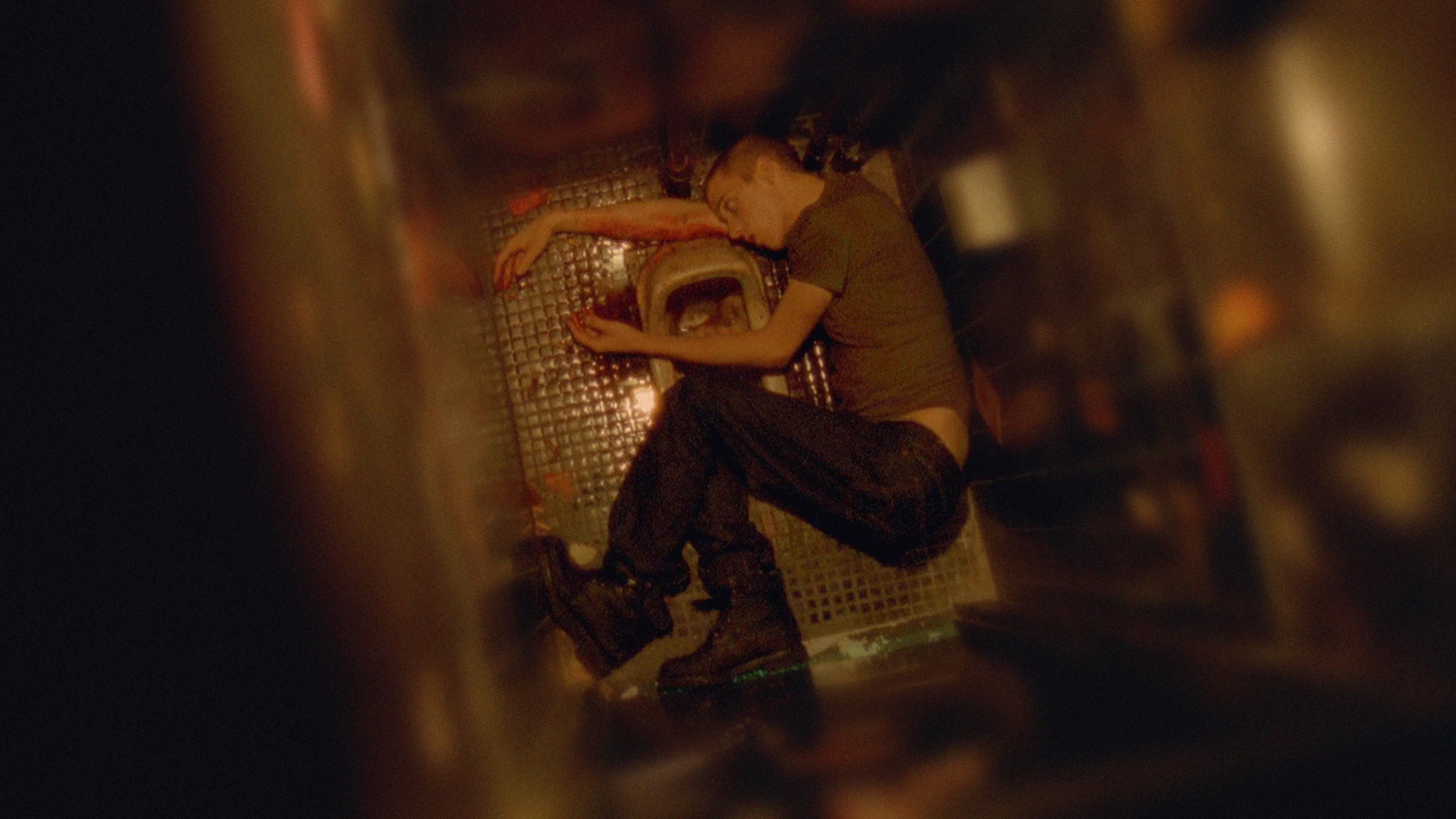
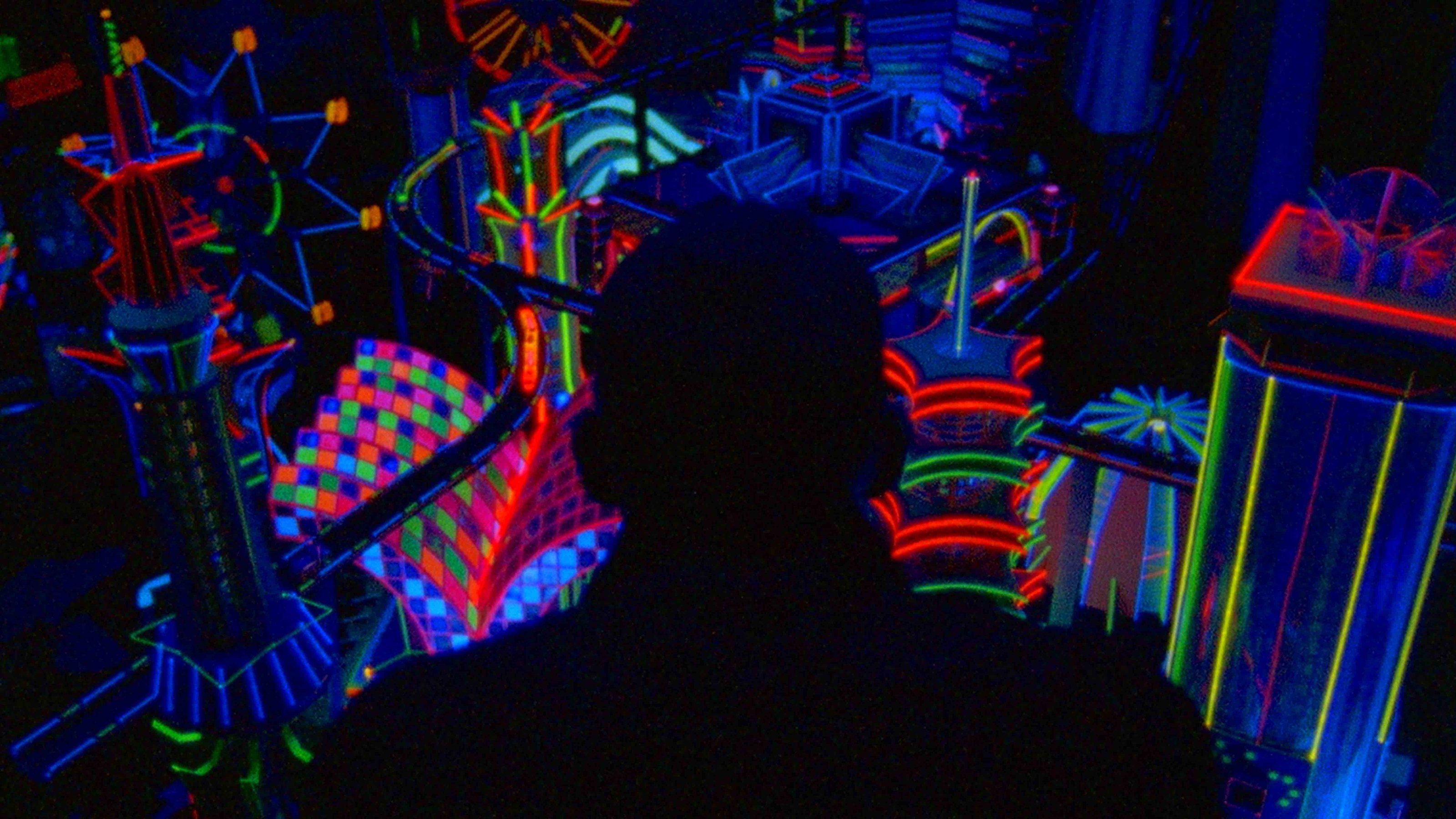
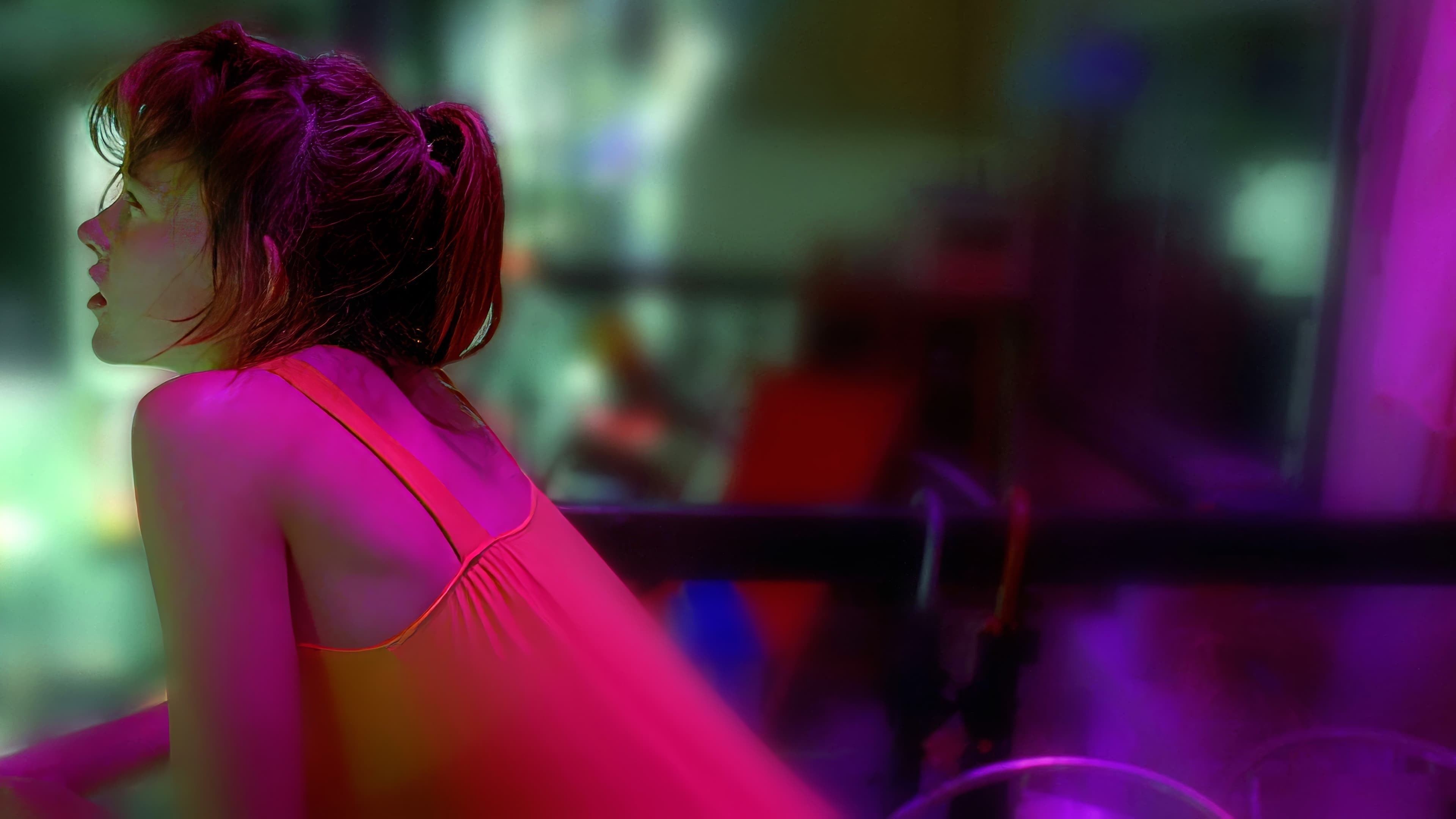
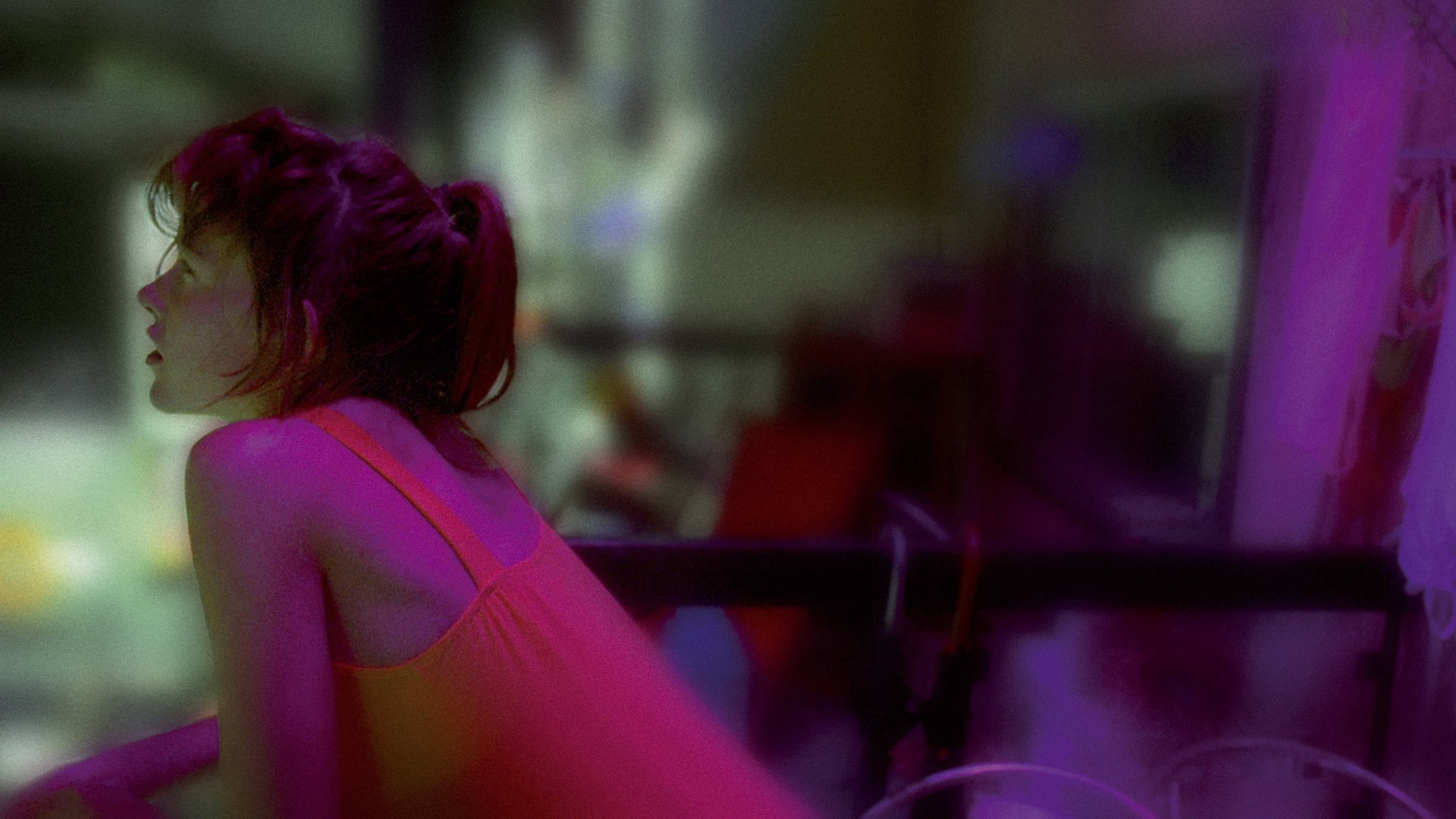
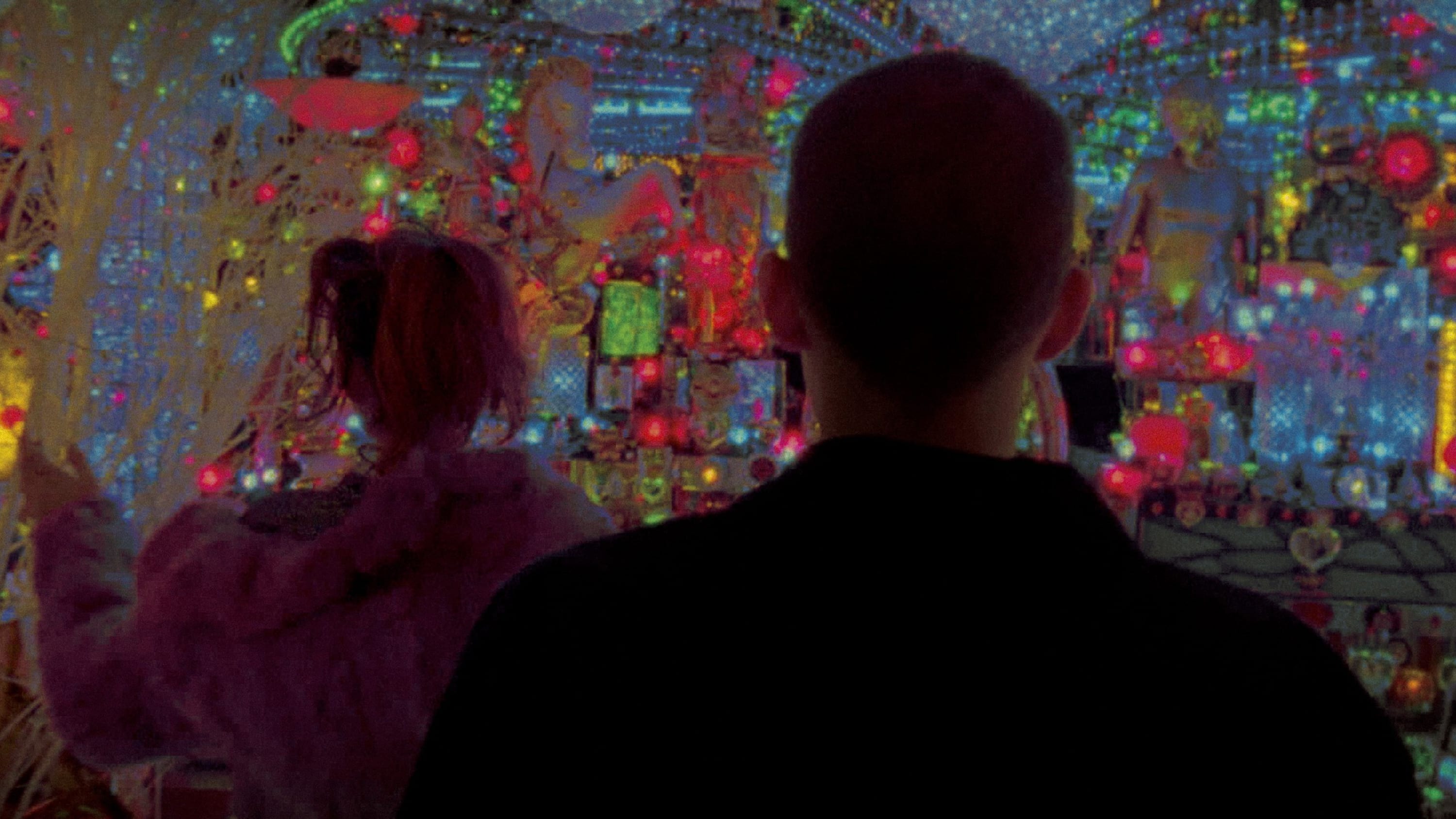
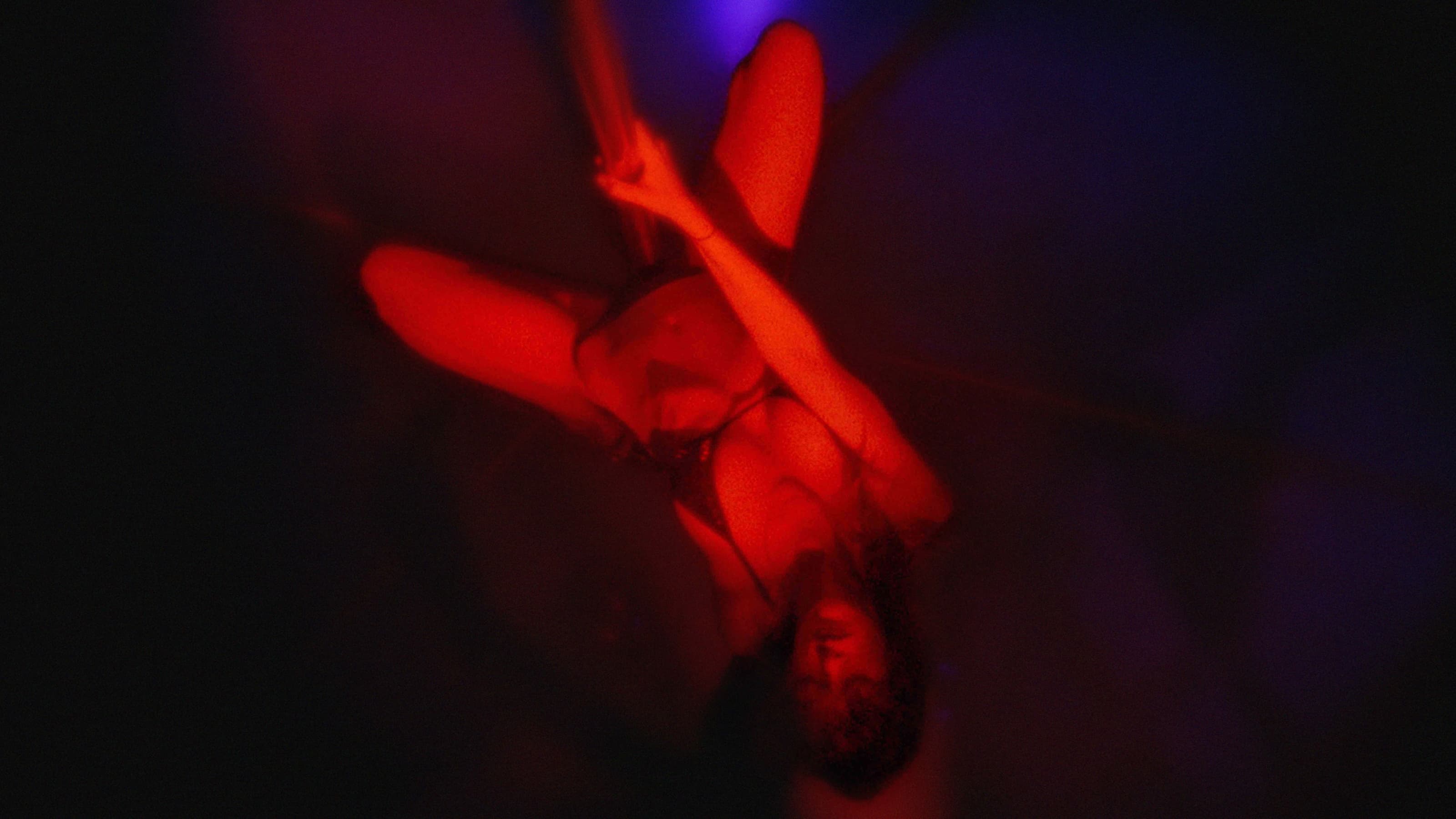
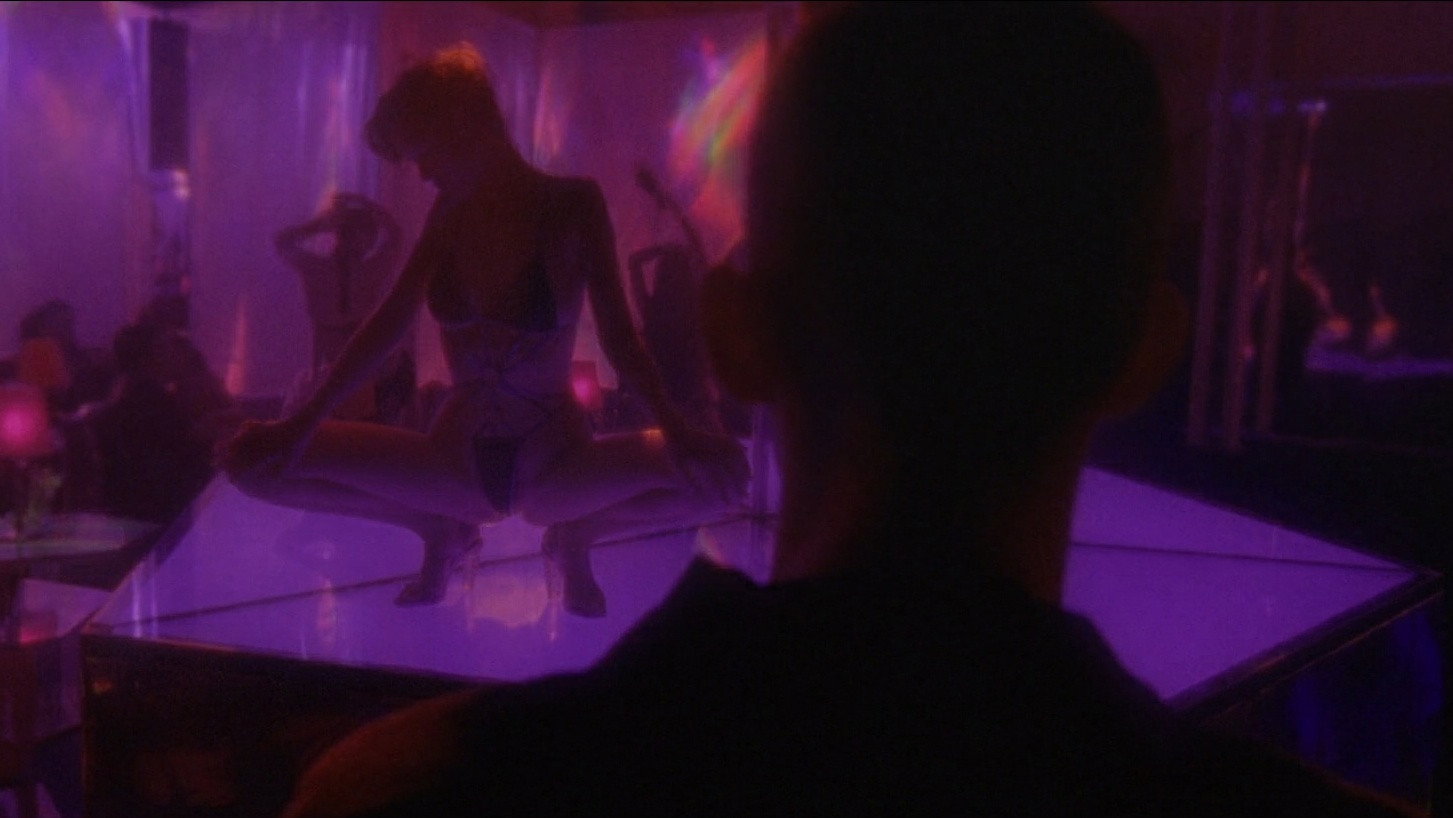
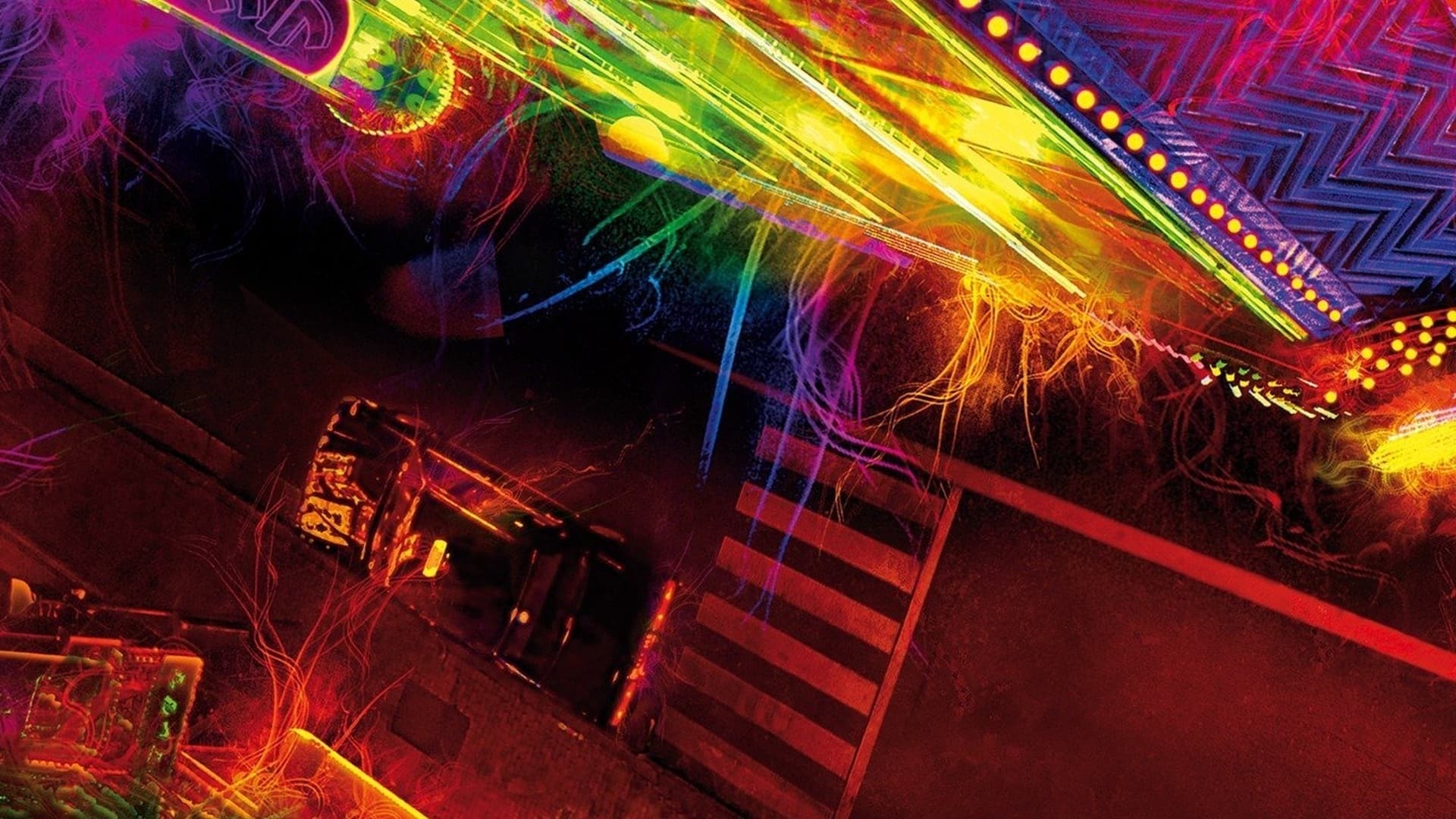
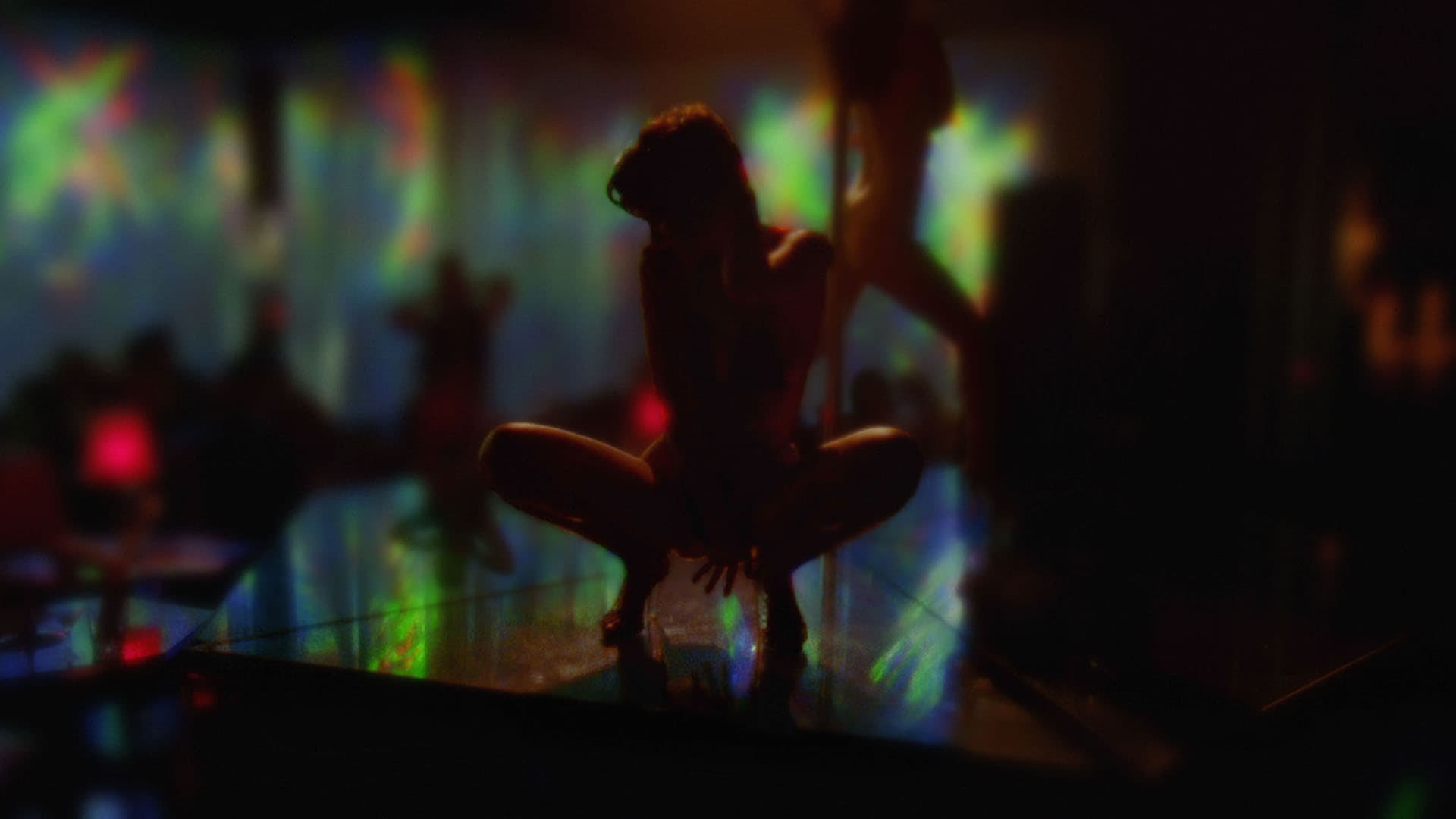
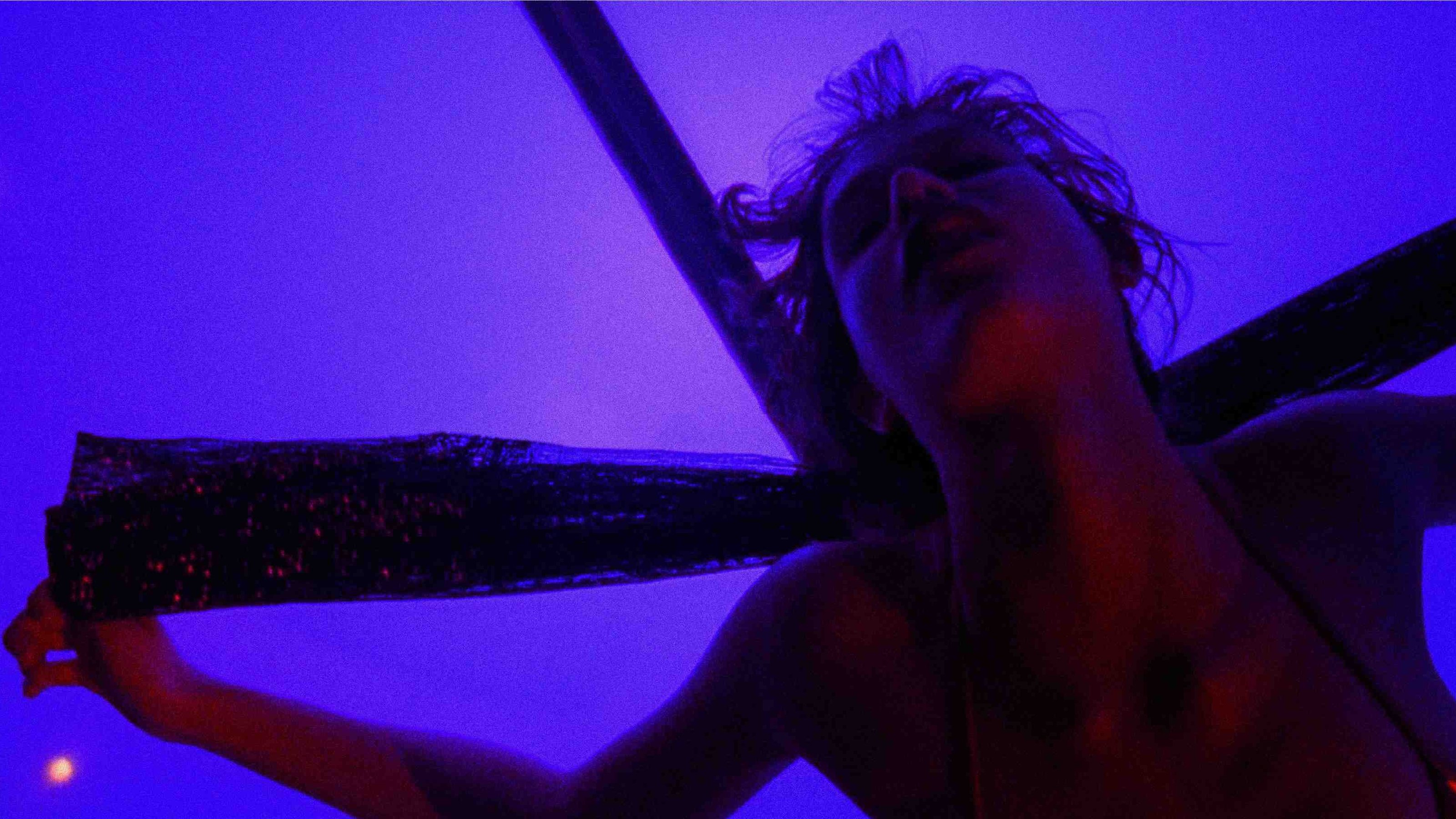
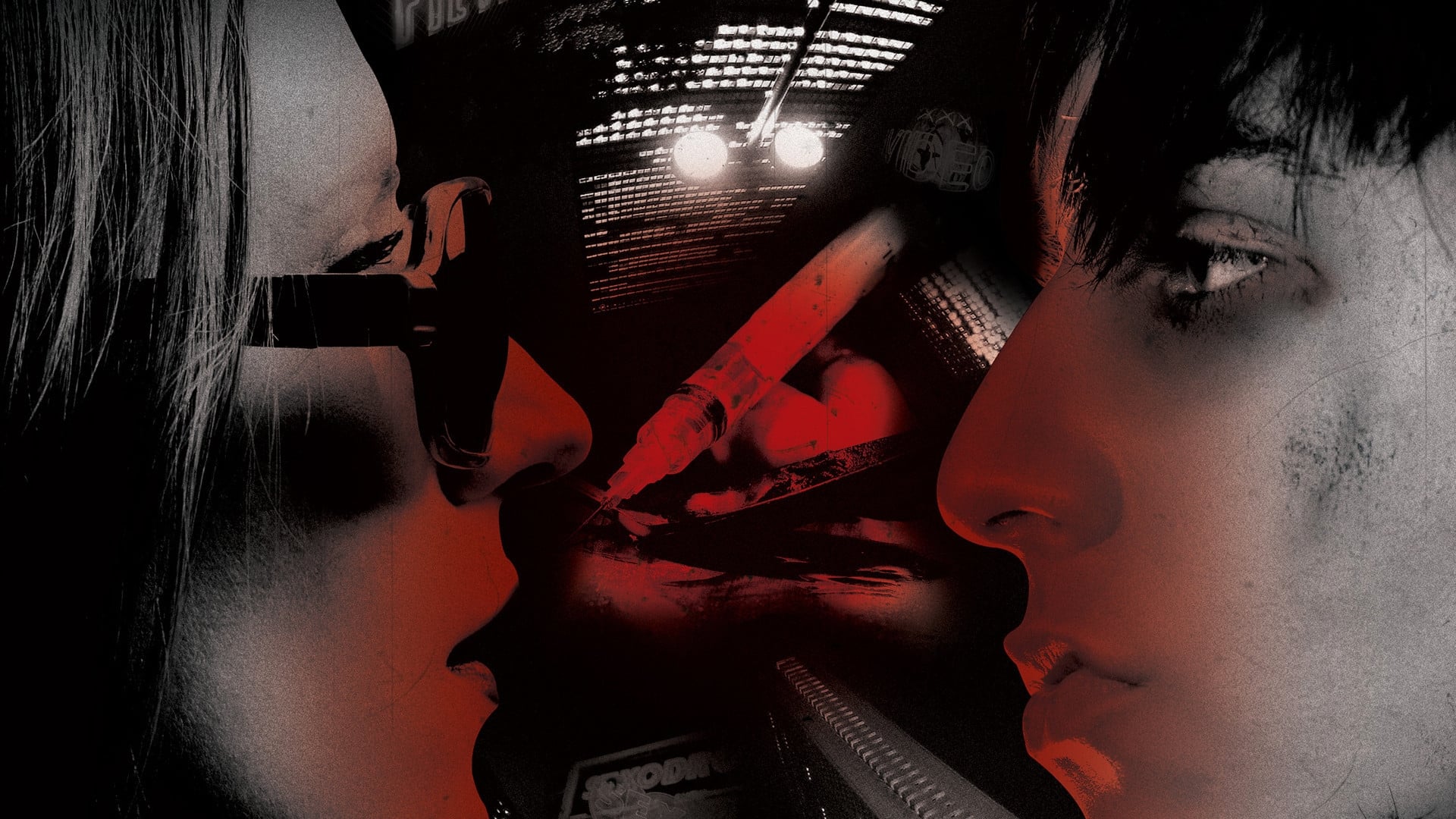
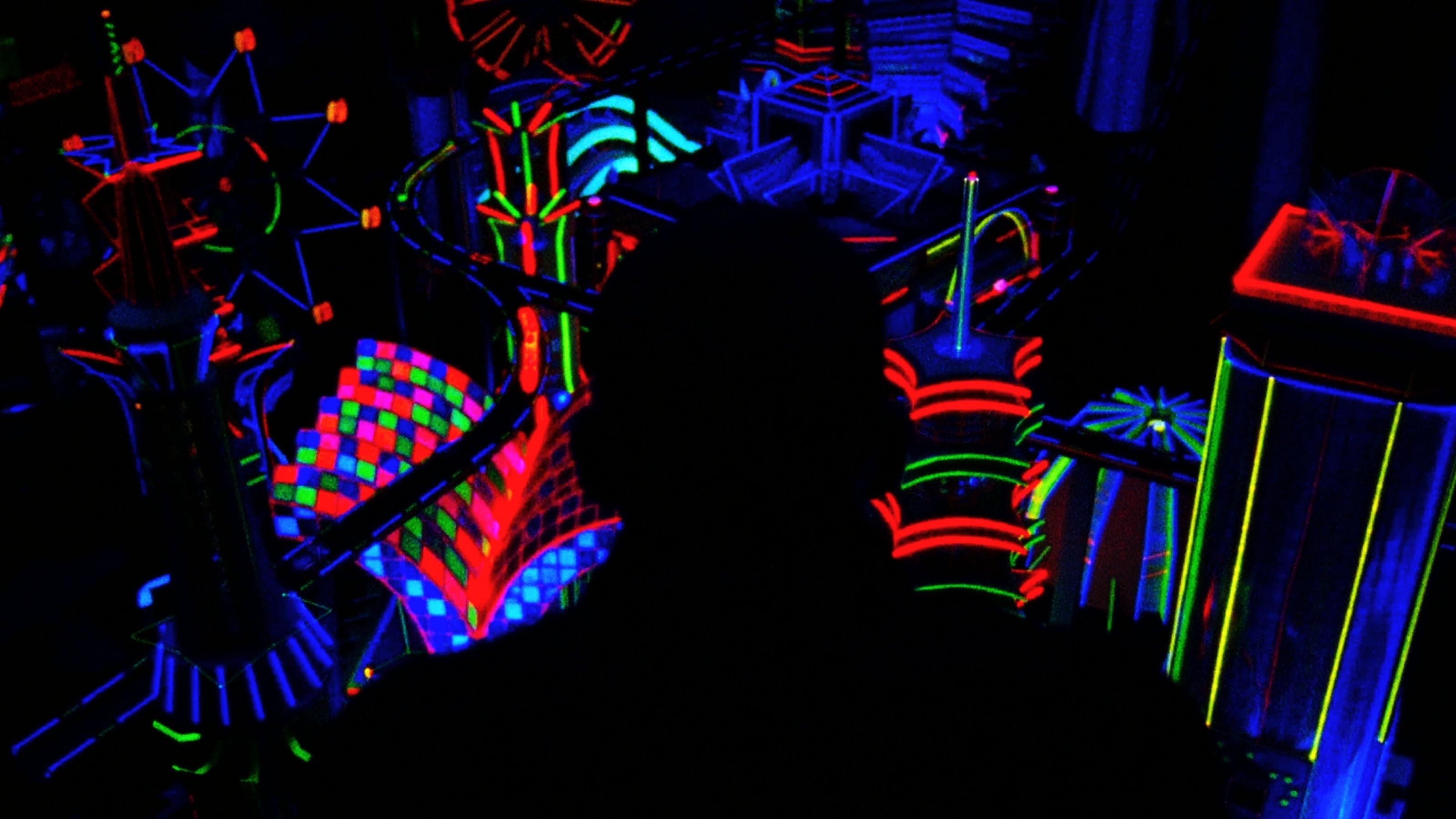
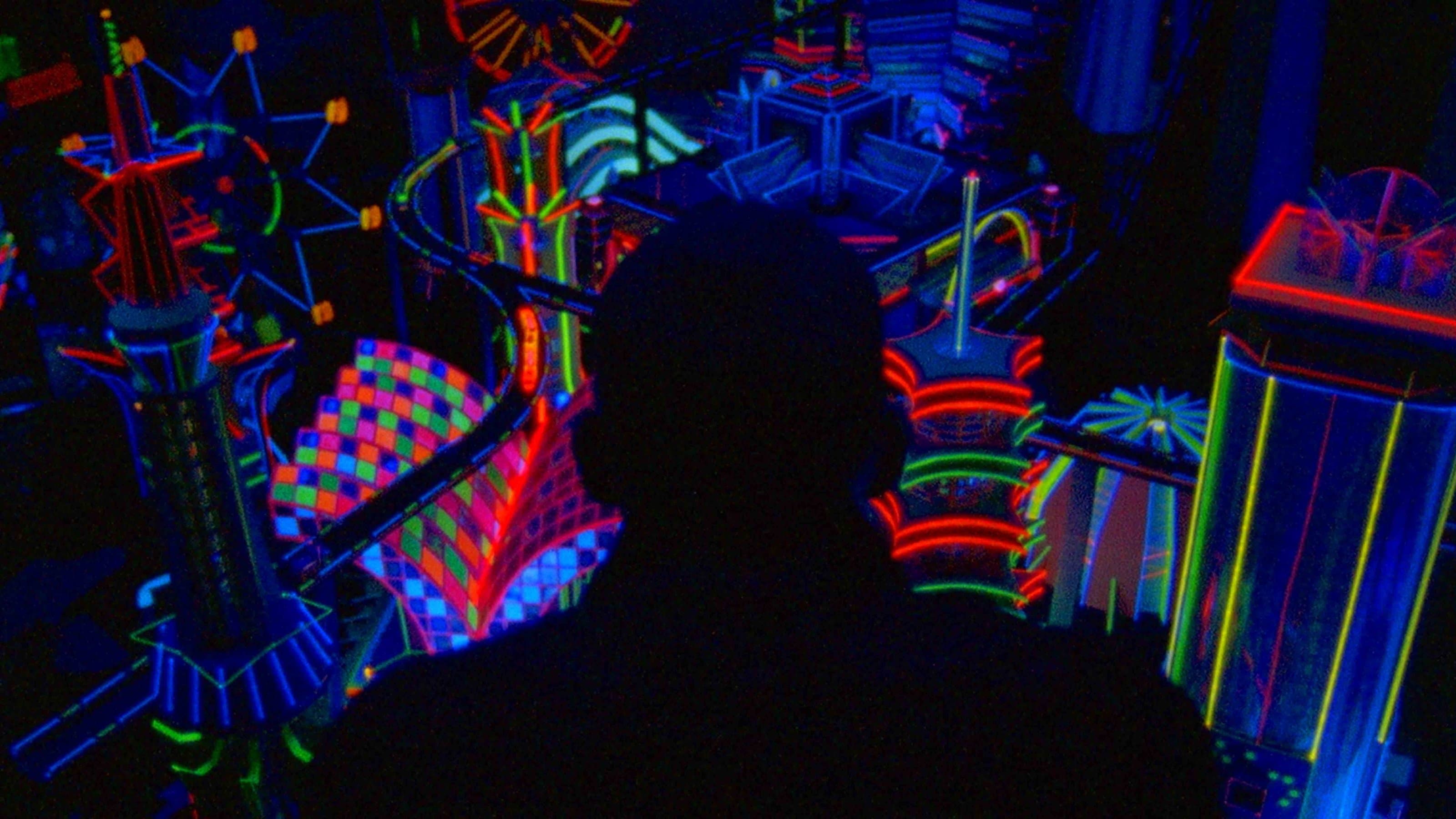
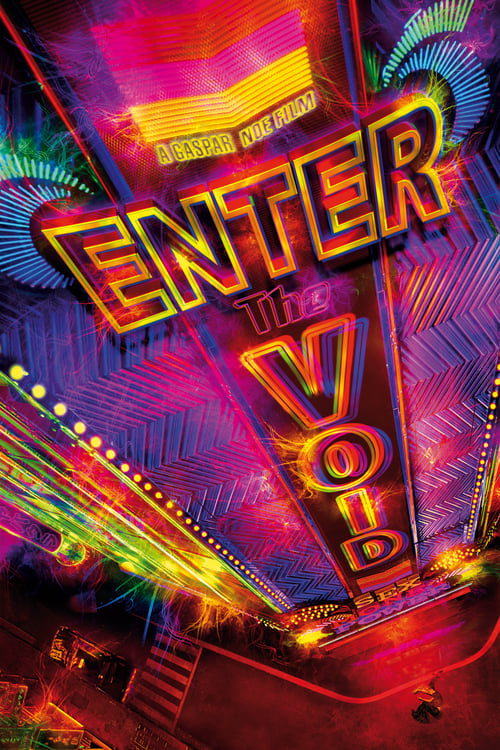
This psychedelic tour of life after death is seen entirely from the point of view of Oscar, a young American drug dealer and addict living in Tokyo with his prostitute sister, Linda. When Oscar is killed by police during a bust gone bad, his spirit journeys from the past -- where he sees his parents before their deaths -- to the present -- where he witnesses his own autopsy -- and then to the future, where he looks out for his sister from beyond the grave.
Directed by Gaspar Noé
japan
prostitute
afterlife
hallucination
surrealism
reincarnation
stripper
strip club
drug trip
drug dealing
tokyo, japan
drugs
incest
psychedelic
meditative
neo-noir
abortion
dmt
new french extremism
Rank
#28 in 2010·#1639 overall

Trailer

IMDB
N/A
Where to Watch


Cast
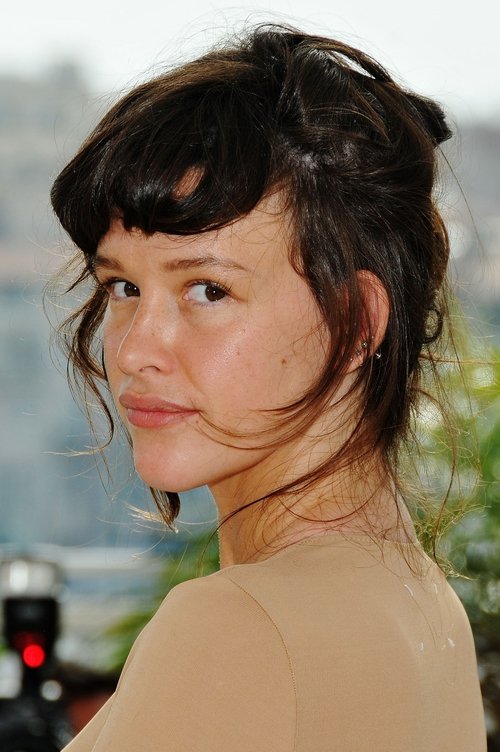
Paz de la Huerta
Linda

Nathaniel Brown
Oscar

Cyril Roy
Alex

Olly Alexander
Victor
Masato Tanno
Mario
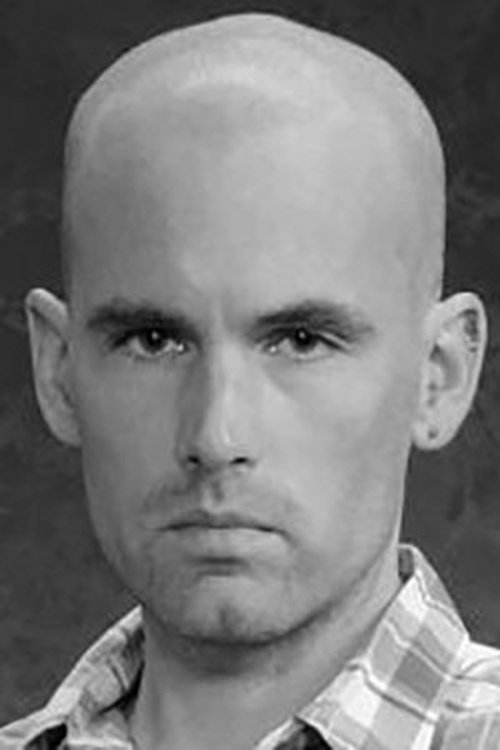
Ed Spear
Bruno

Emily Alyn Lind
Young Linda
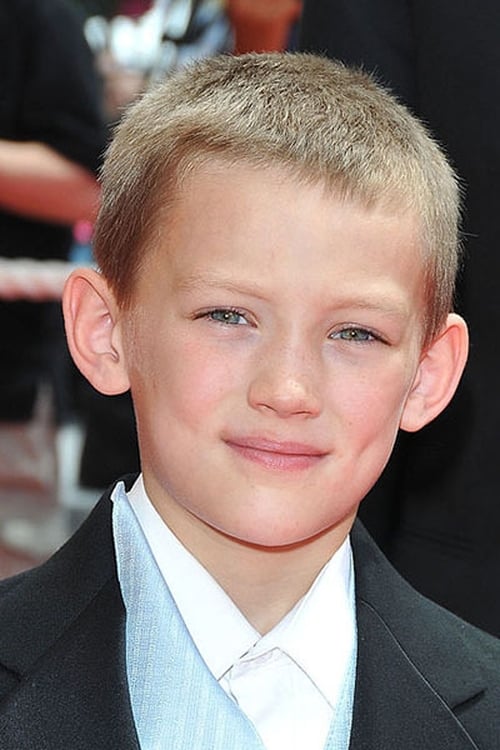
Jesse Kuhn
Young Oscar
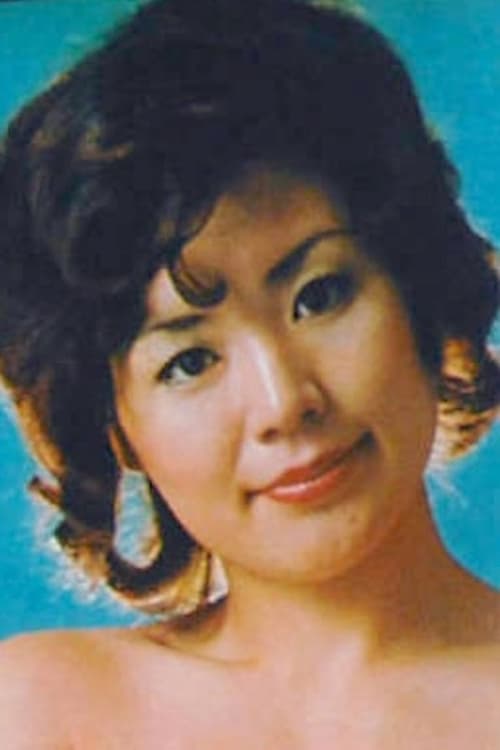
Nobuko Imai
Tito

Sara Stockbridge
Suzy

Emiko Takeuchi
Carol

Gaspar Noé
Man in Nightclub (uncredited)
Crew
Gaspar Noé
Director
Gaspar Noé
Writer
Gaspar Noé
Editor
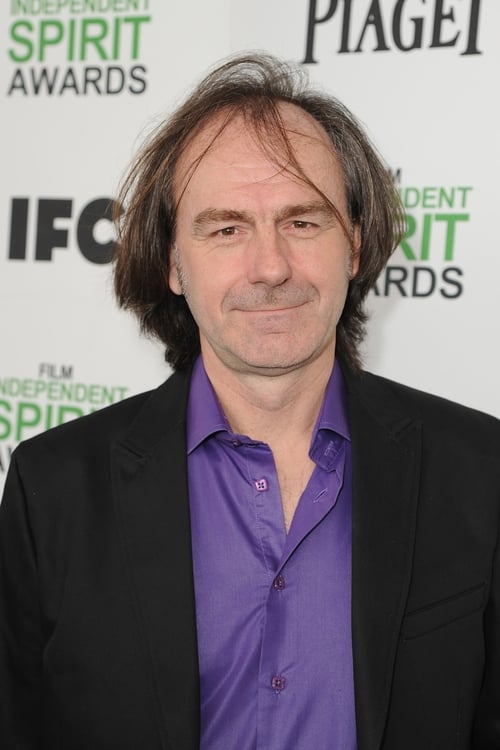
Benoît Debie
Director of Photography

Pierre Buffin
Producer

Brahim Chioua
Producer
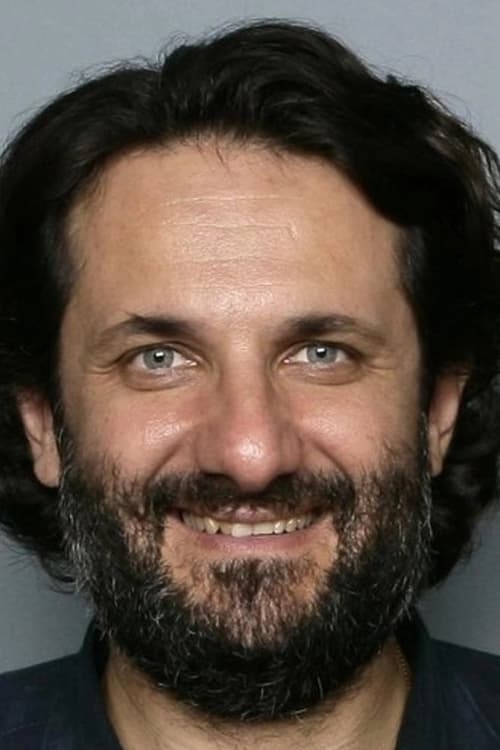
Olivier Delbosc
Producer
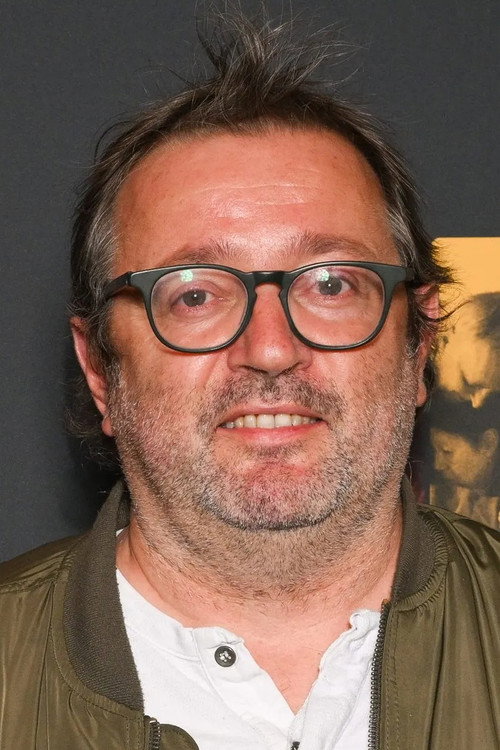
Vincent Maraval
Producer
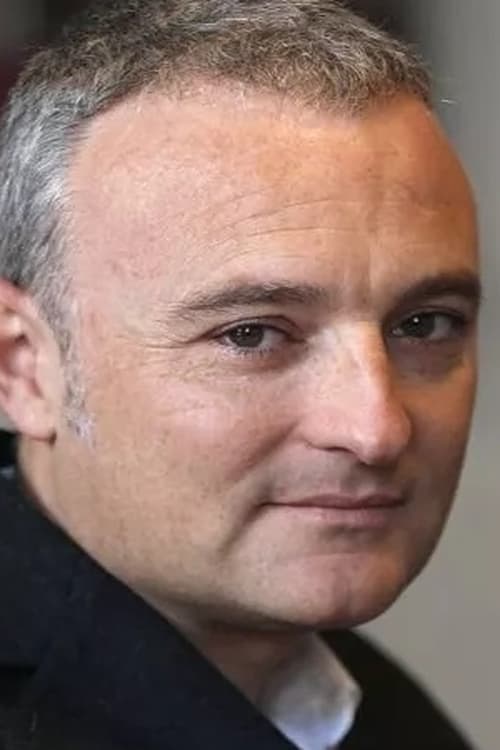
Marc Missonnier
Producer
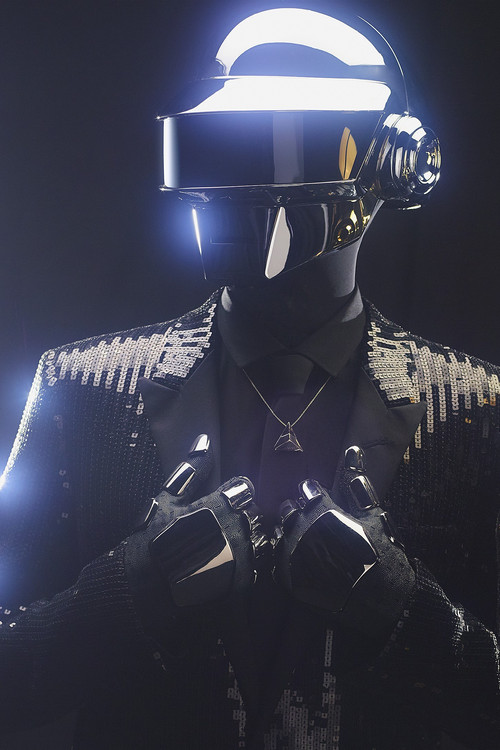
Thomas Bangalter
Music

Des Hamilton
Casting

Philippe Bober
Associate Producer
Popular Reviews
1686 reviews
polina
10.0★ · 02/26/25
‘basically, when you die your spirit leaves your body, actually at first you can see all your life, like reflected in a magic mirror. then you start floating like a ghost, you can see anything happening around you, you can hear everything but you can't communicate. then you see lights, lights of all different colours, these lights are the doors that pull you into other planes of existence, but most people actually like this world so much, that they don't want to be taken away, so the whole thing turns into a bad trip, and the only way out is to get reincarnated’an existential trip of the human soul, which is essentially lost, shattered, and filthy. and wandering through neon-lit Tokyo at night, midway between current circumstances and paranoid memories. Noe did incredible work here, he made me feel as though I had no choice but to be a part of what was happening, and that's what I mostly expect from films. like the main character, I gradually became lost in this bleak emptiness, represented by images of the same lost souls that are unlikely to have another end.
‘basically, when you die your spirit leaves your body, actually at first you can see all your life, like reflected in a magic mirror. then you start floating like a ghost, you can see anything happening around you, you can hear everything but you can't communicate. then you see lights, lights of all different colours, these lights are the doors that pull you into other planes of existence, but most people actually like this world so much, that they don't want to be taken away, so the whole thing turns into a bad trip, and the only way out is to get reincarnated’an existential trip of the human soul, which is essentially lost, shattered, and filthy. and wandering through neon-lit Tokyo at night, midway between current circumstances and paranoid memories. Noe did incredible work here, he made me feel as though I had no choice but to be a part of what was happening, and that's what I mostly expect from films. like the main character, I gradually became lost in this bleak emptiness, represented by images of the same lost souls that are unlikely to have another end.

4

Andre
6.8★ · 09/21/25
egil told me to watch this. fuck him for that suggestion. do not watch if you have sex.
egil told me to watch this. fuck him for that suggestion. do not watch if you have sex.
2

1hmedo
9.0★ · 05/04/26
the visuals are what really stood out to me, everything just looks amazing and adds so much to it. it’s not just style though, it actually gets into life, love, and death in a way that feels real. i loved this one. one of my favorites.
the visuals are what really stood out to me, everything just looks amazing and adds so much to it. it’s not just style though, it actually gets into life, love, and death in a way that feels real. i loved this one. one of my favorites.
2
Foi
10.0★ · 08/26/24
We promised to never leave eachotherYou can't tell me A$AP Rocky wasn’t inspired by this movie. I’m not sure I fully understood what the fuck was going on, but I fucking loved it so much. It’s overwhelming but peaceful and quiet at the same time—it’s a lot and it’s everything, but it’s also nothing. I don’t know if I’m making sense, but try watching the movie and describing it. The visuals and themes are different, and maybe that’s the point. For me, it’s a lot about trauma and time. It’s shocking when you realize what we’ve been seeing is this guy slowly dying and bleeding out, with only his life flashing before us. The film is detailed and thought-out. One of its most-used techniques is repeating the same events randomly. The narrative is special—we start in Tokyo, knowing nothing about the dude until he’s gone. Then we learn to care about him and who he was. It’s like symbolizing how we never truly care for what we have until it’s gone. After he’s gone, we see his past, present, and future in a psychedelic way. I don’t think, until the last scene, that Oscar was really reincarnating. It’s deeper. The little zooms and repetitions of words and scenes show him searching for meaning in his life, a reason for his existence and death. As these memories get trippier and more confusing, he’s dying and fading away with his memories. The movie constantly repeating the pact is the guilt he feels for leaving his sister, the guilt of dying, and the regrets he has because he never truly found a home or peace in life. The movie is an exploration of both life and death, an exploration of the human brain, soul, and consciousness, and what the fuck our existence is worth. It’s immersive and really puts you in Oscar’s place—you’re forced to, as the whole movie is in first person. You’re not really in his body but in his consciousness, hearing his thoughts and seeing what happens after death, which is honestly pretty fucked up.
One of the most striking aspects of Enter the Void is its unflinching exploration of the human psyche. The film doesn’t shy away from depicting the darker aspects of existence—addiction, loss, guilt, and the inescapable pull of the past are central. But it doesn’t resolve these questions and actions, leaving everything for interpretation. The film’s images speak louder than its dialogue, making it feel real and human, a “make it yourself” movie where everyone’s interpretation is valid, depending on their fears, beliefs, and experiences. Memories and trauma in this movie aren’t just psychological but are deeper connections, interlinked with our sense of being and existing (I hope I’m making sense). I think in this movie, memories are living beings—maybe animals or entities that shape our existence, reality, and afterlife. That’s my favorite aspect of the movie: it’s terrifying and mesmerizing, one of the best theories of what happens after death, offering a more beautiful but still horrible view of life. What surrounds us shapes what will happen to us, our afterlife, and maybe where we land.
Technically, the movie is another masterpiece. It’s peak everything. It’s one of the most surreal, experimental films ever. Noé really was fearless, testing new things and ways of making movies, pushing the boundaries of cinema in visuals and sound. The film is shot almost entirely from a first-person perspective, with the camera often taking on the point of view of the main character, even after his death. This creates an immersive and often disorienting experience, as you’re placed directly into the character’s consciousness. The cinematography and camera work are perfect—the use of very long, unbroken shots and technical tricks makes the movie feel like three takes. It’s bonkers. The camera barely stops, zooming in and out, spinning aggressively, doing every possible movement, making everything feel dreamy. The color grading is amazing—it feels like a nightclub (a fair amount of the movie does take place in one), with vibrant and unsettling neon palettes of Tokyo nights. The blinking lights too—if you have epilepsy, skip this one. The film’s visual style is heavily influenced by psychedelic art and the neon aesthetics of urban Japan, resulting in a sensory experience that’s as hypnotic as it is overwhelming.
Unlike most films where CGI is used for realism, Noé uses it to make things more unrealistic, surreal, and confusing (when that smoke first appeared, I thought the guy was smoking a cigar from her pussy). The CGI allows the camera to move in impossible ways—it floats through walls, flies through the city. It’s amazing because we spend the whole movie just levitating, basically a POV of a ghost wandering through his own memories and time. This visual fluidity reinforces the film’s themes of transcendence and the blurring of boundaries between physical and spiritual realms. It’s a bold artistic choice that pays off, creating a sense of continuity and connection between the different planes of existence in the film. The sound creates the atmosphere too—it serves two purposes: to keep you on edge, with sudden shifts in volume and tone, and to fit the cyberpunky aesthetic of Tokyo while enhancing the disorientation and unease throughout the film.
Overall, Enter the Void is a mind-blowing experience. It’s very overwhelming thats for sure but also somehow peaceful representstion of trauma, time, and the human mind so basically peak. The movie follows a guy dying and reliving his life in a trippy, psychedelic way and it first-person perspective that immerses you completely, making you feel like you're inside his consciousness. Visually, it's insane—vibrant neon Tokyo nights, surreal CGI, and constant camera movement create a dream-like vibe. The film doesn’t answer all the questions it raises, leaving you to interpret its meaning based on your own experiences. It’s experimental, unsettling, and one of those films that sticks with you long after it’s over.
We promised to never leave eachotherYou can't tell me A$AP Rocky wasn’t inspired by this movie. I’m not sure I fully understood what the fuck was going on, but I fucking loved it so much. It’s overwhelming but peaceful and quiet at the same time—it’s a lot and it’s everything, but it’s also nothing. I don’t know if I’m making sense, but try watching the movie and describing it. The visuals and themes are different, and maybe that’s the point. For me, it’s a lot about trauma and time. It’s shocking when you realize what we’ve been seeing is this guy slowly dying and bleeding out, with only his life flashing before us. The film is detailed and thought-out. One of its most-used techniques is repeating the same events randomly. The narrative is special—we start in Tokyo, knowing nothing about the dude until he’s gone. Then we learn to care about him and who he was. It’s like symbolizing how we never truly care for what we have until it’s gone. After he’s gone, we see his past, present, and future in a psychedelic way. I don’t think, until the last scene, that Oscar was really reincarnating. It’s deeper. The little zooms and repetitions of words and scenes show him searching for meaning in his life, a reason for his existence and death. As these memories get trippier and more confusing, he’s dying and fading away with his memories. The movie constantly repeating the pact is the guilt he feels for leaving his sister, the guilt of dying, and the regrets he has because he never truly found a home or peace in life. The movie is an exploration of both life and death, an exploration of the human brain, soul, and consciousness, and what the fuck our existence is worth. It’s immersive and really puts you in Oscar’s place—you’re forced to, as the whole movie is in first person. You’re not really in his body but in his consciousness, hearing his thoughts and seeing what happens after death, which is honestly pretty fucked up.
One of the most striking aspects of Enter the Void is its unflinching exploration of the human psyche. The film doesn’t shy away from depicting the darker aspects of existence—addiction, loss, guilt, and the inescapable pull of the past are central. But it doesn’t resolve these questions and actions, leaving everything for interpretation. The film’s images speak louder than its dialogue, making it feel real and human, a “make it yourself” movie where everyone’s interpretation is valid, depending on their fears, beliefs, and experiences. Memories and trauma in this movie aren’t just psychological but are deeper connections, interlinked with our sense of being and existing (I hope I’m making sense). I think in this movie, memories are living beings—maybe animals or entities that shape our existence, reality, and afterlife. That’s my favorite aspect of the movie: it’s terrifying and mesmerizing, one of the best theories of what happens after death, offering a more beautiful but still horrible view of life. What surrounds us shapes what will happen to us, our afterlife, and maybe where we land.
Technically, the movie is another masterpiece. It’s peak everything. It’s one of the most surreal, experimental films ever. Noé really was fearless, testing new things and ways of making movies, pushing the boundaries of cinema in visuals and sound. The film is shot almost entirely from a first-person perspective, with the camera often taking on the point of view of the main character, even after his death. This creates an immersive and often disorienting experience, as you’re placed directly into the character’s consciousness. The cinematography and camera work are perfect—the use of very long, unbroken shots and technical tricks makes the movie feel like three takes. It’s bonkers. The camera barely stops, zooming in and out, spinning aggressively, doing every possible movement, making everything feel dreamy. The color grading is amazing—it feels like a nightclub (a fair amount of the movie does take place in one), with vibrant and unsettling neon palettes of Tokyo nights. The blinking lights too—if you have epilepsy, skip this one. The film’s visual style is heavily influenced by psychedelic art and the neon aesthetics of urban Japan, resulting in a sensory experience that’s as hypnotic as it is overwhelming.
Unlike most films where CGI is used for realism, Noé uses it to make things more unrealistic, surreal, and confusing (when that smoke first appeared, I thought the guy was smoking a cigar from her pussy). The CGI allows the camera to move in impossible ways—it floats through walls, flies through the city. It’s amazing because we spend the whole movie just levitating, basically a POV of a ghost wandering through his own memories and time. This visual fluidity reinforces the film’s themes of transcendence and the blurring of boundaries between physical and spiritual realms. It’s a bold artistic choice that pays off, creating a sense of continuity and connection between the different planes of existence in the film. The sound creates the atmosphere too—it serves two purposes: to keep you on edge, with sudden shifts in volume and tone, and to fit the cyberpunky aesthetic of Tokyo while enhancing the disorientation and unease throughout the film.
Overall, Enter the Void is a mind-blowing experience. It’s very overwhelming thats for sure but also somehow peaceful representstion of trauma, time, and the human mind so basically peak. The movie follows a guy dying and reliving his life in a trippy, psychedelic way and it first-person perspective that immerses you completely, making you feel like you're inside his consciousness. Visually, it's insane—vibrant neon Tokyo nights, surreal CGI, and constant camera movement create a dream-like vibe. The film doesn’t answer all the questions it raises, leaving you to interpret its meaning based on your own experiences. It’s experimental, unsettling, and one of those films that sticks with you long after it’s over.
2
jota florez
I really feel so happy with you. I feel free. I feel very, very free. You promise me you'll never leave me?
Have you seen when Nolan fans talk about how they watch his films because you have to watch it a certain way? Well, the first time I watched Enter the Void the way Noé would have loved, high while getting a handjob
Enter the void is a movie that I loved from the first time I saw it. Excellent approach with a single first-person sequence shot, seeking realism so thoroughly that it includes blinks; some very careful settings and lighting, with scenes that take your breath away, and some reflections that go a long way.
The beginning of the film is explosive. Oscar and Linda are two siblings who live in Tokyo. The two swear never to be separated after the accidental death of their parents. Oscar is a drug dealer and Linda makes a living as a stripper. However, Oscar dies while preparing to complete an assignment. The film introduces you fully to the protagonist, with abundant first-person shots, even generating a harmony between your blinking and that of the character. It is an ultrasensory journey of Oscar's soul after leaving his body, all related to the Tibetan "Book of the Dead."
Can death be filmed? Can agony be portrayed? Can someone else's pain be captured in images merged with one's own? Can we penetrate the world of inner traumas? Can you be cruel and tender? Can you draw a map where the most noble and the lowest of human beings reside? Can a cinematic experience be turned into something that transcends the screen? Can a frame be converted into part of the epidermis?
Gaspar Noé answers all these questions with Enter the Void, possibly one of the most risky and effective formal proposals, not gimmicky, filmed in recent times. It is evident that this is a production that will not leave you indifferent due to its vocation to move on the edge of the aesthetic and plot knife, however, the angry reactions to what was witnessed are somewhat shocking, taking into account that Noé is not a new director.
What is art? Art is a specific creation made by the human being through sound, linguistic, or graphic resources that allows the expression of an emotion, a sensation or a perception born from the most intimate part of the creative subject about the world (whether real or imaginary). in which it is located. When you understand the definition of this concept, so complex (and with many valid definitions) and at the same time so intense, in some way you begin to understand why true literature, that literature loaded with soul and emotion, is not an object of conversation among the majority. of people today. Or why, for example, rap, a musical genre that generally bases all its power on the most intimate and personal message that the artist wants to express in a certain song, does not play on the most popular radio stations and is still popular today. day one of the musical genres with the most prejudices among the music scene. Or why, usually, viewers get bored when you show them a Haneke film, those long and boring films in which nothing usually happens.
to fun and all you find is nothing but conversation, conversation and more conversation....
You begin to understand how the ideas of this society advance and how they evolve. You realize that easy, quick and superficial things are what hook and attract most people, to the point that you begin to question what is truly worth it and what is not.
I have been considering these reasonings for quite some time, putting them into practice and verifying them from my deepest being. And my own conclusion is that all the things that ask for time, ask for reflection and understanding, from my perspective, are worth it. But this has its own reasons. When someone invests more time in reflection and understanding, the more they think. And the more you think, the more ideas emerge within you and new perspectives open up about a certain thing in life. Life is full of ideas, and ideas are sensations, they are emotions... In short, they are life. But... what good are these ideas if you can't apply them to practical life...? All societies in this world have been created with ideas. All its areas (politics, economics, science, etc.) have been created with ideas. And it is these ideas that keep us alive. It is these ideas that allow us to move further and further. Those that allow us to always find a solution to our problems and those that analyze them.
One of the objectives of art is to make you see the importance of a human sensation in order to try to make you feel alive. So that you live that sensation with more intensity than ever. It doesn't matter whether the story in which that feeling is included is real or not. What matters is that you try to adopt that idea as intensely as possible until you make it yours. Until it goes deep inside you to make you feel truly alive.
Well, with this film something similar to the reasoning explained above happens. It may seem boring, long and very tedious to many. But if you are patient and try to pay attention, it will surely be worth it. Because everything that requires reflection and concentration is worth it.
Now that I think about it, I was too high to consent to what happened.
Note: How the review started and ended is worrying, I know, I had that moment as a memory of absolute pleasure and an unforgettable experience, since it is what I was closest to doing, you know, but now that I have matured a little I realize how worrying it is and that I was too high to think clearly. I'm completely clean now
Have you seen when Nolan fans talk about how they watch his films because you have to watch it a certain way? Well, the first time I watched Enter the Void the way Noé would have loved, high while getting a handjob
Enter the void is a movie that I loved from the first time I saw it. Excellent approach with a single first-person sequence shot, seeking realism so thoroughly that it includes blinks; some very careful settings and lighting, with scenes that take your breath away, and some reflections that go a long way.
The beginning of the film is explosive. Oscar and Linda are two siblings who live in Tokyo. The two swear never to be separated after the accidental death of their parents. Oscar is a drug dealer and Linda makes a living as a stripper. However, Oscar dies while preparing to complete an assignment. The film introduces you fully to the protagonist, with abundant first-person shots, even generating a harmony between your blinking and that of the character. It is an ultrasensory journey of Oscar's soul after leaving his body, all related to the Tibetan "Book of the Dead."
Can death be filmed? Can agony be portrayed? Can someone else's pain be captured in images merged with one's own? Can we penetrate the world of inner traumas? Can you be cruel and tender? Can you draw a map where the most noble and the lowest of human beings reside? Can a cinematic experience be turned into something that transcends the screen? Can a frame be converted into part of the epidermis?
Gaspar Noé answers all these questions with Enter the Void, possibly one of the most risky and effective formal proposals, not gimmicky, filmed in recent times. It is evident that this is a production that will not leave you indifferent due to its vocation to move on the edge of the aesthetic and plot knife, however, the angry reactions to what was witnessed are somewhat shocking, taking into account that Noé is not a new director.
What is art? Art is a specific creation made by the human being through sound, linguistic, or graphic resources that allows the expression of an emotion, a sensation or a perception born from the most intimate part of the creative subject about the world (whether real or imaginary). in which it is located. When you understand the definition of this concept, so complex (and with many valid definitions) and at the same time so intense, in some way you begin to understand why true literature, that literature loaded with soul and emotion, is not an object of conversation among the majority. of people today. Or why, for example, rap, a musical genre that generally bases all its power on the most intimate and personal message that the artist wants to express in a certain song, does not play on the most popular radio stations and is still popular today. day one of the musical genres with the most prejudices among the music scene. Or why, usually, viewers get bored when you show them a Haneke film, those long and boring films in which nothing usually happens.
to fun and all you find is nothing but conversation, conversation and more conversation....
You begin to understand how the ideas of this society advance and how they evolve. You realize that easy, quick and superficial things are what hook and attract most people, to the point that you begin to question what is truly worth it and what is not.
I have been considering these reasonings for quite some time, putting them into practice and verifying them from my deepest being. And my own conclusion is that all the things that ask for time, ask for reflection and understanding, from my perspective, are worth it. But this has its own reasons. When someone invests more time in reflection and understanding, the more they think. And the more you think, the more ideas emerge within you and new perspectives open up about a certain thing in life. Life is full of ideas, and ideas are sensations, they are emotions... In short, they are life. But... what good are these ideas if you can't apply them to practical life...? All societies in this world have been created with ideas. All its areas (politics, economics, science, etc.) have been created with ideas. And it is these ideas that keep us alive. It is these ideas that allow us to move further and further. Those that allow us to always find a solution to our problems and those that analyze them.
One of the objectives of art is to make you see the importance of a human sensation in order to try to make you feel alive. So that you live that sensation with more intensity than ever. It doesn't matter whether the story in which that feeling is included is real or not. What matters is that you try to adopt that idea as intensely as possible until you make it yours. Until it goes deep inside you to make you feel truly alive.
Well, with this film something similar to the reasoning explained above happens. It may seem boring, long and very tedious to many. But if you are patient and try to pay attention, it will surely be worth it. Because everything that requires reflection and concentration is worth it.
Now that I think about it, I was too high to consent to what happened.
Note: How the review started and ended is worrying, I know, I had that moment as a memory of absolute pleasure and an unforgettable experience, since it is what I was closest to doing, you know, but now that I have matured a little I realize how worrying it is and that I was too high to think clearly. I'm completely clean now
I really feel so happy with you. I feel free. I feel very, very free. You promise me you'll never leave me?
Have you seen when Nolan fans talk about how they watch his films because you have to watch it a certain way? Well, the first time I watched Enter the Void the way Noé would have loved, high while getting a handjob
Enter the void is a movie that I loved from the first time I saw it. Excellent approach with a single first-person sequence shot, seeking realism so thoroughly that it includes blinks; some very careful settings and lighting, with scenes that take your breath away, and some reflections that go a long way.
The beginning of the film is explosive. Oscar and Linda are two siblings who live in Tokyo. The two swear never to be separated after the accidental death of their parents. Oscar is a drug dealer and Linda makes a living as a stripper. However, Oscar dies while preparing to complete an assignment. The film introduces you fully to the protagonist, with abundant first-person shots, even generating a harmony between your blinking and that of the character. It is an ultrasensory journey of Oscar's soul after leaving his body, all related to the Tibetan "Book of the Dead."
Can death be filmed? Can agony be portrayed? Can someone else's pain be captured in images merged with one's own? Can we penetrate the world of inner traumas? Can you be cruel and tender? Can you draw a map where the most noble and the lowest of human beings reside? Can a cinematic experience be turned into something that transcends the screen? Can a frame be converted into part of the epidermis?
Gaspar Noé answers all these questions with Enter the Void, possibly one of the most risky and effective formal proposals, not gimmicky, filmed in recent times. It is evident that this is a production that will not leave you indifferent due to its vocation to move on the edge of the aesthetic and plot knife, however, the angry reactions to what was witnessed are somewhat shocking, taking into account that Noé is not a new director.
What is art? Art is a specific creation made by the human being through sound, linguistic, or graphic resources that allows the expression of an emotion, a sensation or a perception born from the most intimate part of the creative subject about the world (whether real or imaginary). in which it is located. When you understand the definition of this concept, so complex (and with many valid definitions) and at the same time so intense, in some way you begin to understand why true literature, that literature loaded with soul and emotion, is not an object of conversation among the majority. of people today. Or why, for example, rap, a musical genre that generally bases all its power on the most intimate and personal message that the artist wants to express in a certain song, does not play on the most popular radio stations and is still popular today. day one of the musical genres with the most prejudices among the music scene. Or why, usually, viewers get bored when you show them a Haneke film, those long and boring films in which nothing usually happens.
to fun and all you find is nothing but conversation, conversation and more conversation....
You begin to understand how the ideas of this society advance and how they evolve. You realize that easy, quick and superficial things are what hook and attract most people, to the point that you begin to question what is truly worth it and what is not.
I have been considering these reasonings for quite some time, putting them into practice and verifying them from my deepest being. And my own conclusion is that all the things that ask for time, ask for reflection and understanding, from my perspective, are worth it. But this has its own reasons. When someone invests more time in reflection and understanding, the more they think. And the more you think, the more ideas emerge within you and new perspectives open up about a certain thing in life. Life is full of ideas, and ideas are sensations, they are emotions... In short, they are life. But... what good are these ideas if you can't apply them to practical life...? All societies in this world have been created with ideas. All its areas (politics, economics, science, etc.) have been created with ideas. And it is these ideas that keep us alive. It is these ideas that allow us to move further and further. Those that allow us to always find a solution to our problems and those that analyze them.
One of the objectives of art is to make you see the importance of a human sensation in order to try to make you feel alive. So that you live that sensation with more intensity than ever. It doesn't matter whether the story in which that feeling is included is real or not. What matters is that you try to adopt that idea as intensely as possible until you make it yours. Until it goes deep inside you to make you feel truly alive.
Well, with this film something similar to the reasoning explained above happens. It may seem boring, long and very tedious to many. But if you are patient and try to pay attention, it will surely be worth it. Because everything that requires reflection and concentration is worth it.
Now that I think about it, I was too high to consent to what happened.
Note: How the review started and ended is worrying, I know, I had that moment as a memory of absolute pleasure and an unforgettable experience, since it is what I was closest to doing, you know, but now that I have matured a little I realize how worrying it is and that I was too high to think clearly. I'm completely clean now
Have you seen when Nolan fans talk about how they watch his films because you have to watch it a certain way? Well, the first time I watched Enter the Void the way Noé would have loved, high while getting a handjob
Enter the void is a movie that I loved from the first time I saw it. Excellent approach with a single first-person sequence shot, seeking realism so thoroughly that it includes blinks; some very careful settings and lighting, with scenes that take your breath away, and some reflections that go a long way.
The beginning of the film is explosive. Oscar and Linda are two siblings who live in Tokyo. The two swear never to be separated after the accidental death of their parents. Oscar is a drug dealer and Linda makes a living as a stripper. However, Oscar dies while preparing to complete an assignment. The film introduces you fully to the protagonist, with abundant first-person shots, even generating a harmony between your blinking and that of the character. It is an ultrasensory journey of Oscar's soul after leaving his body, all related to the Tibetan "Book of the Dead."
Can death be filmed? Can agony be portrayed? Can someone else's pain be captured in images merged with one's own? Can we penetrate the world of inner traumas? Can you be cruel and tender? Can you draw a map where the most noble and the lowest of human beings reside? Can a cinematic experience be turned into something that transcends the screen? Can a frame be converted into part of the epidermis?
Gaspar Noé answers all these questions with Enter the Void, possibly one of the most risky and effective formal proposals, not gimmicky, filmed in recent times. It is evident that this is a production that will not leave you indifferent due to its vocation to move on the edge of the aesthetic and plot knife, however, the angry reactions to what was witnessed are somewhat shocking, taking into account that Noé is not a new director.
What is art? Art is a specific creation made by the human being through sound, linguistic, or graphic resources that allows the expression of an emotion, a sensation or a perception born from the most intimate part of the creative subject about the world (whether real or imaginary). in which it is located. When you understand the definition of this concept, so complex (and with many valid definitions) and at the same time so intense, in some way you begin to understand why true literature, that literature loaded with soul and emotion, is not an object of conversation among the majority. of people today. Or why, for example, rap, a musical genre that generally bases all its power on the most intimate and personal message that the artist wants to express in a certain song, does not play on the most popular radio stations and is still popular today. day one of the musical genres with the most prejudices among the music scene. Or why, usually, viewers get bored when you show them a Haneke film, those long and boring films in which nothing usually happens.
to fun and all you find is nothing but conversation, conversation and more conversation....
You begin to understand how the ideas of this society advance and how they evolve. You realize that easy, quick and superficial things are what hook and attract most people, to the point that you begin to question what is truly worth it and what is not.
I have been considering these reasonings for quite some time, putting them into practice and verifying them from my deepest being. And my own conclusion is that all the things that ask for time, ask for reflection and understanding, from my perspective, are worth it. But this has its own reasons. When someone invests more time in reflection and understanding, the more they think. And the more you think, the more ideas emerge within you and new perspectives open up about a certain thing in life. Life is full of ideas, and ideas are sensations, they are emotions... In short, they are life. But... what good are these ideas if you can't apply them to practical life...? All societies in this world have been created with ideas. All its areas (politics, economics, science, etc.) have been created with ideas. And it is these ideas that keep us alive. It is these ideas that allow us to move further and further. Those that allow us to always find a solution to our problems and those that analyze them.
One of the objectives of art is to make you see the importance of a human sensation in order to try to make you feel alive. So that you live that sensation with more intensity than ever. It doesn't matter whether the story in which that feeling is included is real or not. What matters is that you try to adopt that idea as intensely as possible until you make it yours. Until it goes deep inside you to make you feel truly alive.
Well, with this film something similar to the reasoning explained above happens. It may seem boring, long and very tedious to many. But if you are patient and try to pay attention, it will surely be worth it. Because everything that requires reflection and concentration is worth it.
Now that I think about it, I was too high to consent to what happened.
Note: How the review started and ended is worrying, I know, I had that moment as a memory of absolute pleasure and an unforgettable experience, since it is what I was closest to doing, you know, but now that I have matured a little I realize how worrying it is and that I was too high to think clearly. I'm completely clean now
2