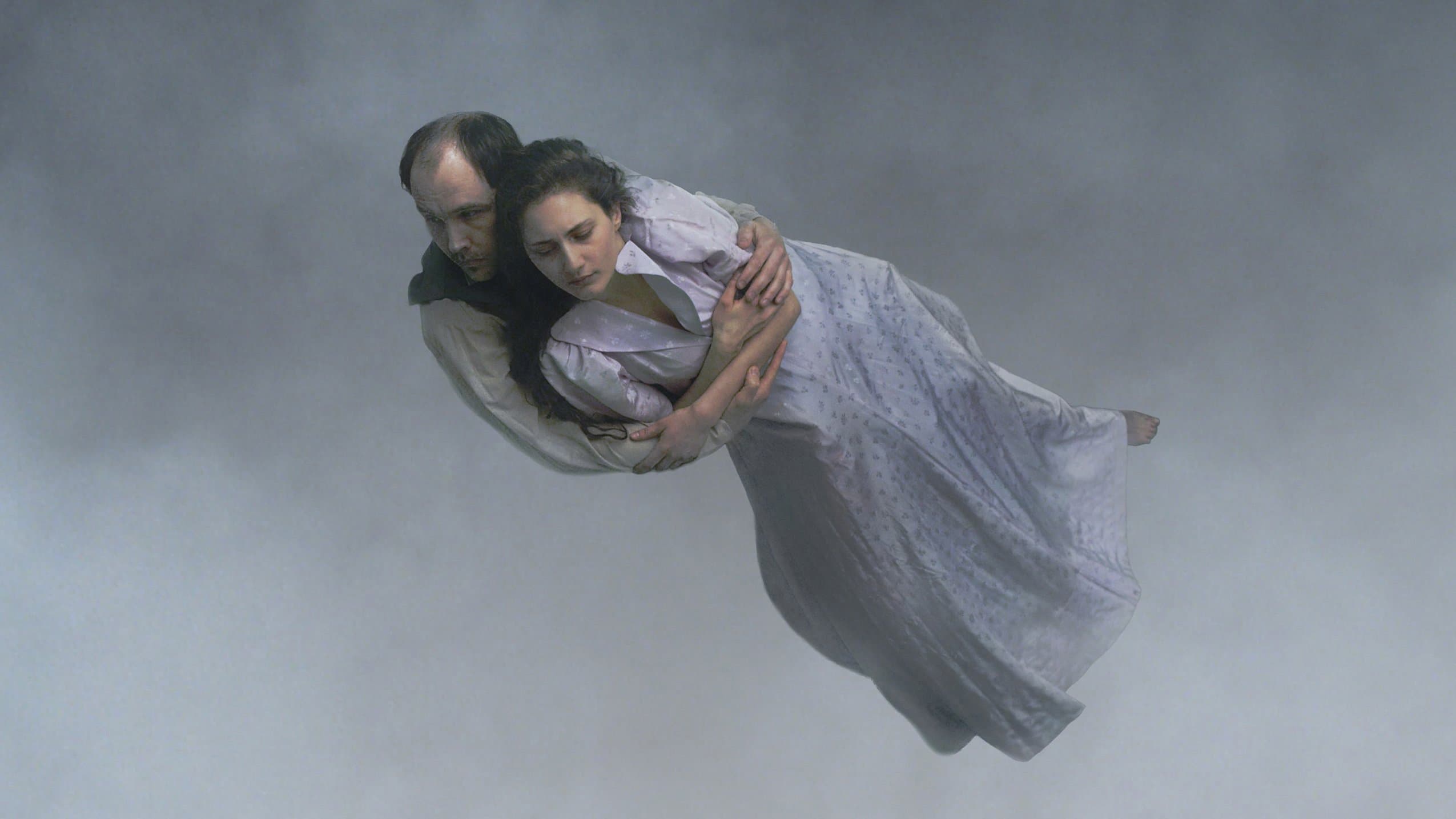
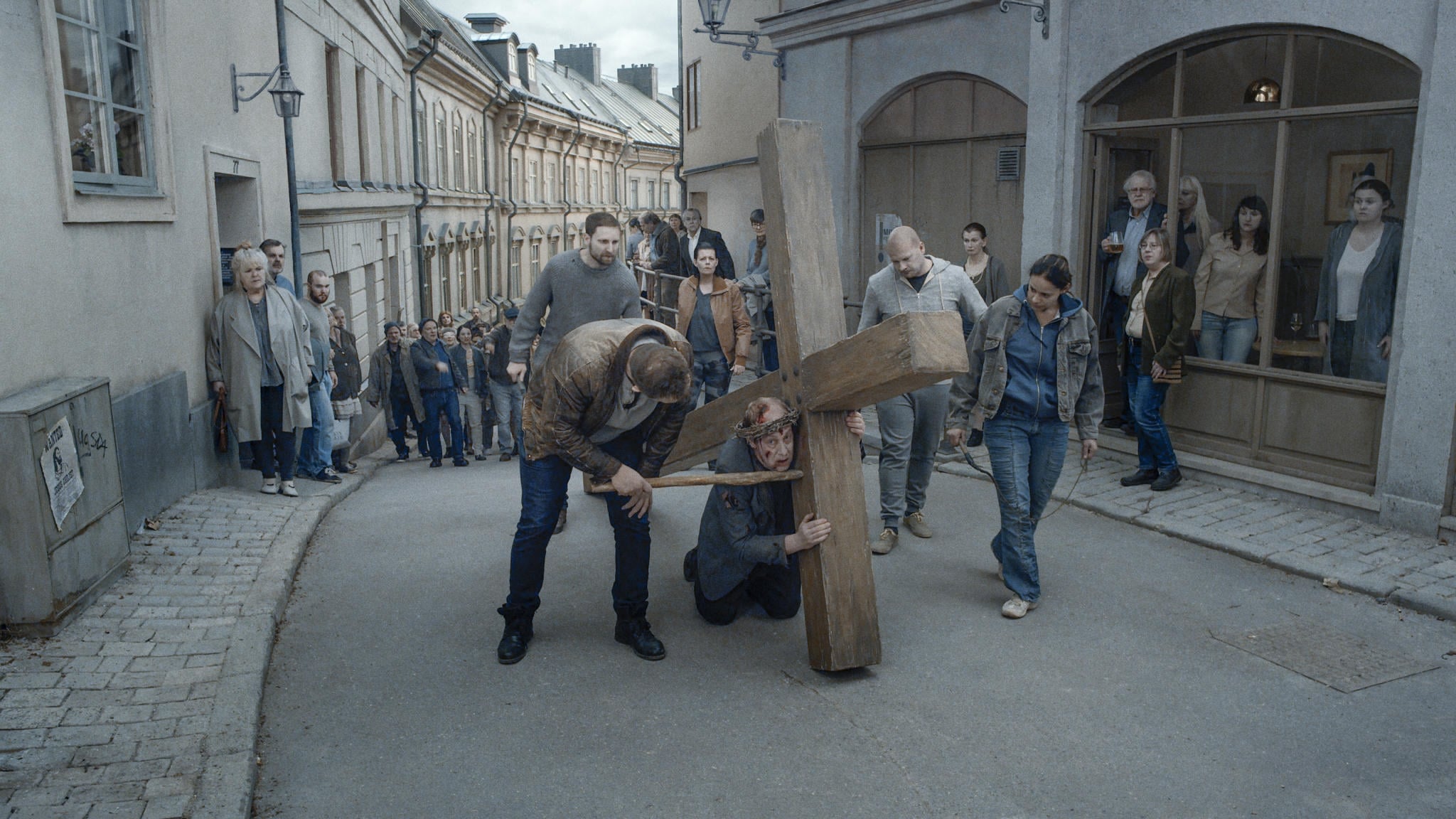
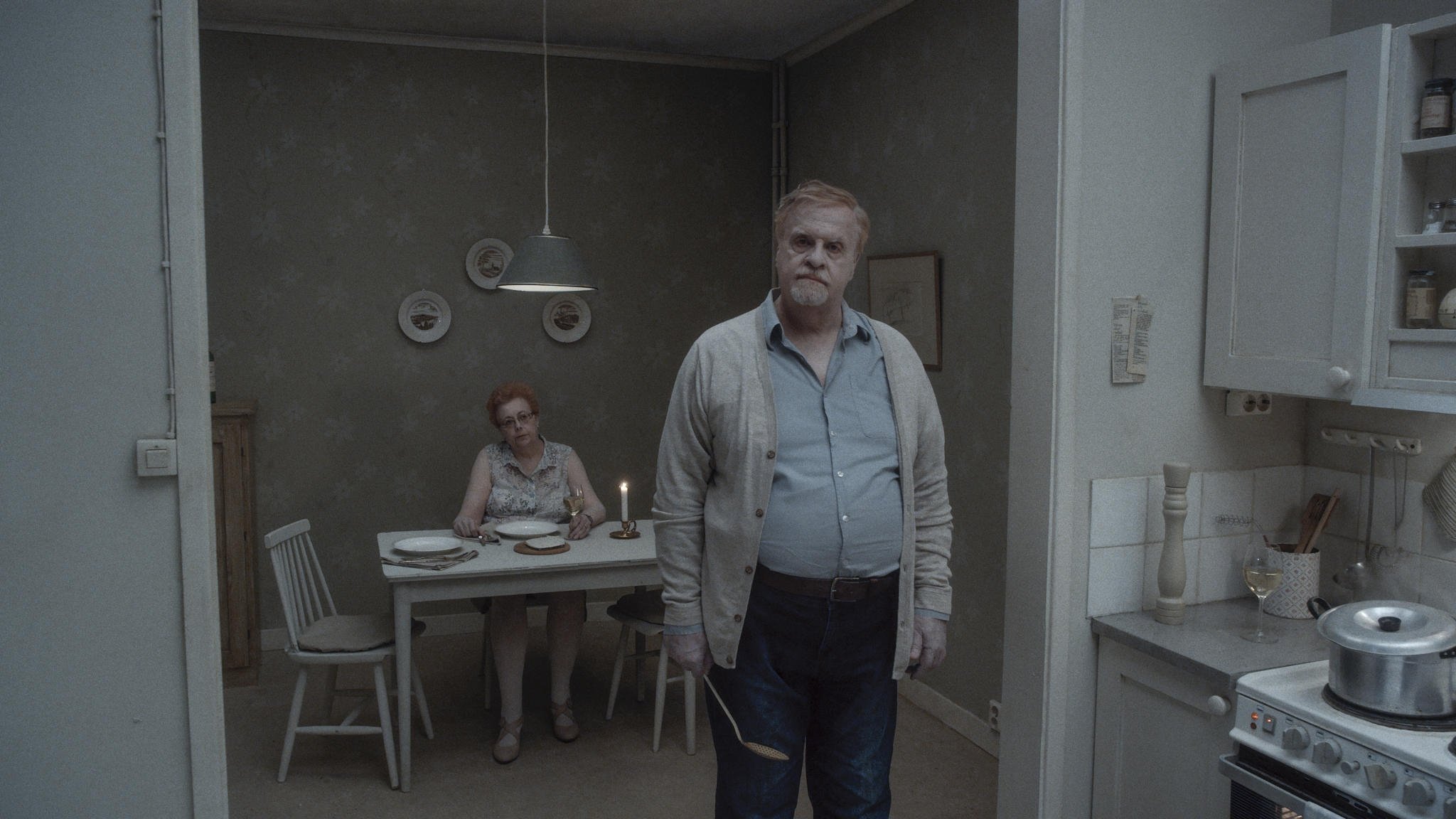
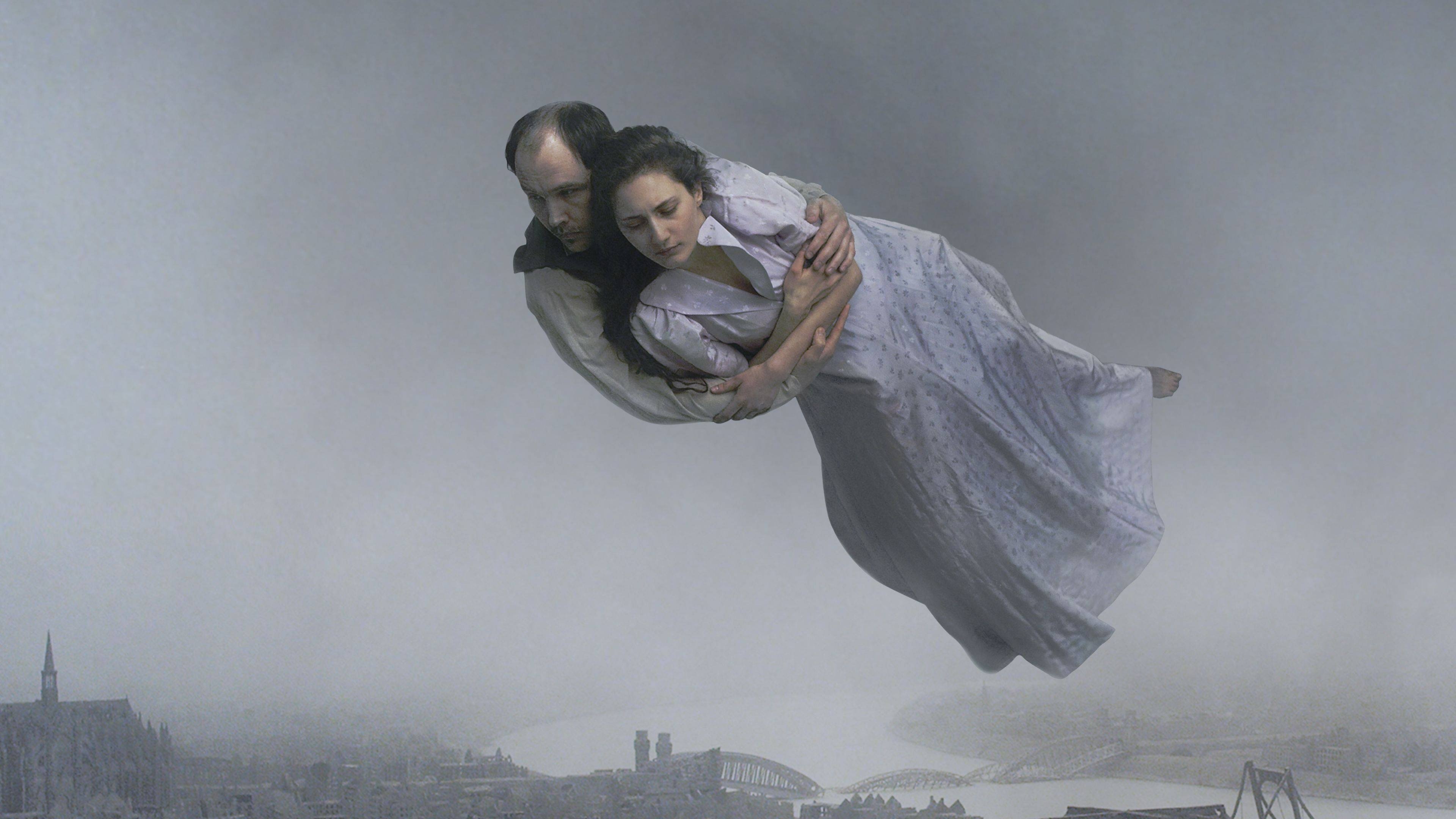
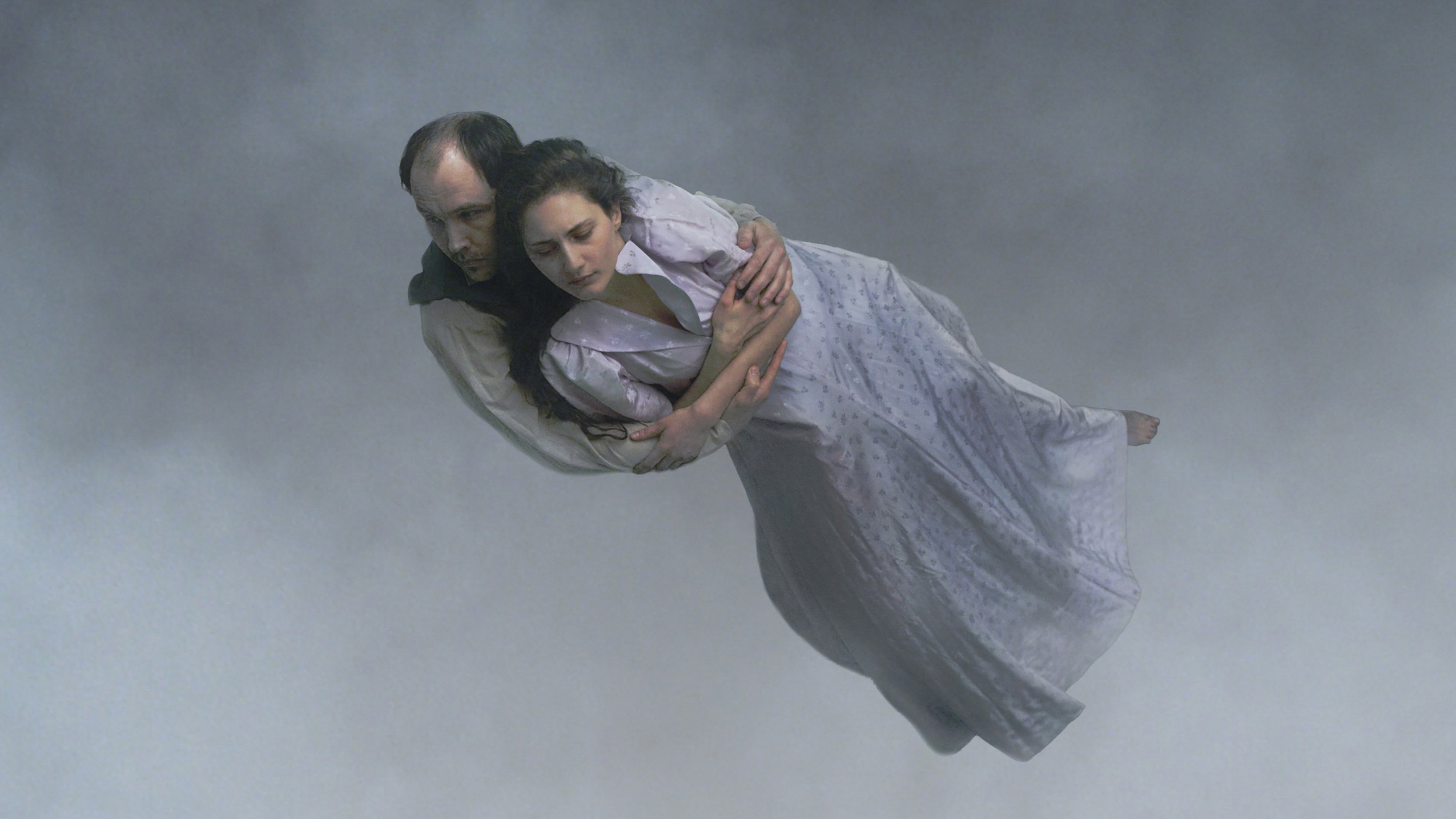
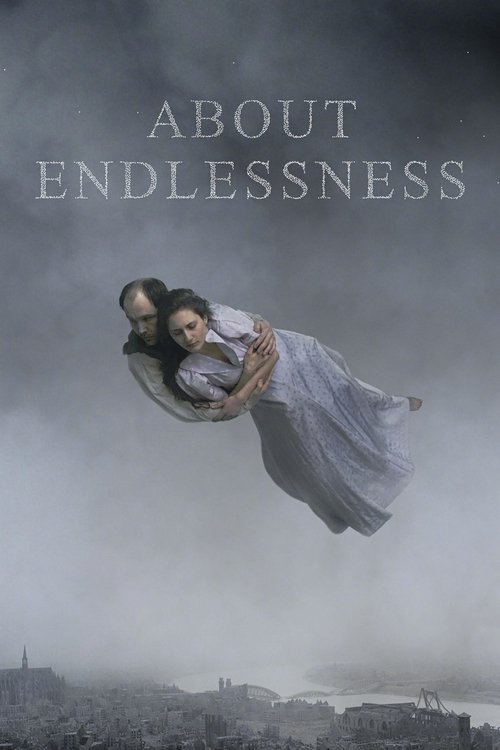
I haven’t watched a Roy Andersson film in a little while, he’s such an incredible auteur with such a unique and beautiful style. He’s one of the greatest filmmakers of the 21st century, that’s concrete in my books. This film, About Endlessness, is very sadly Andersson’s last project, and what a wonderful way to end his career. It’s a beautifully profound film, structured in his usual vignette style but this time with a deadpan female narrator guiding the film with her simple and repetitive statements, for example: “I saw a man who had lost his way”. I thought this use of narration was a fantastic touch that really helped with the poetic nature of the film. Every time I watch one of Andersson’s films I find myself staring in awe at the scenes he’s able to create; pretty much all of the scenes are created within a set, giving Andersson full creative freedom over his bleakly absurd world. I still can’t get over how strangely magical his style feels, it’s such a powerful and perfect thing, no one comes close to him in terms of confident uniqueness. I also wanted to touch on the various historical vignettes Andersson likes to include, from events like Hitler’s downfall to Siberian concentration camps, he captures it all in such a painting-like way that really reflects his attention to detail and overall emotional passion and understanding of the world. I’d love to see him direct a historical film, or a film set within a historical context, it’s a shame this was his last.
I love you Roy Andersson.
I haven’t watched a Roy Andersson film in a little while, he’s such an incredible auteur with such a unique and beautiful style. He’s one of the greatest filmmakers of the 21st century, that’s concrete in my books. This film, About Endlessness, is very sadly Andersson’s last project, and what a wonderful way to end his career. It’s a beautifully profound film, structured in his usual vignette style but this time with a deadpan female narrator guiding the film with her simple and repetitive statements, for example: “I saw a man who had lost his way”. I thought this use of narration was a fantastic touch that really helped with the poetic nature of the film. Every time I watch one of Andersson’s films I find myself staring in awe at the scenes he’s able to create; pretty much all of the scenes are created within a set, giving Andersson full creative freedom over his bleakly absurd world. I still can’t get over how strangely magical his style feels, it’s such a powerful and perfect thing, no one comes close to him in terms of confident uniqueness. I also wanted to touch on the various historical vignettes Andersson likes to include, from events like Hitler’s downfall to Siberian concentration camps, he captures it all in such a painting-like way that really reflects his attention to detail and overall emotional passion and understanding of the world. I’d love to see him direct a historical film, or a film set within a historical context, it’s a shame this was his last.
I love you Roy Andersson.