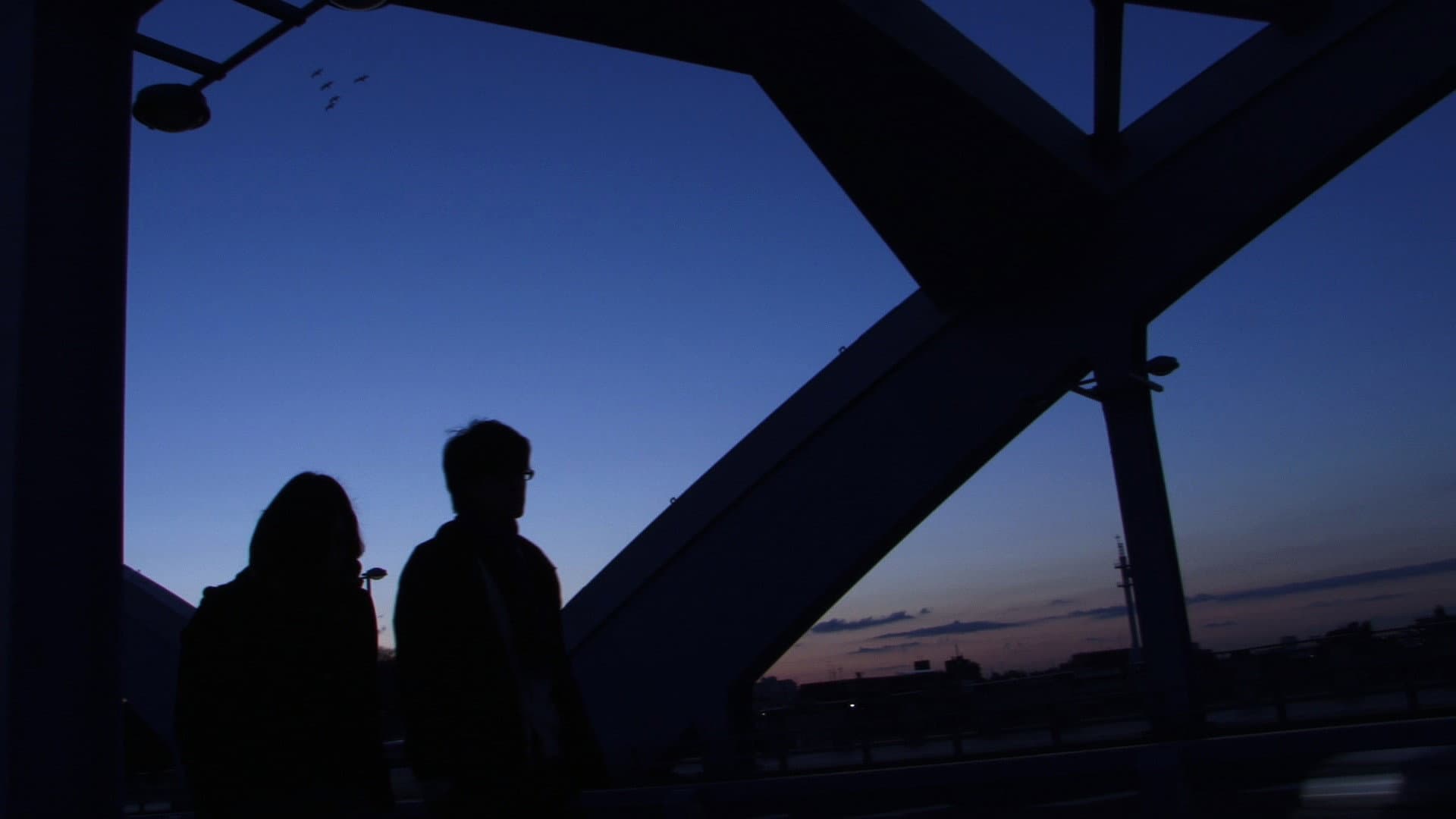
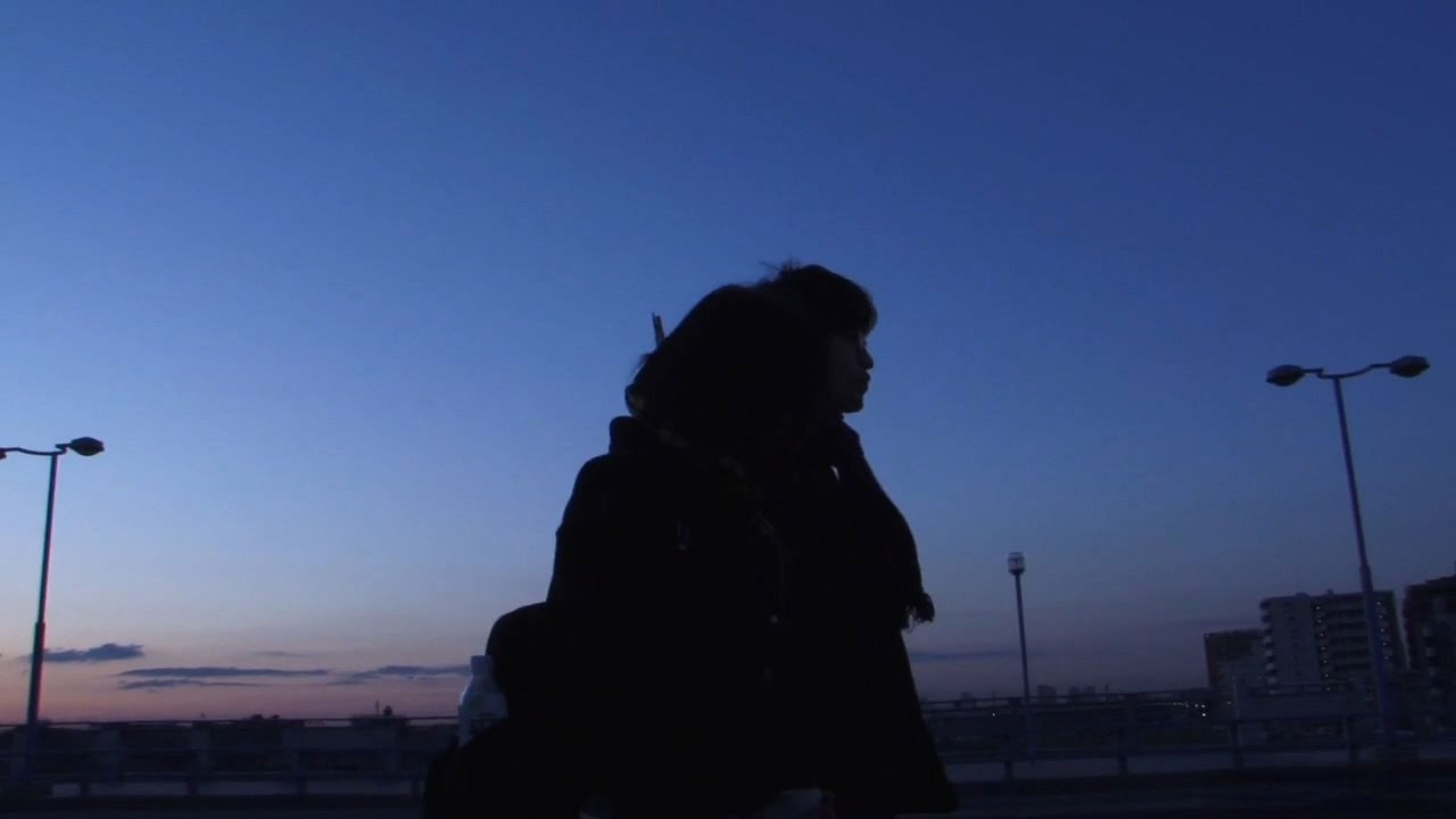
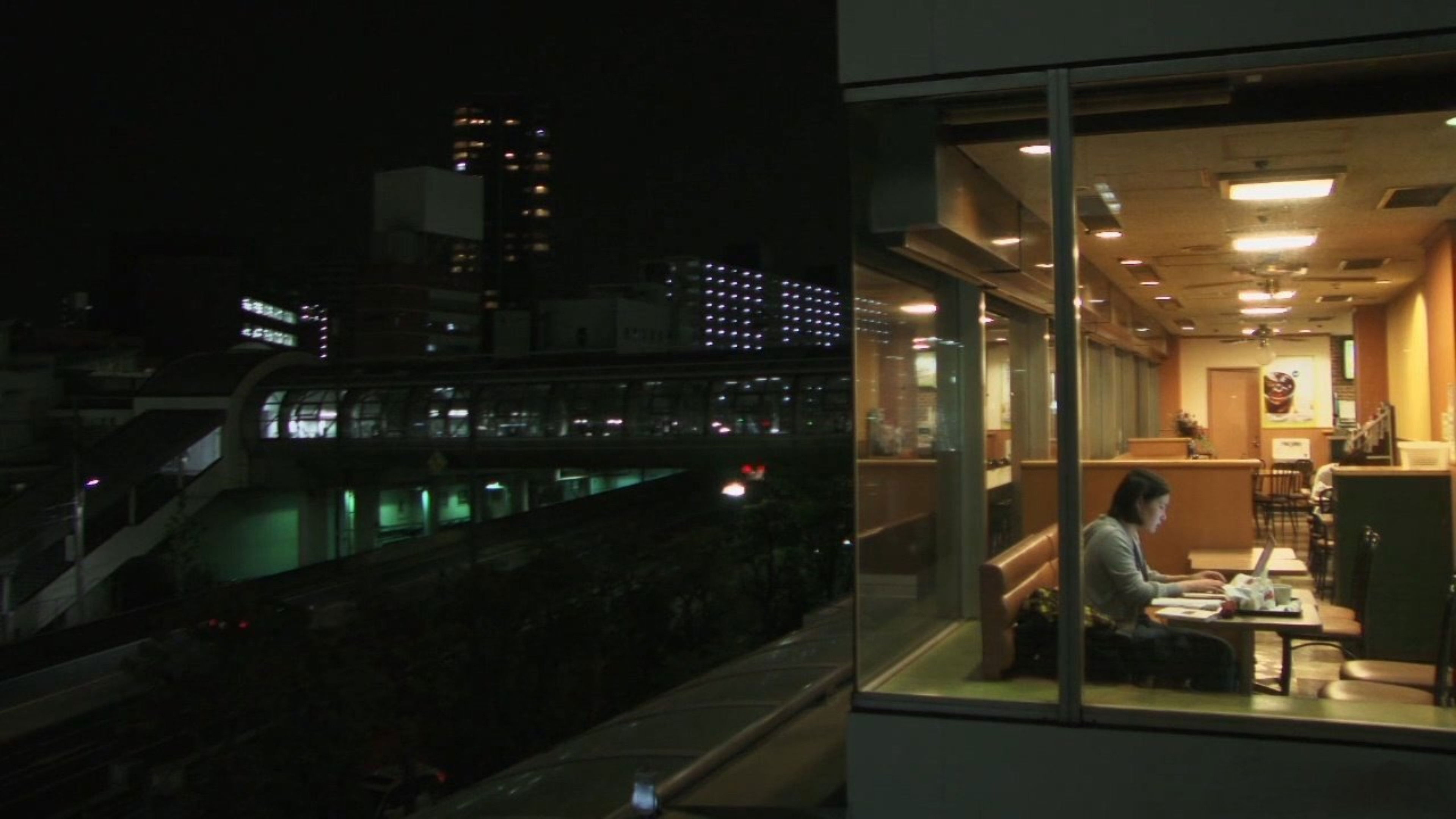
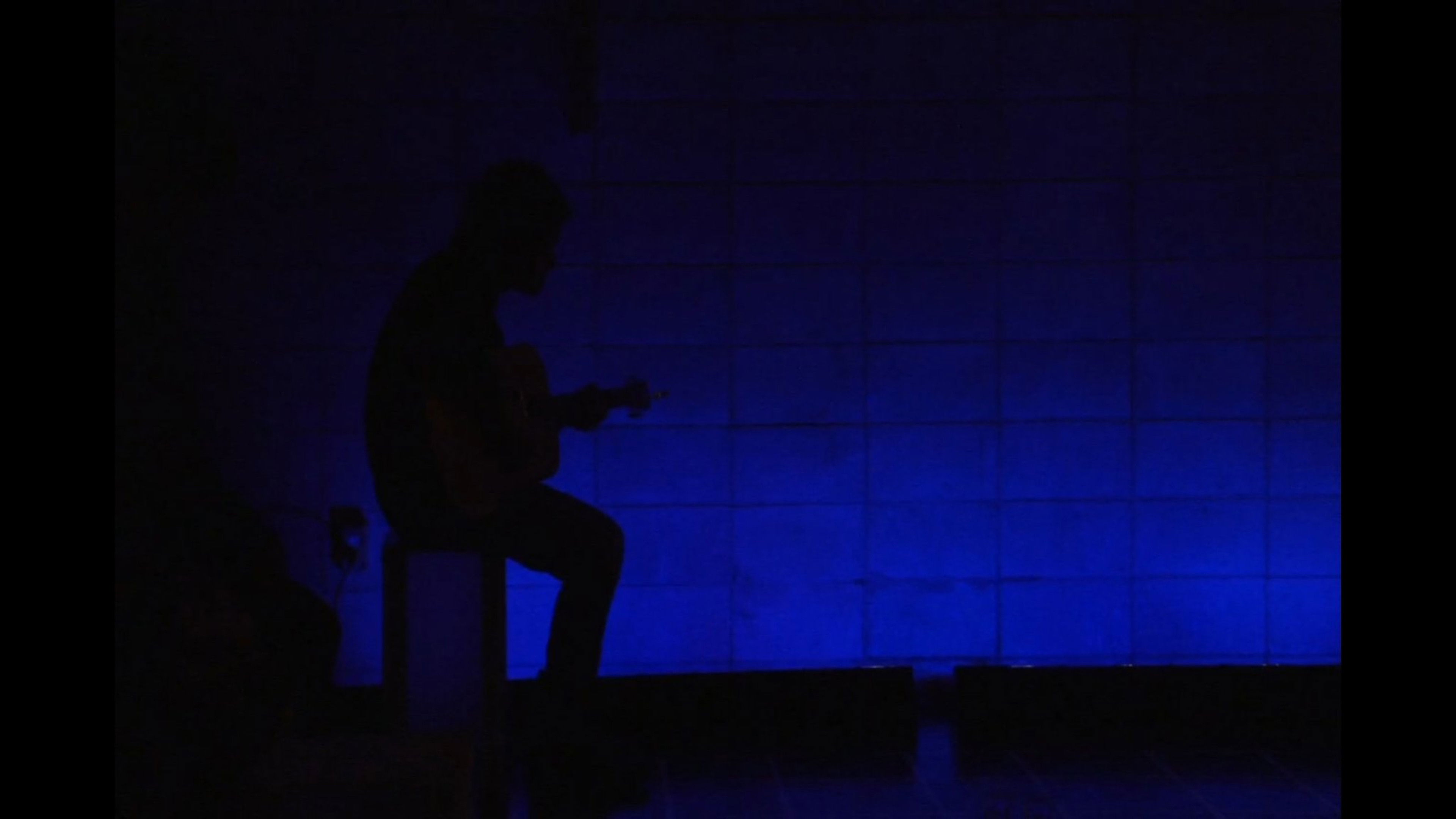
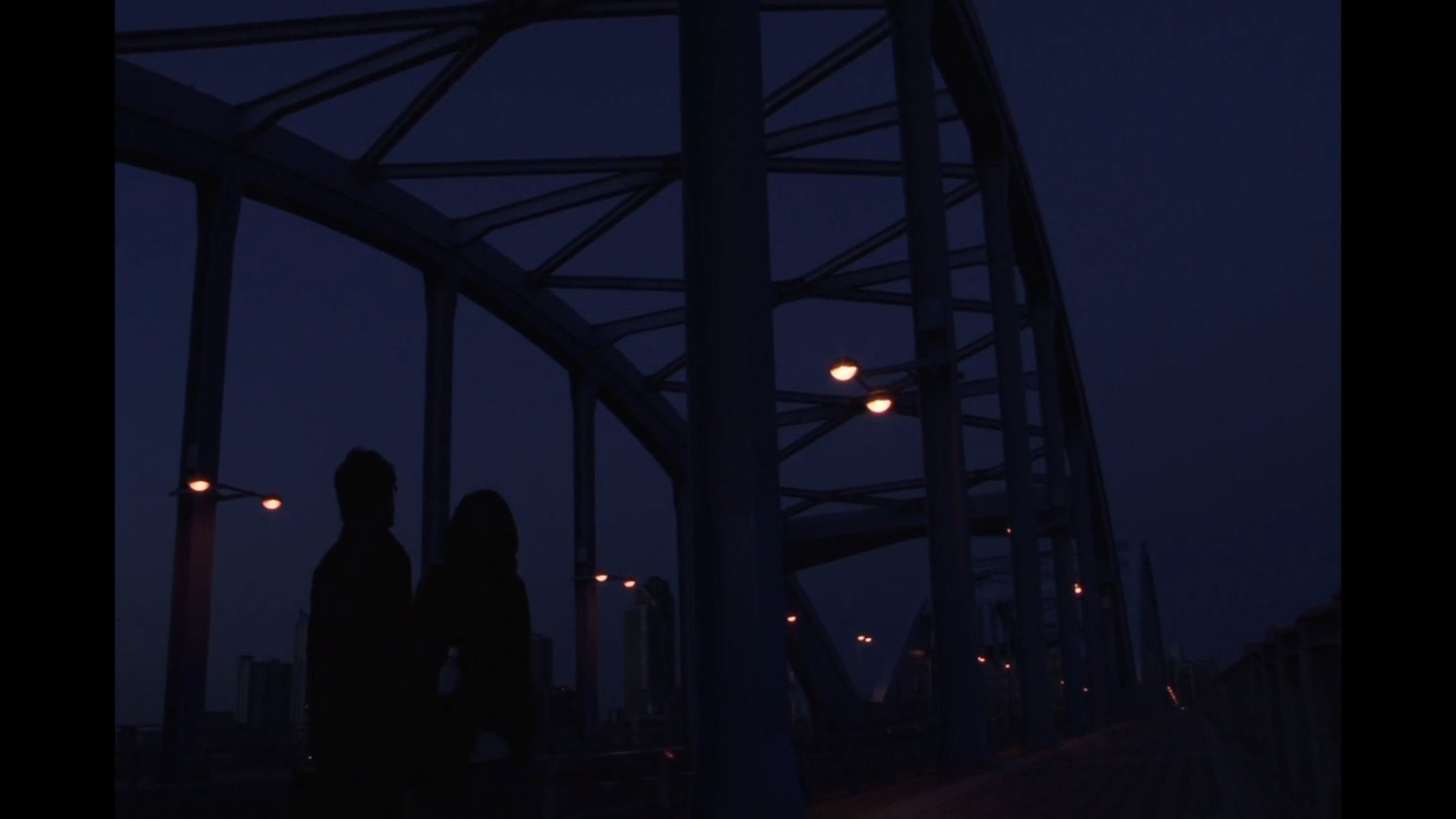
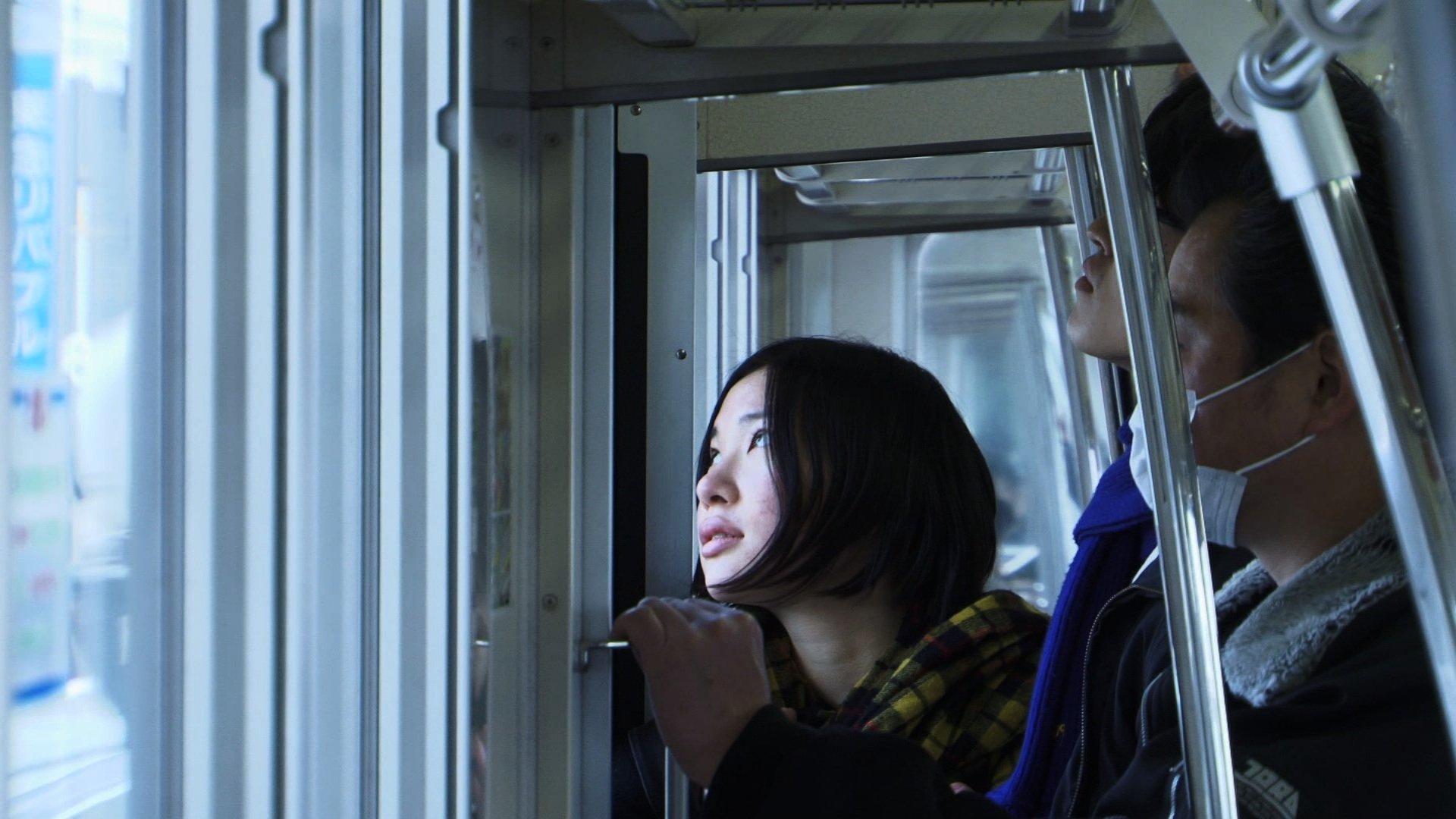
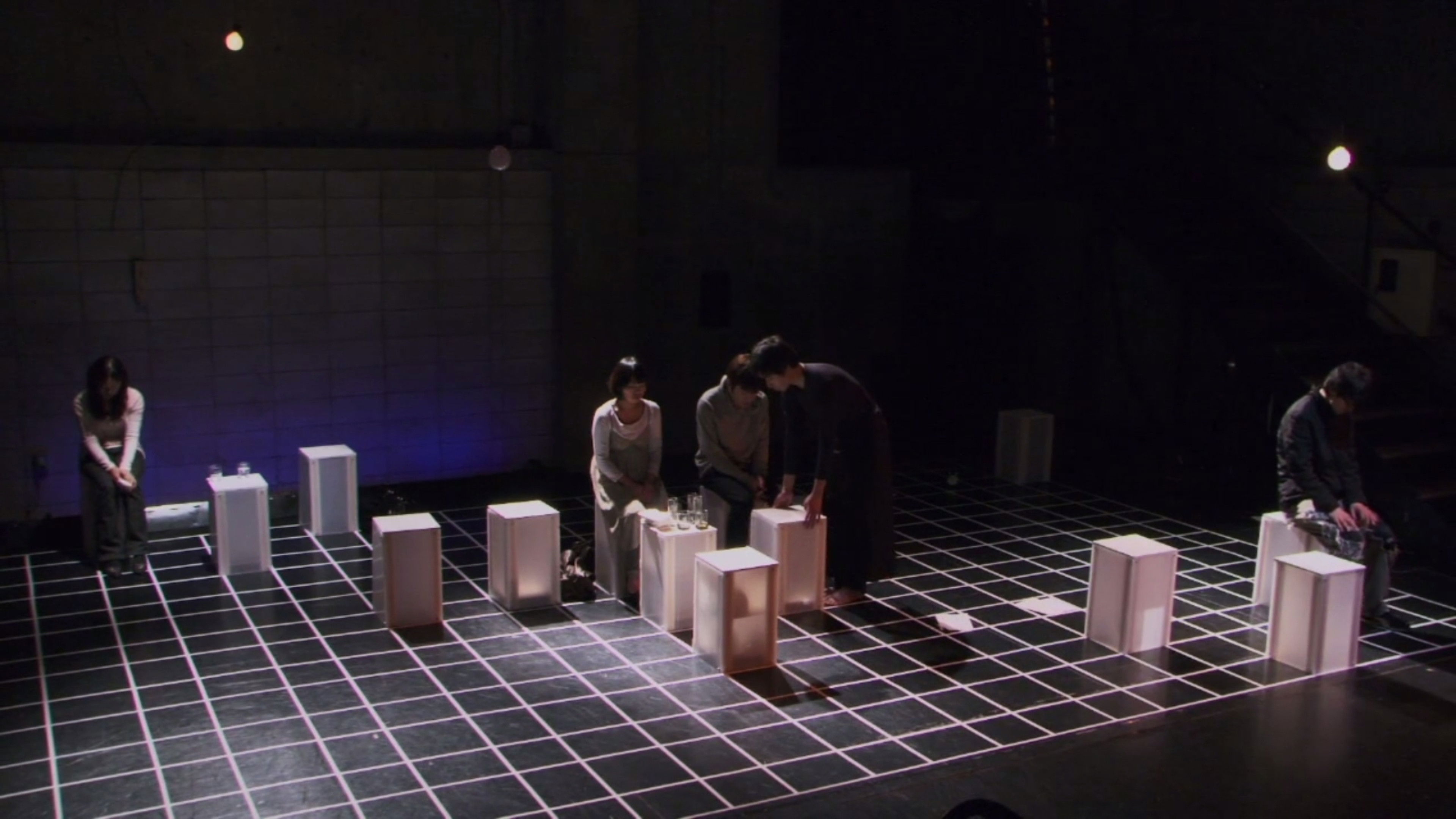
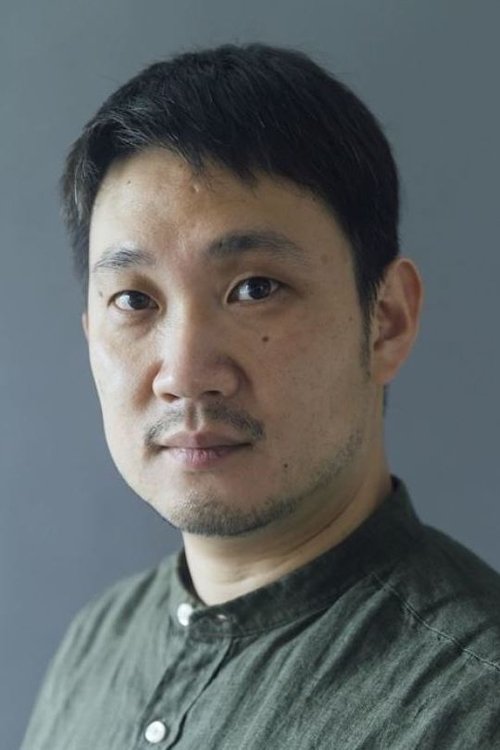
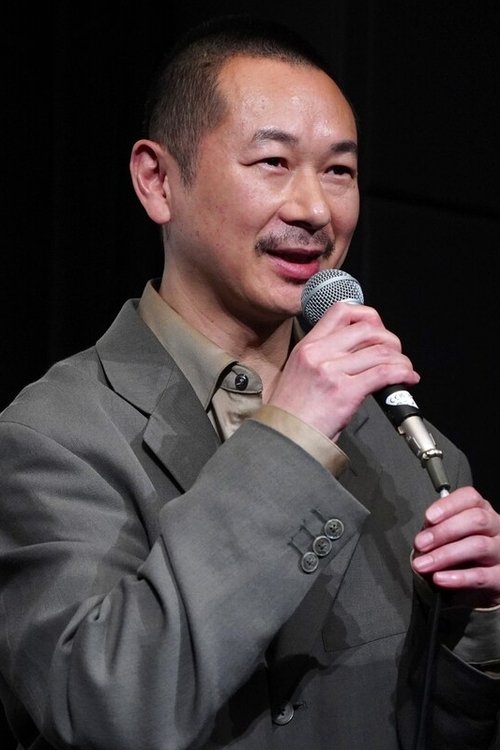
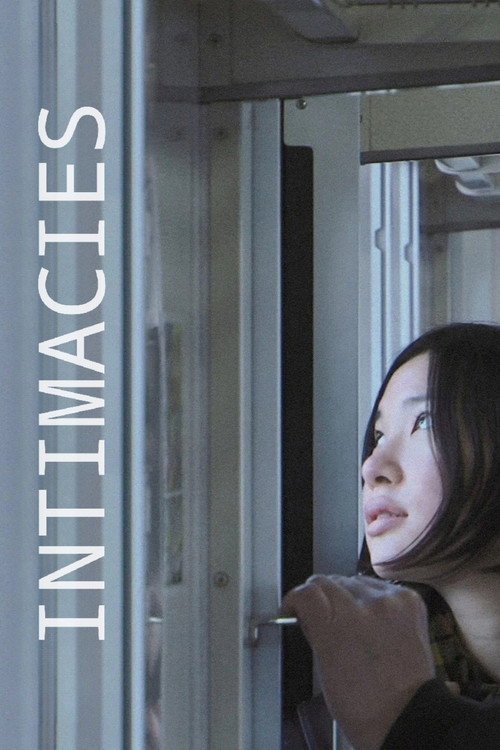
Director- Hammaguchi Ryusuke.This is the fifth film I have seen of his and so far none of them have been disappointments.This film revolves around the protagonist as she tries to make the play she's directing a success.The film feels like a much more raw version of Drive My Car, the film I consider to be Hamaguchi's magnum opus and which currently ranks sixth in my top 100.The film is split into three parts- the first half (1 hour 30 minutes) is set before the play is conducted and features a lot of backend information about how it is done and what problems arise during the endeavor. The second half (2 hours 30 minutes) is the whole play being conducted. The third half (15 minutes) is set as an epilogue and works as giving us a glimpse into the aftermath though due to its short time, couldn't give it satisfyingly due to lack of closure.Sitting through this film's runtime (4 hours 15 minutes) is a Herculean trial as it is in no way forgiving nor engaging for the most part.This is the first Hamaguchi film that made me feel its length frequently which prevents me from wholly being immersed and connecting with the characters.The first half works as a great blueprint in terms of understanding what goes on behind the art, and what sacrifices people make just to reach the next level. The protagonist ditches her thoughts of acting in her play after seeing how her acting is altering the tone of it. She is making it too serious with her emotions making it hit harder. She could have made it better with her superb skills but it wasn't the intended purpose.It also explores the themes of making actors act a certain way to push one's vision forward even if they appear mechanical and artificial. The film also explores ideas of how one closes oneself from the world to prevent being hurt. How one acts as if they have a strong exterior and that nothing fazes them when in reality they are but a kid on the inside, a kid who is scared about the future and how the world will treat them.The second half of the play revolves around the play being conducted. This is the point from where the film goes all in on introspection over accessibility, being educational over being enjoyable.The film can be considered as a separate one from this point as it is both visually and stylistically different. The play isn't shot interestingly and features minimal movement. Most of the time they are just sitting and talking if not narrating their poems. I haven't seen many plays so it might appear more interesting to someone who has I assume.The play explores themes of youth and adolescence and how it alters people by giving them a choice. A choice that can make or break them as a different individual. This is done as the people enter the real world and finally leave the safety net.It shows how different people take life head-on differently. Like a person who decides to close himself off from the world and has a bleaker outlook on life, while another decides to change himself into her, etc. Some people haven't become their own person yet and thus seek to understand how others did so by interacting with them.The roles are quite similar to the actors that are playing them and hence, the play acts as a way to give the characters development as well as make them multi-dimensional by fleshing them out.The camera thus blurs life between the screen and reality for them allowing them to evolve in front of a crowd.The film also features a war in the backdrop and features nationality sprinkled a bit at points. It also worked as a great ice breaker for the people to loosen up with each other.The interview segment in the fist half was quite interesting to watch.Overall, his is a highly experimental work that luckily paid off well enough.
Director- Hammaguchi Ryusuke.This is the fifth film I have seen of his and so far none of them have been disappointments.This film revolves around the protagonist as she tries to make the play she's directing a success.The film feels like a much more raw version of Drive My Car, the film I consider to be Hamaguchi's magnum opus and which currently ranks sixth in my top 100.The film is split into three parts- the first half (1 hour 30 minutes) is set before the play is conducted and features a lot of backend information about how it is done and what problems arise during the endeavor. The second half (2 hours 30 minutes) is the whole play being conducted. The third half (15 minutes) is set as an epilogue and works as giving us a glimpse into the aftermath though due to its short time, couldn't give it satisfyingly due to lack of closure.Sitting through this film's runtime (4 hours 15 minutes) is a Herculean trial as it is in no way forgiving nor engaging for the most part.This is the first Hamaguchi film that made me feel its length frequently which prevents me from wholly being immersed and connecting with the characters.The first half works as a great blueprint in terms of understanding what goes on behind the art, and what sacrifices people make just to reach the next level. The protagonist ditches her thoughts of acting in her play after seeing how her acting is altering the tone of it. She is making it too serious with her emotions making it hit harder. She could have made it better with her superb skills but it wasn't the intended purpose.It also explores the themes of making actors act a certain way to push one's vision forward even if they appear mechanical and artificial. The film also explores ideas of how one closes oneself from the world to prevent being hurt. How one acts as if they have a strong exterior and that nothing fazes them when in reality they are but a kid on the inside, a kid who is scared about the future and how the world will treat them.The second half of the play revolves around the play being conducted. This is the point from where the film goes all in on introspection over accessibility, being educational over being enjoyable.The film can be considered as a separate one from this point as it is both visually and stylistically different. The play isn't shot interestingly and features minimal movement. Most of the time they are just sitting and talking if not narrating their poems. I haven't seen many plays so it might appear more interesting to someone who has I assume.The play explores themes of youth and adolescence and how it alters people by giving them a choice. A choice that can make or break them as a different individual. This is done as the people enter the real world and finally leave the safety net.It shows how different people take life head-on differently. Like a person who decides to close himself off from the world and has a bleaker outlook on life, while another decides to change himself into her, etc. Some people haven't become their own person yet and thus seek to understand how others did so by interacting with them.The roles are quite similar to the actors that are playing them and hence, the play acts as a way to give the characters development as well as make them multi-dimensional by fleshing them out.The camera thus blurs life between the screen and reality for them allowing them to evolve in front of a crowd.The film also features a war in the backdrop and features nationality sprinkled a bit at points. It also worked as a great ice breaker for the people to loosen up with each other.The interview segment in the fist half was quite interesting to watch.Overall, his is a highly experimental work that luckily paid off well enough.