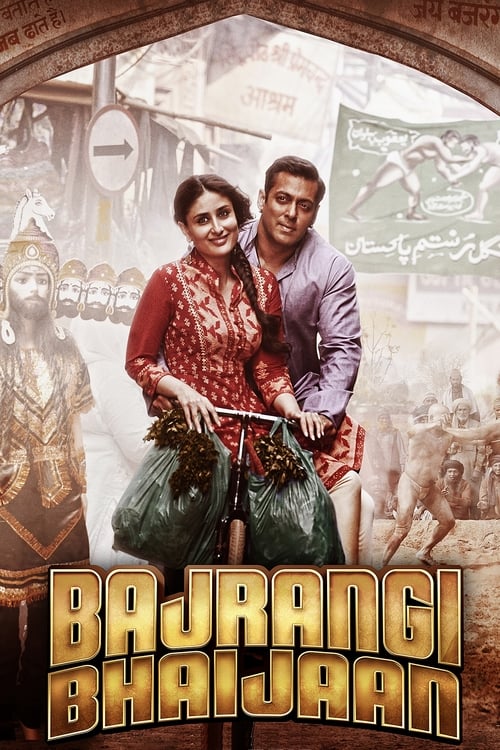

Bajrangi Bhaijaan feels like a film accidentally smuggled out of a parallel Bollywood timeline one where writers are still allowed to believe humans are, in fact, human.
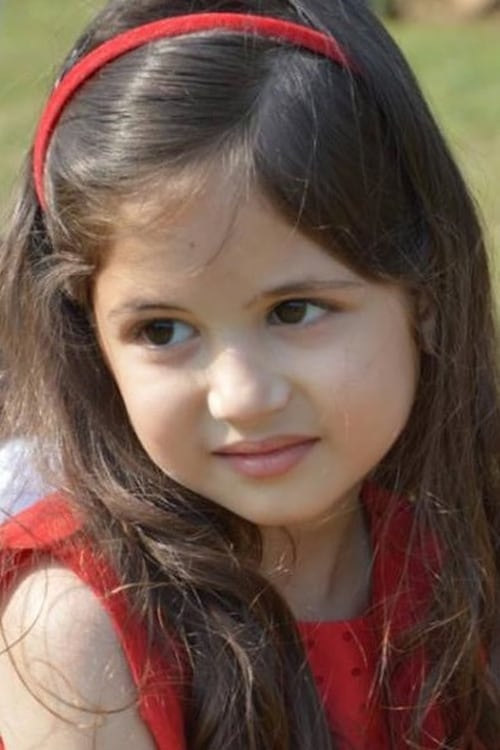
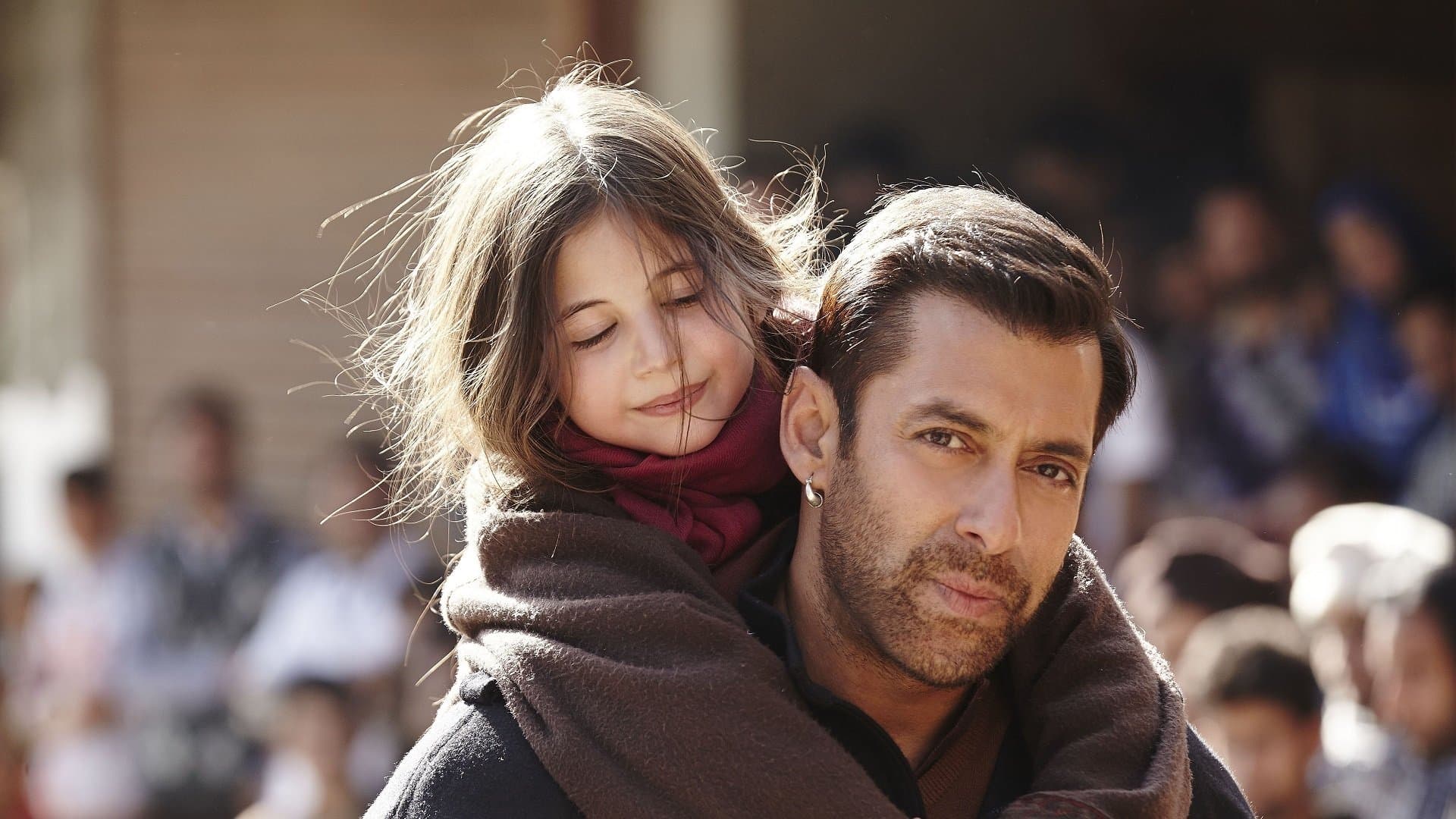
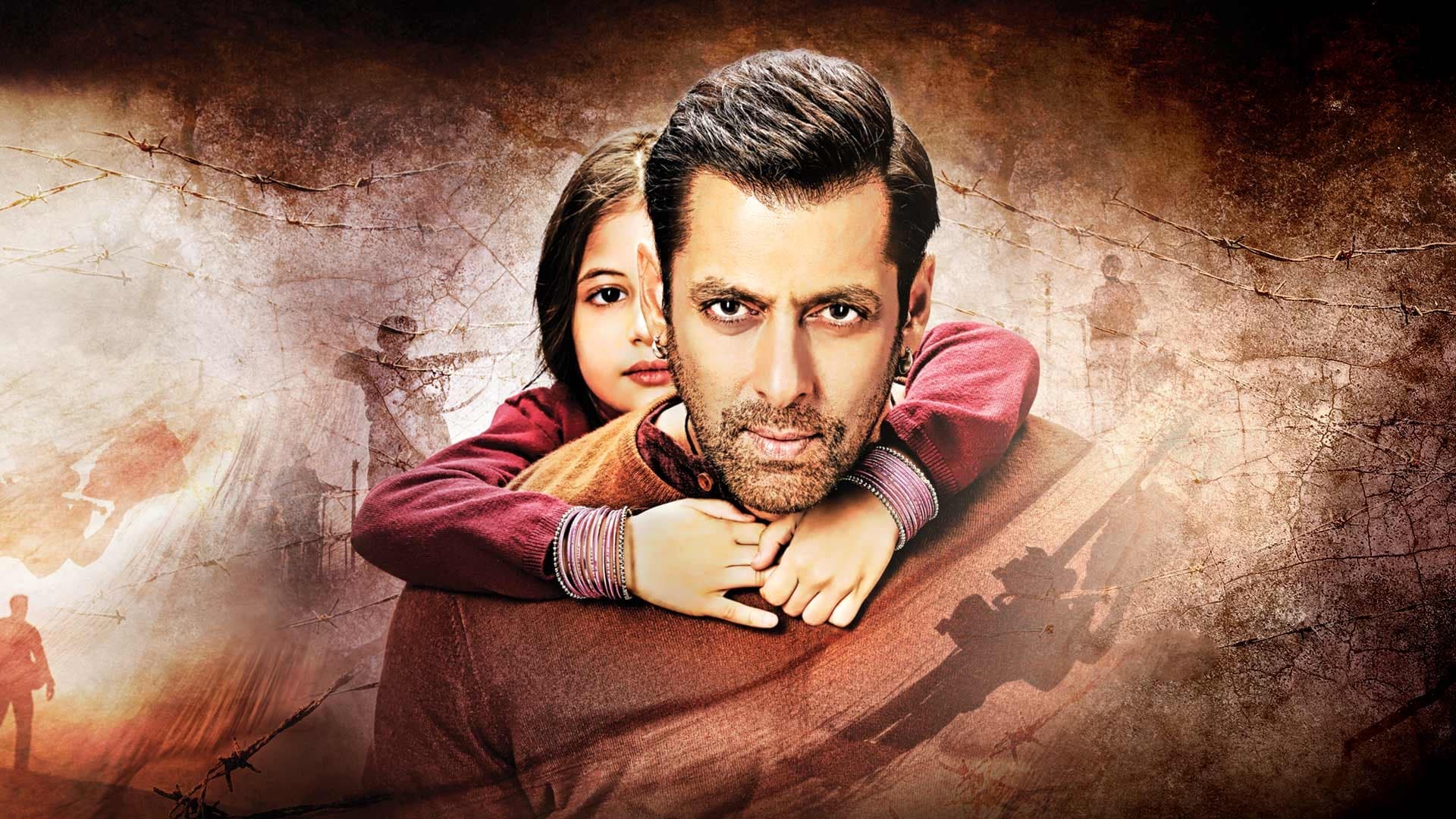
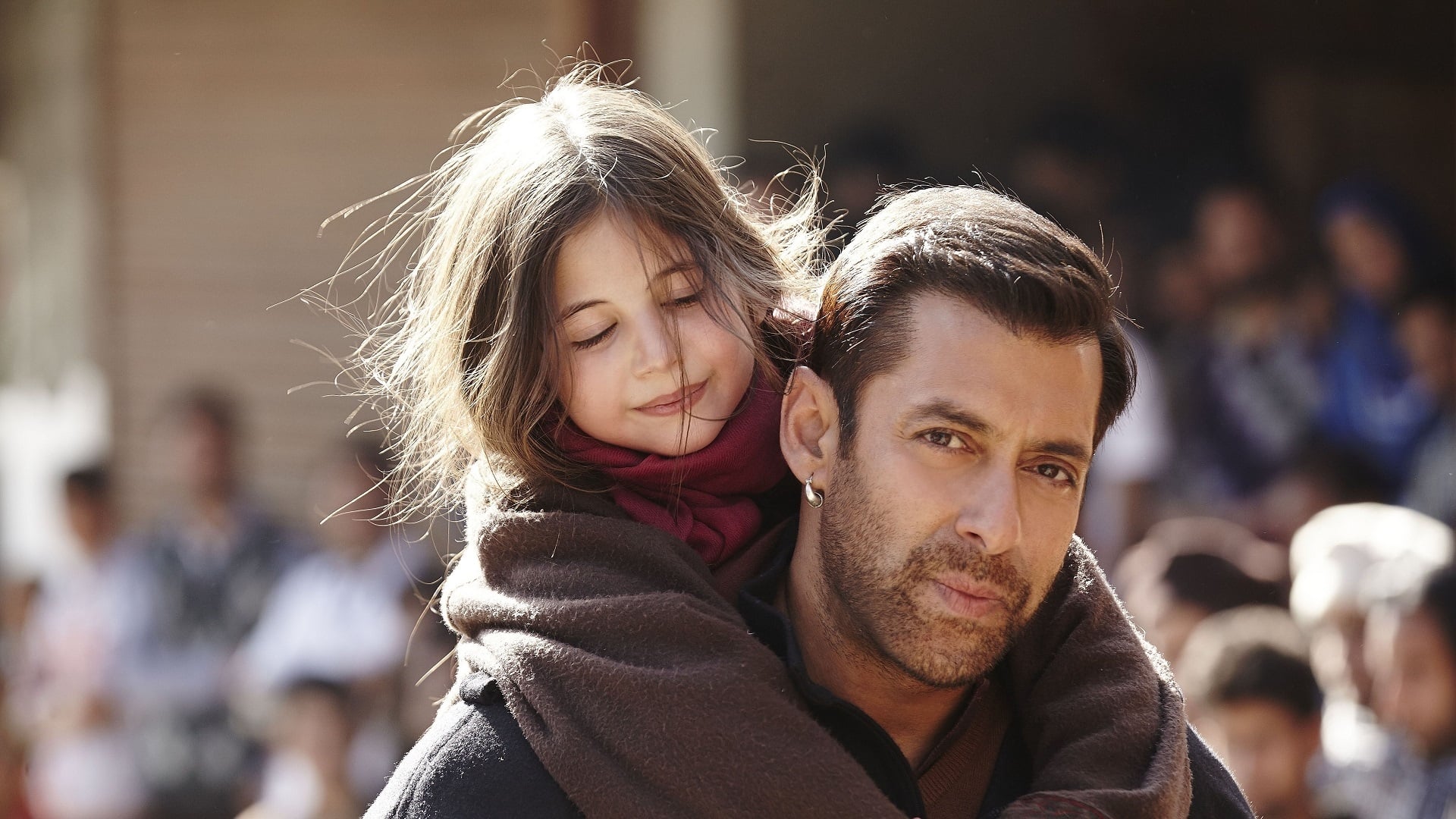
It's about a child who does't need dialogue, a man who doesn't need translation.
What makes it hit harder is that the softness isn't naive it's defiant. In a world obsessed with turning borders into personality traits, this film insists on something almost subversive, that people are not their flags.
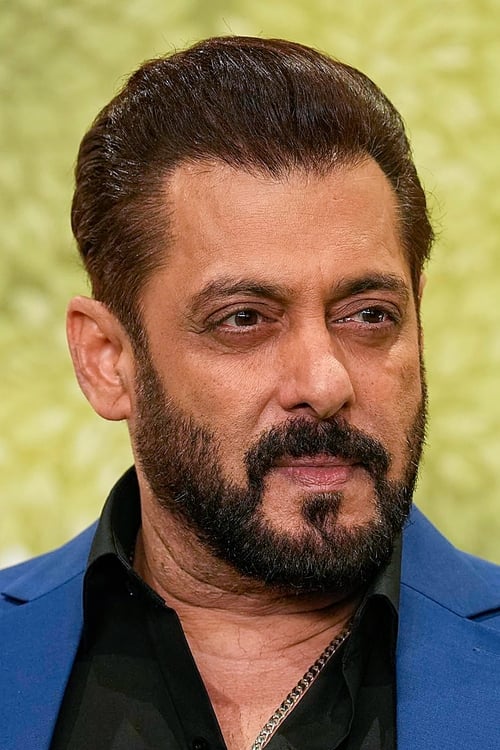
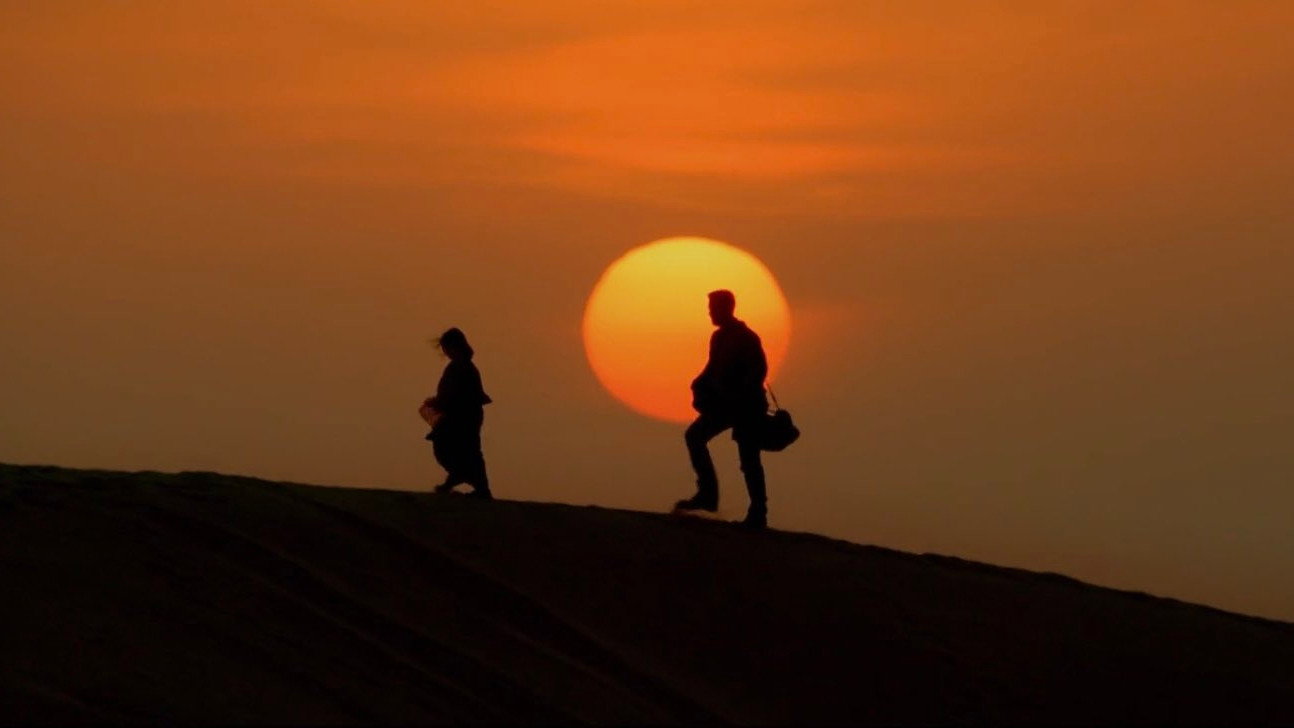
Like why is a man just casually walking a Pakistani child home with zero agenda except "she deserves to go back"? His character isn't just kind he carries innocence like it's his language and the world like it's still worth trusting.
And maybe that's why it stands out so much. Not because it's unrealistic, but because it feels like Bollywood briefly remembered it was capable of telling stories without checking with the national mood board first.
Bajrangi Bhaijaan feels like a film accidentally smuggled out of a parallel Bollywood timeline one where writers are still allowed to believe humans are, in fact, human.
It's about a child who does't need dialogue, a man who doesn't need translation.
What makes it hit harder is that the softness isn't naive it's defiant. In a world obsessed with turning borders into personality traits, this film insists on something almost subversive, that people are not their flags.
Like why is a man just casually walking a Pakistani child home with zero agenda except "she deserves to go back"? His character isn't just kind he carries innocence like it's his language and the world like it's still worth trusting.
And maybe that's why it stands out so much. Not because it's unrealistic, but because it feels like Bollywood briefly remembered it was capable of telling stories without checking with the national mood board first.