

1966·Crime·1h 26m
7.1
★
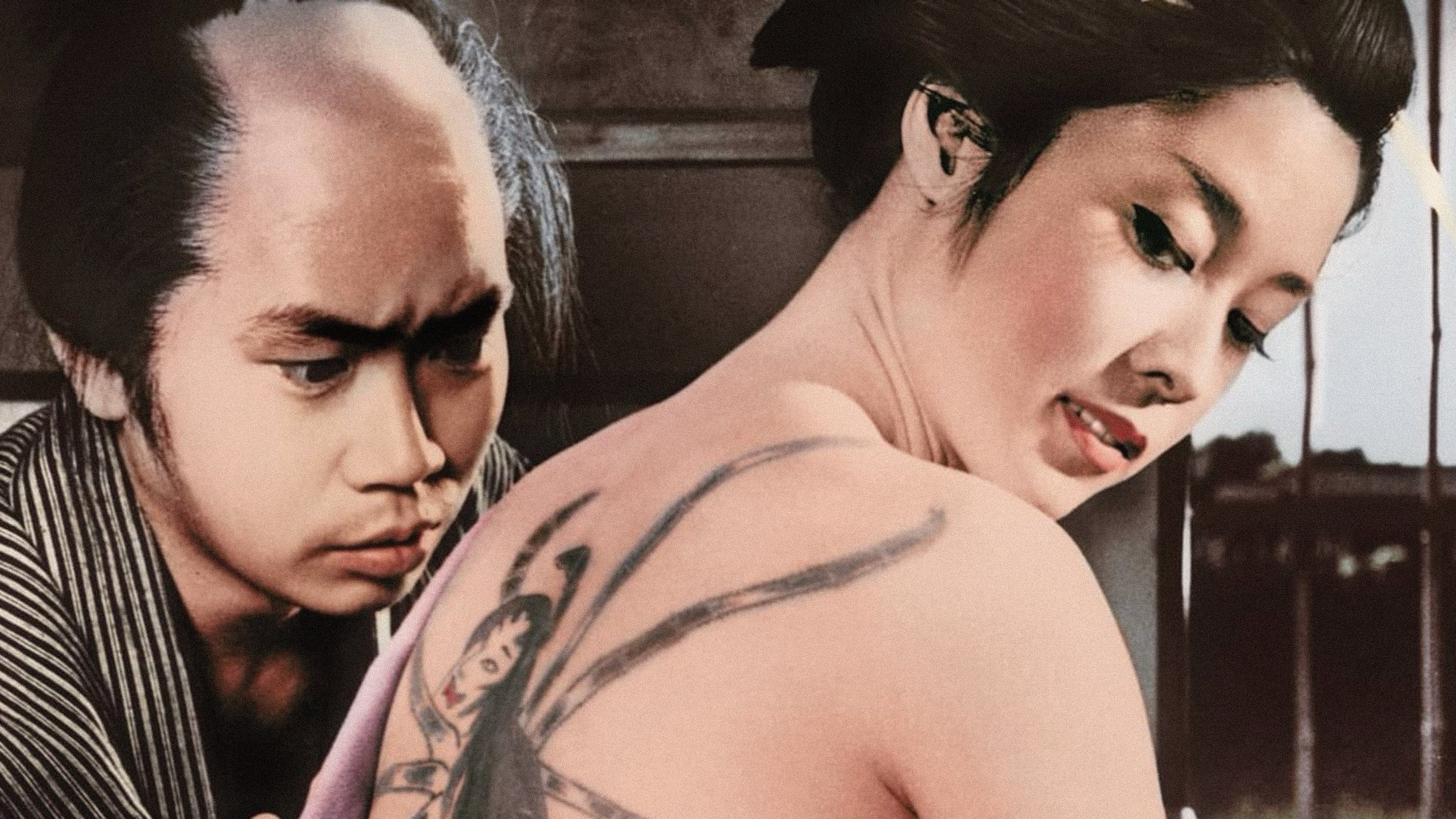
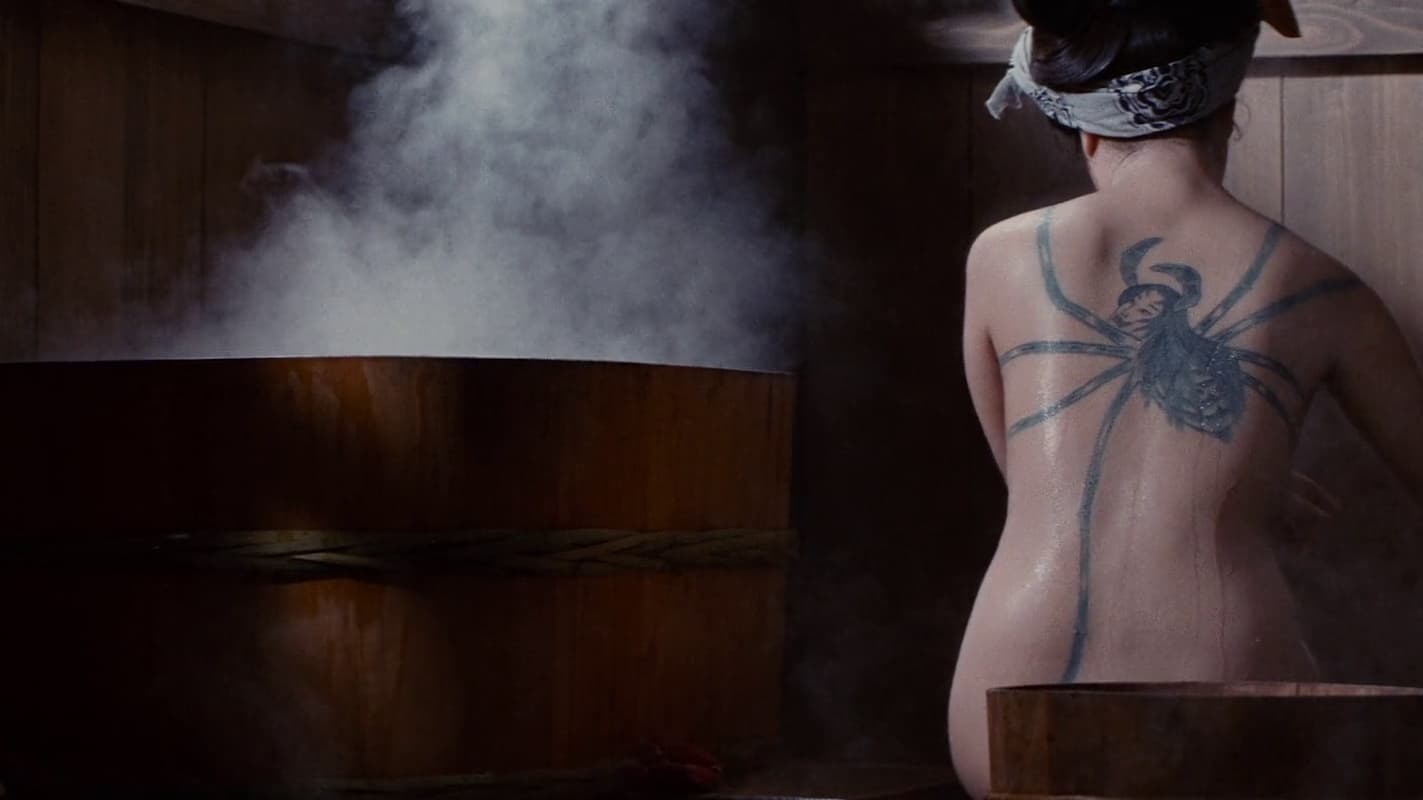
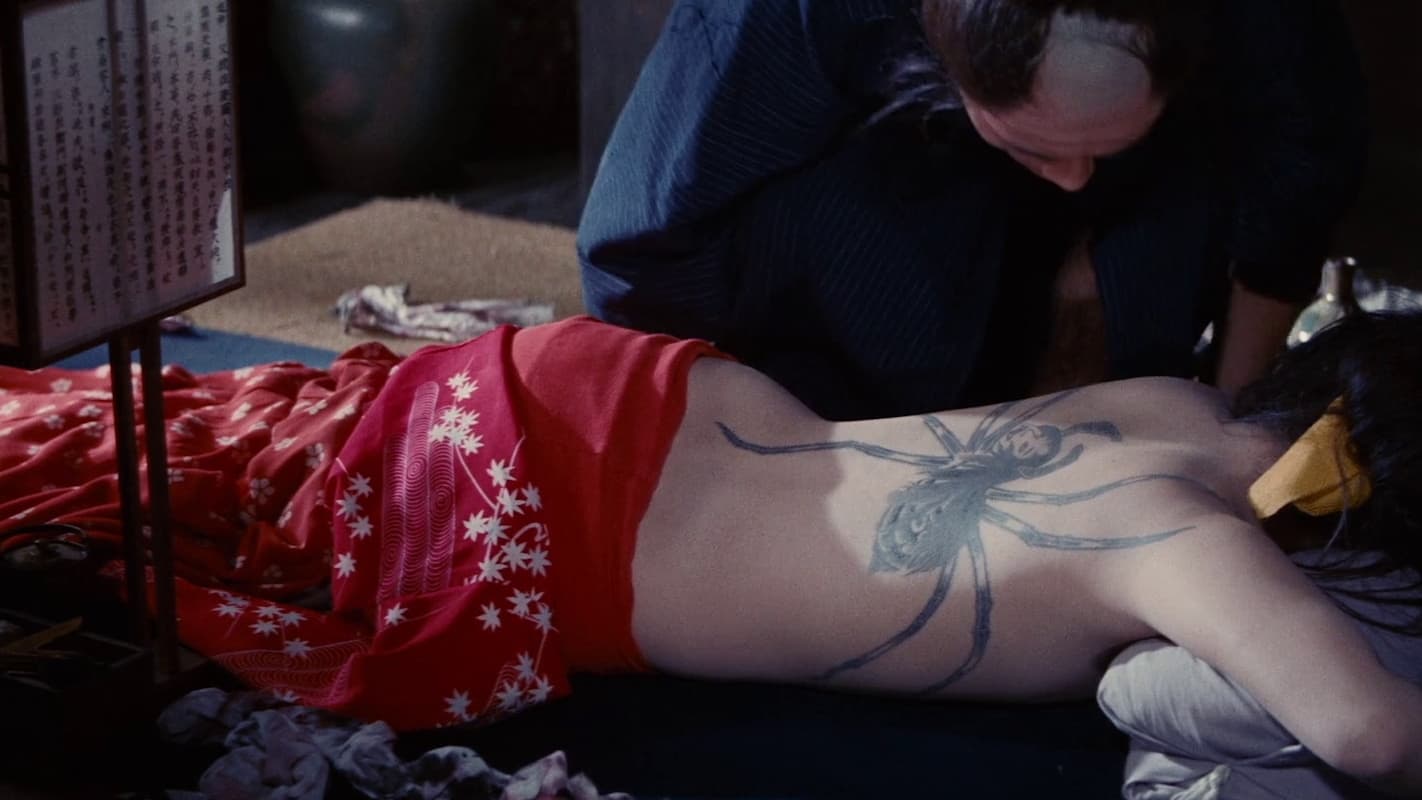
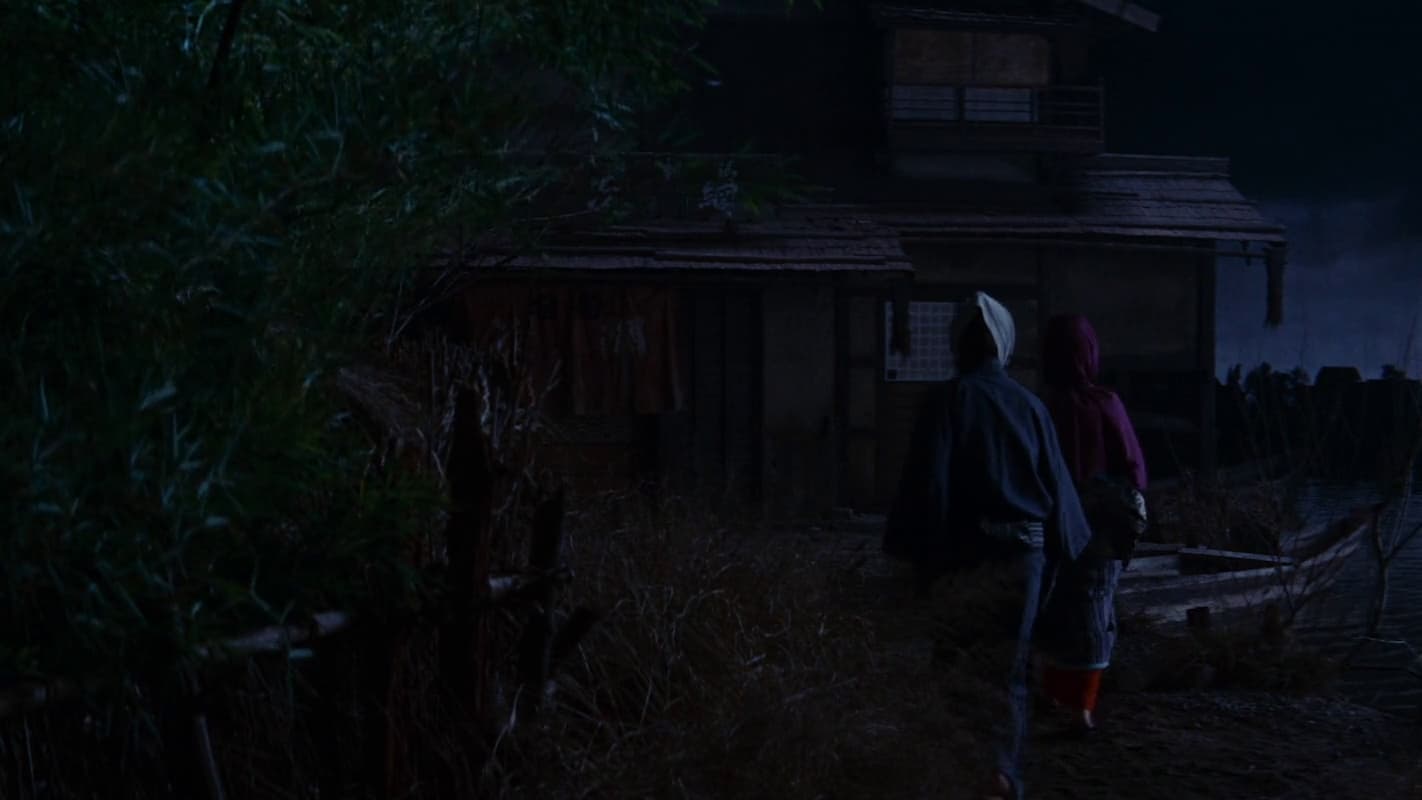
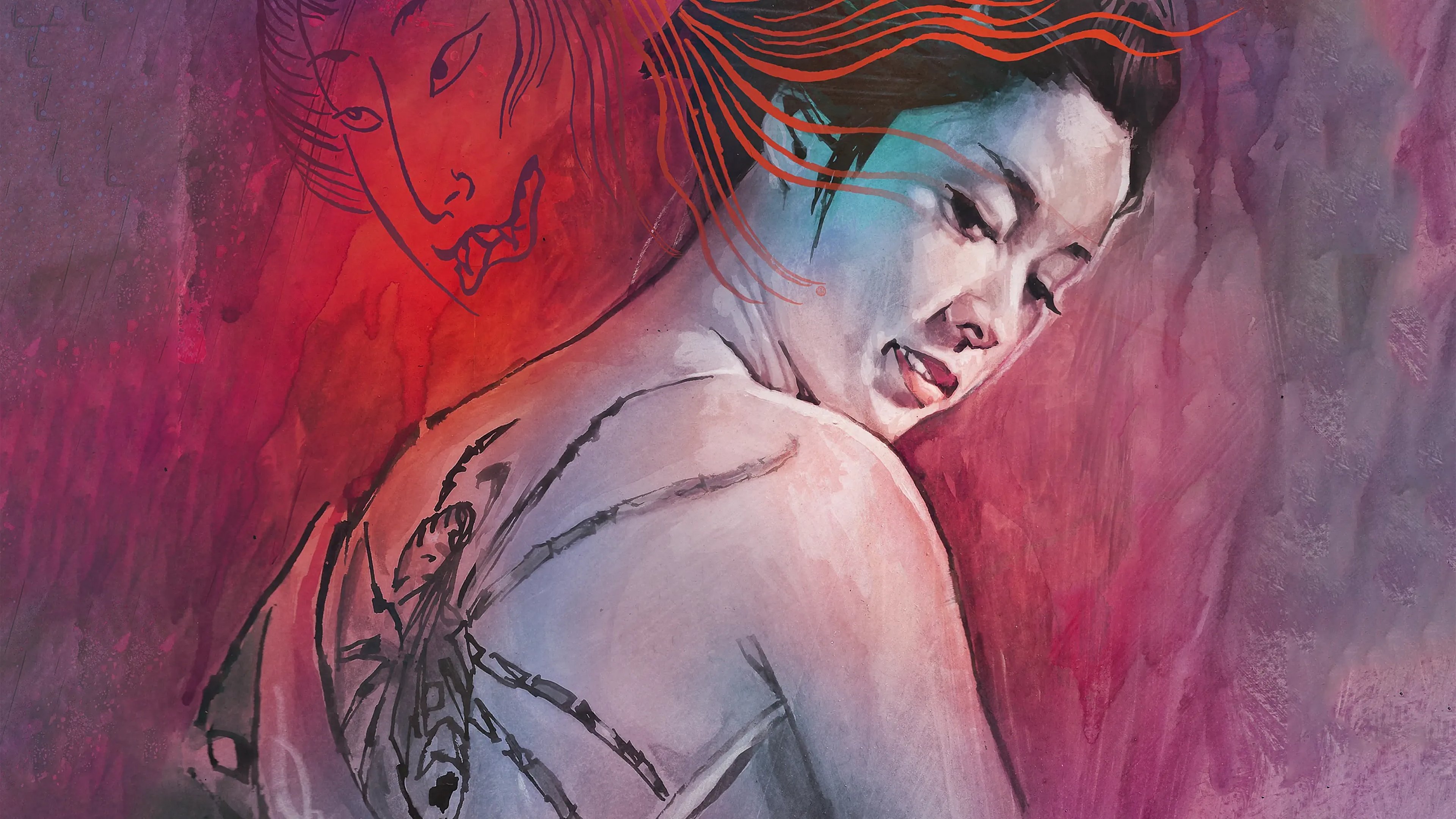
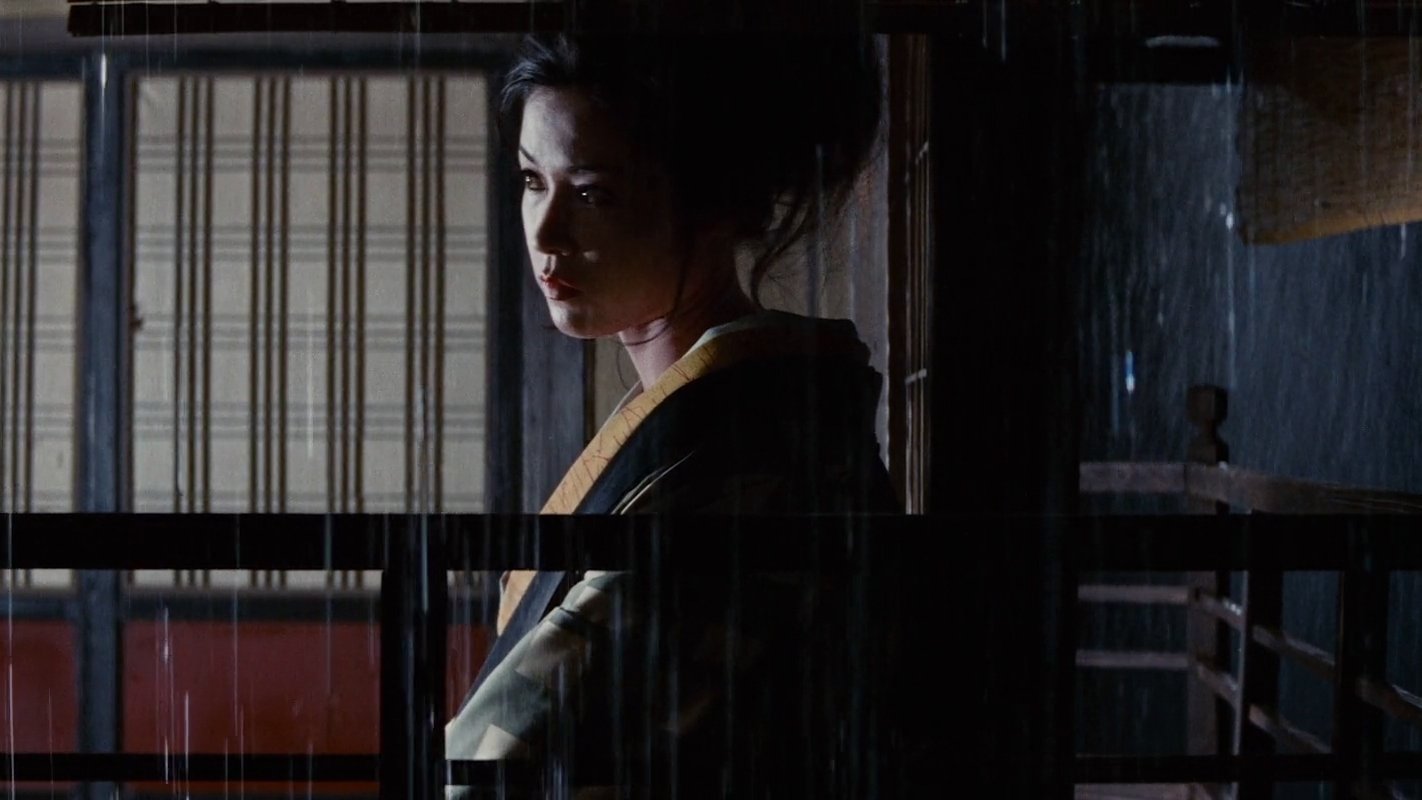
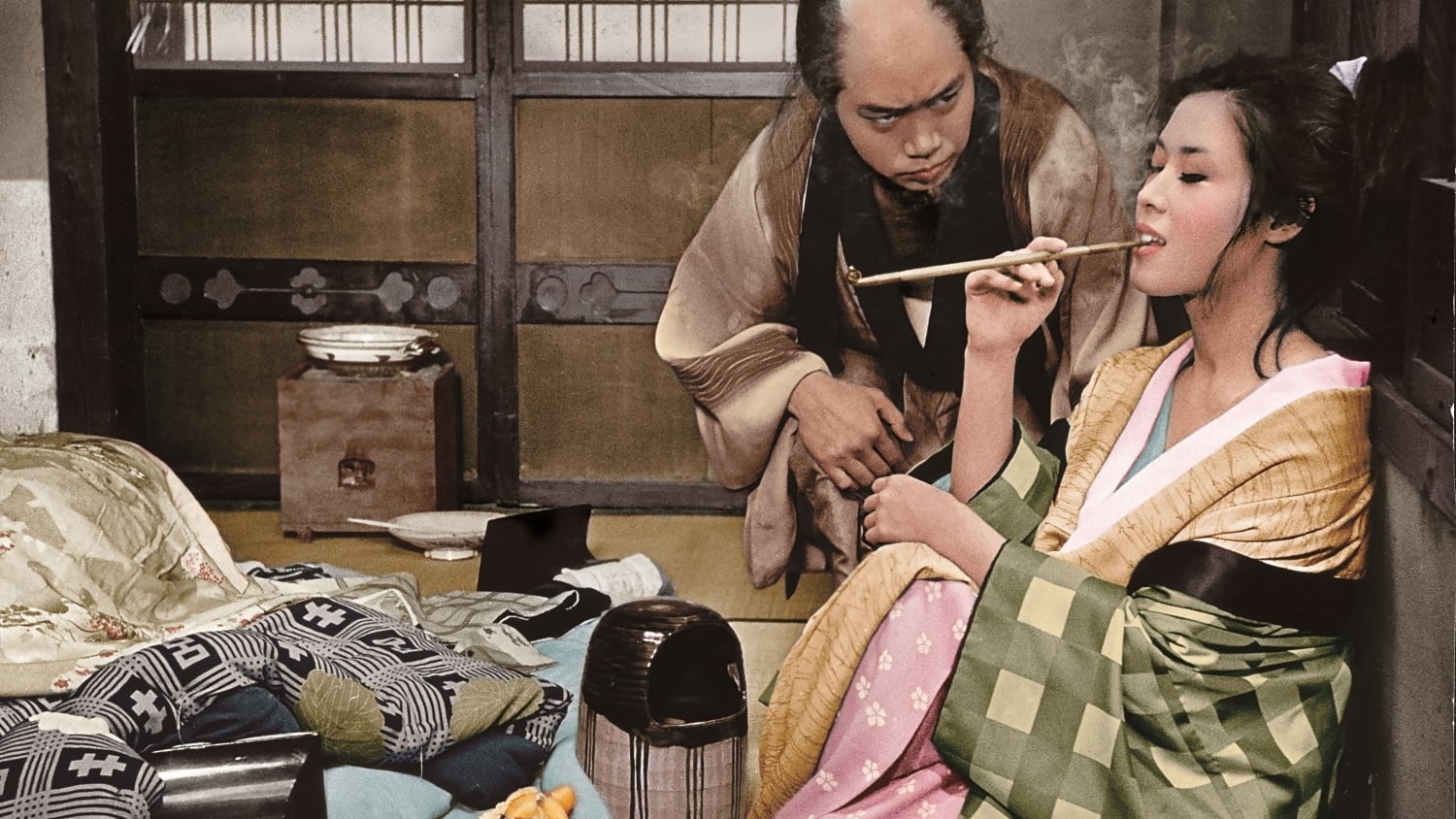
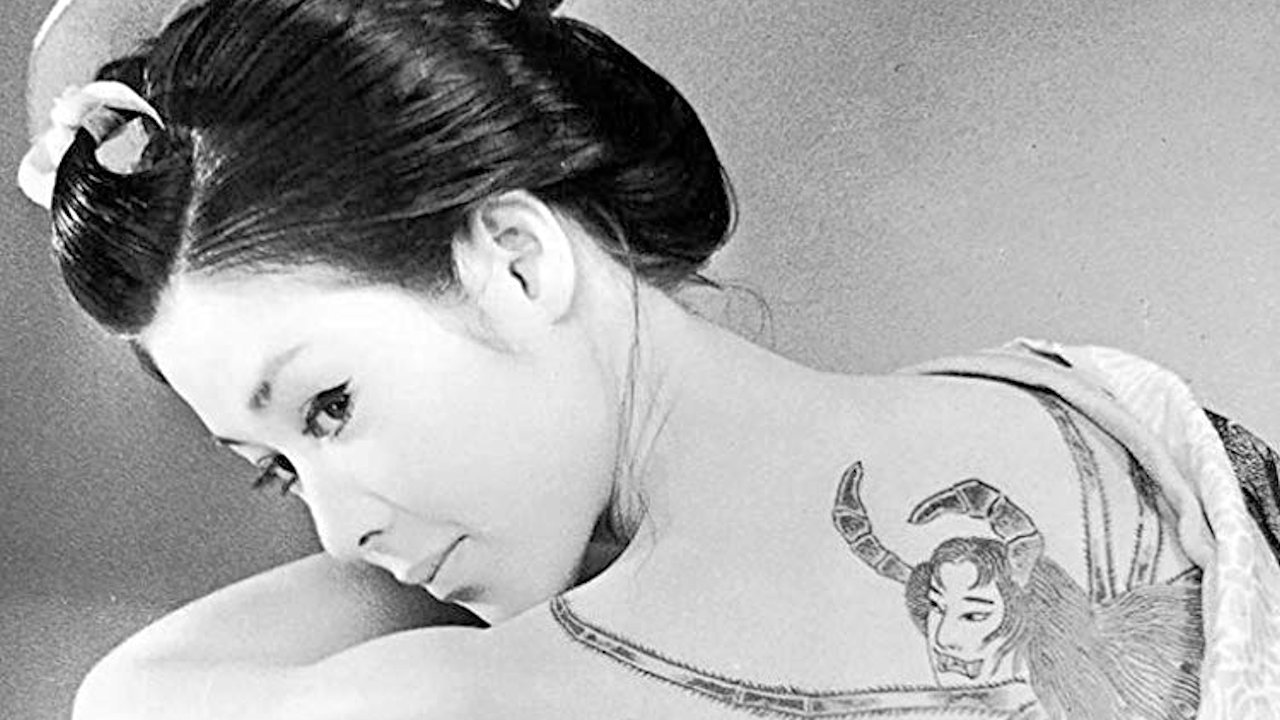
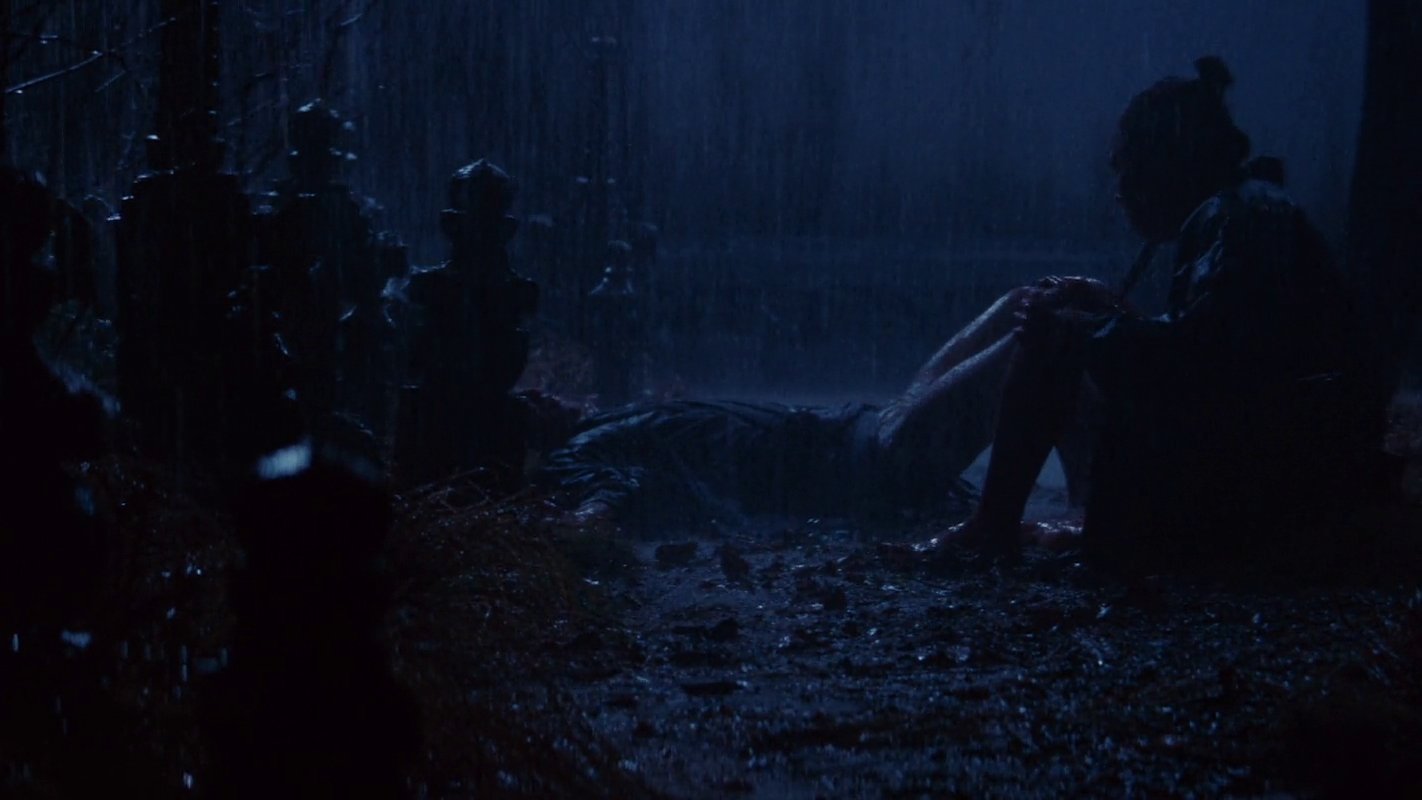
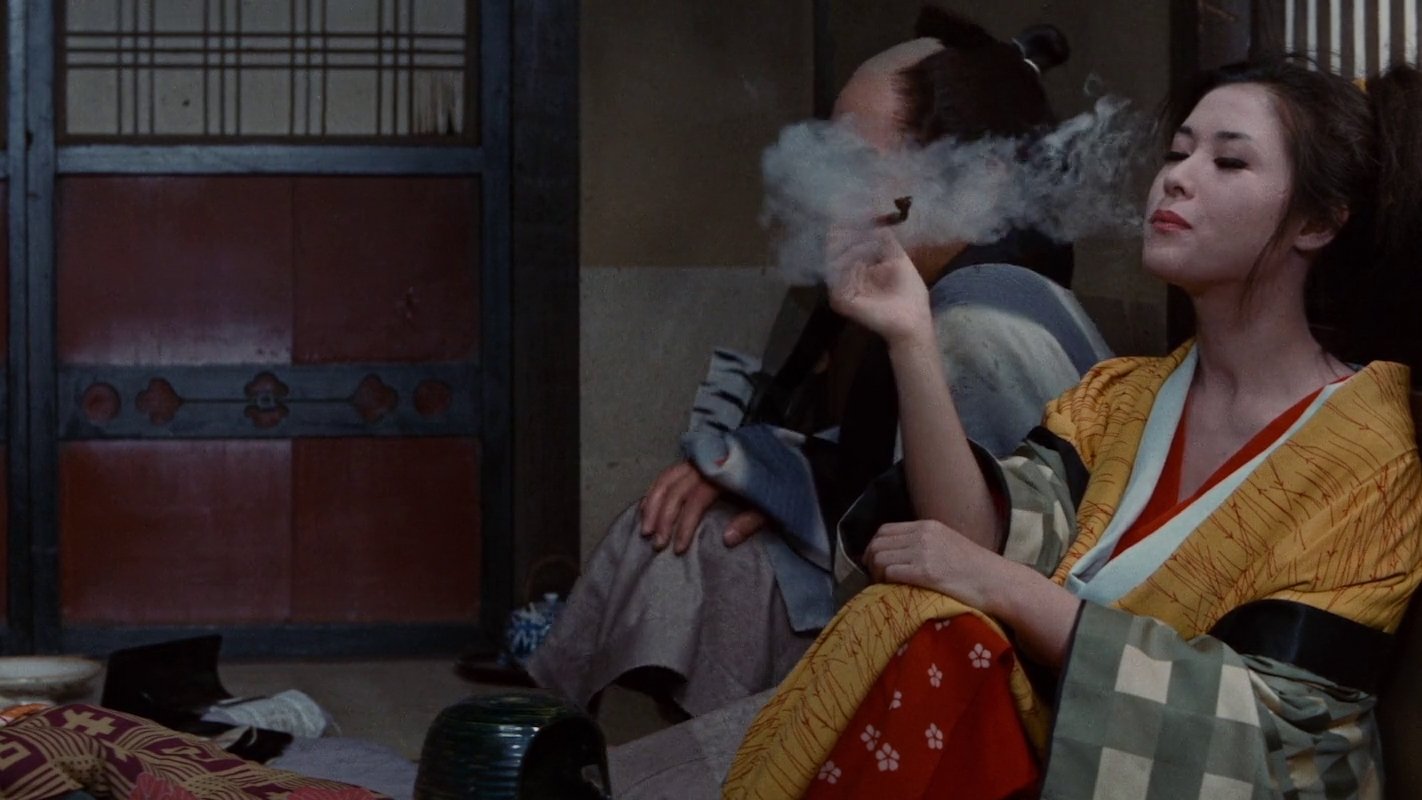
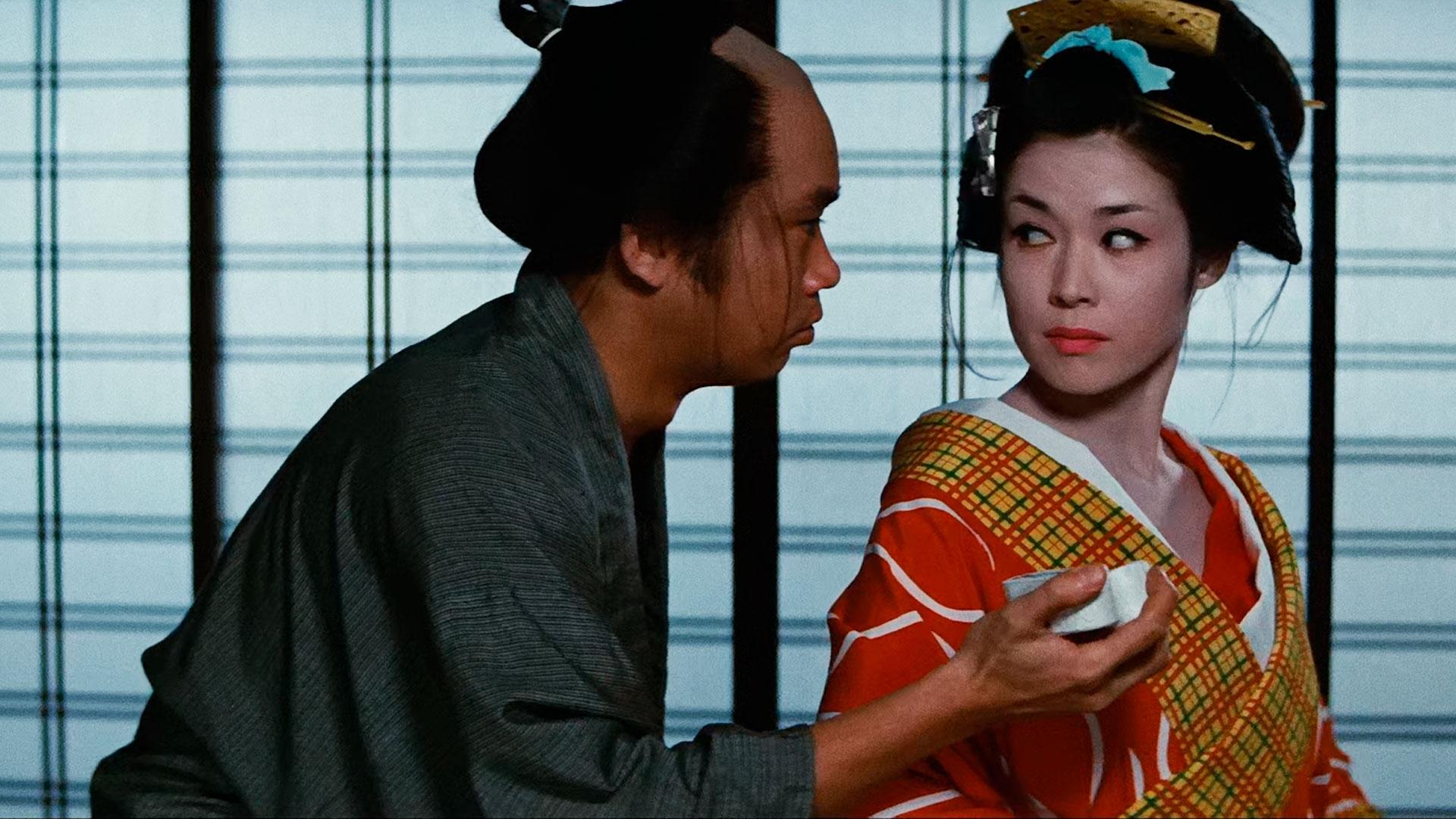
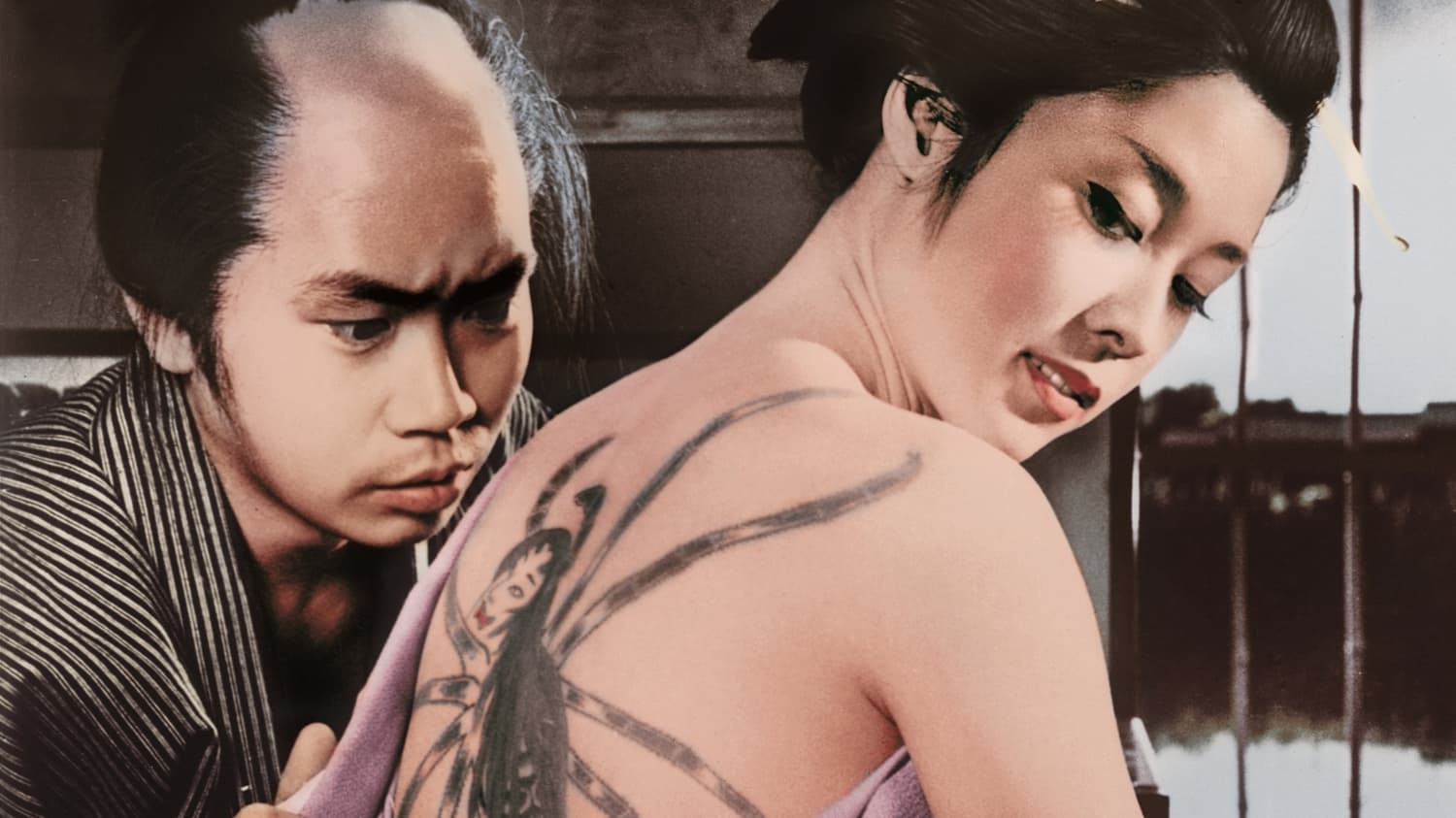
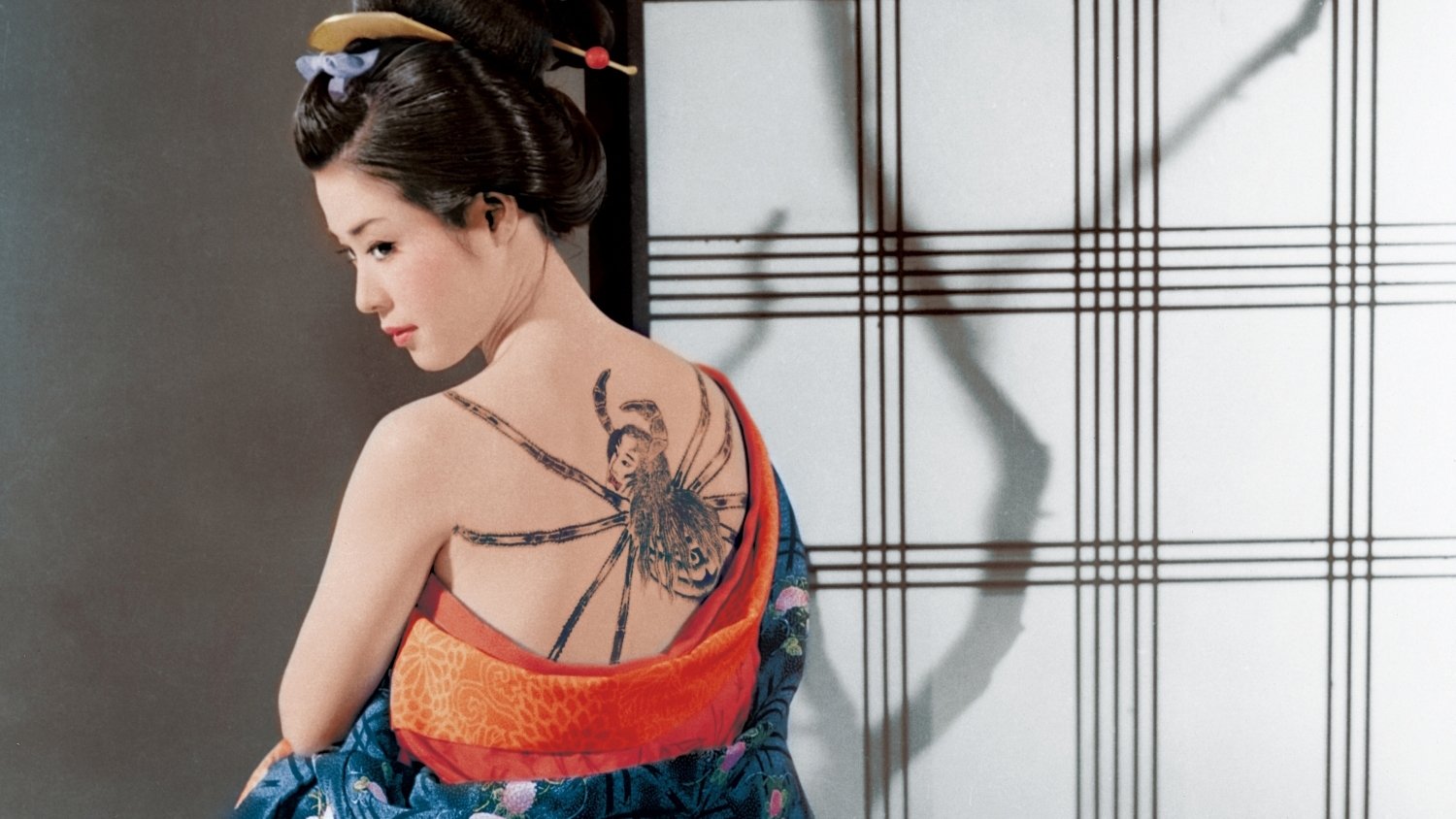
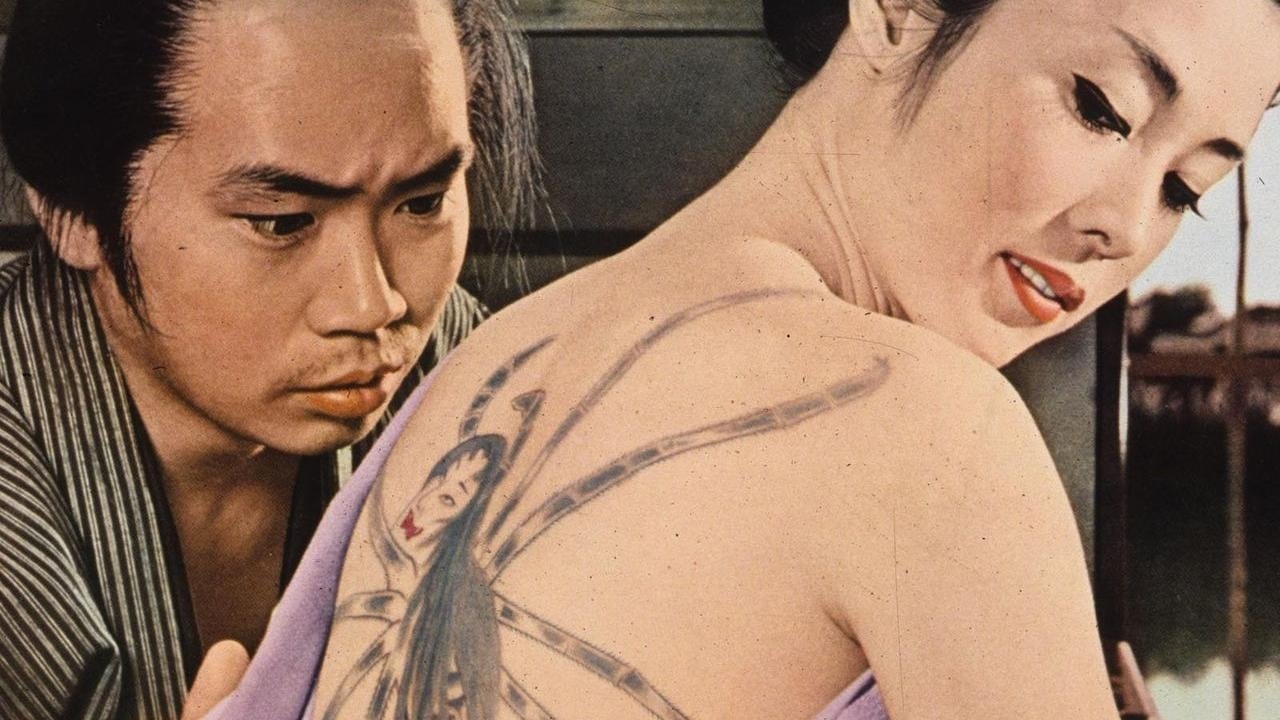
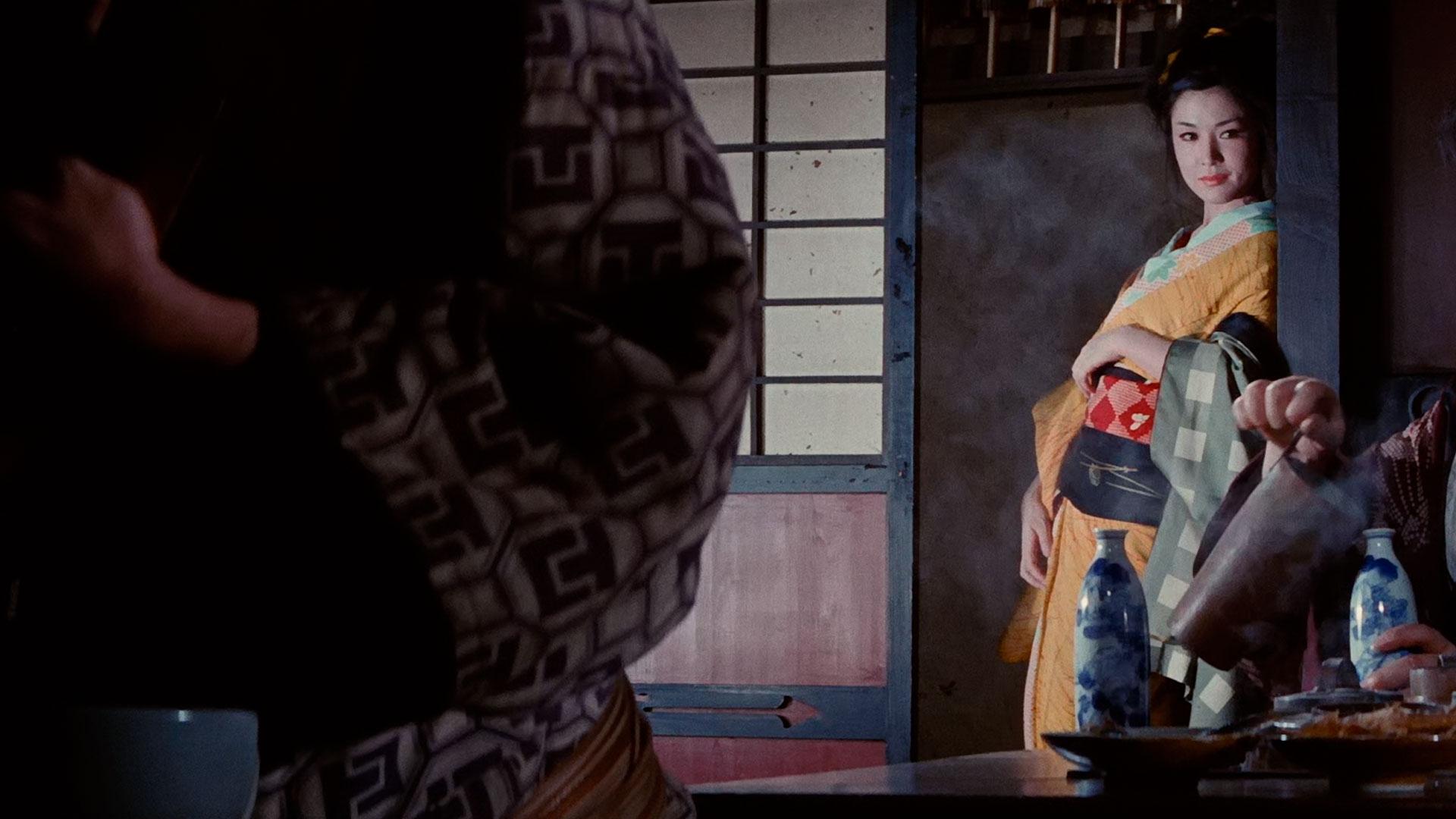
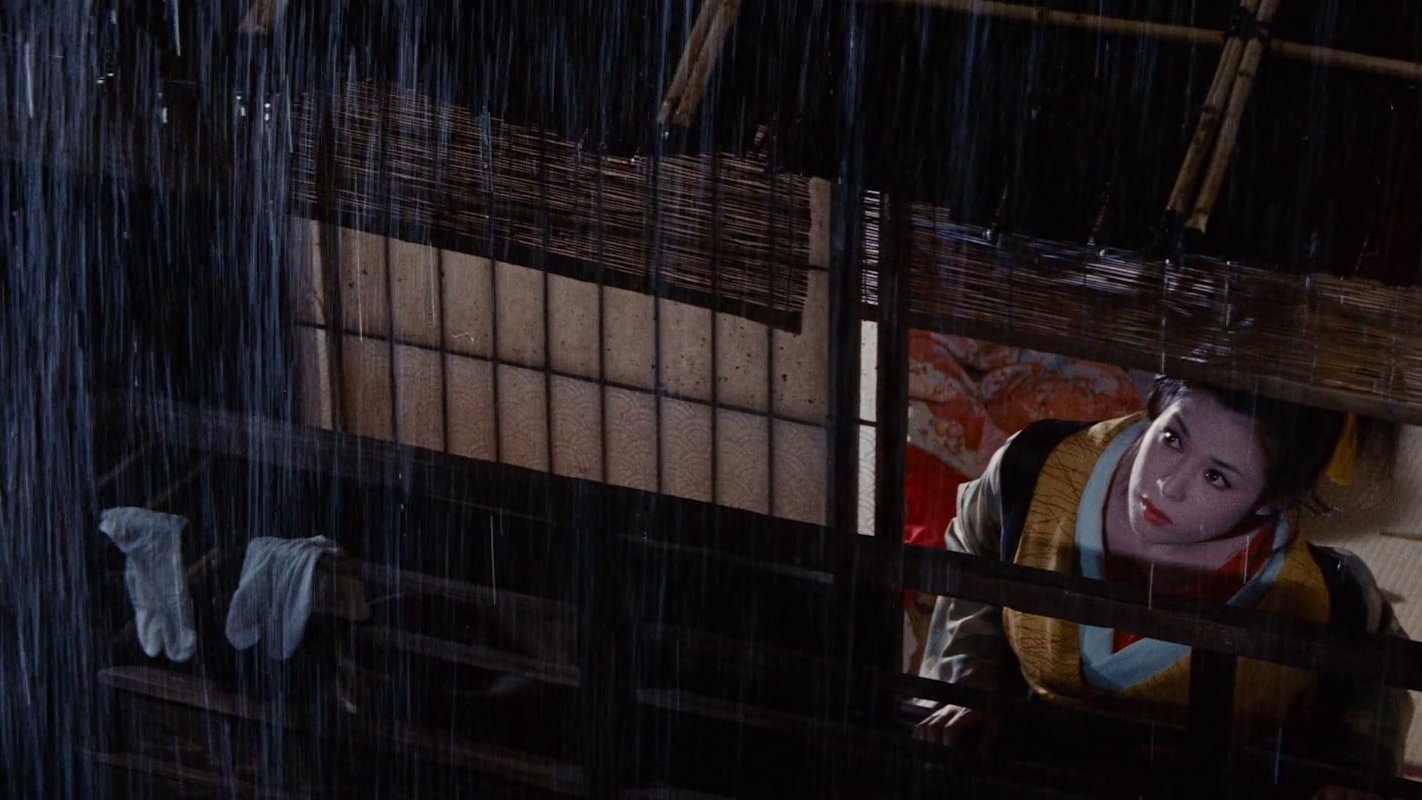
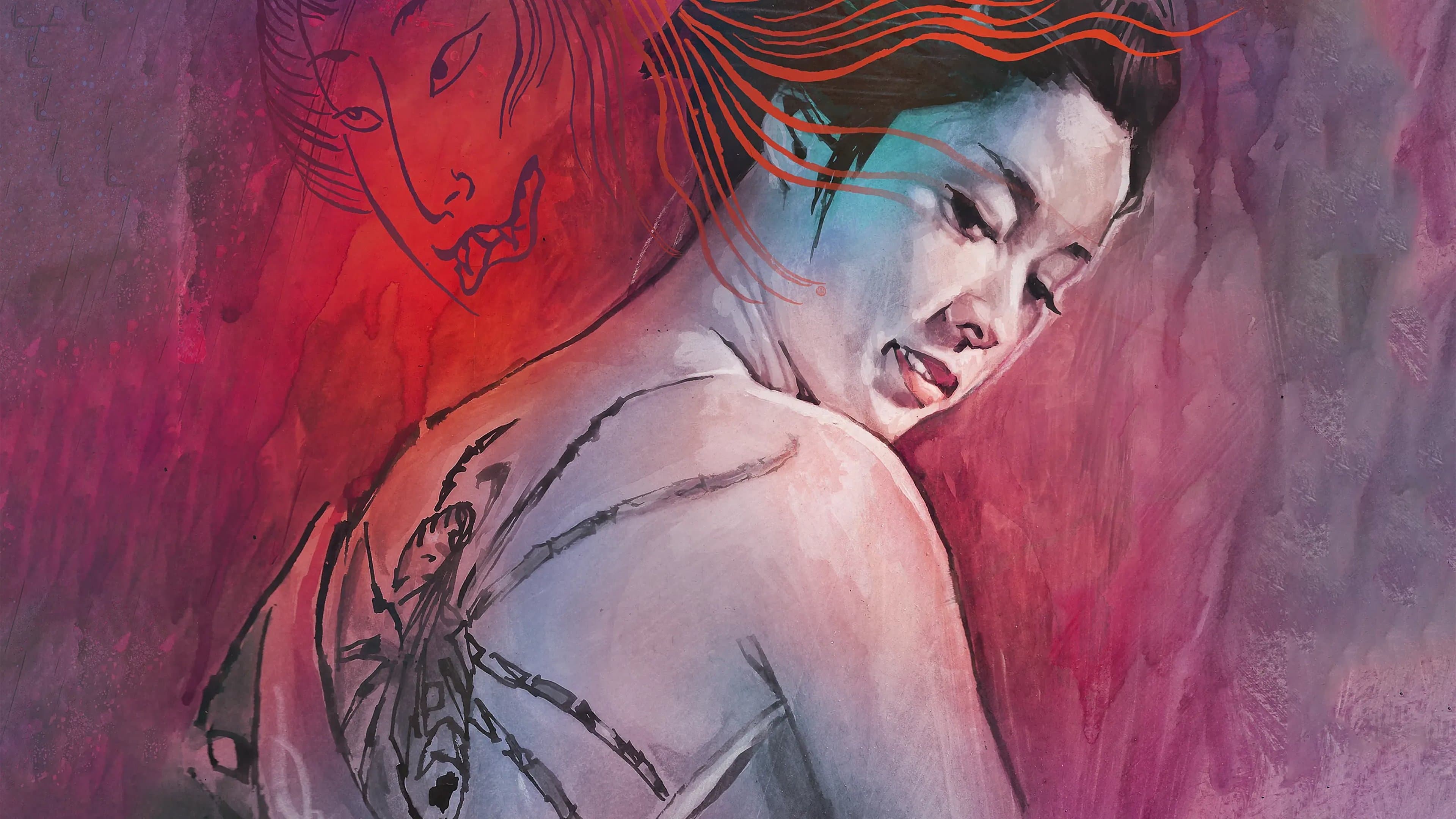
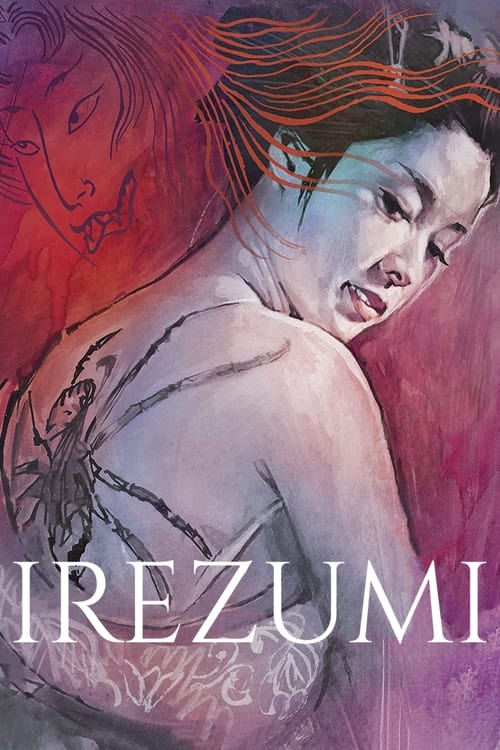
Otsuya, the daughter of a rich merchant, elopes with her lover Shinsuke, an employee of her father's. During their flight, Otsuya's beauty attracts the gaze of Seikichi, a mysterious master tattooist who sees her pristine white skin as the perfect canvas for his art. The image of the large demonic spider that he emblazons across Otsuya's back marks her as the property of another man, radically altering her relationships with all around her as her personality seems to transform under its influence.
Directed by Yasuzō Masumura
tattoo
japanese woman
pink film
japanese tattooing

Trailer

IMDB
N/A
Where to Watch



Cast
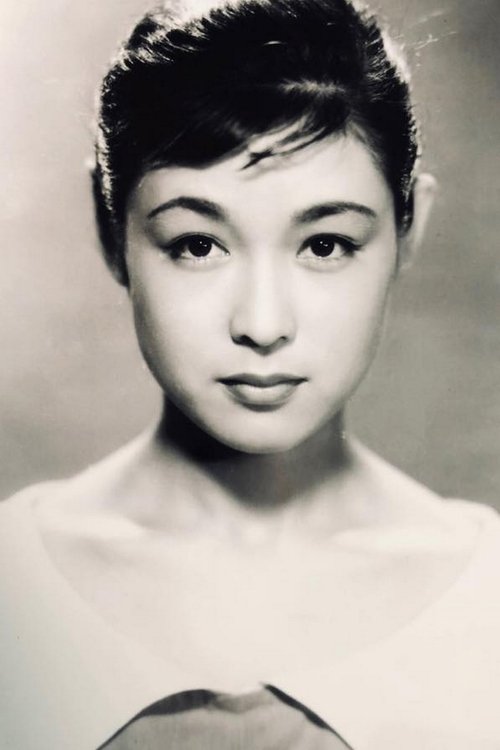
Ayako Wakao
Otsuya
Akio Hasegawa
Shinsuke
Gaku Yamamoto
Tattoo Artist Seikichi

Kei Satō
Hatamoto Serizawa

Fujio Suga
Kenji
Asao Uchida
Tokubei
Reiko Fujiwara
Otaki
Jun Fujikawa
Gen Kimura
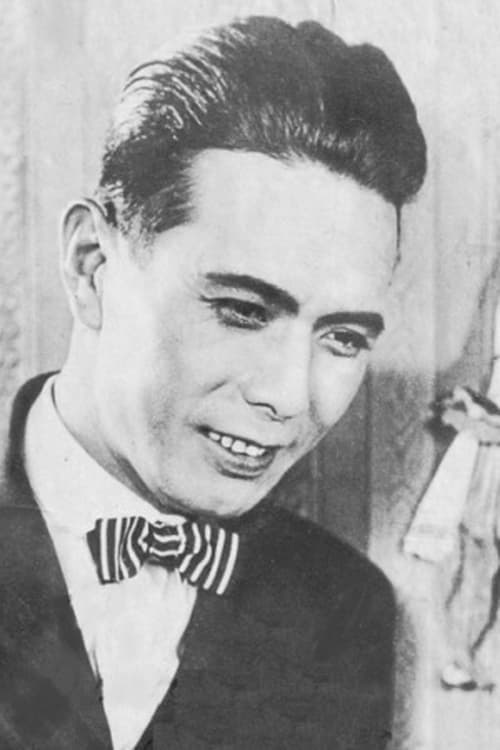
Shōzō Nanbu
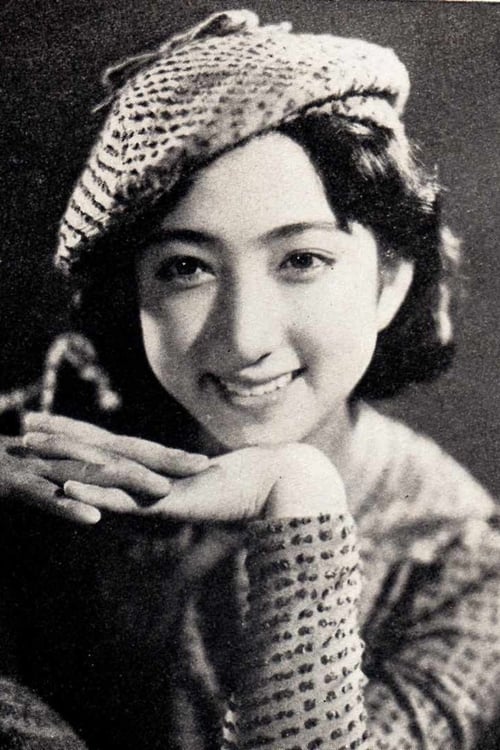
Kimiko Tachibana
Crew
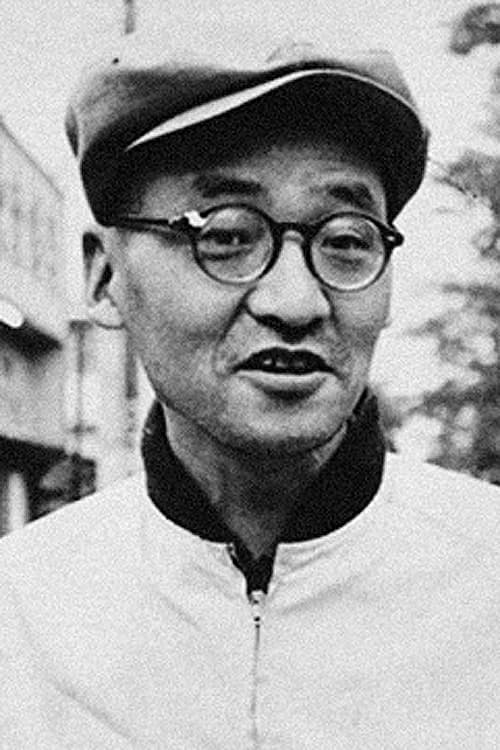
Yasuzō Masumura
Director
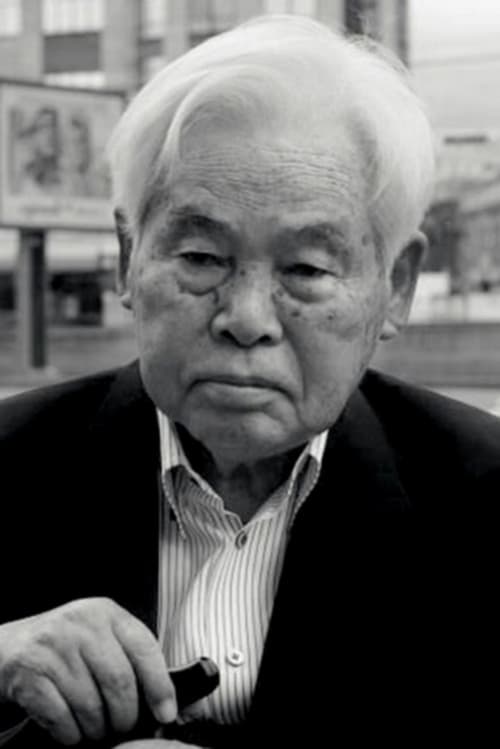
Kaneto Shindō
Screenplay
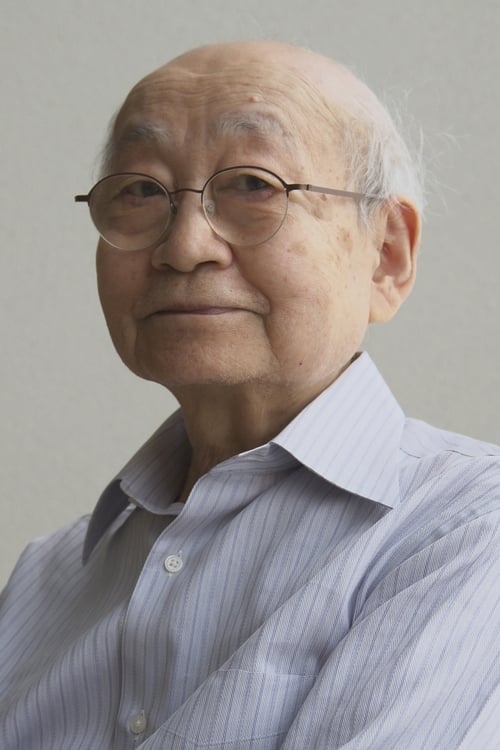
Hikaru Hayashi
Original Music Composer
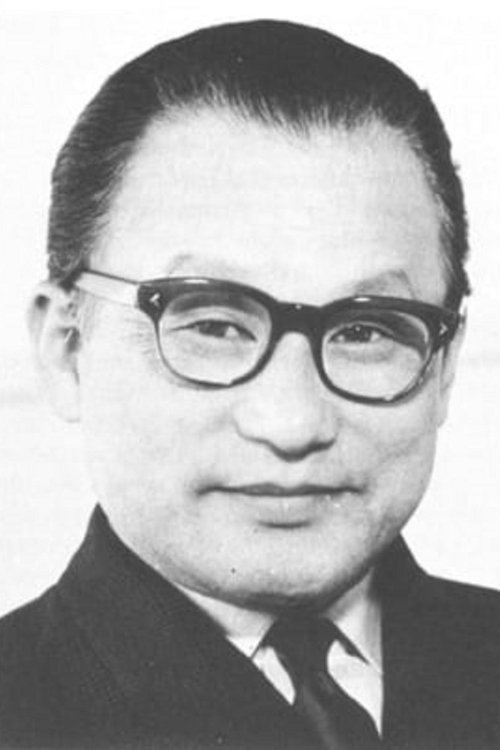
Kazuo Miyagawa
Director of Photography
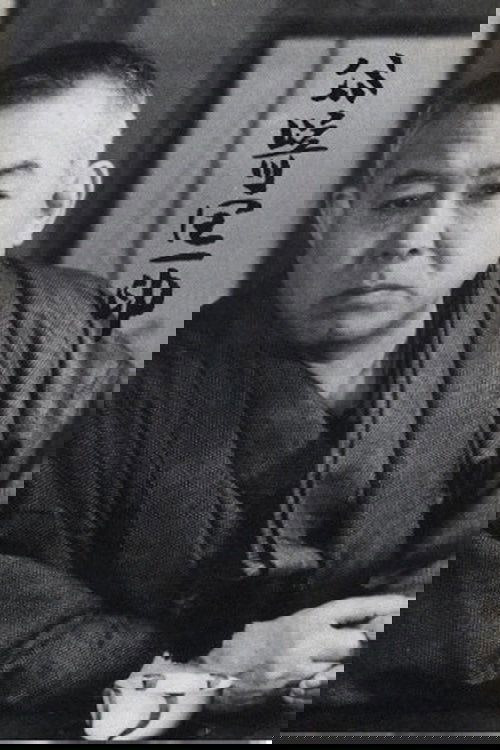
Junichirō Tanizaki
Novel
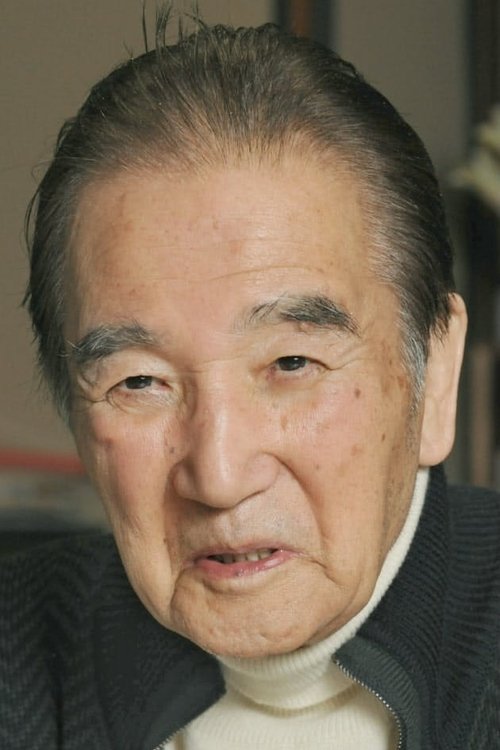
Yoshinobu Nishioka
Art Direction
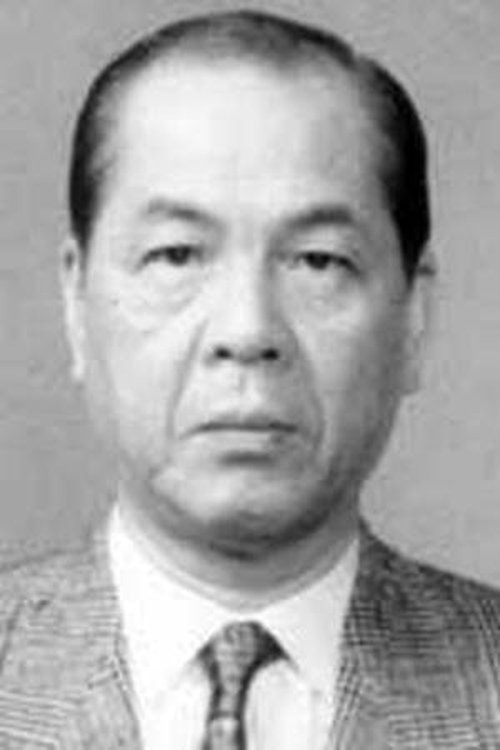
Hiroaki Fujii
Production Design
Popular Reviews
16 reviews
Nana
8.0★ · 03/31/26
In the end shinsuke is just like the other in wanting to own otsuya.. sigh
I think she’s always been very opinionated, manipulative and brave. So to think that a tattoo made by a man made her this way, is also a form men of self importance
She deserves better
I think she’s always been very opinionated, manipulative and brave. So to think that a tattoo made by a man made her this way, is also a form men of self importance
She deserves better
In the end shinsuke is just like the other in wanting to own otsuya.. sigh
I think she’s always been very opinionated, manipulative and brave. So to think that a tattoo made by a man made her this way, is also a form men of self importance
She deserves better
I think she’s always been very opinionated, manipulative and brave. So to think that a tattoo made by a man made her this way, is also a form men of self importance
She deserves better


Arlo
9.0★ · 07/25/25
"Even if I must become a demon, I will never be powerless again."
Yasuzō Masumura’s Irezumi is a spellbinding blend of eroticism, obsession, and psychological unraveling, one of the most haunting entries in Japanese New Wave. With this stunning restoration, the film has never looked or sounded better, offering new audiences a chance to fall under its hypnotic spell.
The visual design is extraordinary. Each set feels meticulously composed, drenched in mood and meaning. The costumes are rich in color and texture. Ayako Wakao delivers a powerhouse performance as the tormented Otsuya, her presence is both ethereal and chilling. Her transformation, both physical and emotional, is rendered with exquisite nuance.
Masumura’s direction is razor-sharp, unflinching in its gaze but never gratuitous. Equally unforgettable is the score, lush, eerie, and deeply evocative. It accentuates the dreamlike pacing and underlines the film’s creeping sense of doom with a quiet, insistent pulse.
The restoration is nothing short of breathtaking. Colors are vivid, black levels are deep, and the sound has remarkable clarity. It’s a film that demands to be seen on the biggest screen possible, and this version gives it the dignity and depth it deserves.
There's a slight overindulgence in melodrama near the climax keeps this from a perfect score, but it remains a masterpiece of mood, myth, and moral ambiguity. Irezumi lingers long after the credits roll.
"Even if I must become a demon, I will never be powerless again."
Yasuzō Masumura’s Irezumi is a spellbinding blend of eroticism, obsession, and psychological unraveling, one of the most haunting entries in Japanese New Wave. With this stunning restoration, the film has never looked or sounded better, offering new audiences a chance to fall under its hypnotic spell.
The visual design is extraordinary. Each set feels meticulously composed, drenched in mood and meaning. The costumes are rich in color and texture. Ayako Wakao delivers a powerhouse performance as the tormented Otsuya, her presence is both ethereal and chilling. Her transformation, both physical and emotional, is rendered with exquisite nuance.
Masumura’s direction is razor-sharp, unflinching in its gaze but never gratuitous. Equally unforgettable is the score, lush, eerie, and deeply evocative. It accentuates the dreamlike pacing and underlines the film’s creeping sense of doom with a quiet, insistent pulse.
The restoration is nothing short of breathtaking. Colors are vivid, black levels are deep, and the sound has remarkable clarity. It’s a film that demands to be seen on the biggest screen possible, and this version gives it the dignity and depth it deserves.
There's a slight overindulgence in melodrama near the climax keeps this from a perfect score, but it remains a masterpiece of mood, myth, and moral ambiguity. Irezumi lingers long after the credits roll.
Joey_Sockitume
9.9★ · 06/21/25
Freaked out to an appropriate minimum.
Freaked out to an appropriate minimum.
Konstantina Efstathi
10.0★ · 04/08/25
chat, sedate me cause that spider tattoo will 100% be my first tattoo, also such a beautiful film might i add
chat, sedate me cause that spider tattoo will 100% be my first tattoo, also such a beautiful film might i add
LeonDeon
8.0★ · 07/07/24
It's a film about power and its shifting tides.
Yasuzô Masumura’s Irezumi portrays a young couple’s lives upended by power structures beyond their control. Otsuya (Ayako Wakao) is a beautiful woman kidnapped into prostitution and brandished with a striking spider bearing a woman’s head across her back. The tattoo signifies her transformation into the femme fatle. With Otsuya’s rise in power and affluence, Shinsuke (Akio Hasegawa) spirals into paranoia, his sleepless eyes constantly scanning for threats. It’s a compelling story about a woman grasping at a power dynamic that gave her illusory, temporary power and control. The evolution of Otsuya’s character throughout the film makes her truly captivating. Her transformation from victim to controller, accentuated by her tattoo, is thrilling, with Wakao delivering an excellent performance. Irezumi excels with its action on screen, with the first kill creating a lasting impression. The expert framing captures the intense struggle between the two men as they wear each other down, culminating in a desperate bid to deliver the final blow. It’s the meticulously designed function and progression of the plot that makes this movie so compelling. Vivid colors, outstanding performances, and simple but effective sets, weaves a story of metamorphosis and power into a thoroughly entertaining and thoughtful film.
Yasuzô Masumura’s Irezumi portrays a young couple’s lives upended by power structures beyond their control. Otsuya (Ayako Wakao) is a beautiful woman kidnapped into prostitution and brandished with a striking spider bearing a woman’s head across her back. The tattoo signifies her transformation into the femme fatle. With Otsuya’s rise in power and affluence, Shinsuke (Akio Hasegawa) spirals into paranoia, his sleepless eyes constantly scanning for threats. It’s a compelling story about a woman grasping at a power dynamic that gave her illusory, temporary power and control. The evolution of Otsuya’s character throughout the film makes her truly captivating. Her transformation from victim to controller, accentuated by her tattoo, is thrilling, with Wakao delivering an excellent performance. Irezumi excels with its action on screen, with the first kill creating a lasting impression. The expert framing captures the intense struggle between the two men as they wear each other down, culminating in a desperate bid to deliver the final blow. It’s the meticulously designed function and progression of the plot that makes this movie so compelling. Vivid colors, outstanding performances, and simple but effective sets, weaves a story of metamorphosis and power into a thoroughly entertaining and thoughtful film.
It's a film about power and its shifting tides.
Yasuzô Masumura’s Irezumi portrays a young couple’s lives upended by power structures beyond their control. Otsuya (Ayako Wakao) is a beautiful woman kidnapped into prostitution and brandished with a striking spider bearing a woman’s head across her back. The tattoo signifies her transformation into the femme fatle. With Otsuya’s rise in power and affluence, Shinsuke (Akio Hasegawa) spirals into paranoia, his sleepless eyes constantly scanning for threats. It’s a compelling story about a woman grasping at a power dynamic that gave her illusory, temporary power and control. The evolution of Otsuya’s character throughout the film makes her truly captivating. Her transformation from victim to controller, accentuated by her tattoo, is thrilling, with Wakao delivering an excellent performance. Irezumi excels with its action on screen, with the first kill creating a lasting impression. The expert framing captures the intense struggle between the two men as they wear each other down, culminating in a desperate bid to deliver the final blow. It’s the meticulously designed function and progression of the plot that makes this movie so compelling. Vivid colors, outstanding performances, and simple but effective sets, weaves a story of metamorphosis and power into a thoroughly entertaining and thoughtful film.
Yasuzô Masumura’s Irezumi portrays a young couple’s lives upended by power structures beyond their control. Otsuya (Ayako Wakao) is a beautiful woman kidnapped into prostitution and brandished with a striking spider bearing a woman’s head across her back. The tattoo signifies her transformation into the femme fatle. With Otsuya’s rise in power and affluence, Shinsuke (Akio Hasegawa) spirals into paranoia, his sleepless eyes constantly scanning for threats. It’s a compelling story about a woman grasping at a power dynamic that gave her illusory, temporary power and control. The evolution of Otsuya’s character throughout the film makes her truly captivating. Her transformation from victim to controller, accentuated by her tattoo, is thrilling, with Wakao delivering an excellent performance. Irezumi excels with its action on screen, with the first kill creating a lasting impression. The expert framing captures the intense struggle between the two men as they wear each other down, culminating in a desperate bid to deliver the final blow. It’s the meticulously designed function and progression of the plot that makes this movie so compelling. Vivid colors, outstanding performances, and simple but effective sets, weaves a story of metamorphosis and power into a thoroughly entertaining and thoughtful film.