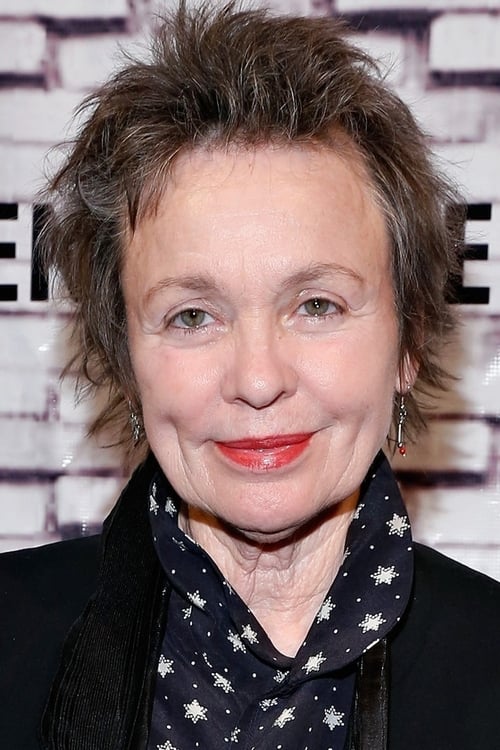
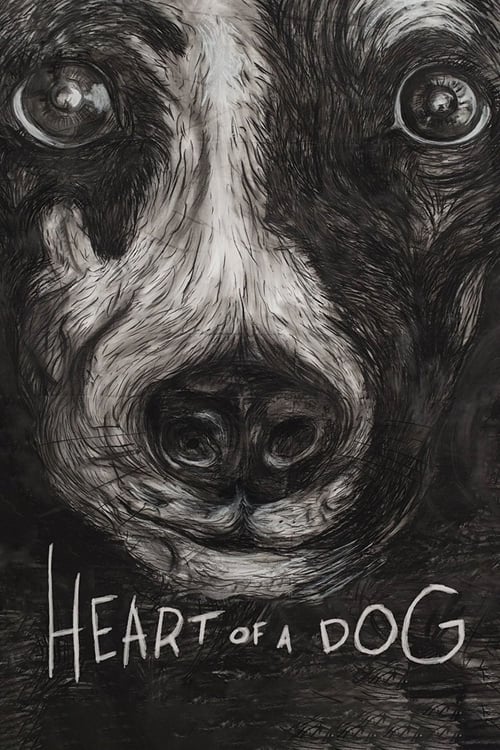
I can’t say this is something I would have casually thrown on if I weren’t doing the 2025 Criterion Challenge. I picked it because I needed a film under 80 minutes from the Criterion Collection, and this one fit the bill. Beyond that, I went in knowing almost nothing—just that Laurie Anderson is an avant-garde artist and that this would be some sort of documentary.
By the end of it, I’m still not entirely sure what to make of it. The film has some deeply beautiful moments, but it also has long stretches that feel like watching an experimental art piece playing on a loop at MoMA.
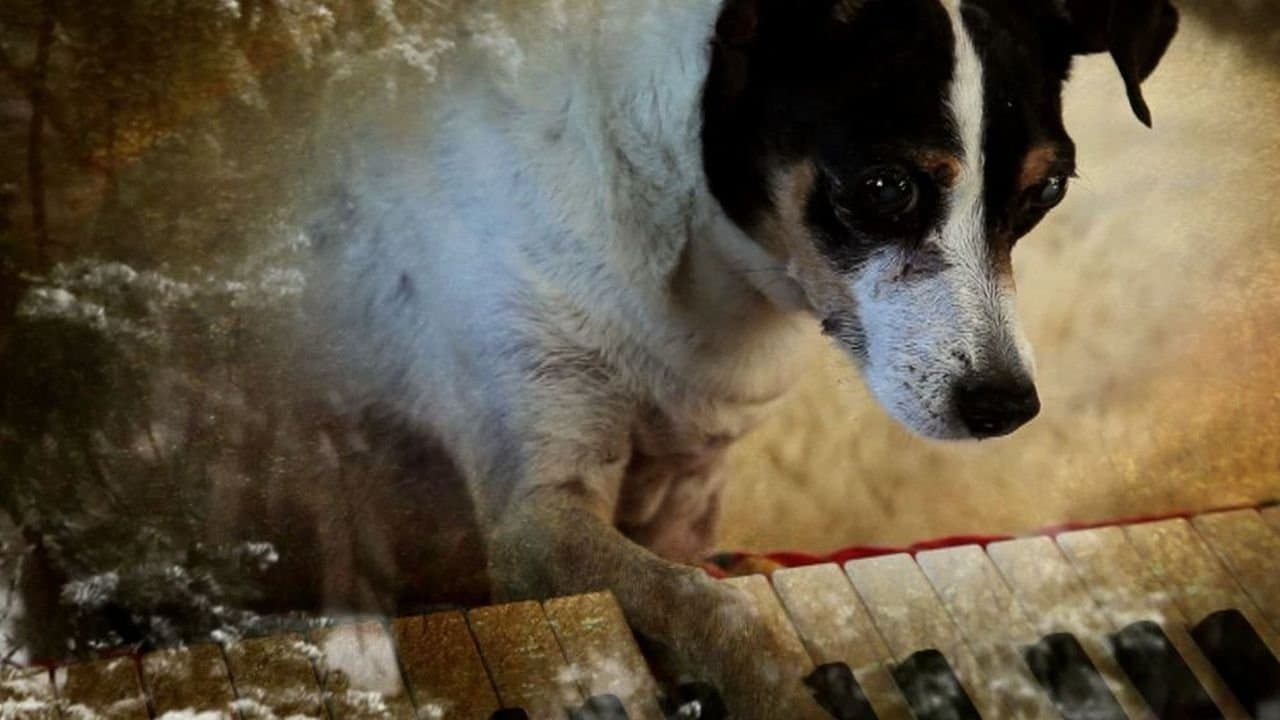
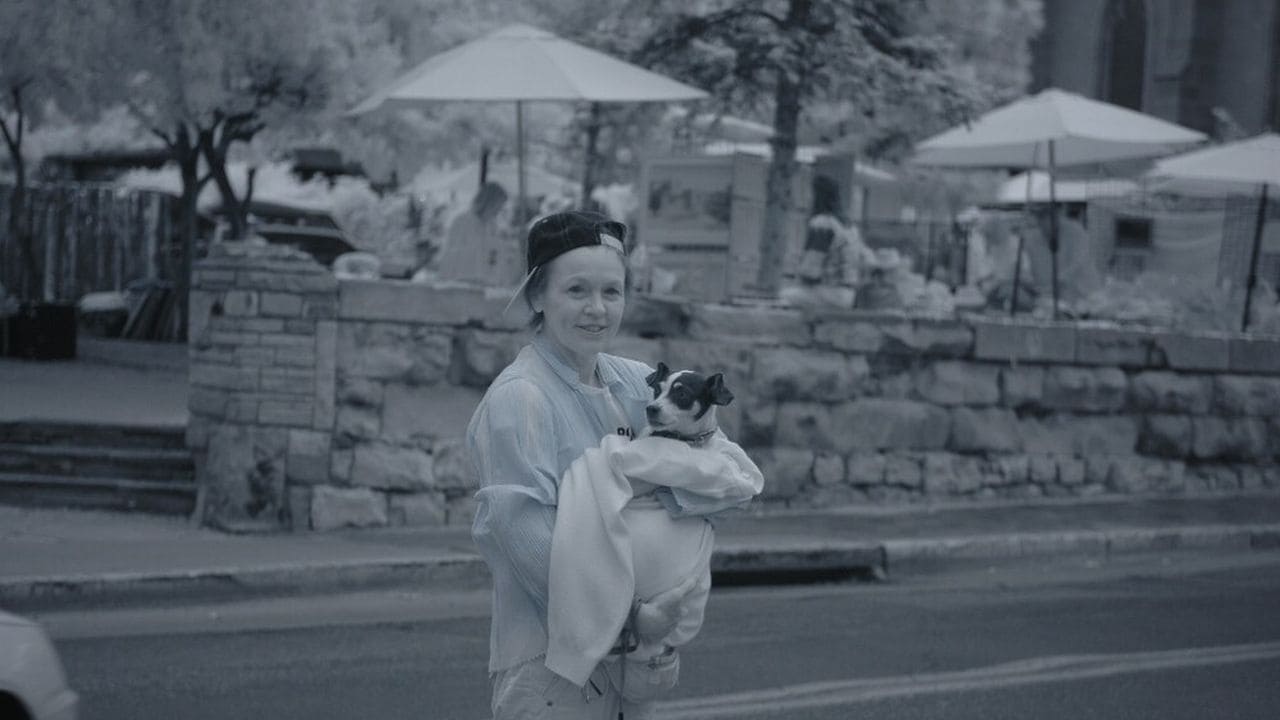
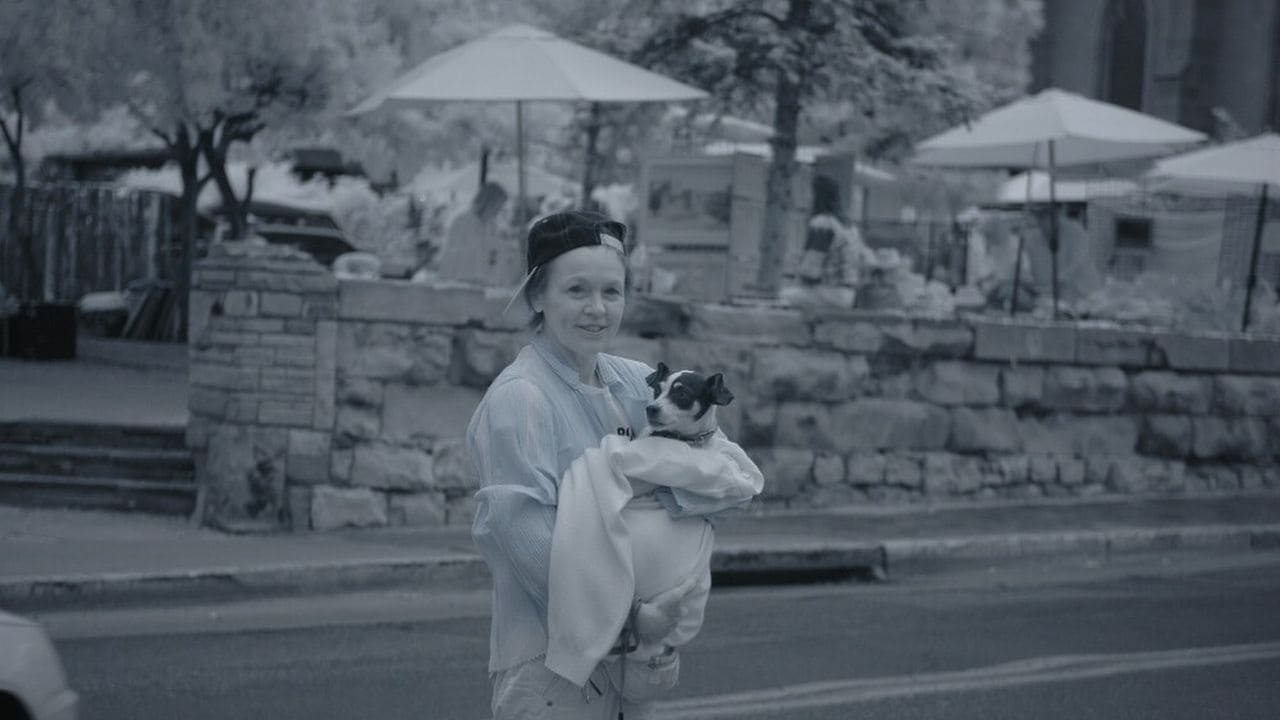
The structure is almost like a series of diary entries or monologues about a wide array of topics. The film does circle back to Anderson’s dog, Lolabelle—stories about her, her life, her death—and those sections give the film some emotional shape. But surrounding that is a constellation of musings on 9/11, the Tibetan Book of the Dead, Homeland Security, stories about Anderson’s mother, stories about her artist friends… it’s a lot.
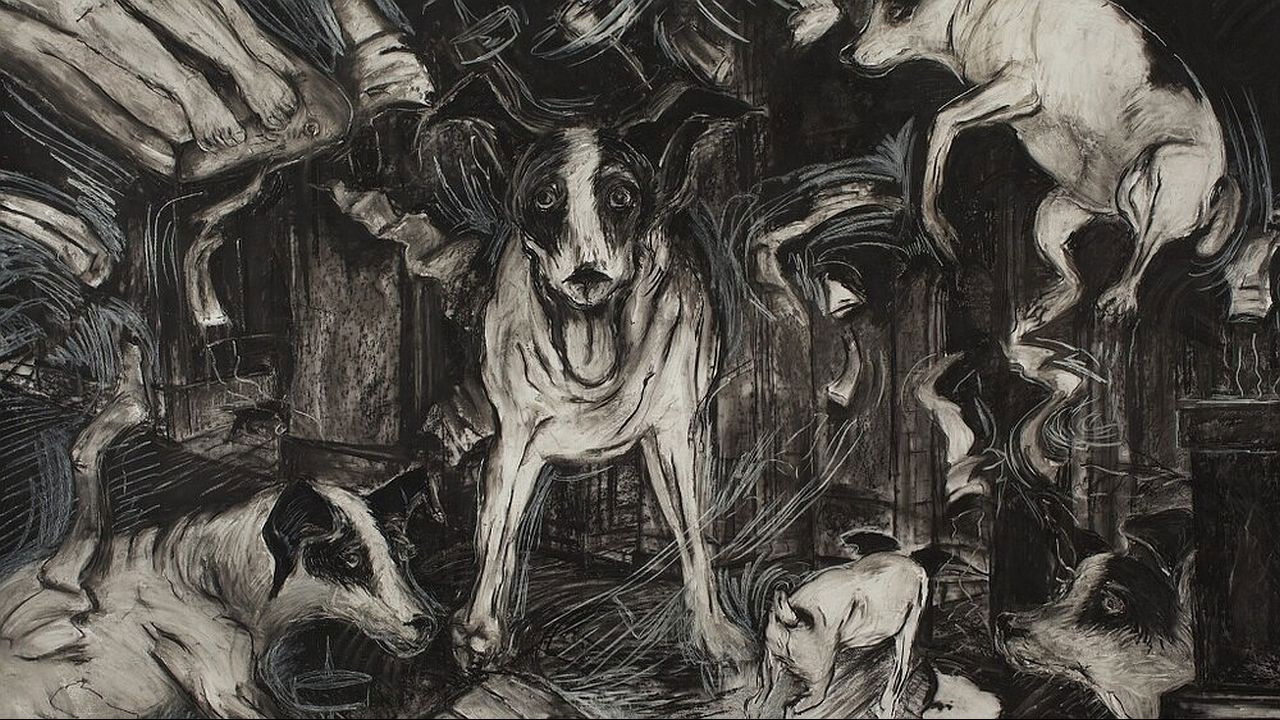
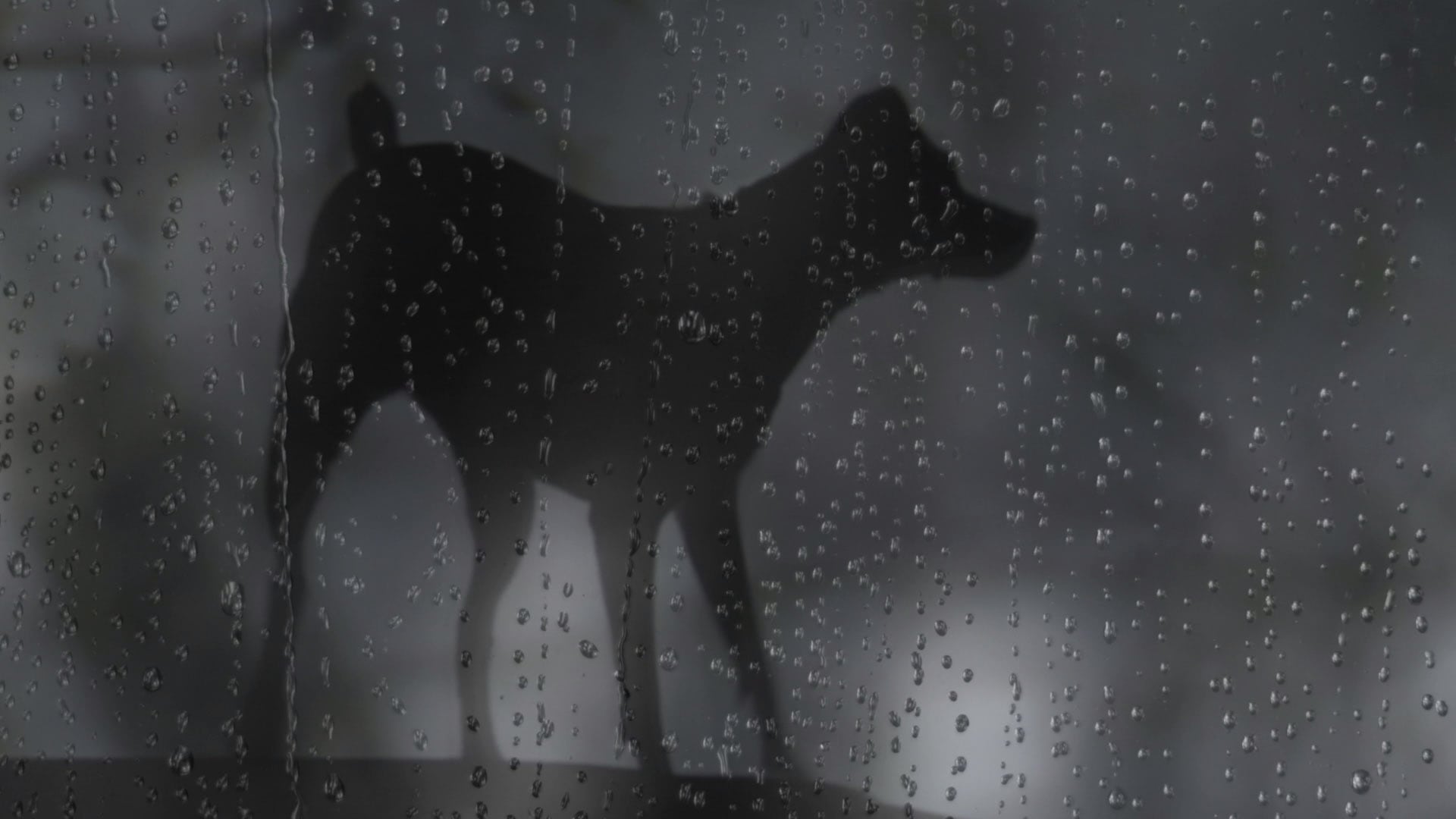
And like I said, some of these moments land. Some are genuinely, even profoundly, beautiful. A few are insightful. But then there’s probably a combined 25–30 minutes that feel like static—like watching paint dry—with Anderson’s formal approach relying heavily on archival footage of Lolabelle, childhood photos, or stock-looking images that appear pulled from internet archives or Getty Images, all with a pretty rough filter slapped over them of rain dripping down a window. Everything is tied together with droning music.
So yes, there are nuggets of wisdom here, but I wish the film had remained more focused—had a clearer thesis, so to speak. I’m not sure what I was meant to take from the entire experience other than: here is the internal monologue of a middle-aged, wealthy avant-garde artist, deeply into Buddhism, living on the Lower East Side.
It’s almost like attending a slam-poetry open mic where a 65-year-old earthy, crunchy, woo-woo hippie woman gets up to share stories about her life. It’s not the most excruciating thing in the world, and it’s not the most boring thing in the world, but stretched to 75 minutes, your mind wanders and you start to wonder what the point of it all is.
But hey—that’s avant-garde art. That’s experimental filmmaking. It’s not always meant to hold your hand, and it’s not always meant to resolve itself neatly.
The closest comparison I can offer is a film I actually love: Don Hertzfeldt’s It’s Such a Beautiful Day. In a weird way, Heart of a Dog feels like a live-action cousin to that film. But where Hertzfeldt’s work has a clear throughline and a powerful overarching thesis, Anderson’s film feels rambling and disconnected. Each individual story—whether about Lolabelle, about her friends, or about the time she broke her back at a swimming pool and ended up in the burn unit of a children’s hospital—usually lands on some kind of lesson. But I struggled to find the broader lesson for the film as a whole.
I kept wondering why this wasn’t a series of short experimental films instead of one feature-length piece—something that often feels like a borderline YouTube video at feature length.
I don’t want to be too harsh. It just wasn’t entirely for me. But there were enough genuine nuggets of wisdom, enough moments that sparked real inspiration, that I don’t regret watching it. And sometimes, that’s enough.
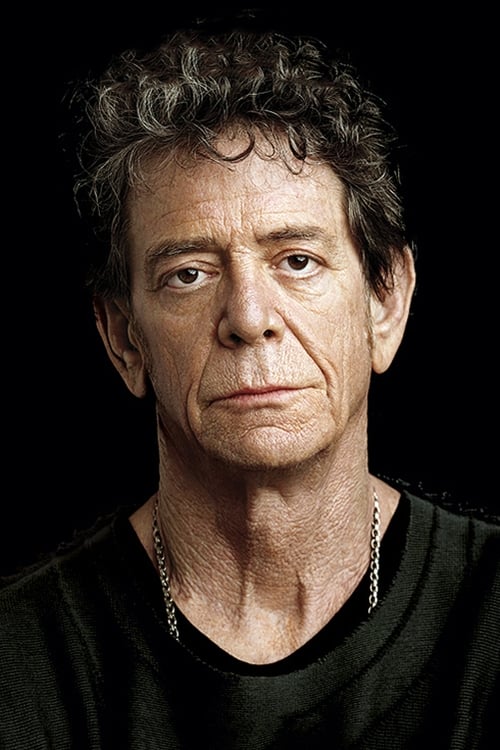
Also, I had no idea Laurie Anderson was married to Lou Reed, so that was a fun discovery.
6.4/10
I can’t say this is something I would have casually thrown on if I weren’t doing the 2025 Criterion Challenge. I picked it because I needed a film under 80 minutes from the Criterion Collection, and this one fit the bill. Beyond that, I went in knowing almost nothing—just that Laurie Anderson is an avant-garde artist and that this would be some sort of documentary.
By the end of it, I’m still not entirely sure what to make of it. The film has some deeply beautiful moments, but it also has long stretches that feel like watching an experimental art piece playing on a loop at MoMA.
The structure is almost like a series of diary entries or monologues about a wide array of topics. The film does circle back to Anderson’s dog, Lolabelle—stories about her, her life, her death—and those sections give the film some emotional shape. But surrounding that is a constellation of musings on 9/11, the Tibetan Book of the Dead, Homeland Security, stories about Anderson’s mother, stories about her artist friends… it’s a lot.
And like I said, some of these moments land. Some are genuinely, even profoundly, beautiful. A few are insightful. But then there’s probably a combined 25–30 minutes that feel like static—like watching paint dry—with Anderson’s formal approach relying heavily on archival footage of Lolabelle, childhood photos, or stock-looking images that appear pulled from internet archives or Getty Images, all with a pretty rough filter slapped over them of rain dripping down a window. Everything is tied together with droning music.
So yes, there are nuggets of wisdom here, but I wish the film had remained more focused—had a clearer thesis, so to speak. I’m not sure what I was meant to take from the entire experience other than: here is the internal monologue of a middle-aged, wealthy avant-garde artist, deeply into Buddhism, living on the Lower East Side.
It’s almost like attending a slam-poetry open mic where a 65-year-old earthy, crunchy, woo-woo hippie woman gets up to share stories about her life. It’s not the most excruciating thing in the world, and it’s not the most boring thing in the world, but stretched to 75 minutes, your mind wanders and you start to wonder what the point of it all is.
But hey—that’s avant-garde art. That’s experimental filmmaking. It’s not always meant to hold your hand, and it’s not always meant to resolve itself neatly.
The closest comparison I can offer is a film I actually love: Don Hertzfeldt’s It’s Such a Beautiful Day. In a weird way, Heart of a Dog feels like a live-action cousin to that film. But where Hertzfeldt’s work has a clear throughline and a powerful overarching thesis, Anderson’s film feels rambling and disconnected. Each individual story—whether about Lolabelle, about her friends, or about the time she broke her back at a swimming pool and ended up in the burn unit of a children’s hospital—usually lands on some kind of lesson. But I struggled to find the broader lesson for the film as a whole.
I kept wondering why this wasn’t a series of short experimental films instead of one feature-length piece—something that often feels like a borderline YouTube video at feature length.
I don’t want to be too harsh. It just wasn’t entirely for me. But there were enough genuine nuggets of wisdom, enough moments that sparked real inspiration, that I don’t regret watching it. And sometimes, that’s enough.
Also, I had no idea Laurie Anderson was married to Lou Reed, so that was a fun discovery.
6.4/10