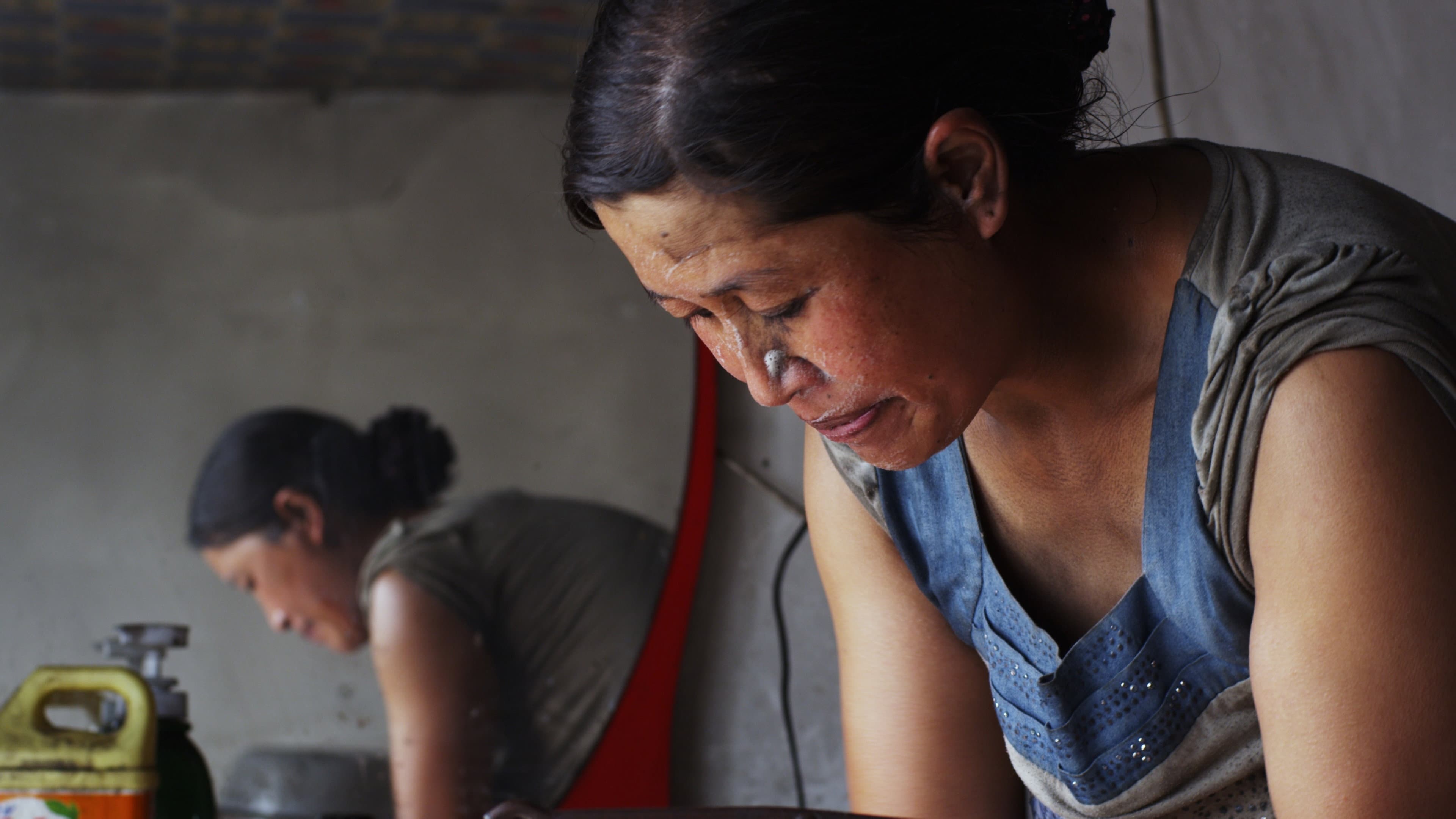
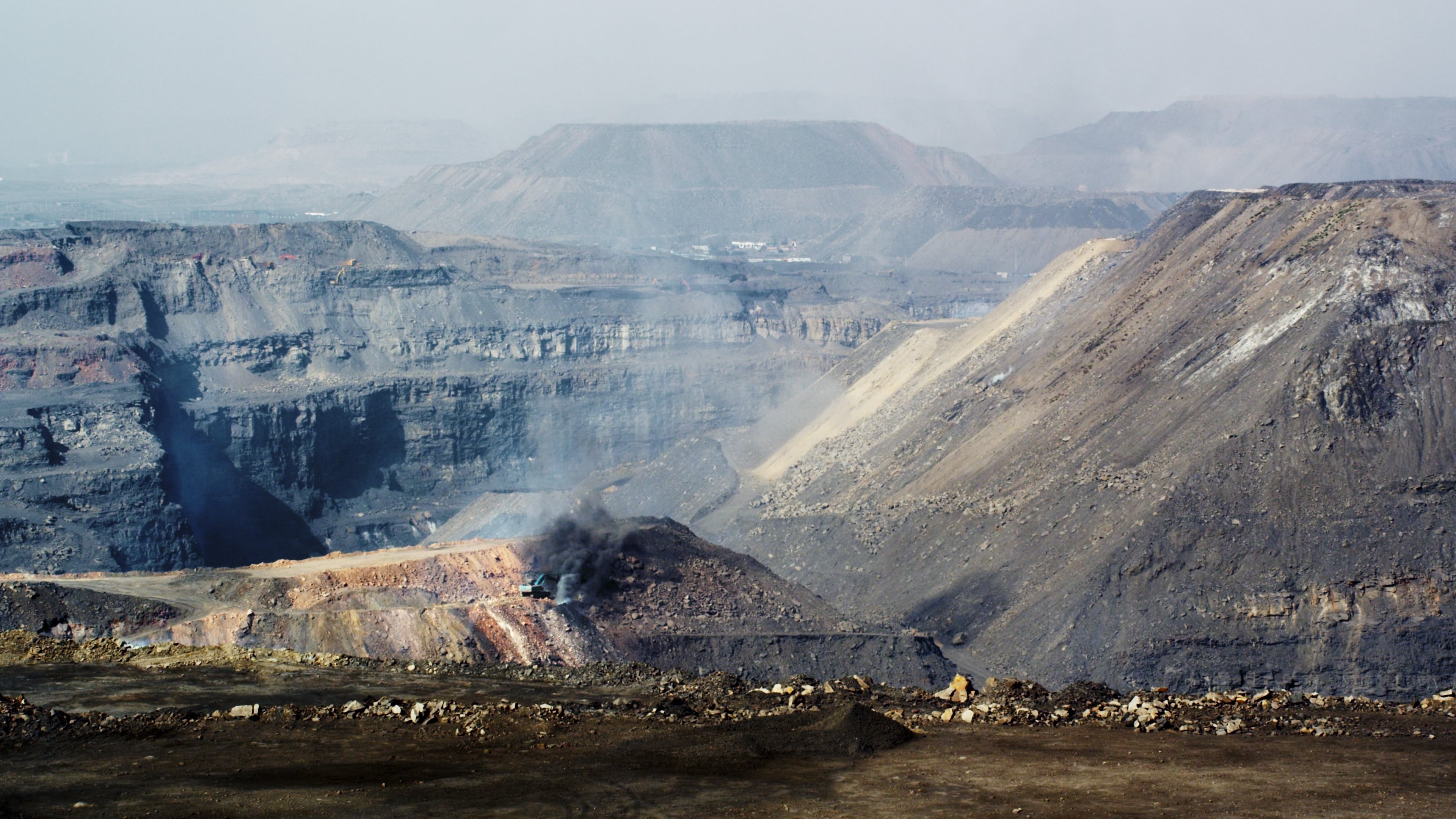
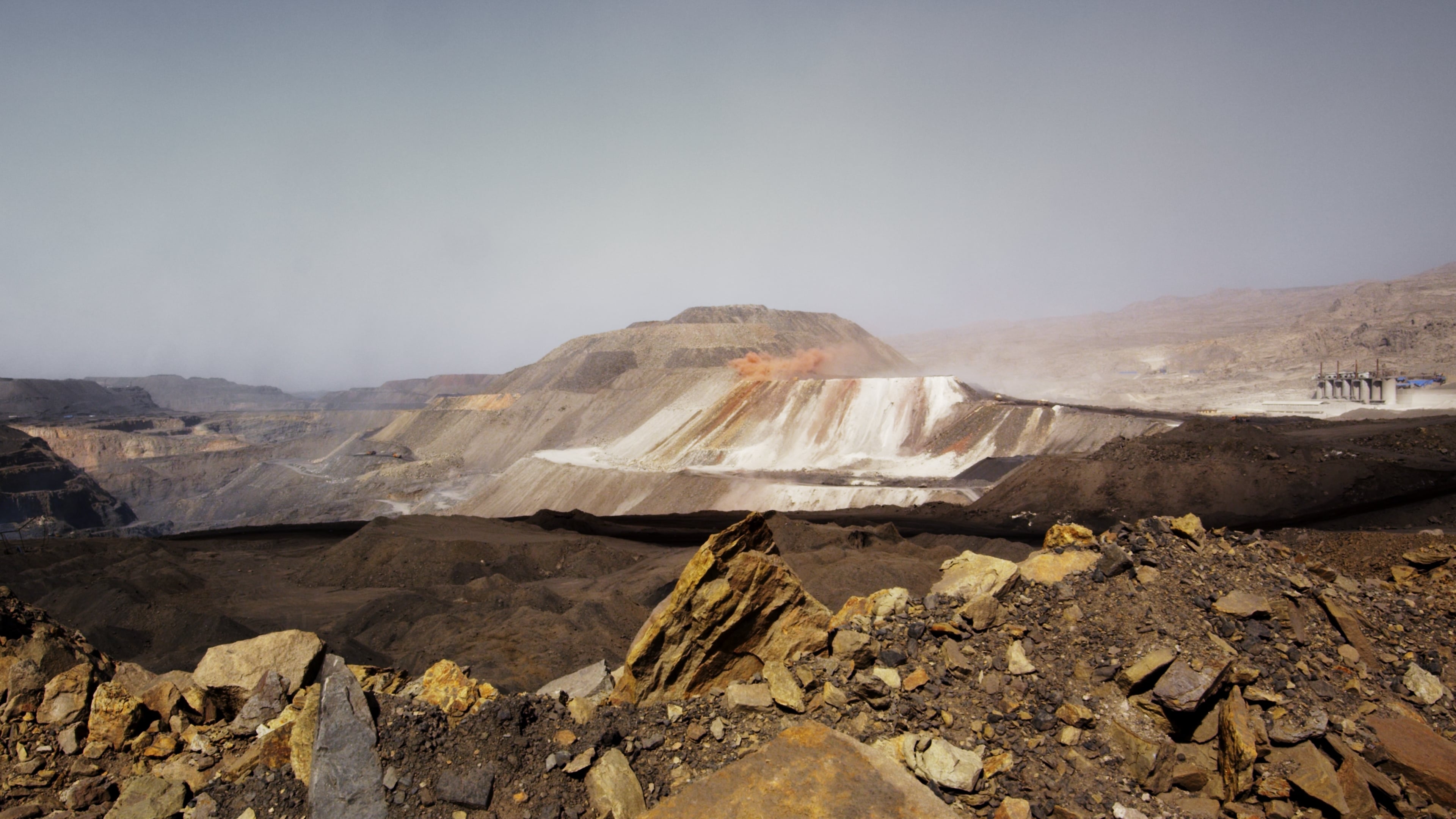
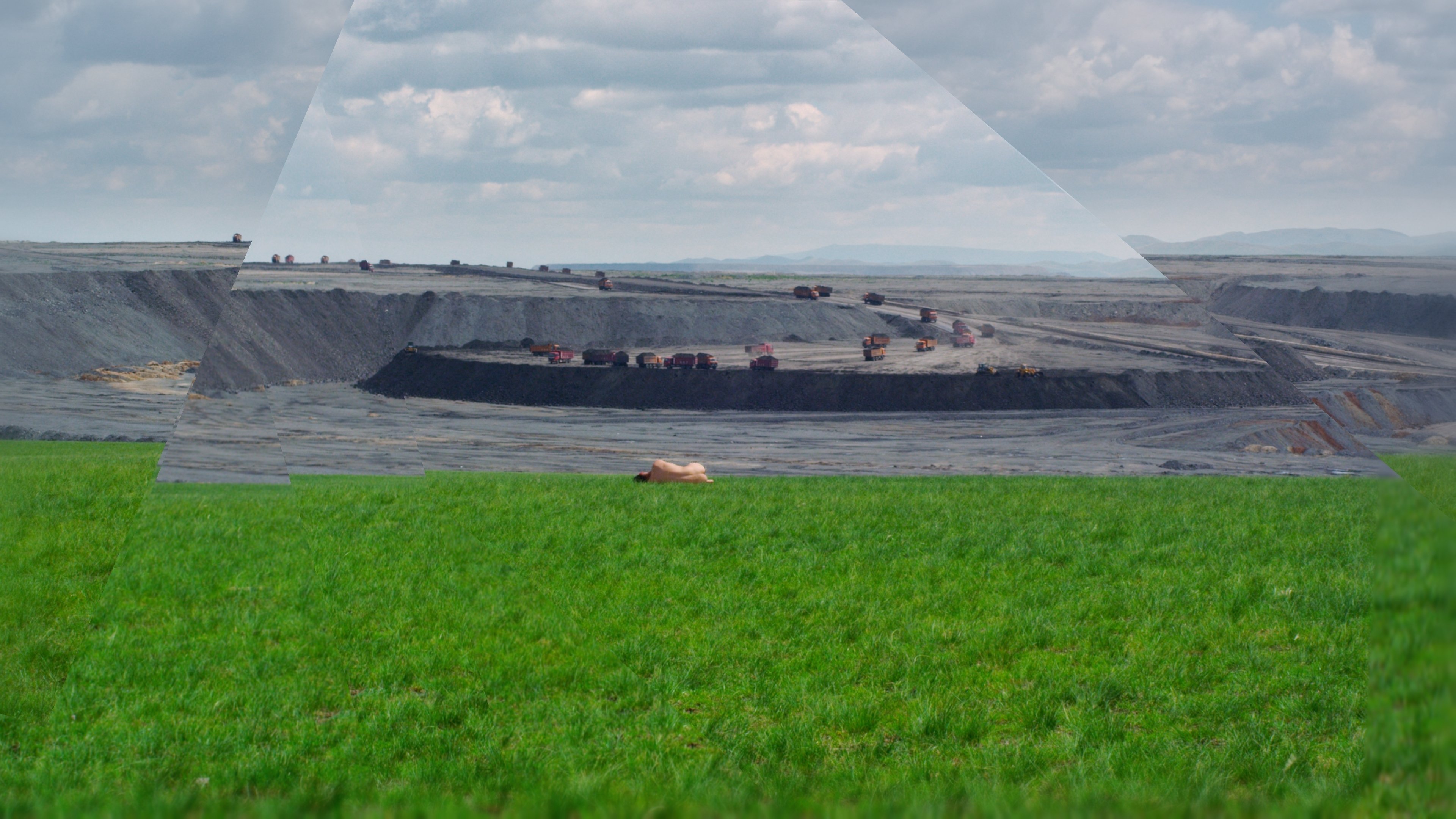
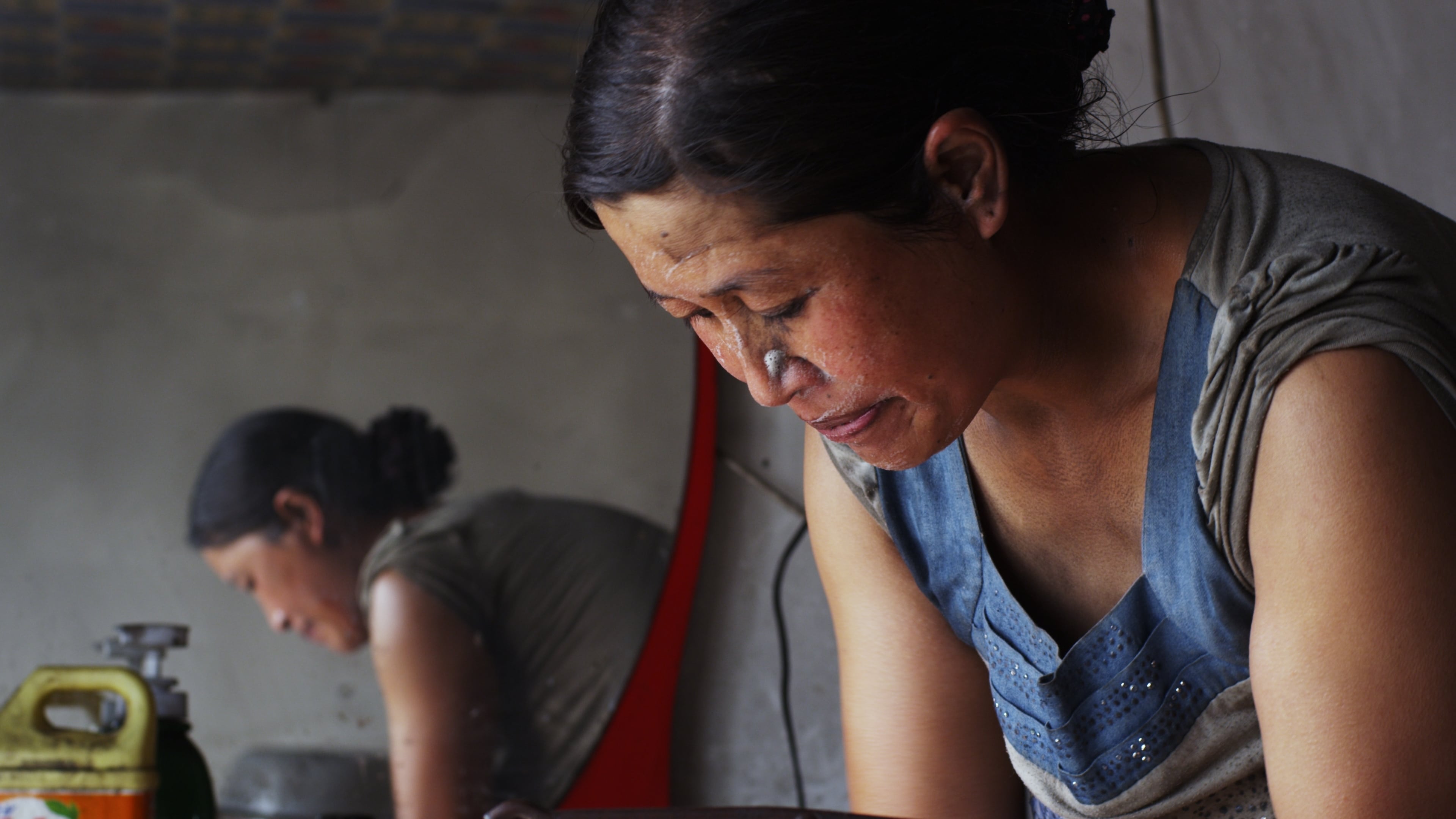
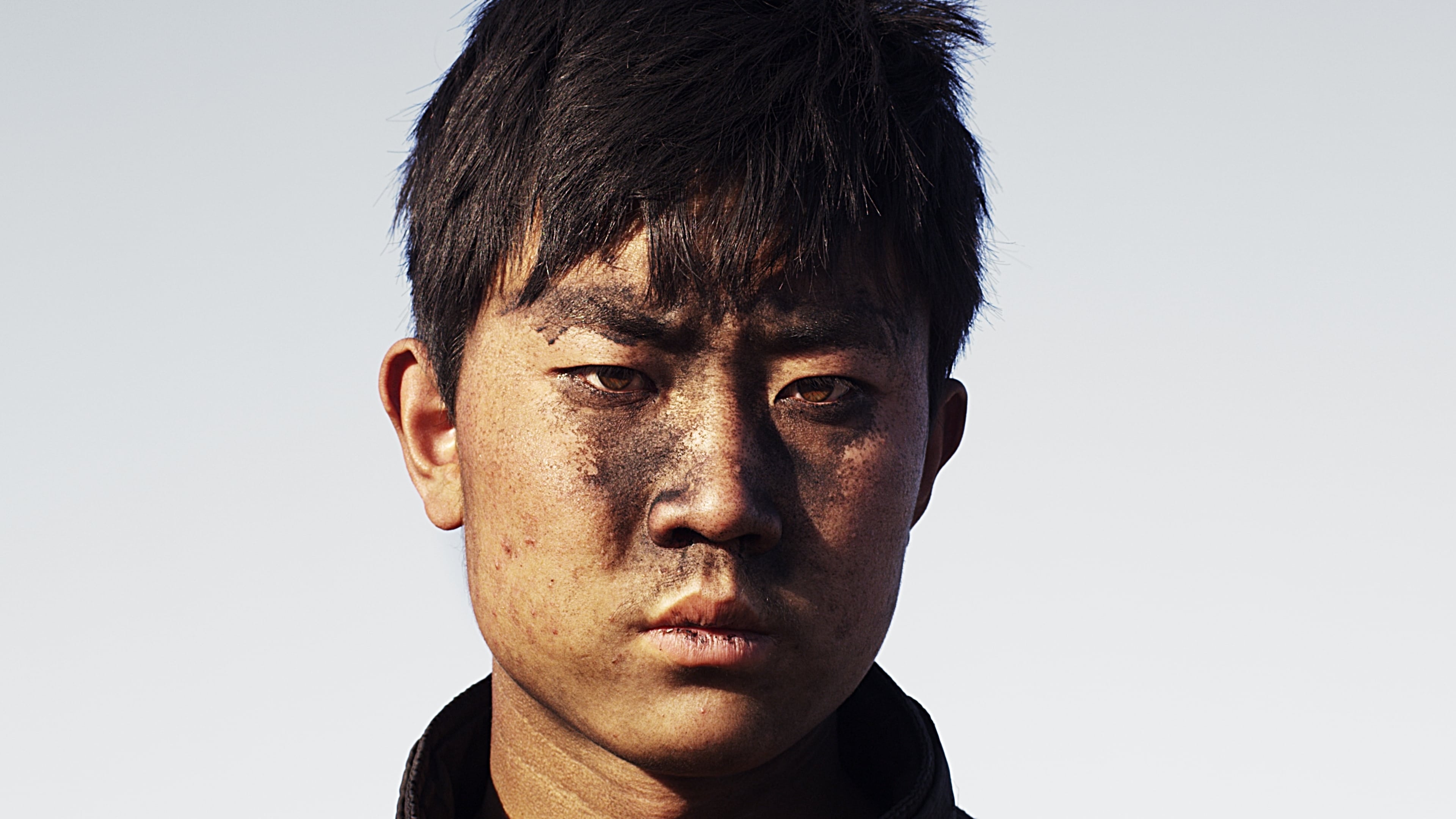
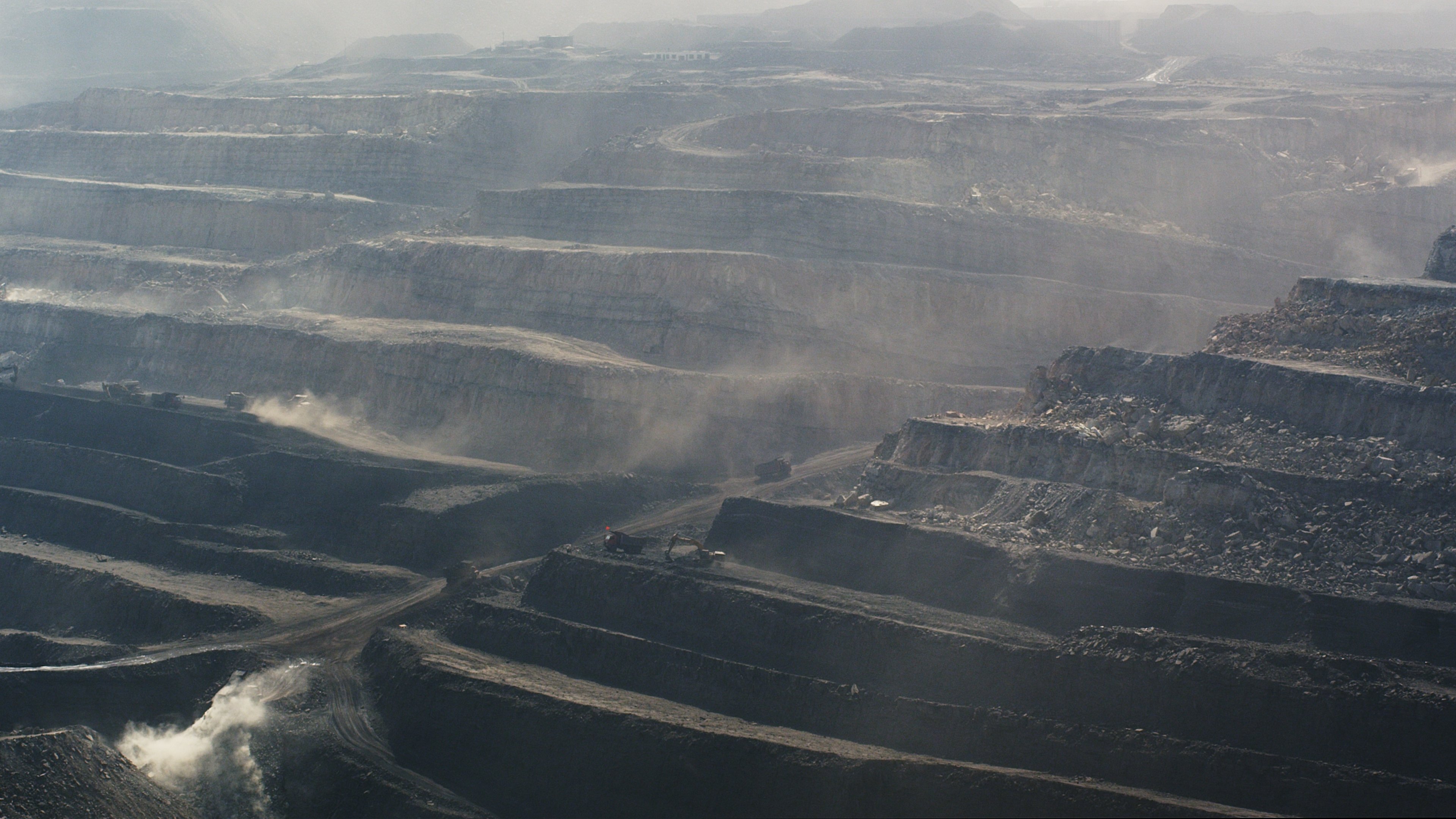
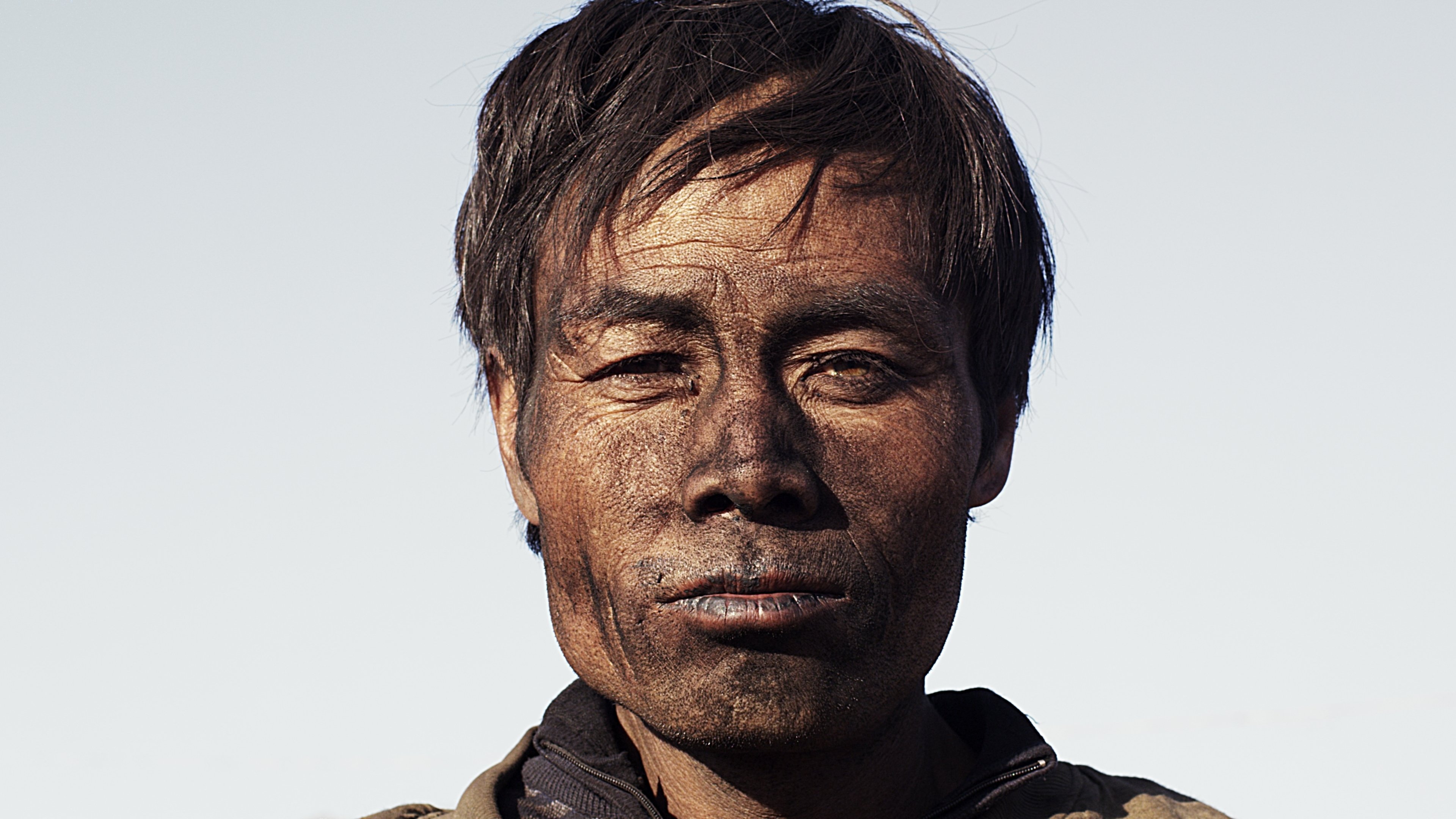
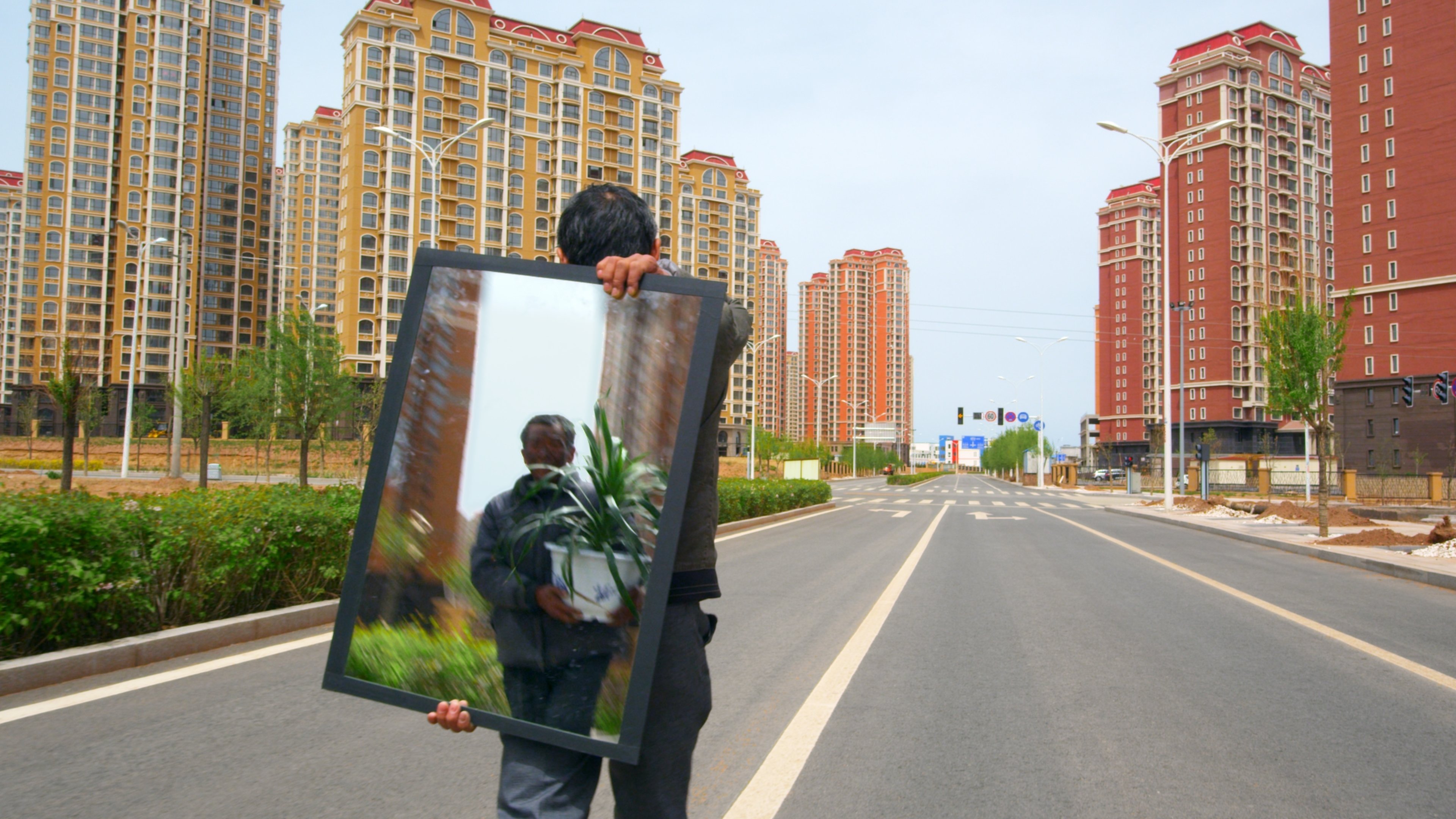
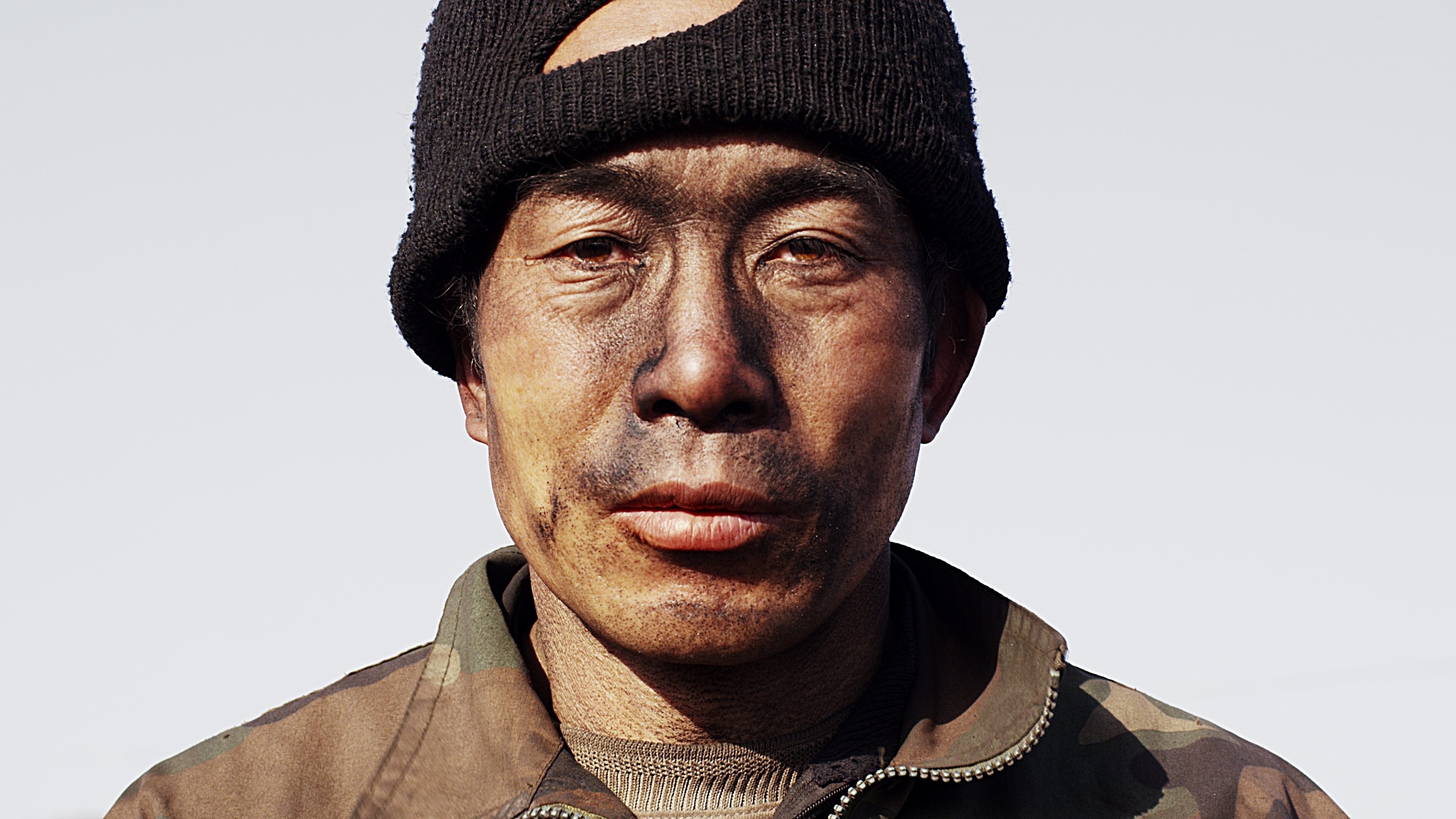
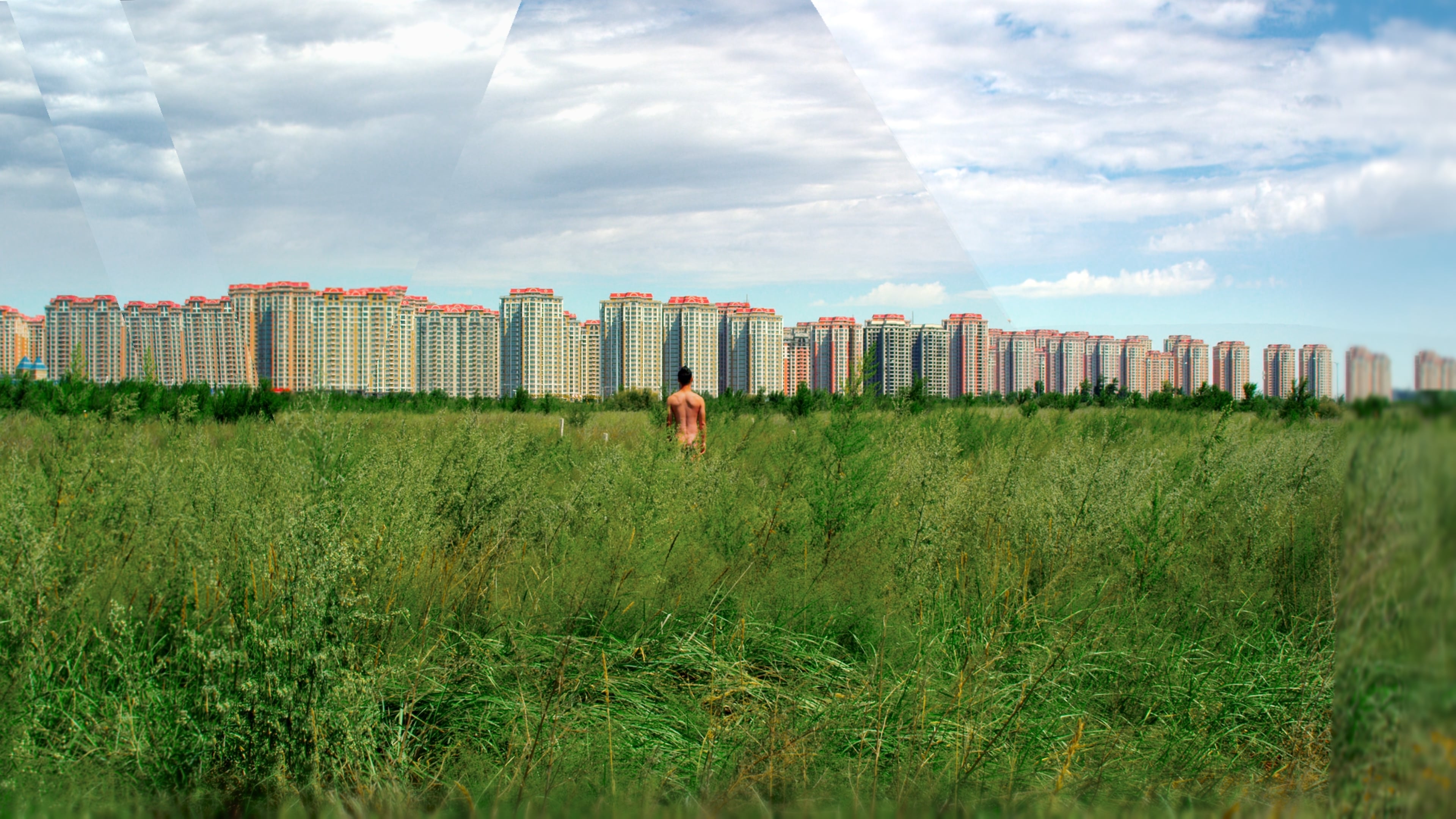
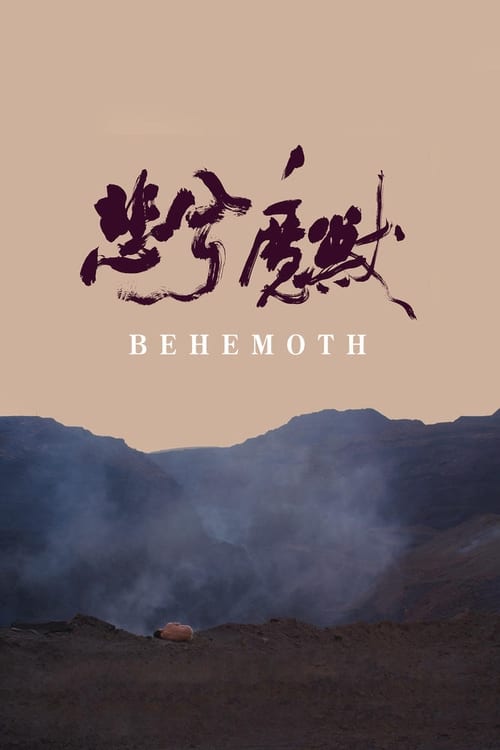
While this film is beautiful, I don’t particularly prefer the expressionist, poetic construction of the diegesis. The breaks to music and the cuts from almost surveillance-cam like footage to varying prismed shots of a man’s nude body in the midst of the film’s settings — don’t really read as radically and as impressionably as the images and way of constructing the film in Petition does. The workers have no voice in this film and almost become objects to be studied by Liang’s meandering around their work site. It’s far from a democratic, accessible piece and reads more at times like an art installation. It’s not as raw as Wang Bing and it’s not as affecting as Tsai Ming-liang, as you can certainly see both of their styles within this film. This film succeeds in assaulting your senses and subverts your expectations with absolutely no diegetic dialogue whatsoever. Does it succeed in making a political statement about the lower rungs of the Chinese labour force and on rapid industrialisation? I’m not too sure. The Divine Comedy allegories and references are unique and thought-provoking, though in my opinion, they do a considerable disservice to Liang’s motif of hyperrealism. It’s too deliberate. Too polished.
While this film is beautiful, I don’t particularly prefer the expressionist, poetic construction of the diegesis. The breaks to music and the cuts from almost surveillance-cam like footage to varying prismed shots of a man’s nude body in the midst of the film’s settings — don’t really read as radically and as impressionably as the images and way of constructing the film in Petition does. The workers have no voice in this film and almost become objects to be studied by Liang’s meandering around their work site. It’s far from a democratic, accessible piece and reads more at times like an art installation. It’s not as raw as Wang Bing and it’s not as affecting as Tsai Ming-liang, as you can certainly see both of their styles within this film. This film succeeds in assaulting your senses and subverts your expectations with absolutely no diegetic dialogue whatsoever. Does it succeed in making a political statement about the lower rungs of the Chinese labour force and on rapid industrialisation? I’m not too sure. The Divine Comedy allegories and references are unique and thought-provoking, though in my opinion, they do a considerable disservice to Liang’s motif of hyperrealism. It’s too deliberate. Too polished.