

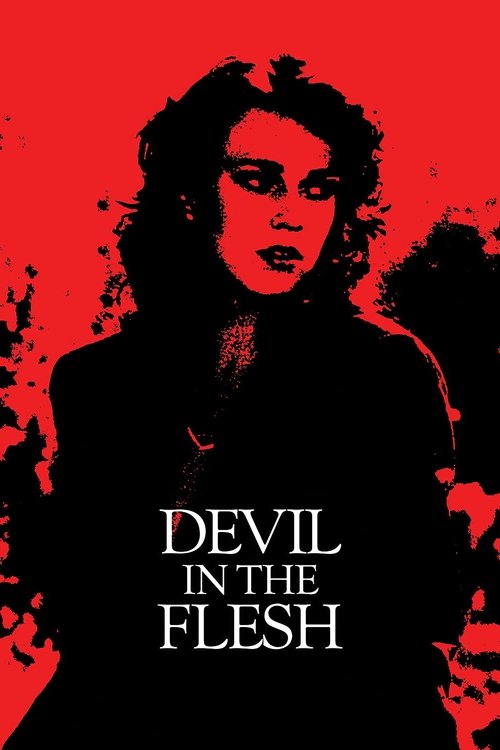
1986·Drama·1h 54m
7.1
★
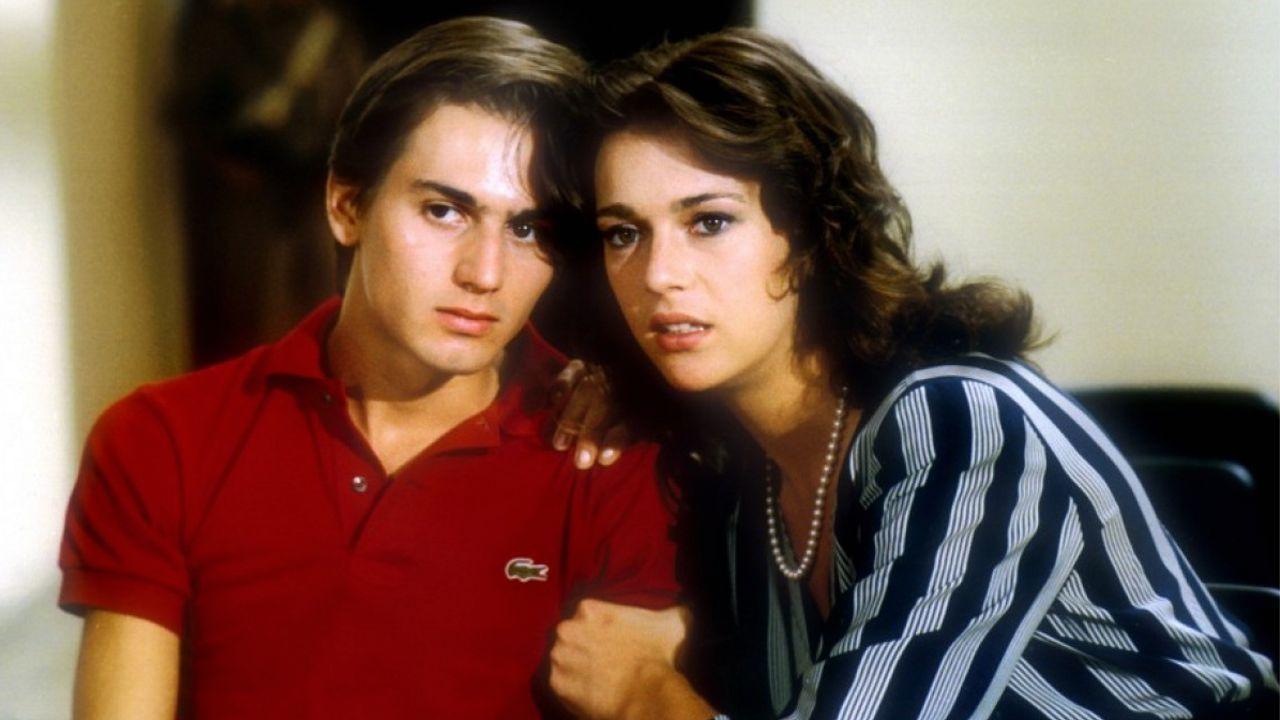




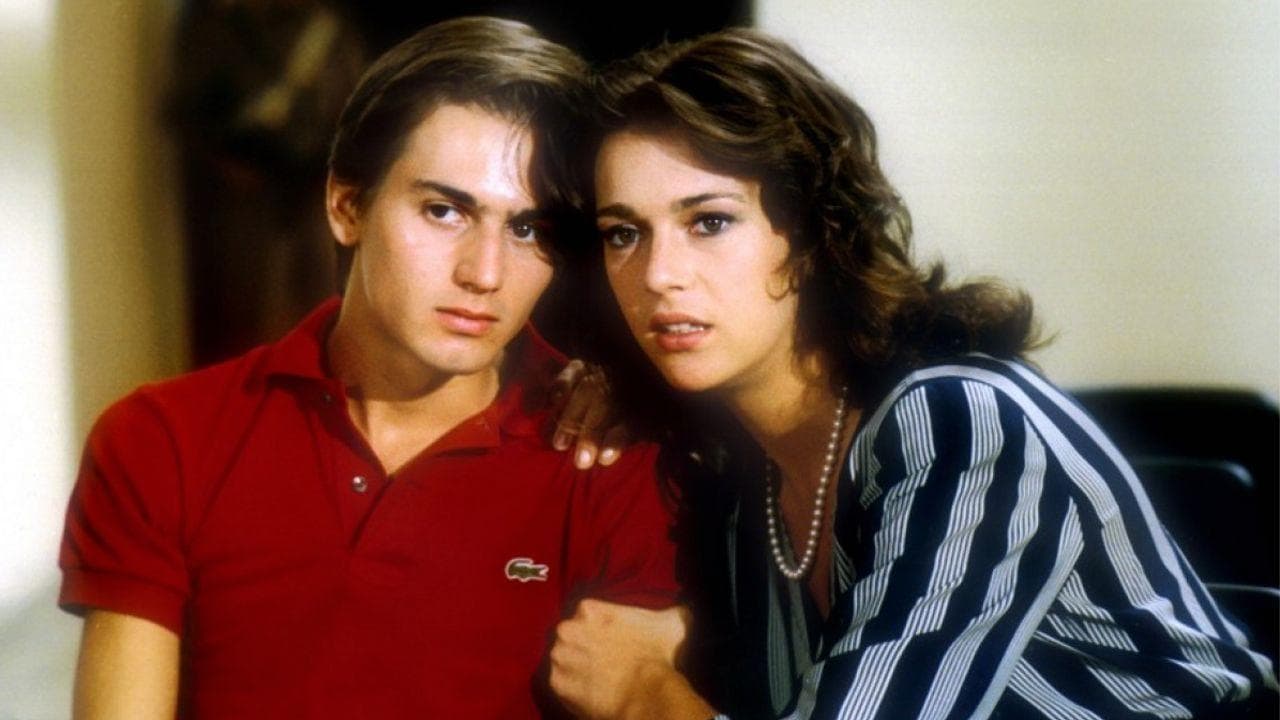
An Italian high school student becomes infatuated with a woman he sees outside his class window. Her fiancée is in jail for being involved in a radical movement, and she spends much time in court providing moral support. At first she resists the student's advances, but eventually begins an affair with him. Their situation is condemned by her family and his father, who is the woman's psychologist.
Directed by Marco Bellocchio
eroticism
love affair

IMDB
N/A
Cast

Maruschka Detmers
Giulia

Federico Pitzalis
Andrea

Anita Laurenzi
Mrs. Pulcini

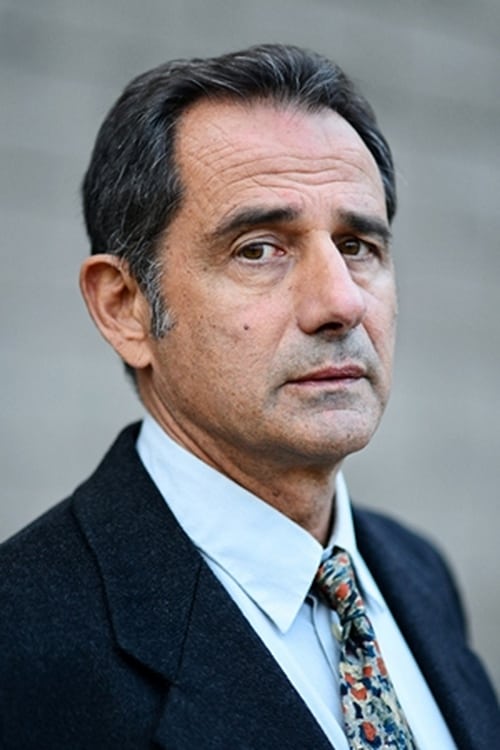
Alberto Di Stasio
Professor Raimondi
Riccardo De Torrebruna
Giacomo Pulcini

Catherine Diamant
Mrs. Raimondi

Anna Orso
Sig.ra Dozza

Lidia Broccolino
terrorista

Stefano Abbati
terrorista

Claudio Botosso
don Pisacane

Alessandro Partexano

Claudio Spadaro
Crew

Marco Bellocchio
Director
Marco Bellocchio
Writer

Giuseppe Lanci
Director of Photography

Angelo Barbagallo
Production Manager
Marco Bellocchio
Story
Popular Reviews
4 reviews
Wenders
7.0★ · 01/31/26
"Diavolo in corpo". Sex and insanity in this film is interpreted as something demonic, and they did it in such a natural way that it enchants me. Overall the cinematographic aspect of this film is incredible.
"Diavolo in corpo". Sex and insanity in this film is interpreted as something demonic, and they did it in such a natural way that it enchants me. Overall the cinematographic aspect of this film is incredible.


Lo-fi adapter
6.0★ · 10/31/25
Нравится, что фильм про женщину. Ненормальную, правда.
Нравится, что фильм про женщину. Ненормальную, правда.
Pretentious
7.0★ · 02/19/25
The use of rich, moody lighting transforms intimate bedrooms into shadowy enclaves of secrecy and longing.
Marco Bellocchio’s Devil in the Flesh revisits the controversial territory of Raymond Radiguet’s novel in a contemporary Italian context, blending a potent critique of political disillusionment with an unflinching look at female sexuality. At first glance, the film may appear as a teenage fantasy—replete with sensuous lighting and a taboo affair—but beneath that surface lies a layered exploration of post-1968 Italy, where leftist ideals have begun to wane, and personal desire seems to overshadow collective political ambition. For Bellocchio, the personal and the political are not separate spheres; rather, they collide in the figure of Giulia, whose emotional turmoil and sexual agency become focal points for analyzing a society at a crossroads.
By the mid-1980s, Italy had undergone dramatic shifts: the revolutionary fervor of the late 1960s and 1970s was giving way to cynicism and the creeping sense that political dreams had failed to yield substantive change. Devil in the Flesh captures this disenchantment through its characters’ ambivalent relationship to leftist organization. Giacomo—a character who might otherwise symbolize radical commitment—fades into irrelevance, overshadowed by Giulia’s search for personal fulfillment. The film implies that Italy’s preoccupation with ideological purity is dissolving into private pursuits of pleasure. This thematic turn resonates with a broader European trend in the 1980s, where grand political narratives were increasingly supplanted by individual or familial dramas.
From a distinctly Italian perspective, Bellocchio’s frank treatment of sexuality diverges from what a comparable American film of the time might have offered. U.S. cinema often leaned on conventional moral codes, even in edgier or independently produced works. Meanwhile, in Italy—and indeed in France—filmmakers and critics were more prepared to handle explicit material without moralizing. Devil in the Flesh thus reflects a climate in which artistic freedom collides with deeply ingrained patriarchal mores, exposing not only how women’s sexual lives remain policed by social norms, but also how political activism can wither under the weight of personal appetites and emotional needs.
In bridging these public and private worlds, Bellocchio taps into the tradition of Italian cinema that unites raw emotional realism with socio-political commentary—a lineage tracing from neorealism’s emphasis on daily hardship to post-1968 works grappling with the demise of utopian hopes. Unlike the earlier version set in wartime France, here the national mood is colored by the perceived failures of leftist movements and a sense of personal disenchantment, rendering the film a snapshot of Italy’s mid-80s psyche.
The editing pace and shot composition encourage viewers to focus intently on the protagonists’ inner conflicts—a technique reminiscent of European arthouse traditions that privilege atmospheric depth over conventional narrative beats. Performances, particularly from those portraying Giulia and Andrea, stand out for their willingness to inhabit a moral gray area: Giulia is neither purely victim nor seductress, while Andrea’s naive self-absorption transforms from teenage fantasy fulfillment into an unsettling power dynamic. This uneasy balance results in a film that, while undeniably erotic, rarely succumbs to mere titillation. Instead, it uses sensuality as a lens to examine control and shame.
Devil in the Flesh offers a bold dissection of how personal yearning and disillusioned politics can tangle. Bellocchio’s refusal to sentimentalize love grants the film a harsh, honest bite, reminding viewers that grand ideological aspirations can dissolve into manipulative relationships and fleeting carnal experiences. The unapologetically frank depiction of Giulia’s sexuality and subsequent struggles also emerges as a radical statement on women’s autonomy within a patriarchal framework.
On the other hand, some viewers may find Andrea’s character shallow to the point of frustration. The film’s emphasis on emotional immaturity risks reducing the narrative to a teenage-boy reverie that drains focus from Giulia’s complexity. Others argue that by leaving Giacomo underexamined, the film undermines its own potential political critique; had Giacomo been more fully fleshed out, the audience might better grasp the stakes. For these critics, the result can feel like a cynical portrayal of a society giving in to base urges, overshadowing the deeper moral or philosophical questions that might have been explored.
Devil in the Flesh takes Radiguet’s scandalous premise and reframes it for an era in which Italy’s grand political illusions have begun to evaporate. By weaving a carnal, psychologically fraught romance into the fabric of an increasingly apathetic society, Bellocchio underscores the dissonance between high-minded ideals and raw human needs. The film’s lingering final image—Giulia, trapped by her own choices and stifling social realities—embodies a distinctly European cinematic inclination toward unresolved, introspective endings. Rooted in a tradition of uncompromising emotional realism, Devil in the Flesh straddles the line between a cynical condemnation of society’s shift away from collective activism and a pointed exploration of how desire and patriarchy can box women into unwinnable roles. Its frank aesthetic style, replete with sultry lighting and candid performances, resonates more closely with European arthouse than with Hollywood’s moral codes.
Marco Bellocchio’s Devil in the Flesh revisits the controversial territory of Raymond Radiguet’s novel in a contemporary Italian context, blending a potent critique of political disillusionment with an unflinching look at female sexuality. At first glance, the film may appear as a teenage fantasy—replete with sensuous lighting and a taboo affair—but beneath that surface lies a layered exploration of post-1968 Italy, where leftist ideals have begun to wane, and personal desire seems to overshadow collective political ambition. For Bellocchio, the personal and the political are not separate spheres; rather, they collide in the figure of Giulia, whose emotional turmoil and sexual agency become focal points for analyzing a society at a crossroads.
By the mid-1980s, Italy had undergone dramatic shifts: the revolutionary fervor of the late 1960s and 1970s was giving way to cynicism and the creeping sense that political dreams had failed to yield substantive change. Devil in the Flesh captures this disenchantment through its characters’ ambivalent relationship to leftist organization. Giacomo—a character who might otherwise symbolize radical commitment—fades into irrelevance, overshadowed by Giulia’s search for personal fulfillment. The film implies that Italy’s preoccupation with ideological purity is dissolving into private pursuits of pleasure. This thematic turn resonates with a broader European trend in the 1980s, where grand political narratives were increasingly supplanted by individual or familial dramas.
From a distinctly Italian perspective, Bellocchio’s frank treatment of sexuality diverges from what a comparable American film of the time might have offered. U.S. cinema often leaned on conventional moral codes, even in edgier or independently produced works. Meanwhile, in Italy—and indeed in France—filmmakers and critics were more prepared to handle explicit material without moralizing. Devil in the Flesh thus reflects a climate in which artistic freedom collides with deeply ingrained patriarchal mores, exposing not only how women’s sexual lives remain policed by social norms, but also how political activism can wither under the weight of personal appetites and emotional needs.
In bridging these public and private worlds, Bellocchio taps into the tradition of Italian cinema that unites raw emotional realism with socio-political commentary—a lineage tracing from neorealism’s emphasis on daily hardship to post-1968 works grappling with the demise of utopian hopes. Unlike the earlier version set in wartime France, here the national mood is colored by the perceived failures of leftist movements and a sense of personal disenchantment, rendering the film a snapshot of Italy’s mid-80s psyche.
The editing pace and shot composition encourage viewers to focus intently on the protagonists’ inner conflicts—a technique reminiscent of European arthouse traditions that privilege atmospheric depth over conventional narrative beats. Performances, particularly from those portraying Giulia and Andrea, stand out for their willingness to inhabit a moral gray area: Giulia is neither purely victim nor seductress, while Andrea’s naive self-absorption transforms from teenage fantasy fulfillment into an unsettling power dynamic. This uneasy balance results in a film that, while undeniably erotic, rarely succumbs to mere titillation. Instead, it uses sensuality as a lens to examine control and shame.
Devil in the Flesh offers a bold dissection of how personal yearning and disillusioned politics can tangle. Bellocchio’s refusal to sentimentalize love grants the film a harsh, honest bite, reminding viewers that grand ideological aspirations can dissolve into manipulative relationships and fleeting carnal experiences. The unapologetically frank depiction of Giulia’s sexuality and subsequent struggles also emerges as a radical statement on women’s autonomy within a patriarchal framework.
On the other hand, some viewers may find Andrea’s character shallow to the point of frustration. The film’s emphasis on emotional immaturity risks reducing the narrative to a teenage-boy reverie that drains focus from Giulia’s complexity. Others argue that by leaving Giacomo underexamined, the film undermines its own potential political critique; had Giacomo been more fully fleshed out, the audience might better grasp the stakes. For these critics, the result can feel like a cynical portrayal of a society giving in to base urges, overshadowing the deeper moral or philosophical questions that might have been explored.
Devil in the Flesh takes Radiguet’s scandalous premise and reframes it for an era in which Italy’s grand political illusions have begun to evaporate. By weaving a carnal, psychologically fraught romance into the fabric of an increasingly apathetic society, Bellocchio underscores the dissonance between high-minded ideals and raw human needs. The film’s lingering final image—Giulia, trapped by her own choices and stifling social realities—embodies a distinctly European cinematic inclination toward unresolved, introspective endings. Rooted in a tradition of uncompromising emotional realism, Devil in the Flesh straddles the line between a cynical condemnation of society’s shift away from collective activism and a pointed exploration of how desire and patriarchy can box women into unwinnable roles. Its frank aesthetic style, replete with sultry lighting and candid performances, resonates more closely with European arthouse than with Hollywood’s moral codes.
The use of rich, moody lighting transforms intimate bedrooms into shadowy enclaves of secrecy and longing.
Marco Bellocchio’s Devil in the Flesh revisits the controversial territory of Raymond Radiguet’s novel in a contemporary Italian context, blending a potent critique of political disillusionment with an unflinching look at female sexuality. At first glance, the film may appear as a teenage fantasy—replete with sensuous lighting and a taboo affair—but beneath that surface lies a layered exploration of post-1968 Italy, where leftist ideals have begun to wane, and personal desire seems to overshadow collective political ambition. For Bellocchio, the personal and the political are not separate spheres; rather, they collide in the figure of Giulia, whose emotional turmoil and sexual agency become focal points for analyzing a society at a crossroads.
By the mid-1980s, Italy had undergone dramatic shifts: the revolutionary fervor of the late 1960s and 1970s was giving way to cynicism and the creeping sense that political dreams had failed to yield substantive change. Devil in the Flesh captures this disenchantment through its characters’ ambivalent relationship to leftist organization. Giacomo—a character who might otherwise symbolize radical commitment—fades into irrelevance, overshadowed by Giulia’s search for personal fulfillment. The film implies that Italy’s preoccupation with ideological purity is dissolving into private pursuits of pleasure. This thematic turn resonates with a broader European trend in the 1980s, where grand political narratives were increasingly supplanted by individual or familial dramas.
From a distinctly Italian perspective, Bellocchio’s frank treatment of sexuality diverges from what a comparable American film of the time might have offered. U.S. cinema often leaned on conventional moral codes, even in edgier or independently produced works. Meanwhile, in Italy—and indeed in France—filmmakers and critics were more prepared to handle explicit material without moralizing. Devil in the Flesh thus reflects a climate in which artistic freedom collides with deeply ingrained patriarchal mores, exposing not only how women’s sexual lives remain policed by social norms, but also how political activism can wither under the weight of personal appetites and emotional needs.
In bridging these public and private worlds, Bellocchio taps into the tradition of Italian cinema that unites raw emotional realism with socio-political commentary—a lineage tracing from neorealism’s emphasis on daily hardship to post-1968 works grappling with the demise of utopian hopes. Unlike the earlier version set in wartime France, here the national mood is colored by the perceived failures of leftist movements and a sense of personal disenchantment, rendering the film a snapshot of Italy’s mid-80s psyche.
The editing pace and shot composition encourage viewers to focus intently on the protagonists’ inner conflicts—a technique reminiscent of European arthouse traditions that privilege atmospheric depth over conventional narrative beats. Performances, particularly from those portraying Giulia and Andrea, stand out for their willingness to inhabit a moral gray area: Giulia is neither purely victim nor seductress, while Andrea’s naive self-absorption transforms from teenage fantasy fulfillment into an unsettling power dynamic. This uneasy balance results in a film that, while undeniably erotic, rarely succumbs to mere titillation. Instead, it uses sensuality as a lens to examine control and shame.
Devil in the Flesh offers a bold dissection of how personal yearning and disillusioned politics can tangle. Bellocchio’s refusal to sentimentalize love grants the film a harsh, honest bite, reminding viewers that grand ideological aspirations can dissolve into manipulative relationships and fleeting carnal experiences. The unapologetically frank depiction of Giulia’s sexuality and subsequent struggles also emerges as a radical statement on women’s autonomy within a patriarchal framework.
On the other hand, some viewers may find Andrea’s character shallow to the point of frustration. The film’s emphasis on emotional immaturity risks reducing the narrative to a teenage-boy reverie that drains focus from Giulia’s complexity. Others argue that by leaving Giacomo underexamined, the film undermines its own potential political critique; had Giacomo been more fully fleshed out, the audience might better grasp the stakes. For these critics, the result can feel like a cynical portrayal of a society giving in to base urges, overshadowing the deeper moral or philosophical questions that might have been explored.
Devil in the Flesh takes Radiguet’s scandalous premise and reframes it for an era in which Italy’s grand political illusions have begun to evaporate. By weaving a carnal, psychologically fraught romance into the fabric of an increasingly apathetic society, Bellocchio underscores the dissonance between high-minded ideals and raw human needs. The film’s lingering final image—Giulia, trapped by her own choices and stifling social realities—embodies a distinctly European cinematic inclination toward unresolved, introspective endings. Rooted in a tradition of uncompromising emotional realism, Devil in the Flesh straddles the line between a cynical condemnation of society’s shift away from collective activism and a pointed exploration of how desire and patriarchy can box women into unwinnable roles. Its frank aesthetic style, replete with sultry lighting and candid performances, resonates more closely with European arthouse than with Hollywood’s moral codes.
Marco Bellocchio’s Devil in the Flesh revisits the controversial territory of Raymond Radiguet’s novel in a contemporary Italian context, blending a potent critique of political disillusionment with an unflinching look at female sexuality. At first glance, the film may appear as a teenage fantasy—replete with sensuous lighting and a taboo affair—but beneath that surface lies a layered exploration of post-1968 Italy, where leftist ideals have begun to wane, and personal desire seems to overshadow collective political ambition. For Bellocchio, the personal and the political are not separate spheres; rather, they collide in the figure of Giulia, whose emotional turmoil and sexual agency become focal points for analyzing a society at a crossroads.
By the mid-1980s, Italy had undergone dramatic shifts: the revolutionary fervor of the late 1960s and 1970s was giving way to cynicism and the creeping sense that political dreams had failed to yield substantive change. Devil in the Flesh captures this disenchantment through its characters’ ambivalent relationship to leftist organization. Giacomo—a character who might otherwise symbolize radical commitment—fades into irrelevance, overshadowed by Giulia’s search for personal fulfillment. The film implies that Italy’s preoccupation with ideological purity is dissolving into private pursuits of pleasure. This thematic turn resonates with a broader European trend in the 1980s, where grand political narratives were increasingly supplanted by individual or familial dramas.
From a distinctly Italian perspective, Bellocchio’s frank treatment of sexuality diverges from what a comparable American film of the time might have offered. U.S. cinema often leaned on conventional moral codes, even in edgier or independently produced works. Meanwhile, in Italy—and indeed in France—filmmakers and critics were more prepared to handle explicit material without moralizing. Devil in the Flesh thus reflects a climate in which artistic freedom collides with deeply ingrained patriarchal mores, exposing not only how women’s sexual lives remain policed by social norms, but also how political activism can wither under the weight of personal appetites and emotional needs.
In bridging these public and private worlds, Bellocchio taps into the tradition of Italian cinema that unites raw emotional realism with socio-political commentary—a lineage tracing from neorealism’s emphasis on daily hardship to post-1968 works grappling with the demise of utopian hopes. Unlike the earlier version set in wartime France, here the national mood is colored by the perceived failures of leftist movements and a sense of personal disenchantment, rendering the film a snapshot of Italy’s mid-80s psyche.
The editing pace and shot composition encourage viewers to focus intently on the protagonists’ inner conflicts—a technique reminiscent of European arthouse traditions that privilege atmospheric depth over conventional narrative beats. Performances, particularly from those portraying Giulia and Andrea, stand out for their willingness to inhabit a moral gray area: Giulia is neither purely victim nor seductress, while Andrea’s naive self-absorption transforms from teenage fantasy fulfillment into an unsettling power dynamic. This uneasy balance results in a film that, while undeniably erotic, rarely succumbs to mere titillation. Instead, it uses sensuality as a lens to examine control and shame.
Devil in the Flesh offers a bold dissection of how personal yearning and disillusioned politics can tangle. Bellocchio’s refusal to sentimentalize love grants the film a harsh, honest bite, reminding viewers that grand ideological aspirations can dissolve into manipulative relationships and fleeting carnal experiences. The unapologetically frank depiction of Giulia’s sexuality and subsequent struggles also emerges as a radical statement on women’s autonomy within a patriarchal framework.
On the other hand, some viewers may find Andrea’s character shallow to the point of frustration. The film’s emphasis on emotional immaturity risks reducing the narrative to a teenage-boy reverie that drains focus from Giulia’s complexity. Others argue that by leaving Giacomo underexamined, the film undermines its own potential political critique; had Giacomo been more fully fleshed out, the audience might better grasp the stakes. For these critics, the result can feel like a cynical portrayal of a society giving in to base urges, overshadowing the deeper moral or philosophical questions that might have been explored.
Devil in the Flesh takes Radiguet’s scandalous premise and reframes it for an era in which Italy’s grand political illusions have begun to evaporate. By weaving a carnal, psychologically fraught romance into the fabric of an increasingly apathetic society, Bellocchio underscores the dissonance between high-minded ideals and raw human needs. The film’s lingering final image—Giulia, trapped by her own choices and stifling social realities—embodies a distinctly European cinematic inclination toward unresolved, introspective endings. Rooted in a tradition of uncompromising emotional realism, Devil in the Flesh straddles the line between a cynical condemnation of society’s shift away from collective activism and a pointed exploration of how desire and patriarchy can box women into unwinnable roles. Its frank aesthetic style, replete with sultry lighting and candid performances, resonates more closely with European arthouse than with Hollywood’s moral codes.
Kris
8.0★ · 06/25/21
Kris
8.0★ · 06/25/21