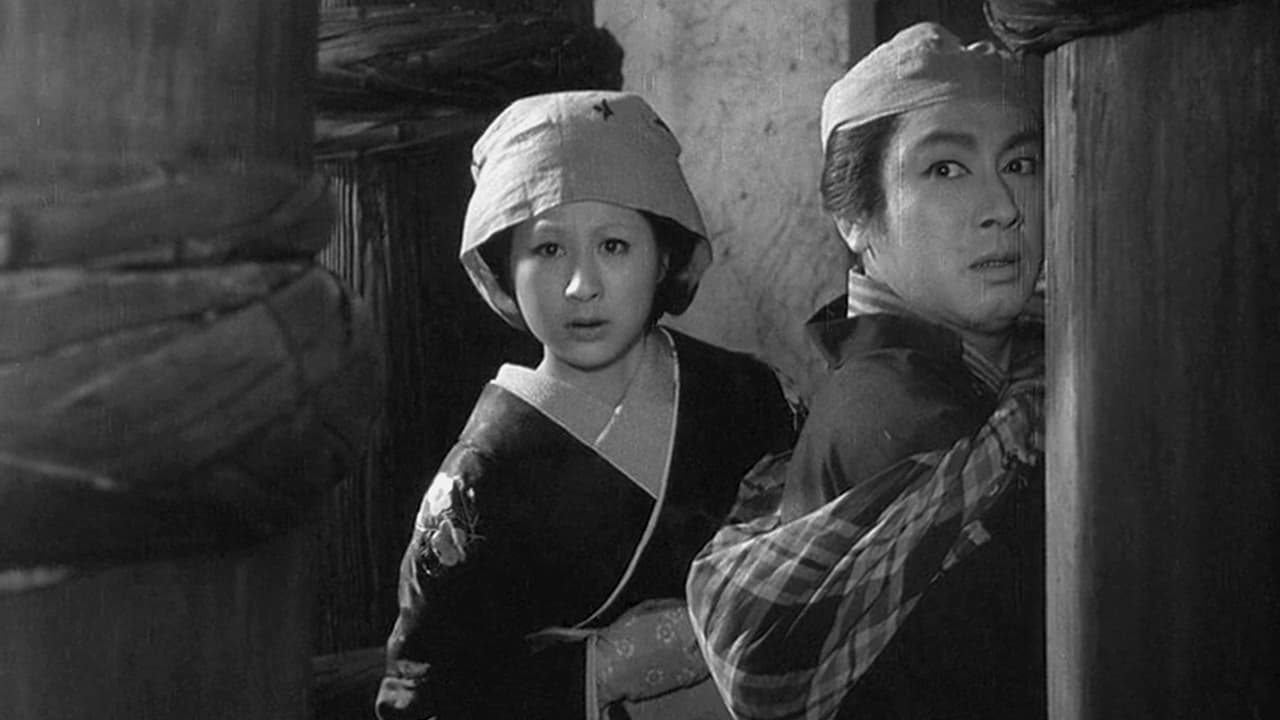
Everything’s firing on all cylinders, as usual. Probably the boldest artistic choice here is how abruptly the central romance actually begins, from unrequited to passionate over the course of a scene or two. I guess this is what film studies people on here mean when they say stuff like “the power of a cut”. Of course, said romance is the weakest link, which would be a bigger problem if Mizoguchi and co. weren’t more interested in worldbuilding, painting a portrait of social structures that both produce and doom these kinds of relationships.
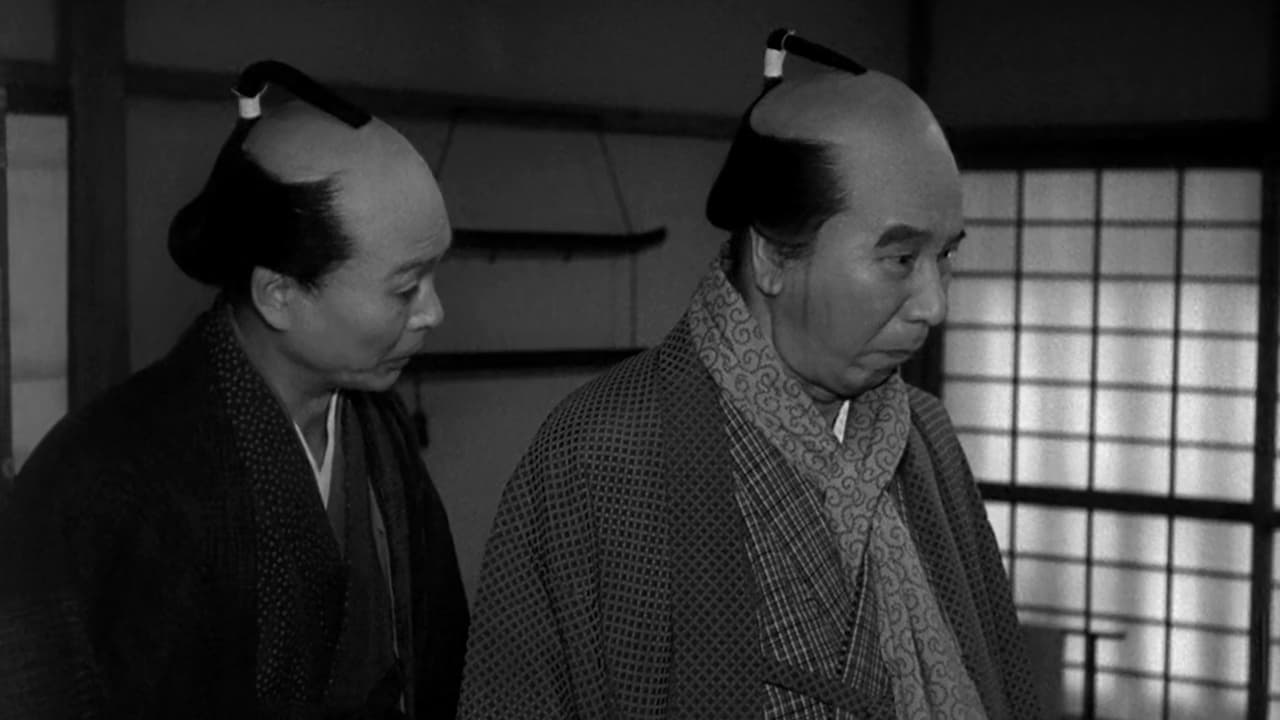
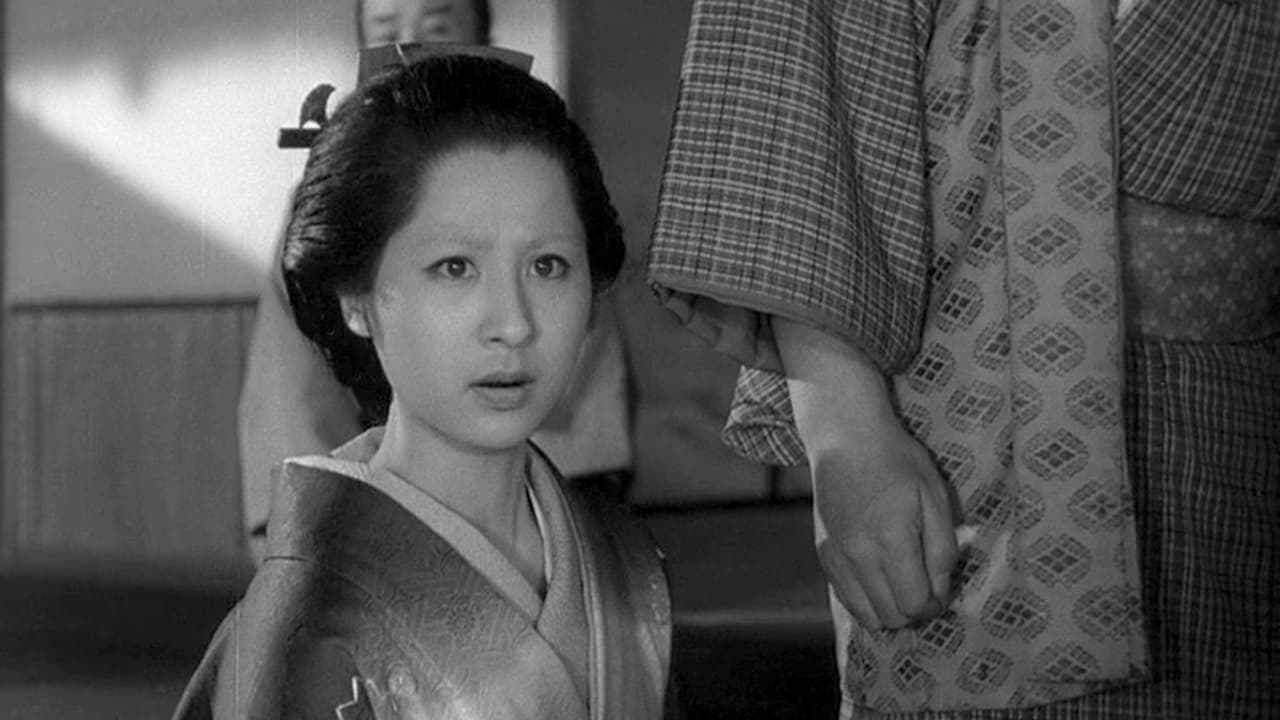
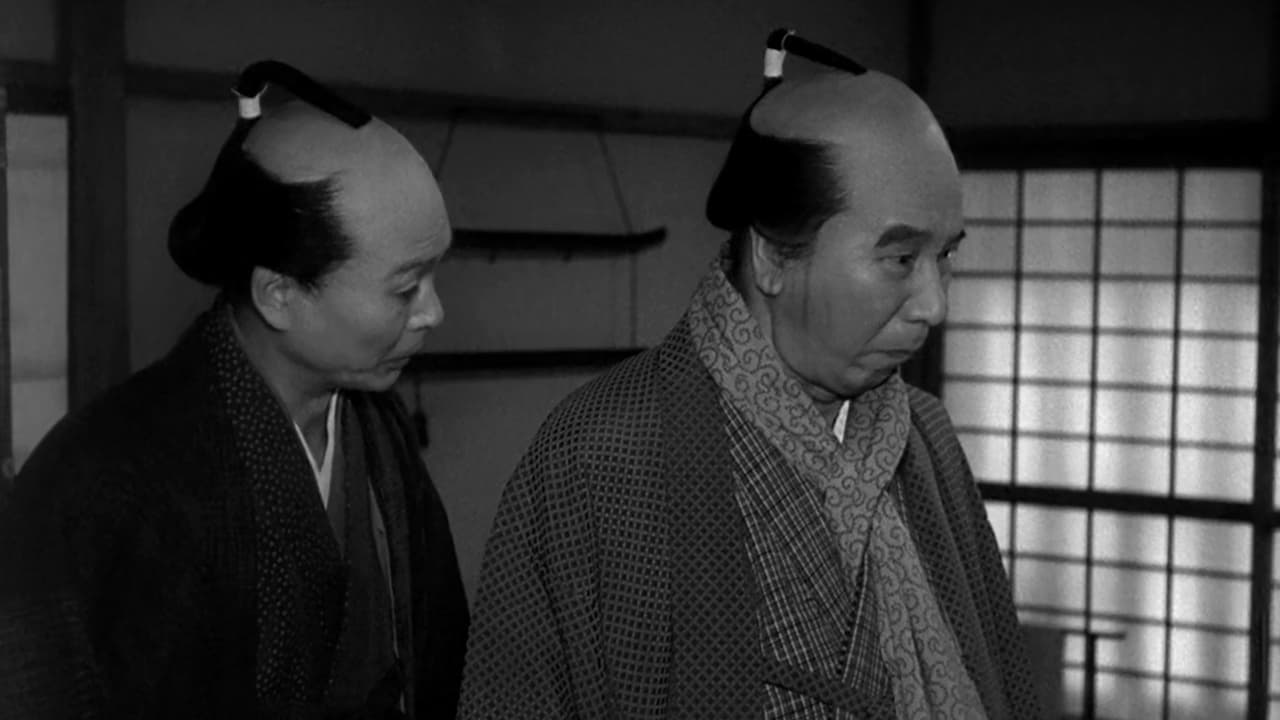
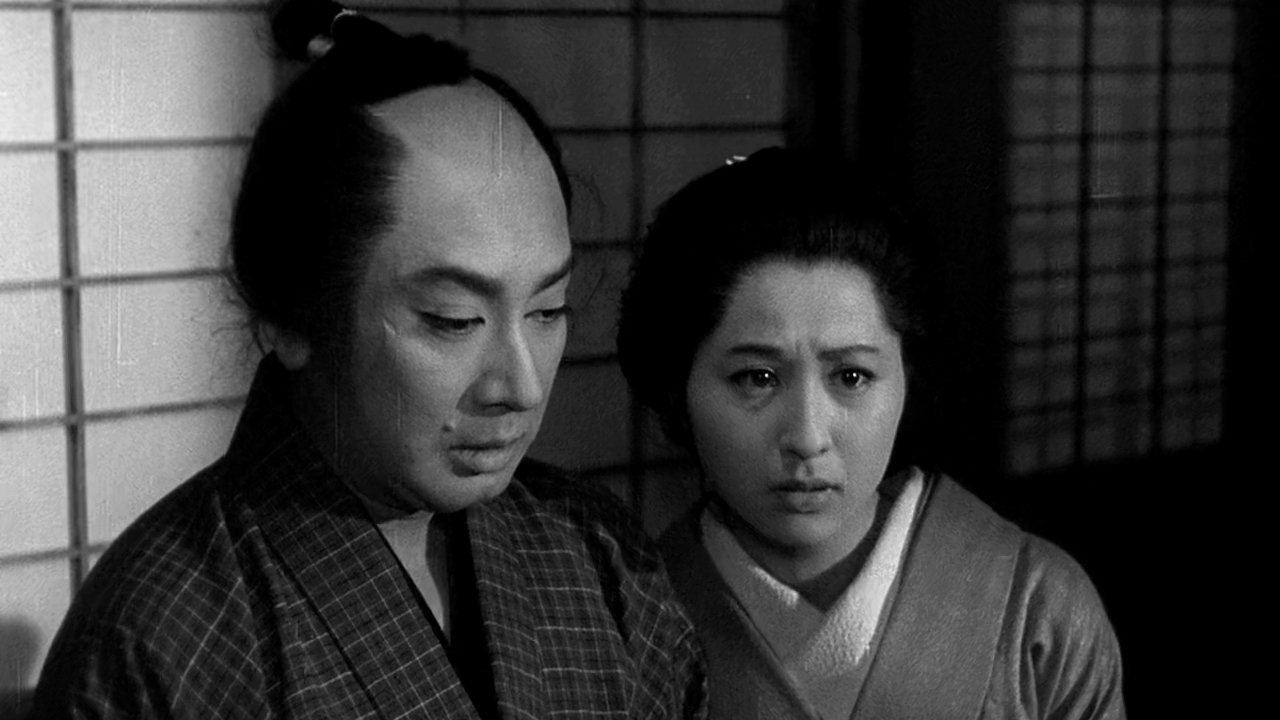
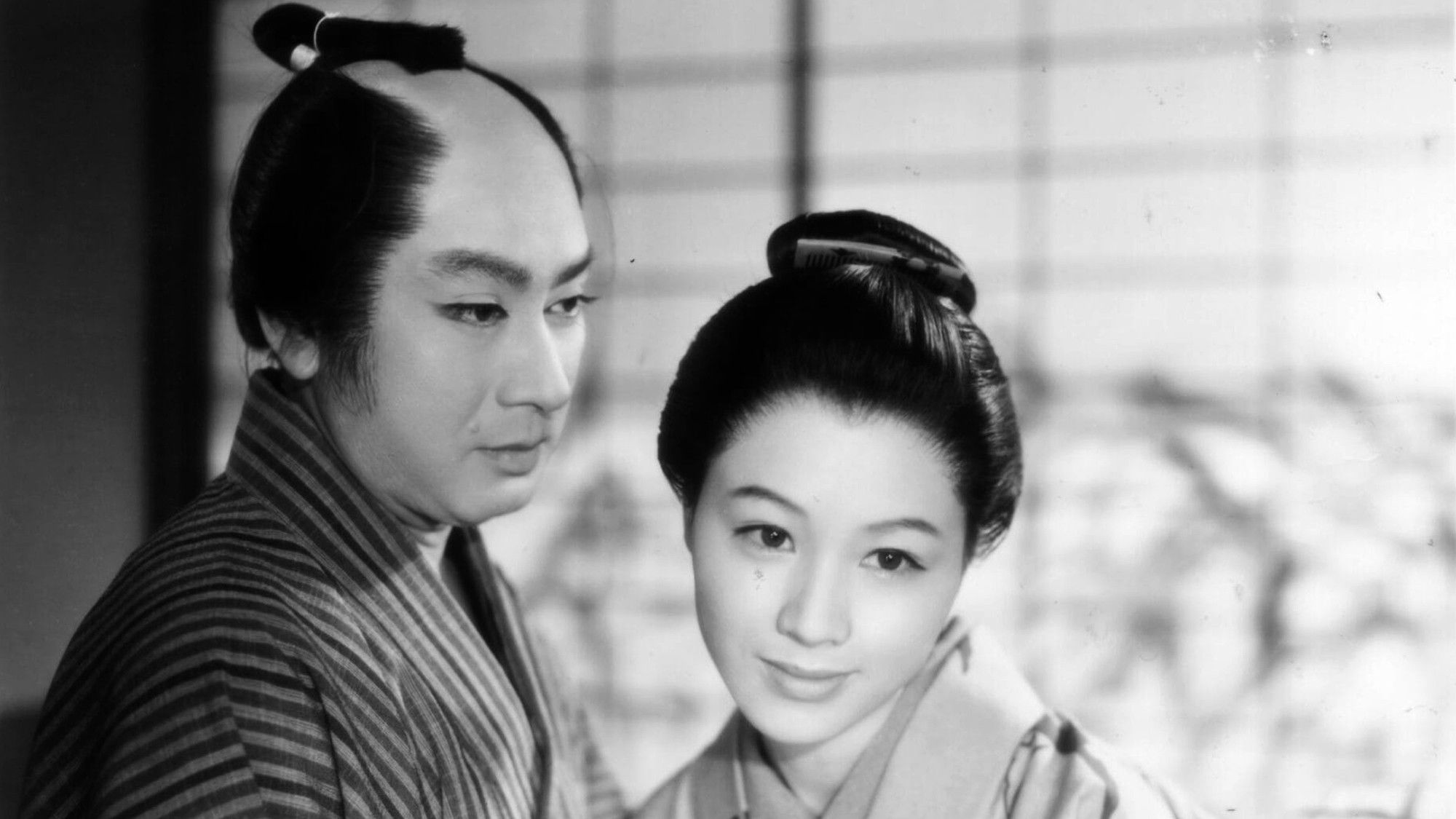
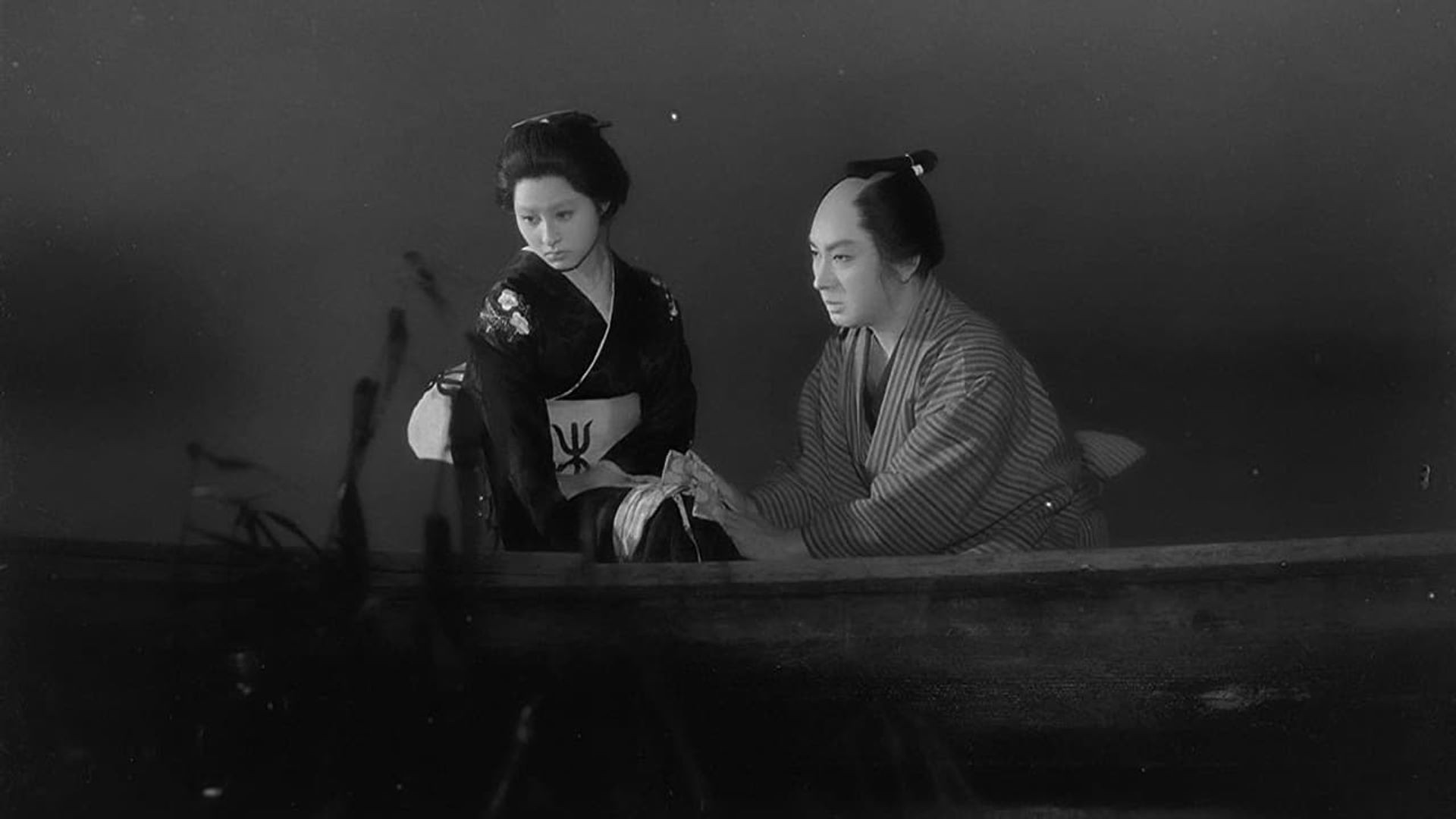
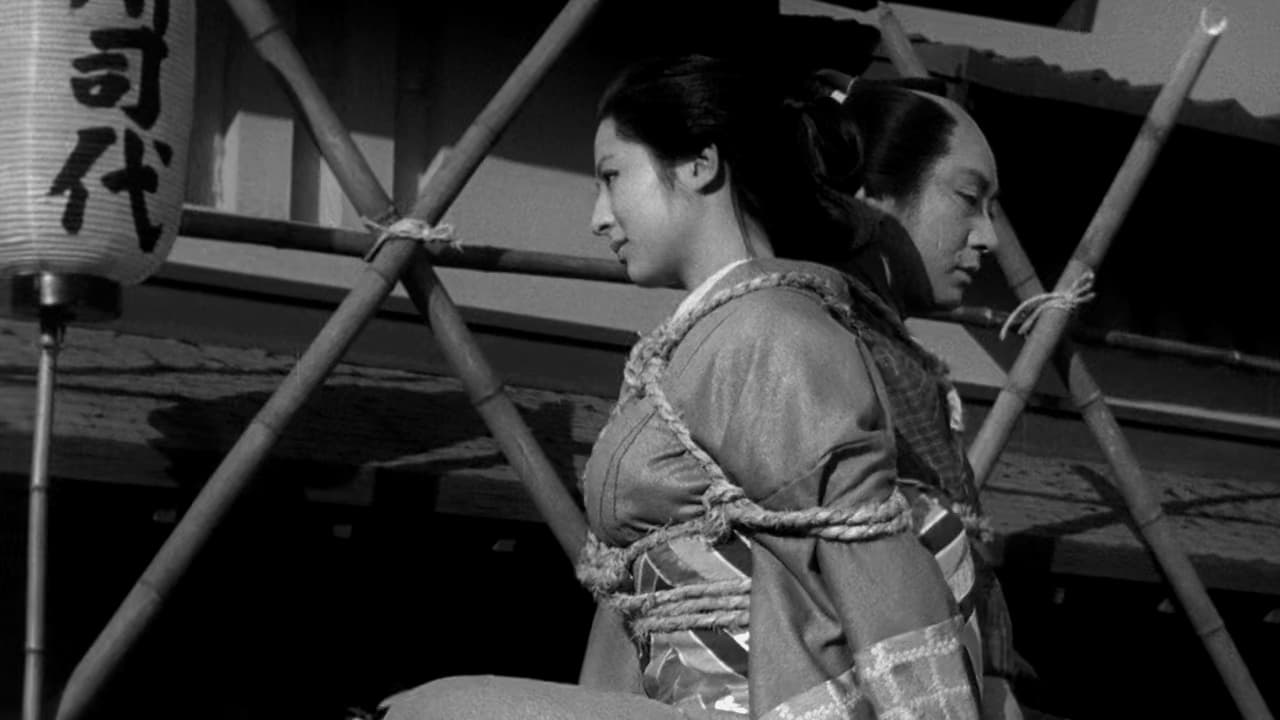
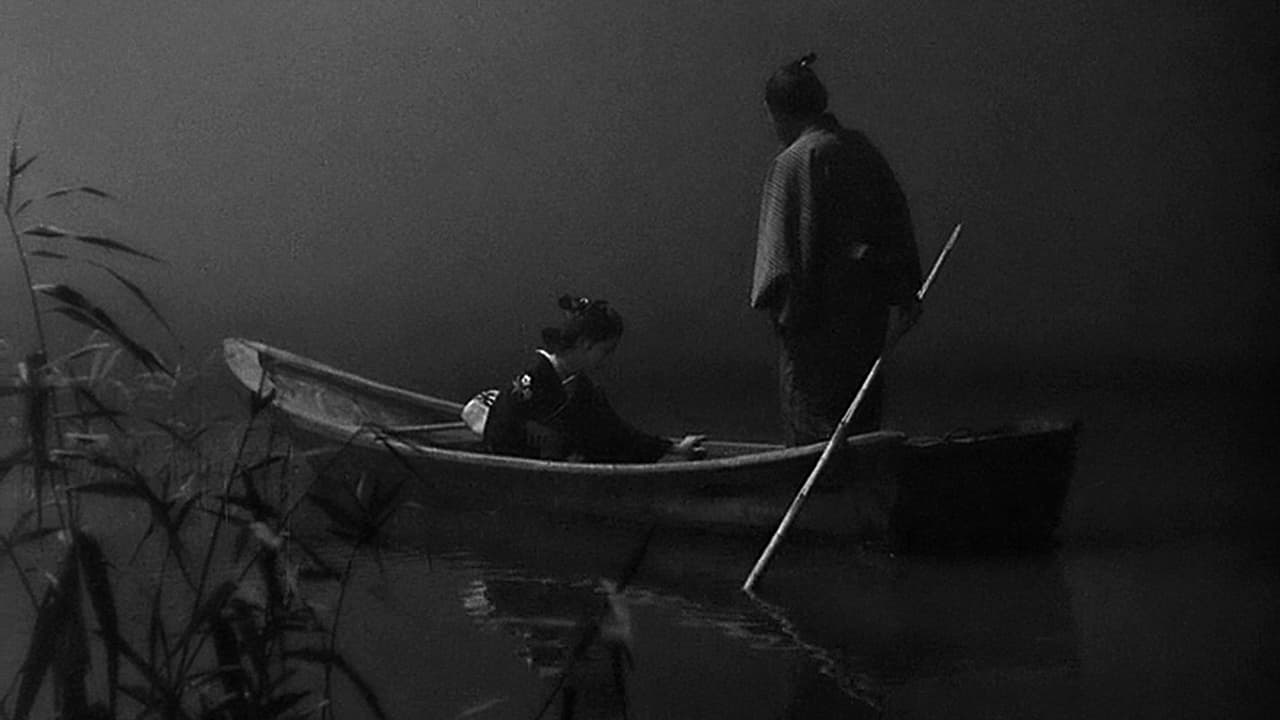
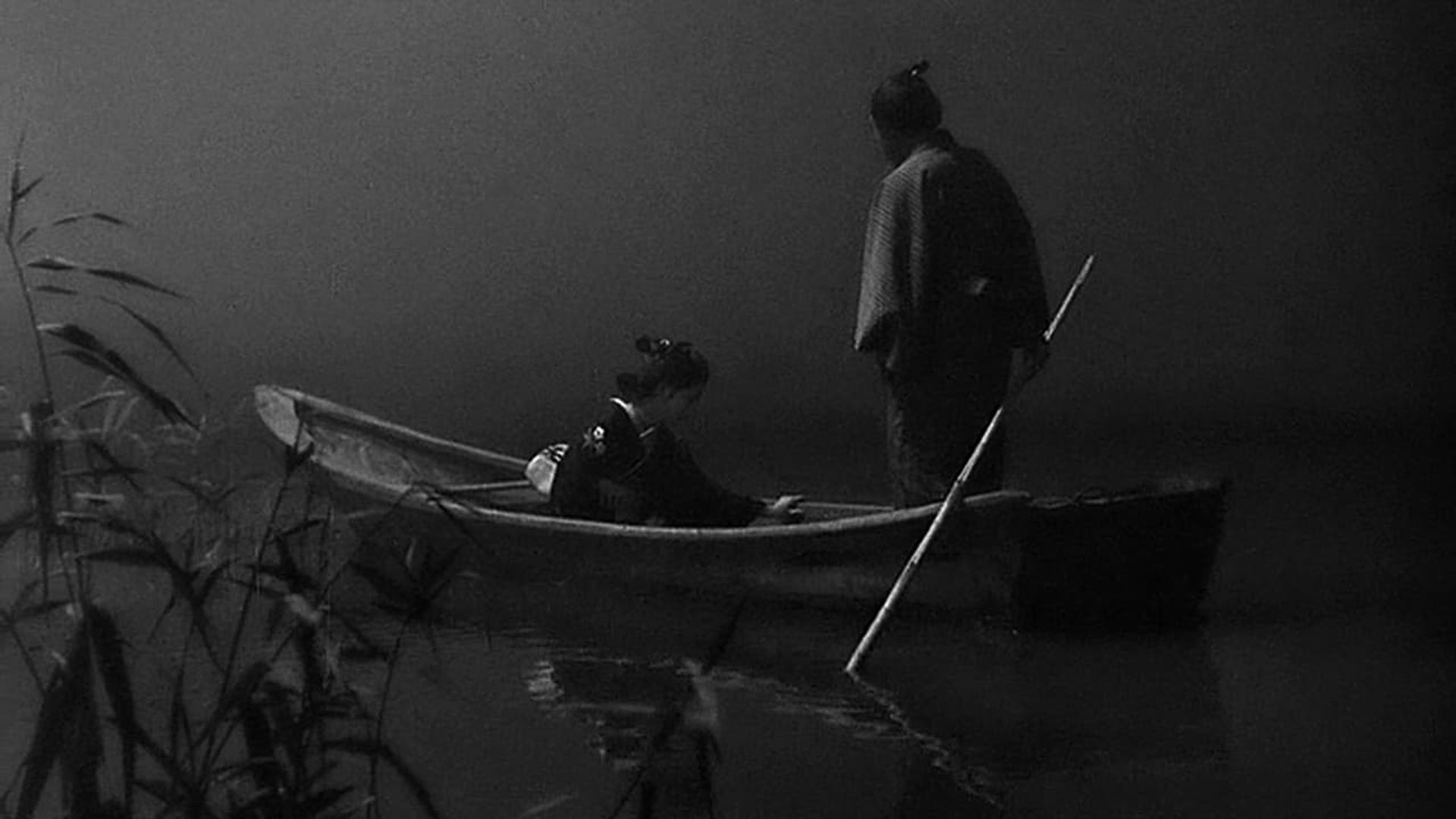
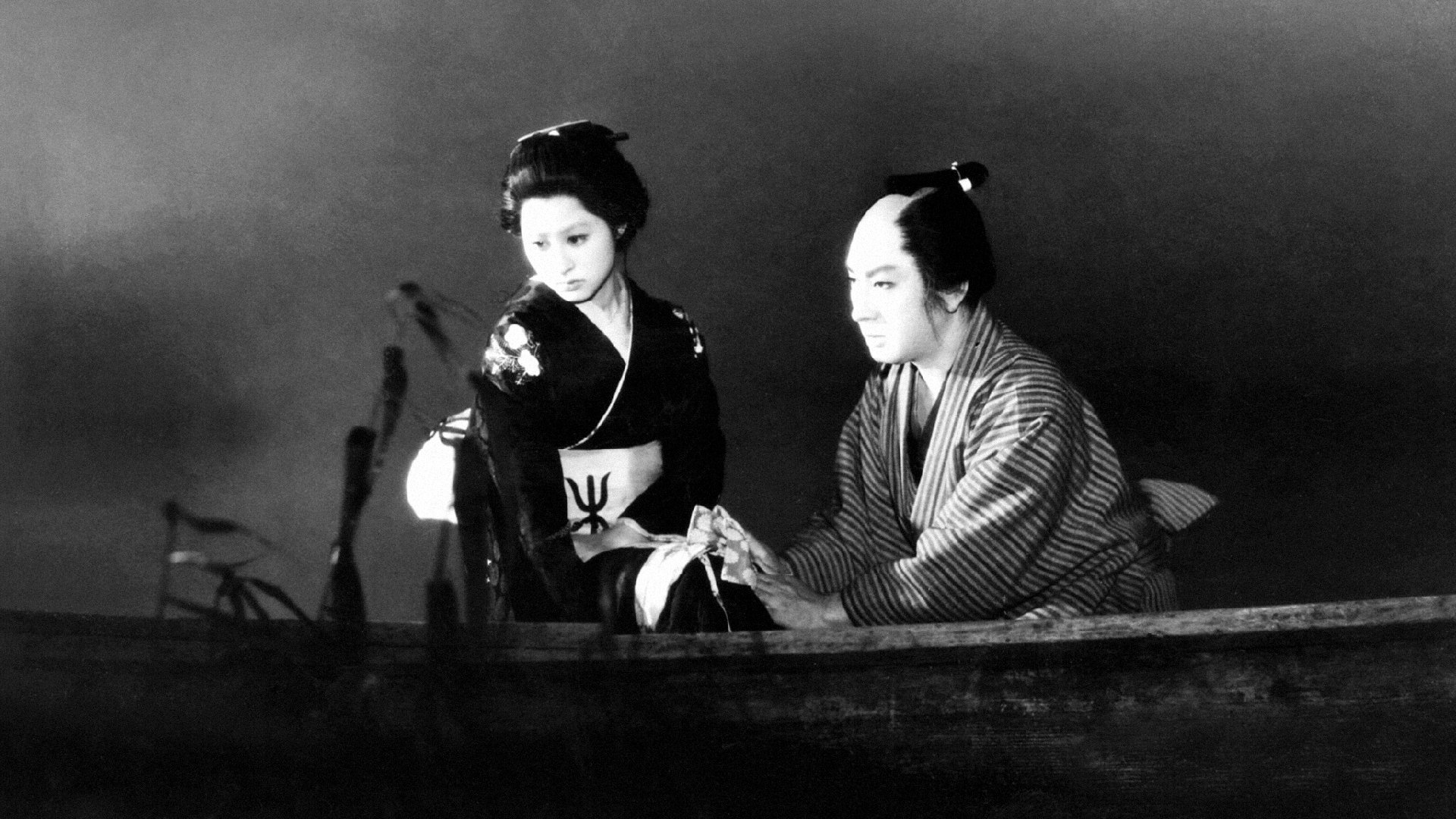
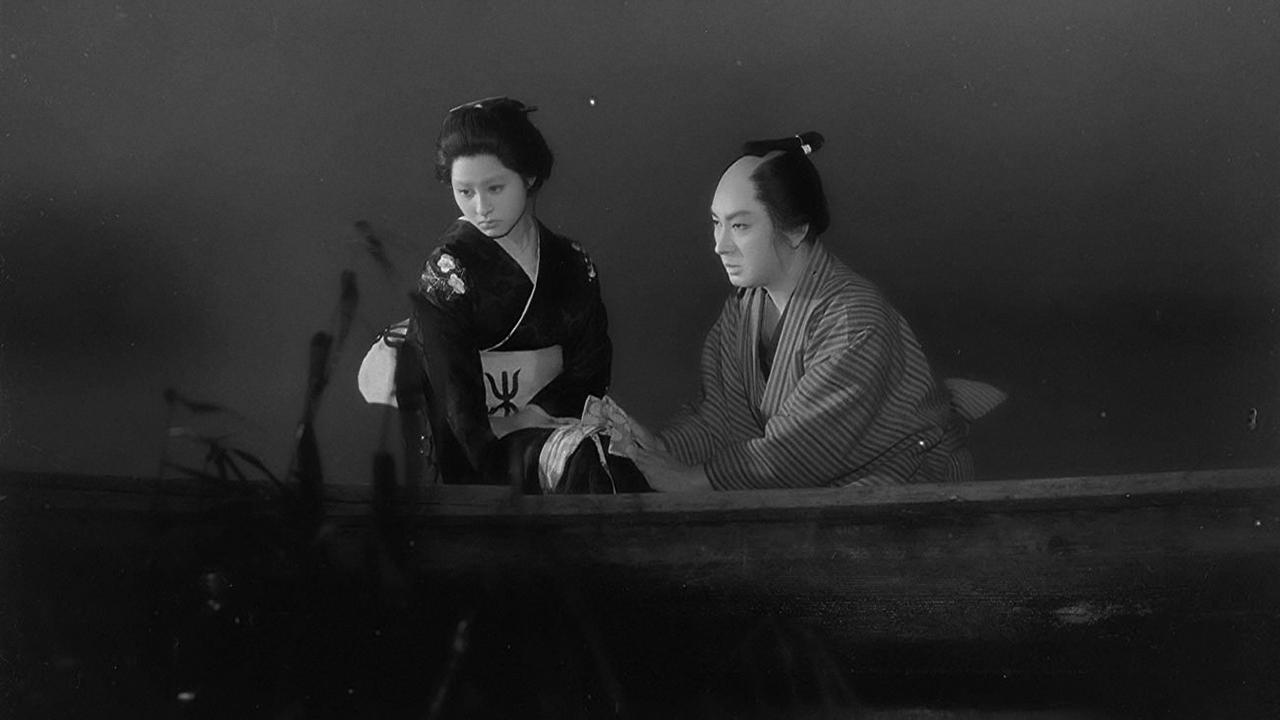
The stiff, overdetermined nature of feudal society—which formally is made manifest through long takes, stark compositions, and even the performances—initially seems to suffocate any drama or emotional depth in Mohei and Osan’s relationship. But on second thought, that’s exactly the point. Their emotional deprivation is what defines them. Osan, finally meeting someone who really loves her, can die happy.
Everything’s firing on all cylinders, as usual. Probably the boldest artistic choice here is how abruptly the central romance actually begins, from unrequited to passionate over the course of a scene or two. I guess this is what film studies people on here mean when they say stuff like “the power of a cut”. Of course, said romance is the weakest link, which would be a bigger problem if Mizoguchi and co. weren’t more interested in worldbuilding, painting a portrait of social structures that both produce and doom these kinds of relationships.
The stiff, overdetermined nature of feudal society—which formally is made manifest through long takes, stark compositions, and even the performances—initially seems to suffocate any drama or emotional depth in Mohei and Osan’s relationship. But on second thought, that’s exactly the point. Their emotional deprivation is what defines them. Osan, finally meeting someone who really loves her, can die happy.