

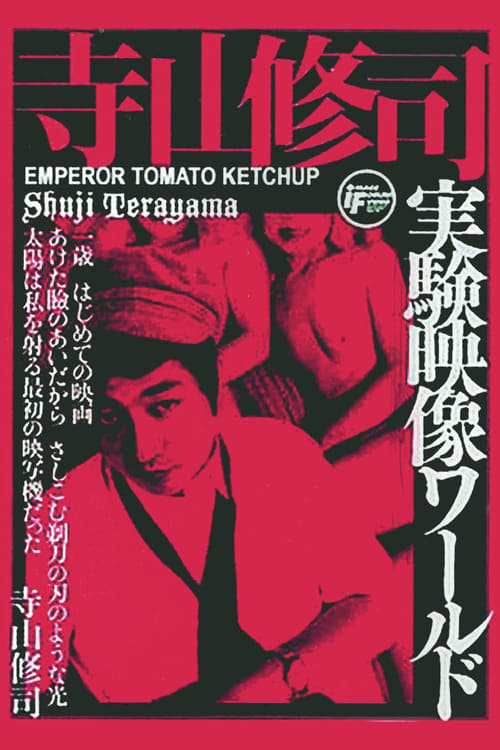
Emperor Tomato Ketchup
1971·Drama·1h 12m
7.0
★
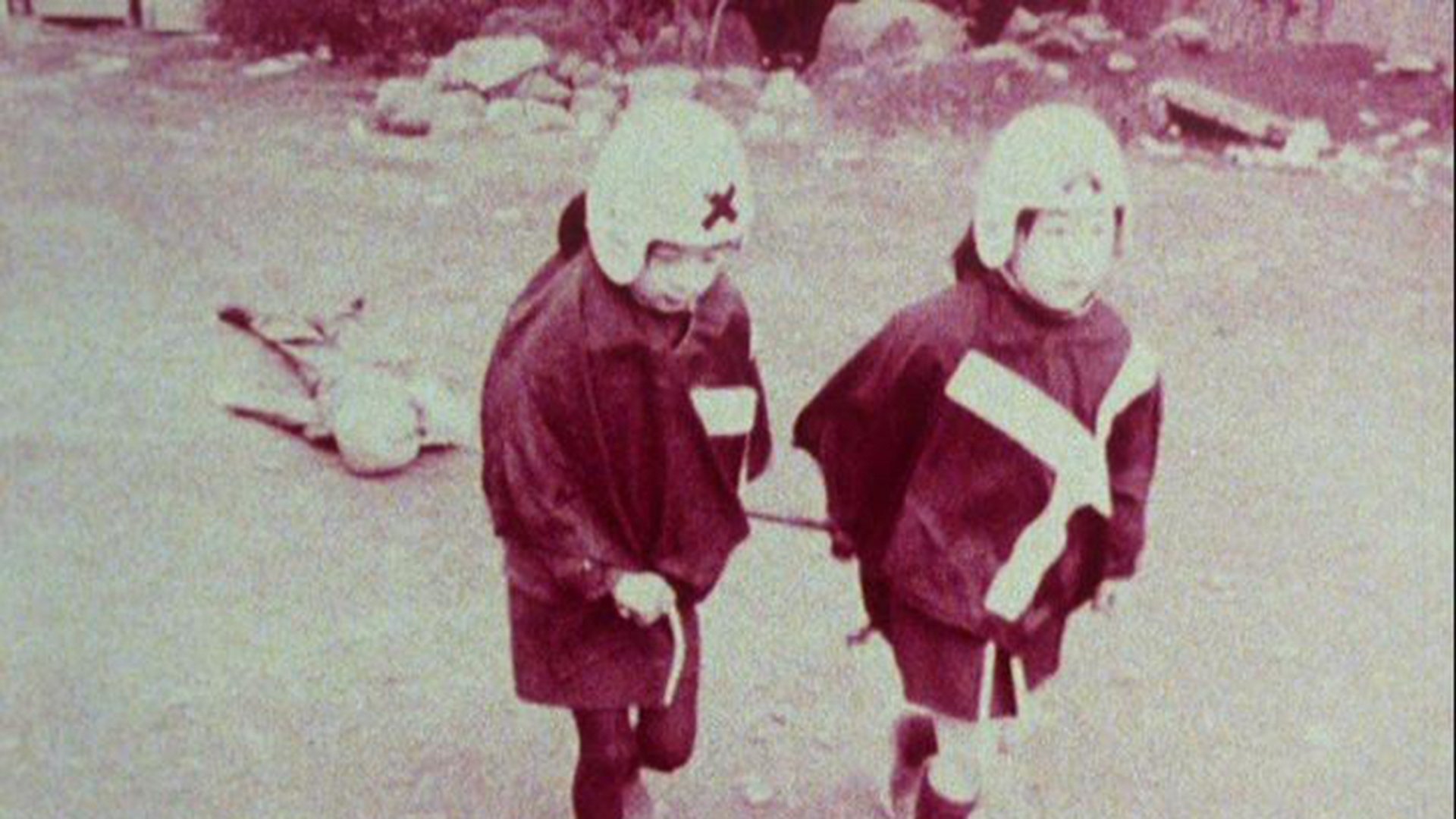
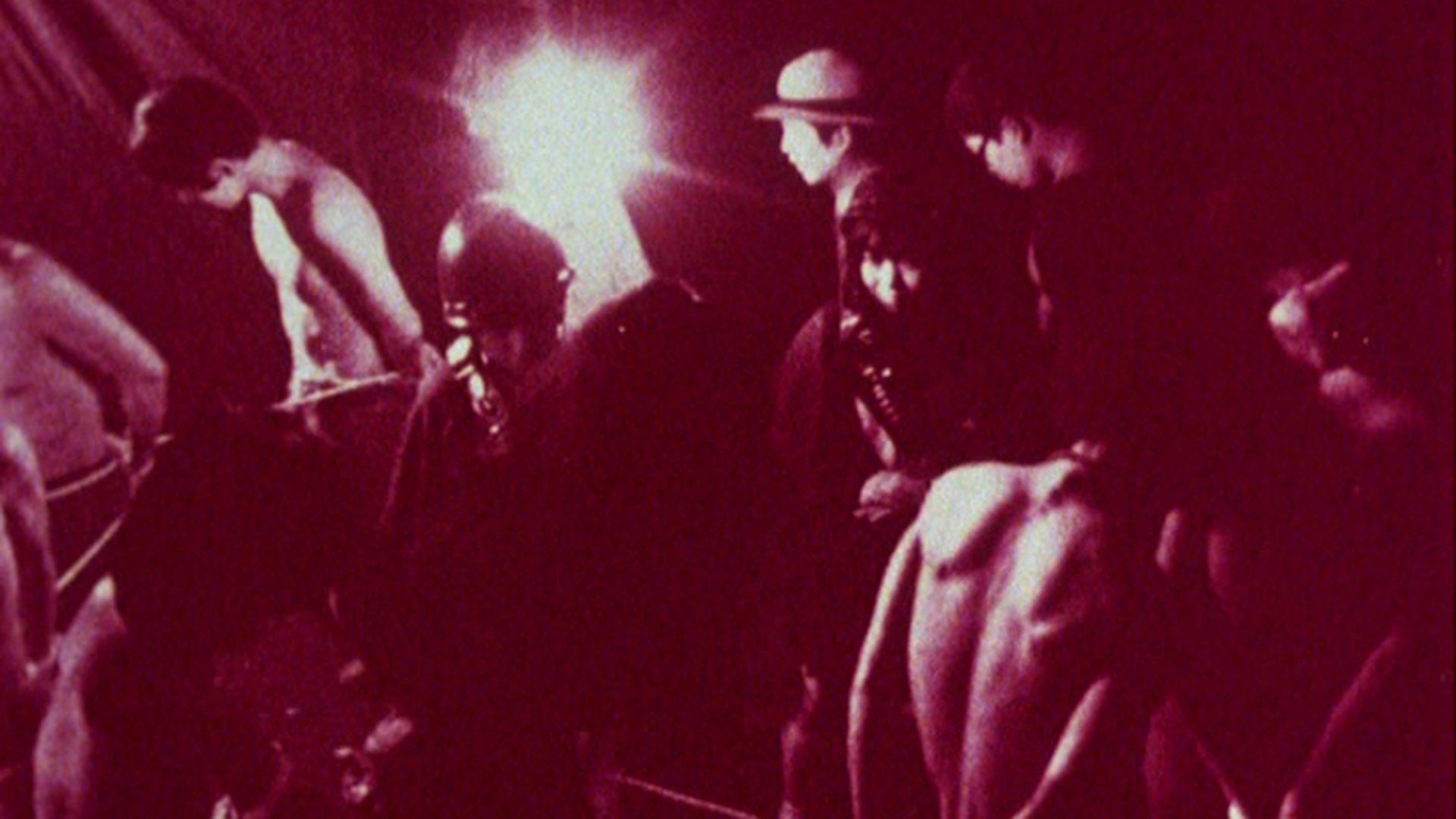

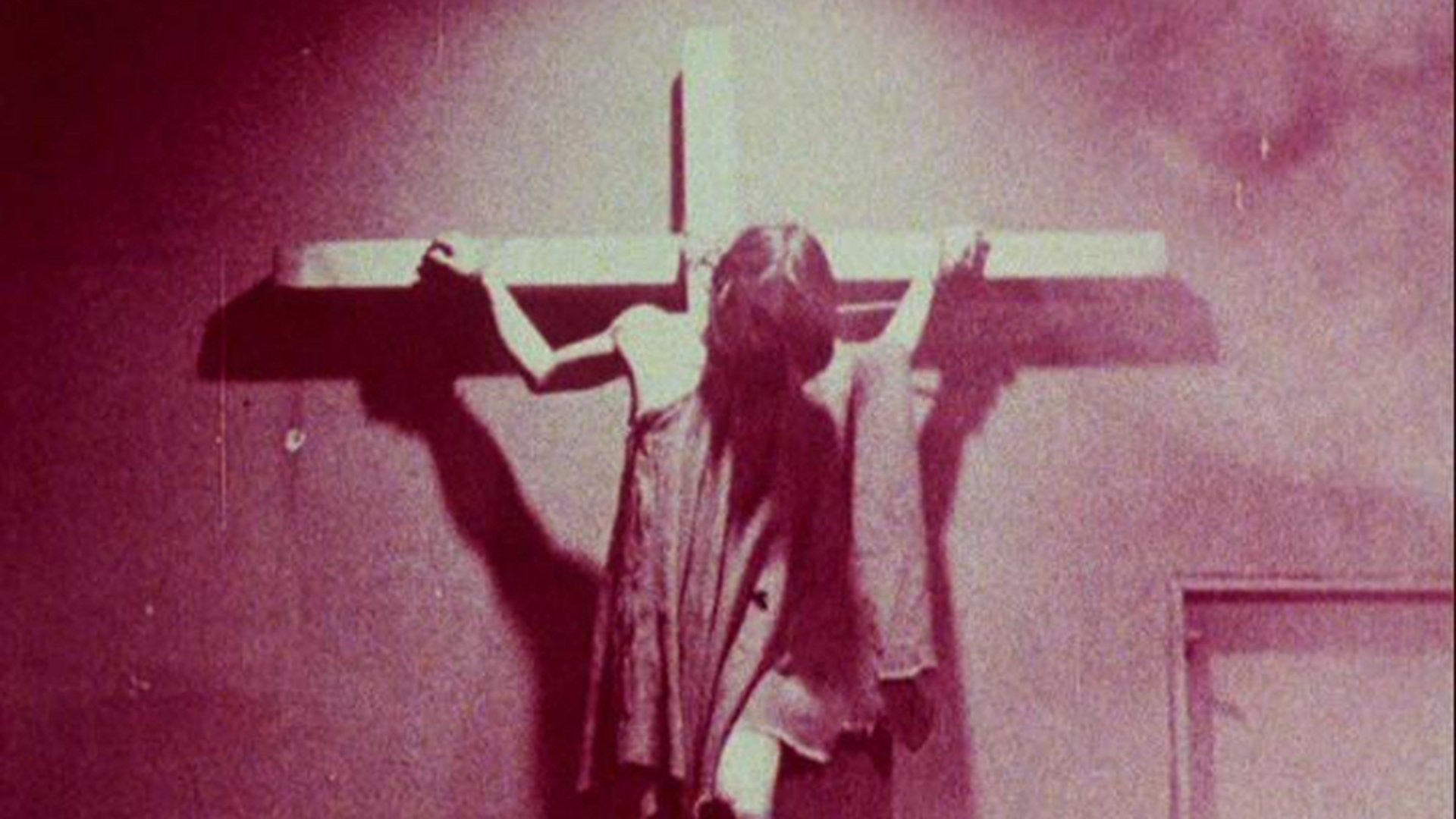
In a Japanese colony, children overthrow their parental guardians and attempt to form a new society. Their plan spirals out of control and they are soon lost in a web of sexual deviation and violence.
Directed by Shūji Terayama
rebellion

IMDB
N/A
Cast

Keiko Niitaka
Crew
Shūji Terayama
Director
Shūji Terayama
Writer
Shūji Terayama
Editor

J.A. Seazer
Music
Shūji Terayama
Music
Popular Reviews
18 reviews
Eclectic Sorcerer
4.0★ · 04/17/26
I understand what Terayama was trying to do, but I'm going to think real hard with this one personally, But from my understanding this feature length version was recut after Terayama's death. Without his oversite I fear as to how this honours the directors vision so the subject matter, which reminds me of a couple other films in relative similar time frame just doesn't hit for me.
Also apparently those were real minors which is... a big yikes.
Also apparently those were real minors which is... a big yikes.
I understand what Terayama was trying to do, but I'm going to think real hard with this one personally, But from my understanding this feature length version was recut after Terayama's death. Without his oversite I fear as to how this honours the directors vision so the subject matter, which reminds me of a couple other films in relative similar time frame just doesn't hit for me.
Also apparently those were real minors which is... a big yikes.
Also apparently those were real minors which is... a big yikes.


Eclectic Sorcerer
4.0★ · 04/17/26
I understand what Terayama was trying to do, but I'm going to think real hard with this one personally, But from my understanding this feature length version was recut after Terayama's death. Without his oversite I fear as to how this honours the directors vision so the subject matter, which reminds me of a couple other films in relative similar time frame just doesn't hit for me.
Also apparently those were real minors which is... a big yikes.
Also apparently those were real minors which is... a big yikes.
I understand what Terayama was trying to do, but I'm going to think real hard with this one personally, But from my understanding this feature length version was recut after Terayama's death. Without his oversite I fear as to how this honours the directors vision so the subject matter, which reminds me of a couple other films in relative similar time frame just doesn't hit for me.
Also apparently those were real minors which is... a big yikes.
Also apparently those were real minors which is... a big yikes.
LUKE
9.0★ · 07/14/25
“Children must be emperors. Adults must be slaves.”Shūji Terayama’s Emperor Tomato Ketchup is not great in the traditional sense—but that’s exactly what makes it powerful. It defies narrative, logic, and decency to force you into a state of discomfort. There is no coherent story here. No structure. But its chaotic, poetic imagery hits harder than most linear films ever could.
The premise is simple: children overthrow adults and establish their own regime. But this isn’t a utopian dream—it’s a nightmarish mirror of adult society, just more honest in its cruelty. You see children sexually and physically assaulting adults, enacting mock trials, executions, fascist parades. And the natural response is “what the fuck.” But why? Because they’re kids? What this film throws in your face is the hypocrisy of that reaction.
When adults commit the same violence, it’s tolerated, explained away, or ignored. But when children do it, it suddenly feels horrific. That’s the point. Terayama is exposing the contradiction. We don’t actually care that it’s happening—we just don’t want to see it. We normalise it under the guise of order, law, or masculinity when it’s adults, but react with outrage when innocence wears the same mask. This film strips that innocence and shows how artificial the boundary really is.
And we’re complicit. That’s the hardest part. The child regime may be fictional, but the systems it mimics—power, abuse, propaganda—are very real. We are the cat sitting in the corner. Detached observers. We consume horror constantly—in media, in real life—and we let it pass. Terayama removes the smoke. You can’t look away. You have to watch. And by watching, you become part of it.
Later, when the chaos erupts into a fight—possibly between an adult and a child soldier—it reads like rebellion. The oppressed rising against the new oppressors. A revolution eating itself. It mirrors actual historical cycles of unrest: regimes fall, only to be replaced by different faces repeating the same violence.
The political references aren’t subtle. Children dress as Stalin, Hitler, and Mao—icons of dictatorship, communism, fascism, and authoritarianism. Terayama’s critique isn’t about one ideology over another—it’s about how power itself corrupts, controls, and erases. Whether it comes with a red flag or a swastika, the mechanism is the same.
Is it beautiful? In a grimy, 16mm, rotting pink chaos kind of way, absolutely. But let me be clear: I’m not excusing the very real ethical issues behind the scenes. The exploitation of the children isn’t what I’m praising—far from it. It’s likely why this isn’t a full 5. But looking at the film’s impact, message, and visceral execution, there’s still something undeniably powerful here. Something that forces you to reckon with yourself.
You can think I’m strange or odd for liking this film. But that doesn’t change how undeniably powerful it is.
“Children must be emperors. Adults must be slaves.”Shūji Terayama’s Emperor Tomato Ketchup is not great in the traditional sense—but that’s exactly what makes it powerful. It defies narrative, logic, and decency to force you into a state of discomfort. There is no coherent story here. No structure. But its chaotic, poetic imagery hits harder than most linear films ever could.
The premise is simple: children overthrow adults and establish their own regime. But this isn’t a utopian dream—it’s a nightmarish mirror of adult society, just more honest in its cruelty. You see children sexually and physically assaulting adults, enacting mock trials, executions, fascist parades. And the natural response is “what the fuck.” But why? Because they’re kids? What this film throws in your face is the hypocrisy of that reaction.
When adults commit the same violence, it’s tolerated, explained away, or ignored. But when children do it, it suddenly feels horrific. That’s the point. Terayama is exposing the contradiction. We don’t actually care that it’s happening—we just don’t want to see it. We normalise it under the guise of order, law, or masculinity when it’s adults, but react with outrage when innocence wears the same mask. This film strips that innocence and shows how artificial the boundary really is.
And we’re complicit. That’s the hardest part. The child regime may be fictional, but the systems it mimics—power, abuse, propaganda—are very real. We are the cat sitting in the corner. Detached observers. We consume horror constantly—in media, in real life—and we let it pass. Terayama removes the smoke. You can’t look away. You have to watch. And by watching, you become part of it.
Later, when the chaos erupts into a fight—possibly between an adult and a child soldier—it reads like rebellion. The oppressed rising against the new oppressors. A revolution eating itself. It mirrors actual historical cycles of unrest: regimes fall, only to be replaced by different faces repeating the same violence.
The political references aren’t subtle. Children dress as Stalin, Hitler, and Mao—icons of dictatorship, communism, fascism, and authoritarianism. Terayama’s critique isn’t about one ideology over another—it’s about how power itself corrupts, controls, and erases. Whether it comes with a red flag or a swastika, the mechanism is the same.
Is it beautiful? In a grimy, 16mm, rotting pink chaos kind of way, absolutely. But let me be clear: I’m not excusing the very real ethical issues behind the scenes. The exploitation of the children isn’t what I’m praising—far from it. It’s likely why this isn’t a full 5. But looking at the film’s impact, message, and visceral execution, there’s still something undeniably powerful here. Something that forces you to reckon with yourself.
You can think I’m strange or odd for liking this film. But that doesn’t change how undeniably powerful it is.
Susuhangma
5.0★ · 02/25/25
27 minutes of confusion
27 minutes of confusion
Susuhangma
4.2★ · 02/24/25
27 minutes of confusion
27 minutes of confusion