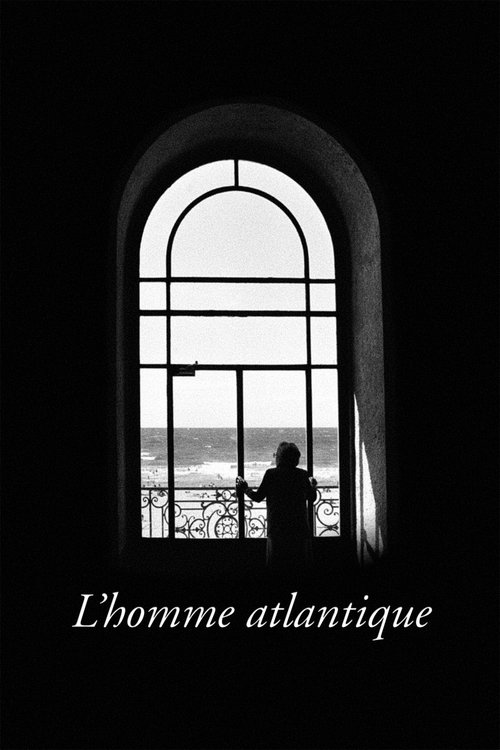
A WHISPERED AUTOPSY OF MEMORY, DISSOLVING BETWEEN BLACK SCREENS AND THE SHADOW OF A FACE.
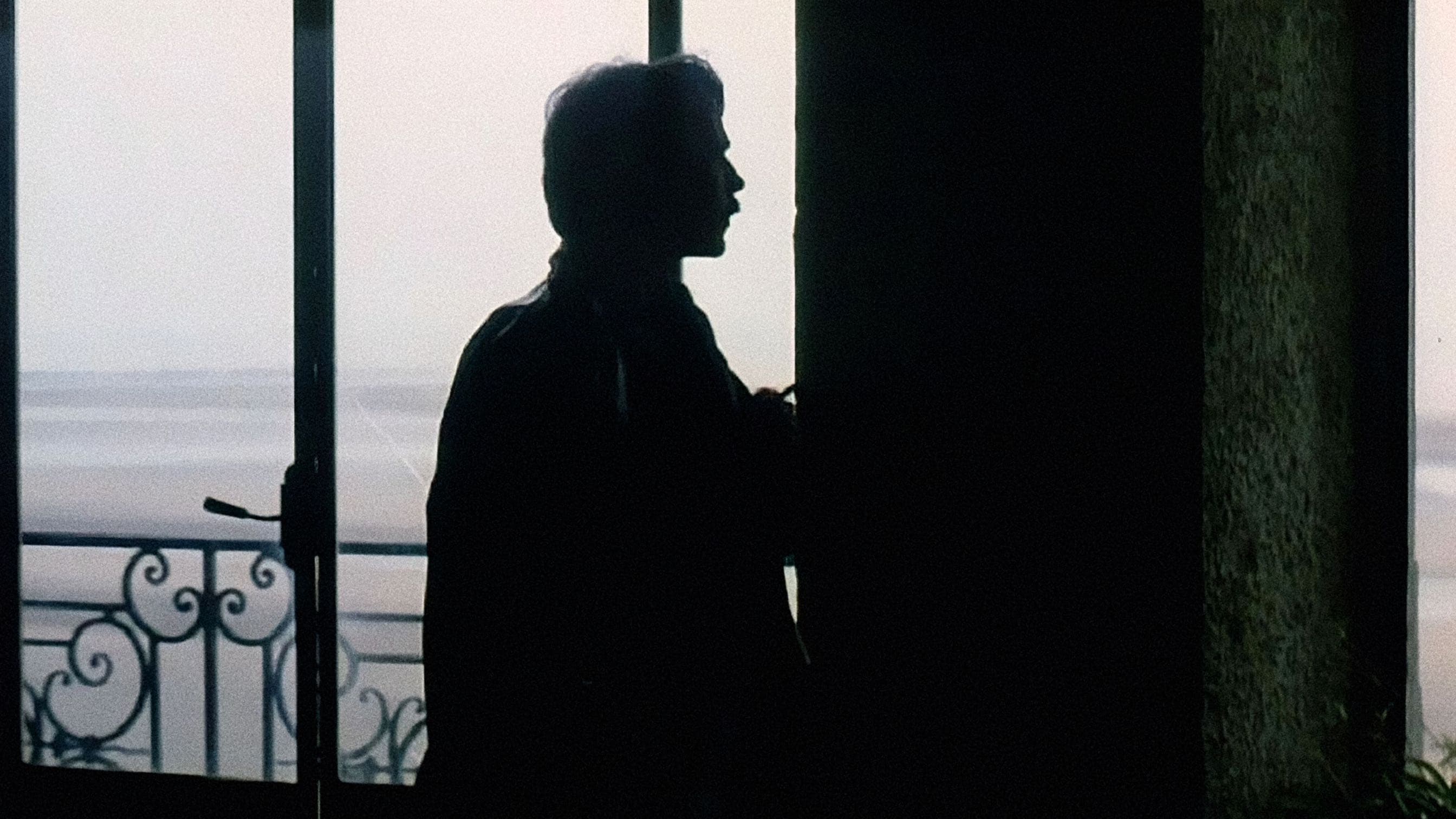
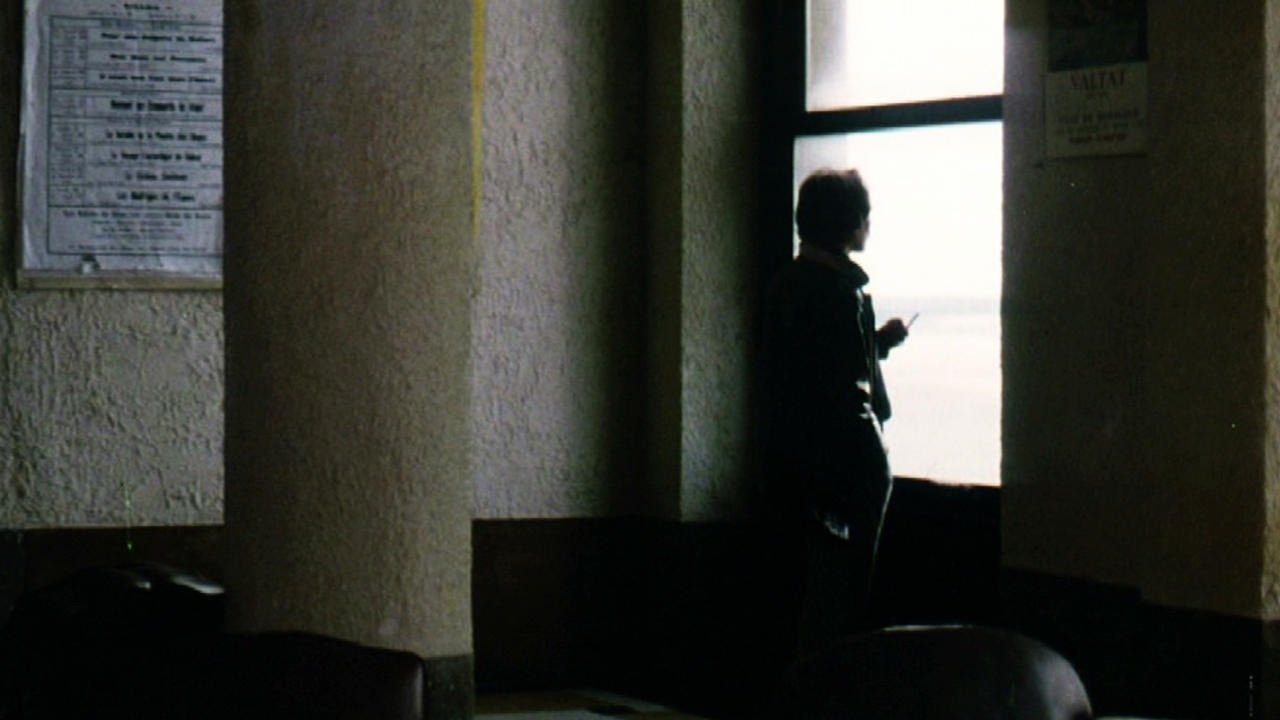
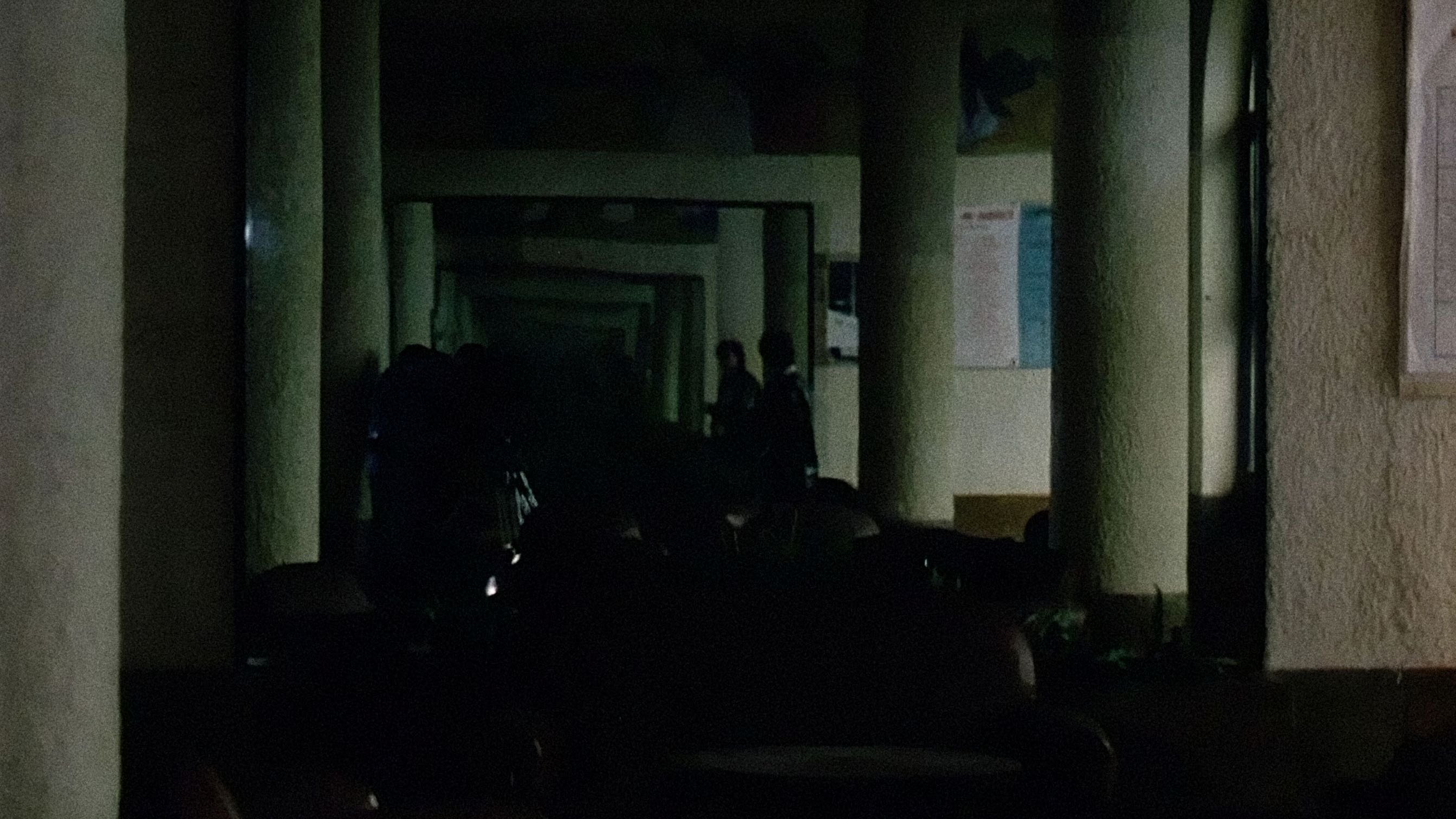
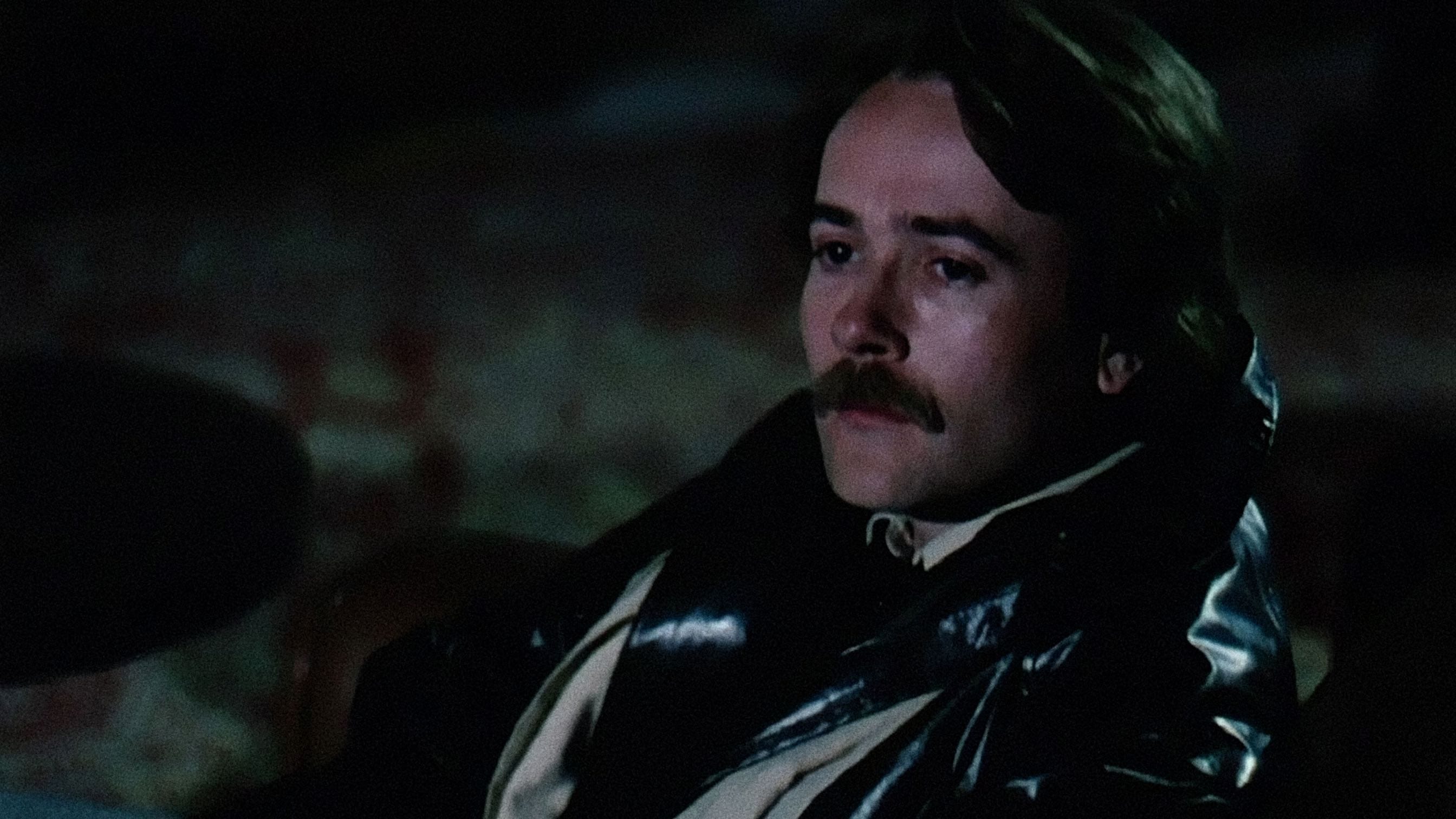
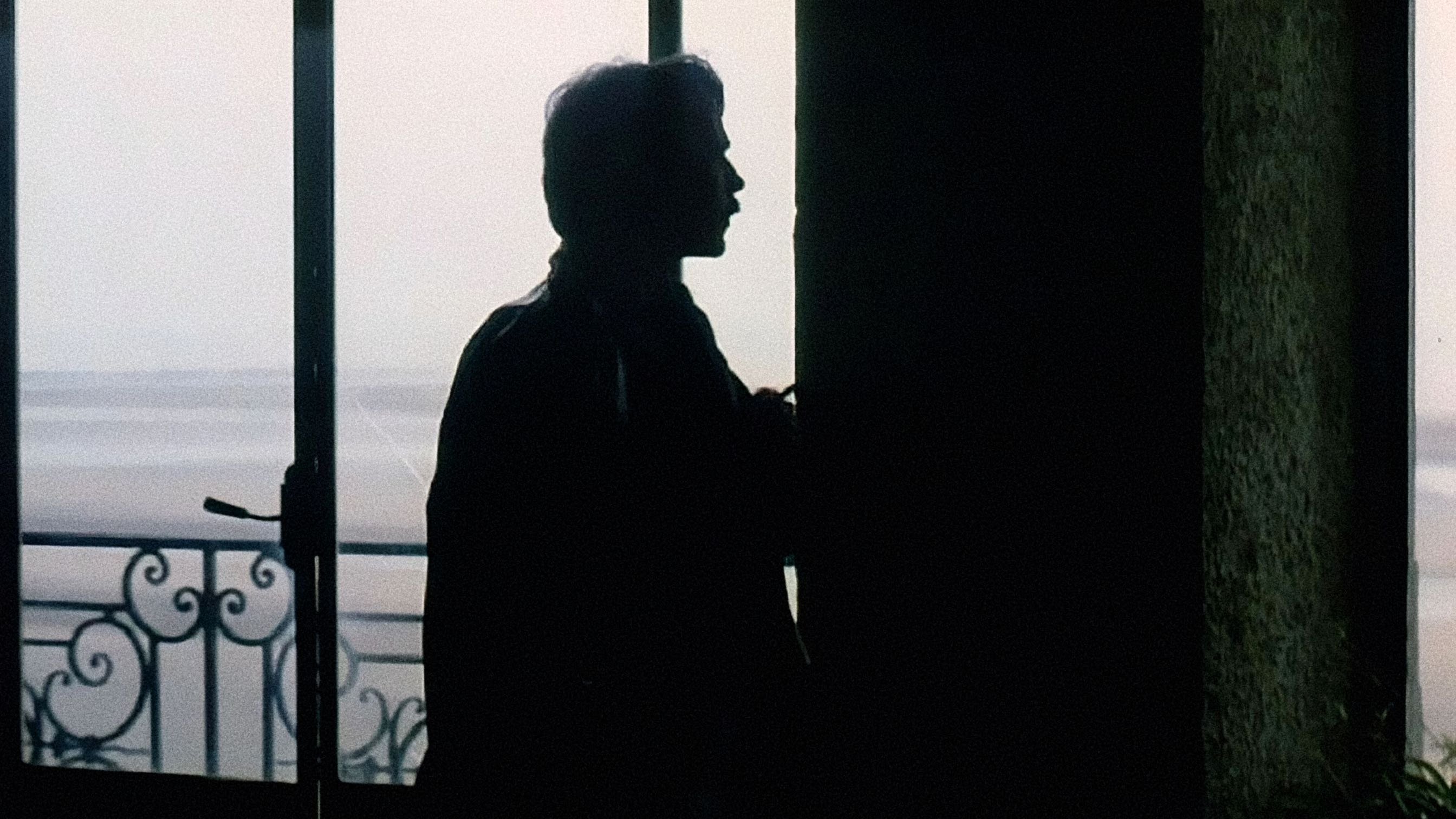
in this film, the director doesn’t tell so much about the story as she performs a ghostlike procession through memory, mourning, and the aching futility of trying to retrieve what time has already begun to erase. there is no traditional plot here, no spoken dialogue from the silent, withdrawn man onscreen whose presence feels spectral, almost dissolving into the frame. we hear only duras’ voice, distant and elegiac, like someone speaking through the fog of grief. we see only disjointed fragments like an empty corridor bathed in dim light, a wind-swept shoreline that seems to stretch into nothingness, a solitary man whose image bleeds into film grain like a memory fraying at the edges. the rest is black screen endless, enveloping, obliterating, cutting us off from the safety of visual continuity and immersing us instead in cinematic silence, in the visual language of absence itself. the result is less a film and more a séance, a cinematic mourning cloth stretched between what remains and what’s already gone, leaving behind a haunting, meditative trace of love, loss, and the slow disintegration of both image and self.
the film exists in the spectral space between image and erasure, where visibility becomes ephemeral and the act of watching turns into a quiet labor of reconstruction. we’re not just shown but we’re made to remember, to chase after fleeting visuals that vanish as quickly as they appear, dissolving into long stretches of darkness that feel more like a void than a pause. the blackness isn’t absence, it’s a presence in itself, pressing the viewer into solitude, into their own unreliable archive of perception. we are left piecing together fragmented impressions such as a hallway, a face, a shoreline, as if grief itself had taken control of the editing. it’s like a mirror of the mind’s gradual erosion, a cinematic elegy to the fragility of recollection, the way love or longing sharpens some details while letting others decay. her voice are ghostly, detached, mournful yet intimate, floats above this darkness like a final letter, dictated with trembling hands in an empty room, where the only audience is the echo of what once was.
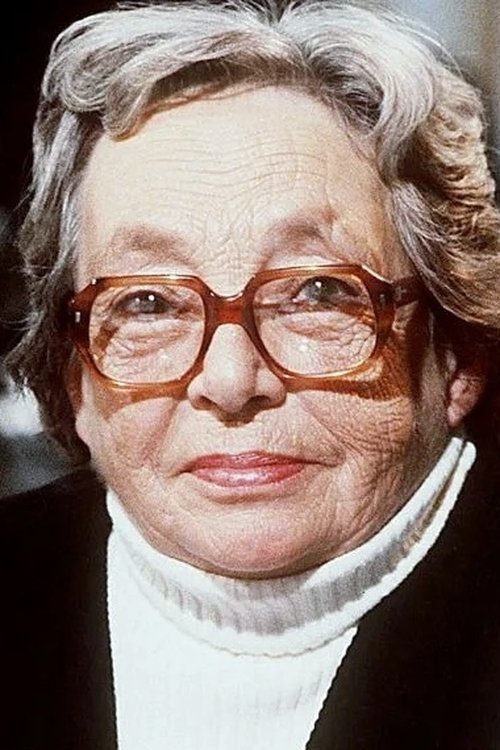
duras alchemizes grief into form, sculpting it into a language both spectral and intimate, where absence carries weight and silence becomes a presence more crushing than noise. this is not merely about another’s death but it’s about the slow disintegration of the self, the terrifying inevitability of erasure, the vanishing of identity piece by piece. it confronts the raw, destabilizing horror of forgetting and the more unbearable ache of being forgotten, of slipping wordlessly out of the world and out of memory. the film mourns the obliteration of the senses: the loss of touch, of breath, of scent, of the eyes that once mirrored light and longing. what remains is a ghostly, flickering voice haunted, fractured, suspended reaching out toward a love that no longer answers. when duras says,
“while i no longer love you, i no longer love anything, nothing, except you, still.” it lands with devastating clarity, not as sentiment but as truth. a brutal, delicate truth. one that reveals how even in the vacuum of loss, desire lingers like smoke shapeless but consuming and that longing is not extinguished by absence, but sometimes defined by it, made more unbearable by the void it tries to fill.
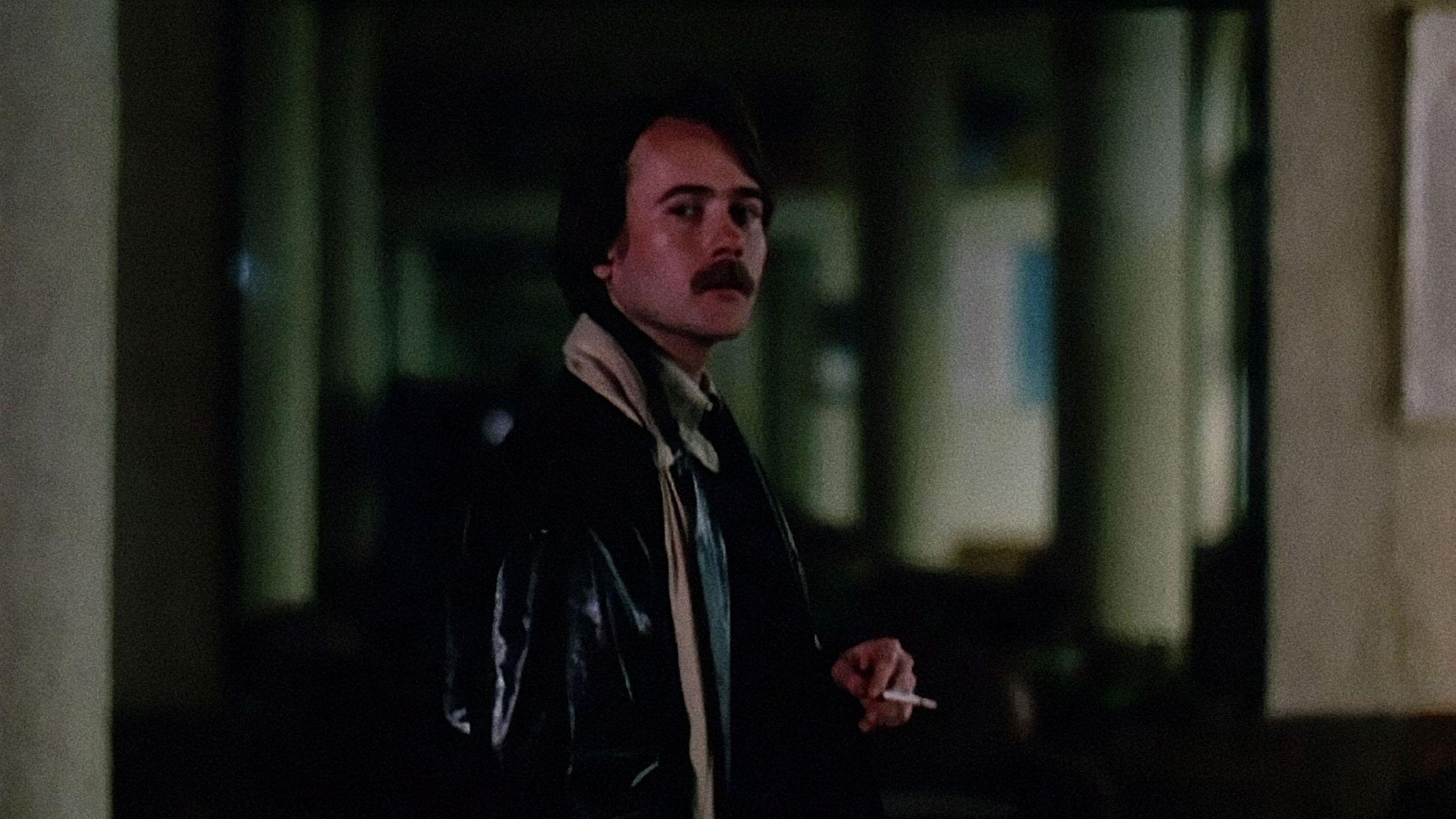
yann andréa, the man onscreen, says nothing his silence is like cavernous, almost ghostlike, and his presence feels spectral, as though he’s already halfway vanished into the grain of the image. his body becomes a memory in motion, fragile and dissolving, like breath on glass or the final flicker of a dream you can’t hold onto upon waking. he drifts through the frame like a relic of something intimate yet unreachable, a face barely lit, slipping through the fingers of someone desperate to remember it whole. there’s a haunted softness in the way he moves, a kind of quiet resignation, as if he knows he’s being mourned while still alive. a moment of youth, of fleeting tenderness, of once-lived warmth becomes an object of longing, and duras tries to pin it in place, to immortalize it but cinema, like memory, blurs and betrays. that’s the real tragedy at the center of the film: not simply the inevitability of death, but the slow, aching erosion of connection, the heartbreaking truth that even the most intimate image will eventually become static, unreadable, and lost to time.
this is a love letter made of ashes like fragile, smoldering, and impossibly tender. but it’s also a haunting reflection on art itself, on the limitations of cinema to preserve a life already fading, a face already slipping from memory. can a film hold the weight of someone’s existence? can black screens murmur something meaningful, something honest, something sacred? duras dares to say yes with aching conviction, even as every frame aches with the knowledge that the answer is no. she offers us not resolution but rupture, not imagery but absence, not plot but presence-in-disappearance. she gives us silence thick as grief, space heavy with yearning, and time stretched out like the quiet after loss. in doing so, she lets the void speak not loudly, not clearly, but truthfully, like a breath against glass that vanishes as soon as it appears.
rated 4 stars. this film isn’t concerned with plot or resolution it’s about presence rendered fragile, absence made palpable, and the ephemeral emotional residue that clings to what’s no longer there. that if you stop searching for meaning and just let the emotional textures wash over you, something honest begins to emerge which is an emotional truth shaped not by what’s shown, but by what’s left unsaid and unseen.
“when everything was ready for my death, i began to write of what i know precisely, which you’ve never understood, knowing you would never understand i have made a film out of your absence.”
#19 : 1980s |
a personal primer in absolute cinema |
my short film memoir |
film posters i’d sell my soul for |
auteur-coded |
the criterion challenge 2025 𖥔 ݁˖