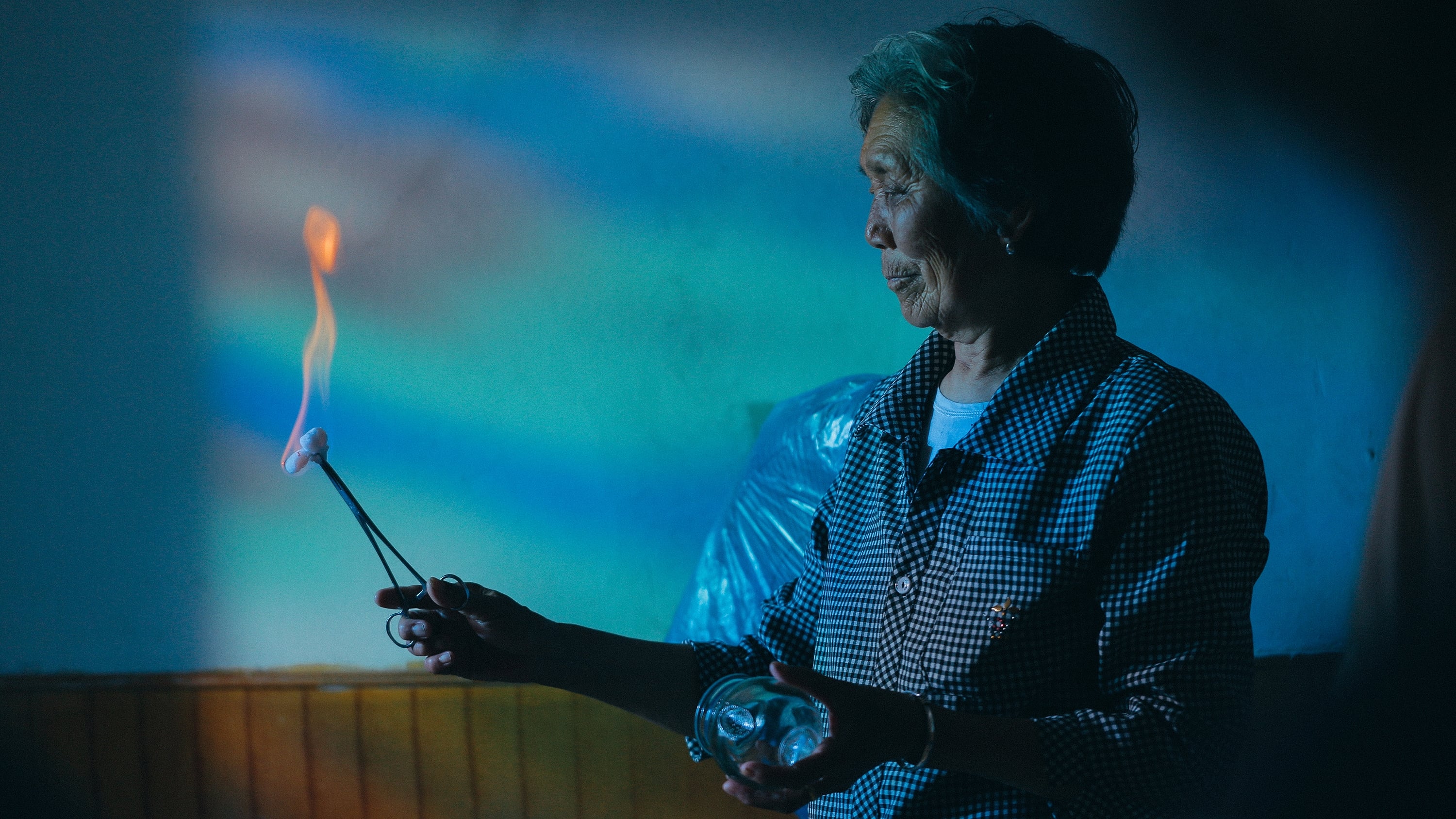
Discovering Bi Gan’s films these past two weeks has been like rediscovering cinema itself. I feel like I’m fourteen again seeking answers to all these unanswerable questions, searching for some meaning in conversations with friends and on the internet. I realise though that clarity here is far from the point, and to sit with his films is like having elements of a dream come back and make sense to you long after you’ve woken up.
Unlike filmmakers like Tarkovsky, who is a clear influence on Bi Gan’s work, the discourse surrounding his films is so undersaturated and much less definitive which makes it so exciting to unpack and interpret on an individual level. This really feels like a eureka moment for me in my film studies.
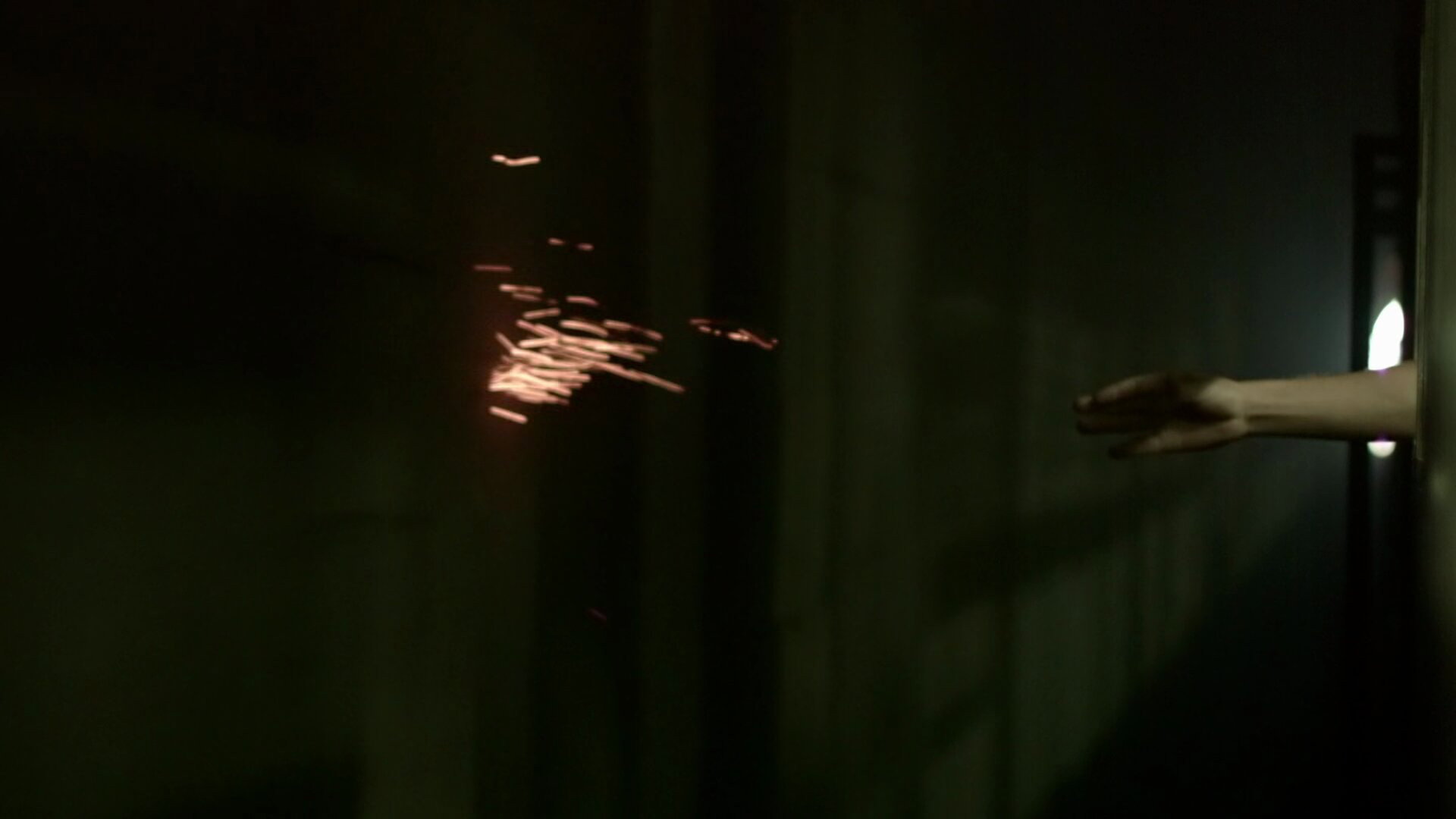
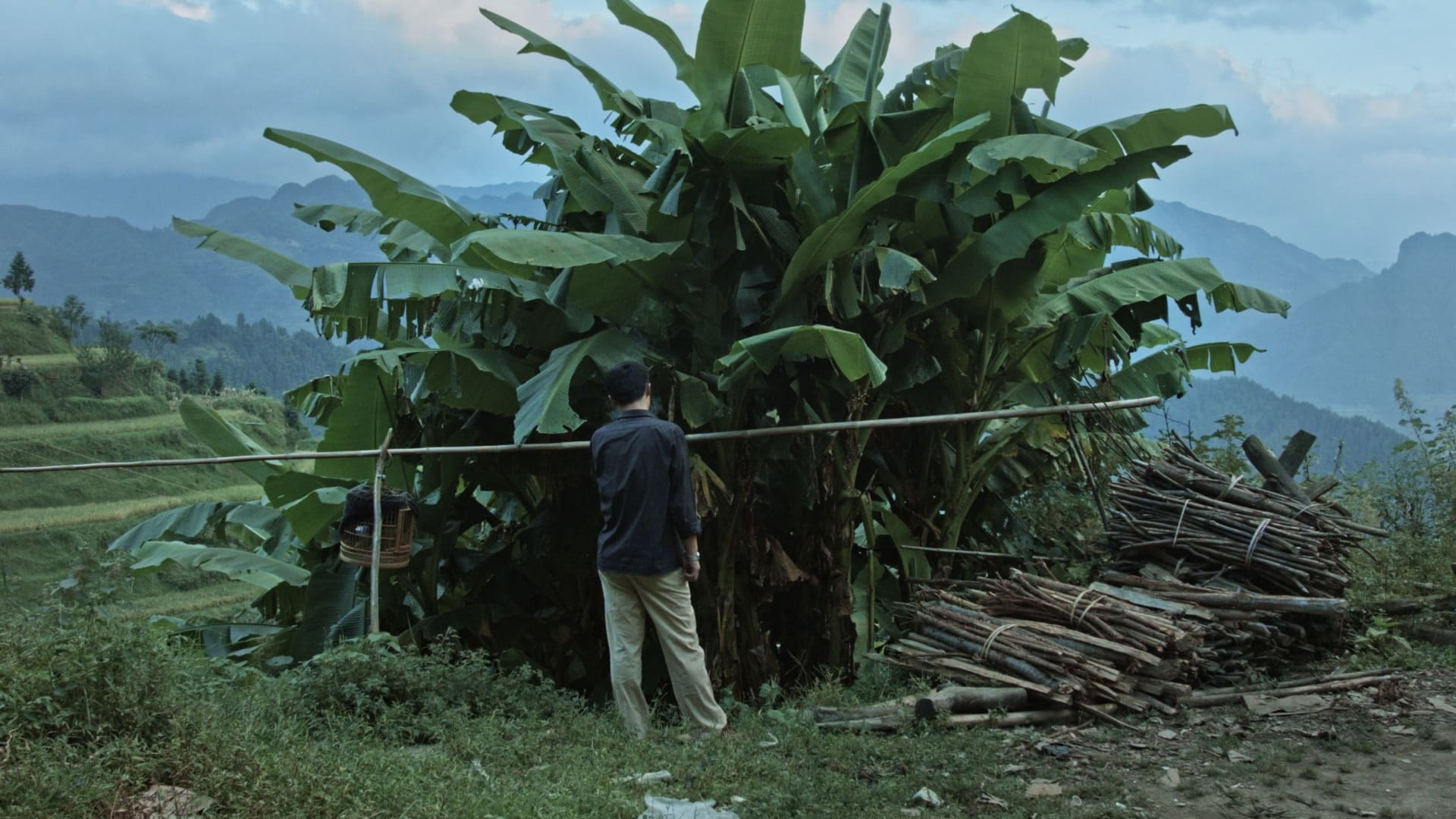
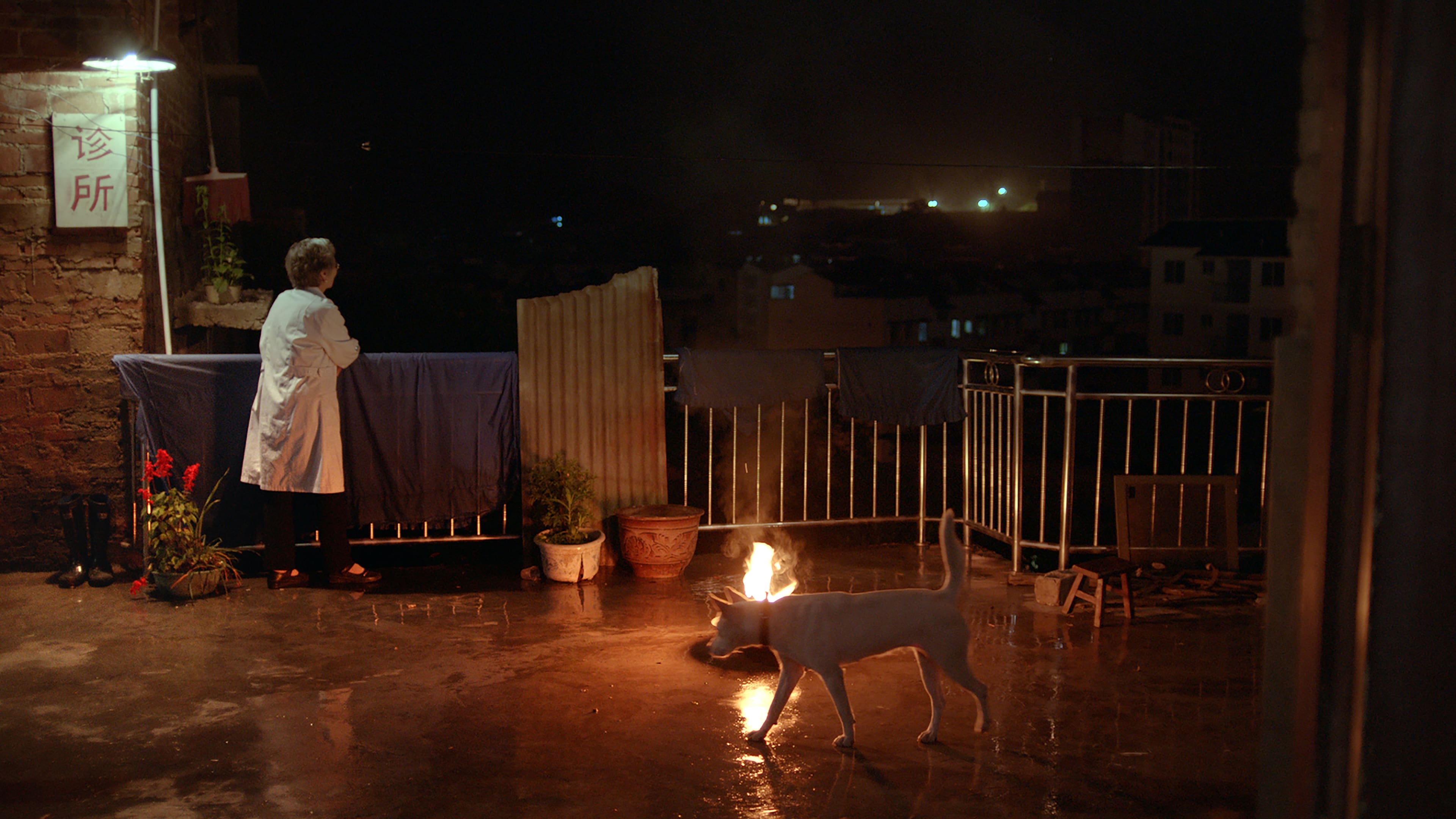
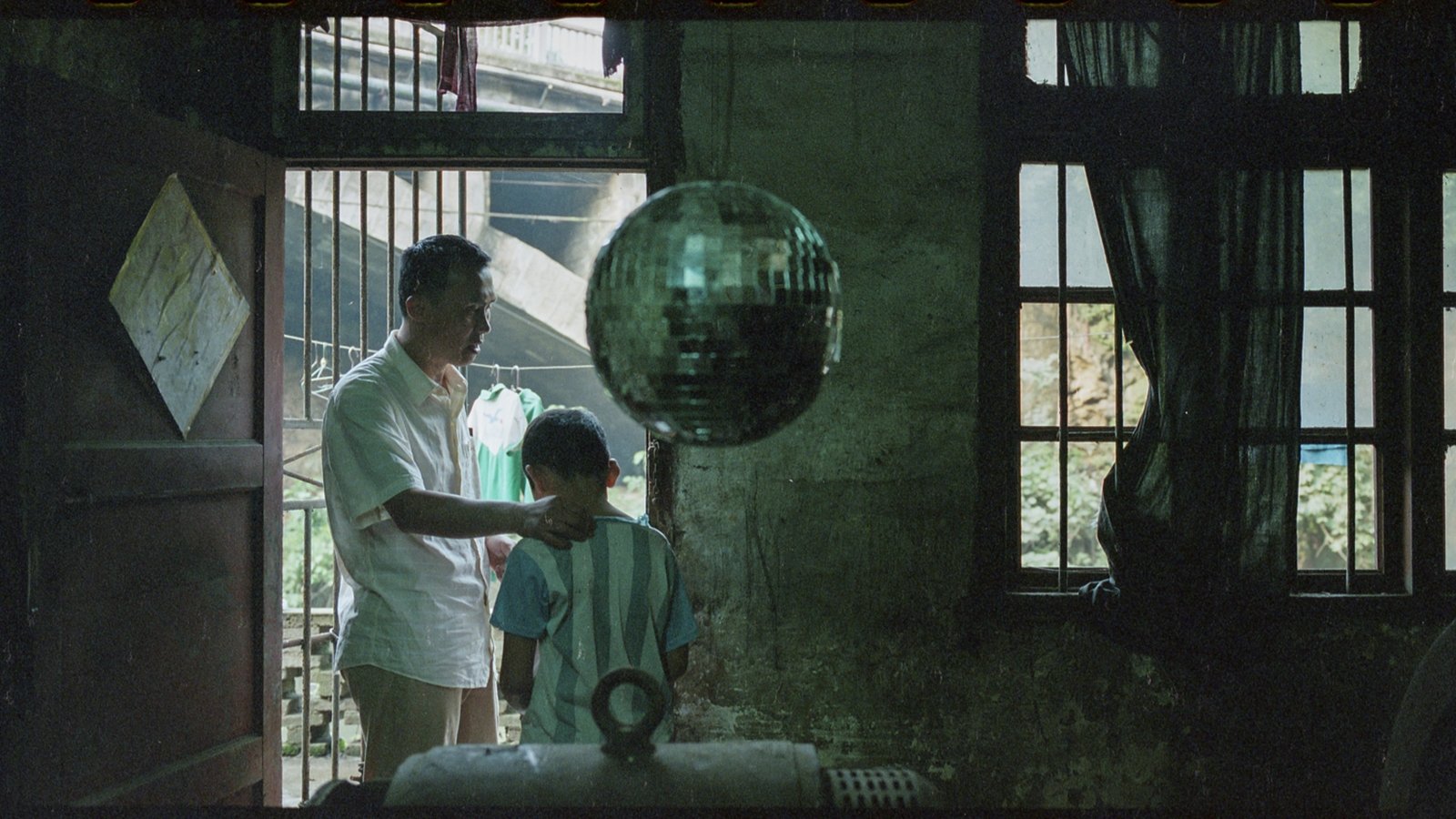
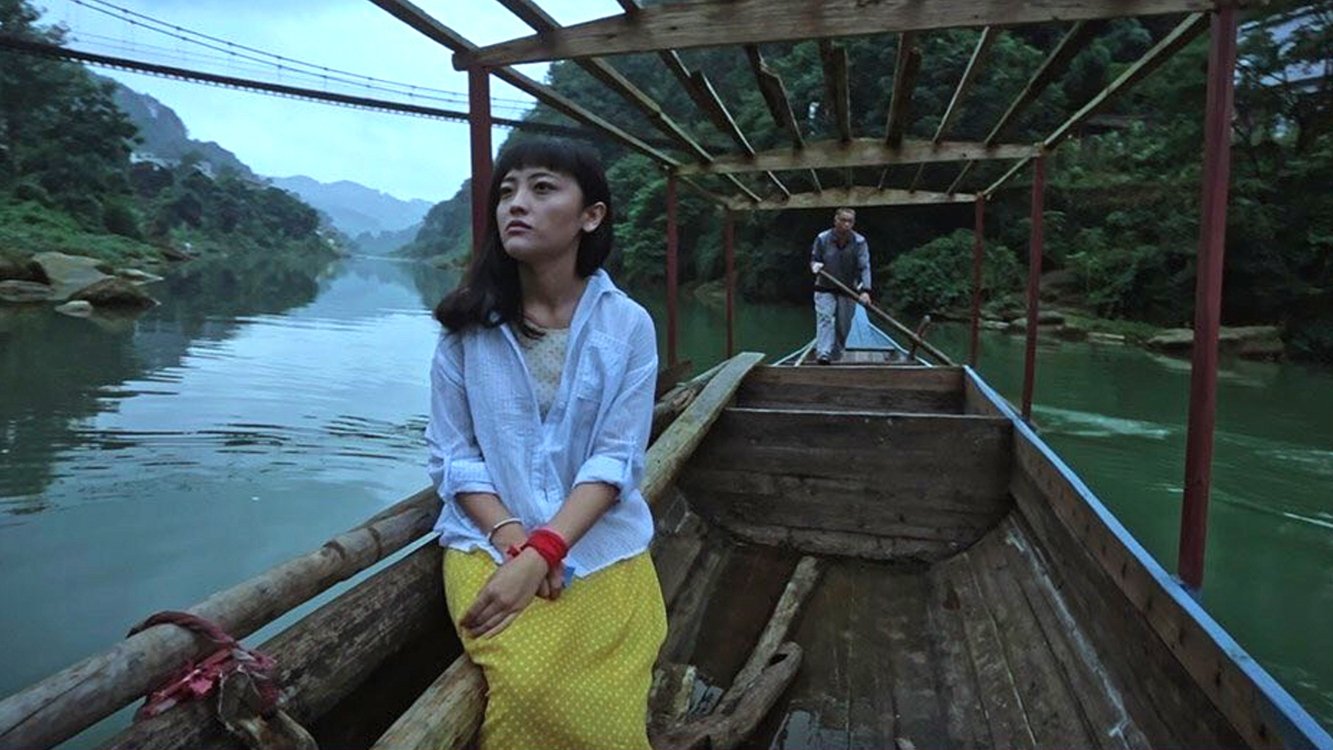
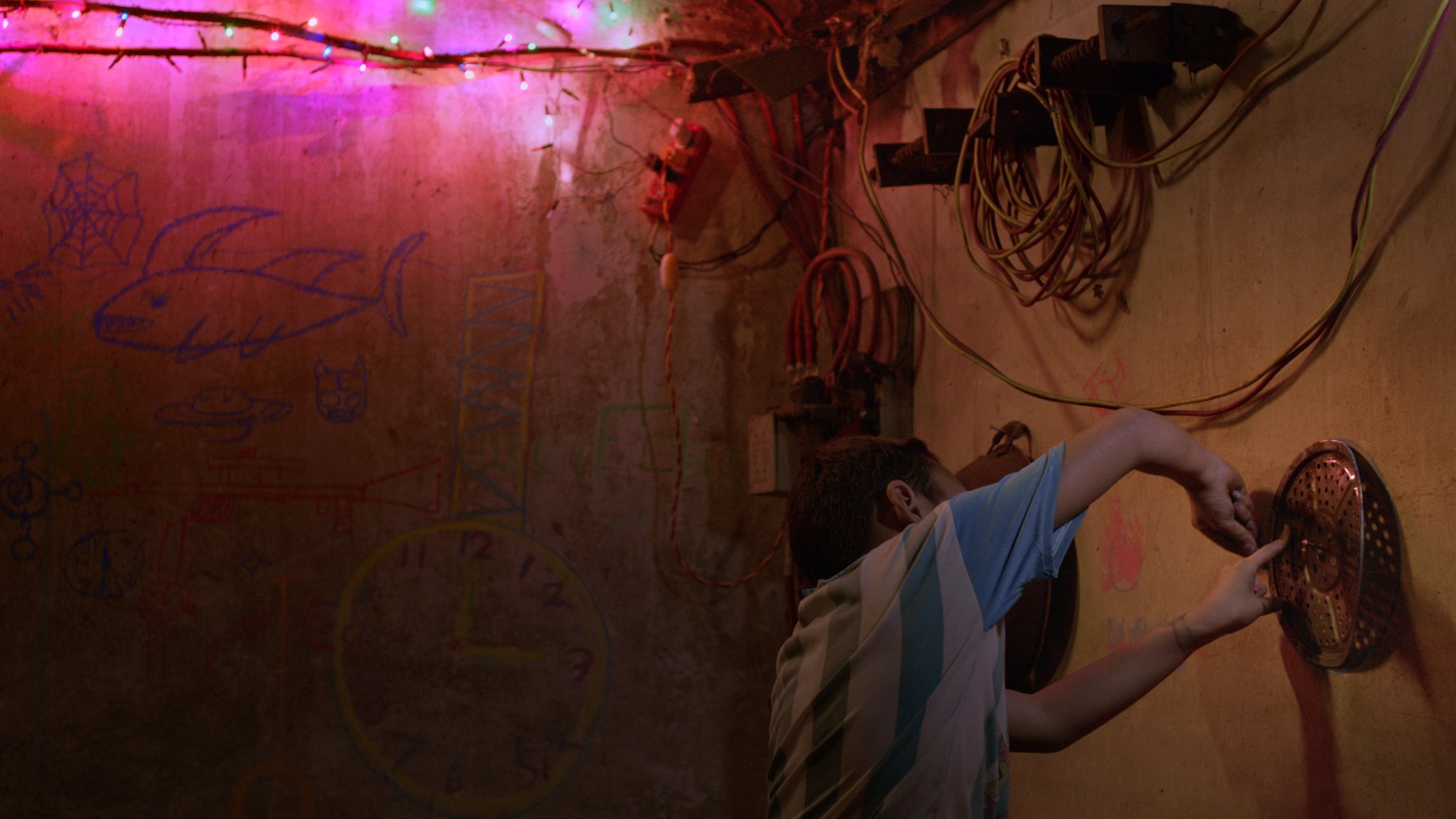
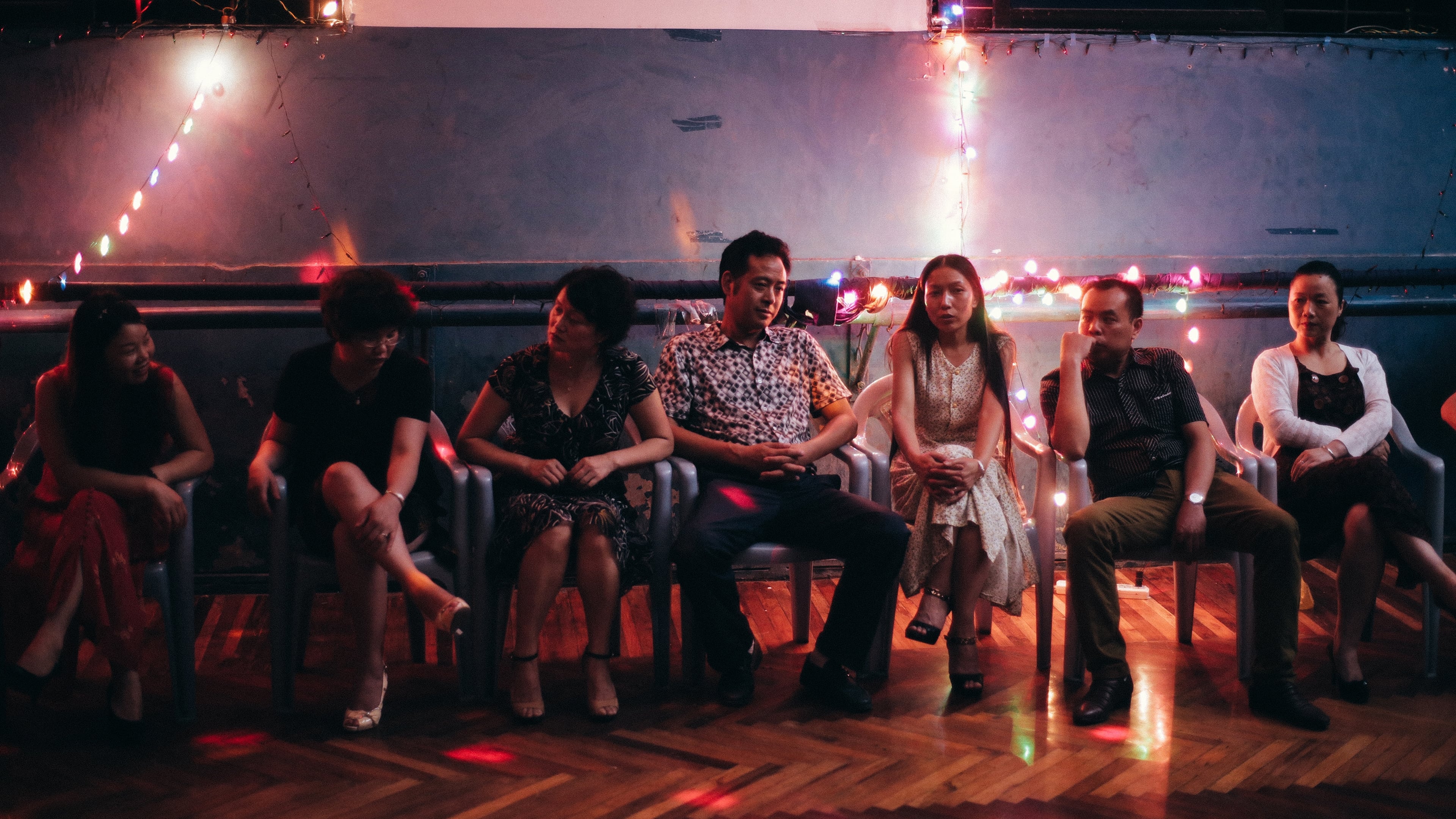
What I love about his films is that each one is a clear meditation and development of his cinematic ideas where time is elastic and malleable, spaces collapse and fold in on each other, the camera as consciousness guiding us through these dreamscapes marked by motifs of timepieces, long-takes and karaoke.
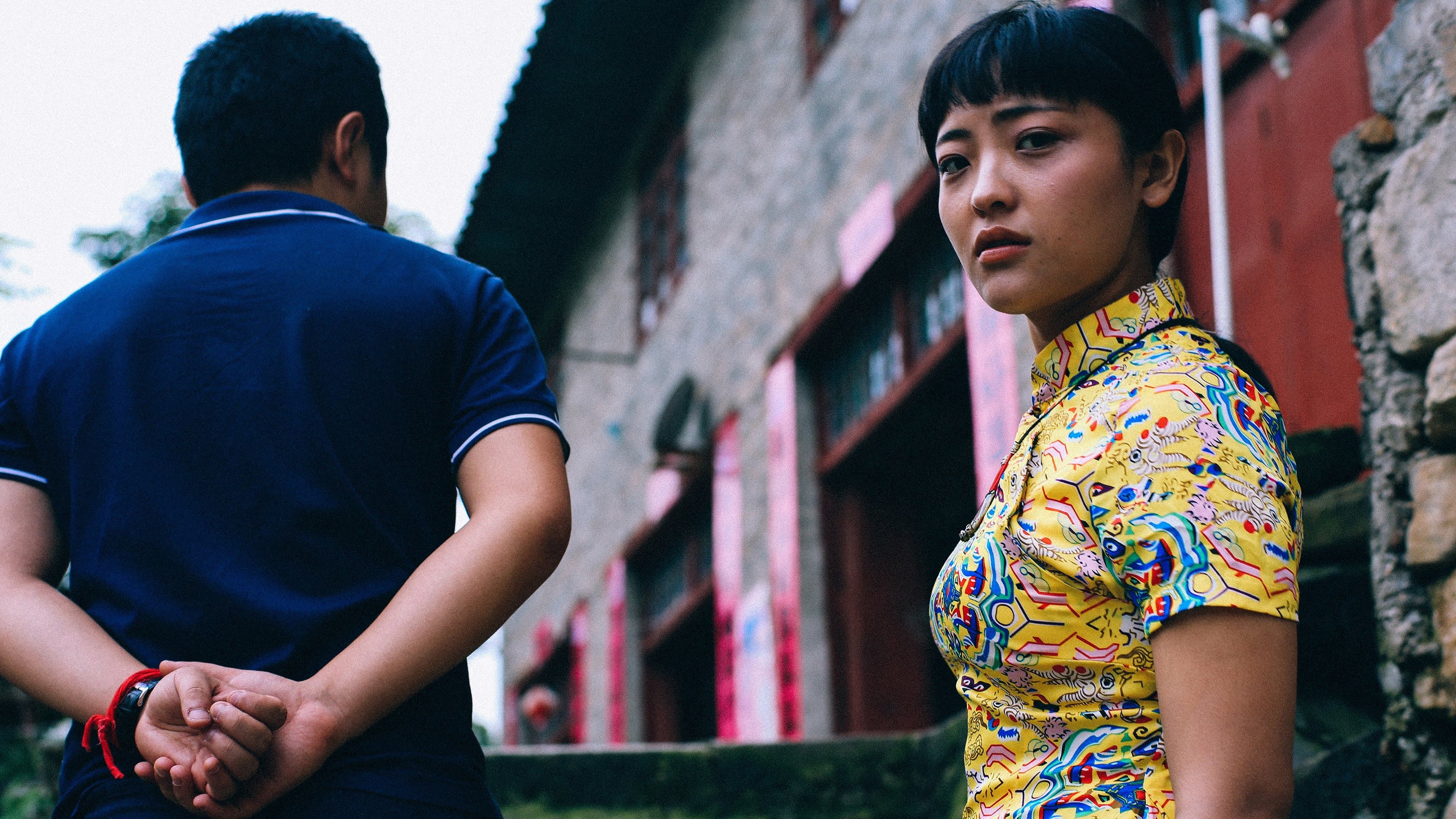
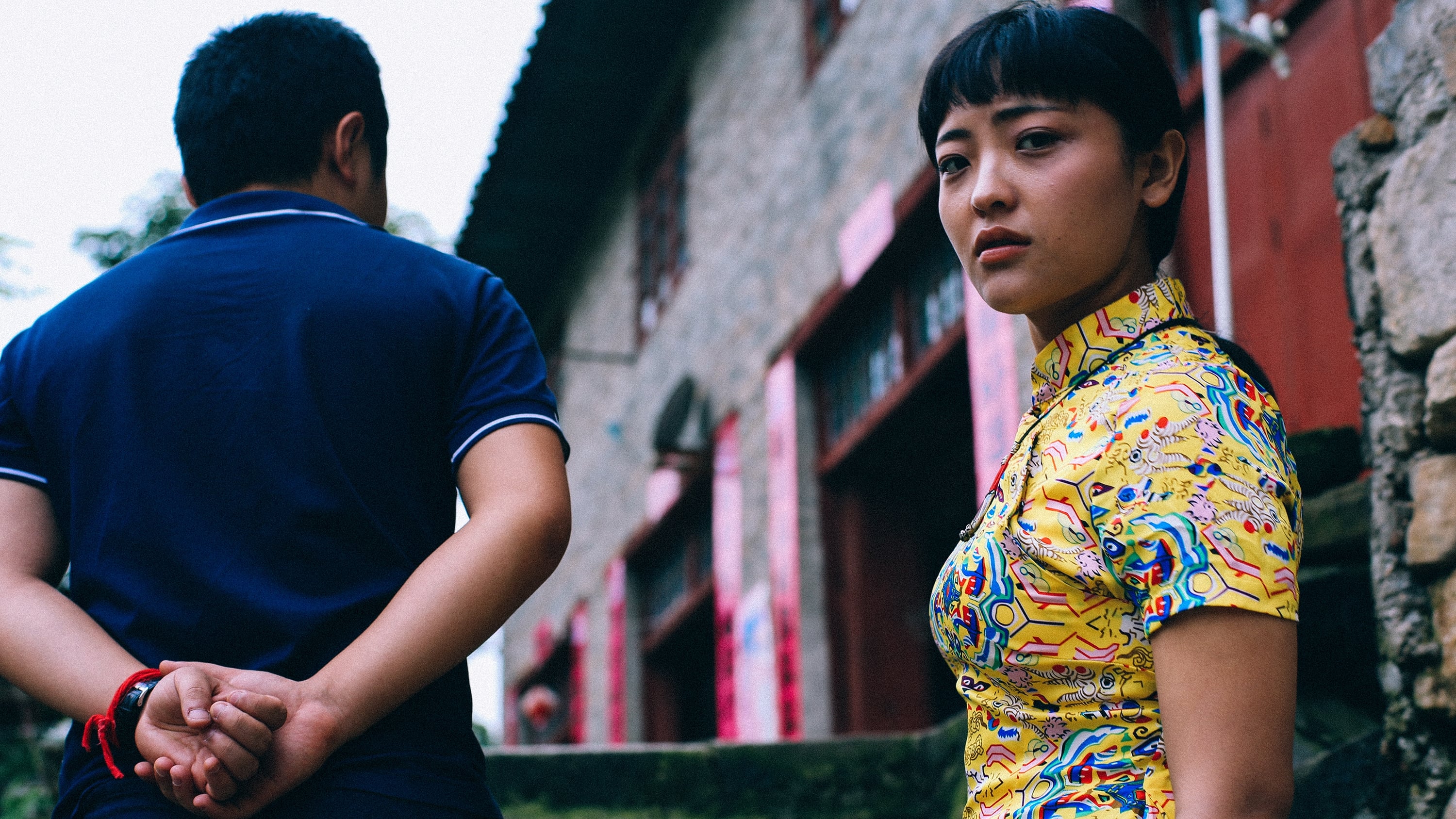
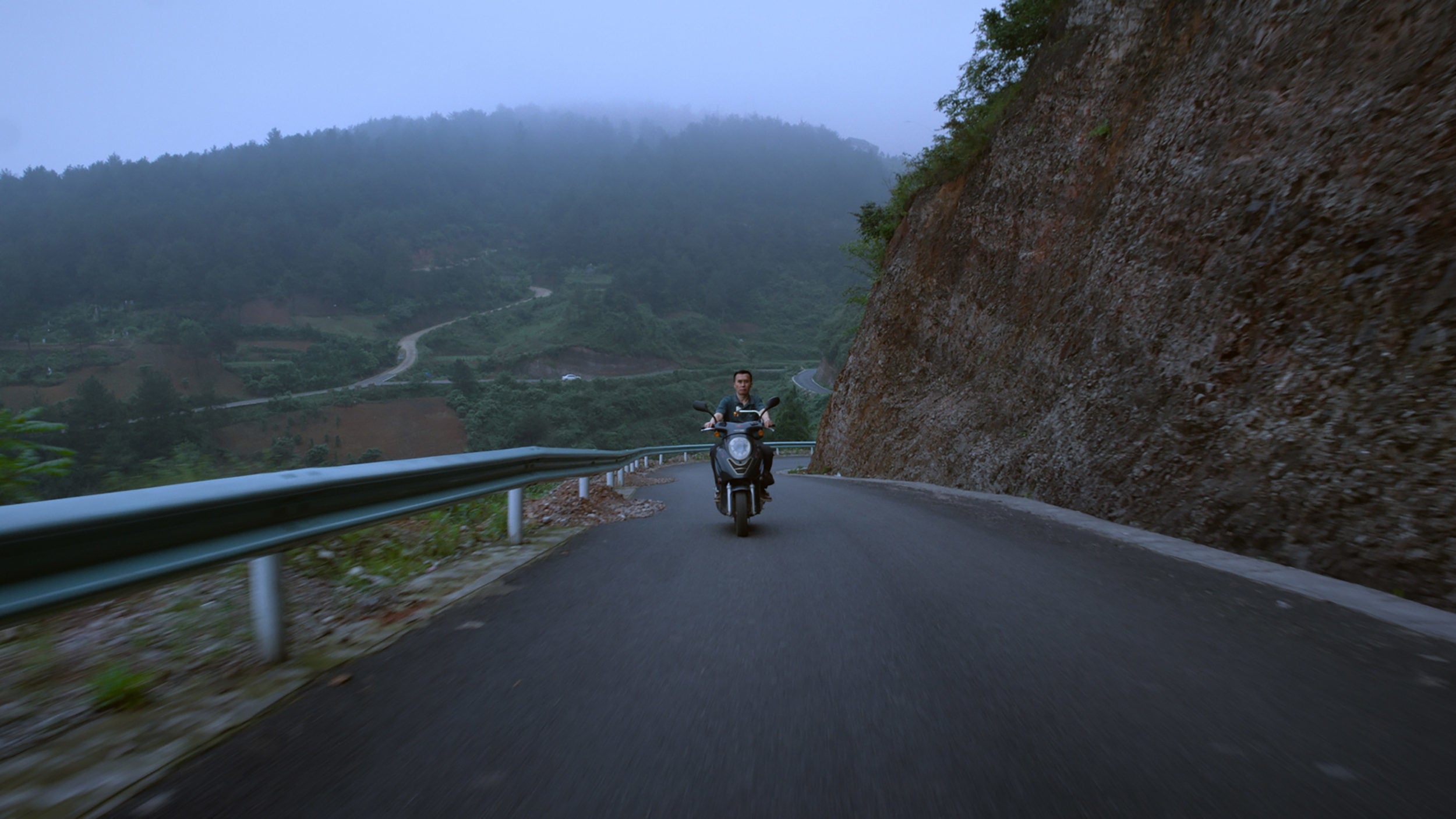
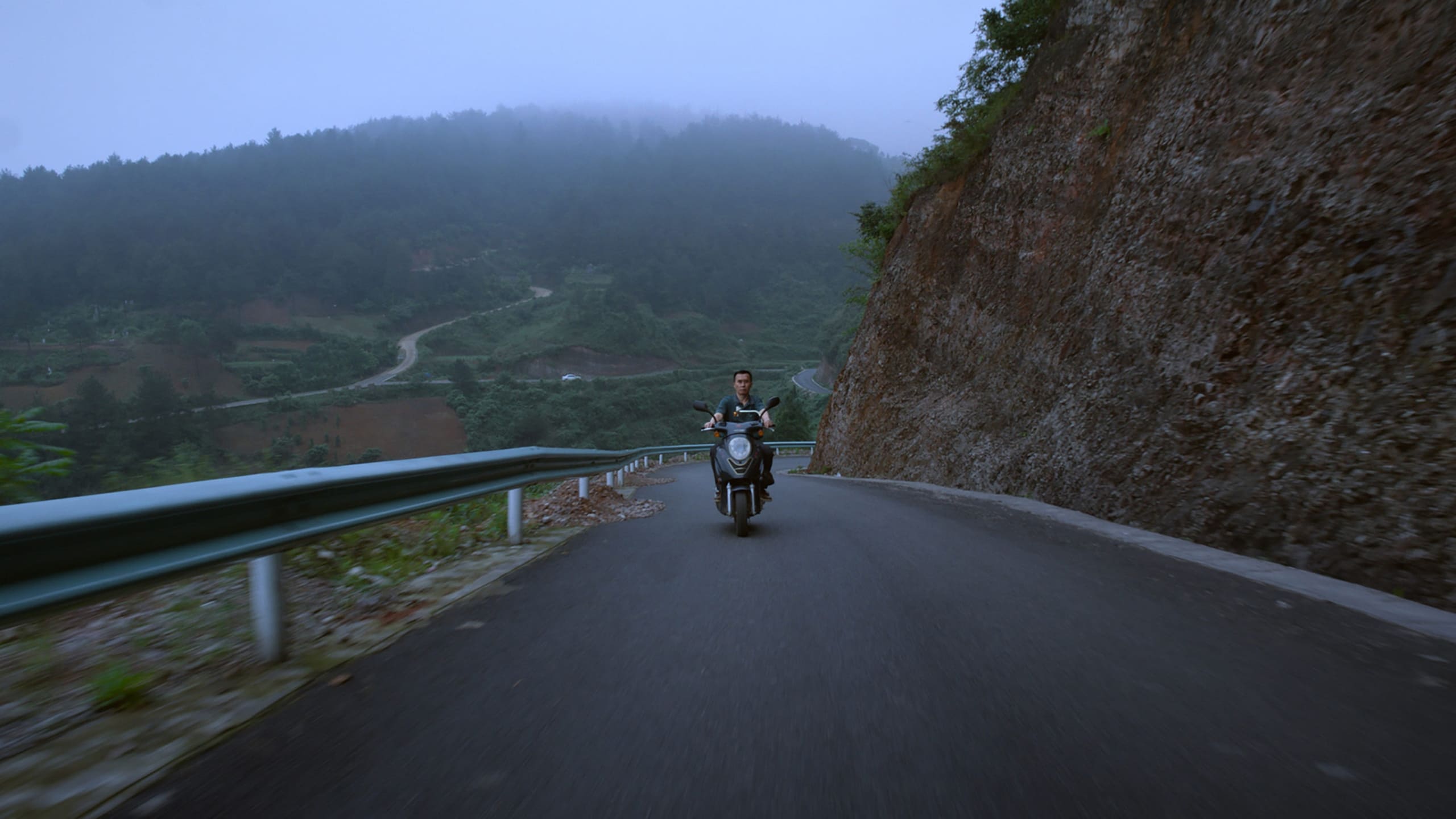
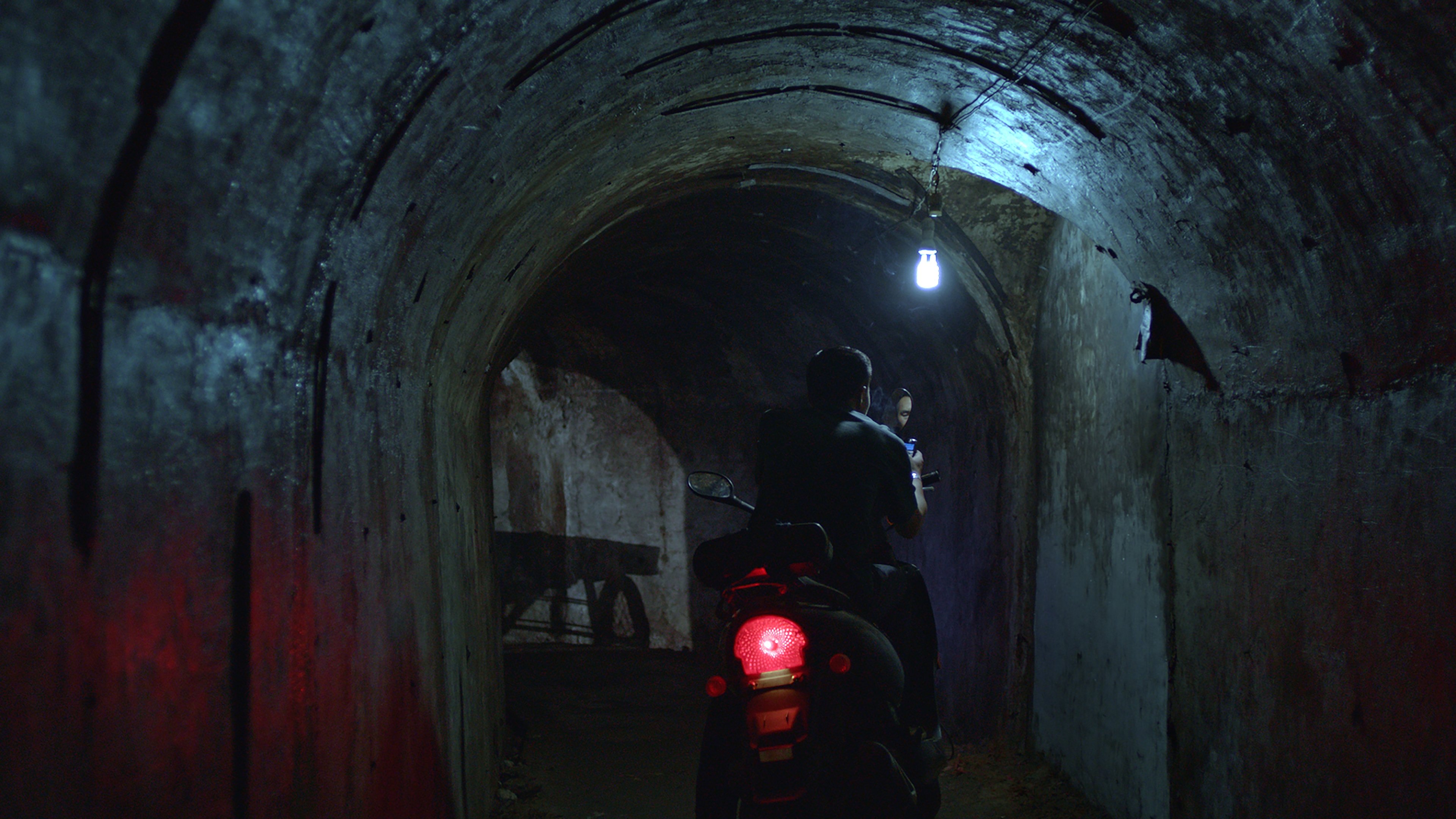
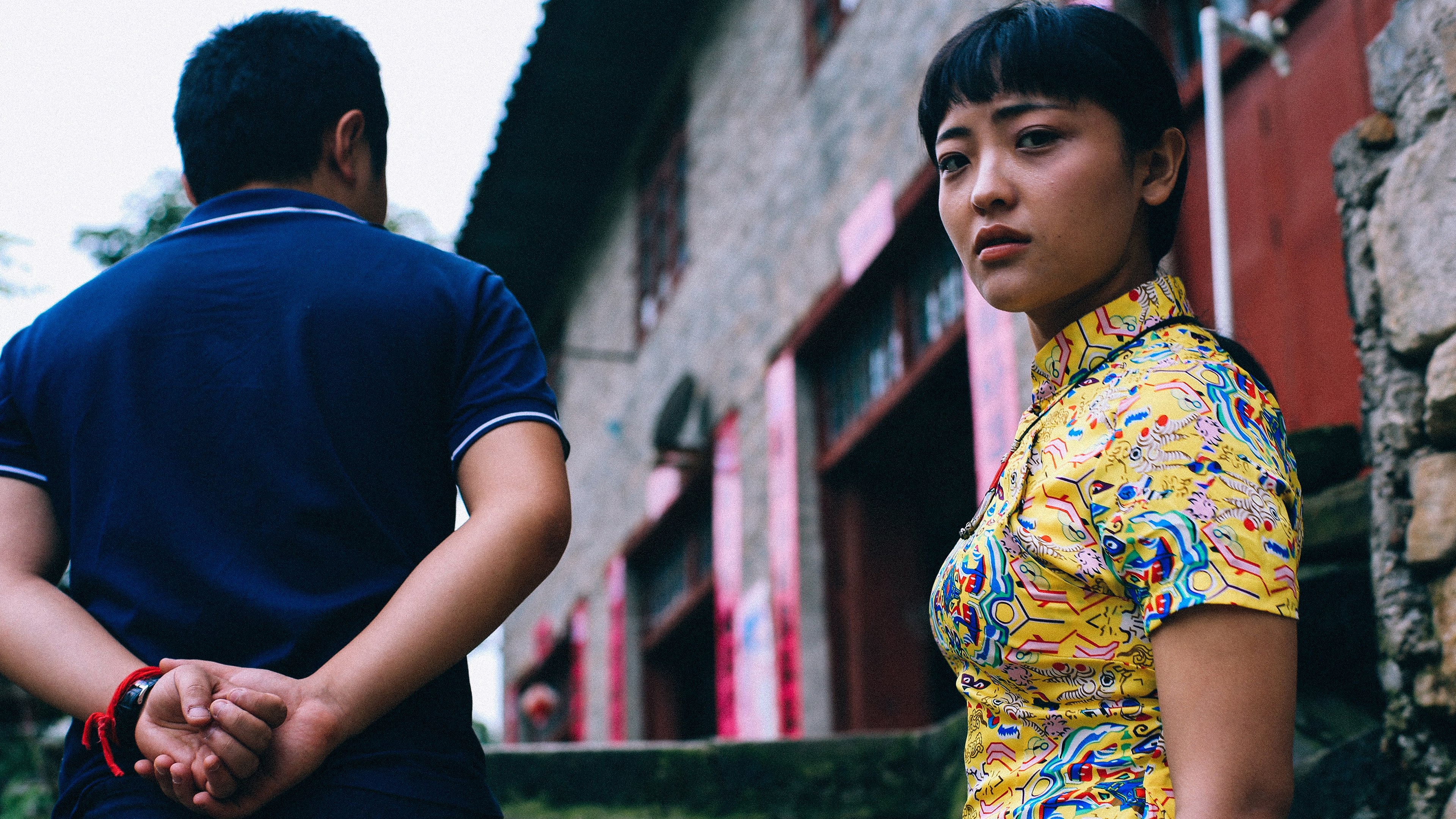
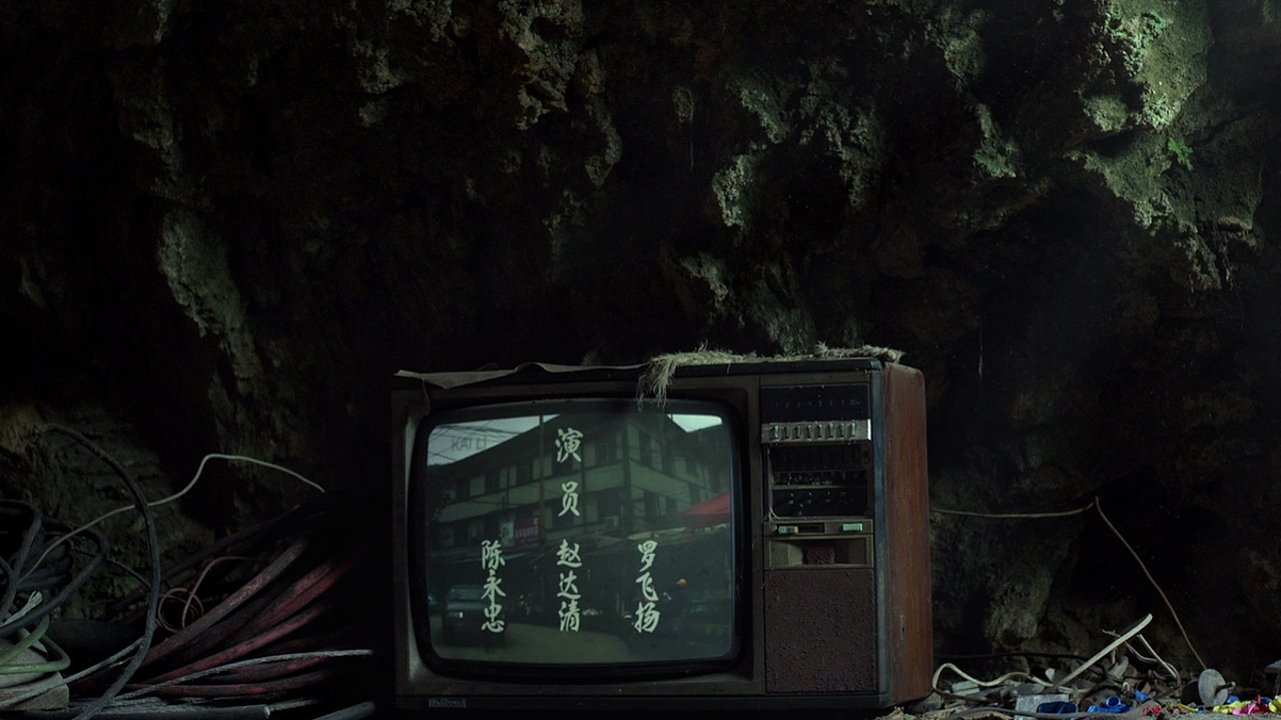
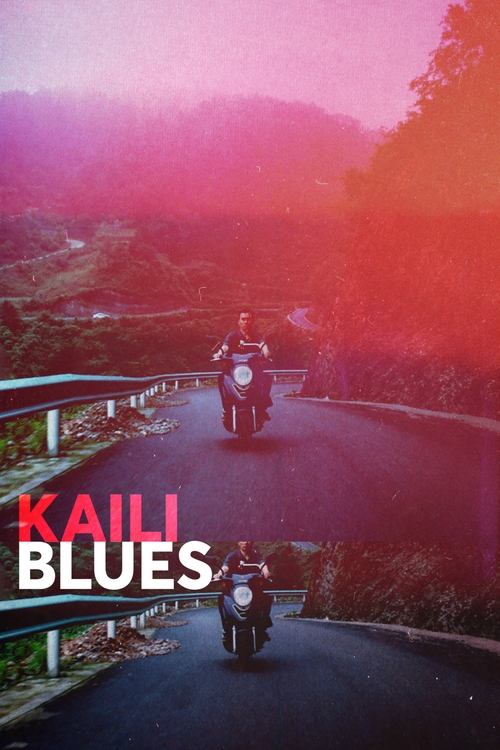
I only wish I had seen Kaili Blues first as his successive films expand on these ideas in a much more compelling and calibrated way, especially as they incorporate genre and reference film movements which focus the film and provide a more interesting and intentional framework for the dreamscape. That being said, I can only really fault the film insofar as it suffers from the curse of being a precursor to better films that come after it, especially the long-shot which feels a bit like a proof of concept here, but one that he goes on to master in Long Day’s Journey into Night and Resurrection.
Discovering Bi Gan’s films these past two weeks has been like rediscovering cinema itself. I feel like I’m fourteen again seeking answers to all these unanswerable questions, searching for some meaning in conversations with friends and on the internet. I realise though that clarity here is far from the point, and to sit with his films is like having elements of a dream come back and make sense to you long after you’ve woken up.
Unlike filmmakers like Tarkovsky, who is a clear influence on Bi Gan’s work, the discourse surrounding his films is so undersaturated and much less definitive which makes it so exciting to unpack and interpret on an individual level. This really feels like a eureka moment for me in my film studies.
What I love about his films is that each one is a clear meditation and development of his cinematic ideas where time is elastic and malleable, spaces collapse and fold in on each other, the camera as consciousness guiding us through these dreamscapes marked by motifs of timepieces, long-takes and karaoke.
I only wish I had seen Kaili Blues first as his successive films expand on these ideas in a much more compelling and calibrated way, especially as they incorporate genre and reference film movements which focus the film and provide a more interesting and intentional framework for the dreamscape. That being said, I can only really fault the film insofar as it suffers from the curse of being a precursor to better films that come after it, especially the long-shot which feels a bit like a proof of concept here, but one that he goes on to master in Long Day’s Journey into Night and Resurrection.