God, I hope I get to watch this again on Thursday.
Do you think society can stay the same after a seemingly effective revolution? Can you stand for violence for the sake of protection?
These questions, amongst others, are present within Lizzie Borden's incredibly smart, layered, and effective experiment. Borden shows no interest in typical filmmaking or subtlety, and the movie benefits from this.
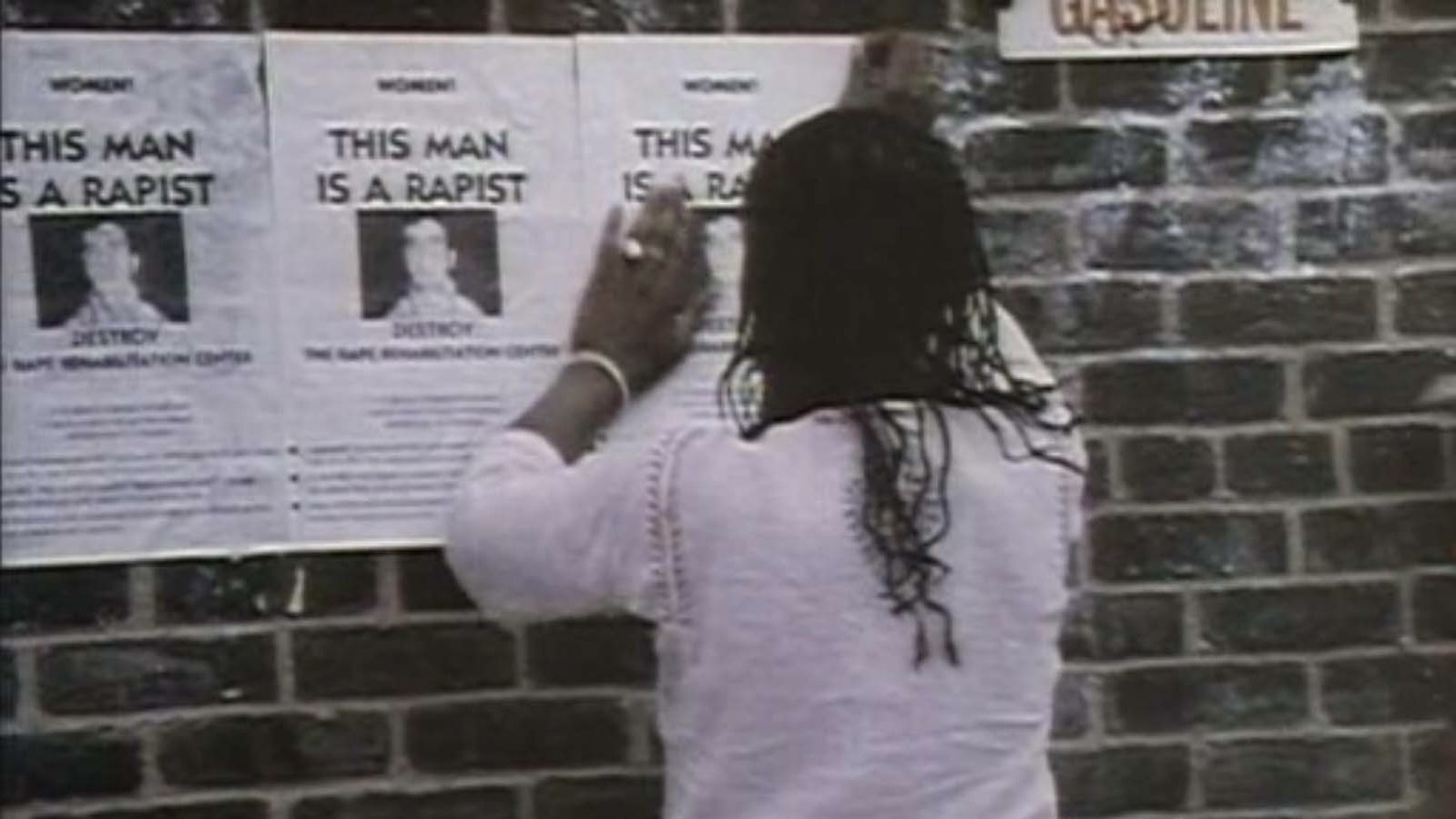
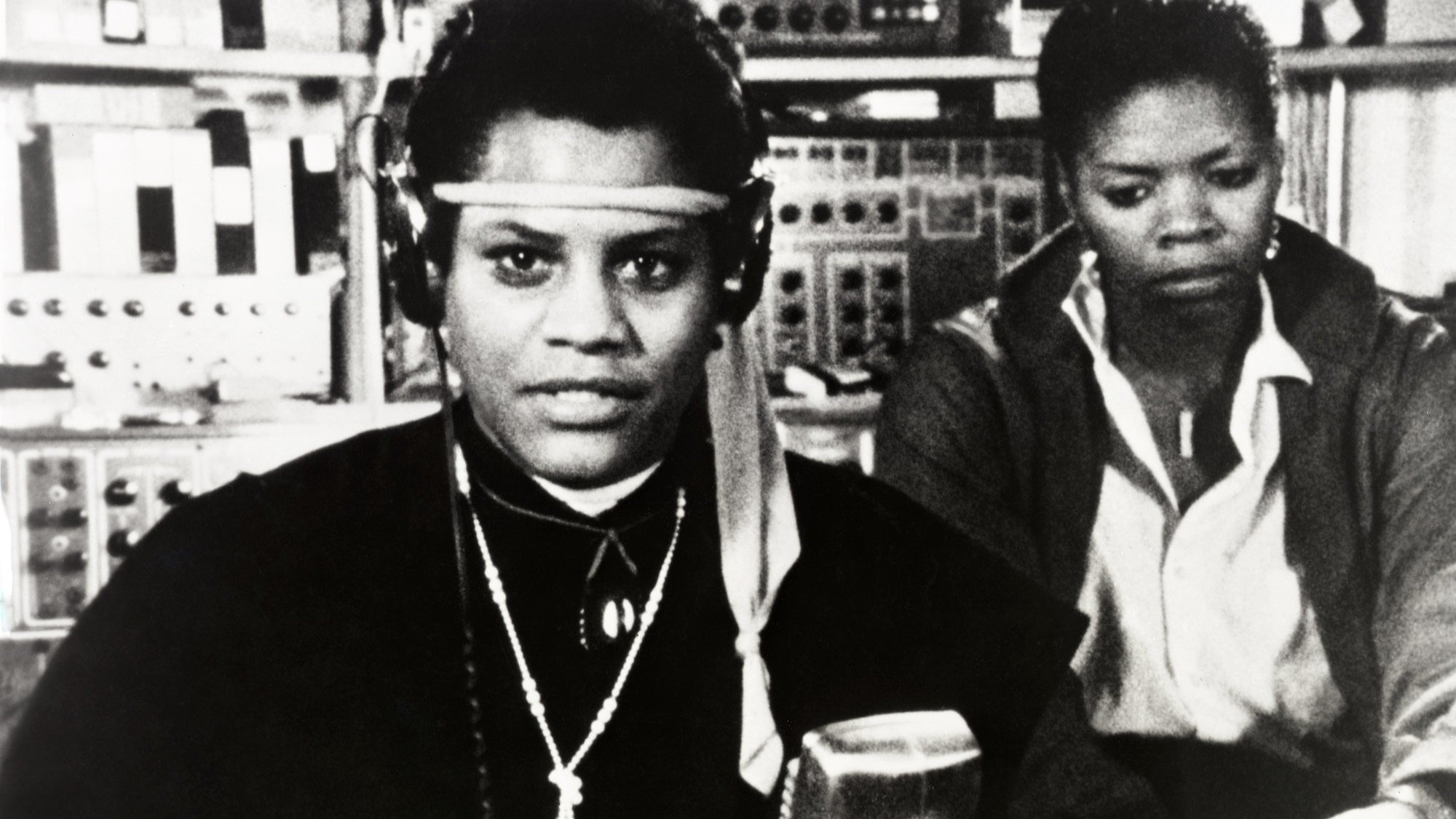
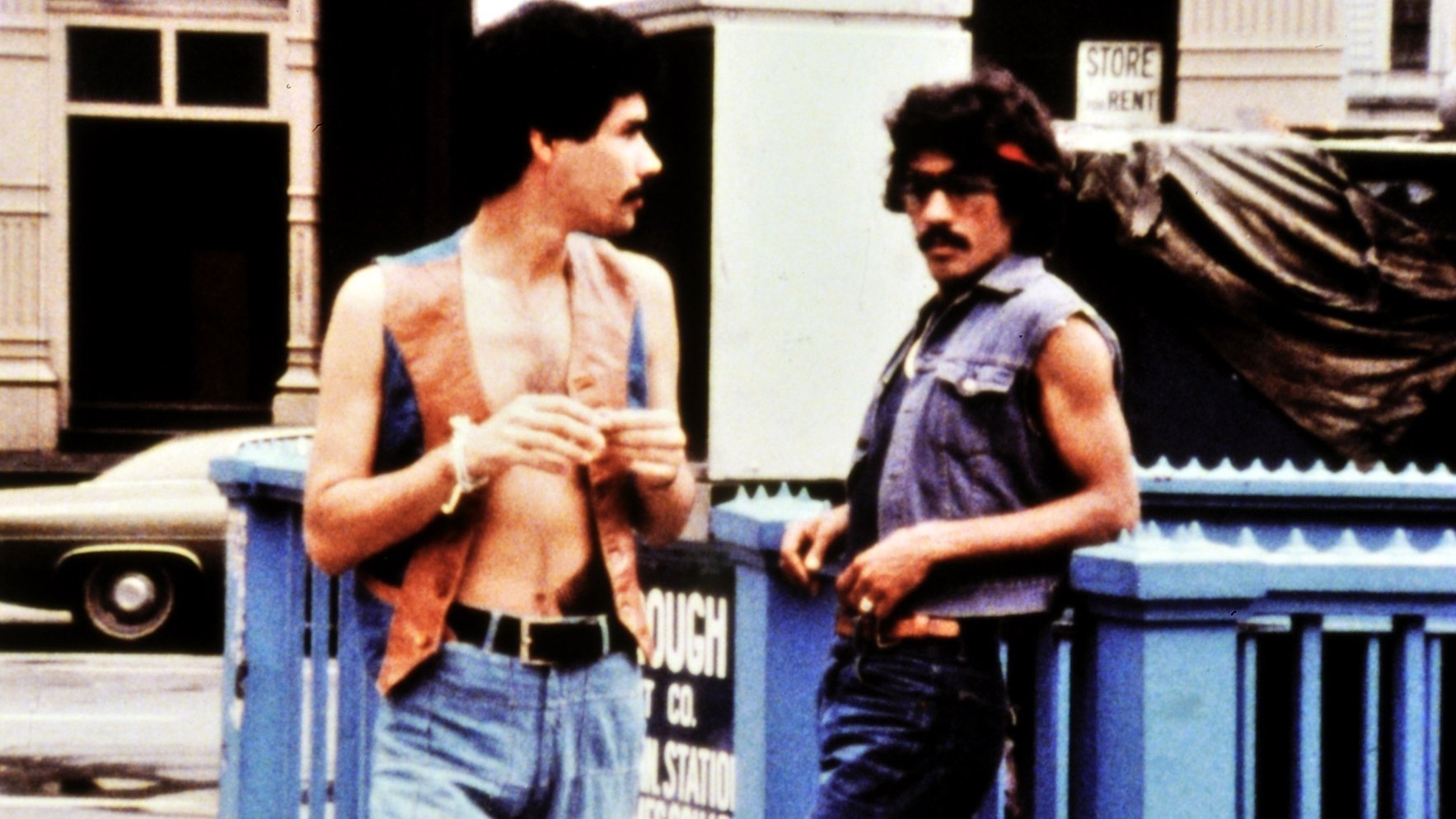
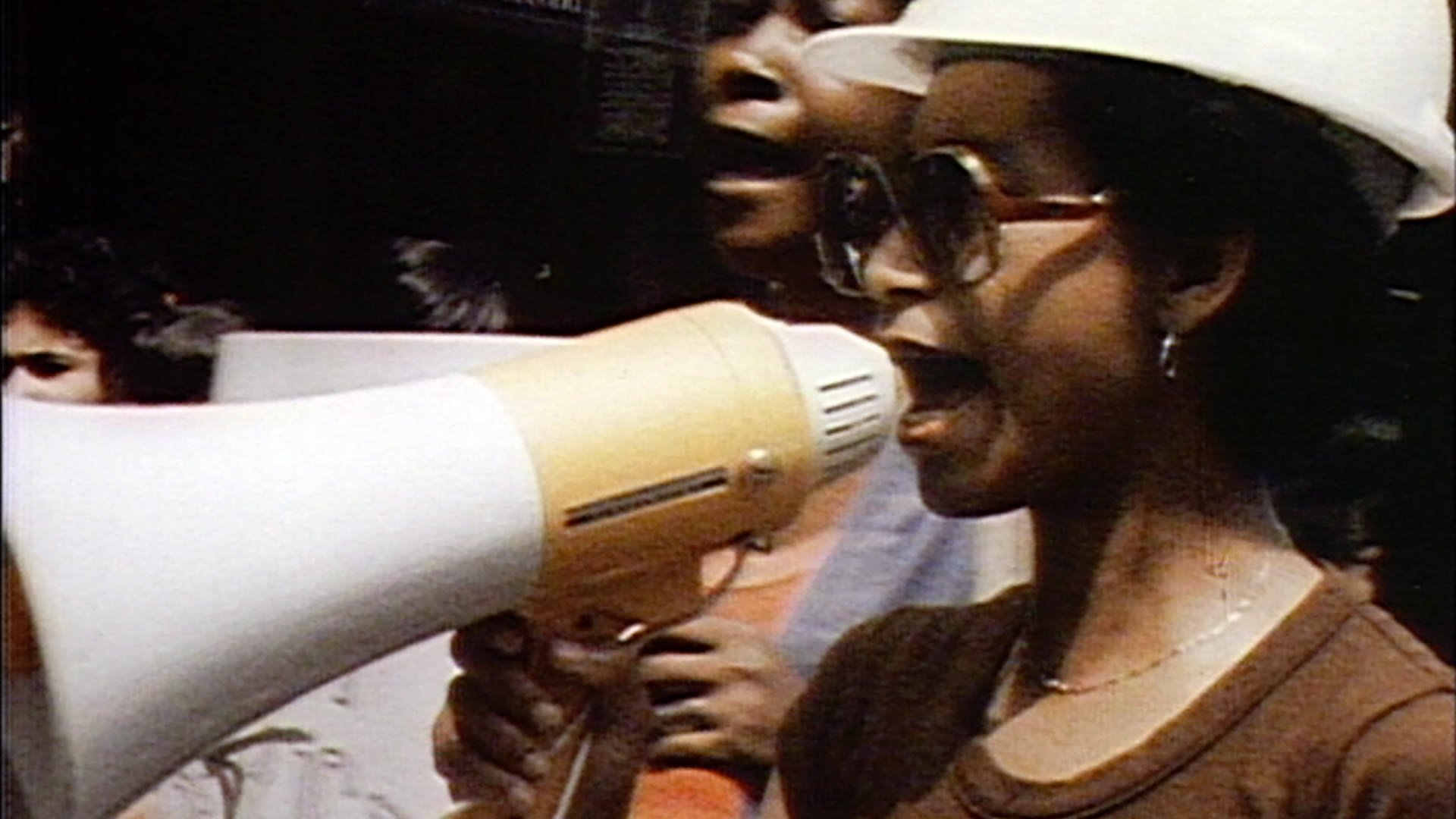
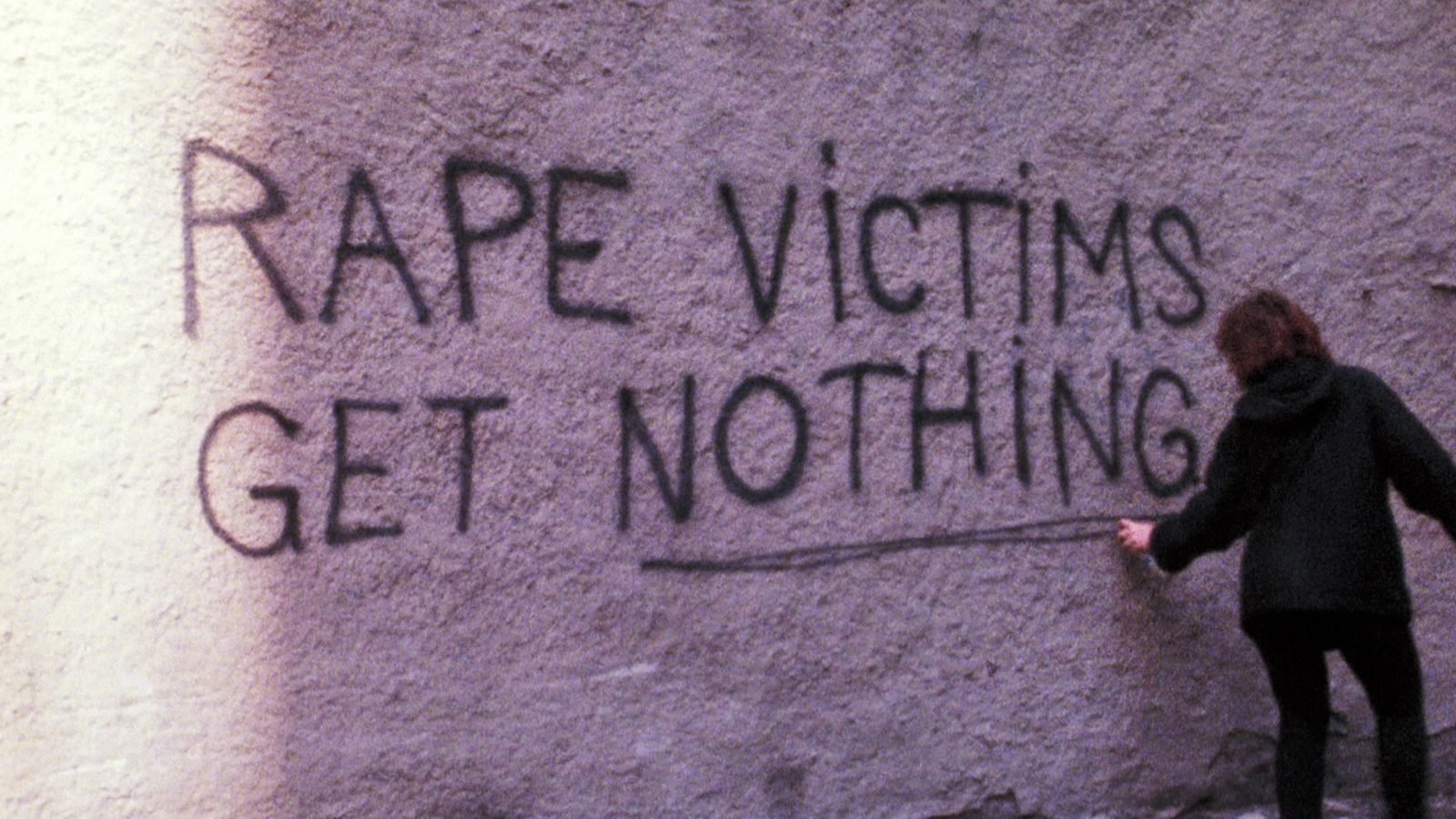
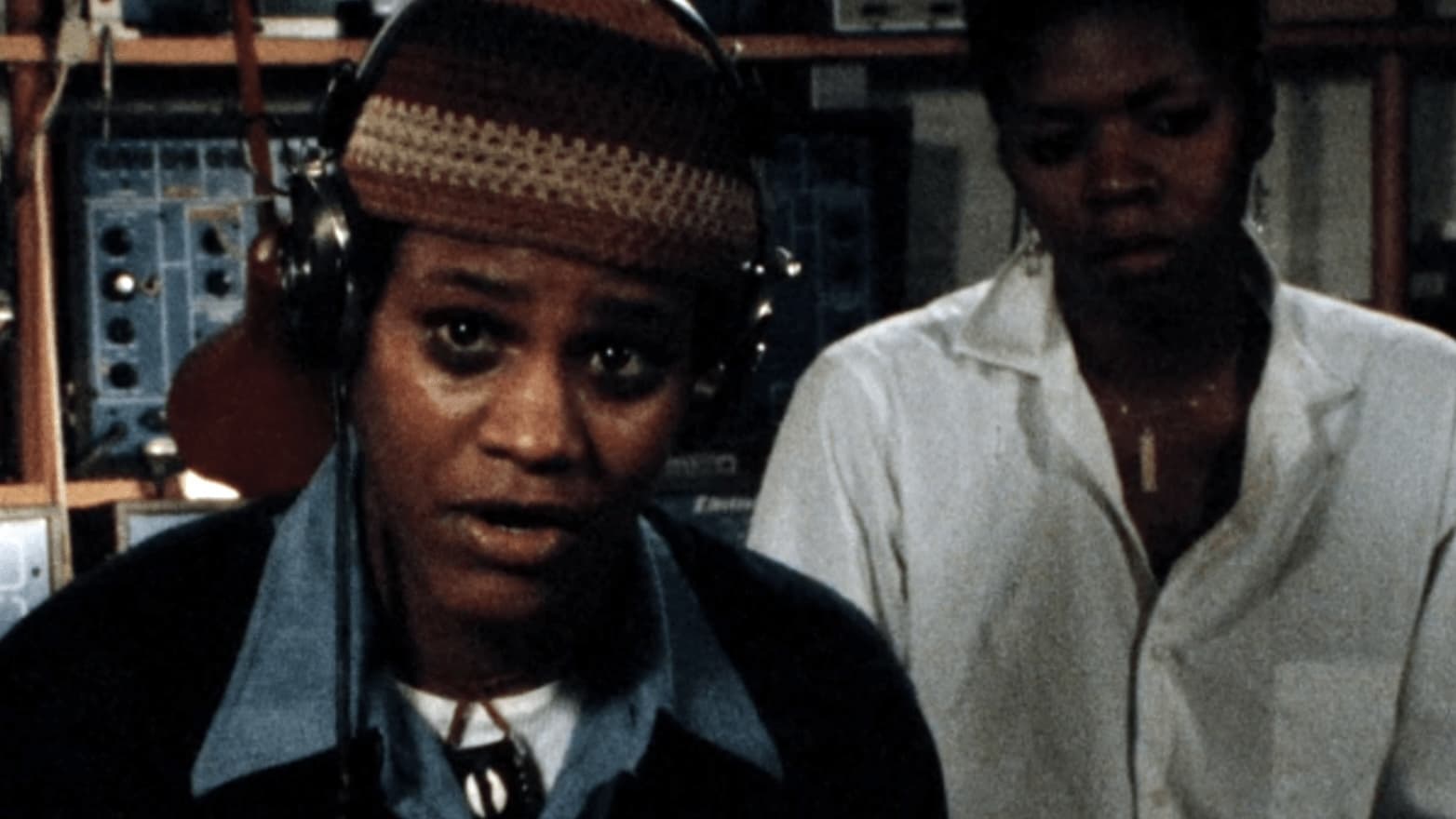
The way this movie weaves together news coverage and in-depth discussions about these issues works wonders at establishing this fictional world, 10 years after a peaceful socialist-democratic revolution. Borden does show this rising discrimination firsthand, but never in a way that shoves it in your face. The actions of the surrounding characters, the dialogue, and the tones they give off leave many questions for the viewer to decipher.
Why would there be a gang of female bikers roaming the streets protecting women if rape wasn't a big issue? Why are all of the FBI and authority figures white men? Perhaps, because this system isn't totally fixed? Why are the news stations using descriptive phrases such as directly referring to the protesters as "black" or "homosexual'?
By the end of the movie, you come to understand Borden's position, but Borden displays many counterpoints from opposing sides and the perspectives of people with similar ideas to effectively create a vastly sociological piece of work.
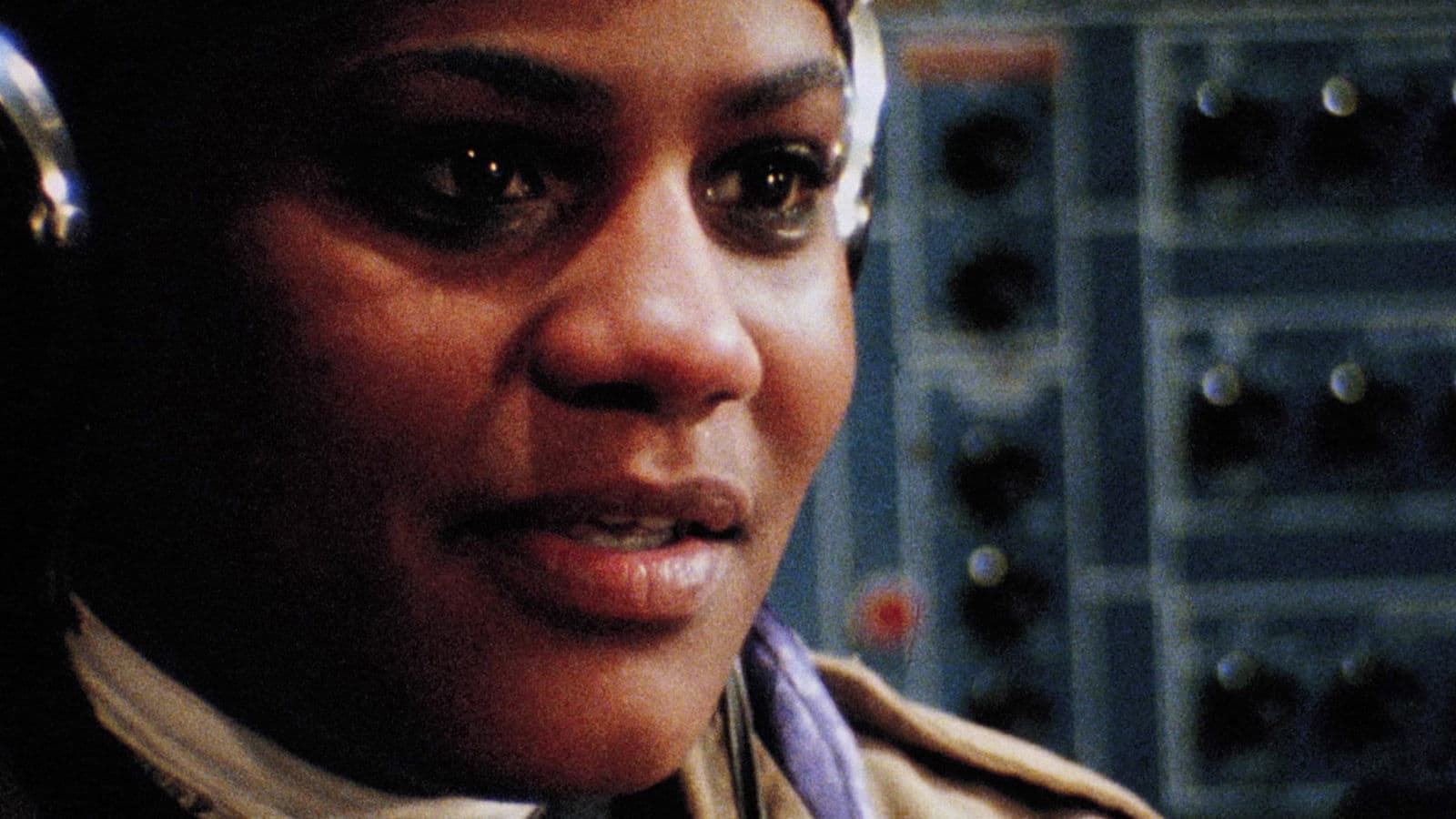
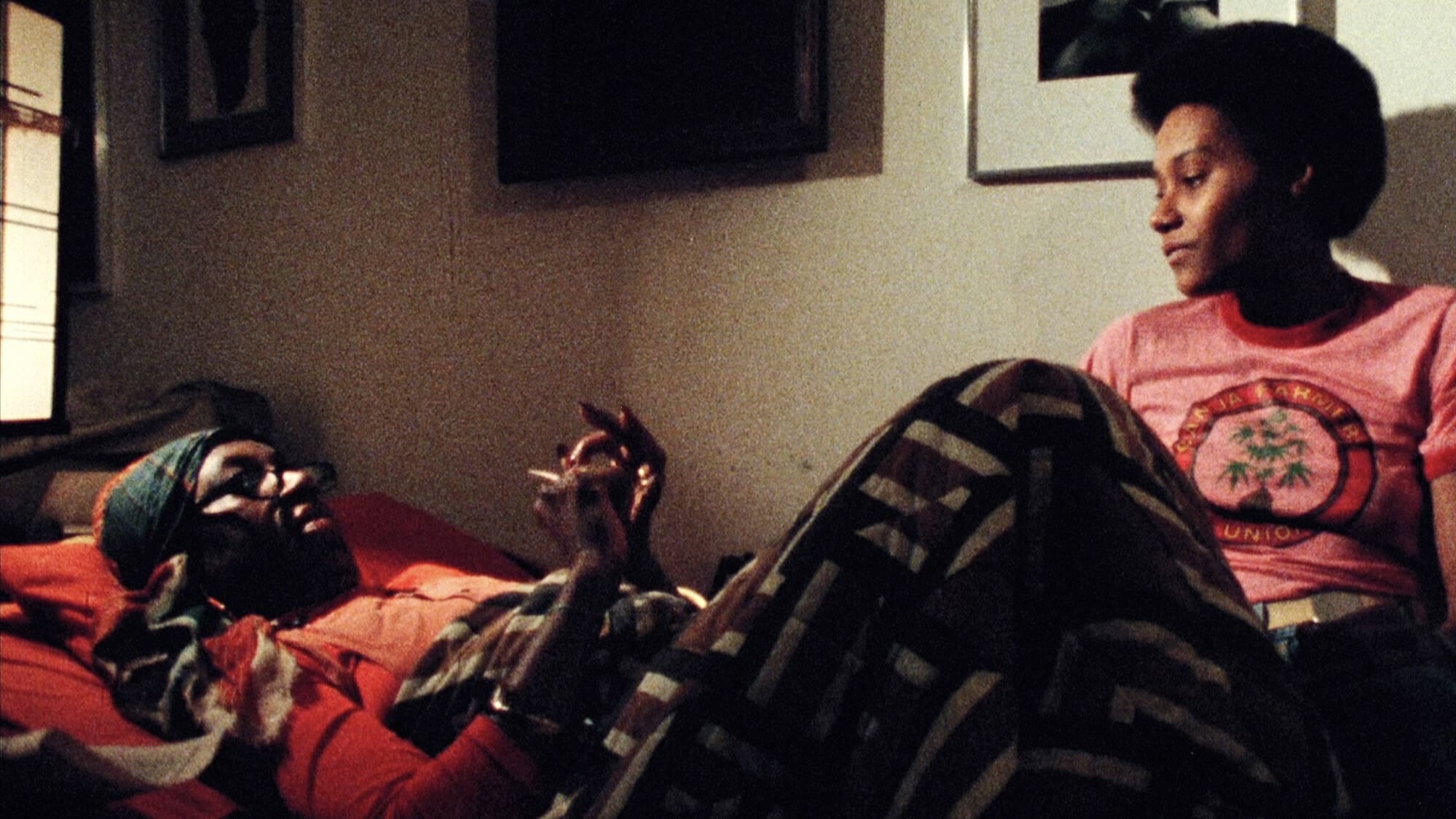
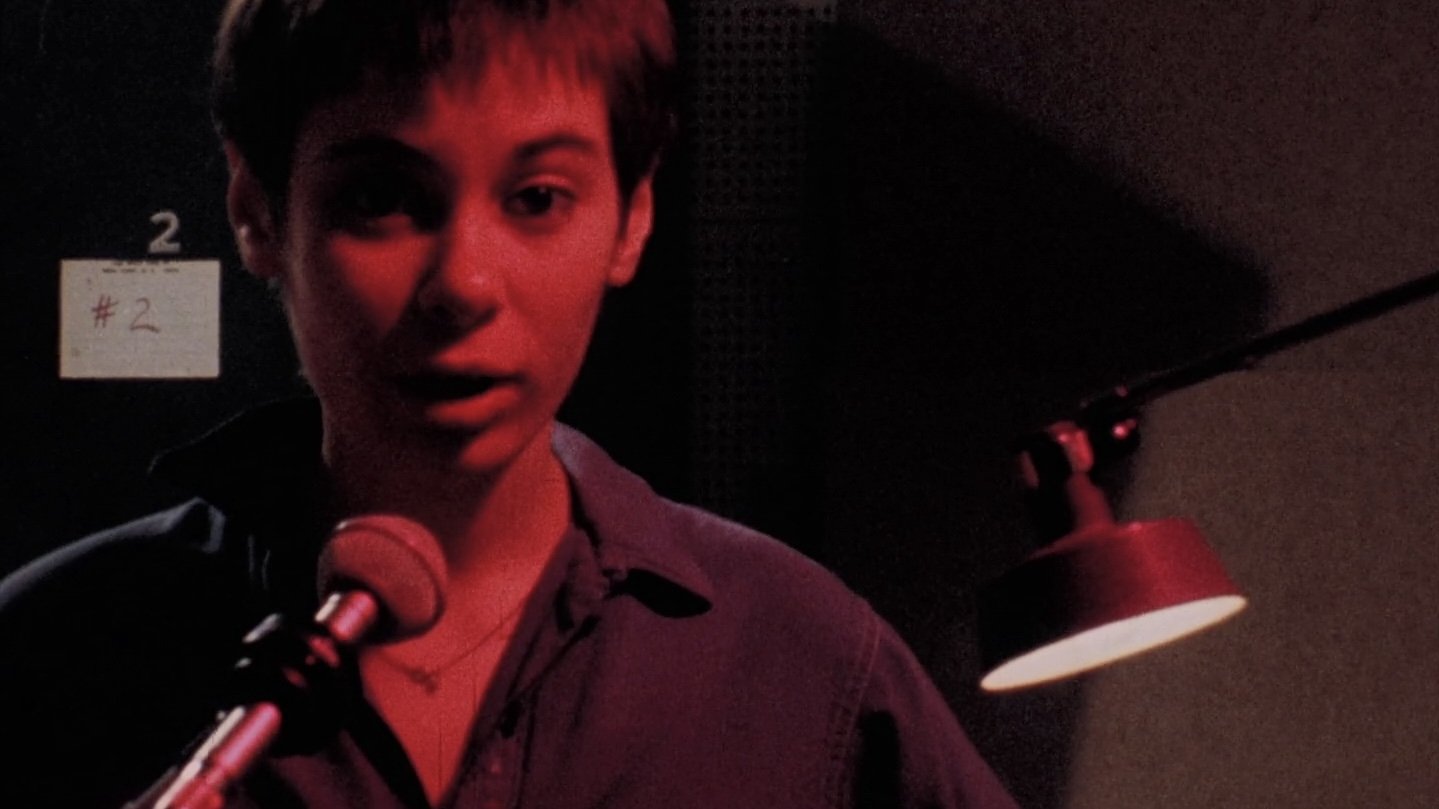
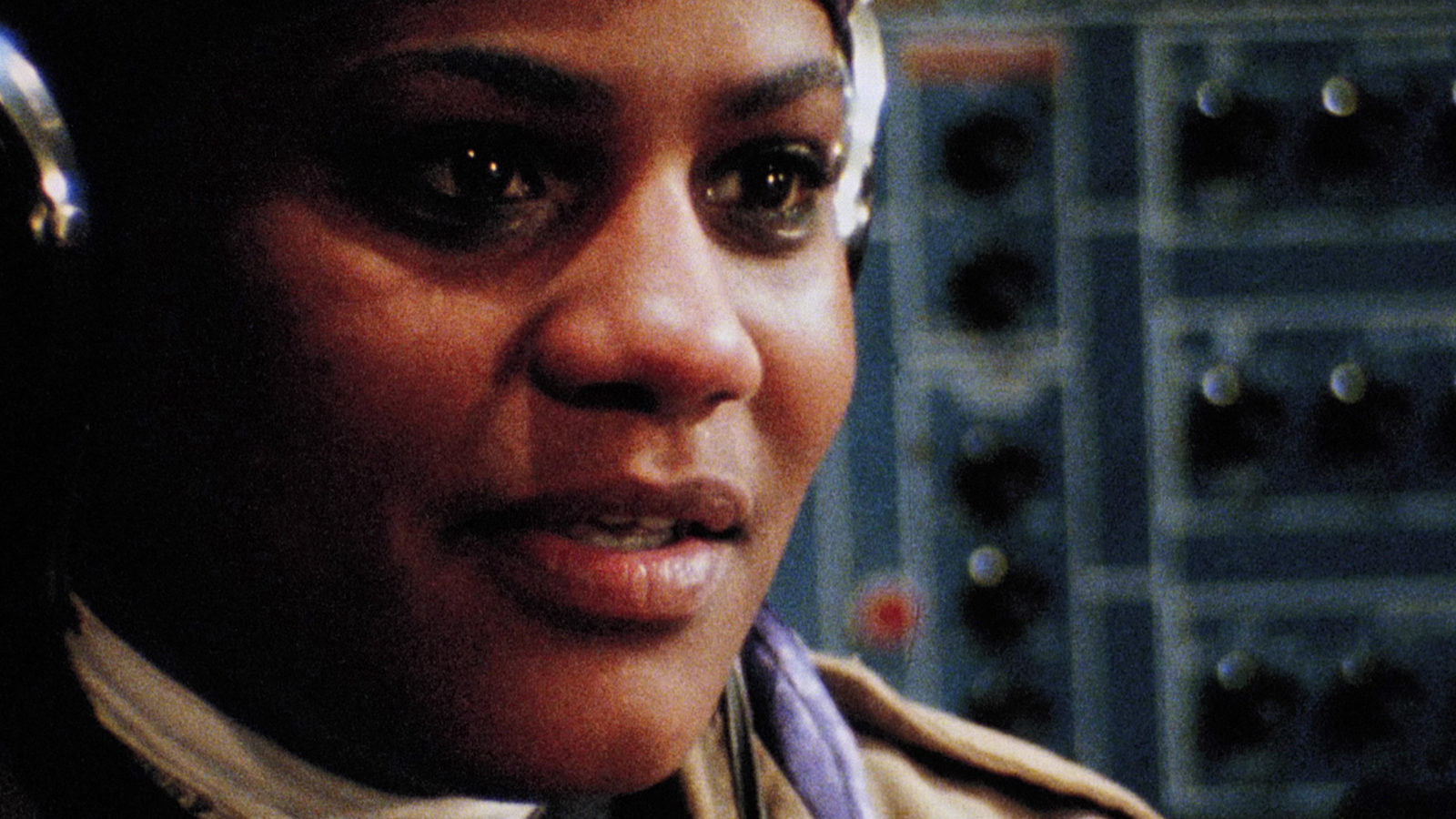
Her filmmaking is strong and incredibly naturalistic. In many ways, this footage feels like something we would be watching in a journalism, queer rights, or civil rights course. Everything is significant, and while there are some technical nitpicks I have, it didn't completely take away the film's power.
I can see my rating for this movie going up, and I can't wait to watch it again.